Motorbike travel in Vietnam offers an exciting way to explore the country beyond its major cities, from winding mountain passes and scenic coastal roads to peaceful rural villages. Whether you are planning a short ride or a multi-day adventure, choosing the right route and preparing for local road conditions are essential. Before setting off, consider your riding experience, travel budget, and the type of motorcycle that best suits your journey. This guide covers the best motorbike routes in Vietnam, rental tips, essential gear, and practical safety advice to help you plan a more comfortable and well-prepared long-distance trip.
Best Motorbike Routes in Vietnam
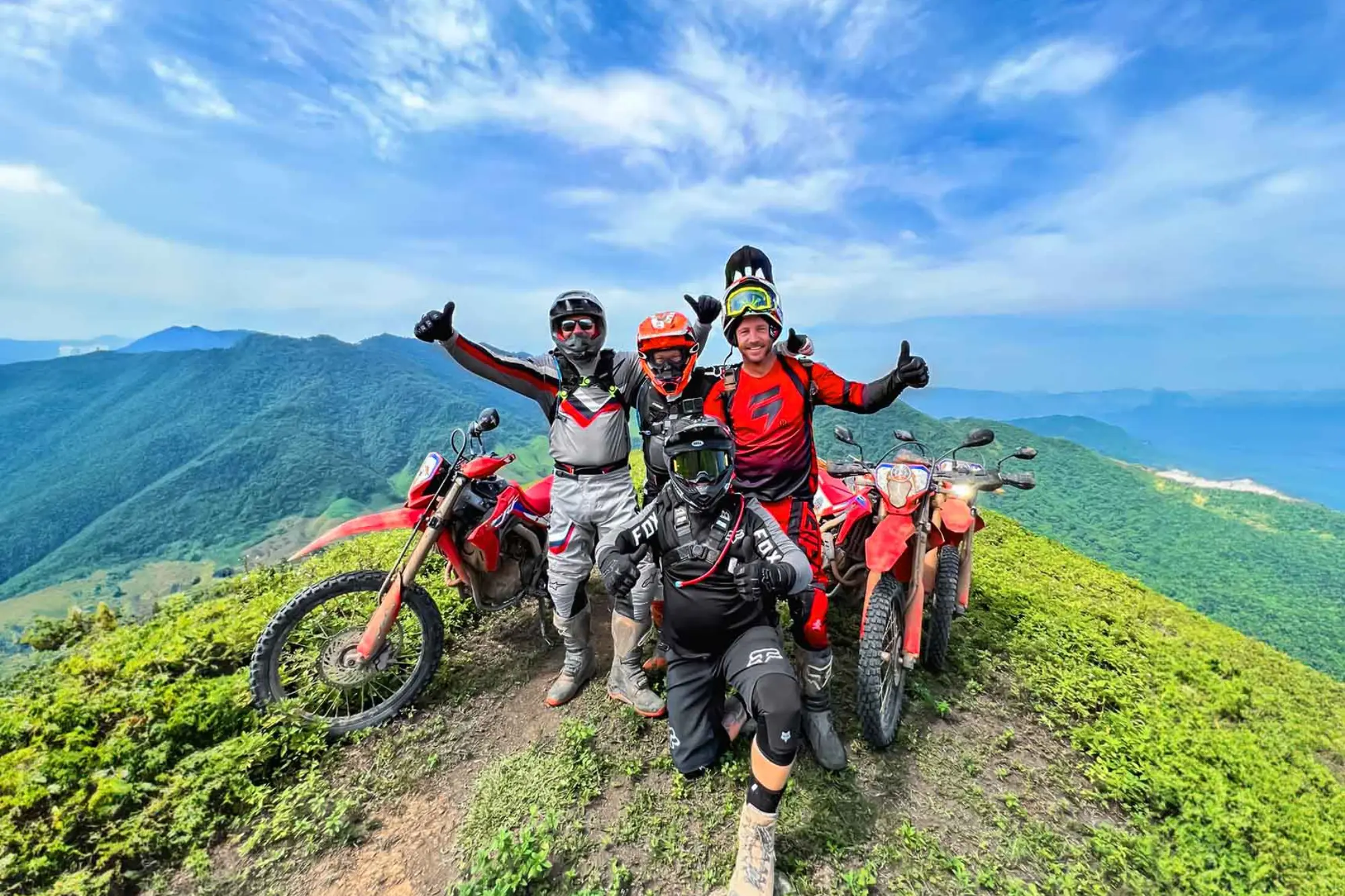
Vietnam offers several Motorbike Routes in Vietnam, each featuring diverse landscapes, road conditions, and difficulty levels. Whether planning an independent motorbike trip Vietnam or joining guided vietnam motorbike tours, choose a route based on your riding experience and available time. Consider motorbike rental Vietnam options carefully to ensure your bike suits the terrain and journey.
1. Ha Giang Loop
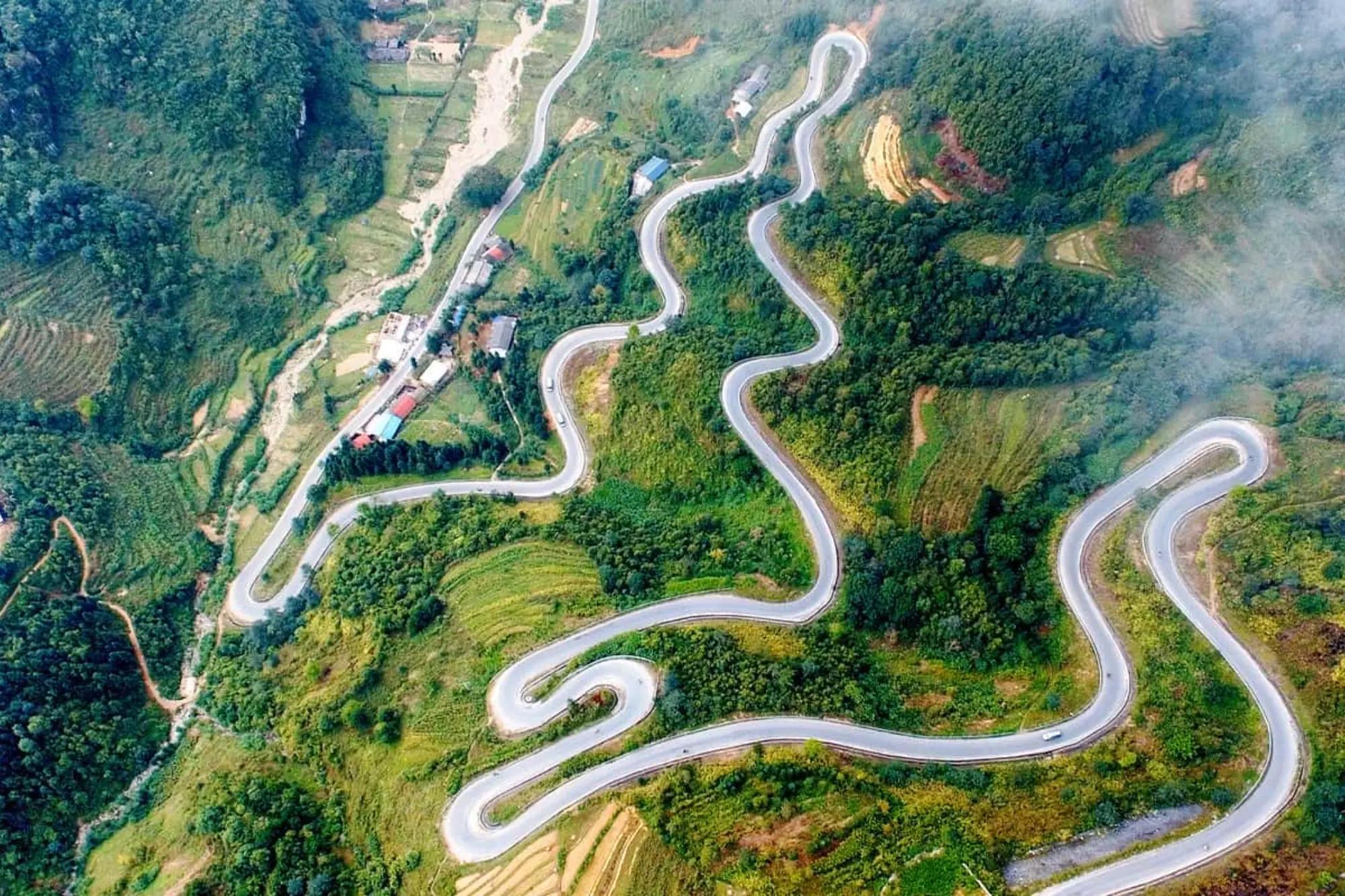
The Ha Giang Loop in northern Vietnam passes through limestone mountains, valleys, and remote highland villages. Popular stops include Quan Ba, Yen Minh, Dong Van, and Meo Vac.
- Suggested duration: 3-4 days
- Best for: Mountain scenery and experienced riders
- Main challenge: Steep roads, sharp turns, fog, and changing weather
The route can be challenging for inexperienced riders. Beginners should consider traveling with a qualified local driver rather than riding independently.
2. Hai Van Pass and Central Vietnam

The Hai Van Pass connects the Da Nang and Hue areas, offering mountain and coastal views. Travelers can combine the pass with visits to Hue, Da Nang, and Hoi An.
- Suggested duration: Half a day for the pass, or several days for a wider regional trip
- Best for: Coastal scenery and short scenic rides
- Main challenge: Sharp bends, rain, and traffic near urban areas
3. Ho Chi Minh Road
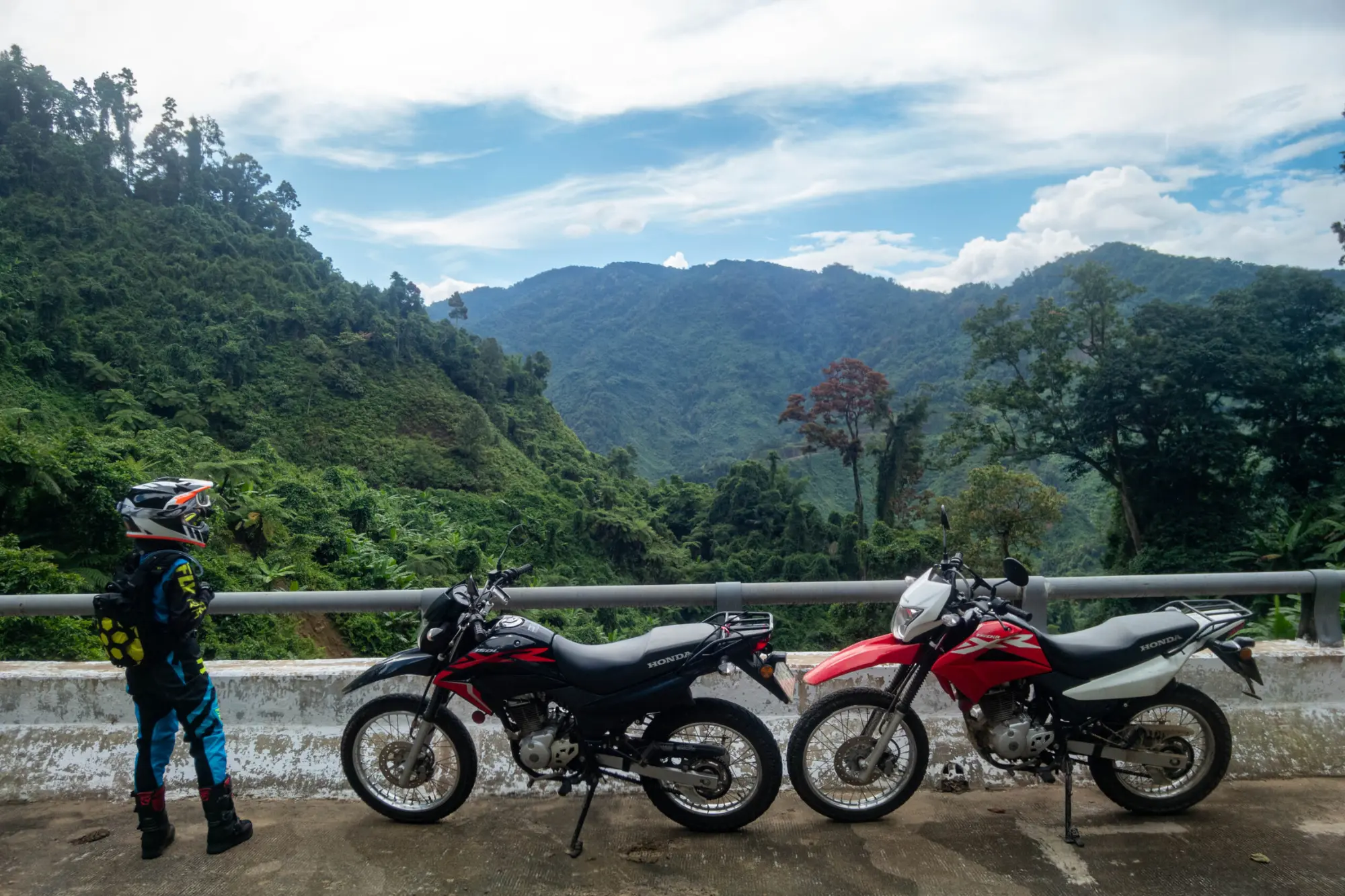
Ho Chi Minh Road passes through rural and mountainous areas, depending on the section selected. It is an option for travelers seeking a longer journey through Vietnam’s countryside.
- Suggested duration: Depends on the selected section
- Best for: Extended road trips and rural landscapes
- Main challenge: Long distances between services on some sections
Plan fuel stops and overnight stays in advance, especially when traveling through remote areas.
4. Mekong Delta
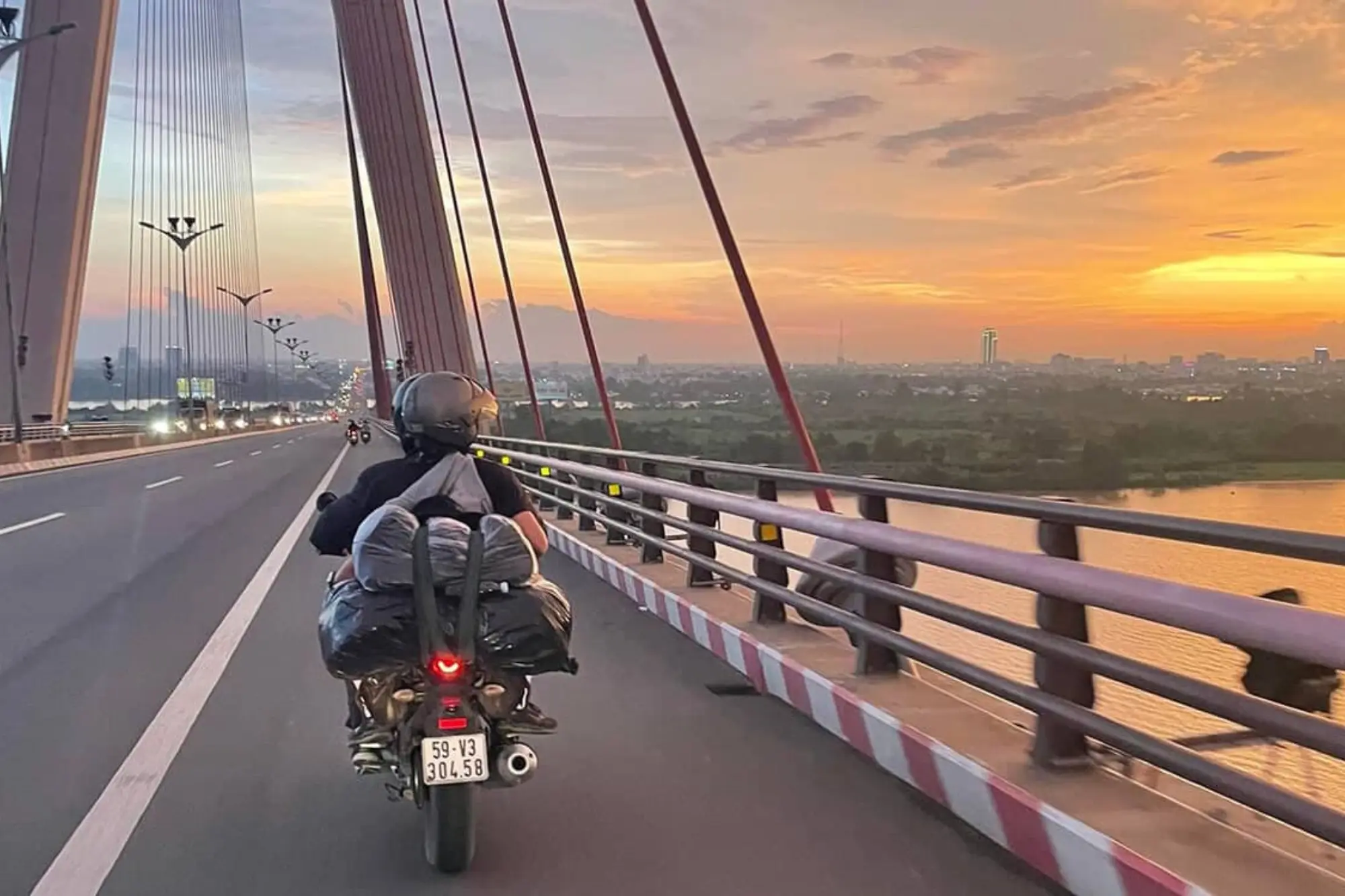
The Mekong Delta offers a different experience, with riverside towns, agricultural landscapes, and local markets. Many routes are relatively flat, making the region an option for travelers who prefer to avoid demanding mountain roads.
- Suggested duration: 2-4 days, depending on the itinerary
- Best for: Rural scenery and local life
- Main challenge: Narrow roads, local traffic, rain, and possible flooding
5. How to Choose a Motorbike Route in Vietnam
Before choosing among these motorbike routes in Vietnam, consider:
- Riding experience: Mountain roads require more advanced handling skills.
- Available time: Allow time for breaks, sightseeing, and unexpected delays.
- Road conditions: Check weather forecasts and local travel information before departure.
- Access to services: Identify fuel stations, accommodation, and repair shops along the route.
Avoid planning too many kilometers per day. Actual travel time depends on road conditions, terrain, and traffic.
How to Plan a Long-Distance Motorbike Trip
A successful motorbike trip Vietnam itinerary should account for travel time, daily expenses, and emergency arrangements.
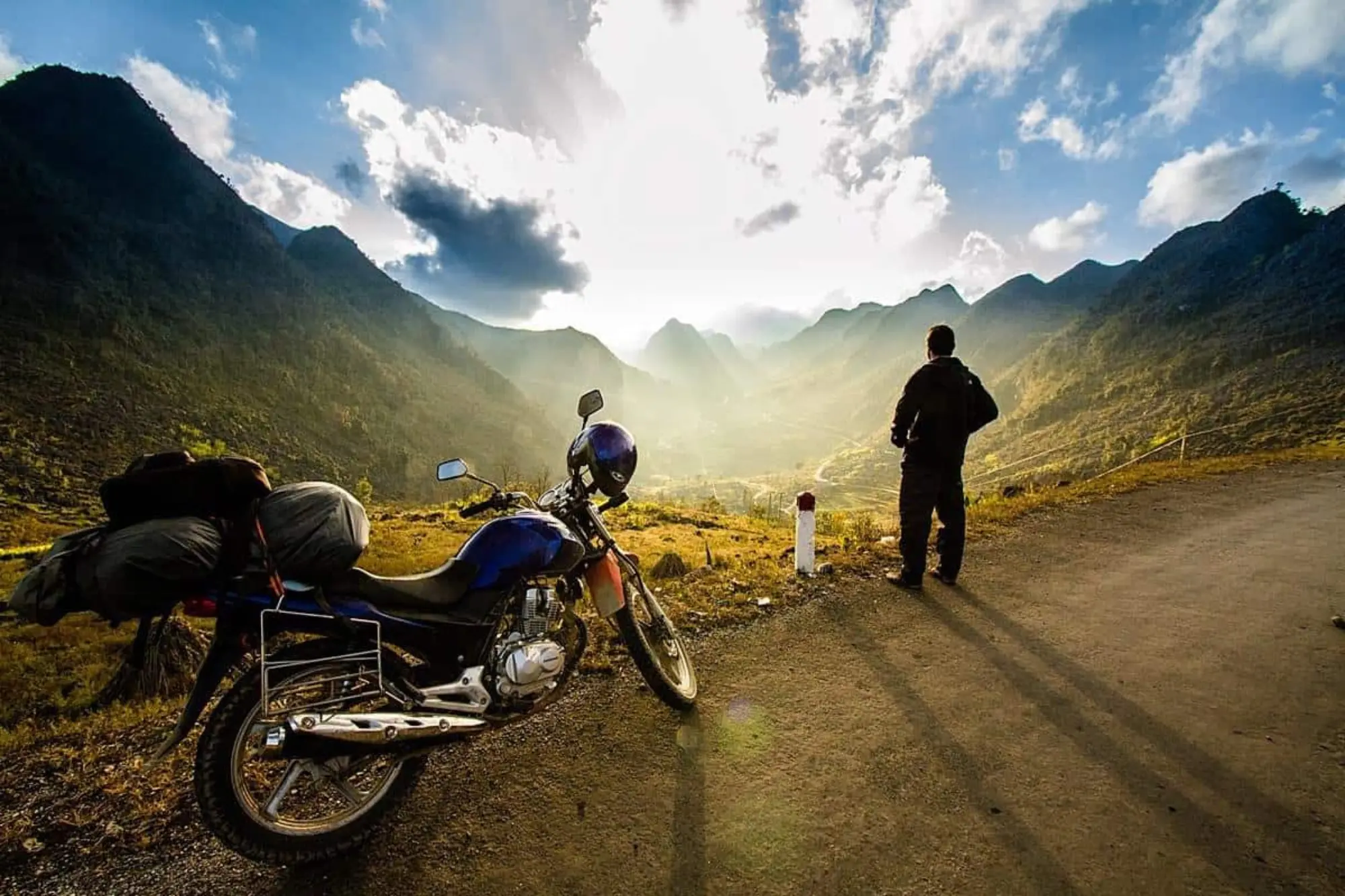
1. Set a Realistic Itinerary
Divide your route into daily sections and identify where you will stop overnight. On mountain roads, prioritize manageable riding hours over distance.
Before each departure, check the weather, road conditions, fuel availability, and estimated travel time. Keep your schedule flexible in case of rain, road closures, or mechanical problems.
2. Estimate Your Budget
Include the following expenses when planning your trip:
- Motorbike rental and fuel
- Accommodation and meals
- Entrance fees and sightseeing activities
- Protective equipment and basic repairs
- Travel insurance and emergency expenses
Rental prices and other costs vary by location, season, motorcycle type, and service provider. Confirm the total cost before departure.
3. Independent Riding or Guided Tours?
Independent travel offers greater flexibility but requires you to manage navigation, accommodation, maintenance, and unexpected problems.
By contrast, vietnam motorbike tours may include a local guide, accommodation, a planned route, or mechanical support, depending on the package. Some tours allow travelers to ride themselves, while others provide a local driver.
Before booking, check the itinerary, group size, motorcycle arrangements, safety equipment, included services, and emergency support. Choose a guided option if you lack the experience needed for your planned route.
Motorbike Rental Vietnam: What to Check
Choosing a suitable motorcycle and a reliable rental provider helps reduce the risk of problems during your journey.
1. Choose the Right Motorcycle
Consider the road conditions, your experience, and the amount of luggage you will carry.
- Scooters: May suit urban travel and some easier routes.
- Manual motorcycles: May be suitable for certain longer or more demanding routes, depending on the rider’s skills and the vehicle.
Choose a motorcycle you can control comfortably. A more powerful bike is not necessarily a better choice for an inexperienced rider.
2. Inspect the Motorcycle Before Renting
Before leaving the rental shop, check:
- Brakes, tires, lights, indicators, mirrors, and horn
- Visible leaks, warning lights, or unusual noises
- Required vehicle documents
- Existing scratches or damage, preferably with photographs
- The provider’s breakdown assistance and replacement policy
Ask what to do if the motorcycle breaks down during your trip and whether roadside support is available along your route.
3. Check License and Insurance Requirements
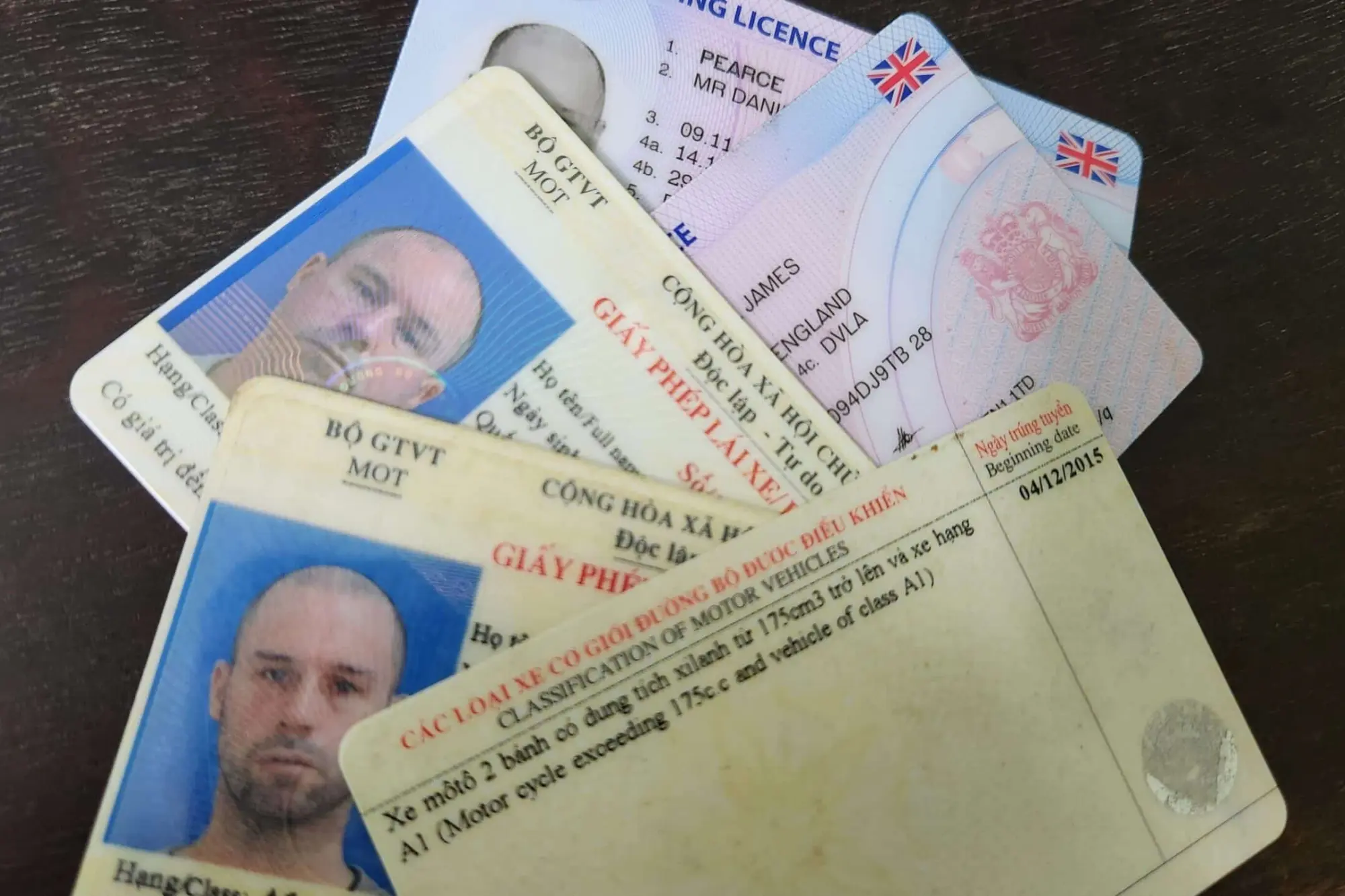
Foreign travelers should confirm the current Vietnamese requirements for their driving license, international driving permit where applicable, and motorcycle category.
Also check whether your travel insurance covers motorcycle riding in Vietnam. Coverage may depend on your license, engine capacity, helmet use, and compliance with policy conditions.
Important: Being able to rent a motorcycle does not automatically mean you are legally authorized or insured to ride it.
Essential Gear for Motorbike Travel in Vietnam
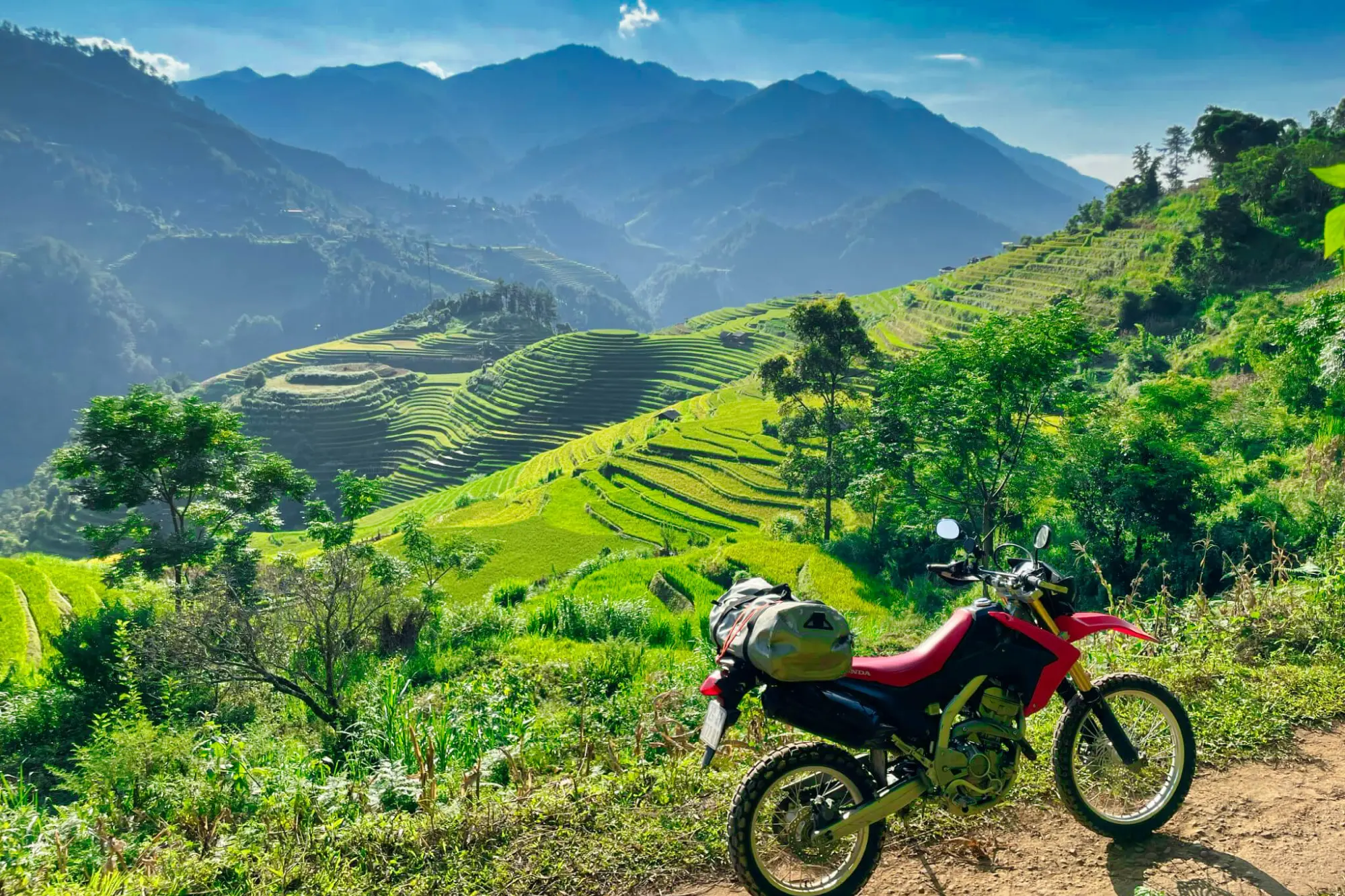
Prepare your gear before departure. Prioritize protection, weather readiness, navigation, and emergency supplies.
1. Protective Equipment
Essential protective gear includes:
- A properly fitted, standards-compliant helmet
- Riding gloves and a protective jacket
- Long trousers and sturdy, closed-toe footwear
- Suitable eye protection
- Reflective clothing or accessories when appropriate
Avoid riding without a helmet or wearing clothing that interferes with vehicle controls.
2. Weather and Navigation Gear
Vietnam’s weather varies by region and season. Pack a rain suit, breathable clothing for hot conditions, and extra layers for cooler mountain areas.
For navigation and communication, bring:
- A phone with offline maps downloaded
- A power bank and charging cables
- A secure phone mount, if needed
- Accommodation addresses and emergency contacts saved offline
Do not handle your phone while riding.
3. Documents and Emergency Supplies
Carry the documents required for your journey, including identification, valid driving credentials, and relevant vehicle paperwork. Keep secure backup copies where possible.
A basic first-aid kit, drinking water, and simple repair supplies can also be useful. If you cannot safely repair a motorcycle problem yourself, contact the rental provider or roadside assistance.
Motorbike Safety Tips for Vietnam
Traffic, weather, and road conditions can change considerably between regions. Follow these precautions throughout your journey.
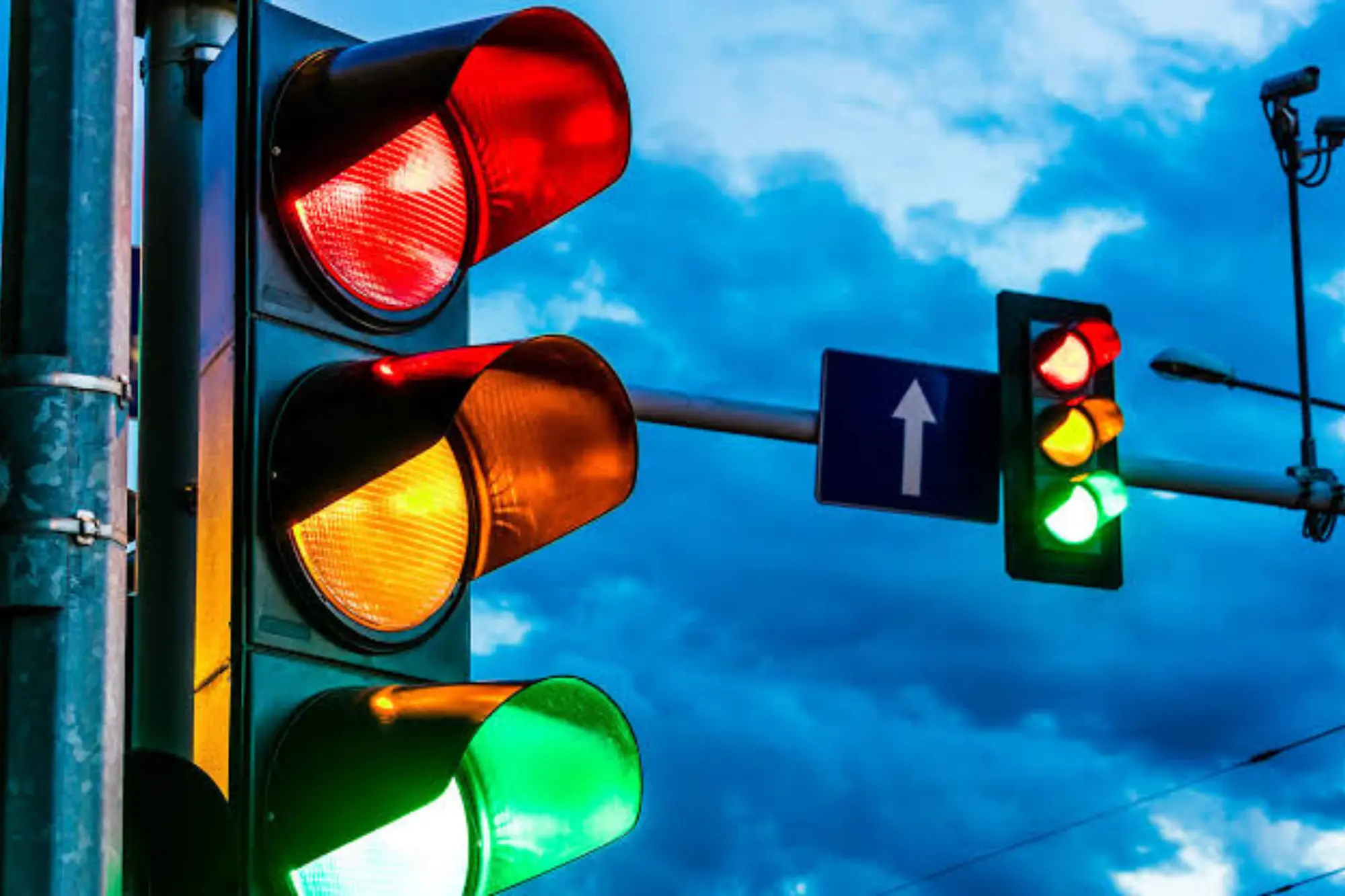
1. Follow Local Traffic Rules
- Follow posted speed limits and traffic signs.
- Maintain a safe distance from other vehicles.
- Watch for vehicles turning, merging, or entering from side roads.
- Avoid sudden lane changes and overtaking where visibility is limited.
- Never ride under the influence of alcohol or when too tired to concentrate.
Take extra care in busy cities, where traffic may be dense and road users may move in different directions.
2. Ride Carefully on Mountain Roads
Mountain routes require particular attention because of sharp bends, steep gradients, and limited visibility.
Reduce speed before entering corners, remain within your lane, and avoid overtaking on blind bends. Rain and fog can reduce visibility and make the road slippery. If conditions become unsafe, stop at a suitable location and wait until it is safe to continue.
3. Avoid Fatigue and Night Riding
Long-distance riding requires sustained concentration. Take regular breaks, drink enough water, and stop if you feel tired or unwell.
Where possible, plan to reach your accommodation before dark. Night riding on unfamiliar roads can be more difficult because of limited lighting, unexpected obstacles, and reduced visibility.
4. Prepare for Emergencies
Save the contact details of your rental provider, accommodation, travel insurer, and local emergency services.
If the motorcycle develops a problem, move away from traffic before inspecting it. Do not continue riding if the brakes, tires, lights, or other essential components are unsafe.
Keep your itinerary flexible so you can respond to unexpected weather, road conditions, or mechanical issues.
Frequently Asked Questions
1. Is motorbike travel in Vietnam suitable for beginners?
It depends on the route and the rider’s experience. Beginners should avoid challenging mountain roads until they have the necessary skills. A guided tour with a qualified local driver may be a more suitable option.
2. What is the best time for a motorbike trip in Vietnam?
There is no single best season for the entire country. Weather differs between northern, central, and southern Vietnam, so check regional forecasts and seasonal conditions for your chosen route.
3. How much does motorbike rental cost in Vietnam?
Costs depend on the motorcycle, rental location, duration, and included services. Ask the provider about deposits, maintenance, insurance arrangements, and breakdown assistance before booking.
4. Should I join a guided motorbike tour or travel independently?
Independent travel suits riders who can manage navigation, road conditions, and unexpected problems. Guided tours may be preferable for travelers who want local guidance and logistical support. Compare the route, safety arrangements, and package inclusions before deciding.
5. Do I need an international driving permit in Vietnam?
Requirements depend on your nationality, permit type, and motorcycle category. Check the current Vietnamese regulations before your trip and confirm that your insurance recognizes your driving credentials.
Final Thoughts
Planning a motorbike journey through Vietnam starts with choosing a suitable route, preparing the right equipment, and understanding local road conditions. Whether you prefer northern mountain scenery, Central Vietnam’s coastal roads, or the Mekong Delta, allow enough time to travel safely.
Explore a Nicetrips Vietnam tour package to discover the country’s destinations, cultural heritage, and local experiences. Follow the Nicetrips blog for more travel guides and practical tips for planning your Vietnam holiday.