
 2
2
2
2


 Senior Friendly2027 Departures AddedFamily Vacation
 New
New Senior Friendly2027 Departures Added
 Best Seller
 Most Popular
 Senior Friendly2027 Departures AddedFamily VacationNew Release
 Senior Friendly2027 Departures AddedBest SellerFamily VacationSenior Friendly2027 Departures AddedFamily VacationNew
 Best SellerFamily VacationSenior Friendly
 Best Seller2027 Departures AddedSenior FriendlySenior Friendly2027 Departures AddedBest SellerMost PopularSenior Friendly2027 Departures AddedFamily VacationNew Release
 Best Seller2027 Departures AddedFamily VacationSenior Friendly
 Best Seller2027 Departures AddedFamily VacationSenior FriendlySenior Friendly2027 Departures AddedBest SellerFamily Vacation
 Senior Friendly2027 Departures AddedFamily VacationNew Release
 Senior Friendly2027 Departures AddedBest SellerFamily Vacation
 Senior Friendly2027 Departures AddedBest SellerFamily Vacation
 Senior Friendly2027 Departures AddedFamily VacationNew Release
2
2
Senior Friendly2027 Departures AddedFamily VacationNew Release
2
2
 Luxury Service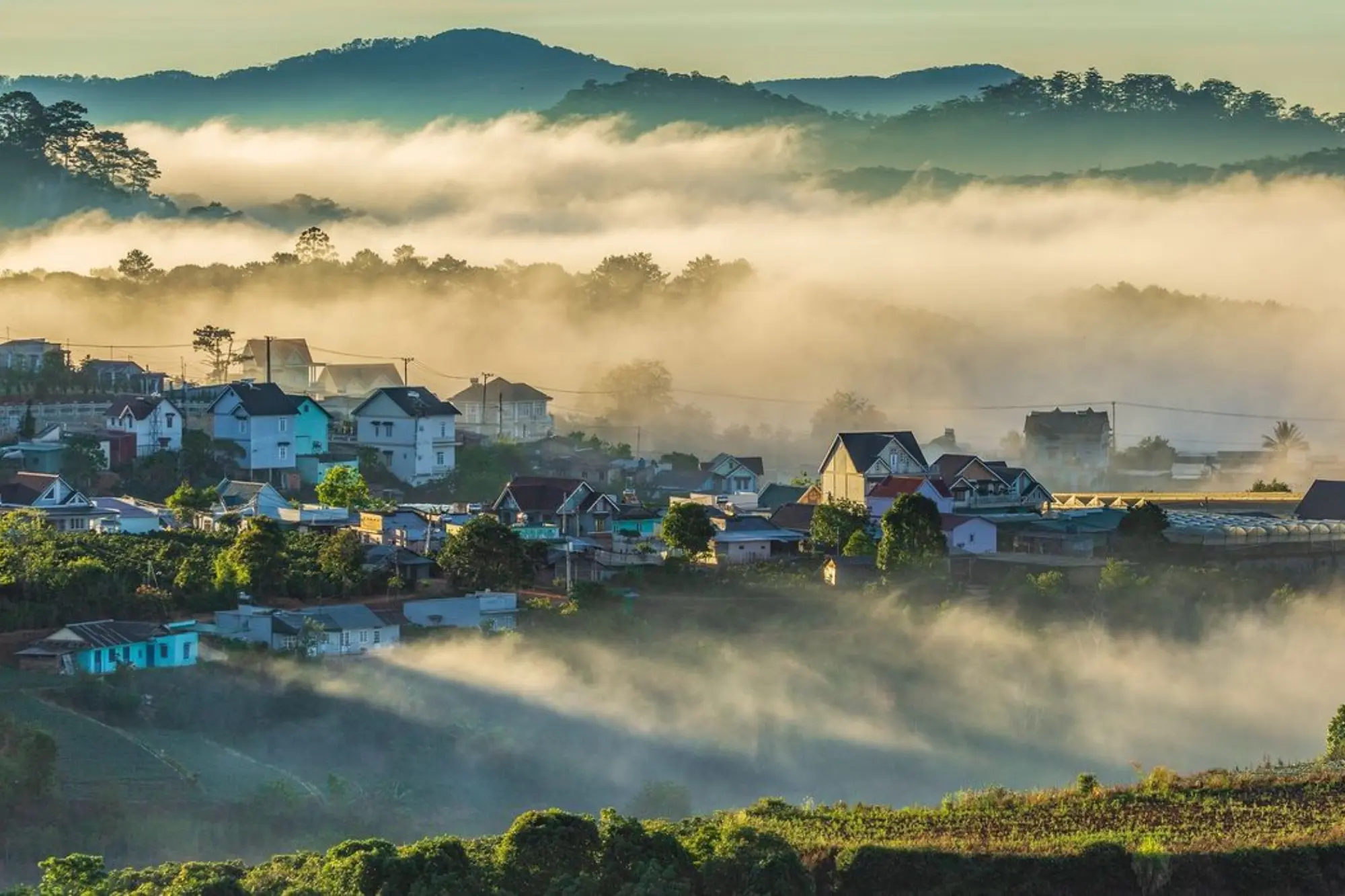
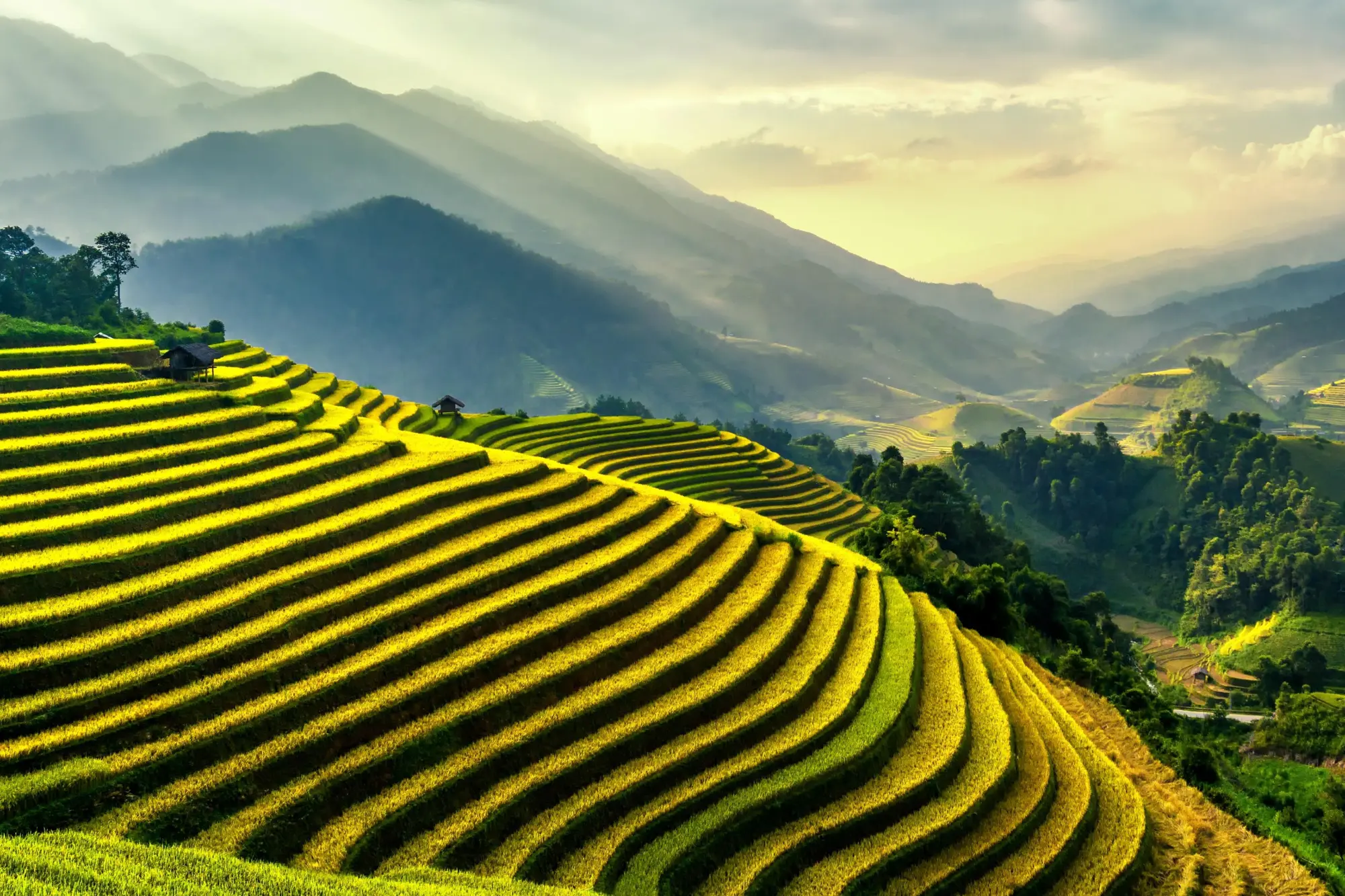
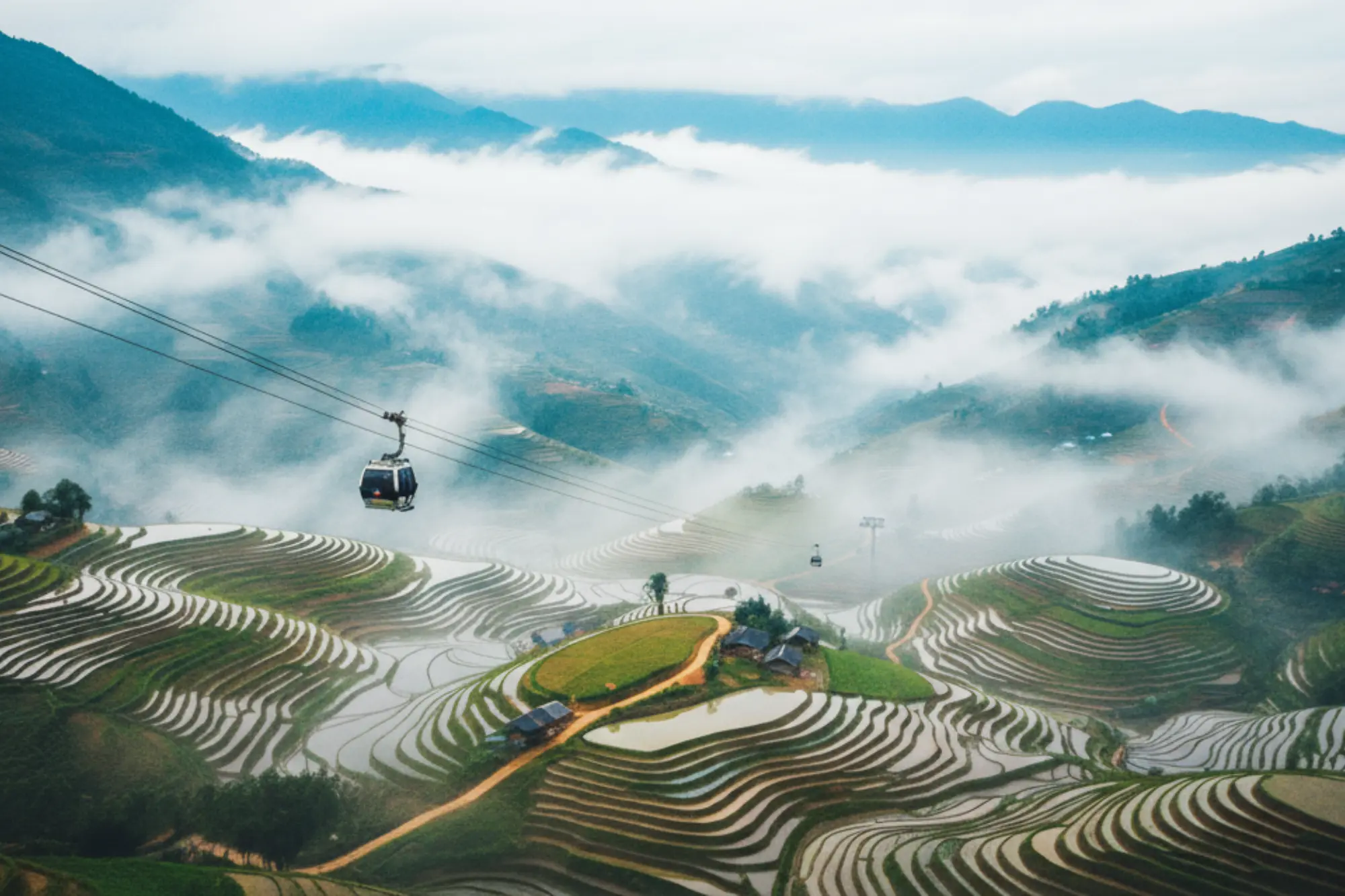
Sa Pa is a mountain destination in northern Vietnam, famous for its dramatic rice terraces, misty valleys, ethnic minority villages, and spectacular mountain scenery. Located in the Hoang Lien Son mountain range, Sapa is also home to Fansipan Mountain, the highest peak in Vietnam and one of the region’s most popular attractions. Sapa offers a mix of nature, culture, and outdoor experiences from exploring the town on a Sapa city tour to trekking through Muong Hoa Valley and taking the cable car to Fansipan Mountain. This guide covers the best places to visit, Sapa activities, the ideal Sapa itinerary, travel tips, and the best time to visit.
About Sa Pa
Sapa is a mountain town in northern Vietnam, located in Lao Cai Province and surrounded by the Hoang Lien Son mountain range. The town sits at the head of a deep valley filled with terraced rice fields, forests, streams, and traditional villages, creating some of the most distinctive mountain landscapes in northern Vietnam.
Located around 315-320 km northwest of Hanoi, Sapa is usually reached by car or limousine in about 5-6 hours. Travelers can also take an overnight train from Hanoi to Lao Cai and continue by road for about another hour to reach Sapa town.
Sapa at a Glance
- Location: Lao Cai Province, northern Vietnam
- Distance from Hanoi: Approximately 315-320 km
- Travel time from Hanoi: Around 5-6 hours by bus or limousine
- Landscape: Mountains, deep valleys, terraced rice fields, forests, streams, and waterfalls
- Mountain Range: Hoang Lien Son
- Highest Peak: Fansipan Mountain, 3,143 m
- Famous Valley: Muong Hoa Valley
- Popular Villages: Cat Cat, Lao Chai, Ta Van, and Ta Phin
- Local Communities: H’Mong, Dao, Tay, Giay, and other ethnic groups
- Main Experiences: Fansipan cable car, rice-terrace trekking, village visits, homestays, local markets, and Sapa city tours
Geography of Sa Pa
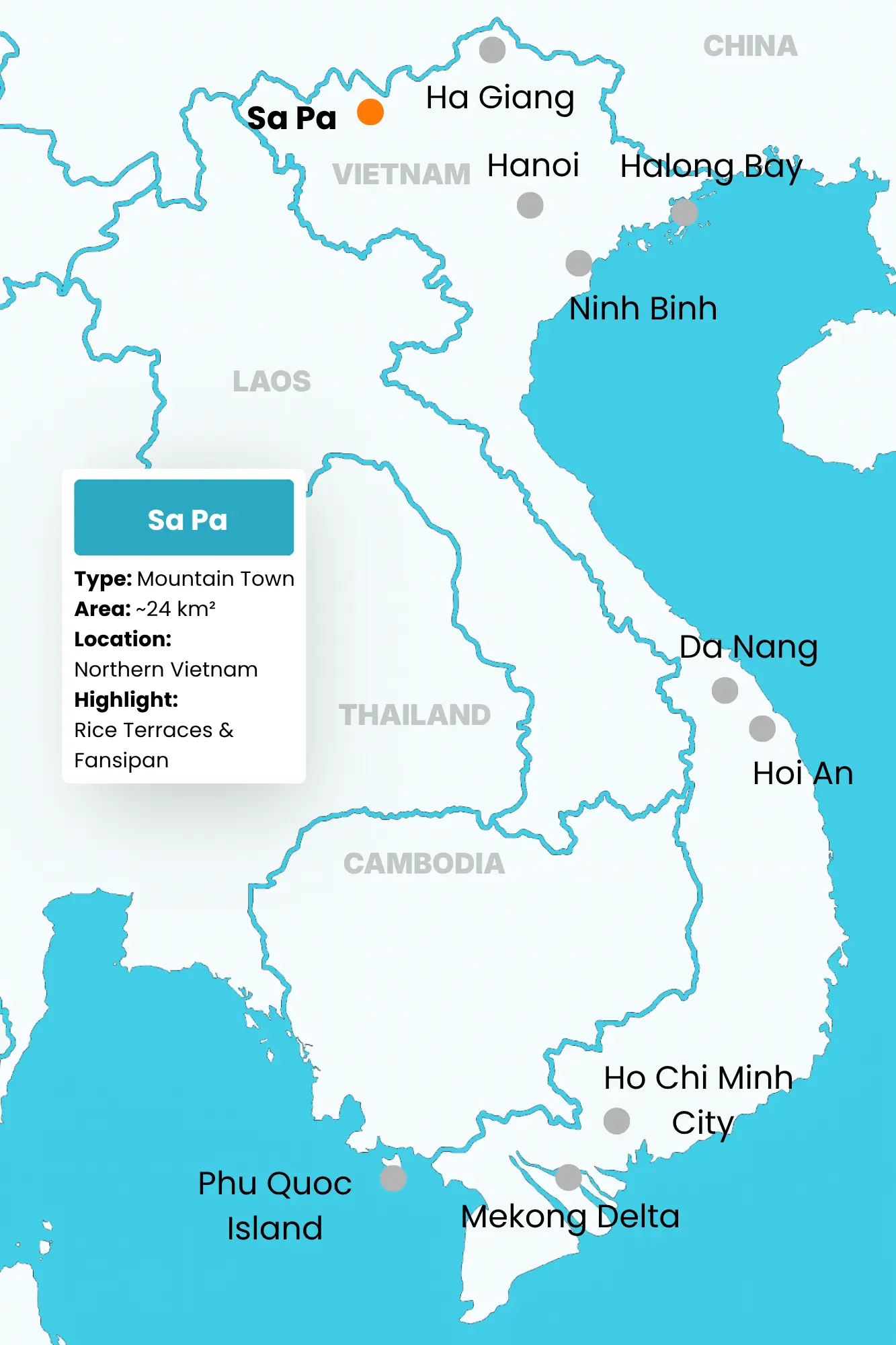
Sapa is a mountainous town in northern Vietnam, surrounded by high peaks, deep valleys, terraced rice fields, and forests. Its geography creates a distinctive landscape and provides ideal conditions for trekking, sightseeing, and outdoor activities.
- Location: Sapa is located in Lao Cai Province, northern Vietnam, near the border with China and approximately 320 km northwest of Hanoi.
- Mountain Range: The town sits within the Hoang Lien Son mountain range, one of the most impressive mountainous areas in northern Vietnam.
- Highest Peak: Fansipan Mountain reaches 3,143 meters above sea level, making it the highest mountain in Vietnam and a major attraction in Sapa.
- Muong Hoa Valley: One of Sapa’s most famous landscapes, the valley is surrounded by mountains and covered with extensive terraced rice fields and traditional villages.
- Rice Terraces: Terraced fields are a defining feature of Sapa’s landscape, particularly around Muong Hoa Valley, Lao Chai, and Ta Van.
- Climate: Sapa has a cooler mountain climate than much of northern Vietnam, with temperatures changing significantly between seasons and often dropping at higher elevations.
- Natural Landscape: The area combines mountains, valleys, forests, streams, waterfalls, and rice terraces, creating diverse scenery for outdoor exploration.
- Ethnic Villages: Several ethnic communities live in the valleys and mountains around Sapa, with villages spread across areas such as Lao Chai, Ta Van, and Ta Phin.
History & Culture of Sa Pa
Sapa’s history and cultural identity are closely connected to the ethnic communities that have lived in the surrounding mountains for generations. Today, traditional clothing, handicrafts, farming, food, festivals, and village lifestyles remain important parts of the Sapa experience.
- Local Communities: Sapa and its surrounding areas are home to several ethnic groups, including the H’Mong, Red Dao, Tay, Giay, and Xa Pho communities.
- Traditional Livelihoods: Rice farming, livestock raising, handicrafts, and small-scale agriculture have traditionally supported communities in the mountain valleys.
- H’Mong Culture: H’Mong communities are particularly prominent around areas such as Cat Cat and Lao Chai, known for traditional clothing, handicrafts, and terraced farming.
- Red Dao Culture: The Red Dao community is well known for its distinctive red headwear, traditional clothing, embroidery, and herbal bathing traditions, particularly around Ta Phin.
- Traditional Crafts: Local communities continue to practice handicrafts such as brocade weaving, embroidery, and textile production, with many products sold in villages and local markets.
- Village Life: Villages such as Lao Chai, Ta Van, Ta Phin, and Cat Cat provide opportunities to observe traditional houses, farming practices, local food, and everyday life.
- Cultural Experiences: Travelers can experience local culture through village trekking, homestays, traditional markets, handicraft workshops, and meals with local families.
- Local Markets: Markets are important places for trade and social interaction, where visitors can find fresh produce, traditional textiles, handicrafts, and regional specialties.
Best Places to Visit in Sa Pa
1. Fansipan Mountain

At 3,143 meters, Fansipan Mountain is the highest peak in Vietnam and one of Sapa’s most iconic attractions. Visitors can take the cable car to enjoy panoramic views of the Hoang Lien Son mountain range and surrounding valleys.
- Location: Hoang Lien Son Mountain Range
- Best for: Mountain views, photography, sightseeing
- Suggested time: Half day
- Access: Cable car or trekking
- Cable car: From 850,000 VND/person for a round trip in 2026; children 1-1.4 m: 550,000 VND.
- Tip: Check the weather before visiting, as clouds and fog can significantly affect visibility.
2. Muong Hoa Valley
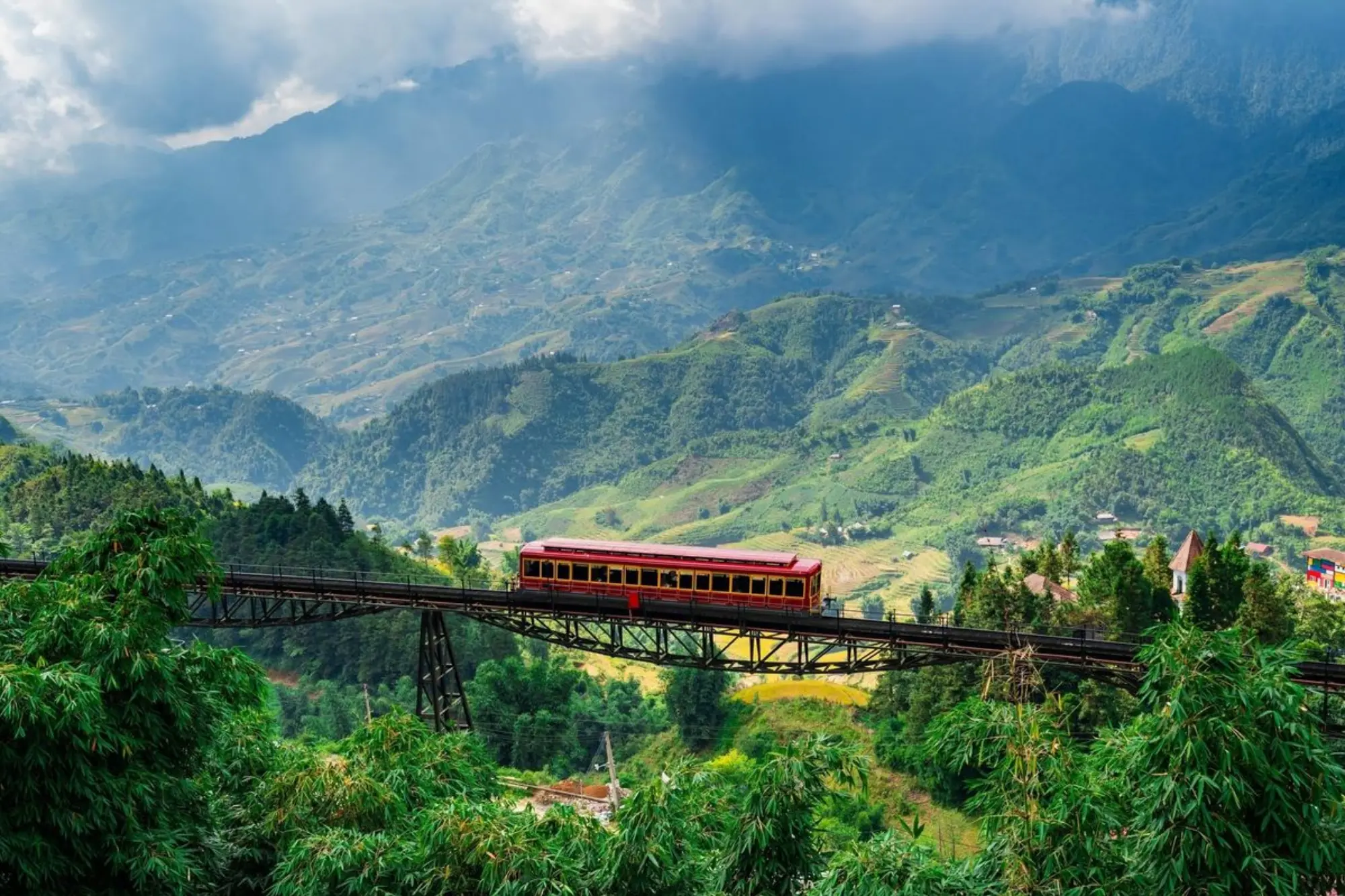
Muong Hoa Valley is known for its spectacular rice terraces, mountain scenery, streams, and traditional villages. It is also one of the best areas for trekking and experiencing local life around Sapa.
- Location: Southeast of Sapa town
- Best for: Rice terraces, trekking, photography
- Suggested time: Half day-1 day
- Popular route: Lao Chai – Ta Van
- Entrance fee: Around 75,000 VND/adult for the valley route in 2026; fees may vary by access point.
- Tip: A local guide can help you explore village trails and learn more about local culture.
3. Cat Cat Village
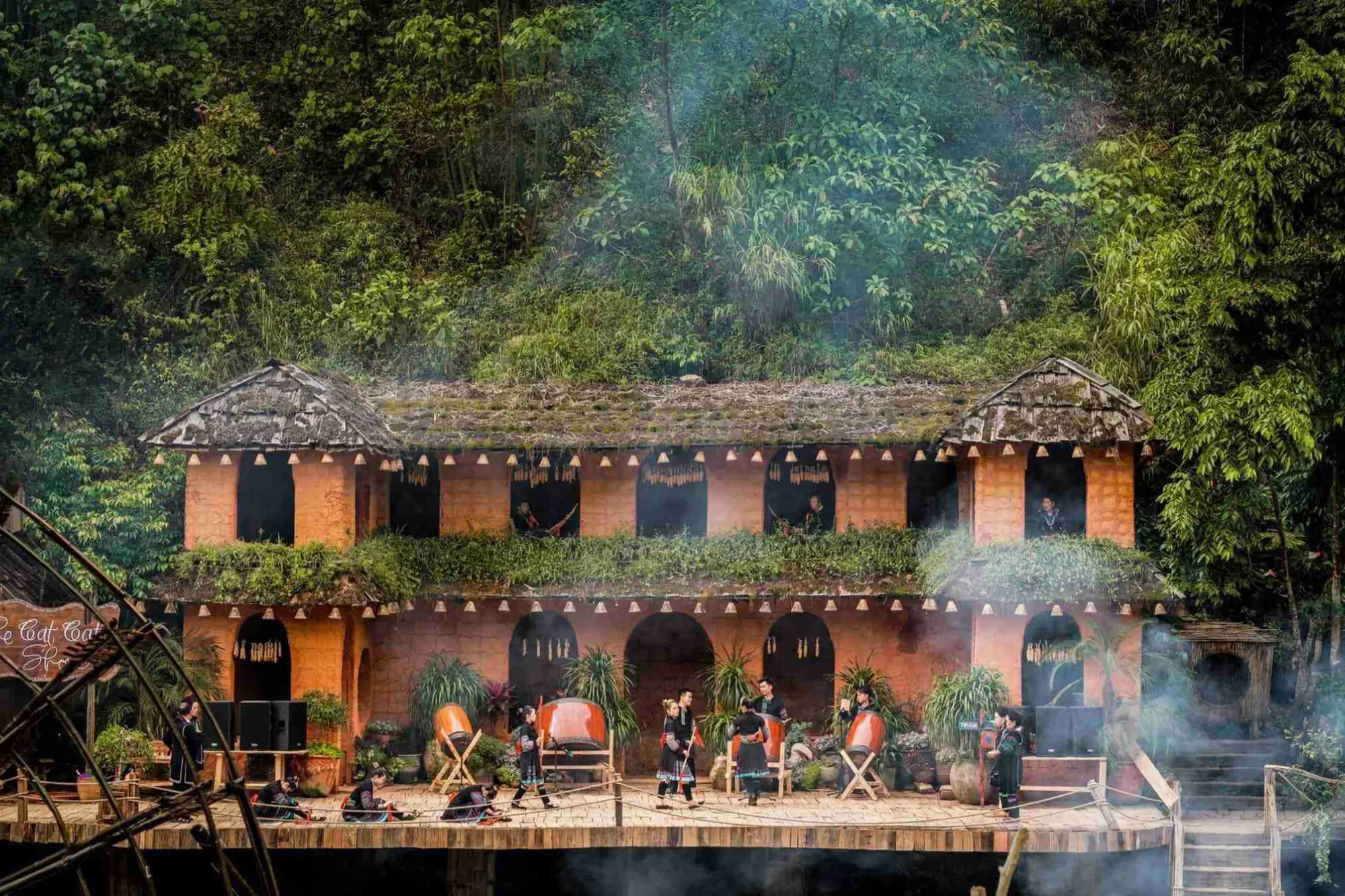
Located close to Sapa town, Cat Cat Village is a convenient place to experience local culture and mountain scenery. Visitors can walk through the village, see traditional houses, visit the waterfall, and explore local handicrafts.
- Location: About 2-3 km from Sapa town
- Best for: Culture, scenery, photography
- Suggested time: 2-4 hours
- Activities: Walking, sightseeing, handicraft experiences
- Entrance fee: 150,000 VND/adult in 2026; reduced rates apply to children.
- Tip: Wear comfortable shoes as the village has many steps and walking paths.
4. Lao Chai & Ta Van Villages
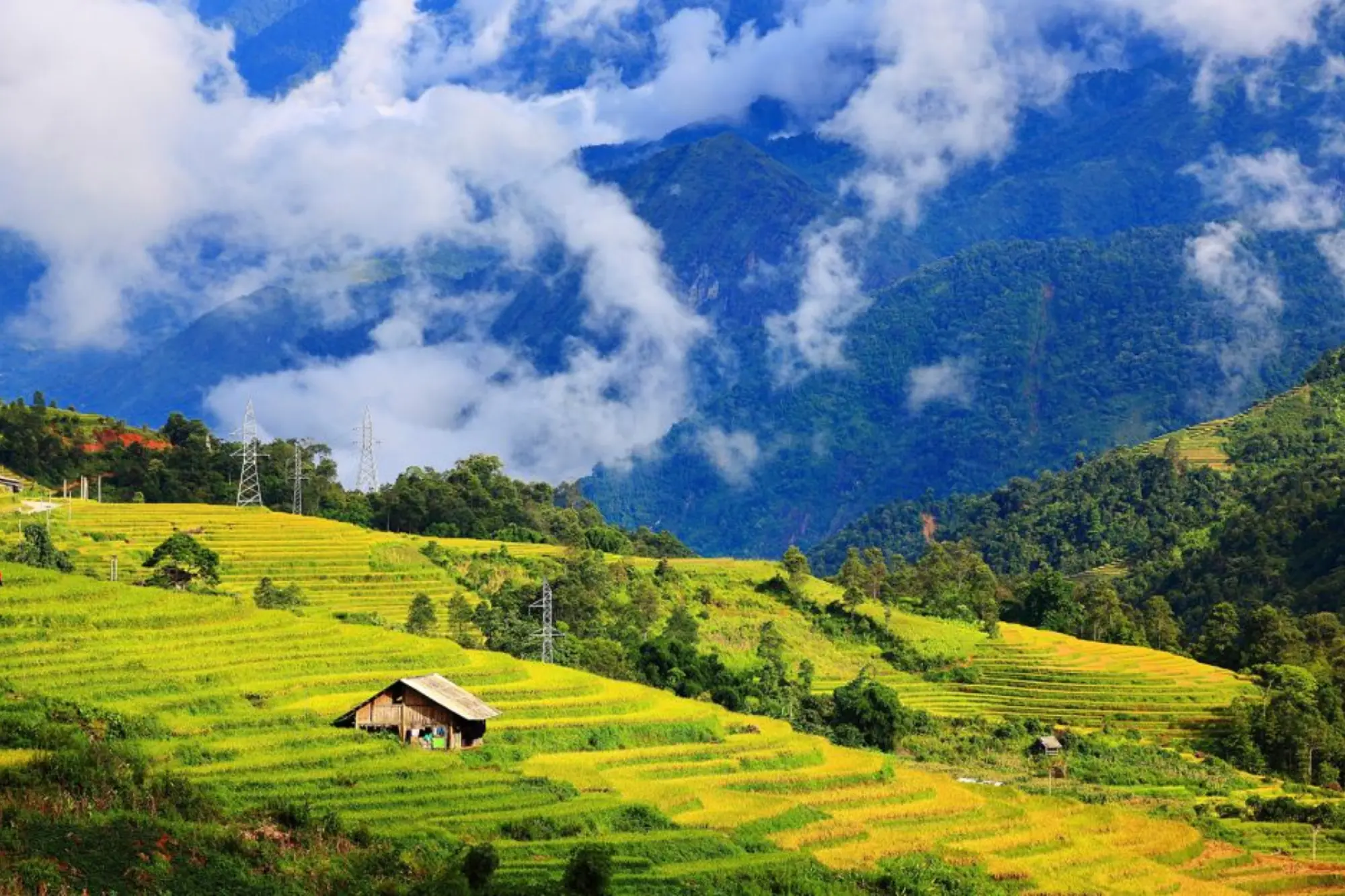
Lao Chai and Ta Van are located in Muong Hoa Valley and are popular stops for Sapa trekking tours. The route passes through rice terraces and rural landscapes while offering opportunities to meet local communities.
- Location: Muong Hoa Valley
- Best for: Trekking, local culture, rice terraces
- Suggested time: Half day-1 day
- Activities: Trekking, photography, homestay, local food
- Entrance fee: Around 75,000 VND/adult for access to the Muong Hoa Valley route.
- Tip: Consider staying overnight in a homestay for a more immersive experience.
5. Ta Phin Village
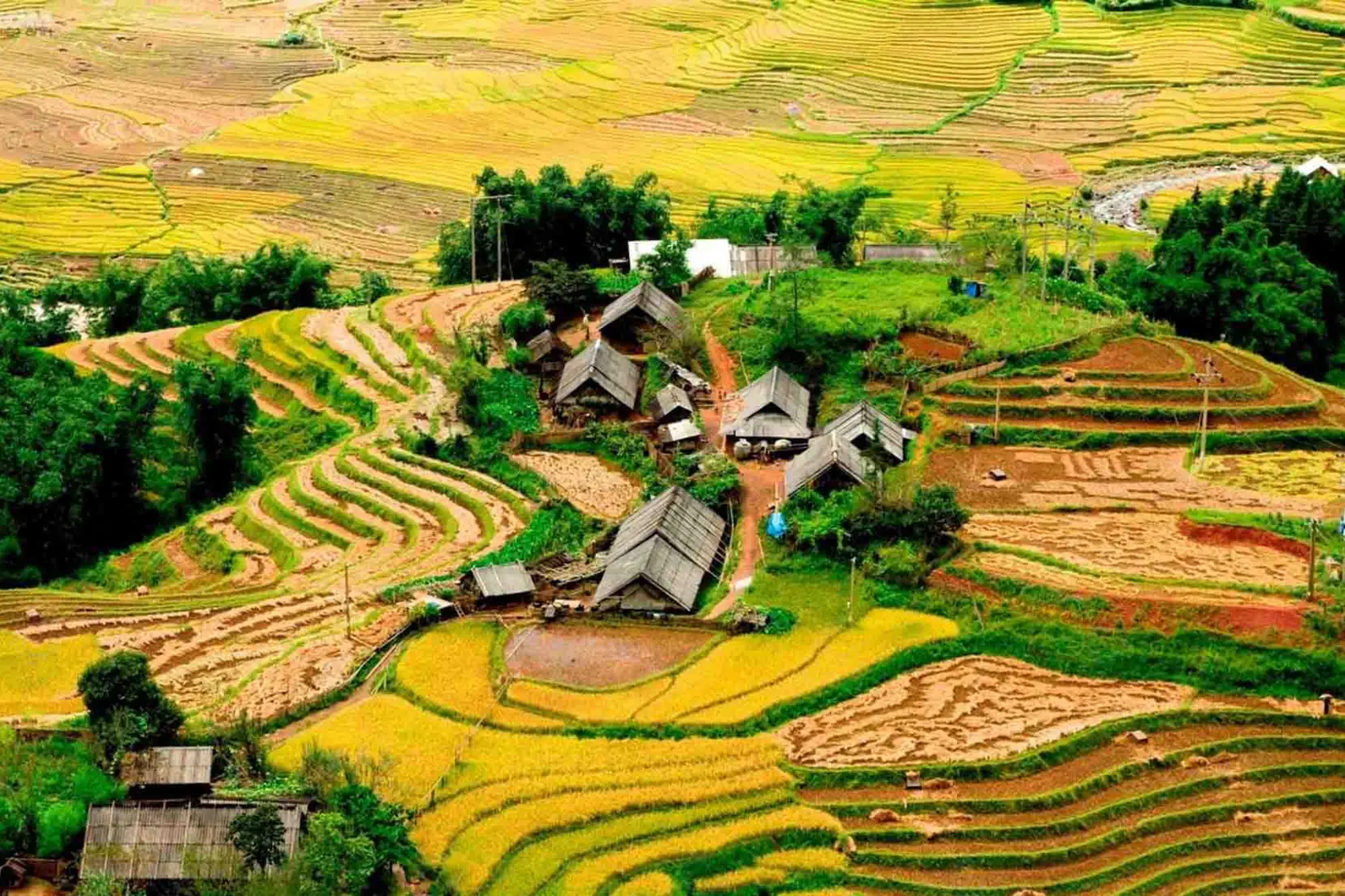
Ta Phin Village offers a quieter cultural experience away from central Sapa, with traditional villages surrounded by mountains and forests. It is particularly known for Red Dao culture, handicrafts, and traditional herbal bathing experiences.
- Location: About 14 km from Sapa town
- Best for: Local culture, crafts, village life
- Suggested time: Half day
- Activities: Village visits, handicrafts, herbal baths
- Entrance fee: Check locally before visiting, as fees and included services can vary.
- Tip: Combine Ta Phin with other nearby attractions for a half-day trip.
6. Sapa Town
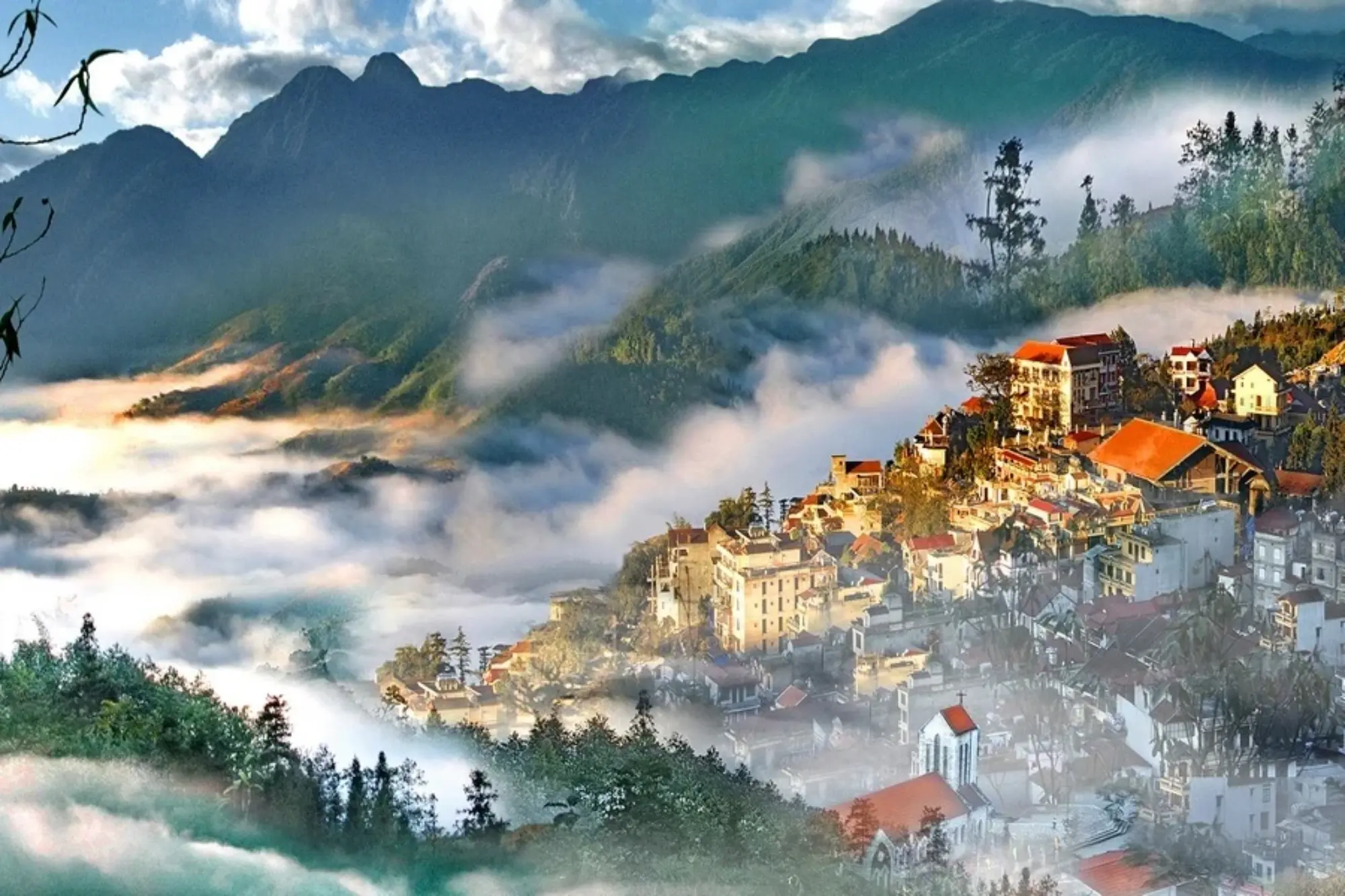
Exploring Sapa town is an easy way to discover the destination before heading into the surrounding mountains and villages. A Sapa city tour can include the Stone Church, local market, cafés, restaurants, and viewpoints around the town center.
- Best for: First-time visitors, food, sightseeing, local atmosphere
- Suggested time: 2-4 hours
- Activities: Walking, shopping, dining, sightseeing
- Entrance fee: Free for general sightseeing around the town
- Tip: A Sapa city tour can be combined with Cat Cat Village or a nearby attraction.
Best Sa Pa Activities
1. Trekking Through Rice Terraces
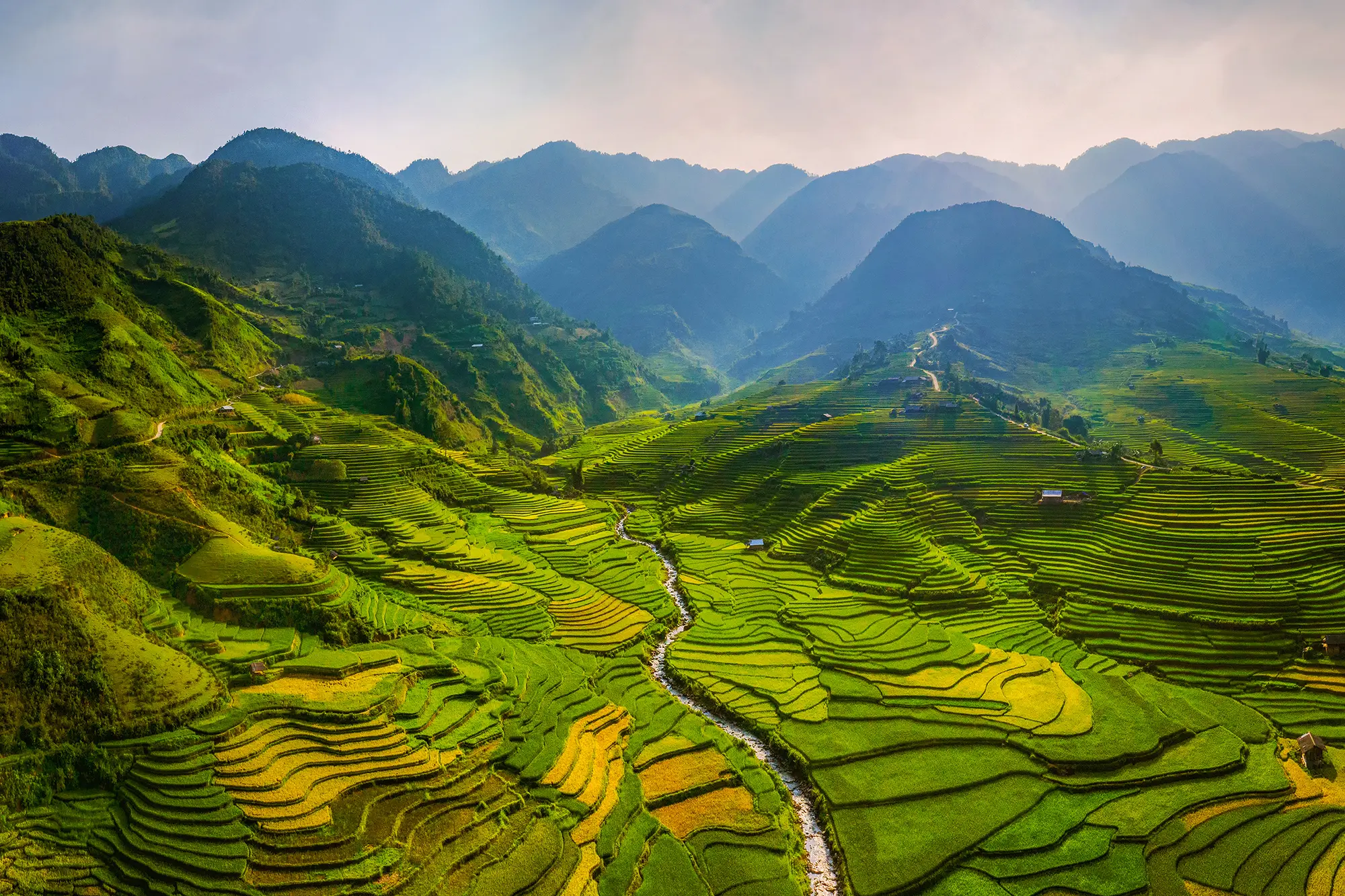
Trekking is one of the most popular Sapa activities, especially around Muong Hoa Valley, Lao Chai, and Ta Van villages. The trails pass through rice terraces, forests, streams, and ethnic minority villages, offering a closer look at Sapa’s mountain landscapes and local life.
2. Take a Sapa City Tour
A Sapa city tour is an easy way to explore the town’s main attractions, including Sapa Stone Church, Sapa Market, Sapa Square, and Ham Rong Mountain. Take time to walk around the center, visit local shops, try regional food, and enjoy the mountain views from cafés.
3. Experience Local Homestay Life
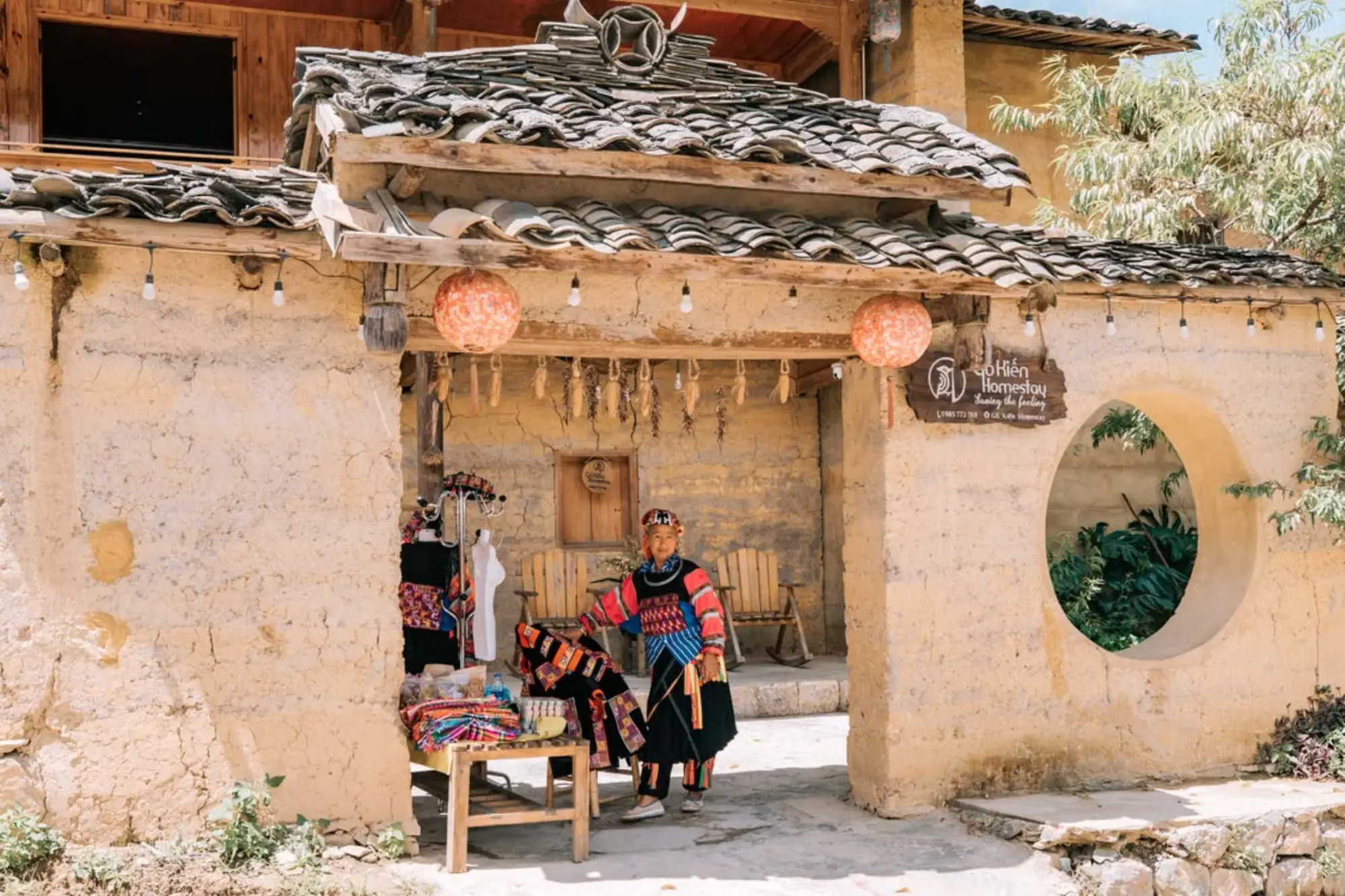
Staying at a homestay in Ta Van, Lao Chai, or nearby mountain villages allows travelers to experience Sapa beyond its main tourist attractions. You can enjoy a home-cooked meal, learn about local traditions, and experience the daily life of ethnic communities in a quieter setting.
4. Visit Local Markets
Sapa’s local markets are a great place to see traditional clothing, handicrafts, fresh produce, and regional specialties. Sapa Market is located in the town center, while Bac Ha Market, about 70 km from Sapa, is a popular weekend market known for its colorful ethnic culture and variety of local products.
5. Visit Waterfalls
Sapa’s mountainous landscape is home to several scenic waterfalls that are easy to add to a day trip. Silver Waterfall is located along the road to the Hoang Lien Son mountains, while Love Waterfall is near the road leading toward Fansipan and offers a quieter natural setting.
6. Ride the Cable Car to Fansipan
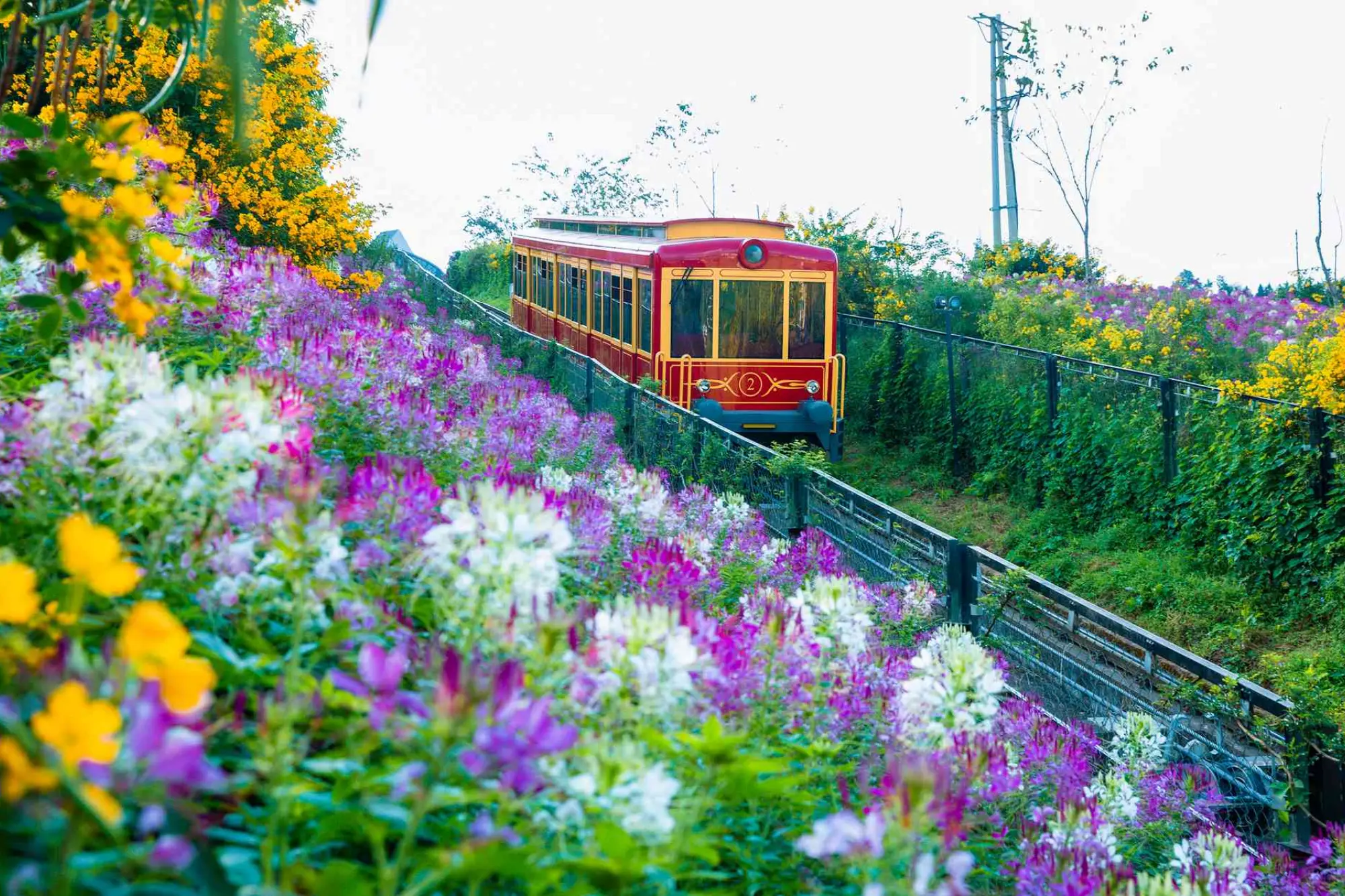
Taking the cable car to Fansipan Mountain is one of the most convenient ways to experience Sapa’s high-altitude scenery. The journey offers panoramic views of the Hoang Lien Son range, while the summit area features mountain viewpoints, temples, and other attractions.
7. Try Local Food
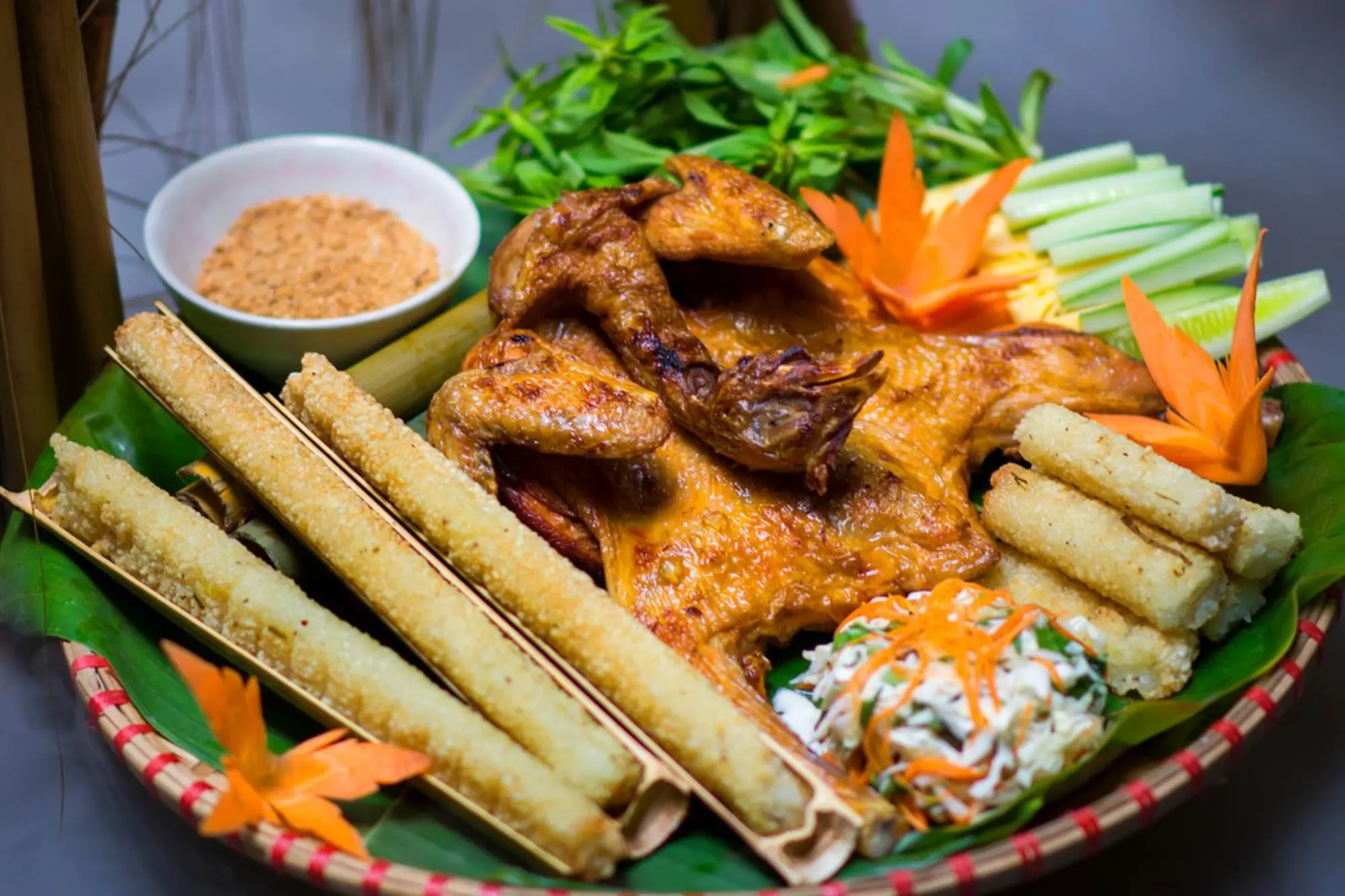
Sapa’s mountain cuisine combines fresh local ingredients with traditional cooking methods, offering several distinctive dishes worth trying during your trip.
- Thang Co: A traditional H’Mong dish made with horse meat and various herbs and spices, traditionally served as a hearty mountain stew.
- Grilled Pork & Vegetables: Pork, corn, mushrooms, and vegetables are grilled over charcoal, creating a simple but flavorful street-food experience, especially popular on cool evenings.
- Salmon Hotpot: Sapa’s locally farmed salmon is served in a hotpot with vegetables, mushrooms, herbs, and a flavorful broth, making it a popular choice in the cool mountain climate.
- Sturgeon Hotpot: Sturgeon is cooked in a hot, savory broth with vegetables and herbs, offering a warm and filling meal after a day of exploring.
- Smoked Buffalo Meat: Thinly sliced buffalo meat is traditionally smoked and dried, giving it a distinctive smoky flavor and chewy texture.
- Sapa Rainbow Trout: Fresh rainbow trout is commonly grilled or prepared in hotpot dishes, offering a lighter option made with locally farmed fish.
Best Time to Visit Sa Pa
Sapa can be visited throughout the year, but each season offers a different experience. September and October are particularly popular for the rice terraces, while April and May offer pleasant weather and clear skies.
| Season | What to Expect | Best For |
| March-May | Mild weather, clearer skies, green landscapes | Trekking, sightseeing |
| June-August | Cooler than many lowland areas, occasional rain | Escaping the summer heat, greenery |
| September-October | Golden rice terraces, pleasant conditions | Photography, trekking |
| November-February | Cold, foggy, sometimes very low visibility | Misty mountain scenery, winter atmosphere |
When Is the Best Time to Visit Sa Pa?
For travelers mainly interested in rice terraces and photography, September and October are among the best months to visit. For trekking and comfortable outdoor activities, April-May can also be a good choice thanks to generally pleasant conditions.
How to Get to Sa Pa & Getting Around?
Sapa is accessible from Hanoi and other destinations in northern Vietnam by bus, limousine, train, or private transfer. Once in Sapa, travelers can choose from several convenient ways to explore the town and surrounding attractions.
Getting to Sa Pa
- Bus & Limousine: The most convenient option from Hanoi, usually taking around 5-6 hours.
- Train: Take an overnight train from Hanoi to Lao Cai, then continue to Sapa by shuttle bus, taxi, or private transfer for about 1 hour.
- Private Transfer: A comfortable choice for families and small groups, with flexible departure times.
- From Other Northern Destinations: Direct limousine and private transfers are available from destinations such as Ha Long Bay, Ninh Binh, and Ha Giang, although travel times are longer.
Getting Around Sa Pa
- Walking: Ideal for exploring Sapa town, local markets, cafés, and nearby attractions.
- Taxi & Private Car: Convenient for traveling between the town center and attractions or villages farther away.
- Motorbike: Offers flexibility for exploring the surrounding countryside and villages.
- Local Tours: A practical option for visiting multiple attractions, especially for first-time visitors.
- Cable Car: The easiest way to reach Fansipan Mountain without a long trek.
Suggested Sa Pa Itinerary
1. 2-Day Sapa Itinerary
Day 1: Sapa city tour → Cat Cat Village → local food and evening in Sapa town.
Day 2: Fansipan Mountain → Muong Hoa Valley → Lao Chai or Ta Van Village.
This itinerary works well for first-time visitors who want to combine Sapa’s main attractions with nature and cultural experiences.
2. 3-Day Sapa Itinerary
Day 1: Sapa city tour → Cat Cat Village → explore Sapa town.
Day 2: Fansipan Mountain → Muong Hoa Valley → Lao Chai → Ta Van.
Day 3: Ta Phin Village → local market or homestay experience → return to Sapa town.
A three-day itinerary gives you more flexibility and allows extra time for trekking, village visits, and local experiences without rushing between attractions.
Frequently Asked Questions
1. How many days do you need in Sapa?
A 2-3 day Sapa itinerary is suitable for most first-time visitors. Two days cover the main highlights, while three days allow more time for trekking, villages, and local experiences.
2. What are the best Sapa activities?
Popular Sapa activities include visiting Fansipan Mountain, trekking through Muong Hoa Valley, exploring ethnic minority villages, taking a Sapa city tour, visiting local markets, and staying at a homestay.
3. Is Fansipan Mountain worth visiting?
Yes. Fansipan Mountain is the highest peak in Vietnam at 3,143 meters and offers spectacular mountain views, with cable car access making the summit area accessible to a wide range of travelers.
4. What should I include in a Sapa itinerary?
A well-balanced Sapa itinerary should combine Fansipan Mountain, Muong Hoa Valley, a village trek, and time in Sapa town. If you have an extra day, add Ta Phin Village or an overnight homestay.
Can you visit Sapa from Hanoi?
Yes. Travelers can reach Sapa from Hanoi by limousine or bus, while another option is taking a night train to Lao Cai and continuing by road to Sapa. The road journey from Hanoi generally takes around 5-6 hours.
Conclusion
Sapa is an ideal destination for travelers looking for mountain scenery, outdoor activities, and authentic cultural experiences in northern Vietnam. From a relaxed Sapa city tour and scenic trekking routes to the impressive Fansipan Mountain and traditional villages, the destination offers enough variety for a memorable 2-3 day trip. Plan your Sapa itinerary around the experiences that interest you most, and leave some flexibility for the mountain weather.
Discover Nicetrips’ Vietnam tour packages, and follow the Nicetrips Blog for more travel guides, useful tips, and inspiration for your next journey.
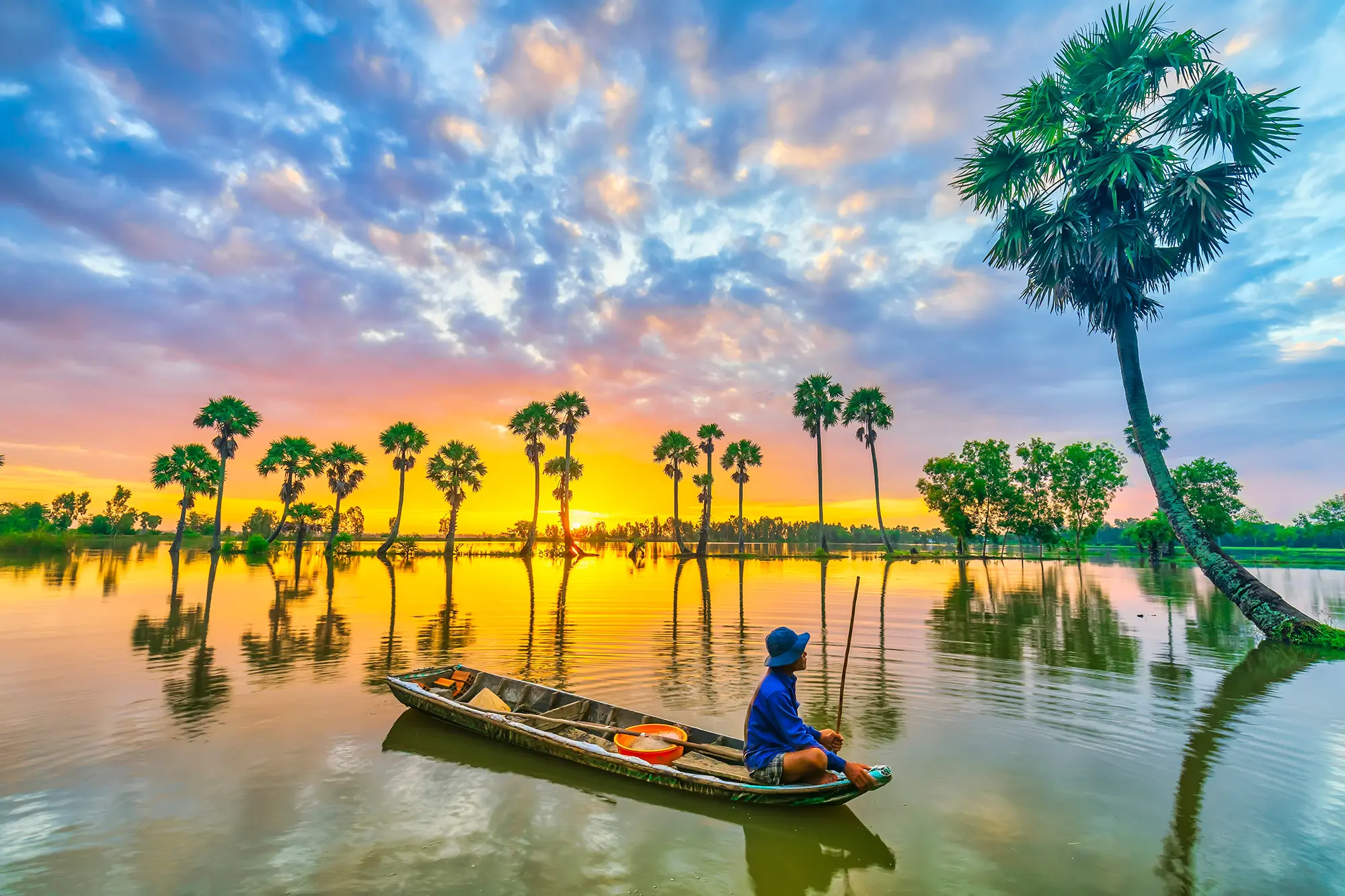
The Mekong Delta is one of Vietnam’s most distinctive regions, shaped by winding rivers, fertile farmland, tropical orchards, floating markets, and peaceful riverside communities. Located in southern Vietnam, the region offers a unique glimpse into a way of life closely connected to the water, agriculture, and traditional local trade. There are plenty of experiences to discover, from taking a Mekong Delta boat tour through narrow canals and visiting the famous floating markets in the Mekong Delta to tasting fresh tropical fruits and exploring local villages.
Whether you are planning a day trip from Ho Chi Minh City or a longer journey through the region, this guide covers Mekong Delta what to see, things to do, travel tips, and Mekong Delta culture to help you plan your trip.
About the Mekong Delta
The Mekong Delta is a vast river region in southern Vietnam where the Mekong River divides into a network of waterways before reaching the East Sea. Often called Vietnam’s “rice bowl” the region is an important agricultural area, producing rice, tropical fruits, coconuts, and other local products.
Located within easy reach of Ho Chi Minh City, the Mekong Delta is popular for day trips as well as longer journeys. The region combines natural landscapes with distinctive food, traditional crafts, floating markets, and diverse communities.
Mekong Delta at a Glance
- Location: Southern Vietnam
- Landscape: Rivers, canals, rice fields, orchards, wetlands, and coastal areas
- Highlights: Floating markets, boat tours, tropical fruit gardens, local villages, and riverside life
- Famous Destinations: Can Tho, Ben Tre, Cai Be, Chau Doc, Tra Vinh, and Soc Trang
- Best For: Culture, food, nature, photography, and slow travel
- Popular Experience: Early-morning floating market and Mekong Delta boat tour
Geography of the Mekong Delta
The Mekong Delta’s geography is shaped by its rivers, fertile plains, and extensive network of waterways, creating the distinctive landscapes and river-based lifestyle found across the region.
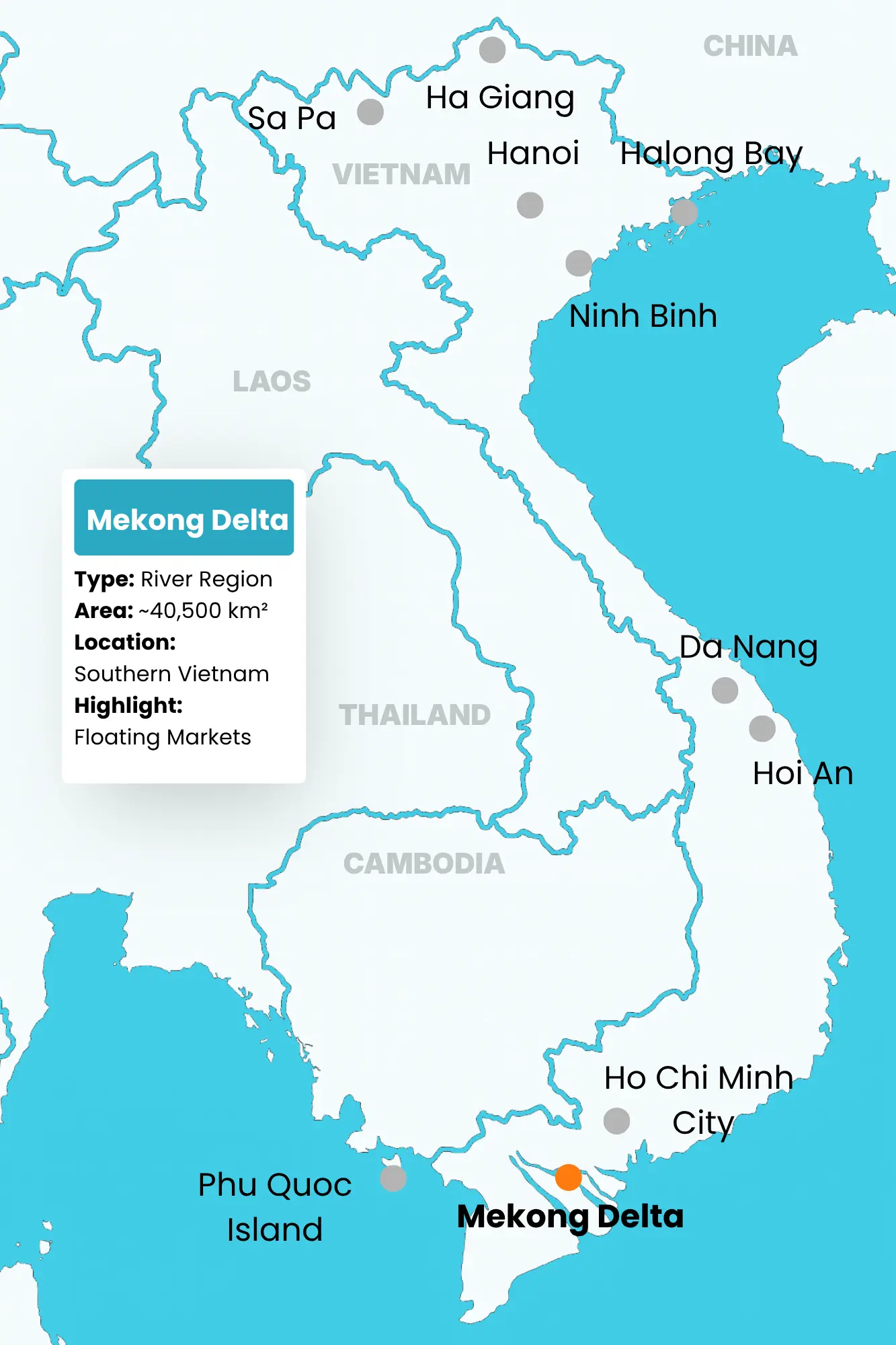
- Area: Approximately 40,576 km², covering around 12% of Vietnam’s total land area.
- Location: Located in southern Vietnam, bordering Cambodia, the East Sea, and the Gulf of Thailand.
- Administrative Area: Includes Can Tho City and 12 provinces, forming one of Vietnam’s largest agricultural regions.
- Main Rivers: The Mekong River enters Vietnam through two major branches, the Tien River and Hau River, before dividing into numerous smaller waterways.
- Water Network: The Delta has approximately 28,000 km of rivers and canals, shaping its distinctive water-based landscape.
- Landscape: Characterized by fertile plains, rice fields, tropical fruit orchards, coconut groves, wetlands, and small islands.
- Agriculture: Fertile alluvial soil and abundant water make the region a major producer of rice, fruits, coconuts, and other agricultural products.
- Key Destinations: Can Tho is a major urban and commercial centre, while Ben Tre is particularly known for its coconut groves and rural waterways.
History of the Mekong Delta
The history of the Mekong Delta has been closely linked to agriculture, river trade, and cultural exchange, with generations of communities building their livelihoods around the region’s waterways and fertile land.
- Early Development: The Delta developed around its rivers and fertile plains, supporting agriculture, fishing, transportation, and river trade for centuries.
- River-Based Communities: Its extensive waterways encouraged the growth of riverside villages, agricultural settlements, and floating markets, shaping the region’s traditional way of life.
- Cultural Exchange: The Mekong Delta has long been home to diverse communities, including Kinh, Khmer, Hoa, and Cham people.
- Khmer Heritage: Khmer communities are particularly prominent in Tra Vinh, Soc Trang, An Giang, Kien Giang, and Bac Lieu, with Theravada Buddhist temples and traditional festivals forming an important part of local culture.
- Cham Heritage: In An Giang, Cham communities along the Hau River have preserved distinctive Islamic traditions, stilt-house architecture, weaving, and handicrafts.
- Living Heritage: Today, floating markets, fishing communities, agricultural villages, traditional crafts, and riverside trade continue to reflect the Delta’s long history and cultural identity.
Best Places to Visit & Things to Do in the Mekong Delta
1. Cai Rang Floating Market
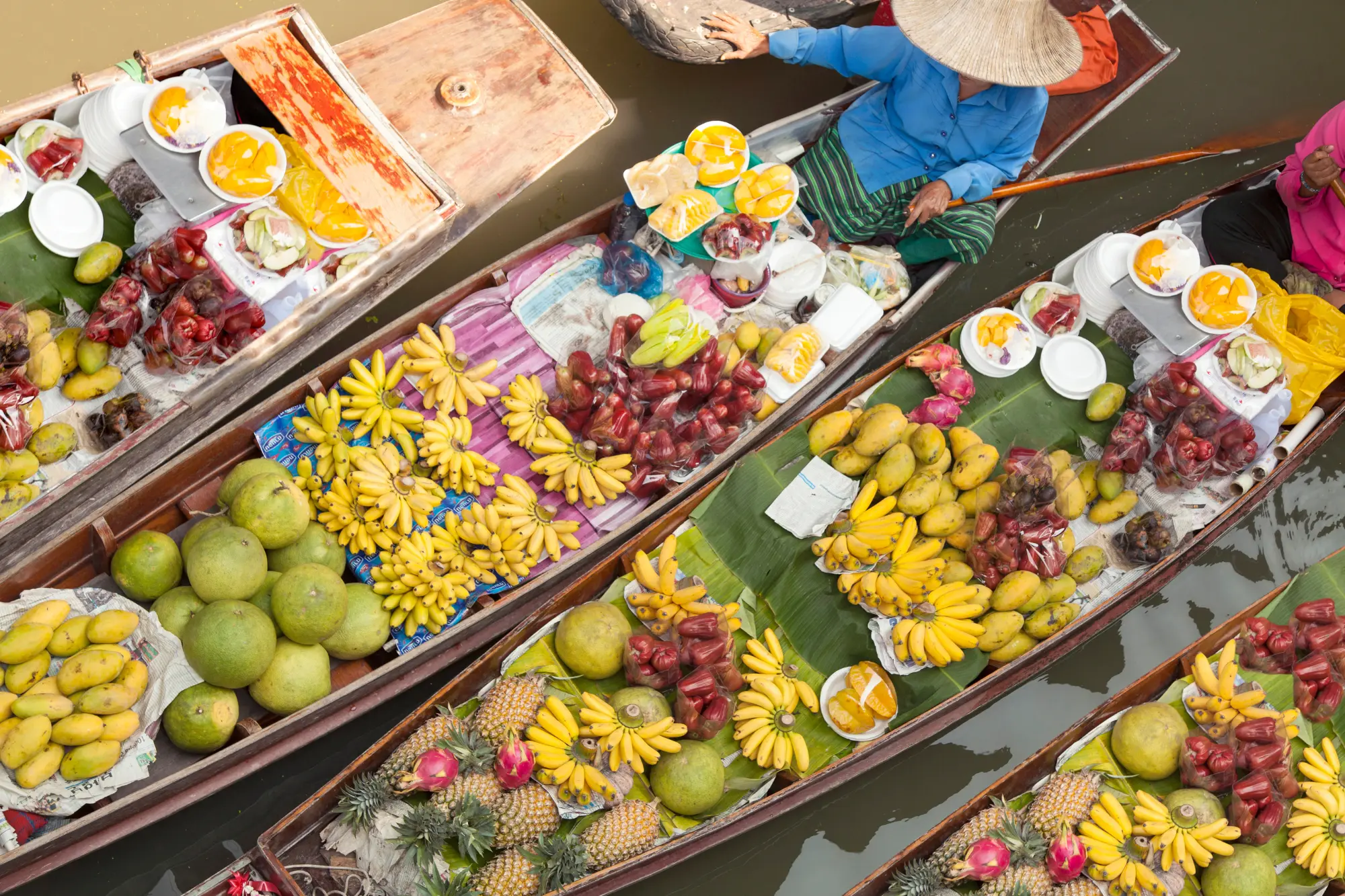
Cai Rang is one of the most famous floating markets in Vietnam and a highlight of any Mekong Delta trip. The market comes alive in the early morning as boats loaded with fruit, vegetables, breakfast dishes, and other products gather on the river.
One of the market’s most distinctive features is the “cây bẹo”, a long pole displayed on larger boats to show what they are selling. For the most authentic experience, arrive early and explore the market by boat.
- Location: Cai Rang District, Can Tho
- Best for: Floating markets, local food, photography
- Suggested time: 1-2 hours
- Best time: Early morning, around 5:00-7:00 AM
- Cost: Market entry is free; boat tours usually have separate fees
2. Can Tho
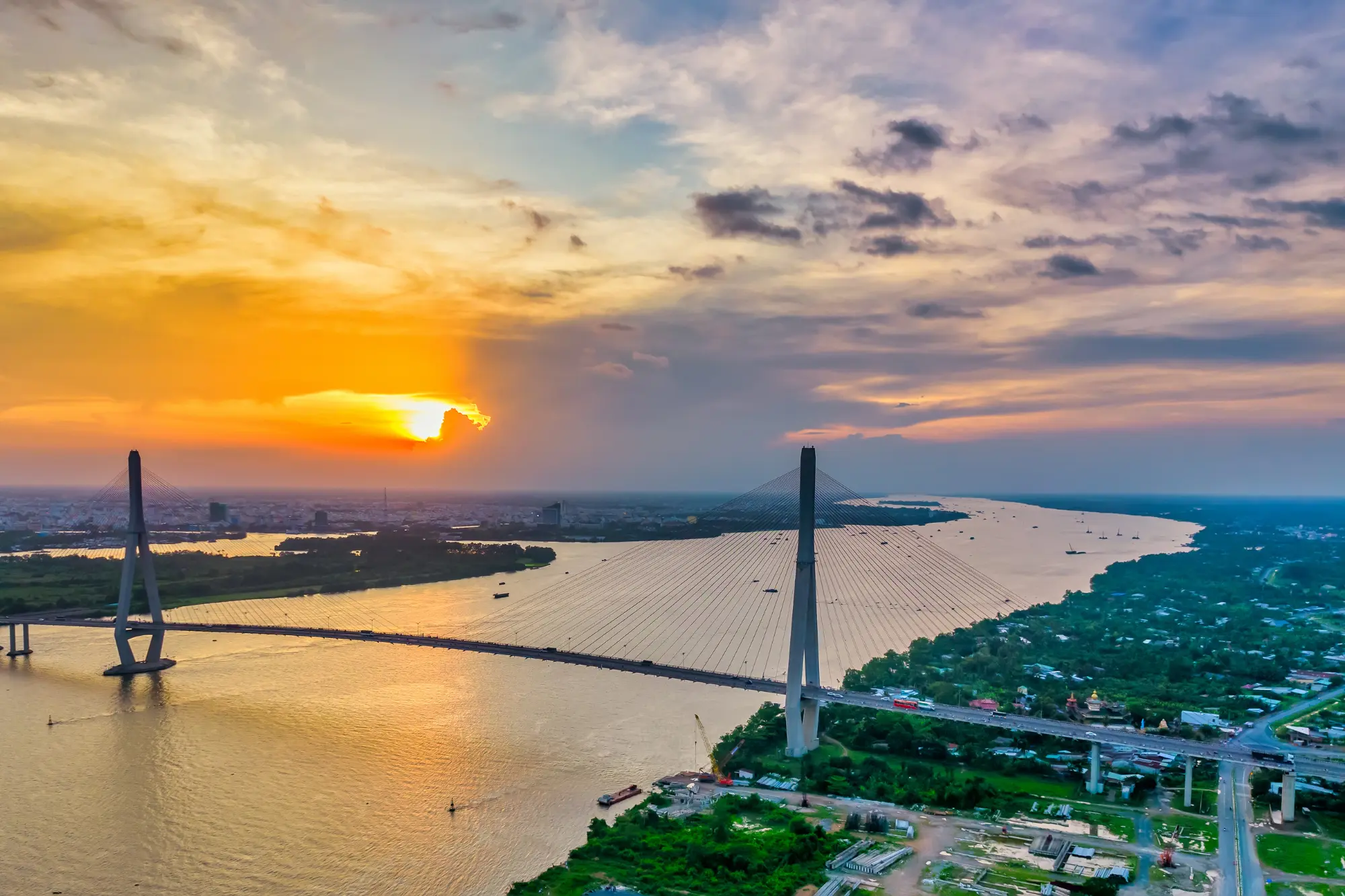
Can Tho is one of the best bases for exploring the Mekong Delta, offering a convenient combination of city life and traditional river culture. Visitors can explore Ninh Kieu Wharf, local markets, canals, fruit orchards, and nearby floating markets.
The city is also a good place to try Mekong Delta specialties such as hủ tiếu and fresh tropical fruit.
- Location: Central Mekong Delta, southern Vietnam
- Best for: First-time visitors, food, river experiences
- Suggested stay: 1-2 nights
- Suggested time: 2-3 days for Can Tho and nearby attractions
- Cost: Free to explore; attractions and tours vary
3. Ben Tre
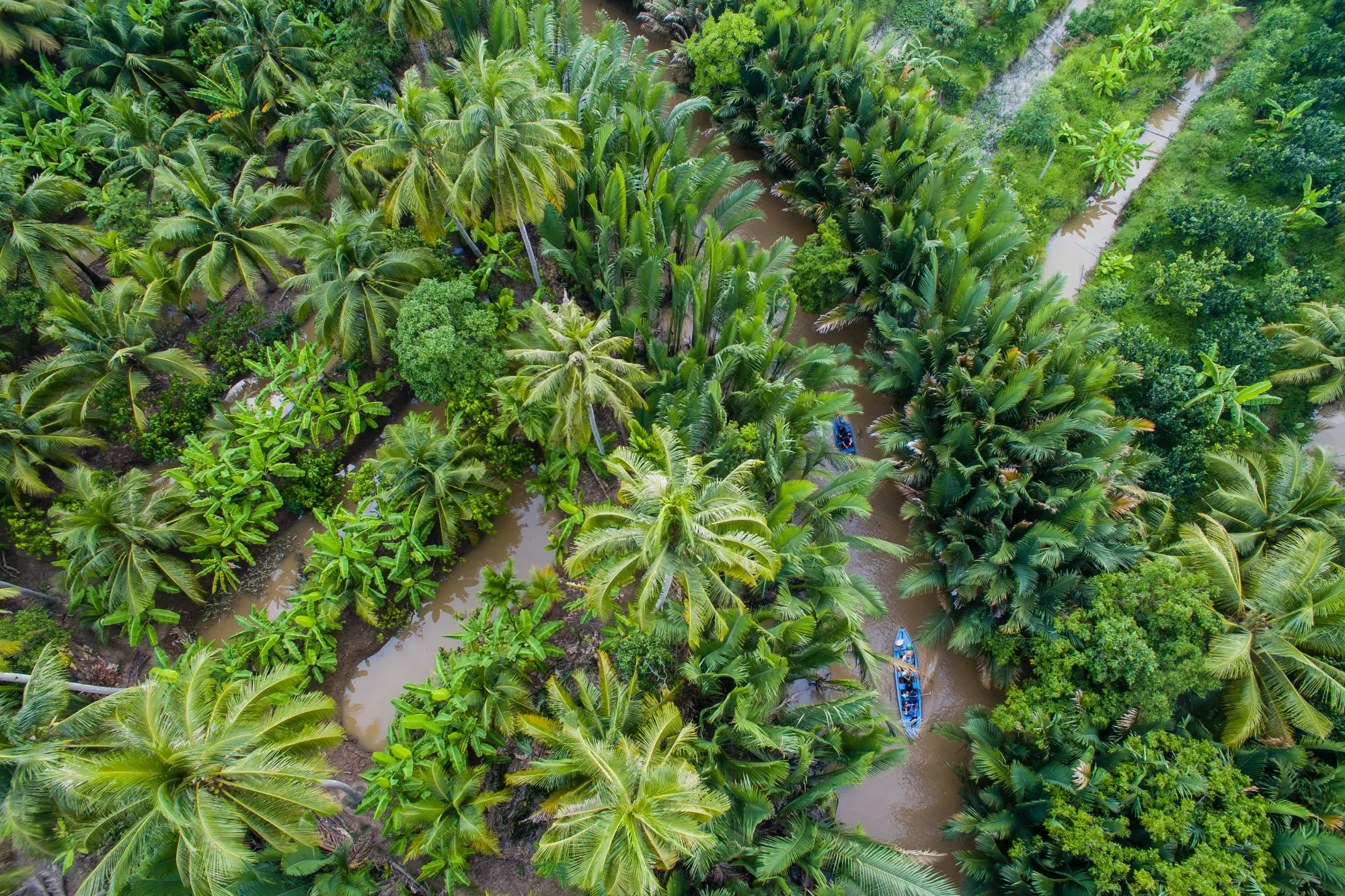
Known for its coconut groves, Ben Tre offers a quieter and more rural experience of the Delta. A boat ride through narrow waterways can be combined with cycling, orchard visits, local workshops, and traditional coconut products.
Ben Tre is especially suitable for travelers who want to experience village life away from larger cities.
- Location: Ben Tre Province, southern Vietnam
- Best for: Coconut groves, cycling, local villages
- Suggested time: 1 day or overnight
- Suggested activities: Boat rides, cycling, orchard visits, local workshops
- Cost: Many outdoor areas are free; boat tours and activities have separate fees
4. Cai Be
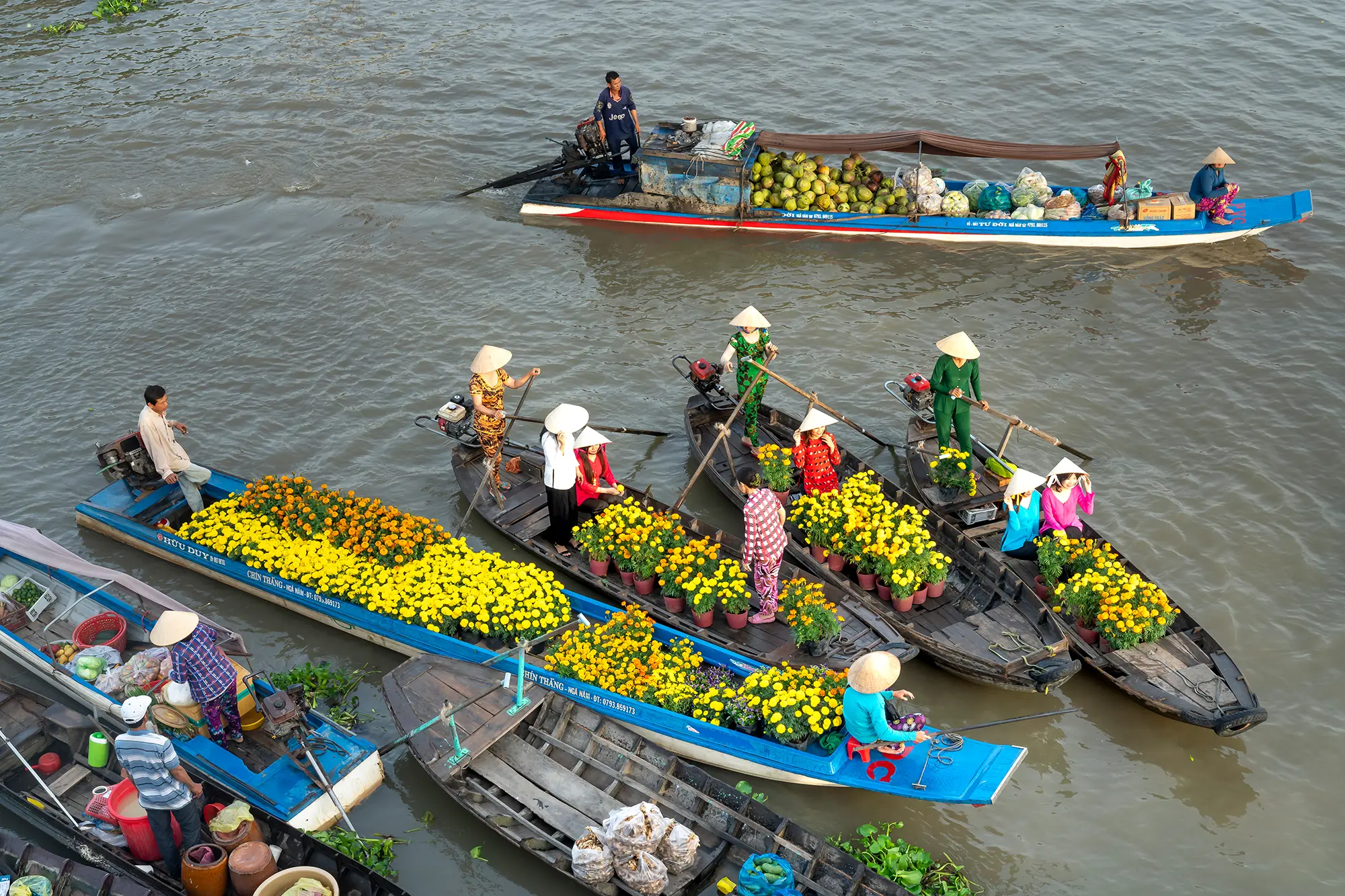
Cai Be is known for its fruit orchards, waterways, and traditional villages. Visitors can take a small sampan through narrow canals, cycle around Tan Phong Islet, and visit local workshops producing traditional foods and handicrafts.
It is a good choice for travelers looking for a quieter alternative to the busier parts of the Delta.
- Location: Cai Be District, Tien Giang Province
- Best for: Rural scenery, cycling, fruit orchards
- Suggested time: Half or full day
- Suggested activities: Sampan rides, cycling, orchard visits
- Cost: Entrance and activity fees vary by attraction or tour
5. Chau Doc
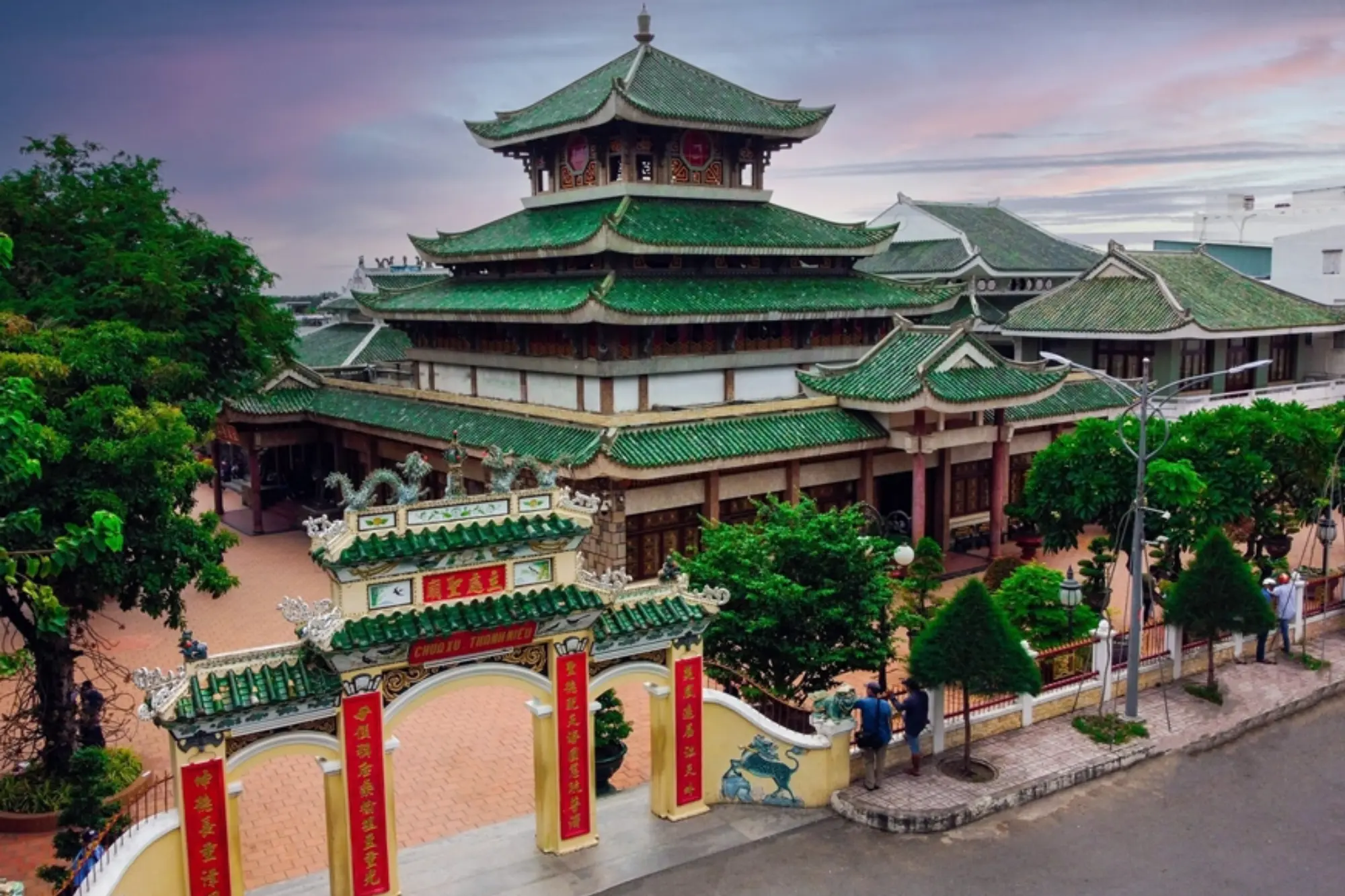
Located near the Cambodian border, Chau Doc offers a different side of Mekong Delta culture. The area is home to diverse communities, floating fish farms, busy markets, religious sites, and distinctive local cuisine.
Visitors can also explore nearby Sam Mountain and discover the cultural heritage of Kinh, Khmer, Cham, and Chinese communities.
- Location: An Giang Province, southwestern Vietnam
- Best for: Culture, temples, local food, riverside life
- Suggested stay: 1-2 nights
- Suggested time: 1 day for the main highlights
- Cost: Many local attractions are free; specific sites and tours may charge fees
6. Tra Vinh
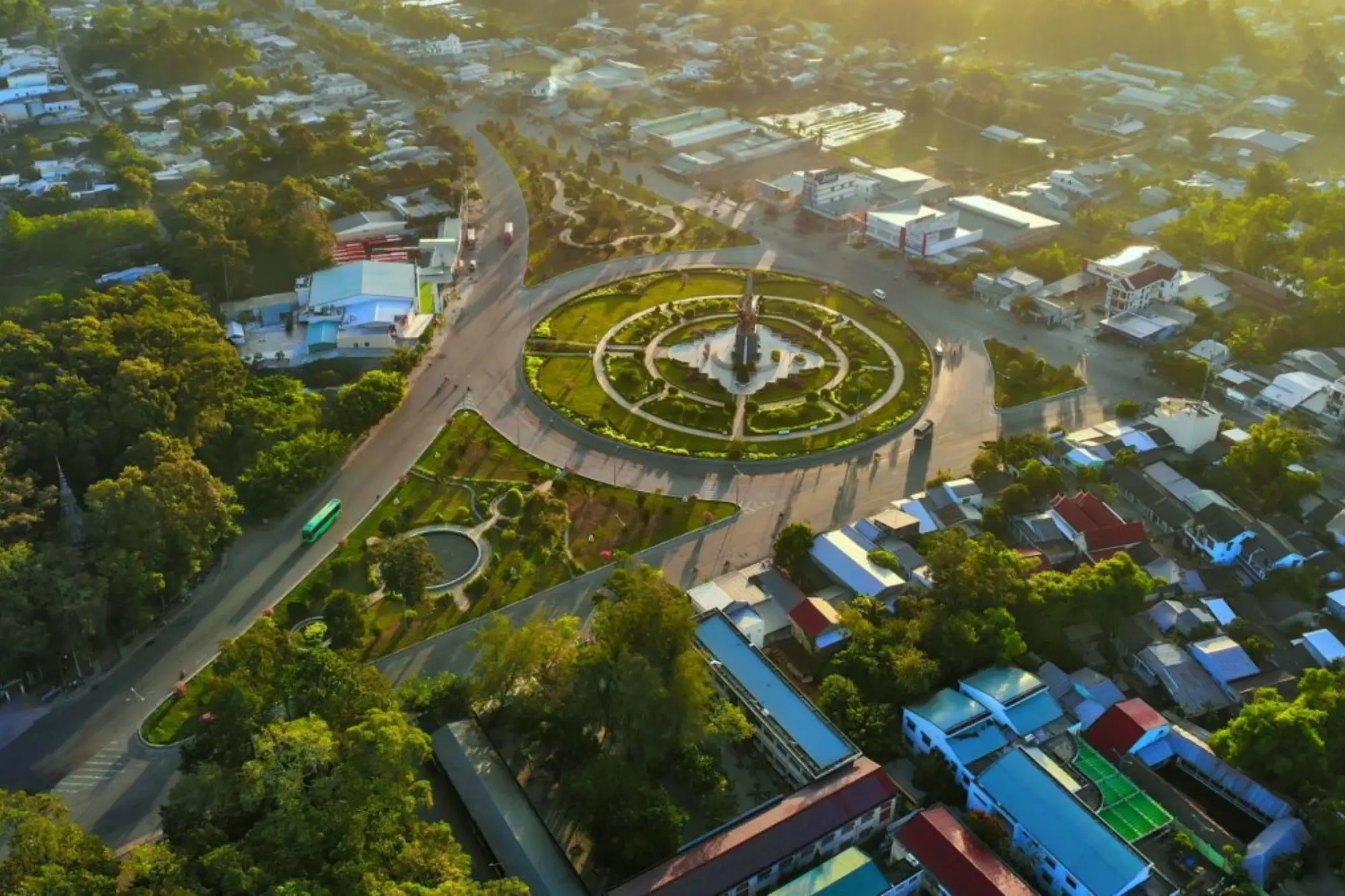
Tra Vinh is known for its peaceful streets, rice fields, Khmer cultural heritage, and numerous Buddhist temples. The province is home to a significant Khmer community, making it an interesting destination for learning about the region’s cultural diversity.
Visitors can explore local markets, temples, traditional food, and quiet rural landscapes.
- Location: Tra Vinh Province, southern Vietnam
- Best for: Khmer culture, temples, local life
- Suggested time: 1 day
- Suggested activities: Temple visits, countryside sightseeing, local food
- Cost: Most temples and public areas are free to visit
7. Take a Mekong Delta Boat Tour
A Mekong Delta boat tour is one of the best ways to experience the region’s waterways. Depending on the route, travelers can cruise along major rivers, enter narrow canals, visit floating markets, stop at orchards, and see traditional workshops.
For a more local experience, choose a smaller boat or sampan that allows you to explore quieter waterways and villages.
- Location: Available across major Mekong Delta destinations
- Best for: Nature, photography, local life, sightseeing
- Suggested time: 2-6 hours
- Cost: Depends on the route, boat type, group size, and included activities
- Tip: Check whether transfers, meals, entrance fees, and activities are included
8. Cycle Through the Countryside
Cycling is an easy way to explore the quieter side of the Mekong Delta. Routes often pass through coconut groves, fruit orchards, rice fields, small villages, and narrow rural roads.
It is a good way to slow down and observe everyday life beyond the main tourist attractions.
- Location: Ben Tre, Cai Be, Can Tho, and other rural areas
- Best for: Countryside scenery, photography, local life
- Suggested time: 2-4 hours
- Cost: Bicycle rental usually requires a separate fee
- Tip: Start early or cycle in the late afternoon to avoid the strongest midday heat
9. Visit Local Workshops & Orchards
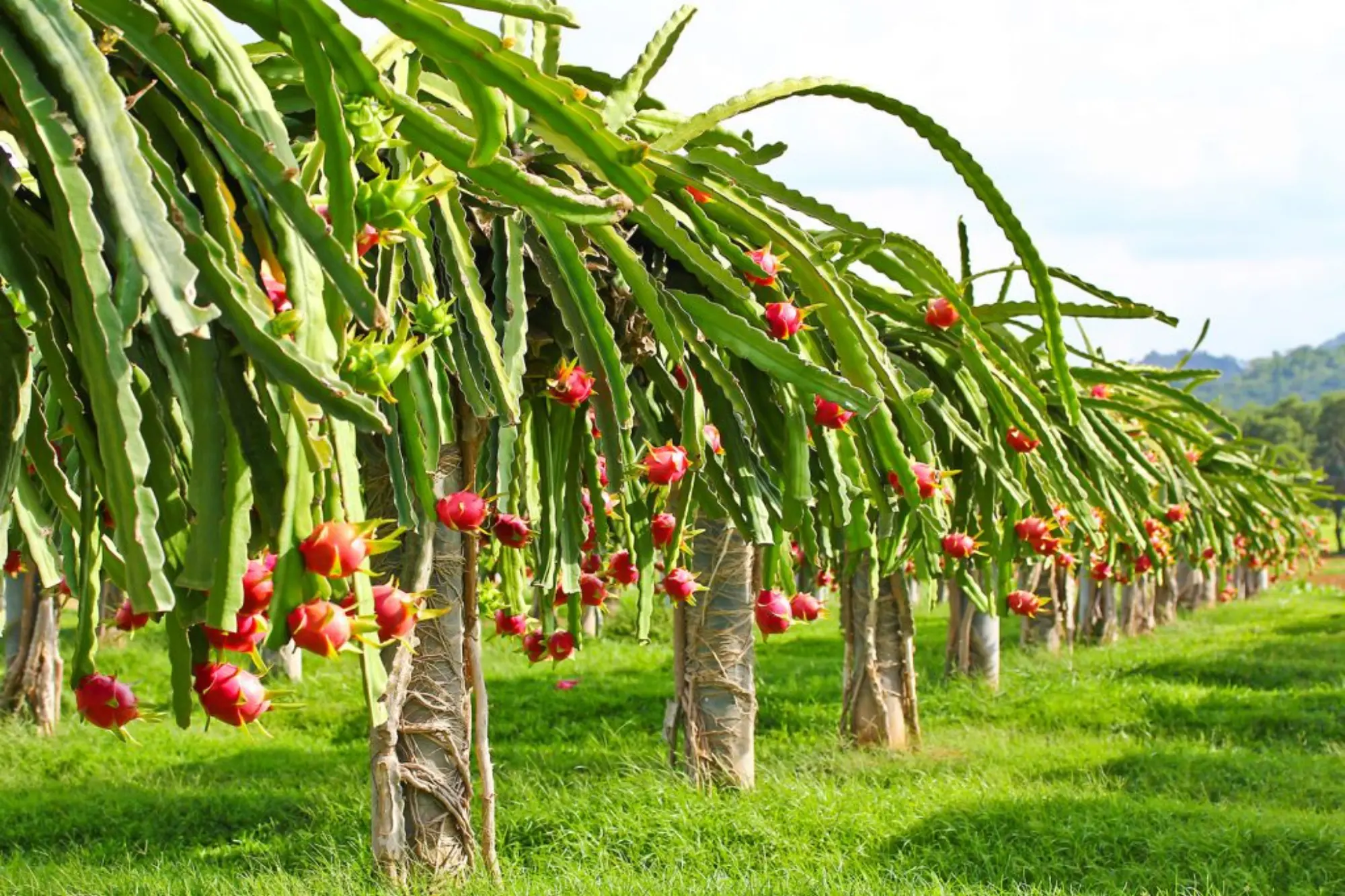
The Mekong Delta is known for traditional products made from locally available agricultural ingredients. Depending on the destination, visitors can see how coconut candy, rice paper, noodles, and other local products are made.
Fruit orchards also offer opportunities to taste seasonal produce directly from the farms.
- Location: Common around Ben Tre, Cai Be, and other rural areas
- Best for: Local culture, food, traditional crafts
- Suggested time: 1-2 hours
- Cost: Varies by orchard or workshop
- Tip: Combine a workshop or orchard visit with a boat or cycling tour for a fuller experience
Mekong Delta Culture
River-Based Lifestyle
Water is at the heart of daily life in the Mekong Delta. Rivers and canals are used for transportation, fishing, farming, trading, and connecting local communities, making boat travel an important part of the region’s identity.
Floating Market Culture
Floating markets are more than tourist attractions; they reflect the Delta’s traditional river-based trading culture. Boats gather early in the morning to exchange agricultural products, fruits, food, and everyday goods. At Cai Rang, vendors traditionally display their products on long poles so buyers can easily see what each boat is selling.
Cultural Diversity
The Mekong Delta is home to different cultural communities, including Kinh, Khmer, Cham, and Chinese communities. Their influence can be seen in local food, temples, mosques, festivals, architecture, and traditional crafts.
Mekong Delta Food
The Delta’s fertile land and waterways provide a wide range of fresh ingredients, from tropical fruits and vegetables to freshwater fish and seafood.
- Hủ Tiếu: Rice noodle soup commonly served with pork, shrimp, herbs, and fresh vegetables.
- Bánh Xèo: Crispy Vietnamese pancake filled with ingredients such as shrimp, pork, and bean sprouts.
- Cá Lóc Nướng Trui: Grilled snakehead fish prepared in a traditional southern style.
- Cá Kho Tộ: Caramelized fish slowly cooked in a clay pot with a rich, savory sauce.
- Bún Cá: Fish noodle soup popular in the western Delta, especially around Chau Doc.
- Fresh Tropical Fruits: Mangoes, pomelos, rambutans, mangosteens, coconuts, and other seasonal fruits are widely grown throughout the region.
Best Time to Visit the Mekong Delta
The Mekong Delta has a tropical climate and can be visited throughout the year, but weather and seasonal activities can affect the experience.
Season | Months | Weather | Best For |
| Dry Season | Dec-Apr | Warm, generally drier | Boat tours, cycling, sightseeing |
| Early Wet Season | May-Jun | Hot with increasing rainfall | Orchards, local experiences |
| Wet Season | Jul-Nov | More frequent rain and high humidity | Lush scenery, seasonal fruit |
For the most comfortable conditions, December to April is generally a good period for exploring the Mekong Delta. However, check the weather forecast before booking boat tours, especially during periods of heavy rain.
Travel Tips for the Mekong Delta
- Choose the right destination Can Tho is a convenient base for first-time visitors, with easy access to floating markets, boat tours, and local attractions. For a quieter and more rural experience, consider Ben Tre or Cai Be, where you can explore orchards, canals, and traditional villages.
- Book a boat tour: A local boat or sampan is one of the best ways to explore the Mekong Delta’s smaller waterways and narrow canals. Choose a tour that matches your interests, whether you want to visit floating markets, orchards, local workshops, or riverside villages.
- Bring sun protection: Outdoor activities such as cycling, boating, and walking can mean long periods under the tropical sun. Bring a hat, sunscreen, sunglasses, and light, comfortable clothing to stay protected and comfortable.
- Carry cash: Small markets, food stalls, family-run shops, and local vendors may not accept credit cards or digital payments. Keep some Vietnamese cash (VND) with you for food, drinks, entrance fees, boat rides, and small purchases.
- Stay overnight: Spending a night in the Mekong Delta gives you more time to explore the countryside and experience the local pace of life. It also allows you to visit early-morning attractions, such as floating markets, without rushing back to Ho Chi Minh City.
- Check the weather: Rain can affect boat tours, cycling routes, and other outdoor activities, particularly during the wet season. Check the local weather forecast before your trip and keep your itinerary flexible in case conditions change.
Frequently Asked Question
1. Is the Mekong Delta worth visiting?
Yes. The Mekong Delta offers a unique combination of rivers, floating markets, local food, nature, and traditional culture. It is especially suitable for travelers who want to experience a slower and more local side of Vietnam.
2. How many days do you need in the Mekong Delta?
1-2 days is enough to experience the main highlights, including a floating market and boat tour. A longer stay allows you to explore more destinations and experience rural life at a slower pace.
3, What is the best floating market in the Mekong Delta?
Cai Rang Floating Market in Can Tho is one of the most famous and largest floating markets in Vietnam. Visit early in the morning to see the busiest trading activity and enjoy breakfast on the river.
4. What are the best things to see in the Mekong Delta?
The best Mekong Delta what to see highlights include floating markets, rivers and canals, tropical orchards, coconut groves, local villages, temples, and traditional workshops. Can Tho, Ben Tre, Cai Be, and Chau Doc are among the most popular places to explore.
5. What is the best way to explore the Mekong Delta?
A combination of a Mekong Delta boat tour, cycling, walking, and local food experiences offers a good introduction to the region. Staying overnight also gives you more time to explore beyond the main tourist stops.
Conclusion
The Mekong Delta offers a different perspective on Vietnam through its rivers, floating markets, fertile countryside, local food, and diverse cultures. Whether you join a Mekong Delta boat tour, wake up early for a floating market, cycle through coconut groves, or simply enjoy life along the river, the region offers memorable experiences beyond the country’s major cities. For travelers looking to discover southern Vietnam at a slower pace, the Mekong Delta is a destination well worth adding to the itinerary.
Explore Nicetrips’ Vietnam tour packages for thoughtfully designed journeys and discover more destination guides and practical travel tips on the Nicetrips blog.
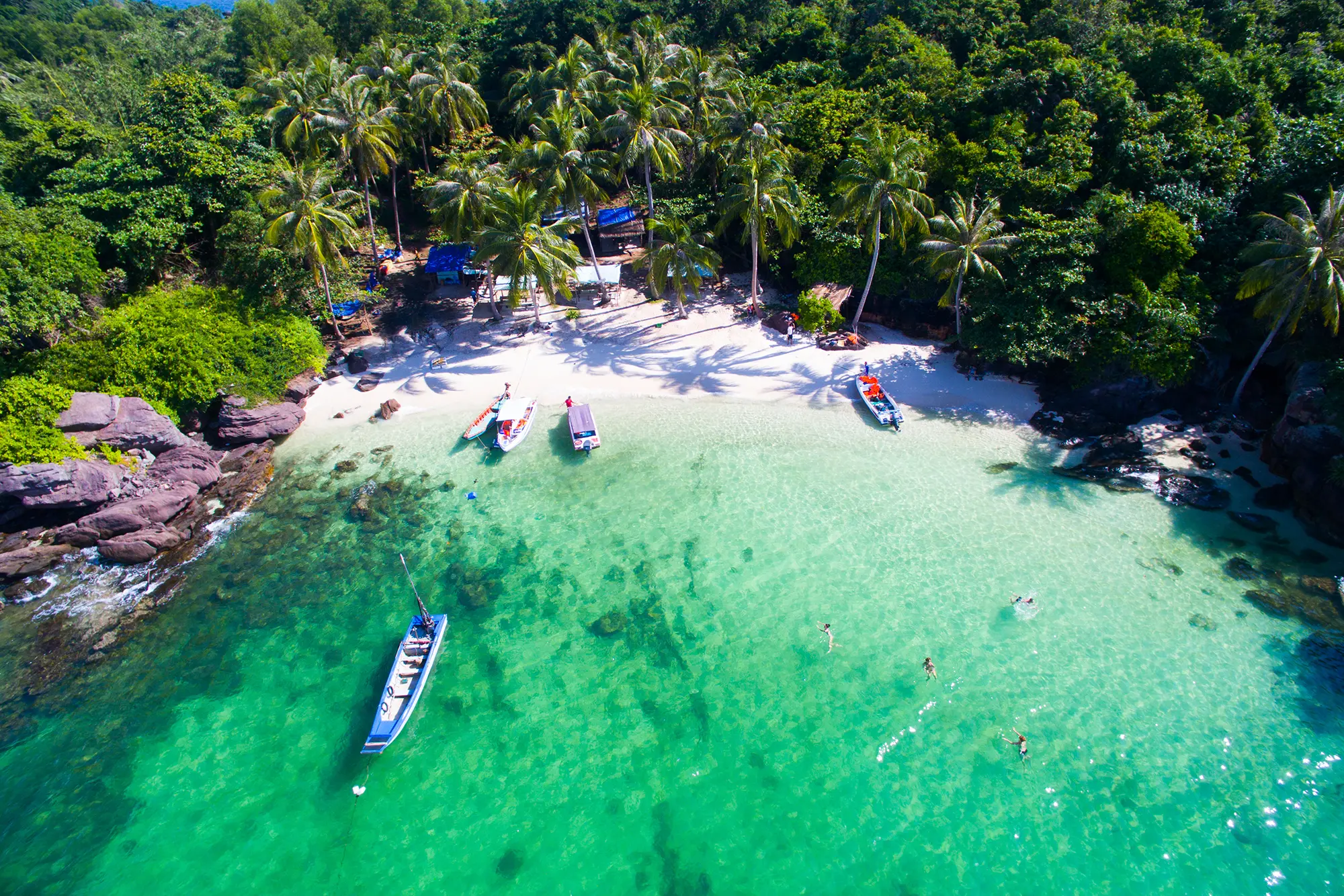
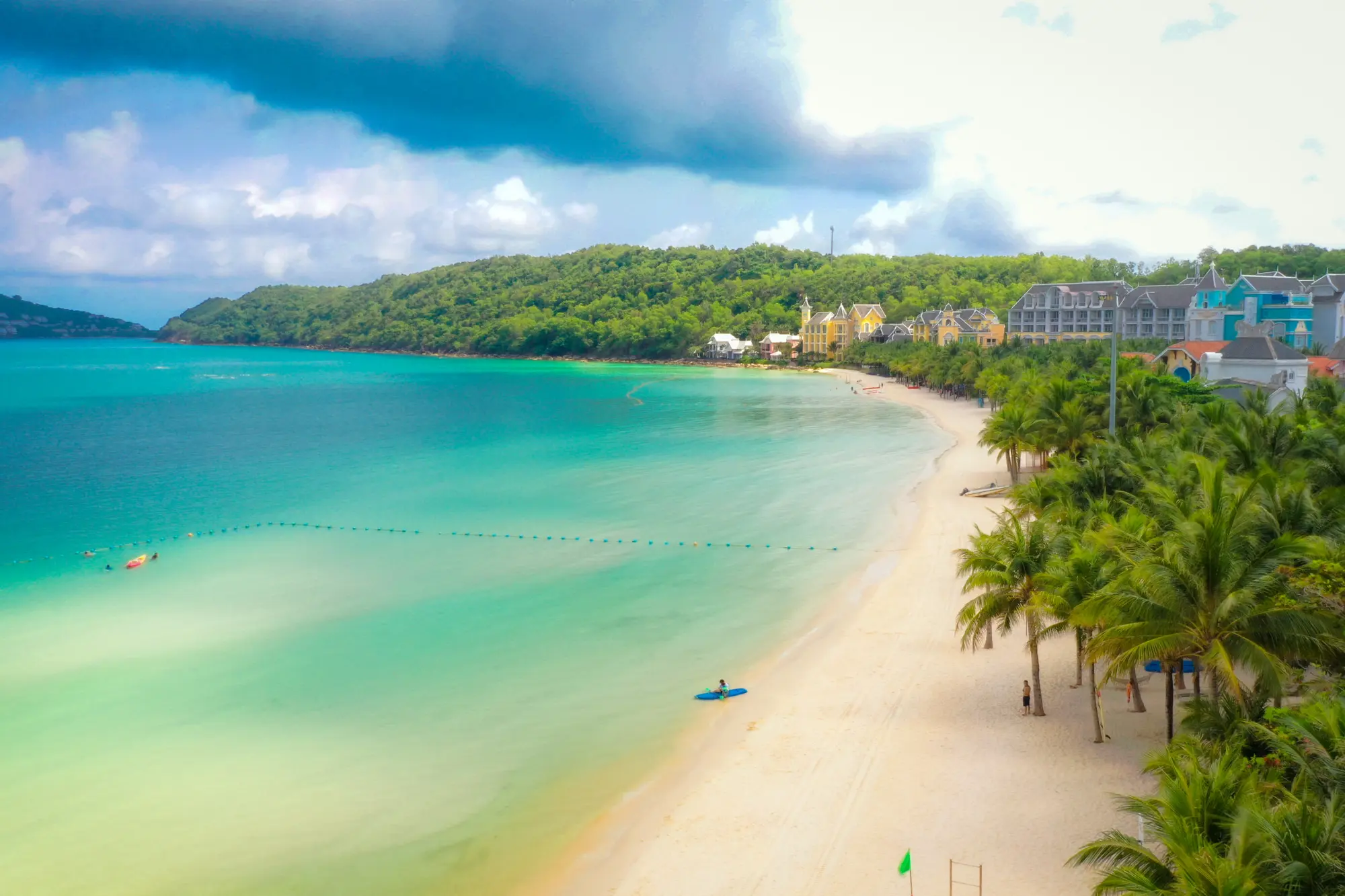
Phu Quoc is Vietnam’s largest island and one of the country’s most popular beach destinations. Famous for its white-sand beaches, clear turquoise waters, tropical landscapes, and relaxed atmosphere, the island is ideal for both short getaways and longer holidays. There are plenty of things to do in Phu Quoc from relaxing on a beautiful Phu Quoc Island beach and exploring tropical forests to joining boat trips and discovering local villages. With its diverse landscapes and island experiences, Phu Quoc offers something for every traveler. This guide covers the best places to visit in Phu Quoc, popular activities, Phu Quoc day trips, the best time to visit, and practical travel tips.
About Phu Quoc
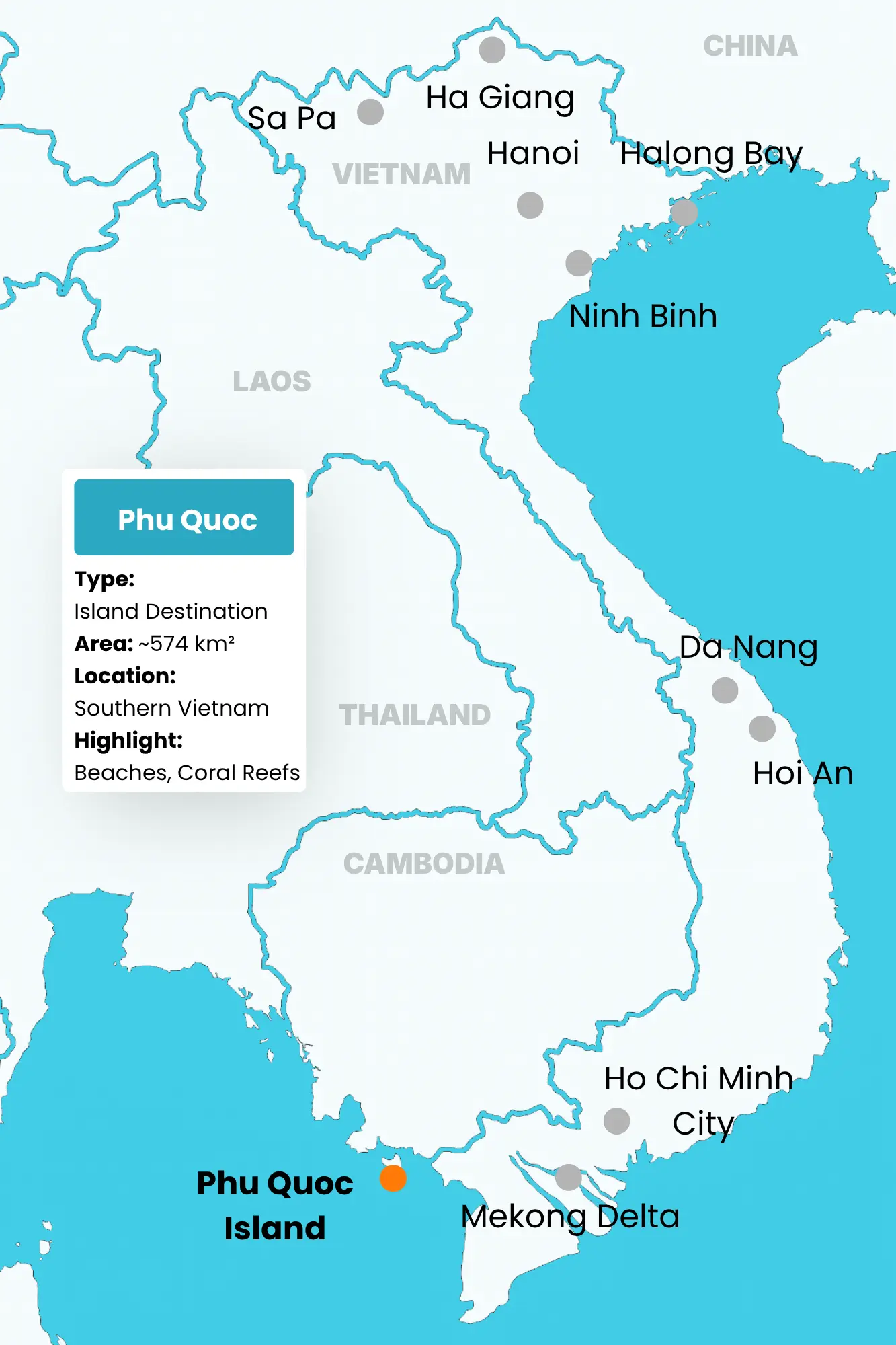
Phu Quoc is Vietnam’s largest island, located in the Gulf of Thailand off the southwestern coast of the country. The island is approximately 50 km long and up to 25 km wide, with a total area of about 574 km². It lies around 45 km from Ha Tien and 120 km from Rach Gia, making it accessible from both mainland Vietnam and nearby international destinations.
Phu Quoc combines long sandy beaches, tropical forests, fishing villages, local markets, and modern resorts. Its 150 km coastline includes well-known beaches such as Ong Lang Beach, Sao Beach, Khem Beach, and Ganh Dau. The island is also famous for its fish sauce, pepper, seafood, and pearl farming traditions.
Phu Quoc at a Glance
- Location: Gulf of Thailand, southwestern Vietnam; approximately 45 km from Ha Tien and 120 km from Rach Gia.
- Size: Approximately 574 km², making Phu Quoc the largest island in Vietnam.
- Length & Width: About 50 km long and up to 25 km wide.
- Coastline: Approximately 150 km, with numerous beaches, bays, and coastal landscapes.
- Landscape: Beaches, forests, hills, streams, coral reefs, and smaller offshore islands.
- Highlights: Beaches, island hopping, snorkeling, sunsets, seafood, fish sauce, pepper, and nature.
- Best For: Beach holidays, island trips, families, couples, nature lovers, and resort getaways.
Geography of Phu Quoc
Phu Quoc is the main island of the Phu Quoc Archipelago, which includes numerous smaller islands and islets. Its landscape is more diverse than its reputation as a beach destination suggests, with mountains and forests covering much of the island alongside coastal plains and beaches.
- Northern Phu Quoc: More mountainous and heavily forested, with large areas of protected natural landscapes. Phu Quoc National Park covers more than 31,000 hectares and is home to diverse forest ecosystems.
- Southern Phu Quoc: Features beaches, resorts, fishing communities, and access to the An Thoi Archipelago, making it a major area for island-hopping and marine activities.
- Mountainous Landscape: Phu Quoc is known as the “Island of 99 Mountains” The Ham Ninh mountain range stretches for about 30 km, with Mount Chua reaching approximately 603 m, the island’s highest point.
- Coastline: Around 150 km of coastline surrounds the island, creating a variety of beaches, rocky shores, bays, and marine habitats.
- Main Urban Center: Duong Dong has traditionally served as the island’s main commercial and tourism center, with markets, restaurants, hotels, and everyday local services.
- Climate: Phu Quoc has a tropical monsoon climate, with average temperatures generally around 25-28°C. The island experiences a relatively dry period and a wetter rainy season.
History of Phu Quoc
Phu Quoc’s history is closely connected with fishing, agriculture, maritime trade, and the natural resources of the island. Its location in the Gulf of Thailand also placed it along important regional maritime routes.
- Traditional Communities: Fishing and agriculture have long been central to life on the island, particularly in coastal villages.
- Maritime Heritage: Phu Quoc’s location made fishing and sea-based trade important parts of its historical development.
- Traditional Products: The island became particularly well known for Phu Quoc fish sauce, black pepper, seafood, and pearl cultivation.
- Natural Heritage: Large forested areas in the north have been protected as part of Phu Quoc National Park, established in 2001, helping preserve the island’s biodiversity.
- Tourism Development: Phu Quoc was officially identified for development as a regional and international tourism center in 2004.
- Modern Destination: Since the development of Phu Quoc International Airport, opened in 2012, the island has become increasingly accessible to domestic and international travelers.
- Biosphere Reserve: Phu Quoc is part of the Kien Giang Biosphere Reserve, recognized by UNESCO in 2006, highlighting the ecological importance of its island, coastal, and marine environments.
Best Places to Visit & Things to Do in Phu Quoc
1. Relax at Ong Lang Beach
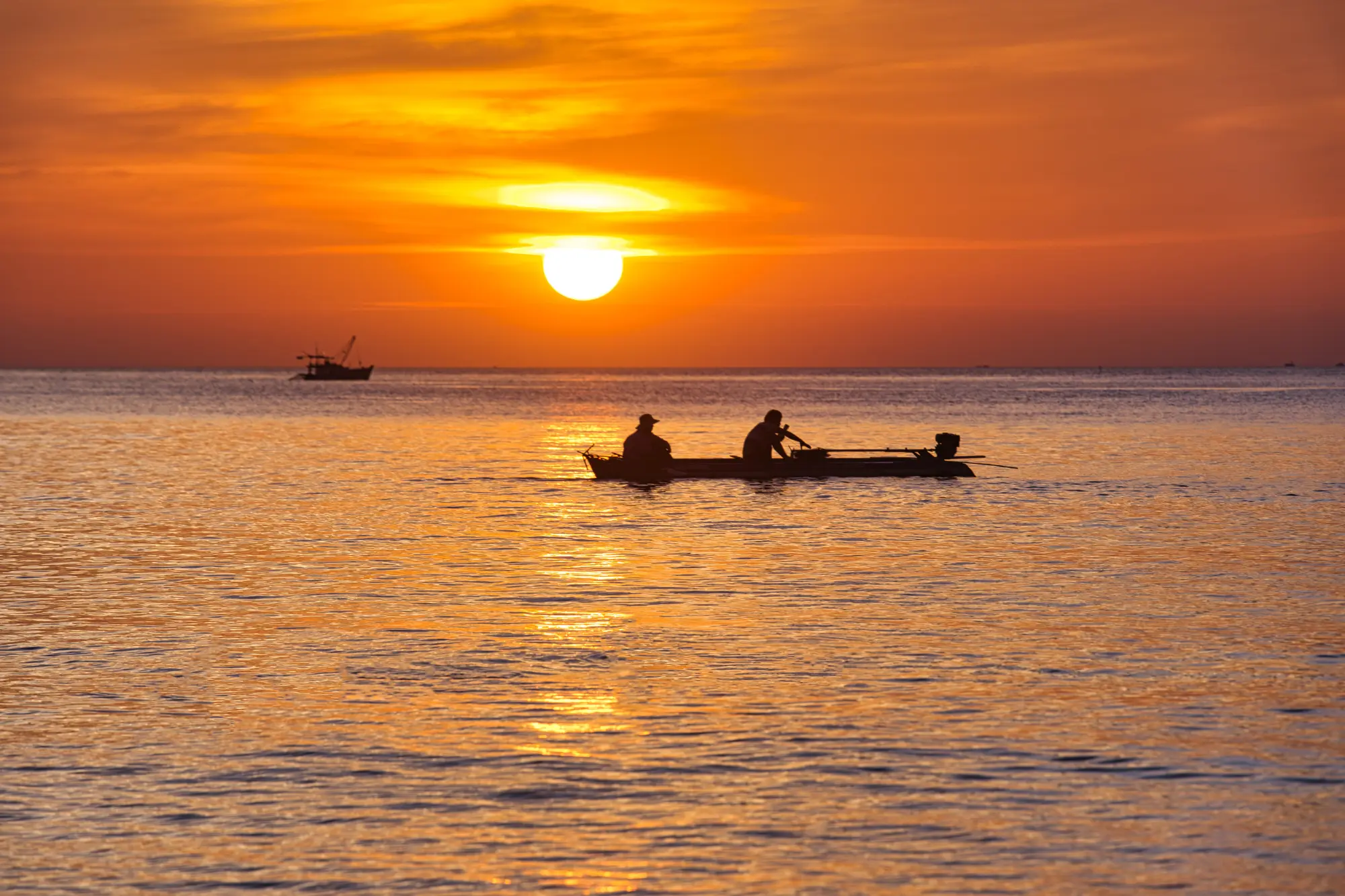
Ong Lang Beach is one of the most popular beaches on the island and stretches along the western coast. Its convenient location near Duong Dong makes it a good choice for swimming, relaxing, watching the sunset, and enjoying beachfront restaurants.
- Type: Beach
- Best For: Swimming, sunsets, resorts, and dining
- Cost: Free to access; activities and beach services may have additional fees.
2. Visit Sao Beach
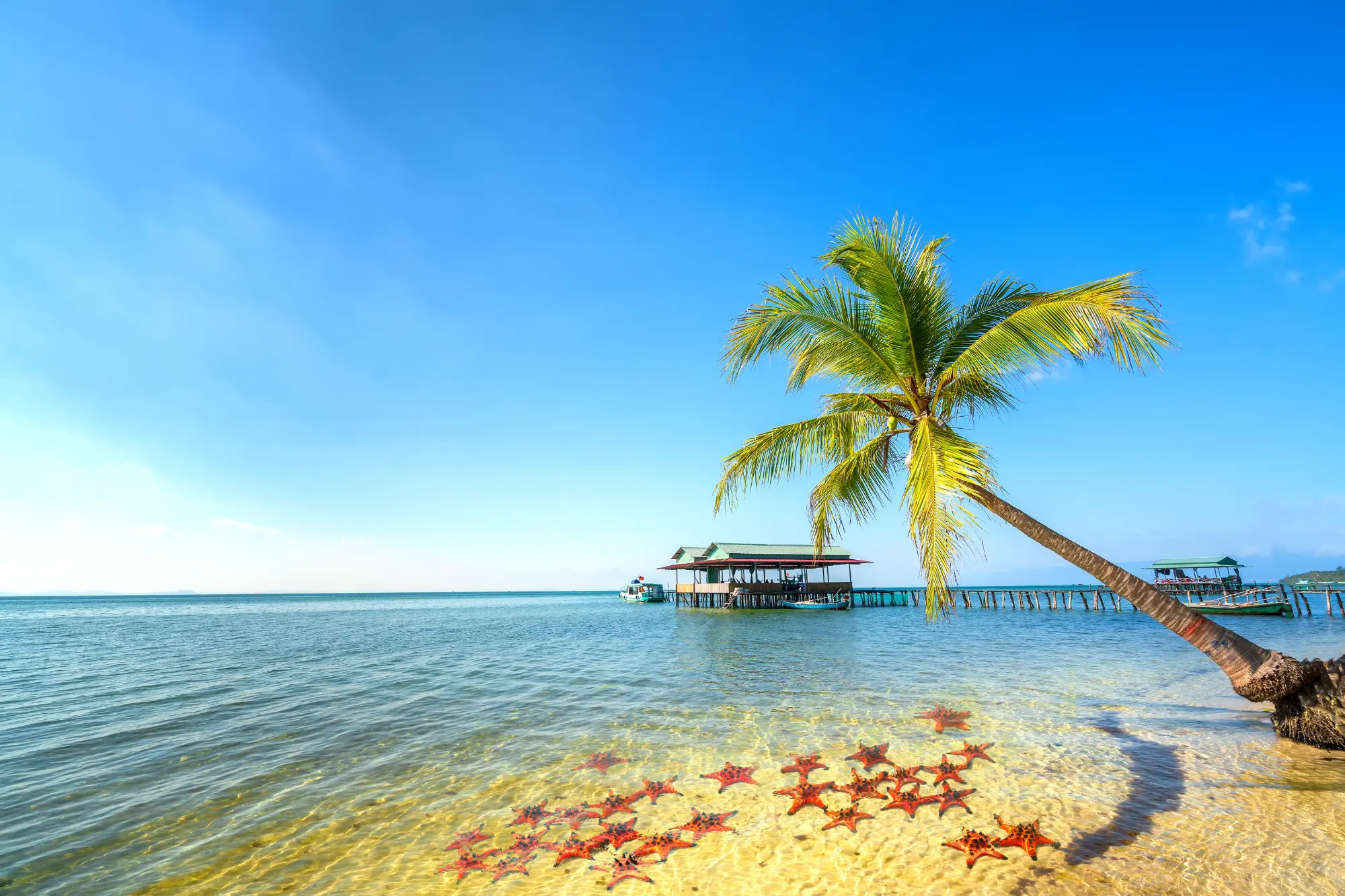
Sao Beach is famous for its soft white sand and turquoise water. Located in southern Phu Quoc, it is a popular destination for travelers looking for a scenic Phu Quoc Island beach.
- Type: Beach
- Location: Southern Phu Quoc
- Best For: Swimming, photography, and relaxing
- Cost: Free to access; some beach facilities may charge separately.
3. Explore Phu Quoc National Park
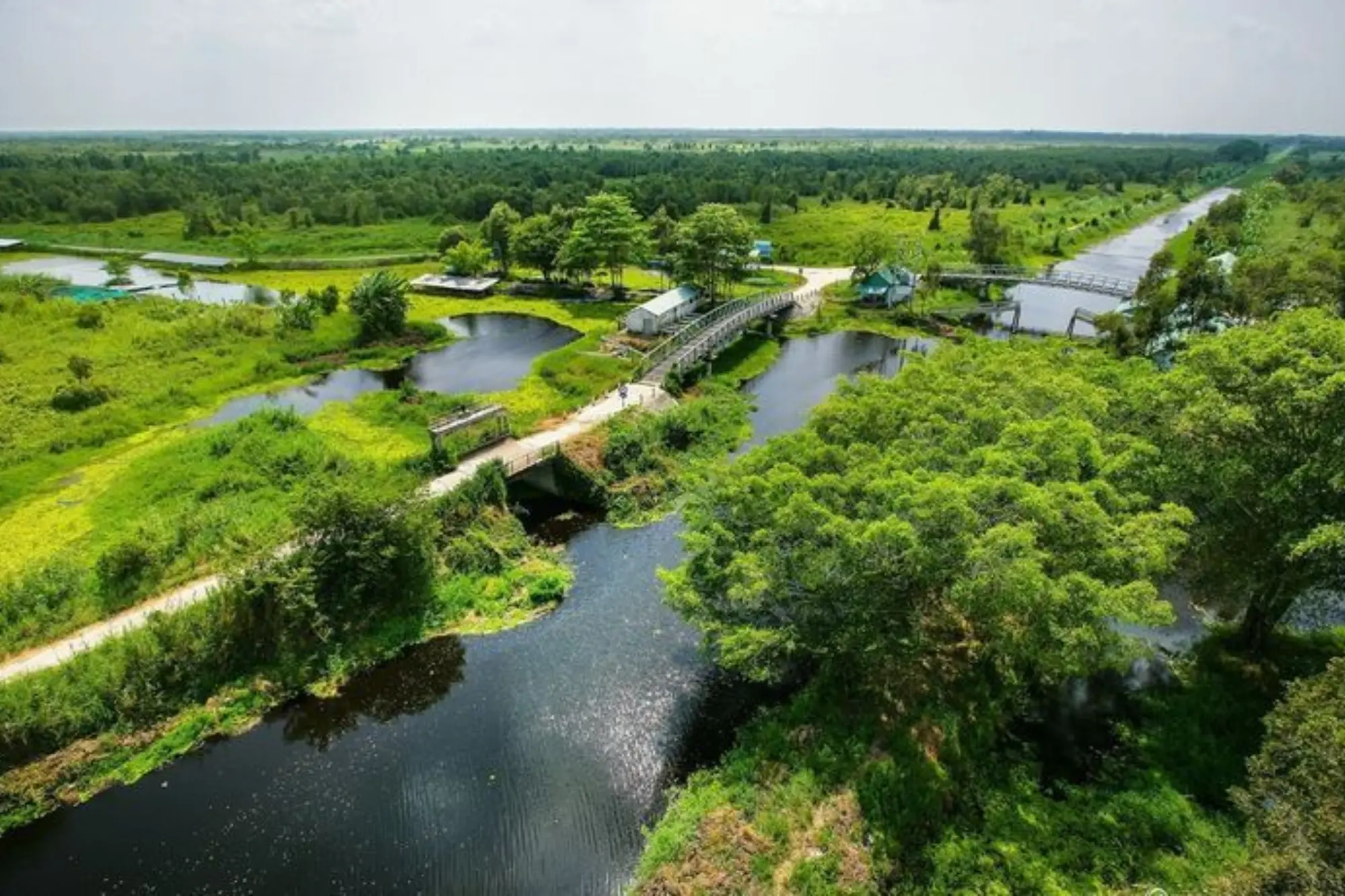
Phu Quoc National Park covers forests, mountains, and coastal ecosystems in the northern part of the island. Visitors can explore nature trails, enjoy the tropical scenery, and discover the island’s biodiversity.
- Type: National Park
- Location: Northern Phu Quoc
- Best For: Nature, hiking, and photography
- Cost: Varies depending on the activity or area visited.
4. Go Island Hopping in the An Thoi Archipelago
Island hopping is one of the most popular things to do in Phu Quoc. Boat tours from the south can take visitors to smaller islands such as Hon Thom, May Rut, and Mong Tay, where they can swim, snorkel, and enjoy the clear waters.
- Type: Island-hopping experience
- Location: Southern Phu Quoc
- Best For: Snorkeling, swimming, and photography
- Cost: Around US$25-60/person, depending on the tour and inclusions.
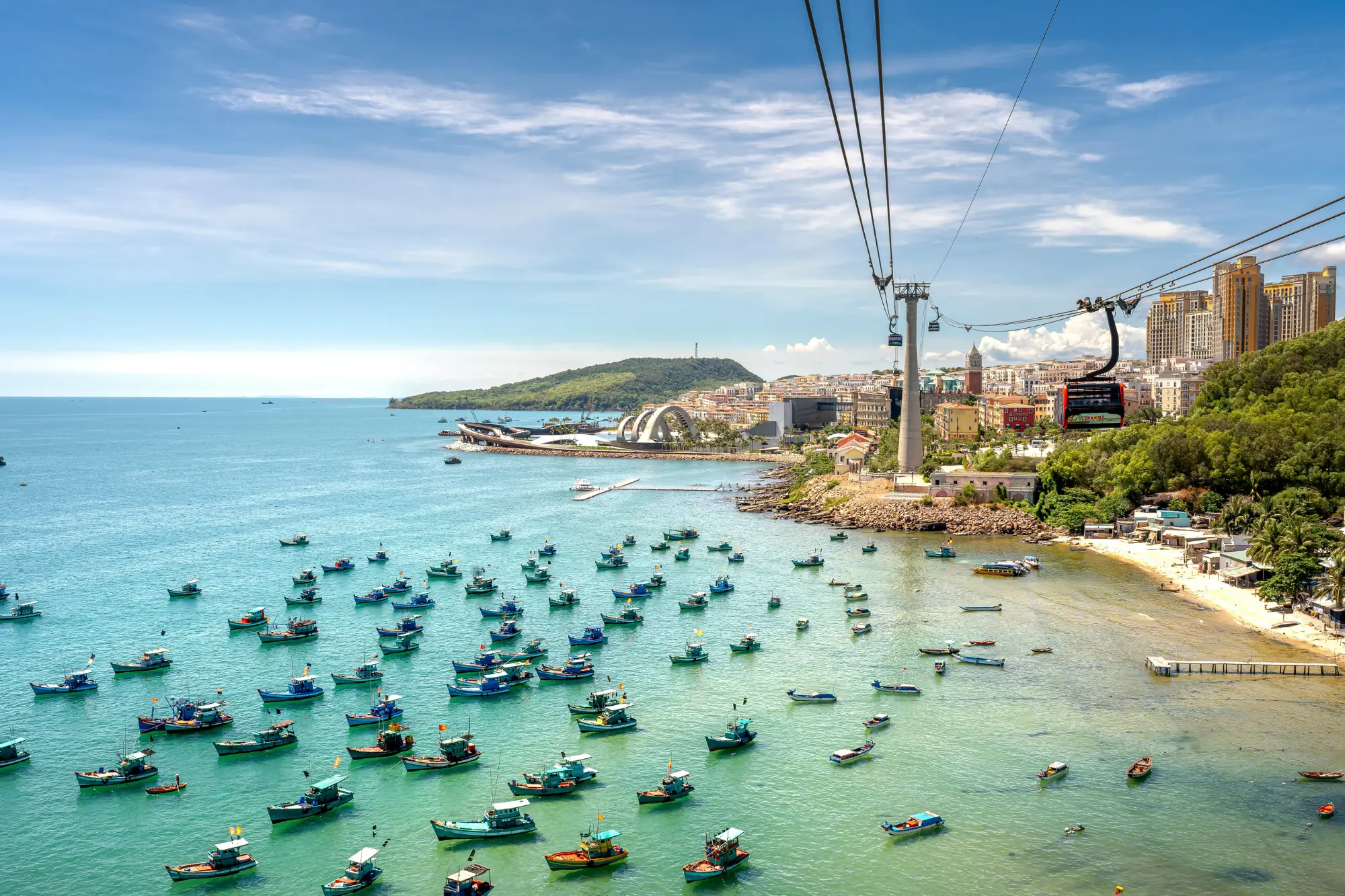
5. Take the Hon Thom Cable Car
The Hon Thom Cable Car connects An Thoi with Hon Thom Island and offers panoramic views of the sea and surrounding islands. The journey itself is a popular attraction, especially for travelers looking for scenic views.
- Type: Cable car
- Location: Southern Phu Quoc
- Best For: Sea views and sightseeing
- Cost: Prices vary by ticket type and season
6. Visit Duong Dong Market
Duong Dong Market is one of the best places to experience local life on the island. The market sells fresh seafood, tropical fruits, spices, dried products, and other local specialties.
- Type: Local market
- Best For: Food, shopping, and local experiences
- Cost: Free entry; shopping and food are paid separately.
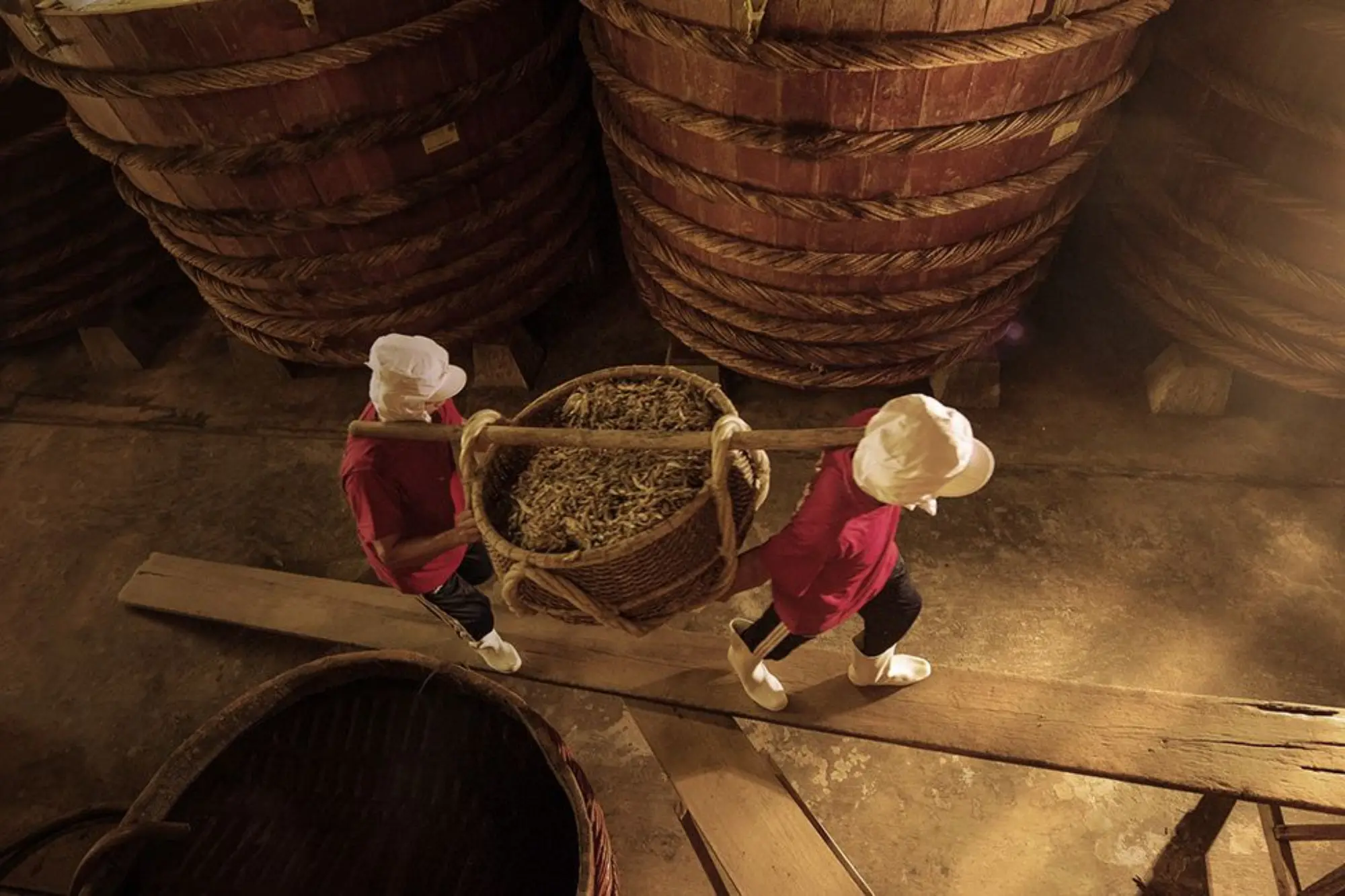
7. Discover Phu Quoc Fish Sauce & Pepper Farms
Phu Quoc is well known for its traditional fish sauce and pepper production. Visiting local producers gives travelers a chance to learn more about these important island products and traditional farming practices.
- Type: Cultural experience
- Best For: Local products and food culture
- Cost: Varies by farm or tour
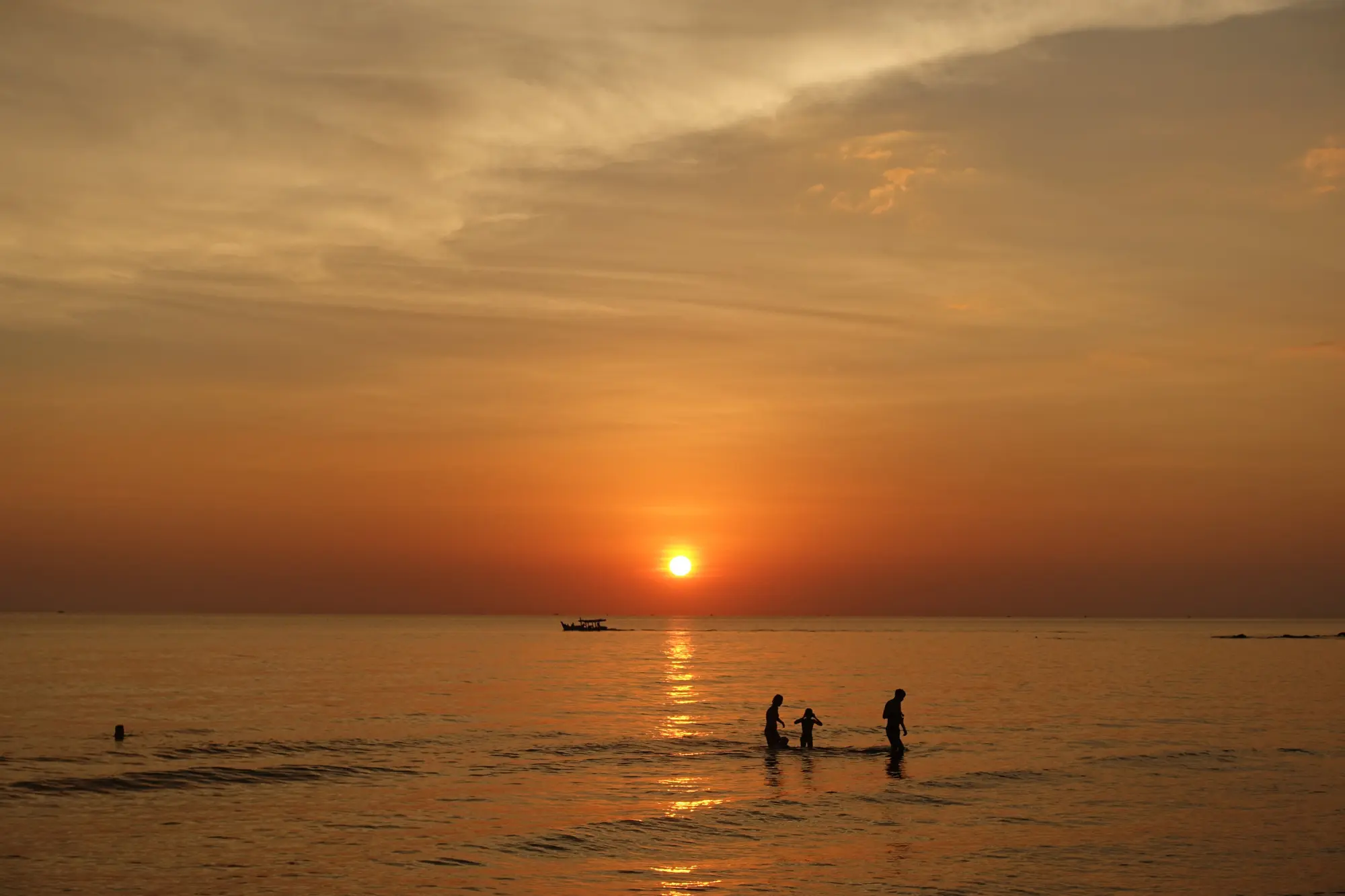
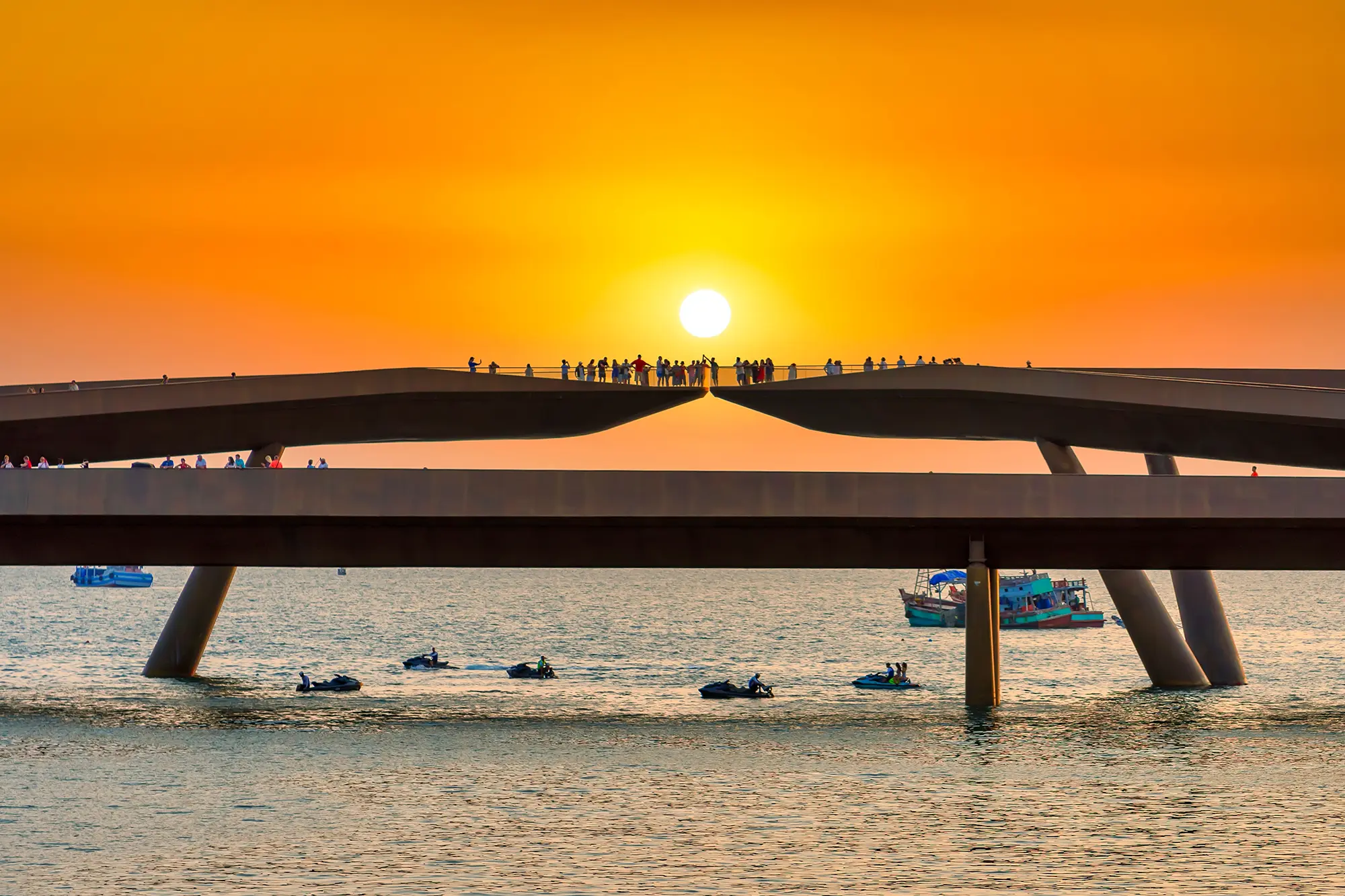
8. Watch the Sunset at the West Coast
The western coast is one of the best areas to enjoy sunset views. Travelers can relax on the beach, visit a beachfront café, or enjoy a drink while watching the sun disappear over the Gulf of Thailand.
- Type: Sunset experience
- Best For: Couples, photography, and relaxation
- Cost: Free on public beaches; cafés and resorts charge separately
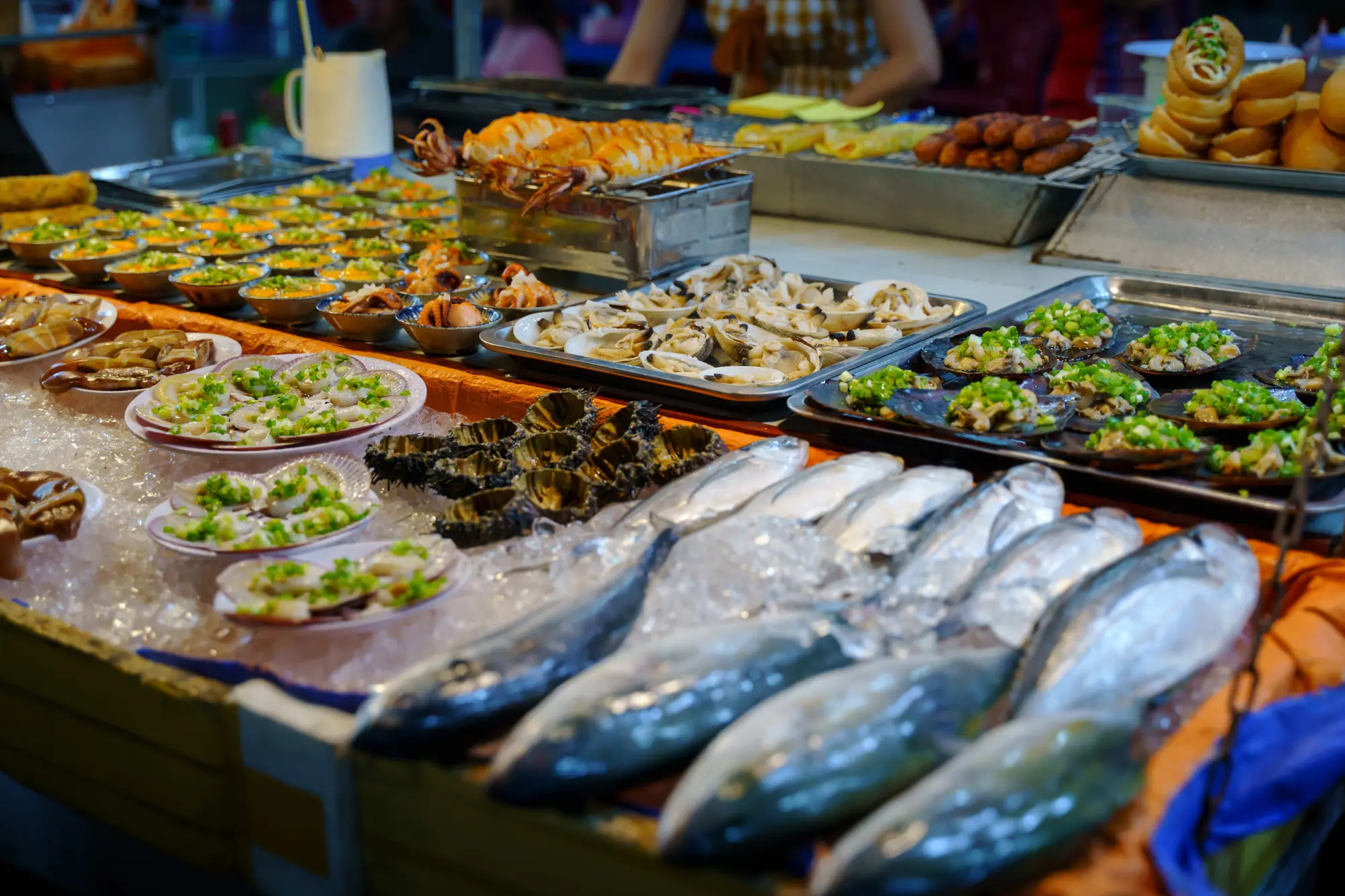
9. Explore Phu Quoc Night Market
Phu Quoc Night Market in Duong Dong is a lively evening destination with seafood restaurants, local snacks, souvenirs, and tropical products. It is a convenient place to try local food and experience the island after sunset.
- Type: Night market
- Best For: Food, shopping, and nightlife
- Cost: Free entry; food and shopping are paid separately.
10. Take Phu Quoc Day Trips
Phu Quoc day trips are a convenient way to explore different parts of the island or nearby islands in a single day. Popular options include southern island-hopping tours, snorkeling trips, fishing experiences, and excursions to local villages and natural attractions.
- Duration: Usually half-day or full-day
- Best For: First-time visitors and short stays
- Cost: Around US$25–80/person, depending on the itinerary and inclusions.
Culture, Food & Local Life
Culture
Phu Quoc’s culture is closely connected with its maritime environment and traditional island communities. Fishing has been an important part of local life for generations, while traditional products such as fish sauce and pepper reflect the island’s agricultural and food-producing heritage.
Visitors can discover local culture through fishing villages, traditional markets, fish sauce facilities, and pepper farms. These experiences offer a closer look at the traditions and industries that have shaped life on the island.
Food
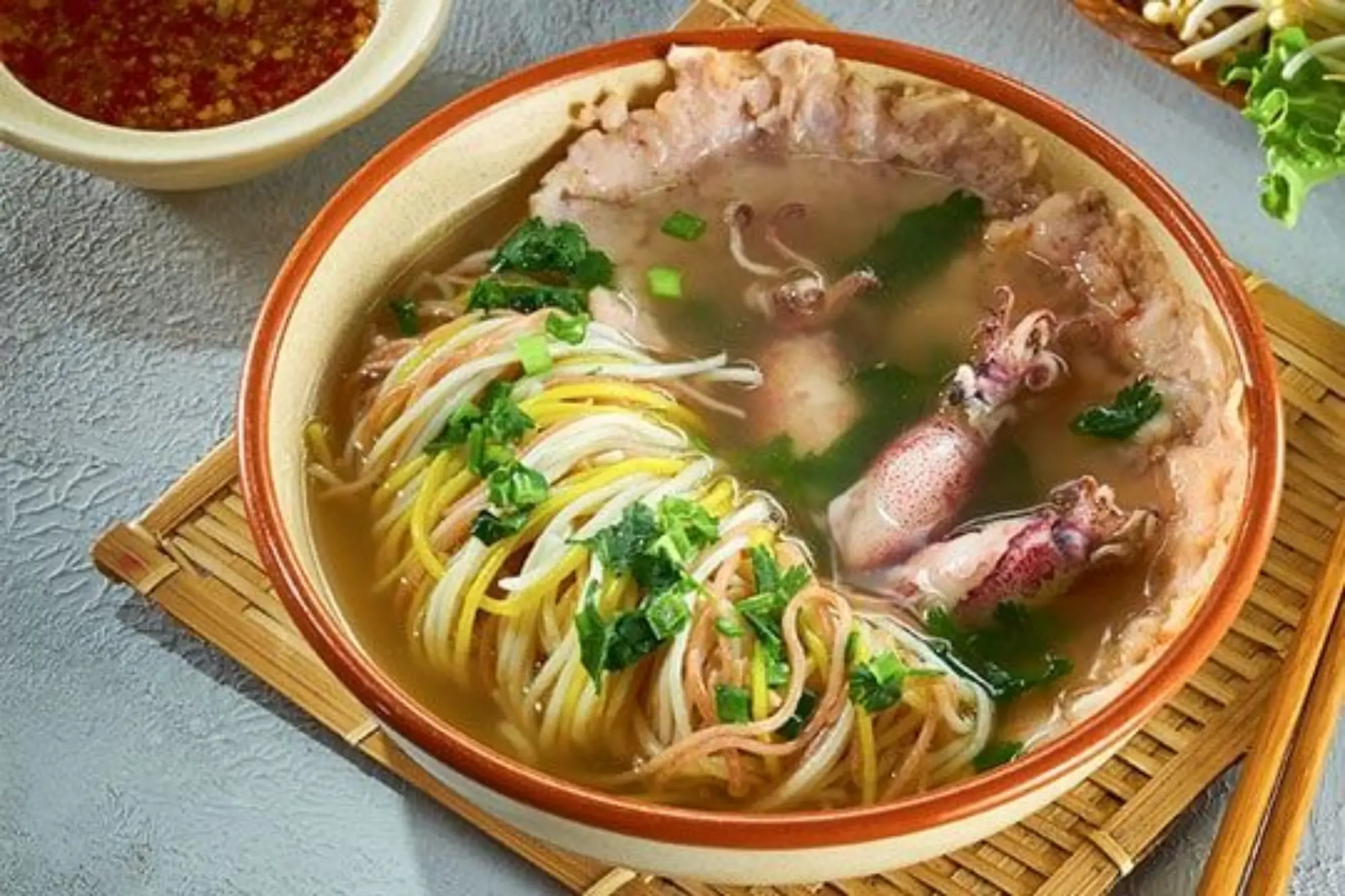
Seafood is at the heart of Phu Quoc’s food culture. Fresh crab, squid, shrimp, shellfish, and grilled fish are widely available at local markets and seafood restaurants.
Some local specialties worth trying include:
- Goi Ca Trich: Fresh herring served with herbs, coconut, peanuts, rice paper, and dipping sauce.
- Bun Quay: Rice noodles served with freshly prepared shrimp, fish, squid, and a savory broth.
- Phu Quoc Fish Sauce: A traditional fermented sauce made mainly from anchovies and sea salt.
- Phu Quoc Pepper: Locally grown pepper known for its strong aroma and distinctive flavor.
- Grilled Seafood: Fresh squid, prawns, scallops, crab, and other seafood prepared with local seasonings.
Local Life
Local life in Phu Quoc revolves around the sea, fishing, markets, and small coastal communities. Early mornings are a good time to see fishing boats returning with their catches and locals buying fresh seafood at nearby markets.
For a more authentic experience, travelers can visit Duong Dong Market, explore fishing villages, stop by a pepper farm, or visit a traditional fish sauce facility. Walking through local neighborhoods and eating at small family-run restaurants can also provide a more personal view of everyday island life.
Together, these experiences show a side of Phu Quoc beyond its beaches and resorts, highlighting the island’s strong connection with the sea and its traditional way of life.
Best Time to Visit Phu Quoc
Phu Quoc has a tropical climate with a dry season and a rainy season. The dry season is generally the most popular period for beach holidays and outdoor activities.
| Season | Weather | Best For |
| November-April | Warm and mostly dry | Beaches, island hopping, sightseeing |
| May-October | Hot, humid, with more rain | Resorts, local experiences, quieter trips |
When Is the Best Time to Visit?
For the best overall beach experience, December to April is the safest choice. March and April are particularly suitable for travelers who want warm weather and plenty of time for swimming, snorkeling, and exploring the islands. If your priority is avoiding heavy rain and unpredictable sea conditions, it is better to avoid July to September. However, weather conditions can vary from year to year, so check the latest weather forecast before your trip and adjust your plans accordingly.
Facts About Phu Quoc
- Vietnam’s Largest Island: Phu Quoc covers approximately 574 km², making it the largest island in Vietnam. Its large area includes beaches, forests, mountains, fishing villages, and smaller surrounding islands.
- Island of 99 Mountains: Phu Quoc is often known as the “Island of 99 Mountains” with Mount Chua reaching about 603 m, the island’s highest peak. The island’s mountainous landscape is especially prominent in the north and northeast.
- 150 km Coastline: Phu Quoc has approximately 150 km of coastline, featuring sandy beaches, quiet bays, rocky shores, and traditional fishing villages. This diverse coastline makes the island well suited for beach holidays and water activities.
- UNESCO Biosphere Reserve: Phu Quoc is part of the Kien Giang Biosphere Reserve, recognized by UNESCO in 2006 for its diverse terrestrial, coastal, and marine ecosystems. The reserve highlights the ecological importance of the island and surrounding waters.
- Famous for Fish Sauce: Phu Quoc has a long tradition of producing fish sauce from fermented anchovies and sea salt. The product is one of the island’s most famous specialties and an important part of its local food culture.
- Pearl Island: Phu Quoc is also well known for pearl farming, which has earned the island the nickname “Pearl Island.” Visitors can learn more about pearl cultivation and see locally produced pearl jewelry.
- A Tropical National Park: Phu Quoc National Park covers more than 31,000 hectares, protecting large areas of forest and diverse ecosystems in the north of the island. The park is home to rich plant and animal life and offers opportunities for nature exploration and outdoor activities.
Frequently Asked Questions
1. Is Phu Quoc worth visiting?
Yes. Phu Quoc offers a great mix of beaches, nature, local food, island activities, and resorts for different types of travelers. It is a good choice for both relaxing beach holidays and active island adventures.
2. How many days do you need in Phu Quoc?
2–4 days is enough to explore the main beaches, attractions, local food, and island activities. A longer stay is recommended for a more relaxed trip or to explore more of the island.
3. What are the best places to visit in Phu Quoc?
Popular places to visit in Phu Quoc include Long Beach, Ong Lang Beach, Sao Beach, Phu Quoc National Park, Duong Dong Market, An Thoi Archipelago, and Hon Thom. Each offers a different experience, from beaches and nature to local culture and island adventures.
4. What are the best things to do in Phu Quoc?
The best things to do in Phu Quoc include relaxing on the beaches, island hopping, snorkeling, exploring nature, visiting local markets, and watching the sunset. You can also try local seafood and discover Phu Quoc’s famous pepper and fish sauce.
5. Are Phu Quoc day trips available?
Yes. Phu Quoc day trips include island hopping, snorkeling, fishing, sightseeing, and cultural experiences, with both half-day and full-day options. Check the itinerary and latest weather forecast before booking, especially during the rainy season.
Conclusion
Phu Quoc is an excellent destination for travelers looking for a mix of beaches, nature, local culture, and island experiences. From relaxing on a Phu Quoc Island beach to exploring the national park, enjoying fresh seafood, and joining Phu Quoc day trips, the island offers plenty to discover. Whether you are planning a short beach getaway or a longer Vietnam holiday, Phu Quoc is a destination worth adding to your itinerary. With its tropical scenery, laid-back atmosphere, and diverse experiences, the island offers an easy balance between relaxation and adventure.
Explore Nicetrips’ Vietnam tour packages for thoughtfully designed journeys combining Hoi An with other highlights of Central Vietnam, Southern Vietnam and discover more destination guides and practical travel tips on the Nicetrips blog.