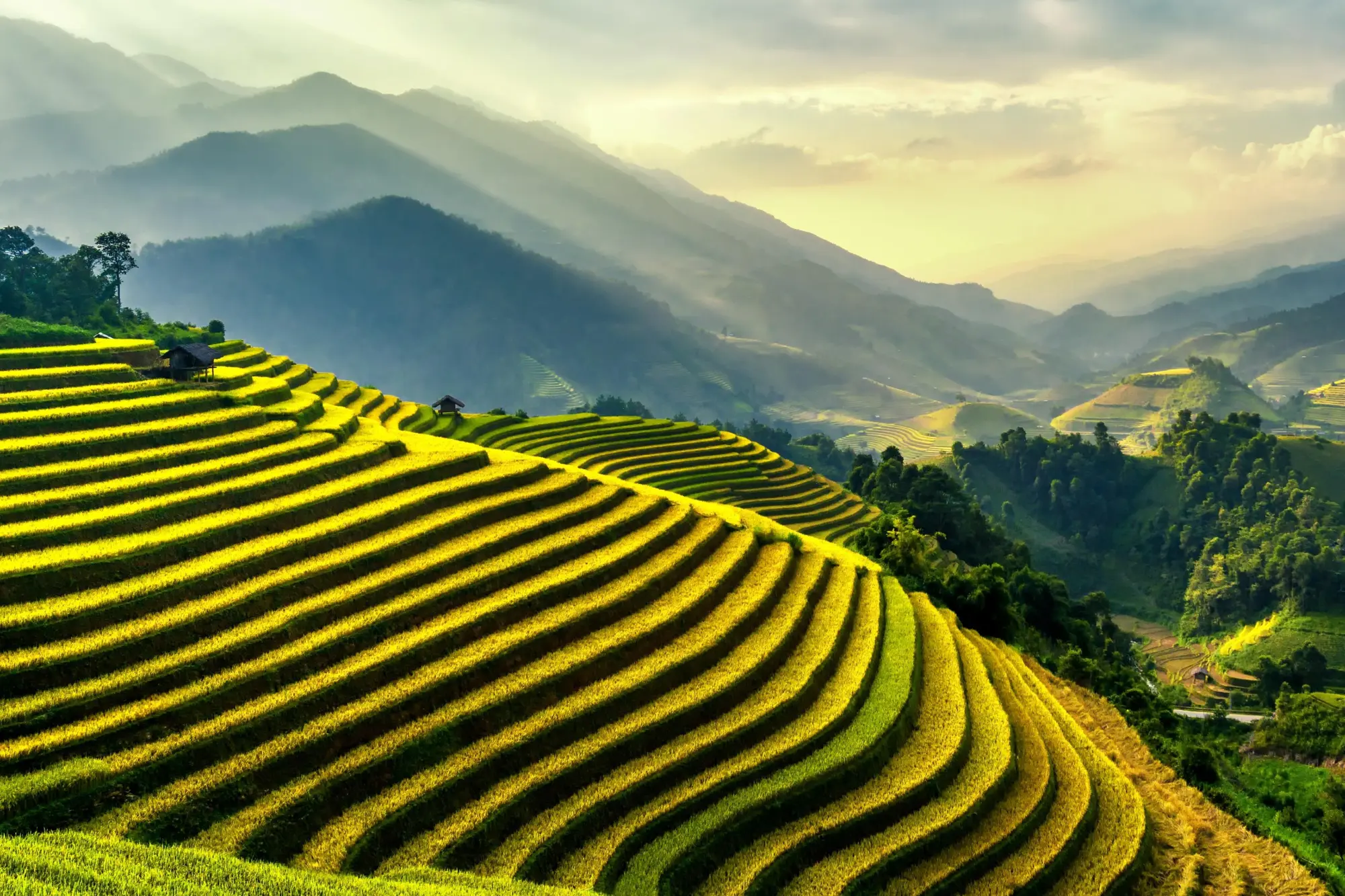
Hoi An is one of Vietnam’s most charming destinations, known for its well-preserved ancient architecture, colorful lanterns, riverside streets, and relaxed atmosphere. Once an important trading port in Southeast Asia, the town is now famous for its cultural heritage, local cuisine, traditional crafts, and beautiful beaches
There are plenty of experiences for travelers to discover from exploring Hoi An Ancient Town Vietnam and walking through the lantern-lit streets to visiting nearby beaches, villages, and historical sites. This guide covers the best Hoi An places to visit, things to do, the best time to go, and practical travel tips for planning your trip.
About Hoi An
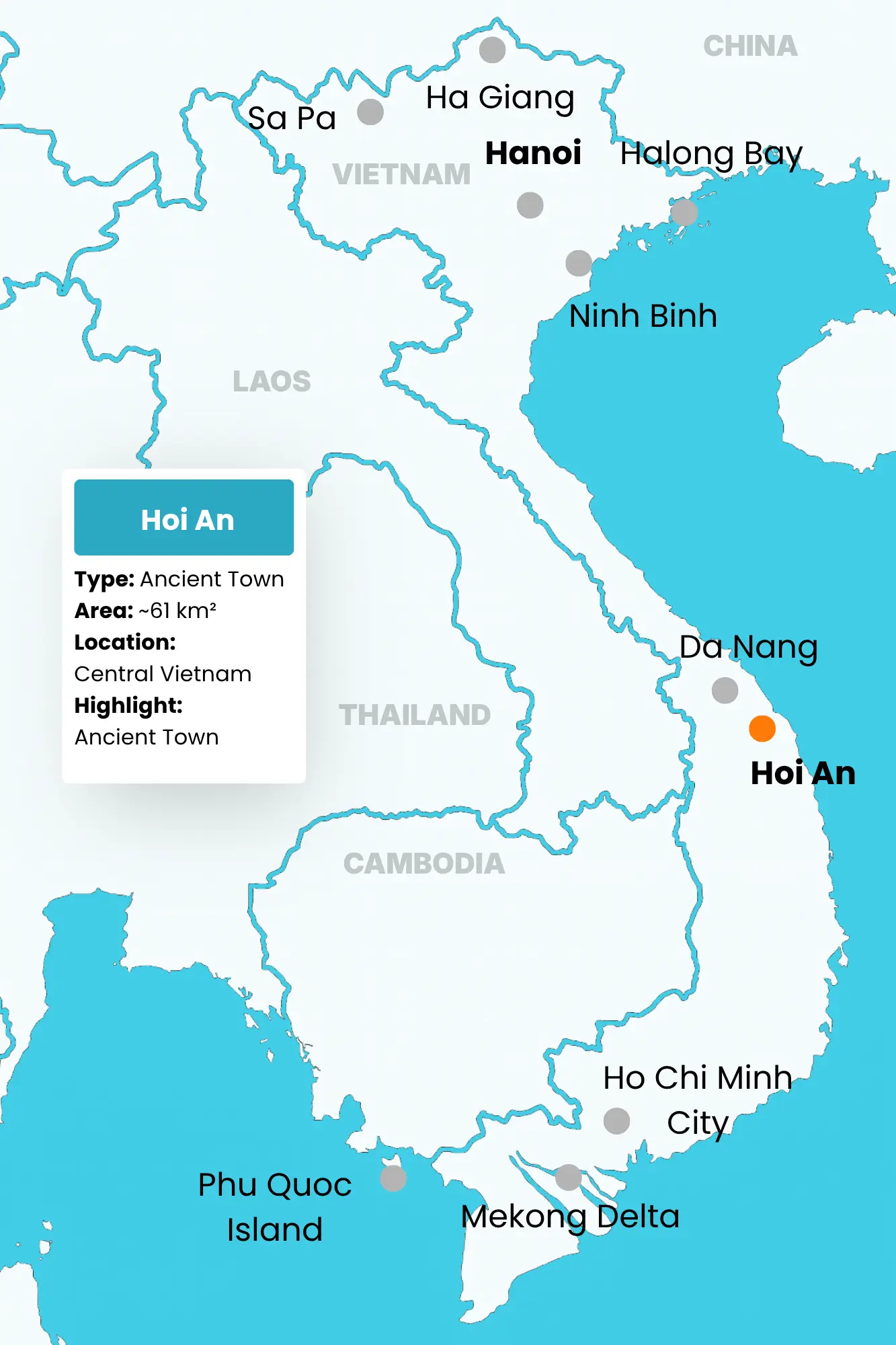
Hoi An is a historic town in Central Vietnam, located in Quang Nam Province along the Thu Bon River. Its compact Ancient Town is the heart of the destination, with traditional wooden houses, narrow streets, temples, assembly halls, cafés, shops, and riverside markets.
The town is especially known for its multicultural heritage. Chinese, Japanese, Vietnamese, and later European influences can be seen in its architecture, street layout, religious buildings, and traditional way of life. Hoi An Ancient Town was inscribed on the UNESCO World Heritage List in 1999.
Hoi An at a Glance
- Location: Quang Nam Province, Central Vietnam
- Main landmark: Hoi An Ancient Town
- Landscape: Thu Bon River, countryside, beaches, islands, and rice fields
- Known for: Lanterns, traditional architecture, tailor shops, local cuisine, markets, and cultural heritage
- Popular experiences: Walking tours, cycling, cooking classes, boat rides, food tours, beach trips, and shopping
- Nearby destinations: Da Nang, My Son Sanctuary, Cham Islands, Tra Que Vegetable Village
- Best for: Culture, history, food, photography, couples, families, and relaxed holidays
Geography of Hoi An
Hoi An is a historic town in Quang Nam Province, Central Vietnam, located along the lower section of the Thu Bon River, close to the coast. Its geography combines a riverside urban area with beaches, waterways, agricultural land, and nearby islands, giving the destination a diverse landscape within a relatively compact area.
- Location: Hoi An is located in Quang Nam Province, approximately 30 km south of Da Nang and close to the mouth of the Thu Bon River.
- Area: The city covers approximately 61.7 km², including the historic urban area, surrounding countryside, and coastal areas.
- Riverside setting: The Thu Bon River runs through Hoi An and historically played an important role in transportation, trade, and the development of the town as a trading port.
- Ancient Town: The UNESCO-listed Hoi An Ancient Town covers around 30 hectares and retains its historic street layout, traditional houses, temples, assembly halls, and other heritage buildings.
- Coastline: Hoi An has a coastal setting with popular beaches such as An Bang Beach and Cua Dai Beach, located a short distance from the Ancient Town.
- Countryside: The surrounding landscape includes rice fields, vegetable gardens, waterways, coconut forests, and traditional villages, making the area well suited to cycling and rural experiences.
- Nearby destinations: Hoi An has convenient connections to Da Nang, My Son Sanctuary, Cham Islands, and other major destinations in Central Vietnam.
History of Hoi An
Hoi An has a long history shaped by maritime trade and cultural exchange.
- Early trading centre: The Thu Bon River region was involved in maritime trade for centuries, with Hoi An developing from an earlier settlement into an important trading centre during the Champa period.
- 15th-19th centuries: Hoi An flourished as a major Southeast Asian trading port, attracting merchants from China, Japan, Southeast Asia, India, and Europe.
- Cultural exchange: International trade brought different communities to Hoi An, leaving lasting influences on its architecture, religious sites, customs, and local culture.
- Japanese and Chinese influence: Japanese merchants established a community in Hoi An, while Chinese merchant groups also played an important role in the town’s commercial and cultural development.
- Decline of the port: From the 19th century, Hoi An gradually lost its position as a major trading port as other ports became more prominent and changes in the Thu Bon River affected navigation.
- Preservation: As commercial activity declined, much of the historic town remained relatively intact, helping preserve its traditional urban landscape and architecture.
- World Heritage Site: Hoi An Ancient Town was inscribed on the UNESCO World Heritage List in 1999, recognizing it as an exceptionally well-preserved example of a Southeast Asian trading port.
Best Places to Visit & Things to Do in Hoi An
1. Explore Hoi An Ancient Town
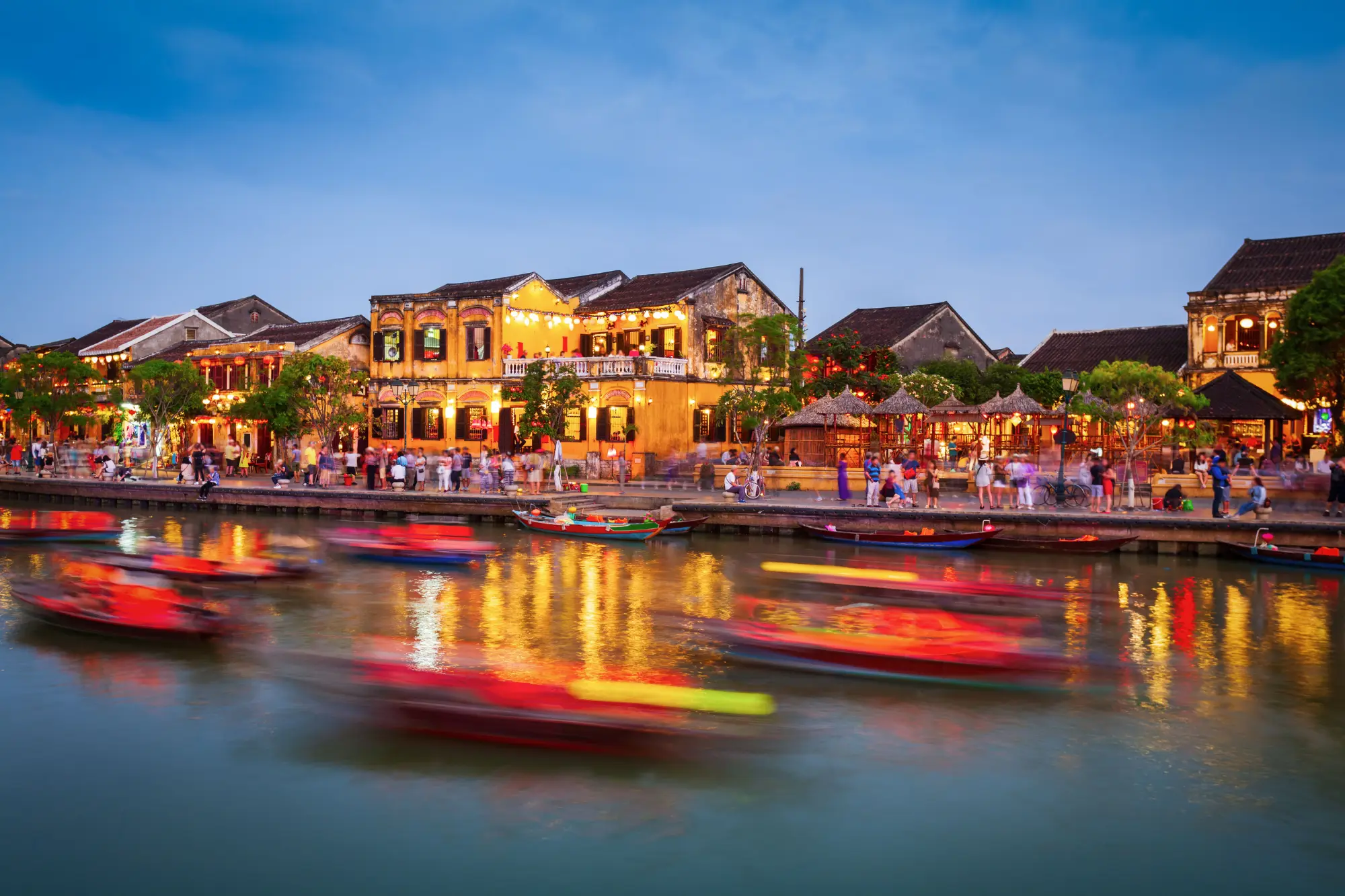
Hoi An Ancient Town Vietnam is the heart of the destination and the first place most travelers should explore. The historic area preserves traditional wooden houses, temples, assembly halls, shops, markets, and narrow streets that reflect Hoi An’s history as an international trading port.
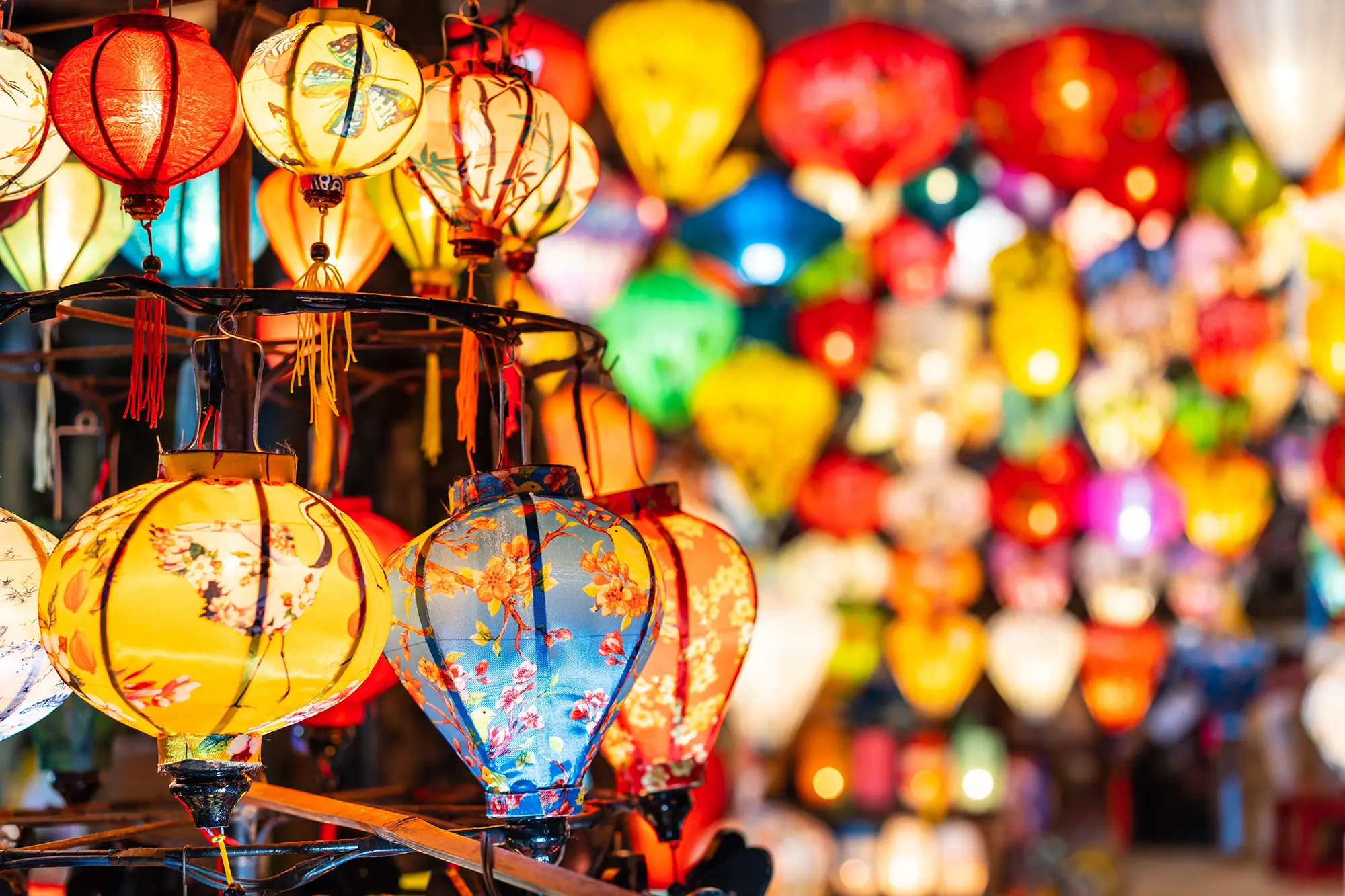
The best way to experience the Old Town is on foot. During the day, explore its historic buildings, cafés, handicraft shops, and local markets. In the evening, the streets take on a different atmosphere as colorful lanterns illuminate the old houses and the Thu Bon riverside.
- Best time: Late afternoon to evening
- Experience: Walking, photography, architecture, shopping, food
- Ideal for: First-time visitors and culture lovers
2. Visit Japanese Covered Bridge
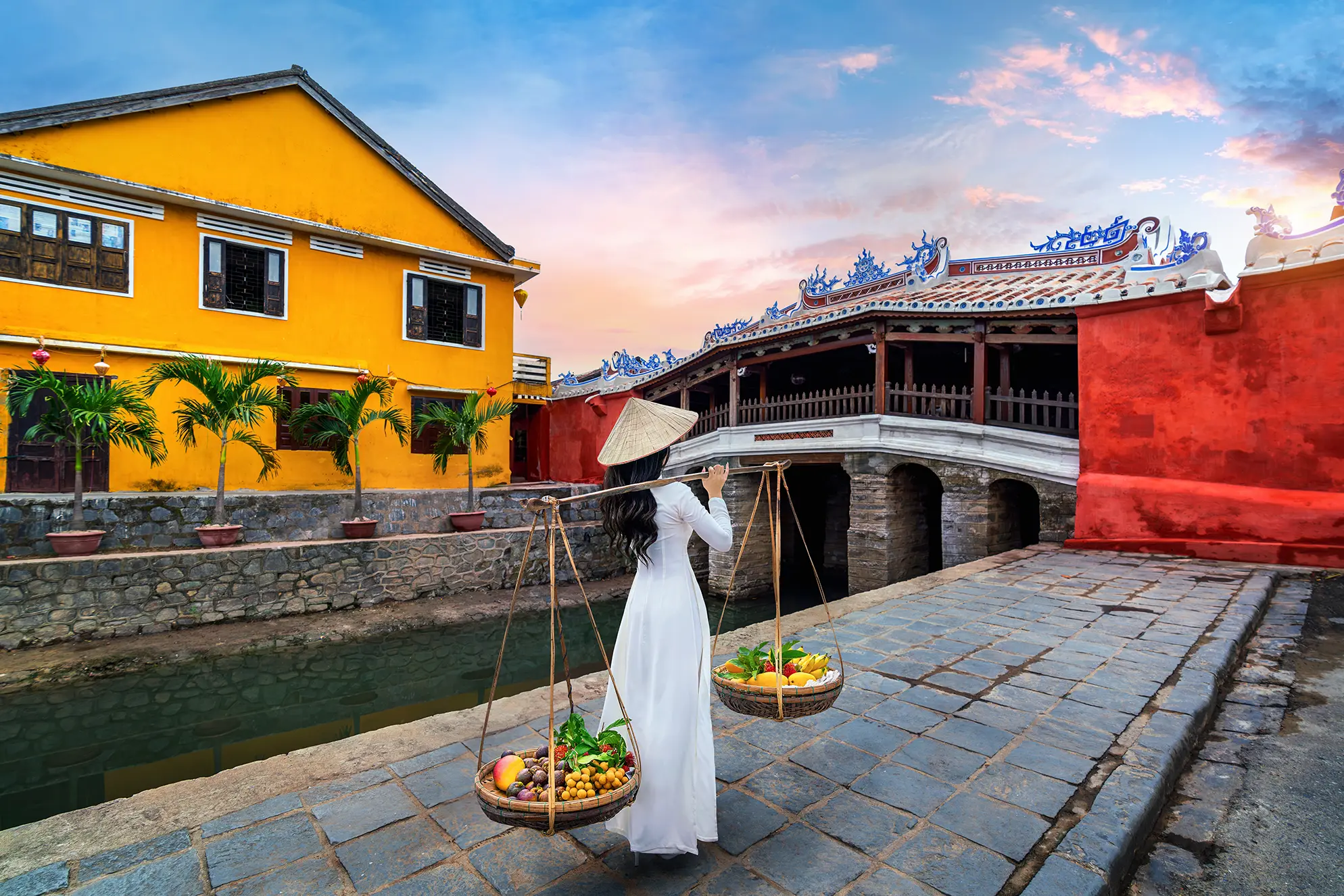
The Japanese Covered Bridge is one of Hoi An’s most recognizable landmarks. Built as part of the historic trading community, the wooden bridge reflects the Japanese influence that became part of Hoi An’s multicultural heritage.
Its compact structure, traditional roof, and historic surroundings make it one of the most photographed spots in the Ancient Town.
- Location: Hoi An Ancient Town
- Best for: Architecture, history, photography
- Suggested time: 20–30 minutes
3. Discover Traditional Houses & Assembly Halls
Among the most interesting Hoi An places to visit are the town’s historic houses and assembly halls. These buildings provide a closer look at the daily life, religious practices, and commercial culture of Hoi An’s historic communities.
The Old Town contains a large collection of preserved timber-frame buildings, including commercial houses, religious structures, and family residences.
- Experience: Heritage sightseeing and architecture
- Best for: History and culture
- Suggested approach: Combine several sites during a walking tour
4. Experience Hoi An Night Market
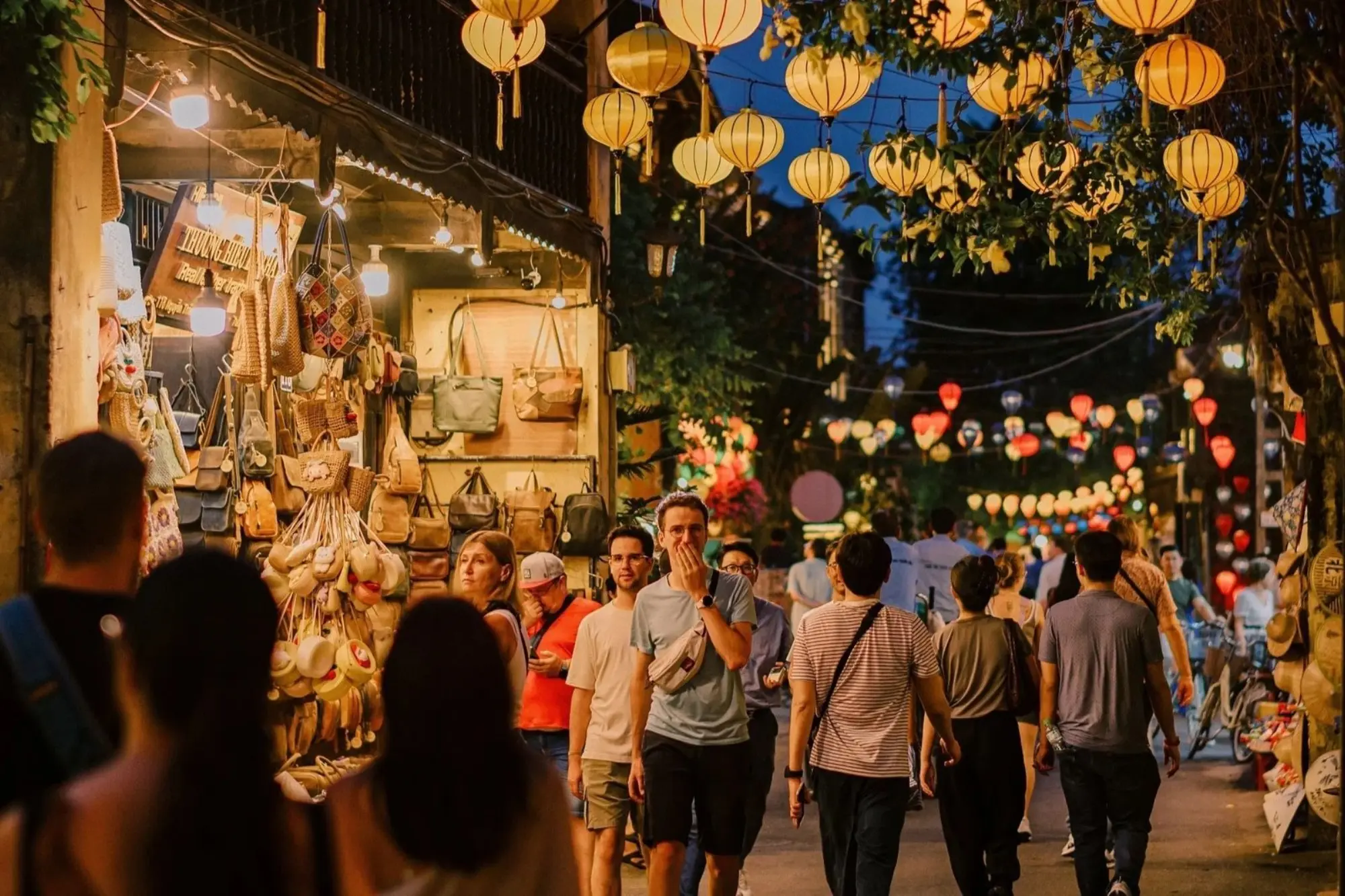
The Hoi An Night Market is one of the most popular evening experiences in the town. Located on Nguyen Hoang Street across from the Ancient Town, the market comes alive after sunset with colorful lanterns, souvenirs, handicrafts, clothing, snacks, and local products.
It is also a good place to experience Hoi An’s lively nighttime atmosphere and shop for small souvenirs to take home.
- Best time: Evening
- Experience: Shopping, street food, lanterns, photography
- Best for: Families, couples, and first-time visitors
5. Take a Lantern Boat Ride on the Thu Bon River
A boat ride along the Thu Bon River offers a different perspective of Hoi An, particularly after sunset. The riverfront becomes illuminated by lanterns, while traditional buildings and boats create a distinctive nighttime atmosphere.
For an even more memorable experience, plan your visit around the monthly lantern festival. The festival takes place on the 14th day of each lunar month, when the town reduces electric lighting and lanterns become especially prominent.
- Best time: After sunset
- Experience: River views, lanterns, photography
- Ideal for: Couples, families, and photographers
6. Relax at An Bang Beach

Hoi An is not only about heritage and history. An Bang Beach is one of the easiest places to combine a visit to the Ancient Town with a relaxing beach experience.
Located about a 10-minute drive from the Ancient Town, the beach offers sandy shores, swimming, seafood restaurants, and a more relaxed atmosphere.
- Distance: Around 10 minutes from the Ancient Town by car
- Best time: Morning or late afternoon
- Experience: Swimming, relaxing, seafood, beach cafés
7. Cycle Through Tra Que Vegetable Village
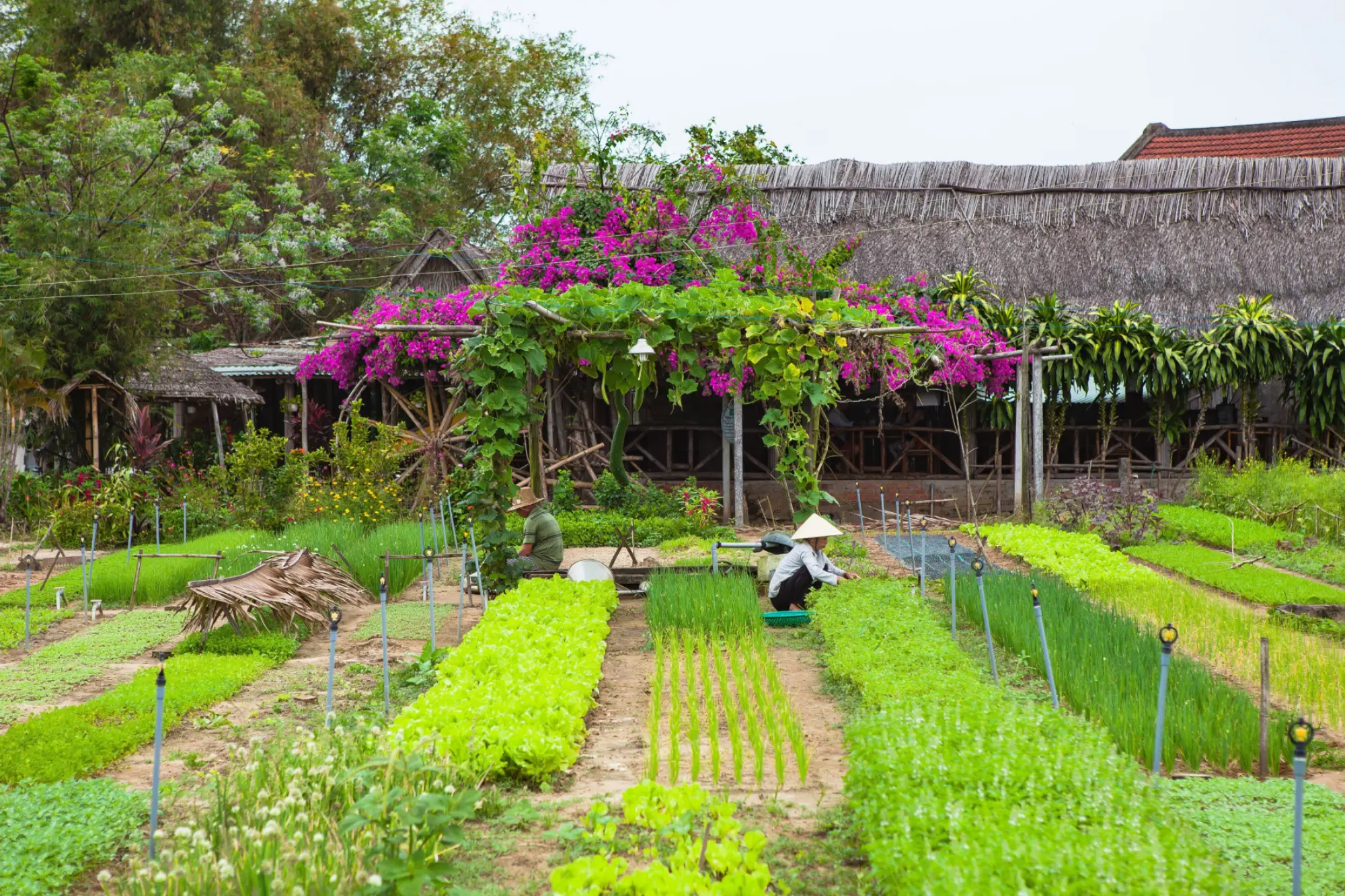
Cycling through the countryside is one of the most enjoyable things to do in Hoi An for travelers who want to experience life beyond the Ancient Town.
Tra Que Vegetable Village is known for its gardens and traditional farming activities. The surrounding countryside offers quiet roads, green fields, waterways, and opportunities to see local agricultural life.
- Experience: Cycling, farming, countryside scenery
- Best time: Early morning
- Ideal for: Families, active travelers, and photographers
8. Explore Cam Thanh Coconut Village

Cam Thanh is known for its waterways and coconut palm landscape. Visitors can explore the area by traditional basket boat, travel through the water coconut forest, and learn more about local life in the countryside. A visit can easily be combined with a cycling or countryside tour from Hoi An.
- Experience: Basket boats, waterways, local life
- Best for: Families and first-time visitors
- Suggested time: Half day
9. Take a Day Trip to My Son Sanctuary
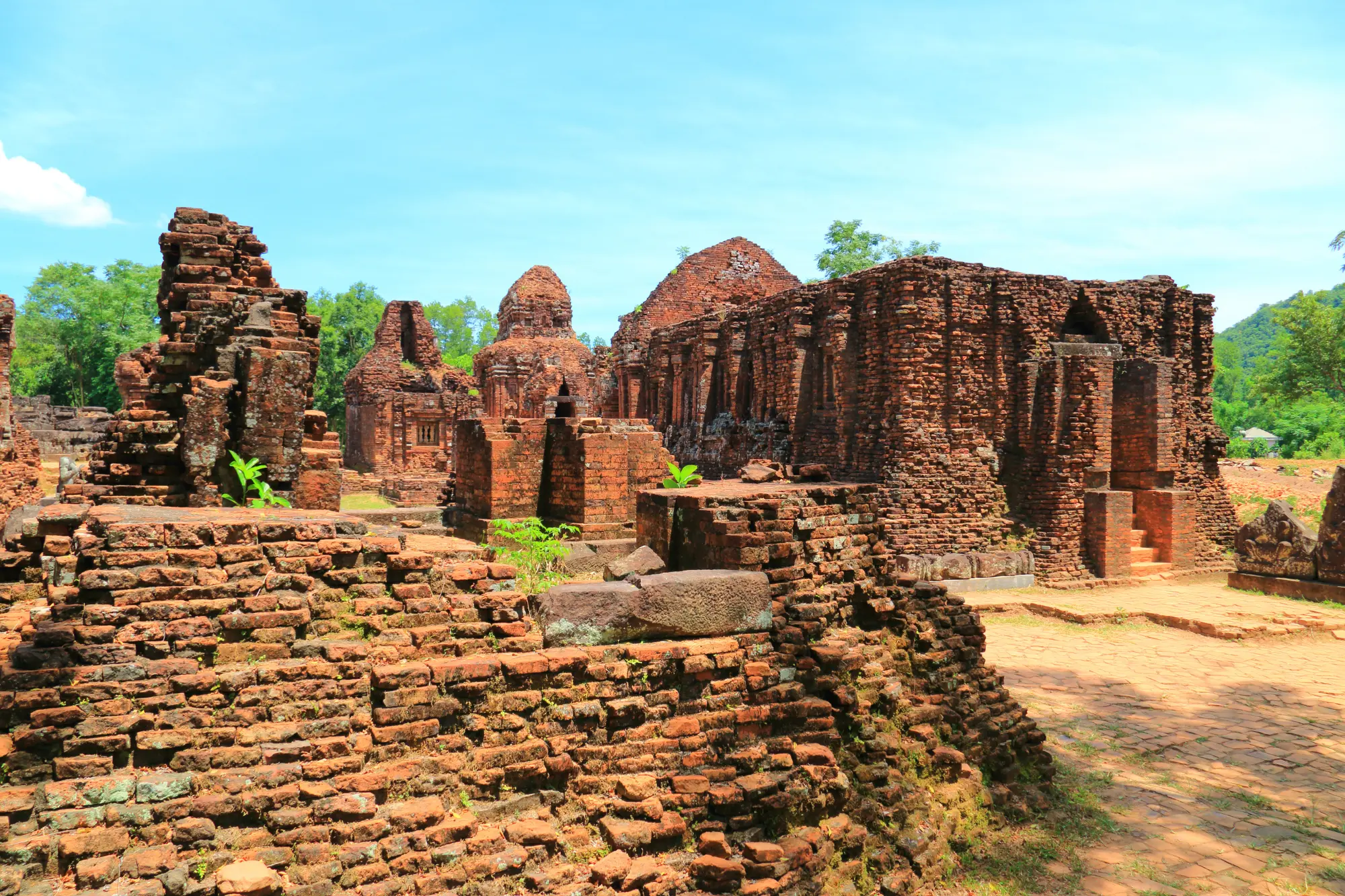
My Son Sanctuary is one of the most important cultural attractions near Hoi An. Located around 40 km from Hoi An, the site contains the remains of temples built by the Cham people between the 7th and 13th centuries.
The sanctuary offers a useful contrast to Hoi An’s trading-port heritage, allowing visitors to explore the history and architecture of the Champa civilization.
- Distance: Around 40 km from Hoi An
- Experience: History, architecture, archaeology
- Ideal for: Culture and history lovers
- Suggested time: Half day
10. Try Hoi An Local Cuisine
Food is an essential part of the Hoi An experience. The town’s cuisine reflects its history as a place where different communities and trading cultures met. Three dishes particularly associated with Hoi An are Cao Lau, Hoanh Thanh, and White Rose dumplings.
Beyond these specialties, travelers can explore local markets, street-food stalls, riverside restaurants, and traditional eateries throughout the town.
Must-try dishes:
- Cao Lau: Chewy noodles with pork, herbs, and crispy toppings a signature dish of Hoi An.
- White Rose Dumplings: Delicate steamed dumplings filled with shrimp or pork.
- Hoanh Thanh: Crispy Hoi An-style wontons served with meat, seafood, or vegetables.
- Mi Quang: Wide rice noodles with meat, herbs, peanuts, and a small amount of rich broth.
- Hoi An-Style Chicken Rice: Fragrant rice served with shredded chicken, herbs, and savory seasoning
Culture, Festivals & Local Life
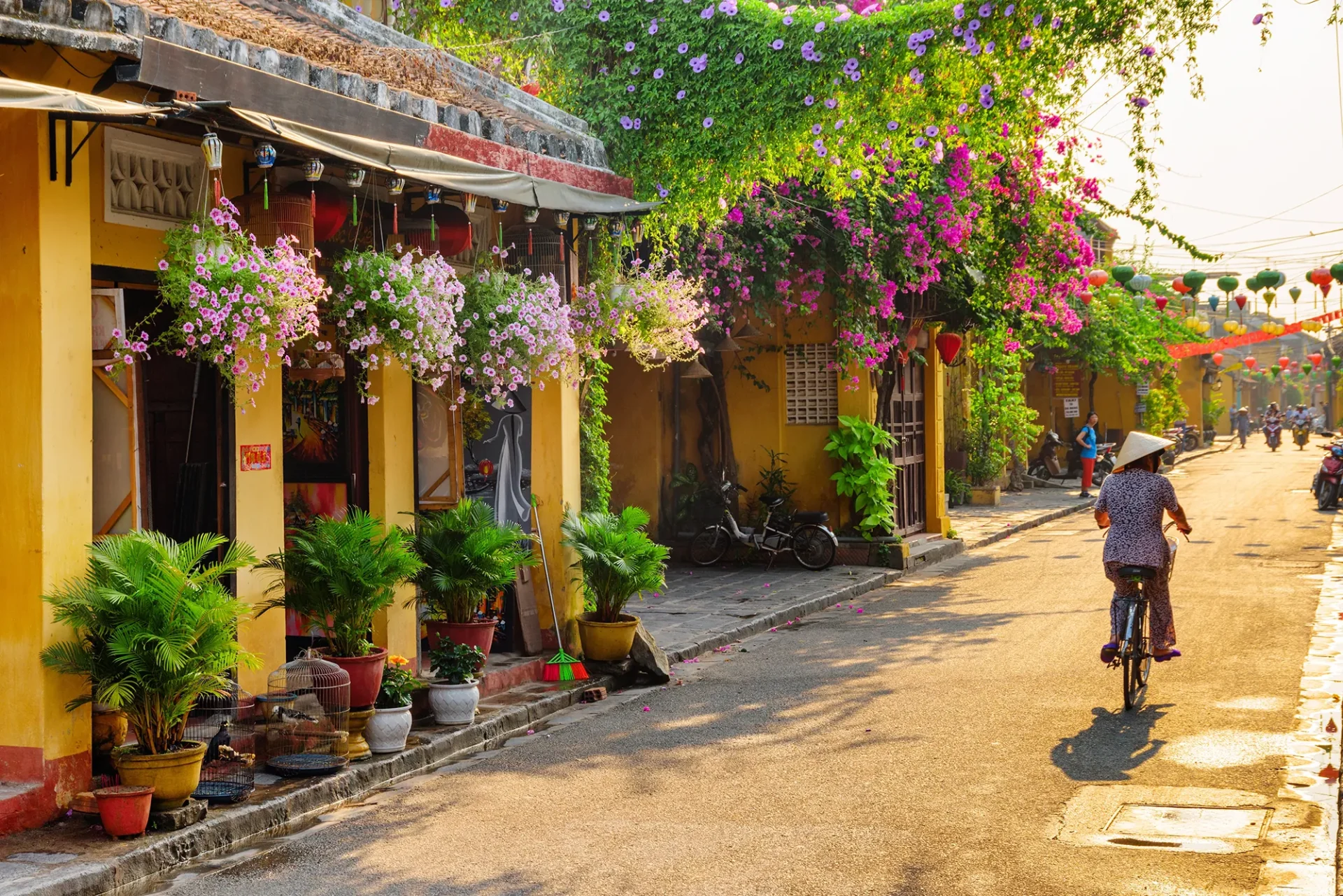
Hoi An’s cultural identity is closely connected with its historic architecture, traditional crafts, lanterns, food, and riverside lifestyle. These elements reflect the town’s long history of cultural exchange and remain an important part of everyday life today.
The monthly lantern festival is one of the most distinctive cultural experiences in Hoi An. Held on the 14th day of each lunar month, the Ancient Town reduces electric lighting in the evening, allowing colorful lanterns to illuminate the streets and riverside.
Hoi An’s spiritual life reflects a blend of Buddhism, Confucianism, Taoism, and ancestor worship, visible in its historic assembly halls, temples, and neighborhood shrines.
Traditional villages such as Kim Bong Woodworking Village and Tra Que Vegetable Village help preserve Hoi An’s long-standing traditions of woodworking, farming, and local craftsmanship.
Beyond sightseeing, travelers can experience Hoi An’s cultural identity through cooking classes, handicraft workshops, traditional performances, tailor-made clothing, local markets, and cycling tours through the surrounding countryside.
Best Time to Visit Hoi An
| Period | Weather | Best for |
| Jan-Feb | Cooler, increasingly dry | Ancient Town, sightseeing |
| Mar-May | Warm, sunny, comfortable | Best overall: sightseeing, cycling & beaches |
| Jun-Aug | Hot, sunny | Beaches, countryside, water activities |
| Sep-Nov | Rainier, occasional storms | Flexible cultural trips |
| Dec-Jan | Cool, wet and cloudy | Ancient Town, cafés, indoor activities |
When Is the Best Time to Visit Hoi An?
March to May is the best overall time to visit Hoi An. The weather is generally warm and favorable for walking around the Ancient Town, cycling through the countryside, and combining cultural sightseeing with beach activities.
For a beach-focused trip, June to August can also work well, although temperatures are higher. Travelers visiting from September to January should be prepared for wetter conditions and possible storms, particularly in the later part of the year.
Travel Tips for Hoi An
A few practical tips can make your Hoi An trip more comfortable and enjoyable from choosing the right location to getting around the town and planning around the weather, these tips will help you make the most of your visit:
- Stay near the Ancient Town: This makes it easier to explore the main attractions on foot, especially in the evening.
- Walk or cycle: The compact historic center is well suited to walking and cycling.
- Visit early or late: Early morning is quieter for sightseeing, while evening is the best time to experience the lantern-lit streets.
- Bring sun protection: Central Vietnam can be hot and sunny, particularly from May to August.
- Prepare for rain: A compact umbrella or rain jacket is useful during the wetter months.
- Combine destinations: Hoi An works well as part of a Central Vietnam itinerary with Da Nang, My Son Sanctuary, and Hue.
- Try local food: Set aside time to explore traditional dishes rather than relying only on restaurants serving international cuisine.
- Respect the heritage site: Avoid damaging historic buildings and follow local rules when visiting temples, houses, and other cultural sites.
Frequently Asked Questions
1. Is Hoi An worth visiting?
Yes. Hoi An combines a well-preserved historic town with local food, beaches, countryside experiences, and cultural attractions. Its UNESCO-listed Ancient Town makes it particularly appealing for travelers interested in history and architecture.
2. How many days do you need in Hoi An?
2-3 days is a good amount of time for a first visit. This allows enough time to explore the Ancient Town, experience the night market, try local food, visit the countryside, and spend time at the beach.
3. What are the best places to visit in Hoi An?
The top Hoi An places to visit include Hoi An Ancient Town, Japanese Covered Bridge, traditional houses and assembly halls, Hoi An Night Market, An Bang Beach, Tra Que Vegetable Village, Cam Thanh Coconut Village, and My Son Sanctuary.
4. What are the best things to do in Hoi An at night?
Some of the best things to do in Hoi An at night include walking through the Ancient Town, visiting Hoi An Night Market, enjoying local street food, watching lanterns along the Thu Bon River, and taking a short lantern boat ride.
5. How far is Hoi An from Da Nang?
Hoi An and Da Nang are close enough to combine in the same Central Vietnam itinerary. The journey can be made by taxi, private car, shuttle, or bus, making Hoi An a convenient extension of a Da Nang trip.
Conclusion
Hoi An is a destination where history, culture, food, and everyday local life come together. Hoi An offers a wide range of experiences within a compact area from exploring Hoi An Ancient Town Vietnam and discovering its preserved architecture to experiencing the Hoi An Night Market, relaxing at An Bang Beach, and cycling through the countryside. With its convenient location near Da Nang, My Son Sanctuary, and other Central Vietnam destinations, Hoi An is an ideal addition to a Vietnam itinerary. Whether you are interested in heritage, local cuisine, photography, beaches, or slower-paced travel, Hoi An offers plenty of memorable experiences to discover.
Explore Nicetrips’ Vietnam tour packages for thoughtfully designed journeys combining Hoi An with other highlights of Central Vietnam, and discover more destination guides and practical travel tips on the Nicetrips blog.