The Mekong Delta is one of Vietnam’s most distinctive regions, shaped by winding rivers, fertile farmland, tropical orchards, floating markets, and peaceful riverside communities. Located in southern Vietnam, the region offers a unique glimpse into a way of life closely connected to the water, agriculture, and traditional local trade. There are plenty of experiences to discover, from taking a Mekong Delta boat tour through narrow canals and visiting the famous floating markets in the Mekong Delta to tasting fresh tropical fruits and exploring local villages.
Whether you are planning a day trip from Ho Chi Minh City or a longer journey through the region, this guide covers Mekong Delta what to see, things to do, travel tips, and Mekong Delta culture to help you plan your trip.
About the Mekong Delta
The Mekong Delta is a vast river region in southern Vietnam where the Mekong River divides into a network of waterways before reaching the East Sea. Often called Vietnam’s “rice bowl” the region is an important agricultural area, producing rice, tropical fruits, coconuts, and other local products.
Located within easy reach of Ho Chi Minh City, the Mekong Delta is popular for day trips as well as longer journeys. The region combines natural landscapes with distinctive food, traditional crafts, floating markets, and diverse communities.
Mekong Delta at a Glance
- Location: Southern Vietnam
- Landscape: Rivers, canals, rice fields, orchards, wetlands, and coastal areas
- Highlights: Floating markets, boat tours, tropical fruit gardens, local villages, and riverside life
- Famous Destinations: Can Tho, Ben Tre, Cai Be, Chau Doc, Tra Vinh, and Soc Trang
- Best For: Culture, food, nature, photography, and slow travel
- Popular Experience: Early-morning floating market and Mekong Delta boat tour
Geography of the Mekong Delta
The Mekong Delta’s geography is shaped by its rivers, fertile plains, and extensive network of waterways, creating the distinctive landscapes and river-based lifestyle found across the region.
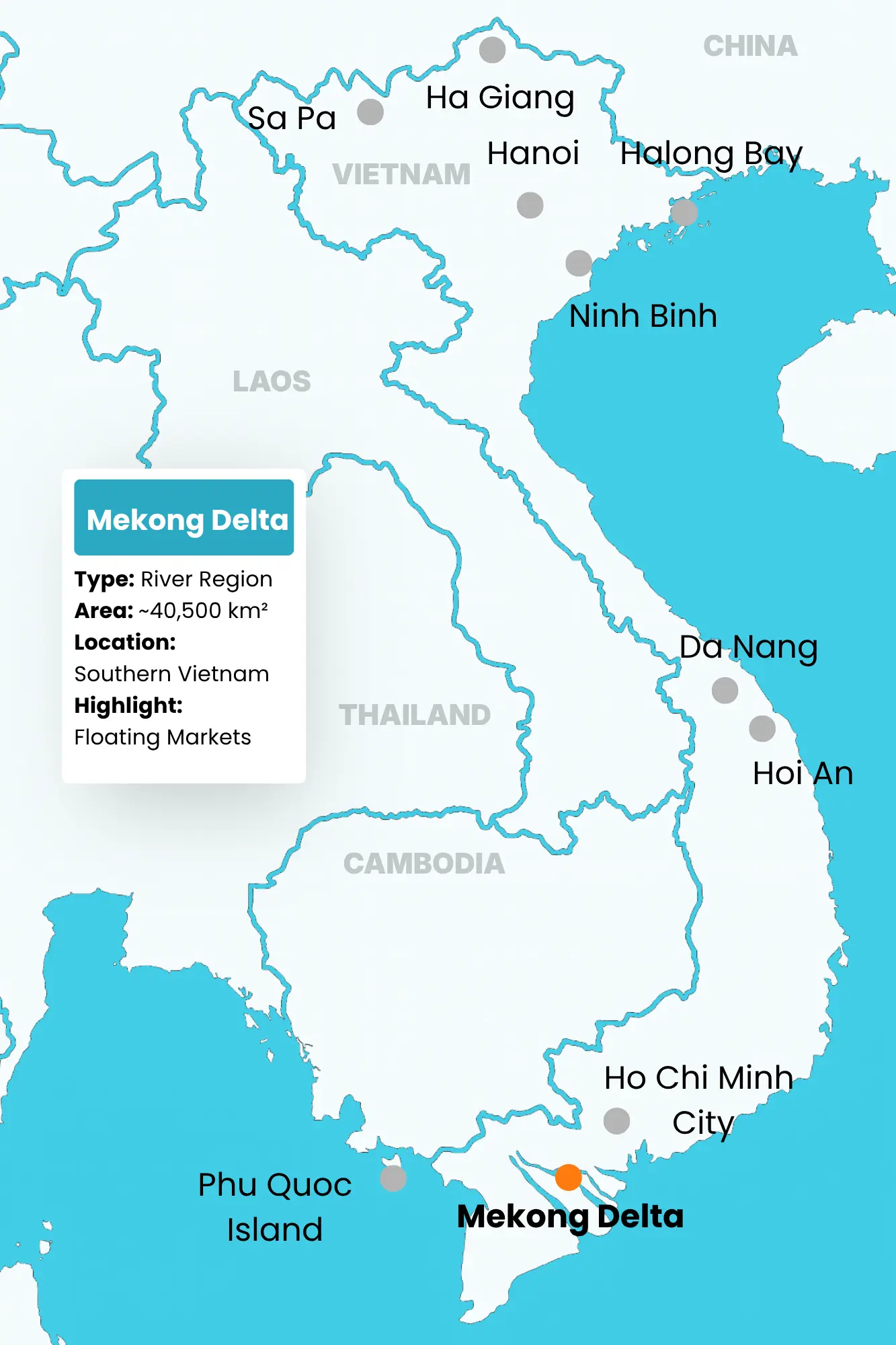
- Area: Approximately 40,576 km², covering around 12% of Vietnam’s total land area.
- Location: Located in southern Vietnam, bordering Cambodia, the East Sea, and the Gulf of Thailand.
- Administrative Area: Includes Can Tho City and 12 provinces, forming one of Vietnam’s largest agricultural regions.
- Main Rivers: The Mekong River enters Vietnam through two major branches, the Tien River and Hau River, before dividing into numerous smaller waterways.
- Water Network: The Delta has approximately 28,000 km of rivers and canals, shaping its distinctive water-based landscape.
- Landscape: Characterized by fertile plains, rice fields, tropical fruit orchards, coconut groves, wetlands, and small islands.
- Agriculture: Fertile alluvial soil and abundant water make the region a major producer of rice, fruits, coconuts, and other agricultural products.
- Key Destinations: Can Tho is a major urban and commercial centre, while Ben Tre is particularly known for its coconut groves and rural waterways.
History of the Mekong Delta
The history of the Mekong Delta has been closely linked to agriculture, river trade, and cultural exchange, with generations of communities building their livelihoods around the region’s waterways and fertile land.
- Early Development: The Delta developed around its rivers and fertile plains, supporting agriculture, fishing, transportation, and river trade for centuries.
- River-Based Communities: Its extensive waterways encouraged the growth of riverside villages, agricultural settlements, and floating markets, shaping the region’s traditional way of life.
- Cultural Exchange: The Mekong Delta has long been home to diverse communities, including Kinh, Khmer, Hoa, and Cham people.
- Khmer Heritage: Khmer communities are particularly prominent in Tra Vinh, Soc Trang, An Giang, Kien Giang, and Bac Lieu, with Theravada Buddhist temples and traditional festivals forming an important part of local culture.
- Cham Heritage: In An Giang, Cham communities along the Hau River have preserved distinctive Islamic traditions, stilt-house architecture, weaving, and handicrafts.
- Living Heritage: Today, floating markets, fishing communities, agricultural villages, traditional crafts, and riverside trade continue to reflect the Delta’s long history and cultural identity.
Best Places to Visit & Things to Do in the Mekong Delta
1. Cai Rang Floating Market
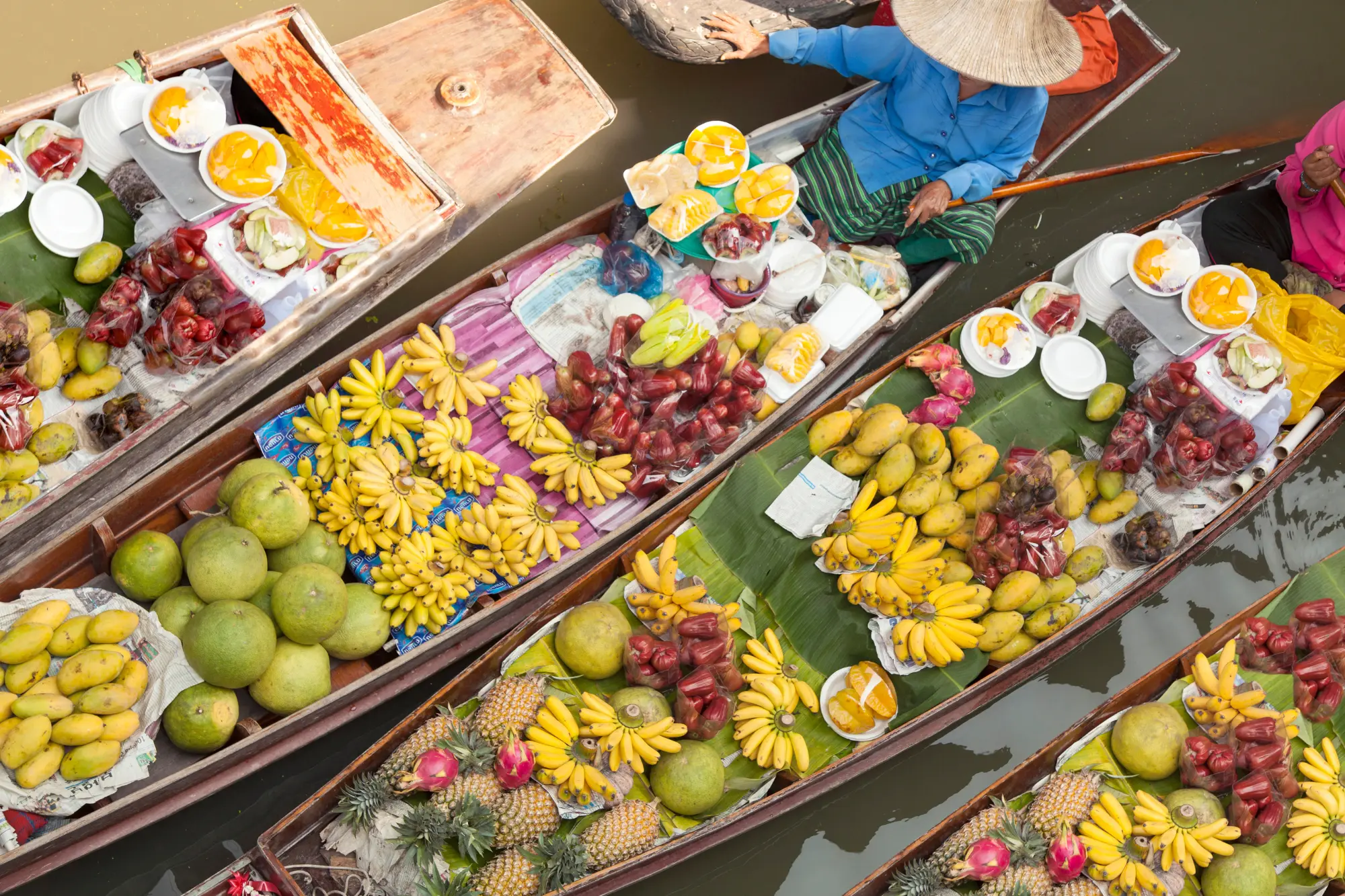
Cai Rang is one of the most famous floating markets in Vietnam and a highlight of any Mekong Delta trip. The market comes alive in the early morning as boats loaded with fruit, vegetables, breakfast dishes, and other products gather on the river.
One of the market’s most distinctive features is the “cây bẹo”, a long pole displayed on larger boats to show what they are selling. For the most authentic experience, arrive early and explore the market by boat.
- Location: Cai Rang District, Can Tho
- Best for: Floating markets, local food, photography
- Suggested time: 1-2 hours
- Best time: Early morning, around 5:00-7:00 AM
- Cost: Market entry is free; boat tours usually have separate fees
2. Can Tho
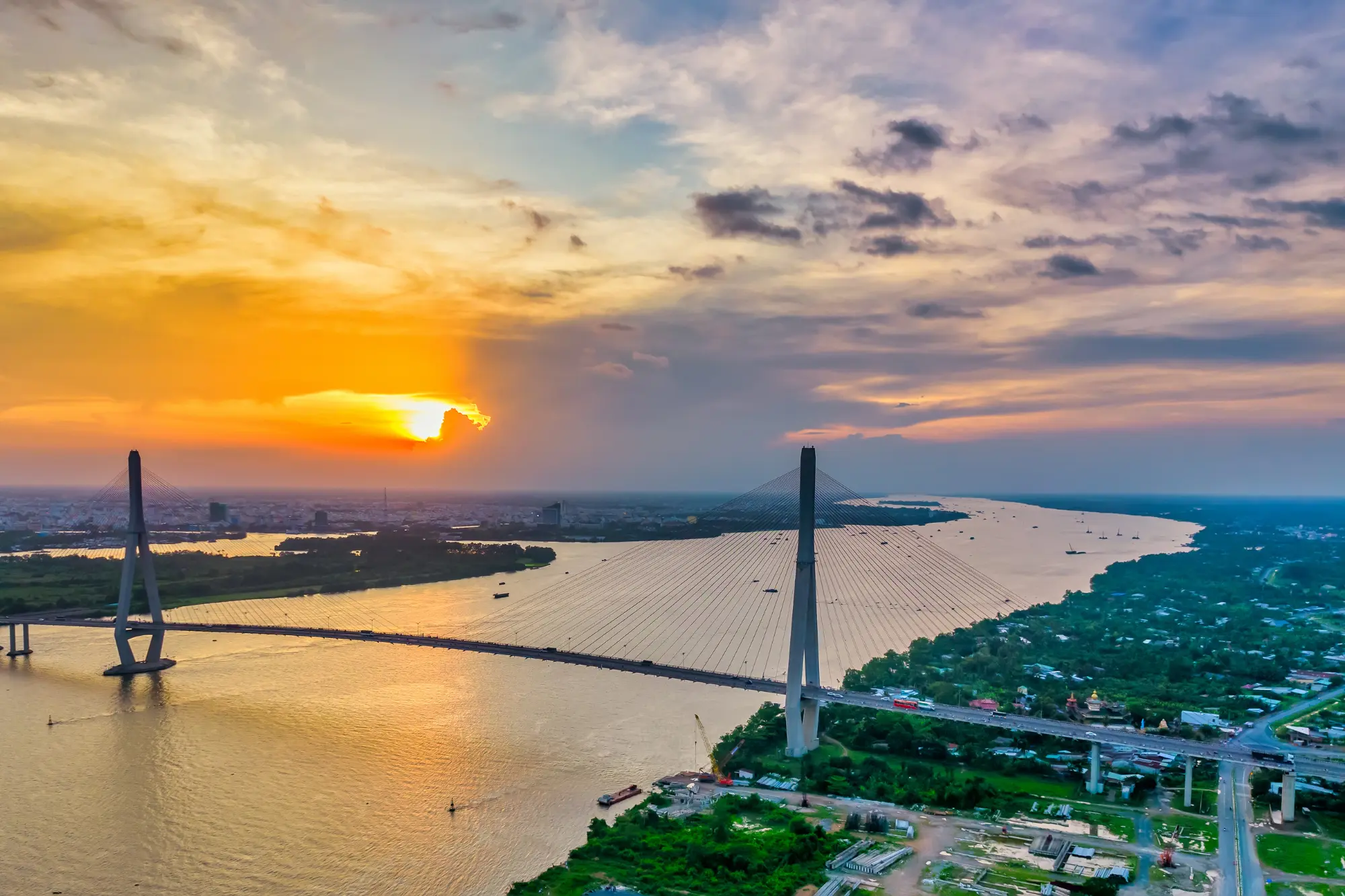
Can Tho is one of the best bases for exploring the Mekong Delta, offering a convenient combination of city life and traditional river culture. Visitors can explore Ninh Kieu Wharf, local markets, canals, fruit orchards, and nearby floating markets.
The city is also a good place to try Mekong Delta specialties such as hủ tiếu and fresh tropical fruit.
- Location: Central Mekong Delta, southern Vietnam
- Best for: First-time visitors, food, river experiences
- Suggested stay: 1-2 nights
- Suggested time: 2-3 days for Can Tho and nearby attractions
- Cost: Free to explore; attractions and tours vary
3. Ben Tre
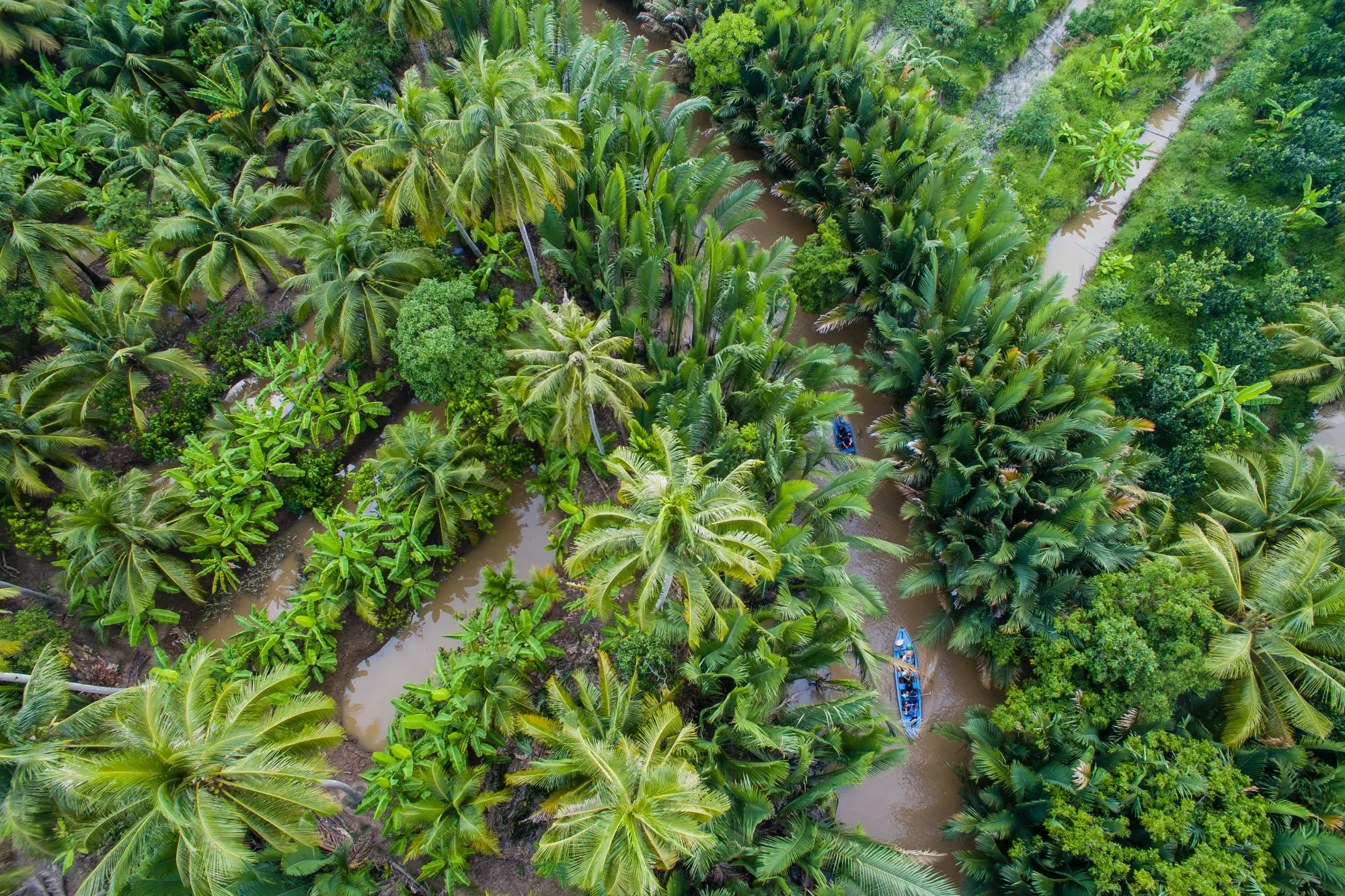
Known for its coconut groves, Ben Tre offers a quieter and more rural experience of the Delta. A boat ride through narrow waterways can be combined with cycling, orchard visits, local workshops, and traditional coconut products.
Ben Tre is especially suitable for travelers who want to experience village life away from larger cities.
- Location: Ben Tre Province, southern Vietnam
- Best for: Coconut groves, cycling, local villages
- Suggested time: 1 day or overnight
- Suggested activities: Boat rides, cycling, orchard visits, local workshops
- Cost: Many outdoor areas are free; boat tours and activities have separate fees
4. Cai Be
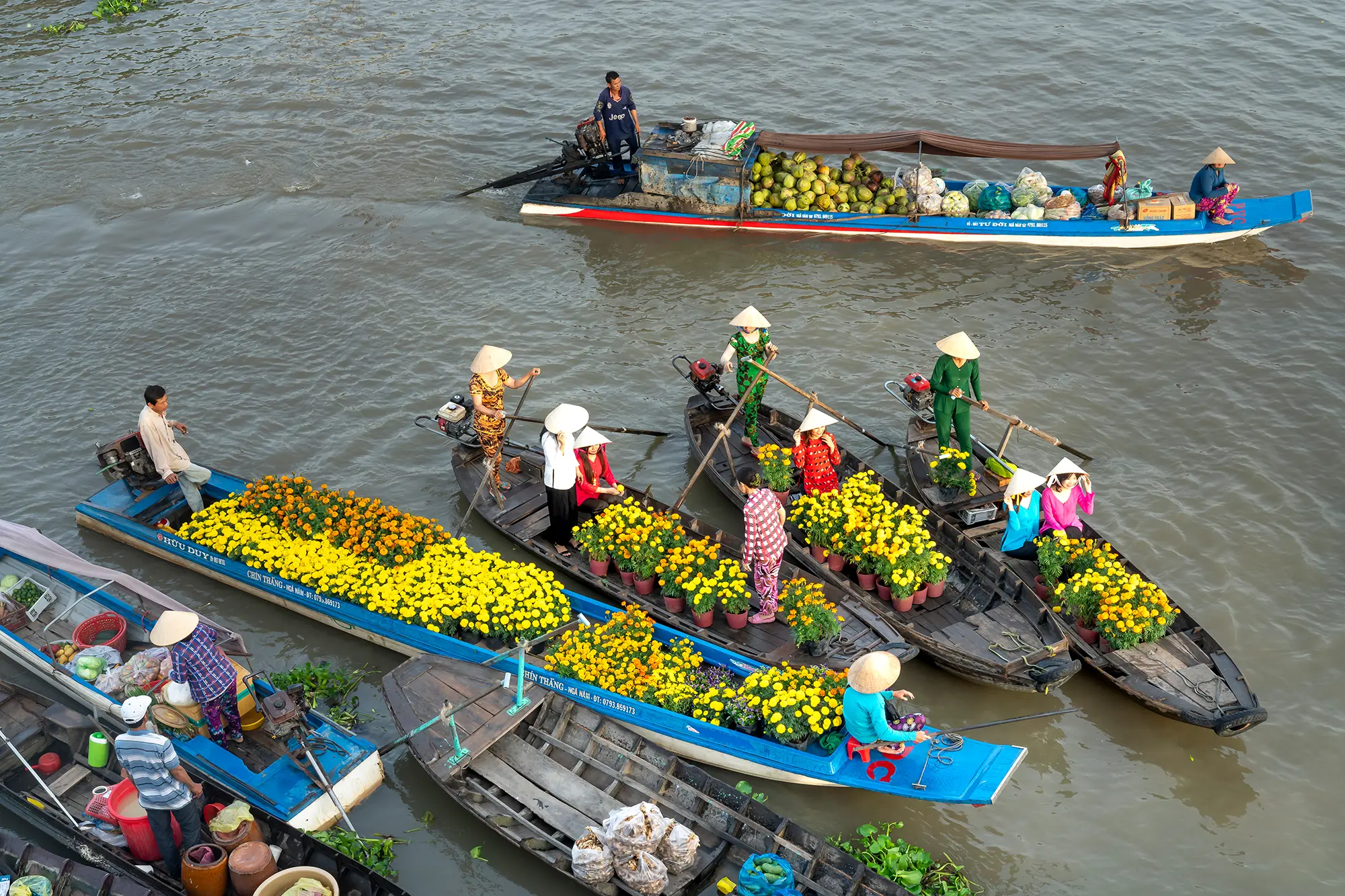
Cai Be is known for its fruit orchards, waterways, and traditional villages. Visitors can take a small sampan through narrow canals, cycle around Tan Phong Islet, and visit local workshops producing traditional foods and handicrafts.
It is a good choice for travelers looking for a quieter alternative to the busier parts of the Delta.
- Location: Cai Be District, Tien Giang Province
- Best for: Rural scenery, cycling, fruit orchards
- Suggested time: Half or full day
- Suggested activities: Sampan rides, cycling, orchard visits
- Cost: Entrance and activity fees vary by attraction or tour
5. Chau Doc
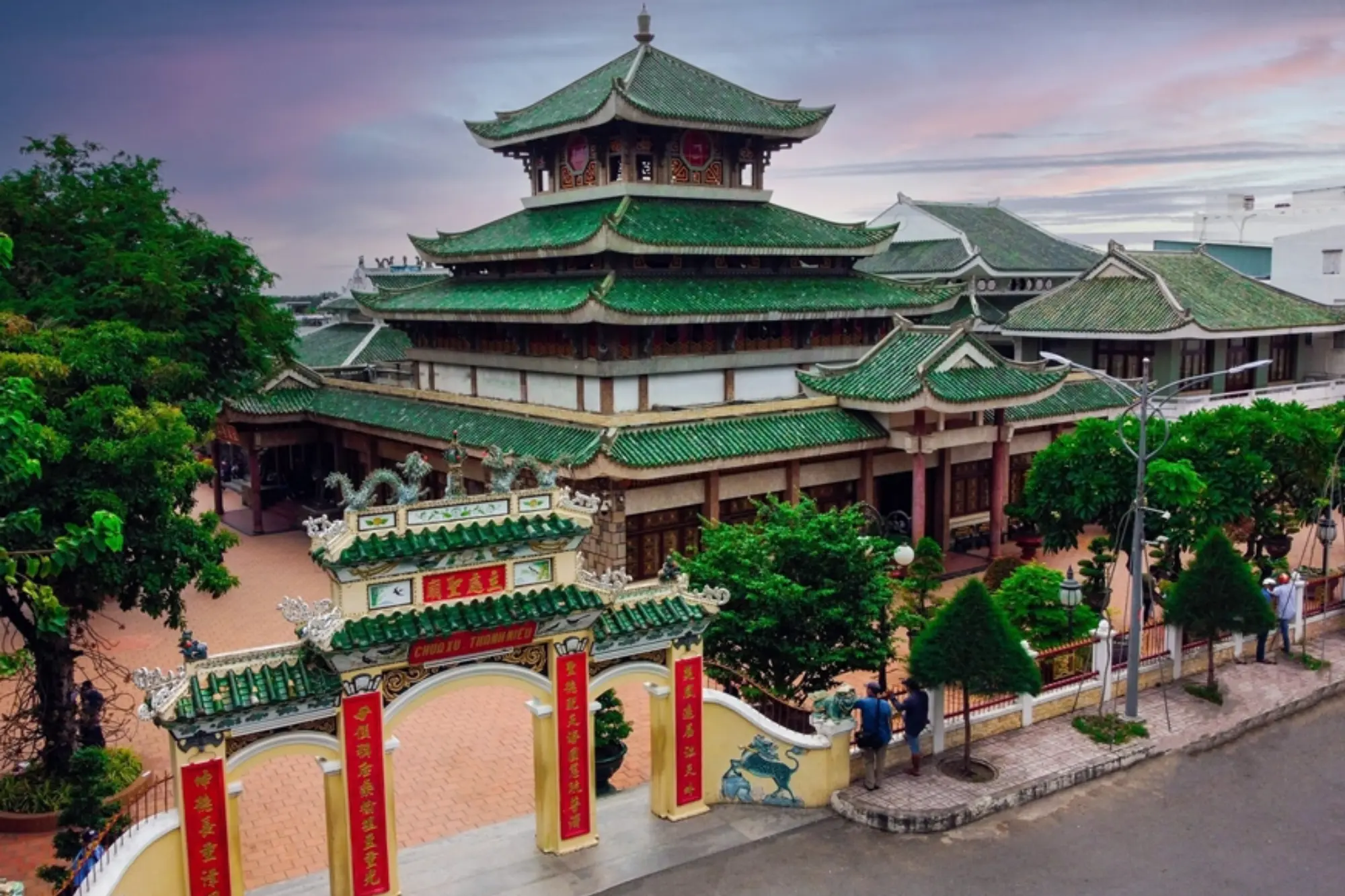
Located near the Cambodian border, Chau Doc offers a different side of Mekong Delta culture. The area is home to diverse communities, floating fish farms, busy markets, religious sites, and distinctive local cuisine.
Visitors can also explore nearby Sam Mountain and discover the cultural heritage of Kinh, Khmer, Cham, and Chinese communities.
- Location: An Giang Province, southwestern Vietnam
- Best for: Culture, temples, local food, riverside life
- Suggested stay: 1-2 nights
- Suggested time: 1 day for the main highlights
- Cost: Many local attractions are free; specific sites and tours may charge fees
6. Tra Vinh
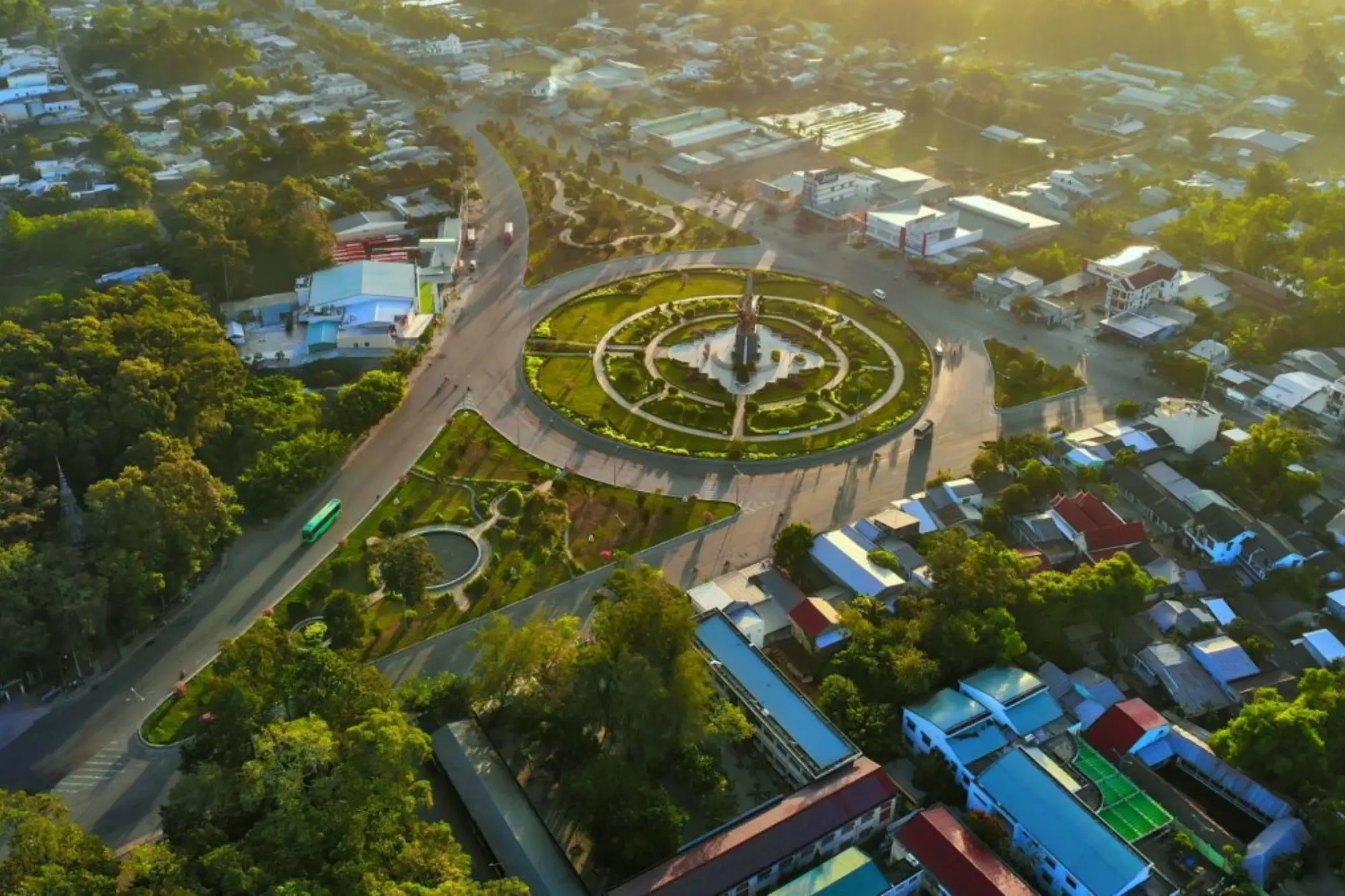
Tra Vinh is known for its peaceful streets, rice fields, Khmer cultural heritage, and numerous Buddhist temples. The province is home to a significant Khmer community, making it an interesting destination for learning about the region’s cultural diversity.
Visitors can explore local markets, temples, traditional food, and quiet rural landscapes.
- Location: Tra Vinh Province, southern Vietnam
- Best for: Khmer culture, temples, local life
- Suggested time: 1 day
- Suggested activities: Temple visits, countryside sightseeing, local food
- Cost: Most temples and public areas are free to visit
7. Take a Mekong Delta Boat Tour
A Mekong Delta boat tour is one of the best ways to experience the region’s waterways. Depending on the route, travelers can cruise along major rivers, enter narrow canals, visit floating markets, stop at orchards, and see traditional workshops.
For a more local experience, choose a smaller boat or sampan that allows you to explore quieter waterways and villages.
- Location: Available across major Mekong Delta destinations
- Best for: Nature, photography, local life, sightseeing
- Suggested time: 2-6 hours
- Cost: Depends on the route, boat type, group size, and included activities
- Tip: Check whether transfers, meals, entrance fees, and activities are included
8. Cycle Through the Countryside
Cycling is an easy way to explore the quieter side of the Mekong Delta. Routes often pass through coconut groves, fruit orchards, rice fields, small villages, and narrow rural roads.
It is a good way to slow down and observe everyday life beyond the main tourist attractions.
- Location: Ben Tre, Cai Be, Can Tho, and other rural areas
- Best for: Countryside scenery, photography, local life
- Suggested time: 2-4 hours
- Cost: Bicycle rental usually requires a separate fee
- Tip: Start early or cycle in the late afternoon to avoid the strongest midday heat
9. Visit Local Workshops & Orchards
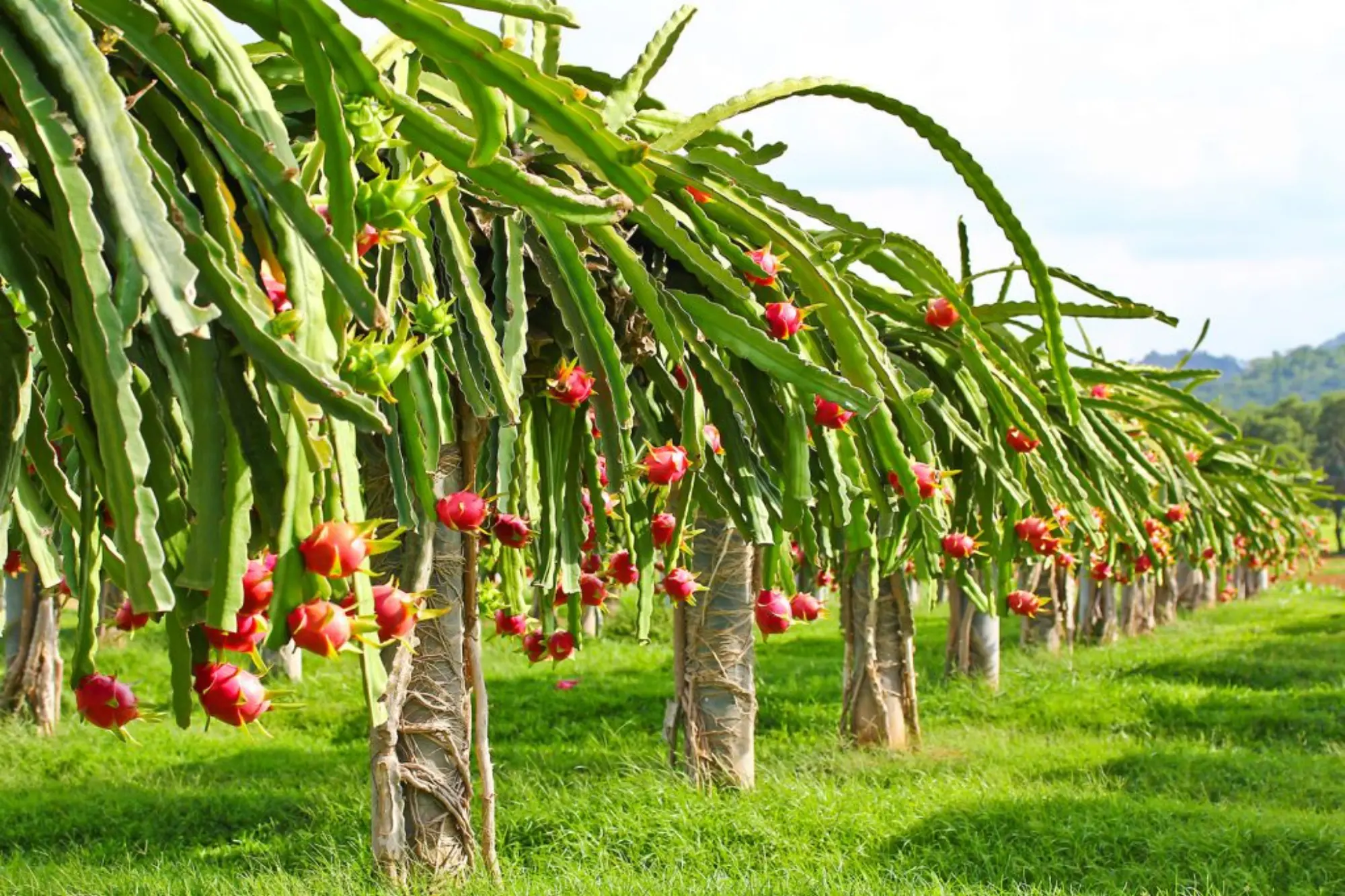
The Mekong Delta is known for traditional products made from locally available agricultural ingredients. Depending on the destination, visitors can see how coconut candy, rice paper, noodles, and other local products are made.
Fruit orchards also offer opportunities to taste seasonal produce directly from the farms.
- Location: Common around Ben Tre, Cai Be, and other rural areas
- Best for: Local culture, food, traditional crafts
- Suggested time: 1-2 hours
- Cost: Varies by orchard or workshop
- Tip: Combine a workshop or orchard visit with a boat or cycling tour for a fuller experience
Mekong Delta Culture
River-Based Lifestyle
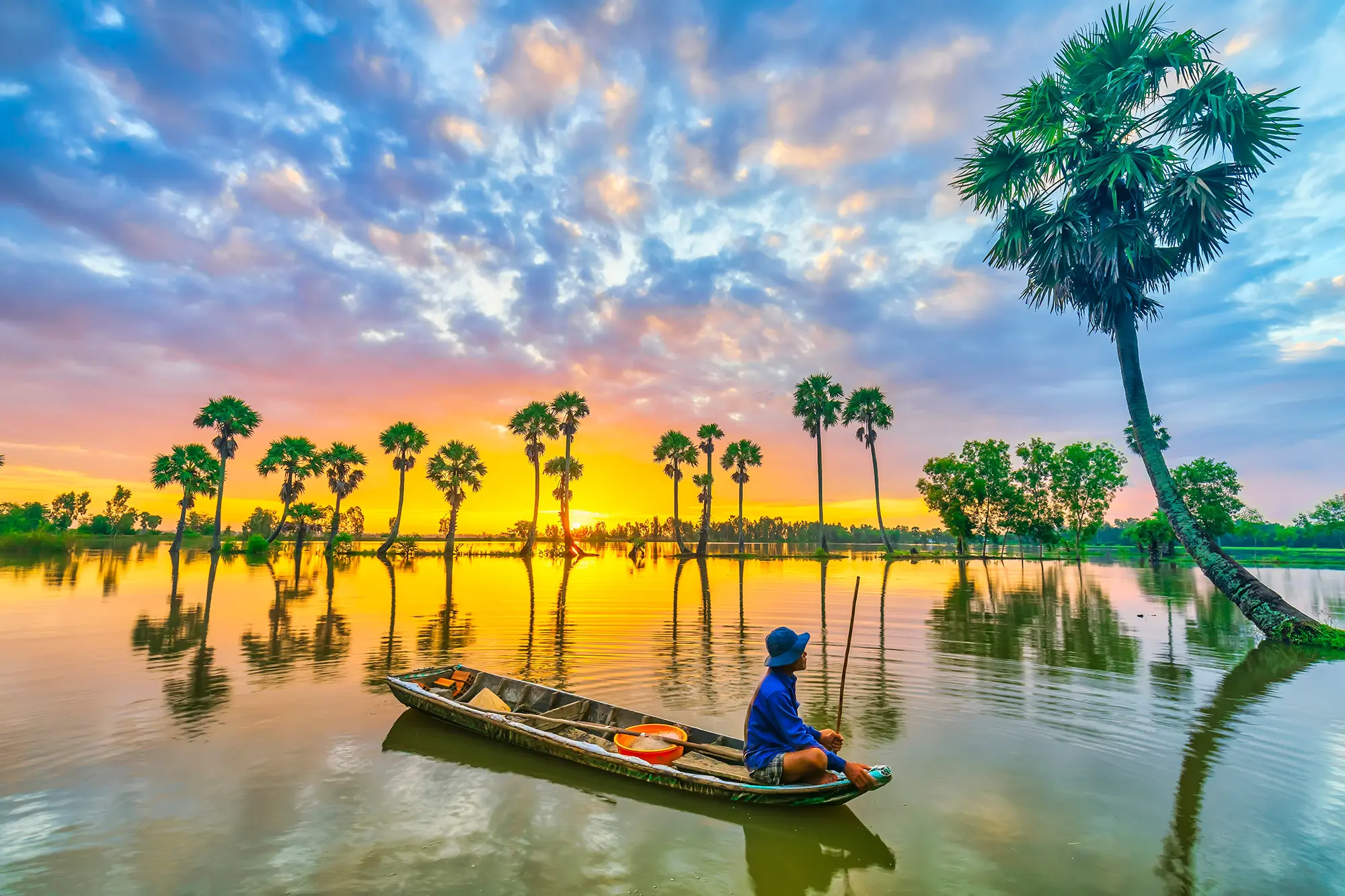
Water is at the heart of daily life in the Mekong Delta. Rivers and canals are used for transportation, fishing, farming, trading, and connecting local communities, making boat travel an important part of the region’s identity.
Floating Market Culture
Floating markets are more than tourist attractions; they reflect the Delta’s traditional river-based trading culture. Boats gather early in the morning to exchange agricultural products, fruits, food, and everyday goods. At Cai Rang, vendors traditionally display their products on long poles so buyers can easily see what each boat is selling.
Cultural Diversity
The Mekong Delta is home to different cultural communities, including Kinh, Khmer, Cham, and Chinese communities. Their influence can be seen in local food, temples, mosques, festivals, architecture, and traditional crafts.
Mekong Delta Food
The Delta’s fertile land and waterways provide a wide range of fresh ingredients, from tropical fruits and vegetables to freshwater fish and seafood.
- Hủ Tiếu: Rice noodle soup commonly served with pork, shrimp, herbs, and fresh vegetables.
- Bánh Xèo: Crispy Vietnamese pancake filled with ingredients such as shrimp, pork, and bean sprouts.
- Cá Lóc Nướng Trui: Grilled snakehead fish prepared in a traditional southern style.
- Cá Kho Tộ: Caramelized fish slowly cooked in a clay pot with a rich, savory sauce.
- Bún Cá: Fish noodle soup popular in the western Delta, especially around Chau Doc.
- Fresh Tropical Fruits: Mangoes, pomelos, rambutans, mangosteens, coconuts, and other seasonal fruits are widely grown throughout the region.
Best Time to Visit the Mekong Delta
The Mekong Delta has a tropical climate and can be visited throughout the year, but weather and seasonal activities can affect the experience.
Season | Months | Weather | Best For |
| Dry Season | Dec-Apr | Warm, generally drier | Boat tours, cycling, sightseeing |
| Early Wet Season | May-Jun | Hot with increasing rainfall | Orchards, local experiences |
| Wet Season | Jul-Nov | More frequent rain and high humidity | Lush scenery, seasonal fruit |
For the most comfortable conditions, December to April is generally a good period for exploring the Mekong Delta. However, check the weather forecast before booking boat tours, especially during periods of heavy rain.
Travel Tips for the Mekong Delta
- Choose the right destination Can Tho is a convenient base for first-time visitors, with easy access to floating markets, boat tours, and local attractions. For a quieter and more rural experience, consider Ben Tre or Cai Be, where you can explore orchards, canals, and traditional villages.
- Book a boat tour: A local boat or sampan is one of the best ways to explore the Mekong Delta’s smaller waterways and narrow canals. Choose a tour that matches your interests, whether you want to visit floating markets, orchards, local workshops, or riverside villages.
- Bring sun protection: Outdoor activities such as cycling, boating, and walking can mean long periods under the tropical sun. Bring a hat, sunscreen, sunglasses, and light, comfortable clothing to stay protected and comfortable.
- Carry cash: Small markets, food stalls, family-run shops, and local vendors may not accept credit cards or digital payments. Keep some Vietnamese cash (VND) with you for food, drinks, entrance fees, boat rides, and small purchases.
- Stay overnight: Spending a night in the Mekong Delta gives you more time to explore the countryside and experience the local pace of life. It also allows you to visit early-morning attractions, such as floating markets, without rushing back to Ho Chi Minh City.
- Check the weather: Rain can affect boat tours, cycling routes, and other outdoor activities, particularly during the wet season. Check the local weather forecast before your trip and keep your itinerary flexible in case conditions change.
Frequently Asked Question
1. Is the Mekong Delta worth visiting?
Yes. The Mekong Delta offers a unique combination of rivers, floating markets, local food, nature, and traditional culture. It is especially suitable for travelers who want to experience a slower and more local side of Vietnam.
2. How many days do you need in the Mekong Delta?
1-2 days is enough to experience the main highlights, including a floating market and boat tour. A longer stay allows you to explore more destinations and experience rural life at a slower pace.
3, What is the best floating market in the Mekong Delta?
Cai Rang Floating Market in Can Tho is one of the most famous and largest floating markets in Vietnam. Visit early in the morning to see the busiest trading activity and enjoy breakfast on the river.
4. What are the best things to see in the Mekong Delta?
The best Mekong Delta what to see highlights include floating markets, rivers and canals, tropical orchards, coconut groves, local villages, temples, and traditional workshops. Can Tho, Ben Tre, Cai Be, and Chau Doc are among the most popular places to explore.
5. What is the best way to explore the Mekong Delta?
A combination of a Mekong Delta boat tour, cycling, walking, and local food experiences offers a good introduction to the region. Staying overnight also gives you more time to explore beyond the main tourist stops.
Conclusion
The Mekong Delta offers a different perspective on Vietnam through its rivers, floating markets, fertile countryside, local food, and diverse cultures. Whether you join a Mekong Delta boat tour, wake up early for a floating market, cycle through coconut groves, or simply enjoy life along the river, the region offers memorable experiences beyond the country’s major cities. For travelers looking to discover southern Vietnam at a slower pace, the Mekong Delta is a destination well worth adding to the itinerary.
Explore Nicetrips’ Vietnam tour packages for thoughtfully designed journeys and discover more destination guides and practical travel tips on the Nicetrips blog.