Vietnamese crafts reflect the country’s cultural heritage, regional identities, and generations of artisan skills. From silk scarves and decorative lacquerware to handmade pottery, each Vietnamese craft offers a meaningful way to discover local culture and bring home distinctive souvenirs. Knowing what to buy and where to shop can help you find quality products and understand their origins. This guide explores traditional crafts in Vietnam, highlights popular shopping destinations, and shares practical tips for choosing authentic Vietnamese handicrafts.
Traditional Crafts in Vietnam: 3 Products Worth Exploring
The arts and crafts in Vietnam include silk weaving, lacquer painting, ceramics, bamboo weaving, embroidery, and many other handmade traditions. Each Vietnamese craft has its own materials, techniques, and designs, reflecting the communities where it developed. Silk, lacquerware, and pottery are particularly popular with international visitors because they offer a variety of practical gifts, decorative items, and cultural keepsakes.
1. Vietnamese Silk: Scarves, Fabrics and Tailored Clothing
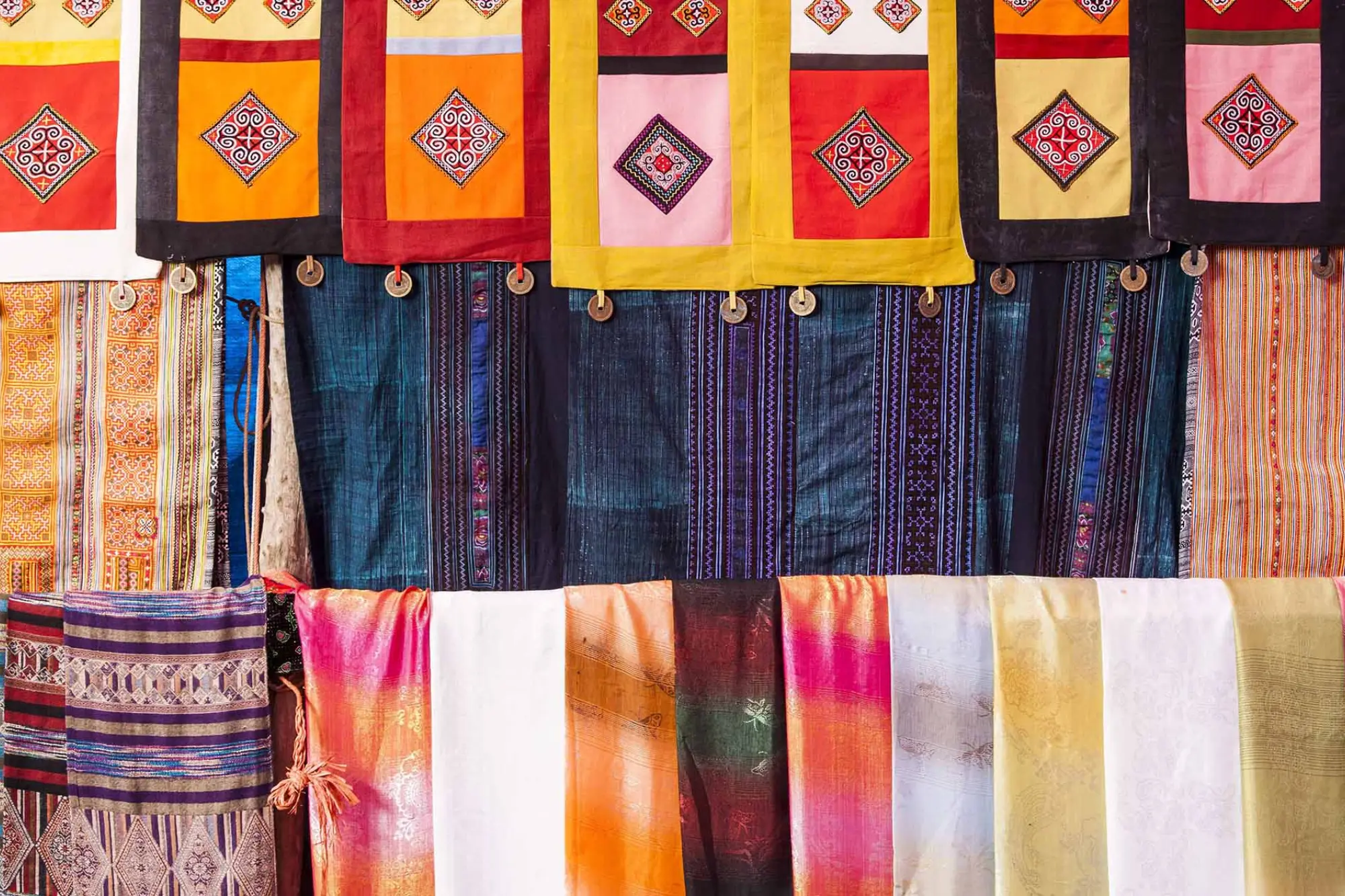
Silk weaving has a long history in Vietnam. Van Phuc near Hanoi is one of the country’s best-known silk-producing villages, while Hanoi and Hoi An offer convenient shopping and tailoring services.
Popular Vietnamese craft products made from silk include:
- Silk scarves: Lightweight, easy to pack, and suitable for gifts.
- Silk fabrics: Useful for travelers interested in custom clothing.
- Traditional garments: Including áo dài and other tailored pieces.
- Accessories: Such as ties and small textile gifts.
Before buying, check the fabric composition and care instructions. Genuine silk, blended fibers, and synthetic alternatives may look similar but differ in price and quality.
2. Vietnamese Lacquerware: Decorative and Functional Art
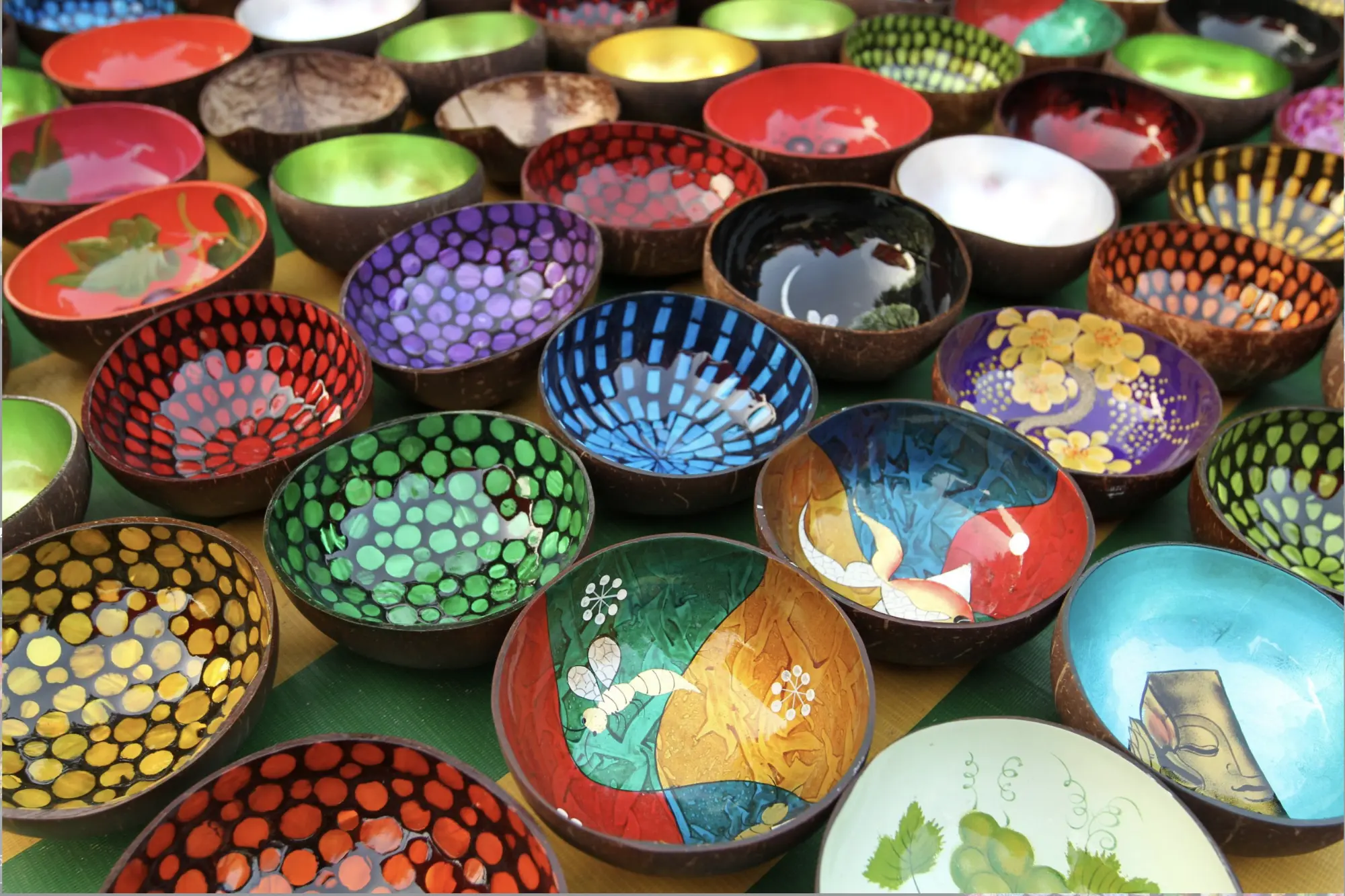
Vietnamese lacquerware is known for its decorative finishes, intricate patterns, and detailed surface work. Depending on the product, artisans may incorporate painting, inlays, and other techniques to create distinctive designs. Common Vietnamese craft products in this category include:
- Small boxes and trays: Practical gifts and decorative accessories.
- Bowls and vases: Suitable for home decoration.
- Lacquer paintings: Options for art enthusiasts and collectors.
- Sculptures and ornaments: Decorative pieces inspired by Vietnamese culture.
The materials and production methods can vary between products. Ask sellers how an item was made and how to care for it before purchasing, especially when buying expensive artwork.
3. Vietnamese Pottery: Ceramics for Everyday Use
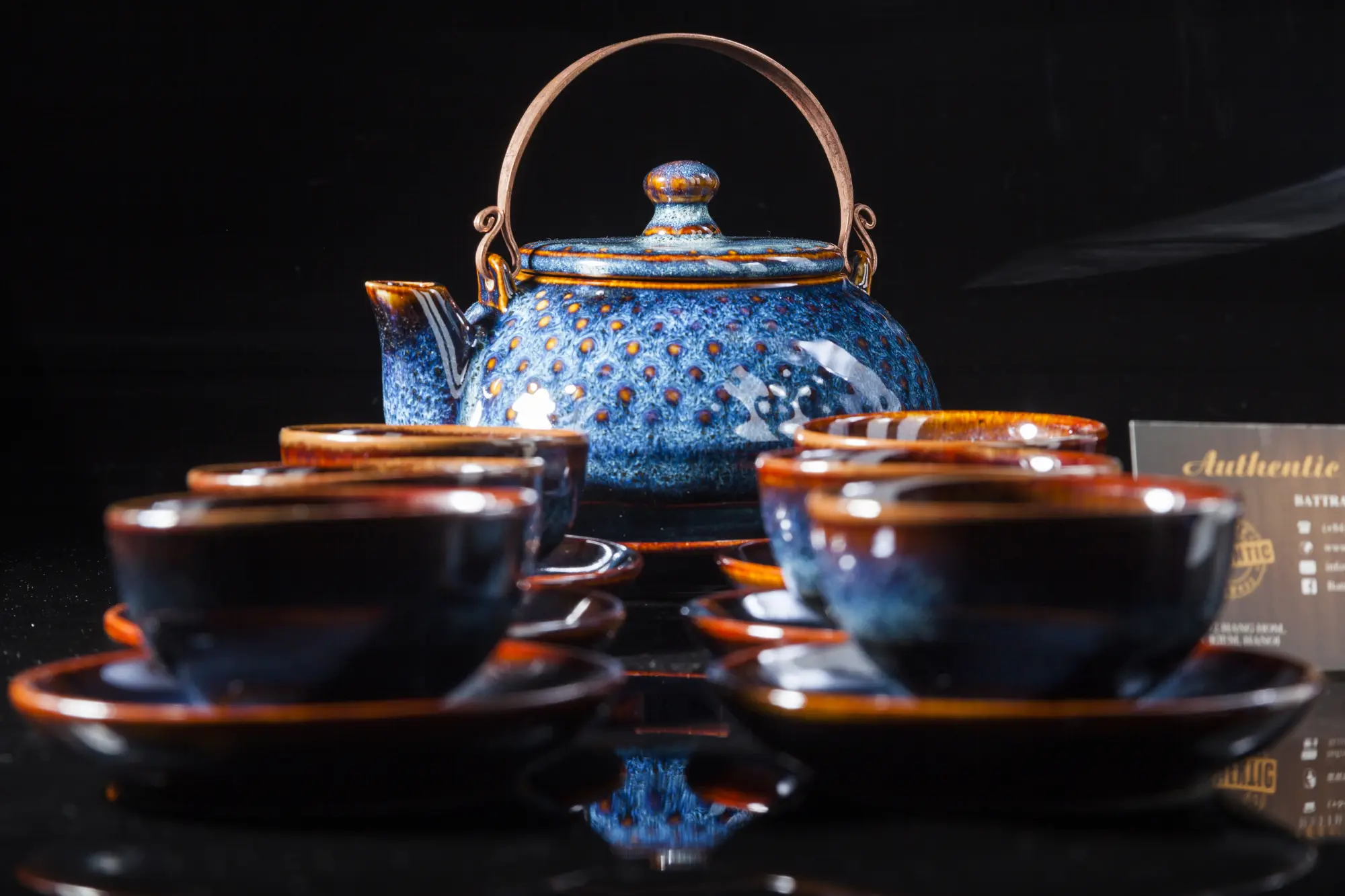
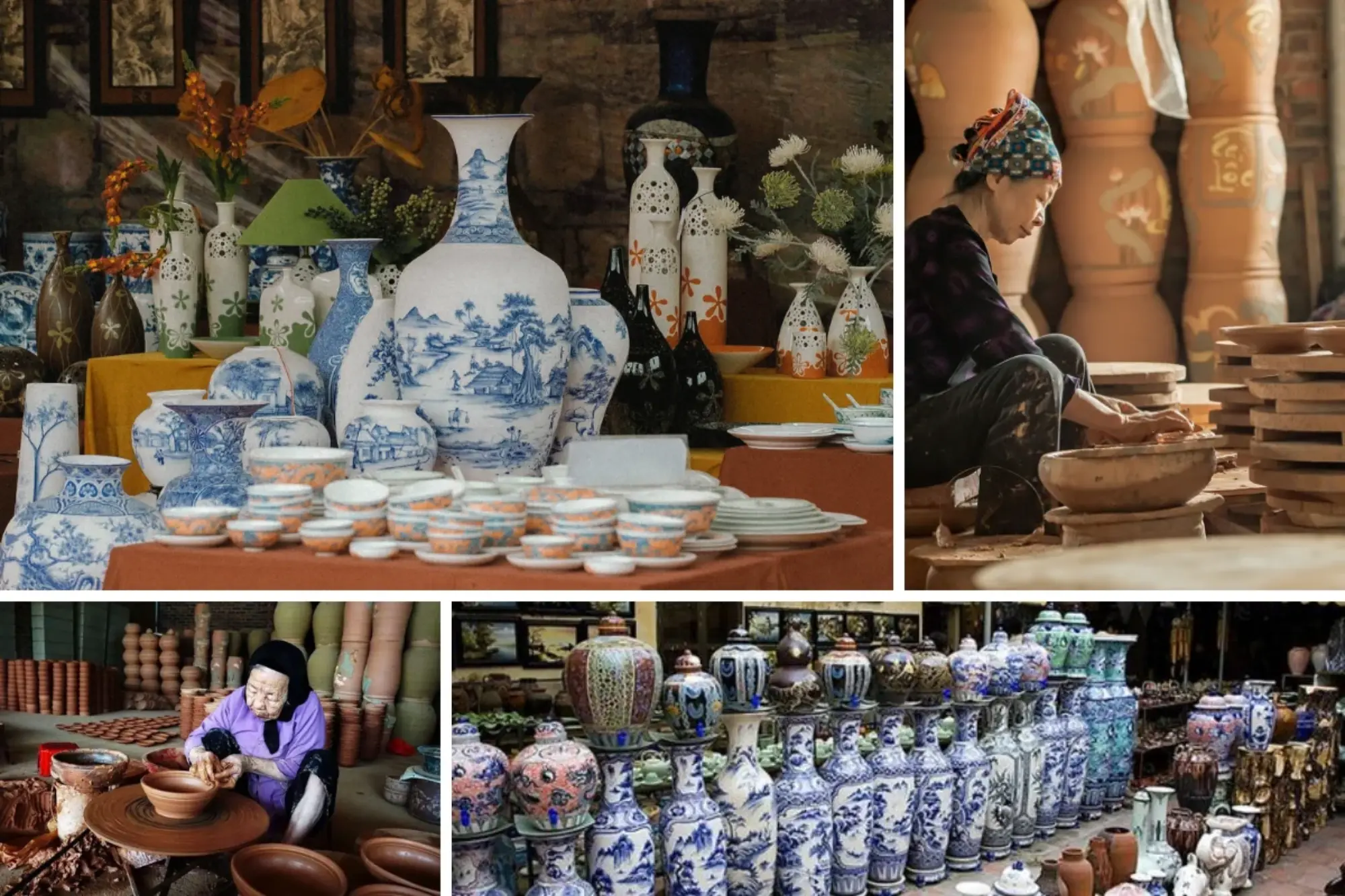
Pottery is another important part of traditional crafts in Vietnam. Local ceramic products range from everyday tableware to decorative ornaments, tea sets, and artistic pieces.
Two well-known pottery destinations are Bat Trang near Hanoi and Thanh Ha near Hoi An. Both offer opportunities to browse finished ceramics and explore local workshops.
When shopping for this type of Vietnamese craft, consider:
- Tableware: Cups, bowls, plates, and tea sets for everyday use.
- Decorative ceramics: Vases, ornaments, and small sculptures.
- Handmade keepsakes: Compact pieces that are easier to carry home.
Check for cracks or chips before buying. If you intend to use ceramics for food or drinks, confirm that they are suitable for that purpose.
Where to Buy Authentic Vietnamese Crafts
The best place to shop depends on your preferred products, budget, and itinerary. City shops offer convenience, while traditional craft villages provide opportunities to explore local production and learn about artisan techniques.
1. Where to Buy Vietnamese Silk: Hang Gai Street and Van Phuc Silk Village
1.1. Hang Gai Street, Hanoi
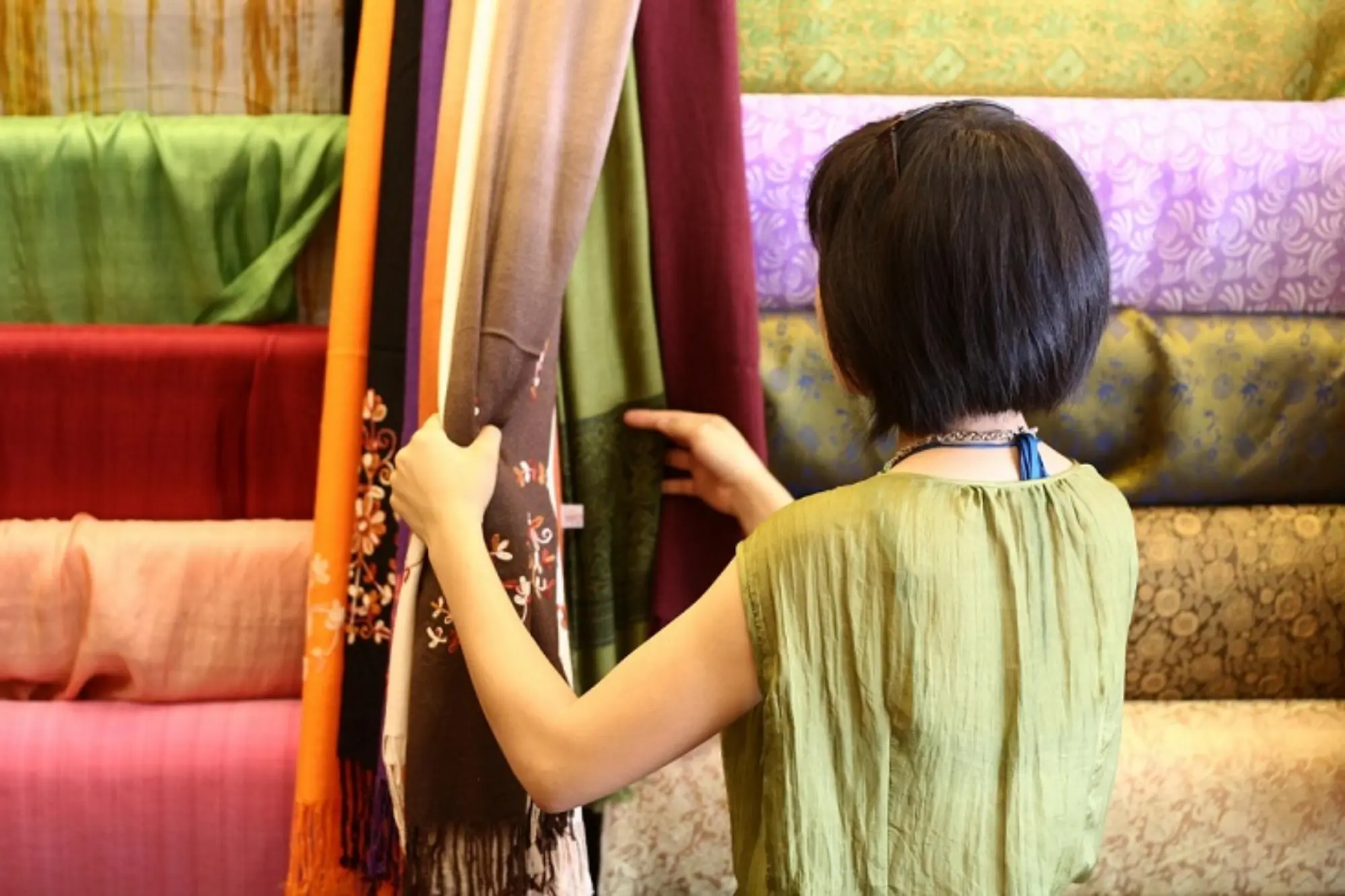
Located in Hanoi’s Old Quarter, Hang Gai Street is a convenient destination for browsing silk fabrics, scarves, clothing, and tailoring services.
- Compare fabrics and prices across different shops.
- Ask whether the material is pure silk, blended, or synthetic.
- Confirm tailoring costs, fitting arrangements, and completion dates before ordering.
This area is suitable for travelers who want to combine shopping for Vietnamese souvenirs with sightseeing around Hanoi’s historic center.
1.2. Van Phuc Silk Village, Hanoi
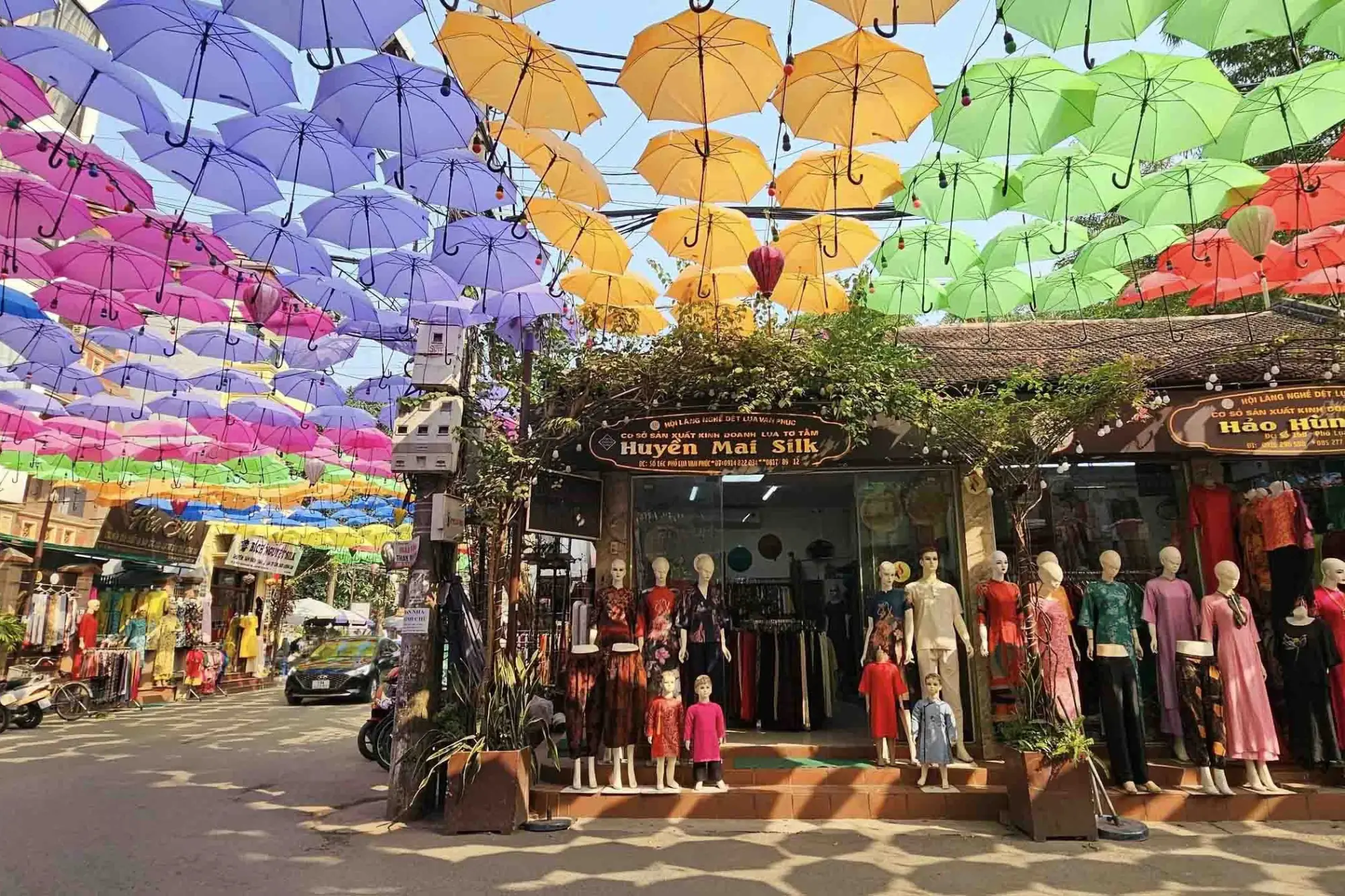
Van Phuc, located in the Ha Dong area, is known for its silk-weaving heritage and distinctive woven patterns. Visitors can browse textile products and learn about traditional weaving techniques, depending on workshop availability.
Exploring this village provides more context about the skills behind Vietnamese silk products. It is a worthwhile option for travelers interested in traditional crafts in Vietnam beyond the main tourist shopping streets.
1.3. Hoi An Ancient Town

Hoi An is another popular destination for silk shopping, particularly for travelers interested in custom-made clothing. Shops around the town and its market offer fabrics and garments, while local tailors help customers select designs and measurements.
Allow enough time for fittings and adjustments. If you have a fixed departure date, confirm that your order can be completed before you leave.
2. Where to Buy Vietnamese Lacquerware: Hanoi and Ha Thai Craft Village
2.1. Hanoi
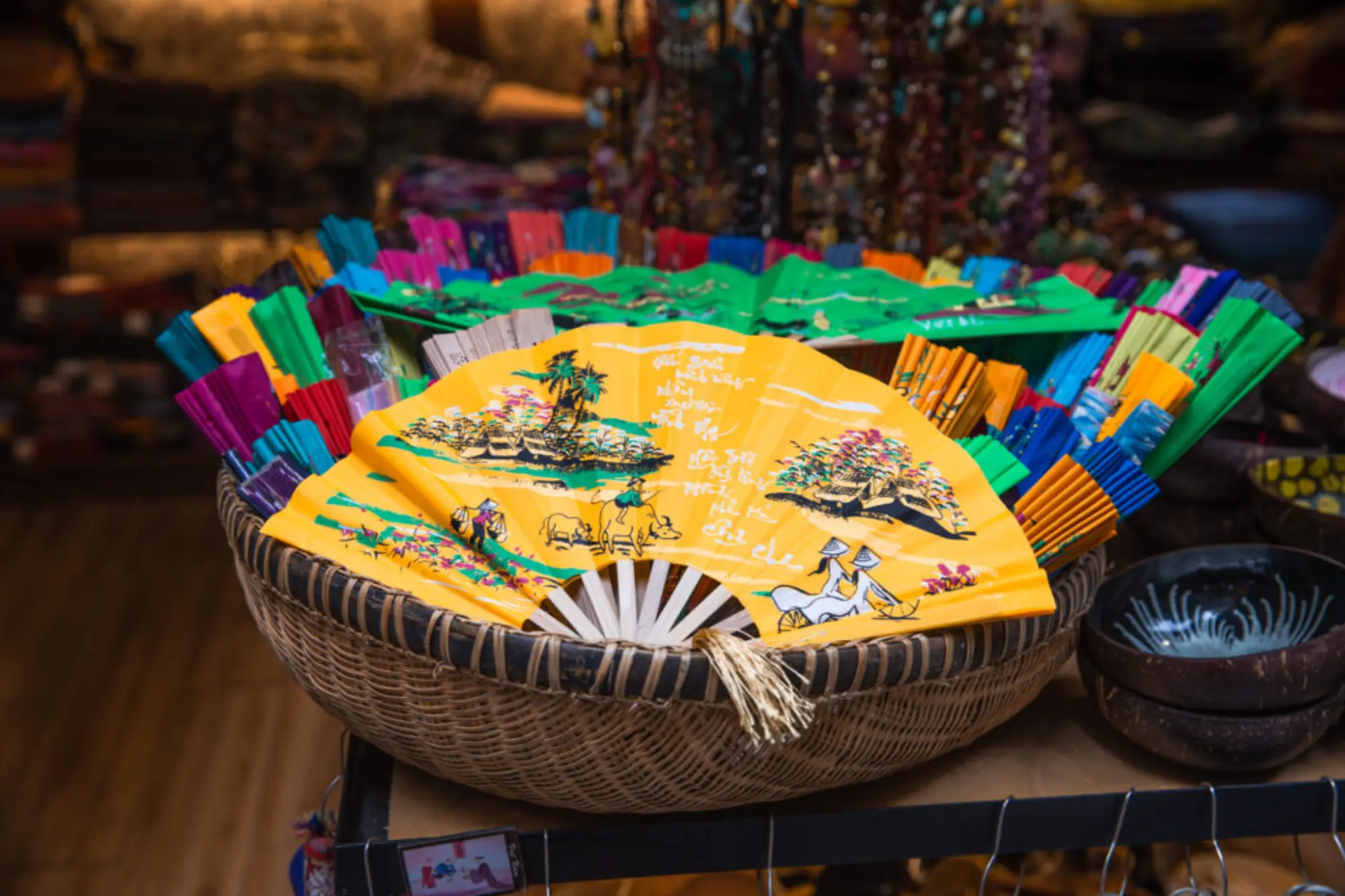
Hanoi is a convenient place to shop for Vietnamese lacquerware, with specialist boutiques and handicraft shops offering traditional and contemporary designs. For example, Hanoia works with craftspeople from traditional villages to create modern lacquer products.
These shops are useful for travelers looking for distinctive gifts, decorative pieces, and authentic Vietnamese handicrafts with more information about their materials and production techniques. Before purchasing an expensive item, ask about its origin, materials, production process, and care requirements.
2.2. Ha Thai Lacquerware Village
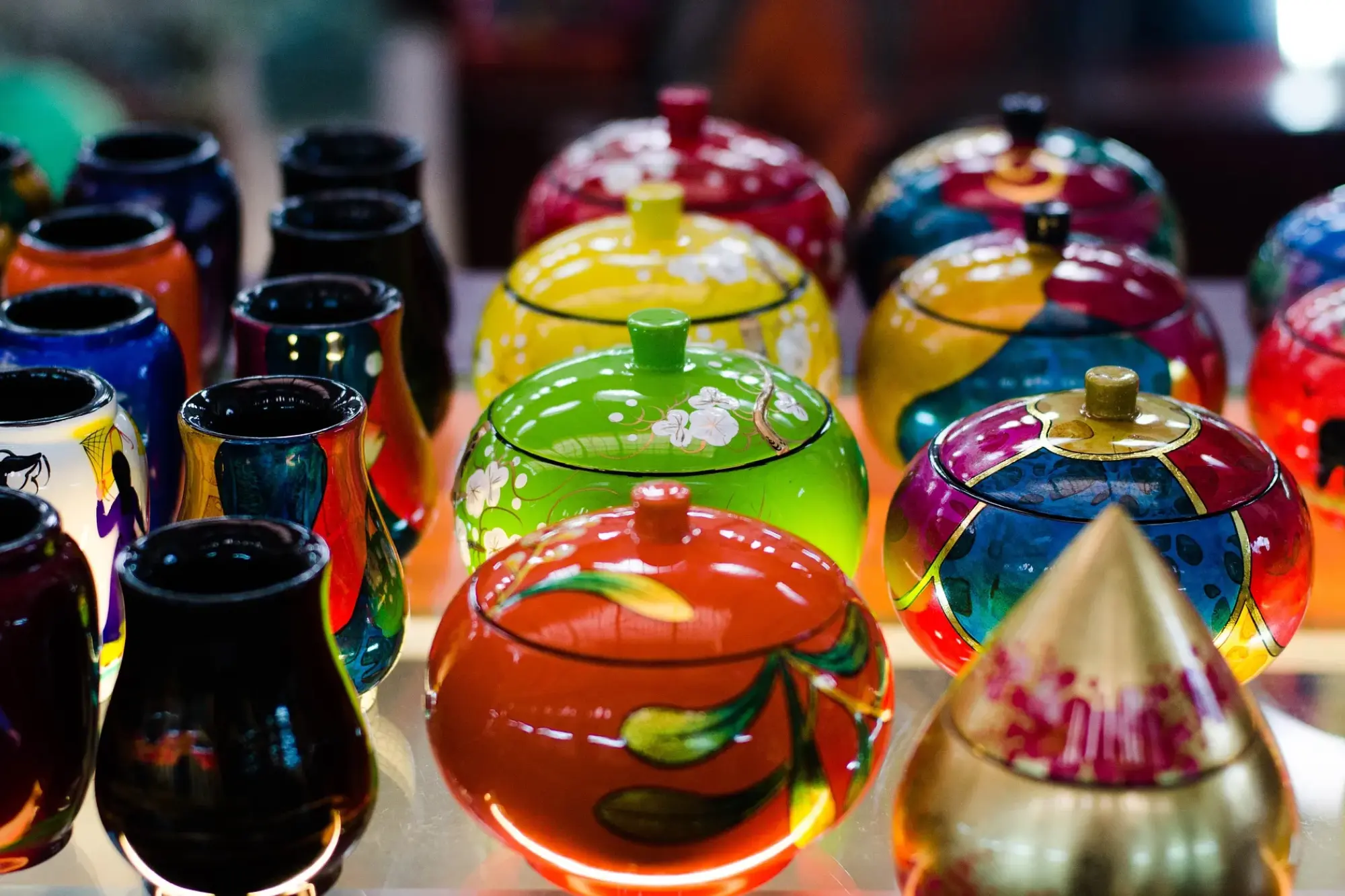
Located outside central Hanoi, Ha Thai Lacquerware Village is known for its traditional lacquer craftsmanship. Visiting the village offers a closer look at the techniques used to create decorative lacquerware and the skills passed down through generations of artisans.
- Contact a workshop in advance if you want to observe the production process.
- Ask about the origin and materials of the products.
- Consider travel time when planning your visit.
If your Hanoi itinerary is limited, shopping at a reputable lacquerware boutique in the city may be more convenient than making a separate trip.
3. Where to Buy Vietnamese Pottery: Bat Trang and Thanh Ha Pottery Villages
3.1. Bat Trang Pottery Village, Hanoi

Bat Trang is a well-known ceramic-producing village approximately 14 kilometers from central Hanoi. Its pottery market and workshops offer bowls, tea sets, vases, and decorative ceramics.
Visitors can browse finished products, explore local workshops, and look for pottery-making activities. It is a good destination for travelers who want to combine shopping for Vietnamese souvenirs with a cultural experience.
3.2. Thanh Ha Pottery Village, Hoi An
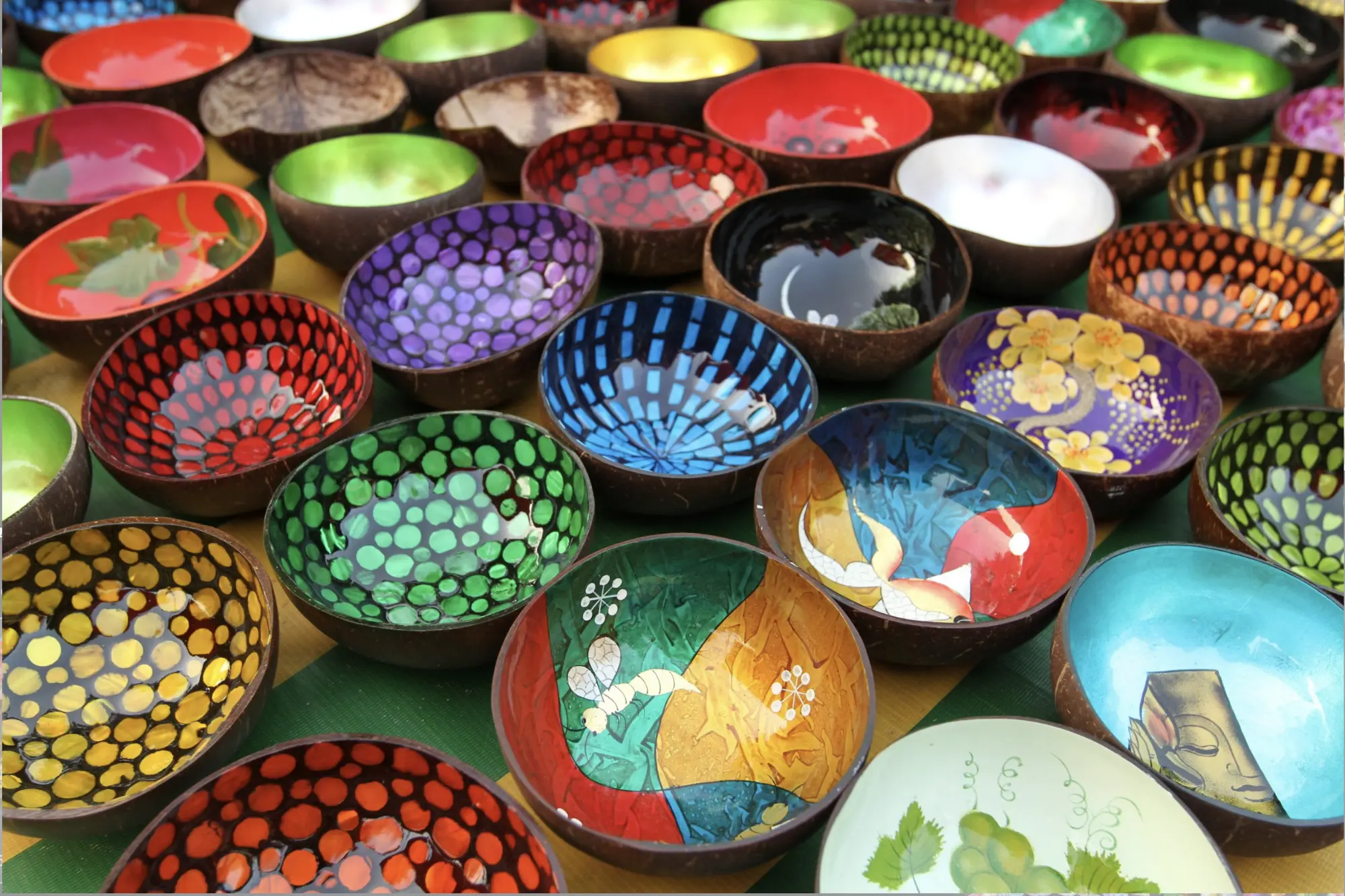
Located near Hoi An Ancient Town, Thanh Ha is another destination for exploring traditional pottery. Visitors can see artisans working with clay, browse ceramic products, and participate in pottery-making activities where available.
Its location makes Thanh Ha convenient for travelers already staying in Hoi An. Check workshop schedules and fees in advance if you want to make your own ceramic souvenir.
How to Choose Quality Authentic Vietnamese Handicrafts
Finding attractive Vietnamese souvenirs is easy, but choosing products that meet your expectations requires a little more care. Use these tips to compare options and make informed purchases.
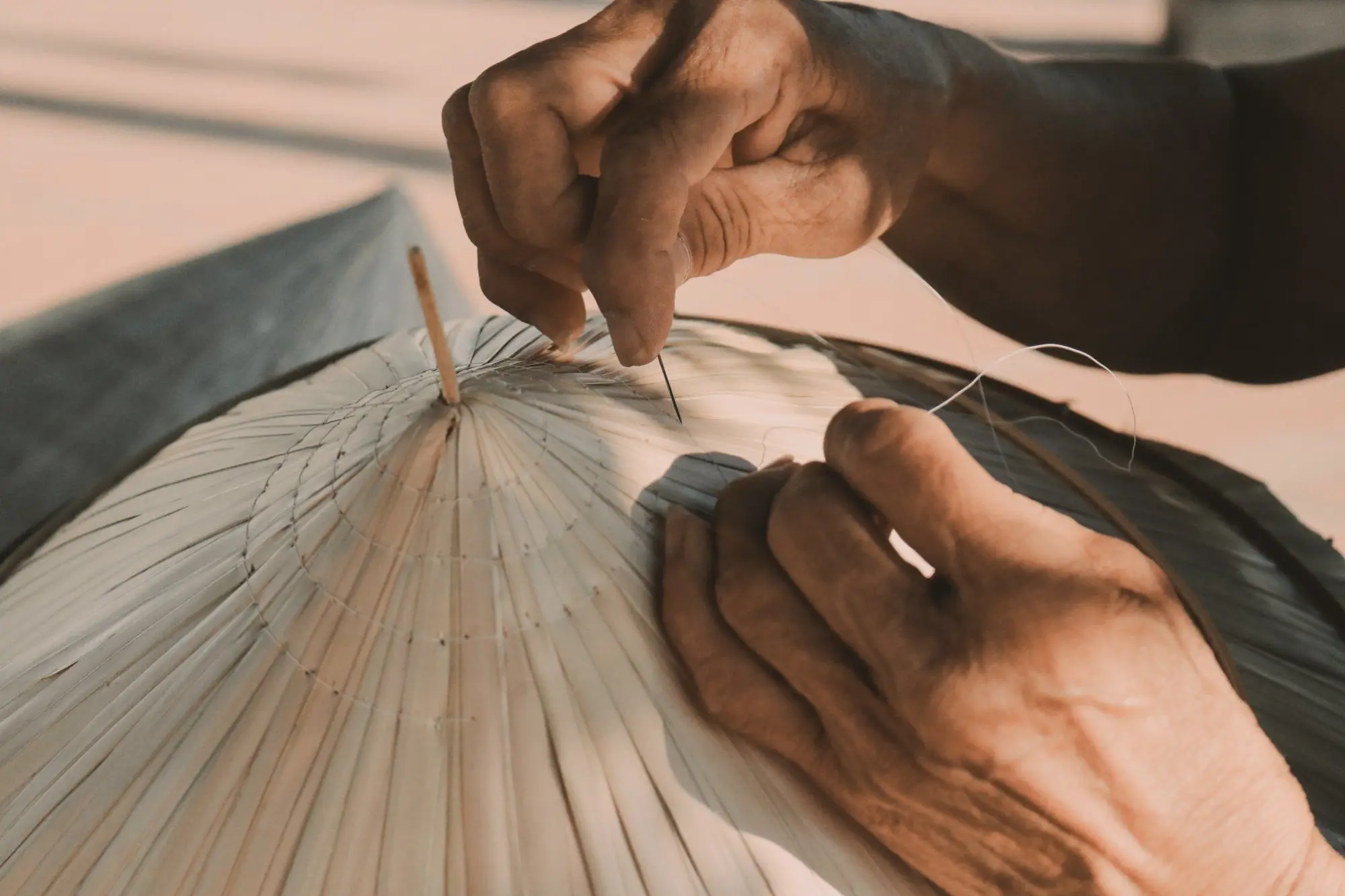
1. Check Materials, Labels and Craftsmanship
- Silk: Check the fiber composition rather than relying on appearance or texture alone. Ask whether the fabric is pure silk, blended, or synthetic.
- Lacquerware: Inspect the surface, edges, and decorative details. Ask about the materials, finishing techniques, and care instructions.
- Pottery: Look for cracks, chips, and damaged edges. Confirm whether ceramic items are suitable for food or drinks.
- Handmade details: Small variations in color, shape, or pattern may be normal, but the product should still be well finished.
Traditional crafts in Vietnam can feature handmade details that make each item slightly different. However, a handmade label does not automatically guarantee authenticity or durability, so inspect each product carefully.
2. Compare Prices and Ask About Product Origins
- Compare similar products: Visit several shops before buying expensive silk, lacquerware, or artwork.
- Ask where the item was made: Some shops sell both locally produced goods and mass-produced souvenirs.
- Request a receipt: For higher-value purchases, keep a receipt and ask for details about the materials and origin.
When purchasing a Vietnamese craft, do not rely on labels such as “traditional” or “handmade” alone. Ask specific questions to understand what you are paying for.
3. Check Packaging, Shipping and Customs Requirements
- Consider luggage space: Silk scarves are easy to pack, while pottery requires extra protection and lacquerware may need scratch-resistant wrapping.
- Protect fragile products: Ask sellers to use protective cushioning and sturdy boxes for ceramics.
- Confirm shipping costs: For large or delicate items, check delivery fees and estimated arrival times.
- Review travel regulations: Check airline baggage rules and your destination country’s customs requirements, especially for products made from wood, bamboo, or other plant materials.
Planning transportation before buying can help prevent damage and unexpected costs when bringing your Vietnamese craft purchases home.
Which Vietnamese Souvenirs Make the Best Gifts?
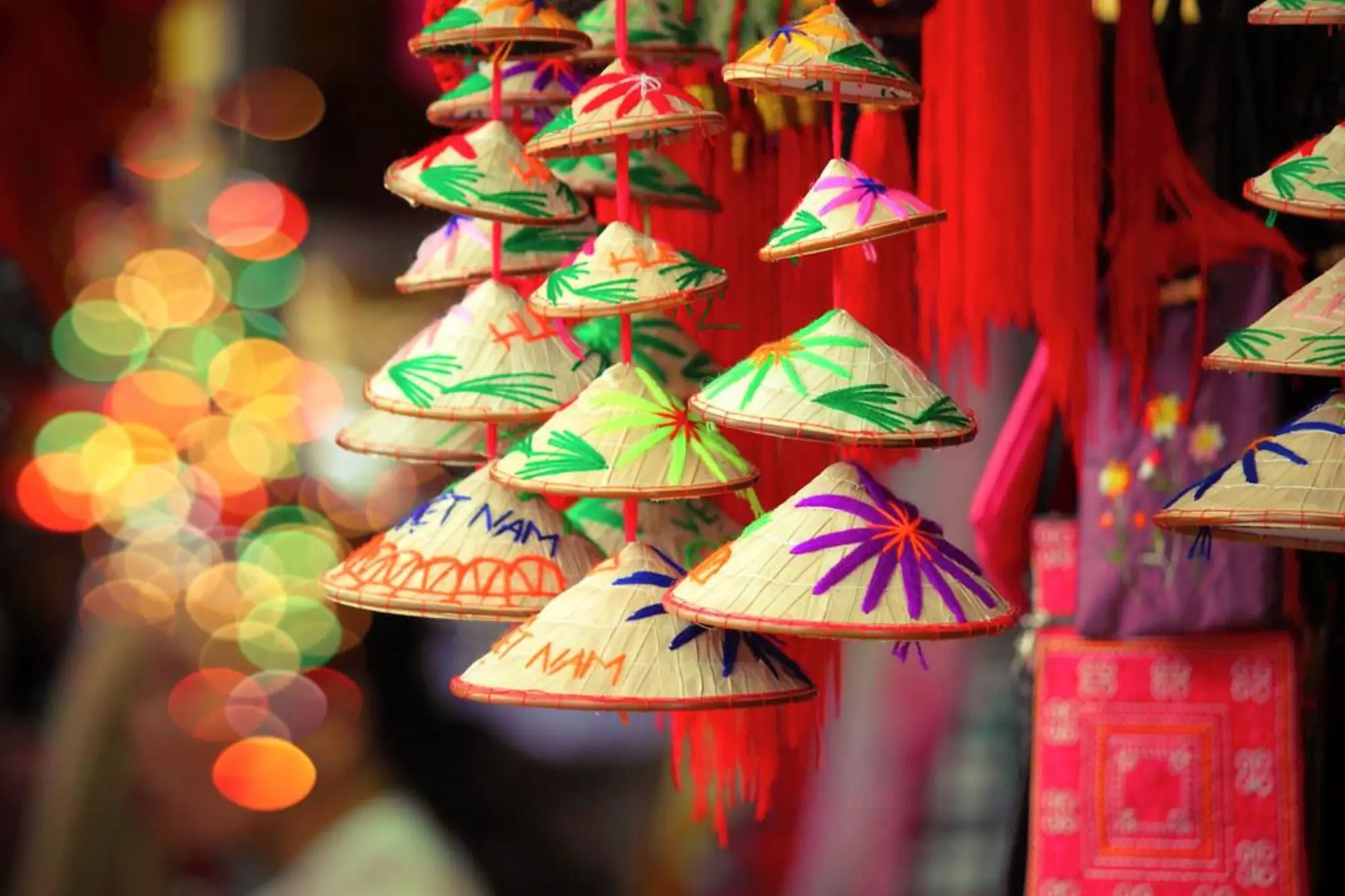
The best Vietnamese souvenirs depend on your budget, luggage space, and intended use. The following comparison can help you choose.
| Product | Best for | What to consider |
|---|---|---|
| Silk scarves | Lightweight gifts | Fiber composition and care |
| Silk fabric | Custom clothing | Quality, price, and tailoring time |
| Lacquerware boxes | Decorative gifts | Finish and durability |
| Lacquer paintings | Art and home decoration | Dimensions and shipping |
| Ceramic cups and bowls | Practical gifts | Intended use and safe packaging |
| Small pottery ornaments | Compact keepsakes | Fragile details and possible damage |
If you have limited luggage space, silk accessories and small decorative pieces are practical choices. For a more personal experience, visit a craft village or join a workshop where available.
Buying directly from an artisan can also help you learn about the production process. However, always check the quality, materials, and price before purchasing authentic Vietnamese handicrafts.
FAQs About Vietnamese Craft Products
1. What Are the Most Popular Traditional Crafts in Vietnam?
Popular traditional crafts in Vietnam include silk weaving, lacquerware, pottery, embroidery, bamboo and rattan weaving, and handmade paper. Each region has its own products and techniques, making craft villages valuable destinations for travelers interested in local culture.
2. Where Can Tourists Buy Authentic Vietnamese Handicrafts?
Travelers can shop for silk on Hang Gai Street and at Van Phuc Silk Village, explore lacquerware boutiques in Hanoi, and visit Bat Trang or Thanh Ha for pottery. Hoi An is also a convenient destination for silk shopping and custom tailoring. Ask sellers about product materials and origins before buying.
3. What Are the Best Vietnamese Souvenirs to Bring Home?
Silk scarves are suitable for lightweight gifts, while lacquerware boxes offer decorative options. Ceramic cups, bowls, and small pottery ornaments are also popular choices. Consider your luggage space, the item’s fragility, and any customs requirements before purchasing.
4. Can Visitors Experience Arts and Crafts in Vietnam Firsthand?
Yes. Some traditional craft villages offer workshops or demonstrations, including pottery-making activities in Bat Trang and Thanh Ha. Availability and fees vary by workshop, so confirm the details before visiting.
5. How Can You Bring Fragile Vietnamese Crafts Home?
Ask the seller to package fragile items securely and check your airline’s baggage rules. For large or delicate purchases, consider shipping and confirm the delivery costs, timing, and customs requirements before paying.
Final Thoughts
Exploring Vietnamese crafts offers a way to discover local culture while finding distinctive souvenirs. From silk shopping in Hanoi and Hoi An to lacquerware boutiques and pottery villages, each destination reveals a different aspect of the country’s craftsmanship. Take time to compare products, ask about their origins, and learn about the artisans behind them. A thoughtful purchase can become a lasting reminder of your journey through Vietnam.
Explore a Nicetrips Vietnam tour package to discover the country’s destinations, cultural heritage, and local experiences. Follow the Nicetrips blog for more travel guides and practical tips for planning your Vietnam holiday.