Japan travel for seniors involves unique considerations, making seasonal timing essential for a comfortable journey. While Japan appeals to all age groups, factors like weather, crowds, walking distances, and transit convenience heavily influence the overall experience. For those who favor a gentler pace, the ideal travel window often differs from mainstream peak seasons. This guide outlines the worst times for seniors to visit Japan focusing on extreme heat, severe cold, and heavy crowds and highlights better alternatives for a stress-free trip.
Worst Time to Visit Japan for Seniors
There is no single worst time to visit Japan for every senior traveler. Personal preferences, mobility, weather tolerance, and the destinations on your itinerary all play a role. However, certain months and holiday periods can make sightseeing more physically demanding or less convenient.
| Period | Main Challenges |
| June-July | Heat, humidity, and rainy weather |
| August | Extreme heat and high humidity |
| January-February | Cold temperatures and snow in some regions |
| Golden Week | Extremely crowded and expensive |
Summer: The Most Challenging Season for Seniors
Summer can be one of the most demanding periods for Japan travel for seniors, particularly for travelers who plan to spend most of their days outdoors. High temperatures, humidity, and rainy weather can make walking between attractions more tired than during the milder seasons.
1. June and July: Heat, Humidity and Rain
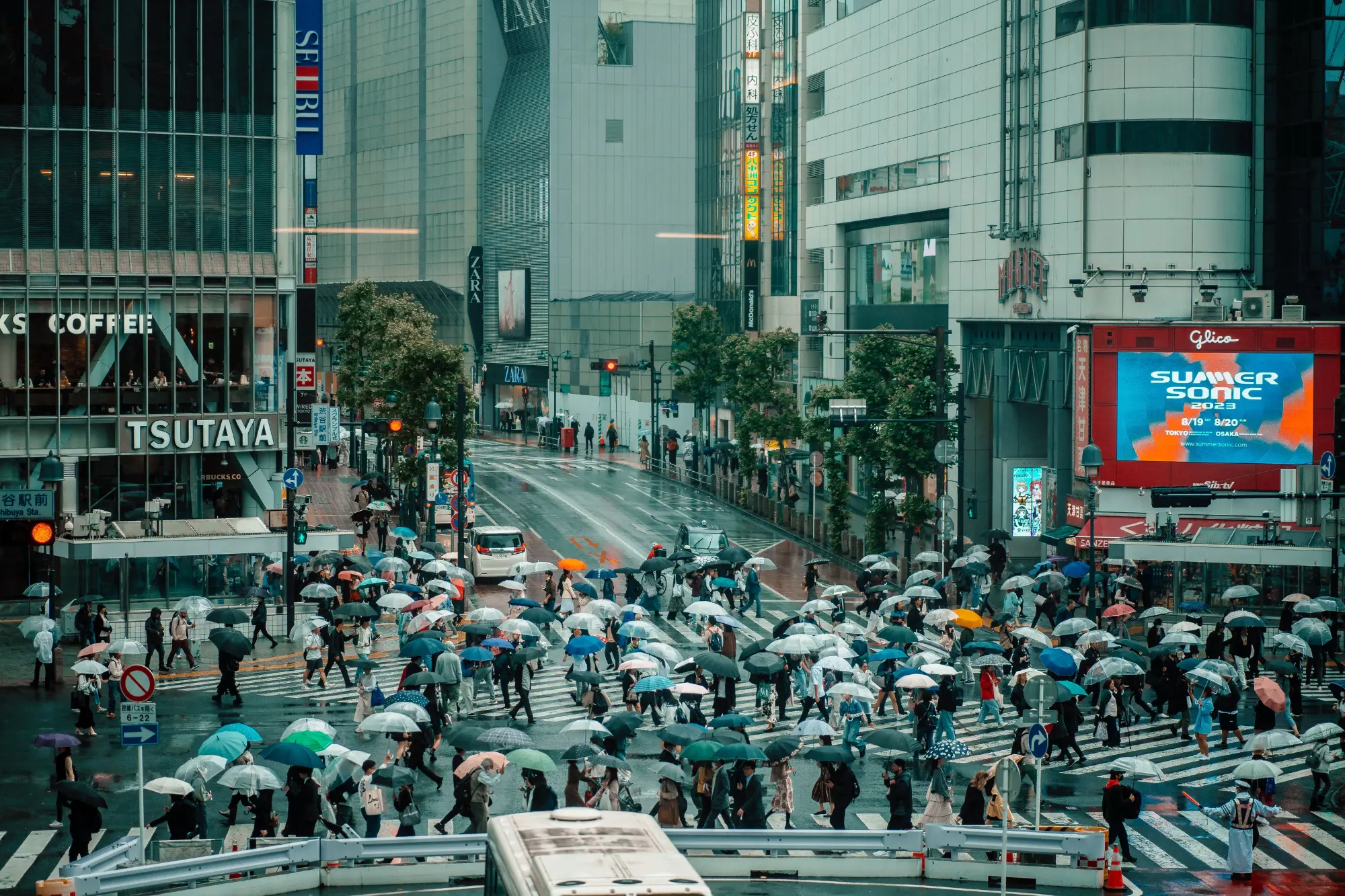
June and July bring a combination of rising temperatures, high humidity, and rainy weather in many parts of Japan. According to Japan weather by season, conditions can vary by region, but summer sightseeing generally becomes more challenging as temperatures increase.
Rain can also make outdoor activities less comfortable. Walking through gardens, temple grounds, or historic neighborhoods may be less enjoyable when surfaces are wet, while carrying an umbrella can make getting around more difficult.
For seniors, long walking days can feel particularly tiring in hot and humid conditions. A better approach is to keep daily itineraries flexible, include regular rest breaks, and avoid scheduling too many outdoor attractions close together.
2. August: Extreme Summer Heat
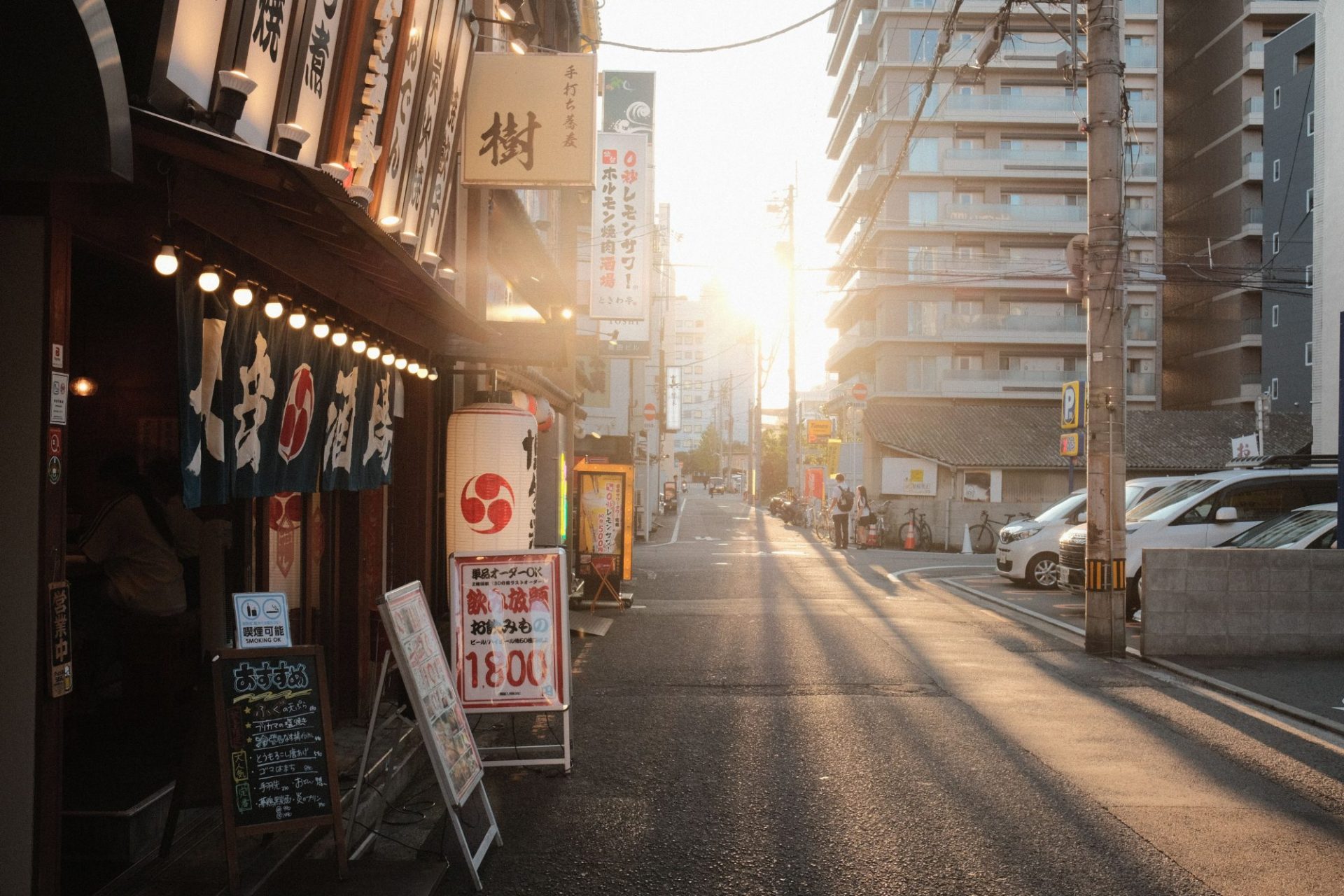
August is often one of the most challenging periods for outdoor sightseeing. High temperatures combined with humidity can make full-day itineraries physically demanding, especially in major cities such as Tokyo, Kyoto, and Osaka.
For a more comfortable trip, avoid spending extended periods outdoors during the hottest hours of the afternoon. Plan sightseeing earlier in the morning, take longer breaks during the middle of the day, and choose indoor attractions when possible.
Better alternative: October-November offers cooler temperatures and more comfortable conditions for sightseeing, making it one of the best time to visit Japan for seniors.
Winter: Cold Weather and Snow Can Make Travel Difficult
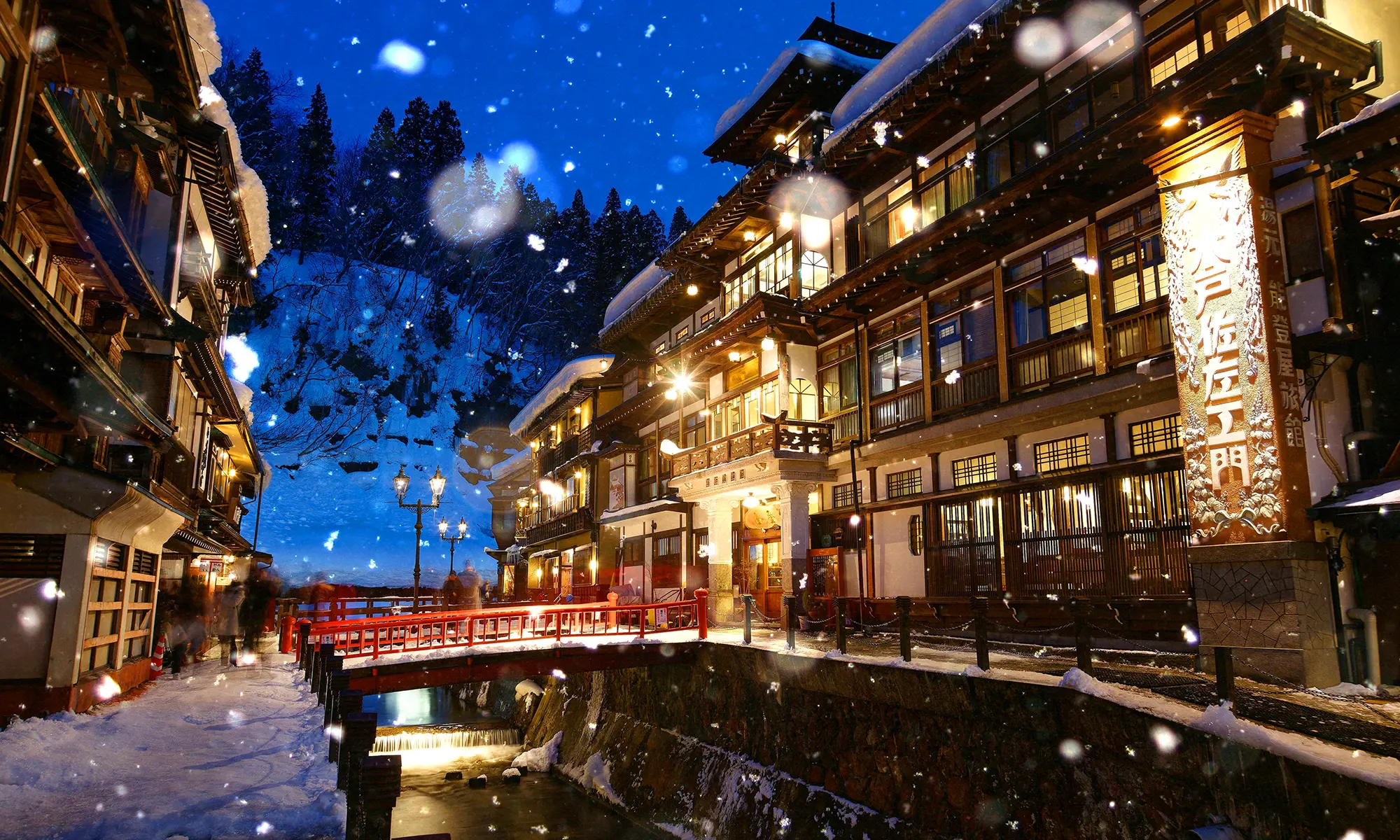
Winter can be an enjoyable time to visit Japan, but cold temperatures and snow may create additional challenges for senior travelers. The level of difficulty depends heavily on the destination, as conditions in Tokyo or Osaka can be very different from those in northern or mountainous areas.
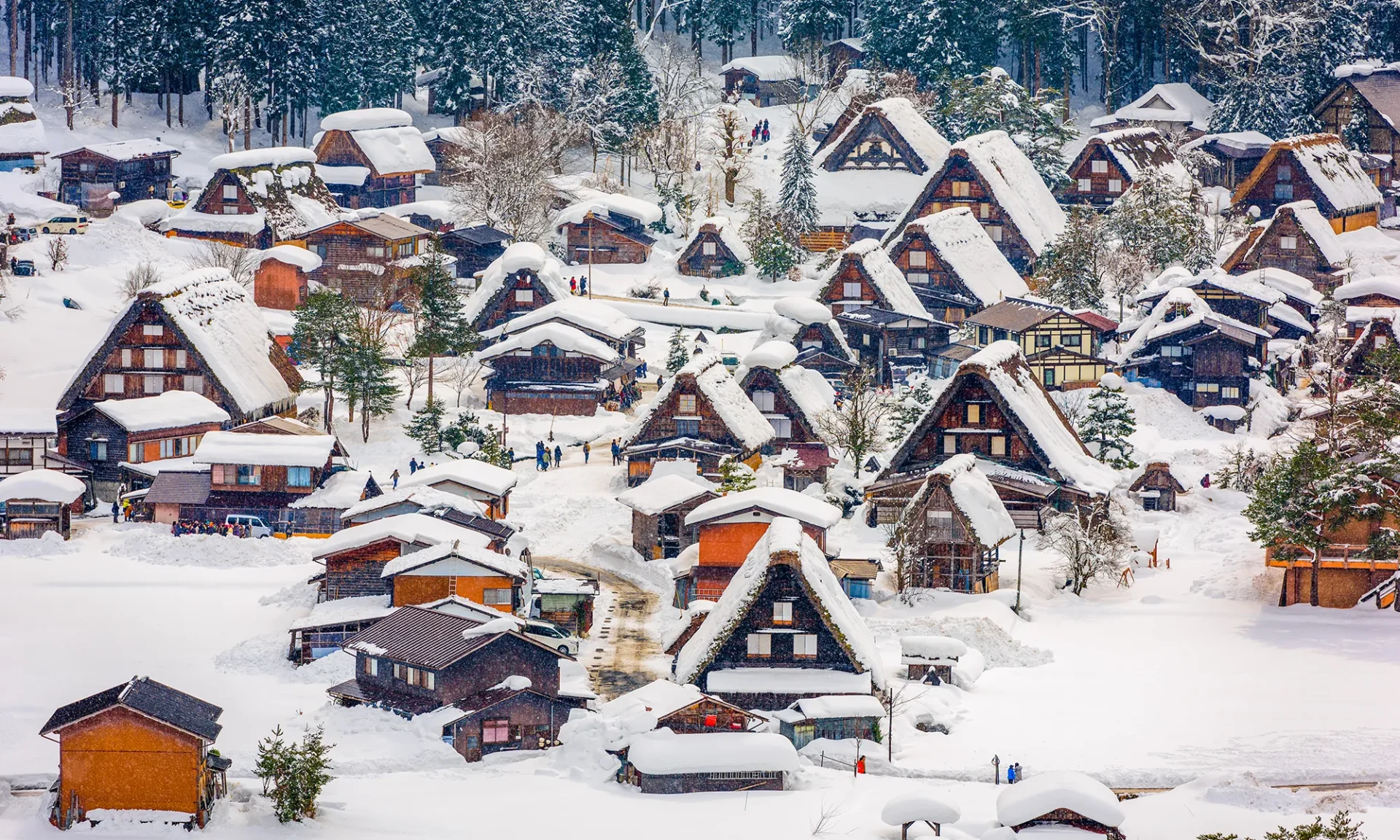
1. January and February
January and February are among the coldest months in many parts of Japan. Northern regions and mountainous destinations can experience snow, ice, and freezing temperatures, which may make walking more difficult.
Snow and icy surfaces can be particularly challenging when visiting outdoor attractions or moving between transportation stops. Heavy snowfall can also occasionally cause delays or disruptions to trains and other transportation services.
Shorter daylight hours are another factor to consider. Travelers who prefer a relaxed pace may want to avoid packing too many outdoor activities into a single day, especially in colder destinations.
2. Who May Want to Avoid Winter?
Winter may be less suitable for:
- Travelers who are sensitive to cold: Low temperatures can make extended outdoor sightseeing uncomfortable.
- Seniors who prefer easy outdoor sightseeing: Snow and icy surfaces can make walking more demanding.
- Travelers visiting northern or mountainous destinations: These areas are more likely to experience heavy snow and winter weather disruptions.
For travelers who want comfortable temperatures and easier outdoor sightseeing, spring and autumn can be better alternatives.
Peak Holiday Periods to Avoid
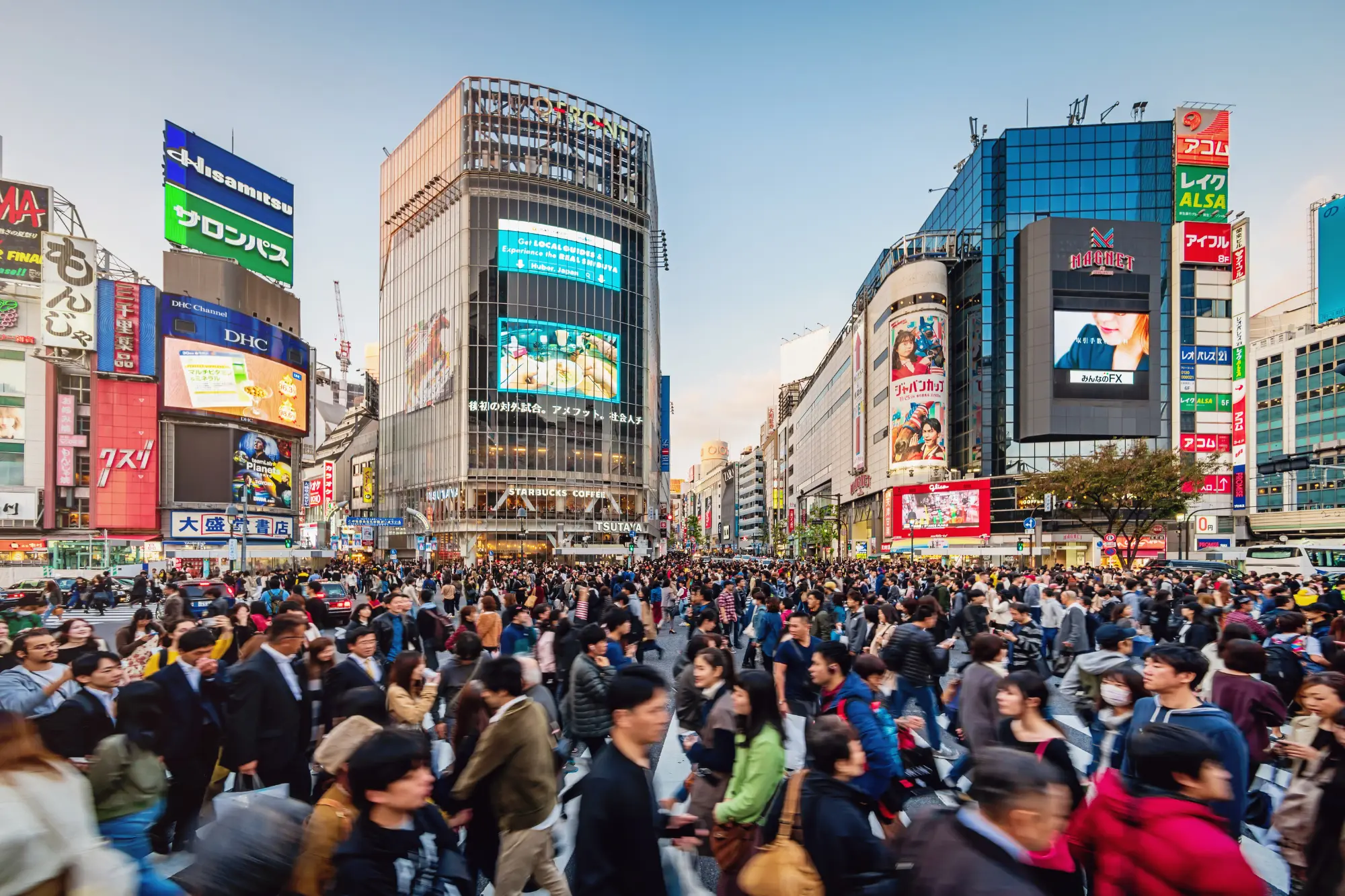
Weather is not the only factor to consider when choosing the best time to visit Japan for seniors. Major Japanese holiday periods can also make transportation, accommodation, and sightseeing considerably busier.
1. Golden Week
Golden Week is one of Japan’s busiest travel periods. Trains and major transportation hubs can become extremely crowded, while popular attractions may have long queues. Hotel prices can also increase due to high demand, making this period less suitable for travelers looking for a relaxed and predictable itinerary.
2. Obon
Obon is another major domestic travel period. Many people travel to visit family or take holidays, resulting in crowded trains and busy popular destinations.
Accommodation can also become more difficult to find in high-demand areas. Seniors who prefer quieter sightseeing may find it more comfortable to travel outside this period.
3. New Year
The New Year period can be less convenient because some businesses, restaurants, and attractions may close or operate on reduced schedules during the holidays.
Transportation can also become busy around major travel dates. For seniors who want to visit several attractions each day, these closures and crowds can make itinerary planning more complicated.
Best Time to Visit Japan for Seniors
When choosing the best time to visit Japan for seniors, comfortable weather is often more important than simply following Japan’s most popular travel seasons. Temperature, humidity, crowds, and walking conditions can all affect how enjoyable a sightseeing day feels. Looking at Japan weather by season makes it easier to compare the advantages and challenges of traveling throughout the year.
| Season | Weather | Senior Travel Experience |
| Spring | Mild | Comfortable, but peak cherry blossom periods can be crowded |
| Summer | Hot & humid | Least comfortable for extended outdoor sightseeing |
| Autumn | Cool & pleasant | Best overall choice |
| Winter | Cold | Comfortable in some cities but challenging in snowy areas |
Why Autumn is a good choice
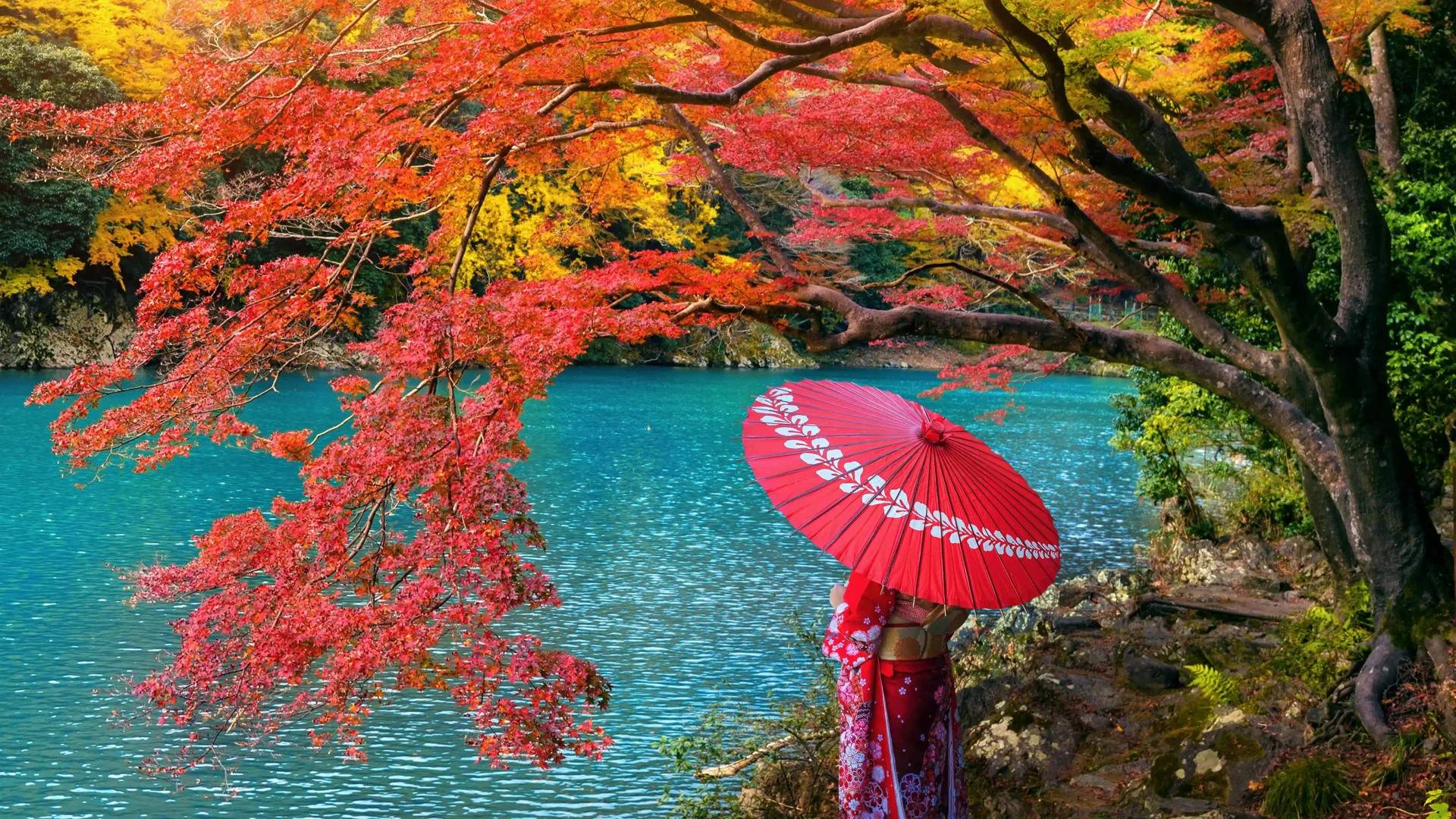
Autumn is generally one of the most comfortable seasons for Japan travel for seniors. Temperatures are cooler than in summer without the intense cold found in winter, while humidity is generally lower.
The pleasant conditions make it easier to explore temples, gardens, parks, historic districts, and other outdoor attractions at a relaxed pace. Autumn also brings beautiful seasonal scenery, particularly from October through November, adding another reason to choose this period.
For seniors who prefer comfortable sightseeing, moderate temperatures, and fewer weather-related challenges, autumn offers a good balance between scenery and convenience.
How to Choose the Right Month for Your Trip
The ideal month depends on what you want to experience and how comfortable you are with different weather conditions. Consider these factors when planning Japan travel for seniors:
- For comfortable weather: Choose October-November, when temperatures are generally pleasant for sightseeing.
- For autumn foliage: November is a strong choice for many popular destinations, although the exact timing varies by location.
- For fewer crowds: Avoid major national holidays and peak travel periods. Traveling on weekdays can also make popular attractions more comfortable.
- For mild spring weather: Consider traveling outside the busiest cherry blossom period if you want pleasant temperatures with fewer crowds.
- For warmer destinations in winter: Southern areas of Japan can offer milder conditions than northern and mountainous regions.
Rather than choosing a month based on popularity alone, consider your preferred pace, destinations, and tolerance for heat or cold. This can help you find a travel period that feels comfortable throughout the trip.
Planning a Comfortable Japan Trip for Seniors
Choosing a suitable season is only one part of planning Japan travel for seniors. A well-paced itinerary can make sightseeing significantly more comfortable, regardless of when you visit.
- Choose accommodation near major train stations: Staying close to transportation can reduce unnecessary walking and make daily travel easier.
- Avoid changing hotels too frequently: Staying several nights in the same location reduces the need to repeatedly pack and transfer luggage.
- Plan fewer attractions per day: Leave enough time to enjoy each destination without rushing between multiple sightseeing spots.
- Include regular rest periods: Schedule breaks between longer activities, especially on full sightseeing days.
- Check walking distances before booking activities: Some temples, gardens, and historic districts can involve considerable walking even when public transportation is available.
- Choose destinations with convenient public transportation: Easy access to trains, buses, taxis, and elevators can make getting around more manageable.
- Check Japan weather by season: Review expected temperatures and weather conditions before confirming your travel dates and daily activities.
A slower itinerary does not mean seeing less of Japan. Allowing more time at each destination can make the experience more enjoyable and give you the opportunity to appreciate the country’s scenery, culture, and food without unnecessary pressure. At Nicetrips, our Japan tour itineraries are thoughtfully planned around Japan weather by season to ensure a comfortable pace, avoiding overly packed schedules and minimizing unnecessary walking.
Conclusion
There is no single worst time to visit Japan for every senior traveler. Summer can be challenging because of heat and humidity, winter may bring cold and snow, while major holiday periods can create uncomfortable crowds. For many travelers, October-November offers one of the best combinations of pleasant weather, seasonal scenery, and comfortable sightseeing conditions. The best time to visit Japan for seniors ultimately depends on individual preferences, mobility, and itinerary. Choose travel dates based on comfort rather than simply following Japan’s busiest seasons, and allow enough flexibility for rest and changing weather conditions.
Don’t forget to visit the Nicetrips Blog for more seasonal guides and practical travel inspiration, or explore a curated Nicetrips Tour Package for a more comfortable and stress-free journey.