The best Autumn Festivals in Japan are one of the biggest reasons to visit between September and November. While autumn is famous for colorful maple leaves, it’s also the season of historic parades, harvest celebrations, moon-viewing traditions, and spectacular cultural events held across the country. This guide highlights Japan’s best autumn festivals, including when they take place, where to experience them, and what makes each celebration unique. You’ll also find practical travel tips to help you combine festival visits with autumn foliage and make the most of your trip.
Best Autumn Festivals in Japan at a Glance
Are you not sure which autumn festivals to include in your itinerary? The table below highlights Japan’s most popular autumn festivals from September to November, including their typical dates, locations, and what makes each event worth visiting before coming to details.
| Month | Festival | Location | Best For |
| September | Tsukimi (Moon Viewing) | Nationwide | Traditional seasonal culture |
| September | Kishiwada Danjiri Matsuri | Osaka | Giant wooden floats |
| September – November | Universal Studios Japan Halloween | Osaka | Family-friendly Halloween events |
| September – November | Huis Ten Bosch Halloween Festival | Nagasaki | European-style Halloween celebrations |
| October | Takayama Autumn Festival | Takayama | Historic festival floats |
| October | Nagasaki Kunchi Festival | Nagasaki | Dragon dances and cultural performances |
| October | Jidai Matsuri | Kyoto | Historical costume parade |
| October | Kurama Fire Festival | Kyoto | Giant torches and ancient rituals |
| October | Kawagoe Festival | Saitama | Edo-style festival floats |
| October | Bakeneko Festival | Tokyo | Unique Halloween parade |
| November | Shichi-Go-San | Nationwide | Family shrine celebrations |
| November | Tori no Ichi | Tokyo & Kanto | Lucky bamboo rakes and traditional markets |
Related Article: Autumn in Japan 2026: The Best Travel Guide for October and November
Why Autumn Is One of the Best Seasons for Japanese Festivals
Autumn is one of Japan’s richest cultural seasons. As the weather becomes cooler and the harvest season begins, communities across the country celebrate local traditions that have been passed down for centuries.
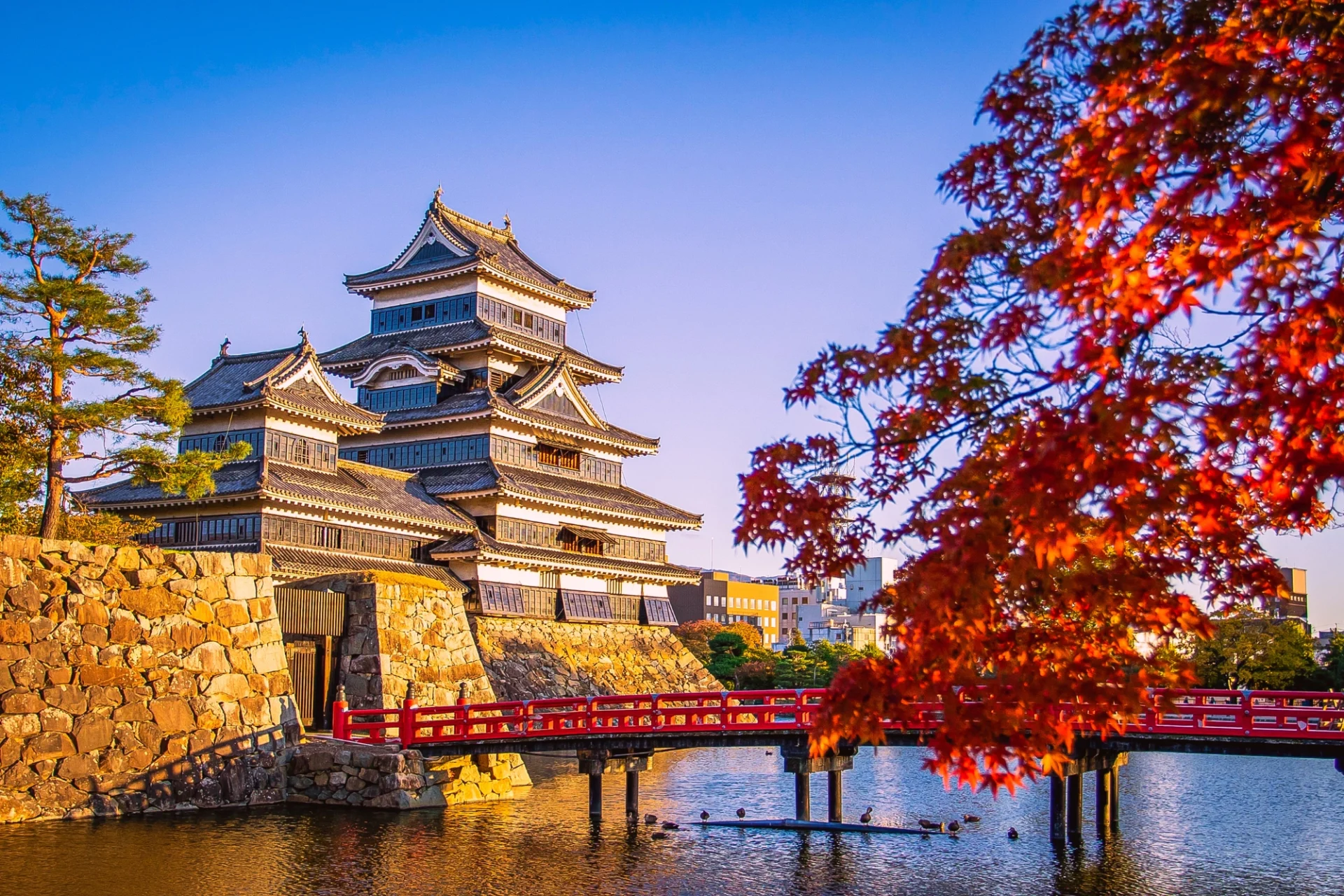
For international visitors, autumn festivals offer several advantages:
- Comfortable temperatures for outdoor sightseeing.
- Opportunities to experience authentic local traditions.
- Seasonal food available only during autumn.
- Beautiful settings enhanced by autumn foliage.
- A wider variety of regional festivals than any other season.
Many festivals also take place near some of Japan’s most famous autumn destinations, making it easy to combine cultural events with leaf viewing, temple visits, or countryside excursions.
September: The Autumn Festival Season Begins
Although many travelers associate Japan’s autumn with October and November, the festival season actually begins in September. This month marks the transition from summer to autumn, bringing traditional harvest celebrations alongside modern seasonal events.
If you’re visiting Japan in September, these festivals are among the best experiences to include in your itinerary.
1. Tsukimi (Moon Viewing Festival)
Location: Nationwide
Usually held: Mid-September (date varies according to the lunar calendar)
Tsukimi, which translates to “moon viewing,” is one of Japan’s oldest seasonal traditions. Dating back more than a thousand years to the Heian period, the custom celebrates the autumn full moon and gives thanks for a successful harvest.
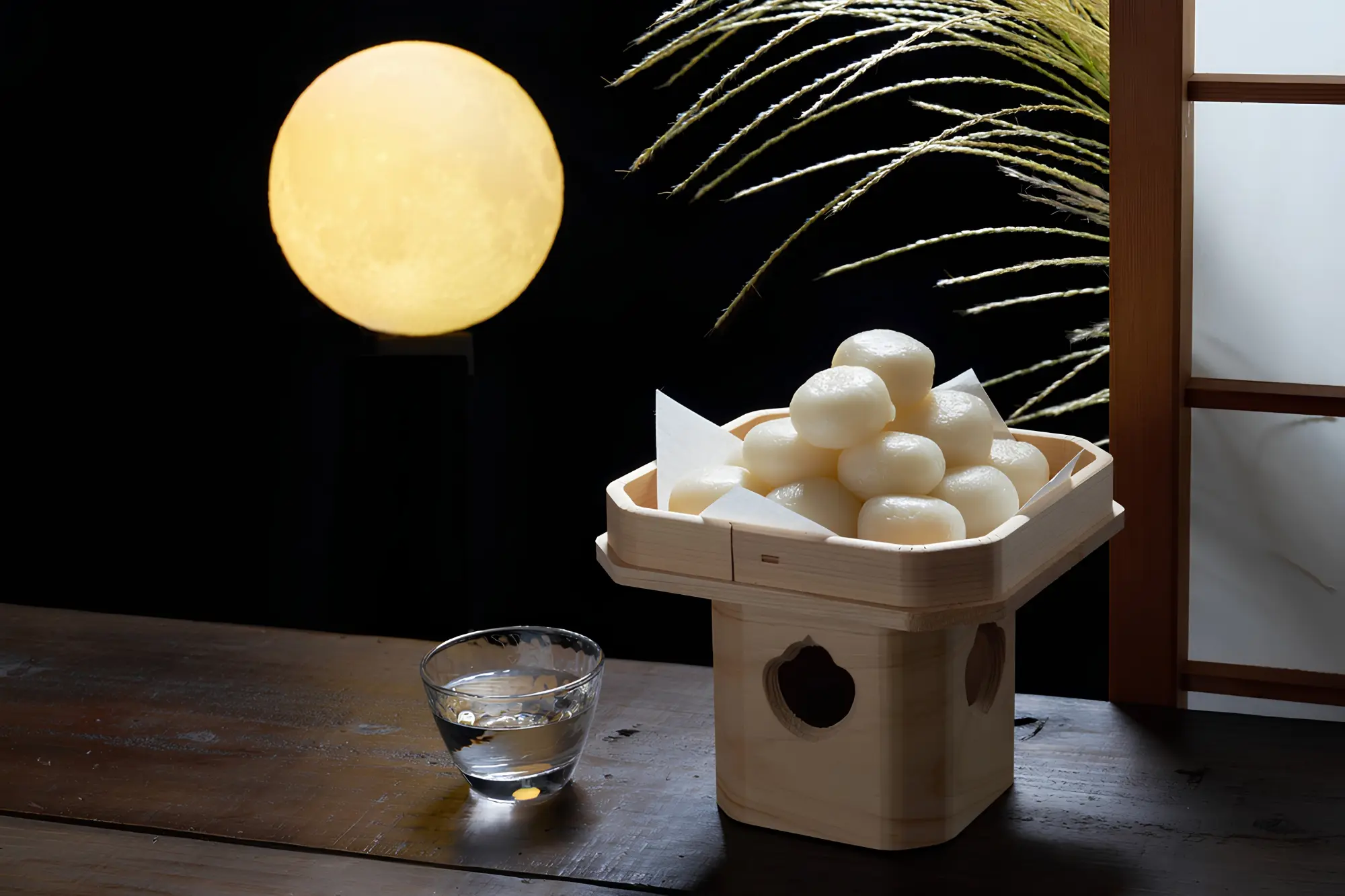
Rather than taking place in one specific city, Tsukimi is observed throughout Japan. Temples, Japanese gardens, parks, and cultural sites often organize special evening events where visitors can admire the full moon while enjoying traditional music, tea ceremonies, or seasonal performances.
Homes and shrines are decorated with susuki (Japanese pampas grass) and offerings of tsukimi dango, round rice dumplings that symbolize the full moon. Seasonal produce such as chestnuts, taro, and persimmons are also commonly displayed as part of the celebration.
Compared with larger festivals, Tsukimi offers a quieter and more traditional atmosphere, making it an excellent experience for travelers interested in Japanese culture rather than large crowds.
Highlights
- Traditional moon-viewing ceremonies
- Tsukimi dango and seasonal foods
- Evening temple and garden events
- Peaceful cultural atmosphere
Travel Tip: Many famous gardens, including Rikugien in Tokyo and several temples in Kyoto, hold special moon-viewing evenings during Tsukimi. Check local event calendars before your visit, as dates vary each year.
2. Kishiwada Danjiri Matsuri
Location: Kishiwada, Osaka Prefecture
Usually held: Mid-September
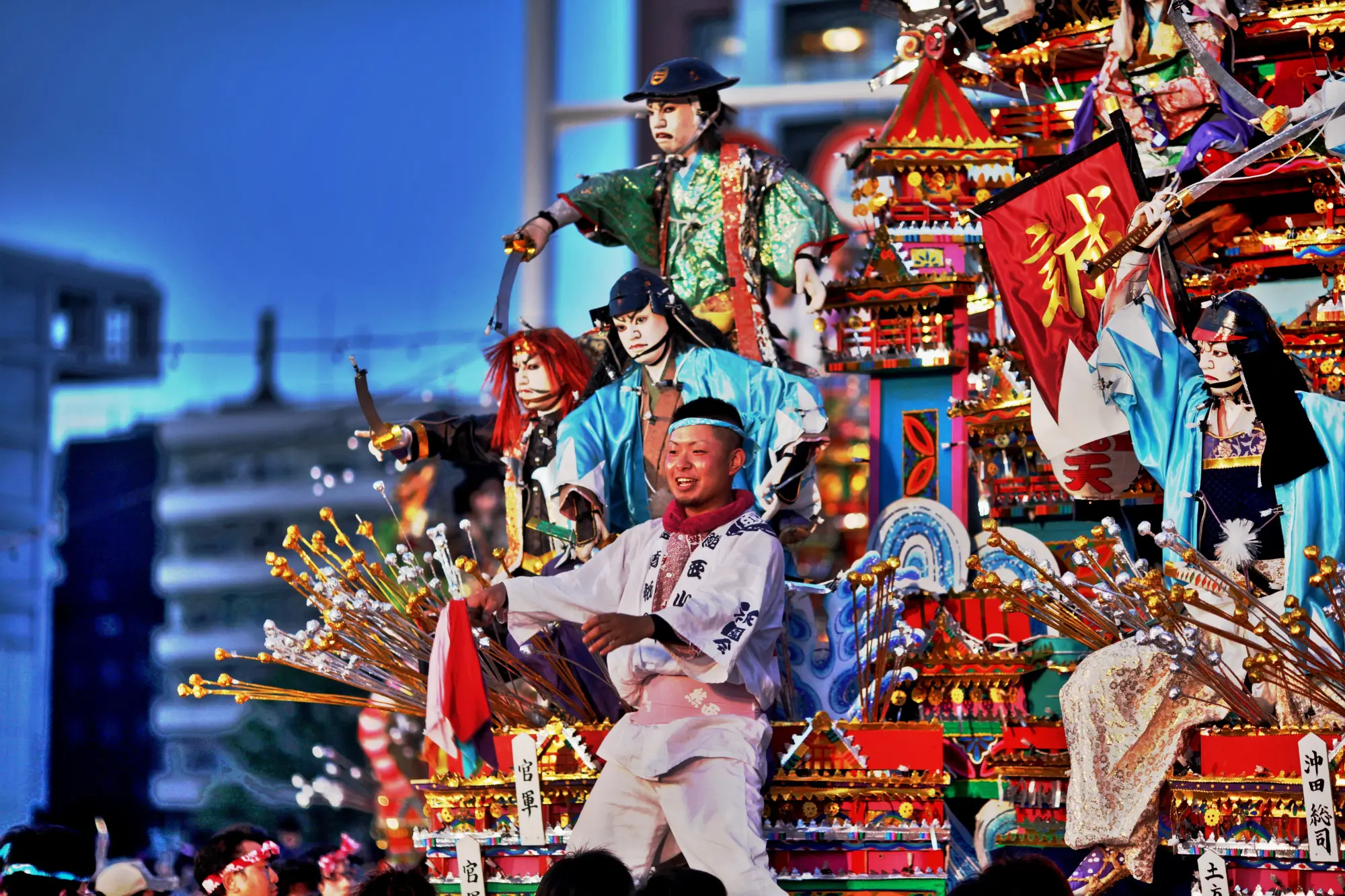
Known as one of Japan’s most energetic autumn festivals, Kishiwada Danjiri Matsuri is famous for its dramatic wooden floats racing through narrow streets at remarkable speed.
Each danjiri is an intricately carved wooden float weighing several tons and pulled by hundreds of local participants. Rather than moving slowly in a traditional parade, the floats charge around corners while teams coordinate their movements with remarkable precision, creating an exciting atmosphere for spectators.
The festival has been celebrated for more than 300 years as a prayer for a successful harvest and remains one of Osaka Prefecture’s most important cultural events.
In addition to the races, visitors can enjoy traditional street food, local performances, and evening illuminations throughout Kishiwada.
Highlights
- Giant handcrafted wooden floats
- High-speed float races
- Traditional festival food
- Local community celebrations
Travel Tip: Arrive early in the morning to secure a good viewing location, especially near major intersections where the famous high-speed turns take place.
October: Peak Festival Season in Japan
October is the heart of Japan’s autumn festival calendar.
As temperatures become cooler and autumn foliage begins spreading across mountain regions, some of Japan’s most famous cultural festivals take place throughout the country. From centuries-old shrine ceremonies to spectacular lantern displays and elaborate festival floats, October offers the greatest variety of seasonal events for international visitors.
If you’re planning an autumn trip, these are some of the country’s most iconic October festivals.
3. Takayama Autumn Festival (Takayama Matsuri)
Location: Takayama, Gifu Prefecture
Usually held: October 9 – 10
Recognized as one of Japan’s three most beautiful festivals, the Takayama Autumn Festival celebrates the annual festival of Hachiman Shrine and showcases more than three centuries of local craftsmanship.
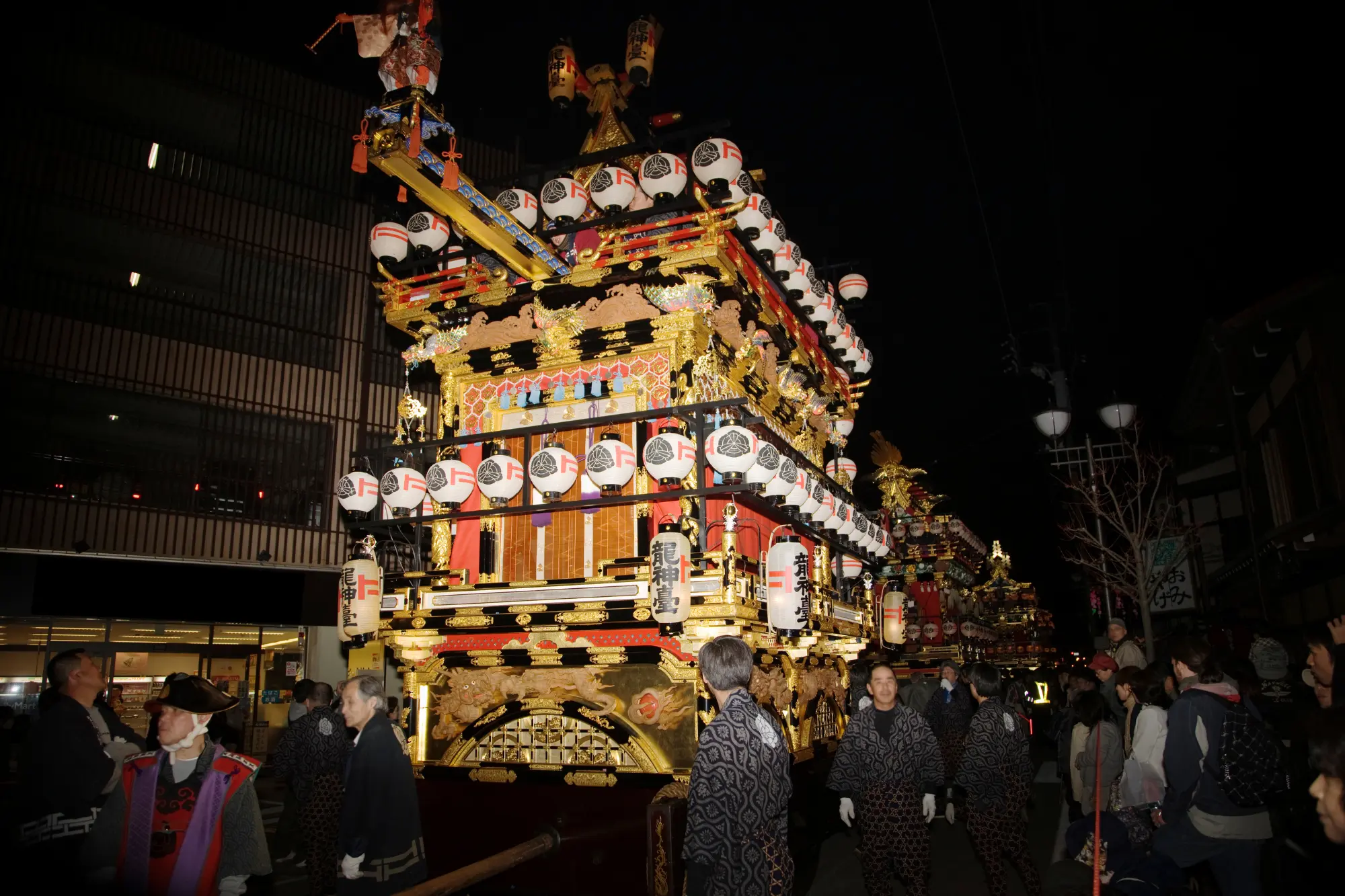
The festival is best known for its magnificent wooden floats (yatai), many of which feature detailed carvings, gold leaf decorations, and mechanical puppets known as karakuri. During the day, visitors can admire these historic floats throughout Takayama’s old town, while the evening lantern procession creates one of Japan’s most picturesque autumn scenes.
Takayama’s preserved Edo-period streets and surrounding mountain scenery make this festival especially attractive during autumn.
Highlights
- Historic festival floats
- Lantern parade after sunset
- Traditional puppet performances
- Takayama Old Town
Travel Tip: Hotels in Takayama often sell out months in advance for the festival. Book accommodation as early as possible if you plan to stay overnight.
4. Nagasaki Kunchi Festival
Location: Nagasaki
Usually held: October 7 – 9
With origins dating back to 1634, the Nagasaki Kunchi Festival reflects the city’s long history as one of Japan’s most important international trading ports.
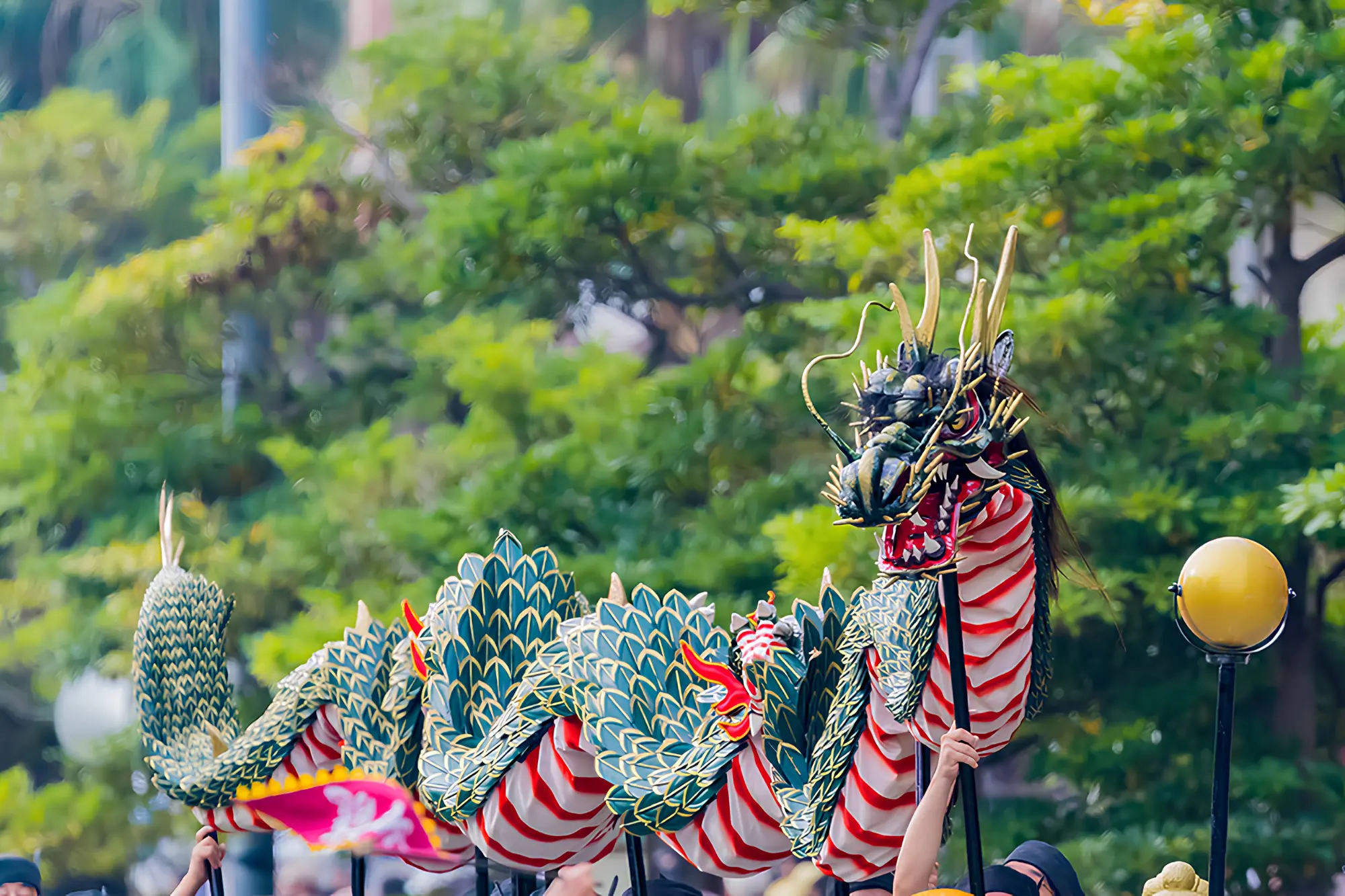
Unlike many traditional Japanese festivals, Nagasaki Kunchi blends Japanese, Chinese, and European cultural influences. The performances vary each year as different neighborhoods present elaborate floats, dragon dances, and traditional music that celebrate Nagasaki’s multicultural heritage.
One of the festival’s highlights is the famous Ja Odori (Dragon Dance), where enormous dragons weave through the streets accompanied by powerful drum performances.
Highlights
- Dragon dances
- Cultural performances
- Historic festival floats
- Unique international influences
Travel Tip: While some performances require advance tickets, many street events and parades are free to watch.
5. Jidai Matsuri (Festival of the Ages)
Location: Kyoto
Usually held: October 22
Among Kyoto’s many traditional festivals, Jidai Matsuri is one of the most historically significant. First held in 1895 to commemorate the 1,100th anniversary of Kyoto becoming Japan’s capital, the festival celebrates the city’s rich cultural heritage through an impressive historical procession.
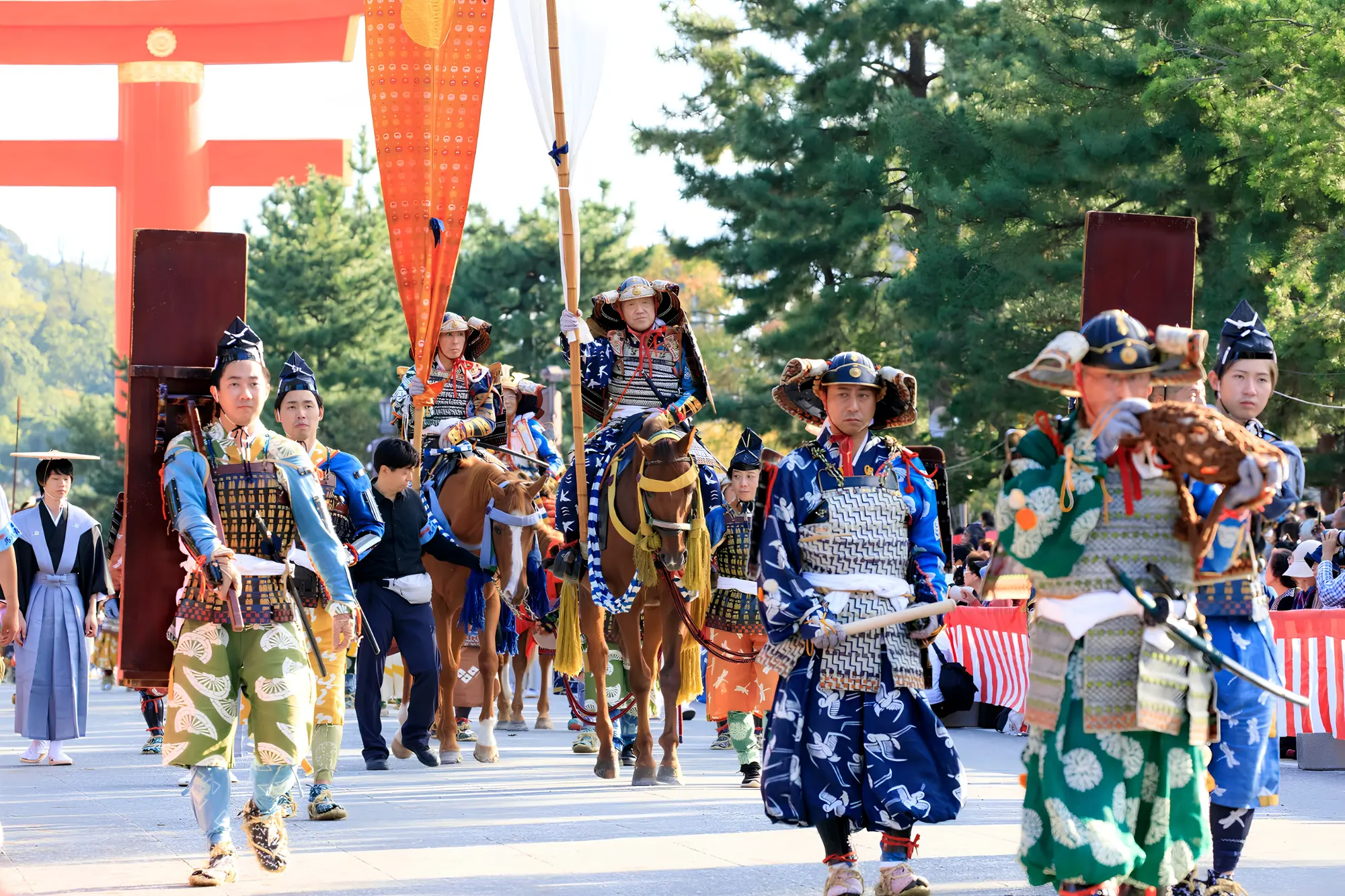
More than 2,000 participants dressed in meticulously recreated costumes parade from the Kyoto Imperial Palace to Heian Shrine. The procession moves backward through Japanese history, beginning with the Meiji Restoration and continuing through the Edo, Azuchi-Momoyama, Muromachi, Kamakura, and Heian periods.
Rather than focusing on entertainment, Jidai Matsuri offers visitors a unique opportunity to witness over a thousand years of Japanese history brought to life in a single afternoon.
Highlights
- More than 2,000 participants
- Authentic historical costumes
- Samurai, nobles, and imperial court processions
- One of Kyoto’s three major festivals
Travel Tip: The parade route stretches for several kilometers. Watching near Kyoto Imperial Palace usually offers more space than the crowded sections near Heian Shrine.
6. Kurama Fire Festival
Location: Kurama, Kyoto
Usually held: October 22
Held on the same evening as Jidai Matsuri, the Kurama Fire Festival is one of Japan’s most dramatic and visually striking autumn events.
As darkness falls, villagers carry enormous flaming torches through the narrow mountain streets while chanting traditional prayers. Children begin the procession with smaller torches before adults appear carrying massive torches weighing up to 80 kilograms, creating rivers of fire that illuminate the entire village.
The festival dates back to the Heian period and is held to welcome the deity of Yuki Shrine back to its original home in Kurama.
Although the festival lasts only one evening, its atmosphere is unforgettable and offers a completely different experience from Kyoto’s elegant temple gardens.
Highlights
- Giant flaming torches
- Ancient Shinto traditions
- Mountain village atmosphere
- One of Japan’s most unique fire festivals
Travel Tip: Kurama is a small village with limited transport capacity. Expect very crowded trains after the festival and consider staying nearby if possible.
7. Kawagoe Festival
Location: Kawagoe, Saitama Prefecture
Usually held: Mid-October
Often called “Little Edo,” Kawagoe preserves much of the atmosphere of old Japan, making its annual autumn festival especially charming.
The Kawagoe Festival dates back over 360 years and features magnificent wooden festival floats that travel through the city’s historic merchant district. Each float carries musicians performing traditional festival music while teams of participants maneuver the elaborate structures through narrow streets.
One of the festival’s highlights takes place after sunset, when illuminated floats gather for Hikkawase, a lively musical competition where different teams perform against one another.
Because Kawagoe is only about one hour from central Tokyo, the festival is also an excellent day trip for travelers staying in the capital.
Highlights
- Historic Edo-style streets
- Traditional wooden floats
- Evening musical performances
- Easy access from Tokyo
Travel Tip: Combine the festival with a walk through Kawagoe’s preserved warehouse district to experience one of Japan’s best-preserved historic towns.
8. Bakeneko Festival (Cat Halloween Parade)
Location: Tokyo
Usually held: Mid-October
For travelers looking for something a little different, the Bakeneko Festival offers one of Tokyo’s most unusual Halloween events.
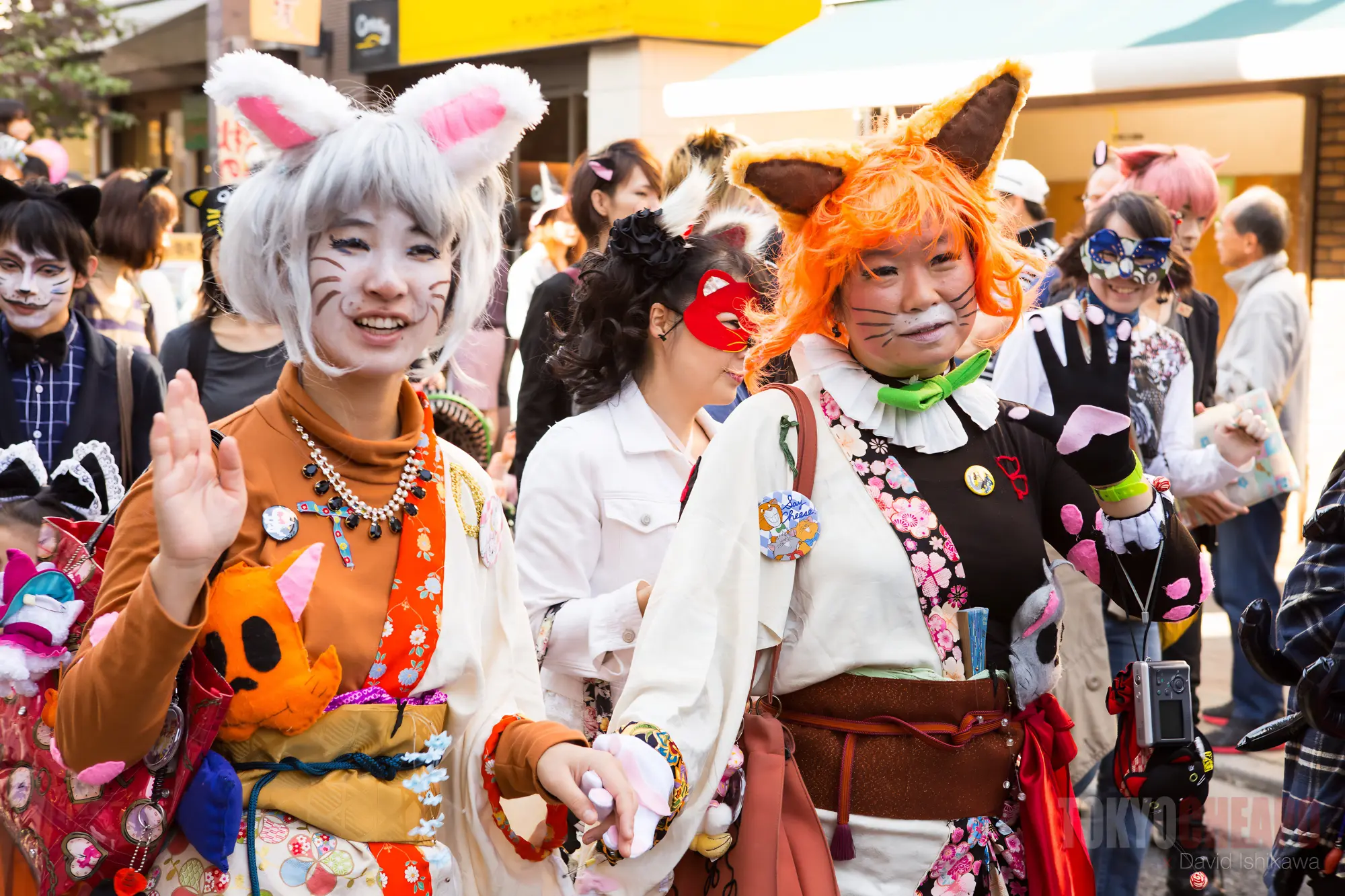
Inspired by Japanese folklore, participants dress as bakeneko, supernatural cats that appear in traditional ghost stories. Costumes range from elegant kimono-inspired outfits to elaborate fantasy makeup, creating a unique blend of Japanese mythology and modern cosplay culture.
Unlike Western-style Halloween parades, the Bakeneko Festival celebrates traditional Japanese legends while encouraging creativity and community participation. Visitors are welcome to watch the parade or join by dressing as a cat spirit themselves.
The festival has become increasingly popular among photographers and anime fans thanks to its colorful costumes and lively atmosphere.
Highlights
- Japanese folklore theme
- Creative costumes and cosplay
- Street parade
- Excellent photography opportunities
Travel Tip: If you plan to participate, costume registration is usually required in advance. Check the official event website for details before your visit.
November: Experience Japan’s Traditional Autumn Celebrations
While October is known for large public festivals, November brings a quieter side of Japanese culture. Many celebrations during this month focus on family traditions, good fortune, and seasonal rituals rather than large parades.
For travelers interested in authentic local customs, November offers a chance to experience Japan beyond its famous sightseeing attractions.
9. Shichi-Go-San
Location: Nationwide
Usually celebrated: November 15
Unlike Japan’s large public festivals, Shichi-Go-San (Seven-Five-Three) is a family celebration that marks an important milestone in a child’s life.
The tradition celebrates children aged three, five, and seven, with families visiting local Shinto shrines to pray for their children’s health, happiness, and future. The custom dates back to the Heian period and remains one of Japan’s most meaningful seasonal traditions.
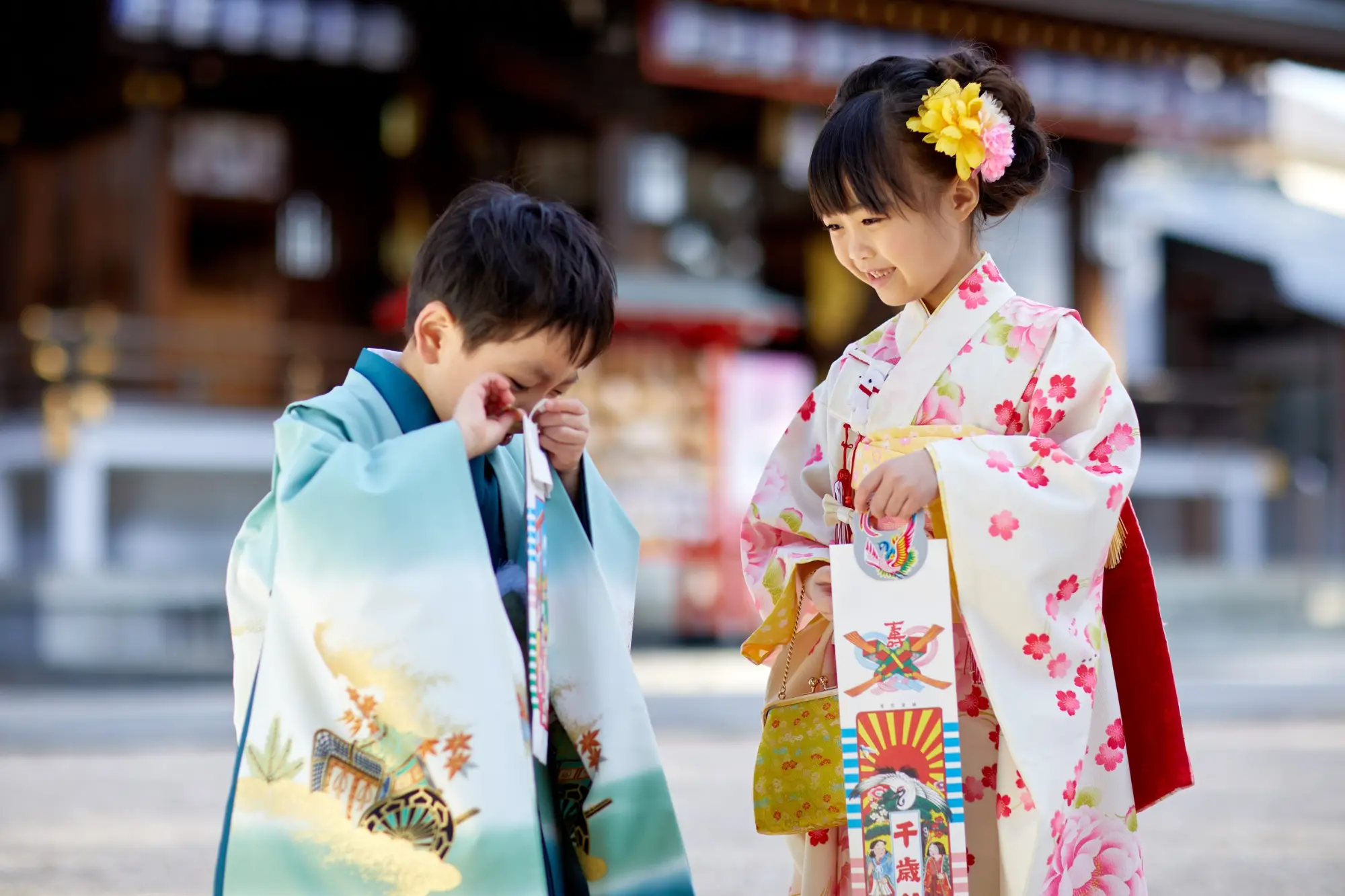
During mid-November, visitors may notice children dressed in beautifully decorated kimono or hakama walking with their families around shrines across the country. While the ceremony itself is private, it provides an excellent opportunity to observe everyday Japanese culture rather than a staged tourist event.
Some of the most popular shrines for Shichi-Go-San include:
- Meiji Jingu (Tokyo)
- Hie Shrine (Tokyo)
- Fushimi Inari Taisha (Kyoto)
- Sumiyoshi Taisha (Osaka)
Highlights
- Traditional family celebrations
- Children dressed in colorful kimono
- Beautiful shrine atmosphere
- Authentic cultural experience
Travel Tip: Be respectful when taking photographs. Many families are celebrating a special occasion, so always avoid disrupting ceremonies or photographing children without permission.
10. Tori no Ichi
Location: Tokyo and the Kanto region
Usually held: Multiple dates in November
Tori no Ichi, or the Festival of the Rooster, is one of Japan’s most distinctive late-autumn traditions. The event is held at shrines across Tokyo and the surrounding Kanto region, where visitors gather to pray for prosperity and business success before the end of the year.
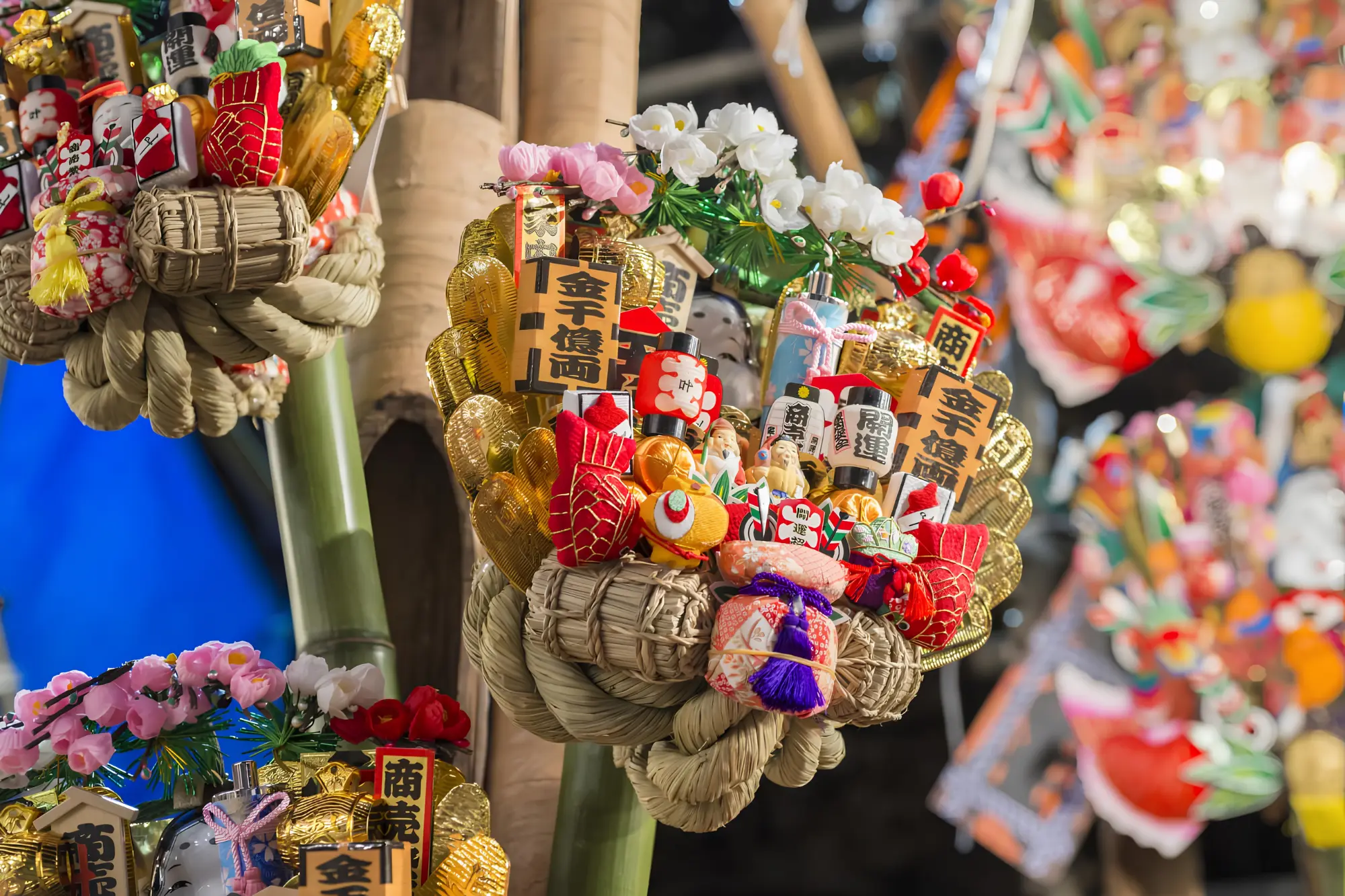
The festival is best known for its colorful kumade, decorative bamboo rakes believed to “rake in” good fortune and financial success. Vendors sell kumade in a wide range of sizes, from small souvenirs to enormous displays decorated with gold coins, lucky charms, and traditional symbols of prosperity.
The busiest celebrations take place at shrines such as Otori Shrine in Asakusa and Hanazono Shrine in Shinjuku, where lively markets remain open late into the evening.
Even if you’re not shopping for a lucky rake, the atmosphere, food stalls, and traditional performances make Tori no Ichi a memorable cultural experience.
Highlights
- Traditional lucky bamboo rakes
- Bustling shrine markets
- Seasonal street food
- One of Tokyo’s oldest autumn traditions
Travel Tip: Evening is the liveliest time to visit, but it is also when crowds are at their largest. Arriving before sunset offers a more relaxed experience.
Combining Autumn Festivals with Fall Foliage
One of the biggest advantages of visiting Japan during autumn is that many festivals coincide with the country’s spectacular autumn foliage season. With careful planning, you can enjoy both cultural celebrations and some of Japan’s most famous fall landscapes in a single trip.
Here are a few combinations worth considering:
| Festival | Nearby Autumn Attraction |
| Jidai Matsuri (Kyoto) | Kiyomizu-dera, Tofuku-ji, Eikando Temple |
| Kurama Fire Festival | Kibune and Kurama hiking trails |
| Takayama Autumn Festival | Shirakawa-go, Kamikochi, Japanese Alps |
| Kawaguchiko Autumn Leaves Festival | Momiji Corridor, Lake Kawaguchiko, Mount Fuji |
| Nikko Toshogu Autumn Festival | Lake Chuzenji, Kegon Falls, Irohazaka Road |
Planning your itinerary around both seasonal events and peak foliage allows you to experience two of Japan’s most iconic autumn attractions without making additional long-distance trips.
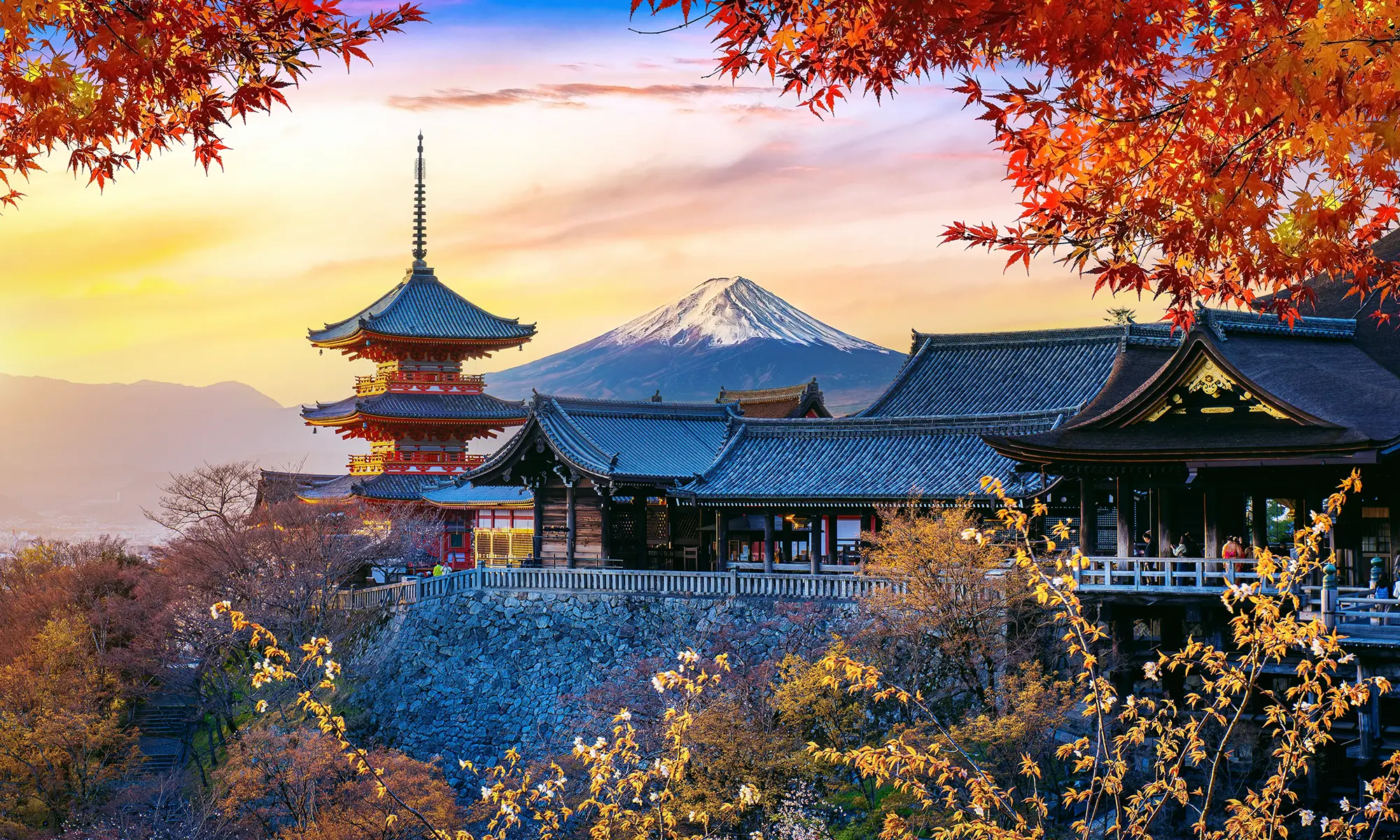
Related Article: Japan Golden Route in Autumn: Complete Guide for Your First Trip
Practical Tips for Visiting Autumn Festivals
Autumn is one of Japan’s busiest travel seasons, particularly from mid-October through late November. A little preparation can help you enjoy festivals more comfortably.
Before attending an autumn festival, remember to:
- Book accommodation early, especially in Kyoto, Takayama, and popular autumn destinations.
- Arrive at least one hour before major parades or performances to secure a good viewing spot.
- Use public transportation, as many festival areas have road closures and limited parking.
- Dress in layers, as temperatures can vary significantly between daytime and evening.
- Carry cash, since many food stalls and local vendors do not accept credit cards.
- Respect local etiquette, particularly at shrine festivals where religious ceremonies may be taking place.
Final Thoughts
Autumn festivals offer one of the best ways to experience Japan beyond its famous landmarks. Whether you’re watching centuries-old samurai processions in Kyoto, admiring illuminated festival floats in Takayama, or joining locals to celebrate the harvest moon, each event provides a unique glimpse into Japanese culture and seasonal traditions.
If you’re planning a trip between September and November, adding even one autumn festival to your itinerary can transform your visit from simple sightseeing into a truly memorable cultural experience.