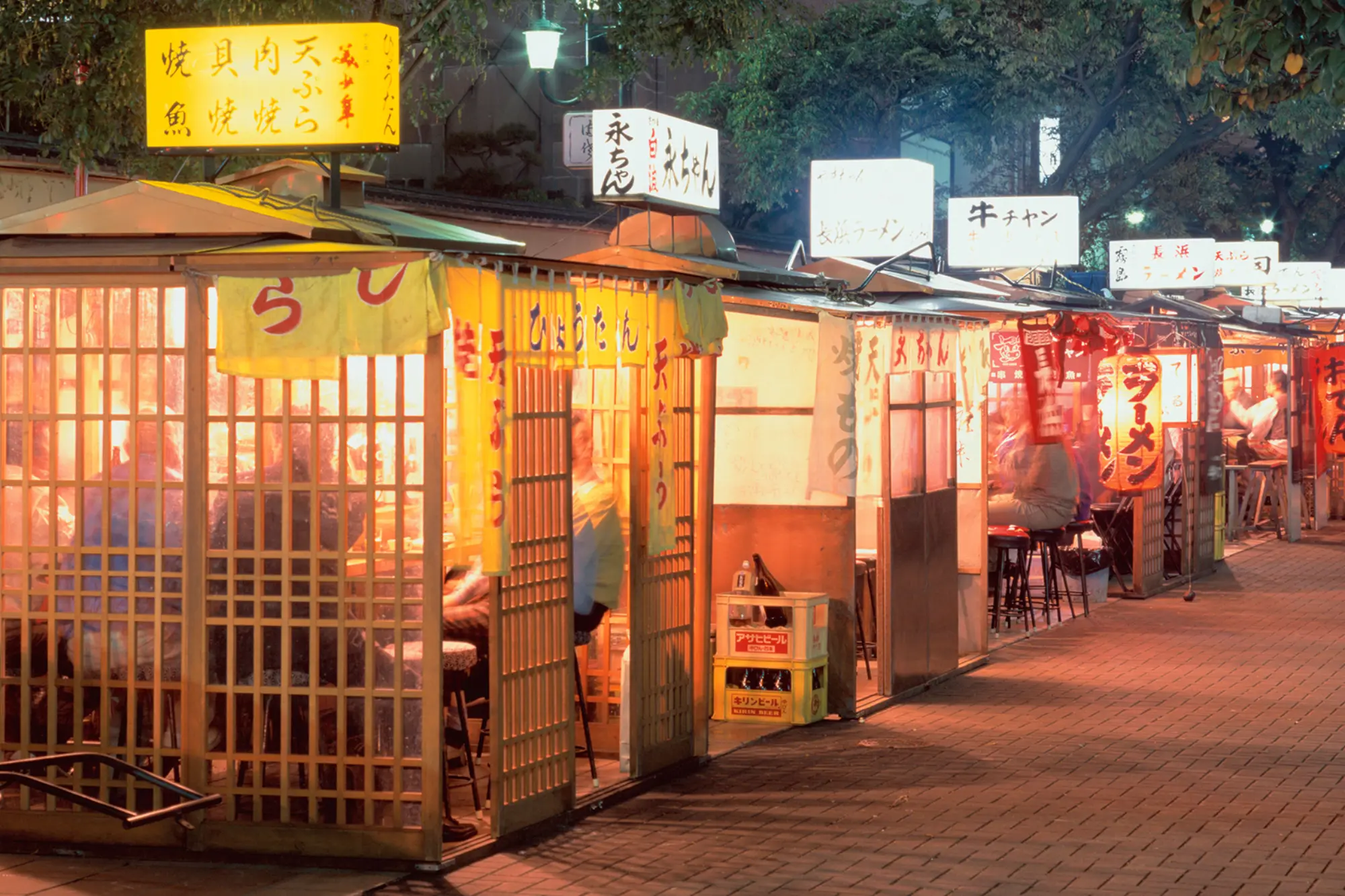
Fukuoka is famous for its vibrant food culture, and few experiences capture the city’s local atmosphere better than dining at a yatai (屋台), a traditional open-air food stall. As evening falls, these compact stalls appear along city streets, serving freshly prepared dishes in a casual, intimate setting.
This Fukuoka Yatai Guide explains what to eat, how to order, where to find Fukuoka food stalls, and what first-time visitors should know before sitting down. Whether you want to try Hakata ramen, grilled skewers, or local gyoza, visiting a yatai is a memorable way to explore Fukuoka after dark.
Understanding Fukuoka Yatai Culture
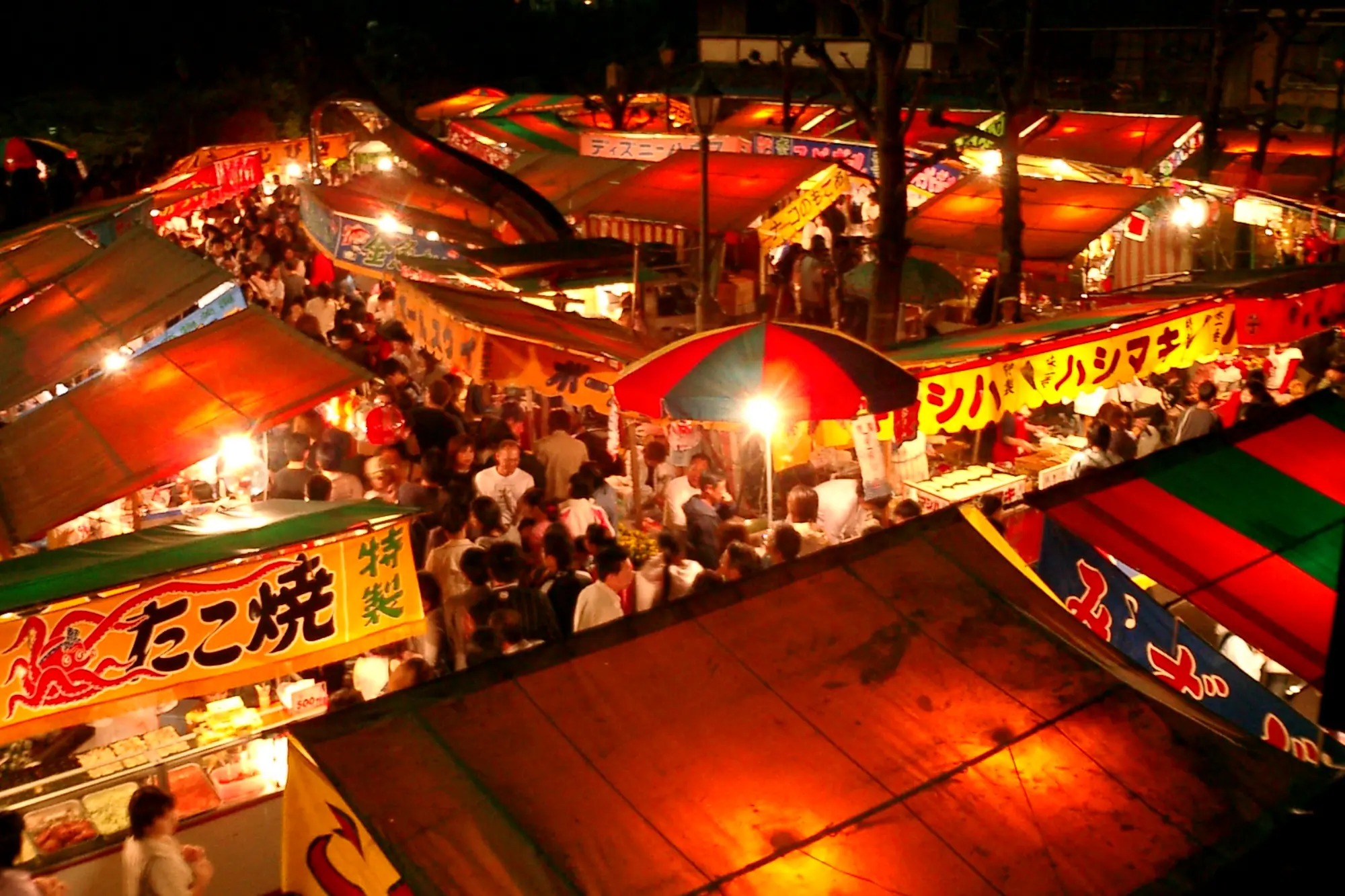
A yatai (屋台) is a small food stall where customers sit around a compact counter and order freshly prepared dishes. Many Fukuoka yatai open in the evening and serve customers late into the night, making them popular places to eat after sightseeing or shopping.
Fukuoka is particularly well known for its yatai culture, with stalls concentrated in areas such as Tenjin and Nakasu. These traditional food stalls are a great place to experience Japanese street food, with menus ranging from Hakata ramen and grilled dishes to regional specialties.
Unlike conventional restaurants, a yatai (屋台) offers limited seating and an intimate dining experience. You can watch the cook prepare your meal, enjoy the lively street atmosphere, and sometimes chat with the staff or other diners.
Why visit a Fukuoka yatai?
Experience a distinctive part of Fukuoka’s food culture.
Try local specialties and authentic Japanese street food in a casual setting.
Enjoy freshly prepared dishes after dark.
Sample different flavors by visiting more than one stall.
7 Best Foods to Try at Fukuoka Food Stalls
Not every yatai serves the same dishes, so check the menu before sitting down. These Japanese favorites are worth looking for during your visit.
1. Hakata Tonkotsu Ramen
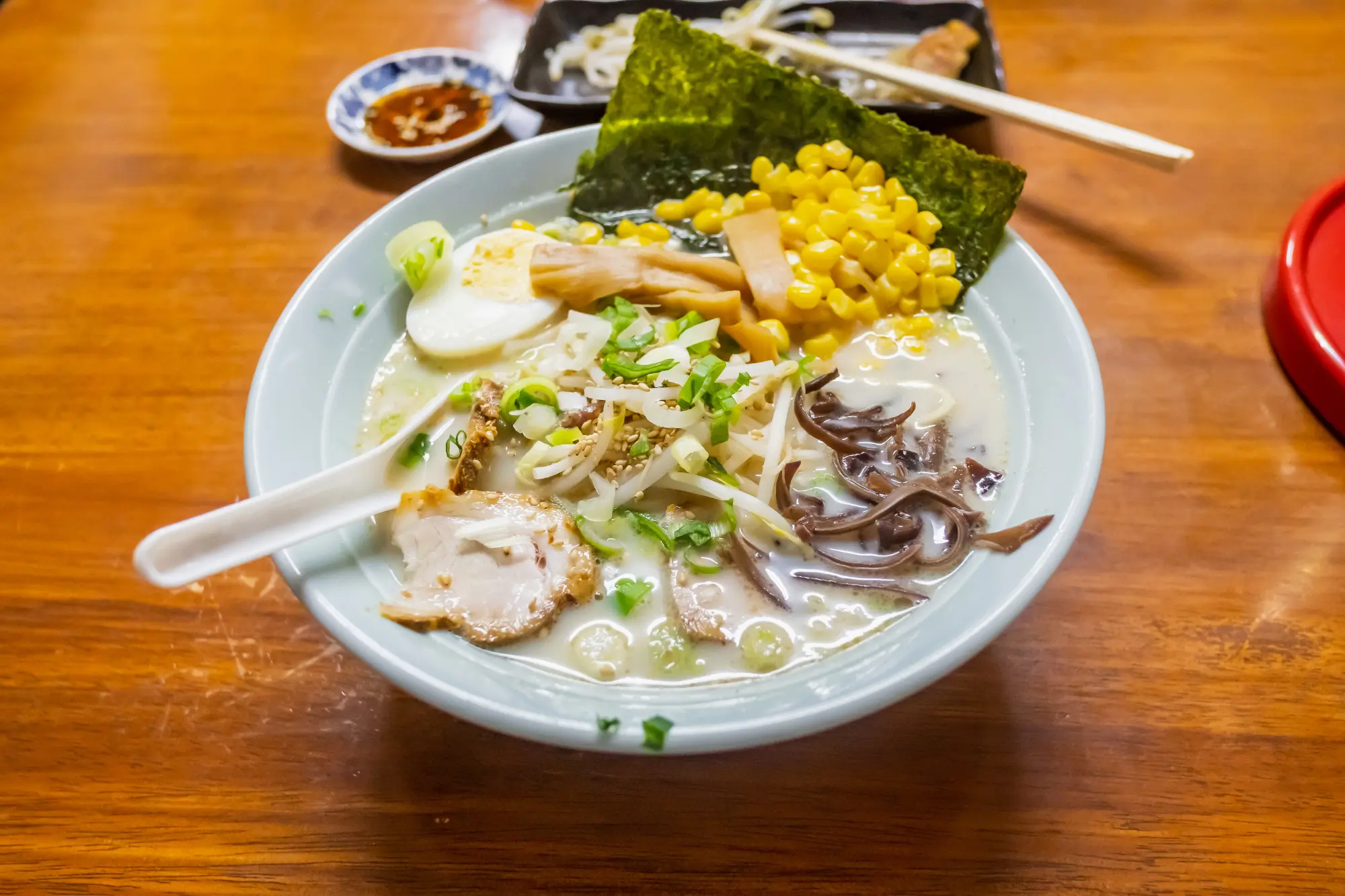
Hakata ramen is one of Fukuoka’s signature dishes. It features thin noodles served in a rich pork-bone broth, usually topped with sliced pork (chāshū,) and chopped green onions.
Some ramen shops and stalls offer kaedama (替え玉), an extra serving of noodles added to the remaining broth. If you enjoy ramen, this is one of the first dishes to try in Fukuoka.
2. Yakiramen
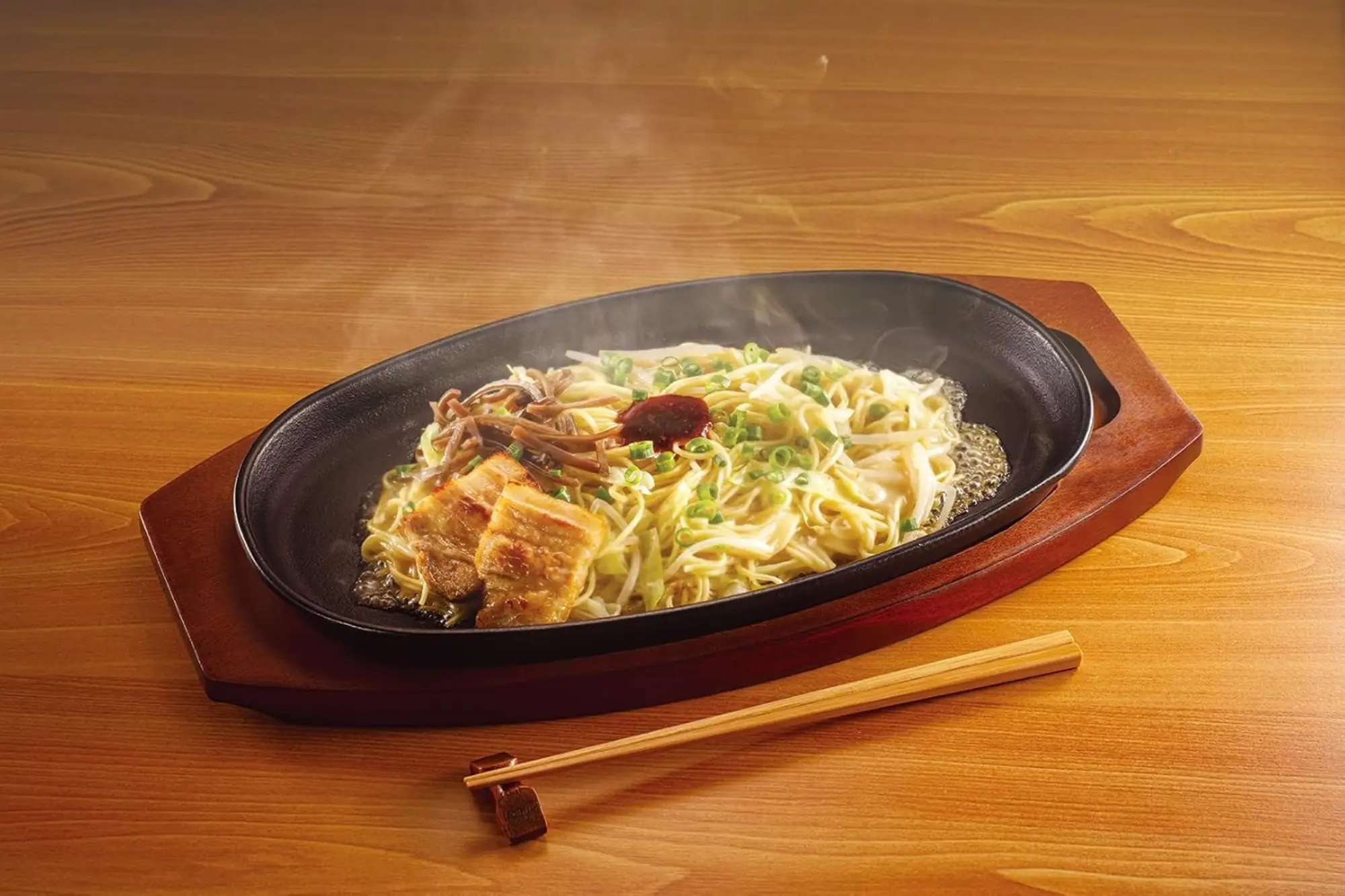
Unlike traditional ramen served in soup, yakiramen consists of stir-fried noodles seasoned with a savory sauce. It is closely associated with Fukuoka’s yatai scene and offers a different way to enjoy ramen noodles.
Look for yaki rāmen on the menu if you want to try this local favorite.
2.3. Yakitori
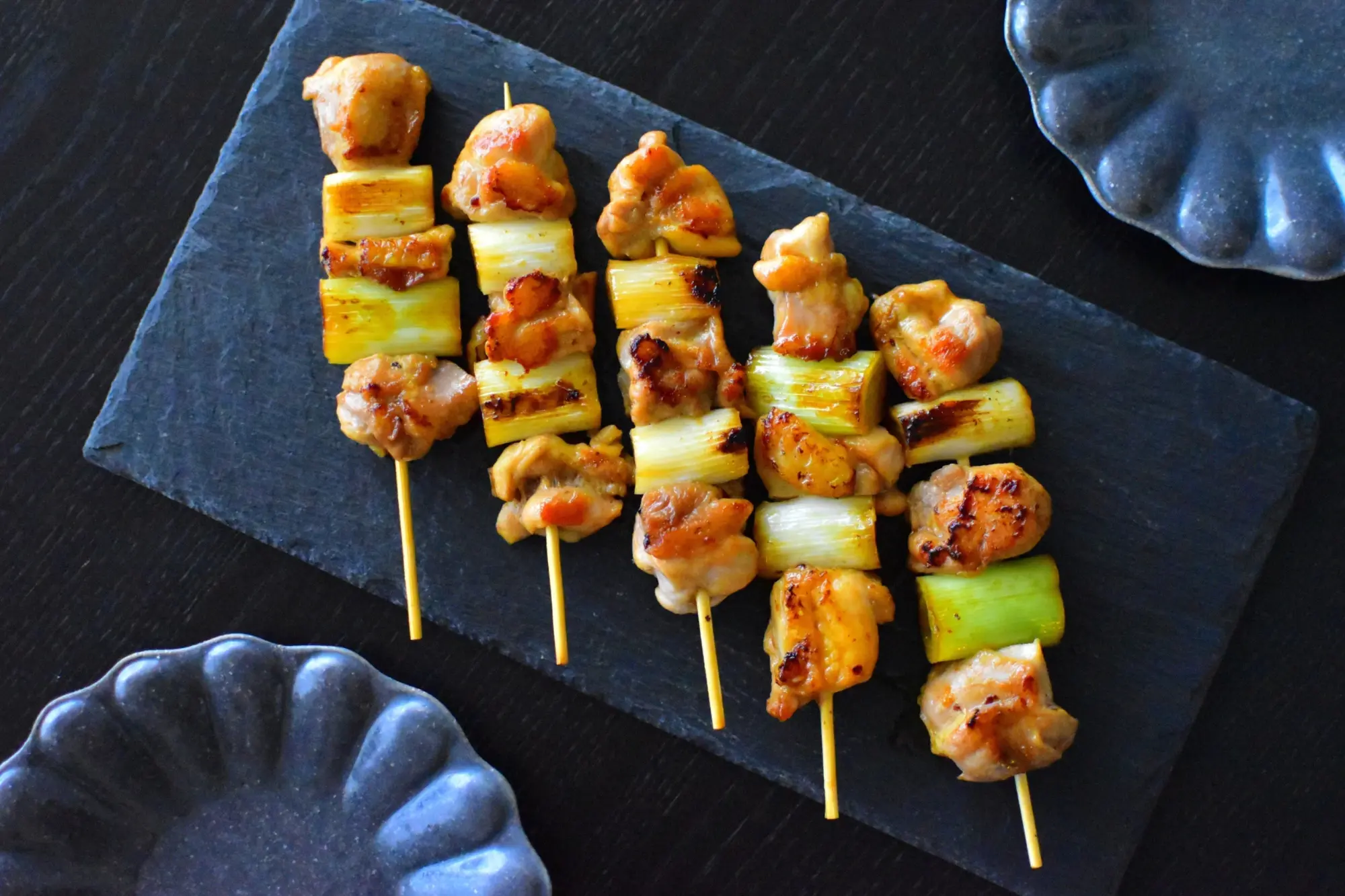
Yakitori refers to grilled chicken skewers, often seasoned with salt (shio, 塩) or a sweet-savory sauce (tare, タレ). Depending on the stall, you may also find pork, vegetables, or other grilled ingredients.
Yakitori is ideal for sharing and sampling several flavors in one sitting. Order a few skewers alongside noodles or dumplings for a varied meal.
2.4. Hakata-Style Gyoza
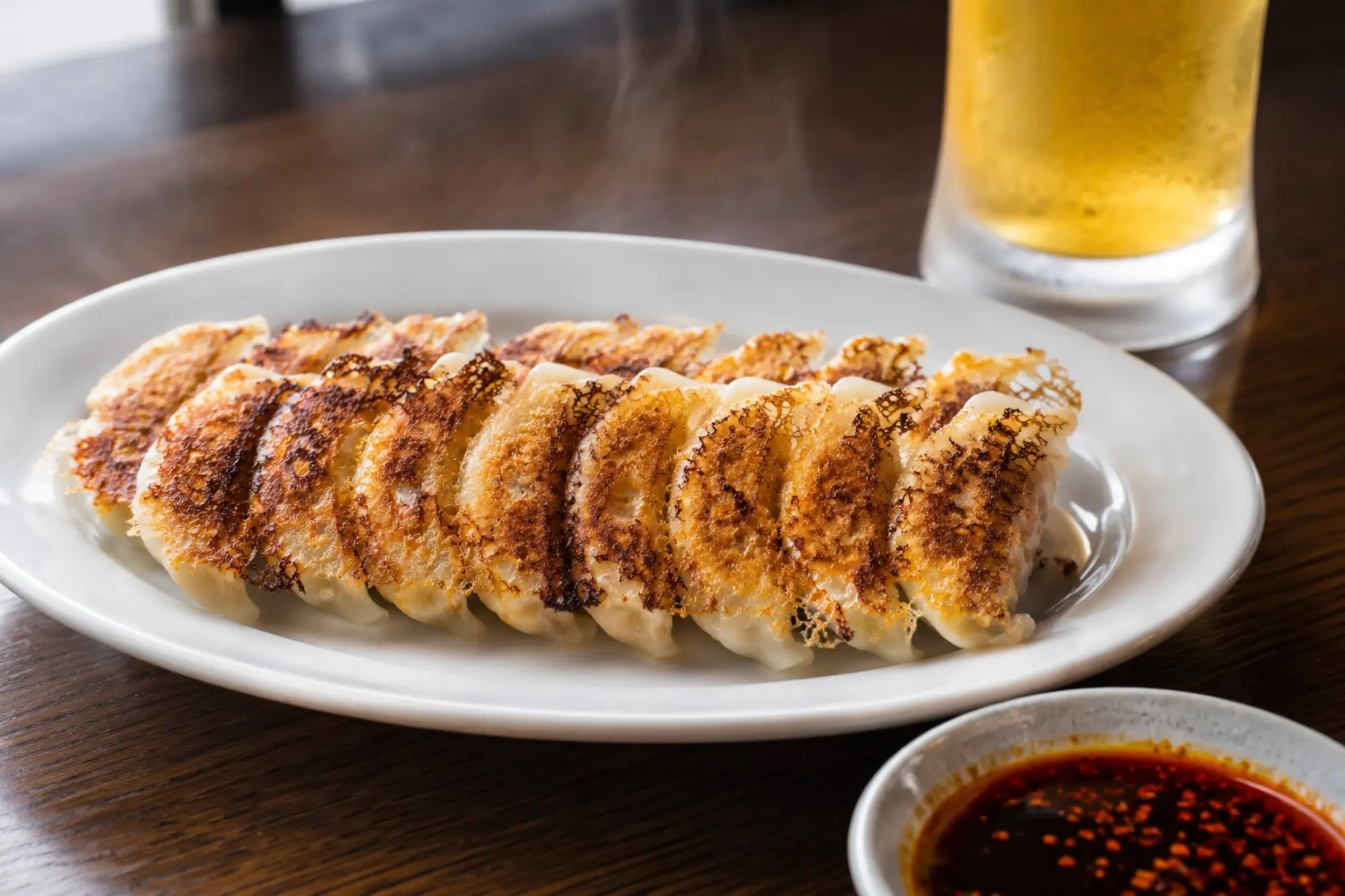
Gyoza are Japanese dumplings filled with minced meat and vegetables. Fukuoka is known for small, bite-sized versions that are easy to enjoy alongside other dishes.
They are usually pan-fried until crisp on the bottom and served with a dipping sauce. If you want to try several foods without ordering a large meal, gyoza are a practical choice.
2.5. Oden
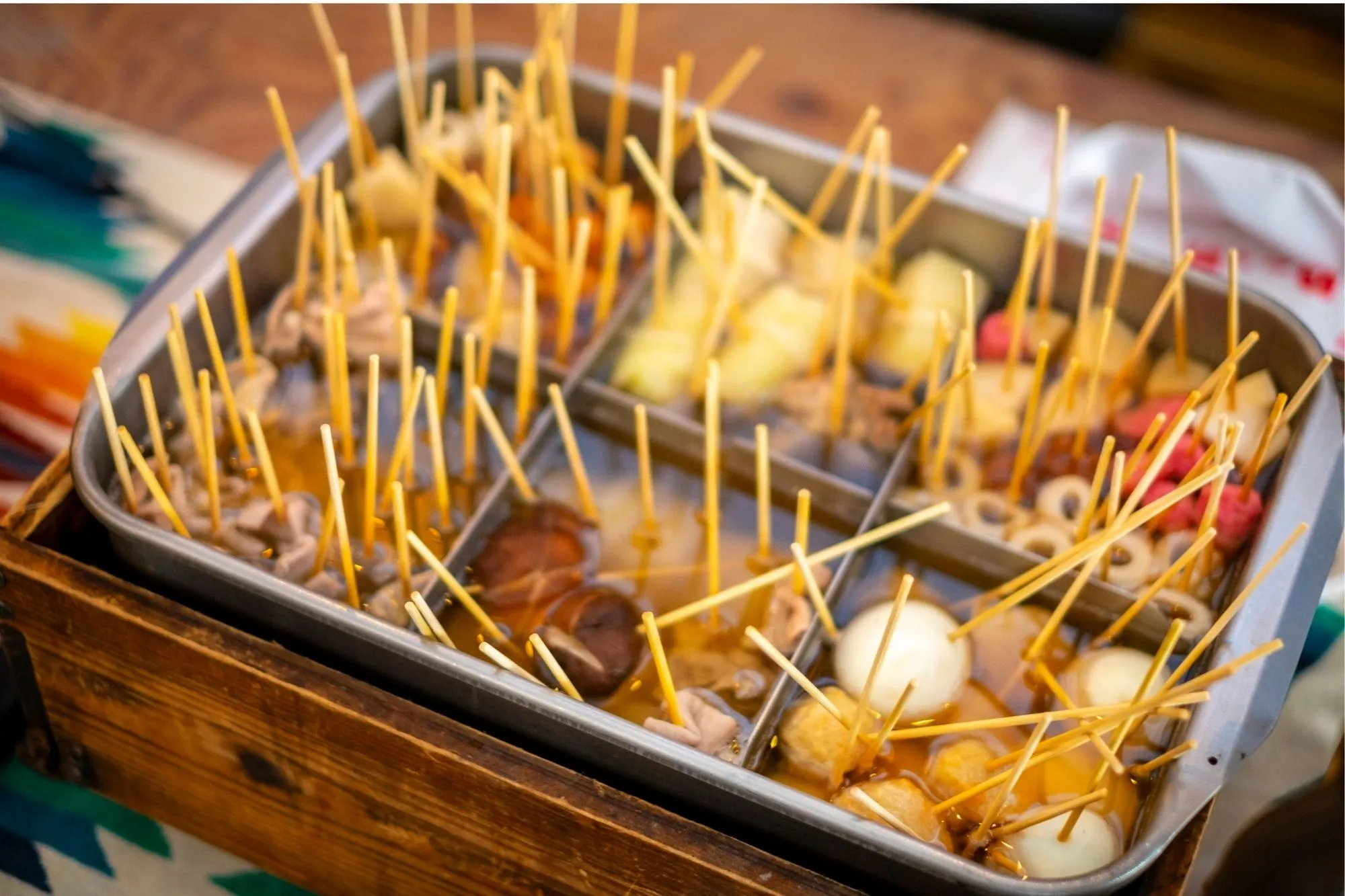
Oden is a Japanese comfort food made by simmering ingredients in a light, savory broth. Common ingredients include daikon radish (大根), boiled eggs and fish cakes.
It is particularly appealing on cool evenings when you want something warm and comforting. However, availability depends on the stall and season.
2.6. Mentaiko Dishes
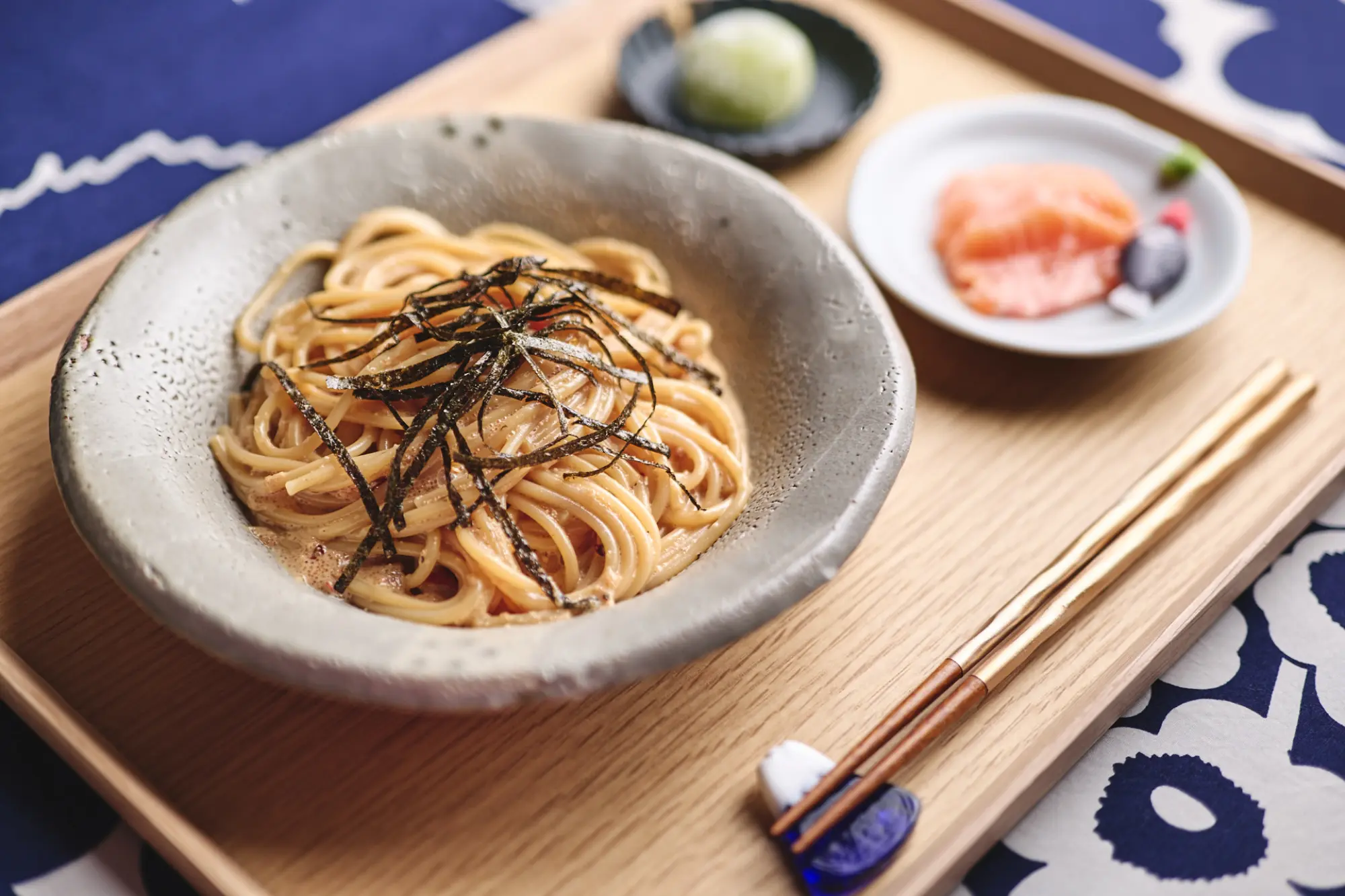
Mentaiko is seasoned pollock roe and a well-known Fukuoka specialty. It has a salty, savory flavor, sometimes with a spicy kick.
Depending on the menu, you may find mentaiko served with rice, incorporated into a rolled omelet (mentaiko tamagoyaki), or used as a topping for other dishes.
2.7. Tempura
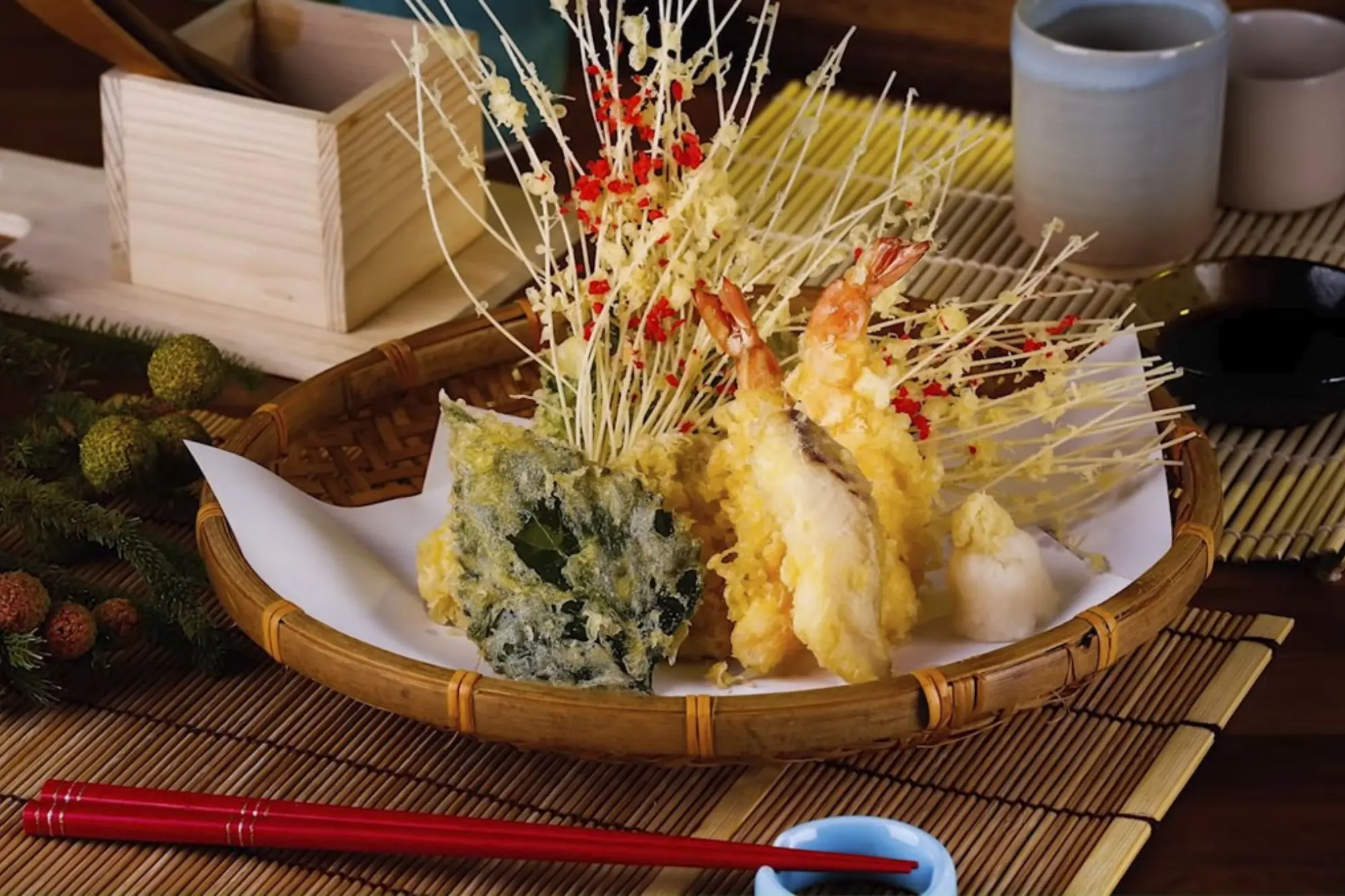
Tempura consists of seafood or vegetables coated in a light batter and fried until crisp. It is popular throughout Japan, although not every yatai serves it.
If you see tempura on the menu, it can be a good option for adding a crunchy dish to your meal.
Where to Find Fukuoka Yatai
Tenjin and Nakasu are two of the best-known areas for exploring Fukuoka’s food stalls. Nagahama is also associated with the city’s ramen culture. Each area offers a different atmosphere, so choose one that fits your evening plans.
1. Nakasu: Riverside Food Stalls
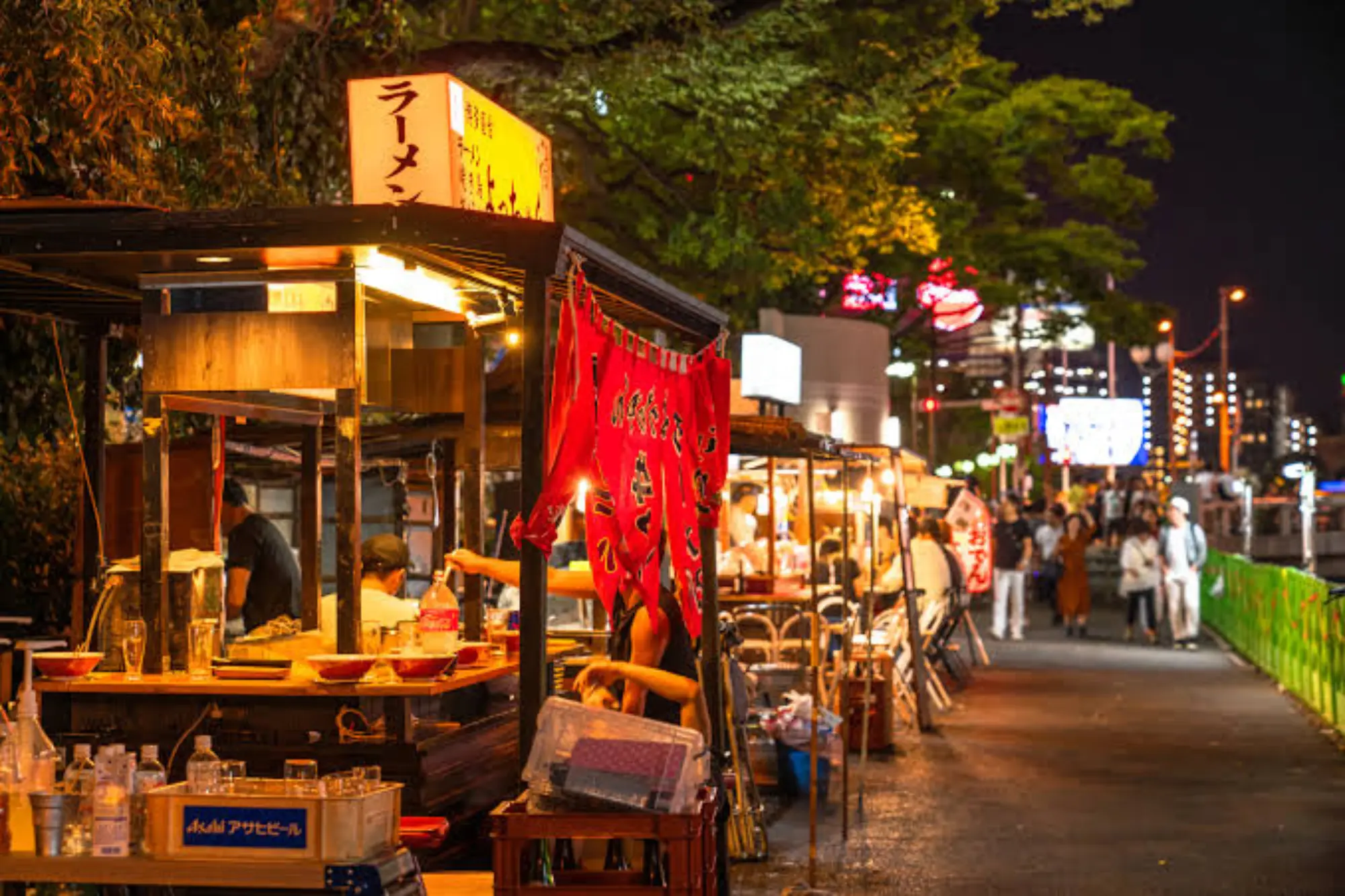
Nakasu is one of Fukuoka’s most recognizable yatai districts. Many stalls sit near the river, creating a lively evening scene with illuminated streets and rows of small dining counters.
Menus vary, but visitors may find ramen, yakiramen, gyoza, and grilled dishes. Nakasu is a good choice if you want to combine dinner with a nighttime walk around central Fukuoka.
Best for: First-time visitors looking for a classic yatai atmosphere.
2. Tenjin: Convenient Dining in Central Fukuoka
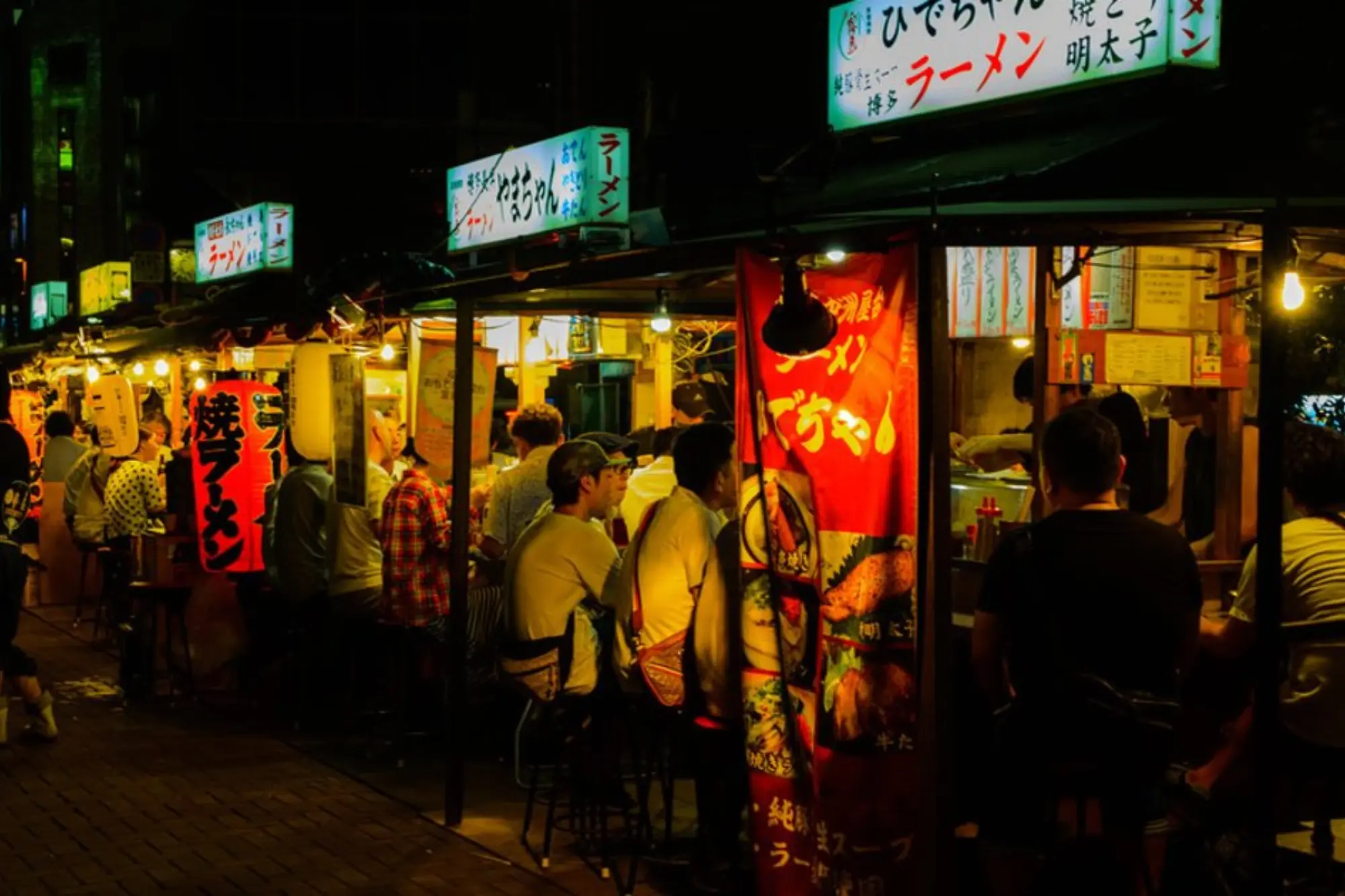
Tenjin is a major shopping and commercial district, making its yatai convenient after a day of exploring the city. The area has a variety of food stalls, with menus and dining styles that differ from one vendor to another.
If you are staying nearby, Tenjin is a practical place to start your yatai experience without making a separate trip across the city.
Best for: Travelers combining shopping, sightseeing, and dinner.
3. Nagahama: A Ramen-Focused Area
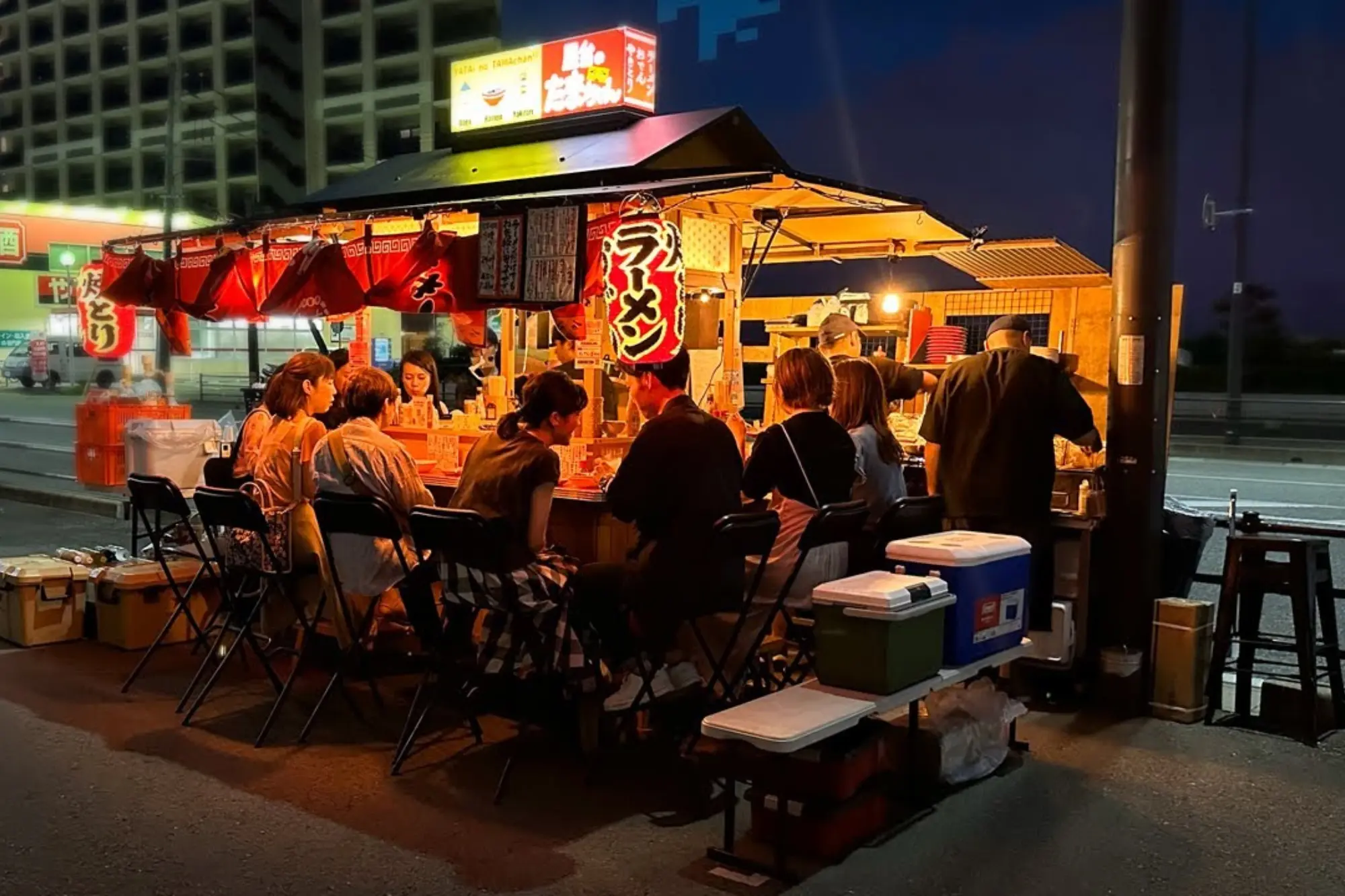
Nagahama is closely associated with Fukuoka’s ramen culture. It is worth considering if you want to explore the city’s ramen heritage beyond the busiest central districts.
Check current stall locations and opening information before visiting, as individual vendors may change their schedules.
Best for: Ramen enthusiasts who want to explore another part of Fukuoka’s food scene.
How to Order at a Yatai Restaurant
Ordering at a yatai is straightforward once you know what to expect. Counters are small, menus vary, and some vendors may not speak much English, so a few simple Japanese phrases can be helpful.
- Step 1: Check the menu and prices. Look at the dishes and prices displayed outside or at the counter before choosing a stall. This helps you understand the options and avoid surprises when the bill arrives.
- Step 2: Ask whether seats are available. Yatai counters are small, so check with the staff before sitting down and follow their seating instructions.
- Step 3: Place your order. If you do not speak Japanese, point to the menu item you want. You can also use simple phrases such as Kore o kudasai (これをください), meaning “This one, please.”
- Step 4: Confirm payment methods. Carry some cash because not every stall accepts credit cards or mobile payments. Check the available payment options before ordering.
- Step 5: Pay and leave when finished. Follow the staff’s instructions for payment and avoid occupying a seat for too long if other customers are waiting.
Essential Japanese Phrases for Ordering
Japanese | Romaji | English |
| こんばんは | Konbanwa | Good evening |
| 二人です | Futari desu | Two people |
| 入れますか? | Hairemasu ka? | Do you have room? |
| メニューを見てもいいですか? | Menyū o mite mo ii desu ka? | May I see the menu? |
| おすすめは何ですか? | Osusume wa nan desu ka? | What do you recommend? |
| これをください | Kore o kudasai | This one, please |
| ラーメンを一つお願いします | Rāmen o hitotsu onegaishimasu | One ramen, please |
| お会計をお願いします | Okaikei o onegaishimasu | The bill, please |
| ありがとうございます | Arigatō gozaimasu | Thank you |
If you want to order two of something, you can say futatsu (二つ) instead of hitotsu (一つ), which means one.
Yatai Etiquette: What to Know Before Visiting

Japanese dining etiquette is casual, but the limited space means that a little consideration goes a long way.
- Check prices before ordering. Confirm the cost of dishes and drinks on the menu.
- Keep your belongings close. Large bags can make the narrow seating area uncomfortable.
- Order thoughtfully. Start with a few dishes and order more if needed.
- Respect other diners. Keep the counter clear and avoid lingering after finishing when customers are waiting.
- Ask before taking photos. Be considerate of the staff and other customers.
- Check restroom access. Many stalls do not have their own customer restrooms.
- Mention dietary restrictions. Ask about ingredients and preparation methods before ordering.
Useful Japanese Food Words
These words can help you identify common ingredients on a menu or communicate basic food preferences.
| Japanese | Romaji | English |
| 豚肉 | Butaniku | Pork |
| 牛肉 | Gyūniku | Beef |
| 鶏肉 | Toriniku | Chicken |
| 魚 | Sakana | Fish |
| 卵 | Tamago | Egg |
| 小麦 | Komugi | Wheat |
| 野菜 | Yasai | Vegetables |
| 辛い | Karai | Spicy |
| 水 | Mizu | Water |
If you have a food allergy, do not rely on these words alone. Explain your allergy clearly and confirm the ingredients and cooking methods with the vendor before trying a new Japanese street food. Vegetarian dishes may still contain meat-based broth or fish stock, known as dashi (だし).
How to Plan a Fukuoka Yatai Food Tour
A yatai visit works well as part of an evening itinerary. Instead of rushing between several districts, choose one area and enjoy one or two stalls at a comfortable pace to try Japanese street food.
Time | Suggested Activity | Food to Try |
| Early evening | Explore Tenjin | Gyoza or yakitori |
| Evening | Visit Nakasu | Hakata ramen or yakiramen |
| Later evening | Try another stall if you are still hungry | Oden or a seasonal dish |
Allow around two to three hours for a relaxed evening, depending on queues and how many stalls you visit. Treat this as a flexible suggestion rather than a fixed schedule.
Tips for planning your route:
- Check opening hours before leaving your hotel.
- Avoid ordering too much at the first stall if you want to sample several dishes.
- Keep your route flexible in case of rain or unexpected closures.
- Check the current stall map before traveling between areas.
Practical Tips for Visiting Fukuoka Food Stalls
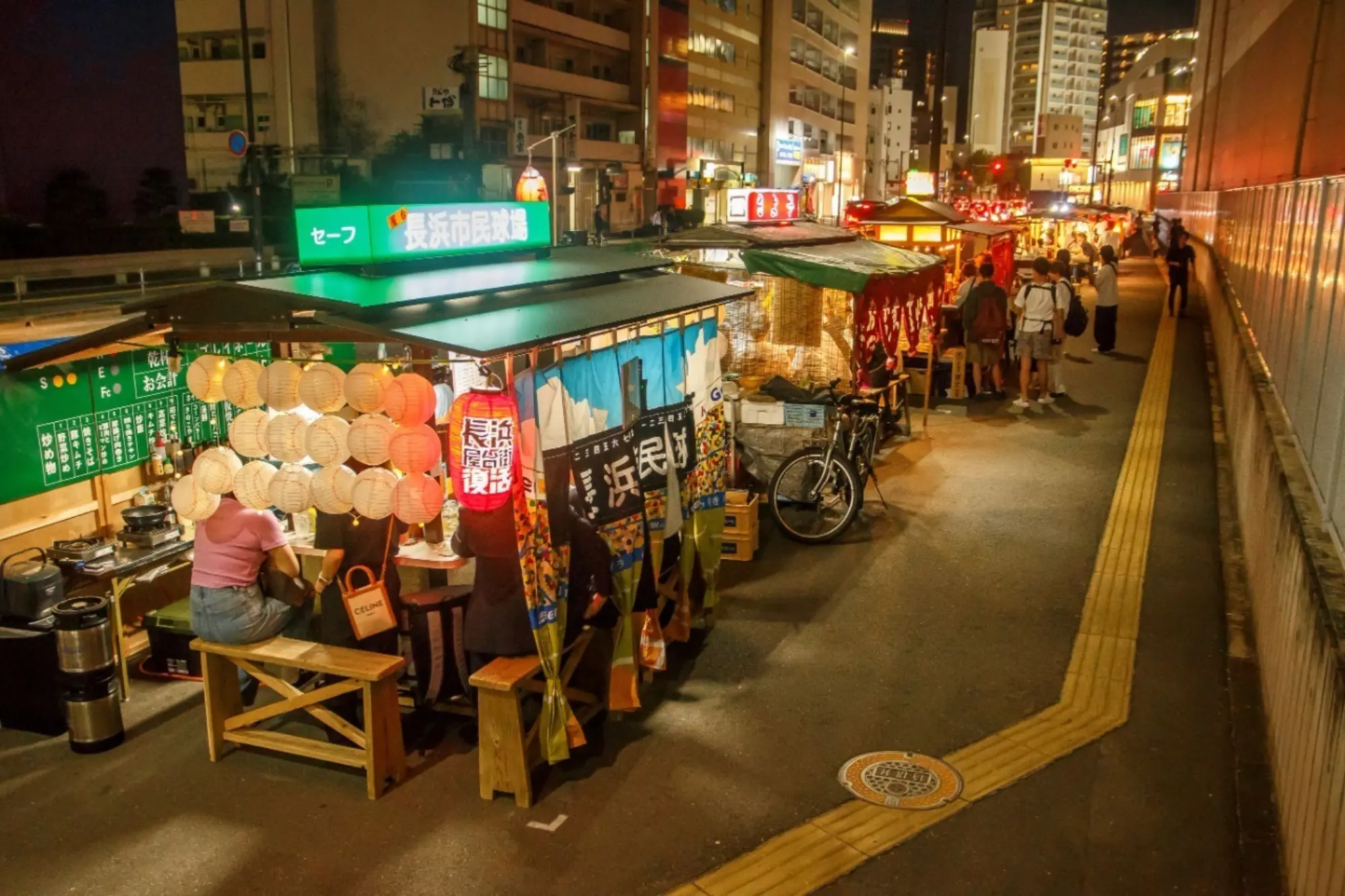
- Opening hours: Many yatai open in the evening, often around 6 p.m, but schedules vary by vendor.
- Budget: Prices depend on the stall and the dishes ordered. Review the menu before sitting down, especially if you plan to try several items.
- Payment: Carry cash as a backup because payment options vary between stalls.
- Seating: Counters are small, so large groups may need to split up or choose another dining option.
- Weather: Rain or strong winds can affect opening hours. Check conditions before making a special trip.
- Language: Some stalls may offer English menus, but this is not guaranteed. A translation app and a few Japanese phrases can make ordering easier.
- Dietary needs: Traditional dishes may contain pork, meat-based broth, seafood, eggs, or wheat. Vegetarian and allergy-friendly options may be limited, so confirm ingredients directly with the vendor.
Fukuoka Yatai Guide to Answer Frequently Asked Questions
1. What is a yatai in Fukuoka?
A yatai (屋台) is a small, open-air food stall where customers sit at a counter and order freshly prepared dishes. Fukuoka is particularly well known for its evening yatai culture.
2. What should I eat at Fukuoka yatai?
Start with Hakata ramen, yakiramen, yakitori, or Hakata-style gyoza. Mentaiko dishes are also worth looking for.
3. Where are the best Fukuoka food stalls?
Nakasu and Tenjin are popular areas for yatai. Nagahama is also associated with Fukuoka’s ramen culture. Check the official map for current locations.
4. What time do Fukuoka yatai open?
Many stalls open in the evening, often around 6 p.m, but opening hours vary. Weather and individual vendor schedules can affect availability.
5. Do I need to speak Japanese to order?
No, you don’t need to speak Japaneses to order Japanese street food or yatai. A few phrases, a translation app, and pointing to menu items can help. Use Kore o kudasai (これをください) to say “This one, please.”
6. Are Fukuoka yatai suitable for vegetarians?
Options can be limited. Broths and sauces may contain meat or fish, even when a dish appears vegetarian. Ask about ingredients and preparation before ordering.
Conclusion
Fukuoka’s yatai offer more than a meal. They provide a closer look at the city’s local food culture, from a steaming bowl of Hakata ramen to grilled skewers and regional mentaiko specialties. Use this Fukuoka Yatai Guide to choose what to eat, find a suitable area, and order with confidence using a few simple Japanese phrases. Before visiting, check current stall information and opening hours so you can make the most of your evening in Fukuoka.
Discover Japan tour packages with Nicetrips and experience the landscapes, food, culture, and seasonal highlights of northern Japan. Follow the Nicetrips Blog for more destination guides, travel tips, and Japan travel inspiration.