Japan is often associated with rice, tofu, vegetables, soba, sushi, and other foods that may appear vegetarian or vegan at first glance. However, following a vegetarian or vegan diet in Japan can require more attention than simply choosing dishes without visible meat or seafood. The hidden issue is often dashi, a Japanese stock that can contain bonito flakes or other fish-based ingredients.
This vegetarian in Japan guide explains what vegetarian and vegan travelers should know before dining out, including the best vegetarian food in Japan, common hidden ingredients, useful Japanese phrases, restaurant tips, and ideas for a vegetarian food tour.
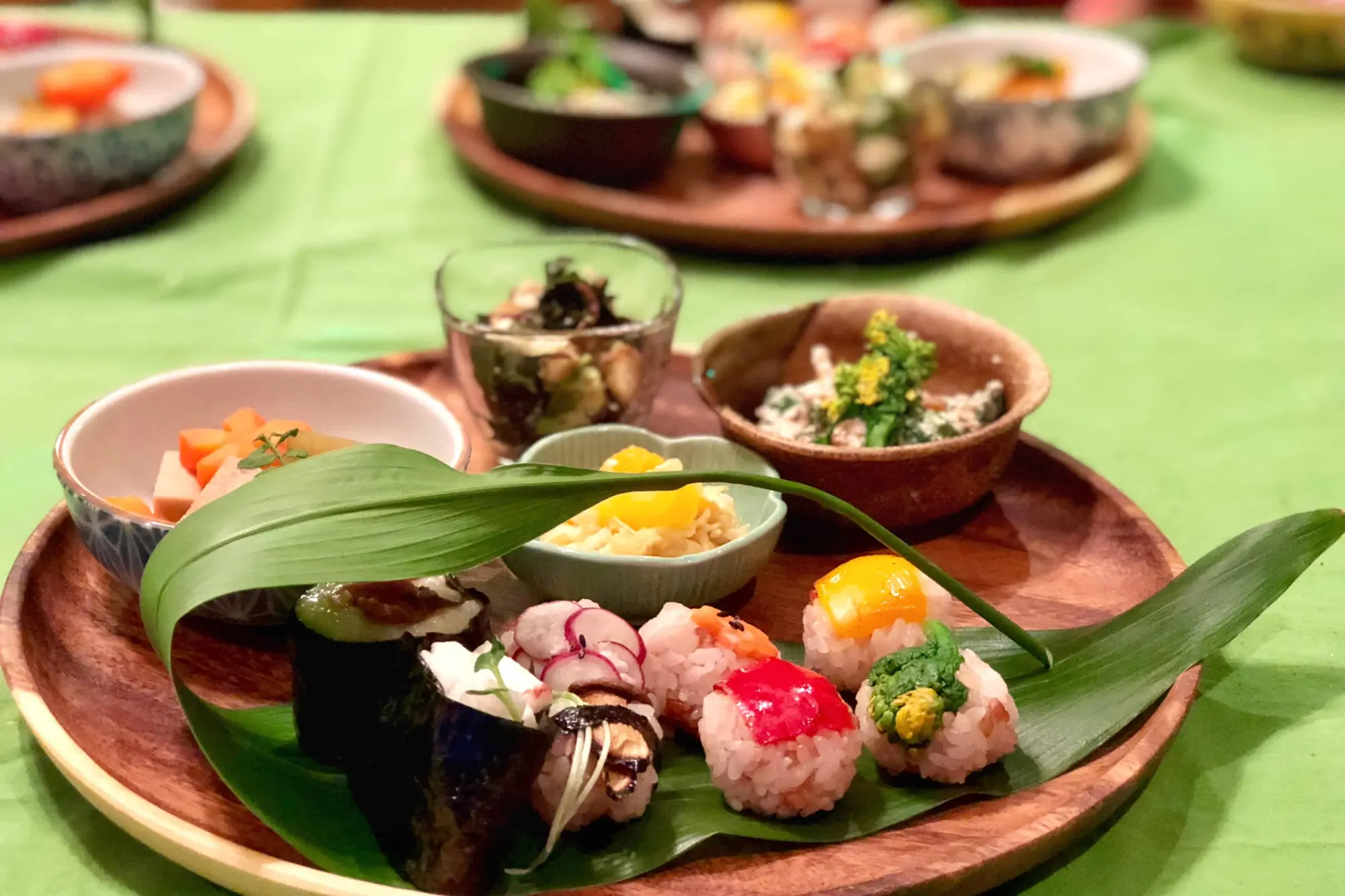
Vegetarian and Vegan Dining in Japan Requires Careful Planning
Vegetarian and vegan options are becoming easier to find in Japan, particularly in major cities and tourist destinations. However, traditional Japanese cuisine frequently uses fish, meat, or animal-based stock in dishes that may oth0o0erwise look completely plant-based.
For example, a bowl of noodles with vegetables may contain fish-based dashi in the broth, while a simple dipping sauce for soba may also contain dashi. This is why checking the ingredients and explaining your dietary requirements clearly are important parts of traveling as a vegetarian or vegan in Japan.
The good news is that Japan also has a long tradition of plant-based cuisine. Shojin ryori, Buddhist vegetarian cuisine, offers one of the most authentic ways to experience Japanese food without meat or fish.
The Hidden Dashi Problem in Japanese Food
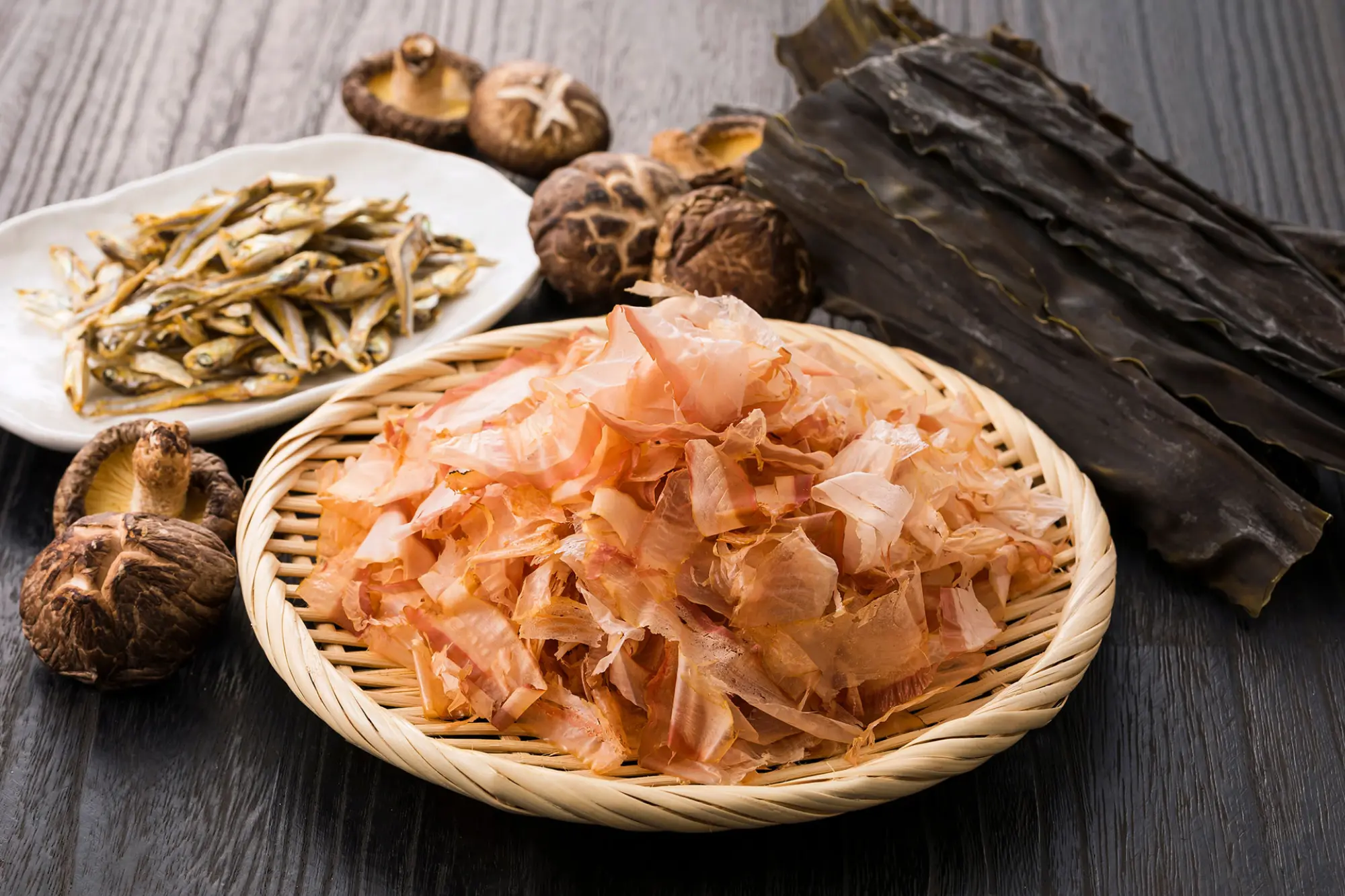
Dashi is one of the most important ingredients to understand when eating vegetarian or vegan in Japan, making it an essential part of any vegetarian in Japan guide. Traditional dashi can be made from ingredients such as kombu kelp, bonito flakes, dried fish, or other seafood. Because dashi is commonly used as a base for soups, sauces, noodles, and simmered dishes, fish may be present even when there is no visible seafood on the plate.
This creates an important difference between vegetarian-looking food and genuinely vegetarian food. For strict vegetarians and vegans, asking whether a dish contains dashi is therefore essential. When dining in Japan, clearly explain that your diet excludes meat, seafood, animal products, and dashi or other animal-based stocks, especially when ordering soups, noodles, sauces, or set meals.
Common Hidden Animal Ingredients
When checking a Japanese dish, look beyond the main ingredients. Potential sources of animal products include:
- Bonito or fish-based dashi
- Dried fish stock
- Chicken or pork stock
- Fish-based dipping sauces
- Fish sauce or seafood seasoning
- Bonito flakes used as a topping
- Egg
- Dairy products
- Meat or fish used in fillings
Not every restaurant uses these ingredients, but they are common enough that travelers should check rather than assume.
Vegetarian and Vegan Mean Different Things in Japan
The terms vegetarian and vegan should not always be treated as interchangeable when ordering in Japan. A vegetarian traveler may avoid meat and seafood but still eat eggs or dairy, depending on their diet. A vegan traveler generally avoids all animal-derived ingredients, including eggs, dairy, meat, fish, and seafood.
Japanese restaurants may also interpret the word “vegetarian” differently from travelers. In Japan, vegetarianism is less widespread than in some Western countries, so simply asking for a vegetarian meal may not communicate every dietary restriction clearly. As highlighted in this vegetarian in Japan guide, it is better to be specific about what you cannot eat, especially meat, seafood, eggs, dairy, and dashi.
The Best Vegetarian Food in Japan
Japan offers a surprisingly wide range of foods that can work for vegetarian and vegan travelers when prepared with suitable ingredients.
1. Tofu and Yuba
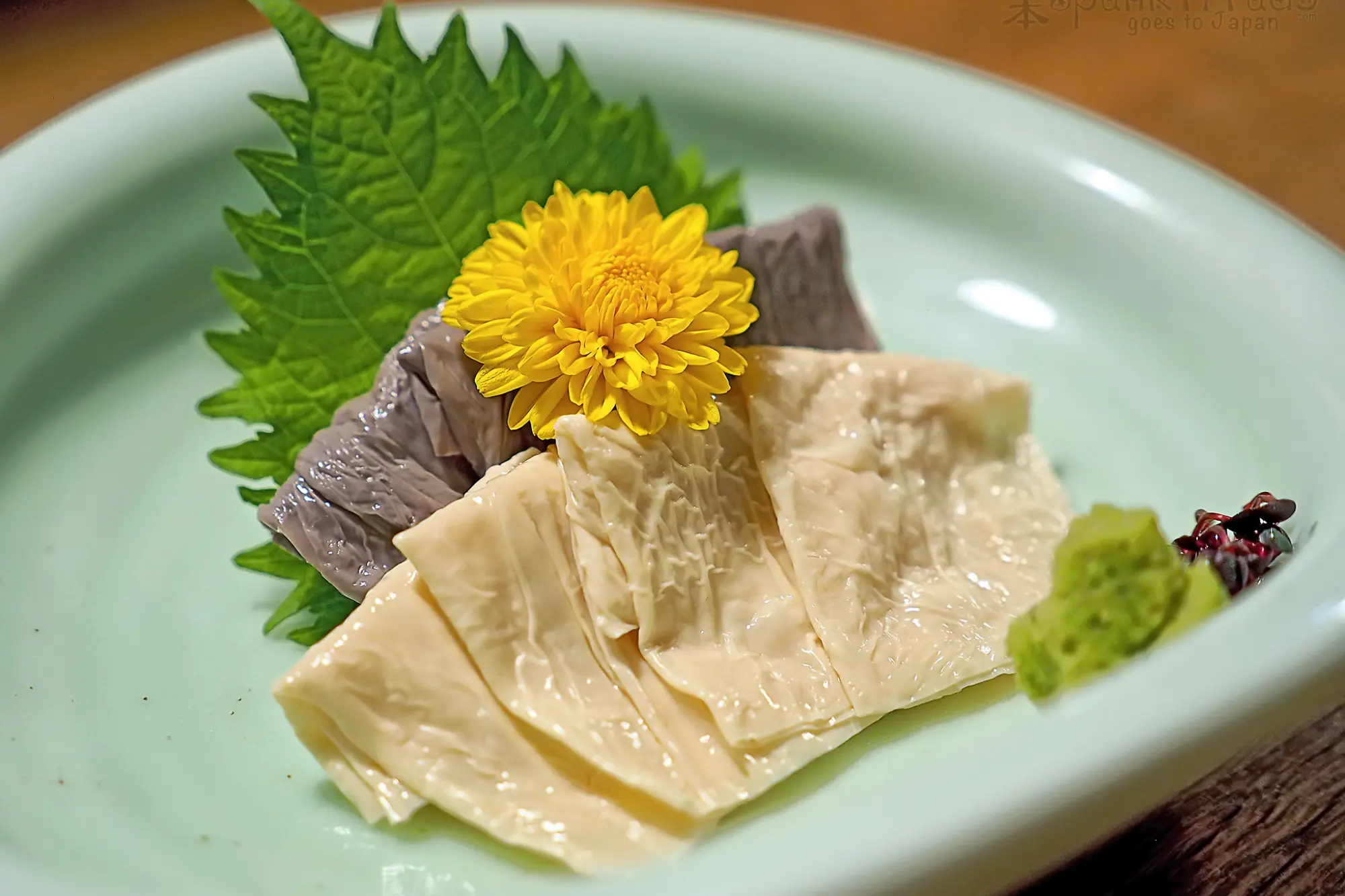
Tofu is one of the easiest plant-based foods to find in Japan. It comes in many textures and preparations, from fresh chilled tofu to grilled and simmered dishes.
Yuba or tofu skin, is another traditional soybean product. It is especially associated with Buddhist cuisine and can be served in soups, hot pots, or as part of a multi-course meal.
2. Vegetable Tempura
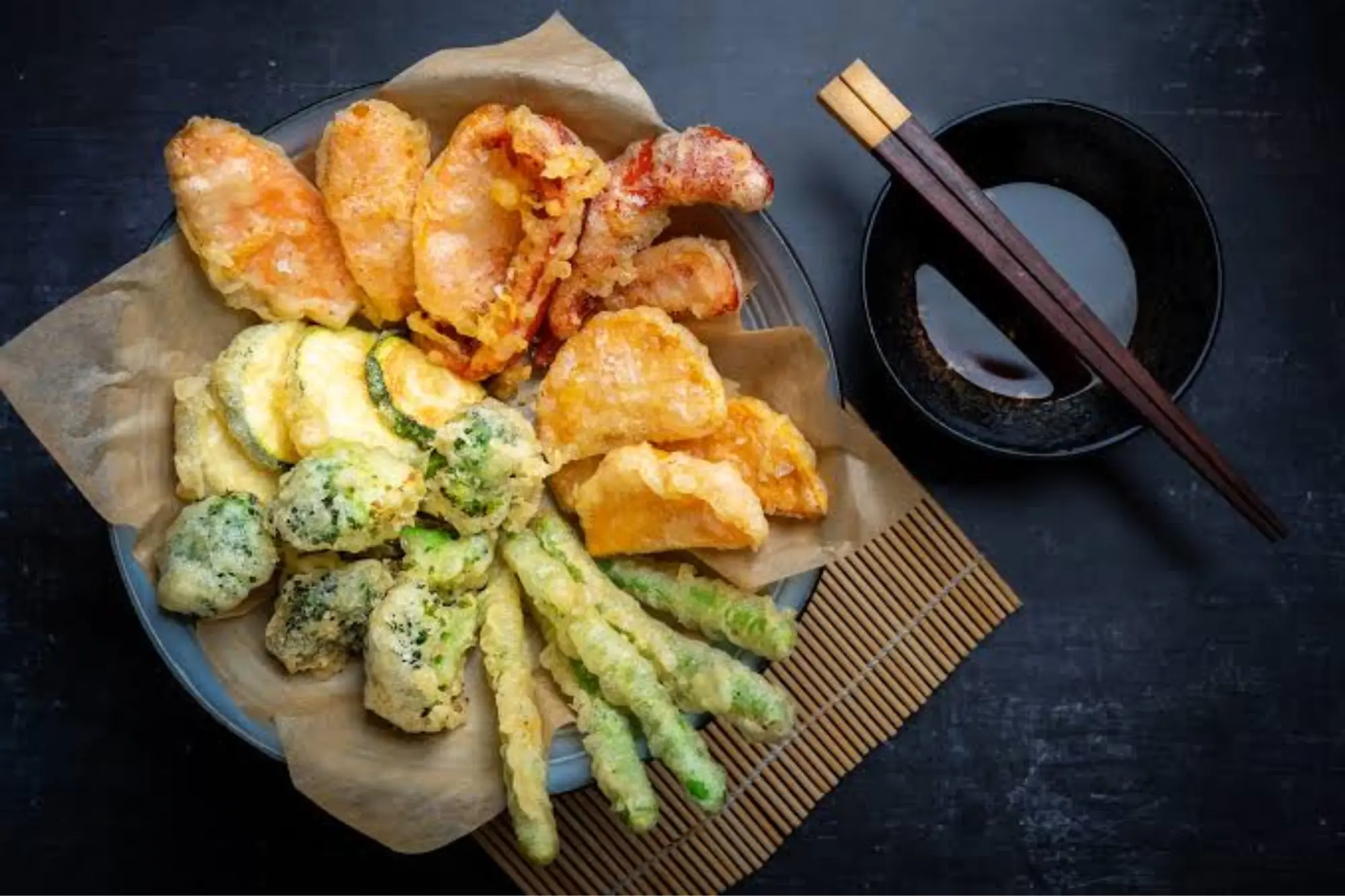
Vegetable tempura can be a good vegetarian option, with ingredients such as pumpkin, eggplant, sweet potato, mushrooms, and other seasonal vegetables.
However, check the batter and dipping sauce if you follow a strict vegan diet. The dipping sauce may contain dashi, while the batter may contain egg.
3. Soba and Udon
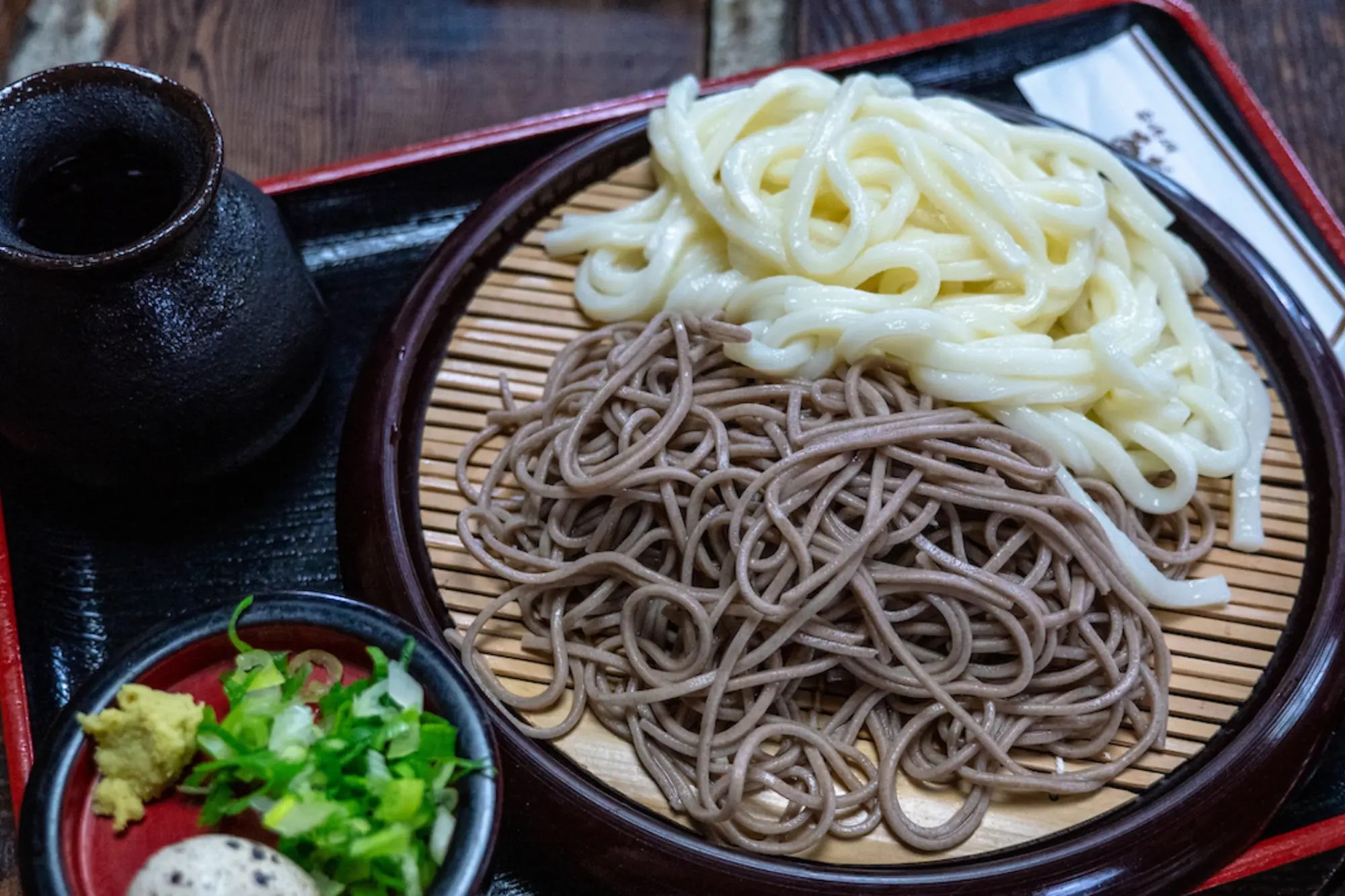
Soba and udon can look like simple vegetarian choices, but the broth and dipping sauce are the important parts to check.
Zaru soba, served chilled with a dipping sauce, can sometimes be adapted for vegetarian or vegan diners if the sauce is prepared without fish-based dashi.
4. Inarizushi

Inarizushi consists of sushi rice wrapped in seasoned tofu skin. It can be a convenient option for vegetarian travelers, but it is still worth checking the seasoning and preparation if you need a strictly vegan meal.
5. Vegetable Sushi
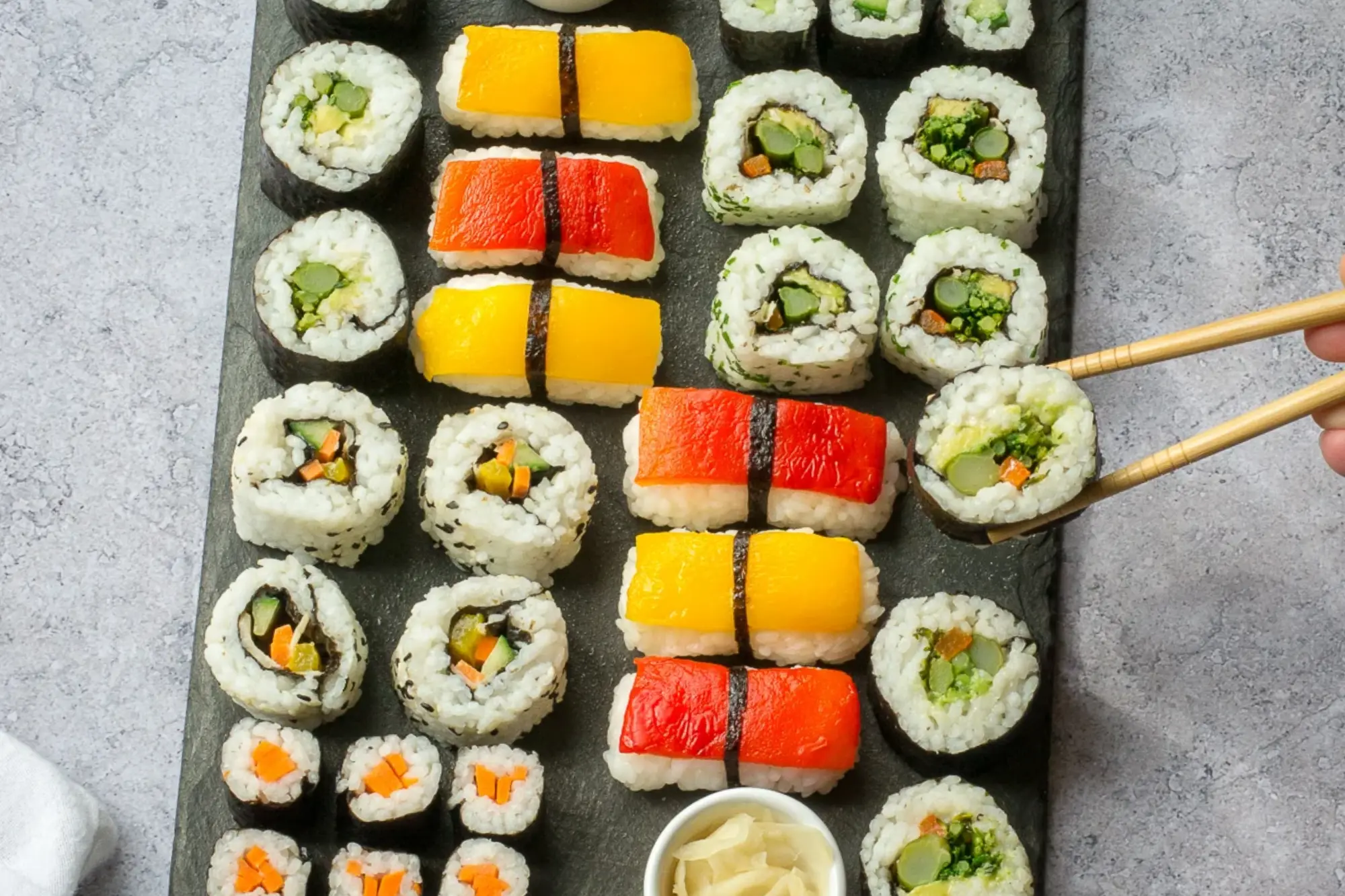
Simple vegetable sushi can include cucumber, pickled daikon, or other vegetables. Look for options such as cucumber rolls rather than assuming all sushi is vegetarian.
6. Nasu Dengaku
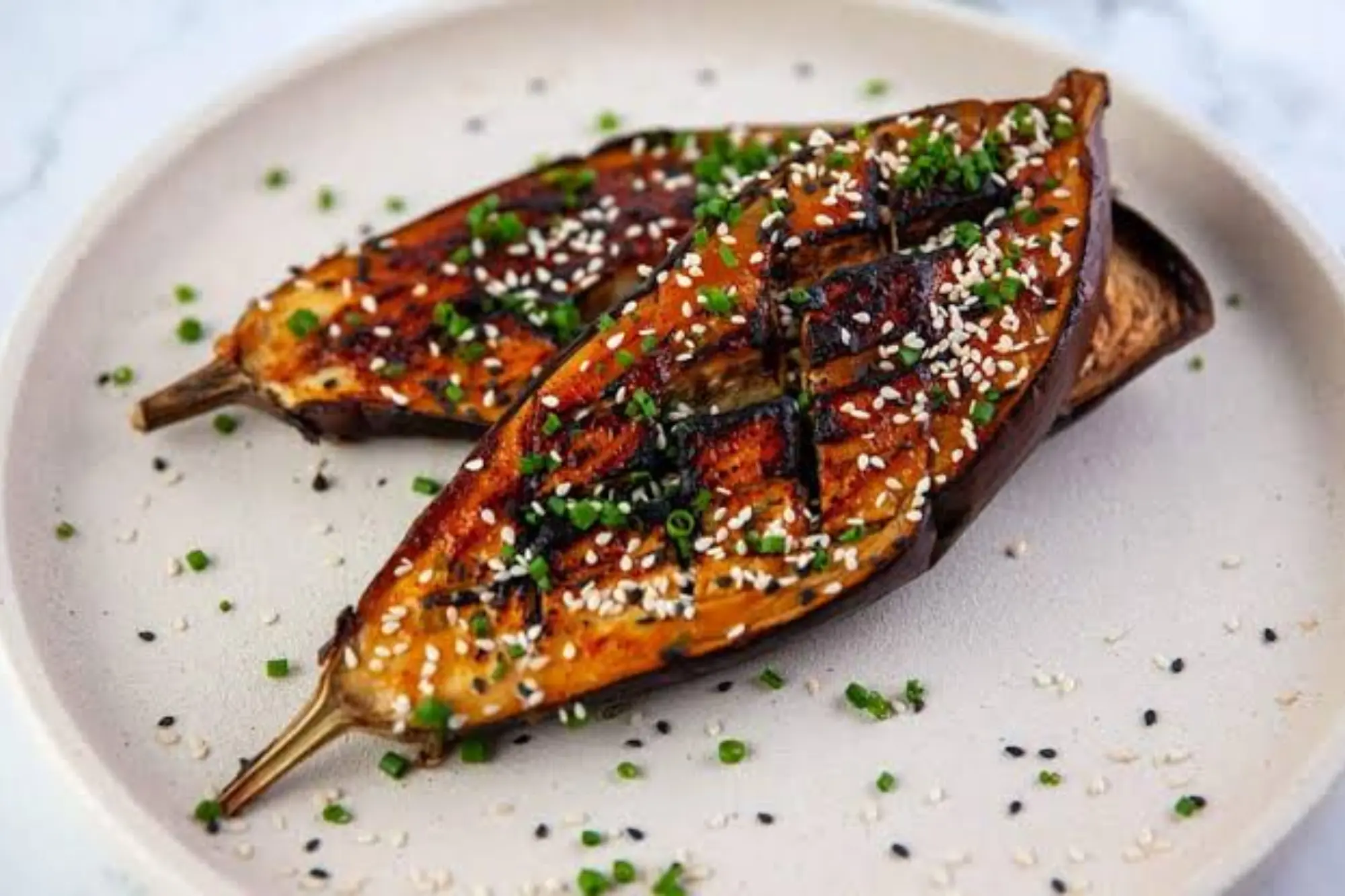
Nasu dengaku is grilled eggplant coated with a sweet miso glaze. It can be a flavorful vegetarian choice, although travelers following a strict vegan diet should confirm the ingredients in the glaze and any accompanying sauce.
7. Tsukemono
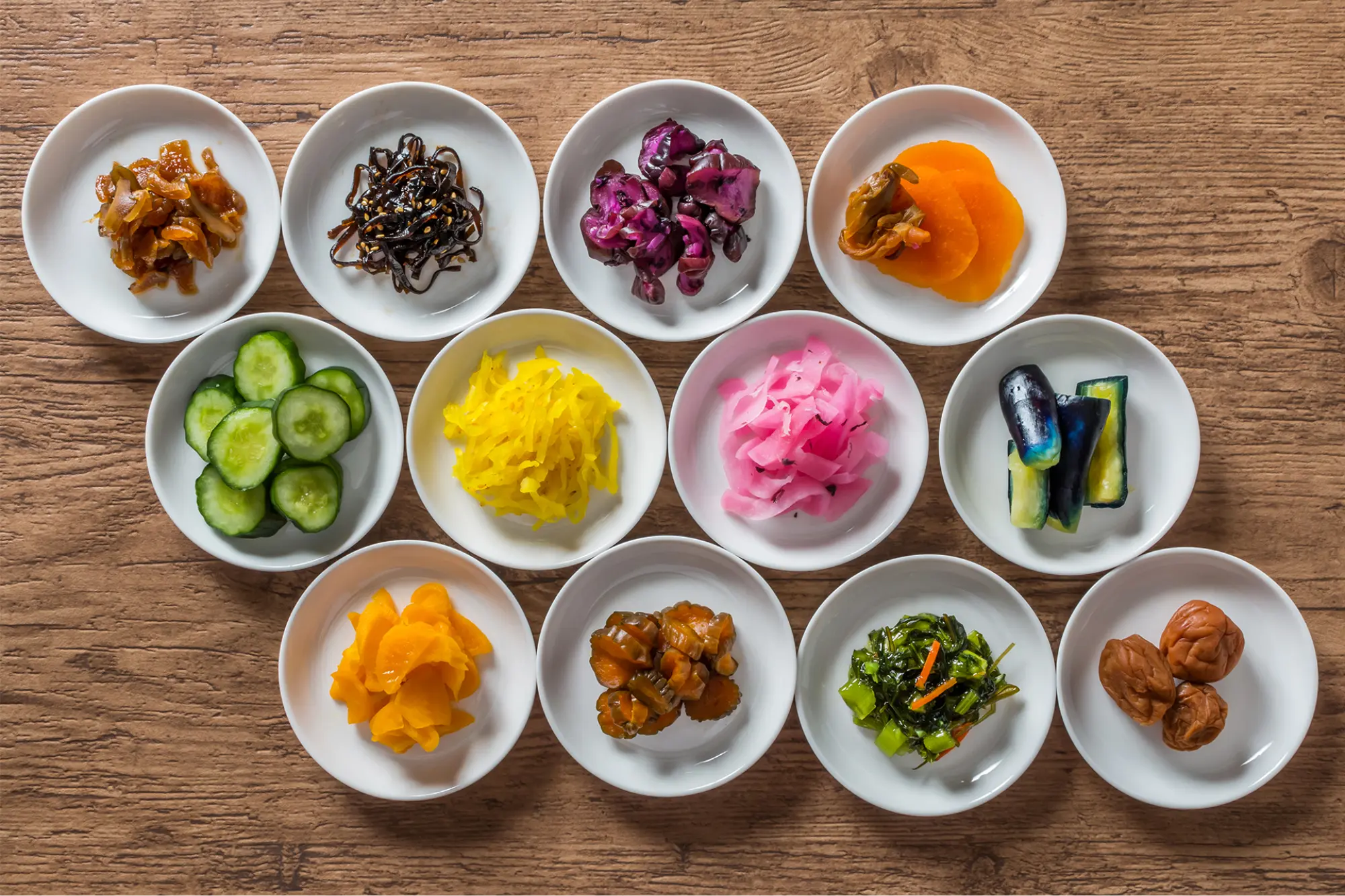
Japanese pickles, known as tsukemono, are commonly served as side dishes and can add variety to a plant-based meal. Check the seasoning and preparation when following a strict vegan diet.
8. Shojin Ryori Offers One of Japan’s Most Authentic Vegan Experiences
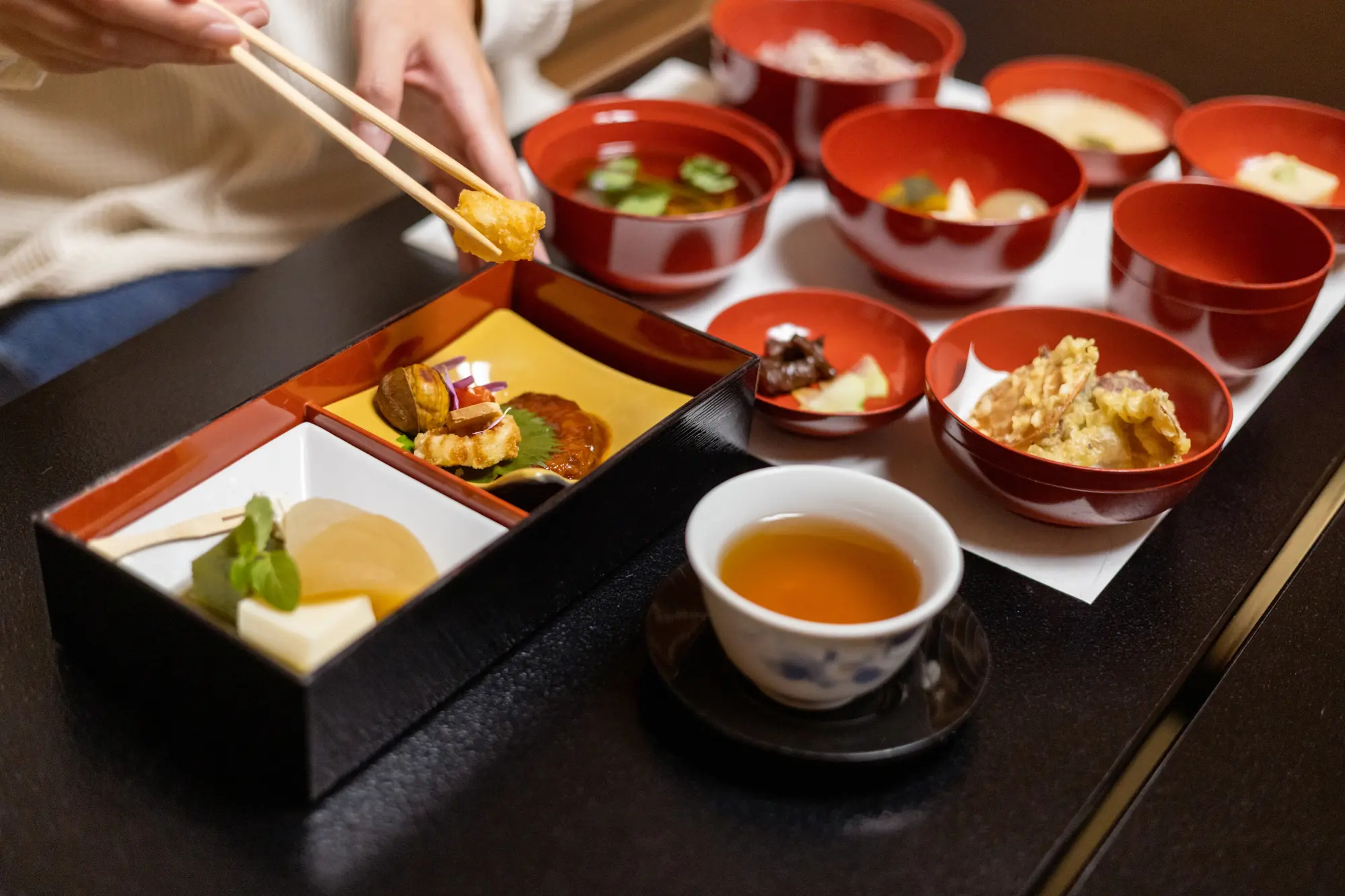
For travelers looking for a deeper culinary experience, shojin ryori is one of the highlights of vegetarian dining in Japan. Shojin ryori developed from Buddhist traditions and focuses on plant-based ingredients, seasonal vegetables, tofu, and careful preparation. It also emphasizes using ingredients thoughtfully and minimizing waste.
Rather than simply being a collection of dishes without meat, shojin ryori is a complete culinary tradition. Meals can include multiple small dishes, soups, rice, pickles, tofu, and seasonal vegetables presented with careful attention to balance and appearance.
Travelers can experience shojin ryori at selected Buddhist temples, temple lodgings, and specialist restaurants. Koyasan, for example, is known for temple stays where visitors can experience Buddhist vegetarian cuisine.
Choosing a Vegan Restaurant in Japan

A dedicated vegan restaurant in Japan is often the simplest choice for travelers who want to avoid hidden animal ingredients. Look for restaurants that clearly state “vegan” rather than relying only on dishes that appear to contain vegetables. Dedicated restaurants are more likely to understand dietary requirements and offer menus designed specifically for plant-based diners.
Before visiting, check:
- Whether the restaurant is fully vegan or only offers vegan options
- Whether the broth is plant-based
- Whether sauces contain dashi
- Whether eggs or dairy are used
- Whether reservations are required
- Whether dietary requirements should be communicated in advance
In major cities, travelers can also use vegetarian and vegan restaurant directories to research suitable restaurants before heading out. JNTO recommends resources such as HappyCow, Vegewel, and Japan VegeMap for finding vegetarian and vegan restaurants.
Convenience Stores Can Help With Simple Vegetarian Meals
Convenience stores are useful when suitable restaurants are unavailable, especially during long travel days. Several options that may work for vegetarian travelers, including certain onigiri, edamame, salads, natto, inarizushi, and packaged beans. However, ingredients and sauces should still be checked carefully because some products contain fish-based dashi.
For example, an onigiri filled with pickled plum or kombu may be more suitable than one containing fish. The safest approach is to check the label rather than relying only on the product name or appearance.
Vegan in Japan Is Easier in Major Tourist Cities
Finding vegan food in Japan is generally easier in large cities with international tourism and a growing number of dedicated plant-based restaurants. For travelers planning vegan in Japan, Tokyo, Kyoto, Osaka, and other major destinations offer more choices than smaller towns or rural areas, including dedicated vegan restaurants in Japan and modern plant-based dining options.
Outside major cities, advance planning becomes more important. A traditional ryokan may be able to prepare a vegetarian or vegan meal if dietary requirements are communicated in advance, particularly when the accommodation offers meals as part of the stay. Checking with the property before arrival can help ensure that suitable meals are available throughout your stay.
A Vegetarian Food Tour Can Be a Great Way to Explore Japanese Cuisine
A vegetarian food tour can make it easier to discover Japanese cuisine while reducing the stress of checking every ingredient yourself. A well-planned food-focused itinerary could combine:
Destination | Vegetarian Food Experience |
| Tokyo | Modern vegan restaurants and plant-based Japanese dishes |
| Kyoto | Shojin ryori, tofu cuisine, seasonal vegetables |
| Osaka | Vegetarian versions of local specialties |
| Koyasan | Buddhist temple cuisine and shojin ryori |
| Kamakura | Buddhist cuisine and traditional Japanese food |
| Nara | Traditional vegetarian-friendly dishes and temple experiences |
Kyoto and Koyasan are particularly interesting for travelers who want to connect food with Japanese Buddhist traditions. Shojin ryori is not simply a substitute for meat-based cuisine; it represents a distinct culinary culture with its own philosophy and preparation methods.
How to Order Vegetarian Food in Japan
Clear communication is one of the most useful skills for vegetarian and vegan travelers. Instead of saying only “I am vegetarian”, explain the ingredients you need to avoid. This is especially important when ordering noodles, soups, sauces, or set meals.
Useful phrases include:
Japanese | Romaji | Meaning |
| ベジタリアンです。 | Bejitarian desu. | I am vegetarian. |
| ヴィーガンです。 | Vīgan desu. | I am vegan. |
| 肉なしでお願いします。 | Niku nashi de onegaishimasu. | No meat, please. |
| 魚なしでお願いします。 | Sakana nashi de onegaishimasu. | No fish, please. |
| だしなしでお願いします。 | Dashi nashi de onegaishimasu. | No dashi, please. |
| 卵なしでお願いします。 | Tamago nashi de onegaishimasu. | No egg, please. |
| 乳製品なしでお願いします。 | Nyūseihin nashi de onegaishimasu. | No dairy products, please. |
For more complex dietary restrictions, carrying a written Japanese explanation can be useful. Using a written explanation or dietary card and confirming requirements with the restaurant in advance, particularly for set menus.
Reading Japanese Menus Helps Avoid Common Mistakes
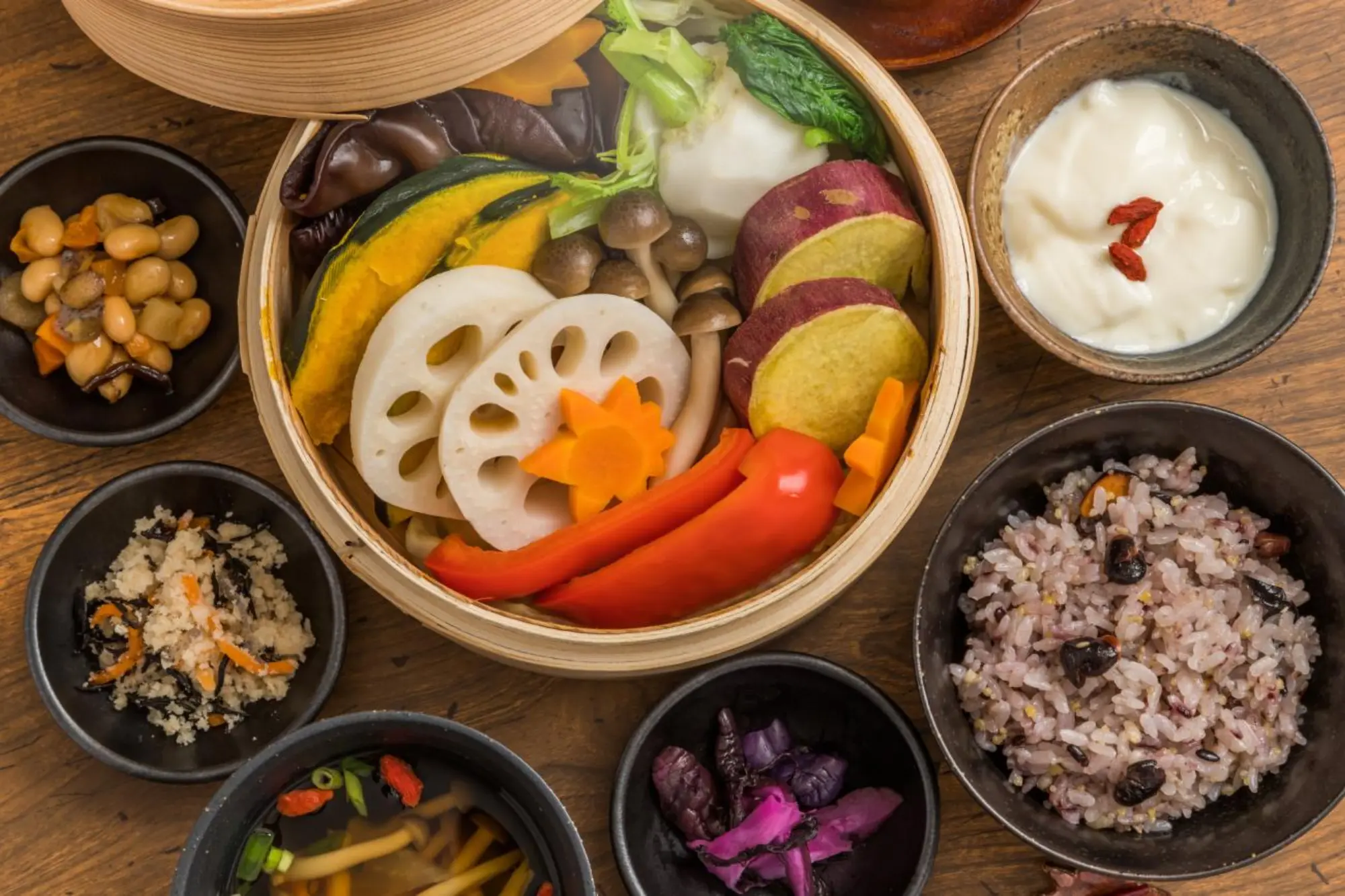
Pictures can make Japanese menus easier to understand, but a photograph does not tell you everything about the ingredients. When a dish looks suitable, check whether it contains:
- Meat or seafood
- Dashi or stock
- Fish flakes
- Egg
- Dairy
- Animal-based sauces
Be particularly careful with dishes described simply as “vegetables”. Vegetables may be the main ingredients while the broth or sauce still contains fish or meat.
For packaged food, checking the ingredient label can also help. This is particularly useful when buying snacks or ready-to-eat food from convenience stores.
A Practical Vegetarian and Vegan Japan Checklist
Before traveling, use this checklist to make dining easier and get the most from your vegetarian in Japan guide. Whether you are planning Vegan in Japan or a vegetarian food tour, preparing a few key details in advance can help you find suitable meals and avoid hidden animal-based ingredients.
- Learn the difference between vegetarian and vegan requirements.
- Remember that dashi can contain fish.
- Check soups, sauces, and dipping sauces carefully.
- Learn a few Japanese dietary phrases.
- Carry a written dietary explanation.
- Research restaurants before visiting smaller destinations.
- Contact ryokans and temple lodgings in advance.
- Check packaged food labels.
- Keep a few simple backup food options in mind.
- Avoid assuming that a vegetable-based dish is automatically vegetarian or vegan.
FAQ About Vegetarian and Vegan Food in Japan
1. Is Japan suitable for vegan travelers?
Yes, Vegan in Japan is becoming easier, especially in major cities where dedicated vegan restaurants and plant-based options are increasingly available. However, some advance planning is still recommended, as rural areas and traditional restaurants may require more communication about dietary requirements.
2. Is dashi vegetarian?
It depends on how it is made. Kombu-based dashi can be plant-based, while traditional dashi commonly uses bonito or other fish products. When following a strict vegetarian or vegan diet, always ask about the specific type of dashi used.
3. What is the best vegetarian food in Japan?
Some of the best vegetarian food in Japan includes tofu, yuba, vegetable tempura, vegetable sushi, inarizushi, soba, tsukemono, and nasu dengaku. Shojin ryori is another excellent choice for travelers looking for a traditional plant-based Japanese dining experience.
4. Can vegetarian travelers eat ramen in Japan?
Some ramen restaurants offer vegetarian or vegan versions, but many traditional ramen broths contain pork, chicken, fish, or other animal-based ingredients. As part of a vegetarian in Japan guide, checking the broth, toppings, and seasoning before ordering is essential.
5. How can I find a vegan restaurant in Japan?
Major cities generally offer more dedicated vegan and vegetarian restaurants. To find a suitable vegan restaurant in Japan, research options before your trip and check whether the restaurant can accommodate your specific dietary requirements. Online vegetarian and vegan restaurant directories can also help you find suitable places while traveling.
Conclusion
Following a vegetarian or vegan diet in Japan is easier when you know where hidden ingredients can appear. This vegetarian in Japan guide highlights the importance of checking dashi, sauces, broths, toppings, and packaged food to avoid common mistakes. From modern plant-based restaurants to centuries-old shojin ryori, Japan offers plenty of opportunities to discover its food culture in a different way. For travelers exploring vegan in Japan, a little preparation can make it easier to find suitable meals and enjoy a comfortable, rewarding culinary journey across the country.
Discover Japan tour packages with Nicetrips and experience the landscapes, food, culture, and seasonal highlights of northern Japan. Follow the Nicetrips Blog for more destination guides, travel tips, and Japan travel inspiration.