Japanese food is an essential part of the travel experience, from sushi and ramen to tempura, soba, and traditional set meals. However, dining in Japan also comes with a few customs that may be unfamiliar to international visitors. Understanding Japanese dining etiquette can make meals more comfortable and help travelers show respect for local customs. From using chopsticks correctly and handling shared dishes to knowing whether tipping is expected, these simple rules are easy to follow once you know them.
This guide covers essential Japanese etiquette, including Japanese etiquette eating practices, Japanese table etiquette, Japanese chopsticks rules, and practical tips for dining at restaurants in Japan.
The Importance of Japanese Dining Etiquette
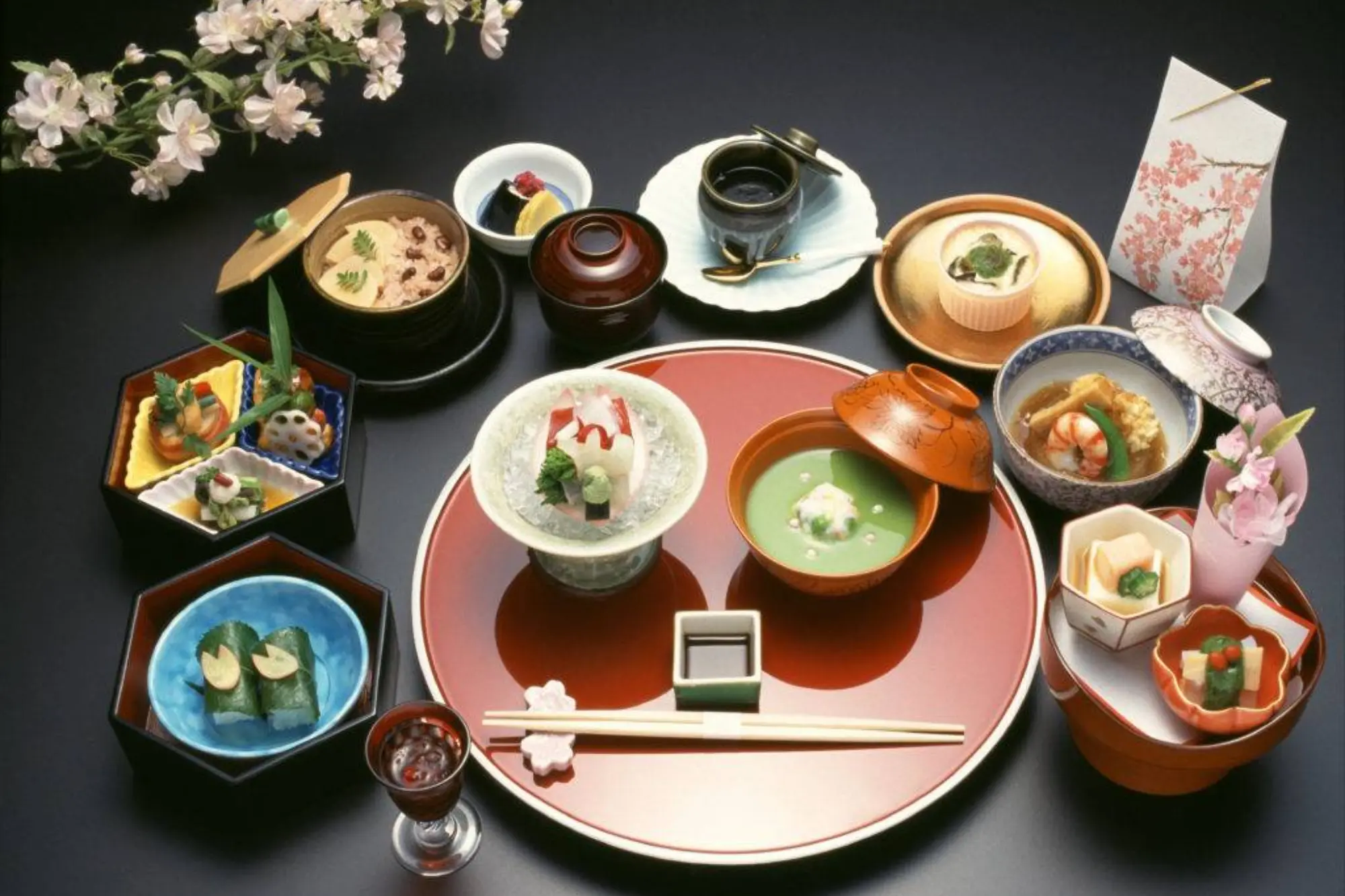
Japanese dining manners are closely connected to respect, consideration, and appreciation for food. Many customs are designed to avoid inconveniencing other diners and to show gratitude to the people who prepared the meal.
For travelers, following basic Japanese dining etiquette does not mean memorizing every cultural rule. The most important things are to be considerate, observe the people around you, and follow the restaurant’s instructions.
Dining customs can also vary depending on the setting. A casual ramen shop, conveyor-belt sushi restaurant, izakaya, and traditional Japanese restaurant may each have slightly different practices.
Basic Japanese Dining Etiquette Rules
A few simple habits can help international visitors feel more comfortable when eating in Japan.
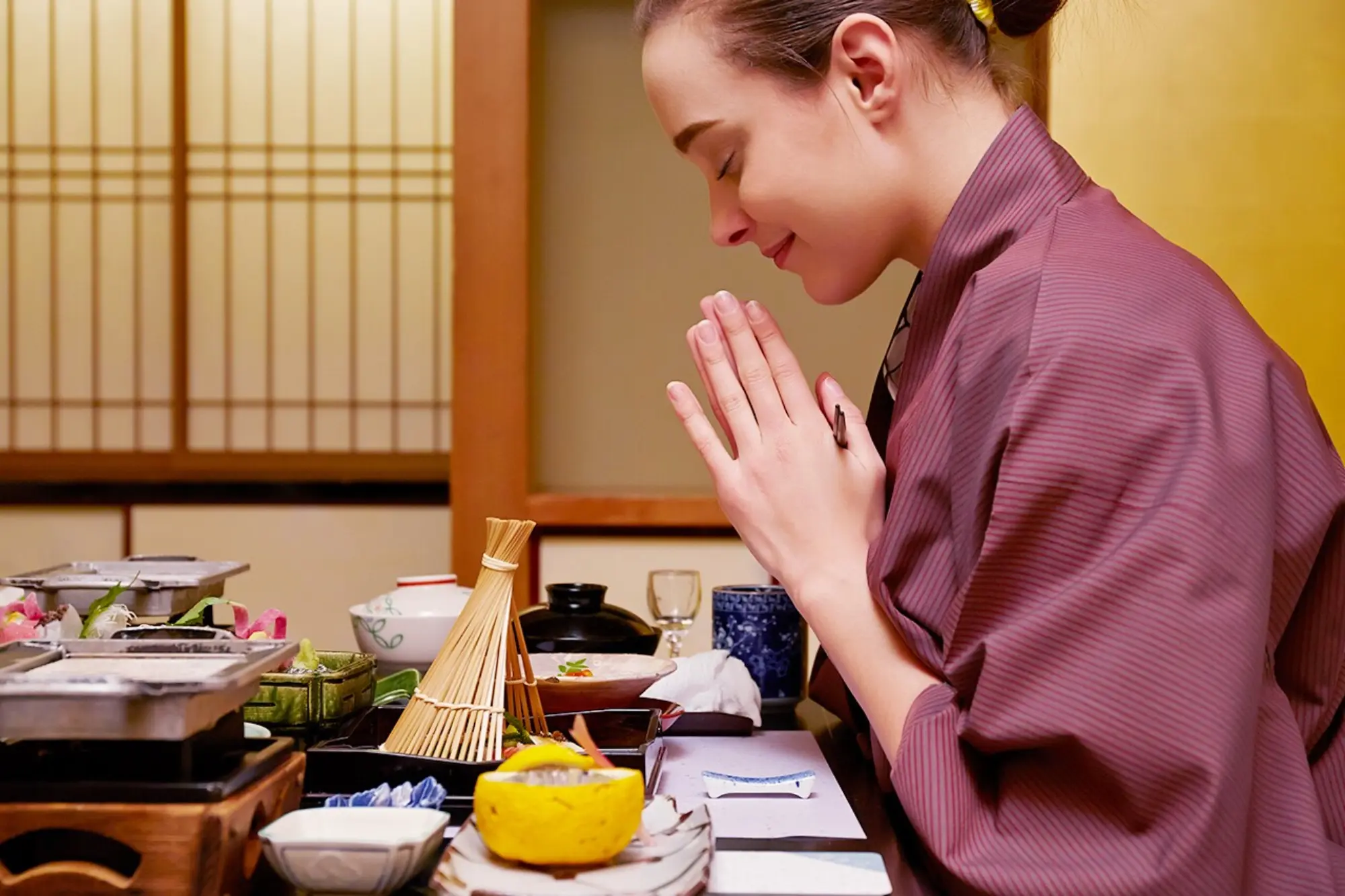
1. Say “Itadakimasu” Before Eating
Before starting a meal, Japanese people commonly say itadakimasu (いただきます). The expression conveys gratitude for the food and for everyone involved in preparing and providing it.
At the end of the meal, gochisousama deshita (ごちそうさまでした) can be used to express appreciation for the meal.
Visitors do not have to say these phrases, but learning them is a simple way to participate in local dining customs.
2. Wait Until Everyone Is Ready
When dining with a group, it is generally polite to wait until everyone has received their food before starting.
This is particularly relevant when sharing several dishes. However, meals at restaurants may arrive at different times, so follow the situation and the group’s lead.
3. Keep Your Voice at a Considerate Volume
Japanese restaurants can be relatively quiet compared with some dining environments elsewhere. Speaking loudly or creating unnecessary noise may disturb other customers.
You do not need to remain completely silent, but keeping conversations at a reasonable volume is part of being considerate toward other diners.
4. Avoid Wasting Food
Japanese dining culture places value on appreciating food. Try to order an amount you can reasonably finish and avoid taking more from shared dishes than you intend to eat.
If you have dietary restrictions or simply cannot finish a dish, do not force yourself to eat beyond your comfort. Ordering appropriate portions from the beginning can help reduce unnecessary waste.
Essential Japanese Chopsticks Rules
Learning the basic Japanese chopsticks rules is especially important because several chopstick gestures have cultural associations that make them inappropriate during ordinary meals.
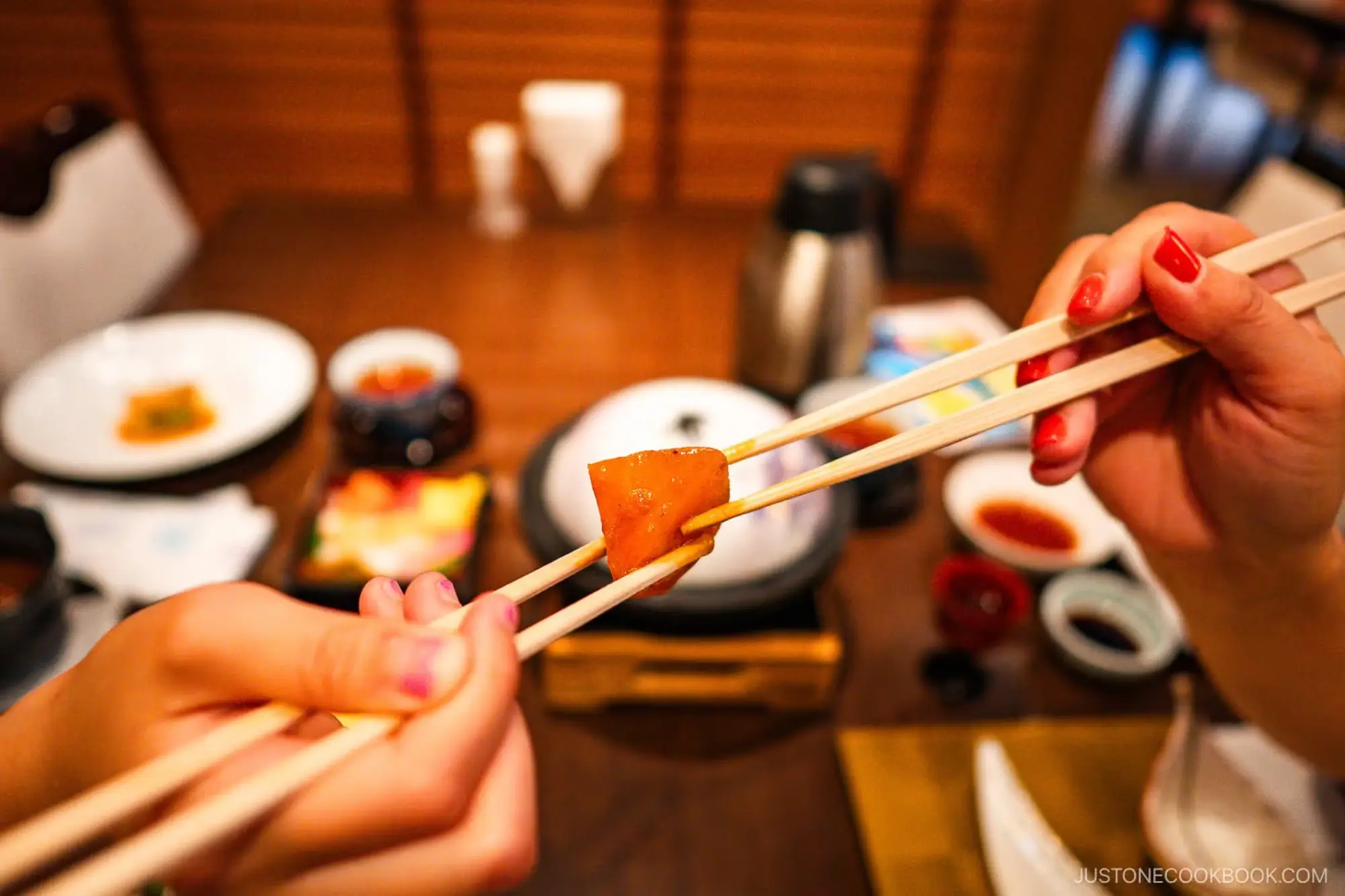
1. Never Stick Chopsticks Upright in Rice
Never leave your chopsticks standing vertically in a bowl of rice. This arrangement is associated with Japanese funeral rituals and is therefore considered inappropriate during a normal meal.
When you are not using your chopsticks, place them on the provided chopstick rest, or hashioki (箸置き), when available.
2. Do Not Pass Food From Chopsticks to Chopsticks
Avoid passing food directly from one pair of chopsticks to another. This practice is also associated with funeral customs. If you want to share food, place it on the other person’s plate using a serving utensil instead.
3. Do Not Point With Chopsticks
Chopsticks should not be used to point at people, dishes, or objects. Similarly, avoid waving them around while talking or using them to gesture across the table. These actions can appear impolite even in casual dining situations.
4. Do Not Spear Food With Chopsticks
Although spearing food may seem easier, particularly when handling slippery ingredients, it is generally considered poor chopstick etiquette. Try to pick up food using the tips of the chopsticks instead. If you have difficulty using them, asking for a fork is perfectly acceptable at many restaurants.
5. Do Not Rub Disposable Chopsticks Together
Restaurants may provide disposable wooden chopsticks that need to be separated before use. Avoid rubbing the two chopsticks together after separating them. This can imply that you think the chopsticks are poorly made or have splinters.
6. Do Not Use Chopsticks to Move Bowls
Avoid using chopsticks to pull a bowl, plate, or other tableware toward you. Instead, use your hands to move your own dishes when appropriate. This is another small but useful part of Japanese table etiquette.
Japanese Bowl and Soup Etiquette
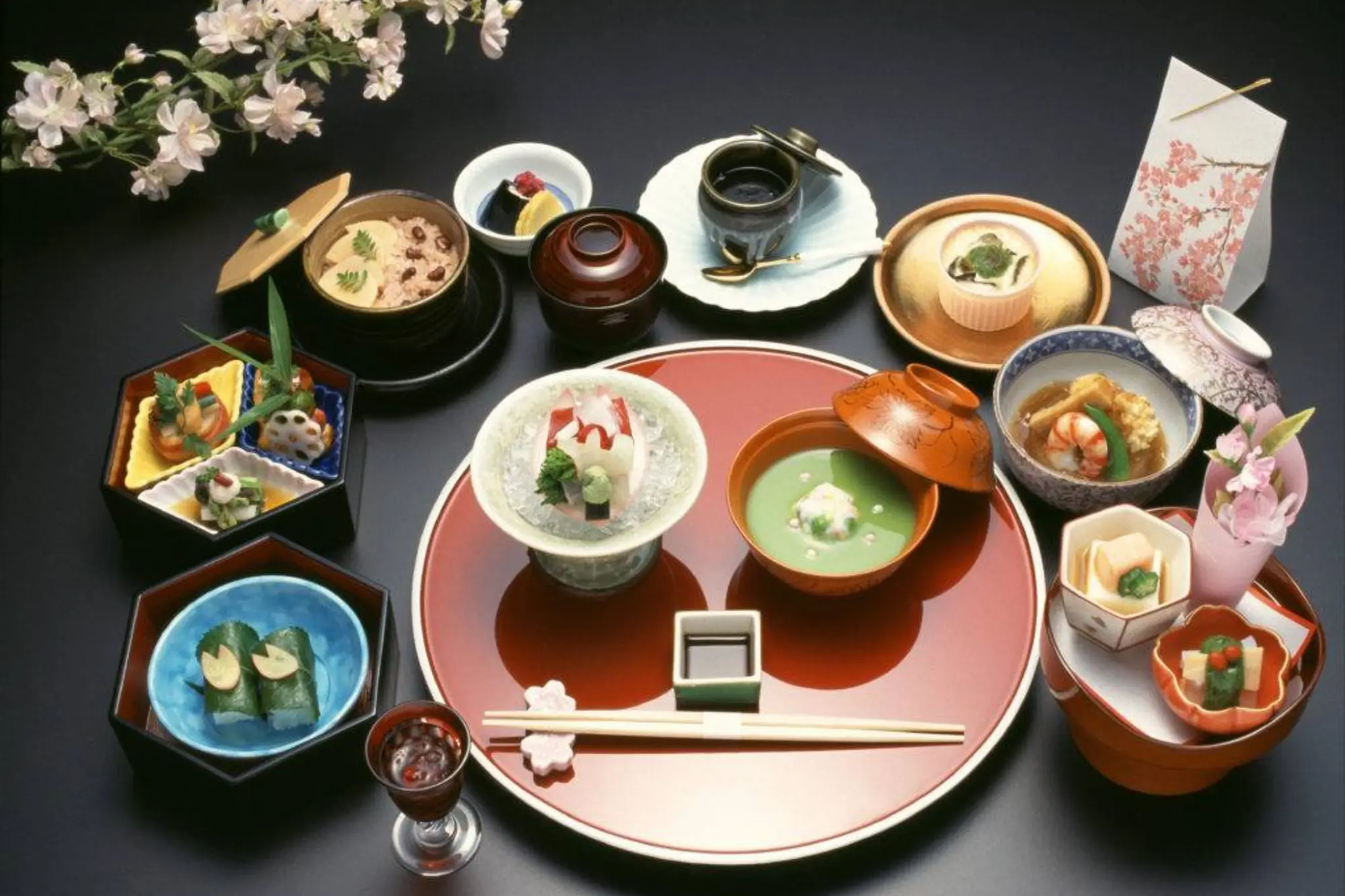
Japanese meals often include rice, miso soup, and several small side dishes. Knowing how to handle these dishes can make the meal more comfortable.
1. Lift Small Rice Bowls When Appropriate
It is generally acceptable to lift a small rice bowl closer to your mouth while eating.
This can make it easier to eat rice neatly with chopsticks. However, larger serving dishes and plates are generally left on the table.
2. Drink Miso Soup From the Bowl
Miso soup is commonly served in a small bowl. In many settings, you can hold the bowl with one hand and drink the soup directly from it.
Solid ingredients can be eaten with chopsticks.
3. Use Serving Utensils for Shared Dishes
When several people are sharing dishes, use the serving utensils provided.
If no serving utensils are available, follow the restaurant’s instructions or observe how other diners handle the food. Avoid reaching across other people whenever possible.
Japanese Sushi Dining Etiquette
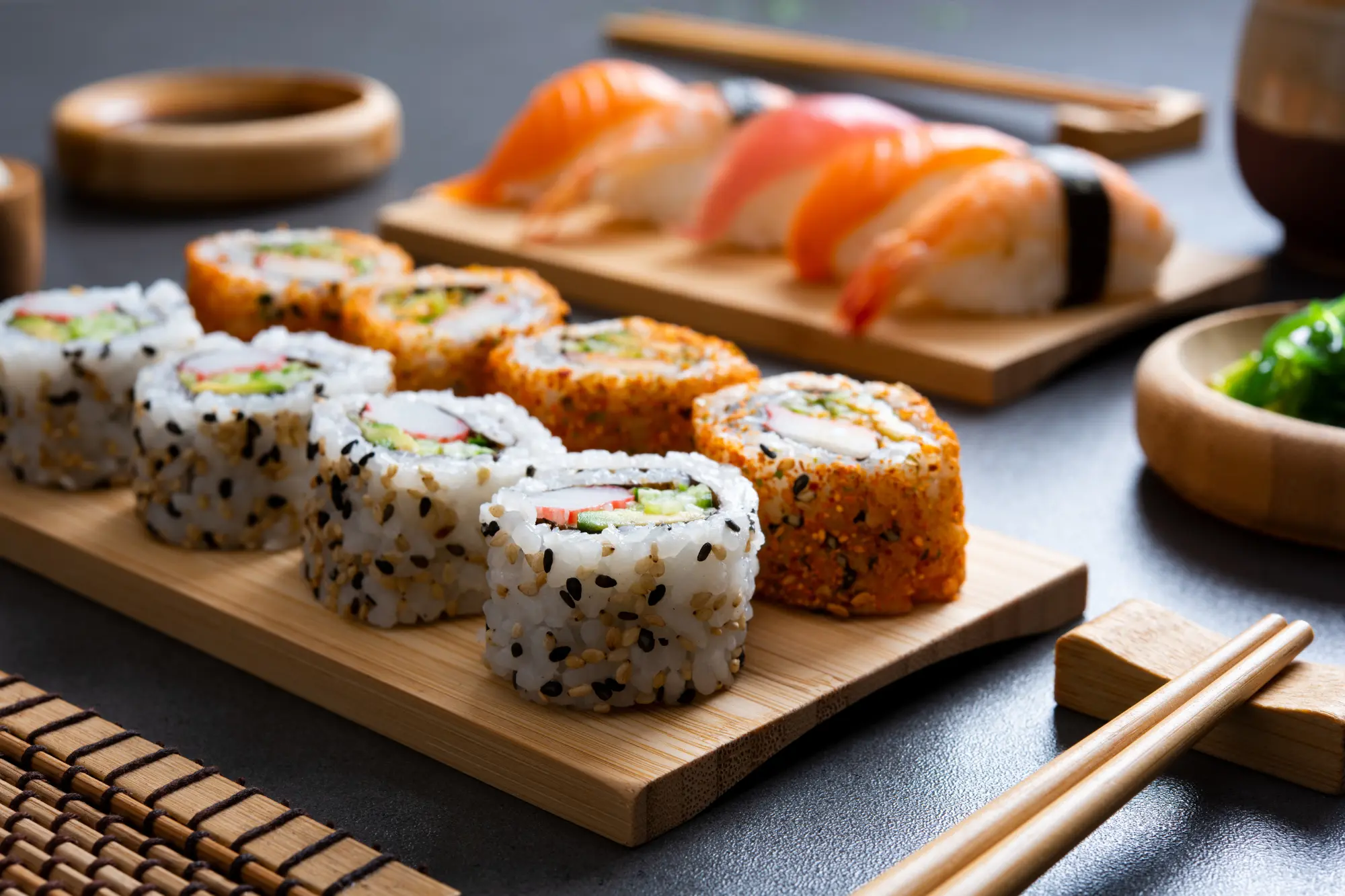
Sushi may look simple, but there are a few useful customs to know.
1. Eat Sushi With Hands or Chopsticks
Certain types of sushi, particularly nigiri, can traditionally be eaten with either hands or chopsticks.
At casual sushi restaurants, you can choose whichever method is more comfortable. At a more formal sushi counter, observing the chef and other diners can help you understand the appropriate style.
2. Use Soy Sauce Sparingly
When eating nigiri sushi, use a small amount of soy sauce and avoid soaking the rice.
Turning the sushi slightly and dipping the fish side into the soy sauce can help prevent the rice from breaking apart. Some sushi may already be seasoned, so additional soy sauce may not be necessary.
3. Use Wasabi According to the Restaurant Style
You do not need to automatically mix wasabi into your soy sauce.
Depending on the restaurant and type of sushi, wasabi may already be placed between the rice and fish. If additional wasabi is available, use it according to your preference and the style of the restaurant.
4. Avoid Dipping the Rice Too Much
Rice can absorb soy sauce quickly and may fall apart if it becomes too wet. Using a small amount of sauce also allows you to appreciate the flavor of the fish and other ingredients.
Izakaya (いざかや) – A Japanese Dining Etiquette
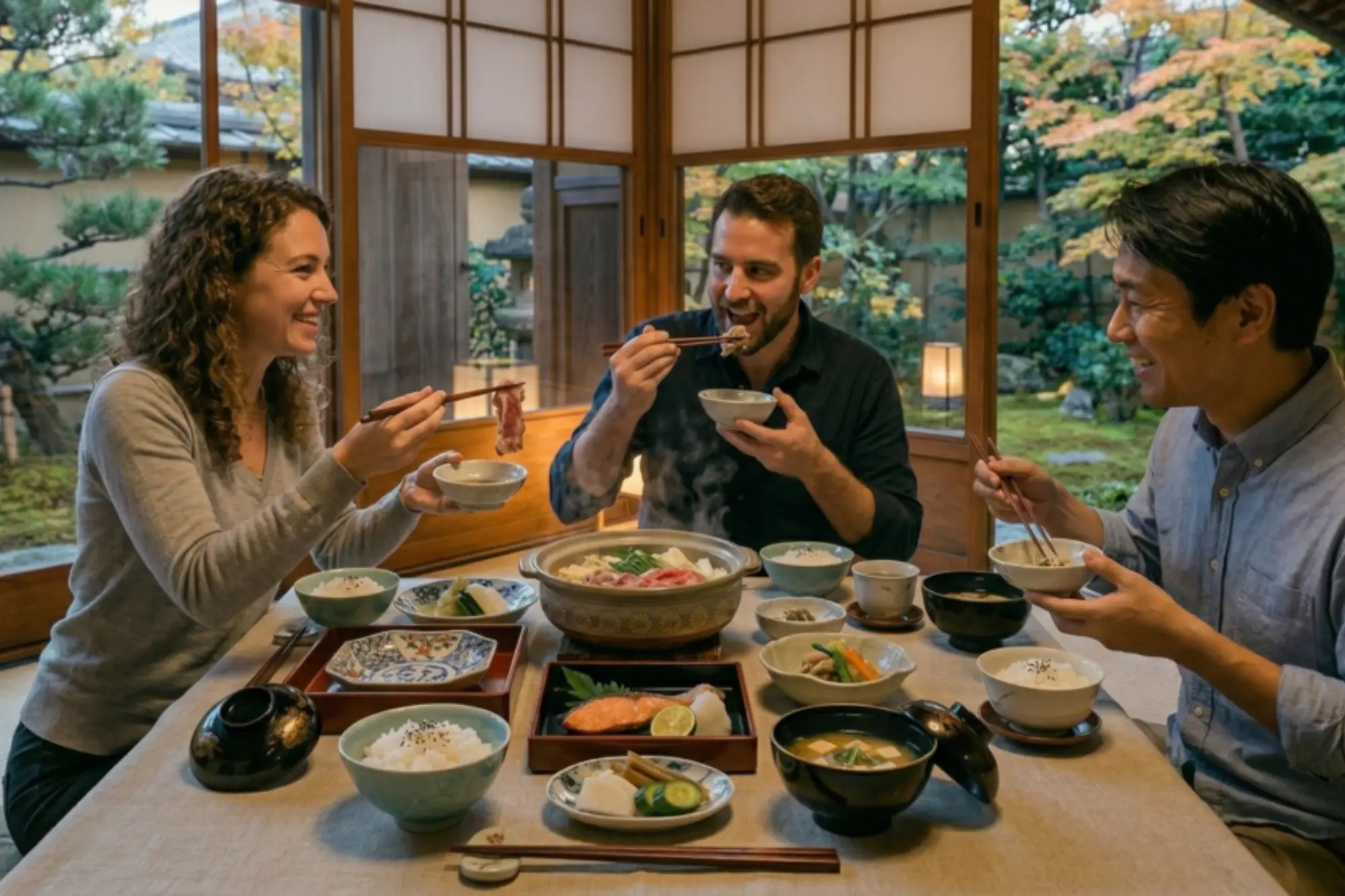
An izakaya is a casual Japanese restaurant where customers often order several dishes and drinks to share. Because izakaya meals are frequently social, shared-dish etiquette is particularly useful.
1. Order Several Dishes to Share
Instead of ordering one large individual meal, groups may order several smaller dishes and share them. Wait until everyone has had an opportunity to take some food before taking another portion.
2. Use Shared Serving Utensils
Many dishes come with serving spoons, tongs, or chopsticks. Use these utensils to transfer food from the shared plate to your own.
3. Ask Before Taking the Last Piece
If only one piece remains, it is considerate to check whether anyone else wants it before taking it.
This is not a strict rule, but it is a simple example of the consideration that forms an important part of Japanese dining etiquette.
Tipping Etiquette in Japan
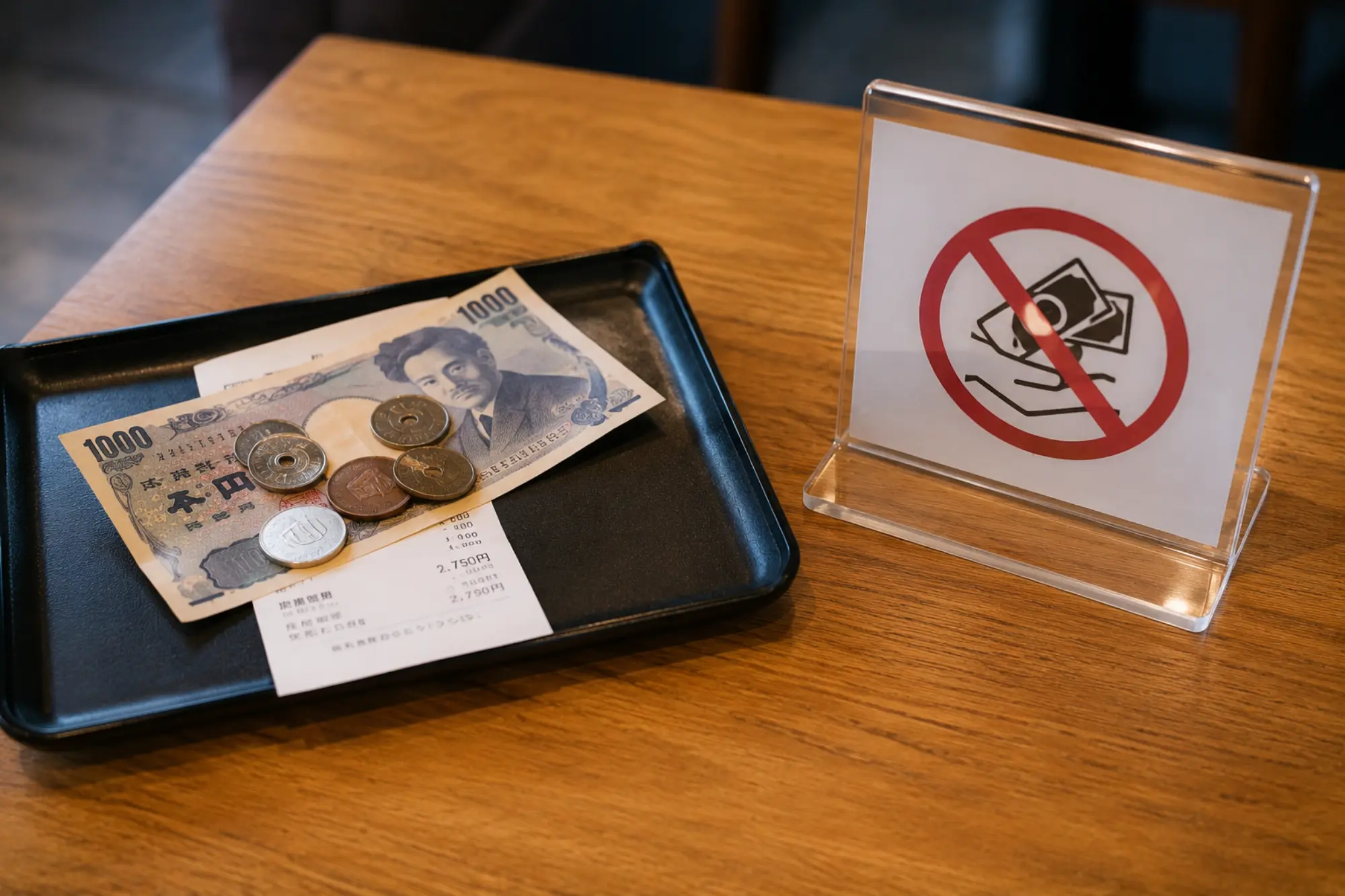
Generally, tipping is not customary in Japan.
At most restaurants, you simply pay the amount shown on the bill. Leaving extra money on the table may cause confusion, and staff may even assume that you accidentally left money behind.
Instead of tipping, a sincere gochisousama deshita (ご馳走さまでした) after your meal is a natural way to express appreciation.
However, some restaurants may include a service charge, particularly higher-end establishments. Check the bill before paying rather than automatically adding a tip.
Restaurant Payment Etiquette in Japan
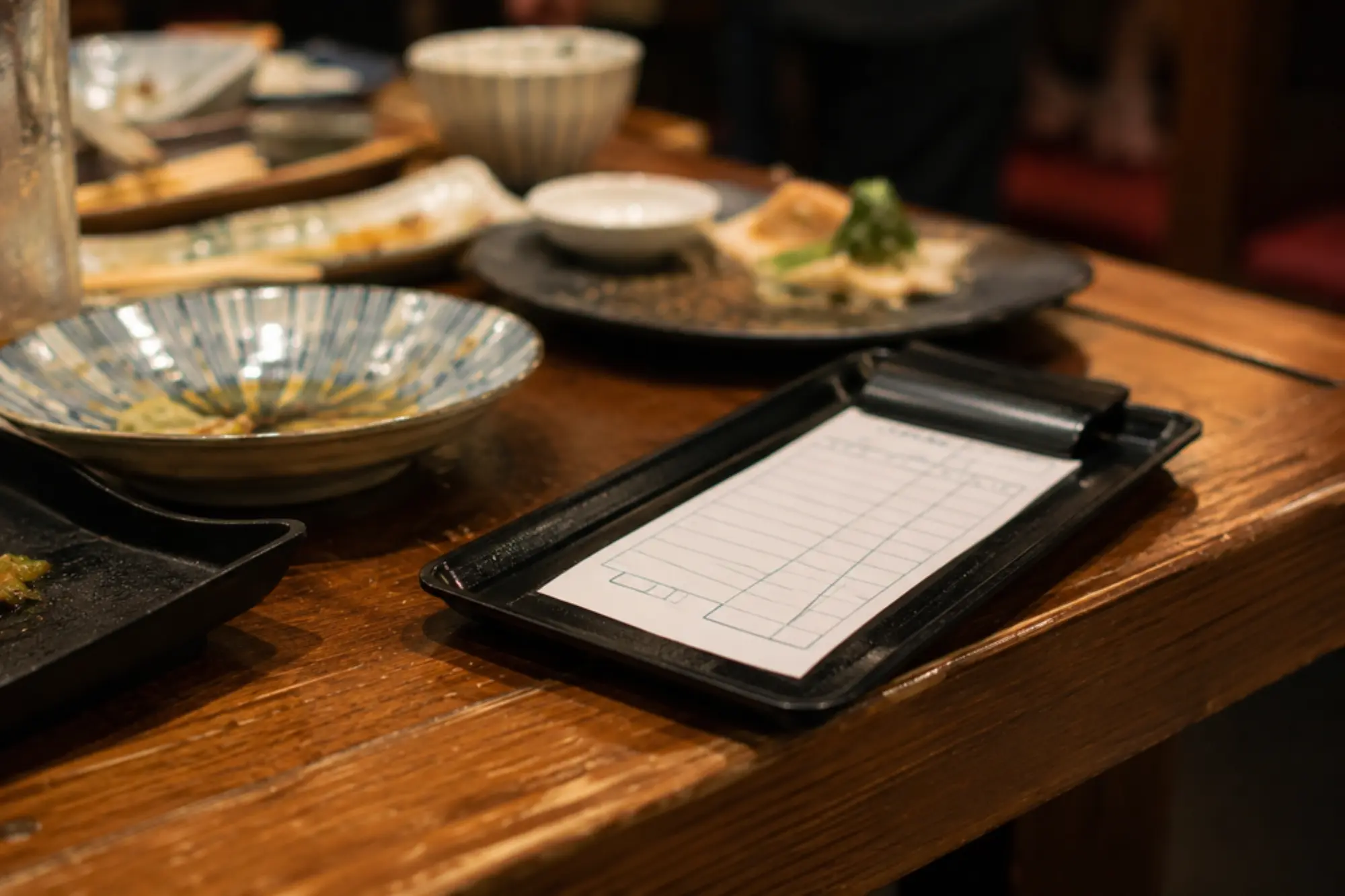
Restaurant payment procedures vary, but there are a few common practices worth knowing.
1. Check Whether You Pay at the Table or Counter
Many casual restaurants ask customers to take their bill to the cashier to pay. Others allow or require payment at the table. Follow the instructions provided by the restaurant.
2. Carry Some Japanese Yen
Japan is increasingly convenient for card and digital payments, but cash is still useful, particularly at smaller restaurants, local establishments, and some traditional businesses.
Carrying some Japanese yen can make dining easier when a restaurant does not accept your preferred payment method.
3. Do Not Leave Money on the Table as a Tip
If you have finished paying, make sure you have collected your change and belongings before leaving.
Unless a restaurant specifically states otherwise, there is generally no need to leave additional money for the staff.
Common Japanese Dining Etiquette Mistakes
For international visitors, the following mistakes are among the easiest to avoid.
Do | Don’t |
| Say itadakimasu before eating if you wish to participate in the custom. | Stick chopsticks upright in a bowl of rice. |
| Place chopsticks on a chopstick rest when available. | Pass food directly from chopsticks to chopsticks. |
| Use serving utensils for shared dishes. | Point at people or dishes with chopsticks. |
| Keep your voice at a considerate volume. | Speak loudly or disturb other diners. |
| Follow the restaurant’s instructions. | Assume every restaurant follows exactly the same customs. |
| Pay the amount shown on the bill. | Leave a tip unless the establishment specifically indicates otherwise. |
| Ask for a fork if you need one. | Struggle unnecessarily with chopsticks. |
The most important principle is simple: be considerate and observe the people around you.
Japanese Etiquette Eating Tips for Travelers
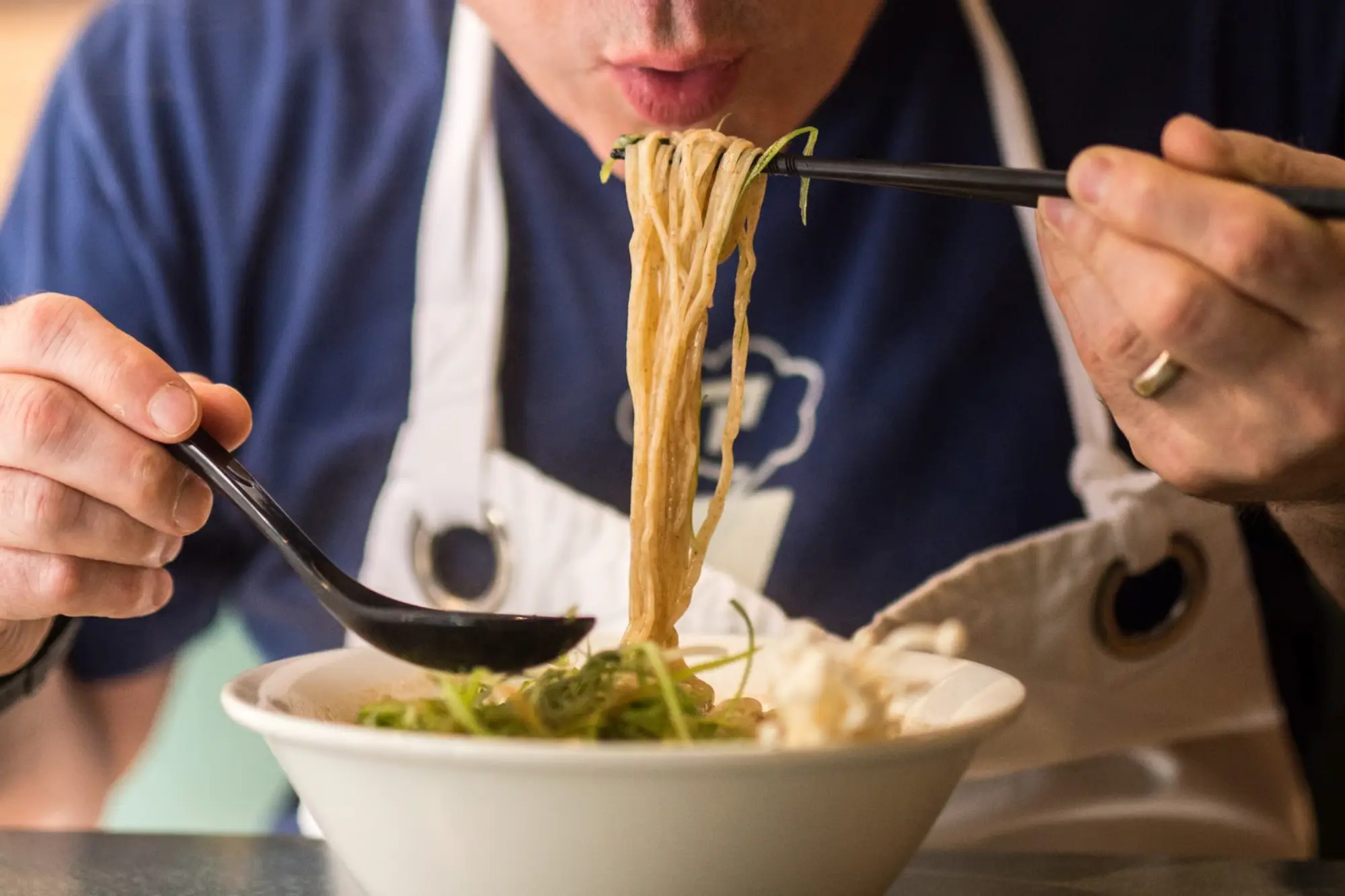
For visitors, Japanese etiquette eating is less about following strict rules and more about understanding the cultural context behind everyday dining habits.
A few practical habits can make a big difference in Japanese dining etiquette:
- Observe how local diners use chopsticks.
- Follow signs and restaurant instructions.
- Use serving utensils for shared dishes.
- Avoid loud conversations in quiet restaurants.
- Do not leave chopsticks standing in rice.
- Avoid passing food directly between chopsticks.
- Do not assume tipping is required.
- Ask staff when you are unsure about a restaurant’s procedures.
If you accidentally make a small mistake, there is usually no need to panic. Most people understand that international visitors may not be familiar with every Japanese custom.
Japanese Dining Etiquette by Restaurant Type
Different types of restaurants may have different levels of formality.
Restaurant Type | What to Keep in Mind |
| Ramen shop | Dining is usually casual. Follow the restaurant’s ordering and seating system. |
| Conveyor-belt sushi | Take only the dishes you order or select according to the restaurant’s system. |
| Izakaya | Shared dishes are common, so use serving utensils and be considerate when taking food. |
| Traditional restaurant | Customs may be more formal, so observe staff instructions carefully. |
| Fast-food restaurant | Etiquette is generally casual, but keep your table clean and follow the restaurant’s rules. |
| High-end sushi restaurant | Follow the chef’s guidance and avoid unnecessary modifications to dishes. |
Japanese Dining Etiquette FAQ
1. Is it rude to leave food on your plate in Japan?
Finishing your food is generally appreciated, but you should not force yourself to eat when you are full. Ordering an appropriate portion is a better way to avoid unnecessary food waste.
2. Can tourists use forks instead of chopsticks?
Yes. If you are uncomfortable using chopsticks, politely ask whether a fork is available. Many restaurants can accommodate simple requests.
3. Can you eat sushi with your hands in Japan?
Yes. Some sushi, especially nigiri, can traditionally be eaten by hand. Using chopsticks is also acceptable in most settings.
4. Is tipping rude in Japan?
Tipping is generally not expected at ordinary restaurants. Simply paying the bill is usually sufficient unless the establishment has a clearly stated service charge or tipping policy.
5. What is the most important Japanese chopsticks rule?
Two particularly important rules are never to stick chopsticks vertically into rice and never to pass food directly from chopsticks to chopsticks. Both are associated with funeral customs and should be avoided during ordinary meals.
Conclusion
Understanding Japanese dining etiquette can make your food experiences in Japan more comfortable and enjoyable. You do not need to memorize every rule before your trip. Knowing the basics especially Japanese chopsticks rules, table manners, shared-food etiquette, and tipping customs is enough for most everyday dining situations.
When in doubt, observe the people around you, follow restaurant instructions, and be considerate of other diners. With these simple principles in mind, you can enjoy everything from a casual bowl of ramen to a traditional Japanese meal with greater confidence.
Discover Japan tour packages with Nicetrips and experience the landscapes, food, culture, and seasonal highlights of northern Japan. Follow the Nicetrips Blog for more destination guides, travel tips, and Japan travel inspiration.