Tokyo is a paradise for ramen lovers, with everything from rich pork-bone broth and creamy chicken ramen to light soy sauce soup and thick dipping noodles. However, finding the best ramen in Tokyo can feel overwhelming when famous shops attract long queues, especially during lunch, dinner, and peak travel seasons. This guide introduces some of the best alternatives to Ichiran, including signature dishes, estimated prices, locations, and practical tips for choosing where to eat. Whether you are looking for traditional Japanese noodles or searching for the best food in Tokyo, these ramen spots are worth adding to your itinerary.
What Makes Tokyo Ramen Worth Exploring?
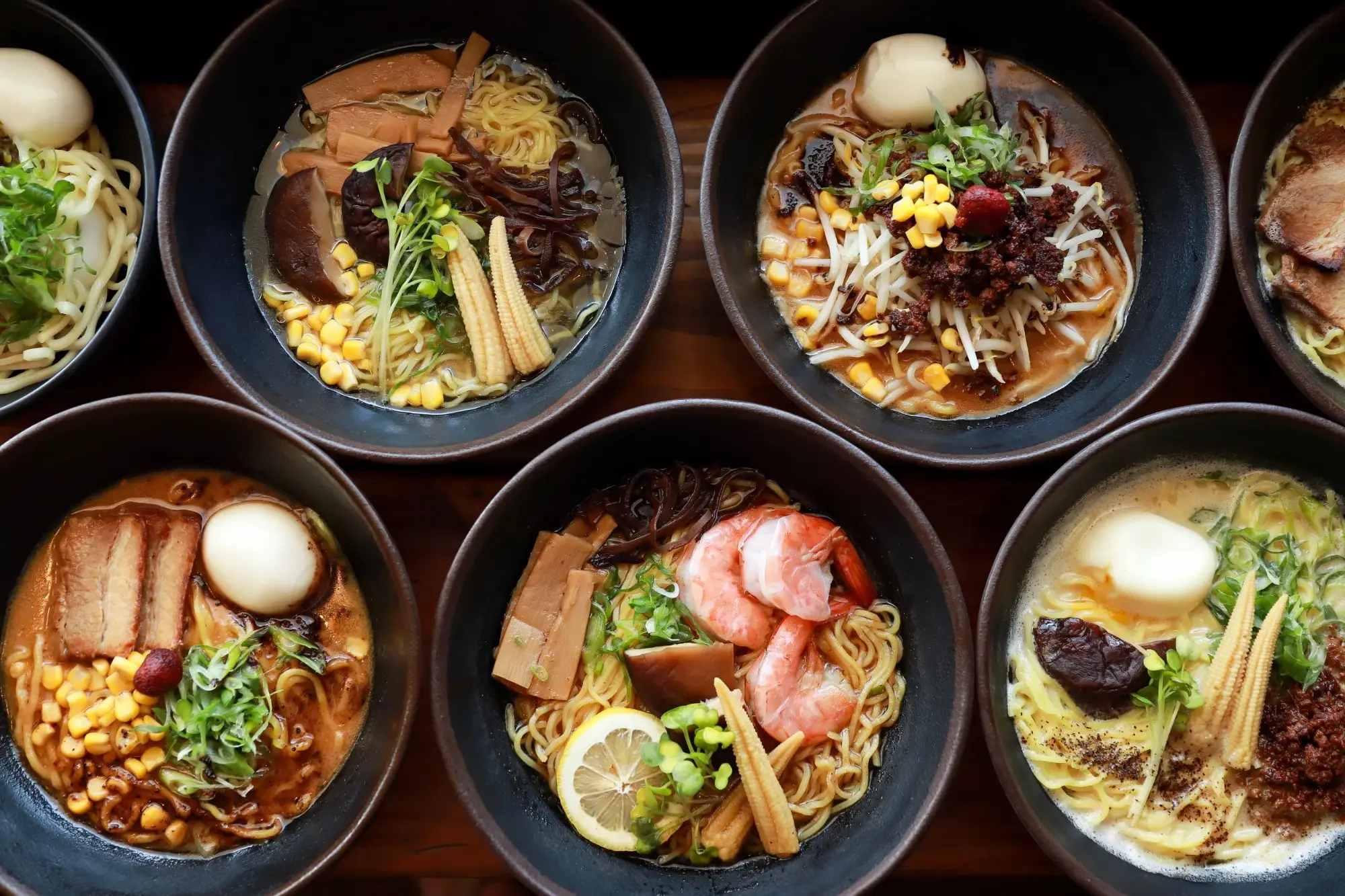
Ramen is more than noodles served in soup. Each bowl combines broth, noodles, seasoning, and toppings, with the balance varying from one restaurant to another. Many Tokyo ramen shops specialize in a particular style rather than offering an extensive menu.
Understanding the main types of ramen can help you choose the right restaurant before joining a queue.
Ramen style | Main characteristics | Best for |
| Shoyu ramen | Soy sauce seasoning with a clear or light brown broth | A classic, balanced bowl |
| Shio ramen | Salt-seasoned broth with a relatively clean flavor | Diners who prefer lighter soup |
| Tonkotsu ramen | Rich, creamy pork-bone broth | Those who enjoy deep, savory flavors |
| Tori paitan | Creamy chicken-based broth | A rich alternative to pork-based ramen |
| Tsukemen | Thick noodles served separately with concentrated dipping broth | Diners who enjoy chewy noodles and intense flavors |
| Niboshi ramen | Broth flavored with dried sardines | Those looking for a distinctive seafood taste |
Tokyo’s ramen scene includes traditional neighborhood shops, modern specialty restaurants, and internationally recognized establishments. The Michelin Guide’s Tokyo ramen selection is another useful starting point for discovering shops with distinctive approaches to this Japanese food staple.
If you are unsure where to begin, choose a broth style first. This makes it easier to narrow down the best places to eat in Tokyo without spending too much time comparing dozens of menus.
Best Ramen in Tokyo: 7 Shops to Try Instead of Ichiran
These seven options cover different styles of Tokyo ramen, from rich dipping noodles to light citrus broth. Prices are approximate and may vary by location.
1. Fuunji – Best for Rich Tsukemen
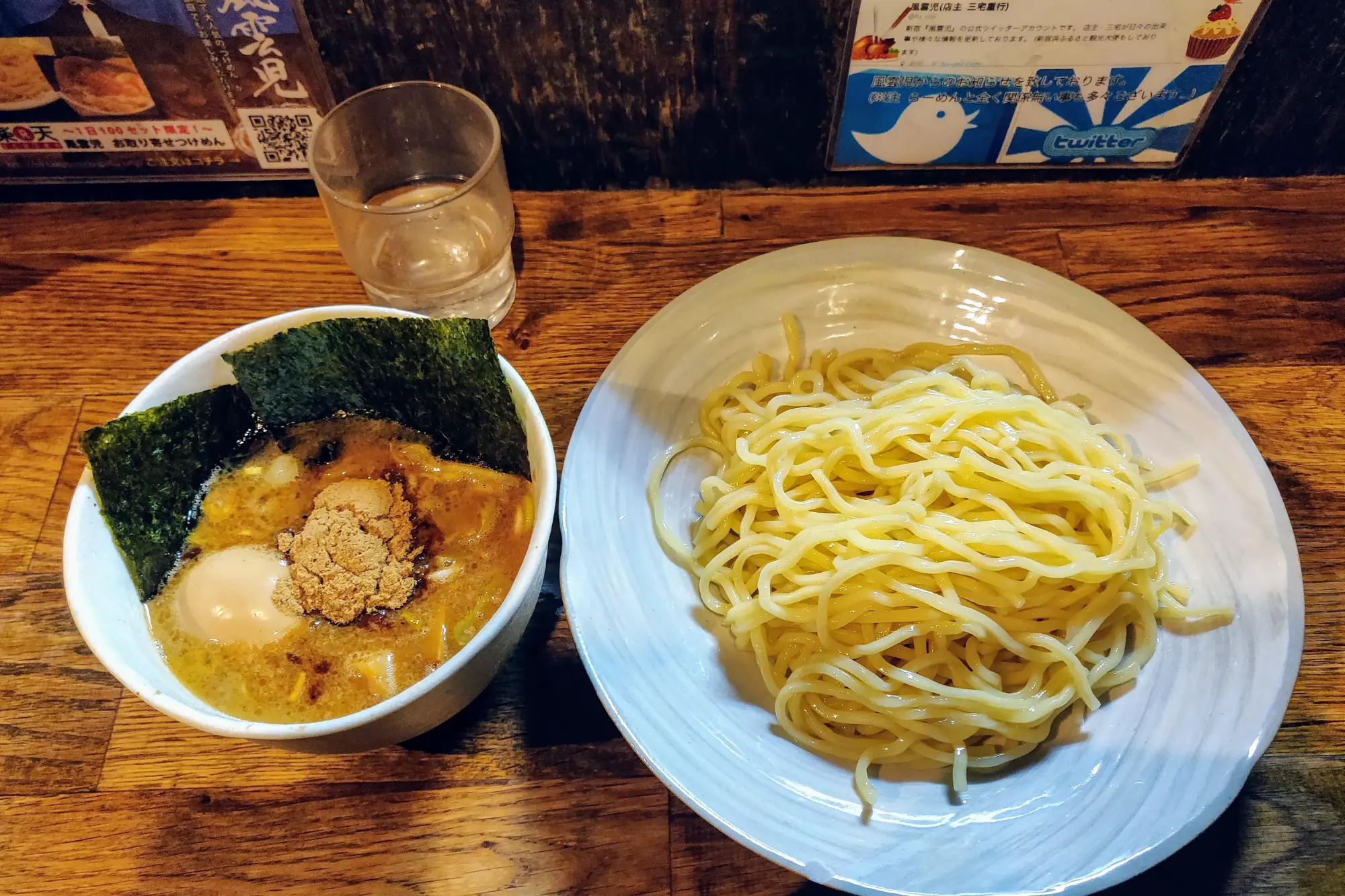
Location: Shinjuku | Signature dish: Tsukemen | Price: ¥900-1,500
Fuunji is famous for thick noodles served separately from a rich pork-and-seafood dipping broth. It is an excellent alternative if you want to experience a different style of ramen in Tokyo.
Why visit: Rich broth and chewy noodles.
Queue tip: Try visiting outside peak lunch hours. Check the official website for current opening information.
2. Afuri – Best for Light Yuzu Shio Ramen
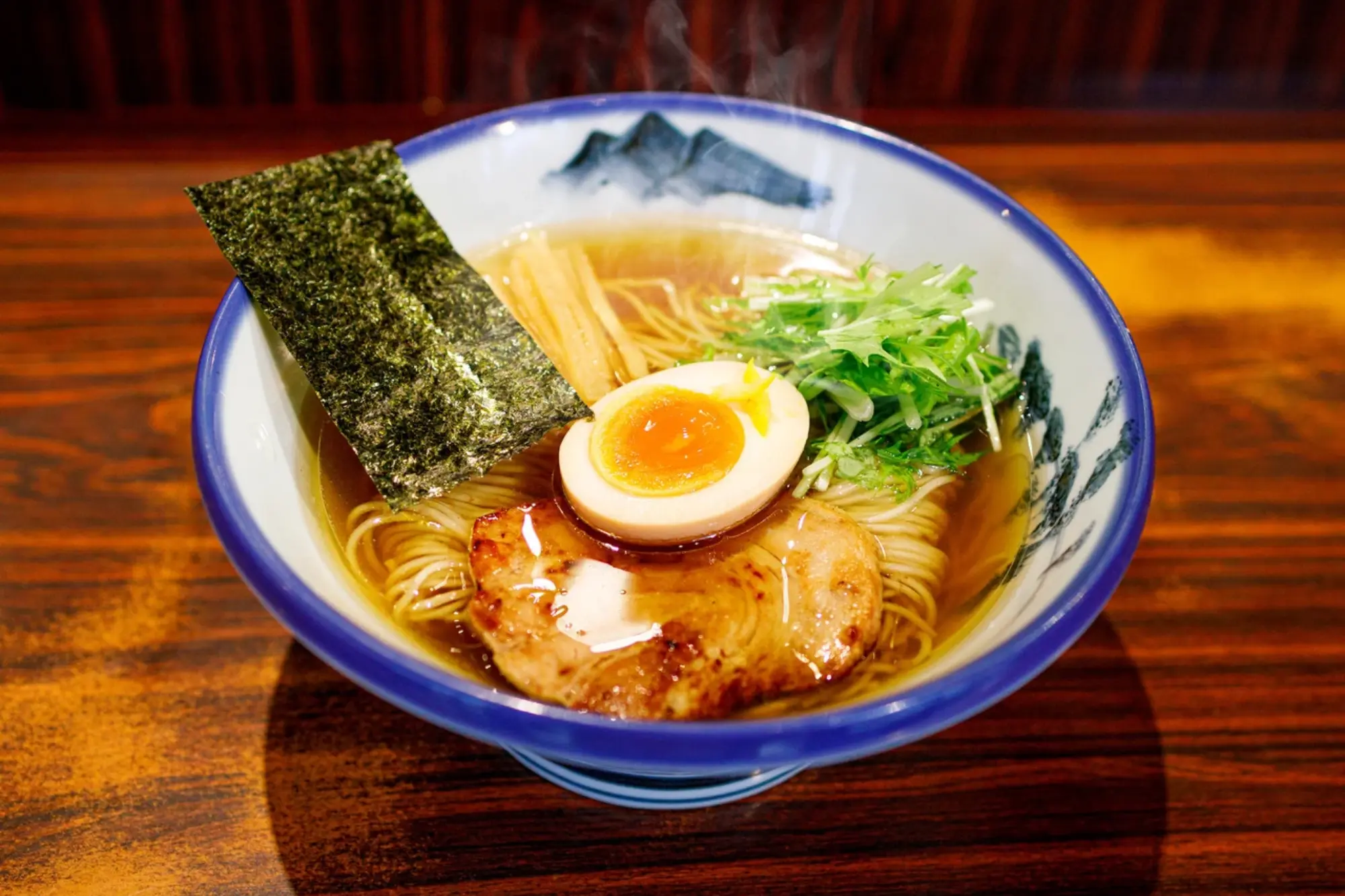
Location: Ebisu and other Tokyo neighborhoods | Signature dish: Yuzu Shio Ramen | Price: ¥1,200-1,600
Afuri combines a light, salt-seasoned broth with fragrant Japanese yuzu citrus. Its refreshing flavor makes it a good choice if you prefer lighter Tokyo ramen over rich tonkotsu.
Why visit: Fresh citrus notes and a lighter broth.
Queue tip: Choose a convenient branch and check its opening hours before visiting.
3. Harukiya – Best for Traditional Shoyu Ramen
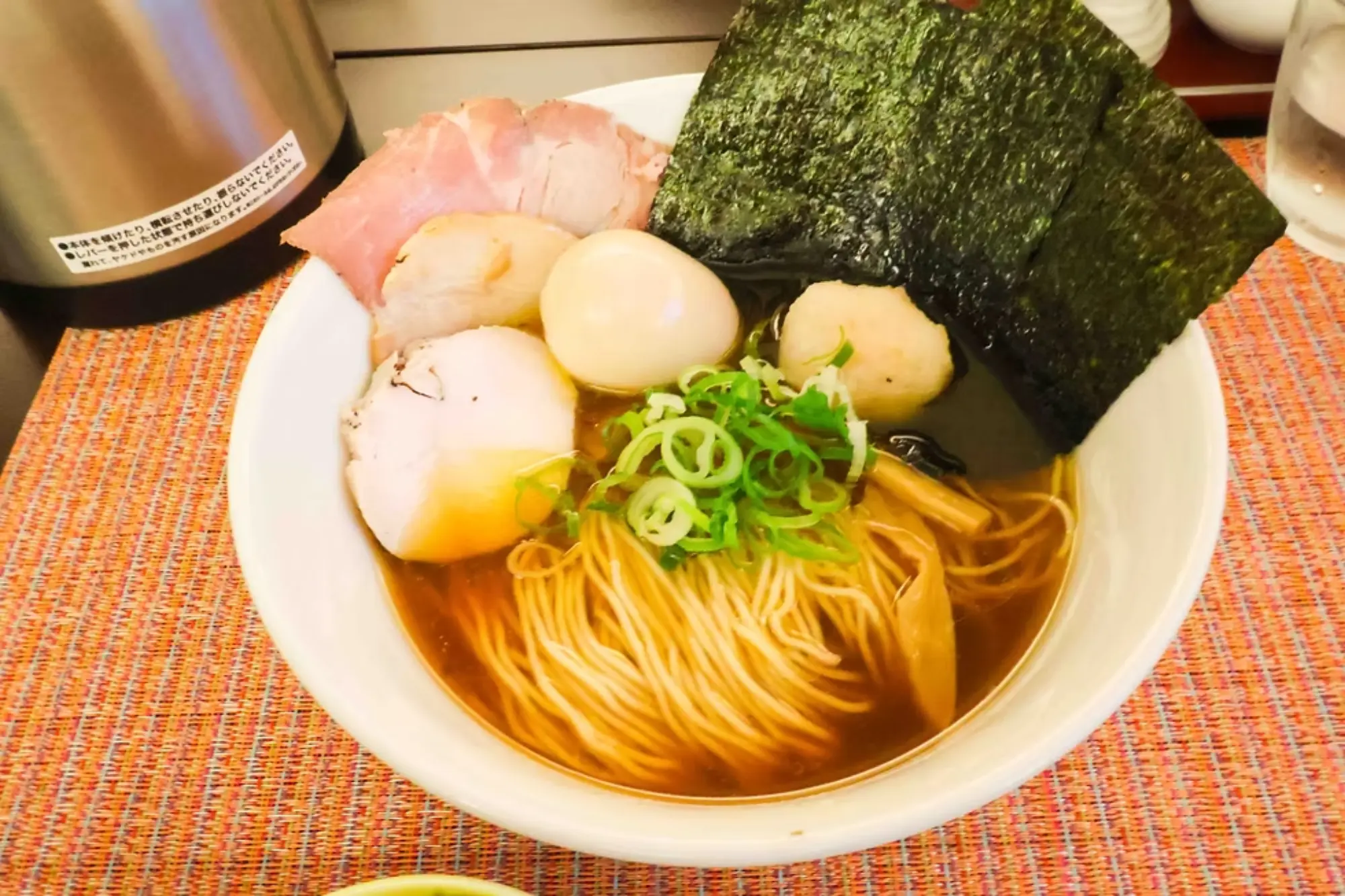
Location: Ogikubo | Signature dish: Shoyu Ramen | Price: ¥900-1,200
Harukiya is known for traditional Tokyo-style ramen featuring soy sauce seasoning and a balanced chicken-and-fish-based broth. It is a good choice for travelers seeking classic flavors rather than modern variations.
Why visit: A traditional bowl that showcases the roots of Tokyo ramen.
Queue tip: Check opening information before traveling to Ogikubo.
4. Kagari – Best for Creamy Chicken Ramen
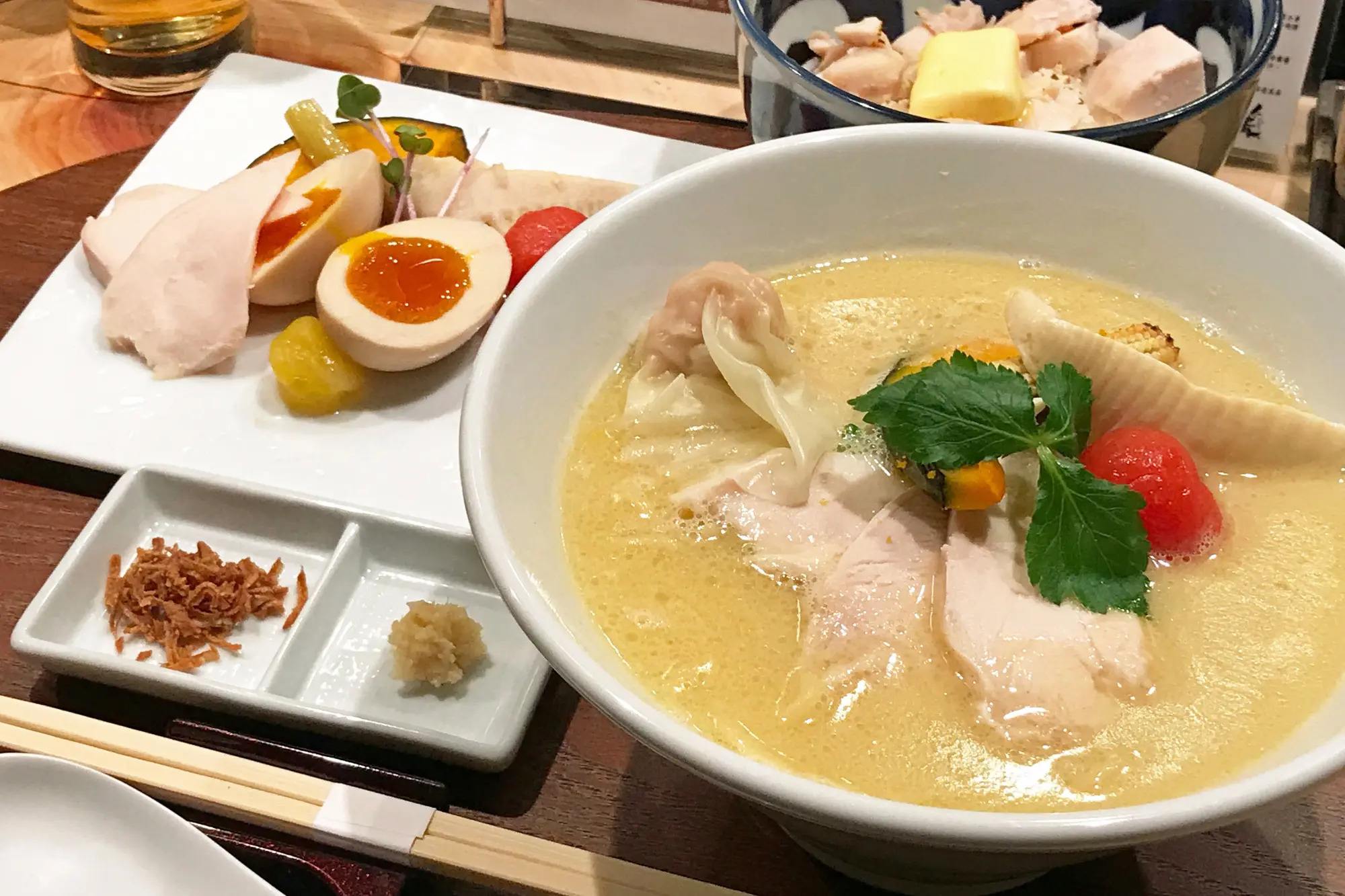
Location: Ginza | Signature dish: Tori Paitan Ramen | Price: ¥1,100-1,600
Kagari specializes in creamy chicken-based broth with a rich texture similar to tonkotsu. Its Ginza location makes it convenient to combine a ramen stop with shopping and sightseeing.
Why visit: A rich chicken broth and a distinctive alternative to pork-based ramen.
Queue tip: Visit outside peak meal times if your schedule allows, but expect possible queues.
5. Japanese Ramen Gokan – Best for Shio Ramen
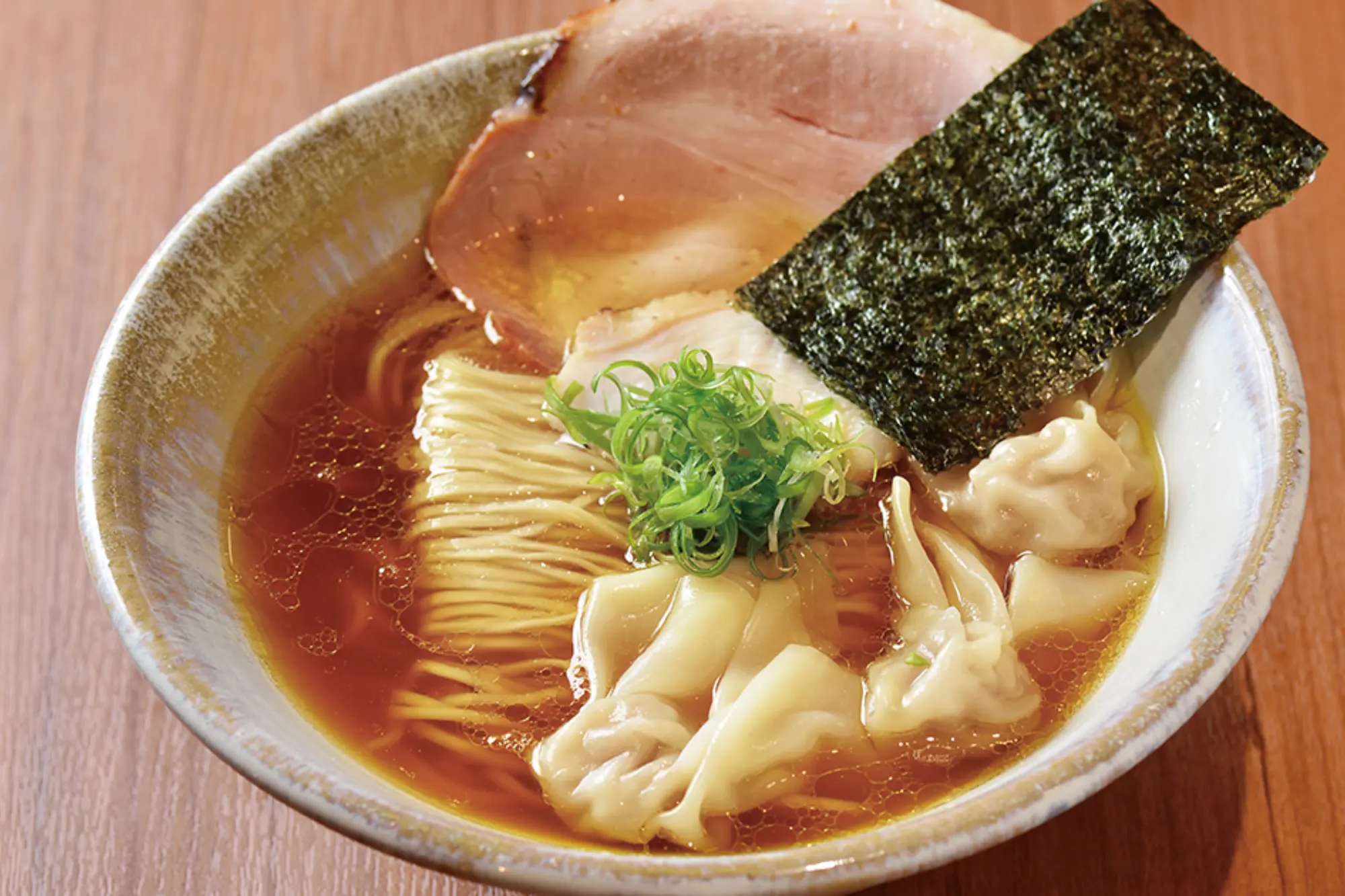
Location: Higashi-Ikebukuro | Signature dish: Shio Ramen | Price: Check the current menu
Featured in the Michelin Guide’s Tokyo ramen recommendations, Japanese Ramen Gokan is worth considering for its carefully prepared salt-seasoned broth. It offers another way to explore the variety of Japanese food beyond famous international chains.
Why visit: A Michelin-listed ramen destination for broth-focused dining.
Queue tip: Check current opening and reservation information.
6. Ramen Yoroiya – Best for Ramen in Asakusa
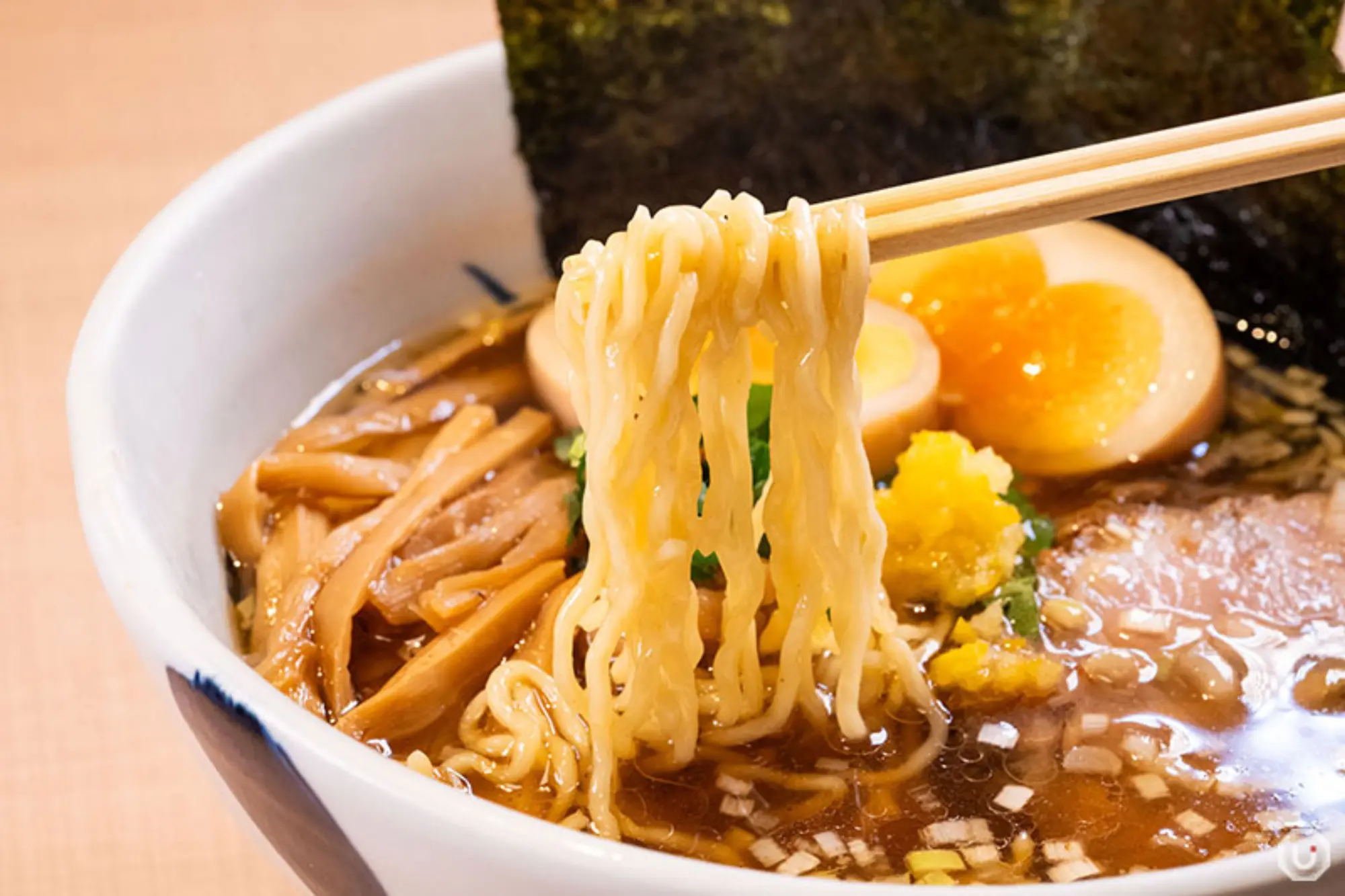
Location: Asakusa | Signature dish: Shoyu Ramen | Price: ¥850-1,200
Near Senso-ji Temple and Asakusa’s traditional shopping streets, Yoroiya serves classic soy sauce-based ramen. Its location makes it a practical stop while exploring one of Tokyo’s popular sightseeing areas.
Why visit: Traditional ramen that fits easily into an Asakusa itinerary.
Queue tip: Allow extra time during busy sightseeing and meal periods.
7. Tokyo Ramen Street – Best for Trying Different Styles
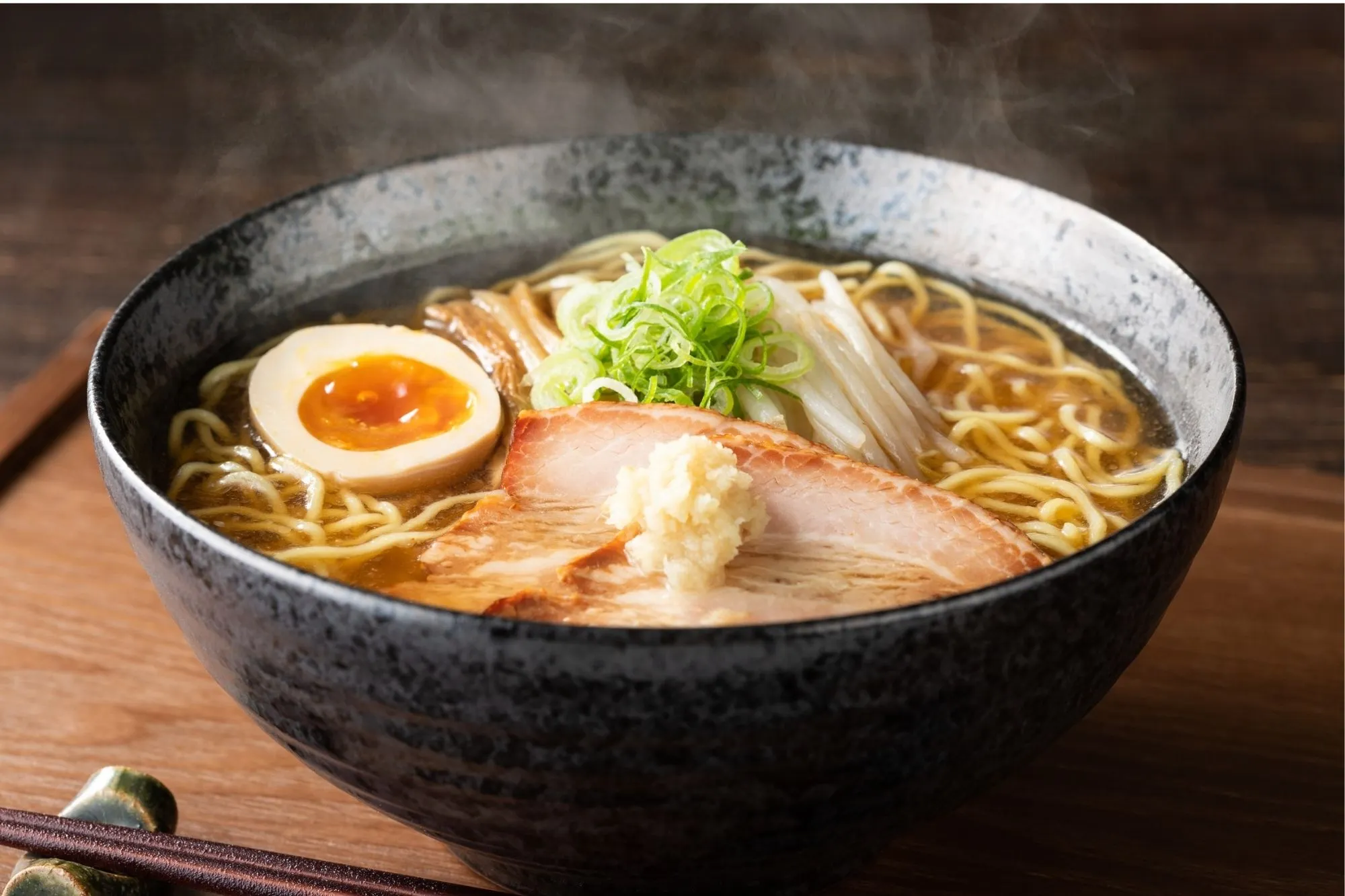
Location: First Avenue Tokyo Station | Signature dishes: Vary by restaurant | Price: Varies by shop
Tokyo Ramen Street brings several ramen shops together near Tokyo Station, making it easy to compare styles such as tsukemen, tonkotsu, and shio ramen without crossing the city. Rokurinsha is particularly known for its dipping noodles.
Why visit: A convenient choice for travelers who want to compare some of the best ramen in Tokyo in one location.
Queue tip: Visit outside peak lunch hours and check the current restaurant lineup before your trip.
For travelers exploring the best places to eat in Tokyo, these options offer a practical alternative to waiting in line at Ichiran. Choose a shop based on your preferred broth and sightseeing route, and leave room to discover more of Tokyo’s food scene along the way.
Quick Comparison: Which Tokyo Ramen Shop Should You Choose?
If you have limited time in Tokyo, use this table to match each shop with your preferred flavor and itinerary.
| Restaurant | Best for | Area | Approximate budget |
| Fuunji | Rich tsukemen | Shinjuku | ¥900–1,500 |
| Afuri | Yuzu shio ramen | Ebisu and other areas | ¥1,200–1,600 |
| Harukiya | Classic shoyu ramen | Ogikubo | ¥900–1,200 |
| Kagari | Creamy chicken paitan | Ginza | ¥1,100–1,600 |
| Japanese Ramen Gokan | Salt ramen | Ikebukuro | Check current menu |
| Ramen Yoroiya | Traditional shoyu ramen | Asakusa | ¥850–1,200 |
| Tokyo Ramen Street | Comparing multiple styles | Tokyo Station | Varies by shop |
These prices are approximate planning figures, not guaranteed current menu prices. Confirm the latest information before visiting.
Our practical picks:
- For rich dipping noodles, choose Fuunji.
- For a citrus-forward bowl, try Afuri.
- For traditional Tokyo-style ramen, consider Harukiya.
- For creamy chicken broth, look at Kagari.
- For a convenient ramen stop between train journeys, explore Tokyo Ramen Street.
The best choice depends on your preferred broth, where you are staying, and how much time you want to spend traveling between restaurants.
How to Avoid Long Queues at Popular Tokyo Ramen Shops
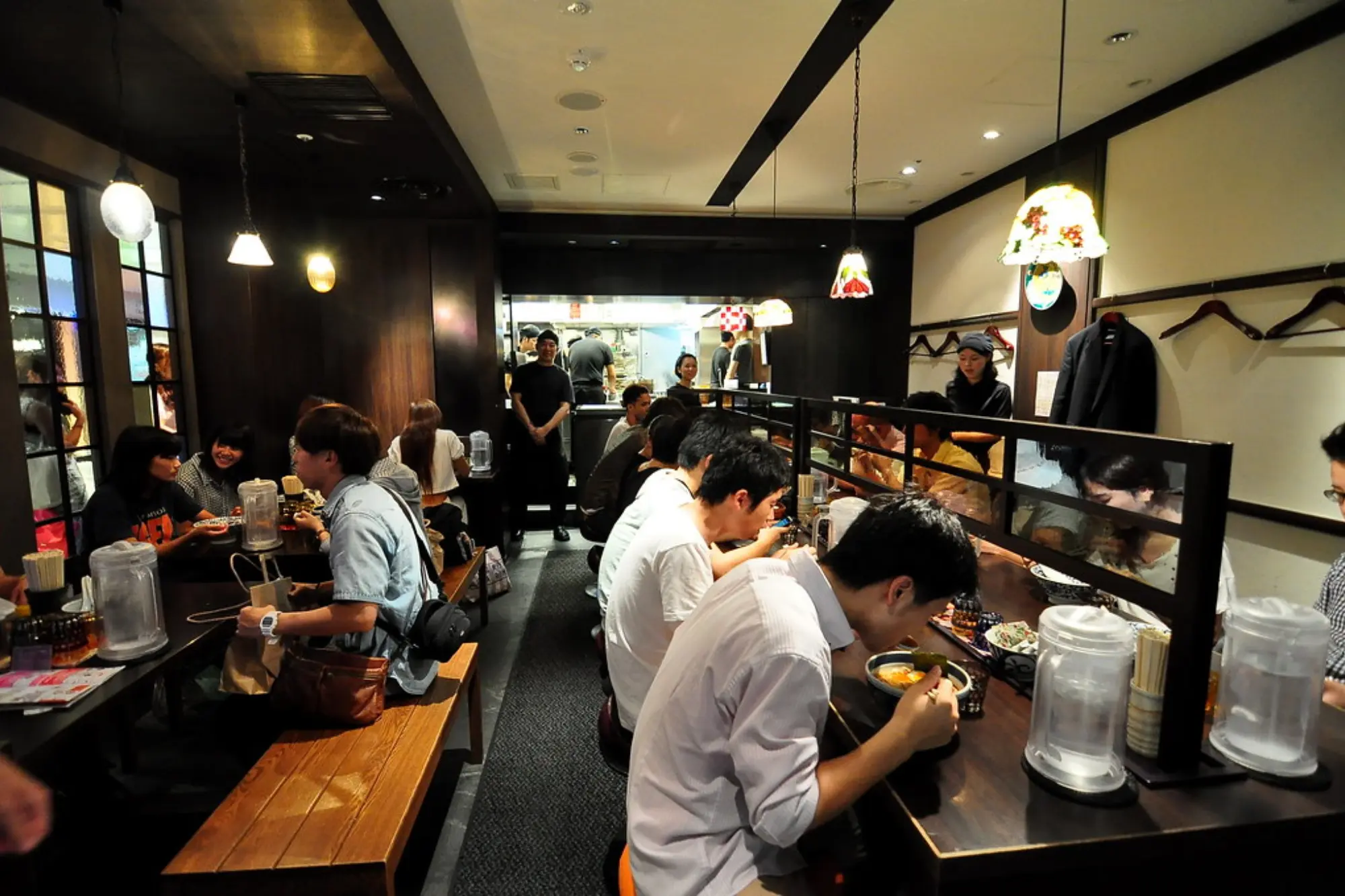
Finding the best ramen in Tokyo does not have to mean spending hours waiting for a bowl. While some famous restaurants attract long queues, a few simple planning choices can help you use your time more effectively.
- Visit Outside Peak Meal Times
Lunch and dinner are common busy periods, especially at popular shops in Shinjuku, Ginza, and Tokyo Station.
If your itinerary is flexible, consider eating earlier or later than the usual lunch rush. This may reduce your waiting time, although it cannot guarantee immediate seating.
- Choose a Restaurant Near Your Current Location
Tokyo is a large city, and traveling across several neighborhoods for one meal can take time. Instead, search for ramen shops near the attractions you already plan to visit.
For example:
- Pair Ramen Yoroiya with a visit to Asakusa.
- Explore Kagari while spending time in Ginza.
- Consider Fuunji if you are already around Shinjuku.
- Visit Tokyo Ramen Street when passing through Tokyo Station.
This approach makes ramen part of your sightseeing itinerary rather than a separate trip.
- Check the Restaurant’s Ordering System
Many ramen shops use ticket machines, while others offer counter ordering or reservations. Some popular restaurants have specific entry procedures.
Before visiting, check whether the restaurant accepts reservations, uses a queue system, or requires customers to purchase a meal ticket. If a reservation is required, make sure you follow the official booking instructions.
- Have a Backup Restaurant
Even with careful planning, your preferred shop may be closed, sold out, or busier than expected.
Identify another ramen restaurant nearby before you leave. This is especially useful around major stations, where several dining options may be available within walking distance.
- Look Beyond the Most Famous Names
Internationally recognized chains are easy to find, but they are only one part of Tokyo’s ramen culture. Neighborhood restaurants often specialize in particular broths or noodle styles and can provide a different dining experience.
Rather than chasing a single ranking, decide which flavor you want to try and explore restaurants that specialize in it.
How to Order Ramen in Tokyo
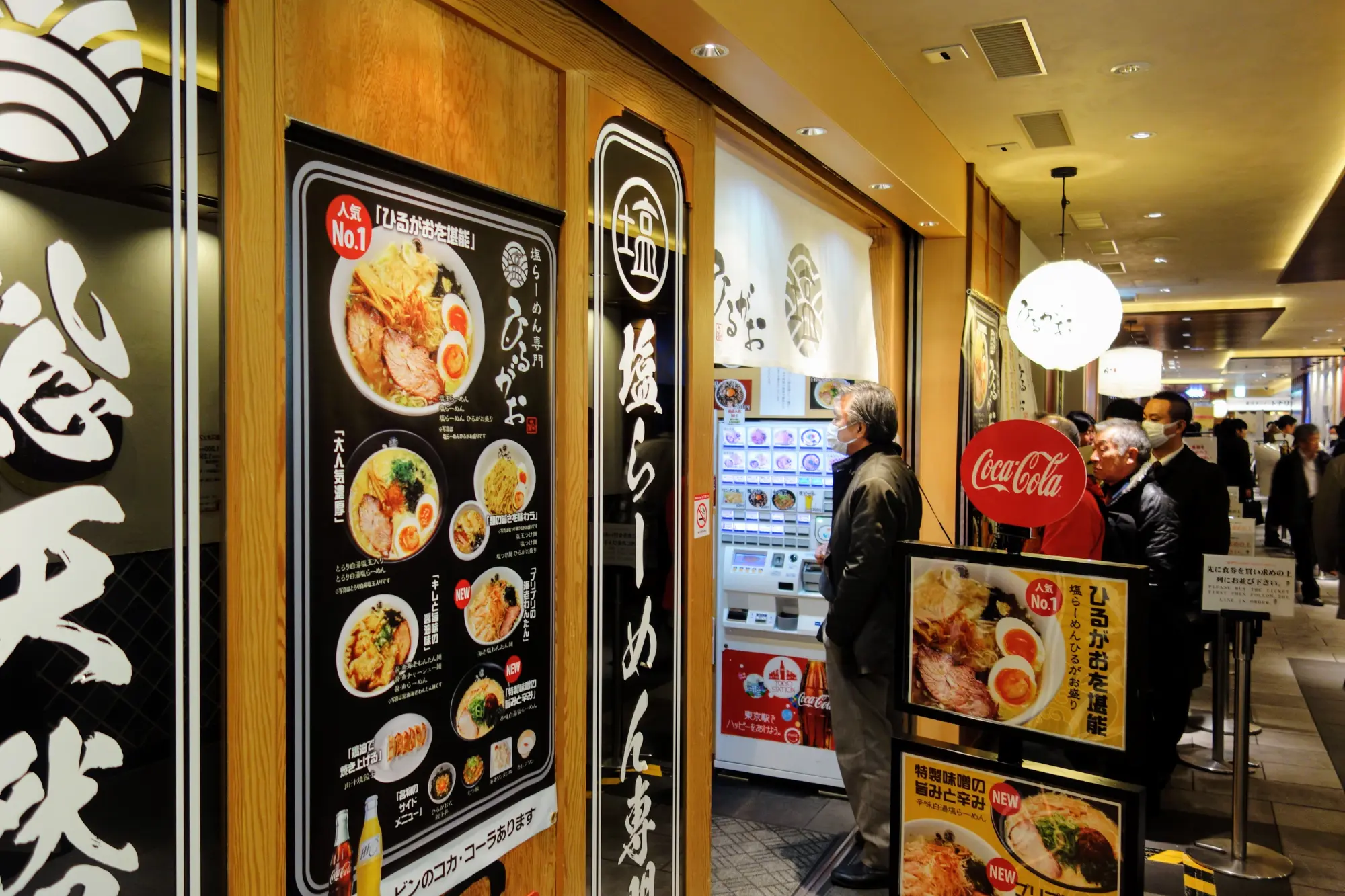
Ordering ramen in Japan is generally straightforward once you understand a few common terms. Many shops display photographs of their dishes, and ticket machines often have visual menus.
Useful Ramen Vocabulary
| Japanese term | Meaning | What to expect |
| Shoyu (醤油) | Soy sauce | Savory, soy-seasoned broth |
| Shio (塩) | Salt | Salt-seasoned broth |
| Tonkotsu (豚骨) | Pork bone | Rich, creamy pork-bone broth |
| Tsukemen (つけ麺) | Dipping noodles | Noodles served separately from the broth |
| Ajitama (味玉) | Seasoned egg | A marinated egg topping |
| Chashu (チャーシュー) | Braised or roasted pork | Sliced pork topping |
| Menma (メンマ) | Seasoned bamboo shoots | A common ramen topping |
| Kaedama (替え玉) | Extra noodles | An additional portion of noodles, usually ordered separately |
Tips for Ordering
- Check the menu first: Look at the broth style, toppings, and portion size before ordering.
- Understand the ticket machine: At shops that use one, purchase your meal ticket before taking a seat, following the instructions at the entrance.
- Check portion sizes: Some restaurants serve generous portions, particularly for tsukemen.
- Ask about ingredients: If you have dietary restrictions or allergies, confirm the broth and toppings with the restaurant. Ramen broth may contain pork, chicken, fish, soy, or other ingredients.
- Follow the shop’s seating instructions: Some counters are compact, and staff may direct you where to sit.
Learning a few basic terms can make it easier to navigate the menu and choose the type of Tokyo ramen you want to try.
Where Does Ramen Fit Into Tokyo’s Food Scene?
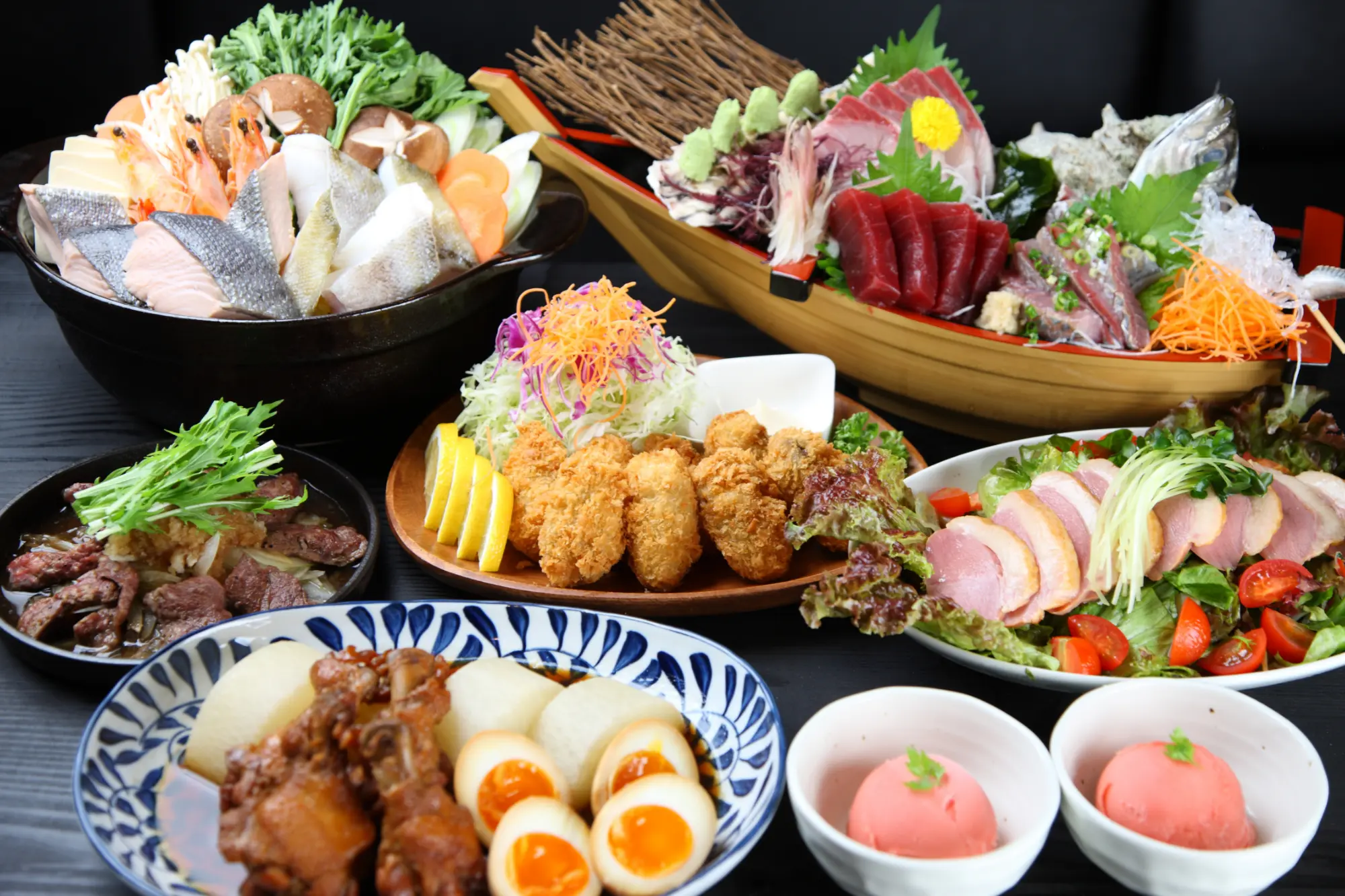
Ramen is an excellent introduction to Tokyo’s casual dining culture, but it is only one part of the city’s food scene. If you are searching for the best food in Tokyo, consider combining ramen with other Japanese dishes throughout your trip.
- Sushi and Seafood
Tokyo offers a wide range of sushi experiences, from casual restaurants to specialist counters. Seafood markets and neighborhood eateries also provide opportunities to sample seasonal ingredients.
- Yakitori
Yakitori consists of grilled chicken skewers seasoned with salt or sauce. It is commonly served at small restaurants, yatai and izakaya, making it a useful option for an informal evening meal.
- Tempura
Tempura features seafood or vegetables coated in a light batter and fried until crisp. Depending on the restaurant, it may be served as a set meal, over rice, or as part of a more elaborate dining experience.
- Japanese Sweets
Traditional sweets such as dorayaki, taiyaki, and dango can be enjoyable stops between sightseeing activities. They also provide a lighter contrast to a rich bowl of ramen.
- Local Food Streets and Markets
Food markets and shopping streets offer another way to explore Tokyo’s culinary culture. Browse prepared snacks, regional specialties, and casual eateries while visiting different neighborhoods.
Combining these experiences allows you to discover more Japanese food without relying on one restaurant or cuisine. Ramen can be the centerpiece of a food-focused day, with other dishes filling out the rest of your itinerary.
Frequently Asked Questions
1. What is the best ramen in Tokyo?
There is no single answer because the best ramen depends on your preferred broth and noodle style. Fuunji is known for tsukemen, Afuri for yuzu shio ramen, Harukiya for traditional shoyu, and Kagari for creamy chicken paitan.
2. Is Ichiran worth visiting in Tokyo?
Ichiran is worth considering if you enjoy tonkotsu ramen and prefer its individual booth setup and customizable ordering system. However, it is not the only option for good Tokyo ramen. Comparing nearby specialist shops can help you find a bowl that better suits your taste or schedule.
3. How much does ramen cost in Tokyo?
Many casual ramen meals fall around ¥850–1,600, depending on the restaurant, location, and toppings. Premium shops and larger orders may cost more, so check the current menu before visiting.
4. Where can I try different types of Tokyo ramen in one place?
Tokyo Ramen Street near Tokyo Station is a convenient option because it brings several ramen shops together in one area. The lineup and opening hours may change, so confirm the current details before your visit.
5. Is ramen suitable for vegetarians?
Not all ramen is vegetarian. Even a vegetable-topped bowl may contain meat or fish-based broth, and some noodles or seasonings may include animal-derived ingredients. Check the ingredients directly with the restaurant and look for a clearly labeled vegetarian or vegan option if needed.
6. What is the best area for ramen in Tokyo?
Shinjuku, Ginza, Ikebukuro, Asakusa, and Tokyo Station all have ramen options worth exploring. The best area for you depends on your itinerary and the style of ramen you want to try.
Conclusion
Finding the best ramen in Tokyo is about more than following the longest queue or choosing the most famous name. If Ichiran is too busy when you arrive, consider choosing a specialist ramen shop near your current location instead. You may discover a new favorite while saving time for the rest of your itinerary.
For travelers exploring Tokyo food, ramen is an excellent starting point, but leave room for sushi, yakitori, tempura, traditional sweets, and local market specialties. With a little planning, you can experience some of the best places to eat in Tokyo.
Explore our Japan Package Tours with Nicetrips Travels and experience the beauty, history, and culture of this remarkable destination. Follow the Nicetrips Blog for more travel guides, tips, and inspiration for your next journey.