An izakaya is one of the best places to experience casual Japanese dining. Often described as a Japanese-style pub or tavern, an izakaya combines a relaxed atmosphere with a wide selection of small dishes designed to be shared. For first-time visitors, however, an izakaya restaurant can feel slightly confusing. Menus may be written partly or entirely in Japanese, dishes are often ordered gradually, and you may receive a small appetizer called otoshi before placing your order. This Izakaya Guide for Foreigners explains how izakaya restaurants work, what to expect from the menu, how ordering usually works, what to know about izakaya food, and why otoshi is not necessarily a free appetizer.
What Is an Izakaya?
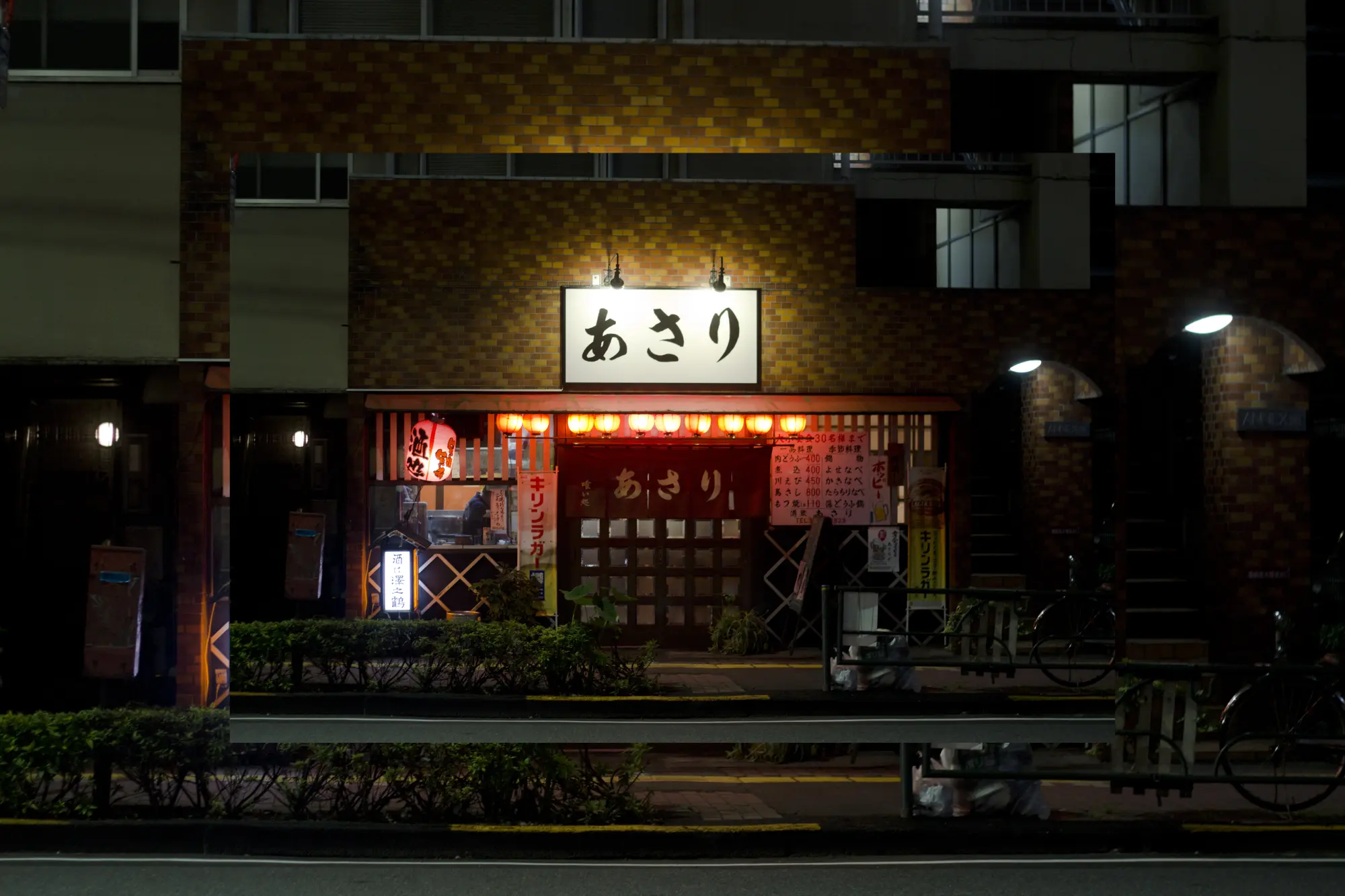
An izakaya is a casual Japanese dining establishment where customers can enjoy a variety of food and drinks in a relaxed setting.
Unlike restaurants that specialize in one type of cuisine, an izakaya usually offers many small dishes. These may include grilled foods, sashimi, fried dishes, vegetables, noodles, rice dishes, and regional specialties. Food is commonly ordered throughout the meal and shared among the group.
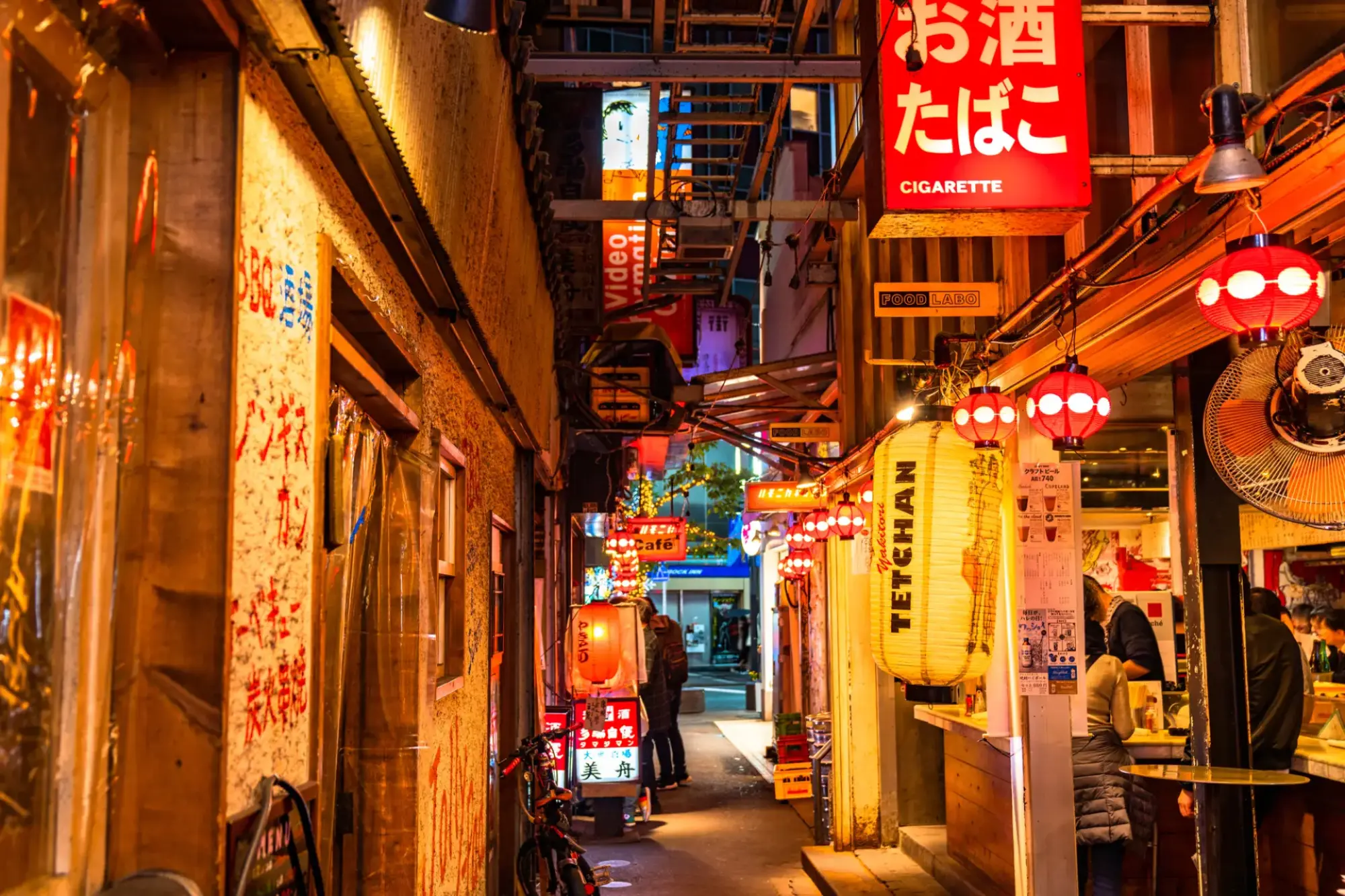
Izakaya are popular with friends, colleagues, and families, and many can be found around train stations, shopping areas, and entertainment districts across Japan. Some are small neighborhood establishments, while others are large chains with picture menus and multilingual ordering systems.
The Interesting Izakaya Guide for Foreigners
The biggest difference between an izakaya restaurant and a typical Japanese restaurant is the way the meal is structured. Instead of ordering one complete meal per person, diners often choose several smaller dishes and share them around the table. Food may arrive at different times because dishes are prepared separately.
The atmosphere is also usually more casual and lively. Some izakaya have Western-style tables, while others offer counter seating, low tables, tatami areas, or semi-private rooms.
For foreigners, this means an izakaya can be a good introduction to Japanese food culture, but it is helpful to understand the ordering system before you sit down.
The Typical Izakaya Dining Experience
Although every restaurant is different, a typical visit may follow this general sequence:
Step | What to Expect |
| 1. Enter the restaurant | Staff will usually greet you and ask how many people are dining. |
| 2. Take your seat | Depending on the restaurant, you may have table, counter, or traditional seating. |
| 3. Receive an oshibori | A small wet towel may be provided for cleaning your hands. |
| 4. Receive otoshi | A small appetizer may arrive automatically and be included as a table or seating charge. |
| 5. Look through the menu | Check the food and drink options and prices before ordering. |
| 6. Place your order | Use a call button, tablet, QR code, or politely call the staff with “sumimasen.” |
| 7. Share the food | Many dishes are placed in the center of the table for everyone to share. |
| 8. Order additional dishes | You do not usually need to order everything at once. |
| 9. Pay the bill | Payment is often made at the cashier when you leave. |
The exact process varies by restaurant, so always follow the instructions provided by the staff.
Izakaya Food: Popular Dishes to Look For
One of the best things about an izakaya is the variety of food. Rather than focusing on one main dish, you can discover several Japanese flavors during the same meal.
1. Yakitori
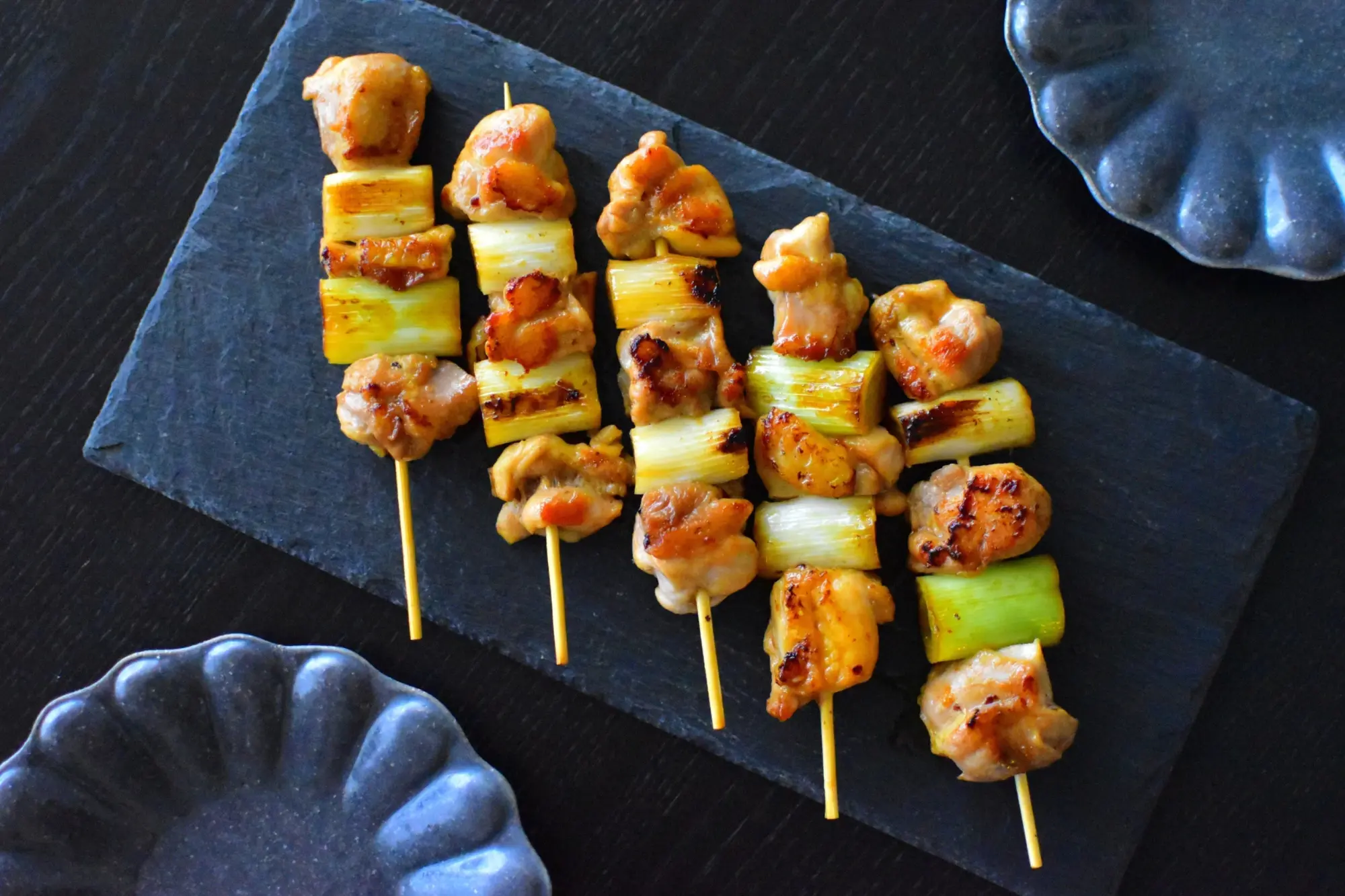
Yakitori consists of grilled skewers, traditionally made with chicken and different parts of the chicken.
At an izakaya, yakitori is often ordered as several individual skewers and shared or enjoyed as small portions.
2. Sashimi
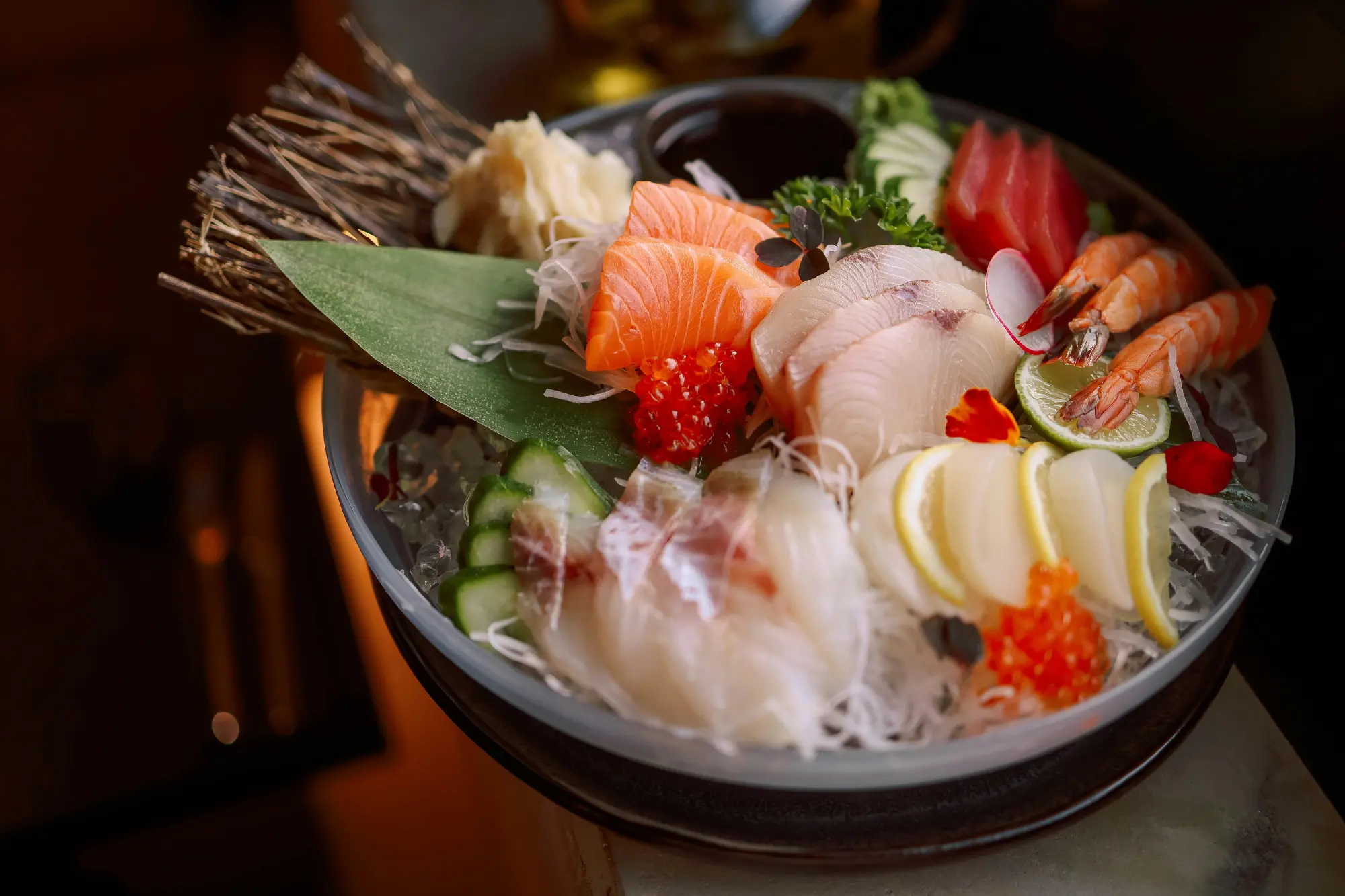
Sashimi is sliced raw fish or seafood served without rice. It is a common menu item at izakaya, particularly restaurants that specialize in seafood.
Depending on the restaurant and region, the selection can vary considerably.
3. Karaage
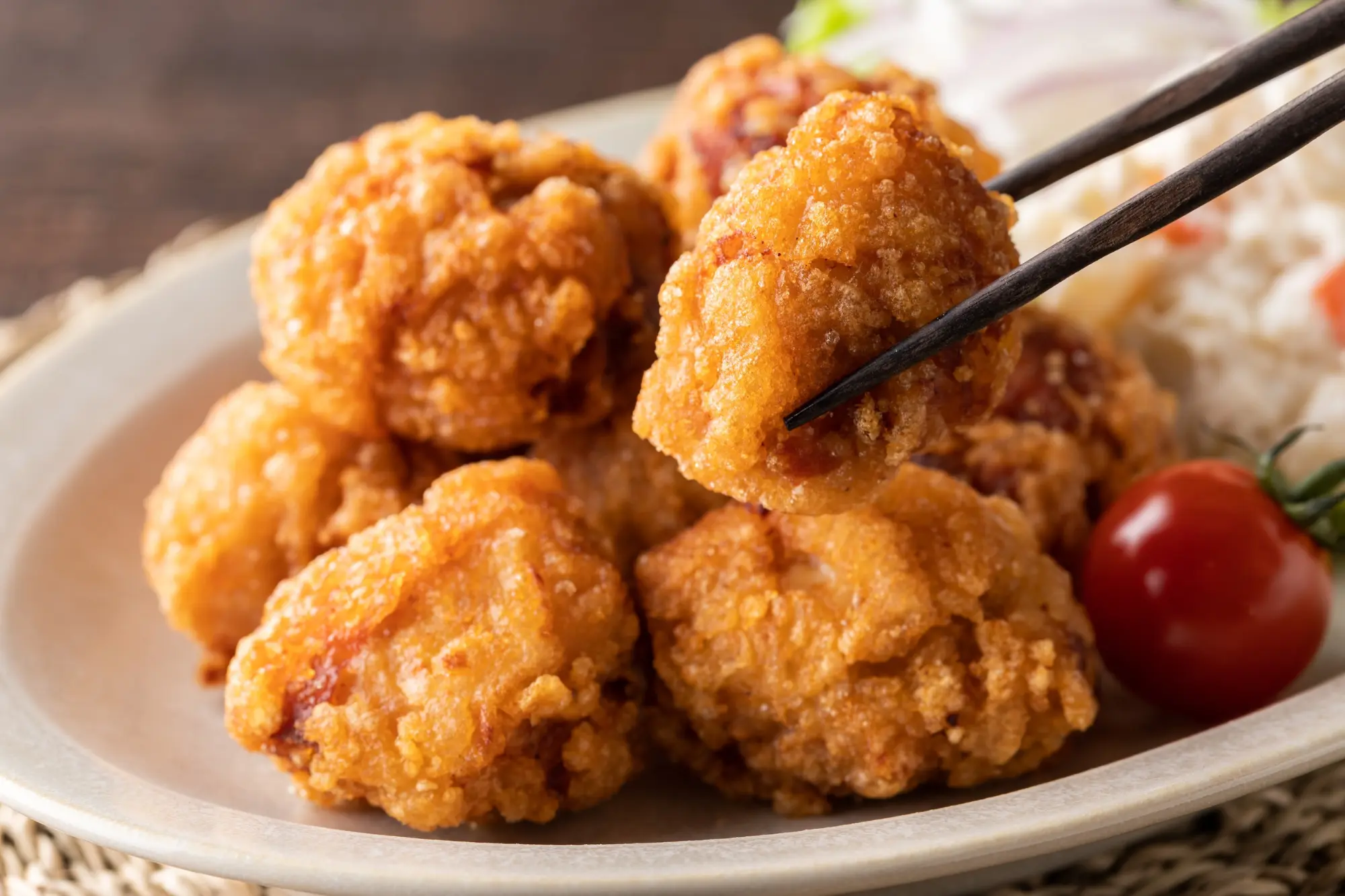
Karaage is Japanese-style fried chicken. It is a popular casual dish and is often served in several pieces, making it convenient to share.
4. Edamame
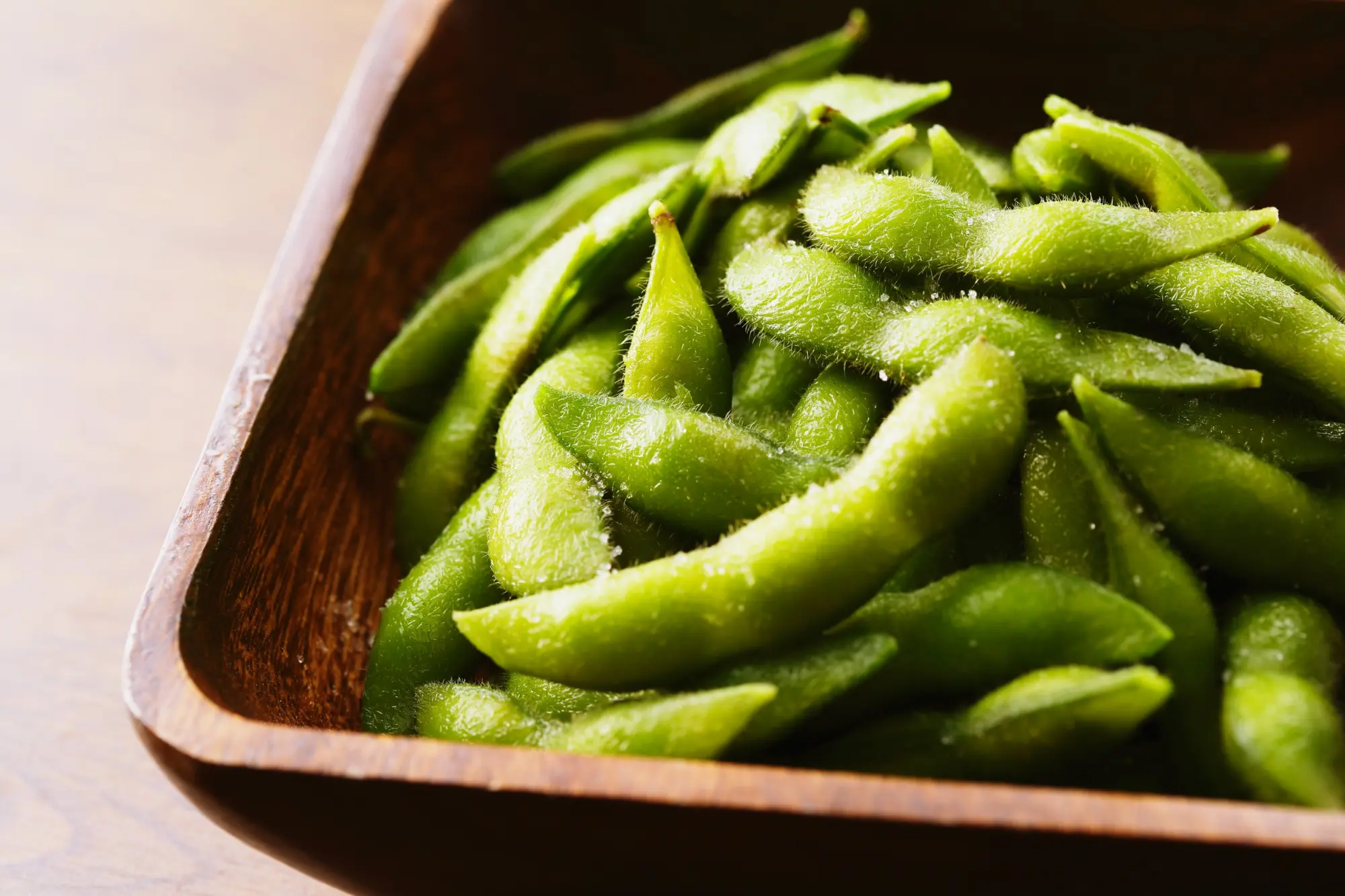
Edamame are young soybeans served in their pods. They are a simple side dish often found on izakaya menus.
5. Grilled Fish and Seafood
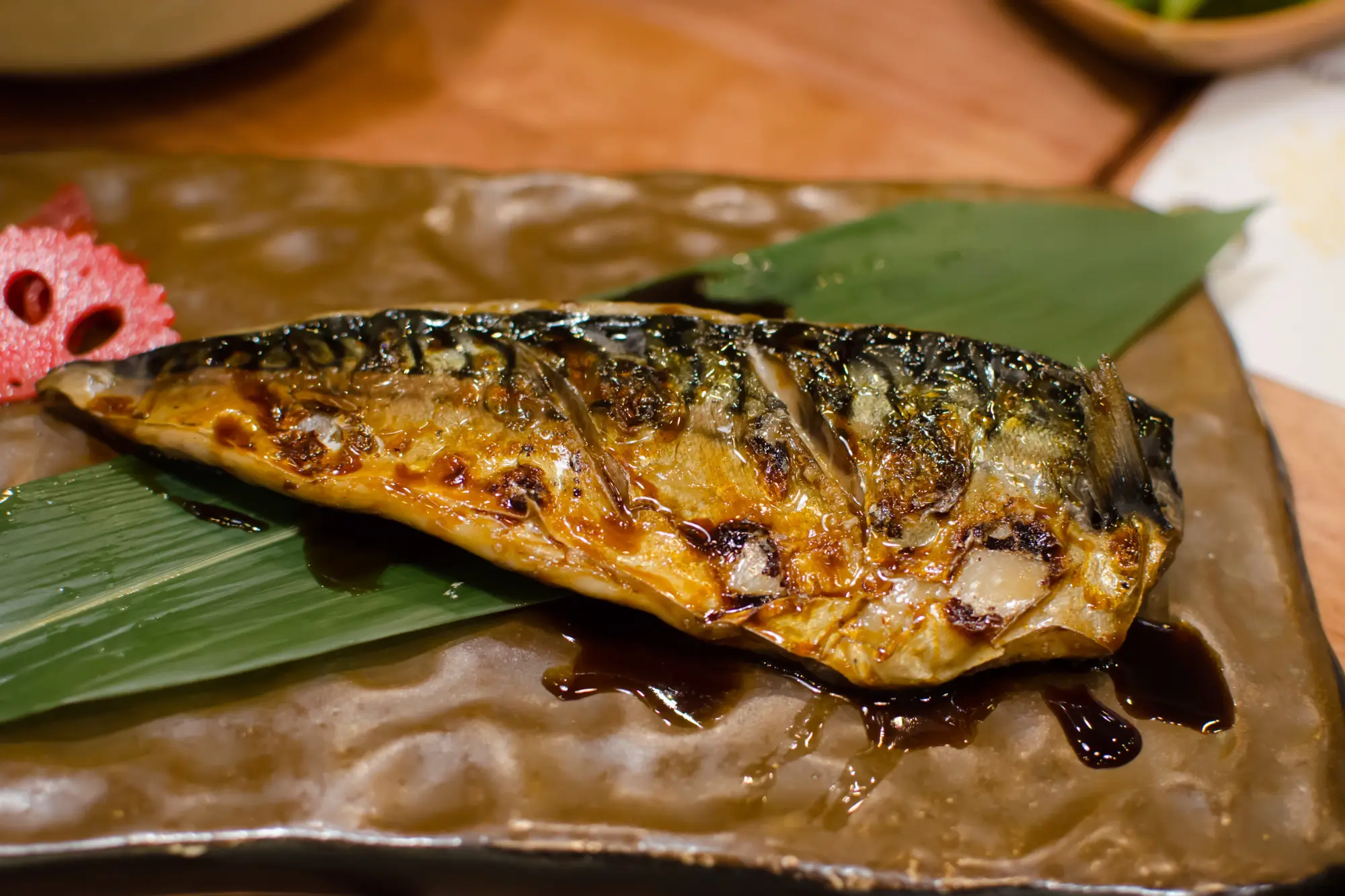
Grilled fish and seafood are common choices at many izakaya. The exact options depend on the restaurant and the local ingredients available.
6. Nabe
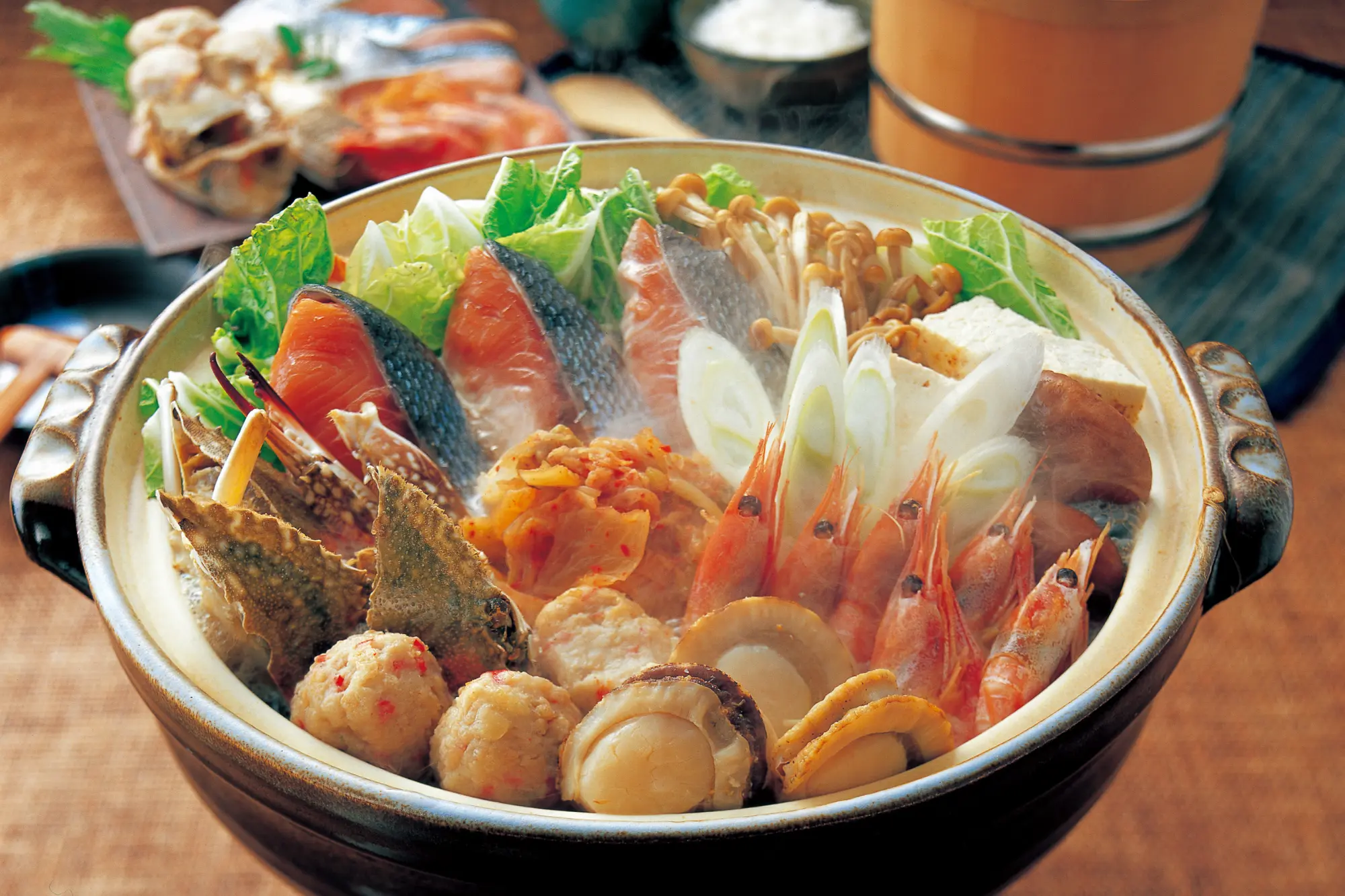
Nabe refers to Japanese hot-pot dishes in which ingredients are cooked together in a pot. Some izakaya serve nabe seasonally, particularly during colder months.
7. Yakisoba and Rice Dishes
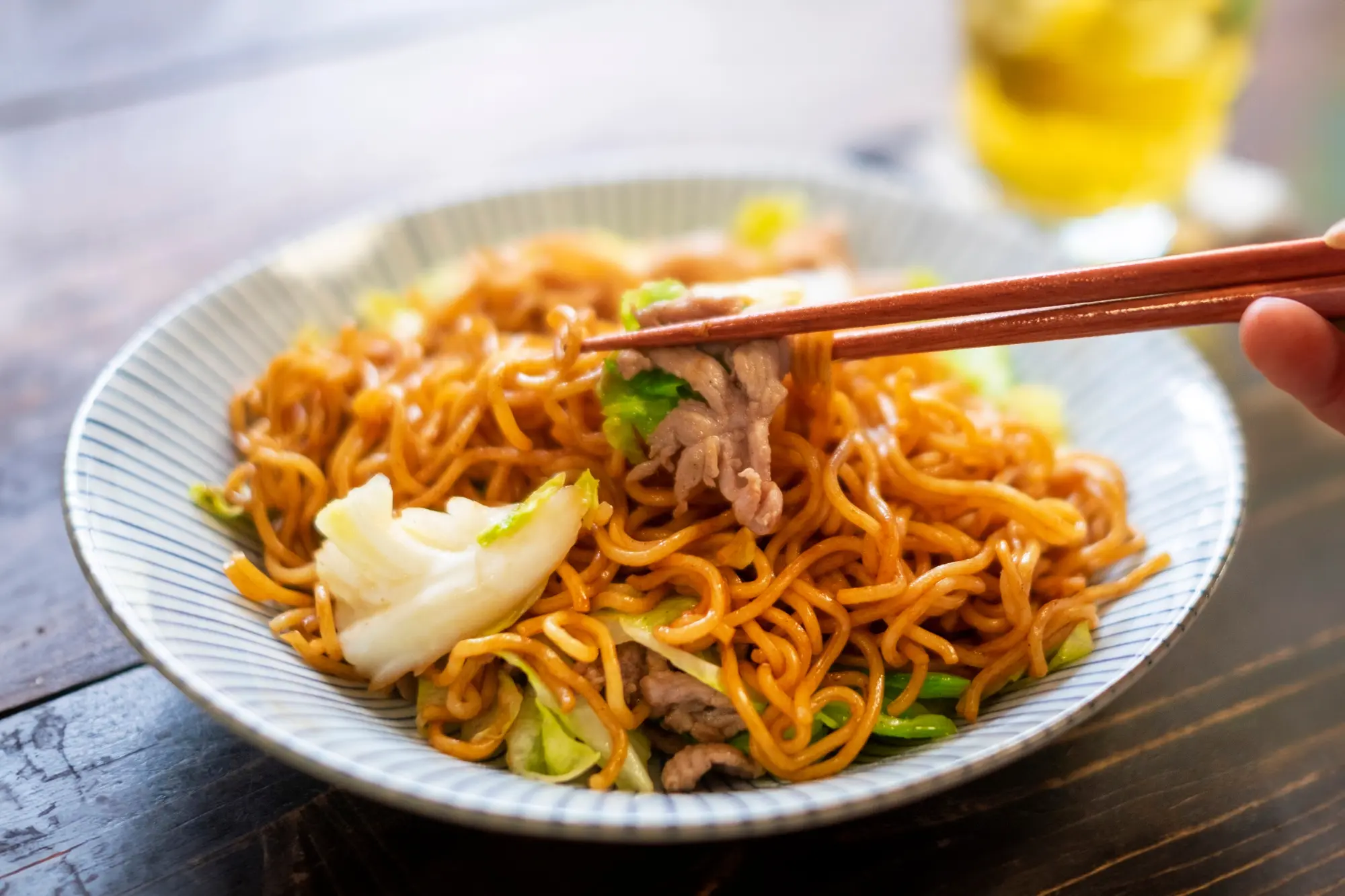
Noodles and rice dishes are often served later in the meal, although there is no strict rule about when you have to order them.
If you are looking for a more substantial dish rather than several small plates, these options can be useful.
How Izakaya Food Is Usually Shared
Sharing is an important part of the izakaya experience. When a dish arrives, it may be placed in the middle of the table rather than directly in front of one person. Diners can then take an appropriate portion onto their own small plate, sometimes called a torizara (取り皿).
When serving yourself from a shared dish, use the serving utensils provided. If none are provided, follow the restaurant’s setup or observe the other diners.
It is also considerate not to take the last piece immediately without checking whether anyone else would like it.
Izakaya Drink Menus and Non-Alcoholic Options

An izakaya drink menu can include a broad selection of beverages. Depending on the restaurant, you may see different categories of drinks alongside the food menu.
For visitors who do not drink alcohol, there are usually non-alcoholic choices such as:
- Tea
- Soft drinks
- Fruit-based drinks
- Sparkling drinks
- Alcohol-free beer at some establishments
Availability varies from restaurant to restaurant, so check the menu or ask the staff. In Japan, the legal drinking age is 20. Travelers under that age should choose non-alcoholic beverages and follow Japanese age restrictions.
The Meaning of “Otoshi” at an Izakaya
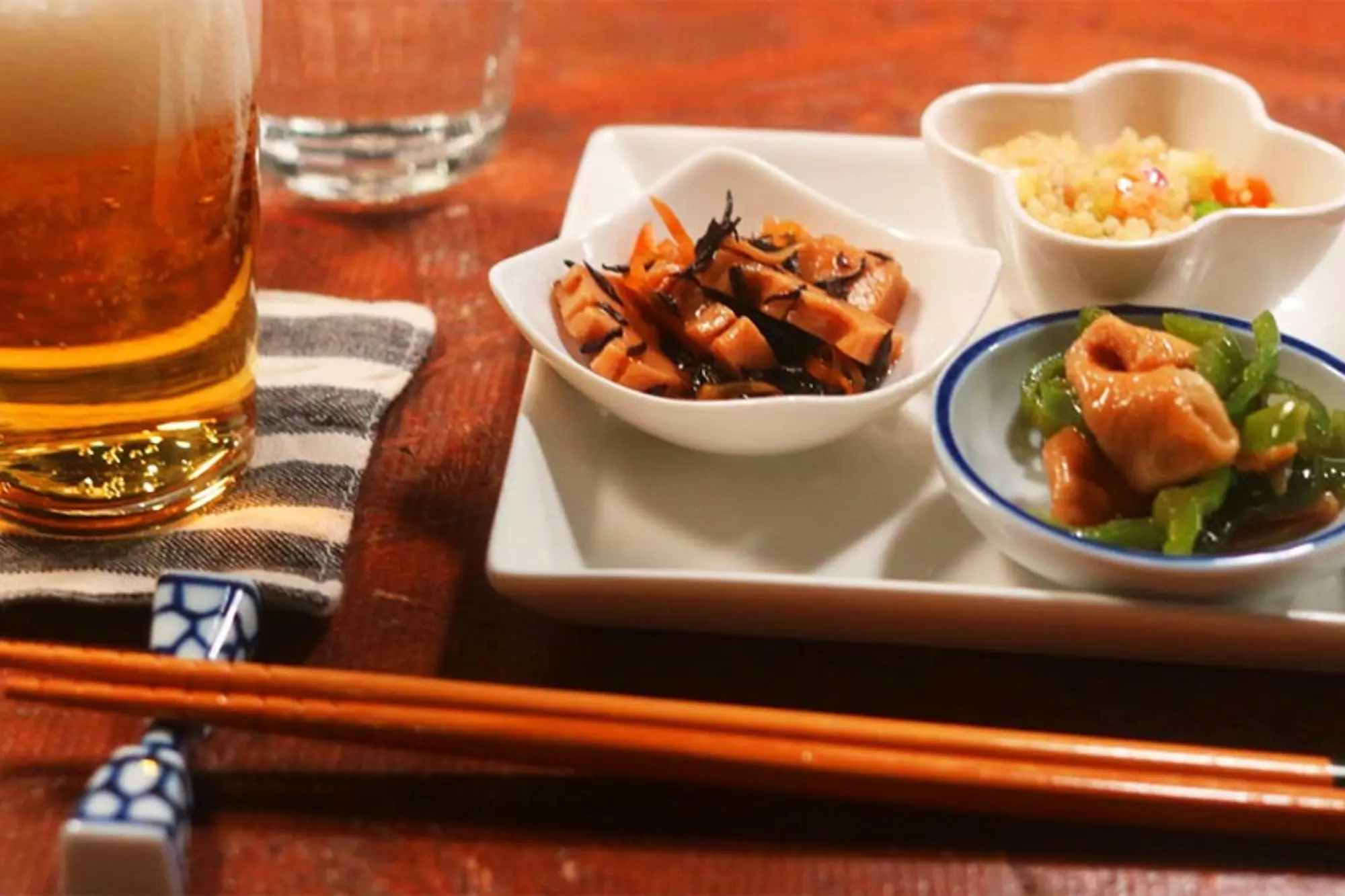
One of the most confusing parts of an izakaya experience for foreign visitors is otoshi. Otoshi (お通し) is a small appetizer that is commonly served automatically after customers are seated. The important point is that otoshi is generally not free.
At many izakaya, it functions as a type of table or seating charge. The price is usually added to the bill automatically, even though you did not specifically order the dish.
The dish itself can vary considerably. It may be a small salad, vegetable dish, simmered food, or another simple appetizer chosen by the restaurant.
1. Why Do Izakaya Serve Otoshi?
Otoshi is connected to the way izakaya operate as casual drinking and dining establishments. It can function as a seating or table charge while also giving customers something to eat while they decide what to order.
However, not every restaurant handles table charges in exactly the same way. Some establishments clearly state additional charges on their menus or signs.
2. Is Otoshi Free?
Usually, no. This is one of the most important things for international visitors to understand. Because the dish arrives automatically, it can look like a complimentary appetizer, but the charge is generally added to the bill.
Japan’s official tourism guidance specifically notes that some restaurants, particularly izakaya, may serve a small appetizer automatically as a table charge.
3. Can You Refuse Otoshi?
This depends on the restaurant. Some establishments may allow customers to decline it, while others treat it as part of the seating charge. Rather than assuming that you can refuse the dish, ask the staff politely if you have dietary restrictions or concerns.
If you have an allergy or dietary requirement, tell the restaurant as early as possible because otoshi may arrive before you have ordered.
How to Read an Izakaya Menu
Menus can look intimidating if you cannot read Japanese, but several strategies can make ordering easier.
1. Look for Picture Menus
Many modern chain izakaya have colorful menus with photographs. These can be especially helpful for international visitors.
Some restaurants also provide English menus or multilingual digital ordering systems. Traditional neighborhood izakaya may offer fewer language options.
2. Check the Menu by Category
Instead of trying to translate every item, look for familiar categories such as:
- Yakitori
- Sashimi
- Grilled dishes
- Fried dishes
- Salads
- Rice
- Noodles
- Desserts
- Drinks
This makes it easier to build a meal without understanding every Japanese word.
3. Check Prices Before Ordering
Prices are normally displayed on the menu, although the format can vary.
Because izakaya meals often involve several small dishes, the total cost can increase as you continue ordering. Check the menu prices and any table or seating charges before ordering.
How to Order at an Izakaya
Ordering is generally straightforward once you understand the system. Some restaurants have a call button at the table. Others use tablets or QR-code ordering systems. At more traditional establishments, you may need to call the staff directly.
A simple: “Sumimasen” (すみません) means “excuse me” and can be used to get the staff’s attention.
You do not necessarily need to order the entire meal at once. At many izakaya, customers place several orders throughout the evening as they decide what else they would like.
Useful Japanese Phrases for Izakaya
A few simple phrases can make communication easier.
| Japanese | Meaning | When to Use |
| Sumimasen (すみません) | Excuse me | Getting the staff’s attention |
| Onegaishimasu (お願いします) | Please | Making a polite request |
| Osusume wa nan desu ka? (おすすめは何ですか?) | What do you recommend? | Asking about popular dishes |
| Kore o kudasai (これをください) | This one, please | Ordering by pointing at the menu |
| Arigatou gozaimasu (ありがとうございます) | Thank you | Thanking the staff |
| Gochisousama deshita (ごちそうさまでした) | Thank you for the meal | Leaving after the meal |
You do not need to speak Japanese fluently. A combination of simple phrases, gestures, and menus is usually enough for a casual dining experience.
Izakaya Table Etiquette for Foreign Visitors
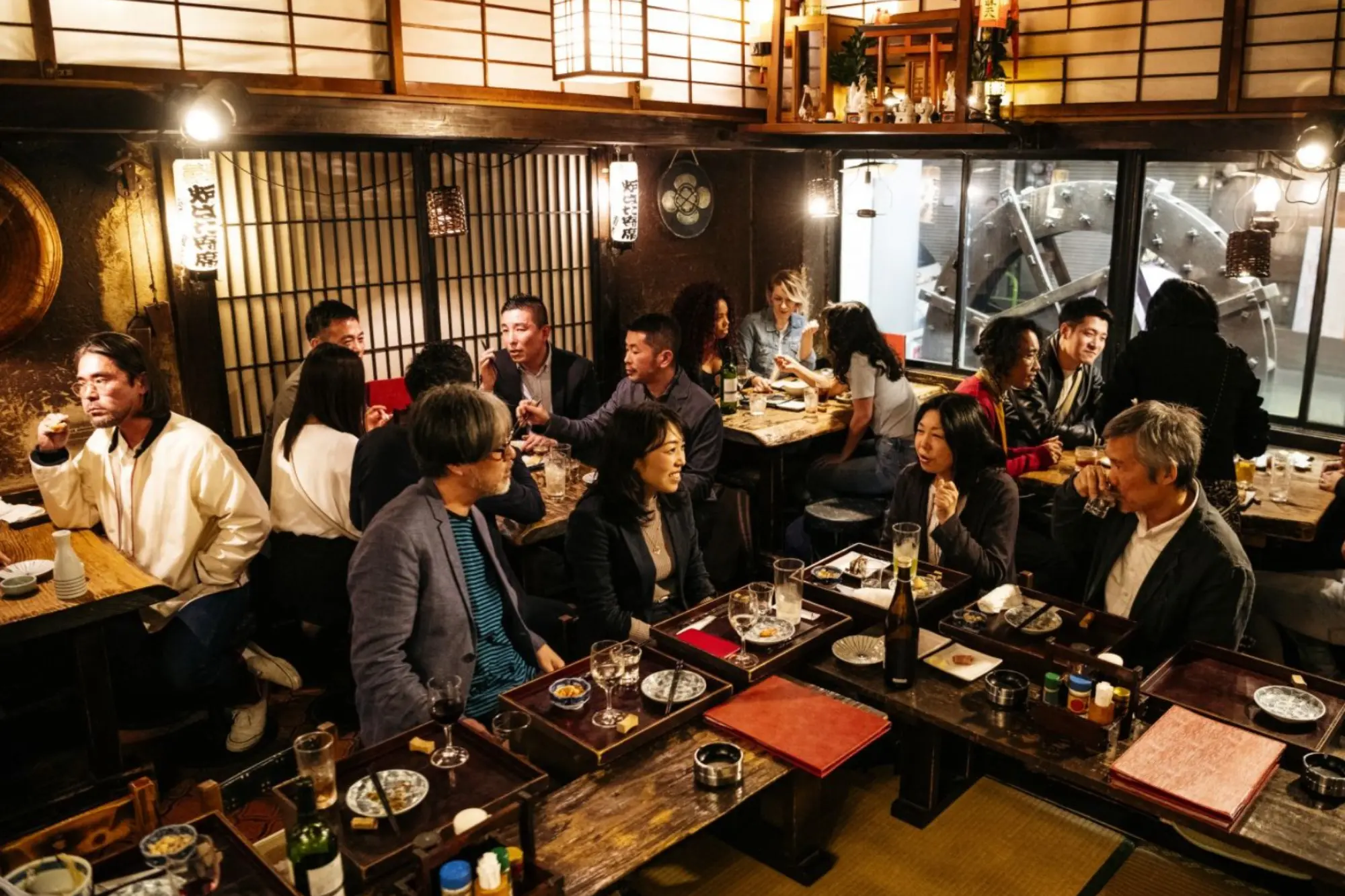
Izakaya dining is casual, but a few basic manners are worth remembering.
- Wait Before Starting a Group Toast
When dining as a group, it is common to wait until everyone has their drink before making a toast. The traditional toast is kanpai (乾杯). After the toast, everyone can begin drinking.
- Use Small Plates for Shared Food
If dishes are intended for the whole table, take your portion onto your own small plate rather than eating directly from the shared serving plate.
- Use Serving Utensils When Provided
Use the serving spoon, tongs, or chopsticks provided for communal dishes. This is particularly important when several people are sharing the same food.
- Keep Chopsticks in Appropriate Places
Avoid leaving chopsticks standing upright in a bowl of rice or passing food directly from one pair of chopsticks to another. These are important points of Japanese dining etiquette and are best avoided in any Japanese restaurant.
Seating and Shoes at Traditional Izakaya
Not every izakaya has the same seating arrangement. Some restaurants have standard tables and chairs, while others may have tatami areas or low tables. If you are asked to remove your shoes, do so before entering the tatami seating area.
Some establishments provide shoe lockers near the entrance. If you use one, keep the key with you until you leave. If you are unsure whether shoes should be removed, simply wait for the staff’s instructions.
Paying the Bill at an Izakaya
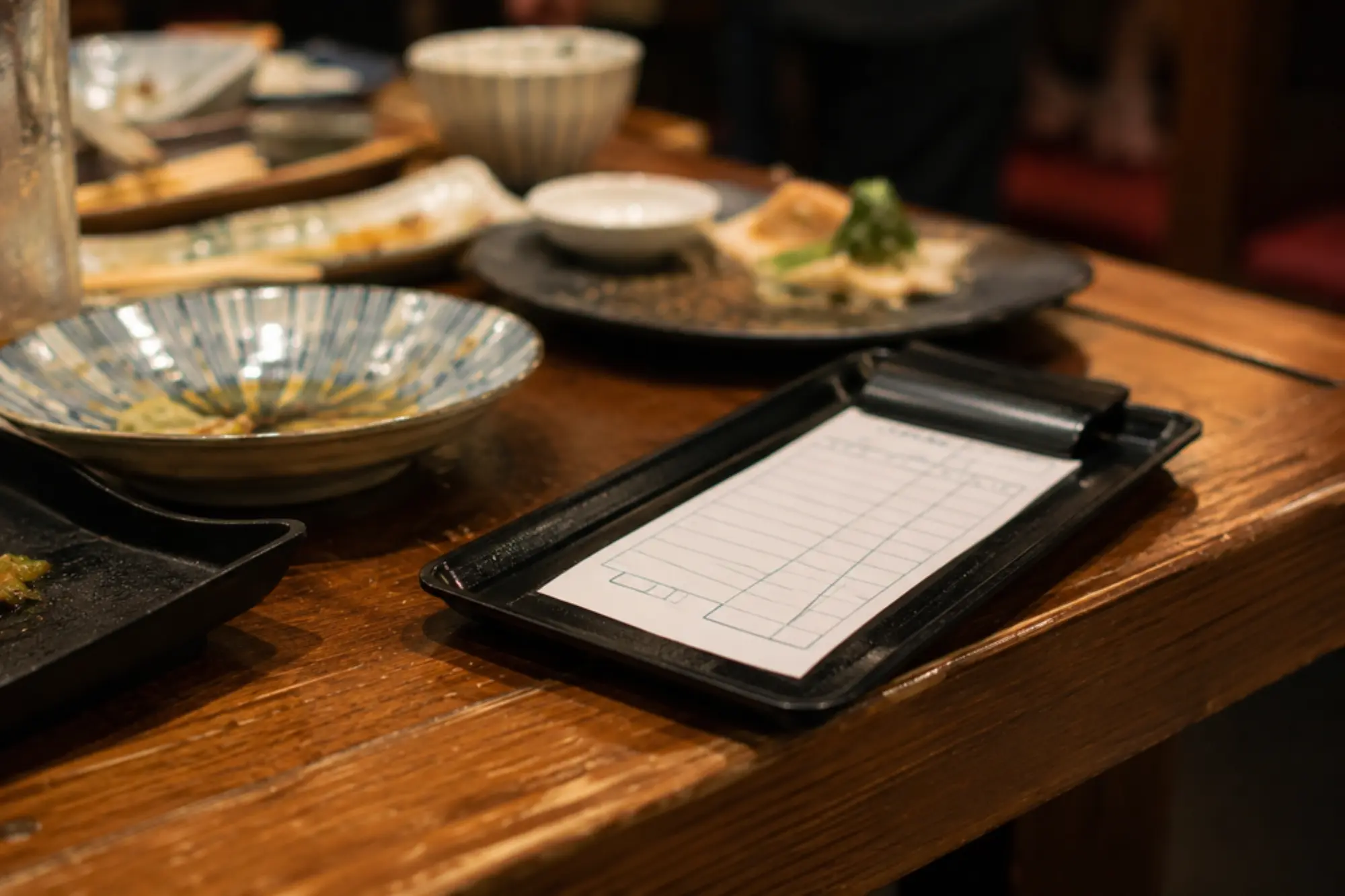
Many izakaya keep a running tab throughout the meal. When you are ready to leave, the bill may be brought to the table or you may receive a token or bill to take to the cashier. Payment is often made at a register near the exit rather than directly at the table, although procedures vary.
Remember to check the bill for:
- Food orders
- Beverage orders
- Otoshi or table charges
- Any other clearly stated fees
Tipping is generally not customary in Japan. Paying the listed amount is normally sufficient.
Common Izakaya Mistakes Foreign Visitors Should Avoid
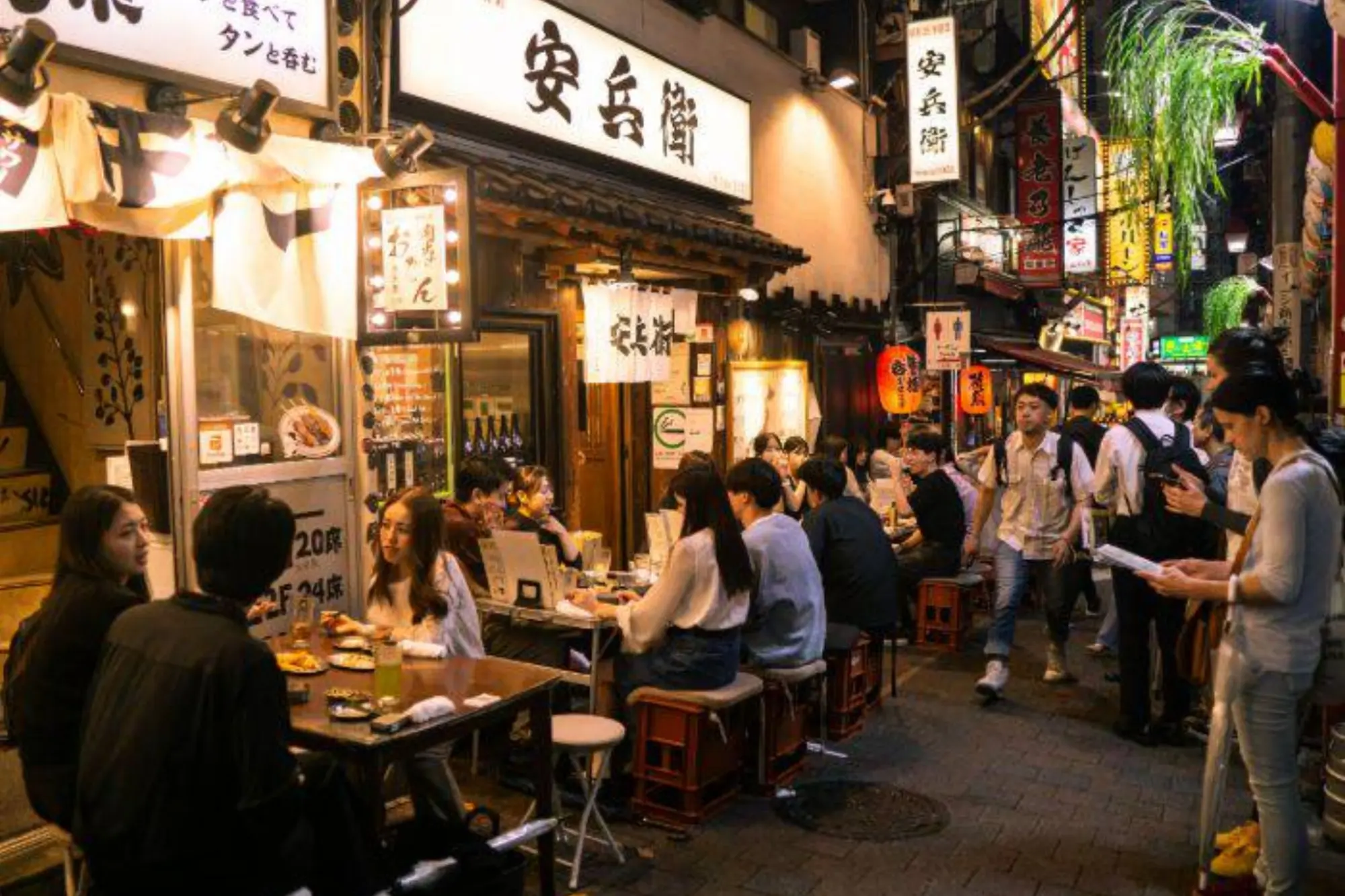
A few simple mistakes can make an otherwise easy dining experience more confusing. Knowing what to expect before you arrive can help you order with confidence and avoid common misunderstandings at an izakaya.
Avoid | Better Approach |
| Assuming otoshi is free | Check whether it is a table or seating charge |
| Ordering everything at once | Order gradually if the restaurant’s style allows |
| Taking food directly from shared dishes | Use your own small plate |
| Ignoring menu prices | Check prices before ordering |
| Assuming every izakaya has an English menu | Use pictures, tablets, or simple Japanese phrases |
| Forgetting about table charges | Check the menu or ask staff |
| Taking the last shared piece without asking | Check whether anyone else wants it |
| Assuming every izakaya works the same way | Follow the restaurant’s specific instructions |
FAQ About Izakaya in Japan
1. What is otoshi at an izakaya?
Otoshi is a small appetizer that is commonly served automatically when customers are seated. At many izakaya, it functions as a table or seating charge, so it is generally not a complimentary dish.
2. What food is usually served at an izakaya?
Common izakaya food includes yakitori, sashimi, karaage, edamame, grilled fish, fried dishes, noodles, rice dishes, and seasonal specialties. The selection varies by restaurant and region.
3. Can foreigners eat at an izakaya?
Yes. Izakaya are open to international visitors, although some smaller traditional establishments may have limited English support. Chain izakaya and restaurants in major tourist areas are more likely to offer picture or multilingual menus.
4. What does an izakaya drink menu include?
An izakaya drink menu can include alcoholic and non-alcoholic beverages, with exact options varying by restaurant. Visitors who do not drink alcohol can look for tea, soft drinks, fruit-based beverages, or other non-alcoholic options.
5. Is tipping expected at an izakaya?
No. Tipping is generally not customary in Japan. However, an izakaya may have an otoshi or other clearly stated table charge, so check the bill before paying.
Conclusion
An izakaya can be one of the most enjoyable ways to experience casual Japanese food culture. With small shared dishes, varied menus, and a relaxed atmosphere, it gives travelers an opportunity to try several types of izakaya food in one meal.
The most important thing for first-time visitors is understanding how the system works. Check the menu and prices, use serving utensils for shared dishes, and follow the restaurant’s specific instructions. Once you understand these basics, visiting an izakaya restaurant becomes much less intimidating and much easier to enjoy as part of your Japan travel experience.
Discover Japan tour packages with Nicetrips and experience the landscapes, food, culture, and seasonal highlights of northern Japan. Follow the Nicetrips Blog for more destination guides, travel tips, and Japan travel inspiration.