Japanese cuisine, known natively as washoku, is celebrated worldwide for its refined preparation, artful presentation, and deep respect for natural ingredients. Recognized as a UNESCO Intangible Cultural Heritage, traditional japan food balances nutritional harmony with seasonal freshness. Whether you are planning your first trip or seeking a comprehensive japan food itinerary, this guide explores 25 iconic Japanese dishes, their distinct flavor profiles, and where across Japan to experience them.
At a Glance: 25 Iconic Japanese Dishes
| Dish | What It Is? | Where To Try? |
| 1. Sushi | Vinegared rice topped with fresh raw fish or seafood | Tokyo (Ginza, Toyosu, Tsukiji) |
| 2. Chirashi Don | Rice bowl topped with assorted fresh raw seafood and garnishes | Hokkaido (Sapporo) & Tokyo (Tsukiji) |
| 3. Onigiri | Hand pressed rice ball filled with savory ingredients wrapped in nori | Convenience stores & specialty shops nationwide |
| 4. Japanese Curry Rice | Mild, thick, sweet savory curry served over rice with meat & vegetables | Nationwide; Nagoya for Curry Udon |
| 5. Oyakodon | Rice bowl topped with tender chicken and soft simmered egg in dashi | Tokyo & Kyoto |
| 6. Ramen | Wheat noodles in a rich bone, miso, or soy sauce broth | Fukuoka (Hakata tonkotsu) & Hokkaido (Miso) |
| 7. Udon | Thick, chewy wheat noodles served hot in broth or cold with dip | Kagawa Prefecture (Sanuki Udon) |
| 8. Soba | Thin buckwheat noodles served hot or chilled (Zaru Soba) | Nagano Prefecture & Tokyo standing counters |
| 9. Yakisoba | Stir-fried wheat noodles with pork, cabbage, and sweet savory sauce | Street food markets in Osaka & Tokyo |
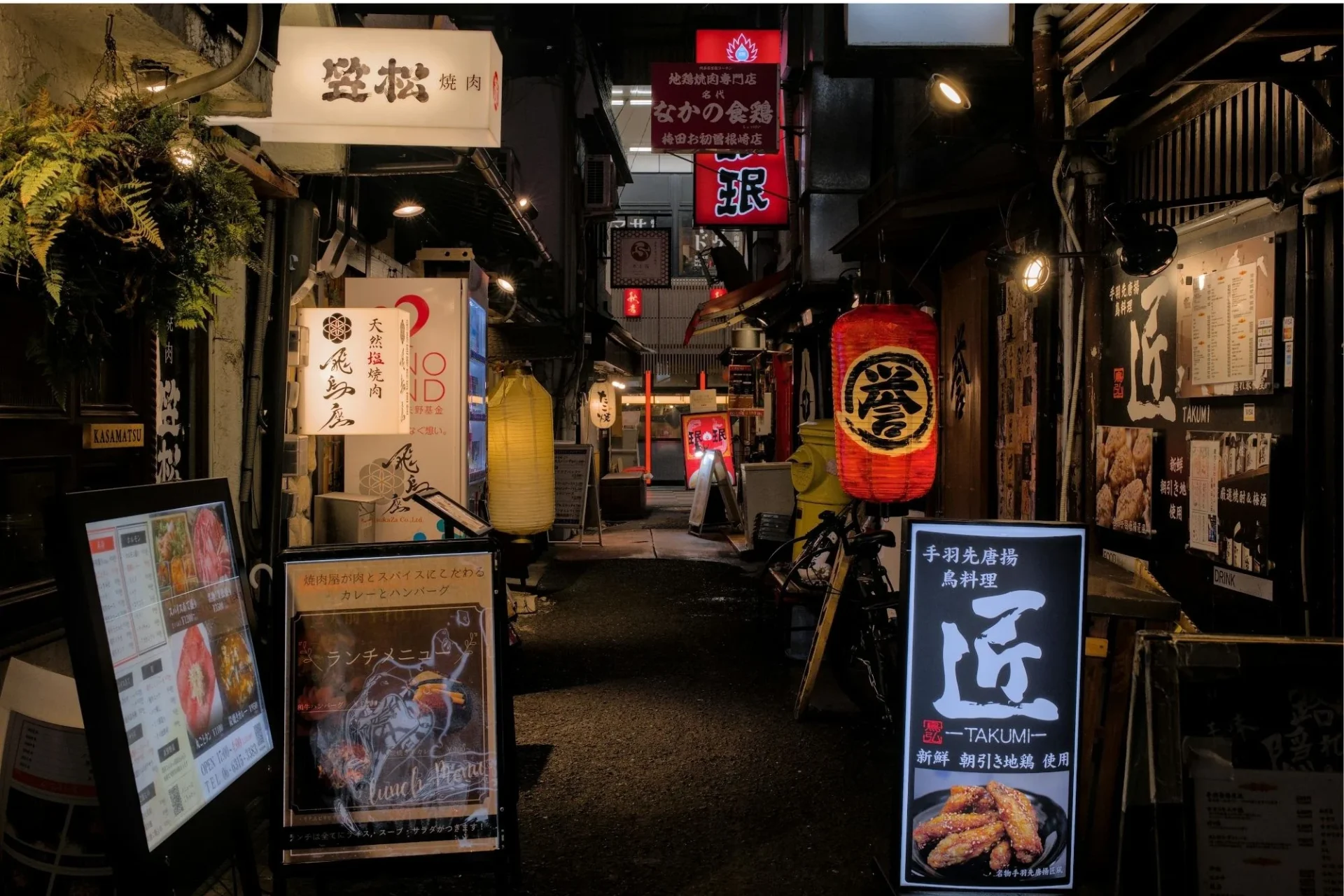
| 10. Yakitori | Skewered chicken pieces charcoal grilled with salt or sweet tare glaze | Tokyo izakaya alleys (Shinjuku Omoide Yokocho) |
| 11. Tempura | Seafood and seasonal vegetables fried in a light, crispy batter | Traditional tempura specialty shops in Tokyo |
| 12. Takoyaki | Ball shaped batter snacks filled with octopus, topped with sauce & mayo | Osaka (Dotonbori district) |
| 13. Okonomiyaki | Savory cabbage pancake cooked on a teppan griddle with pork/seafood | Osaka (Kansai style) & Hiroshima (Layered style) |
| 14. Tonkatsu | Deep fried panko crusted pork cutlet served with cabbage & sauce | Tokyo; Nagoya for Miso Katsu |
| 15. Wagyu Beef | Highly marbled, melt in your mouth premium Japanese beef | Hyogo Prefecture (Kobe) & Hida region |
| 16. Sukiyaki | Thin beef slices simmere5d in sweet soy broth with tofu and mushrooms | Traditional hot pot dining in Tokyo & Kyoto |
| 17. Shabu-Shabu | Swished thin meat slices in light kombu broth with sesame/ponzu dip | Hot pot establishments in Tokyo & Kyoto |
| 18. Oden | Winter stew with daikon, boiled eggs, and fishcakes in dashi broth | Convenience stores & izakayas nationwide |
| 19. Miso Soup | Traditional soup of fermented soybean paste and dashi broth | Served with set meals (teishoku) nationwide |
| 20. Natto | Fermented, sticky, nutrient dense soybeans with a pungent aroma | Hotel breakfast buffets & traditional ryokans |
| 21. Tsukemono | Salt or rice bran pickled crisp vegetables used as palate cleansers | Kyoto (Nishiki Market) |
| 22. Mochi | Chewy glutinous rice cakes filled with red bean paste or sweet cream | Traditional confectioneries in Kyoto & Tokyo |
| 23. Dorayaki | Fluffy pancake patties sandwiched around sweet red bean paste | Traditional wagashi shops in Tokyo |
| 24. Taiyaki | Golden fish shaped waffle pastry filled with red bean or custard | Street stalls in Tokyo (Asakusa) and Osaka |
| 25. Wagashi | Meticulously sculpted plant – based traditional sweets served with tea | Historic tea houses in Kyoto |
Key Features of Japanese Cuisine
The Philosophy of “Five Flavors, Five Colors, Five Methods”
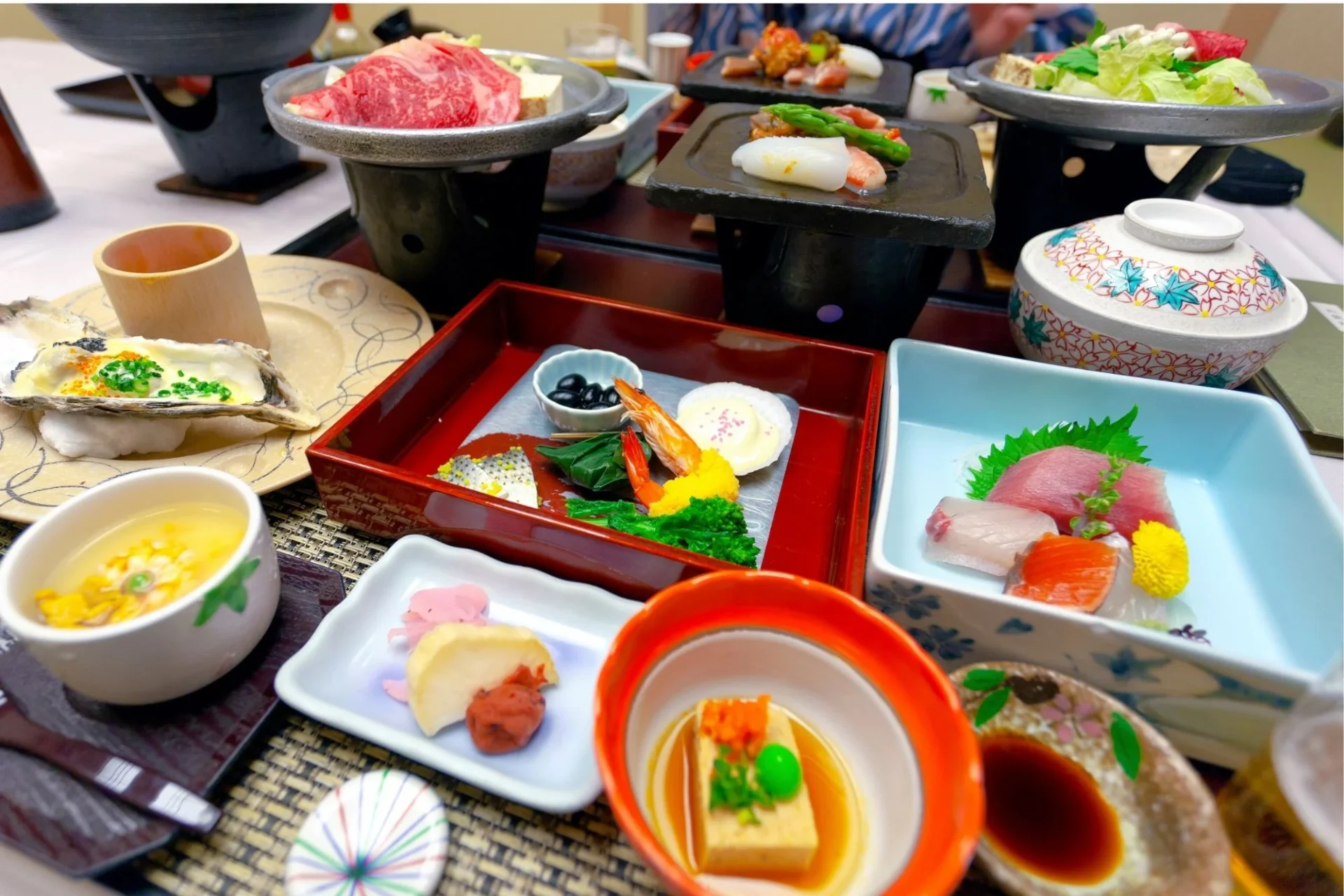
Traditional Japanese cuisine relies on a harmonious balance derived from Buddhist culinary principles. A proper meal integrates five colors (white, black, red, yellow, green) and five tastes (sweet, salty, sour, bitter, and umami) across five preparation methods (raw, grilled, steamed, boiled, and fried).
Fresh, Seasonal Ingredients (Shun)
Chefs specializing in japan food prioritize seasonal freshness (shun), sourcing ingredients at their peak flavor. Rather than overwhelming food with heavy spices, seasoning is kept subtle to highlight the natural sweetness of seafood, meats, and regional vegetables.
Artistic Food Presentation
Aesthetics are central to Japanese cuisine. Meals are served in small, meticulously crafted dishware, arranged to reflect natural landscapes and changing seasons.
25 Iconic Japanese Dishes & Where to Try Them
Rice & Sushi Japanese Dishes type
1. Sushi (Nigiri, Maki & Sashimi)
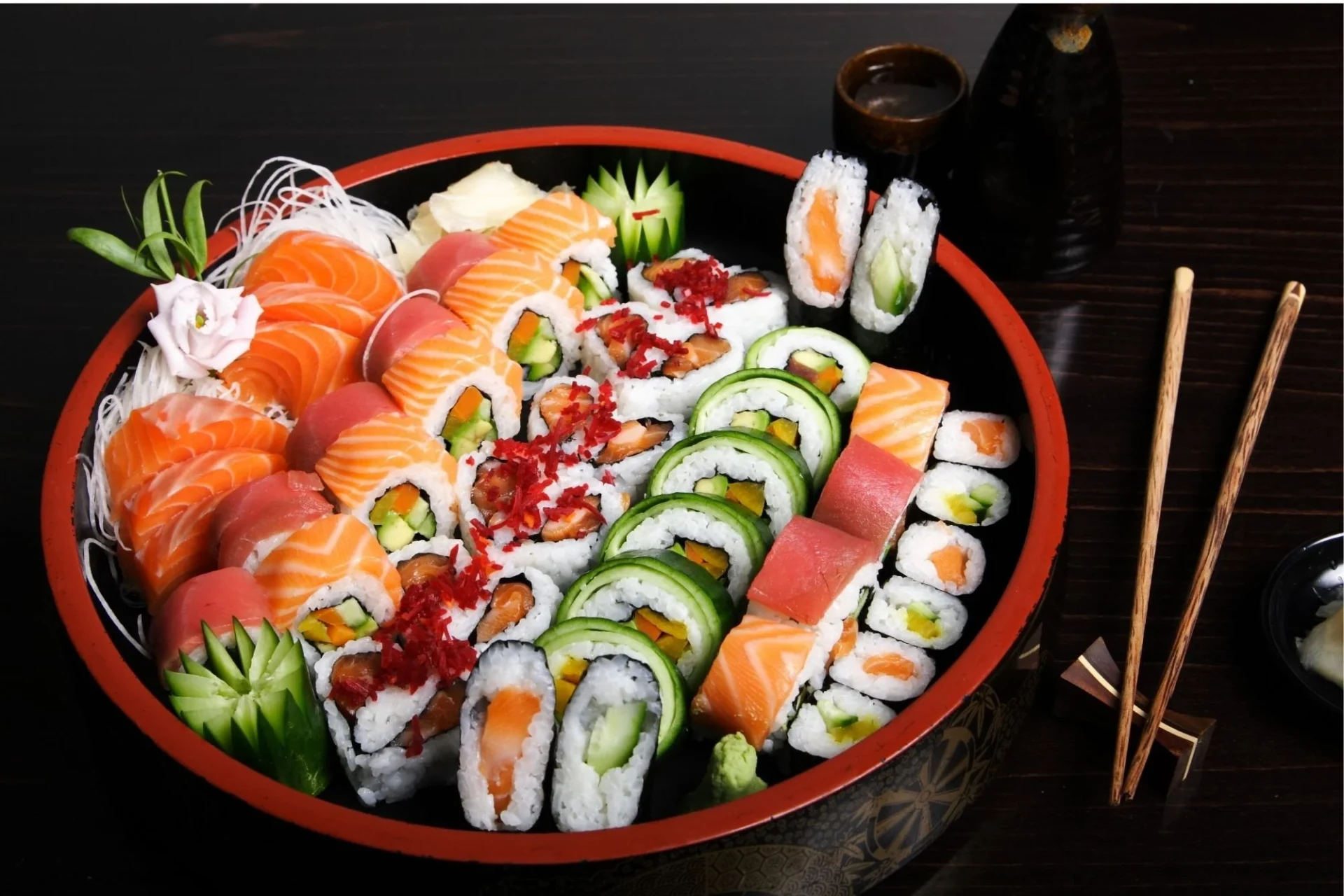
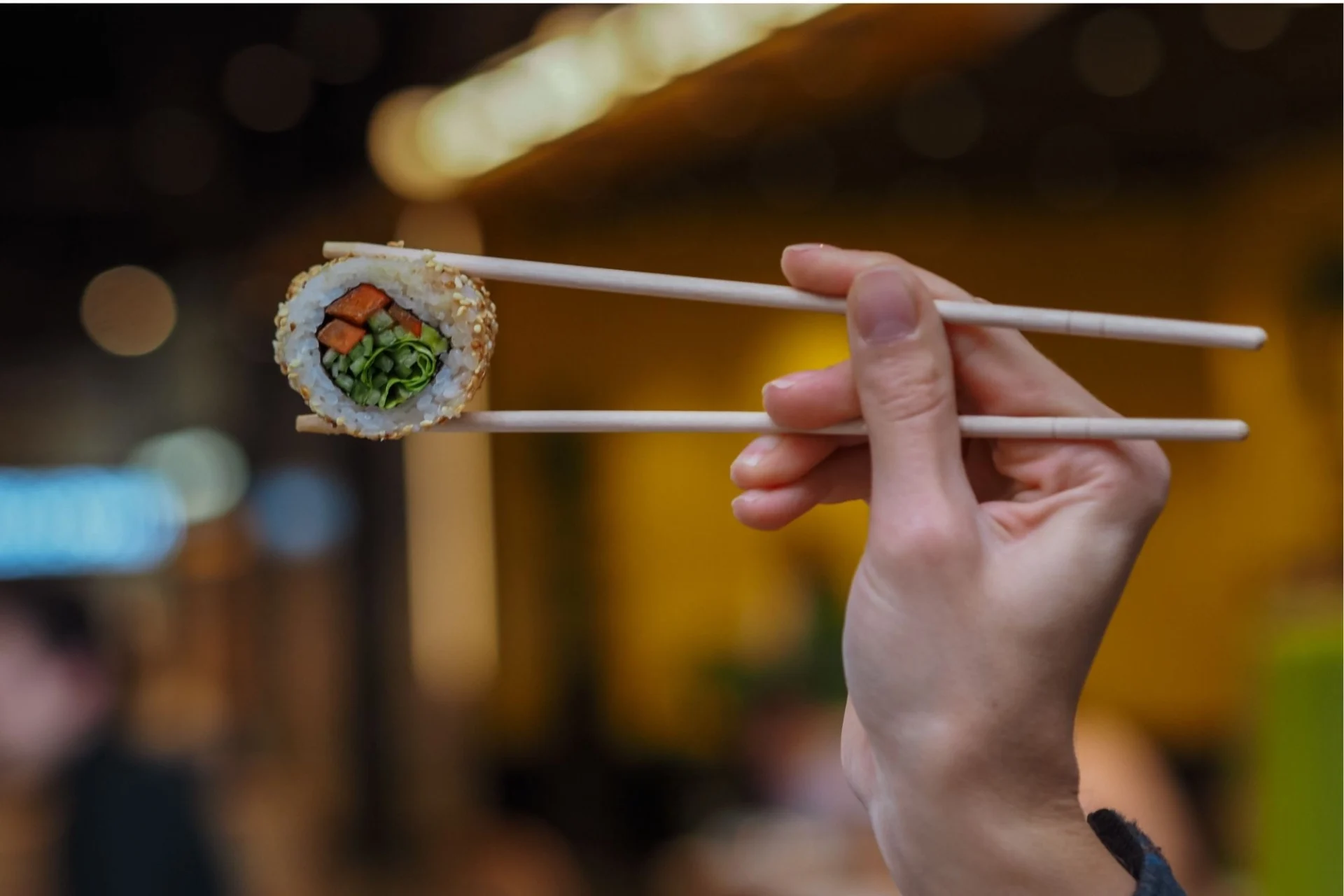
- What It Is: Sushi consists of vinegared rice paired with fresh raw fish or seafood. Common styles include Nigiri (hand-pressed rice topped with fish), Maki (rolled in nori seaweed), and Sashimi (delicately sliced raw fish served without rice). Popular toppings range from salmon and tuna to sweet shrimp and sea urchin (uni).
- Flavor & Texture: A delicate balance of mild acidity from the rice, natural sweetness and richness from raw seafood, and sharp heat from fresh wasabi dipped lightly in soy sauce.
- Where to Try: Tokyo offers the ultimate spectrum for these famous Japanese dishes—from affordable conveyor-belt (kaitenzushi) shops near major train stations to world-famous counter sushi in Ginza and fresh morning stalls at Toyosu and Tsukiji Outer Market.
2. Chirashi Don
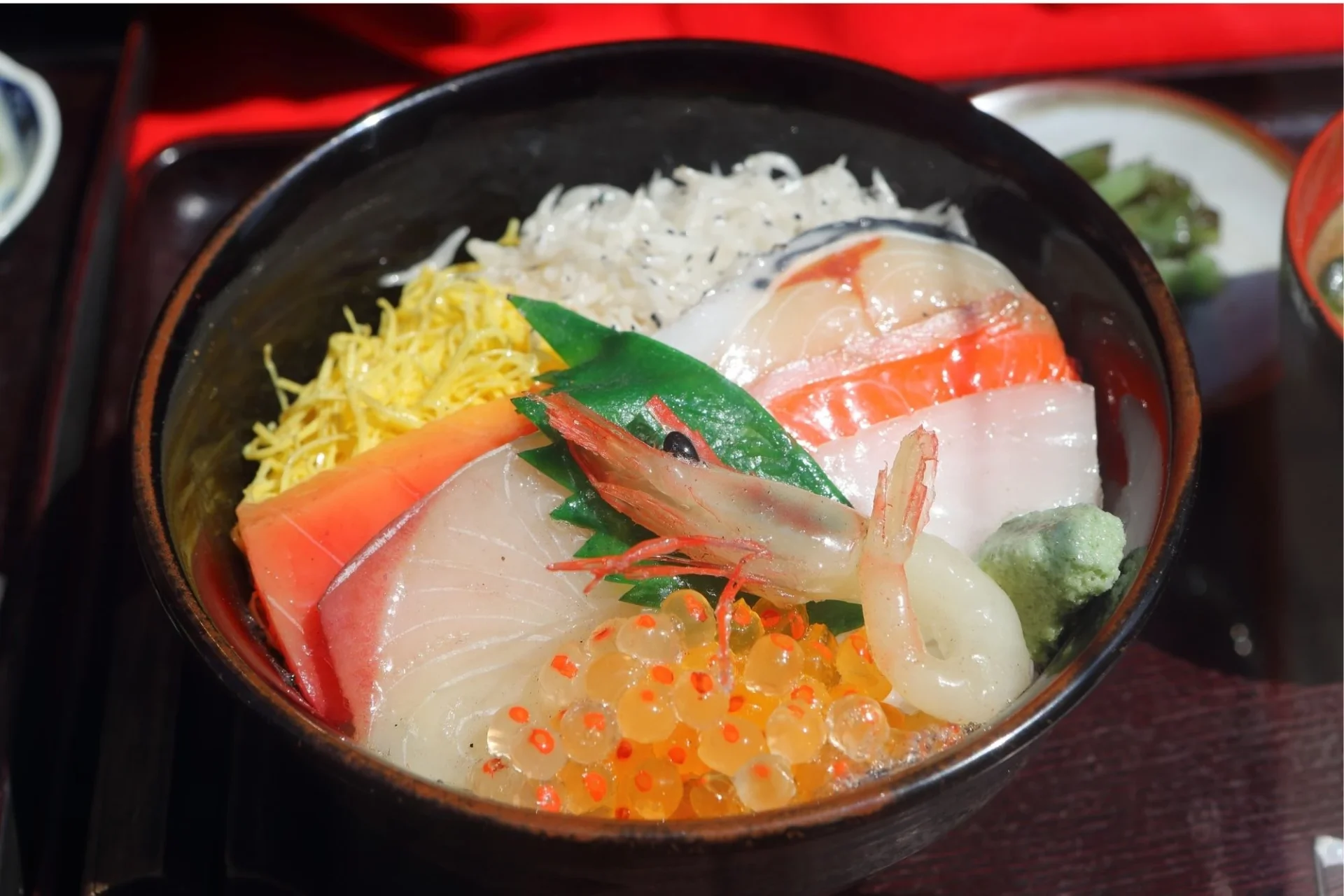
- What It Is: A vibrant, colorful rice bowl featuring a bed of seasoned sushi rice covered with an artistic arrangement of raw fish slices, fish roe, egg strips, cucumber, and fresh garnishes.
- Flavor & Texture: Every bite offers contrasting textures—tender raw salmon, popping ikura roe, and crisp cucumber—blended with vinegared rice.
- Where to Try: Seafood hubs like Hokkaido (Sapporo fish markets) or Tokyo‘s Tsukiji Outer Market.
3. Onigiri (Japanese Rice Balls)
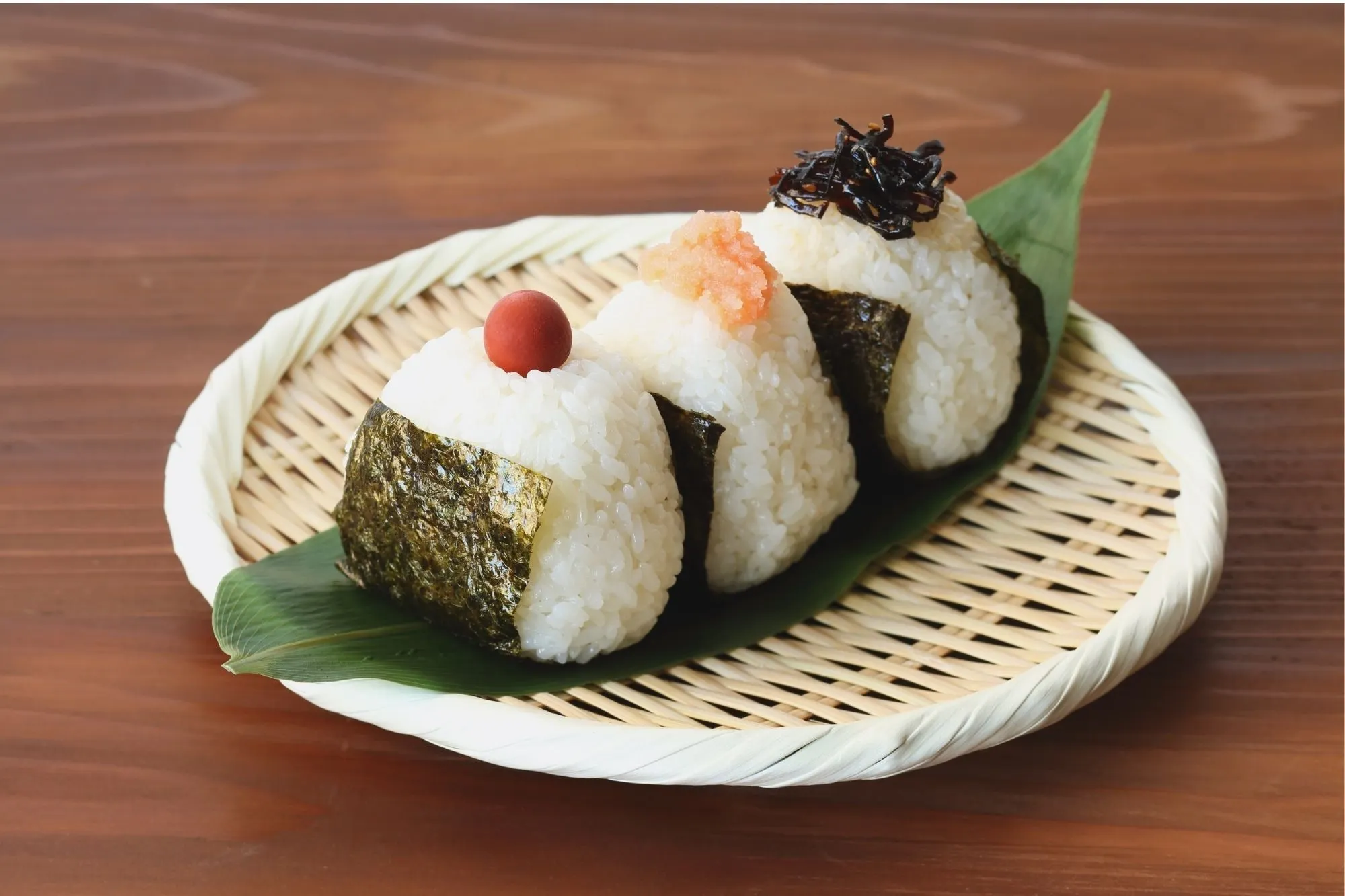
- What It Is: Hand-pressed rice triangles or round balls filled with savory ingredients, wrapped in a sheet of crisp nori seaweed. Standard fillings include salted salmon, tuna-mayonnaise, pickled plum (umeboshi), and seasoned kelp.
- Flavor & Texture: Satisfyingly chewy sticky Japanese rice paired with savory, tangy, or salty fillings and a crisp seaweed wrap.
- Where to Try: Grab-and-go convenience stores (konbini like 7-Eleven, Lawson, and FamilyMart) or specialized onigiri counters nationwide.
4. Japanese Curry Rice (Kare Raisu)
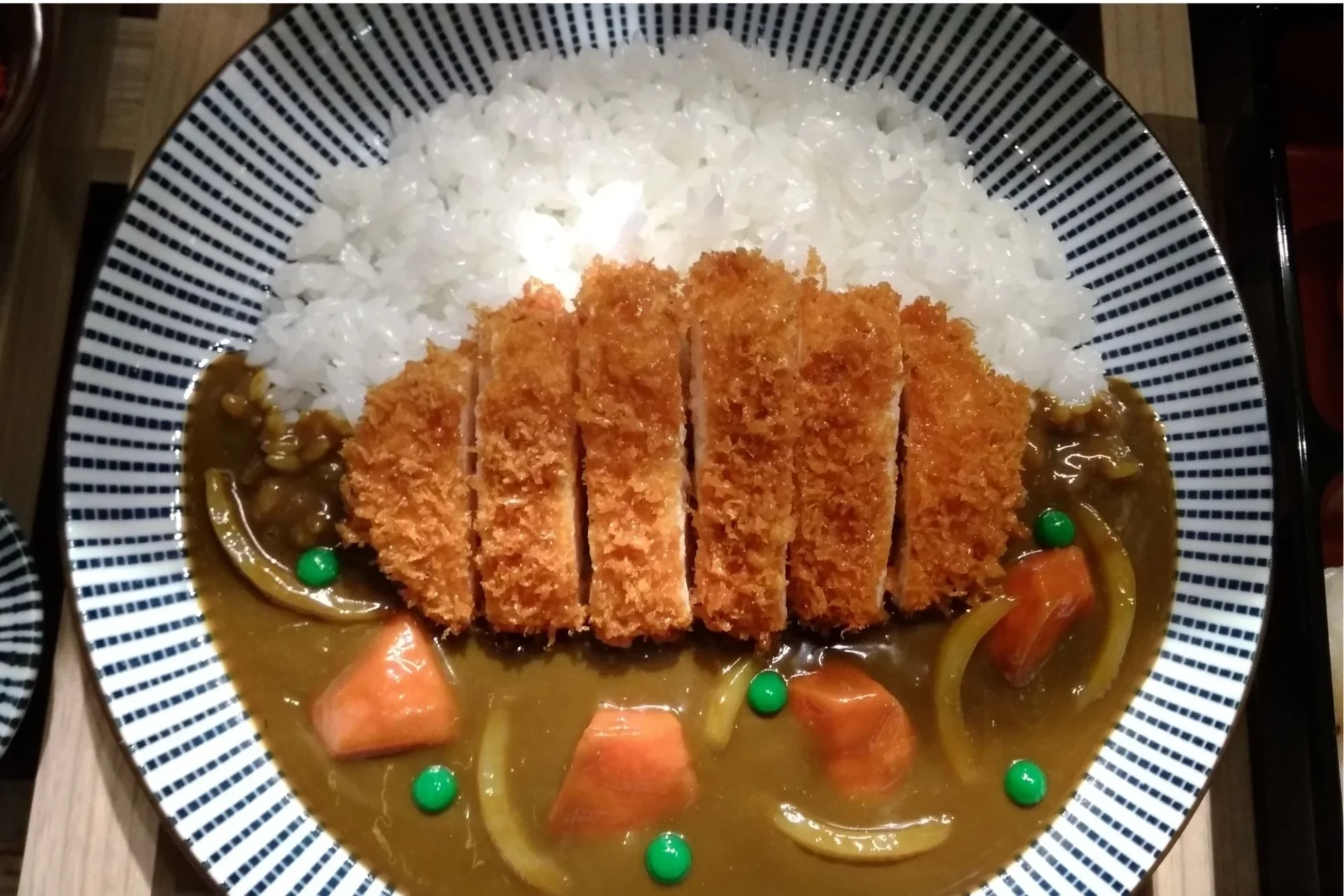
- What It Is: Unlike fiery Indian or Thai curries, Japanese curry is thicker, milder, and slightly sweet. It is simmered with potatoes, carrots, onions, and beef or chicken, served abundantly over white rice.
- Flavor & Texture: Rich, hearty, and mildly spiced with a silky gravy that clings to the rice grains.
- Where to Try: Specialty curry chains across Japan, or Nagoya for local Curry Udon variations.
5. Oyakodon
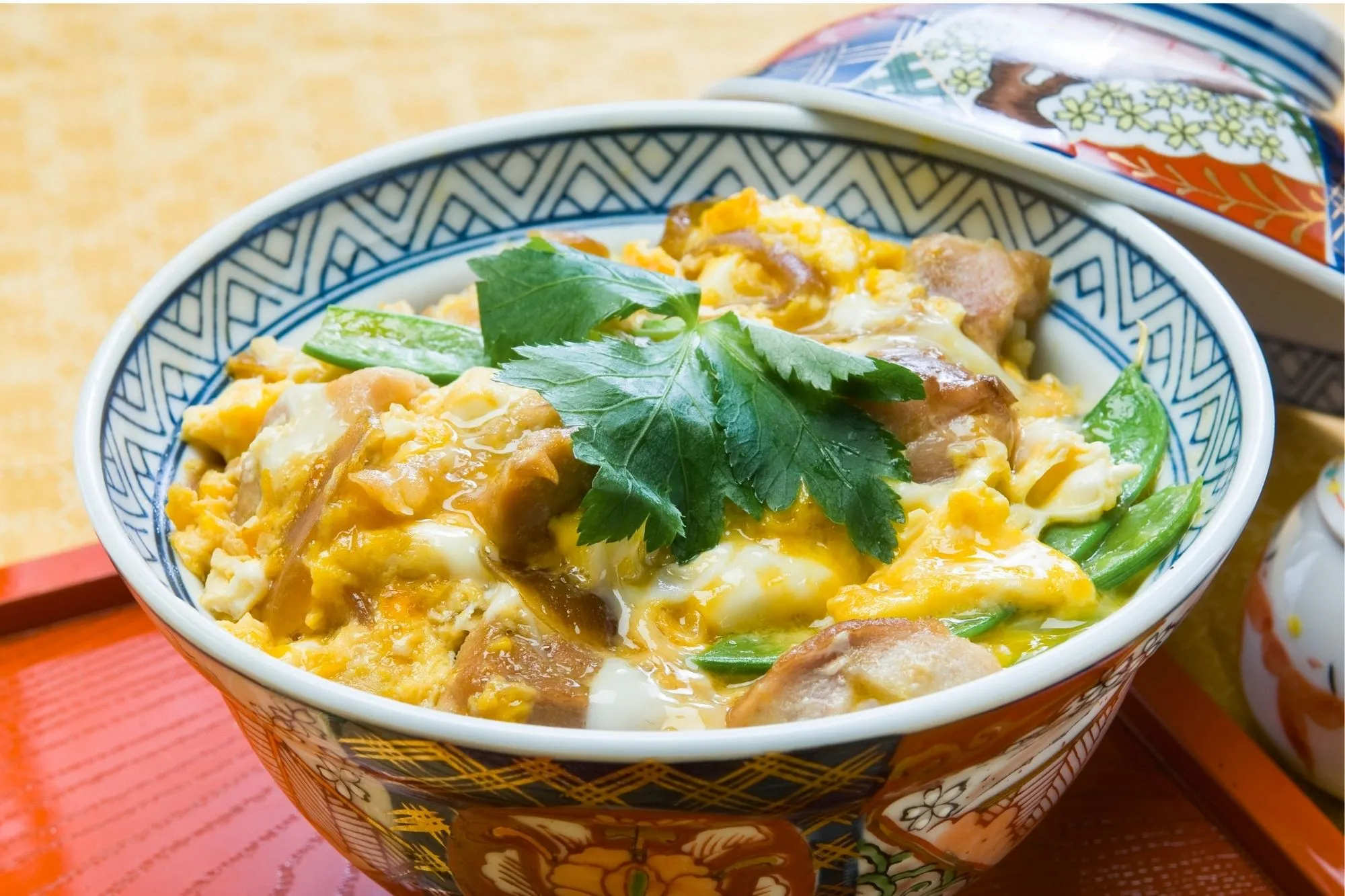
- What It Is: A classic staple among rice-based Japanese dishes, made by simmering tender chicken pieces and sliced onions in a sweet dashi-soy broth, then pouring beaten eggs over top until softly set over a bowl of hot rice.
- Flavor & Texture: Savory-sweet broth with silky, fluffy egg and tender chicken soaking into the warm rice below.
- Where to Try: Specialty donburi eateries and traditional lunch set restaurants in Tokyo and Kyoto.
Noodle & Broth Japanese Dishes
6. Ramen
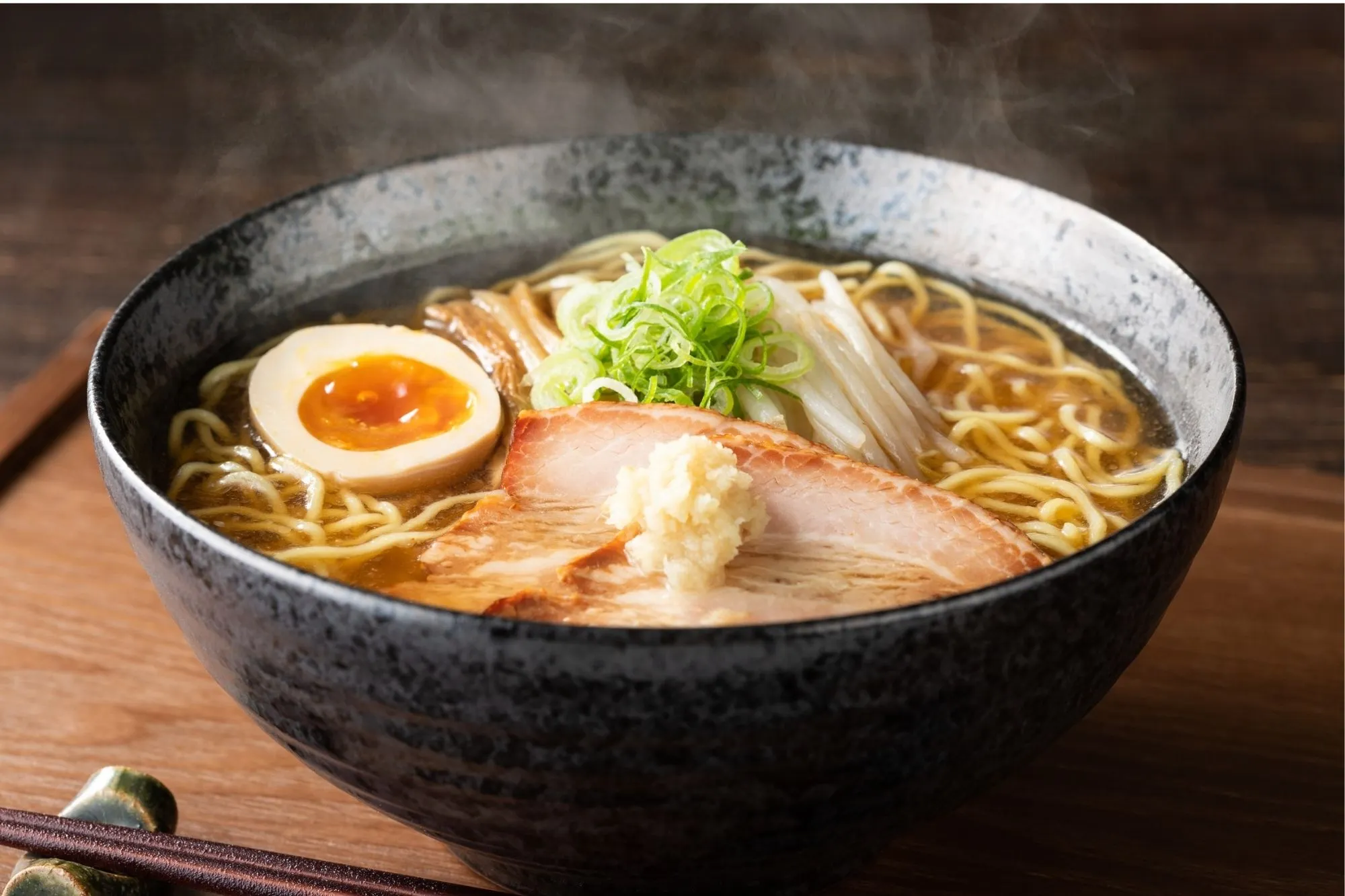
- What It Is: Springy wheat noodles served in a deeply simmered broth made from pork bone (Tonkotsu), soy sauce (Shoyu), fermented soybean paste (Miso), or sea salt (Shio). It is topped with slices of roasted chashu pork, a soft-boiled marinated egg, bamboo shoots, and nori.
- Flavor & Texture: Deeply umami-rich broth ranging from creamy pork fat to light clear soy, paired with chewy noodles.
- Where to Try: Fukuoka for authentic Hakata Tonkotsu at street food stalls (yatai), Hokkaido for warming Miso Ramen, and Tokyo for endless style variations.
7. Udon
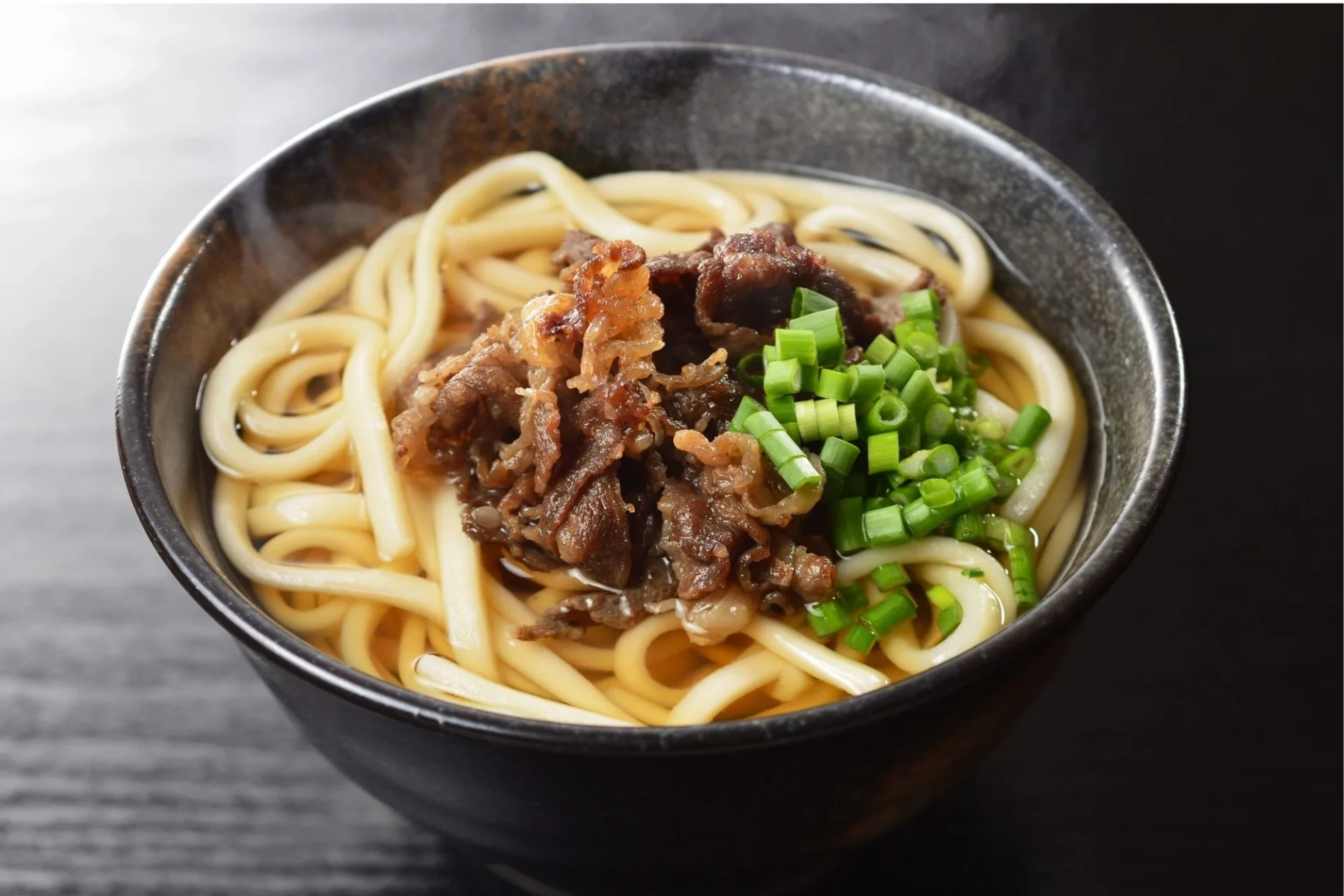
- What It Is: Thick, snowy-white wheat noodles known for their dense, chewy texture. Udon can be enjoyed hot in a clear dashi broth or chilled with a savory dipping sauce (Mentsuyu).
- Flavor & Texture: Clean, subtle broth with substantial, pleasantly chewy noodles topped with green onions, tempura flakes, or fish cakes (kamaboko).
- Where to Try: Kagawa Prefecture on Shikoku island (the undisputed historic home of Sanuki Udon) or standing noodle counters nationwide.
8. Soba
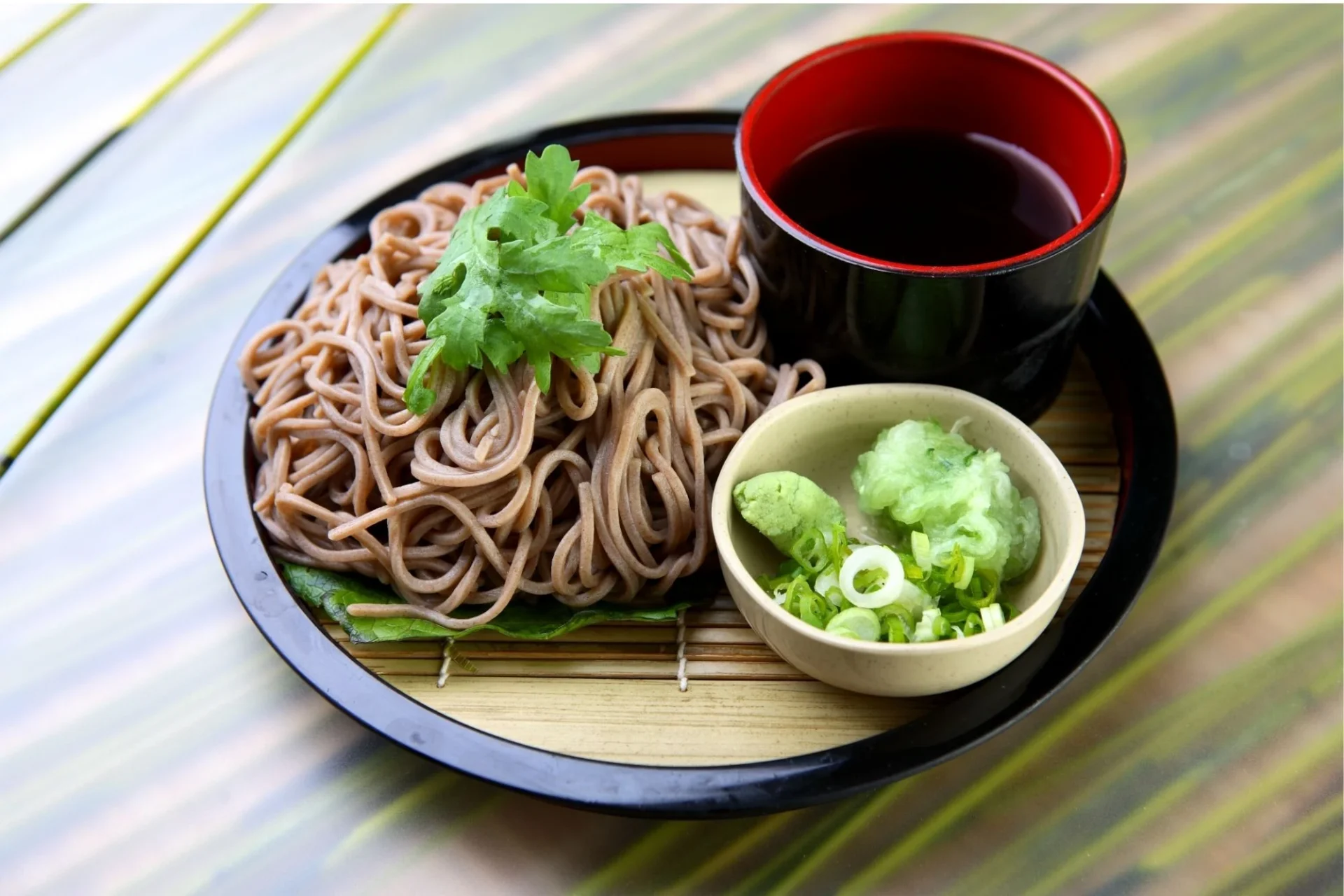
- What It Is: Thin noodles made from buckwheat flour, yielding a distinct grey-brown color and nutty flavor profile. Enjoyed cold on a bamboo mat (Zaru Soba) dipped into soy-dashi sauce, or hot in noodle soup.
- Flavor & Texture: Earthy, nutty, and light with a firm bite.
- Where to Try: Nagano Prefecture (famed for buckwheat cultivation) or traditional train station soba counters in Tokyo.
9. Yakisoba
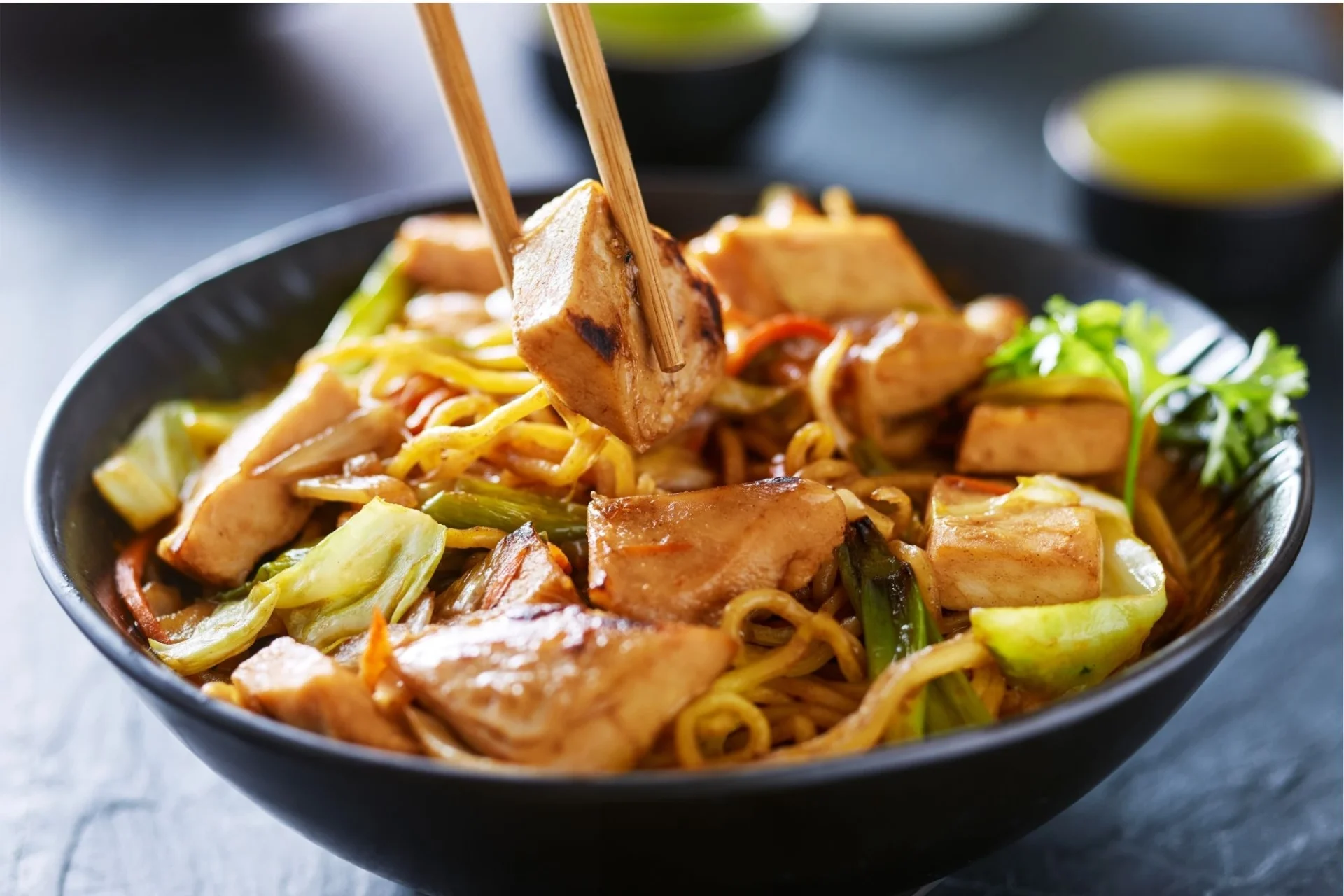
- What It Is: Wheat noodles stir-fried on an iron griddle (teppan) with pork belly slices, shredded cabbage, carrots, and onions, coated in a sweet and tangy yakisoba sauce.
- Flavor & Texture: Smoky, savory, slightly sweet, and finished with pickled red ginger (beni shoga) and dried seaweed flakes (aonori).
- Where to Try: Lively street festivals (matsuri), food markets, and casual griddle stalls in Osaka and Tokyo.
Grilled & Fried Japan Food Specialties
10. Yakitori
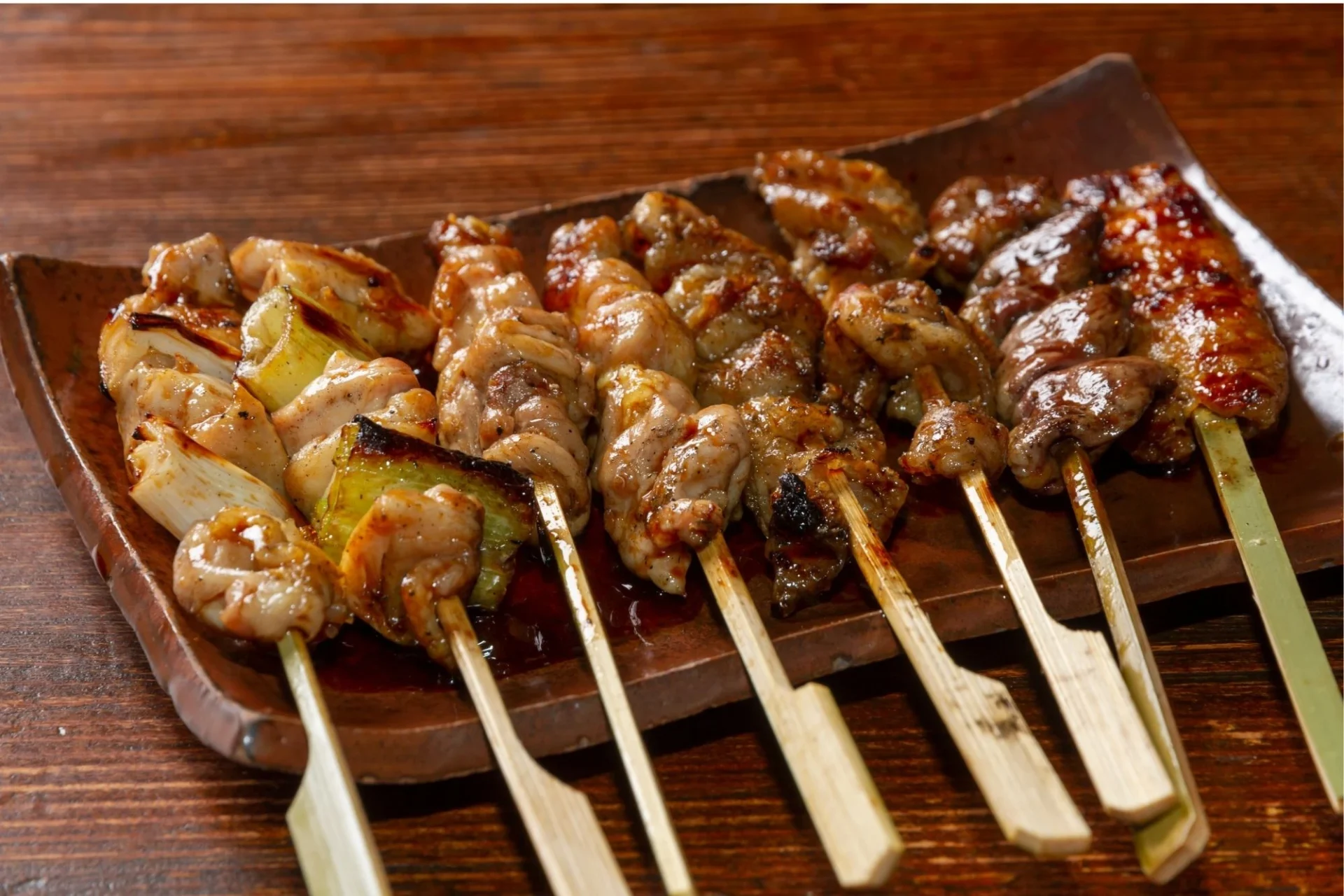
- What It Is: Skewered bite-sized pieces of chicken—including thigh, breast, skin, liver, and meatballs—grilled over red-hot charcoal. Skewers are seasoned simply with sea salt (shio) or brushed with a sweet soy-mirin reduction (tare).
- Flavor & Texture: Smoky char on the outside, juicy on the inside, with a rich glaze or clean salty finish.
- Where to Try: Tokyo‘s atmospheric izakaya alleys, such as Shinjuku’s Omoide Yokocho or Yurakucho under the train tracks.
11. Tempura
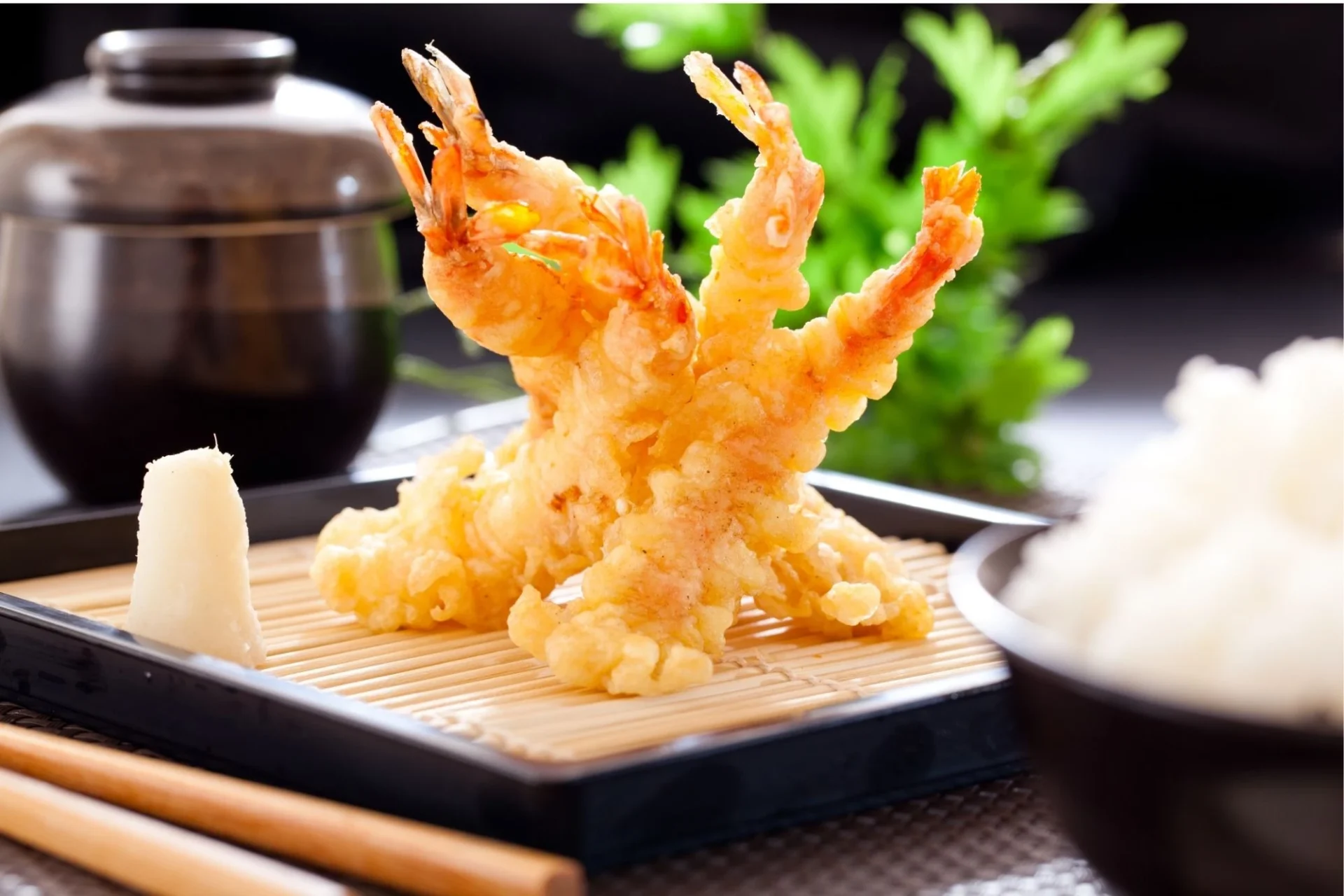
- What It Is: Fresh seafood (shrimp, squid, white fish) and seasonal vegetables (sweet potato, eggplant, lotus root) dipped in a ice-cold batter and flash-fried to golden crispness.
- Flavor & Texture: Delicately light, airy, and non-greasy crust enveloping fresh, sweet seafood or tender vegetables. Served with dashi dipping sauce, grated daikon, and ginger.
- Where to Try: Traditional tempura specialty houses in Tokyo.
12. Takoyaki
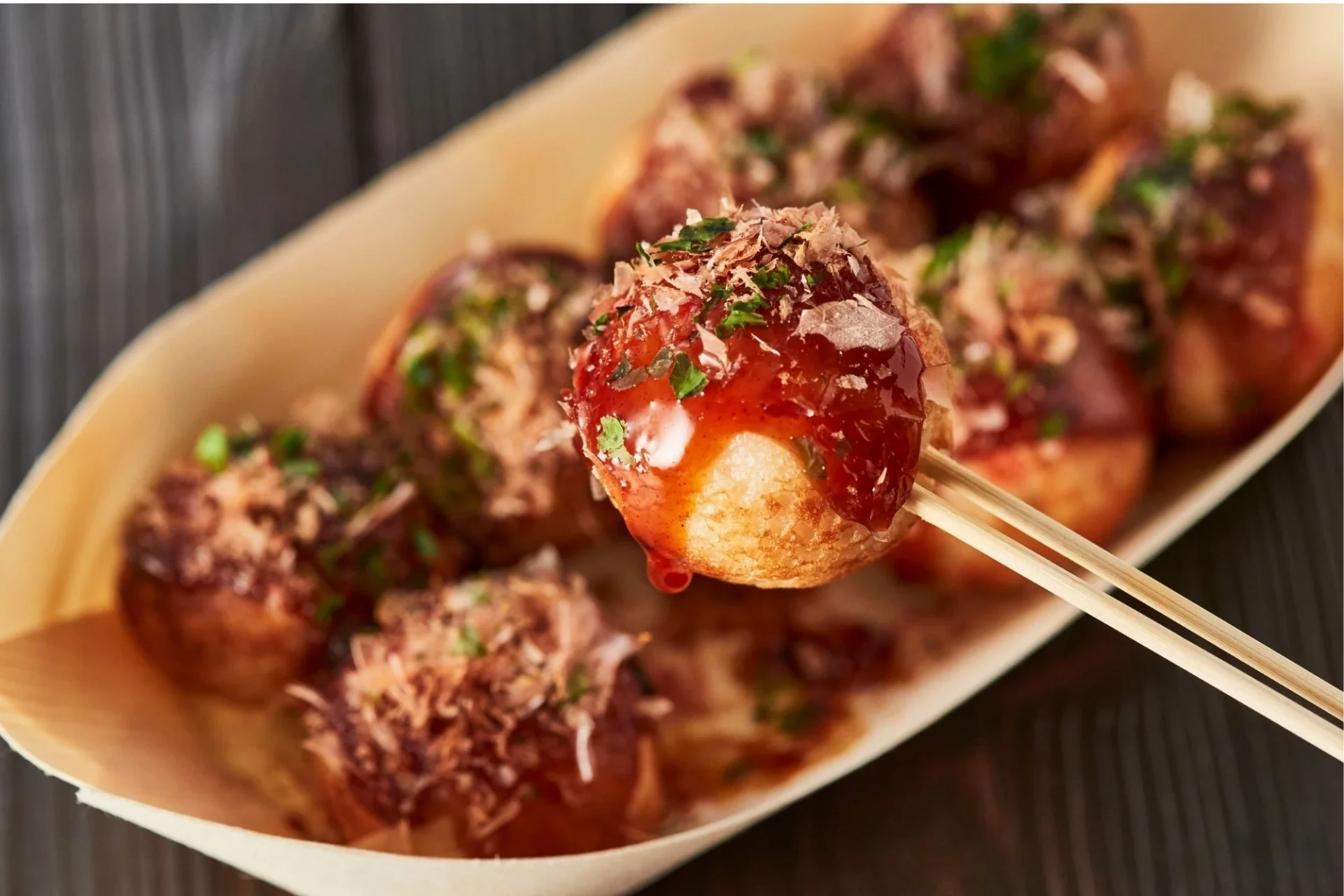
- What It Is: A signature street-style japan food snack consisting of crisp, golden batter balls stuffed with tender octopus pieces, pickled ginger, and green onions, cooked in specialized iron hemispherical molds.
- Flavor & Texture: Crunchy on the outside, piping hot and molten inside, brushed with tangy brown sauce, Japanese mayonnaise, green seaweed, and dancing bonito flakes.
- Where to Try: The neon-lit street food hub of Osaka (specifically Dotonbori).
13. Okonomiyaki
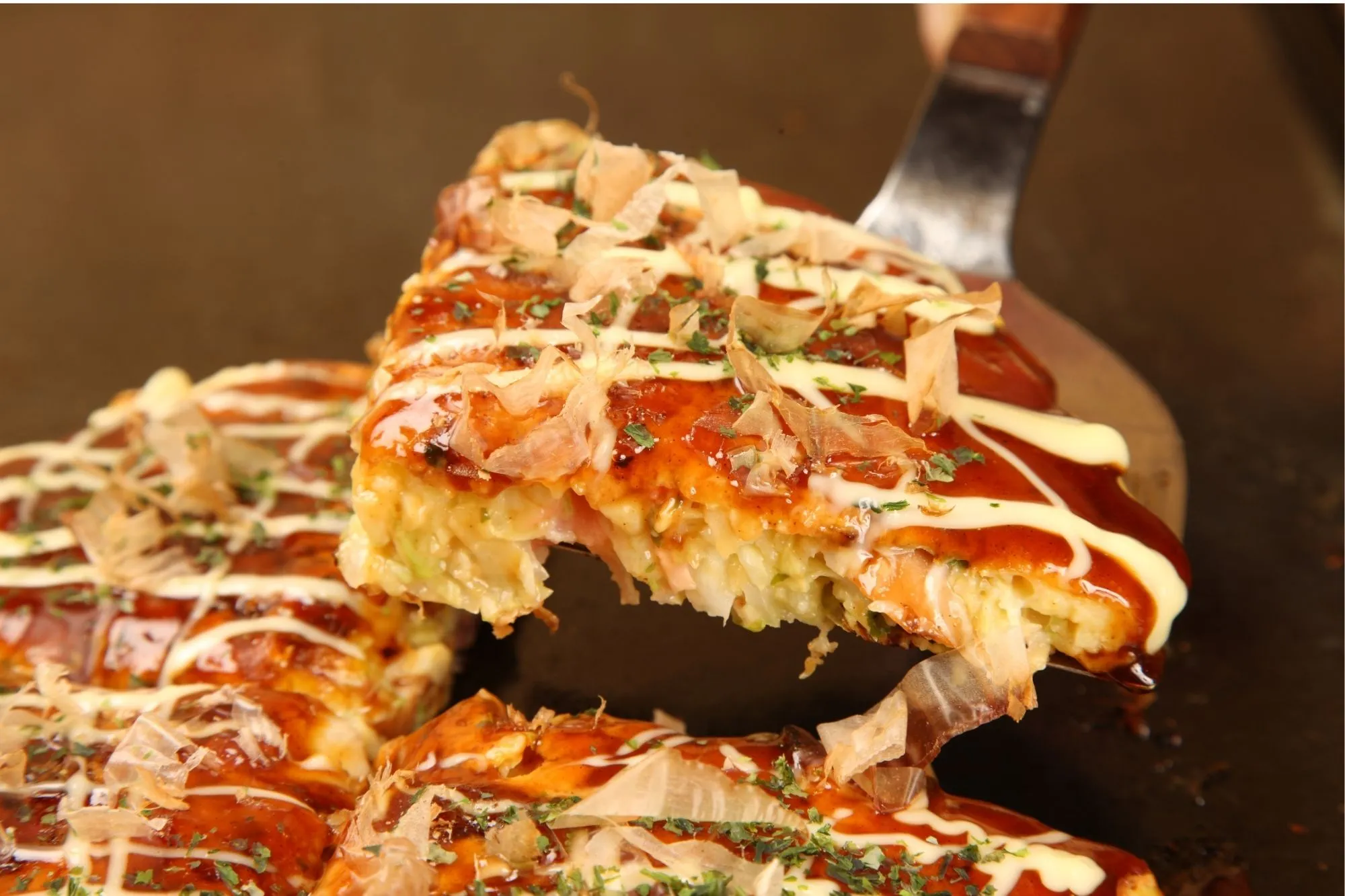
- What It Is: A savory, filling cabbage pancake mixed with flour, eggs, and dashi, grilled on a teppan iron plate. Osaka style mixes all ingredients together before grilling, while Hiroshima style layers cabbage, pork, and fried yakisoba noodles beneath a thin batter crepe.
- Flavor & Texture: Hearty, savory, and rich, topped with sweet okonomiyaki sauce, mayo, and bonito flakes.
- Where to Try: Osaka and Hiroshima for their competing regional traditions.
14. Tonkatsu
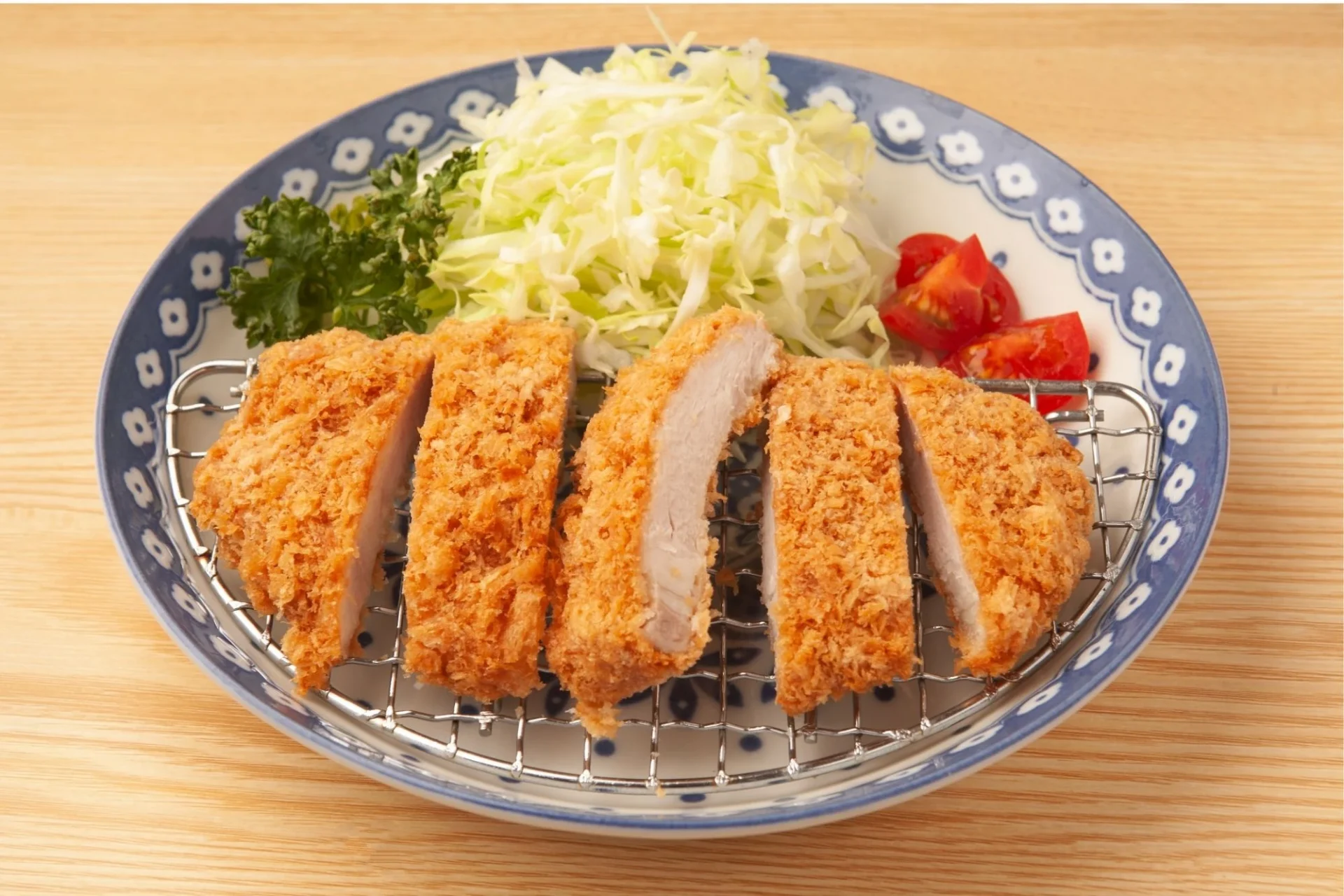
- What It Is: Thick pork loin or tenderloin cutlets coated in flour, beaten egg, and airy panko breadcrumbs, deep-fried until golden brown. Served sliced alongside finely shredded cabbage, steamed rice, miso soup, and tangy fruit-based tonkatsu sauce.
- Flavor & Texture: Ultra-crispy panko exterior giving way to juicy, tender pork cutlet.
- Where to Try: Specialty tonkatsu restaurants in Tokyo or Nagoya for red-miso-topped Miso Katsu.
15. Wagyu Beef (Teppanyaki / Yakiniku)
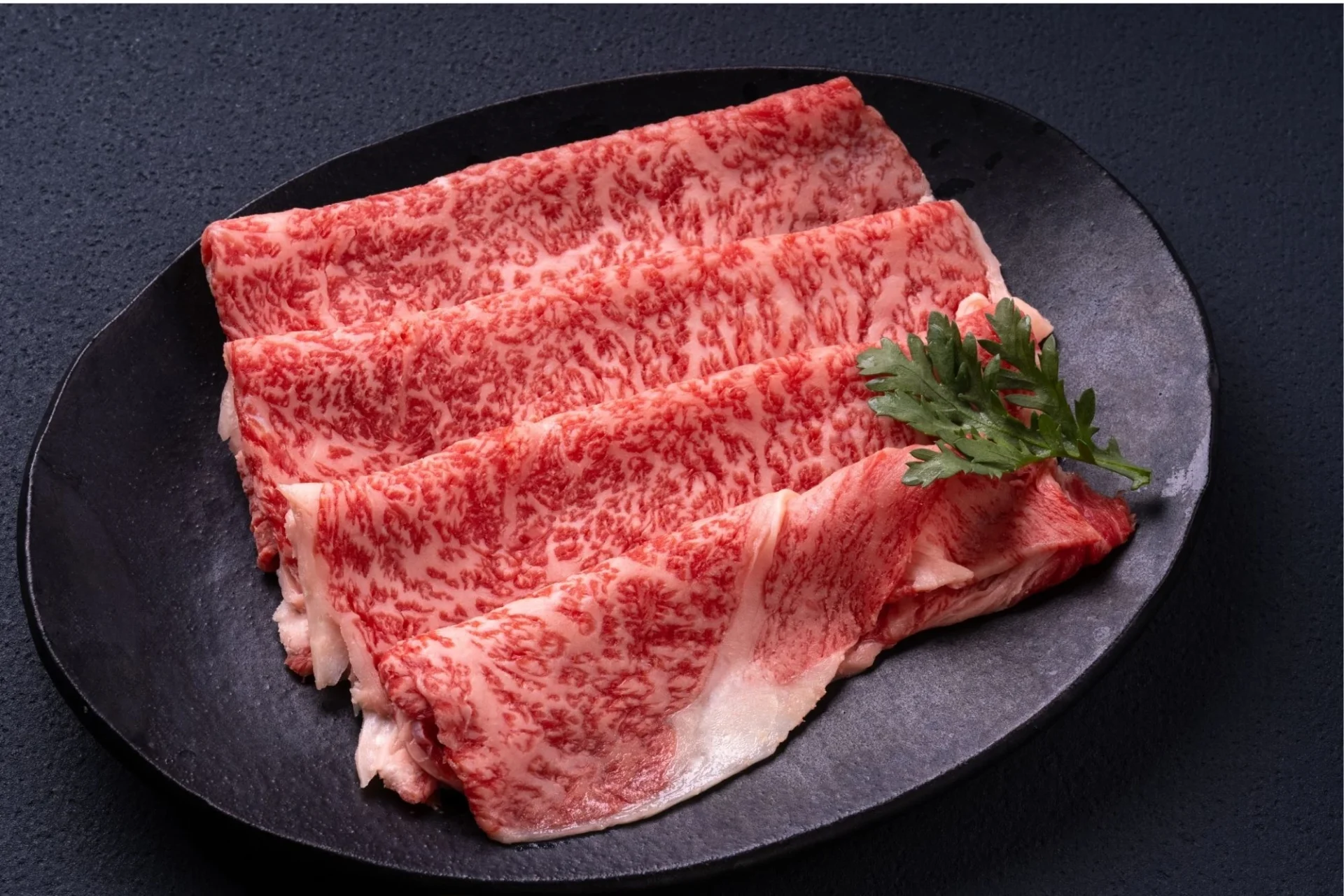
- What It Is: Premium Japanese beef from native cattle breeds, famous for intense intramuscular fat marbling. Served as Teppanyaki (grilled on an iron griddle before you) or Yakiniku (grilling thin slices over tabletop charcoal).
- Flavor & Texture: Luxurious, melt-in-your-mouth tenderness with a buttery, rich beef flavor.
- Where to Try: Hyogo Prefecture (Kobe Beef), as well as Matsusaka and Hida beef regions.
Hot Pot & Stew Dishes in Japanese Cuisine
16. Sukiyaki
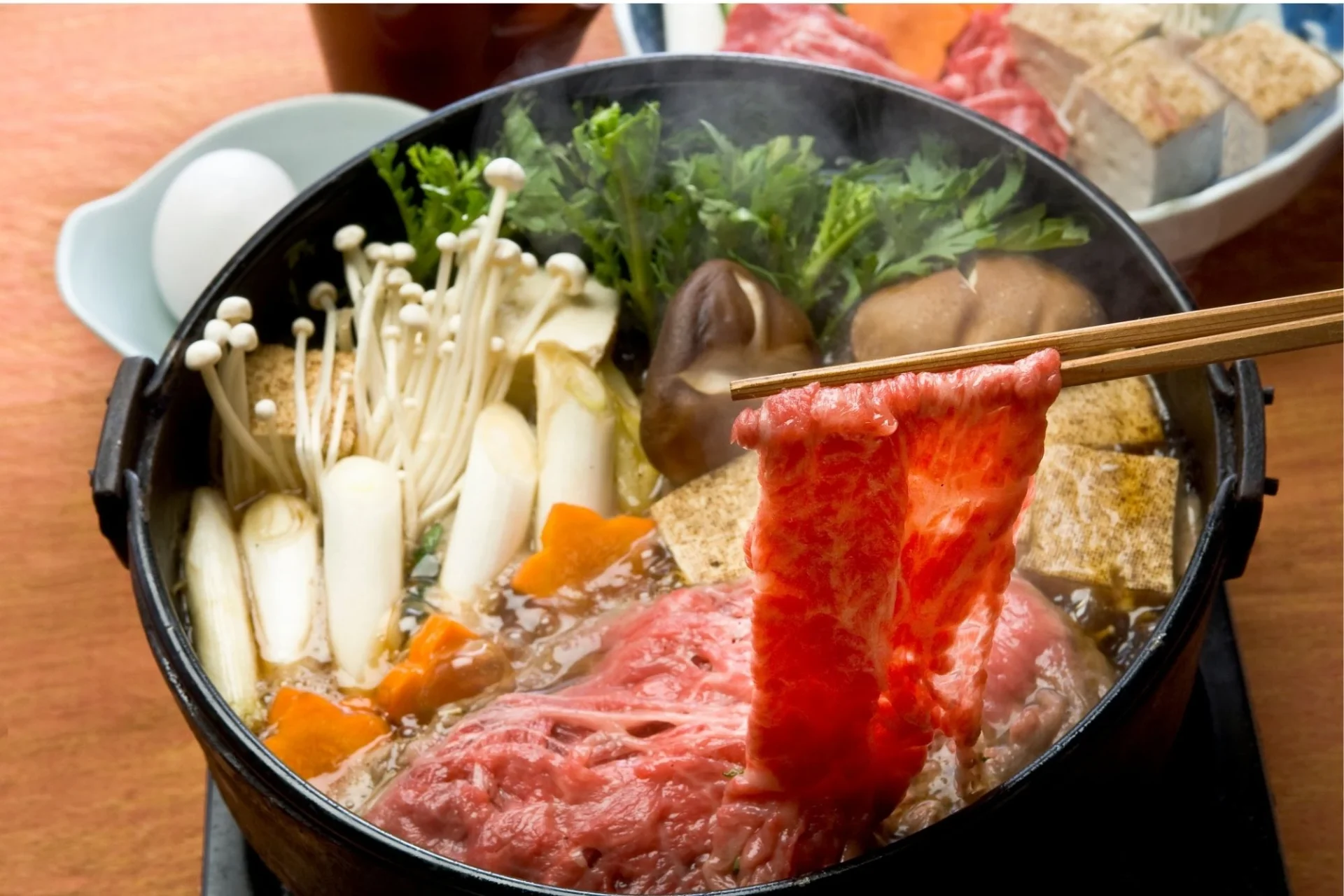
- What It Is: Thinly sliced beef simmered at the table in a sweet and savory broth made from soy sauce, sugar, mirin, and sake. Cooked alongside tofu, scallions, shiitake mushrooms, and konjac noodles.
- Flavor & Texture: Richly seasoned, sweet-savory beef dipped into a bowl of raw beaten egg for an irresistibly silky coating.
- Where to Try: Historic hot pot dining establishments in Tokyo and Kyoto.
17. Shabu-Shabu
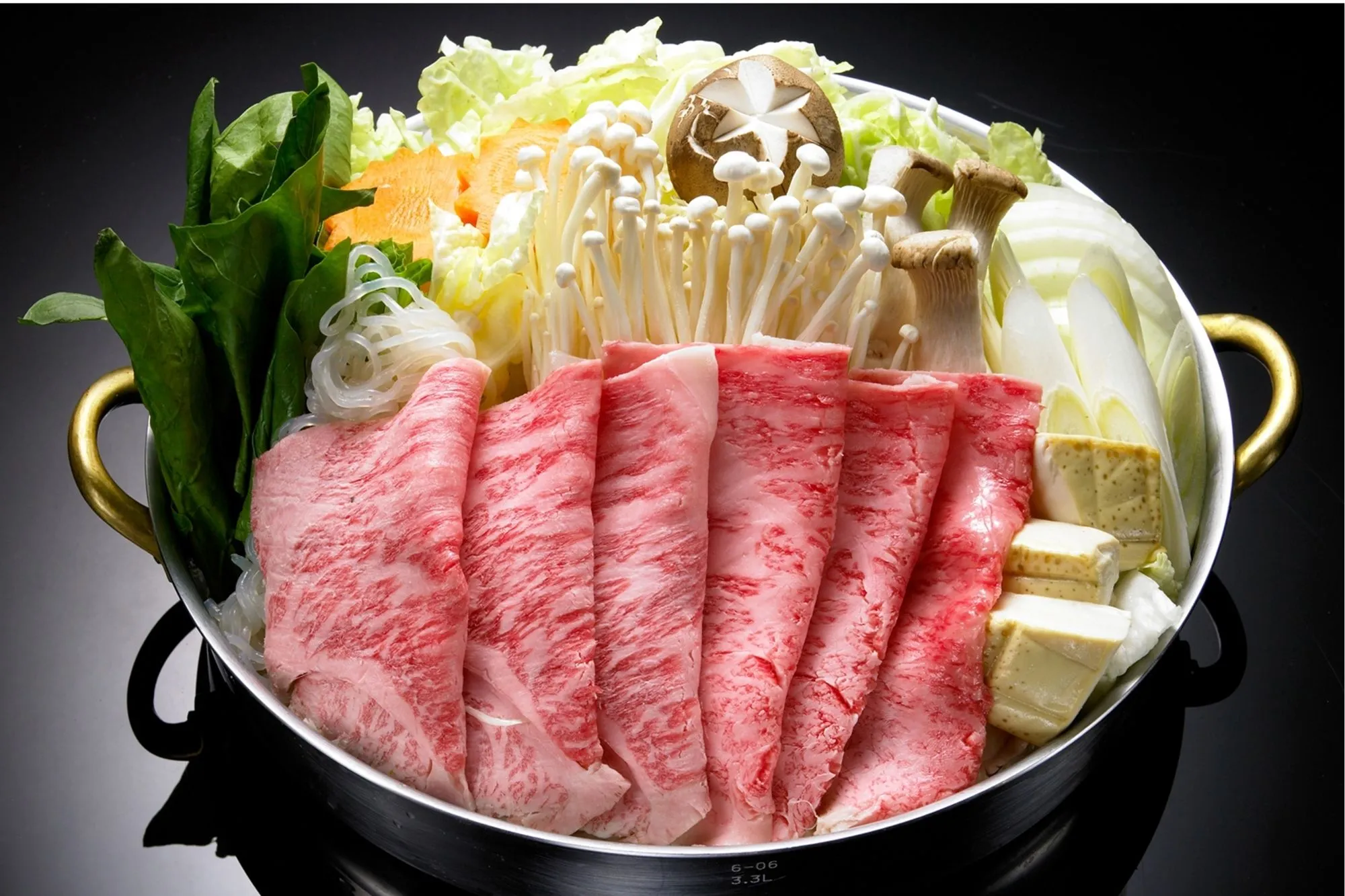
- What It Is: A communal hot pot where paper-thin slices of beef or pork are lightly swished back and forth in a boiling kombu seaweed broth. The lightly cooked meat is then dipped in tangy ponzu sauce or creamy sesame sauce.
- Flavor & Texture: Clean, healthy, and delicate, accentuating the high quality of the meat and fresh vegetables.
- Where to Try: Dedicated hot pot houses in Tokyo and Kyoto.
18. Oden
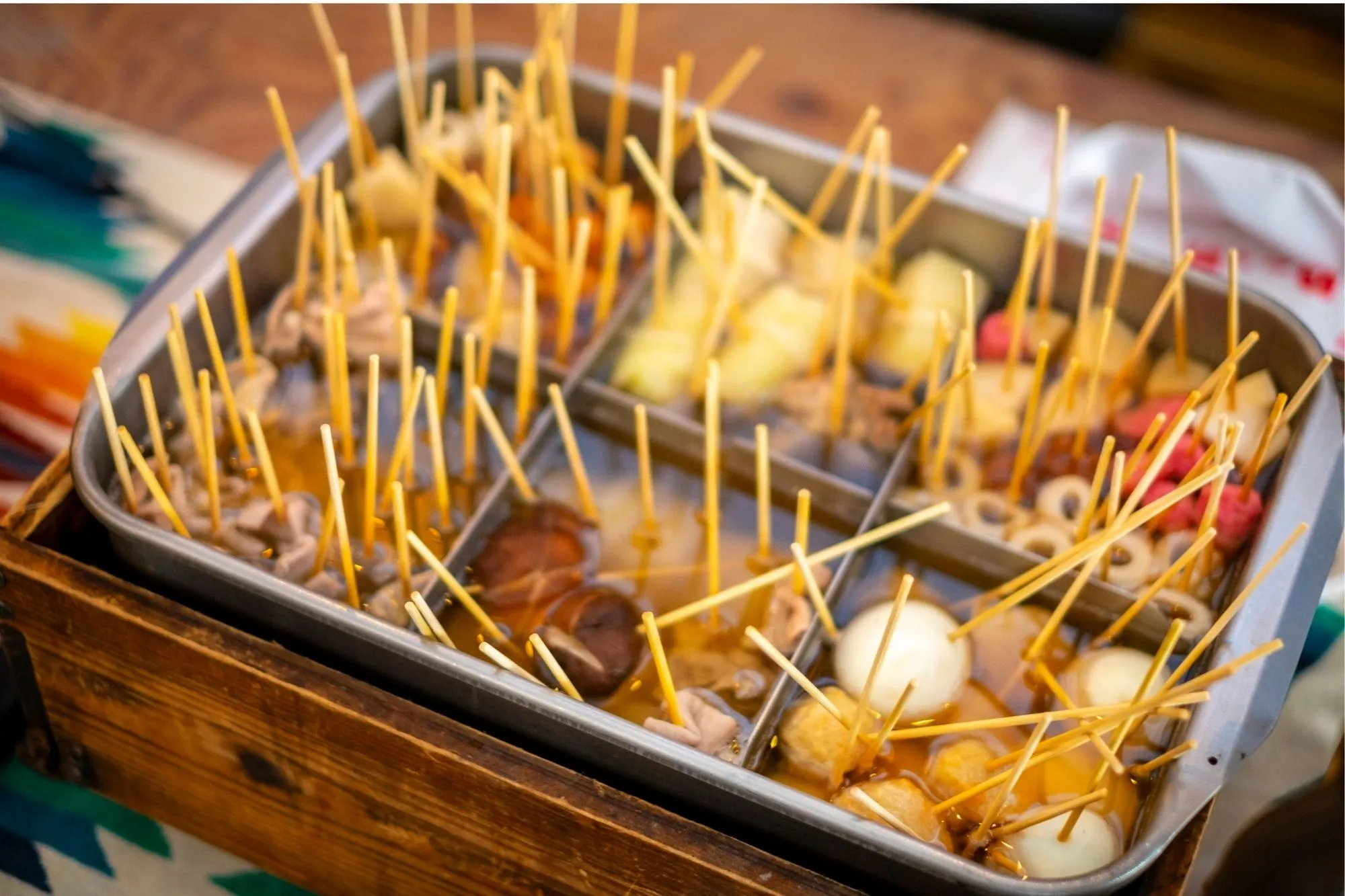
- What It Is: A comforting winter stew consisting of various ingredients—daikon radish, boiled eggs, konjac, fishcakes, and stuffed tofu—simmered for hours in a light dashi broth.
- Flavor & Texture: Soft, juicy ingredients thoroughly infused with umami-rich broth.
- Where to Try: Convenience store hot counters during cold months and neighborhood izakayas nationwide.
Fermented Staples in Japan Food Culture
19. Miso Soup
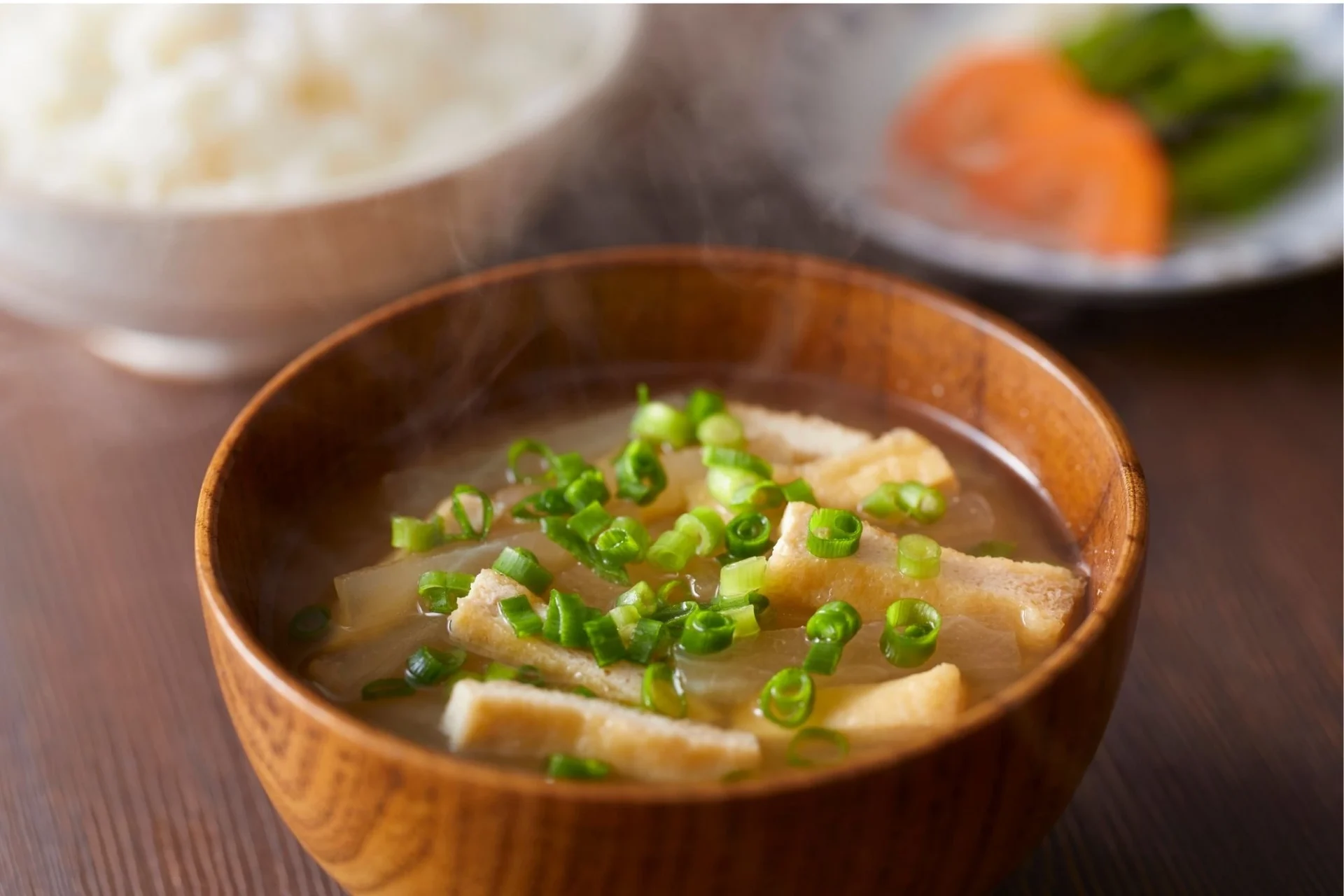
- What It Is: The foundational soup of everyday Japanese cuisine, made by dissolving fermented soybean paste (miso) into dashi broth. Usually features soft tofu cubes, wakame seaweed, and sliced green onions.
- Flavor & Texture: Warm, comforting, and deeply savory with balanced saltiness and umami.
- Where to Try: Served as an essential element of set meals (teishoku) across Japan.
20. Natto
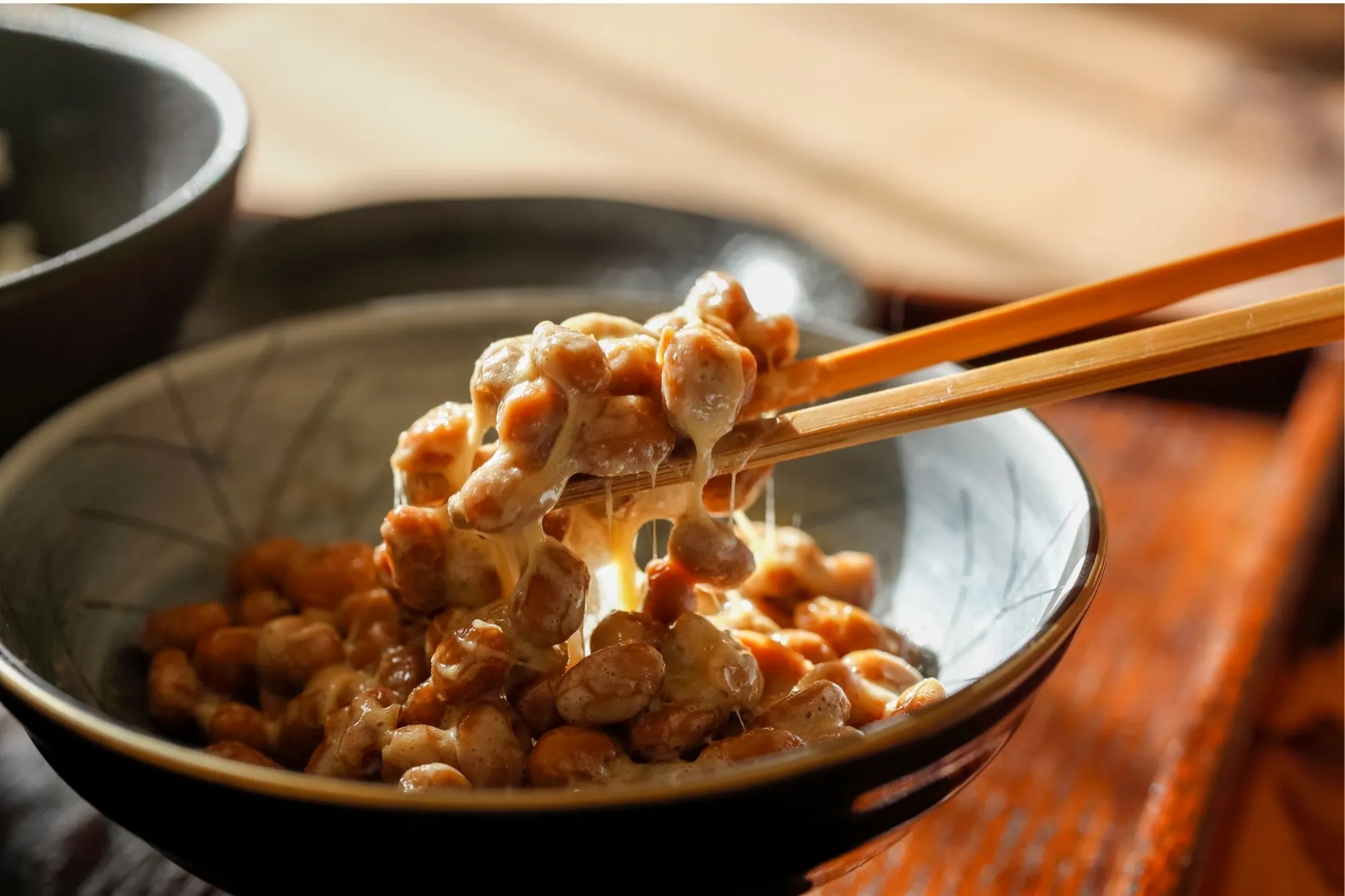
- What It Is: Whole soybeans fermented with Bacillus subtilis, resulting in a sticky, stringy texture and a distinctive pungent aroma. Eaten stirred over hot white rice with soy sauce and mustard.
- Flavor & Texture: Gooey, nuttily savory, and packed with protein, probiotics, and vitamin K2.
- Where to Try: Breakfast buffets at hotels and traditional ryokan inns nationwide.
21. Tsukemono (Japanese Pickles)
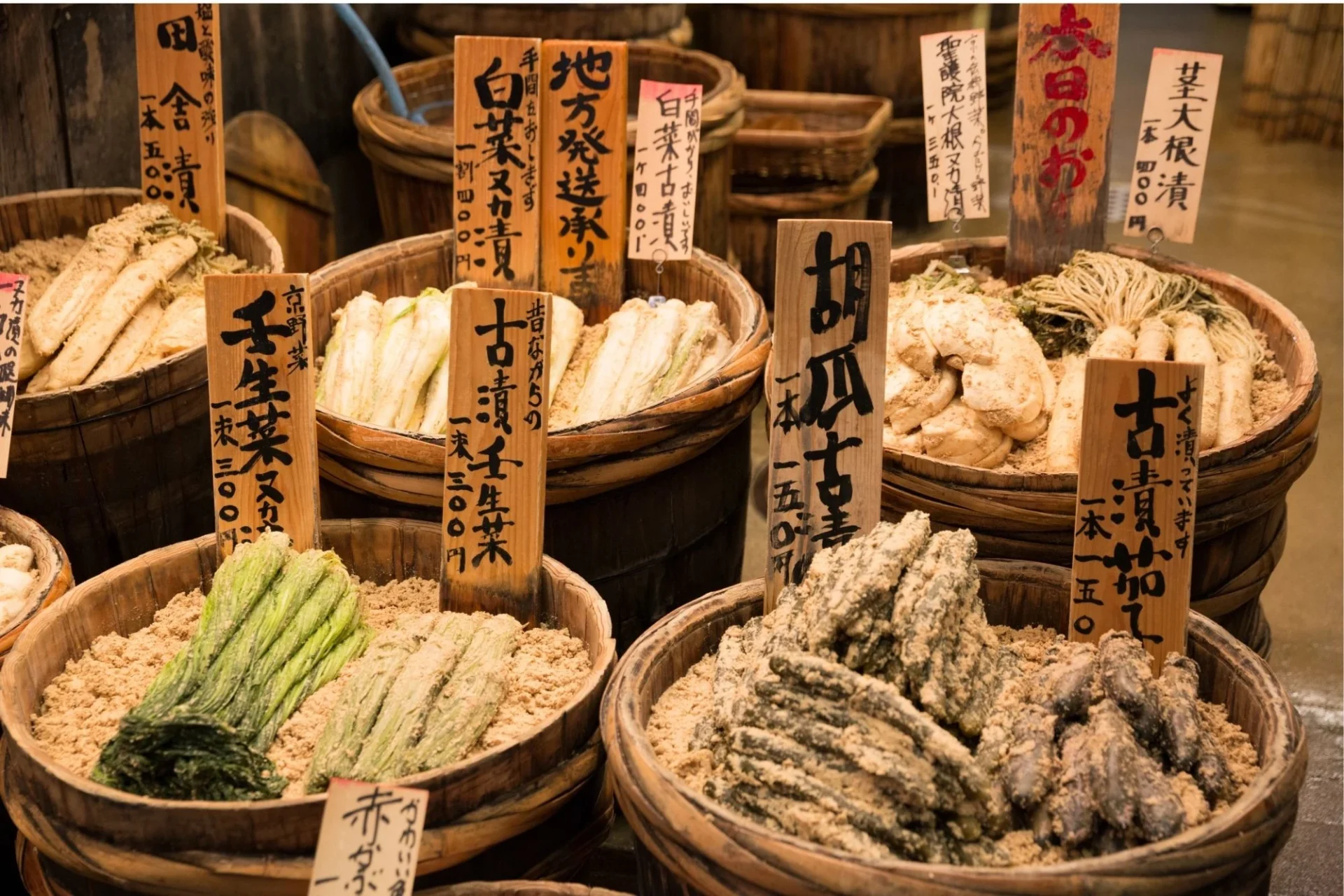
- What It Is: Crisp vegetables (cucumber, daikon radish, eggplant, plum) preserved in salt, rice bran, or vinegar.
- Flavor & Texture: Crunchy, tangy, and salty, serving as an indispensable palate cleanser during rich meals.
- Where to Try: Kyoto (specifically Nishiki Market, famed for historic pickling traditions).
Desserts & Snacks in Japanese Cuisine
22. Mochi
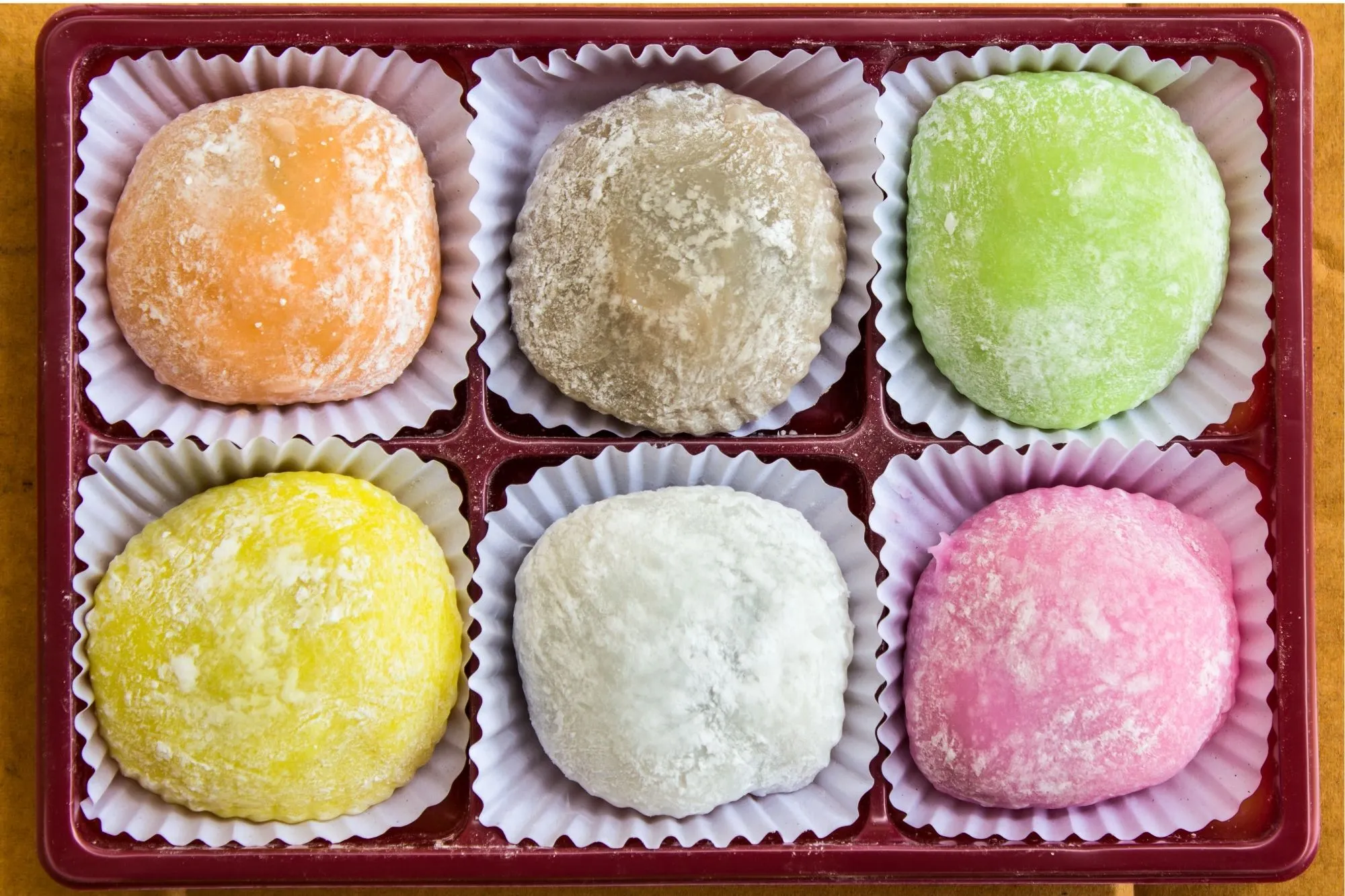
- What It Is: Chewy rice cakes made from pounded glutinous rice flour. Can be filled with sweet red bean paste (anko), matcha cream, or fresh strawberries (Ichigo Daifuku).
- Flavor & Texture: Soft, stretchy, chewy, and mildly sweet.
- Where to Try: Traditional confectionery shops in Kyoto and Tokyo.
23. Dorayaki
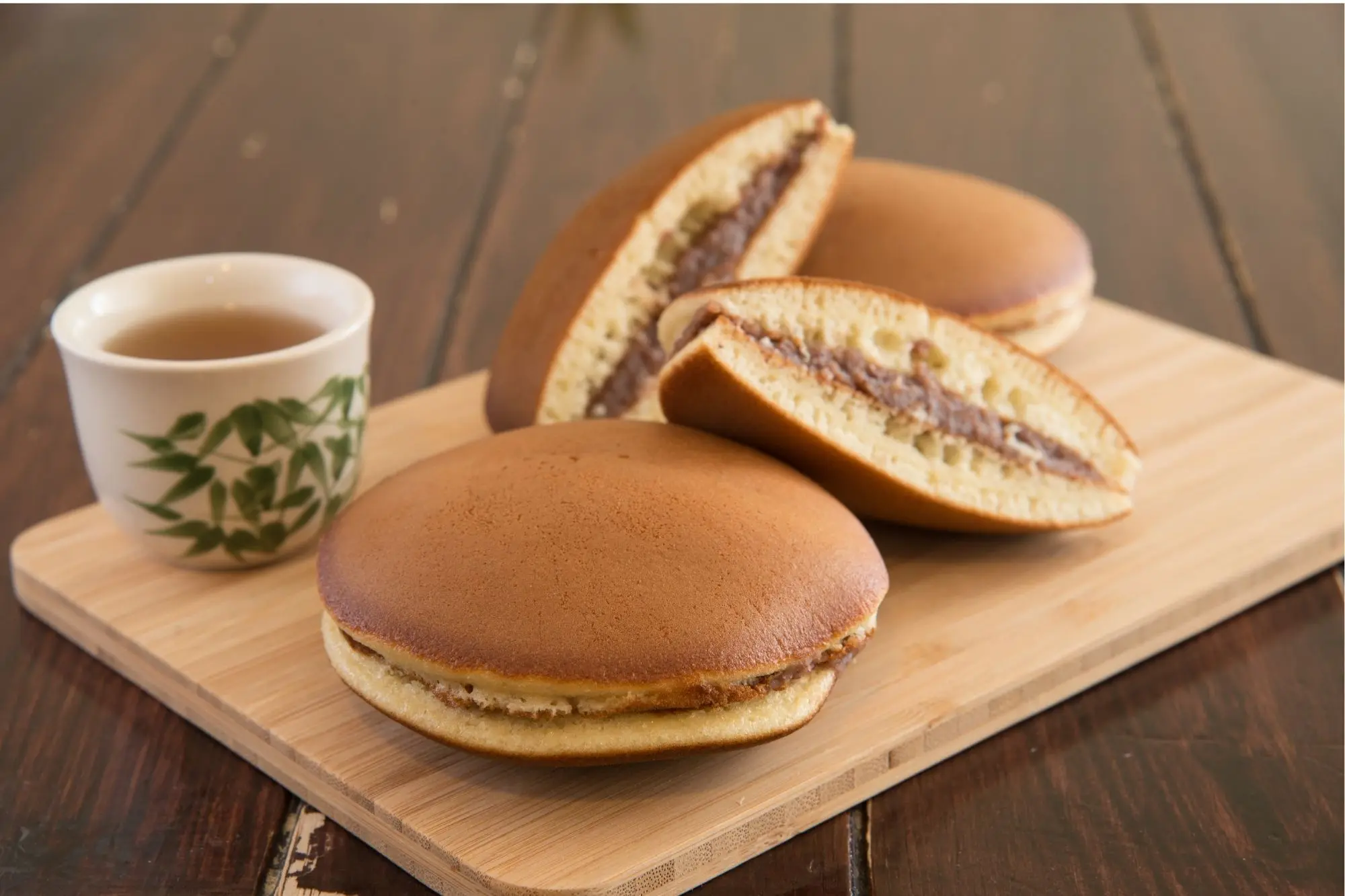
- What It Is: Two soft, sweet, sponge-like pancake patties sandwiched together with a smooth filling of sweet azuki red bean paste.
- Flavor & Texture: Fluffy, honey-scented pancake contrast with sweet red bean filling.
- Where to Try: Specialty wagashi shops in Tokyo.
24. Taiyaki
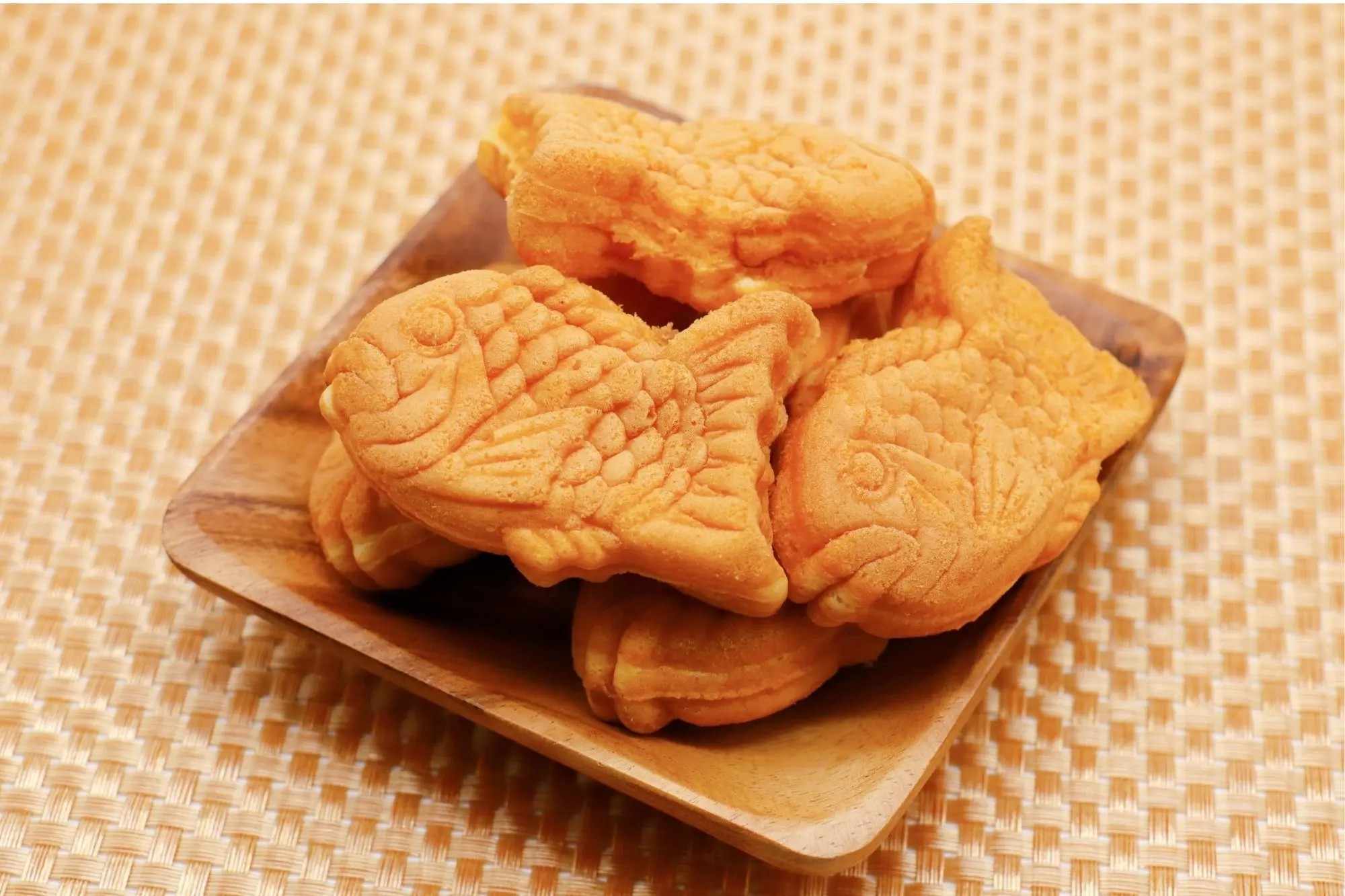
- What It Is: A sea bream-shaped waffle pastry baked in a double-sided iron mold. Stuffed traditionally with sweet red bean paste, or modern variations like custard, chocolate, and matcha.
- Flavor & Texture: Golden and crispy on the outer edges, warm and soft inside with abundant filling.
- Where to Try: Street stalls in Tokyo (Asakusa district) and Osaka.
25. Wagashi
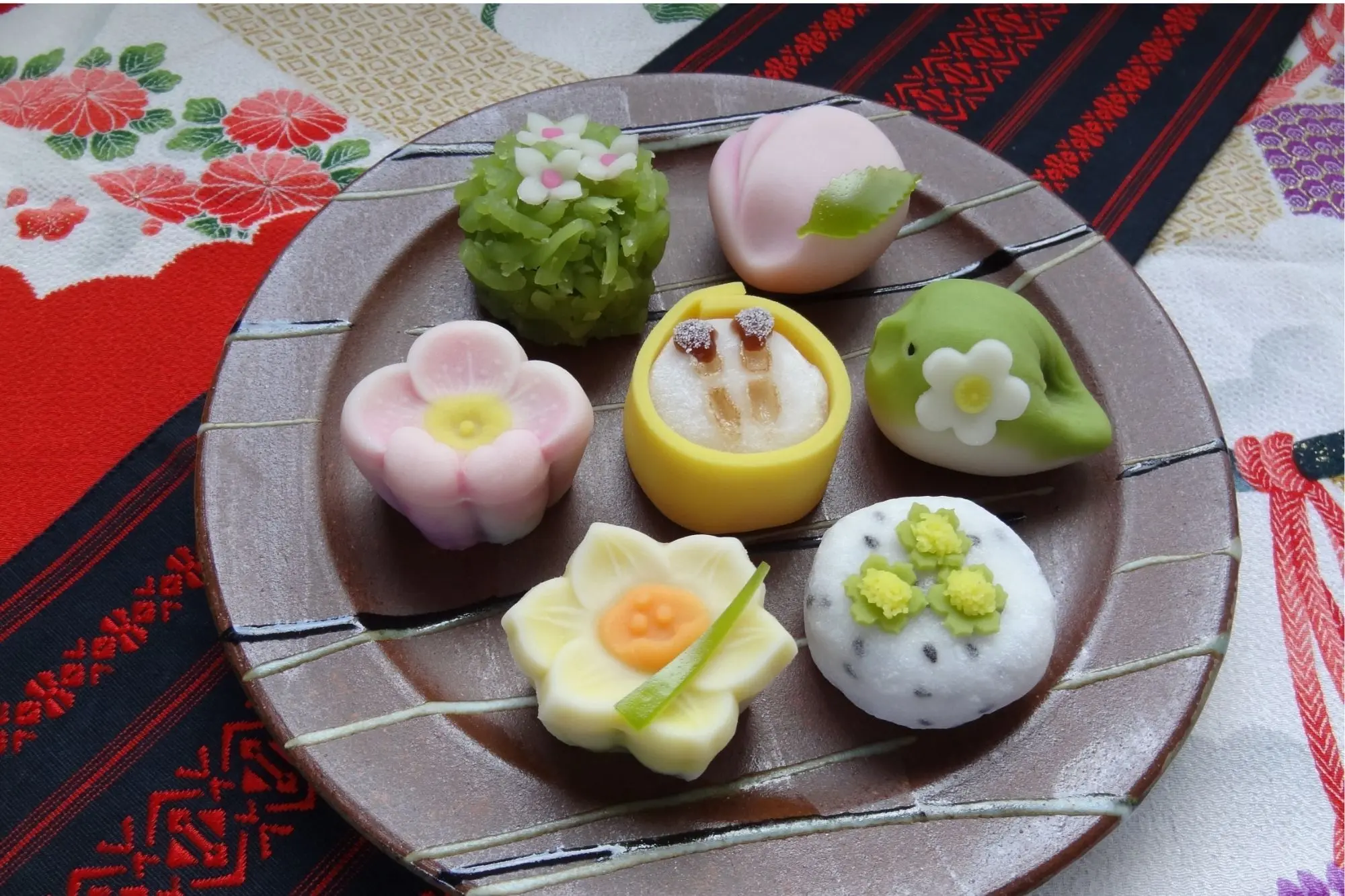
- What It Is: Meticulously handcrafted traditional confections in Japanese cuisine made from plant-based ingredients like red bean paste and rice flour, sculpted after natural seasonal motifs (cherry blossoms, autumn leaves).
- Flavor & Texture: Subtle sweetness designed specifically to complement the bittersweet flavor of ceremonial matcha green tea.
- Where to Try: Traditional tea houses in Kyoto during a Japanese tea ceremony.
Regional Capitals for Japan Food Enthusiasts
Tokyo – The Gastronomic Metropolis
Tokyo offers the widest range of japan food options on earth, from Michelin-starred sushi counters in Ginza to bustling izakaya alleys under train tracks.
Osaka – The Street Food Capital
Nicknamed “Japan’s Kitchen,” Osaka is famous for its casual street japan food culture (kuidaore—eating until you drop). The Dotonbori district is the epicenter for Takoyaki and Okonomiyaki.
Kyoto – The Essence of Fine Tradition
Kyoto is the cultural heartland for refined multi-course kaiseki dining, Buddhist temple vegetarian cuisine (shojin ryori), and traditional matcha sweets.
Dining Tips & Etiquette for Enjoying Japanese Cuisine
- Table Expressions: Say “Itadakimasu” before starting your meal as a sign of gratitude, and “Gochisousama deshita” upon finishing.
- Chopstick Etiquette: Never stick chopsticks vertically into rice or pass food directly chopstick-to-chopstick, as both resemble funeral rites.
- No Tipping: Tipping is not practiced anywhere in Japan—simply pay the bill total.
Frequently Asked Questions About Japanese Dishes
Q1: What dish is considered the national dish of Japan?
While sushi is internationally famous, everyday staples like ramen and Japanese curry rice are equally popular national comfort foods among Japanese dishes.
Q2: What Japanese dishes can vegetarians enjoy?
Vegetarians can enjoy Shojin ryori (Buddhist temple food), Yudofu (boiled tofu), vegetable tempura, and cucumber sushi rolls (kappamaki).
Q3: Is Japanese food spicy?
Generally no; Japanese cuisine emphasizes subtle umami flavors. Spiciness is added optionally using condiments like wasabi, karashi mustard, or shichimi togarashi spice blends.
Conclusion
Japanese cuisine is more than a list of famous meals. It is a living tradition built on seasonality, balance, and respect for ingredients. From the precision of sushi and tempura to the comfort of ramen, okonomiyaki, and Japanese curry rice, these 25 iconic Japanese dishes show just how diverse japan food can be.
The best way to understand washoku is to taste it where it was born. Slurp tonkotsu ramen in Fukuoka, eat takoyaki in Osaka’s Dotonbori, and enjoy kaiseki and matcha sweets in Kyoto. Remember the basics of etiquette, like saying “itadakimasu” before you eat, and you will enjoy every bite with confidence.
For your first trip, start with the specialties that naturally fit your itinerary. If you are traveling through several regions, use food as another way to understand where you are. With a customized itinerary from Nicetrip Travels, you can explore Japan through its local food, culture, and destinations while traveling at your own pace. Follow the Nicetrips Blog for more destination guides, travel tips, and Japan travel inspiration.