A Japanese convenience store is much more than a place to grab a quick drink or snack. Known locally as konbini, these stores are part of everyday life in Japan and offer an impressive range of affordable meals, snacks, desserts, and drinks. For travelers, trying Japanese convenience food is an easy way to experience everyday Japanese food culture without spending much time or money. This Japan konbini guide ranks some of the most popular items worth trying on your next trip from rice balls and sandwiches to noodles, desserts, and seasonal snacks.

What Is a Japanese Convenience Store?
A Japanese convenience store, or konbini (コンビニ), is a small retail store designed for quick and convenient everyday purchases. Major chains such as 7-Eleven, FamilyMart, and Lawson can be found throughout Japan, from large cities like Tokyo, Osaka to smaller towns and near major train stations.
Unlike many convenience stores elsewhere, Japanese konbini offer a surprisingly wide selection of freshly prepared and ready-to-eat food. Travelers can usually find:
- Onigiri and rice-based snacks
- Sandwiches and bread
- Bento boxes and rice meals
- Noodles and pasta
- Hot snacks
- Desserts and sweets
- Coffee, tea, and soft drinks
- Seasonal and limited-edition products
For visitors, konbini are especially useful when looking for a quick breakfast, late-night snack, simple lunch, or affordable meal between sightseeing stops.
Why Is Japanese Convenience Food So Popular?
The appeal of Japanese convenience food goes beyond convenience. Many products are designed with careful attention to taste, packaging, portion size, and freshness.
- Affordable Prices: Konbini meals are generally more affordable than eating at a restaurant, making them useful for travelers who want a quick meal without spending too much.
- Wide Variety: A single store can offer everything from traditional Japanese rice dishes to Western-style sandwiches, pasta, desserts, and drinks.
- Convenient Locations: A Japan konbini can often be found near train stations, hotels, shopping streets, and residential areas, making it easy to stop by during a busy sightseeing day.
- Seasonal Products: Japanese convenience stores regularly introduce seasonal and limited-edition products. This means the selection can change throughout the year, giving returning travelers new things to try.
What Are the Best Japanese Convenience Store Foods to Try?
With so many choices available, first-time visitors may not know where to start. The following Japanese convenience store classics are ranked based on popularity, convenience, and appeal to travelers. Prices are approximate and can vary by store, region, product size, and season.
1. Onigiri – The Classic Konbini Staple
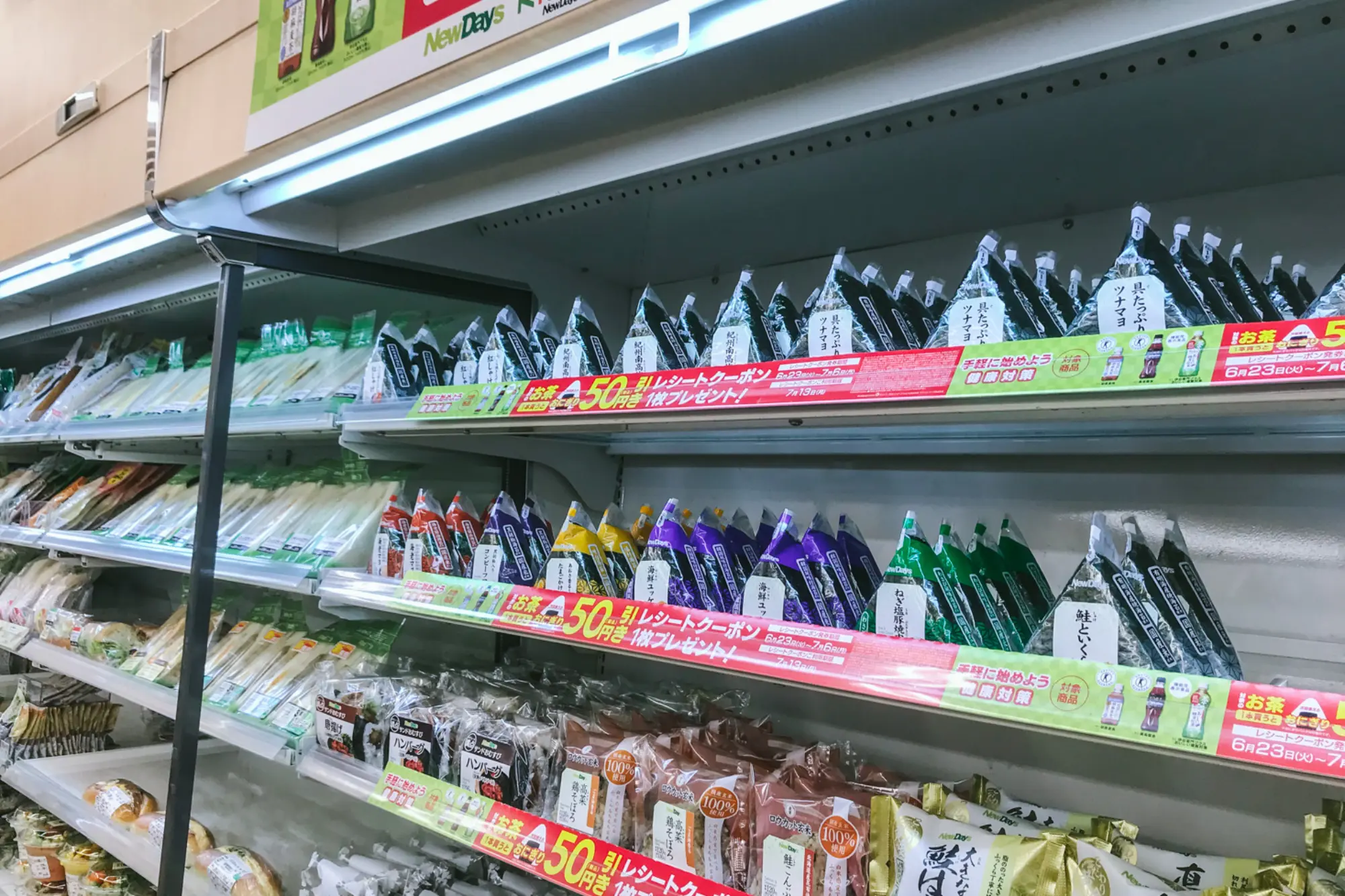
Onigiri is one of the easiest Japanese convenience food options for first-time visitors. These rice balls are usually filled with ingredients such as salmon, tuna mayonnaise, pickled plum, or other savory fillings and are often wrapped in seaweed.
They are inexpensive, portable, and easy to eat between sightseeing stops. Basic varieties are usually among the most affordable food options in a Japan konbini, while premium fillings such as salmon roe or specialty regional ingredients can cost more.
Typical price: ¥150-¥220
Best for: Breakfast, a quick snack, or a light lunch.
Tip: If you are unsure which flavor to choose, salmon or tuna mayonnaise are approachable options.
2. Egg Sandwich – A Simple Cult Classic
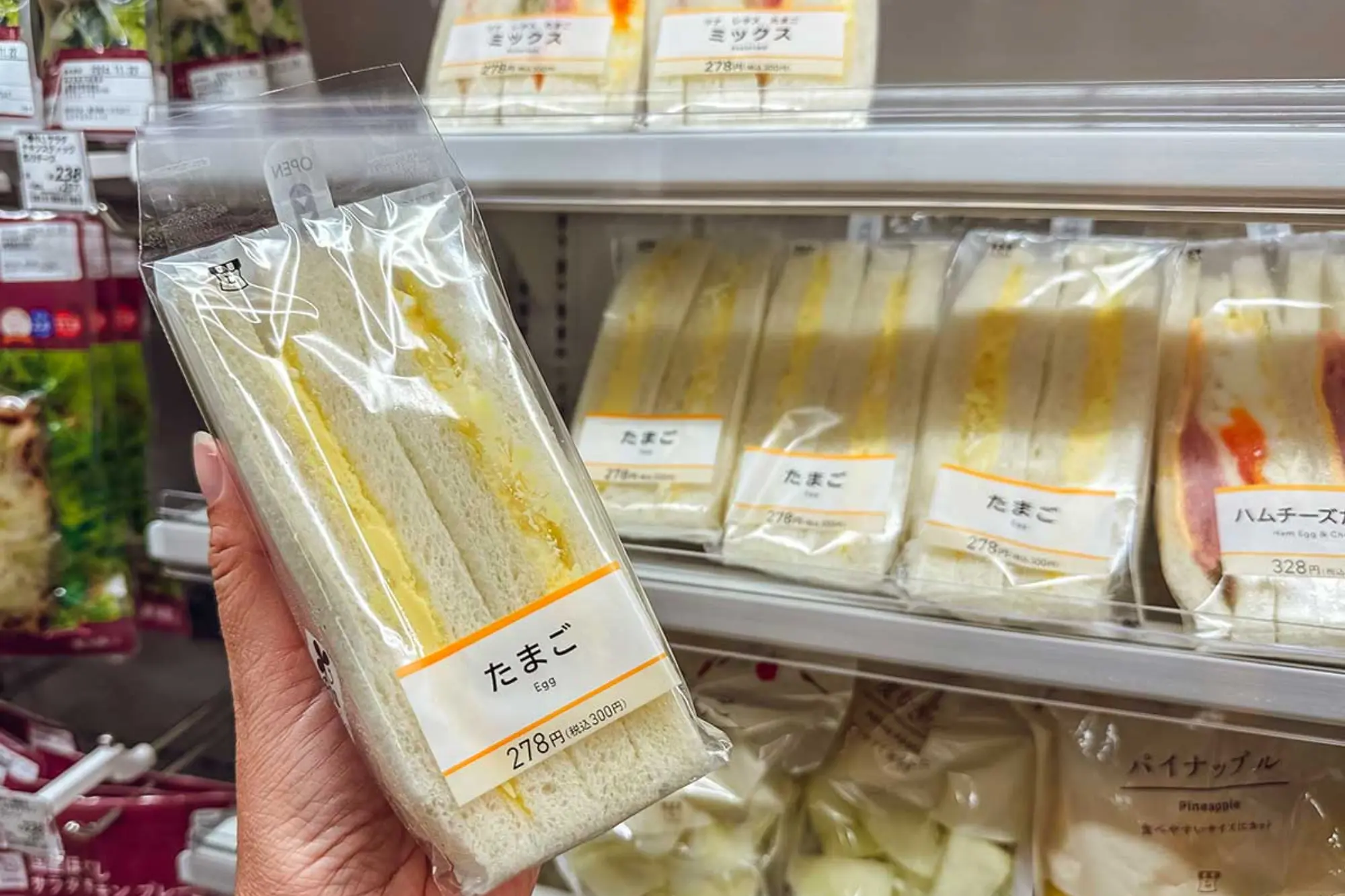
The Japanese convenience-store egg sandwich has become a cult favorite among both locals and international visitors. It usually consists of soft white bread filled with a creamy egg mixture.
The simple combination of soft bread and rich filling makes it a popular konbini breakfast or snack.
Typical price: ¥250-¥350
Best for: Breakfast or a light meal.
Tip: Compare egg sandwiches from different chains to see how the bread and filling differ.
3. Bento – An Easy Complete Meal
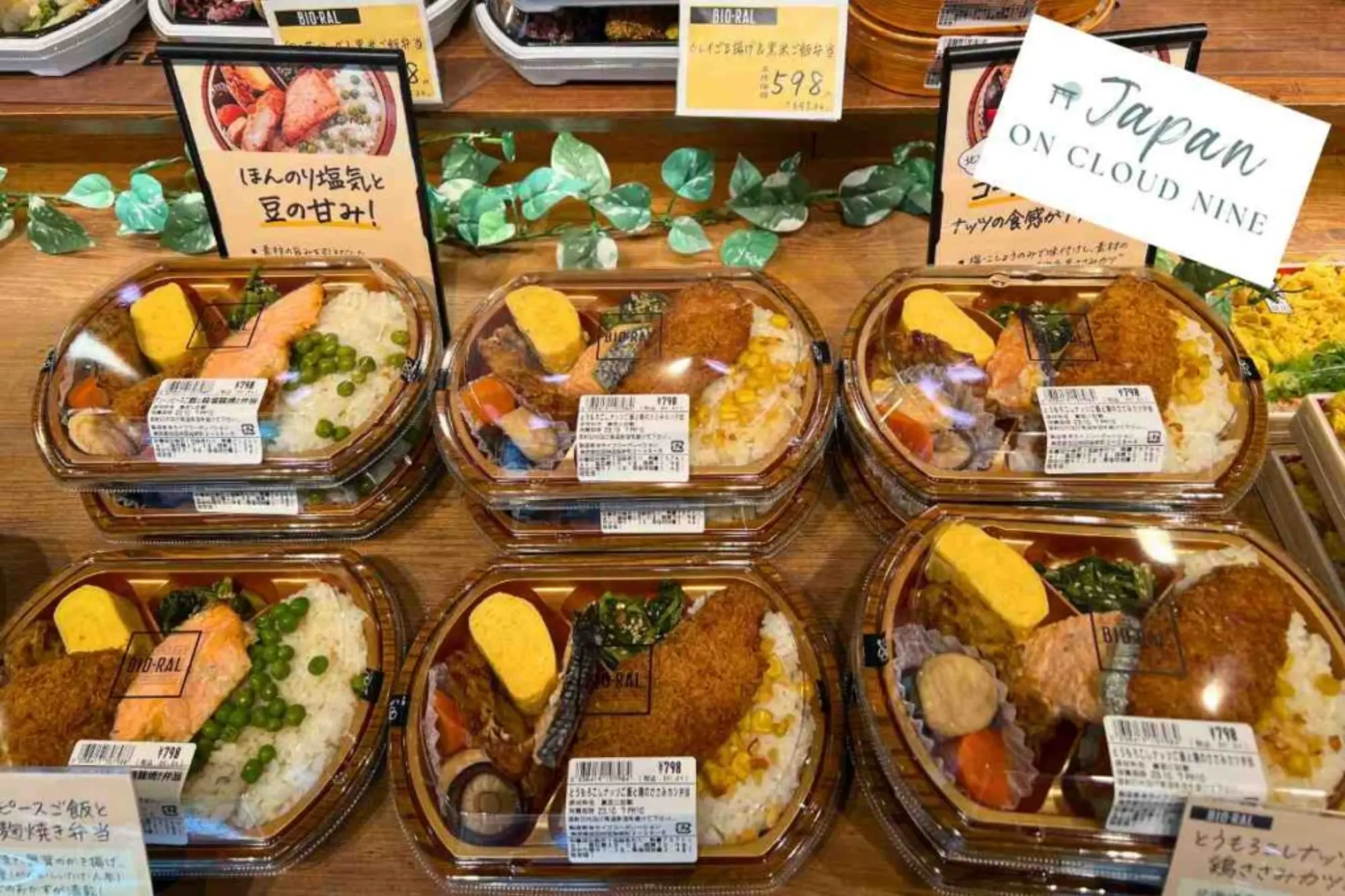
A konbini bento is a convenient option when you want something more substantial than a snack. Depending on the product, it may include rice, meat or fish, vegetables, and several side dishes.
For travelers, this is one of the most practical forms of Japanese convenience food, particularly when a restaurant meal is not convenient.
Typical price: ¥450-¥750
Best for: Lunch or dinner.
Tip: Check the packaging for heating instructions. Many stores can heat eligible meals for you.
4. Fried Chicken – A Popular Hot Snack
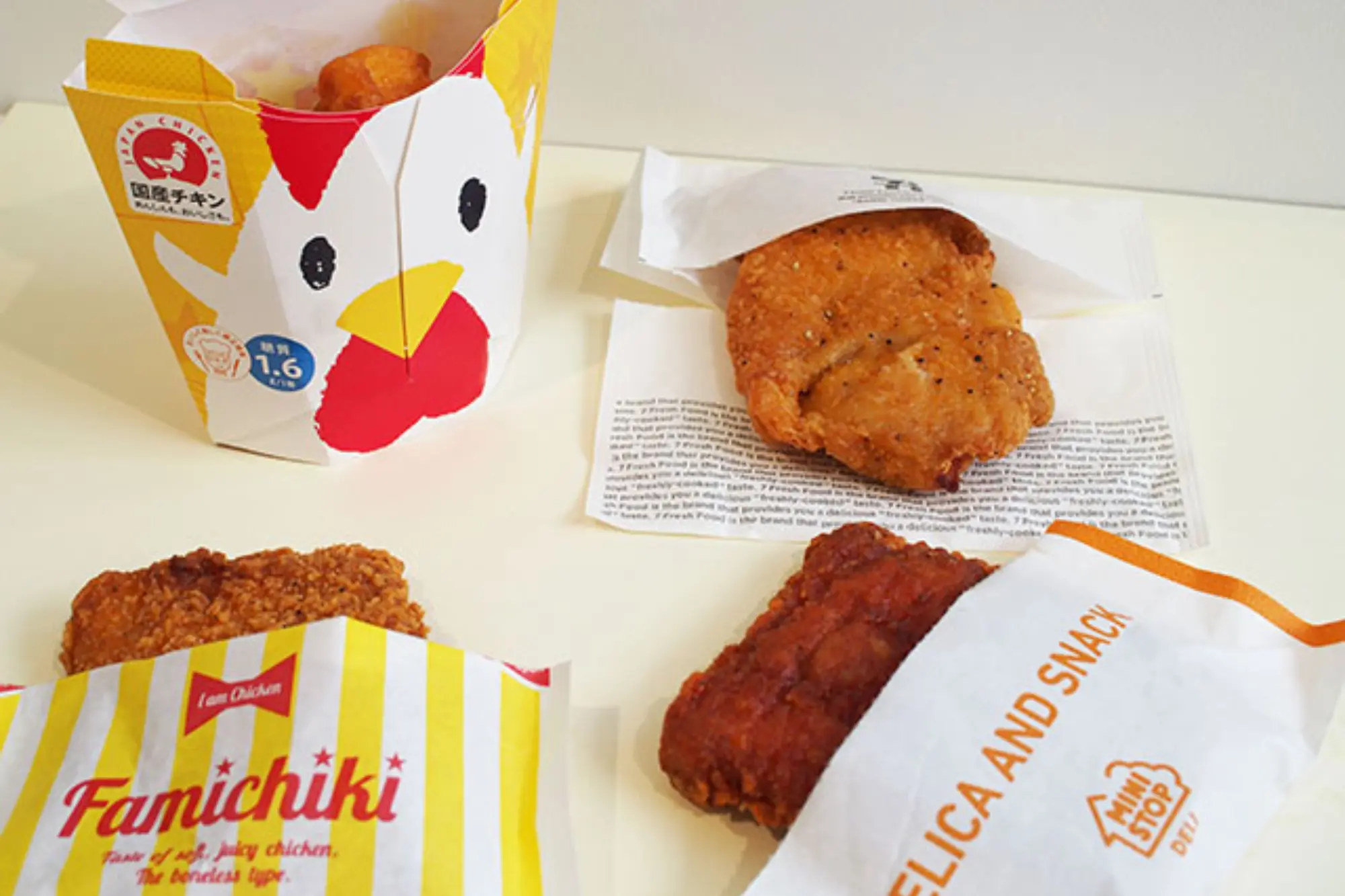
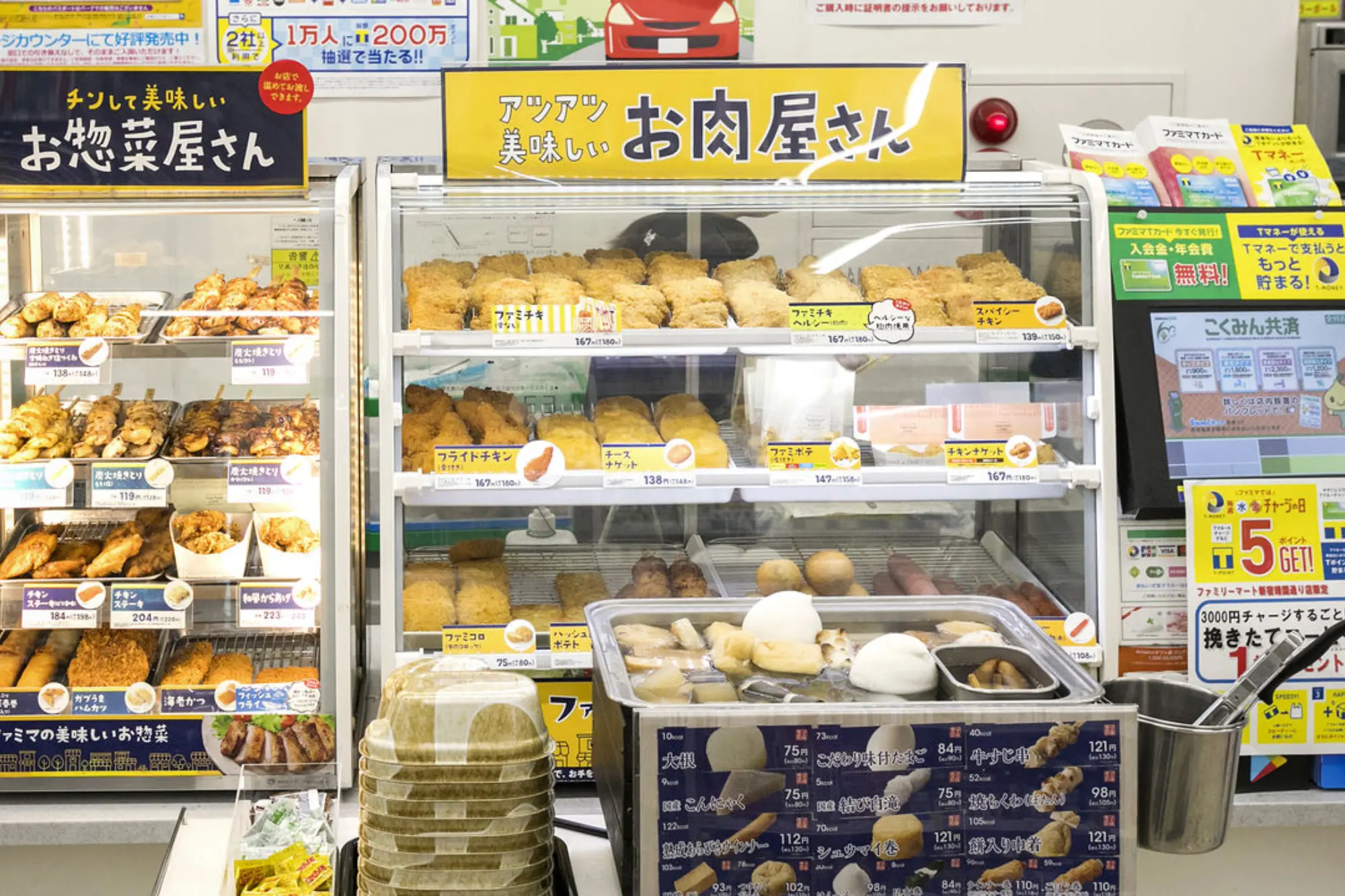
Fried chicken is one of the best-known hot foods sold at Japan konbini chains. Different chains have their own versions, and some products have developed their own fan bases.
Typical price: ¥200–¥300
Best for: A quick snack or casual meal.
Tip: Try it soon after purchasing while it is still warm.
5. Sandwiches – More Than Just Egg
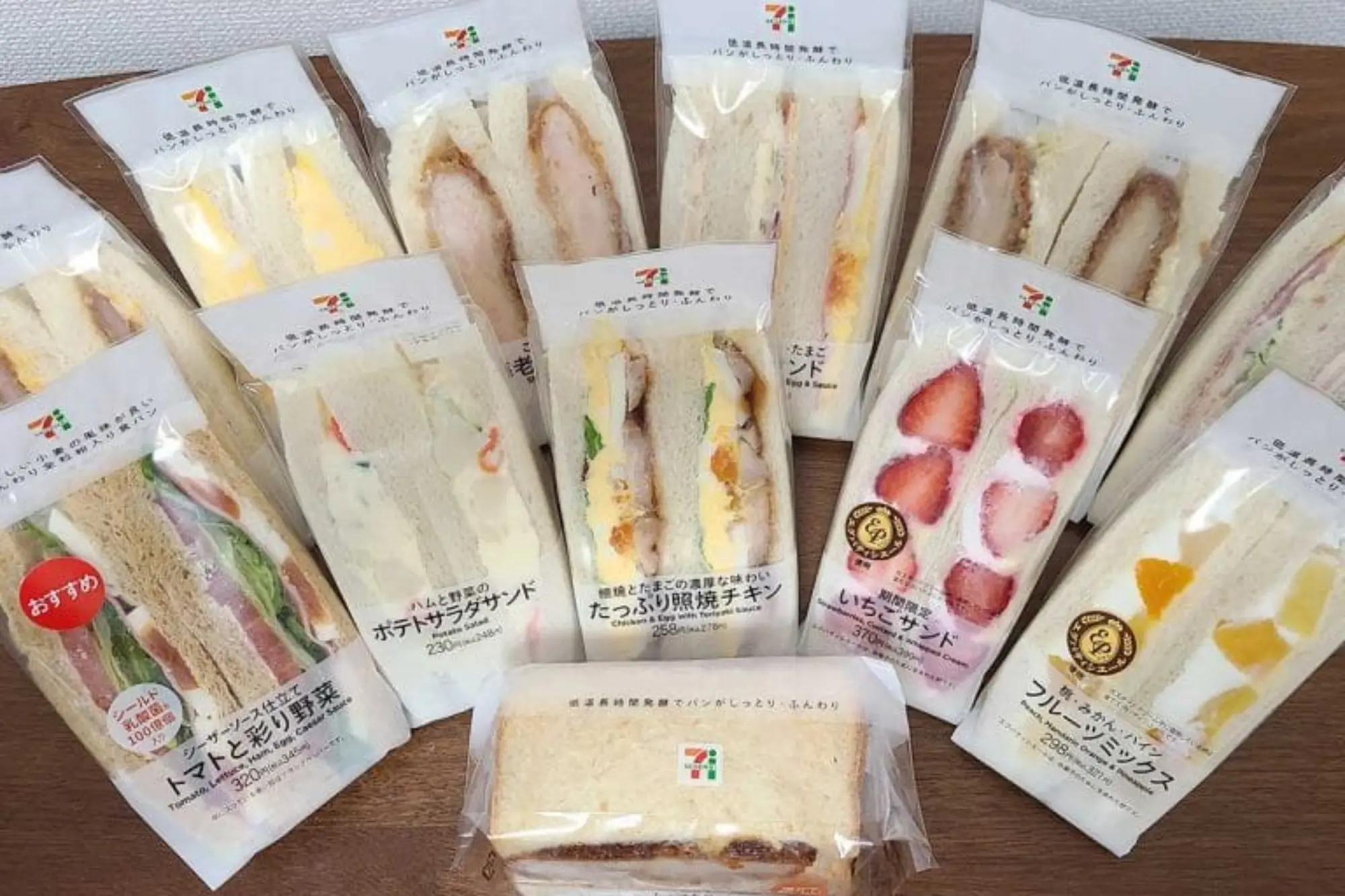
Beyond the famous egg sandwich, Japanese convenience stores offer sandwiches with fillings such as ham and cheese, tuna, chicken, vegetables, and other prepared ingredients. They are particularly useful for travelers who want something familiar or easy to eat while sightseeing.
Typical price: ¥250-¥400
Best for: Breakfast, lunch, or a quick snack.
Tip: Check the refrigerated section for prepared sandwiches.
6. Instant Ramen & Noodles
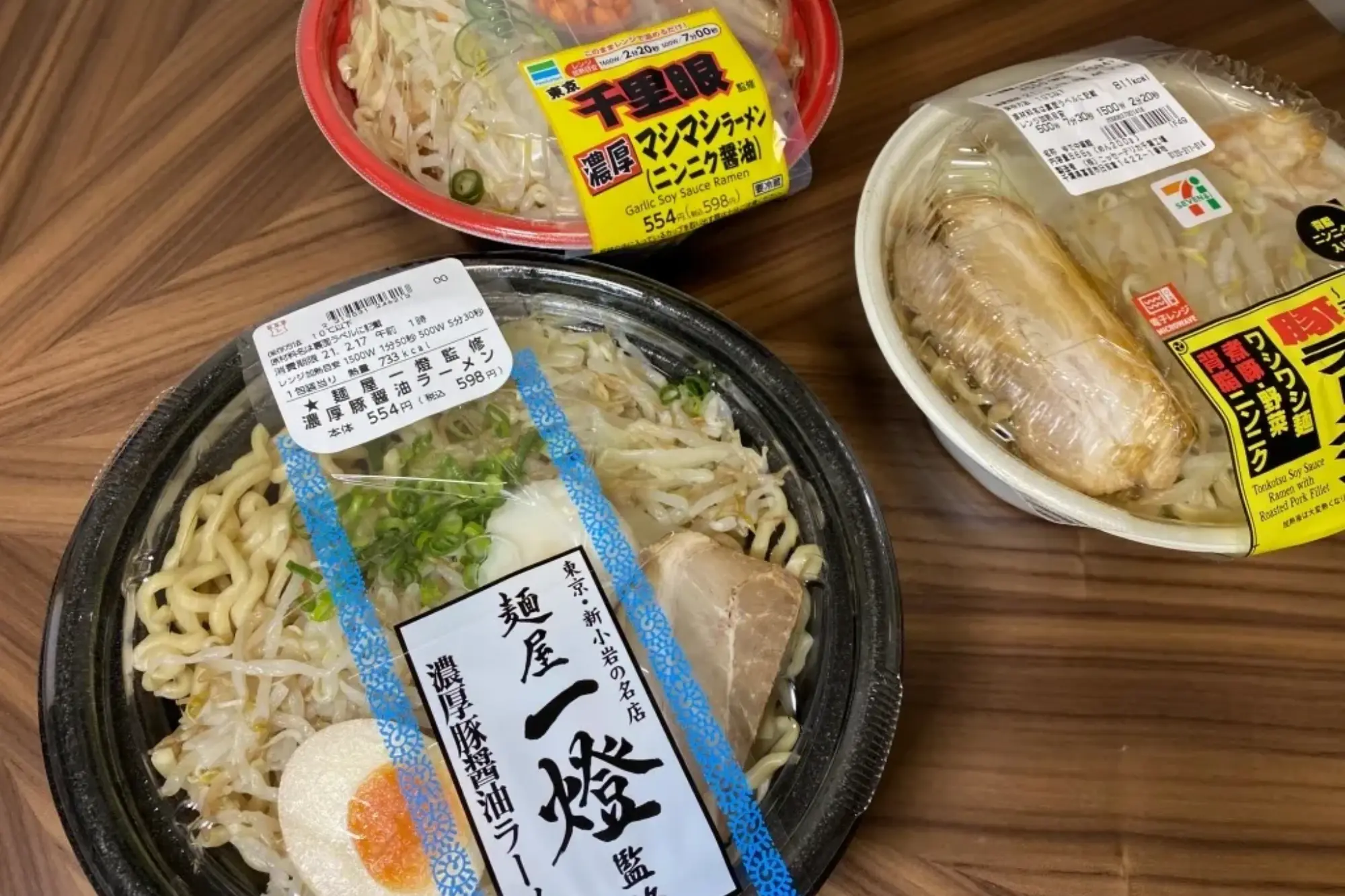
Noodles are another major category in Japanese convenience food. Depending on the store, you may find cup ramen, instant noodles, chilled noodles, pasta, and other ready-to-eat options.
Regional flavors and limited-edition collaborations can also make these products interesting souvenirs or quick meals during your trip.
Typical price: ¥200-¥400
Best for: A quick meal or late-night snack.
Tip: If you are staying at a hotel, check whether hot water or suitable facilities are available before buying instant noodles.
7. Desserts – A Must-Try for Sweet Lovers
Desserts are one of the most enjoyable categories to explore in a Japan konbini. The refrigerated section may include puddings, cream-filled desserts, cakes, mochi, cheesecakes, and seasonal sweets. Prices vary depending on the product, but many individual desserts are available for a few hundred yen.
Typical price: ¥200-¥400
Best for: An afternoon treat or dessert after a simple meal.
Tip: Look in the refrigerated dessert section rather than only the snack shelves.
8. Convenience Store Coffee
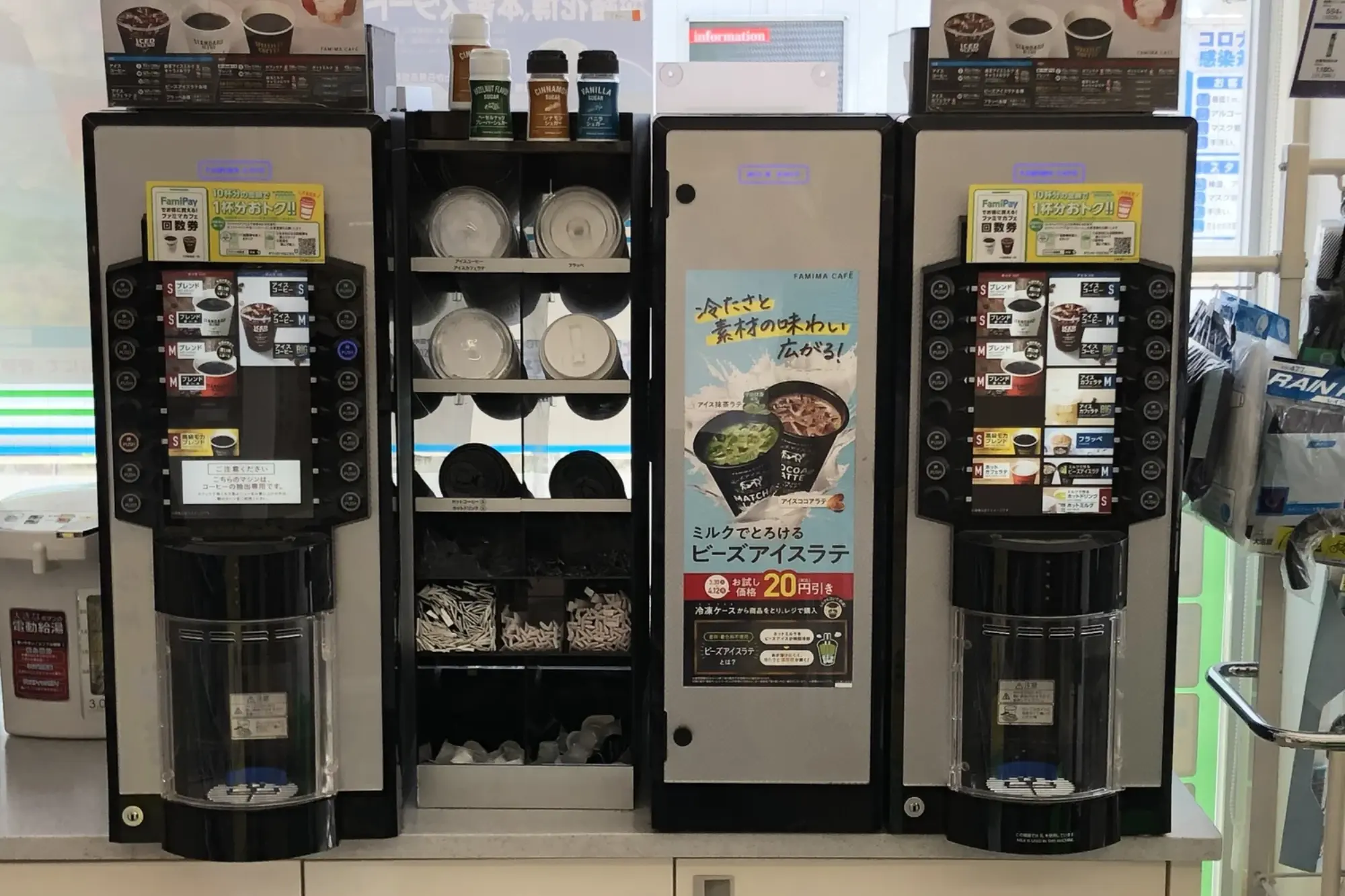
Freshly prepared coffee is another practical option available at many Japanese convenience stores. It can be an inexpensive choice before heading out for a full day of sightseeing.
Typical price: ¥120-¥250
Best for: Morning coffee or a quick break.
Tip: Prices and drink sizes vary between chains, so check the machine or menu at the store.
What Should First-Time Visitors Buy at a Konbini?
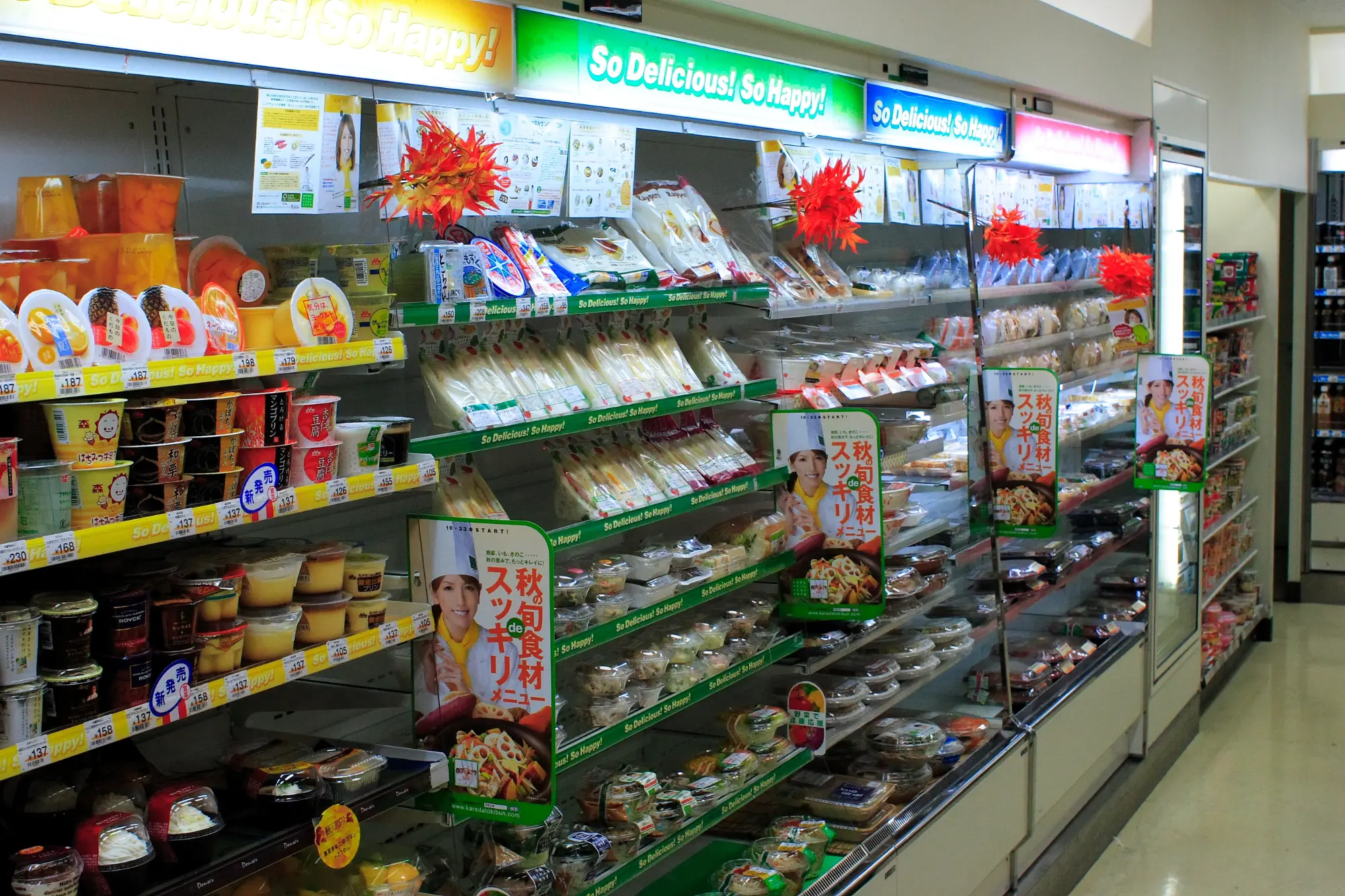
If you are visiting a Japanese convenience store for the first time, start with a few classic categories rather than buying too many unfamiliar products.
A simple first-time combination could include:
- One onigiri – choose a familiar filling such as salmon.
- One egg sandwich – an easy introduction to Japanese-style convenience sandwiches.
- One hot snack – try convenience-store fried chicken.
- One dessert – choose pudding, mochi, or another seasonal option.
- One drink – try Japanese tea, coffee, or a seasonal beverage.
This gives you a quick introduction to different types of Japanese convenience food in one visit.
How Does a Japanese Convenience Store Work?
For international visitors, some parts of the konbini experience may be unfamiliar. However, buying food is generally straightforward.
| Step | What to Do | Practical Tip |
|---|---|---|
| 1. Check the Packaging | Check the product label for the name, ingredients, expiration information, and storage instructions. | Keep refrigerated items cold until you are ready to eat them. |
| 2. Ask Staff to Heat Your Meal | Many bento boxes and ready-to-eat meals can be heated in-store. | If you are unsure, show the product to the staff and ask whether it can be heated. |
| 3. Use the Eating Area When Available | Some larger Japan konbini locations have seating areas. | If there is no seating, take your food back to your hotel or another appropriate place. |
| 4. Follow Local Etiquette | Follow rules about where and when to eat. | Avoid eating while walking in crowded areas or on public transportation unless clearly accepted. |
Japanese Convenience Store Chains to Know
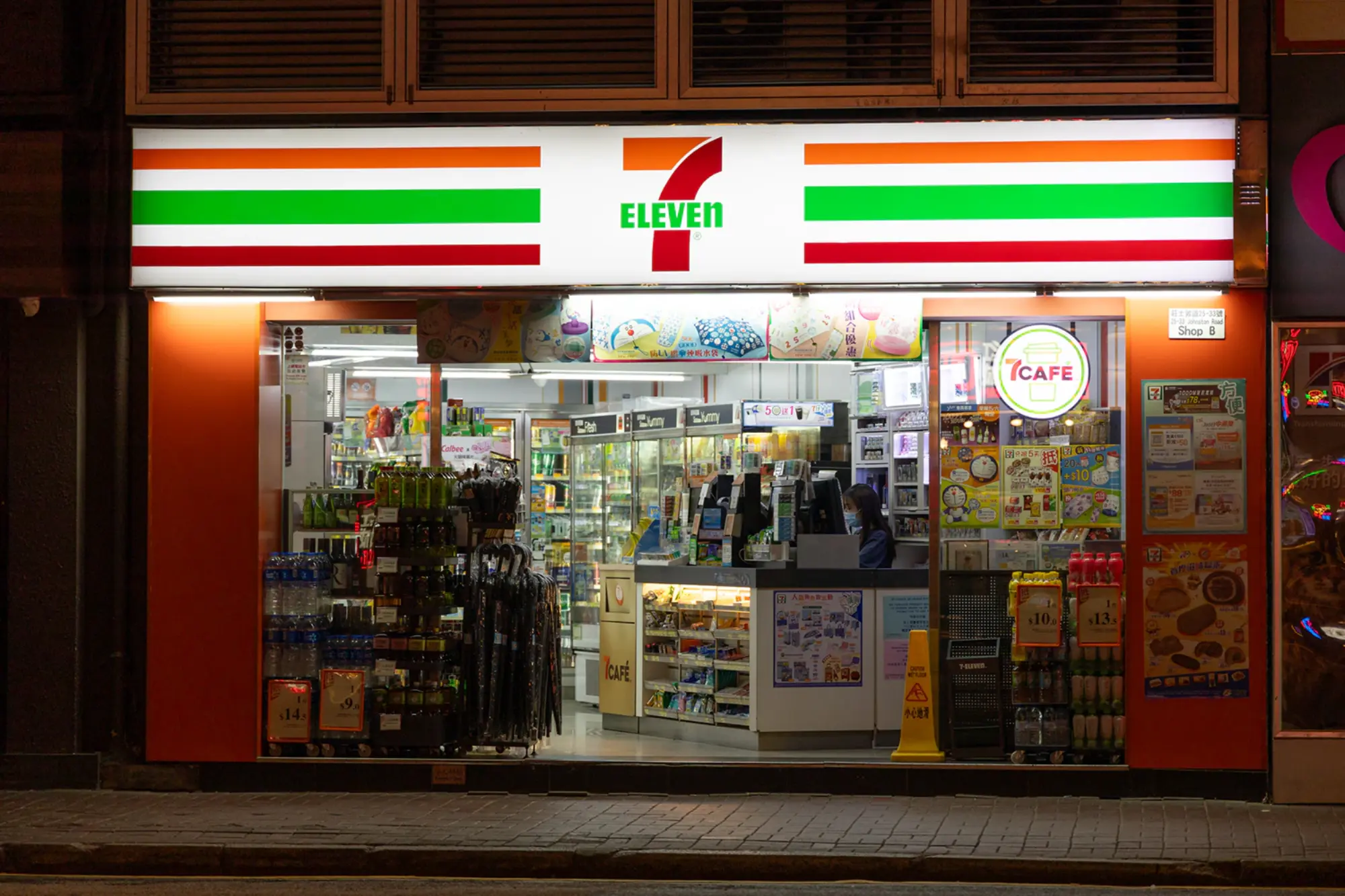
Several major chains dominate the Japan konbini market, and each has its own selection of original products.
1. 7-Eleven
7-Eleven has a large selection of rice meals, sandwiches, desserts, drinks, and ready-to-eat food. Its product range can vary by region.
2. FamilyMart
FamilyMart is well known for its hot snacks and original products. Famichiki is one of its best-known food items.
3. Lawson
Lawson offers a broad selection of meals, snacks, desserts, and drinks. It is also known for products such as its popular cream-filled desserts.
You do not need to choose only one chain. Comparing the selections at different Japanese convenience stores can be part of the fun.
What Should You Know Before Buying Japanese Convenience Food?
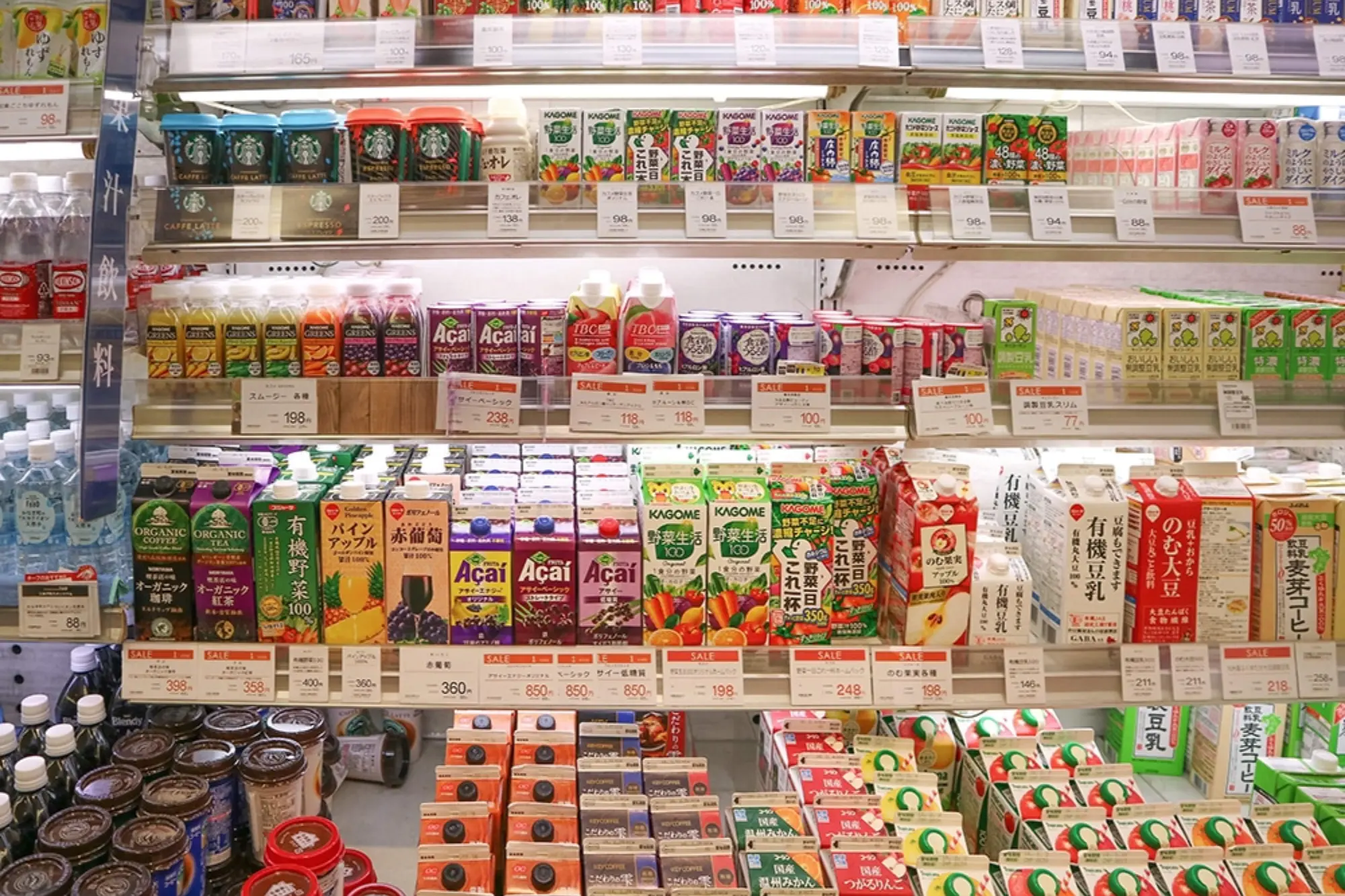
A few simple tips can make your Japan konbini experience easier.
1. Check Storage Instructions
Some foods need refrigeration, while others can be stored at room temperature. Check the packaging before carrying food around for a long time.
2. Check Allergens and Ingredients
If you have food allergies or dietary restrictions, check the ingredient label carefully. Japanese food labels may contain information that requires translation, so a translation app can be useful.
3. Look for Regional Products
Product selections can vary by location. A convenience store in Hokkaido may carry different products from one in Tokyo or Kyushu.
4. Try Seasonal Items
Limited-edition products are common in Japanese convenience stores. Seasonal flavors can be a fun way to discover something that is not available year-round.
Frequently Asked Questions About Japanese Convenience Stores
1. What Is a Japanese Convenience Store Called?
A Japanese convenience store is commonly called a konbini, short for konbiniensu sutoa, the Japanese pronunciation of “convenience store”.
2. What Food Should I Try at a Konbini?
Onigiri, egg sandwiches, bento, fried chicken, noodles, and desserts are some of the most popular Japanese convenience food options for first-time visitors.
3. Are Japanese Convenience Stores Expensive?
Compared with many restaurants, Japanese convenience stores can offer relatively affordable options for quick meals and snacks. Prices vary depending on the product.
4. Can I Find Hot Food at a Japan Konbini?
Yes. Many Japan konbini stores sell hot snacks and offer heating services for selected ready-to-eat meals.
5. Are Japanese Convenience Stores Open 24 Hours?
Many major konbini locations operate 24 hours, particularly in large cities and busy areas. However, opening hours can vary by location.
6. Which Japanese Convenience Store Is the Best?
There is no single best chain. 7-Eleven, FamilyMart, and Lawson each offer different original products, so trying more than one can be a good way to explore Japanese convenience food.
Conclusion
A Japanese convenience store is more than a place to buy a quick snack. For travelers, konbini offer an easy and affordable introduction to everyday Japanese food culture, from onigiri and bento to desserts, coffee, and seasonal specialties. Whether you need a quick breakfast, a meal between sightseeing stops, or simply want to try something new, a Japan konbini is worth adding to your travel experience. Start with the classics, explore seasonal products, and enjoy discovering the variety of Japanese convenience food available across Japan.
Discover Japan tour packages with Nicetrips and experience the landscapes, food, culture, and seasonal highlights of northern Japan. Follow the Nicetrips Blog for more destination guides, travel tips, and Japan travel inspiration.