Nara is a historic destination in central Japan, known for its ancient temples, traditional culture, peaceful parks, and freely roaming deer. Once Japan’s capital from 710 to 784, it offers a unique glimpse into the country’s early history and Buddhist heritage. Travelers can explore Nara Park, visit the impressive Tōdai-ji Temple, discover the historic streets of Naramachi, or enjoy the seasonal scenery around the city’s temples and gardens.
Whether you are looking for the best Nara attractions, cultural experiences, or the top things to do in Nara, this guide covers the destination’s geography, history, attractions, best time to visit, transportation, and practical travel tips.
About Nara
Nara is a historic city in the Kansai region of Japan and the capital of Nara Prefecture. It is closely associated with Japan’s early history, Buddhist heritage, traditional architecture, and the famous deer of Nara Park.
In 710, Heijō-kyō was established as Japan’s capital, beginning the Nara Period. The city became an important political, religious, and cultural center, while Buddhism and cultural exchange with China and Korea influenced architecture, art, government, and religion.
Today, Nara combines historic monuments with green spaces, traditional neighborhoods, museums, and local food, making it one of the most accessible cultural destinations in Japan.
Nara at a Glance
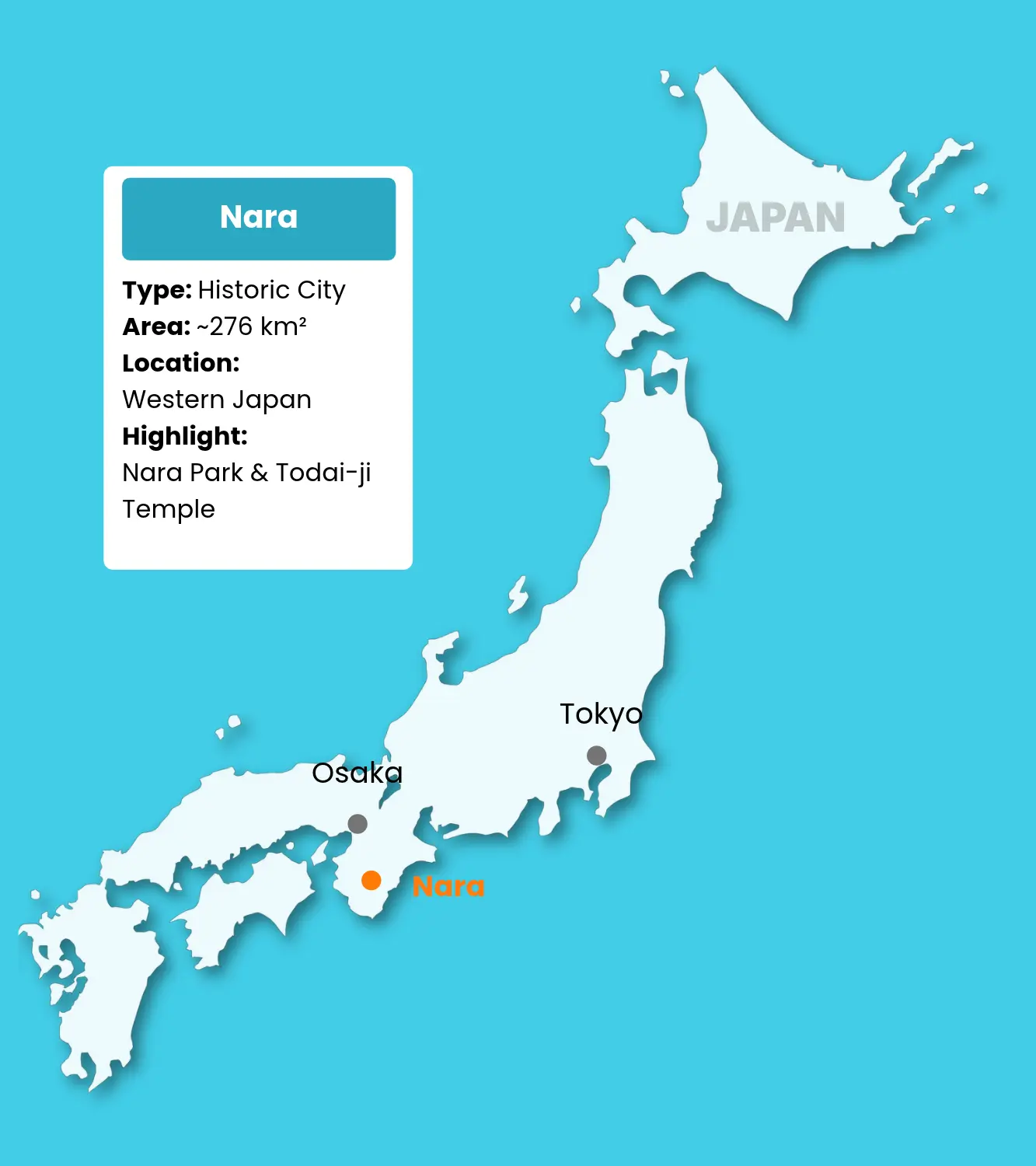
- Location: Kansai region, Japan
- Historical capital: 710-784
- Known for: Nara Park, Tōdai-ji, ancient temples, shrines, and deer
- Main experiences: Temple visits, cultural sightseeing, walking, photography, gardens, and local food
- Main sightseeing area: Nara Park and surrounding historic districts
- Nearby destinations: Kyoto and Osaka
- Best for: History lovers, culture travelers, families, photographers, and first-time visitors
Geography of Nara
Nara is located in the Kansai region of central Japan, with the city sitting within the Nara Basin and surrounded by mountains.
The central sightseeing area is relatively compact, and many of the major Nara attractions are concentrated around Nara Park. The wider prefecture extends into mountainous and rural areas, including Yoshino and southern Nara.
Nara’s Natural Landscape
- Nara Basin: The central urban area where many historical sites are located.
- Nara Park: A large green area connecting temples, shrines, gardens, museums, and walking paths.
- Kasugayama: A forested mountain area associated with Kasuga Taisha and the city’s religious heritage.
- Surrounding mountains: Create scenic landscapes beyond the central sightseeing area.
Nara Park itself covers around 660 hectares, while the wider park area is often described by the official Nara Travel Guide as approximately 8 km². The area is home to almost 1,200 deer as well as several major temples, shrines, and museums.
History of Nara
Nara played a central role in the early development of Japan.
- Nara as Japan’s Ancient Capital
In 710, the capital was established at Heijō-kyō, marking the beginning of the Nara Period. The city became a major political and religious center, and large Buddhist temples were constructed with support from the imperial government.
During this period, Buddhism flourished and cultural exchange with the Asian continent influenced Japanese religion, art, architecture, and political institutions.
- The Development of Tōdai-ji
Tōdai-ji became one of the most important Buddhist temples of the period. Construction of the Great Buddha began under Emperor Shōmu, with the Great Buddha completed in 749 and the Great Buddha Hall completed in 751. A major consecration ceremony was held in 752.
- From Ancient Capital to Modern Nara
The capital moved away from Nara in 784, but the city retained many of its temples, shrines, and cultural traditions. Today, several historic sites form part of the UNESCO World Heritage property Historic Monuments of Ancient Nara, reflecting the city’s importance during the 8th century.
Best Places to Visit & Things to Do in Nara
Nara offers a combination of ancient temples, peaceful gardens, traditional streets, natural scenery, and unique wildlife. Many of the main Nara attractions are located around Nara Park, making it possible to explore several highlights on foot.
1. Explore Nara Park
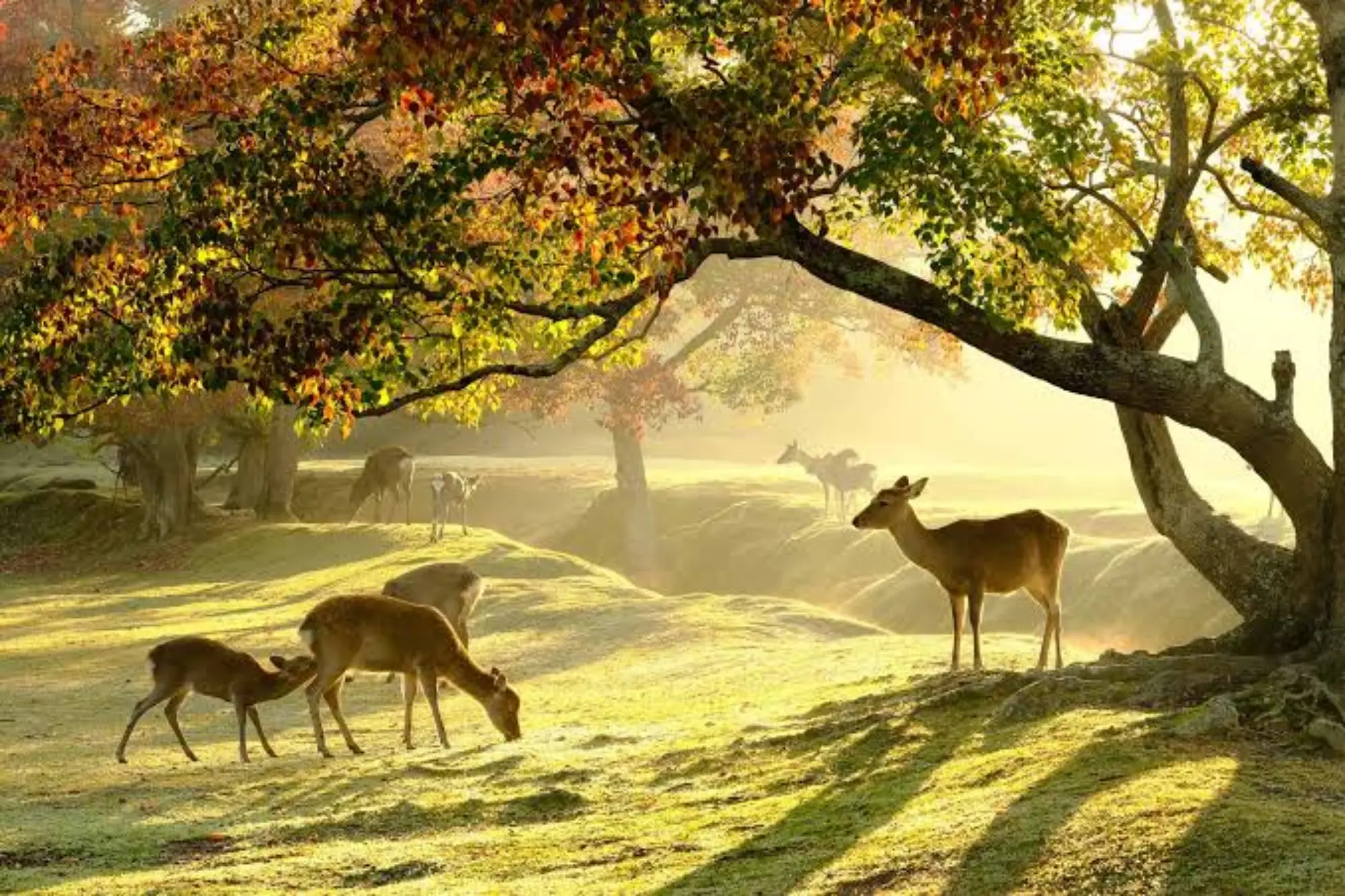
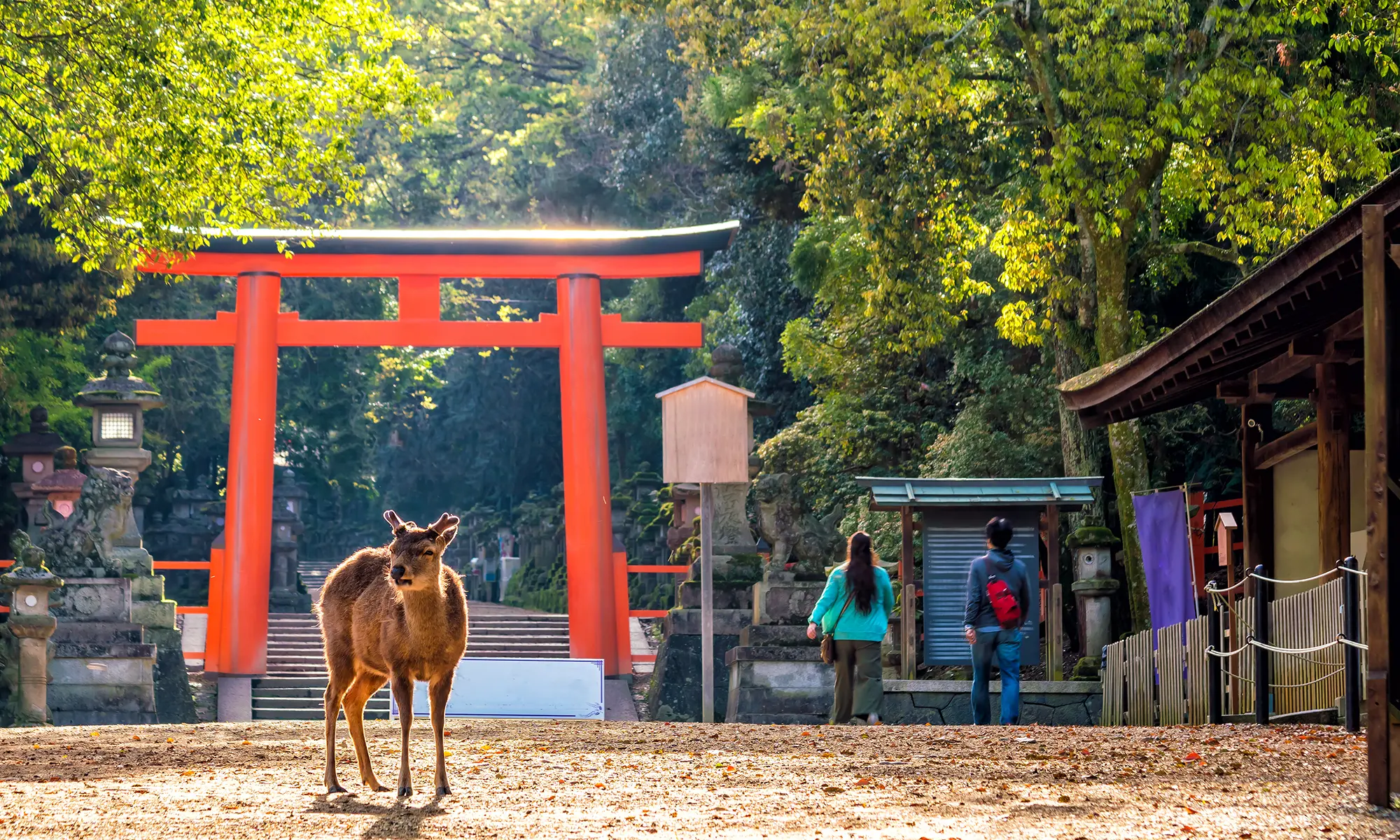
Nara Park is the city’s most recognizable attraction and one of the best places to begin exploring Nara. The park covers hundreds of hectares and connects several major attractions, including Tōdai-ji, Kōfuku-ji, Kasuga Taisha, and the Nara National Museum. It is also famous for its almost 1,200 free-roaming deer, which have become one of Nara’s defining symbols.
The deer are considered protected wildlife and can be found along the park’s paths and around major temples. Visitors can purchase shika senbei, or deer crackers, to feed them.
- Location: Central Nara
- Suggested time: 2-4 hours
- Admission: Free
- Best for: Nature, photography, families, walking, and sightseeing
- Highlights: Deer, walking paths, temples, shrines, ponds, and seasonal scenery
- Tip: Only feed the deer with official shika senbei.
2. Visit Tōdai-ji Temple
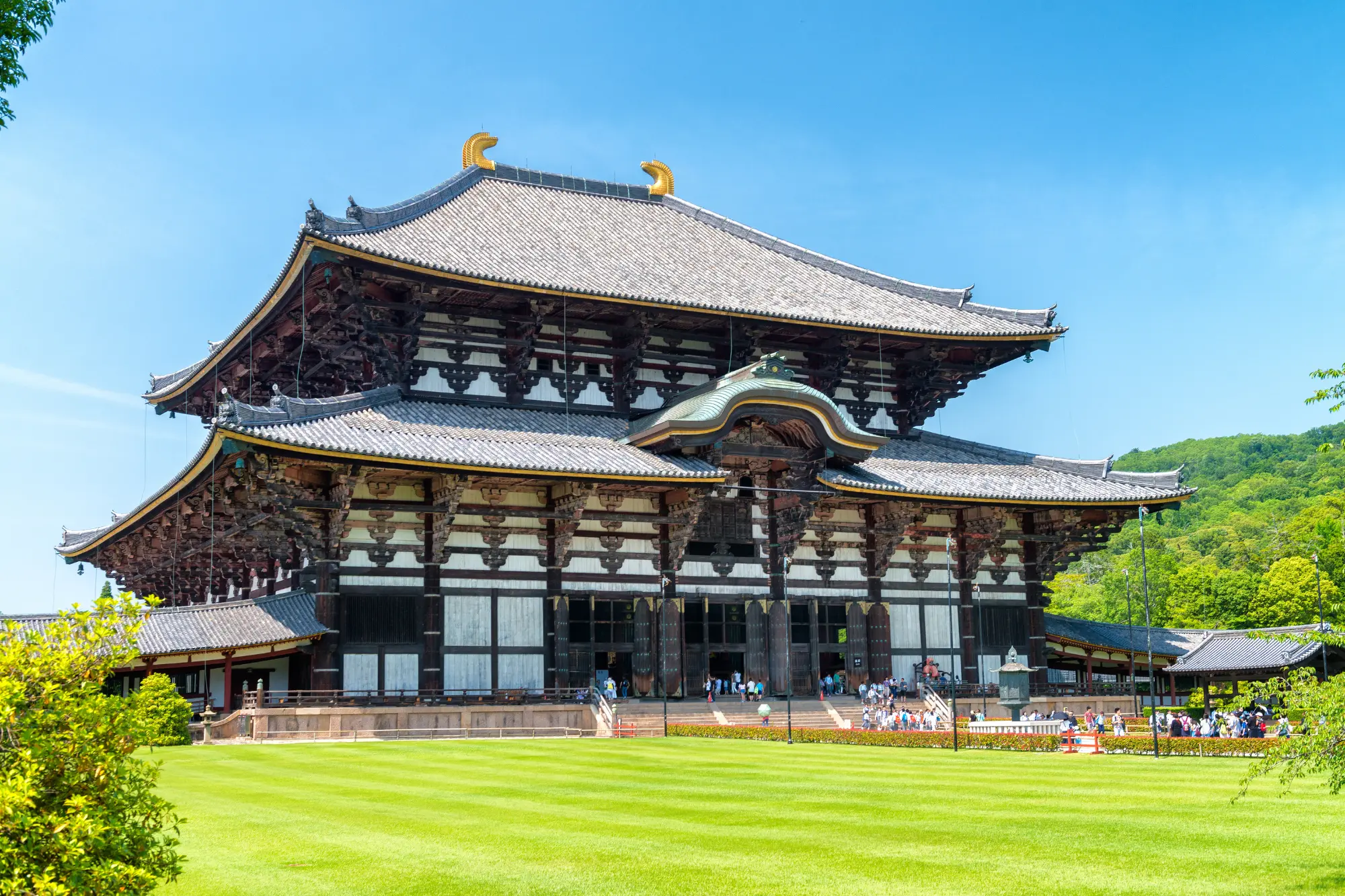
Tōdai-ji Temple is one of the most important Nara attractions and one of Japan’s most significant Buddhist landmarks.
The temple is famous for the Great Buddha of Vairocana, a huge bronze Buddha housed inside the Great Buddha Hall. The Great Buddha was completed in 749, while the present Great Buddha Hall dates from the Edo period. The current hall measures approximately 57 meters wide, 50 meters deep, and 48.7 meters high, and Tōdai-ji describes it as the world’s largest wooden structure.
The approach to the temple passes through Nandaimon Gate, where two large guardian statues stand. Nearby Nigatsudō Hall is also worth visiting for its traditional architecture and views over Nara.
- Location: Nara Park
- Suggested time: 1.5-2 hours
- Opening hours: 7:30-17:30 from April-October; 8:00-17:00 from November-March
- Admission: ¥800 for adults; ¥400 for children aged 6-12
- Best for: History, Buddhism, architecture, and photography
- Highlights: Great Buddha, Great Buddha Hall, Nandaimon Gate, guardian statues, and Nigatsudō
- Optional: Great Buddha Hall + Tōdai-ji Museum joint ticket: ¥1,200 for adults
3. Visit Kasuga Taisha Shrine
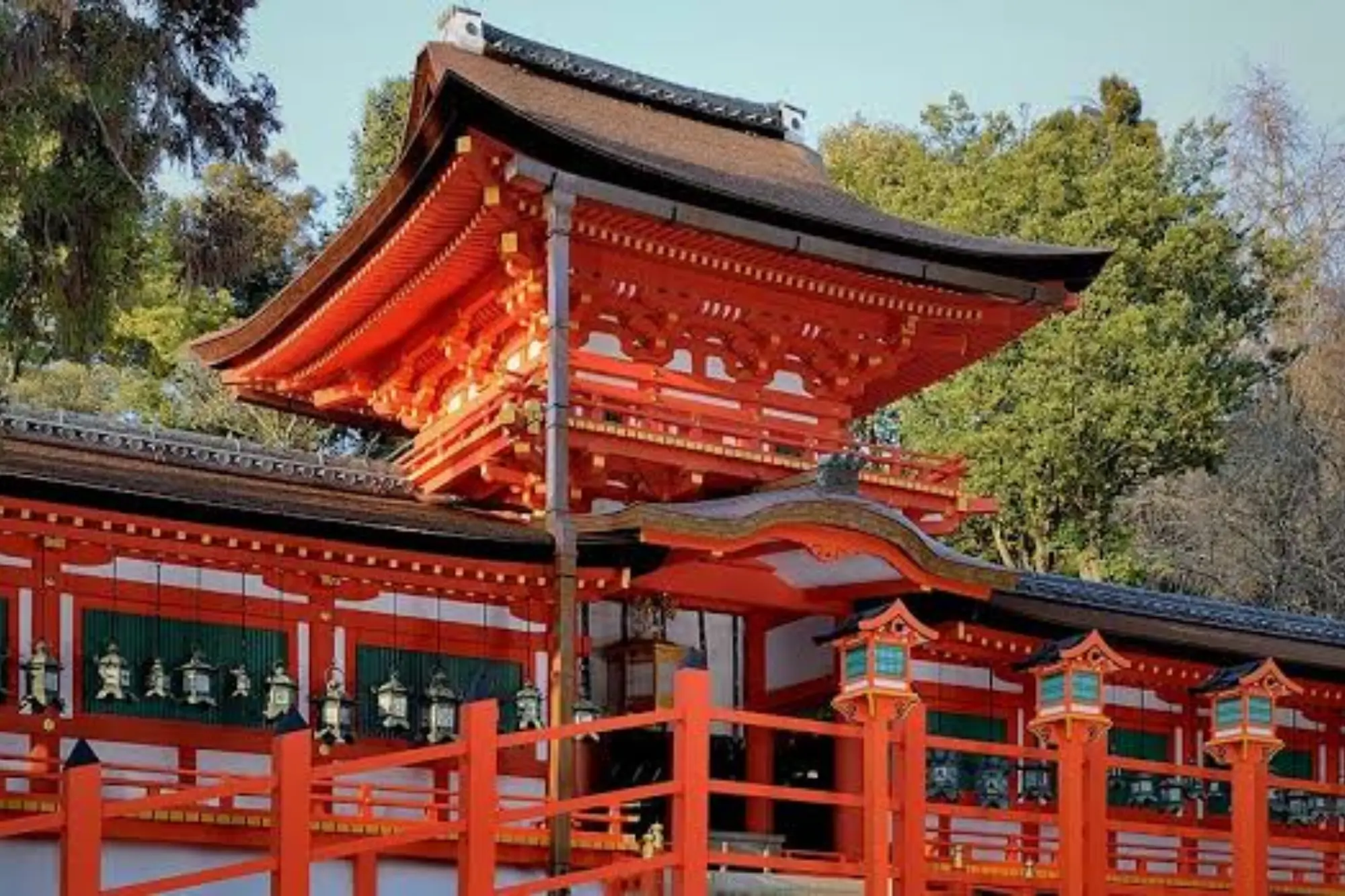
Located on the eastern side of Nara Park, Kasuga Taisha is one of Nara’s most important Shinto shrines. The shrine is known for its vermilion buildings, stone lanterns, hanging bronze lanterns, and forested surroundings. It is closely connected with Nara’s deer tradition and the sacred landscape of Kasugayama.
The main sanctuary can be visited through the special worship area, while the surrounding approach and shrine grounds provide a more atmospheric experience.
- Location: Eastern Nara Park
- Suggested time: 1-1.5 hours
- Main sanctuary special worship: ¥700
- Best for: Culture, history, architecture, and photography
- Highlights: Shrine buildings, lanterns, forest scenery, and traditional atmosphere
- Opening hours: Generally 7:30-17:00 from March–October and 7:30-16:30 from November-February for the relevant paid worship area
4. Explore Naramachi
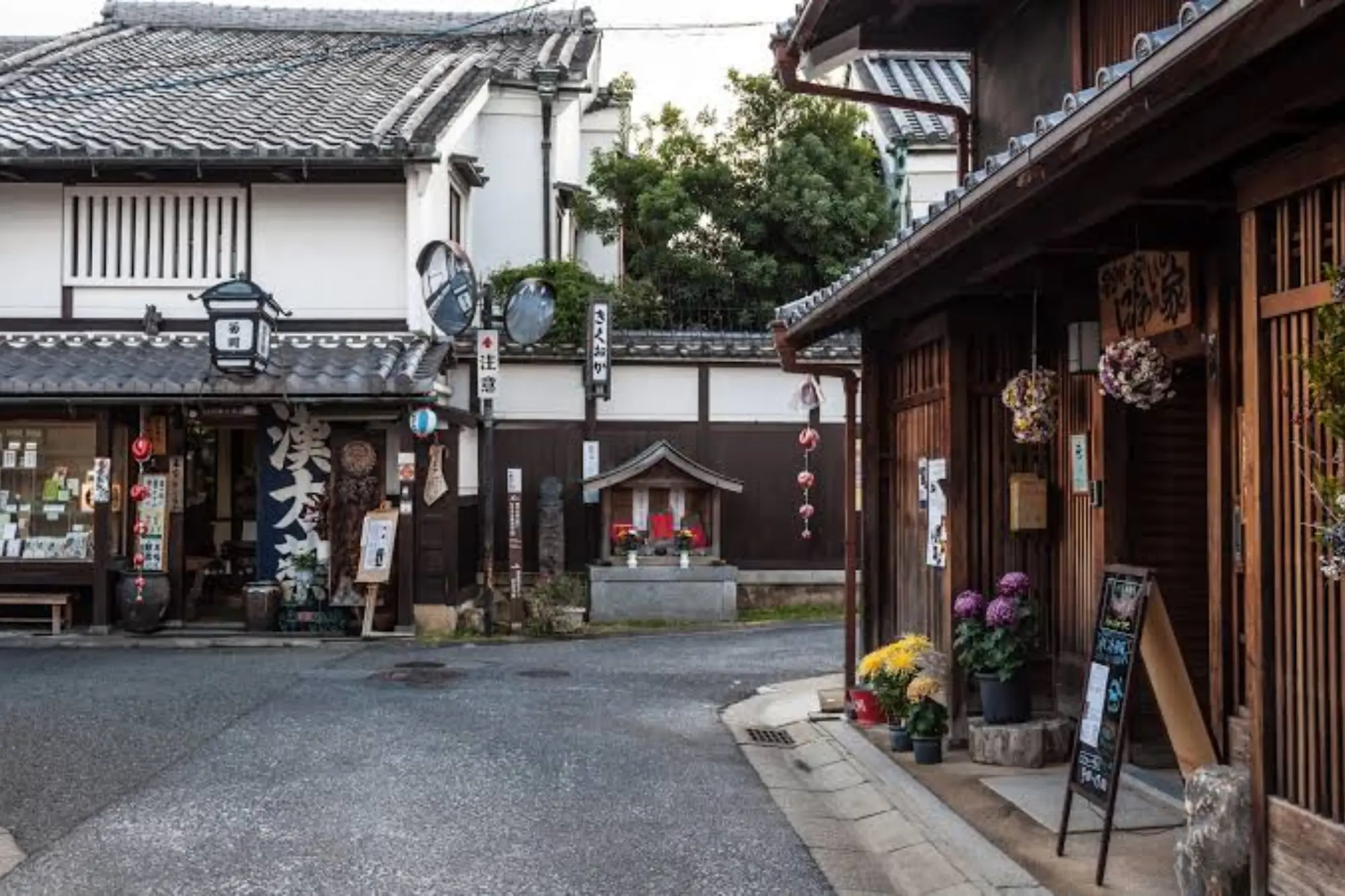
Naramachi is a historic neighborhood south of Nara Park, known for traditional wooden townhouses, narrow streets, cafés, small shops, and local crafts. The area provides a different experience from Nara’s major temples. Instead of large religious complexes, visitors can explore traditional architecture and everyday local life.
- Location: South of Nara Park
- Suggested time: 1–2 hours
- Admission: Generally free to explore
- Best for: Walking, traditional architecture, shopping, and local culture
- Highlights: Traditional houses, cafés, shops, crafts, and quiet streets
5. Discover Kōfuku-ji Temple
Kōfuku-ji Temple is another important historic temple located close to Nara Park. Its five-story pagoda is one of the most recognizable sights in central Nara. The temple grounds and nearby Sarusawa Pond are particularly attractive for photography.
The temple’s history dates back to the 7th century, and its connection with the powerful Fujiwara family made it an important religious institution during Japan’s early history.
- Location: Nara Park area
- Suggested time: 45-60 minutes
- Best for: History, architecture, and photography
- Highlights: Five-story pagoda, temple grounds, Buddhist art, and Sarusawa Pond
6. Visit Isuien Garden
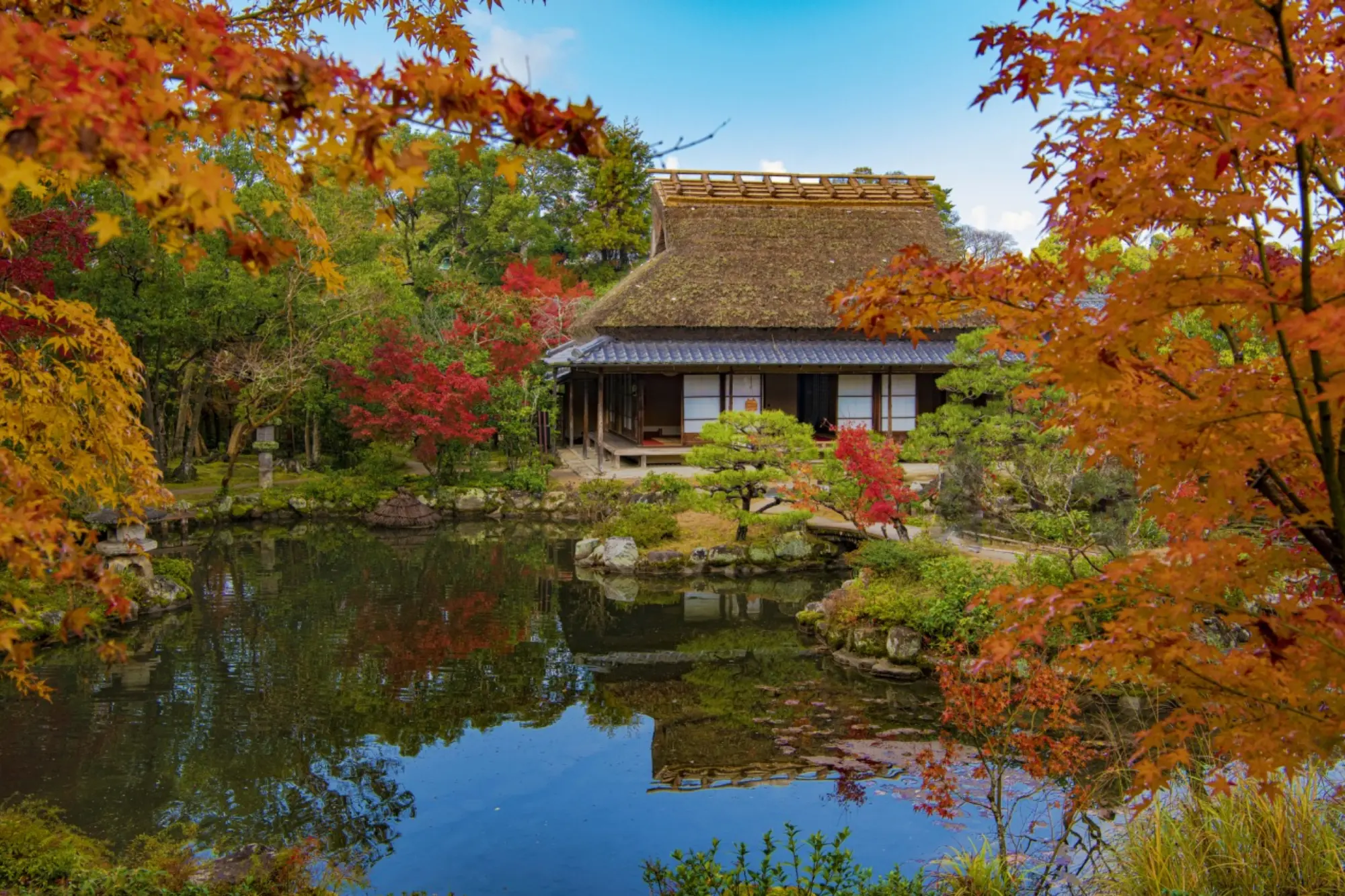
Isuien Garden is a traditional Japanese garden located near Tōdai-ji. The garden combines ponds, walking paths, tea houses, and carefully arranged landscapes. It is known for its use of borrowed scenery, incorporating nearby mountains and temple landscapes into the garden’s composition.
- Location: Near Tōdai-ji
- Suggested time: Around 1 hour
- Opening hours: 9:30-16:30, with last admission at 16:00
- Admission: ¥1,200 adults; ¥500 university/high school students; ¥300 elementary/junior high students
- Best for: Gardens, photography, relaxation, and traditional Japanese aesthetics
- Tip: Closed on Tuesdays except during certain periods and holidays; seasonal maintenance closures may also apply.
7. Enjoy the Deer of Nara
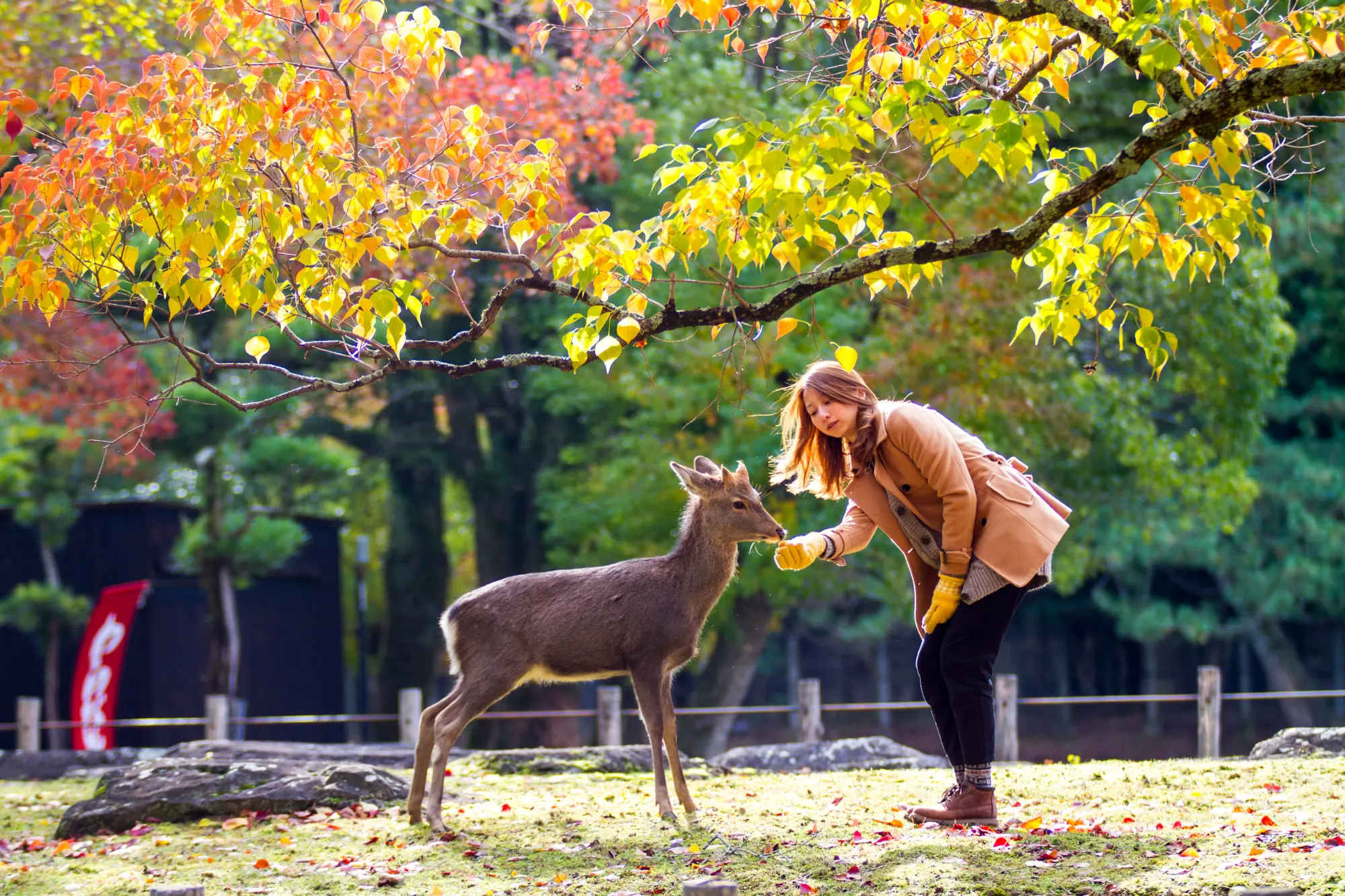
Seeing the deer is one of the most memorable things to do in Nara. Almost 1,200 deer roam freely around Nara Park and its surrounding areas. Their connection with Kasuga Taisha dates back centuries, when deer were regarded as sacred animals associated with the shrine. Today, they remain protected and are an important part of Nara’s identity.
Visitors can buy shika senbei from vendors around the park. Since the deer are essentially wild animals, visitors should approach them calmly and only give them the designated crackers.
8. Walk Around Mt. Wakakusa
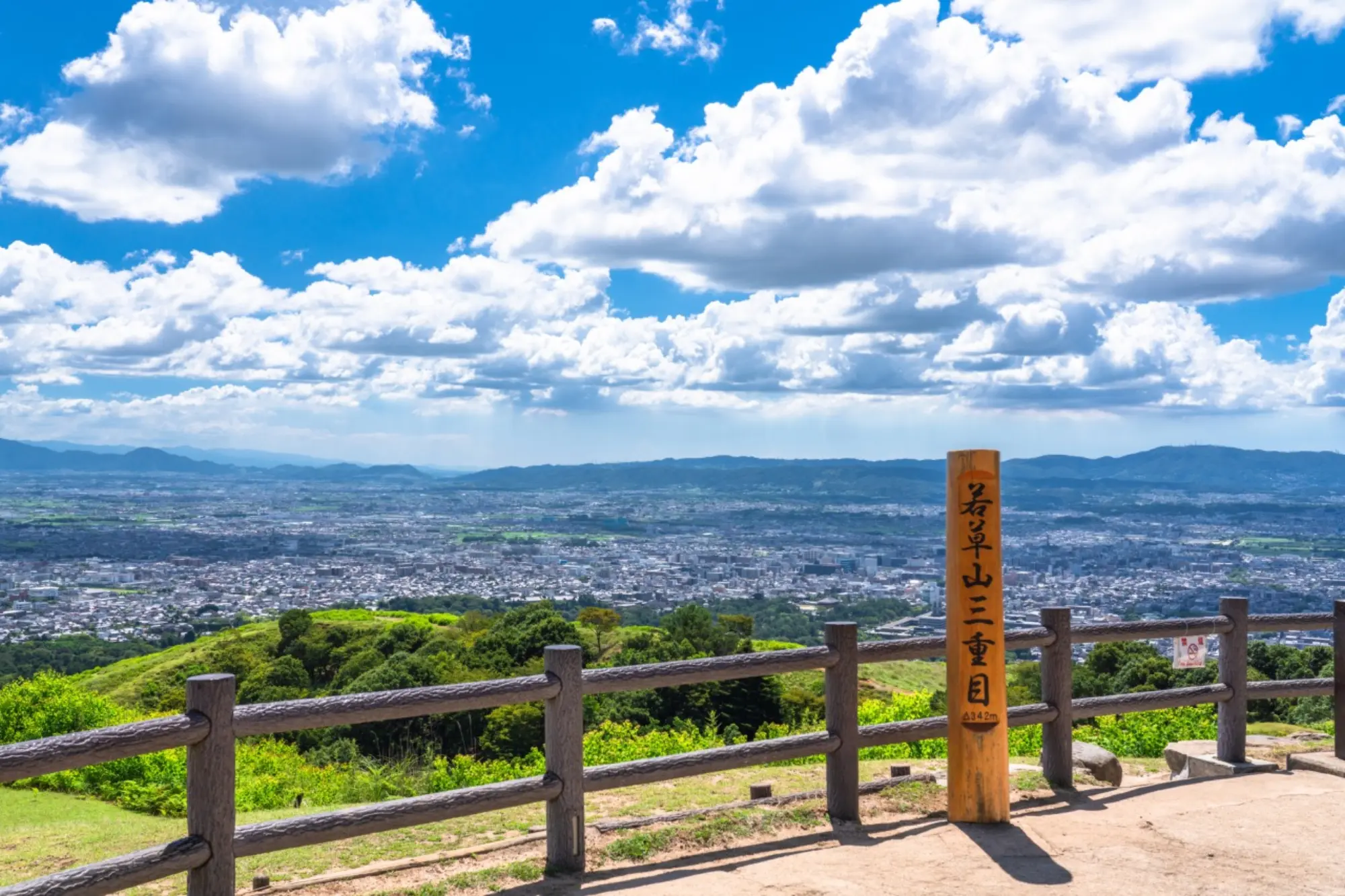
Mt. Wakakusa rises behind Nara Park and provides a more natural side of the city. The grassy hillside offers walking trails and panoramic views across Nara. The area is particularly attractive during spring and autumn when the surrounding landscape changes color.
- Location: Eastern Nara
- Suggested time: 1-2 hours
- Best for: Walking, hiking, photography, and panoramic views
- Highlights: Open grassland, seasonal scenery, and views over Nara
9. Explore Nara’s Local Food
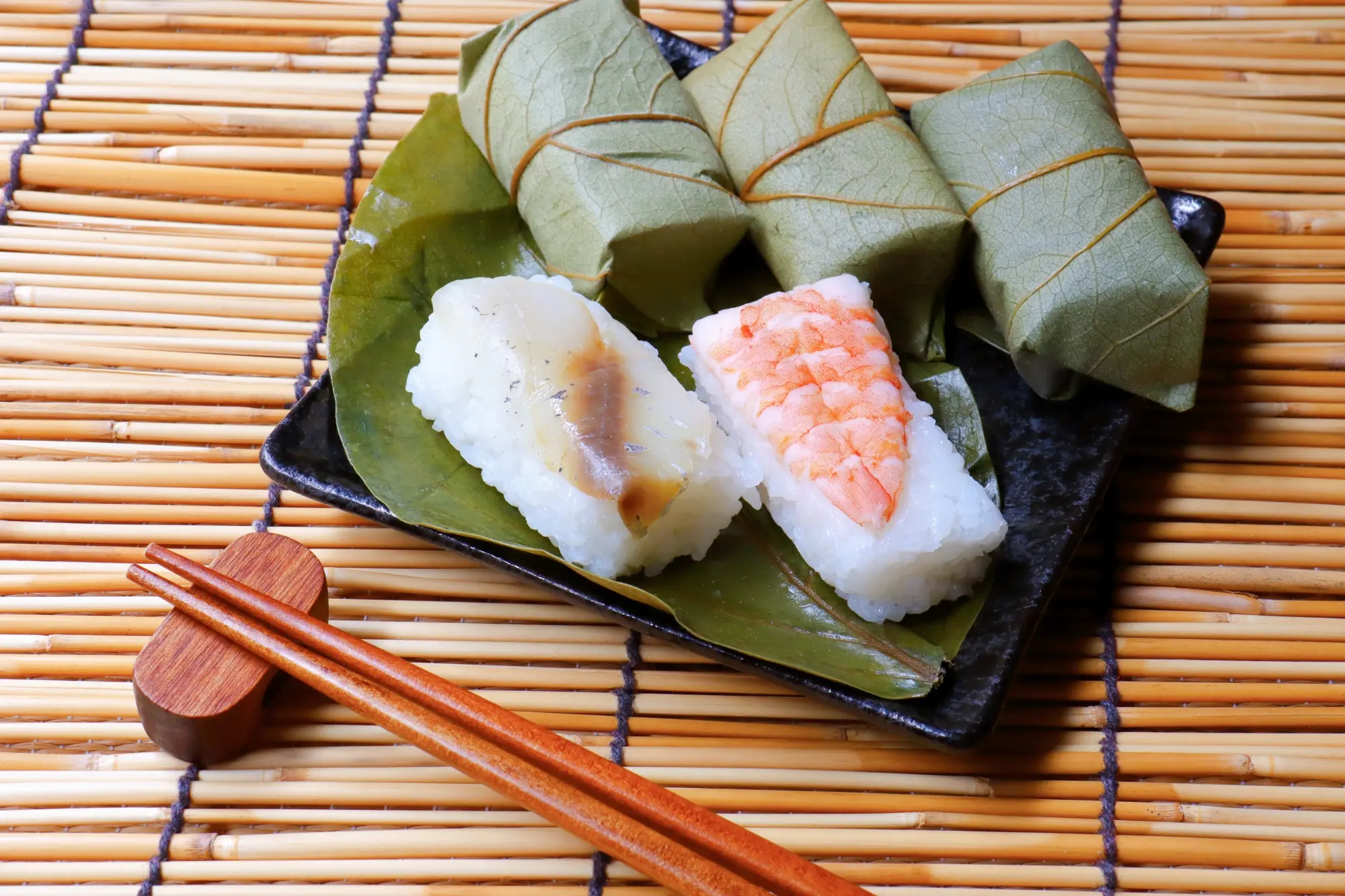
Nara’s food culture provides another way to experience the city beyond its temples and shrines. Visitors can find local specialties around Nara Park, Naramachi, and the city center. Popular foods to try include:
- Kakinoha-zushi: Sushi wrapped in persimmon leaves
- Miwa somen: Thin wheat noodles associated with the Miwa area
- Nara pickles: Traditional preserved vegetables
- Nara sake: Local sake produced in the prefecture
- Yomogi mochi: Soft rice cakes flavored with mugwort
A meal at a traditional restaurant in Naramachi is an easy way to combine local food with a historic atmosphere.
10. Visit Nara National Museum
Located within Nara Park, the Nara National Museum is an important cultural attraction specializing in Japanese Buddhist art. Its collections include Buddhist sculptures, paintings, ritual objects, and other works connected with Nara’s religious heritage.
- Location: Nara Park
- Suggested time: 1-2 hours
- Permanent collection admission: ¥700 adults; ¥350 college students
- Free: Visitors aged 18 or younger and high school students and below
- Best for: History, Buddhist art, culture, and rainy-day sightseeing
Culture & Heritage of Nara
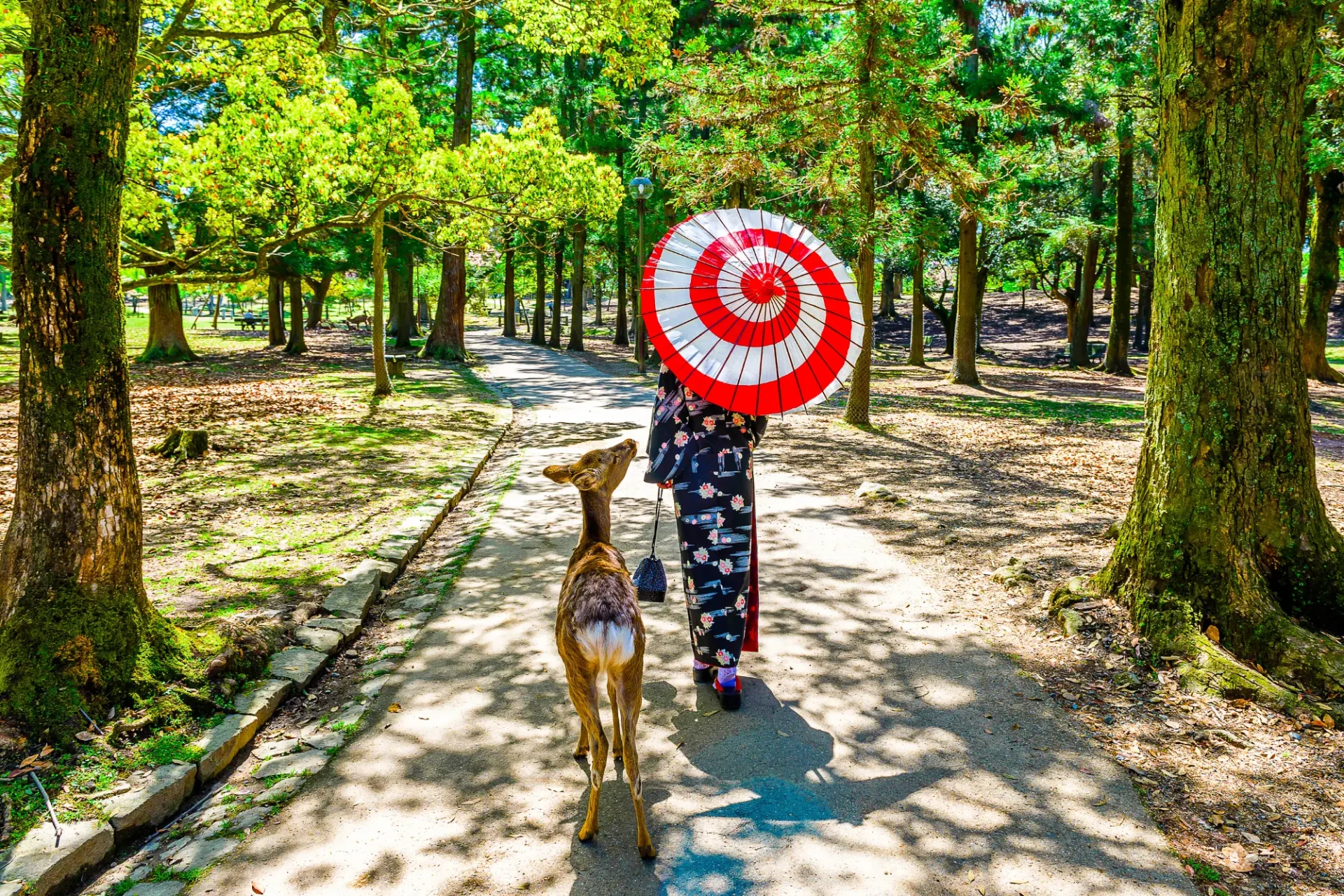
Nara’s culture is strongly connected with the development of Buddhism and the early Japanese state. As Japan’s capital from 710 to 784, the city became a major center for religion, art, architecture, and cultural exchange.
Today, this heritage can be seen in:
- Buddhist temples: Tōdai-ji, Kōfuku-ji, and other historic temples
- Shinto traditions: Kasuga Taisha and its connection with deer
- Traditional architecture: Temples, shrines, gardens, and historic townhouses
- Buddhist art: Sculptures and artworks preserved in temples and museums
- Traditional crafts: Local crafts and cultural products found around Naramachi
Several historic sites in Nara are included in the UNESCO-listed Historic Monuments of Ancient Nara, highlighting the city’s importance in Japanese cultural history.
Best Time to Visit Nara
Nara can be visited throughout the year, with each season offering different scenery and experiences.
Season | Months | What to Expect | Best For |
| Spring | March-May | Cherry blossoms, mild temperatures, fresh greenery | Sightseeing, photography, gardens |
| Summer | June-August | Warm and humid weather, lush greenery | Nature, cultural events |
| Autumn | September-November | Colorful foliage and comfortable temperatures | Temples, gardens, photography |
| Winter | December-February | Cool weather and quieter attractions | Temples, cultural sightseeing |
Spring and autumn are particularly popular for sightseeing because of cherry blossoms and autumn foliage. Summer is greener but warmer and more humid, while winter generally offers a quieter atmosphere.
For travelers who want to photograph Nara Park and its temples, early morning is useful regardless of season because the main sightseeing areas are generally quieter before the busiest daytime period.
Nara Transport Guide
1. How to Get to Nara?
Nara is easy to reach from the major cities of the Kansai region, particularly Kyoto and Osaka.
- From Kyoto
The Kintetsu Railway provides direct services between Kyoto and Kintetsu-Nara. The journey is convenient for travelers planning a day trip.
For travelers interested in a premium sightseeing train, the AONIYOSHI limited express connects Kyoto and Kintetsu-Nara. As of March 2026, the listed adult fare from Kintetsu-Nara to Kyoto is ¥1,490 one way for the AONIYOSHI service.
- From Osaka
Nara is also easily accessible from Osaka by railway. Kintetsu services connect Osaka-Namba and Kintetsu-Nara, making the route particularly convenient for visitors staying in central Osaka.
The AONIYOSHI service lists an adult fare of ¥1,410 one way between Osaka-Namba and Kintetsu-Nara.
- From Tokyo
Travelers coming from Tokyo can take the Shinkansen to Kyoto or Shin-Osaka, then continue to Nara by train.
2. Getting Around Nara
Many of the main Nara attractions around Nara Park are within walking distance of one another.
- Walking: Best for Nara Park, Tōdai-ji, Kasuga Taisha, Kōfuku-ji, and nearby attractions.
- Bus: Useful for attractions farther from the central sightseeing area.
- Train: Convenient for arriving in Nara and traveling between Nara and nearby cities.
- Bicycle: A practical option for exploring areas beyond the main tourist center.
For a first visit, combining walking with local buses is usually enough to cover the major attractions without needing a car.
Nara Travel Tips
Nara is easy to explore, but a little planning can make your visit more comfortable and efficient.
- Start early: Visit Nara Park and Tōdai-ji before the busiest hours.
- Wear comfortable shoes: Many attractions are connected by walking paths.
- Feed deer responsibly: Only give them official shika senbei.
- Group nearby attractions: Tōdai-ji, Isuien, Nara National Museum, and Kasuga Taisha can be combined in one area.
- Allow extra time: Temples, gardens, and traditional streets are best enjoyed without rushing.
- Carry cash: Some smaller shops and attractions may have limited payment options.
- Check opening hours: Temple, garden, and museum hours vary by season.
- Plan your return: If visiting Nara as a day trip, check the last train back to Kyoto or Osaka.
Frequently Asked Questions About Nara
1. What is Nara famous for?
Nara is best known for Nara Park, Tōdai-ji Temple, the Great Buddha, and its free-roaming deer. The city is also famous for ancient temples, Shinto shrines, traditional culture, and its history as Japan’s former capital.
2. How many days do you need in Nara?
One day is enough to visit the major attractions around Nara Park. A two-day trip is better for travelers who want to explore Naramachi, gardens, museums, local food, and additional cultural sites.
3. What are the best things to do in Nara?
Some of the most popular things to do in Nara include exploring Nara Park, visiting Tōdai-ji and the Great Buddha, seeing Kasuga Taisha, walking through Naramachi, visiting Isuien Garden, exploring Nara National Museum, and trying local food.
4. Is Nara Park free to visit?
Yes. Nara Park itself is free to enter. Individual attractions inside and around the park, including Tōdai-ji, gardens, museums, and some areas of Kasuga Taisha, have separate admission fees.
5. How much does it cost to visit Nara?
A basic sightseeing day can cost around ¥4,000-7,000 per person, excluding transportation to Nara and accommodation. The final cost depends on how many paid attractions you visit, where you eat, and your transportation choices.
Conclusion
Nara offers a unique combination of ancient history, Buddhist heritage, traditional culture, nature, and wildlife. Nara offers experiences well beyond a typical day trip, from the famous deer of Nara Park and the Great Buddha at Tōdai-ji to the peaceful gardens of Isuien and historic streets of Naramachi. Its convenient location near Kyoto and Osaka makes Nara easy to add to a Japan itinerary, while its temples, shrines, seasonal scenery, museums, and traditional atmosphere provide a deeper look into Japan’s history. Whether you have one day or two days, Nara offers plenty of opportunities to explore Japan’s ancient capital at a relaxed pace.
Discover Japan tour package with Nicetrips and experience the temples, culture, local traditions, and seasonal beauty of this historic destination. Follow the Nicetrips Blog for more Japan travel guides, tips, and inspiration for your next journey.