Vietnam is known for its diverse and distinctive food culture, with dishes that vary significantly from one region to another. For first-time visitors, choosing what to eat can be difficult when there are so many unfamiliar options on the menu. This guide introduces the top 5 must-try Vietnamese dishes, covering world-famous street food, comforting noodle soups, and light fresh rolls: Pho, Banh Mi, Bun Cha, Goi Cuon, and Bun Bo Hue. From the comforting warmth of traditional beef broth to the crisp, fresh flavors of rice paper rolls, these dishes offer a practical introduction to Vietnamese food.
Whether you are planning your first trip or wondering what to eat in Vietnam, this list will help you choose dishes that match your taste and travel itinerary.
5 Must-Try Vietnamese Dishes
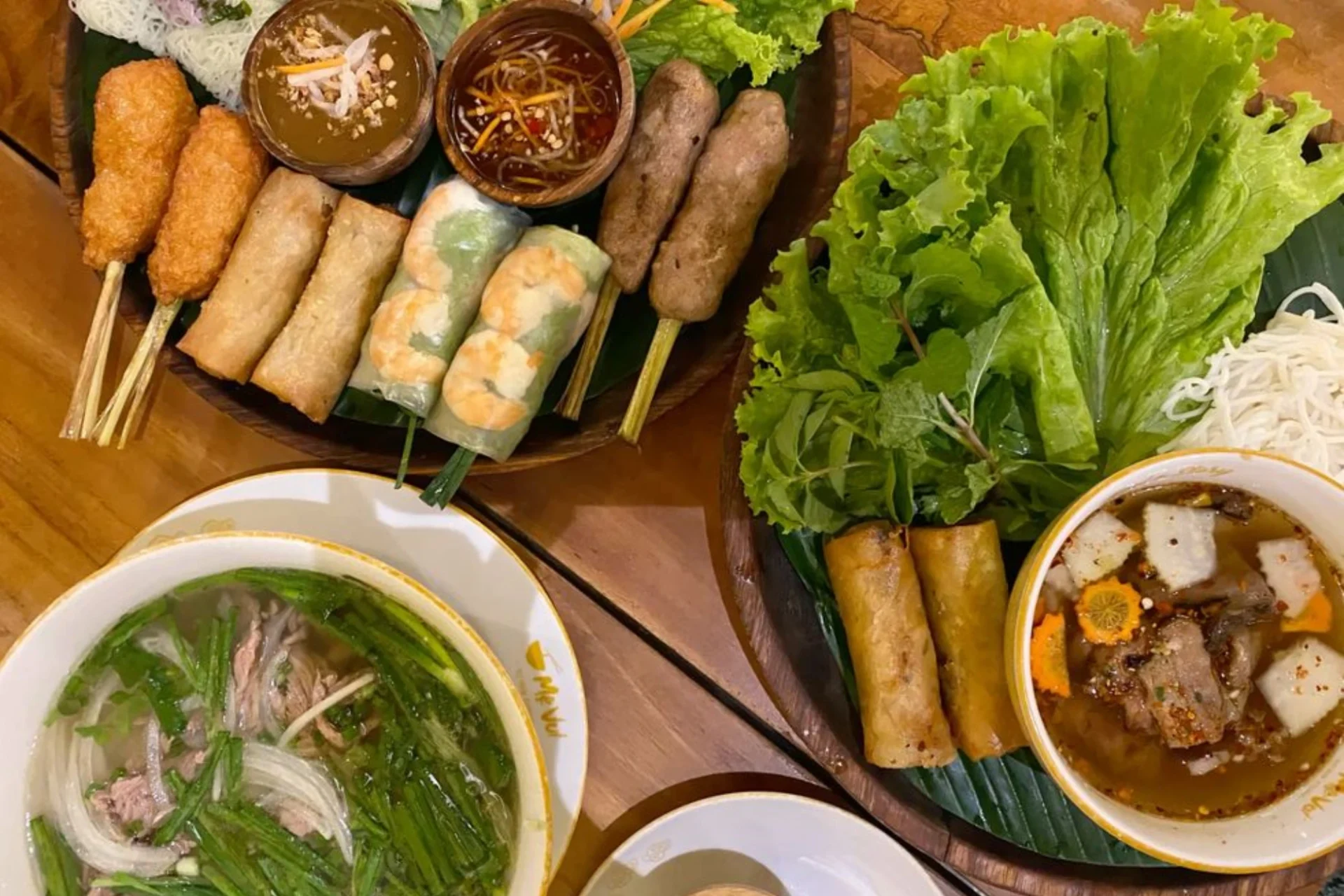
Vietnamese menus can feel overwhelming for a first-time visitor, with dozens of regional dishes and unfamiliar names. Rather than trying to taste everything at once, five dishes give a solid starting point: a noodle soup, a sandwich, a grilled specialty, a fresh roll, and a bold regional bowl. Together they cover the core flavors of Vietnamese cooking, from light herbal broths to rich, spicy soups, and work as a practical shortlist for any itinerary.
Quick Overview – 5 Vietnamese Dishes You Can’t Miss
| Dish Name | Prominent Region | Spice Level | Average Price | Best Time to Enjoy |
| Pho | Nationwide (Famous in Hanoi) | Mild (Chili added by you) | $2 – $4 | Breakfast / Lunch or dinner |
| Banh Mi | Nationwide (Famous in Hoi An) | Mild to Medium | $1 – $3 | Anytime |
| Bun Cha | Hanoi (Northern Vietnam) | Mild | $2 – $4 | Lunch |
| Goi Cuon | Southern Vietnam | Not spicy | $0.5 – $1/roll | Appetizer / Afternoon snack |
| Bun Bo Hue | Central Vietnam (Hue, Da Nang) | Very Spicy | $2 – $4 | Breakfast / Lunch or dinner |
1. Phở – The Everyday Noodle Soup
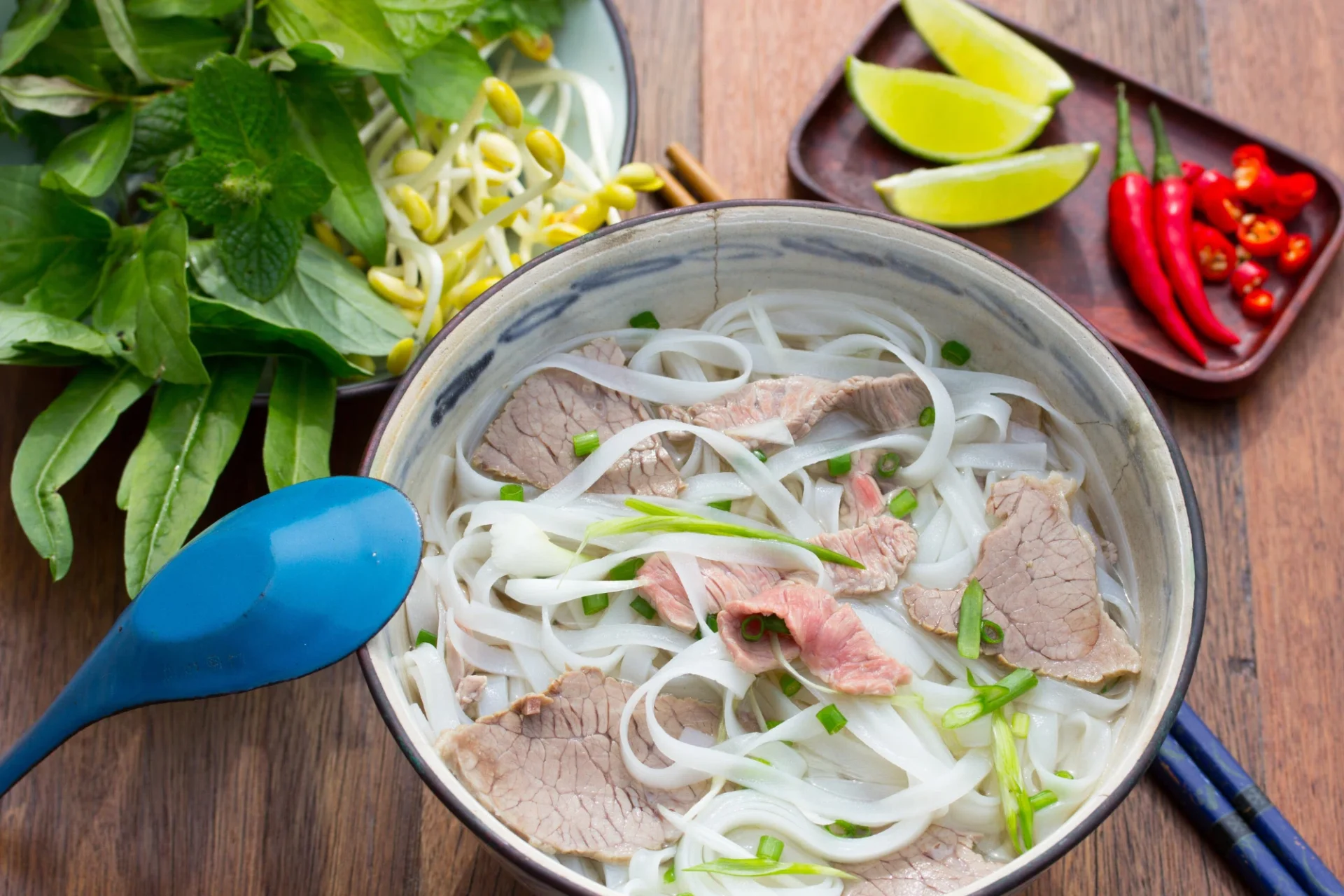
Phở is the dish most people picture when they think of Vietnamese food, and for good reason. A bowl combines flat rice noodles, slow-simmered beef or chicken broth, and thin slices of meat, finished with herbs, lime, and chili on the side. Vietnamese people eat it any time of day, though it’s especially common for breakfast.
- Squeeze in fresh lime and add bean sprouts or basil to taste
- Northern-style broth is lighter; southern-style is sweeter
- A safe first order for travelers still adjusting to local flavors
Recommended places
- Phở Gia Truyền – 49 Bát Đàn, Hanoi Old Quarter – a decades-old shop with a Michelin Bib Gourmand
- Phở 10 Lý Quốc Sư – Hanoi, another long-standing local favorite
- Phở Hòa – 260C Pasteur Street, District 3, Ho Chi Minh City – a Saigon institution popular with both locals and tourists
- Phở Hùng – 243 Nguyễn Trãi Street, Nguyễn Cư Trinh Ward, District 1, Ho Chi Minh City
2. Bánh Mì – Vietnam’s Answer to the Sandwich
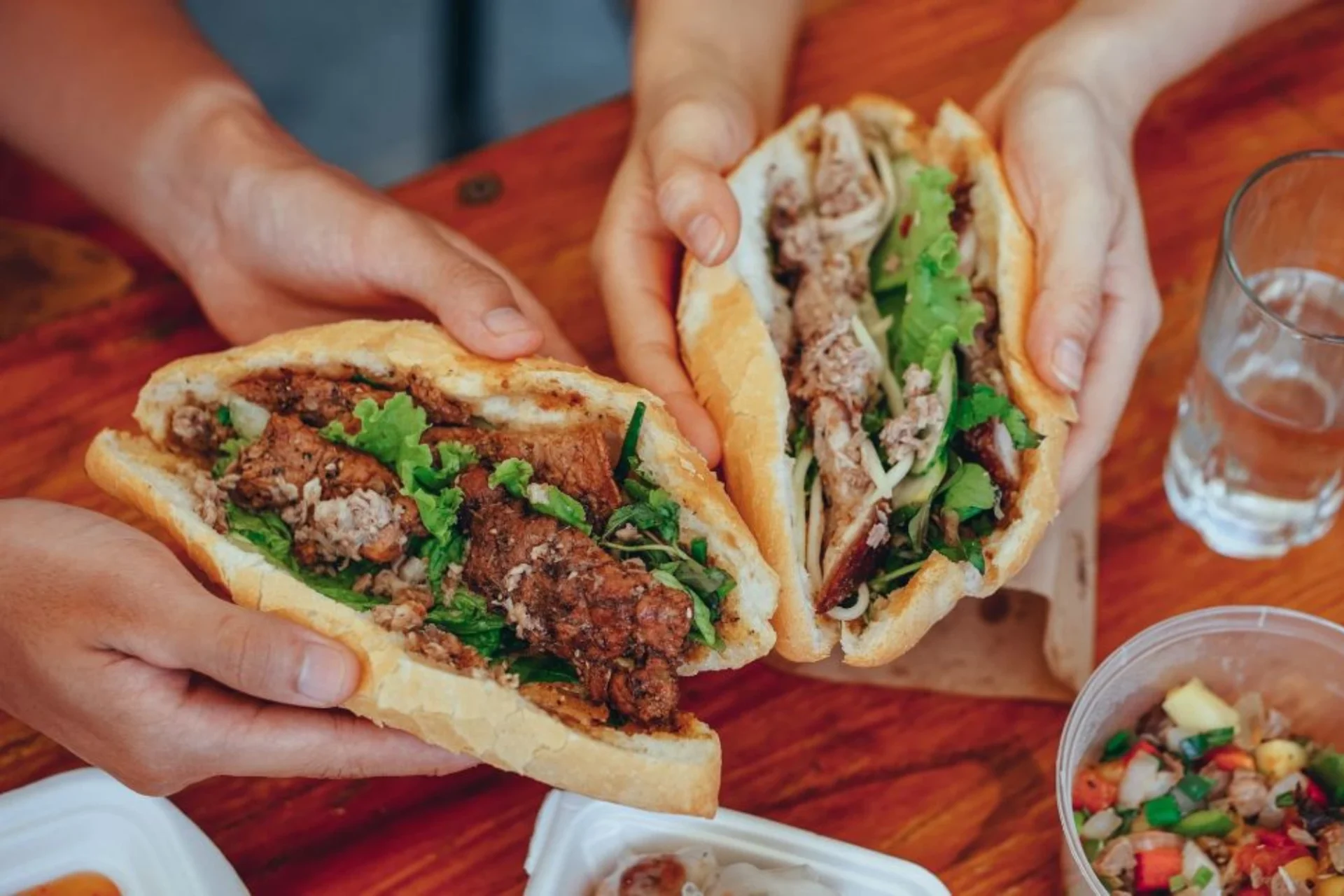
Bánh mì takes a French-style baguette and fills it with distinctly Vietnamese ingredients: pâté or cold cuts, pickled carrot and daikon, cucumber, cilantro, and chili. The crisp crust and cool, tangy filling make it a fast, affordable meal that’s easy to eat on the move between sightseeing stops.
- Say “no chili” if you prefer a milder version
- Sold everywhere, from street carts to bakeries
- Works well as a quick breakfast or lunch on a busy travel day
Recommended places
- Bánh Mì Phượng – 2B Phan Châu Trinh, Hoi An – the stall Anthony Bourdain called “the best bread in the world”
- Madam Khánh – The Bánh Mì Queen – 115 Trần Cao Vân, Hoi An
- Bánh Mì Huỳnh Hoa – 26 Lê Thị Riêng, District 1, Ho Chi Minh City – known for generous, stacked fillings
- Bánh Mì 25 – 25 Hàng Cá, Hanoi – popular with both locals and travelers
3. Bún Chả – Hanoi’s Grilled Pork Classic
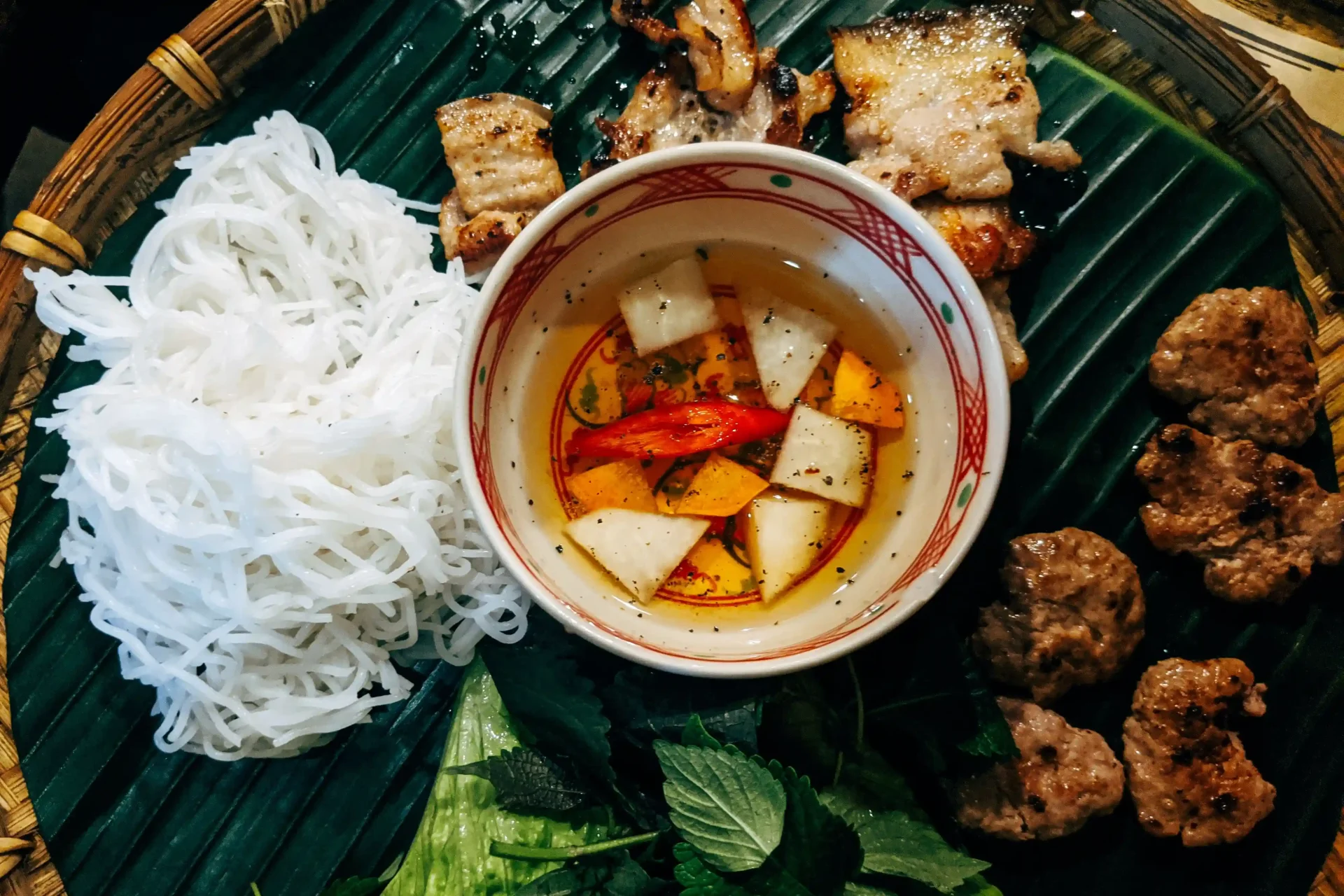
Bún chả brings together charcoal-grilled pork, rice vermicelli, fresh herbs, and a warm, slightly sweet dipping sauce. Instead of a soup, the components stay separate on the table, and diners dip the noodles and herbs into the sauce themselves. It’s one of the dishes Hanoi is best known for.
- Order it for lunch, when it’s typically served fresh off the grill
- Often comes with a side of fried spring rolls
- A good pick if you want smoky, savory flavors over broth-based ones
Recommended places
- Bún Chả Hương Liên – 24 Lê Văn Hưu, Hanoi – the spot where Obama and Bourdain famously ate bún chả in 2016
- Bún Chả Tuyết – 34 Hàng Than, Hanoi
4. Gỏi Cuốn – Fresh Spring Rolls
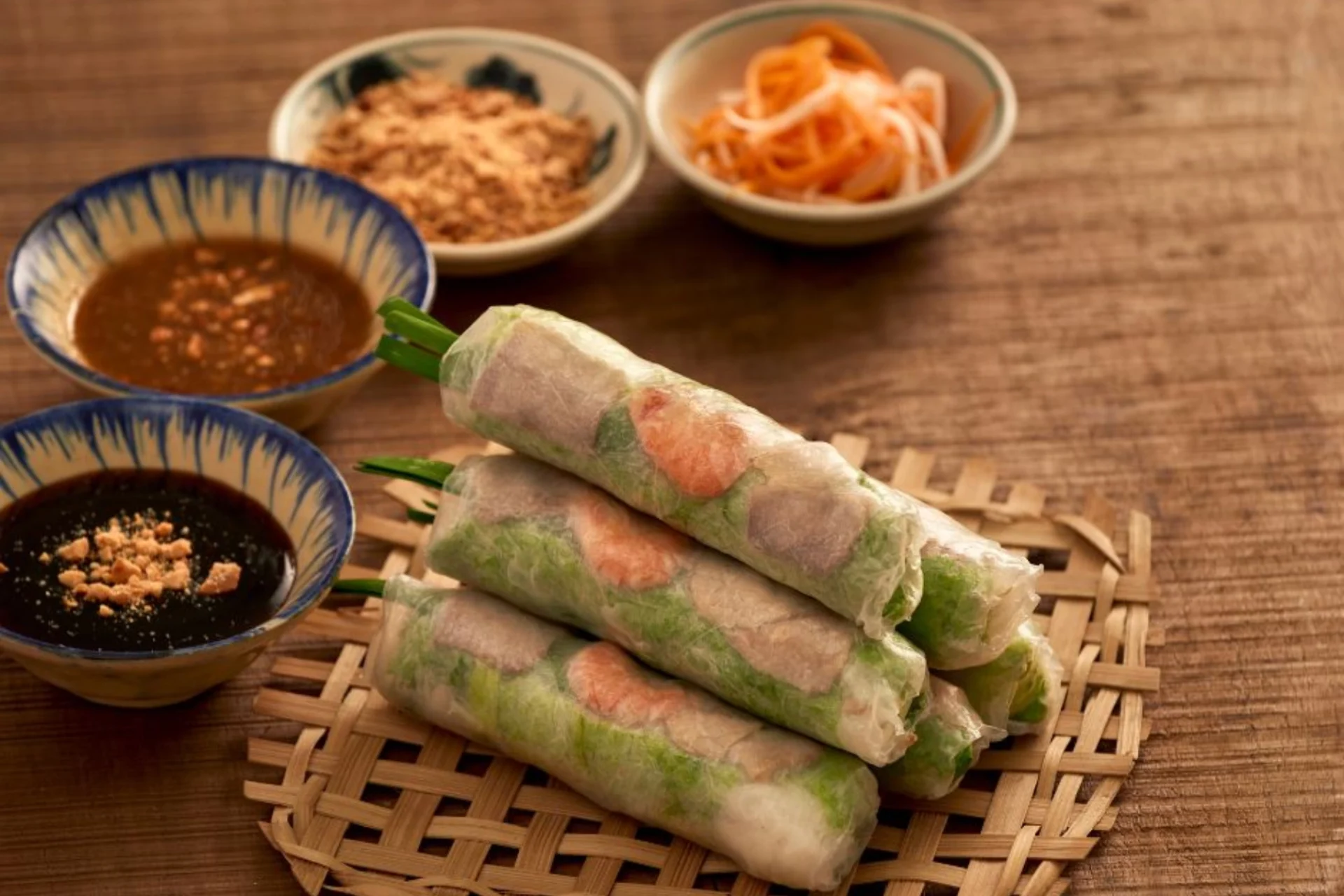
Gỏi cuốn wraps shrimp, pork, rice vermicelli, and fresh herbs in soft rice paper, served cold with a peanut or fish sauce dip. Because nothing is fried, it’s one of the lightest dishes on any Vietnamese menu, making it a good match for hot weather or a smaller appetite.
- Ask for fish sauce dip instead of peanut sauce if you have allergies
- A common starter, but light enough to eat as a snack anytime
- Available nationwide, not tied to one specific region
Recommended places
- Quán Ăn Ngon – Pasteur Street, District 1, Ho Chi Minh City – an open-air courtyard with multiple street food stations, good for trying several dishes at once
- Wrap and Roll – a foreigner-friendly chain with several branches across Ho Chi Minh City
- Gỏi Cuốn LLQ – 359/1/9A Lê Văn Sỹ, District 3, Ho Chi Minh City
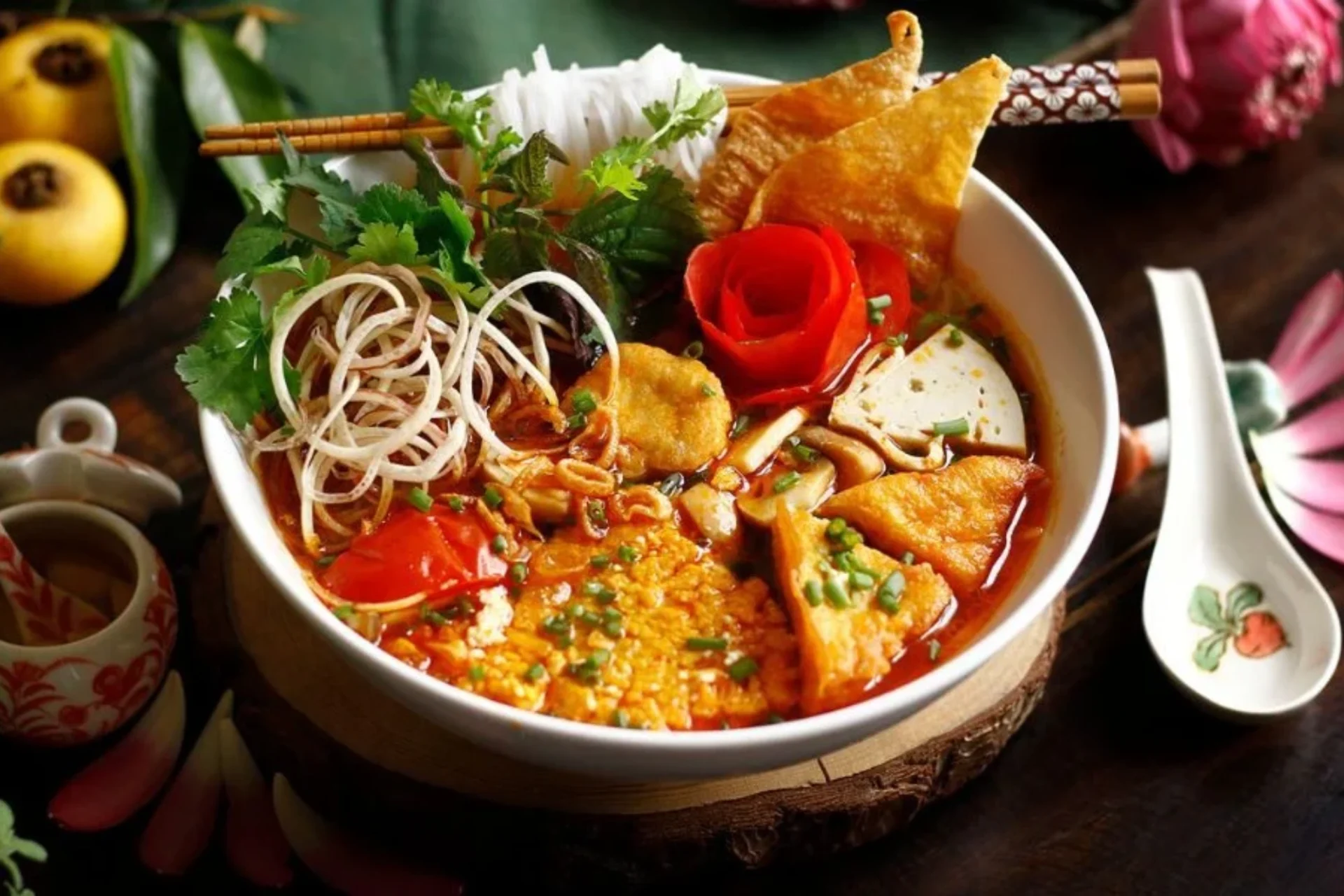
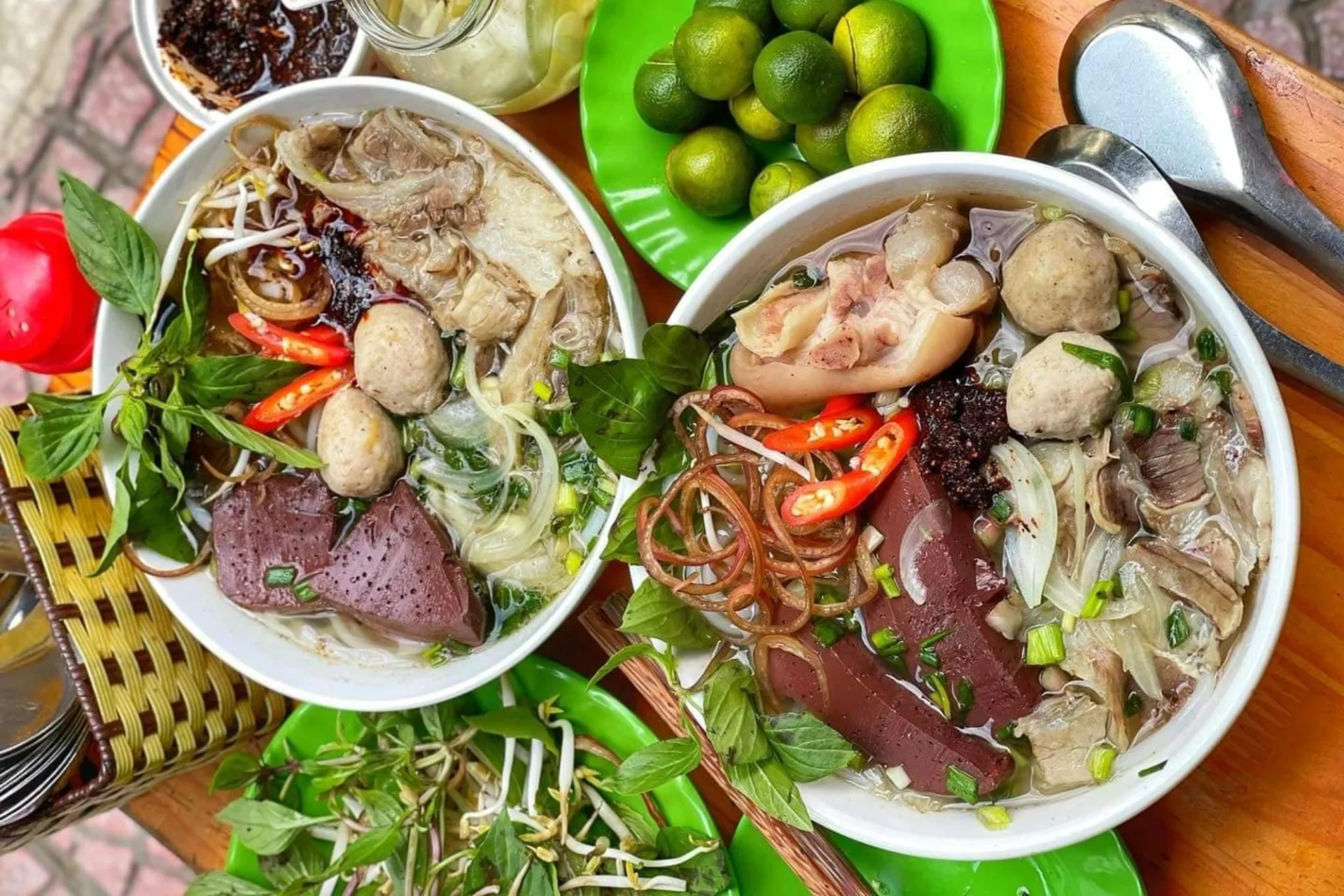
5. Bún Bò Huế – Central Vietnam’s Spicy Bowl
Bún bò huế is a lemongrass-scented, chili-spiced beef and pork noodle soup from the former imperial city of Hue. Thick, round rice noodles sit in a broth that’s noticeably bolder than phở, reflecting the more intense flavors typical of central Vietnamese cooking.
- Ask for less chili if you’re sensitive to spicy food
- A filling choice for lunch or dinner rather than a light snack
- Worth seeking out specifically if you’re visiting Hue or central Vietnam
Recommended places
- Local stalls around Đông Ba Market, Hue – the city where the dish originated
- Bún Bò Hạnh – 135 Bành Văn Trân, Tân Bình, Ho Chi Minh City – over 30 years in business
- The 31 – 31 Mạc Đĩnh Chi, District 1, Ho Chi Minh City
- Bún Bò Mỹ Tâm – 5 Trần Cao Vân, Vĩnh Ninh Ward, Hue City
- Bún Bò Mệ Kéo – 20 Bạch Đằng, Phú Cát Ward, Hue City
- Bún Bò Bà Tuyết – 47 Nguyễn Công Trứ, Phú Hội Ward, Hue City
Check out our full guide, Top 10 Must-Try Vietnamese Dishes, for five more classics – including regional specialties like cao lầu from Hoi An and chả cá lã vọng from Hanoi
Quick Tips Before You Order
Ordering Vietnamese food is usually straightforward, but a few small tips can make the experience much easier, especially if it’s your first time trying local dishes. Vietnamese cuisine varies significantly from region to region, so paying attention to spice levels, ingredients, and where a dish comes from can help you choose something that suits you.
- Ask about the spice level: Chili is often served separately, but some dishes-especially those from Central Vietnam-can be naturally spicier. If you’re sensitive to heat, ask before ordering.
- Mention any allergies: Fish sauce, shrimp, peanuts, and other common ingredients appear in many Vietnamese dishes. Let the staff know about any allergies before your food is prepared.
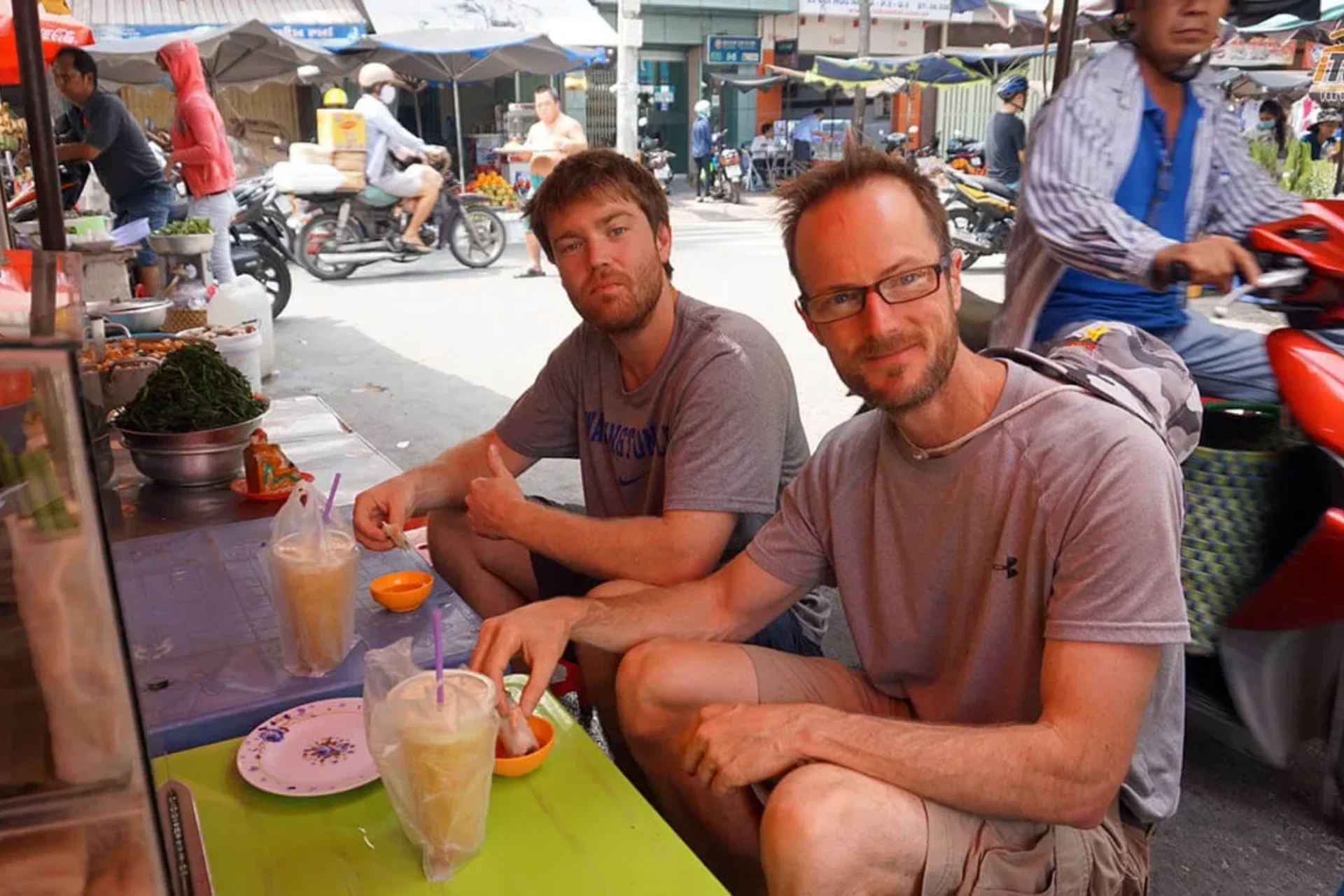
- Choose busy local spots: For street food, stalls with a steady flow of customers are often a good choice. High turnover also means ingredients are likely being prepared and served regularly.
- Try dishes where they originate: Regional specialties can be especially rewarding when enjoyed in their home cities-for example, bún chả in Hanoi or bún bò Huế in Hue. It’s a simple way to connect the food with the local culture and traditions behind it.
Frequently Asked Questions (FAQs)
Is it safe to try these dishes from street stalls?
Yes, as long as you pick stalls with steady customer turnover and visibly fresh ingredients.
What’s the best time of day to eat these dishes?
Phở works well any time but is especially popular for breakfast. Bánh mì and gỏi cuốn suit quick meals throughout the day, while bún chả and bún bò huế are heartier and better suited to lunch or dinner.
Which of these five dishes is the mildest for a sensitive stomach?
Gỏi cuốn and phở are the safest starting points – both are light, use simple broths or fresh ingredients, and rarely include heavy spice. Bún bò huế is the one to approach carefully if you’re not used to chili.
Can I find all five dishes outside their home region?
Phở, bánh mì, and gỏi cuốn are sold nationwide. Bún chả is strongly tied to Hanoi and bún bò huế to Hue, though both are increasingly available in other major cities.
Conclusion
Vietnamese cuisine is diverse, fresh, and generally easy on the stomach, making it approachable for most travelers. From the crisp crunch of bánh mì to the deep, spiced broth of bún bò huế, each dish tells a story of the region it comes from. Don’t be afraid to try something new, but keep these basics in mind so your trip stays comfortable from the first bite to the last.
Planning a food-focused trip to Vietnam? Explore Nicetrips Vietnam Tours to discover local destinations, food, and culture with carefully planned itineraries and local support. You can also browse the Nicetrips Blog for more practical Vietnam travel guides.