Vietnam is known for its diverse and distinctive food culture, with dishes that vary from one region to another. For first-time visitors, choosing what to eat can be difficult when there are so many unfamiliar dishes on the menu. This guide introduces 10 must-try Vietnamese dishes, covering popular street food, noodle soups, rice dishes, fresh rolls, and regional specialties. From the familiar format of banh mi to the bold flavors of bun bo Hue, these dishes offer a practical introduction to Vietnamese food. Whether you are planning your first trip or wondering what food to try in Vietnam, this list can help you choose dishes that match your taste and travel itinerary.
What Makes Vietnamese Food Worth Trying?
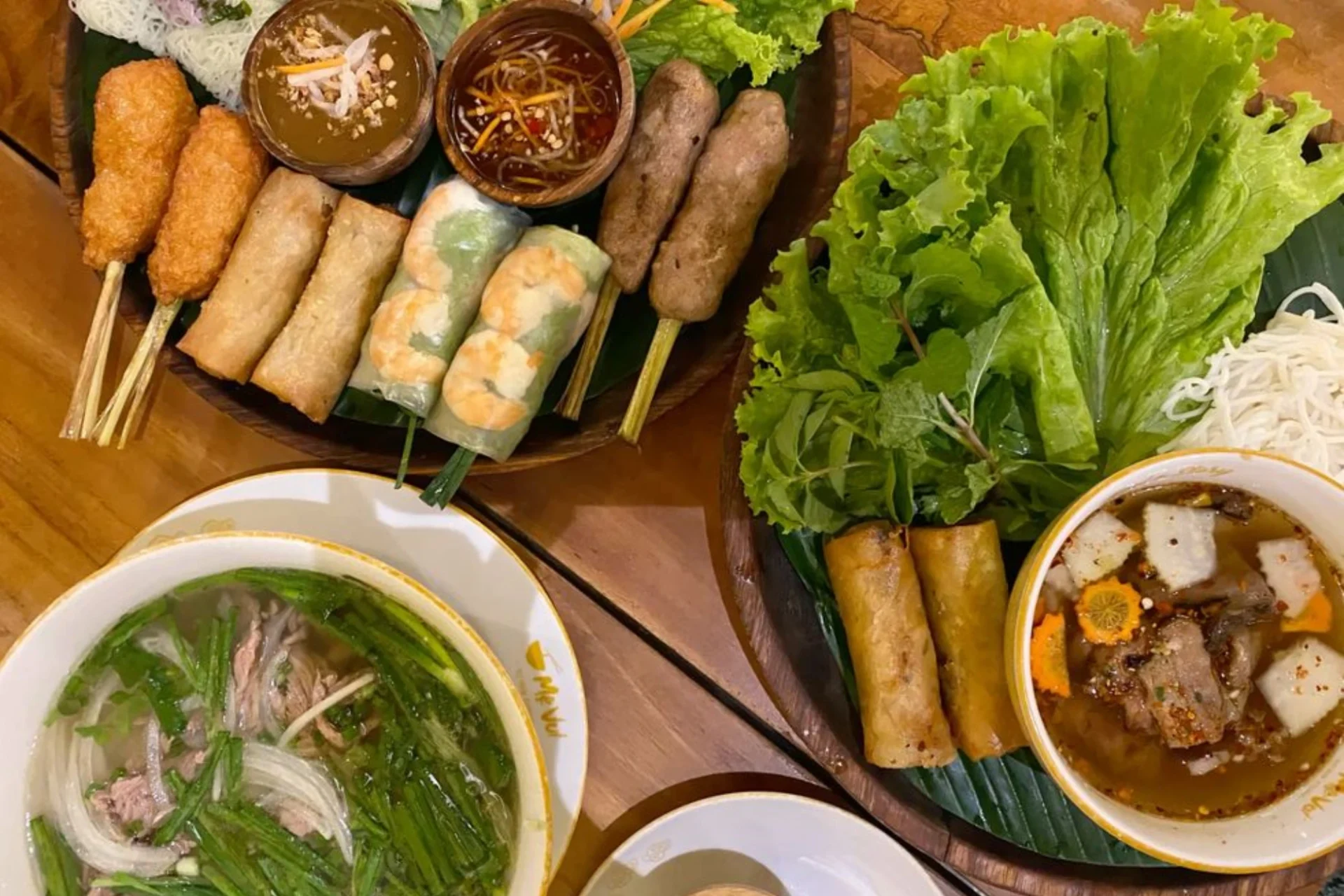
Vietnamese food balances fresh herbs, light broths, and bold dipping sauces rather than heavy oil or cream. Rice noodles, fish sauce, and fresh vegetables appear in most dishes, making the cuisine naturally lighter than many of its regional neighbors. Each region also has its own specialties: the north favors subtle broths, the center leans spicy and complex, and the south adds sweetness and coconut. This variety is why the same dish, like pho or bun cha, can taste noticeably different depending on where you eat it.
Detailed Guide to the Top 10 Must-Try Vietnamese Dishes
1. Bánh Mì (Vietnamese Baguette)
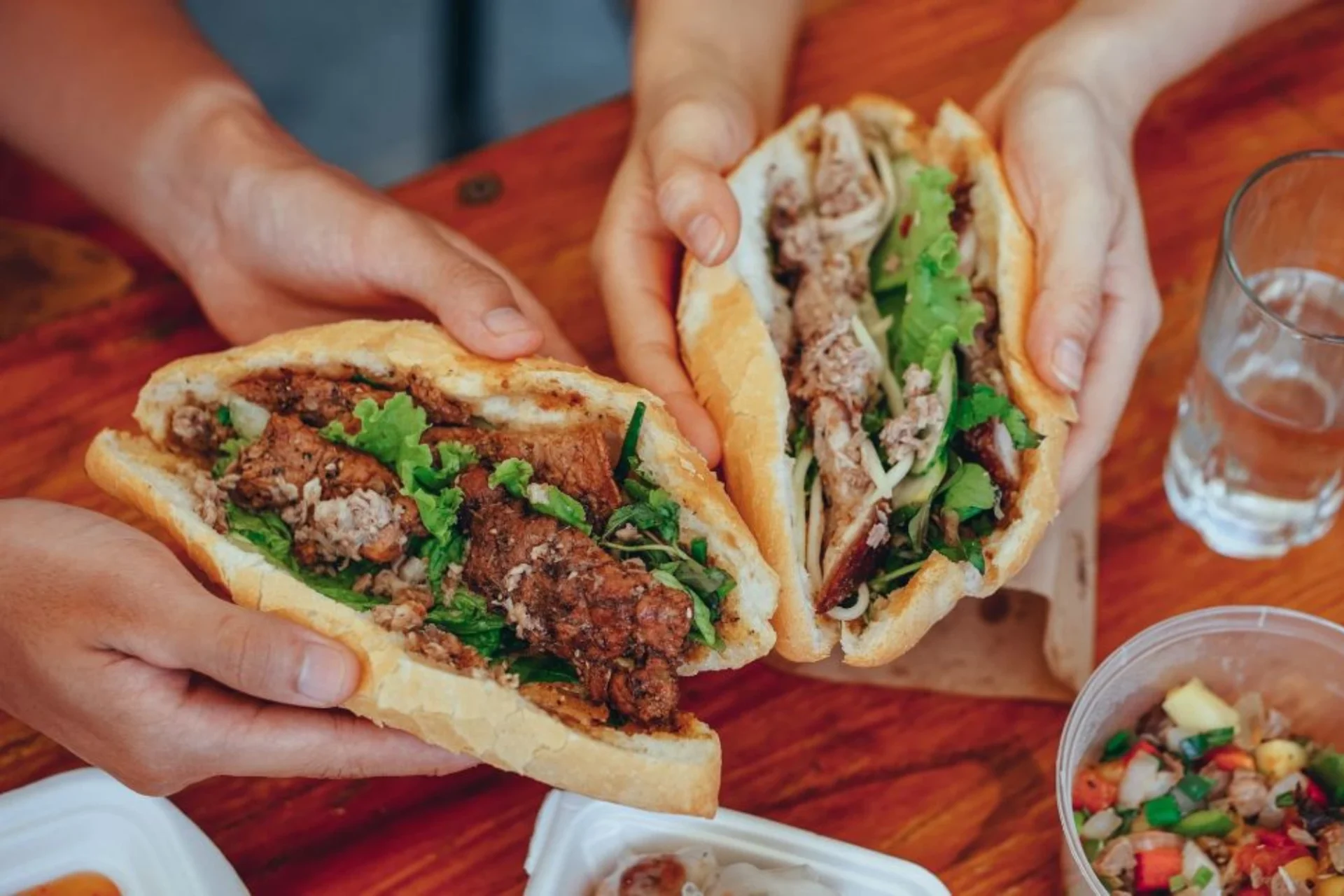
Banh Mi is a Vietnamese baguette sandwich filled with savory ingredients, fresh vegetables, pickles, herbs, and sauces. Common versions use meat, pâté, or Vietnamese cold cuts, although fillings vary between vendors. The combination of a crisp baguette, savory filling, and fresh vegetables makes banh mi an easy introduction to Vietnamese street food for first-time visitors.
Typical ingredients include:
- Vietnamese baguette
- Pâté and cold cuts
- Pickled carrot and daikon
- Cucumber and fresh herbs
- Chili and savory sauces
Banh Mi is commonly eaten for breakfast or as a quick meal during the day. If you want a familiar format with distinctly Vietnamese ingredients, this is one of the easiest must-try Vietnamese dishes to start with.
Eating Tip: The vendor usually adds fresh chili or chili sauce. If you have a sensitive stomach, simply say “No chili” when ordering.
2. Phở (Vietnamese Noodle Soup)
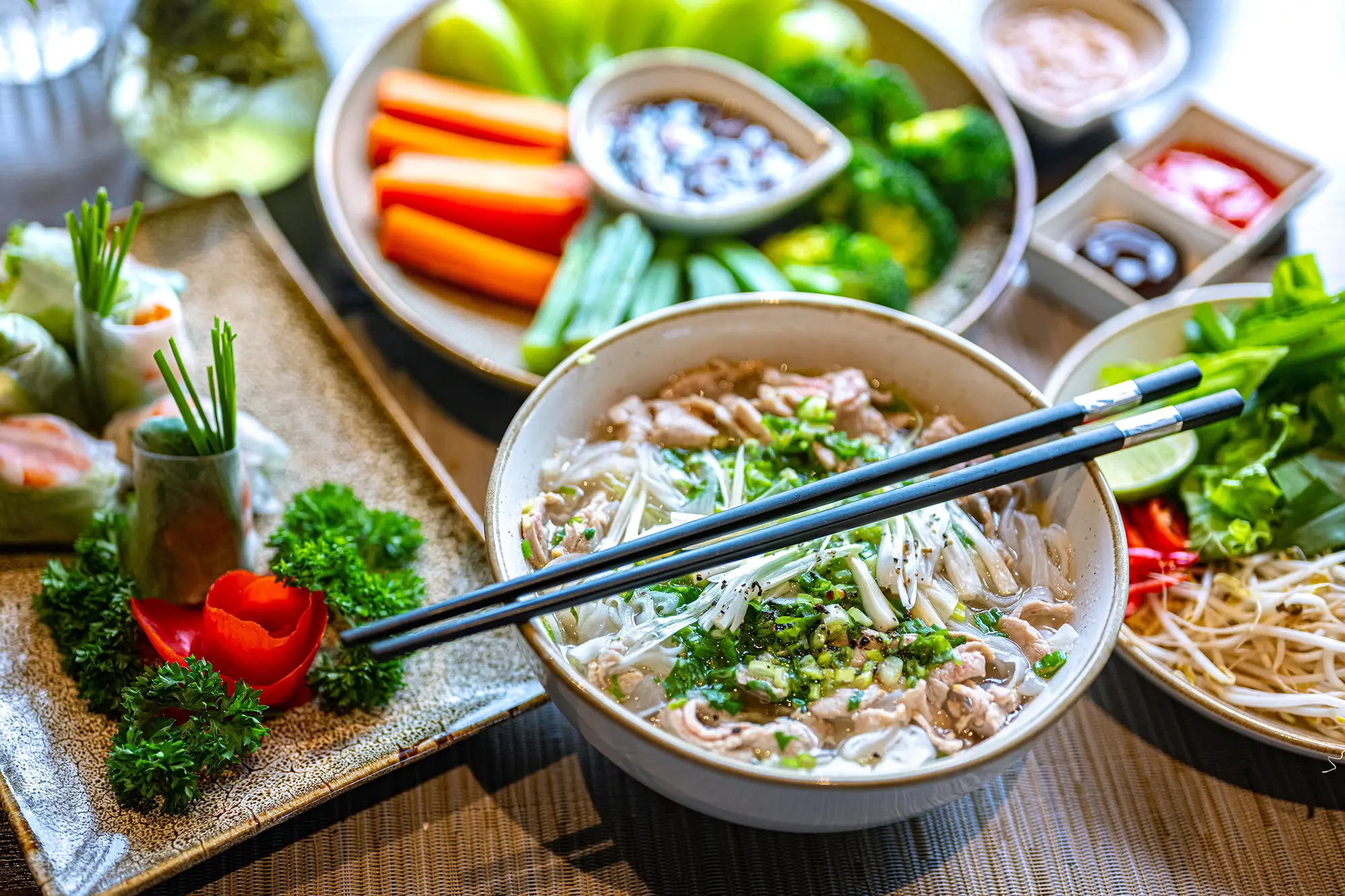
Pho is a rice noodle soup served with broth, meat, and fresh herbs. The two most common versions are beef pho and chicken pho, while preparation and flavor can differ between regions and individual restaurants. Pho is often associated with breakfast but can be enjoyed throughout the day.
A typical bowl contains:
- Rice noodles
- Beef or chicken
- Aromatic broth
- Fresh herbs
- Green onions and other garnishes
For travelers trying Vietnamese cuisine for the first time, pho is a straightforward place to begin. Its simple structure makes the dish easy to understand, while the broth, herbs, and accompanying ingredients introduce several characteristics of traditional Vietnamese food.
How to eat: Locals enhance the broth by squeezing in fresh lime juice and adding fresh herbs like Thai basil and bean sprouts.
3. Bún Chả (Grilled Pork with Rice Noodles)
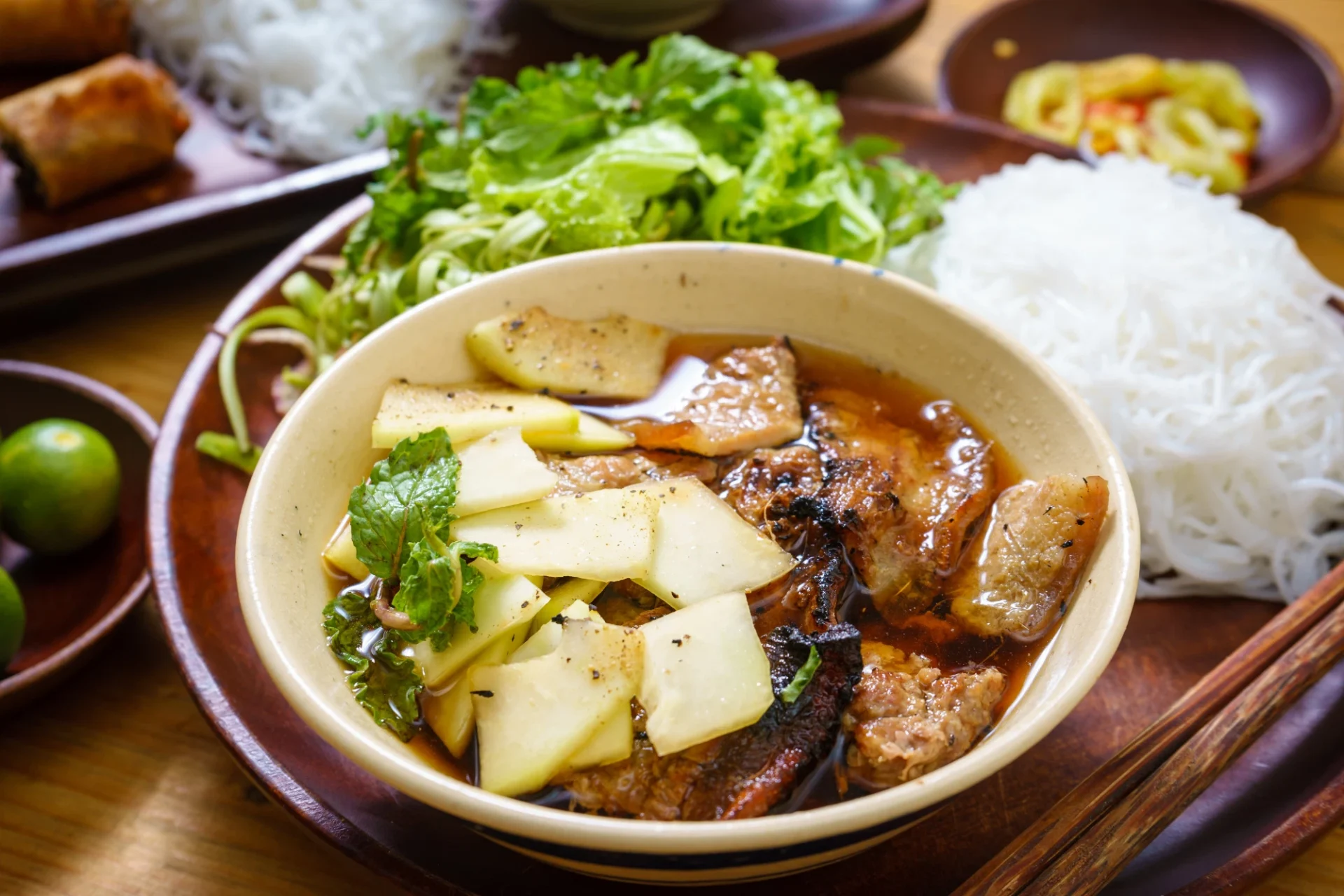
Bun Cha is one of the most recognizable dishes associated with Hanoi. It consists of grilled pork served with rice noodles, fresh herbs, vegetables, and a bowl of dipping sauce. Rather than being served as a soup, the ingredients are combined with the sauce according to each diner’s preference.
The main components are:
- Grilled pork patties
- Grilled pork slices
- Rice noodles
- Fresh herbs and vegetables
- Dipping sauce
The grilled pork provides a smoky and savory flavor, while the noodles and herbs create a lighter contrast. If Hanoi is on your itinerary, bun cha is one of the Vietnamese dishes worth trying to experience a popular Northern specialty beyond pho.
How to eat: Dip the white noodles and fresh herbs directly into the warm meat broth before eating.
4. Gỏi Cuốn (Fresh Spring Rolls)
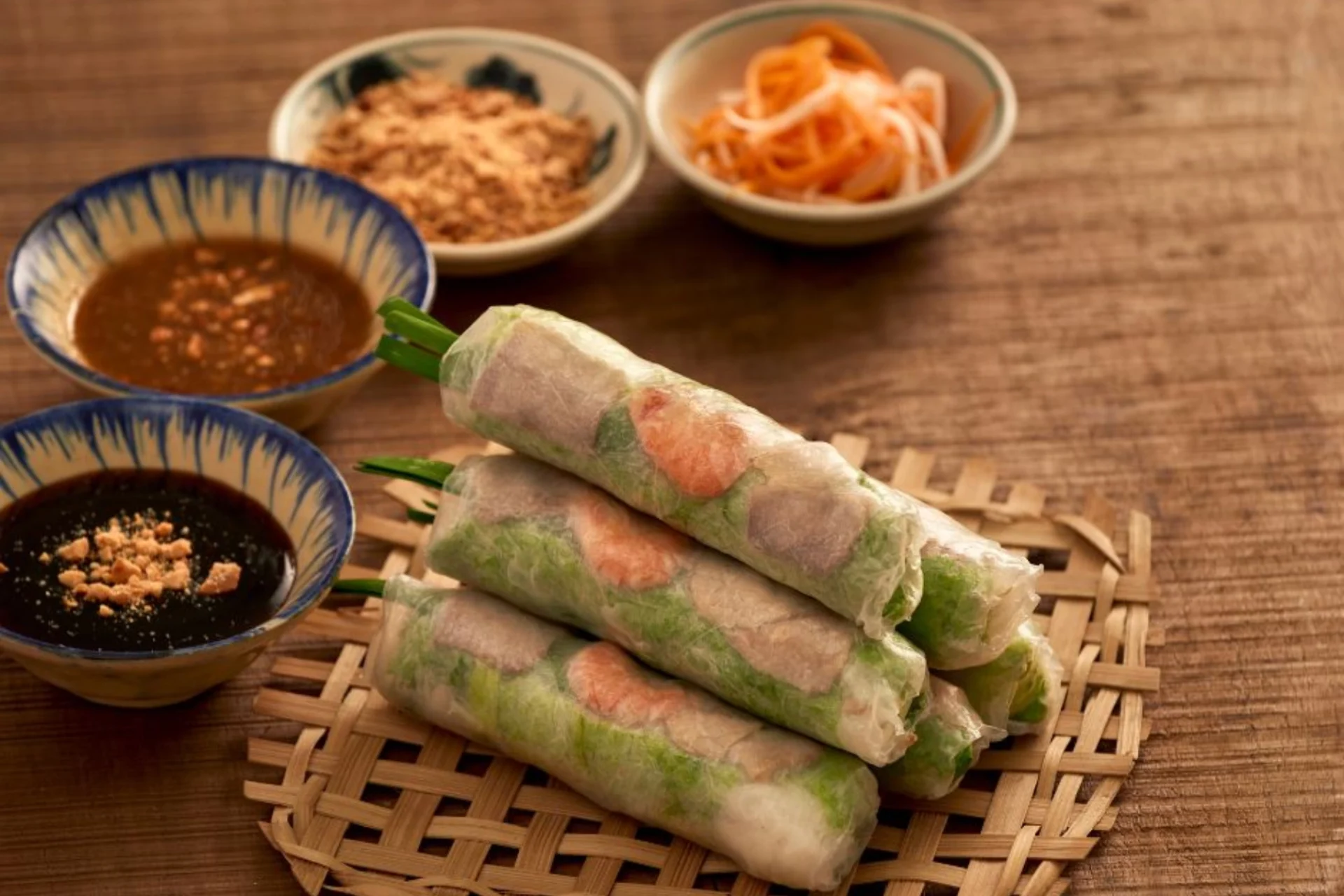
Goi Cuon are fresh spring rolls made by wrapping ingredients in softened rice paper. Shrimp, pork, rice noodles, fresh herbs, and vegetables are common fillings, although the exact combination varies between restaurants. Unlike fried spring rolls, goi cuon are served fresh and are generally lighter in texture.
Common ingredients include:
- Rice paper
- Shrimp or pork
- Rice noodles
- Fresh herbs
- Lettuce and vegetables
The dipping sauce is an important part of the dish and can vary depending on the restaurant. Goi cuon are a practical choice for travelers looking for Vietnamese food to try that is fresh, light, and easy to share.
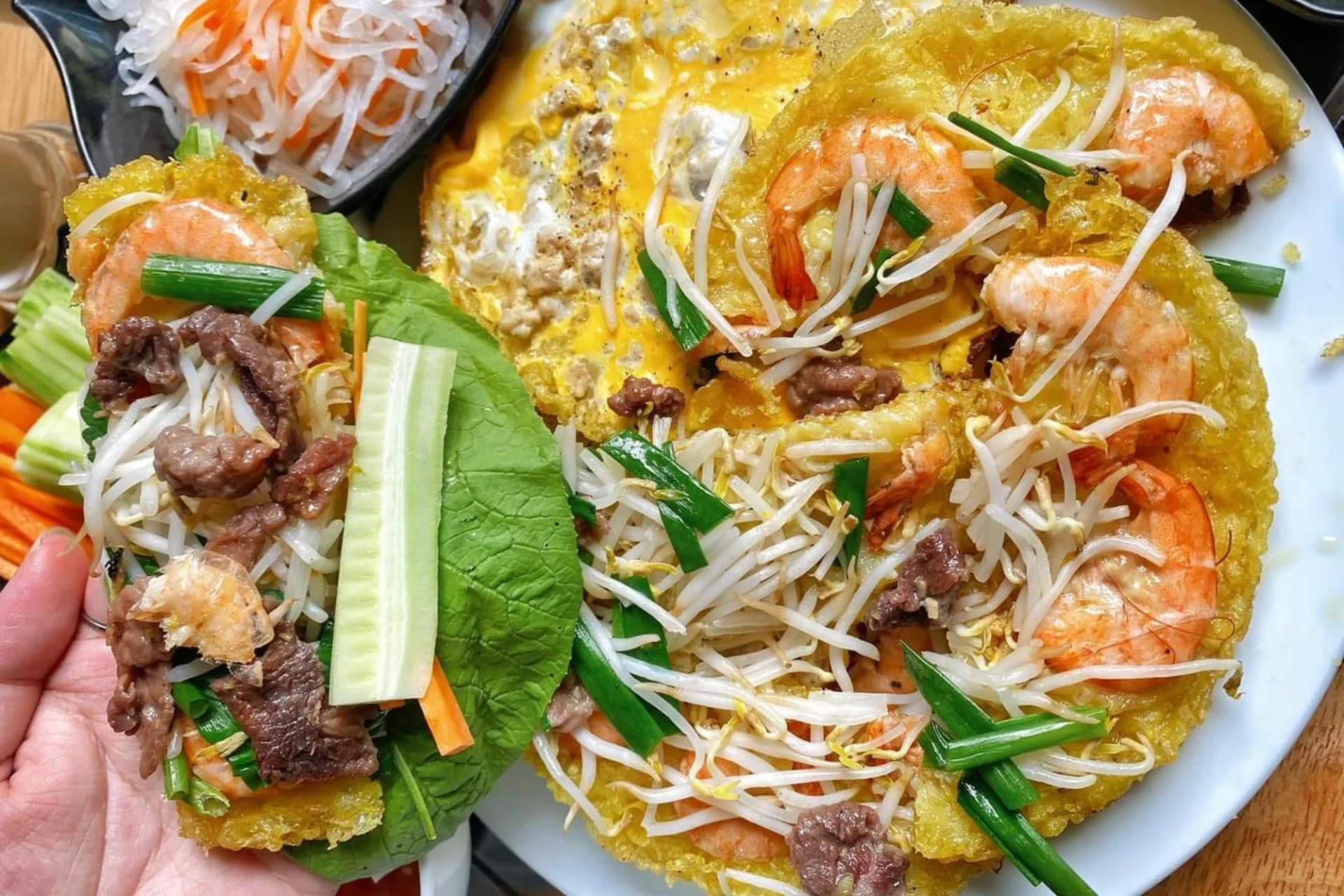
5. Bánh Xèo (Crispy Vietnamese Pancake)
Banh Xeo is a crispy Vietnamese pancake made from a thin batter and commonly filled with shrimp, pork, and bean sprouts. The pancake is cooked until crisp and usually served with lettuce, fresh herbs, and dipping sauce. Instead of eating the pancake alone, diners often wrap pieces with herbs and vegetables before dipping them in the sauce.
A typical serving includes:
- Crispy rice-flour batter
- Shrimp
- Pork
- Bean sprouts
- Fresh herbs and lettuce
- Dipping sauce
The size, filling, and preparation can vary by region. Banh Xeo is particularly suitable for travelers who enjoy crispy textures and want to try a dish that involves several fresh ingredients in one bite.
How to eat: Cut the pancake into smaller pieces, wrap it inside a piece of rice paper with fresh lettuce and herbs, and dip it into sweet fish sauce.
6. Com Tam – Southern Vietnam’s Broken Rice Dish
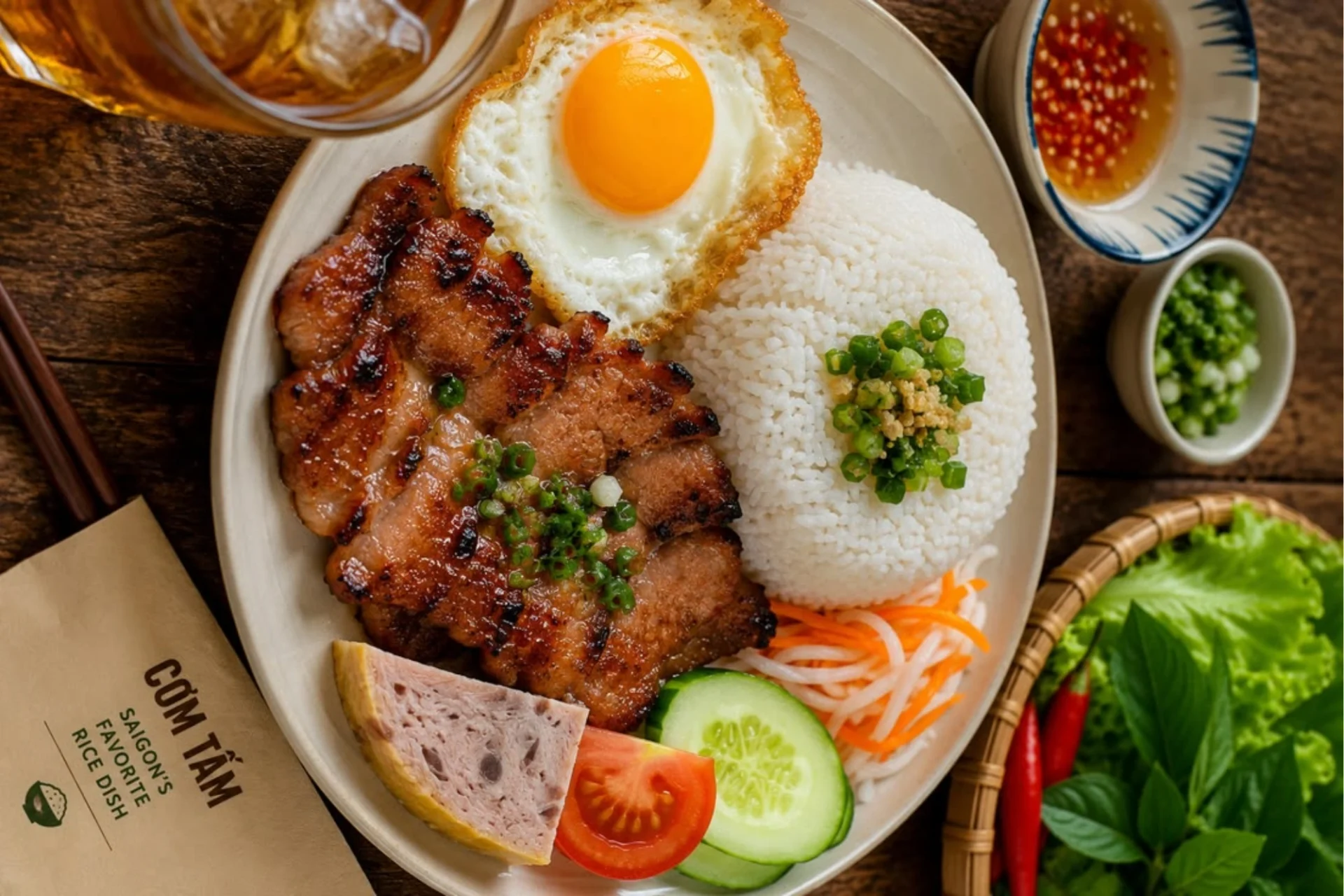
Com Tam, meaning broken rice, is strongly associated with Southern Vietnam and is particularly common in Ho Chi Minh City. The broken rice is often served with grilled pork, vegetables, and fish sauce, although additional components can vary between restaurants.
A typical plate may contain:
- Broken rice
- Grilled pork
- Pickled vegetables
- Fish sauce
- Cucumber or fresh vegetables
Unlike many of the noodle-based dishes on this list, Com Tam gives travelers an introduction to rice-based Southern Vietnamese food. It is commonly eaten for lunch or dinner and makes a filling option when you want a complete local meal rather than a snack.
7. Cao Lau – A Signature Dish from Hoi An
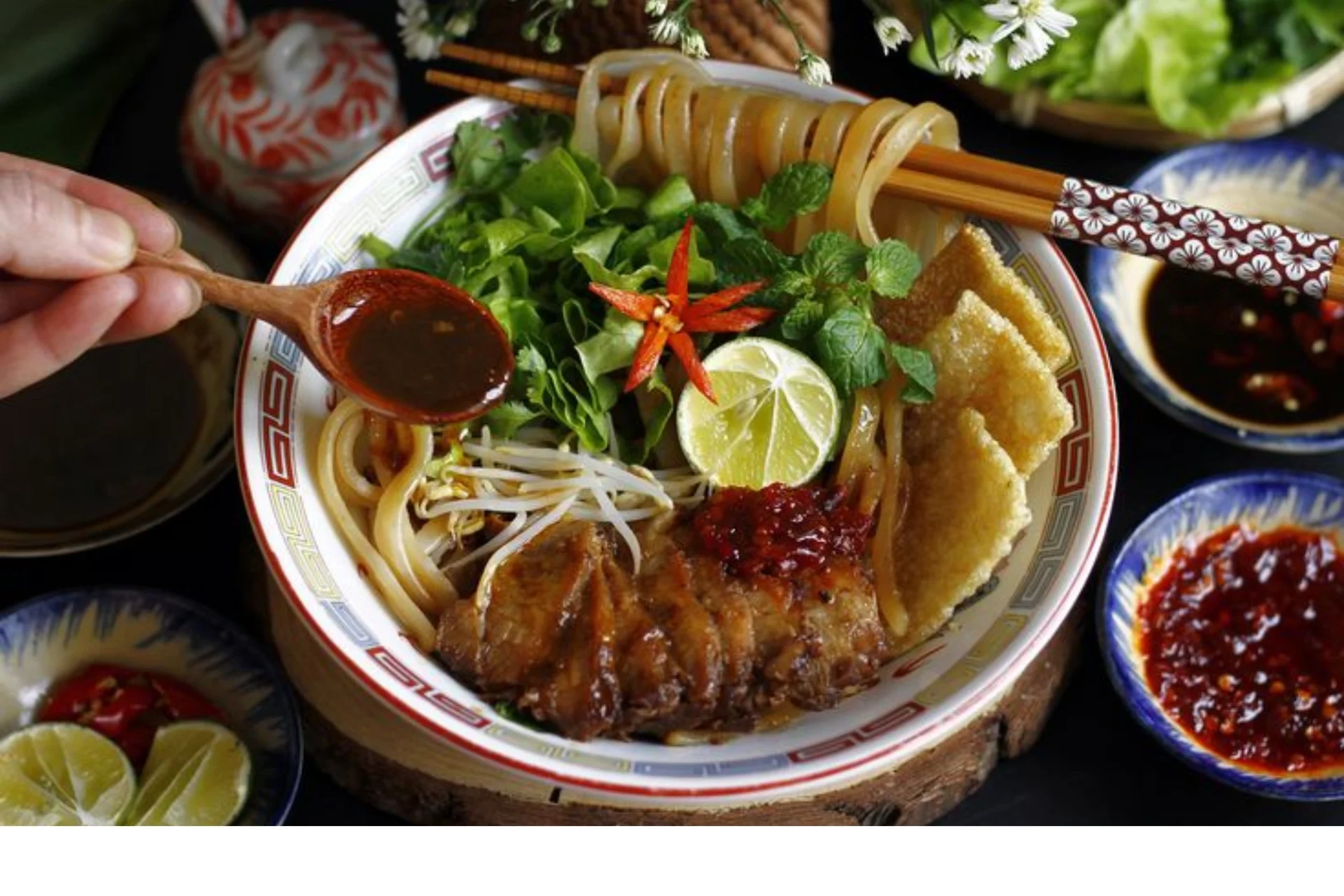
Cao Lau is a regional specialty associated with Hoi An, a historic trading port recognized as a UNESCO World Heritage Site since 1999. The dish combines noodles with pork, fresh herbs, greens, and crispy toppings, creating a mixture of soft, chewy, fresh, and crunchy textures. Its strong connection to Hoi An makes it particularly relevant for travelers exploring Central Vietnam.
Common components include:
- Cao lau noodles
- Pork
- Fresh herbs and greensCrispy toppings
- Savory broth or sauce
Cao Lau is different from more widely available dishes such as pho because of its distinctive noodles and preparation style. If Hoi An is part of your itinerary, adding cao lau to your list is a practical way to explore traditional Vietnamese food at a regional level.
8. Cha Ca La Vong – Hanoi’s Turmeric Fish Specialty
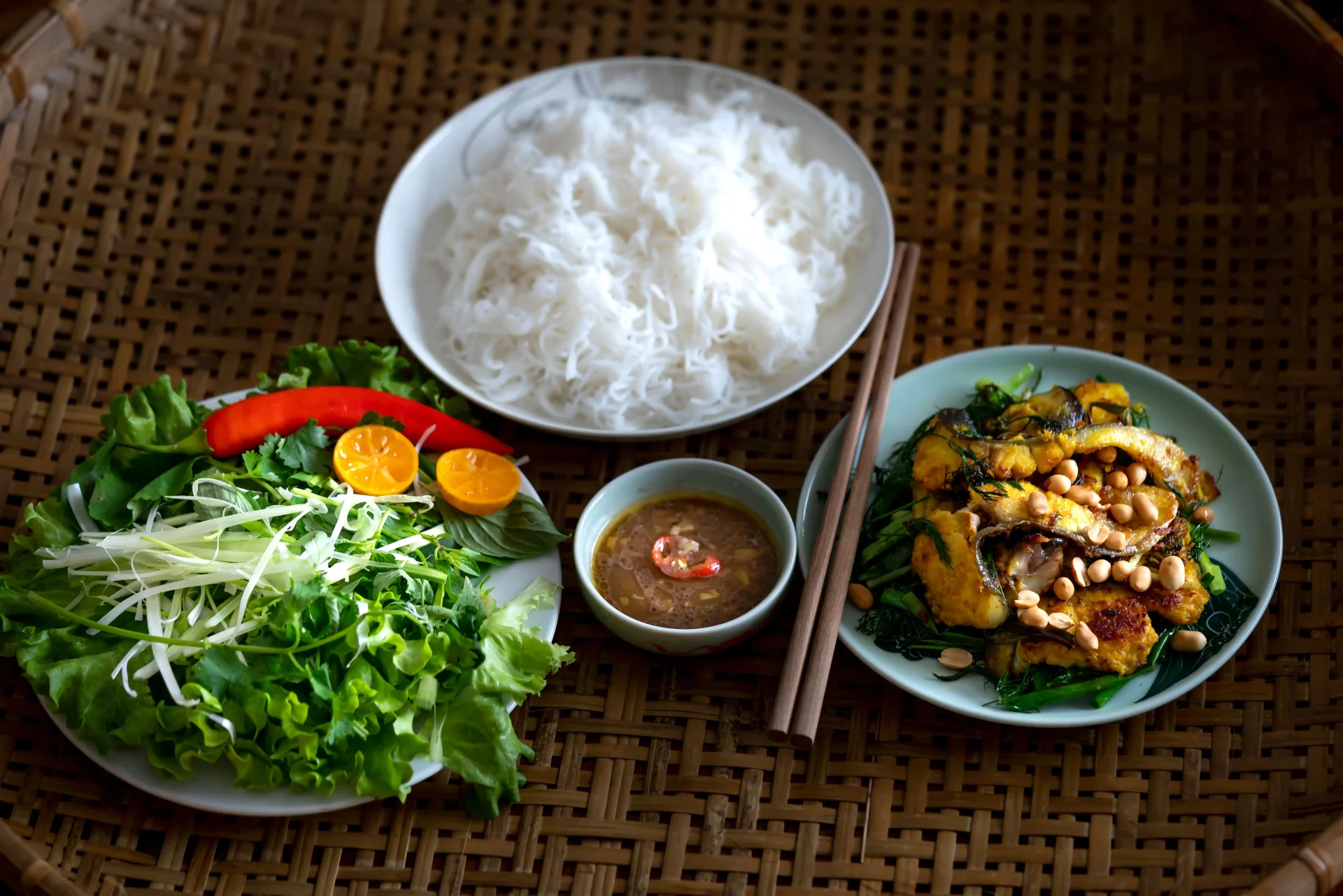
Cha Ca La Vong is a Hanoi specialty featuring fish prepared with turmeric and dill. It is commonly served with rice noodles, fresh herbs, and other accompaniments. The combination of fish and aromatic herbs gives this dish a different flavor profile from the pork-based dishes commonly associated with Hanoi.
The meal commonly includes:
- Turmeric-seasoned fish
- Fresh dill
- Rice noodles
- Fresh herbs
- Peanuts and other accompaniments
For travelers who have already tried pho and bun cha, cha ca offers another way to explore Hanoi’s local food culture. If you have allergy, always ask the restaurant about the ingredients and preparation before ordering.
9. Banh Cuon – Steamed Rice Rolls
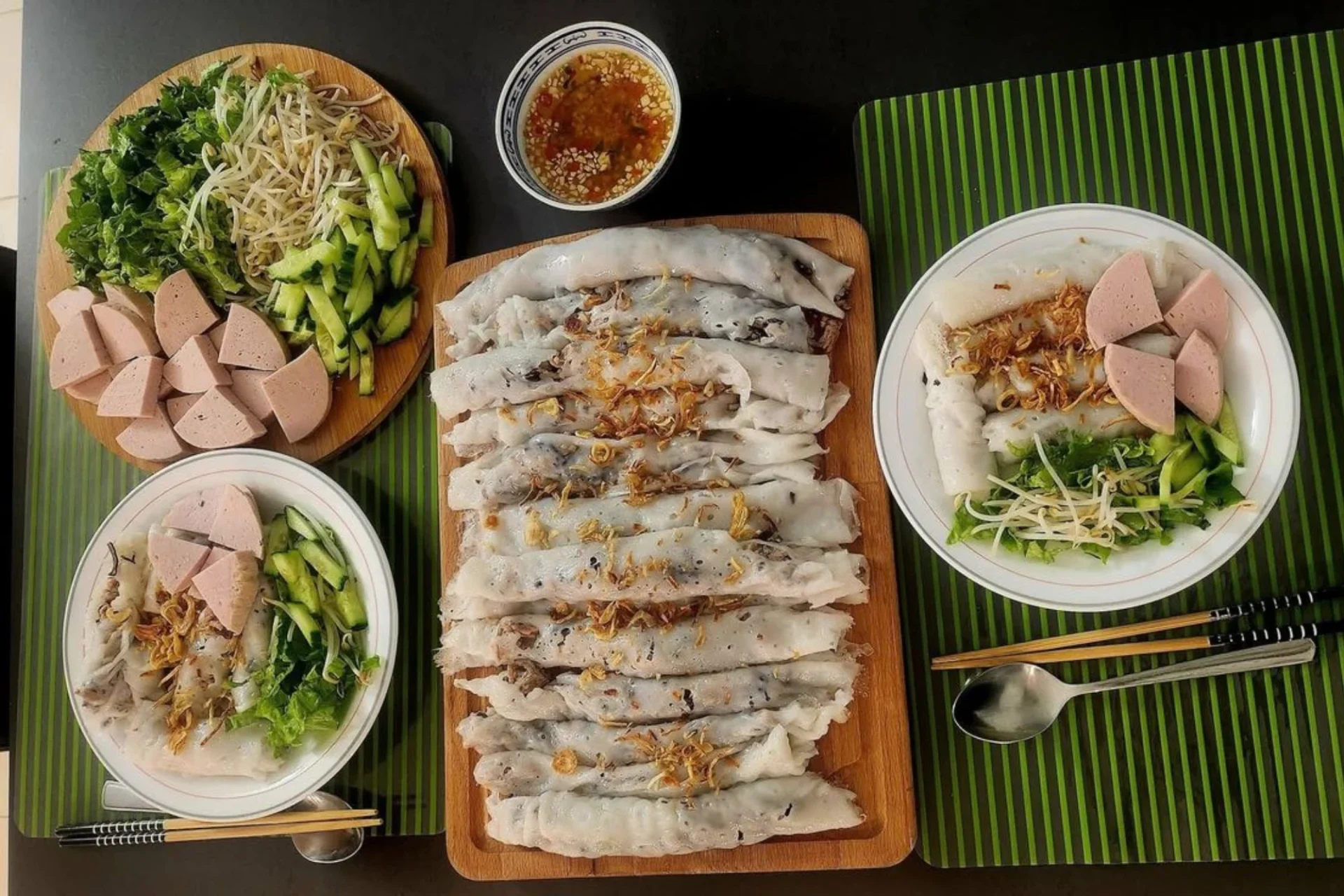
Banh Cuon consists of thin sheets made from steamed rice batter, usually filled with seasoned ground pork and wood ear mushrooms. The rolls are served with dipping sauce and commonly accompanied by herbs or other garnishes. Their soft texture makes them very different from crispy dishes such as banh xeo.
Common components include:
- Steamed rice sheets
- Seasoned ground pork
- Wood ear mushrooms
- Fresh herbs
- Dipping sauce
Banh Cuon is often enjoyed as a breakfast or light meal. It is a useful option for travelers who prefer something lighter in the morning while still wanting to experience a classic Vietnamese rice-based dish.
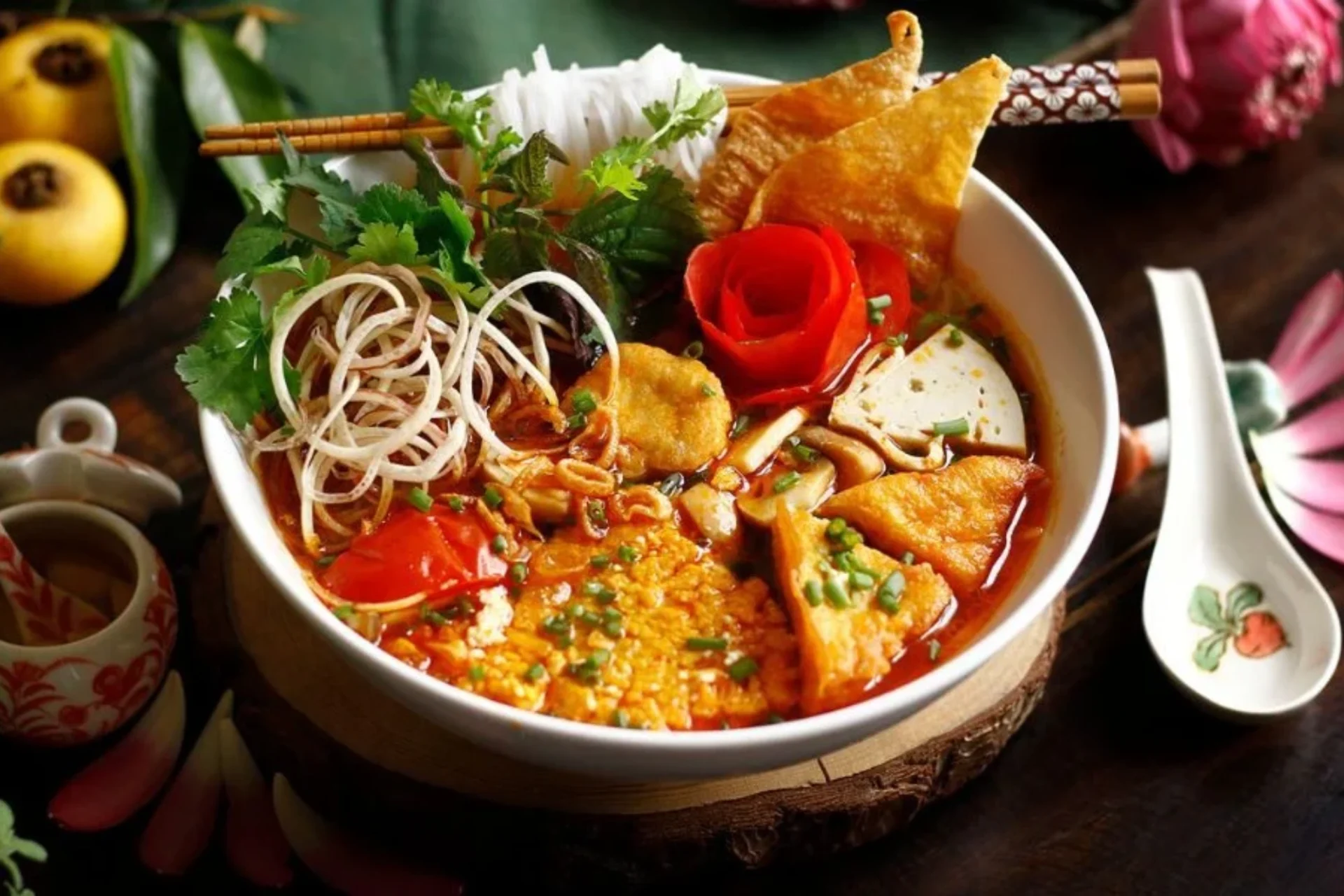
10. Bun Bo Hue – A Spicy Noodle Soup from Central Vietnam
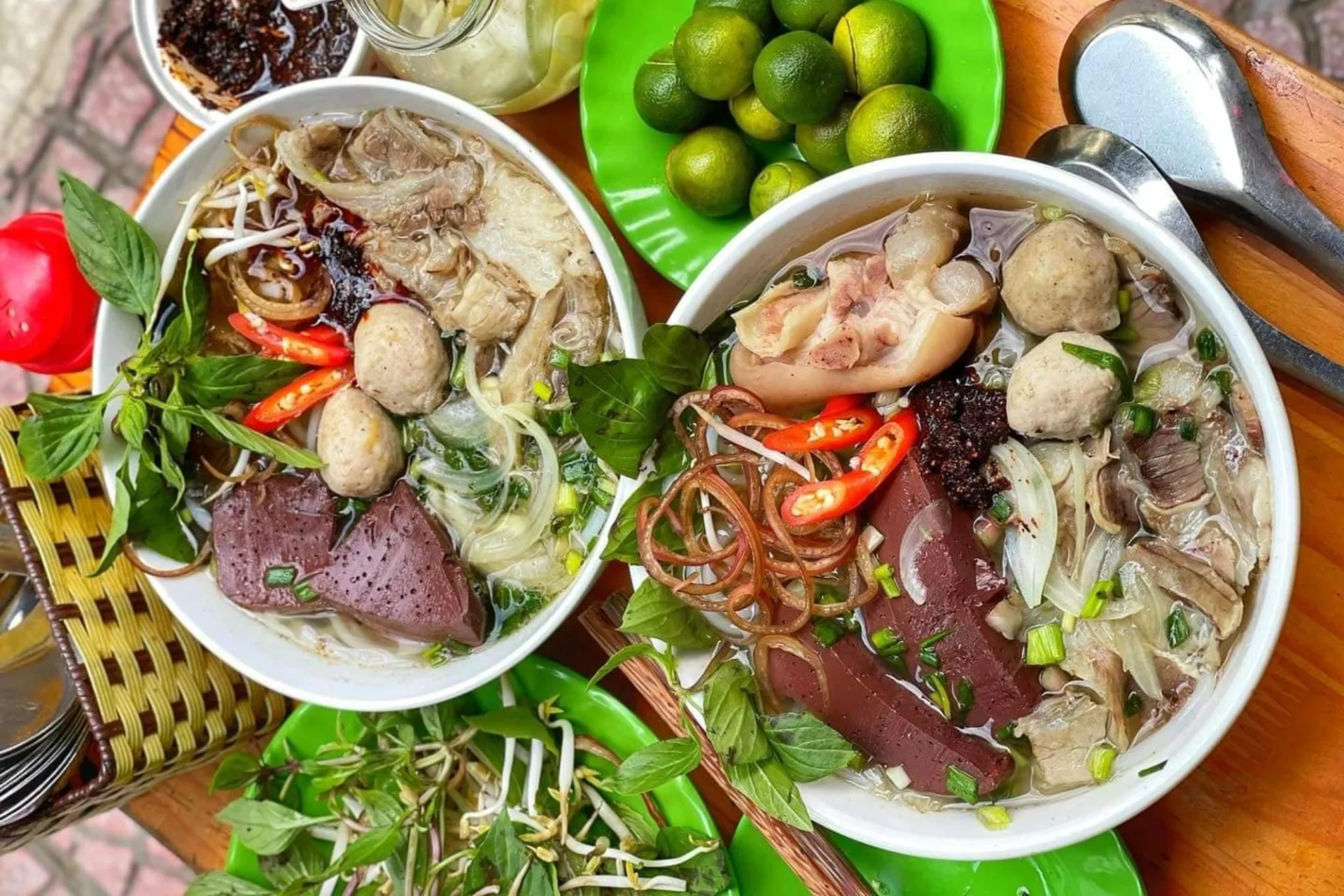
Bun Bo Hue is a noodle soup associated with Hue in Central Vietnam. It contains round rice noodles, beef and pork components, herbs, and an aromatic broth. Compared with some other popular Vietnamese noodle soups, it is generally known for a stronger and spicier flavor.
A typical bowl may contain:
- Round rice noodles
- Beef
- Pork
- Aromatic broth
- Fresh herbs and vegetables
- Chili or spicy ingredients
Bun Bo Hue is a good choice for travelers who enjoy bold flavors and spicy food. If you prefer mild dishes, ask about the level of chili before ordering, as the preparation can vary between restaurants.
Which Vietnamese Dishes Should You Try First?
There is no single best Vietnamese dish for every traveler. Your choice can depend on your preferred flavors, meal style, and the destinations on your itinerary. The locations below indicate where each dish is particularly associated with or commonly enjoyed, not where it is exclusively available.
Dish | Best For | Especially Associated With | Meal |
| Banh Mi | Quick and familiar meal | Throughout Vietnam | Breakfast / Lunch |
| Pho | First-time visitors | Northern Vietnam & nationwide | Breakfast / Lunch |
| Bun Cha | Grilled pork lovers | Hanoi | Lunch |
| Goi Cuon | Light and fresh meal | Throughout Vietnam | Lunch / Snack |
| Banh Xeo | Crispy food lovers | Central & Southern Vietnam | Lunch / Dinner |
| Com Tam | Rice-based meals | Southern Vietnam | Lunch / Dinner |
| Cao Lau | Regional specialties | Hoi An | Lunch / Dinner |
| Cha Ca La Vong | Fish lovers | Hanoi | Lunch / Dinner |
| Banh Cuon | Light breakfast | Northern Vietnam & nationwide | Breakfast |
| Bun Bo Hue | Spicy noodle soup | Hue & Central Vietnam | Lunch / Dinner |
If this is your first trip to Vietnam, banh mi, pho, goi cuon, and banh cuon are easy starting points. As you travel, look for regional specialties such as bun cha in Hanoi, cao lau in Hoi An, and bun bo Hue in Hue. These dishes are not limited to their associated regions and can often be found elsewhere in Vietnam, especially in major cities and tourist destinations.
Essential Practical Tips for Enjoying Vietnamese Food
A few simple preparations can make trying local dishes easier, particularly if you have dietary restrictions or are unfamiliar with Vietnamese dining habits.
- Ask about spice levels: Not every Vietnamese dish is spicy, but chili can be included in the preparation or served separately.
- Check the ingredients: Fish sauce, shrimp, peanuts, pork, and other common ingredients may appear in dishes or sauces. Tell the restaurant about any allergies before ordering.
- Expect fresh herbs: Fresh herbs and vegetables are commonly served alongside Vietnamese dishes. They can often be added according to your preference.
- Try regional specialties locally: Bun cha in Hanoi, cao lau in Hoi An, and bun bo Hue in Hue are particularly relevant choices when visiting their associated destinations.
Frequently Asked Questions (FAQs)
Is Vietnamese street food safe for foreigners?
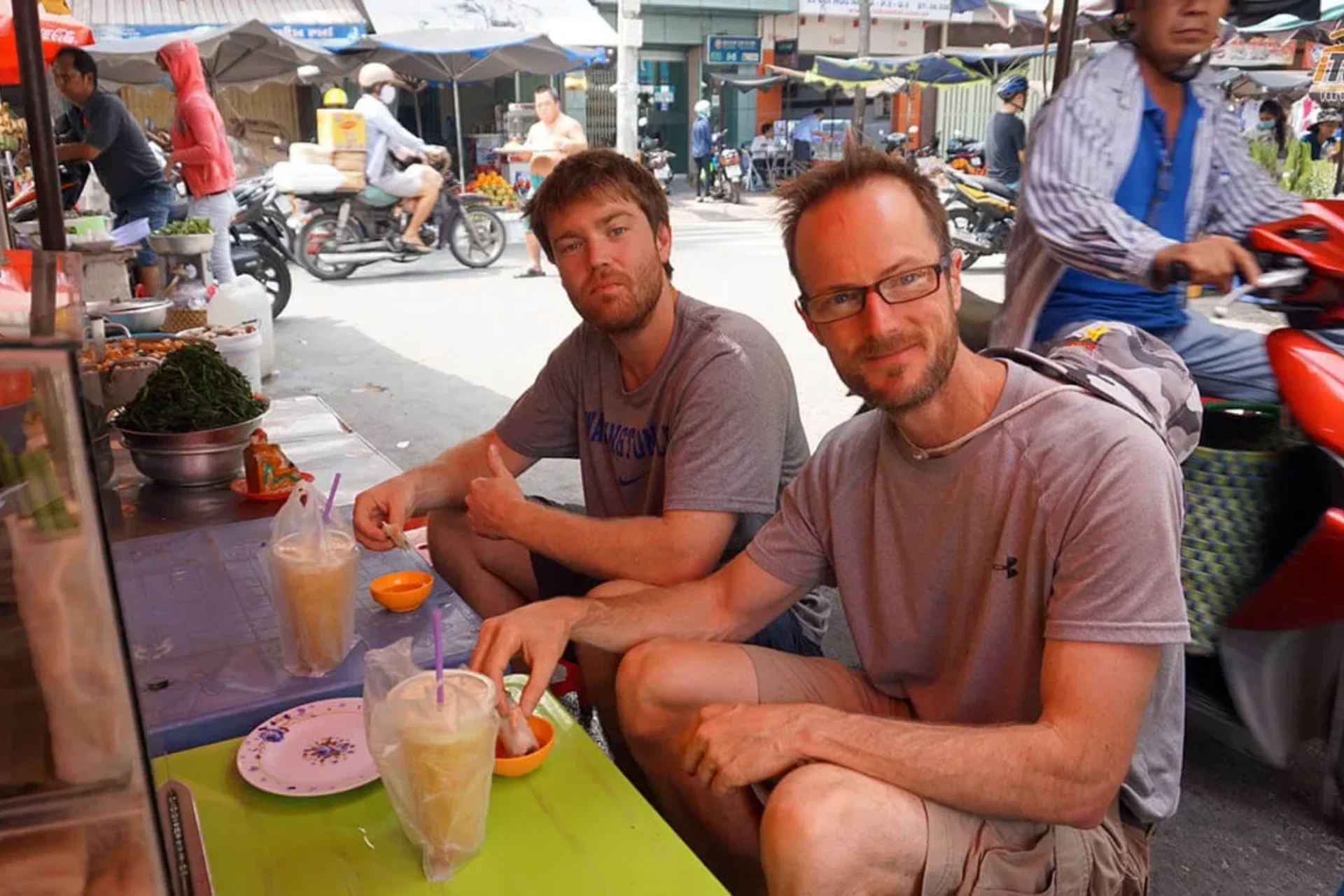
Street food is generally safe if you choose stalls with high customer turnover and visibly fresh ingredients. Joining a guided food tour is a good way to sample dishes safely while learning which vendors are trusted by locals.
Are there vegetarian options available?
Yes. Many dishes, including phở chay and gỏi cuốn with tofu, have vegetarian versions. Vietnam also has a strong Buddhist vegetarian food tradition, with dedicated vegetarian restaurants in most cities.
Do I need to tip at restaurants in Vietnam?
Tipping is not required in Vietnam, but it is always appreciated, especially for good service at sit-down restaurants or on guided tours.
Conclusion
Vietnamese cuisine is diverse, fresh, and generally easy on the stomach, making it approachable for most travelers. From the crisp crunch of bánh mì to the deep, spiced broth of bún bò huế, each dish tells a story of the region it comes from. Don’t be afraid to try something new, but keep these basics in mind so your trip stays comfortable from the first bite to the last.
Planning a food-focused trip to Vietnam? Explore Nicetrips Vietnam Tours to discover local destinations, food, and culture with carefully planned itineraries and local support. You can also browse the Nicetrips Blog for more practical Vietnam travel guides.