Choosing between a ryokan and a hotel is one of the biggest decisions when planning your first trip to Japan. A traditional ryokan offers cultural experiences such as tatami rooms, futon bedding, kaiseki dining, and onsen baths, while modern hotels focus on convenience, Western-style comfort, and central locations. Understanding these differences will help you choose accommodation that matches your travel style, budget, and itinerary. This guide compares ryokan vs hotel in Japan, including prices, facilities, dining, etiquette, and the best option for first-time visitors.
What Is a Ryokan?
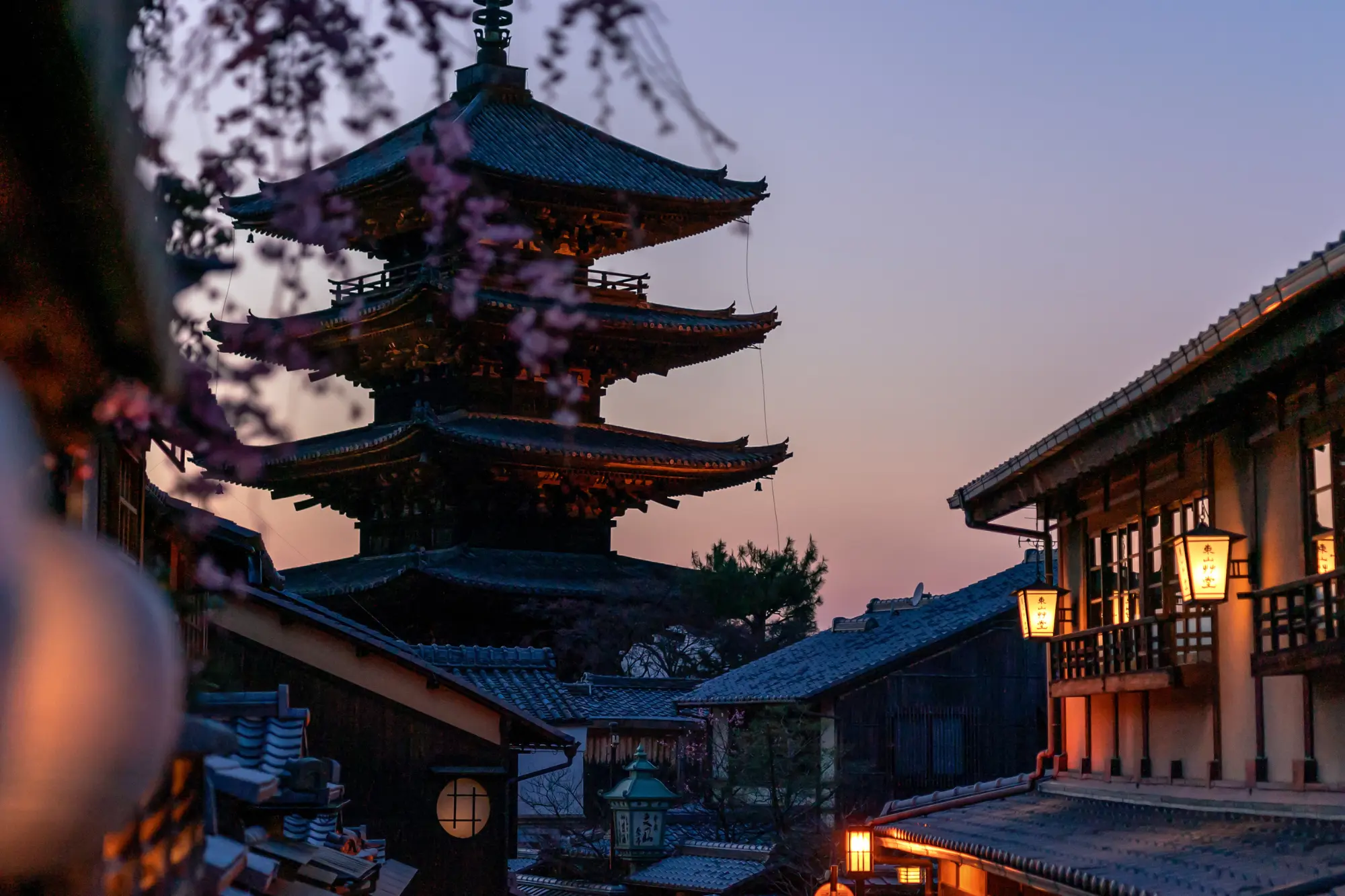
A ryokan is a traditional Japanese inn that has welcomed travelers for centuries. Long before modern hotels became common, ryokan served merchants, pilgrims, and visitors traveling between Japan’s historic towns.
Today, many ryokan continue to preserve these traditions while offering modern comforts, making them one of the most authentic ways to experience Japanese culture.
Most ryokan feature several traditional elements that first-time visitors immediately notice:
- Tatami mat flooring made from woven straw
- Futon bedding prepared each evening by the staff
- Sliding shoji paper doors
- Low wooden tables for dining and relaxing
- Beautiful Japanese gardens or mountain views
- Yukata robes provided for guests
- Public or private onsen baths
Rather than simply providing accommodation, ryokan encourage guests to slow down and appreciate Japanese traditions.
For many international travelers, spending even one night in a ryokan becomes one of the most memorable parts of visiting Japan.
Ryokan vs Hotel in Japan: Key Differences
Choosing between a ryokan and a hotel isn’t simply about selecting where to sleep. The two offer completely different travel experiences, and understanding their differences will help you decide which one best matches your expectations.
Here’s a quick comparison.
| Feature | Ryokan | Hotel |
| Overall experience | Traditional Japanese culture | Modern comfort and convenience |
| Room style | Tatami flooring, futon bedding | Western-style beds and furniture |
| Meals | Kaiseki dinner and Japanese breakfast often included | Optional breakfast or restaurants |
| Bathing | Public or private onsen | Standard private bathroom |
| Atmosphere | Quiet, peaceful, cultural | Practical, modern, efficient |
| Service | Personalized omotenashi hospitality | Professional hotel service |
| Typical location | Hot spring towns, countryside, historic districts | Cities, shopping districts, transport hubs |
| Average price | Moderate to luxury | Budget to luxury |
| Best for | Cultural experiences, couples, relaxation | Sightseeing, business, families, first-time city visits |
Although both provide excellent accommodation, they create completely different memories.
Room Experience
One of the biggest differences between a ryokan and a hotel is the room itself.
Staying in a Traditional Ryokan
Walking into a ryokan room feels very different from entering a typical hotel.
Instead of carpet or wooden flooring, you’ll step onto soft tatami mats, woven from natural rush grass. During the day, the center of the room is usually left open with a low wooden table where guests enjoy tea and relax.
In the evening, the staff quietly enter the room while you’re having dinner to prepare your futon bedding directly on the tatami floor.
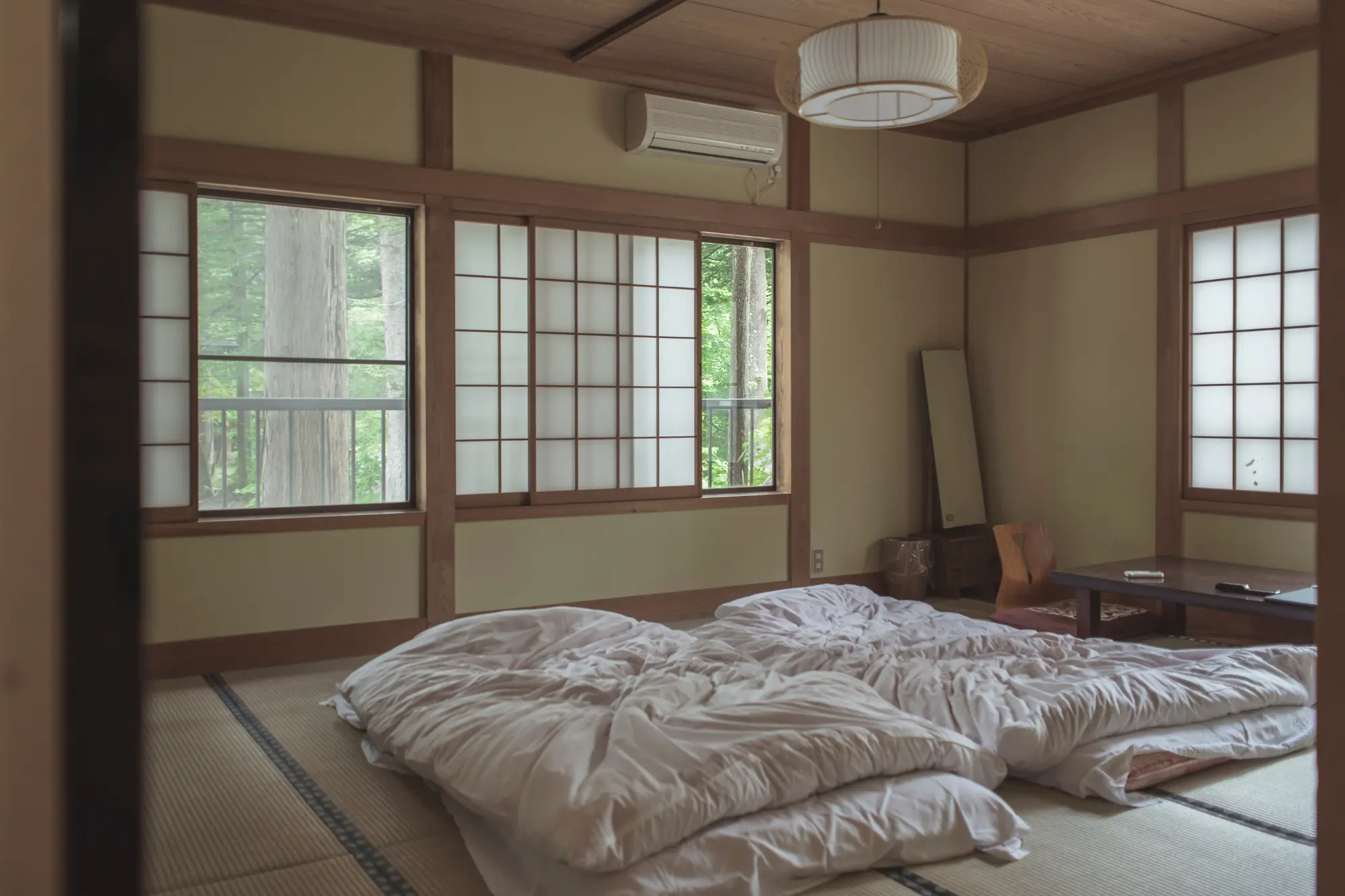
Many ryokan rooms also include:
- Shoji paper sliding doors
- Tokonoma decorative alcove
- Garden or mountain views
- Tea set with seasonal snacks
- Yukata robes for guests
Rather than offering entertainment inside the room, the design encourages guests to slow down, appreciate nature, and enjoy peaceful surroundings.
Staying in a Hotel
Hotel rooms in Japan feel much more familiar to international travelers.
You’ll typically find:
- Comfortable Western-style beds
- Desk and workspace
- Television
- Private bathroom
- Air conditioning
- Refrigerator
- Electric kettle
- Wi-Fi
Hotels also vary greatly depending on category.
Business hotels tend to maximize space, so rooms may be compact but highly functional.
Luxury hotels provide much larger rooms with panoramic city views, premium bedding, fitness centers, executive lounges, and multiple dining options.
Dining Experience
Food is another area where ryokan and hotels differ significantly.
For many visitors, dining at a ryokan becomes one of the highlights of the entire trip.
Dining at a Ryokan
Most ryokan stays include both dinner and breakfast as part of the accommodation package.
Dinner is often served as kaiseki, Japan’s traditional multi-course cuisine that celebrates seasonal ingredients and artistic presentation.
A typical kaiseki meal may include:
- Fresh sashimi
- Seasonal vegetables
- Grilled fish
- Wagyu beef
- Tempura
- Rice
- Miso soup
- Pickles
- Delicate desserts
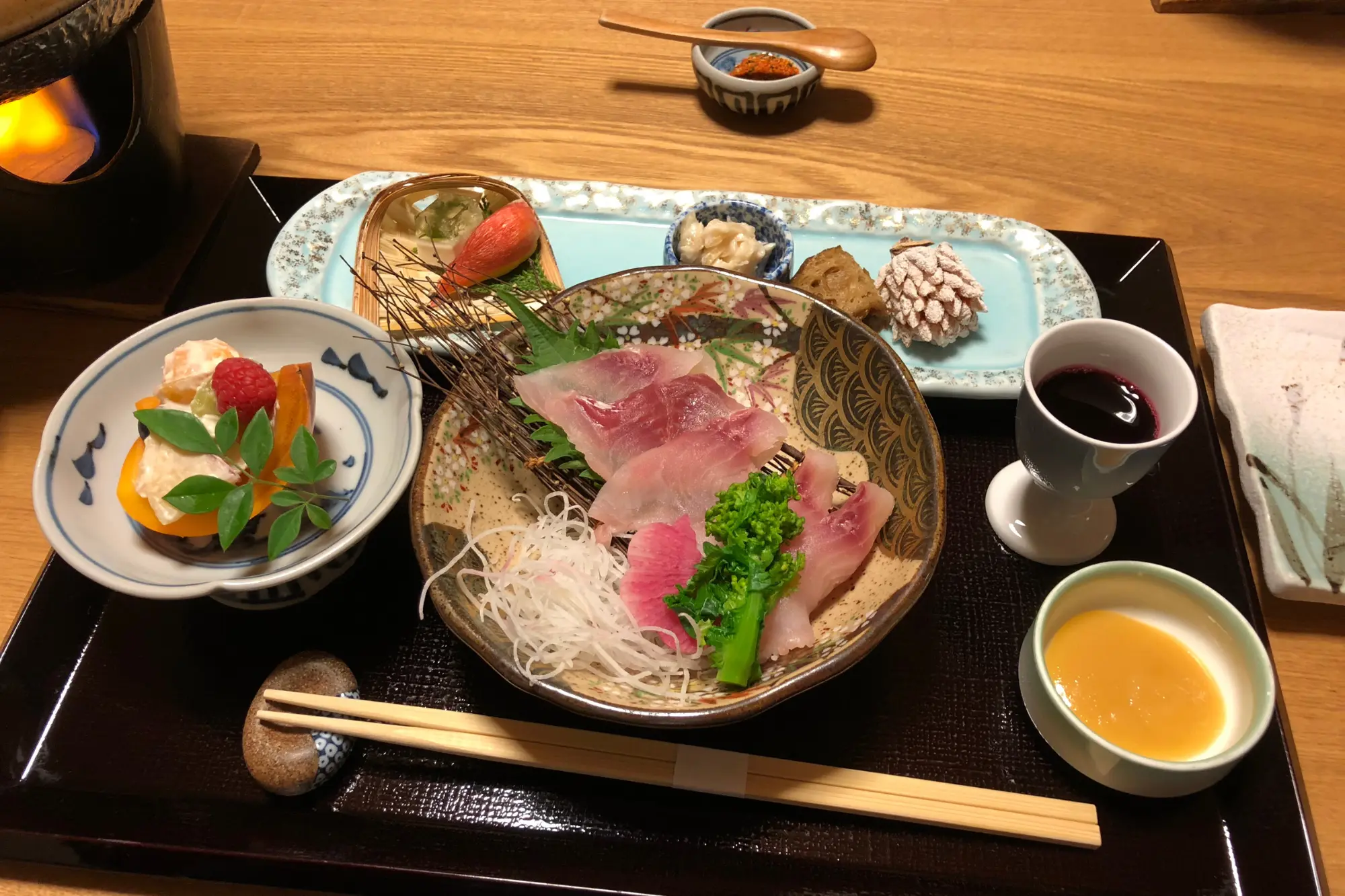
Rather than serving large portions, kaiseki focuses on balance, freshness, and presentation. Every dish is carefully prepared to reflect the current season.
Breakfast is equally memorable.
Instead of bacon and toast, guests usually enjoy a traditional Japanese breakfast consisting of:
- Grilled fish
- Rice
- Miso soup
- Tamagoyaki (Japanese omelet)
- Pickled vegetables
- Seaweed
- Tofu
Some luxury ryokan even serve meals in your private room, creating an intimate dining experience.
For travelers interested in Japanese cuisine, staying at a ryokan offers much more than accommodation—it becomes a culinary experience.
Dining at a Hotel
Hotels provide greater flexibility.
Depending on the property, you may find:
- Buffet breakfast
- Western breakfast
- Japanese breakfast
- Cafés
- Restaurants
- Room service
Unlike ryokan, meals are often optional.
This gives travelers more freedom to explore local restaurants, sushi bars, ramen shops, or izakayas throughout the day.
If your priority is flexibility, hotels are generally the better option.
Onsen Experience
Perhaps the biggest reason travelers choose a ryokan is the opportunity to experience a traditional onsen.
An onsen is a natural hot spring bath fed by geothermal water rich in minerals. Bathing in an onsen has been an important part of Japanese culture for centuries and is valued for both relaxation and wellness.
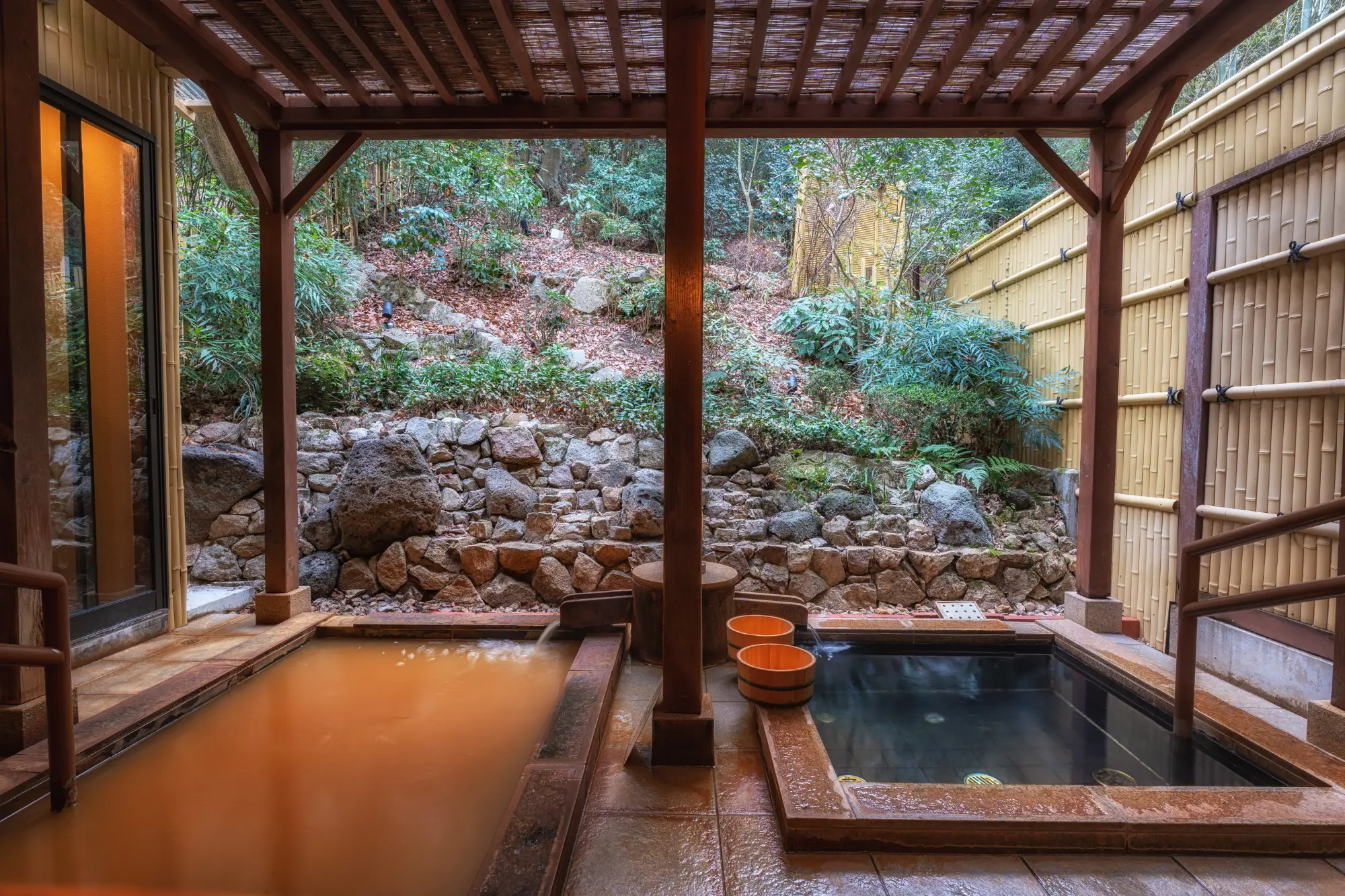
Many ryokan are located in famous hot spring destinations such as:
- Hakone
- Kinosaki Onsen
- Kusatsu Onsen
- Yufuin
- Beppu
Guests typically change into their yukata before walking to the communal bath, where they can soak in warm mineral water while enjoying views of mountains, forests, or Japanese gardens.
Some luxury ryokan also offer:
- Private open-air baths (rotenburo)
- In-room onsen baths
- Family baths
- Mountain-view hot springs
These private options are especially popular with couples or travelers who prefer a more personal experience.
Hotel Bathrooms
Most hotels provide standard private bathrooms equipped with:
- Bathtub
- Shower
- Toilet
- Sink
- Complimentary toiletries
Luxury hotels may include spa facilities, swimming pools, or artificial hot baths, but they rarely recreate the authentic atmosphere of a traditional onsen town.
Good to know: Before entering an onsen, guests are expected to wash thoroughly at the shower stations. Swimwear is not worn, and some public baths may have restrictions on visible tattoos. Always check the property’s policy in advance.
Service Style
One of the biggest differences between a ryokan and a hotel is the style of hospitality you’ll experience.
While both are known for excellent service, the philosophy behind that service is quite different.
Ryokan Hospitality: Omotenashi at Its Finest
The heart of every traditional ryokan is omotenashi, the Japanese philosophy of wholehearted hospitality.
Rather than simply providing accommodation, ryokan staff aim to anticipate guests’ needs before they are even expressed.
From the moment you arrive, you’ll likely notice small but thoughtful gestures.
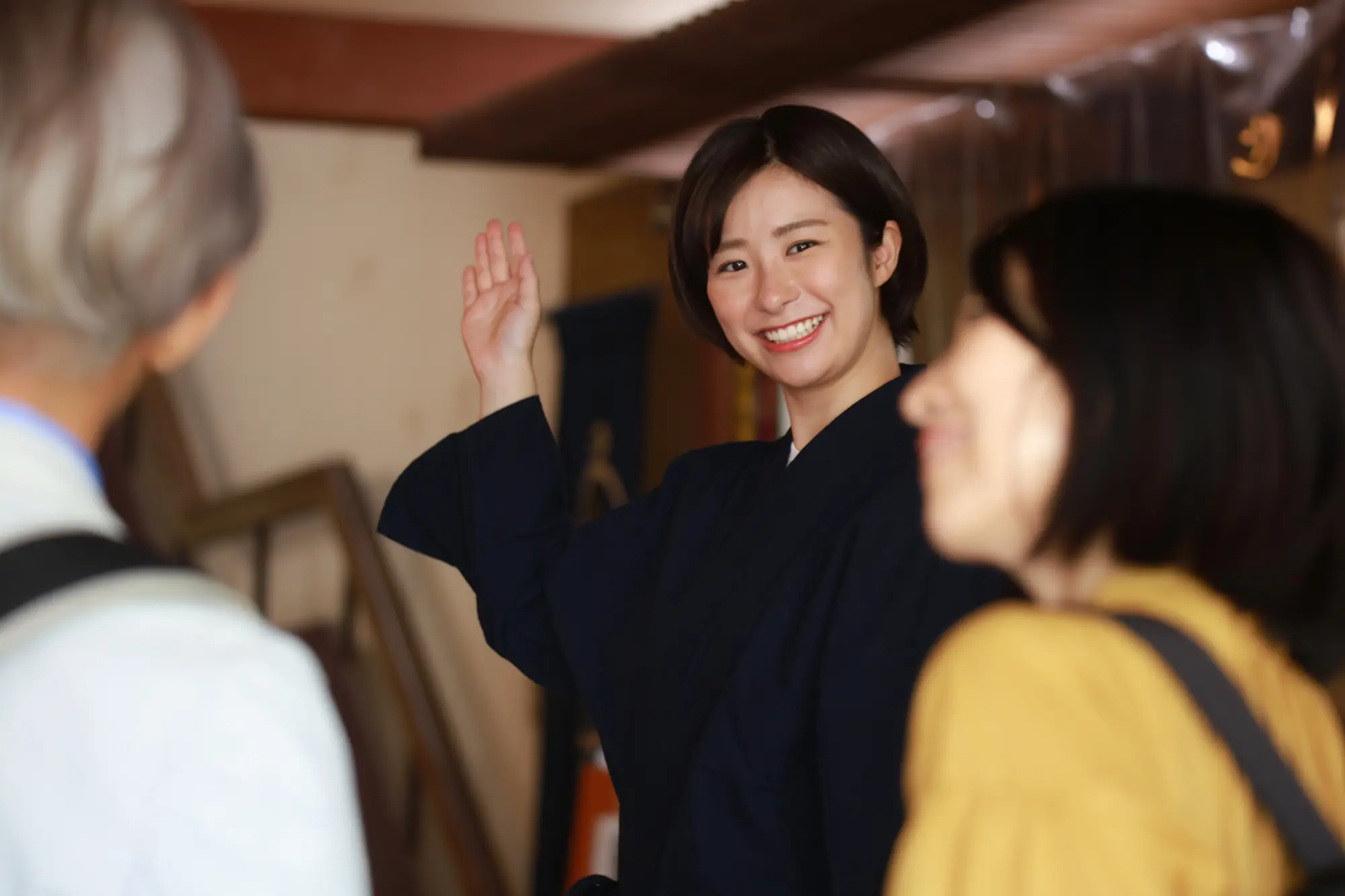
Even something as simple as preparing your futon while you’re enjoying dinner reflects the quiet attention to detail that defines a ryokan stay.
This level of personal service makes many travelers feel like welcomed guests rather than hotel customers
Hotel Service: Efficient and Professional
Hotels in Japan are equally famous for their outstanding service, although the experience feels more familiar to international travelers.
Most hotels focus on efficiency, convenience, and consistency.
Guests can typically expect:
- Fast check-in and check-out
- Multilingual front desk staff
- Concierge services
- Luggage storage
- Housekeeping
- 24-hour reception at larger properties
For travelers planning busy sightseeing days, this convenience is often a major advantage.
Price Comparison
| Accommodation | Typical Price Per Night |
| Budget Business Hotel | ¥7,000 to ¥12,000 |
| Mid-range Hotel | ¥15,000 to ¥30,000 |
| Luxury Hotel | ¥40,000+ |
| Traditional Ryokan | ¥20,000 to ¥60,000+ (often includes meals) |
At first glance, ryokan may appear more expensive. However, it’s important to remember that many ryokan rates already include a multi-course kaiseki dinner, traditional Japanese breakfast, access to onsen facilities, and personalized hospitality.
When these experiences are considered together, the overall value can actually be quite reasonable. Hotels, meanwhile, often charge separately for breakfast and other services, giving travelers greater flexibility over their budget.
Expect higher rates during:
- Cherry blossom season
- Autumn foliage season
- Golden Week
- New Year holidays
- Major Japanese festivals
Booking several months in advance is highly recommended, especially if you plan to stay at a popular ryokan with limited rooms.
Pros and Cons
Both accommodation styles offer unique advantages. Choosing the right one depends on the type of experience you’re hoping to enjoy.
Ryokan
Advantages
- Authentic Japanese cultural experience
- Traditional tatami rooms and futon bedding
- Exceptional omotenashi hospitality
- Delicious kaiseki meals
- Access to relaxing onsen baths
- Peaceful atmosphere surrounded by nature
- Ideal for special occasions and memorable experiences
Things to Consider
- Higher prices than many standard hotels
- Fixed dinner and breakfast times
- Traditional bedding may require sleeping on the floor
- Some etiquette rules may feel unfamiliar for first-time visitors
- Limited availability during peak travel seasons
Hotel
Advantages
- Wide range of prices for every budget
- Convenient locations near stations and attractions
- Comfortable Western-style beds
- Flexible schedules
- Familiar facilities and services
- Excellent choice for city sightseeing
- Easier for longer stays
Things to Consider
- Less cultural immersion
- Standard hotel rooms can feel similar worldwide
- Meals are usually not included
- Public baths are uncommon outside luxury hotels
Which Is Better for First-Time Visitors?
There isn’t a single correct answer. Instead, the best choice depends on how you want to experience Japan.
Ryokan vs Hotel in Japan: Choose a Ryokan If…
A ryokan is perfect if your goal is to experience traditional Japanese culture beyond famous landmarks.
You’ll likely enjoy staying at a ryokan if you:
- Want to experience authentic Japanese hospitality
- Are celebrating a honeymoon or anniversary
- Love traditional architecture
- Want to relax in natural hot springs
- Appreciate Japanese cuisine
- Prefer slower, more peaceful travel
Many visitors describe their first ryokan stay as one of the most unforgettable parts of their journey.
Ryokan vs Hotel in Japan: Choose a Hotel If…
Hotels are often the better option for travelers who prioritize convenience and accessibility.
A hotel may suit you better if you:
- Plan to spend long days sightseeing
- Stay mostly in Tokyo, Osaka, or other major cities
- Prefer Western-style beds
- Have an early departure schedule
- Travel with children
- Want greater flexibility for meals and daily plans
Modern Japanese hotels are among the cleanest and most efficient in the world, making them an excellent base for exploring Japan’s cities.
The Best Choice May Be Both
For many first-time visitors, combining both accommodation styles creates the most rewarding experience.
For example:
- Stay in modern hotels while exploring Tokyo and Osaka, where you’ll spend most of the day sightseeing.
- Spend one or two nights in a traditional ryokan in destinations such as Hakone, Kyoto, Takayama, or Kinosaki Onsen to experience Japan’s hospitality, cuisine, and hot spring culture.
This balanced approach allows you to enjoy modern convenience without missing one of Japan’s most iconic cultural experiences.
Helpful Tips Before Booking a Ryokan
Staying at a ryokan is one of the most memorable experiences you can have in Japan, but it also comes with a few customs that may feel unfamiliar if it’s your first visit. Knowing what to expect beforehand will help you feel more comfortable and enjoy the experience to the fullest.
Book Early, Especially During Peak Seasons
Many ryokan are small family-run properties with only a limited number of rooms. During cherry blossom season, autumn foliage, and major Japanese holidays, popular ryokan can sell out several months in advance.
If staying at a traditional ryokan is on your Japan bucket list, it’s worth booking as early as possible.
Check What’s Included in Your Stay
Unlike hotels, many ryokan include dinner and breakfast in the room rate. Before booking, check whether your stay includes:
- Kaiseki dinner
- Traditional Japanese breakfast
- Access to public or private onsen
- Private open-air bath
- Complimentary yukata
Comparing these inclusions can help you better understand the overall value rather than simply comparing room prices.
Be Aware of Check-in and Dinner Times
Ryokan operate differently from hotels.
Dinner is often served at a fixed time, usually between 6:00 PM and 7:00 PM. If you arrive late, you may miss your meal entirely, as many ryokan are unable to accommodate late dining requests.
Plan your transportation carefully so you can arrive with plenty of time to settle in before dinner.
Learn Basic Onsen Etiquette at Ryokan
If your ryokan has a public hot spring bath, following a few simple etiquette rules will make the experience more enjoyable for everyone.
Remember to shower before entering the bath, avoid bringing towels into the water, and speak quietly to maintain the peaceful atmosphere.
Some public onsen may also have tattoo policies, so it’s worth checking in advance if this applies to you.
Pack Light for One-Night Stays
Many travelers choose to spend just one night in a ryokan while staying in hotels for the rest of their itinerary.
If that’s your plan, consider packing an overnight bag and leaving larger luggage at your previous hotel or using Japan’s reliable luggage forwarding service. This makes traveling between destinations much more comfortable, especially in historic towns where streets can be narrow or hilly.
Experience the Best of Japan with Nicetrips
Choosing between a ryokan and a hotel doesn’t have to be an either-or decision. In fact, many of the most rewarding Japan itineraries combine both experiences.
At Nicetrips, we carefully design our Japan tours to strike the right balance between cultural immersion and modern comfort. Rather than staying exclusively in one type of accommodation, our itineraries often combine comfortable city hotels with selected ryokan stays in destinations where the experience truly shines, such as Hakone, Takayama, or Kyoto.
This approach allows you to enjoy the convenience of exploring Japan’s vibrant cities while still experiencing the warmth of traditional Japanese hospitality, relaxing in an onsen, and savoring an authentic kaiseki dinner without sacrificing comfort throughout your journey.
For travelers seeking even greater flexibility, Nicetrips also provides private transportation services across Japan, including airport transfers, intercity transfers, and customized travel arrangements. Whether you’re traveling as a couple, with family, or in a small private group, comfortable transportation makes it easier to move between hotels, ryokan, and Japan’s most scenic destinations at a relaxed pace.
Whether it’s your first visit or a return journey, our goal is simple: to help you experience Japan through thoughtfully planned itineraries that are comfortable, authentic, and unforgettable.
Final Thoughts
There is no single “best” choice in the Ryokan vs Hotel in Japan debate because each offers a completely different way to experience the country.
If you’re looking for convenience, flexibility, and easy access to Japan’s major cities, a modern hotel is an excellent choice. If you want to immerse yourself in Japanese traditions, enjoy exceptional hospitality, and unwind in a peaceful setting, spending a night at a ryokan is an experience you’ll likely remember long after your trip ends.
For many first-time visitors, the ideal solution is to enjoy both. Combining comfortable hotels with one or two carefully chosen ryokan stays lets you experience the very best of modern and traditional Japan, creating a journey that is as relaxing as it is unforgettable.