This Japan Culture Guide will help first-time visitors understand the customs, etiquette and social expectations that shape everyday life in Japan.
Japan is widely known for its safety, cleanliness and efficiency, but what makes the country truly distinctive is its strong sense of respect and social harmony. Many cultural rules are unspoken, so travelers may not realize they have made a mistake until the moment has already passed.
You do not need to remember every rule. By understanding a few essential aspects of Japanese culture, you can avoid common misunderstandings, behave more respectfully and enjoy your trip with greater confidence.
Japan Culture Guide: Public Behavior in Japan
Keep Your Voice Down in Public Spaces
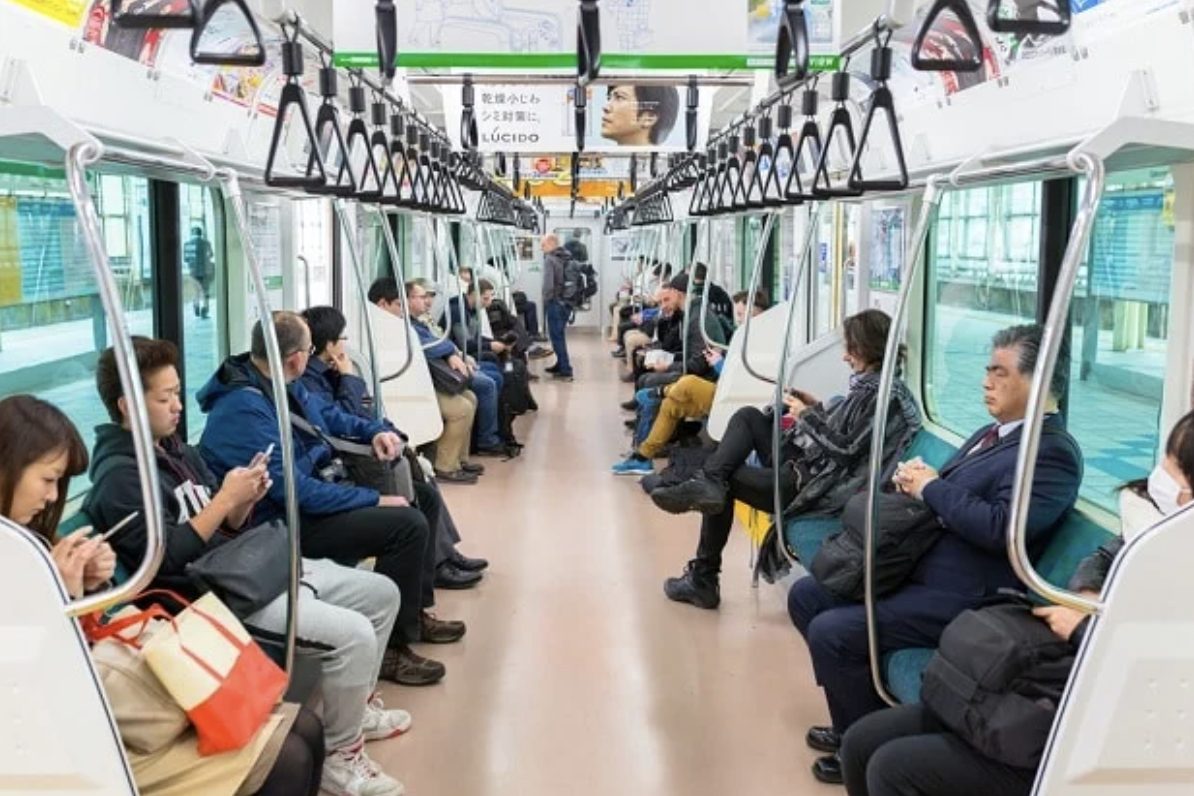
In Japan, silence is a form of respect. On trains, in elevators, and even on busy streets, people tend to speak softly.
Talking loudly, laughing excessively, or being on speakerphone in public can stand out immediately. This is one of the most noticeable differences in culture and customs of Japan compared to Western norms.
No Eating While Walking
While not strictly forbidden, eating while walking is generally avoided in Japan culture. Instead, people prefer to:
- Eat at designated areas
- Stand near food stalls
- Sit down when possible
Street food areas like Osaka are exceptions, but in most cities, walking and eating is considered careless rather than efficient.
Line Up Properly (Always)
Order and structure are essential parts of cultural tradition in Japan. Whether you’re waiting for a train, an elevator, or a cashier, you’ll notice clear lines forming.
Cutting in line—even accidentally—can be seen as highly disrespectful.
Japan Culture Guide: Train and Transportation Etiquette
Priority Seats Mean Something
Priority seats are reserved for elderly passengers, pregnant women, and those with disabilities. Even if the train is not full, locals avoid sitting there unless necessary.
Phones on Silent Mode
Phones are expected to be on silent mode (often called “manner mode”). Taking calls on trains is discouraged, reinforcing the quiet atmosphere central to Japan culture.
Don’t Block the Flow
Efficiency is key. On escalators:
- Stand on one side
- Leave space for others to walk
Blocking movement disrupts the flow, something people in Japan are very mindful of.
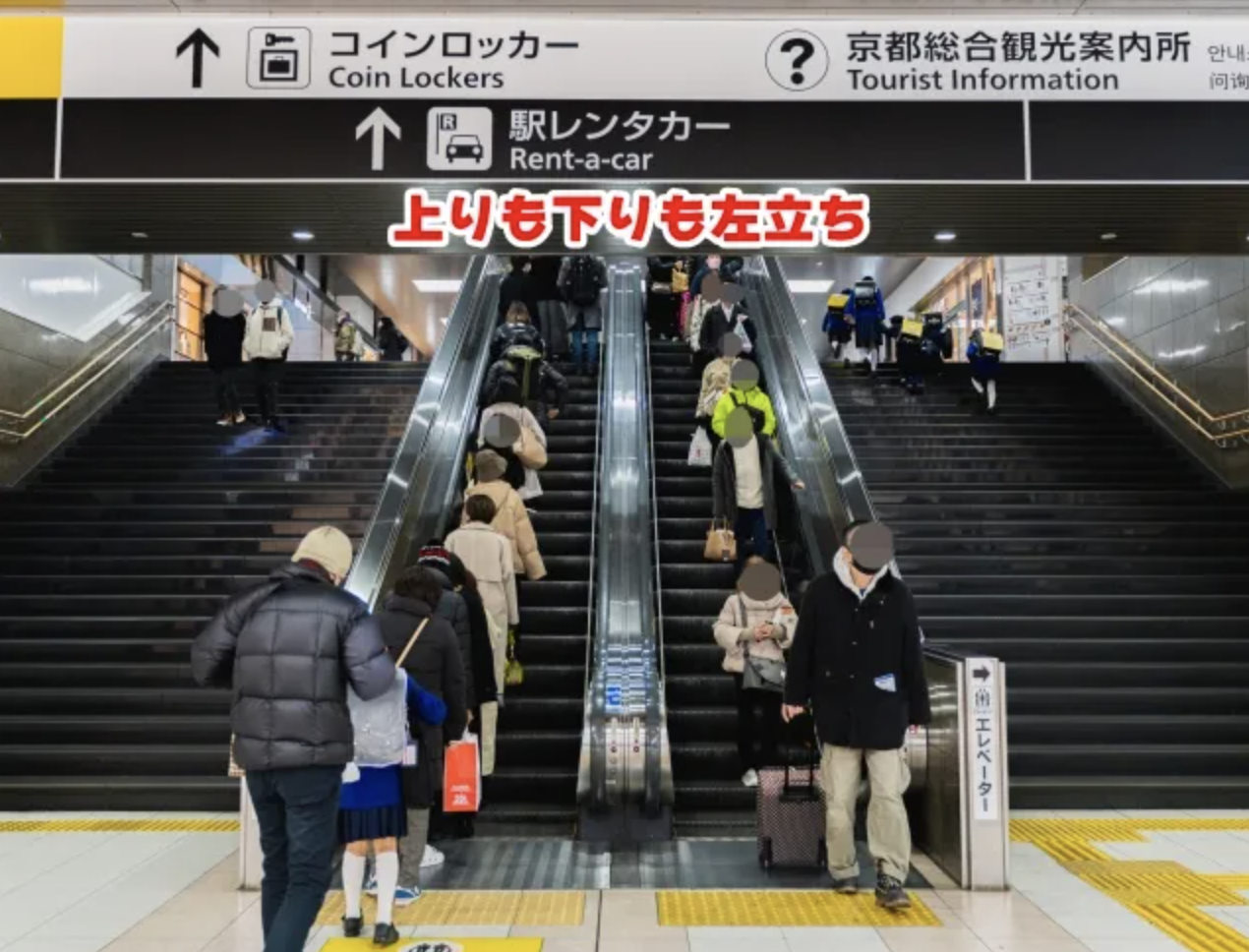
People standing on one side of escalator in Japan
Japan Culture Guide: Dining Etiquette
Don’t Tip in Japan
Tipping is not part of the customs of Japan. In fact, it may confuse staff or even be politely refused.
Excellent service is already expected—no extra reward needed.
How to Use Chopsticks Properly
Chopstick etiquette is deeply tied to Japan culture and tradition:
- Do not stick chopsticks upright in rice
- Do not pass food from chopstick to chopstick
- Avoid pointing with chopsticks
These actions are associated with funeral rituals.
Say “Itadakimasu” and “Gochisousama”
Before eating, many people say “Itadakimasu” (a gesture of gratitude). After finishing, “Gochisousama” expresses appreciation.
You don’t have to say them—but understanding their meaning reflects respect for cultural tradition in Japan.
Slurping Is Okay
Unlike in the West, slurping noodles is completely acceptable—and even seen as a sign you’re enjoying the meal.
Temple and Shrine Etiquette
Cleanse Before Entering
At many shrines, you’ll find a water basin where visitors rinse their hands. This symbolic act is part of Japan culture and shows respect before entering sacred space.
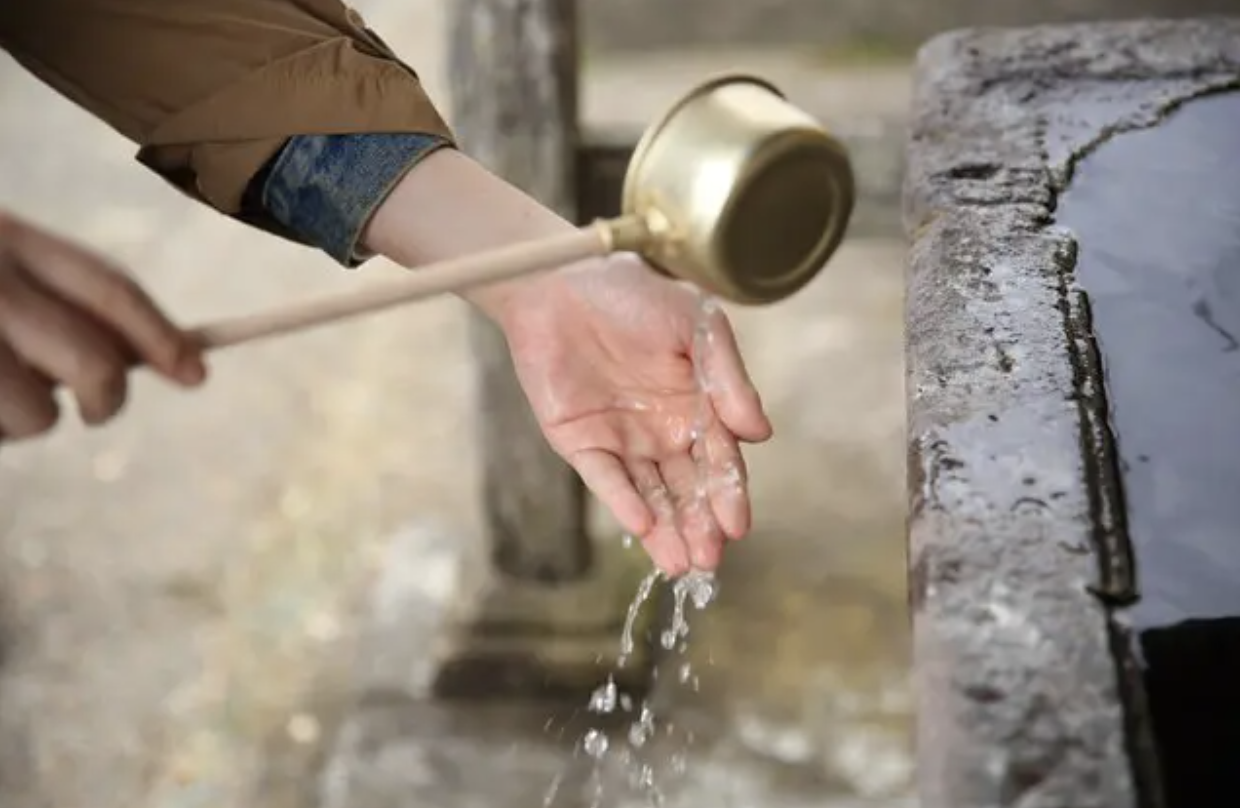
Shrine Etiquette – Visitor using purification fountain at shrine
Respect Sacred Spaces
Temples and shrines are not just tourist attractions—they are spiritual places.
- Keep voices low
- Follow signs
- Avoid restricted photography areas
Omamori and Cultural Meaning
Omamori are small charms sold at temples and shrines. They are not just souvenirs but carry spiritual meaning—health, success, safety.
Understanding this helps you engage more deeply with the culture and customs of Japan.
Social Interaction and Communication
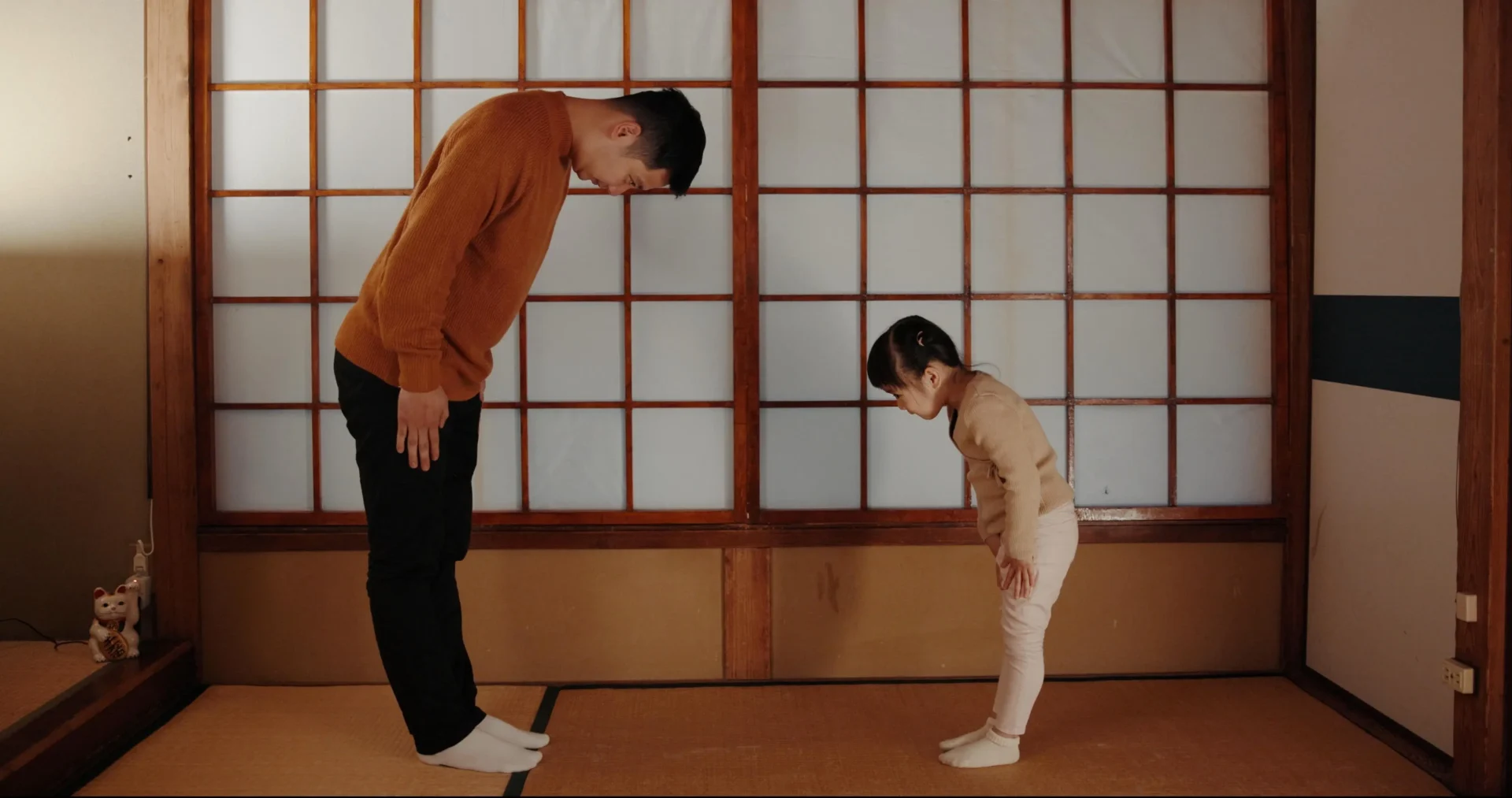
The culture of bowing in Japan
Bowing vs Handshakes
Bowing is one of the most recognizable forms of greeting in Japanese culture. It can be used to say hello, express thanks, show respect, apologize, or say goodbye. The depth and length of a bow may change depending on the situation, but tourists are not expected to understand every formal rule.
For most visitors, a small bow or polite nod is enough when greeting hotel staff, restaurant employees, tour guides, or local people. If someone offers a handshake, it is perfectly acceptable to respond in the same way. In business settings, you may even see people combine a light bow with a handshake.
There is no need to copy a deep or formal bow unless you understand the context. A simple, natural gesture accompanied by a smile is usually the most respectful approach.
Personal Space Matters
Personal space is an important part of social interaction in Japan. People generally avoid unnecessary physical contact, especially with strangers or people they have just met.
Hugging, touching someone’s arm, patting them on the back, or standing too close may feel uncomfortable to some locals. These gestures may be common signs of friendliness in Western cultures, but they are less typical in Japanese culture.
This does not mean Japanese people are unfriendly. Respect is often expressed through polite language, thoughtful actions, careful listening, and consideration for another person’s comfort.
In crowded places such as trains or stations, physical contact may be unavoidable. Even then, people usually avoid eye contact, keep movements controlled, and try not to disturb others more than necessary.
Indirect Communication Style
Communication in Japan is often less direct than in many Western countries. People may avoid openly disagreeing, refusing a request, or criticizing someone because direct confrontation can create discomfort and disturb social harmony.
Instead of saying a clear “no,” a person may use phrases such as “That may be difficult,” “I will think about it,” or “Perhaps another time.” These responses can sometimes function as polite refusals rather than expressions of uncertainty.
Tone of voice, pauses, facial expressions, and context are often just as important as the words being spoken. A hesitant answer, long silence, or vague response may indicate that the person is uncomfortable or does not want to agree directly.
Travelers should avoid pressuring someone for an immediate or definite answer. When communication feels unclear, remain patient, ask politely, and pay attention to nonverbal signals.
Learning to read the situation is an important part of understanding Japanese culture. You do not need to interpret every subtle cue perfectly, but being observant, calm, and respectful will help conversations feel more natural.
Common Mistakes Tourists Make in Japan
Even well-meaning travelers can misunderstand customs of Japan. Common mistakes include:
- Talking loudly in quiet spaces
- Eating on regular trains
- Forgetting to remove shoes indoors
- Misinterpreting politeness as distance
Recognizing these helps you adapt quickly.
How Japan Culture Differs from Western Norms
Understanding the deeper contrast helps everything make sense:
- Collective harmony over individual expression
- Quiet observation over verbal communication
- Structure over spontaneity
These differences define cultural tradition in Japan and shape everyday life.
Simple Tips to Blend In and Travel Respectfully
- Observe before acting
- Follow what locals do
- When unsure, choose the more discreet behavior
Respect goes further than perfection in Japanese culture.
Quick Checklist – Do’s and Don’ts in Japan
Do:
- Speak softly
- Follow lines
- Respect shared spaces
Don’t:
- Tip
- Be loud in public
- Ignore local cues
FAQ About Japan Culture for Tourists
Is Japan strict about etiquette?
Not strictly—but expectations are clear.
What happens if I break a rule?
Most locals will understand you’re a visitor.
Are people forgiving to tourists?
Yes, especially if you are respectful.
Do I need to speak Japanese to be polite?
No. Behavior matters more than language.
Final Thoughts: Travel Japan with Confidence
Understanding Japanese culture isn’t about memorizing rules—it’s about awareness and respect.
When you take the time to notice how people behave, you naturally begin to adapt. And that’s when your experience shifts from simply “visiting” Japan to truly connecting with it.
If you want to explore more insights like this—from hidden cultural tips to real travel experiences—join the Nicetrips family.
We share practical guides, meaningful stories, and insider knowledge to help you travel Japan with confidence, comfort, and curiosity.
Follow Nicetrips and start your journey the right way.