Planning your first trip to Japan starts with four key decisions: when to visit, how long to stay, how much to budget, and which destinations to include. This Japan Trip Planning Guide covers everything you need before booking your trip, from choosing the best travel season and building a realistic itinerary, estimating travel budget, selecting accommodation, and getting around Japan. Whether you’re visiting for 7 days or more, this guide will help you plan your first trip with solid confidence.
Japan Trip Planning Guide at a Glance
If you’re planning your first visit, the table below provides a quick overview of the key decisions you’ll make before departure.
| Planning Item | Recommendation |
| Best travel seasons | Spring (March – May) and Autumn (October – November) |
| Recommended trip length | 7 – 10 days for first-time visitors |
| Budget | Depends on travel style, destinations, and season |
| Main arrival airports | Tokyo (Narita & Haneda), Osaka (Kansai International Airport) |
| Transportation | Shinkansen, local trains, subway, private transportation |
| Accommodation | Hotels, ryokan, resorts |
| Currency | Japanese Yen (JPY) |
| Internet | eSIM, SIM card, or Pocket Wi-Fi |
Although every itinerary is different, most first-time visitors spend 7 to 10 days exploring Tokyo, Kyoto, Osaka, and one nearby destination such as Hakone or Mount Fuji. This route offers a good balance between modern cities, traditional culture, and scenic landscapes without requiring long daily travel.
Step 1: Choose the Best Time to Visit Japan
The first and most important step in planning a trip to Japan is deciding when to travel. The season affects more than just the weather. It also determines hotel prices, flight availability, crowd levels, seasonal festivals, and even which natural attractions you’ll be able to experience.
Japan has four distinct seasons, each offering a different travel experience.
| Season | Months | Best For |
| Spring | March – May | Cherry blossoms, comfortable weather |
| Summer | June – August | Festivals, mountains, beaches |
| Autumn | September – November | Autumn foliage, mild temperatures |
| Winter | December – February | Snow scenery, skiing, hot springs |
Rather than asking which season is “best,” consider which experiences matter most to you.
Spring (March to May)
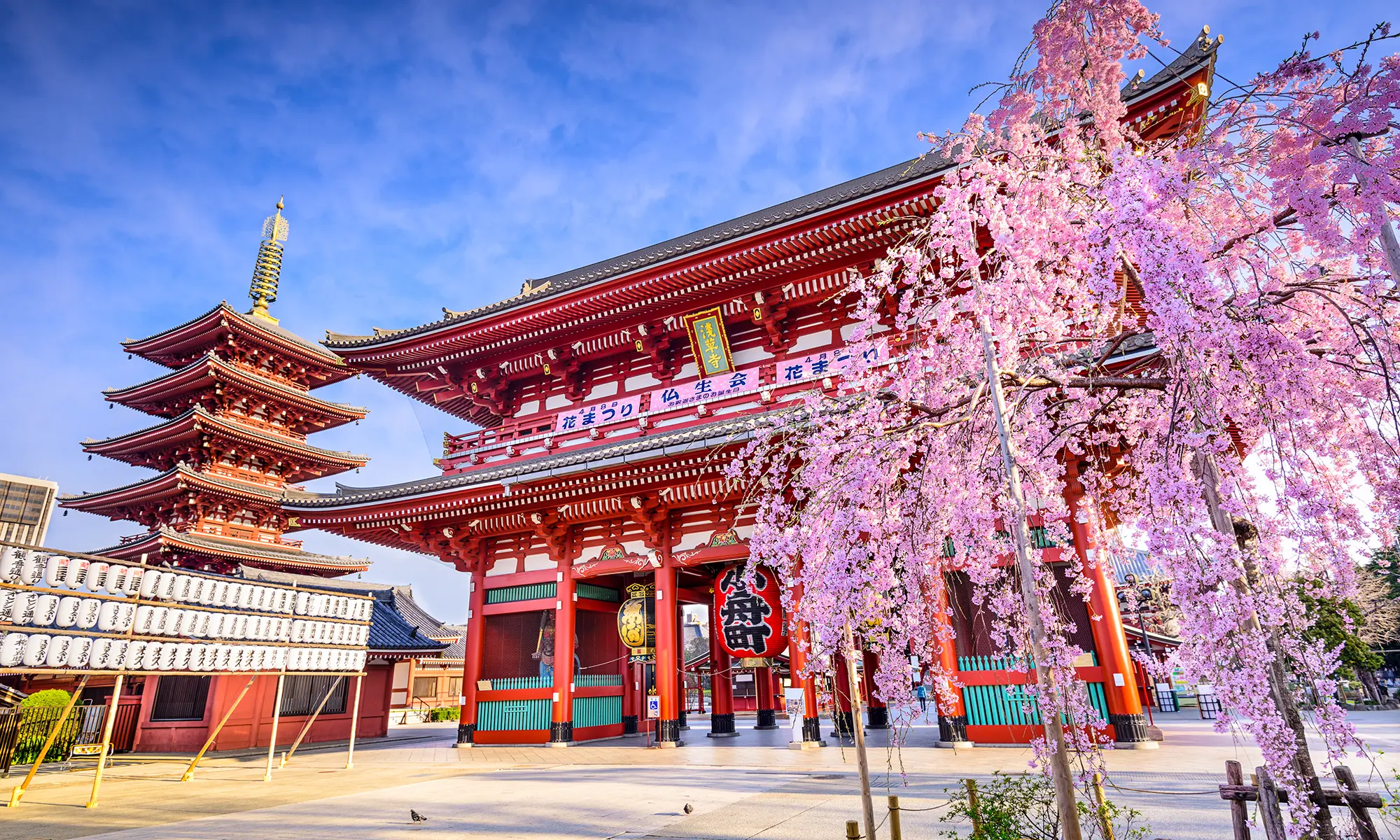
Spring is Japan’s most famous travel season because of the annual cherry blossom bloom.
Depending on weather conditions, cherry blossoms generally appear:
- Tokyo: Late March to early April
- Kyoto: Early April
- Northern Japan: Mid-April to early May
Besides cherry blossoms, spring offers pleasant daytime temperatures that are comfortable for sightseeing. Parks, gardens, and historic temples become especially popular during this period, making it one of the busiest travel seasons of the year.
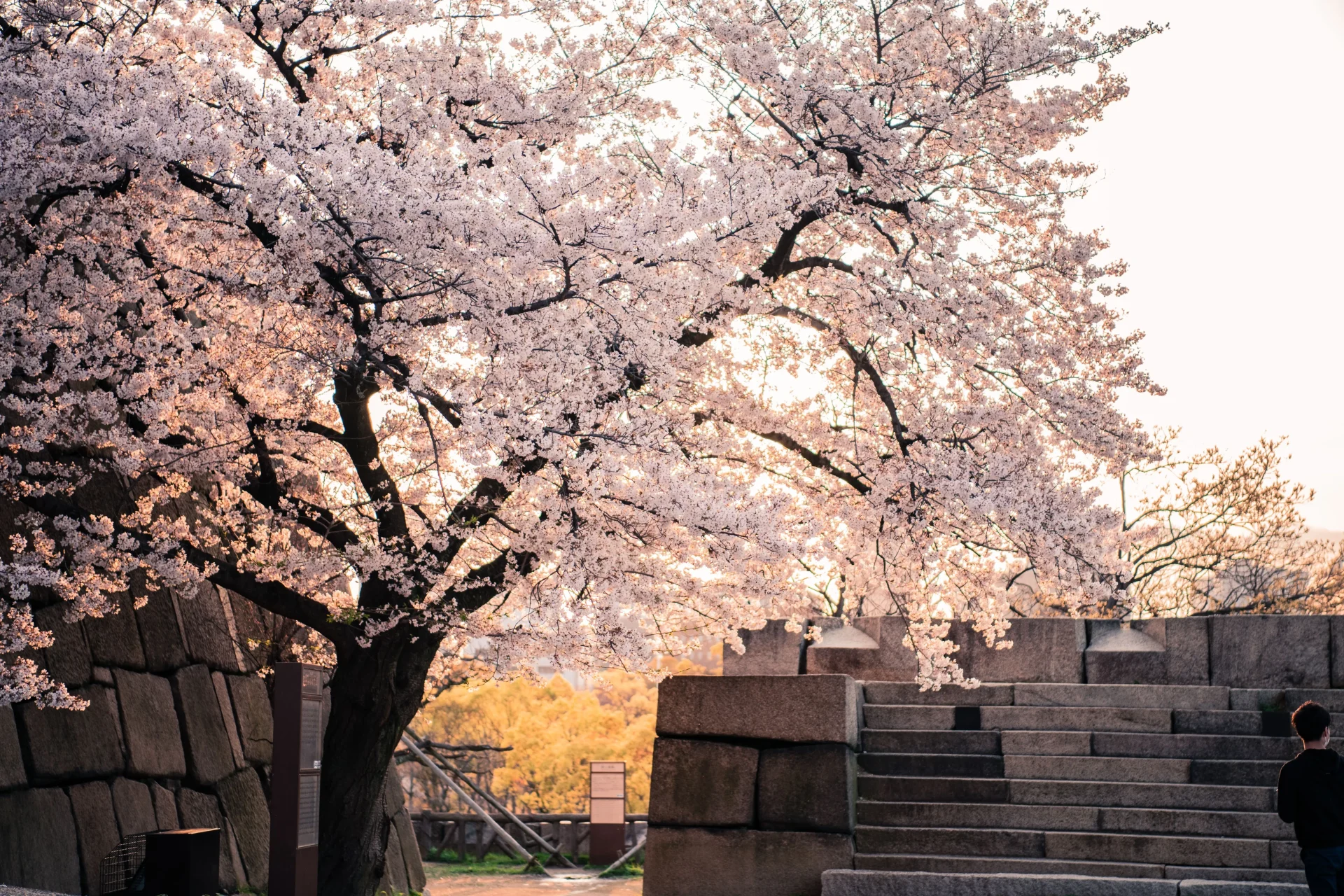
Because demand increases significantly, flights and accommodation often sell out several months in advance. Travelers planning a spring holiday should book early to secure better prices and availability.
Spring is ideal if you want to experience:
- Cherry blossom viewing
- Mild weather for walking
- Traditional spring festivals
- Scenic gardens and parks
Summer (June to August)
Summer provides a completely different perspective on Japan.
Although temperatures are considerably warmer, it is also the season of fireworks festivals, colorful matsuri (traditional festivals), mountain hiking, and coastal holidays.
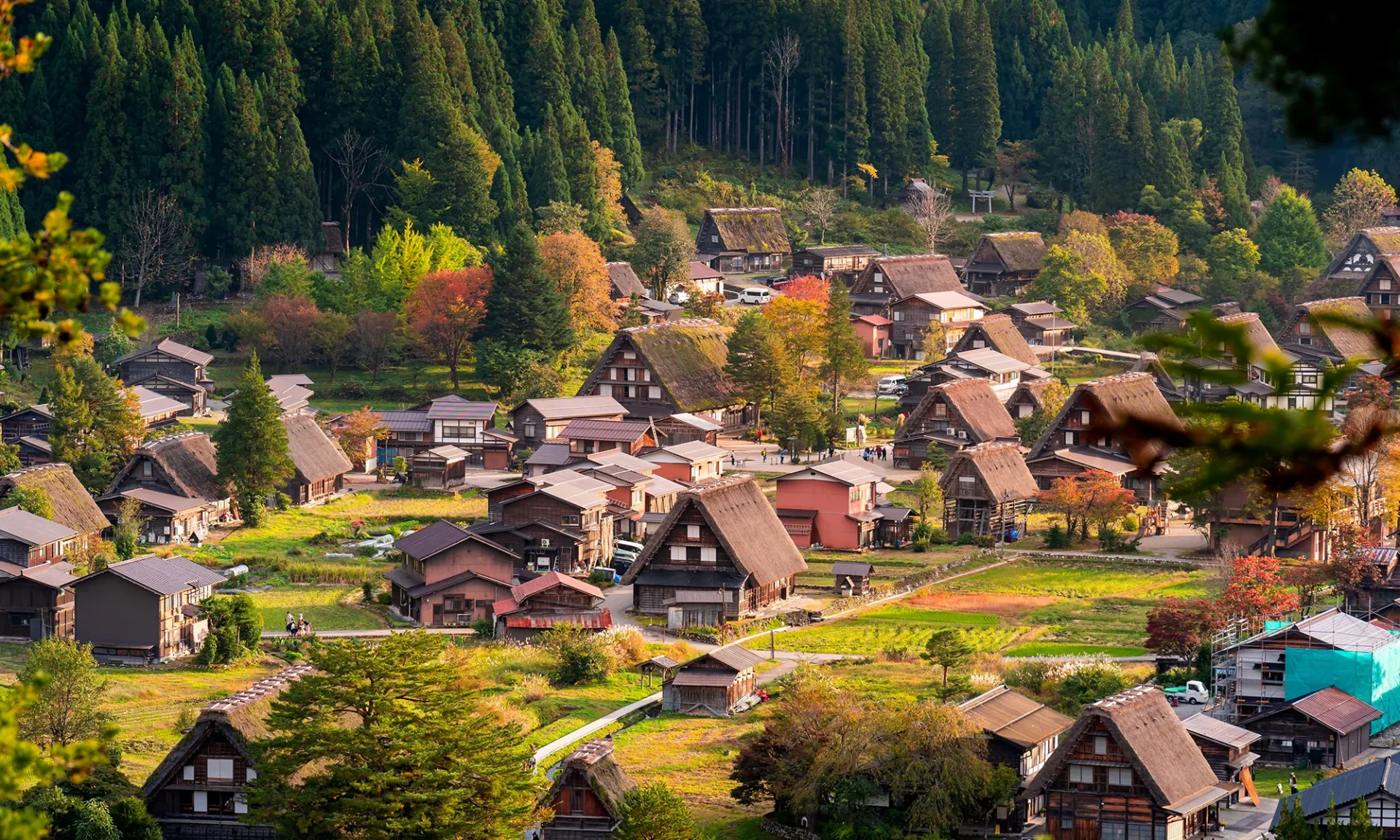
Average daytime temperatures in cities such as Tokyo, Kyoto, and Osaka often exceed 30°C (86°F) during July and August, accompanied by high humidity.
For travelers who enjoy outdoor activities, northern regions such as Hokkaido offer cooler temperatures throughout the summer. Okinawa, on the other hand, attracts visitors looking for beaches and marine activities.
Summer is a good choice for travelers interested in:
- Fireworks festivals
- Local cultural events
- Mountain scenery
- Beach holidays
However, if your itinerary involves extensive city sightseeing, be prepared for hot and humid conditions.
Autumn (September to November)
Many experienced travelers consider autumn the best overall season to visit Japan.
Temperatures become cooler after summer, humidity drops, and forests gradually turn shades of red, orange, and yellow. This creates spectacular scenery across much of the country.
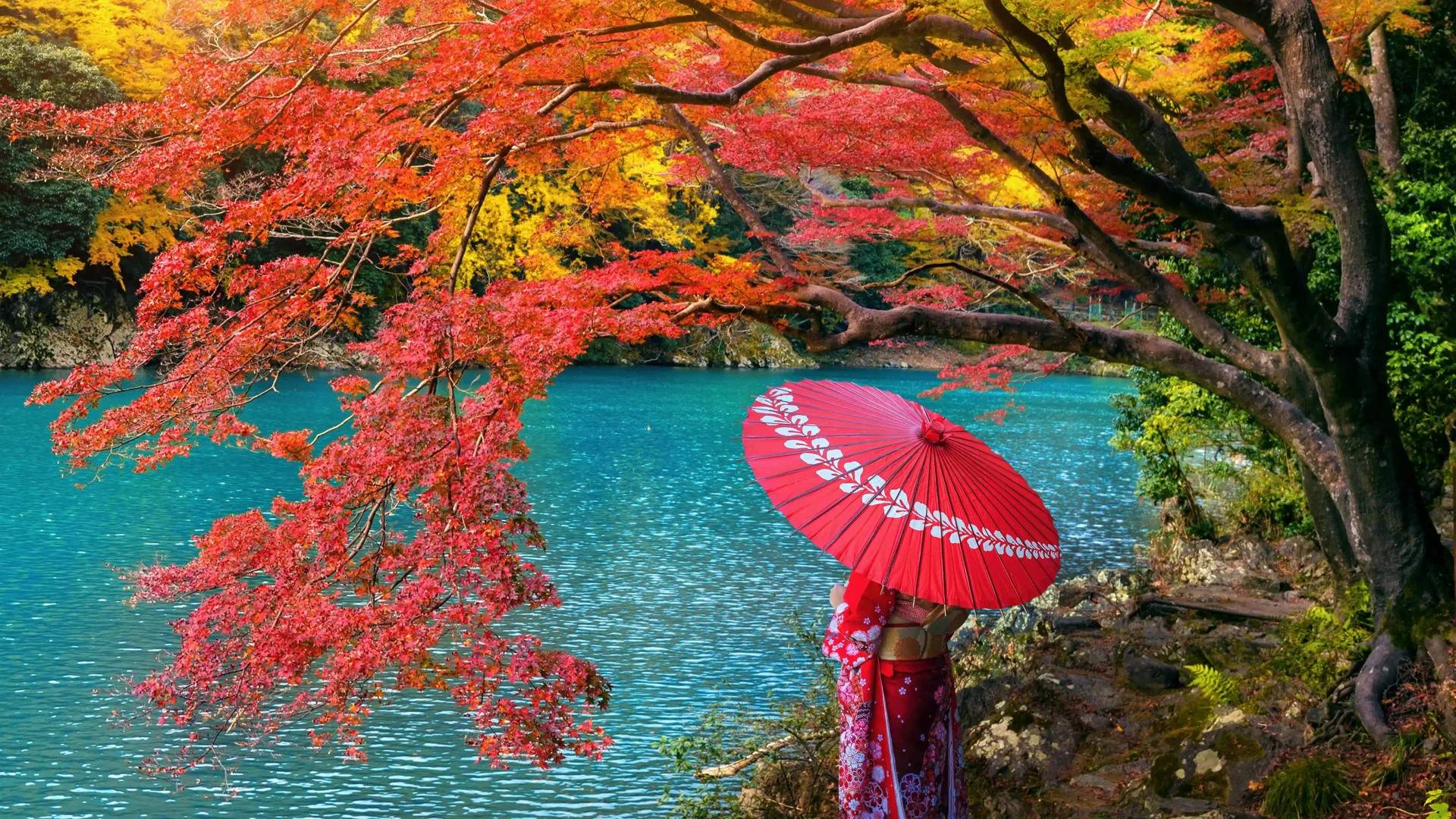
Peak autumn foliage varies by region:
- Northern Japan: Late September to October
- Central Japan: October to November
- Kyoto and Osaka: Mid-November to early December
Autumn is also known for seasonal cuisine, harvest festivals, and excellent hiking conditions.
Popular autumn destinations include:
- Kyoto
- Nikko
- Hakone
- Takayama
- Shirakawa-go
- Japanese Alps
Because autumn is another peak travel season, booking accommodation several months ahead is recommended.
Related Article: 5 Reasons to Visit Japan in Autumn and the Best Places to Explore
Winter (December to February)
Winter offers a quieter and often more affordable travel experience outside major holiday periods.
Northern Japan becomes a destination for skiing and snowboarding, while many travelers head to traditional hot spring towns to enjoy outdoor onsen surrounded by snow-covered landscapes.
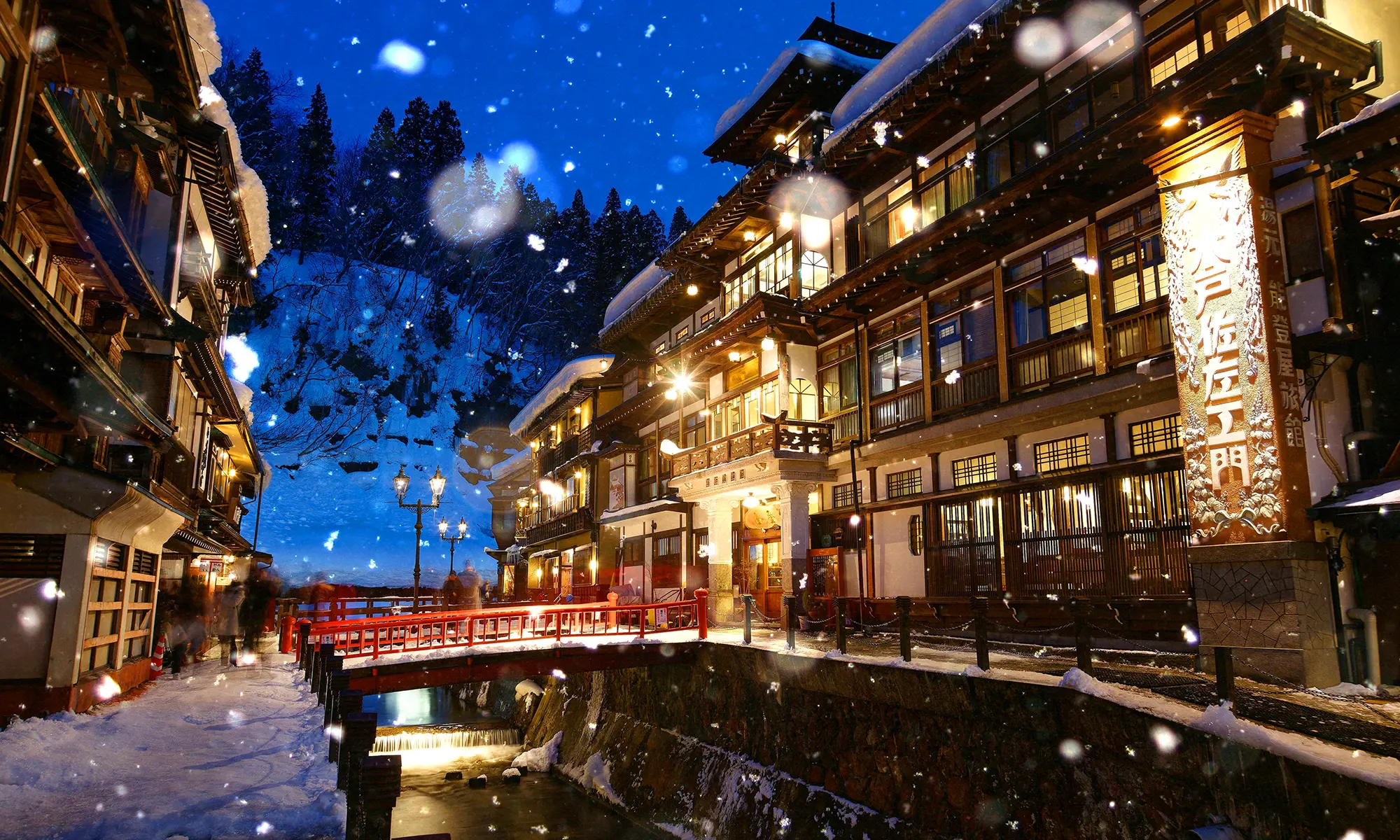
Winter is also famous for:
- Snow festivals
- Winter illuminations
- Seasonal seafood
- Fewer crowds at many cultural attractions
For travelers who don’t mind colder temperatures, winter can be an excellent time to experience a different side of Japan while avoiding the busiest tourist seasons.
Step 2: Decide How Long to Stay in Japan
The number of days you spend in Japan determines how many destinations you can realistically visit. While it’s tempting to include every famous city in one itinerary, moving between too many locations often means spending more time on trains than actually exploring.
For first-time visitors, 7 to 10 days is generally considered the ideal trip length. It allows enough time to experience Japan’s major highlights while maintaining a comfortable travel pace.
5 – 7 Days: Focus on the Highlights
A one-week trip is perfect if you’re visiting Japan for the first time and want to see its most iconic destinations.
A typical itinerary includes:
- Tokyo
- Mount Fuji or Hakone
- Kyoto
This route combines modern city life, traditional culture, and natural scenery without requiring long daily journeys. Expect to change hotels once or twice during the trip.
Recommended for:
- First-time visitors
- Short holidays
- Couples
- Travelers with limited vacation time
8 – 10 Days: The Most Popular Choice
If your schedule allows, extending your trip to around ten days creates a much more balanced itinerary.
Many travelers choose to visit:
- Tokyo
- Mount Fuji or Hakone
- Kyoto
- Osaka
- Nara
Instead of rushing through attractions, you’ll have time to enjoy local neighborhoods, seasonal food, museums, and evening experiences without feeling pressured to fit everything into one day.
Ten days also provides greater flexibility if you want to stay one night in a traditional ryokan or spend a full day relaxing in an onsen town.
Recommended for:
- Most first-time visitors
- Families
- Travelers looking for a balanced itinerary
11 – 14 Days: Explore Beyond the Golden Route
With two weeks in Japan, you can comfortably explore regions beyond the classic Tokyo – Kyoto – Osaka route.
Popular additions include:
- Takayama
- Shirakawa-go
- Kanazawa
- Hiroshima
- Miyajima
- Kobe
Longer itineraries also reduce travel fatigue because you don’t need to change hotels as frequently. Instead of checking in and out every day, you can spend two or three nights in each destination and explore at a more relaxed pace.
Recommended for:
- Returning visitors
- Slow travelers
- Photography enthusiasts
- Travelers interested in regional culture
Step 3: Set Your Travel Budget
Budget planning is one of the most important parts of preparing for a trip to Japan. Your overall expenses depend on several factors, including the travel season, trip length, accommodation, transportation, dining preferences, and shopping habits.
Rather than asking, “How much does a trip to Japan cost?”, it’s more helpful to estimate how much you’ll spend in each category.
Estimated Budget for a First Trip
The table below provides a general estimate for a 7 – 10 day trip per person, excluding international flights.
- Economy: USD 1,200 – 1,800
- Mid-range: USD 2,000 – 3,500
- Luxury: USD 4,000+
These estimates typically include:
- Accommodation
- Domestic transportation
- Meals
- Attraction tickets
- Daily expenses
Your actual budget will vary depending on the cities you visit and the time of year.
Step 4: Choose the Right Places to Visit
One of the biggest challenges when planning a first trip to Japan is deciding where to go. With 47 prefectures and thousands of attractions, it’s impossible to see everything in one visit.
Instead of trying to visit as many cities as possible, build your itinerary around destinations that offer different experiences. A combination of modern cities, historical landmarks, natural scenery, and local culture usually creates a more balanced first trip.
For most first-time visitors, the Golden Route, Tokyo, Mount Fuji or Hakone, Kyoto, and Osaka, is the easiest place to start.
Tokyo: Japan’s Modern Capital
Almost every first-time itinerary begins in Tokyo, Japan’s largest city and the country’s main international gateway.
Tokyo is often described as a city of contrasts. Traditional temples sit alongside skyscrapers, quiet residential neighborhoods are only minutes from busy shopping districts, and centuries-old culture blends naturally with cutting-edge technology.
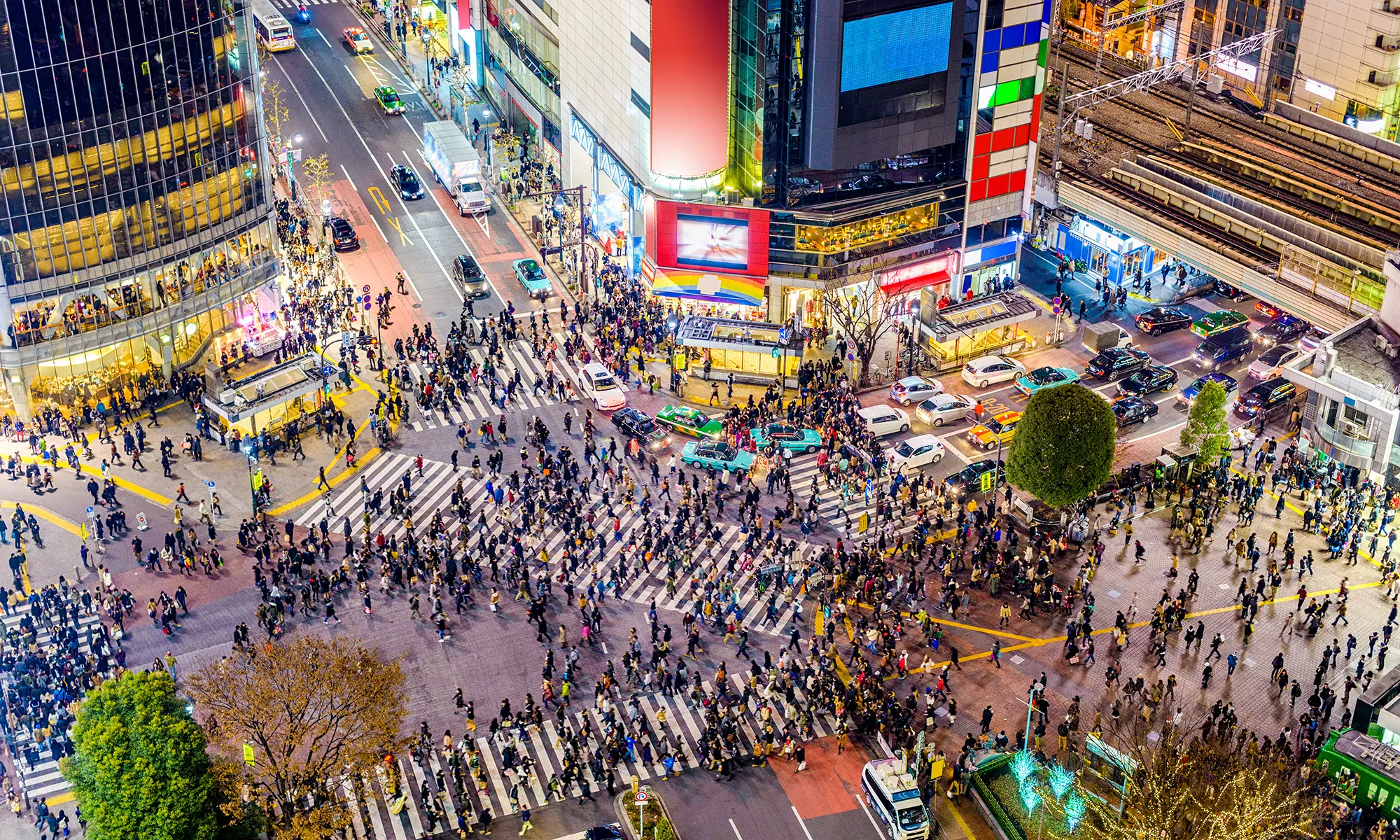
Rather than trying to visit every attraction, spend time exploring different neighborhoods, each with its own atmosphere.
Popular areas include:
- Shibuya – shopping, nightlife, and the famous Shibuya Crossing
- Asakusa – home to Senso-ji Temple and traditional streets
- Ginza – luxury shopping and fine dining
- Ueno – museums, parks, and seasonal cherry blossoms
- Akihabara – anime, gaming, and electronics
- Harajuku – fashion, cafés, and Meiji Jingu Shrine
Recommended stay: 3 – 4 days
Tokyo offers enough attractions to fill an entire week, but three or four days is usually sufficient for first-time visitors before continuing to other regions.
Mount Fuji and Hakone: Japan’s Most Famous Scenery
After Tokyo, many travelers include either Mount Fuji, Hakone, or both.
Although these destinations are close together, they offer very different experiences.
Mount Fuji
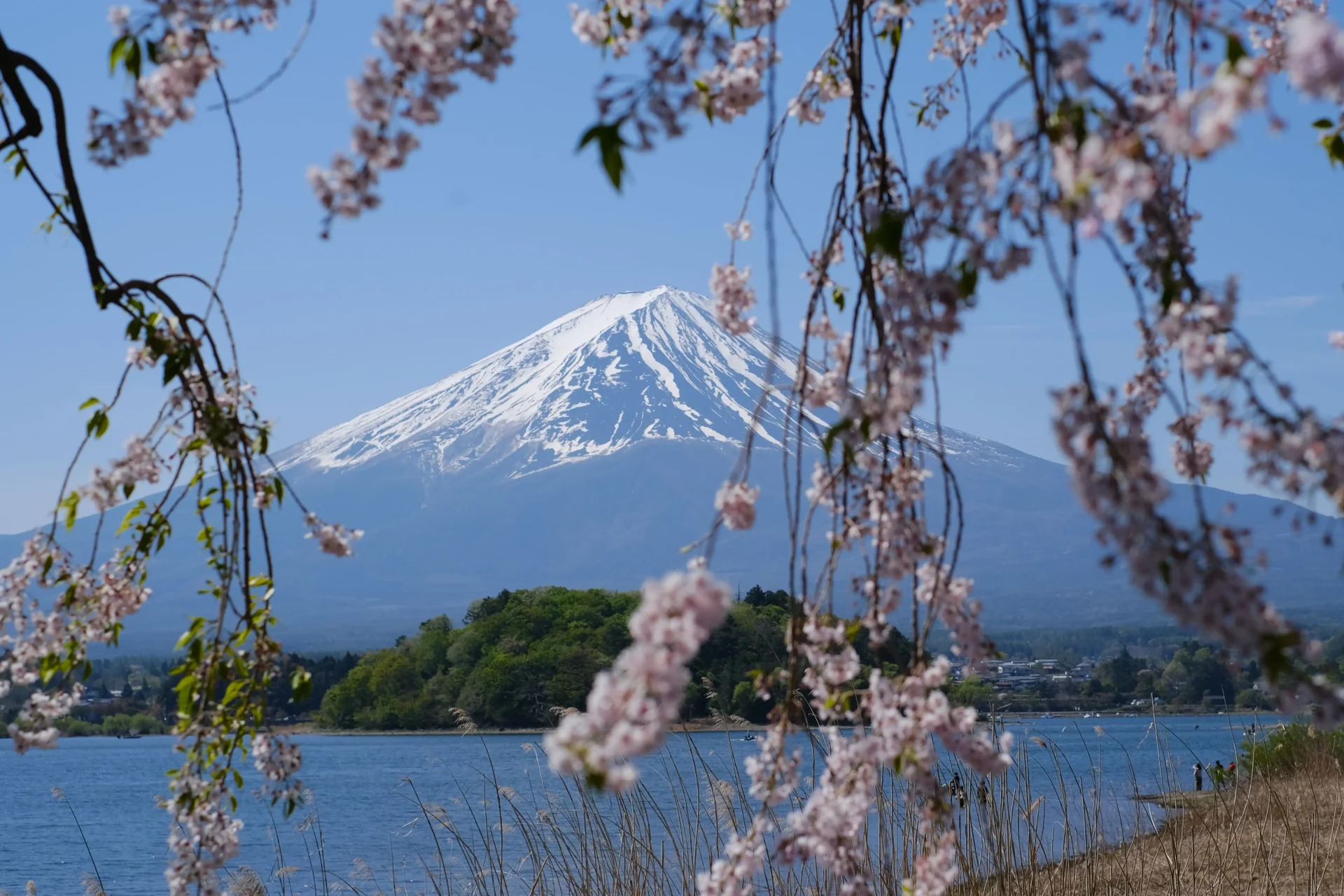
Mount Fuji is Japan’s highest mountain at 3,776 meters (12,388 feet) and one of the country’s most recognizable landmarks.
Depending on the weather, visitors can enjoy panoramic views from several nearby locations, including:
- Lake Kawaguchiko
- Chureito Pagoda
- Oshino Hakkai
- Fuji Five Lakes region
Clear views are generally more common during autumn and winter when humidity is lower.
Hakone
Located approximately 90 minutes from Tokyo, Hakone is known for:
- Natural hot springs (onsen)
- Lake Ashi cruises
- Mountain scenery
- Ropeway rides
- Views of Mount Fuji on clear days
Hakone is a popular overnight destination because it offers a slower pace than Tokyo and provides an opportunity to experience a traditional ryokan and onsen.
Recommended stay: 1 – 2 days
Kyoto: Japan’s Cultural Heart
If Tokyo represents modern Japan, Kyoto represents its cultural heritage.
As Japan’s former capital for more than 1,000 years, Kyoto is home to an extraordinary collection of historic temples, shrines, gardens, and traditional wooden streets.
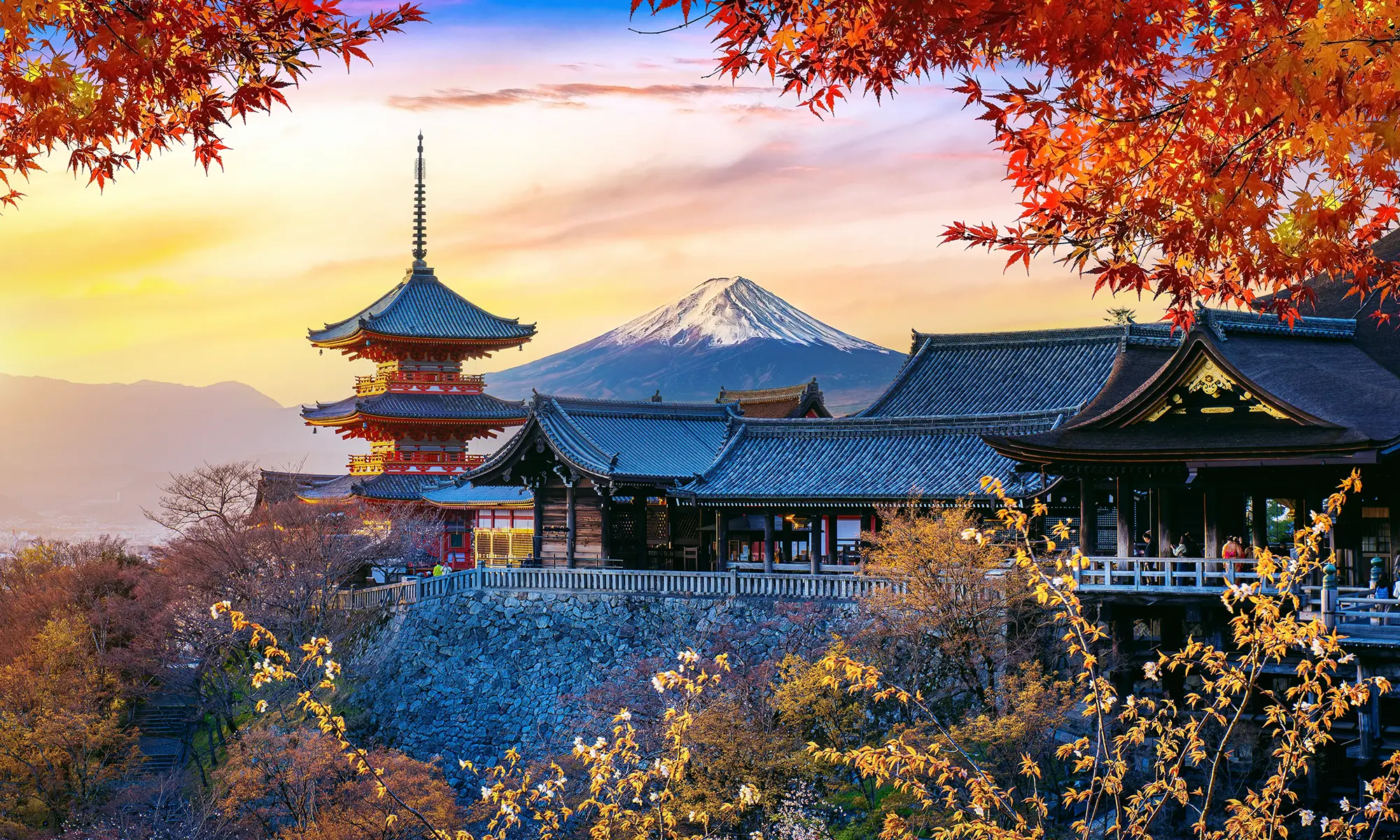
Some of Kyoto’s best-known attractions include:
- Fushimi Inari Taisha
- Kinkaku-ji (Golden Pavilion)
- Kiyomizu-dera
- Arashiyama Bamboo Grove
- Gion Historic District
Rather than rushing between attractions, many visitors enjoy simply walking through Kyoto’s traditional neighborhoods, where tea houses, small cafés, and local shops create a completely different atmosphere from Tokyo.
Because Kyoto attracts visitors throughout the year, arriving early in the morning is often the best way to experience its most popular landmarks before crowds build.
Recommended stay: 2 – 3 days
Osaka: Japan’s Food Capital
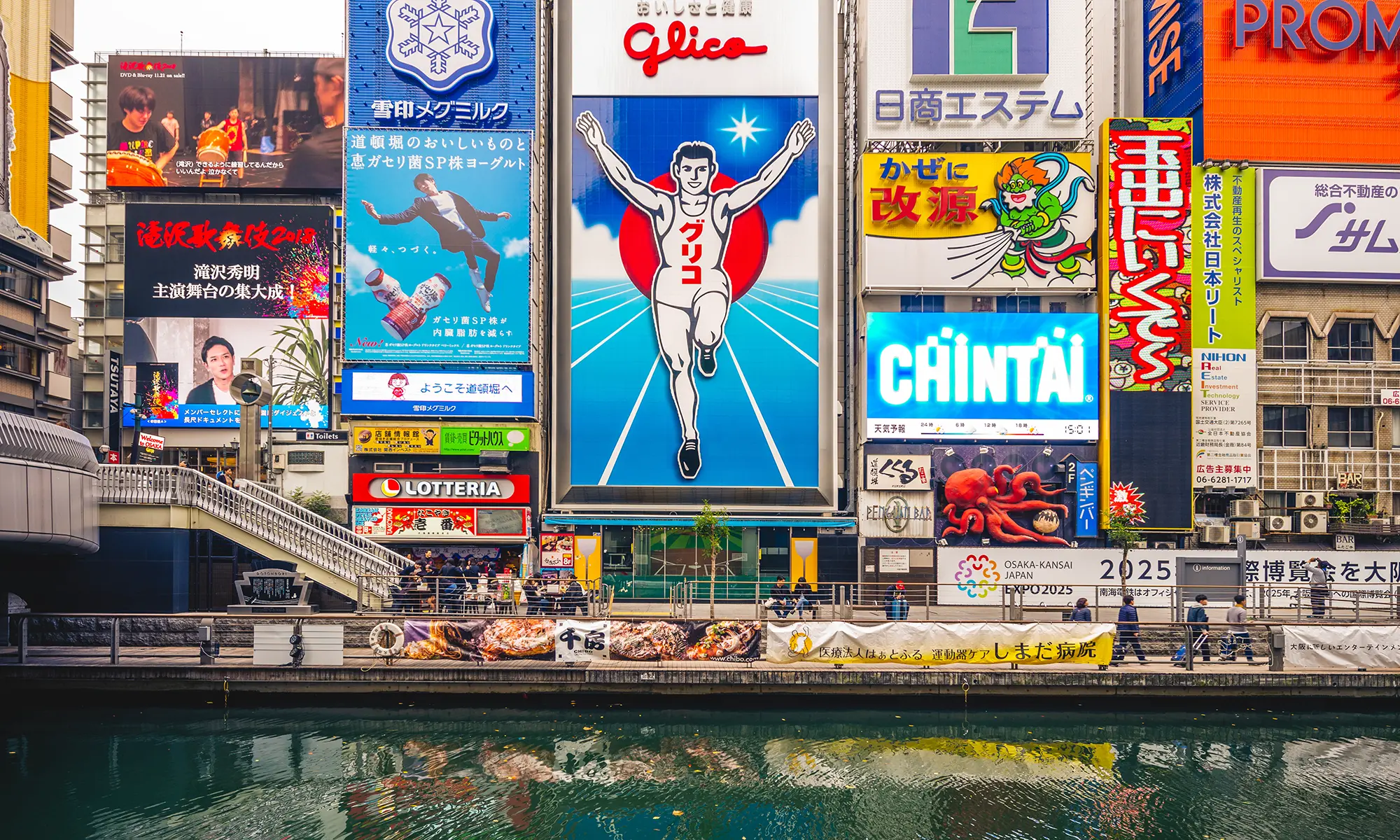
Located less than 30 minutes from Kyoto by train, Osaka is famous for its relaxed atmosphere, vibrant nightlife, and incredible street food.
Compared with Kyoto, Osaka feels more energetic and informal.
Top attractions include:
- Dotonbori
- Osaka Castle
- Kuromon Market
- Umeda Sky Building
- Universal Studios Japan
Food is one of the city’s biggest highlights. Local specialties include:
- Takoyaki
- Okonomiyaki
- Kushikatsu
- Fresh seafood
Many travelers choose Osaka as their final stop because Kansai International Airport provides convenient international departures.
Recommended stay: 2 days
Nara: An Easy Day Trip
If you’re staying in Kyoto or Osaka, Nara is one of the easiest day trips to add to your itinerary.
The city is best known for:
- Todaiji Temple
- Nara Park
- Hundreds of free-roaming deer
- Historic shrines and gardens
Travel time from either Kyoto or Osaka is approximately 40 – 60 minutes, making it an excellent destination for travelers who want to experience another side of traditional Japan without changing hotels.
Step 5: Plan Transportation Around Japan
Japan’s transportation system is one of the most efficient in the world, making it possible to travel comfortably between major cities and tourist destinations. However, the best transportation option depends on your itinerary, travel pace, and the places you plan to visit.
If your trip focuses on Tokyo, Kyoto, and Osaka, public transportation is usually sufficient. If you plan to explore mountain towns, rural villages, or scenic regions, you may need to combine trains with buses or private transportation.
Choosing the right transportation before your trip helps you estimate travel times, manage your budget, and avoid unnecessary transfers.
Shinkansen: The Fastest Way Between Major Cities
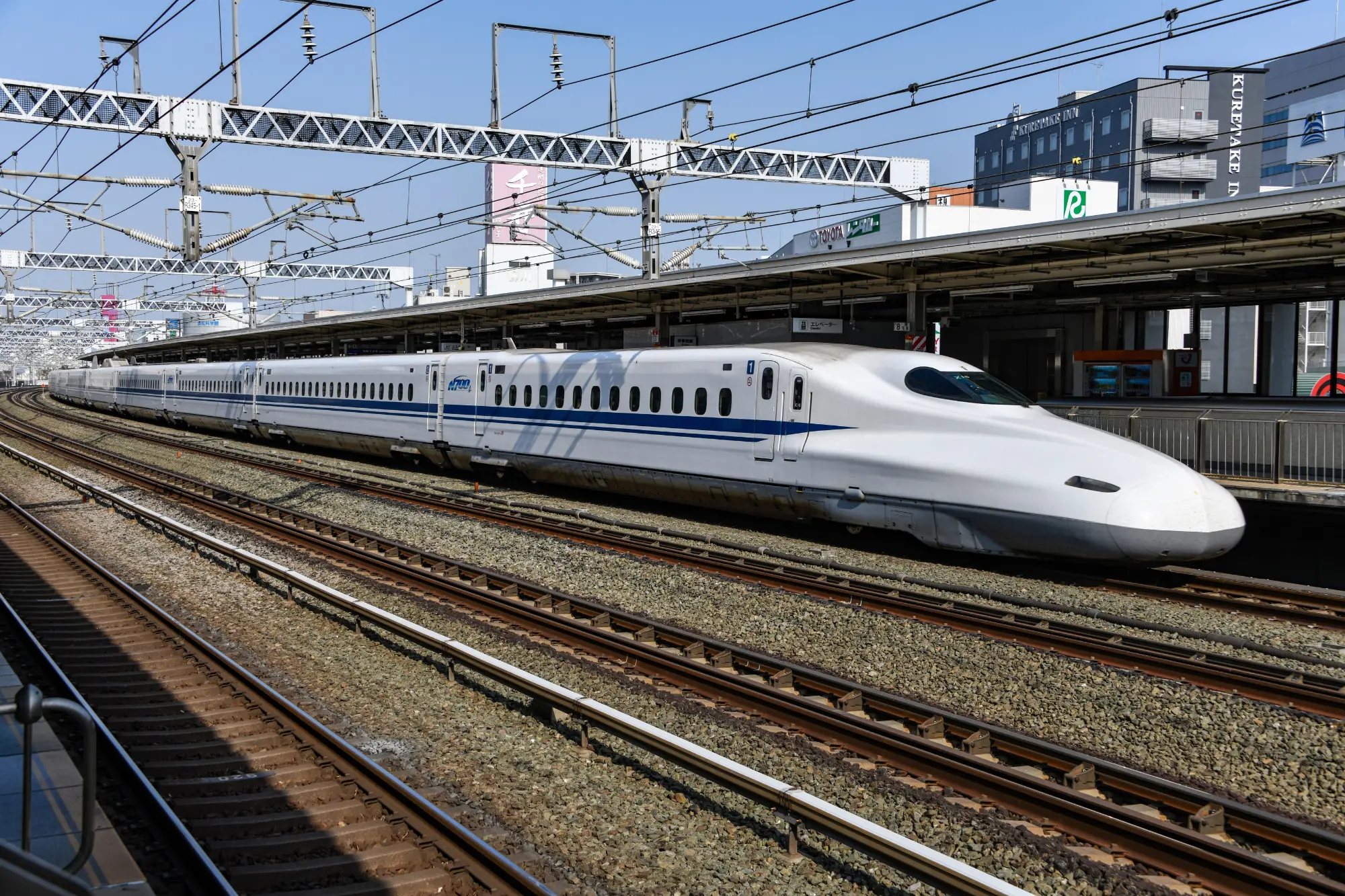
The Shinkansen, also known as the Japanese bullet train, is the fastest and most convenient way to travel between major cities.
Popular routes include:
| Approximate Travel Time | Route |
| Tokyo → Kyoto | 2 hours 15 minutes |
| Tokyo → Osaka | 2 hours 30 minutes |
| Kyoto → Hiroshima | 1 hour 40 minutes |
| Osaka → Kanazawa | 2 hours 30 minutes |
Shinkansen trains are known for:
- High punctuality
- Comfortable seating
- Spacious carriages
- Frequent departures throughout the day
For first-time visitors traveling across multiple regions, the Shinkansen often saves several hours compared with driving or domestic flights.
Local Trains and Subways
Within major cities, you’ll mainly use local transportation to reach attractions, restaurants, and shopping districts.
Tokyo, Kyoto, and Osaka all have extensive public transportation networks, including:
- JR Lines
- Subway systems
- Private railway companies
- Local buses
Most attractions are located within walking distance of a train or subway station, making public transportation the easiest way to get around city centers.
Rechargeable IC cards such as Suica, PASMO, and ICOCA can be used on most trains, subways, buses, convenience stores, and vending machines, making everyday travel much more convenient.
Some Destinations Are Easier by Private Transportation
At Nicetrips, we understand that transportation plays a major role in the overall travel experience, especially for first-time visitors.
In addition to our carefully designed Japan tours, we also provide private transportation services throughout Japan, including:
- Airport transfers
- Intercity transportation
- Private sightseeing transfers
- Customized travel arrangements
Private transportation allows you to travel directly between destinations without navigating unfamiliar train stations or coordinating multiple connections. It’s particularly suitable for families, senior travelers, couples, and small groups who value comfort, flexibility, and a more relaxed travel pace.

Instead of focusing on train schedules and luggage logistics, you can spend more time enjoying Japan’s landscapes, attractions, and local experiences.
Step 6: Book Accommodation That Matches Your Travel Style
Accommodation is more than simply a place to sleep. The type of property you choose influences your daily schedule, transportation, and overall travel experience.
Japan offers accommodation for every travel style, from modern city hotels to centuries-old traditional inns. For first-time visitors, combining different types of accommodation often creates the most balanced itinerary.
Most travelers choose to stay in hotels while visiting major cities before spending one or two nights in a traditional ryokan to experience Japanese hospitality.
Hotels
Hotels are the most practical option if you’re visiting several cities.
Benefits include:
- Convenient locations near train stations
- Western-style beds
- Private bathrooms
- Wide range of price options
- Easy access to restaurants and shopping
Hotels work particularly well in Tokyo, Osaka, and Kyoto, where you’ll spend most of your day exploring the city.
Ryokan
A ryokan offers a completely different experience from a standard hotel.
Many traditional ryokan include:
- Tatami flooring
- Futon bedding
- Kaiseki dinner
- Japanese breakfast
- Indoor or outdoor onsen
Rather than focusing on sightseeing, a ryokan stay encourages travelers to slow down, enjoy seasonal cuisine, and experience traditional Japanese hospitality.
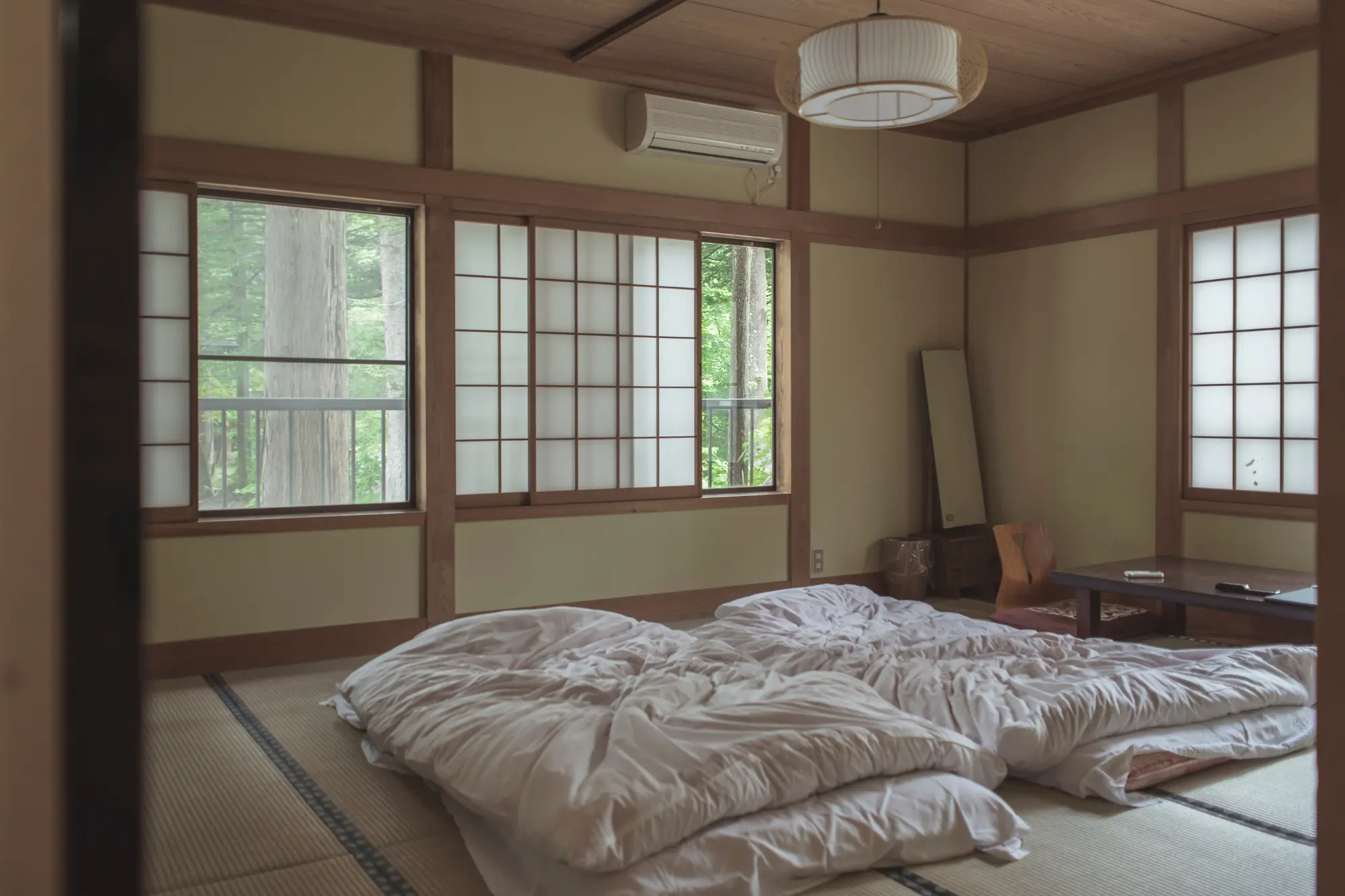
For most first-time visitors, one night at a ryokan is enough to enjoy the experience before returning to a city hotel.
If you’re unsure which accommodation is right for your trip, read our guide Ryokan vs Hotel in Japan: Which Stay Is Right for Your First Trip?
With Nicetrips, accommodation is already included in our carefully designed Japan tour packages, featuring comfortable hotels selected for their quality, convenience, and location throughout your journey.
Step 7: Prepare Before You Leave
Once your flights, accommodation, and itinerary are confirmed, the final step is making sure everything is ready before departure. Spending a little time preparing now can help you avoid unnecessary stress after arriving in Japan.
Use the checklist below as a final review before your trip.
Travel Documents
Before leaving home, make sure all essential travel documents for Japan are prepared and easily accessible.
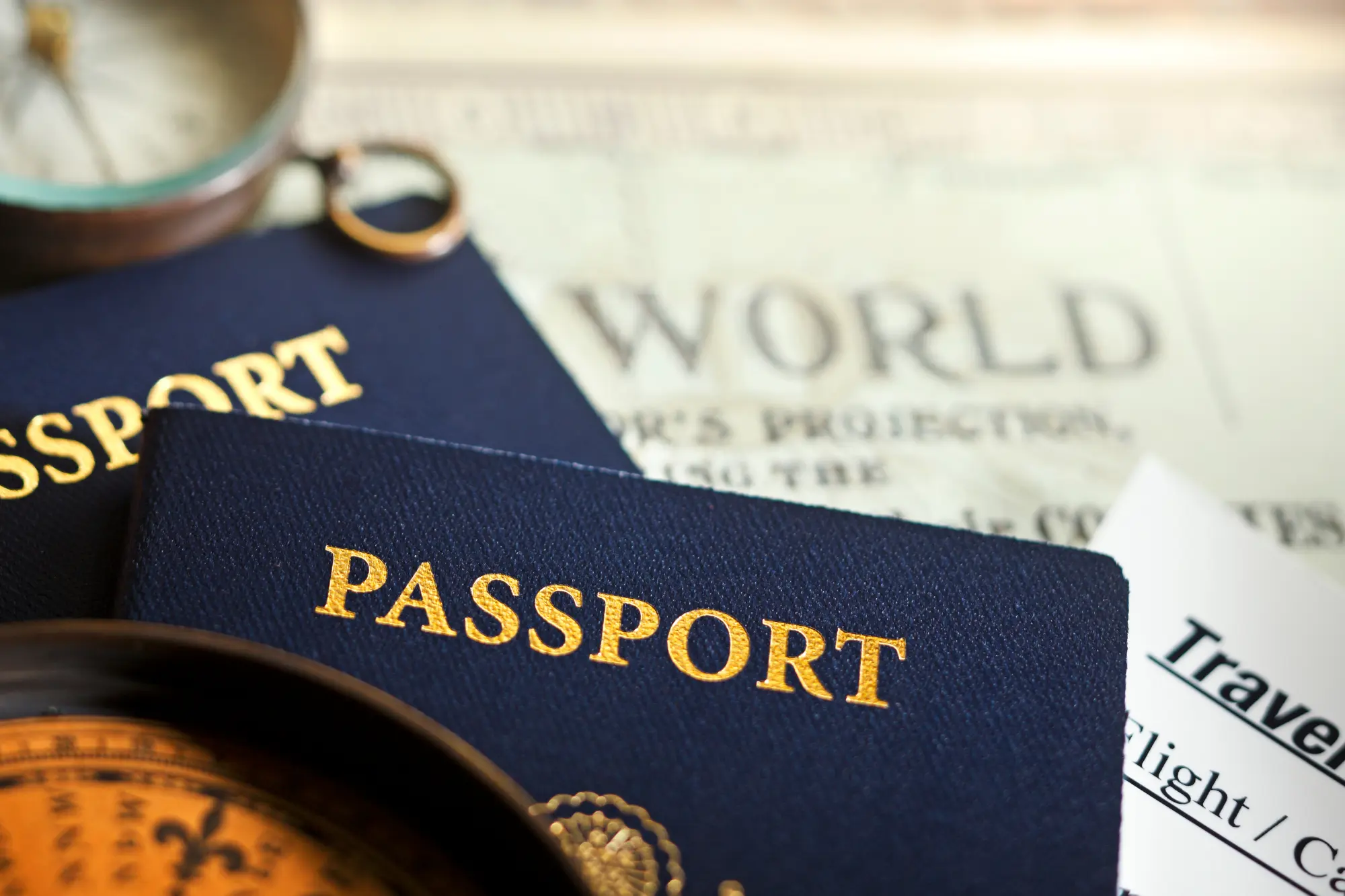
Your checklist should include:
- Valid passport
- Visa (if required)
- Flight confirmation
- Hotel confirmations
- Travel insurance documents
- Emergency contact information
Keeping both digital and printed copies can be helpful if your phone battery runs out or you lose internet access.
Prepare Your Money
Although Japan has become increasingly cashless in recent years, cash is still commonly used in many places.
You may need cash for:
- Small restaurants
- Local markets
- Temple donations
- Rural attractions
- Some transportation services
Credit cards are widely accepted in hotels, department stores, shopping malls, and larger restaurants, but carrying some Japanese Yen is still recommended.
Stay Connected
Reliable internet access makes traveling around Japan much easier.
Most international visitors choose one of the following:
- eSIM
- Physical SIM card
- Pocket Wi-Fi
Having internet access allows you to:
- Navigate public transportation
- Check train schedules
- Translate Japanese signs
- Access booking confirmations
- Stay in contact with family and friends
Check the Weather Before You Pack
Japan’s climate varies considerably depending on both the season and the region.
Before packing, check the forecast for each destination on your itinerary rather than relying on the weather in your arrival city alone.
For example:
- Tokyo may be warm while Hakone is significantly cooler.
- Mountain destinations often require an extra layer even during spring and autumn.
- Winter temperatures in Hokkaido are very different from those in Kyoto or Osaka.
Packing according to your itinerary instead of the country as a whole helps you travel more comfortably without carrying unnecessary luggage.
Reserve Popular Attractions Early
Some of Japan’s most popular attractions have limited daily capacity or become fully booked during peak travel seasons.
If you’re traveling during spring or autumn, consider reserving attractions in advance whenever possible.
Popular experiences that may require early booking include:
- TeamLab exhibitions
- Universal Studios Japan
- Ghibli Museum
- Certain observation decks
- Seasonal events and festivals
Booking ahead also allows you to organize your sightseeing schedule more efficiently.
Common Japan Trip Planning Mistakes to Avoid
Even experienced travelers can overlook small details when planning their first visit to Japan. Avoiding a few common mistakes can make your trip significantly more enjoyable.
Trying to Visit Too Many Cities
Japan is larger than many first-time visitors expect.
Rather than changing hotels every day, spend more time exploring fewer destinations. A slower itinerary often leads to a more relaxing and memorable experience.
Underestimating Travel Time
Traveling between cities involves more than the train journey itself.
You’ll also need time for:
- Getting to the station
- Finding the correct platform
- Boarding and luggage handling
- Traveling from the arrival station to your hotel
When planning your itinerary, allow extra time between destinations instead of scheduling attractions immediately after arrival.
Booking Too Late During Peak Seasons
Cherry blossom season and autumn foliage attract millions of domestic and international visitors every year.
Hotels in popular destinations such as Tokyo, Kyoto, and Osaka can sell out months in advance.
If you’re traveling during these periods, booking early usually provides:
- Better accommodation choices
- Lower prices
- More flexible transportation options
Ignoring Your Travel Pace
A successful trip isn’t measured by the number of attractions you visit.
Instead of rushing from one landmark to another, leave time to enjoy local cafés, neighborhood streets, seasonal food, and spontaneous discoveries. These quieter moments often become the most memorable part of a journey.
Explore Japan Comfortably with Nicetrips
Planning your own Japan itinerary can be exciting, but it also means coordinating flights, hotels, transportation, attraction bookings, and daily schedules. For first-time visitors, bringing all these elements together can take considerable time, especially when traveling during Japan’s busiest seasons.
At Nicetrips, we create thoughtfully designed Japan tours that combine the country’s most iconic destinations with a comfortable travel pace. Rather than rushing through multiple cities, our itineraries are carefully planned to balance sightseeing, cultural experiences, local cuisine, and relaxation, allowing you to enjoy each destination without feeling overwhelmed.
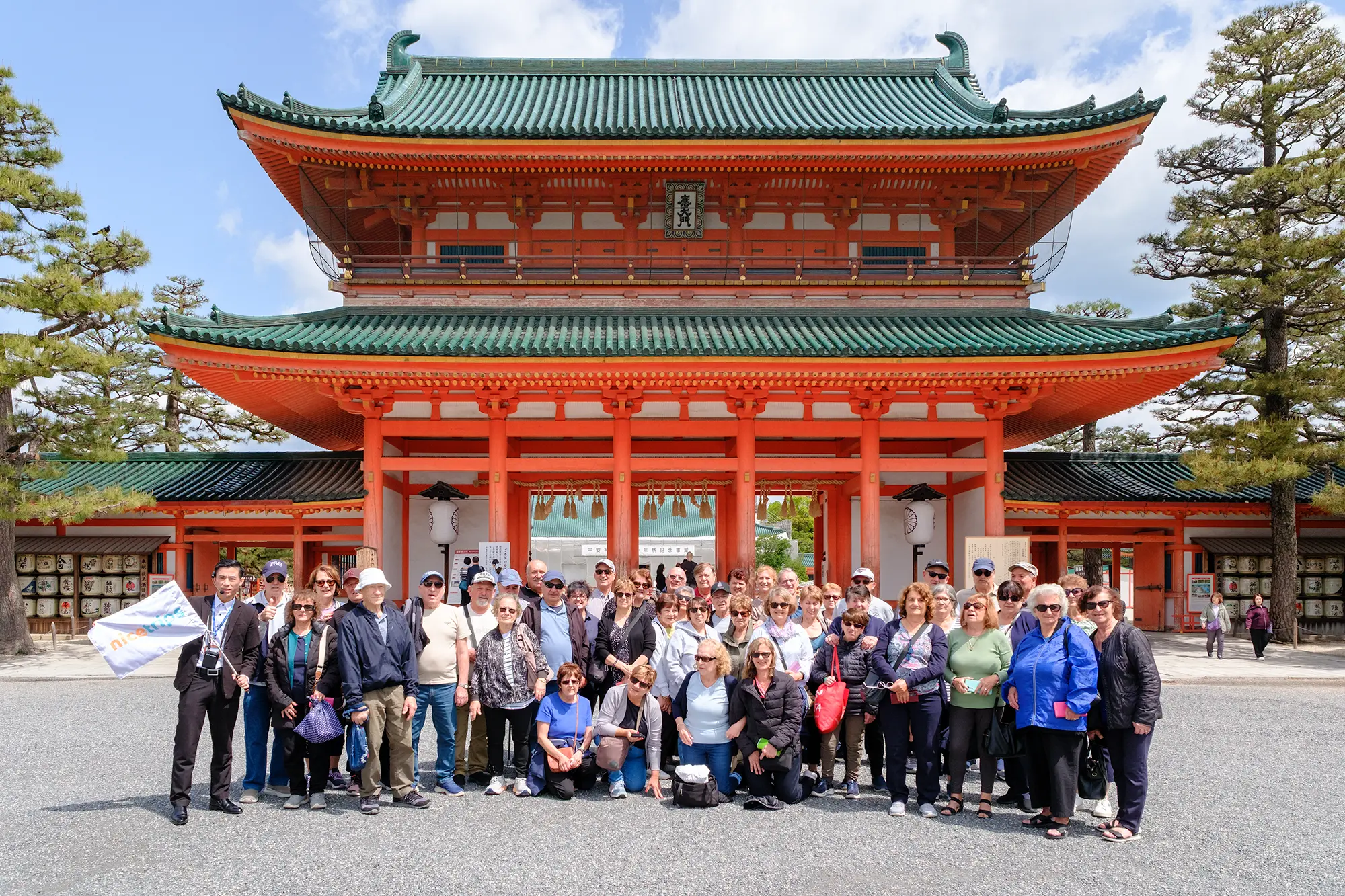
Whether this is your first visit or the beginning of many future journeys, our goal is simple: to help you discover Japan comfortably, confidently, and at a pace that lets you truly enjoy every destination.
Final Thoughts
Planning your first trip to Japan doesn’t have to be complicated. By choosing the right travel season, allowing enough time for each destination, setting a realistic budget, and organizing transportation and accommodation in advance, you’ll create an itinerary that is both enjoyable and practical.
Japan offers something for every traveler, from the energy of Tokyo and the historic streets of Kyoto to the peaceful landscapes of Hakone and the traditional villages of the Japanese Alps. Rather than trying to see everything in one visit, focus on building a journey that matches your interests and travel style.
Use this Japan Trip Planning Guide as your starting point, then explore our destination guides, travel tips, and Japan tour collection to plan a trip that’s memorable from the moment you arrive.