A Japan Travel Checklist for Senior Citizens can help you avoid common travel challenges and prepare for a more comfortable journey. With the right planning, from choosing the best season and packing essential medications to arranging transportation and accommodation, traveling around Japan becomes much easier. This guide includes practical travel tips, health recommendations, accessibility information, and a simple checklist to help senior travelers enjoy Japan with confidence.
Who Is This Japan Travel Checklist For?
This guide is designed for:
- Senior citizens visiting Japan for the first time.
- Older travelers looking for a comfortable and well-paced holiday.
- Couples planning a retirement trip to Japan.
- Families traveling with elderly parents or grandparents.
- Anyone who prefers a slower, more relaxing travel experience instead of a fast-paced itinerary.
No matter your travel style, the goal remains the same: to enjoy Japan comfortably while minimizing unnecessary stress and making the most of every destination.
Japan Travel Checklist for Senior Travelers at a Glance
| Category | Recommendation |
| Best Seasons | Spring (March – April) and Autumn (October – November) |
| Recommended Trip Length | 8 – 12 days |
| Daily Walking Level | Moderate |
| Transportation | Comfortable private transportation and airport transfers for longer journeys |
| Accommodation | Hotels with elevators, Western-style beds, and central locations |
| Must-Pack Items | Prescription medication, comfortable shoes, travel insurance, portable charger |
| Best Destinations | Tokyo, Kyoto, Hakone, Mount Fuji, Nara, Kanazawa |
| Overall Difficulty | Easy with proper planning |
Travel Tip: Japan is extremely senior-friendly, but many sightseeing days still involve several thousand steps. A relaxed itinerary with enough rest time often creates a much more enjoyable experience than trying to visit too many attractions in a short period.
Why Japan Is One of the Best Destinations for Senior Travelers
Japan consistently ranks among the world’s best destinations for older travelers thanks to its outstanding safety, efficient infrastructure, and exceptional hospitality. Whether you’re admiring cherry blossoms in Kyoto, soaking in a hot spring in Hakone, or enjoying peaceful gardens in Kanazawa, the country offers countless experiences that can be enjoyed at a comfortable pace.
One of Japan’s greatest strengths is its cleanliness and organization. Public spaces are remarkably well maintained, transportation operates with impressive punctuality, and visitors generally feel secure walking through cities both during the day and at night.
Healthcare standards are also excellent, giving many travelers additional peace of mind during longer holidays. Pharmacies are widely available, hospitals provide high-quality medical care, and many tourist areas offer multilingual assistance when needed.
Equally important is Japan’s culture of respect. From hotel staff and restaurant employees to train attendants and shopkeepers, visitors often notice the genuine politeness and attentiveness that make traveling feel welcoming and stress-free.
Unlike destinations that encourage rushing from one landmark to another, Japan rewards slower travel. Taking time to wander through traditional gardens, enjoy seasonal cuisine, or simply admire mountain scenery often becomes the most memorable part of the journey.
Essential Travel Documents Before Your Trip
Before packing your suitcase, make sure all essential travel documents are organized and easily accessible. Having both digital and printed copies can save valuable time if unexpected situations arise during your journey.
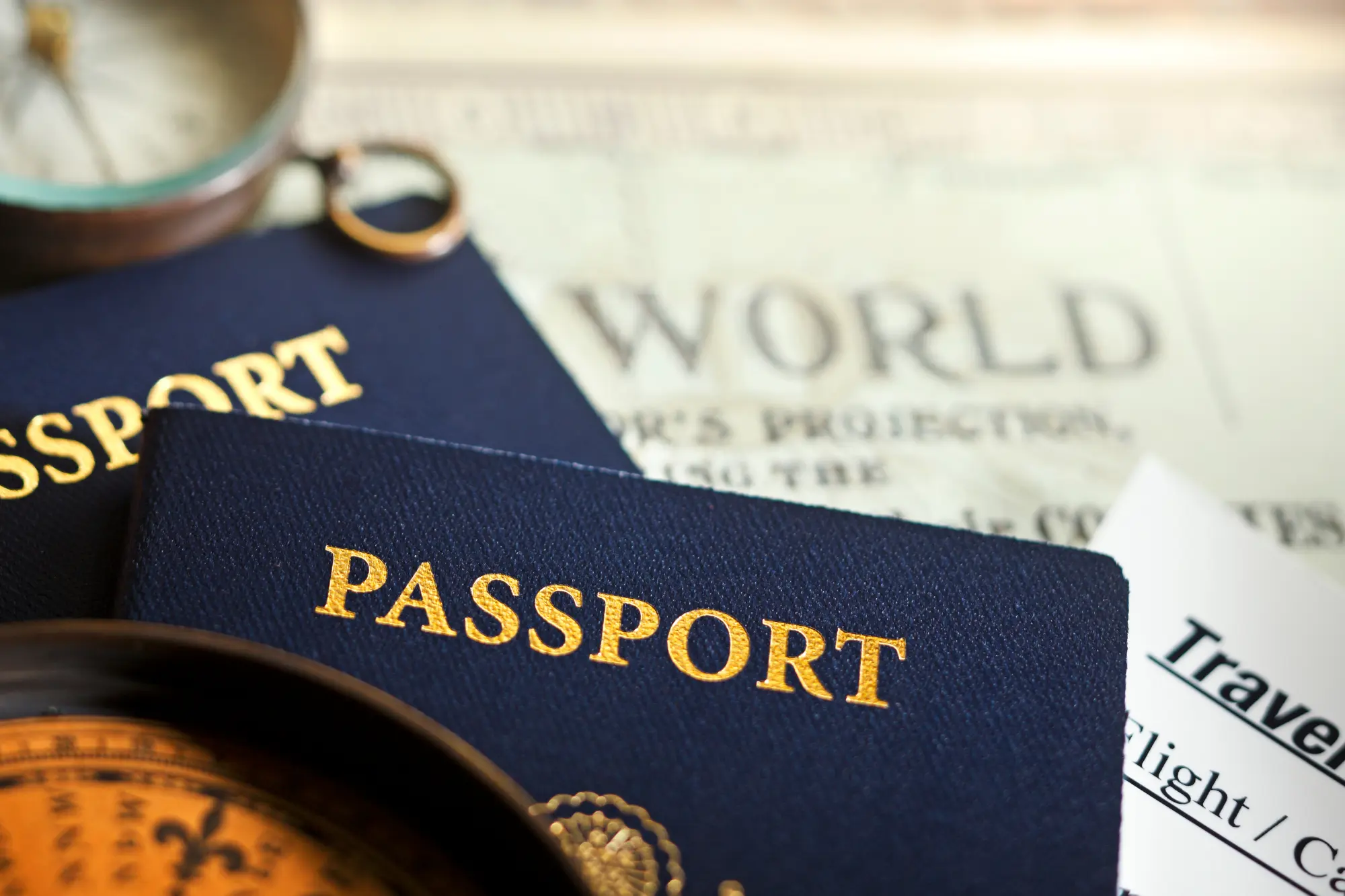
Passport
Your passport should be valid for the entire duration of your stay in Japan. Although many countries only require six months of passport validity as a general recommendation, always check the latest entry requirements based on your nationality before booking your trip.
It’s also a good idea to carry a photocopy of your passport separately from the original and keep a digital copy stored securely on your phone or cloud storage.
Visa Requirements
Japan offers visa exemptions for citizens of many countries, while others may need to apply for a visa before departure.
Always verify the latest visa policy through the official Japanese immigration website or your local Japanese embassy, as entry requirements may change over time.
Travel Insurance
Travel insurance is one of the most important items on any Japan Travel Checklist for Senior Citizens.
Although Japan has an excellent healthcare system, medical treatment can be expensive for international visitors without insurance. A comprehensive travel insurance policy should ideally include:
- Emergency medical treatment
- Hospitalization
- Trip cancellation or interruption
- Lost baggage
- Emergency evacuation if necessary
For older travelers, it’s especially important to review policy details carefully and ensure that any pre-existing medical conditions are properly covered.
Travel Tip: Purchase travel insurance as soon as your flights or tour are confirmed. Some policies include cancellation protection that only applies if the insurance is purchased early.
Flight and Accommodation Confirmations
Keep printed or digital copies of:
- Flight tickets
- Hotel confirmations
- Tour confirmation
- Airport transfer information
- Transportation bookings
Having everything organized in one folder makes arrivals much smoother, especially after a long international flight.
Emergency Contact Information
Prepare a simple document containing:
- Family emergency contacts
- Your accommodation address
- Tour operator contact details
- Insurance hotline
- Passport number
- Any important medical information
Carrying this information can be extremely helpful in unexpected situations.
Health Checklist Before Traveling to Japan
Good health preparation allows you to spend less time worrying and more time enjoying Japan’s incredible scenery, culture, and cuisine. While Japan is known for its excellent medical services, planning ahead is always the best approach, particularly for senior travelers.
Schedule a Health Check Before Departure
If you’re taking a long-haul flight or traveling for more than a week, consider scheduling a routine health check with your doctor several weeks before departure.
Your physician can:
- Review your current medications.
- Discuss any travel-related health concerns.
- Confirm that you’re fit for long-distance travel.
- Provide additional prescriptions if necessary.
This is especially important for travelers managing conditions such as high blood pressure, diabetes, heart disease, or arthritis.
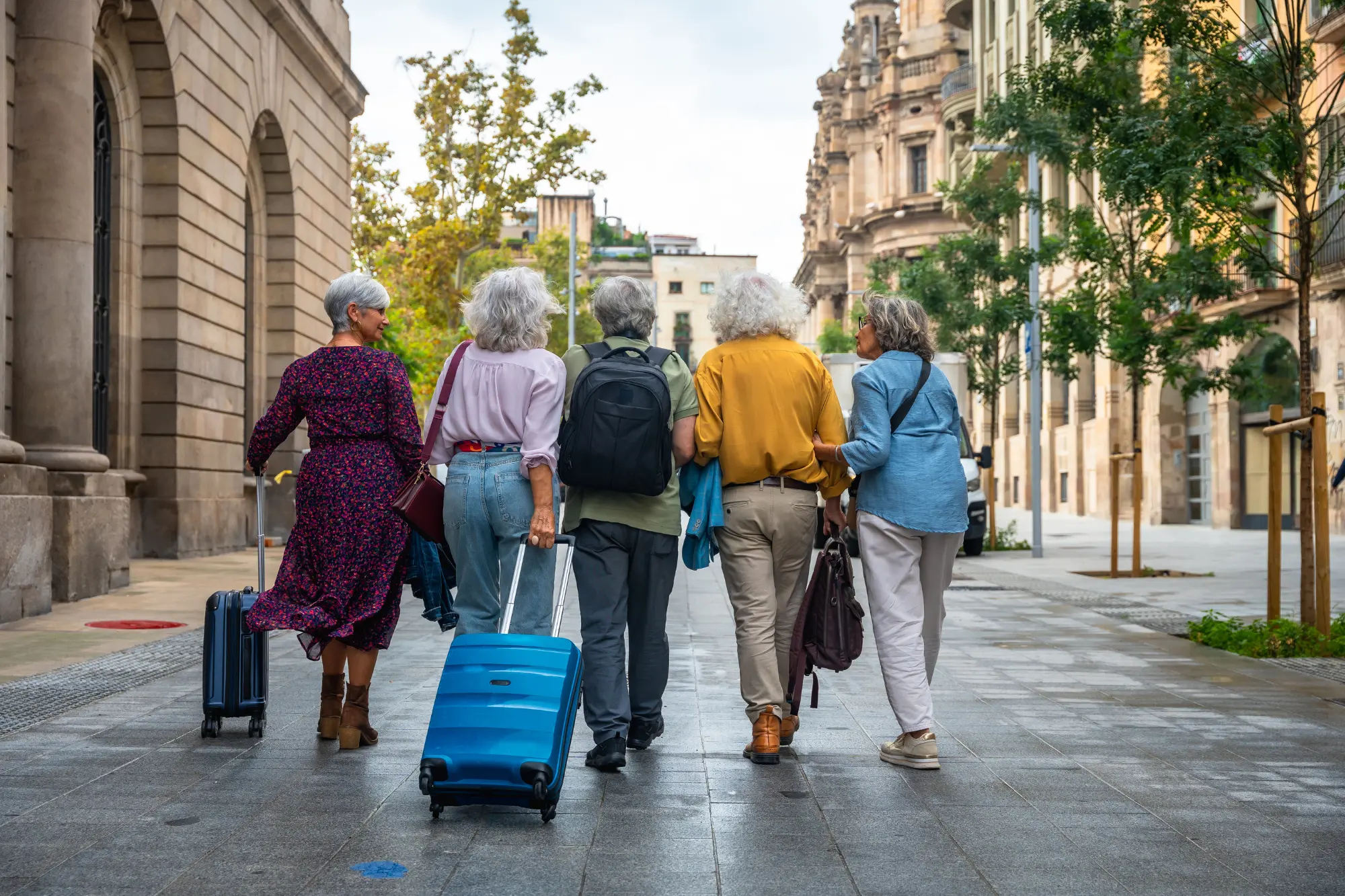
Bring Enough Prescription Medication
Prescription medications may not always be available under the same brand names in Japan. Even when similar medications exist, obtaining them often requires visiting a local doctor.
Pack enough medication to cover your entire trip, along with a few extra days in case of unexpected delays.
Keep all medications in their original packaging whenever possible.
Carry them in your hand luggage rather than checked baggage to ensure easy access throughout your journey.
Travel Tip: Bring a copy of your prescription or a doctor’s letter if you’re carrying important medications. This can be useful when passing through customs or replacing lost medicine.
Prepare a Small Travel Health Kit
A compact first-aid kit can be surprisingly useful during your trip.
Consider packing:
- Pain relievers
- Motion sickness tablets
- Cold medicine
- Bandages
- Antiseptic wipes
- Muscle pain patches
- Blister treatment
- Thermometer
Most of these items are available in Japan, but having familiar products on hand can be more convenient during busy sightseeing days.
Don’t Forget Everyday Medical Essentials
Besides medication, remember to pack any personal health items you rely on daily, such as:
- Reading glasses
- Spare prescription glasses
- Contact lenses and solution
- Hearing aid batteries
- Walking cane or foldable mobility aid if needed
- Compression socks for long flights
These small items are easy to overlook but can significantly improve comfort throughout your journey.
Stay Hydrated During Long Flights
Flights to Japan can easily last ten hours or more depending on your departure country.
To reduce fatigue during the journey:
- Drink plenty of water.
- Avoid excessive alcohol before and during the flight.
- Stand up and stretch regularly.
- Wear comfortable clothing.
- Consider compression socks to improve circulation.
Taking care of yourself before arriving in Japan helps you feel refreshed and ready to begin exploring.

Know What to Do in a Medical Emergency
Although no one expects health issues during a holiday, understanding Japan’s medical system provides valuable peace of mind.
Many large cities have hospitals with English-speaking staff, while pharmacies are widely available throughout the country. Hotel staff and tour guides can also assist with locating nearby clinics if needed.
For emergencies:
- 119: Ambulance and Fire Department
- 110: Police
If you’re traveling with Nicetrips, our team can also assist in coordinating transportation and communication should unexpected situations arise, allowing you to focus on your wellbeing while we help with the logistics.
Travel Tip: Save important emergency phone numbers, your insurance hotline, and your accommodation address in your phone before departure. Having everything ready can save valuable time if you need assistance during your trip.
Packing Checklist for Senior Travelers
Packing wisely can make your trip significantly more comfortable. Rather than bringing everything “just in case,” focus on items that improve convenience, reduce physical strain, and prepare you for Japan’s changing weather. Therefore, it is necessary to have a Packing checklist.
Comfortable Walking Shoes Are Essential
One of the biggest surprises for first-time visitors is just how much walking Japan involves.
Even with excellent transportation, you’ll often walk through train stations, gardens, shopping streets, temples, and museums. It’s not unusual to reach 8,000 to 15,000 steps in a single day without realizing it.
Choose lightweight walking shoes that you’ve already worn before your trip. Avoid brand-new shoes, as they can quickly cause blisters after several hours of sightseeing.
If you normally use orthopedic insoles or supportive footwear, be sure to bring them with you.
Travel Tip: Comfortable shoes are far more valuable than fashionable ones. A good pair of walking shoes can make every sightseeing day more enjoyable.
Dress in Layers
Japan experiences four distinct seasons, and temperatures can change considerably between morning and evening.
Packing lightweight layers allows you to adjust comfortably throughout the day.
A practical clothing checklist includes:
- Lightweight shirts
- Comfortable trousers
- Light sweater or cardigan
- Waterproof jacket
- Compact umbrella
- Sun hat
- Warm outerwear if traveling during winter
Spring and autumn are generally the most comfortable seasons, but evenings may still become chilly, especially around Mount Fuji or Hakone
Organize Your Medication
Instead of carrying medicine in several separate bags, prepare one dedicated medication pouch containing:
- Daily prescription medication
- Pain relief
- Motion sickness tablets
- Cold medicine
- Digestive medicine
- Allergy medication
- Bandages
- Antiseptic cream
Keeping everything together makes it much easier to find what you need throughout the trip.
Pack Smart Travel Accessories
Several small items can make traveling around Japan much easier:
- Portable power bank
- Universal travel adapter
- Reusable water bottle
- Lightweight backpack for daily sightseeing
- Foldable shopping bag
- Portable tissues
- Hand sanitizer
Japan has many public vending machines and convenience stores, but carrying your own essentials helps you stay comfortable throughout the day.
Don’t Forget Personal Comfort Items
Senior travelers often appreciate bringing a few familiar items from home.
Consider packing:
- Neck pillow
- Compression socks
- Reading glasses
- Sunglasses
- Small travel blanket for flights
- Lip balm and moisturizer, especially during winter
These simple additions can make long flights and full sightseeing days much more enjoyable.
Transportation Tips for a Comfortable Journey
Japan’s transportation system is one of the most efficient in the world, but for many senior travelers, comfort is often just as important as efficiency.
Long walks through busy train stations, multiple transfers, and carrying luggage can quickly become tiring. Choosing comfortable transportation allows you to spend more energy enjoying Japan instead of navigating complex routes.
Airport Transfers Make Arrival Much Easier
After a long international flight, navigating an unfamiliar airport while managing luggage can feel overwhelming.
A pre-arranged airport transfer provides a smooth start to your holiday by taking you directly from the airport to your accommodation without worrying about train connections or language barriers.
This is especially helpful after arriving at:
- Narita International Airport
- Haneda Airport
- Kansai International Airport
- Chubu Centrair International Airport
Instead of rushing to catch trains, you can simply relax and enjoy the ride into the city.
Comfortable Intercity Travel
Many Japan itineraries include destinations such as Tokyo, Hakone, Kyoto, Osaka, or Mount Fuji.
Although Japan’s rail network is excellent, changing platforms, navigating crowded stations, and managing luggage can become physically demanding over several travel days.
For longer journeys, comfortable transportation allows you to:
- Reduce unnecessary walking.
- Avoid complicated transfers.
- Travel at a more relaxed pace.
- Enjoy scenic countryside views during the journey.
- Focus on the experience instead of logistics.
Private Transportation for Sightseeing
Some of Japan’s most beautiful destinations are easier to enjoy with private transportation, especially for senior travelers who prefer a slower and more comfortable pace. Scenic areas such as Mount Fuji, Hakone, Shirakawa-go, Takayama, and the Japanese Alps often require multiple train or bus transfers, which can become tiring when carrying luggage or walking long distances.
Traveling by private car offers a more relaxing alternative. Instead of navigating busy stations and complicated connections, you can travel directly between destinations, spend more time sightseeing, and enjoy the journey through Japan’s beautiful countryside in comfort.
At Nicetrips, we provide private transportation services throughout Japan, including airport transfers, intercity transfers, and customized sightseeing by private car. Whether you’re traveling as a couple, with family, or alongside elderly parents, our private transport service allows you to explore Japan at your own pace while reducing unnecessary walking and making every journey more comfortable.
Choosing Comfortable Accommodation
The right accommodation can have a significant impact on your overall travel experience. After a full day of sightseeing, having a comfortable place to rest allows you to recharge and fully enjoy the next day’s activities.
Choose Hotels in Convenient Locations
Staying close to major attractions or transportation hubs reduces travel time and unnecessary walking.
Rather than selecting accommodation solely based on price, consider factors such as:
- Walking distance to restaurants
- Nearby convenience stores
- Easy access to transportation
- Quiet surroundings for restful sleep
A well-located hotel often makes your entire itinerary much more relaxing.

Look for Elevator Access
Many modern hotels offer elevators, but some traditional accommodations and smaller boutique properties may not.
If climbing stairs is difficult, always confirm that your accommodation includes elevator access before booking.
Western-Style Beds Provide Greater Comfort
Traditional Japanese futons are a wonderful cultural experience, but they may not be suitable for everyone.
Many senior travelers find Western-style beds easier to get in and out of, especially after long sightseeing days.
Fortunately, many hotels and modern ryokan now offer both options.
Enjoy Traditional Hospitality Without Sacrificing Comfort
For travelers interested in experiencing Japanese culture, staying at a ryokan can become one of the highlights of the trip.
Many modern ryokan combine traditional architecture with contemporary comfort, offering spacious rooms, beautiful gardens, relaxing hot spring baths, and exceptional hospitality.
If you’re considering this experience, choosing a ryokan with private bathing facilities or Western-style rooms may provide the ideal balance between authenticity and comfort.
Travel Tip: Staying at a ryokan for one or two nights is often enough to experience traditional Japanese hospitality while keeping the rest of your itinerary convenient and comfortable.
Food and Dietary Tips for Senior Travelers
One of the highlights of visiting Japan is undoubtedly the food. From fresh sushi and comforting ramen to beautifully prepared seasonal dishes, every meal offers a chance to experience Japanese culture. Fortunately, dining in Japan is generally clean, safe, and enjoyable for travelers of all ages.
However, if you have dietary restrictions or specific health considerations, preparing in advance will help you enjoy every meal with greater confidence.
Stay Hydrated Throughout the Day
Many visitors underestimate how much walking they will do in Japan. Combined with seasonal temperatures, especially during spring and summer, it’s easy to become dehydrated without noticing.
Fortunately, Japan has one of the world’s largest networks of vending machines, making bottled water and drinks easy to find almost everywhere.
Carry a reusable water bottle whenever possible and take regular breaks to stay refreshed throughout the day.
Inform Restaurants About Food Allergies
Although many restaurants are happy to accommodate dietary needs, English may not always be spoken fluently.
If you have serious food allergies, prepare a translated allergy card in Japanese before your trip. This simple step can help restaurant staff understand your requirements more clearly.
Common allergies include:
- Seafood
- Shellfish
- Peanuts
- Eggs
- Dairy products
Having this information ready reduces misunderstandings and makes dining much less stressful.
Enjoy Smaller Portions Throughout the Day
Japanese meals are often lighter than those found in many Western countries. Rather than eating one very large meal, many travelers enjoy several smaller meals and snacks throughout the day.
Convenience stores such as 7-Eleven, FamilyMart, and Lawson also offer surprisingly fresh options including:
- Rice balls (Onigiri)
- Sandwiches
- Fresh fruit
- Yogurt
- Salads
- Hot soups
These can be excellent choices between sightseeing stops.
Best Seasons to Visit Japan for Senior Travelers
Japan is beautiful throughout the year, but some seasons offer a much more comfortable experience for older travelers.
Choosing the right travel period can significantly improve both comfort and sightseeing opportunities.
Spring (March to April)
Spring is widely regarded as one of the best times to visit Japan.
Comfortable temperatures, blooming flowers, and the famous cherry blossoms create breathtaking scenery across the country.
Popular destinations include:
- Tokyo
- Kyoto
- Osaka
- Mount Fuji
- Nara
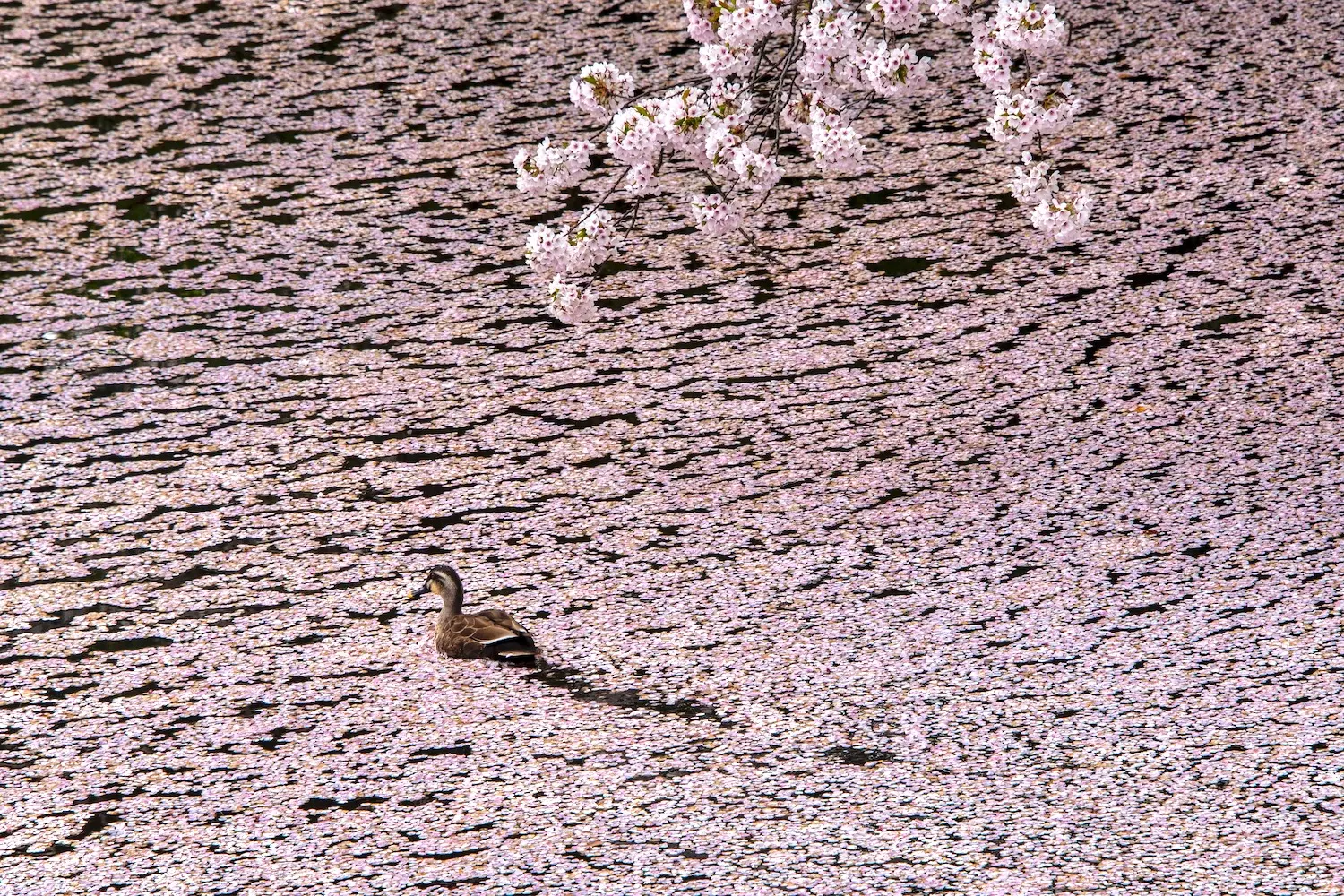
Because this is also one of Japan’s busiest travel seasons, booking flights, hotels, and tours several months in advance is highly recommended.
Related Guide: Japan Cherry Blossom Forecast 2027
Autumn (October to November)
For many experienced travelers, autumn is actually the most enjoyable season.
The weather is cool and comfortable, while mountains, temples, and gardens transform into spectacular shades of red, orange, and gold.
Some of the best autumn destinations include:
- Kyoto
- Nikko
- Takayama
- Kanazawa
- Hakone
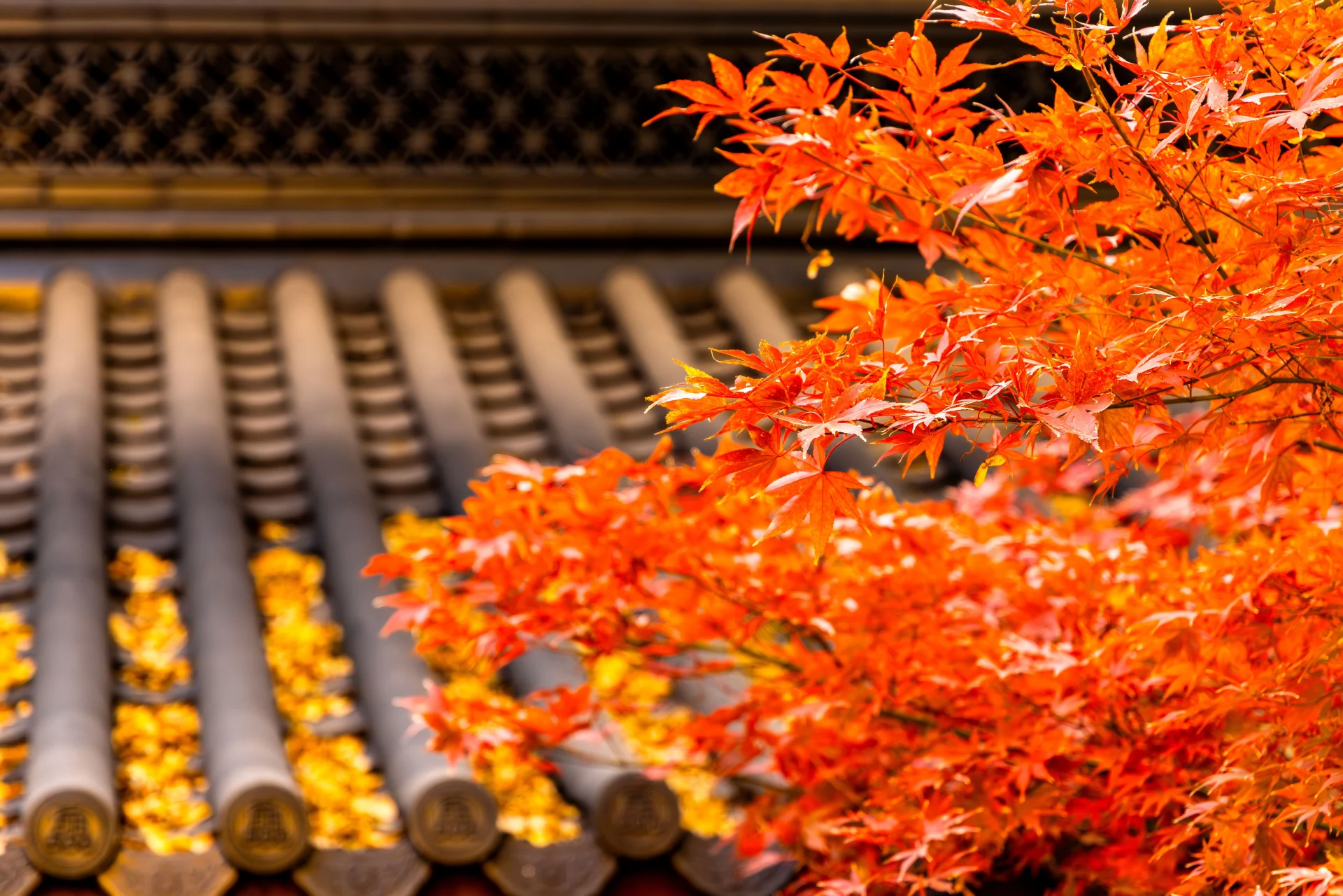
Autumn is particularly suitable for travelers who prefer mild temperatures and scenic walks.
Summer (June to August)
Japan’s summer brings vibrant festivals and beautiful fireworks, but it can also be hot and humid.
Temperatures regularly exceed 30°C (86°F), making long sightseeing days more physically demanding.
If traveling during summer:
- Schedule outdoor activities in the morning.
- Stay hydrated.
- Rest during the hottest part of the afternoon.
- Wear lightweight clothing.
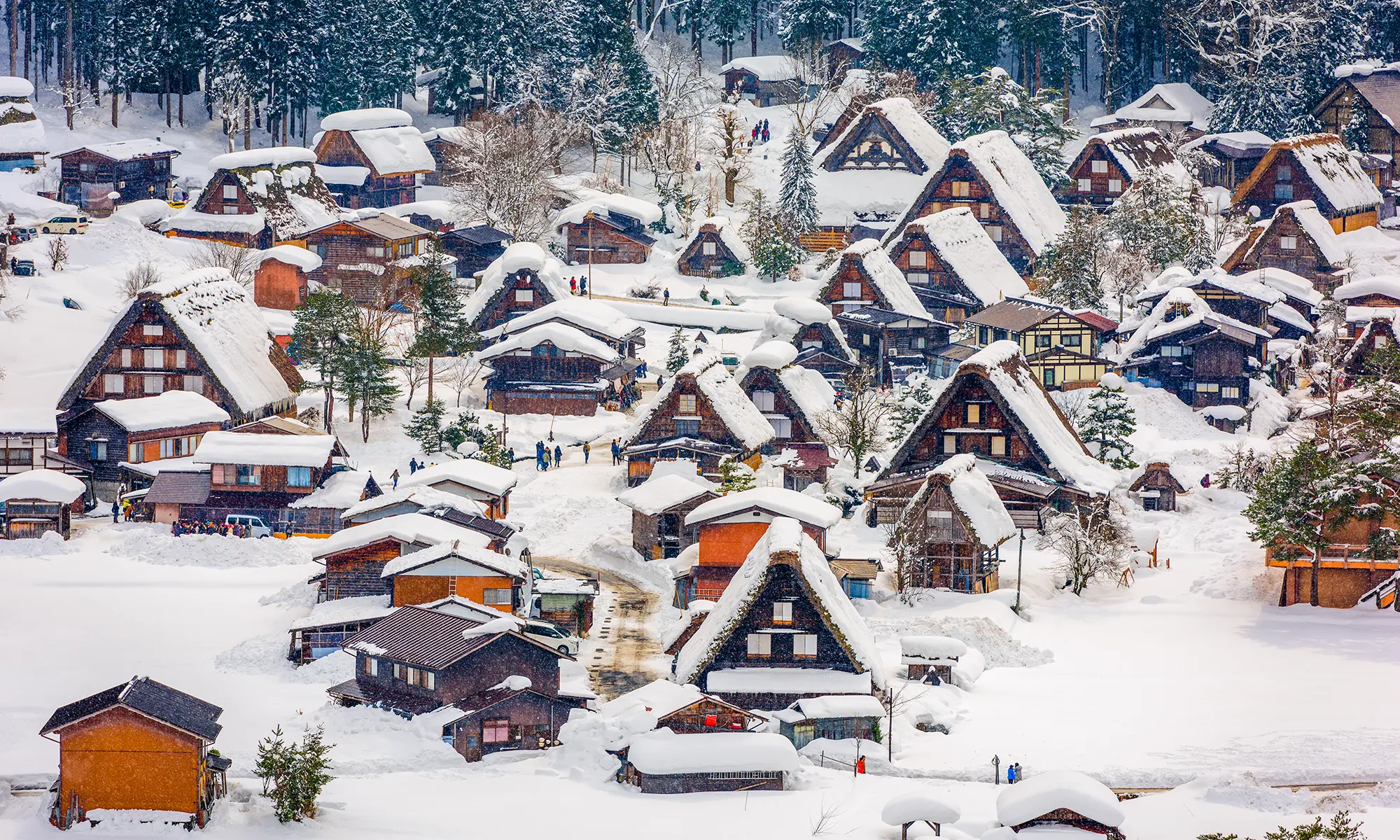
Winter (December to February)
Winter offers a completely different side of Japan.
Snow-covered villages, peaceful temples, hot spring resorts, and spectacular winter illuminations create unforgettable scenery.
Popular winter destinations include:
- Hokkaido
- Shirakawa-go
- Hakuba
- Ginzan Onsen
Although temperatures are lower, many senior travelers appreciate the quieter atmosphere and fewer crowds.
The Best Places in Japan for Senior Travelers
Japan offers countless incredible destinations, but some are particularly well suited for travelers who prefer comfort, beautiful scenery, and a relaxed pace.
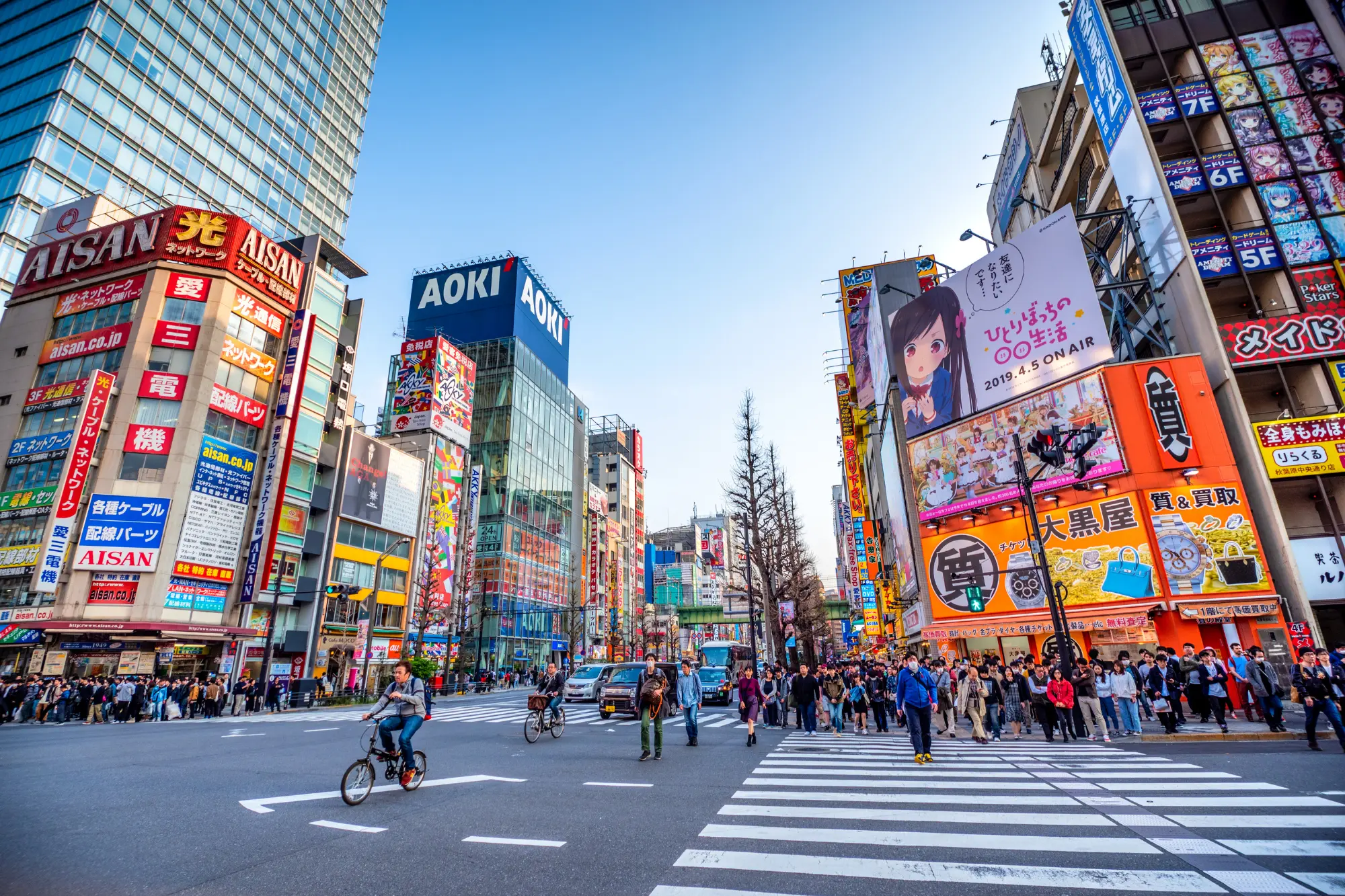
Tokyo
As Japan’s capital, Tokyo perfectly combines modern convenience with traditional culture.
Top Attractions in Tokyo
- Senso-ji Temple
- Meiji Jingu Shrine
- Imperial Palace East Gardens
- Ueno Park
- Ginza Shopping District
Despite its size, Tokyo is surprisingly accessible. Well-maintained sidewalks, excellent public facilities, and countless cafés make it easy to enjoy the city at your own pace.
Best Suited For: First-time visitors, shopping lovers, food enthusiasts, and culture seekers.
Kyoto
Kyoto remains one of Japan’s most rewarding destinations for travelers interested in history and traditional culture.
Rather than rushing between attractions, Kyoto invites visitors to slow down and appreciate centuries of heritage.
Top Attractions in Kyoto
- Fushimi Inari Taisha
- Arashiyama Bamboo Grove
- Kinkaku-ji (Golden Pavilion)
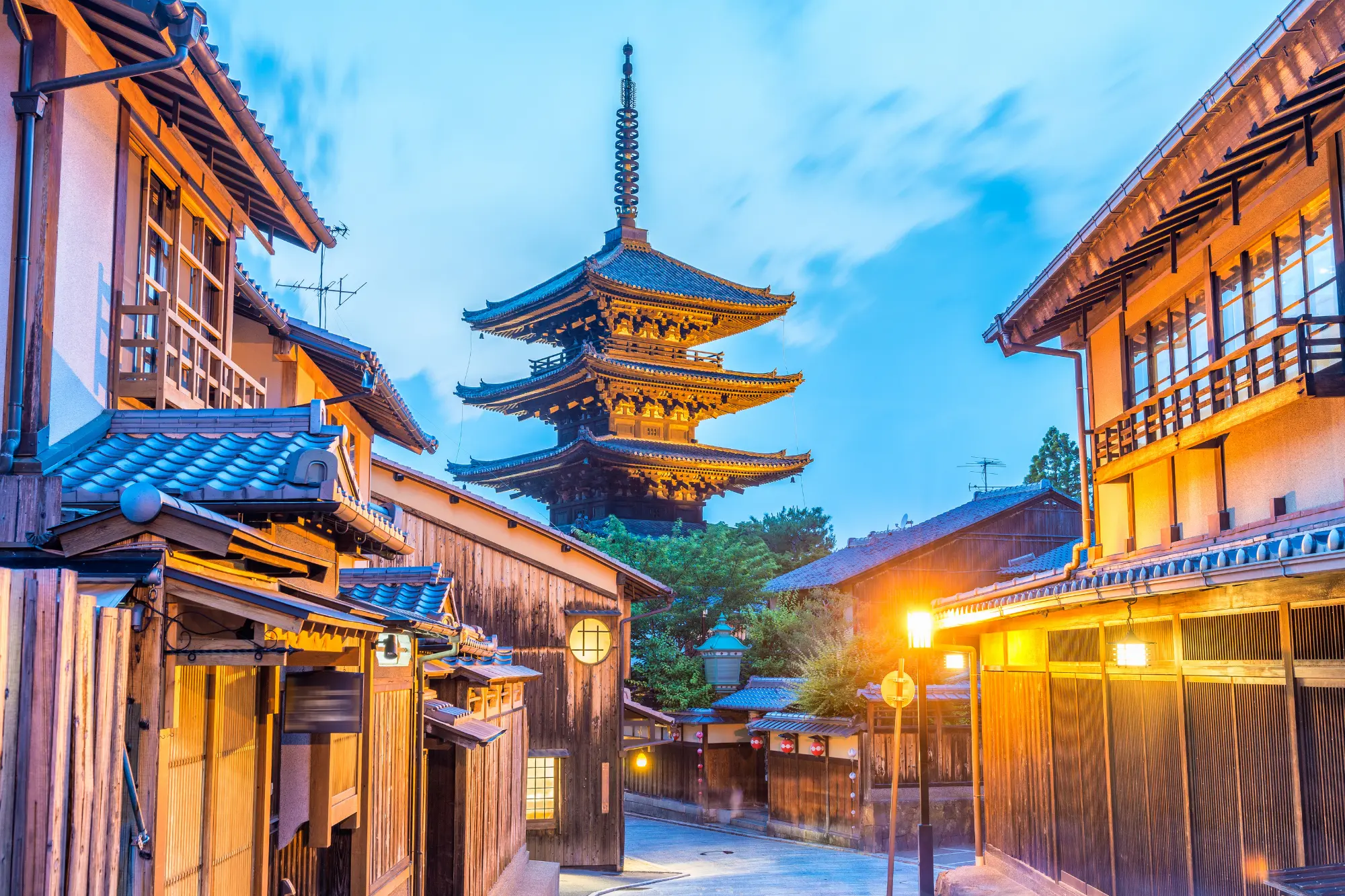
- Gion District
- Kiyomizu-dera Temple
Beautiful gardens, peaceful temples, and traditional streets create an atmosphere unlike anywhere else in Japan.
Best Suited For: Culture lovers, photographers, couples, and senior travelers seeking a relaxed pace.
Hakone
Located less than two hours from Tokyo, Hakone is famous for its natural beauty, hot springs, and spectacular views of Mount Fuji.
Top Attractions in Hakone
- Lake Ashi
- Hakone Ropeway
- Owakudani Valley
- Hakone Open-Air Museum
- Traditional Onsen Resorts
Many visitors choose Hakone as a relaxing break between Tokyo and Kyoto.
Best Suited For: Nature lovers, wellness travelers, and anyone looking for a peaceful escape.
Mount Fuji and the Fuji Five Lakes
No first trip to Japan feels complete without seeing Mount Fuji.
Rather than climbing the mountain, many senior travelers prefer admiring it from nearby scenic locations around the Fuji Five Lakes region.
Top Attractions Around Mount Fuji
- Lake Kawaguchiko
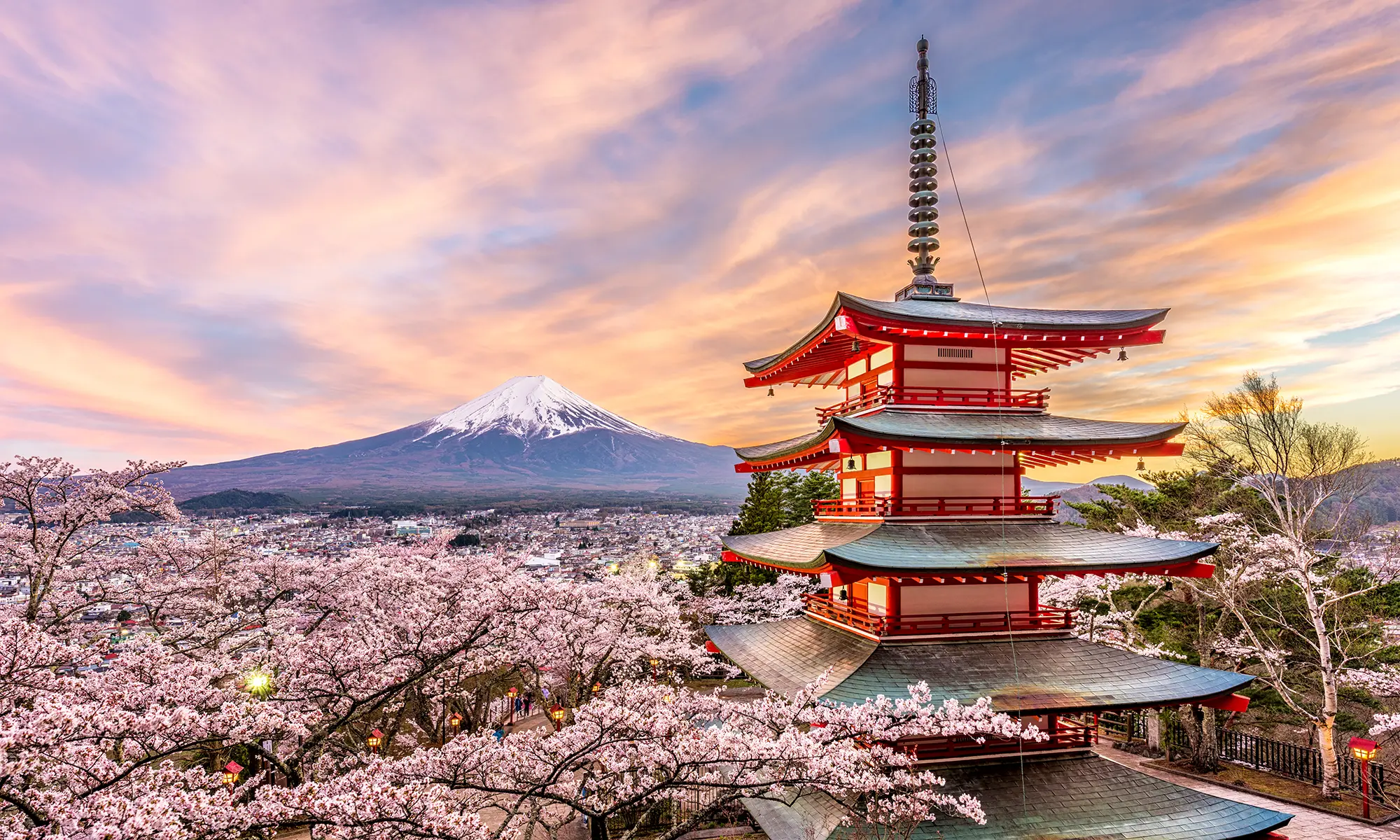
- Chureito Pagoda
- Oshino Hakkai
- Oishi Park
- Panoramic Ropeway
Each season offers a different perspective of Japan’s most iconic mountain.
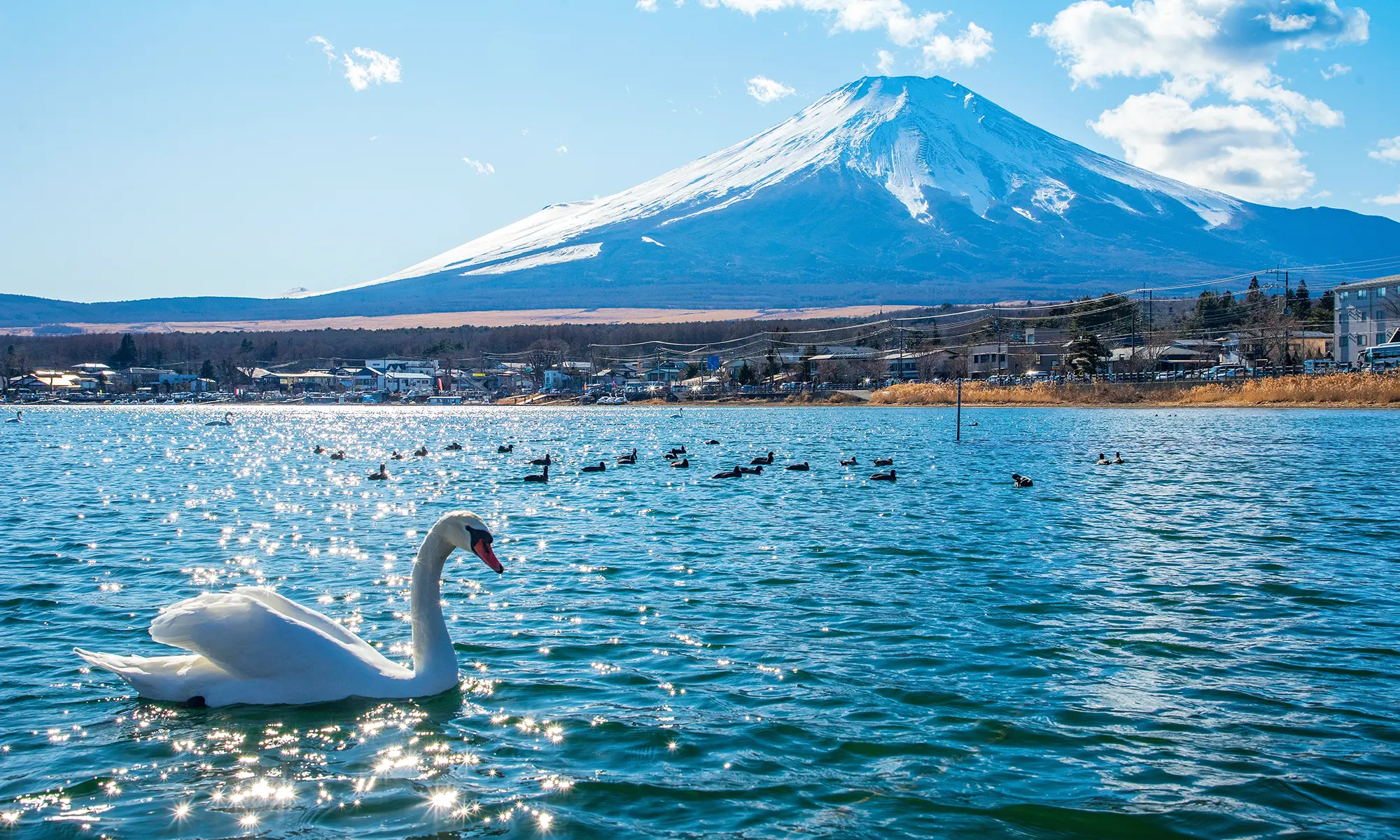
Best Suited For: Nature lovers, photographers, and first-time visitors.
Nara
If you’re looking for a destination that combines history, nature, and a slower pace of travel, Nara is an excellent addition to your itinerary. Located less than an hour from Kyoto, Japan’s first permanent capital offers a peaceful atmosphere that’s particularly appealing to senior travelers.
Unlike larger cities, Nara is easy to explore at a relaxed pace, with many major attractions located within walking distance of one another.
Top Attractions in Nara
Todaiji Temple
Home to one of the world’s largest bronze Buddha statues, Todaiji is one of Japan’s most important historical landmarks and a UNESCO World Heritage Site.
Nara Park
Famous for its freely roaming deer, Nara Park offers wide open spaces, beautiful walking paths, and a relaxing environment that feels far removed from busy city life.
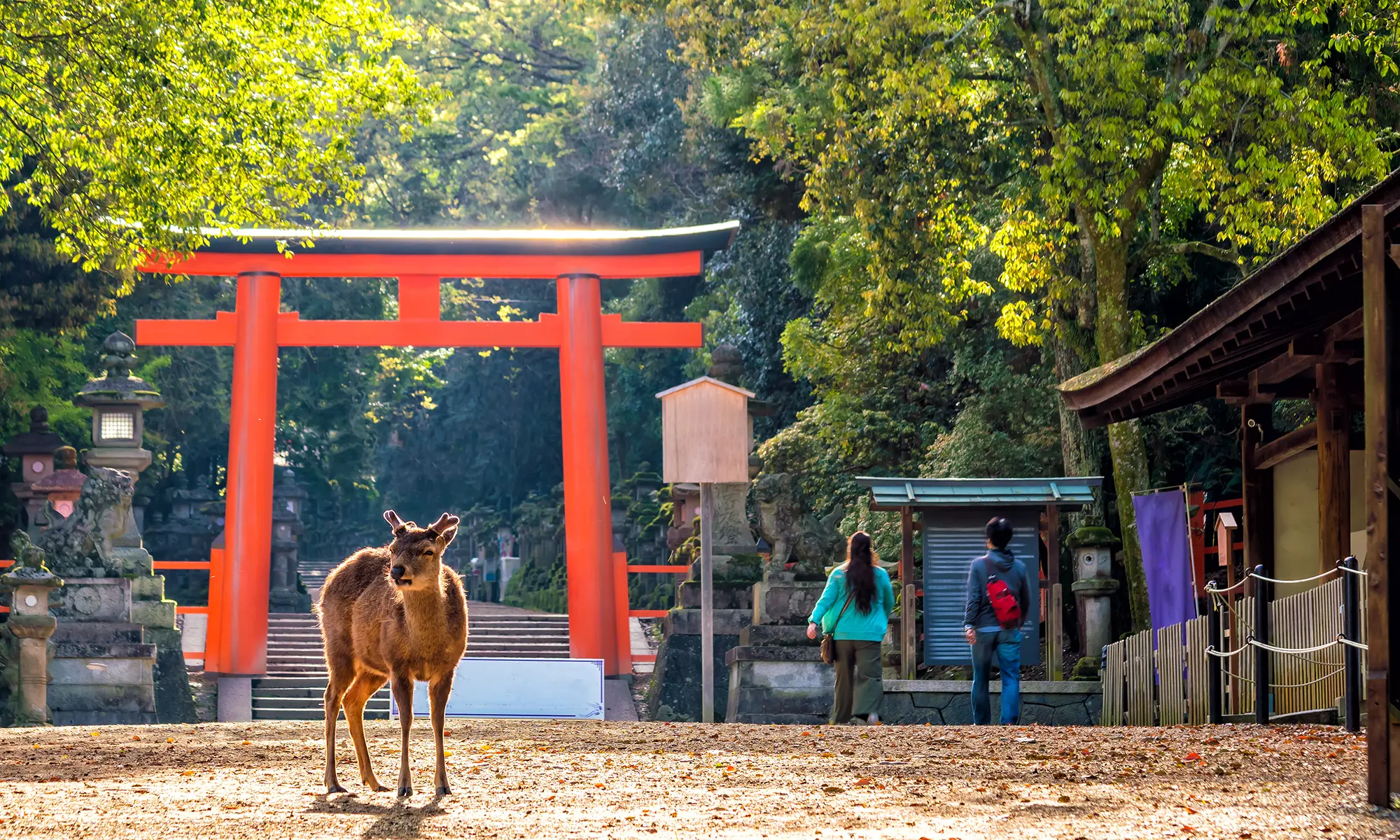
Kasuga Taisha Shrine
Known for its thousands of stone and bronze lanterns, this shrine is surrounded by peaceful forest trails that are especially beautiful during spring and autumn.
Isuien Garden
A traditional Japanese garden featuring ponds, tea houses, and seasonal flowers, perfect for travelers looking to slow down and enjoy quiet scenery.
Best Suited For: History lovers, nature enthusiasts, couples, and travelers seeking a peaceful day trip.
Common Mistakes Senior Travelers Should Avoid
Even experienced travelers can make simple planning mistakes that reduce the enjoyment of their trip.
Avoiding these common issues can help you experience Japan more comfortably.
Trying to Visit Too Many Cities
Japan has countless incredible destinations, but attempting to visit five or six cities in a single week often leads to unnecessary fatigue.
A slower itinerary allows more time to appreciate each destination without constantly packing, checking in, and transferring between hotels.
Underestimating Daily Walking
Many visitors are surprised by how much walking is involved, even when using Japan’s excellent transportation network.
Comfortable footwear, regular breaks, and realistic daily plans help prevent exhaustion.
Choosing Hotels Too Far from Attractions
Saving money on accommodation may seem appealing, but staying far from city centers often increases travel time and walking distance.
Hotels in convenient locations can significantly improve overall comfort.
Traveling During Peak Summer Heat
Japan’s summers can be extremely hot and humid.
For senior travelers, spring and autumn usually provide much more comfortable sightseeing conditions.
Forgetting Travel Insurance
Unexpected situations are rare but can happen anywhere.
Comprehensive travel insurance offers valuable peace of mind throughout your journey.
Quick Japan Travel Checklist for Senior Citizens
Before leaving home, use this simple checklist to make sure you’re fully prepared.
Travel Documents
- Passport
- Visa (if required)
- Travel insurance
- Flight tickets
- Hotel confirmations
- Tour confirmation
- Emergency contact information
Health
- Prescription medication
- Doctor’s prescription (if needed)
- First-aid kit
- Glasses or contact lenses
- Hearing aid batteries
- Compression socks
Clothing
- Comfortable walking shoes
- Lightweight clothing
- Warm layer
- Waterproof jacket
- Umbrella
- Hat
Travel Essentials
- Portable charger
- Universal travel adapter
- Reusable water bottle
- Day backpack
- Copies of important documents
- Credit card and Japanese Yen
Explore Japan Comfortably with Nicetrips
At Nicetrips, we understand that traveling comfortably becomes increasingly important as we grow older. That’s why we’ve designed Japan tours that are especially suitable for senior travelers, focusing on a slower pace, balanced itineraries, and stress-free experiences.
Our itineraries avoid rushing from one destination to another. Instead, we carefully plan each day with comfortable sightseeing schedules, well-located accommodations, and enough free time to rest, explore, and truly enjoy Japan’s culture and scenery. Whether you’re admiring Kyoto’s historic temples, taking in the breathtaking views of Mount Fuji, or strolling through the peaceful gardens of Kanazawa, every journey is designed to be both enjoyable and manageable.
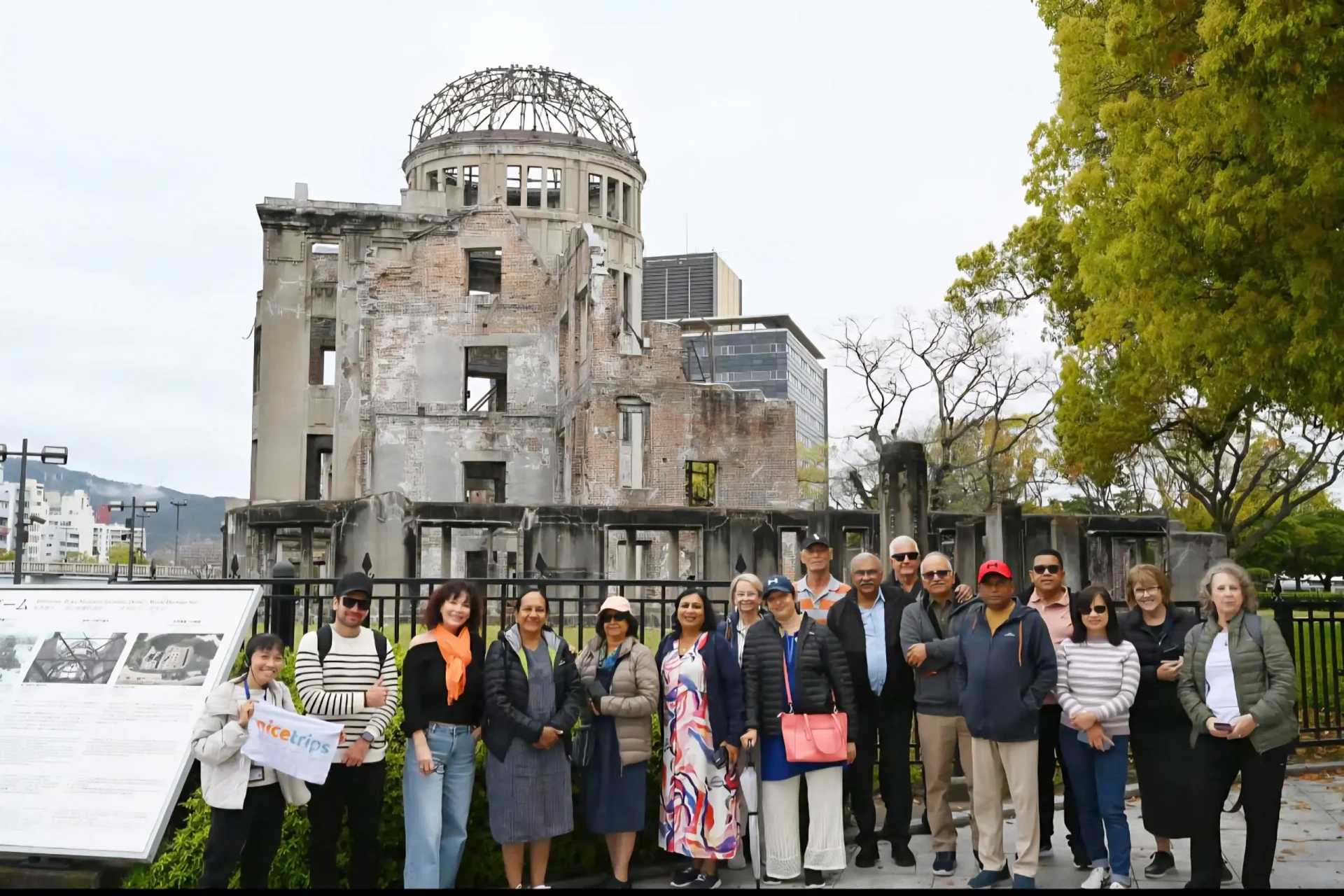
To make travel even more comfortable, Nicetrips also provides private transportation throughout Japan, including airport transfers, intercity transfers, and customized private car services. By reducing unnecessary walking, complicated train transfers, and heavy luggage handling, we help you focus on what matters most, creating unforgettable memories with your travel companions.
Whether you’re planning a retirement holiday, celebrating a special anniversary, or simply fulfilling a lifelong dream of visiting Japan, our experienced team is here to help you discover the country at a pace that feels comfortable, meaningful, and worry-free.
Final Thoughts
Traveling to Japan later in life can be one of the most rewarding experiences you’ll ever have. With its remarkable safety, beautiful landscapes, rich cultural heritage, and world-class hospitality, Japan welcomes travelers of every age.
The key to an enjoyable journey isn’t seeing everything, it’s preparing well, choosing the right season, and following an itinerary that matches your pace and interests. By taking the time to plan ahead, you’ll spend less time worrying about logistics and more time creating unforgettable memories.
Use this Japan Travel Checklist for Senior Citizens as your starting point, and you’ll be well prepared for a comfortable, stress-free adventure through one of the world’s most fascinating destinations. Whether it’s your first visit or a long-awaited return, Japan is ready to welcome you with experiences you’ll treasure for years to come.