Japan is a dream destination for food lovers, with everything from fresh seafood and regional ramen to comforting noodles, grilled specialties, and traditional sweets. However, the best food experiences often go beyond famous dishes. Each city has its own culinary identity, shaped by local ingredients, history, and everyday dining traditions. If you are planning a food-focused trip, this guide to the best food cities in Japan will help you discover what to eat, where to explore, and how to enjoy local food culture. From Osaka’s lively street-food scene to Kyoto’s refined cuisine and Fukuoka’s popular food stalls, these ten cities offer plenty of reasons to travel with your appetite.
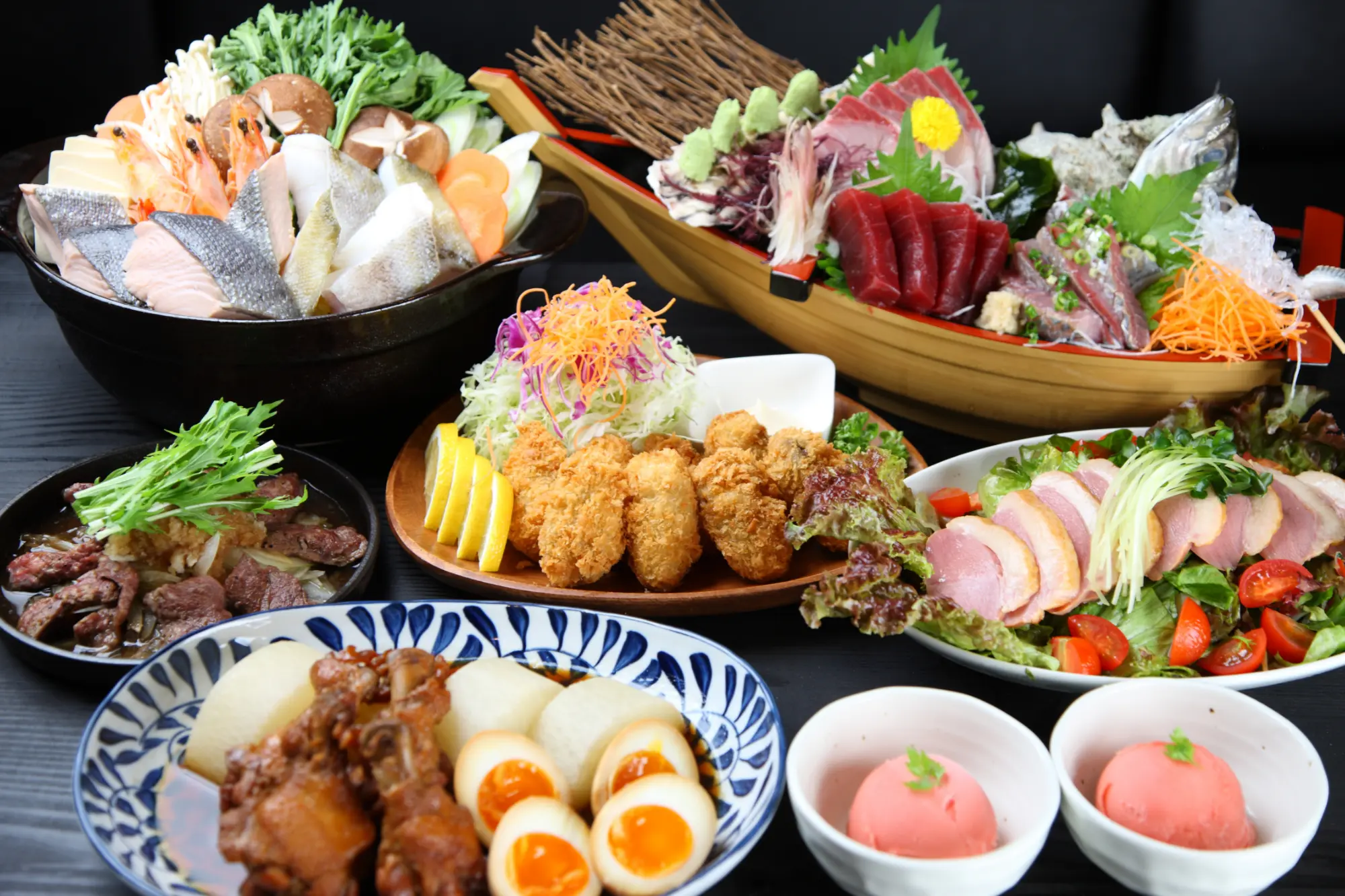
Best Food Cities in Japan
1. Osaka: Japan’s Street-Food Capital
Osaka is one of the best places to start a culinary journey through Japan. Often associated with the phrase kuidaore (食い倒れ – くいだおれ), which suggests eating until you are satisfied, the city is known for its casual dining culture, energetic shopping streets, and accessible local specialties.
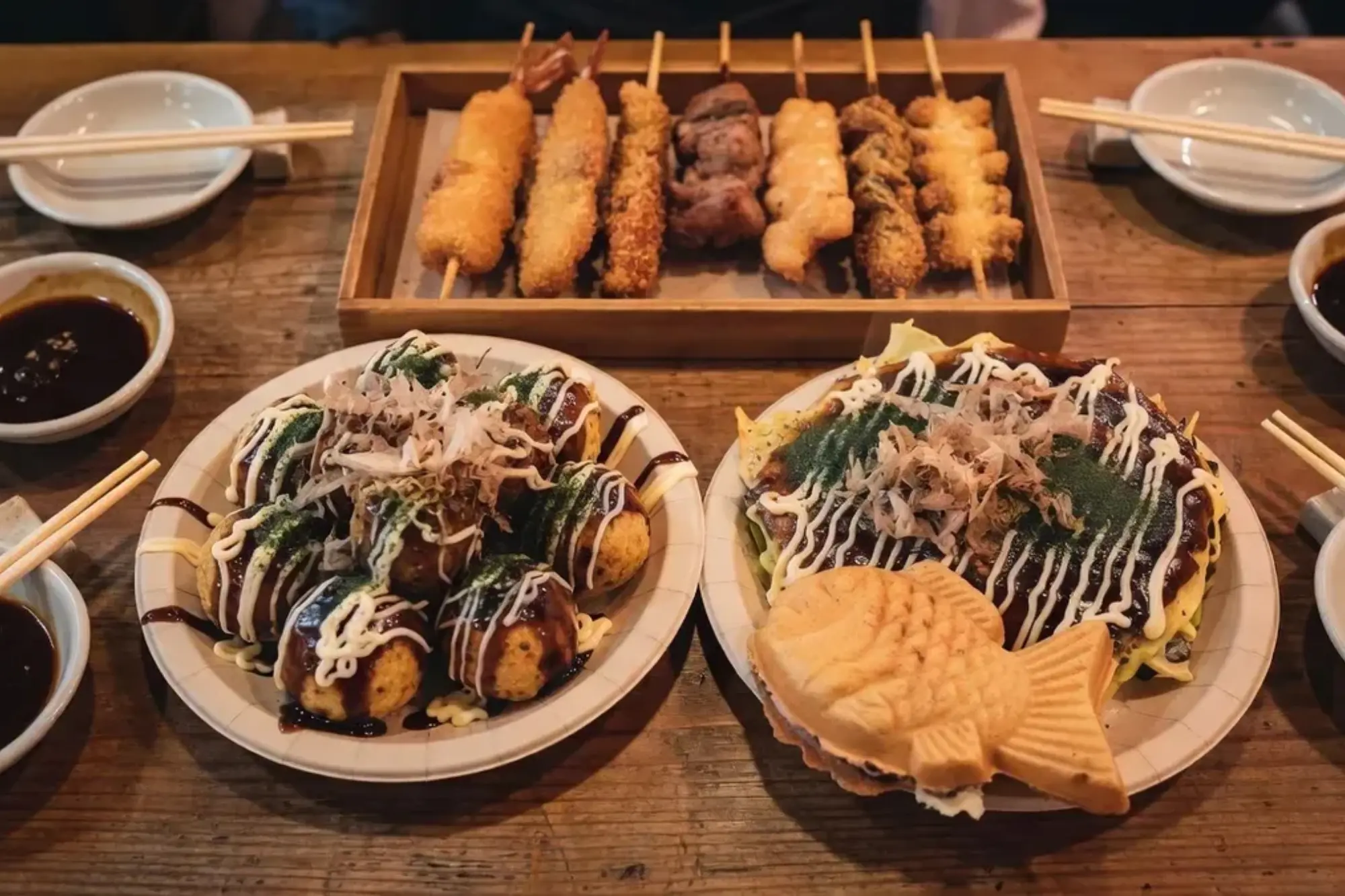
Must-try Japanese dishes in Osaka
- Takoyaki: Bite-sized batter balls filled with octopus, usually topped with savory sauce, mayonnaise, and dried seaweed.
- Okonomiyaki: A savory pancake made with cabbage, flour, and egg, with optional meat or seafood toppings.
- Kushikatsu: Meat, seafood, or vegetables coated in batter, fried on skewers, and served with dipping sauce.
Where to eat like a local
Explore Dotonbori and Namba for a wide variety of casual restaurants and street-food vendors. Shinsekai is another good area to discover kushikatsu restaurants and Osaka’s nostalgic dining atmosphere.
Rather than ordering a full meal at every stop, try sharing several small dishes with your travel companions. This lets you sample more of Osaka’s specialties in one evening.
Best for: Street food, casual dining, and travelers who want to try several dishes in one day.
2. Tokyo: A World of Japanese Food in One City
Tokyo offers one of the most diverse dining scenes in the country. From neighborhood noodle shops and sushi counters to traditional Japanese restaurants and modern food halls, the city has options for different tastes and budgets.
Its size also makes it an excellent place to explore how classic Japanese cuisine varies between regions and individual restaurants.
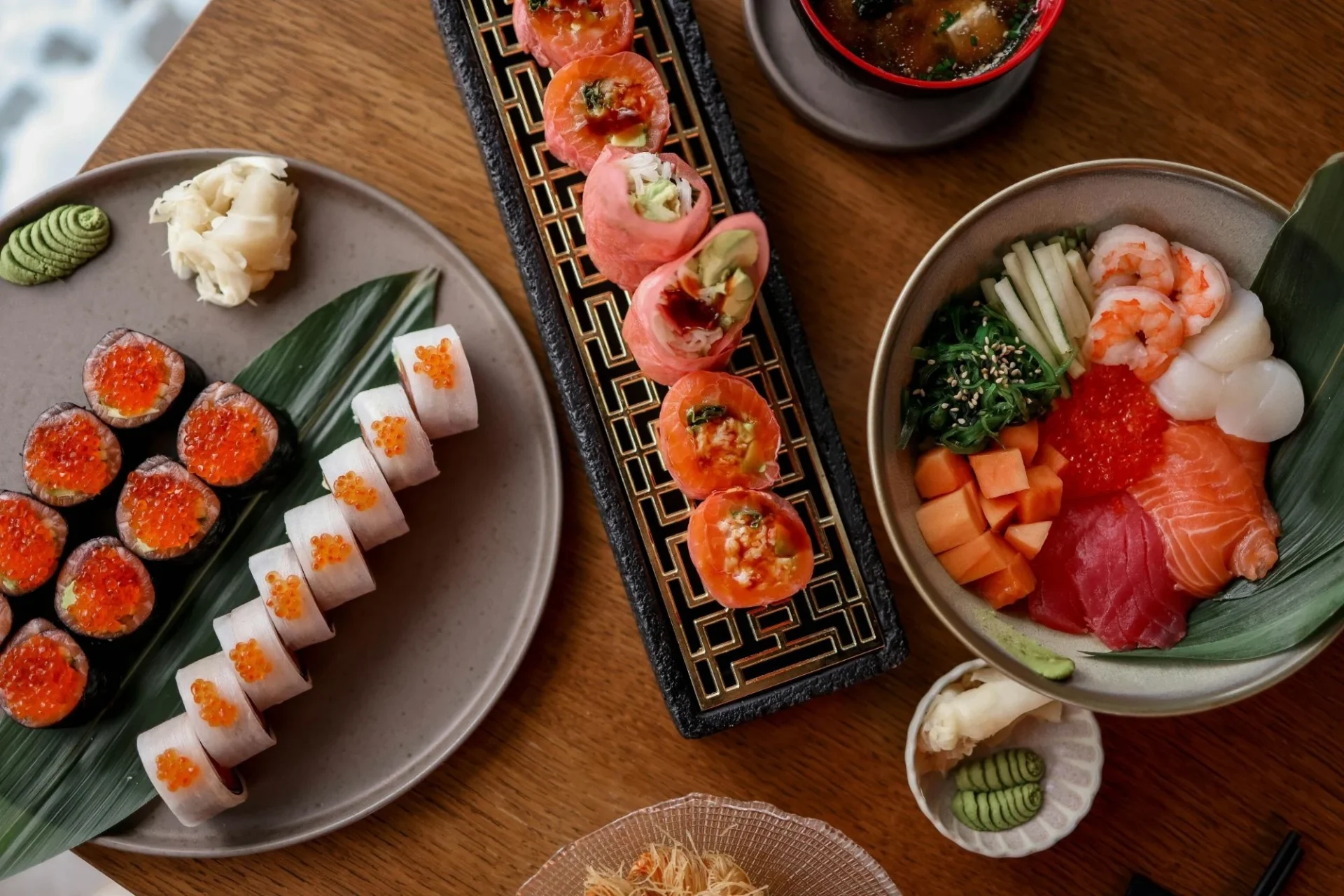
Must-try Japanese dishes in Tokyo
- Edomae sushi: Sushi traditionally associated with Tokyo, often featuring carefully prepared seafood.
- Monjayaki: A soft, savory griddle dish made with a loose batter and various ingredients, particularly associated with the Tsukishima area.
- Fukagawa-meshi: Rice served with clams and other ingredients, reflecting Tokyo’s historical connection to the waterfront.
- Ramen: Explore different broths, noodles, and toppings at specialized ramen shops.
Where to eat like a local
Visit Tsukishima for monjayaki, explore neighborhood restaurants around Ueno and Asakusa, or look for small ramen shops near major train stations. Tokyo also has excellent department-store food halls, known as depachika (デパ地下), where you can browse prepared meals, sweets, and regional specialties.
When choosing a Japan restaurant, look beyond famous tourist districts. A small shop specializing in just one dish can provide a memorable experience without requiring a formal or expensive meal.
Best for: Food variety, sushi, ramen, and travelers who want to explore different dining styles.
3. Sapporo: Seafood, Miso Ramen, and Comfort Food
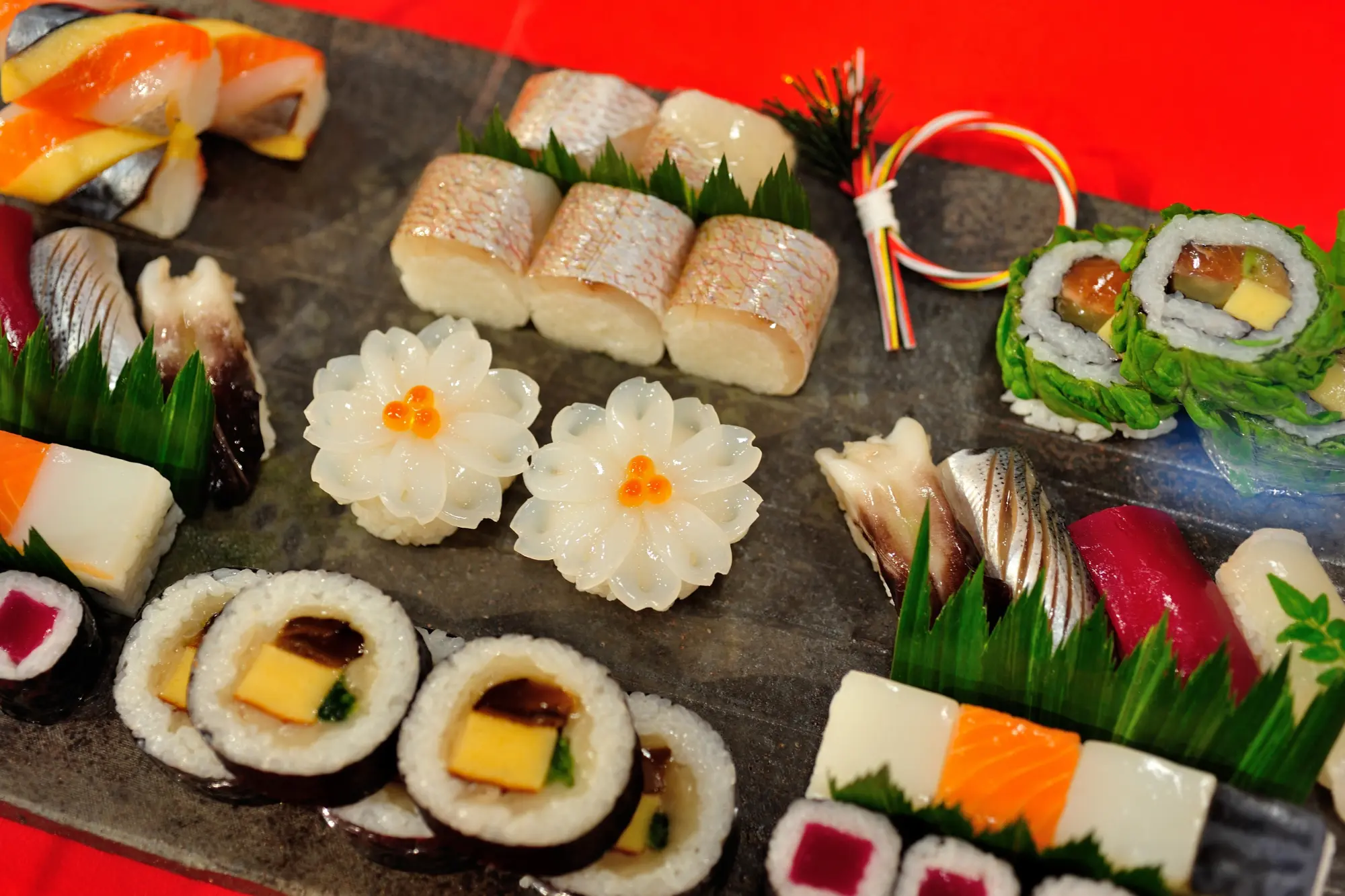
Located in Hokkaido, northern Japan, Sapporo is particularly appealing to travelers who enjoy seafood and warming comfort food. Hokkaido is known for its seafood, while Sapporo has developed a strong reputation for miso ramen and soup curry.
Must-try Japanese dishes in Sapporo
- Sapporo miso ramen: A rich noodle soup traditionally served with miso-based broth and toppings such as corn, bean sprouts, and pork.
- Kaisendon: A bowl of rice topped with assorted seafood, which may include salmon, scallops, shrimp, or sea urchin.
- Soup curry: A lighter, soup-like curry served with rice, vegetables, and often meat.
- Ishikari nabe: A hot pot featuring salmon, vegetables, and a miso-based broth.
Where to eat like a local
Explore Nijo Market for seafood restaurants and fresh seafood bowls. For ramen, seek out specialist shops in central Sapporo, including the Susukino area.
If you visit during colder months, soup curry and hot pot are particularly satisfying options. In warmer weather, seafood bowls and seasonal produce offer a different way to experience Hokkaido’s food culture.
Best for: Seafood, ramen, seasonal ingredients, and hearty meals.
4. Fukuoka: Tonkotsu Ramen and Yatai Food Stalls
Fukuoka, on the island of Kyushu, is one of Japan’s most rewarding destinations for casual local dining. The city is famous for tonkotsu ramen, hot pot dishes, and yatai (屋台) small outdoor food stalls that serve meals in an informal setting.
Fukuoka’s official tourism guide highlights local specialties such as motsunabe, gomasaba, ramen, and yakitori.
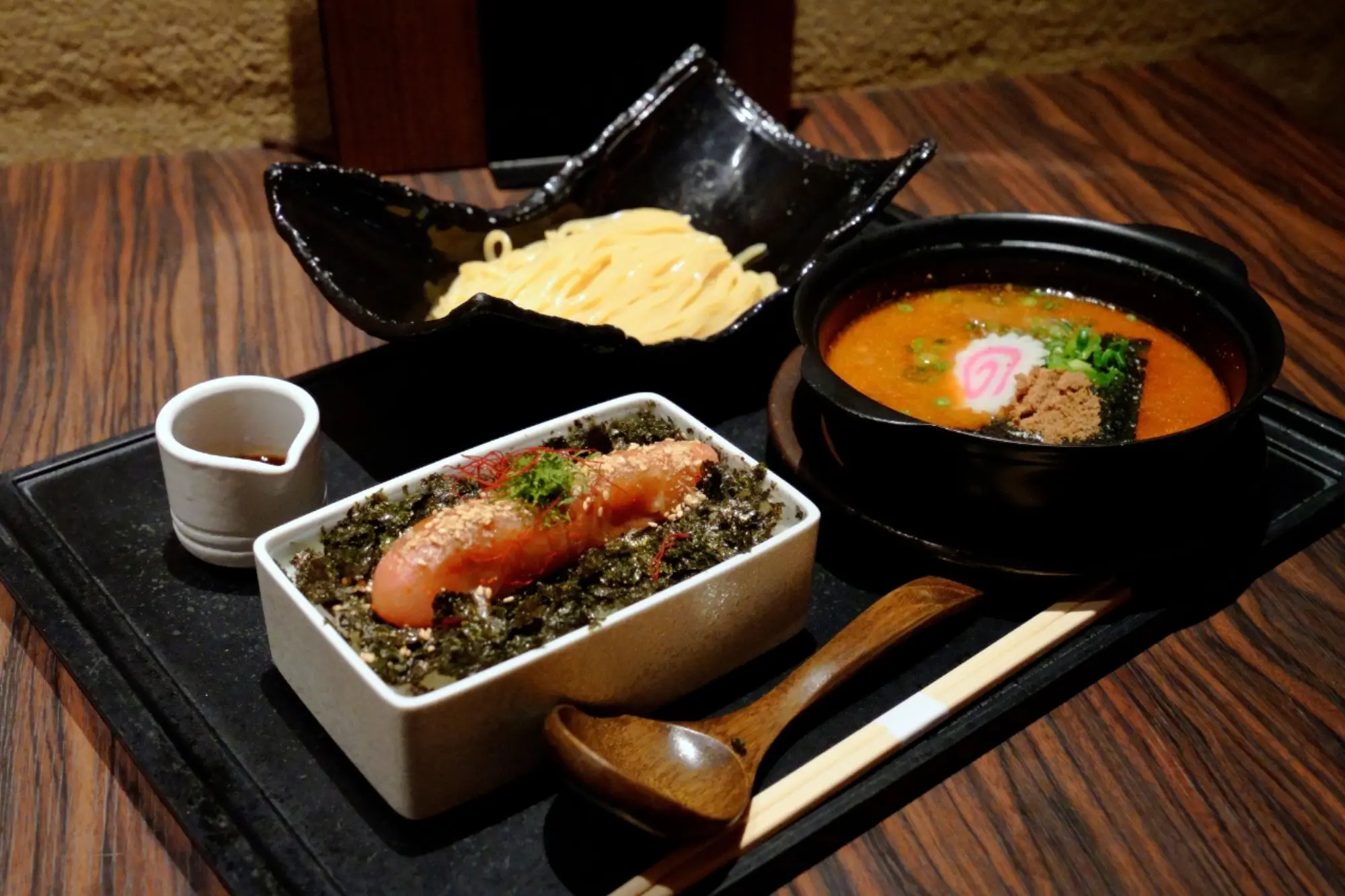
Must-try Japanese dishes in Fukuoka
- Hakata tonkotsu ramen: Thin noodles served in a creamy pork-bone broth.
- Motsunabe: A hot pot made with beef or pork offal, vegetables, and a flavorful broth.
- Gomasaba: Fresh mackerel dressed with a sesame-based sauce.
- Yakitori: Grilled skewers served at casual restaurants and food stalls.
Where to eat like a local
Head to Nakasu or Tenjin to explore Fukuoka’s yatai culture. These stalls offer an opportunity to enjoy a simple meal in a lively setting and observe how locals dine after work.
For ramen, look for specialist shops around Hakata Station and central Fukuoka. Some restaurants allow customers to choose noodle firmness or order extra noodles, making the experience more interactive.
Best for: Ramen, hot pot, grilled skewers, and casual evening dining.
5. Kyoto: Traditional Cuisine and Seasonal Japanese Dishes
Kyoto is known for its temples, historic streets, and refined approach to food. Compared with Osaka’s bold street-food flavors, Kyoto’s traditional cuisine often emphasizes seasonality, presentation, and the natural taste of ingredients. The city is particularly associated with tofu dishes, Buddhist vegetarian cuisine, and traditional Japanese sweets.
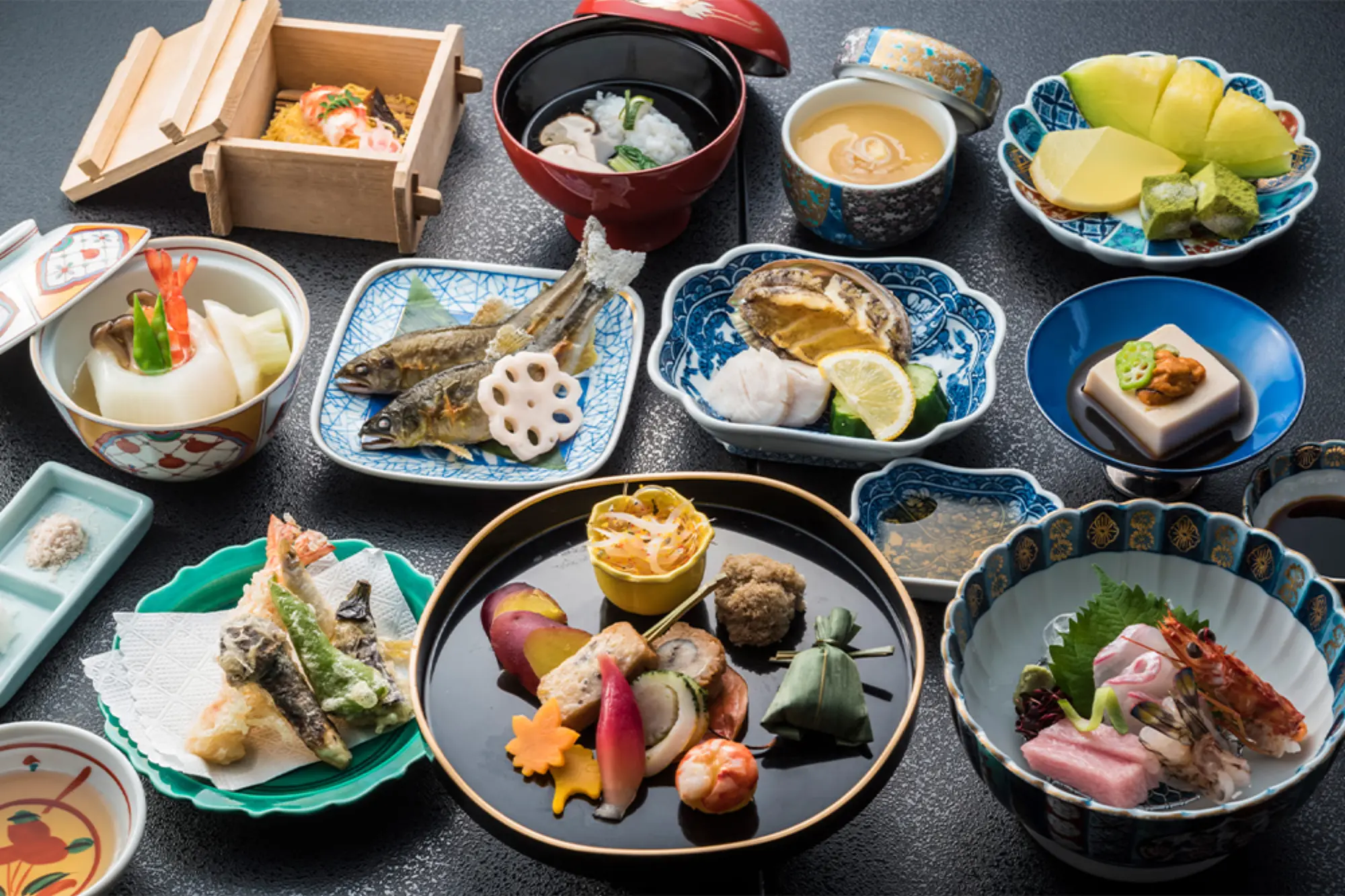
Must-try Japanese dishes in Kyoto
- Yudofu: Soft tofu gently warmed in a simple broth and served with dipping sauces.
- Kaiseki: A multi-course dining style that highlights seasonal ingredients and careful presentation.
- Obanzai: Home-style Kyoto cooking featuring vegetables and other locally available ingredients.
- Matcha sweets: Green-tea-flavored desserts, including parfaits, cakes, and traditional confections.
Where to eat like a local
Explore Nishiki Market for food stalls, local ingredients, and traditional snacks. The Gion and Higashiyama areas also offer tea houses, cafés, and restaurants serving Kyoto specialties.
For a quieter experience, consider a traditional restaurant away from the busiest sightseeing streets. Seasonal menus can be a good way to discover ingredients that are especially popular at the time of your visit.
Best for: Traditional cuisine, tofu, seasonal dining, and Japanese sweets.
6. Nagoya: Bold Flavors and Miso-Based Specialties
Nagoya, located between Tokyo and Osaka, has a distinctive food culture built around rich flavors and regional ingredients. Red miso appears in several local specialties, giving the city’s cuisine a deeper and more savory character.
The city is an excellent stop for travelers looking to discover Japanese dishes that are less familiar internationally.
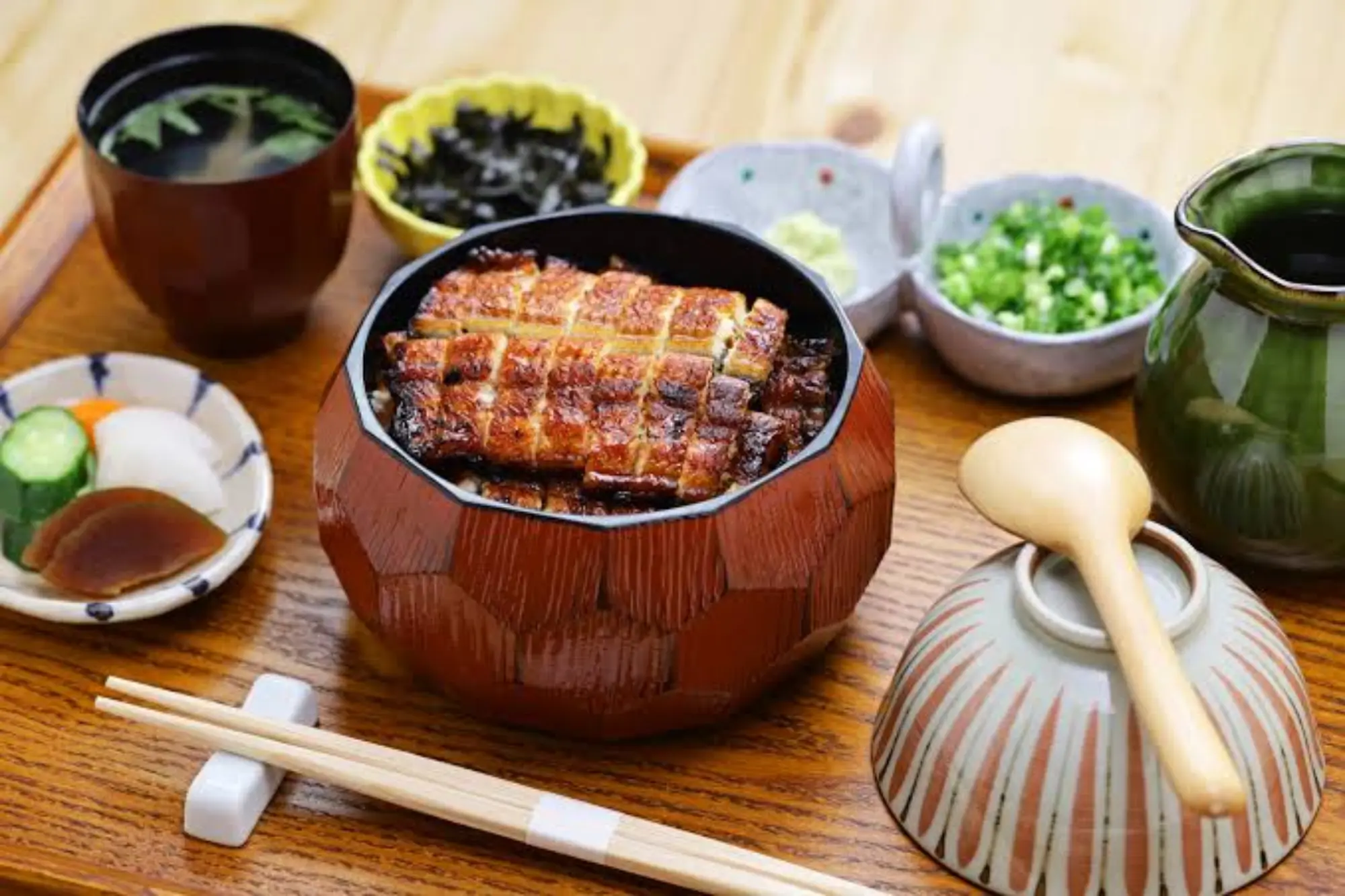
Must-try Japanese dishes in Nagoya
- Miso katsu: A crispy pork cutlet topped with a rich red-miso sauce.
- Hitsumabushi: Grilled eel served over rice, traditionally enjoyed in several ways, including with condiments and broth.
- Miso nikomi udon: Thick udon noodles simmered in a flavorful red-miso broth.
- Tebasaki: Nagoya-style chicken wings seasoned with a savory, often peppery glaze.
Where to eat like a local
Start around Nagoya Station, where restaurants make it easy to sample several local specialties. For a broader selection, explore the Sakae shopping and dining district.
If you are unsure what to order, hitsumabushi (ひつまぶし ) is a particularly interesting choice because it offers different ways to enjoy the same dish.
Best for: Miso-based food, hearty meals, and distinctive regional specialties.
7. Hiroshima: Okonomiyaki and Fresh Seafood
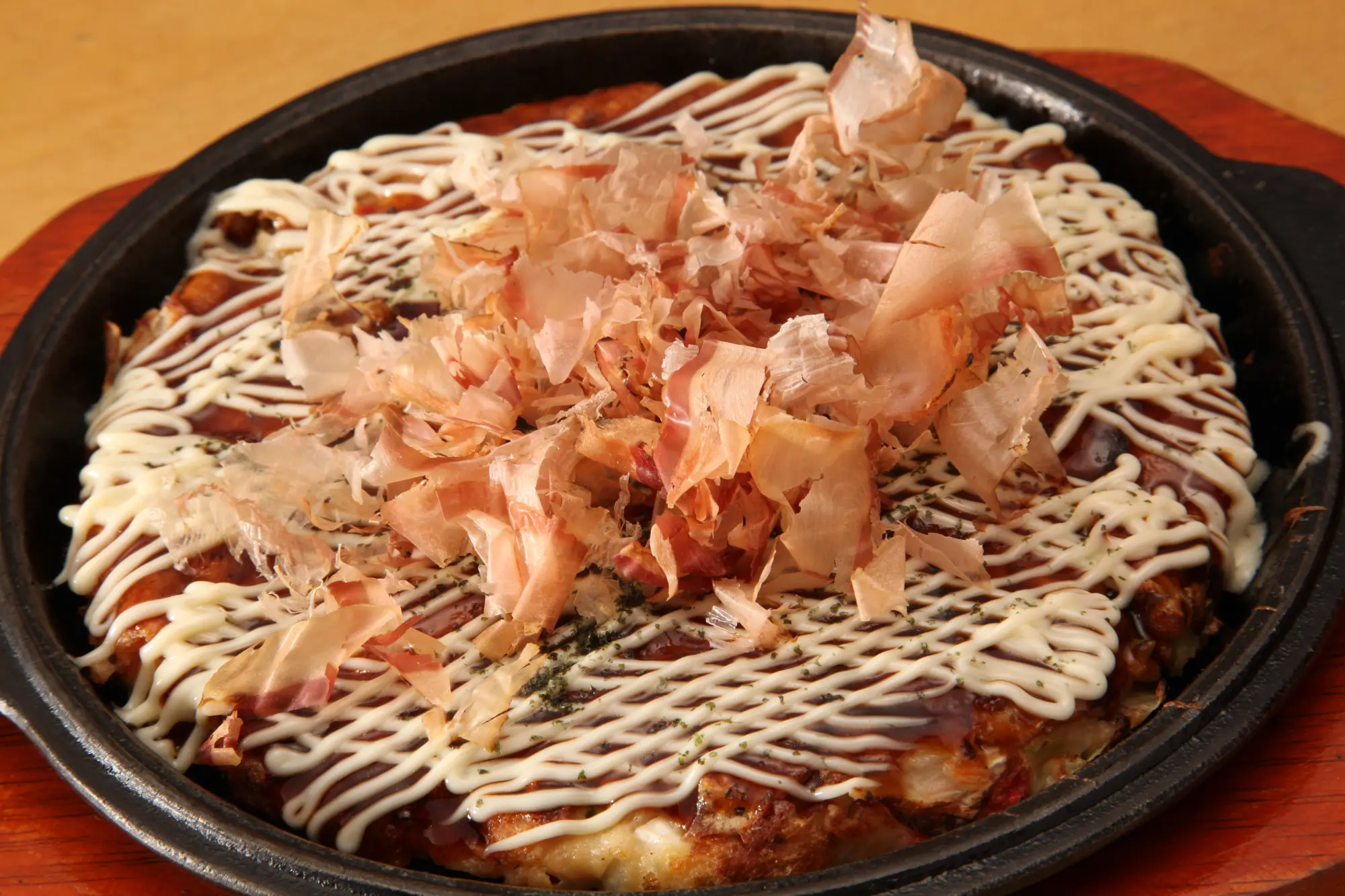
Hiroshima offers a food scene shaped by its coastal location and its own interpretation of familiar Japanese comfort food. Its most famous specialty is Hiroshima-style okonomiyaki, which differs from the Osaka version in how its ingredients are prepared and layered. The city is also known for oysters from the nearby Seto Inland Sea.
Must-try Japanese dishes in Hiroshima
- Hiroshima-style okonomiyaki: A savory pancake made with layered cabbage, batter, pork, egg, and noodles.
- Hiroshima oysters: Served in different styles, including grilled, fried, or raw where available.
- Anago-meshi: Rice topped with grilled saltwater eel.
- Momiji manju: Maple-leaf-shaped cakes commonly filled with sweet red bean paste.
Where to eat like a local
Visit Okonomimura or explore the restaurants around Hiroshima Station to compare different versions of okonomiyaki. For seafood, look for restaurants serving locally sourced oysters, particularly during the cooler months when oyster dishes are popular.
Hiroshima is also easy to combine with a visit to Miyajima, making it possible to enjoy regional food alongside coastal scenery and cultural attractions.
Best for: Okonomiyaki, oysters, and regional comfort food.
8. Kanazawa: Fresh Seafood and Traditional Regional Flavors
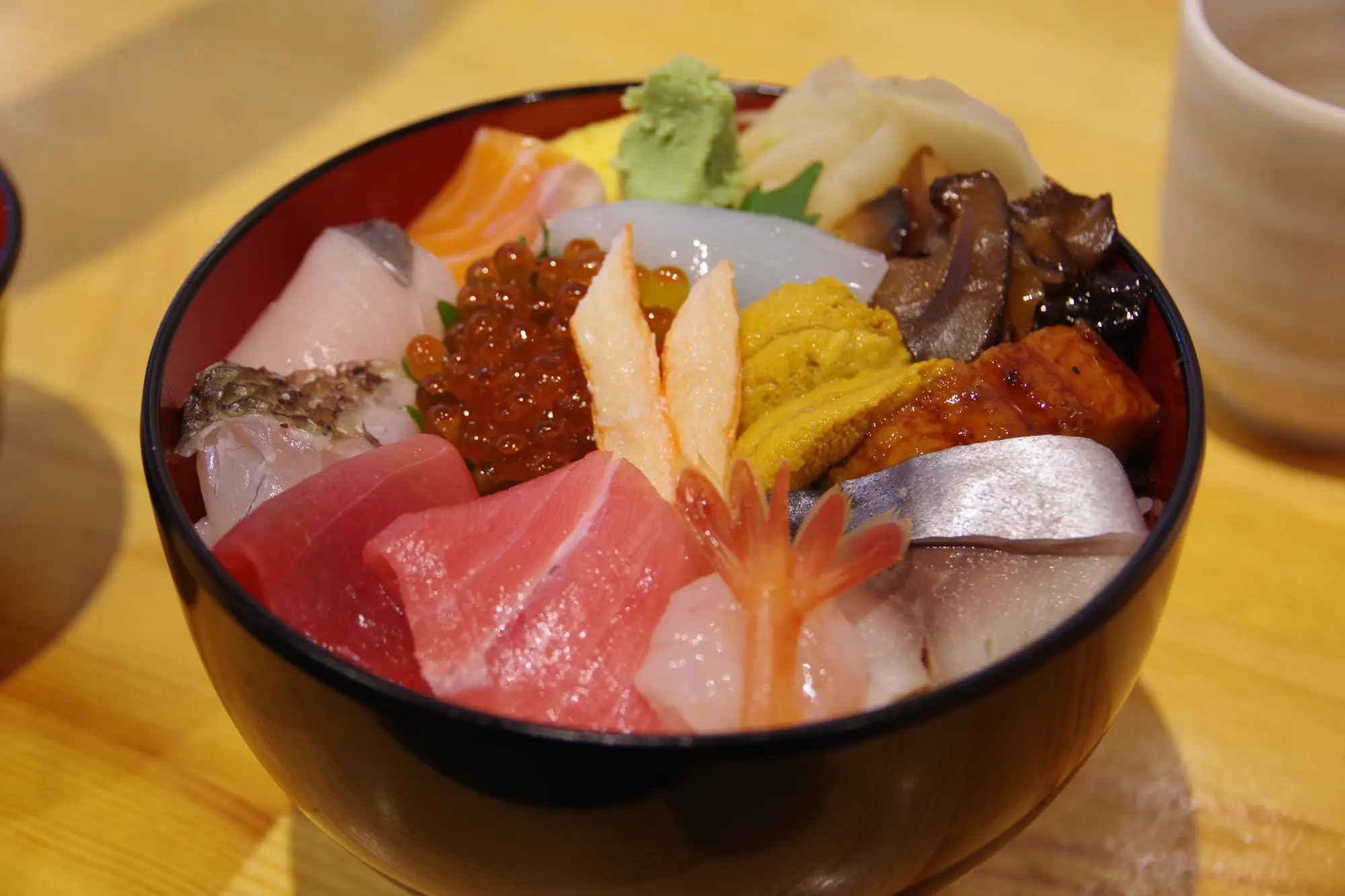
Kanazawa, on Japan’s Sea of Japan coast, is a strong choice for travelers who enjoy seafood, seasonal ingredients, and a quieter culinary experience. The city is known for its seafood markets and traditional cuisine, reflecting the surrounding region’s coastal and agricultural resources.
Must-try Japanese dishes in Kanazawa
- Kaisendon: Seafood served over rice, often featuring seasonal fish and shellfish.
- Nodoguro: Blackthroat seaperch, a prized fish often grilled or prepared in other regional styles.
- Jibu-ni: A traditional Kanazawa stew made with duck or other meat, vegetables, and a thickened broth.
- Kabura-zushi: A regional fermented dish made with turnip and fish.
Where to eat like a local
Omicho Market is a useful starting point for discovering seafood restaurants and local ingredients. You can also explore traditional eateries around central Kanazawa for seasonal set meals. Because some specialties depend on the season, ask restaurant staff what is currently available instead of expecting every dish to appear on every menu.
Best for: Seafood, seasonal cooking, and traditional regional food.
9. Kobe: Wagyu Beef and Refined Dining
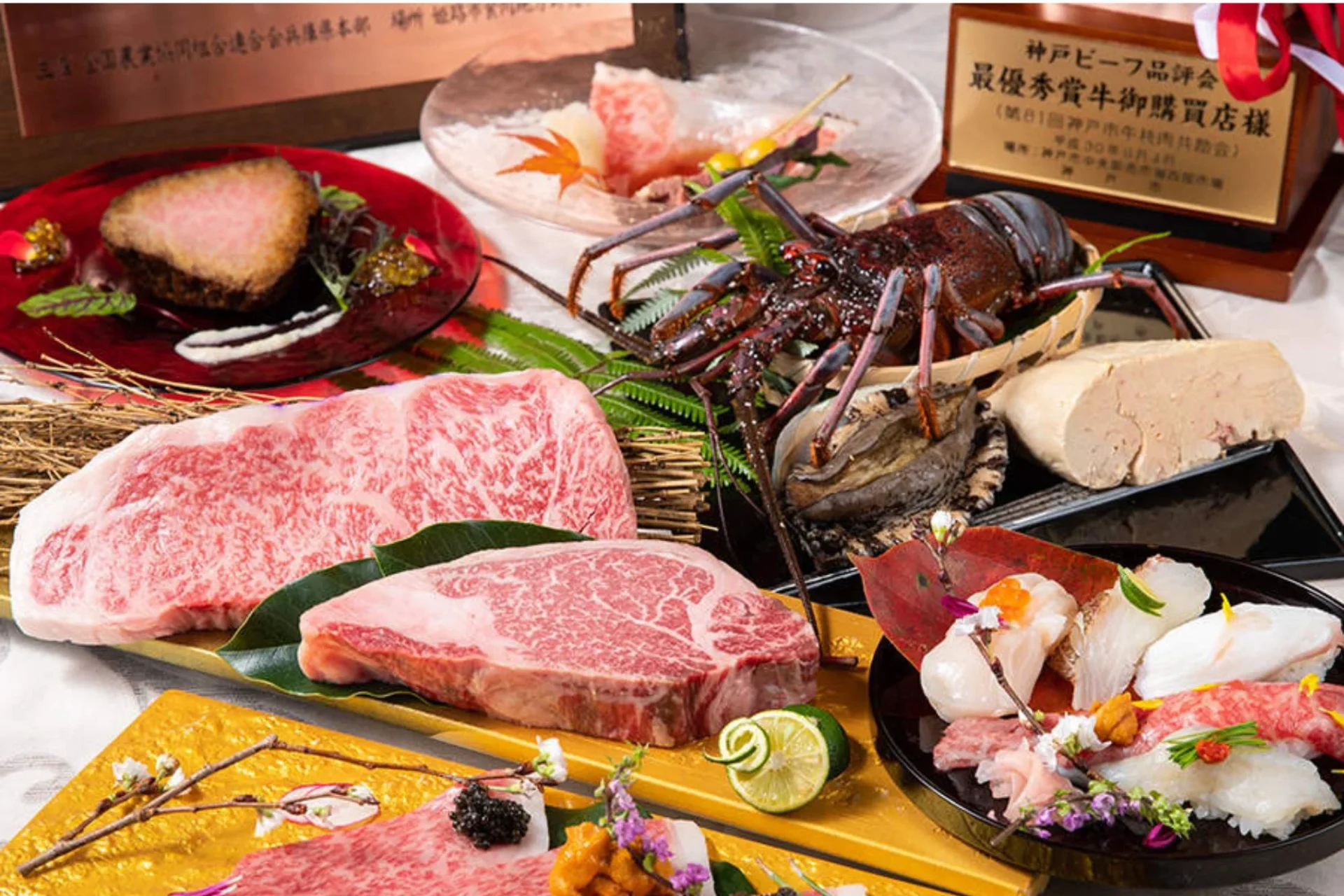
Kobe is internationally associated with Kobe beef, a variety of Japanese wagyu from Hyogo Prefecture that is valued for its marbling and texture. However, the city also offers bakeries, cafés, Western-influenced Japanese cuisine, and a wide range of restaurants.
Must-try Japanese dishes in Kobe
- Kobe beef: Specially certified beef that may be served as steak or prepared on a teppanyaki grill.
- Soba-meshi: A local comfort food combining fried rice and noodles.
- Akashiyaki: Soft, egg-rich octopus balls associated with nearby Akashi, traditionally served with broth.
- Kobe-style Western cuisine: Local restaurants serving Japanese adaptations of Western dishes.
Where to eat like a local
Explore Sannomiya and Motomachi for restaurants, cafés, and casual dining options. For a special meal, consider a restaurant specializing in Kobe beef, but check the menu and pricing in advance.
You do not need to choose a high-end restaurant for every meal. A local bakery, noodle shop, or neighborhood café can offer a different perspective on Kobe’s food culture.
Best for: Wagyu beef, special-occasion dining, and Japanese-Western food.
10. Sendai: Beef Tongue and Northern Japanese Comfort Food
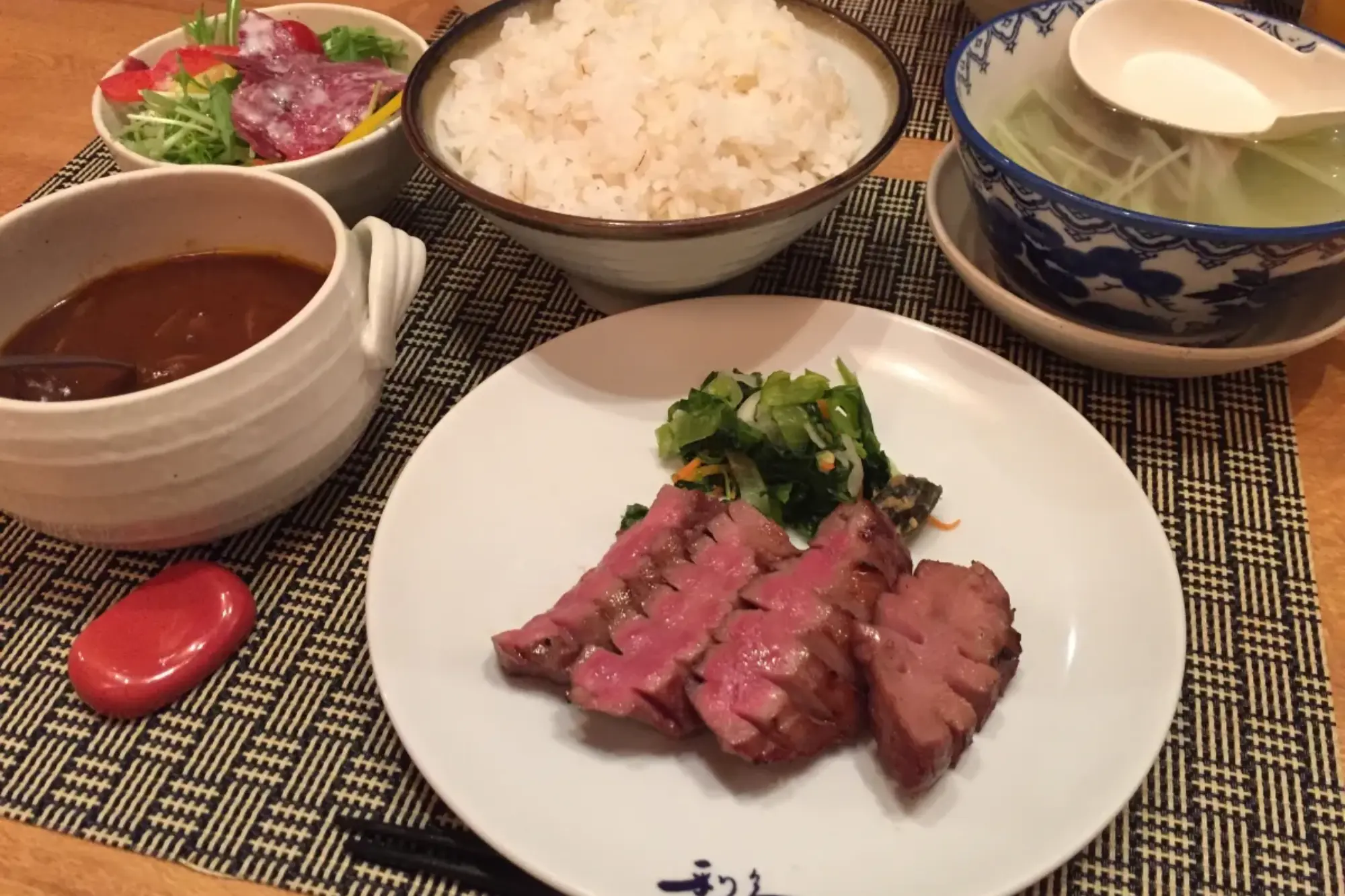
Sendai, the largest city in the Tohoku region, is a worthwhile addition to a food-focused itinerary. It is best known for gyutan, or grilled beef tongue, and also offers regional sweets, local produce, and a variety of casual restaurants.
Sendai ranked third among Japanese municipalities in the 2025 regional-brand survey category for cities associated with good food, according to data published by Fukuoka City. This is one indication of its culinary reputation, rather than a definitive ranking of the country’s best food destinations.
Must-try Japanese dishes in Sendai
- Gyutan: Grilled beef tongue, commonly served with rice, soup, and pickles.
- Zunda mochi: Rice cakes topped with a sweet paste made from mashed edamame.
- Sasa-kamaboko: A leaf-shaped fish cake associated with Sendai.
- Seasonal seafood: Fish and shellfish from the wider Tohoku region, depending on availability.
Where to eat like a local
Start around Sendai Station, where you can find gyutan restaurants and shops selling local specialties. Explore the downtown shopping streets for cafés, casual eateries, and regional sweets.
If you enjoy trying unfamiliar foods, zunda mochi is a memorable dessert that introduces a flavor quite different from the matcha and red-bean sweets commonly found elsewhere in Japan.
Best for: Grilled specialties, regional sweets, and discovering the food culture of northern Japan.
How to Eat Like a Local in Japan
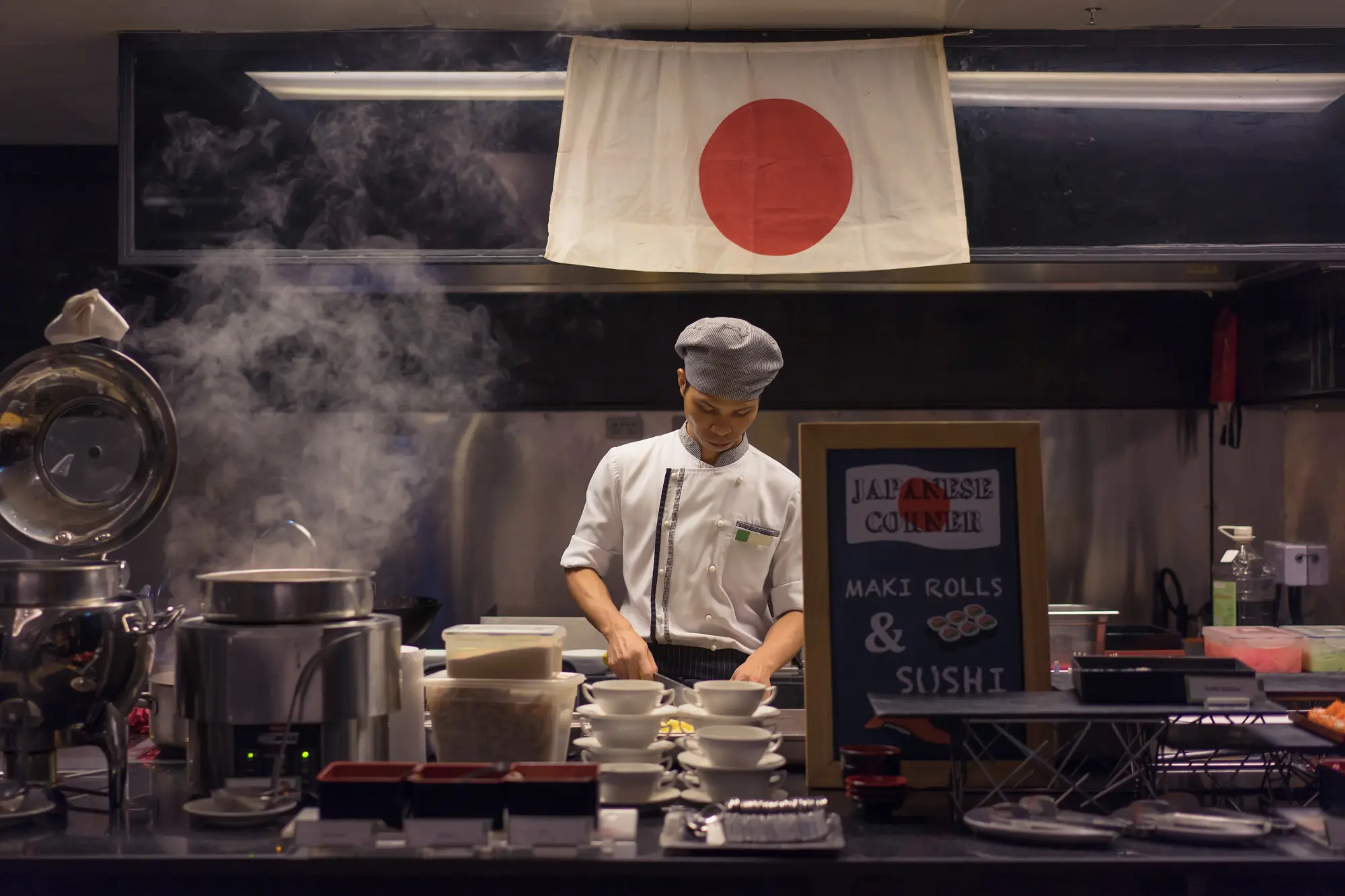
Knowing where to go is only part of the experience. A few simple habits can help you discover more authentic food and make dining easier.
1. Look for restaurants that specialize in one Japanese dish
Many Japanese restaurants focus on a particular type of food, such as ramen, sushi, soba, or grilled eel. These specialist restaurants are a useful starting point when you want to try a regional specialty.
2. Explore side streets and neighborhood shopping areas
Famous food districts are worth visiting, but smaller streets near train stations, residential neighborhoods, and local shopping arcades can also offer memorable meals.
Look for busy shops with menus that match your interests, while remembering that popularity alone does not guarantee the best fit for your preferences.
3. Visit markets earlier in the day
Markets can be useful for discovering local seafood, prepared foods, seasonal produce, and regional snacks. Opening hours and the types of businesses operating in a market vary, so check the latest information before visiting.
4. Try seasonal specialties
Japan’s food culture changes throughout the year. Seafood, vegetables, fruits, and traditional dishes may be particularly associated with specific seasons or regions. Ask restaurant staff about seasonal recommendations when available.
5. Check the menu and ordering system before sitting down
Some casual restaurants display picture menus, while others use ticket machines or primarily Japanese-language menus. Checking the ordering process before entering can make the experience more comfortable.
6. Respect local dining customs
Follow the restaurant’s seating instructions, use the provided utensils appropriately, and avoid blocking narrow walkways while taking photos. At busy small restaurants, be mindful of other customers waiting for a table.
How to Plan a Food Trip Across Japan
If you want to visit several of the best food cities in Japan, planning your route around geography can save time and help you enjoy each destination.
Suggested route | Cities | Food highlights |
| Classic first trip | Tokyo → Kyoto → Osaka | Sushi, traditional Kyoto cuisine, takoyaki, okonomiyaki |
| Western Japan food trip | Osaka → Hiroshima → Fukuoka | Street food, oysters, regional ramen |
| Northern Japan trip | Sapporo → Sendai | Seafood, miso ramen, gyutan |
| Regional food exploration | Nagoya → Kanazawa → Kyoto | Miso specialties, seafood, traditional cuisine |
You do not need to visit all ten cities in one trip. For a first visit, Tokyo, Kyoto, and Osaka provide a good introduction to different styles of Japanese food and are relatively straightforward to combine by rail. If you have more time, add destinations based on your favorite dishes. Seafood lovers may prefer Sapporo or Kanazawa, while travelers interested in ramen and food stalls may enjoy Fukuoka.
Before your trip, check restaurant opening hours, reservation requirements, seasonal menus, and transport schedules. Popular restaurants may have limited seating, and some small establishments accept only certain payment methods.
FAQ About the Best Food Cities in Japan
1. Which city is best for food in Japan?
There is no single answer for every traveler. Osaka is particularly well known for street food, Tokyo offers exceptional variety Japan food, Sapporo is famous for seafood and miso ramen, and Fukuoka is a strong choice for tonkotsu ramen and yatai food stalls.
2. What Japanese dishes should first-time visitors try?
Start with sushi, ramen, tempura, takoyaki, and regional specialties such as Kyoto yudofu or Nagoya miso katsu. Trying local dishes in their city of origin can help you appreciate the differences between regional food cultures.
3. Which Japanese city is best for seafood?
Sapporo and Kanazawa are excellent choices for seafood-focused travelers. Sapporo provides access to Hokkaido’s seafood culture, while Kanazawa offers coastal specialties and seasonal seafood from the Sea of Japan.
4. Is Japanese food expensive?
Costs vary widely by city, restaurant type, and dish. Casual noodle shops, local eateries, market meals, and convenience stores can provide more affordable options than upscale restaurants. Checking menus and prices before ordering helps you plan your budget.
5. How many days do I need for a food trip to Japan?
A week can be enough to explore Tokyo, Kyoto, and Osaka, although you will only sample a small part of their food scenes. A longer trip allows you to add regional destinations such as Sapporo, Kanazawa, Hiroshima, or Fukuoka.
Conclusion
Japan’s food culture is as varied as its landscapes and regional traditions. Instead of trying to eat everything in one trip, choose a few cities that match your interests, make time for their signature dishes, and explore beyond the busiest tourist streets. A little planning can help you discover memorable meals, local ingredients, and everyday dining experiences that make traveling through Japan even more rewarding.
Discover Japan tour packages with Nicetrips and experience the landscapes, food, culture, and seasonal highlights of northern Japan. Follow the Nicetrips Blog for more destination guides, travel tips, and Japan travel inspiration.