Kobe beef vs wagyu is one of the most common questions among travelers and steak lovers, and the confusion is understandable. Both names stand for ultra-tender, richly marbled Japanese beef, and menus around the world use them almost interchangeably. In reality, one is a broad category and the other is a tightly protected brand inside it. This guide explains how the two relate, how Japan’s grading system works, what makes Kobe beef so exclusive, and where to eat the best wagyu in Japan, from teppanyaki counters in Kobe to steakhouses in Tokyo.
The Relationship Between Wagyu and Kobe Beef
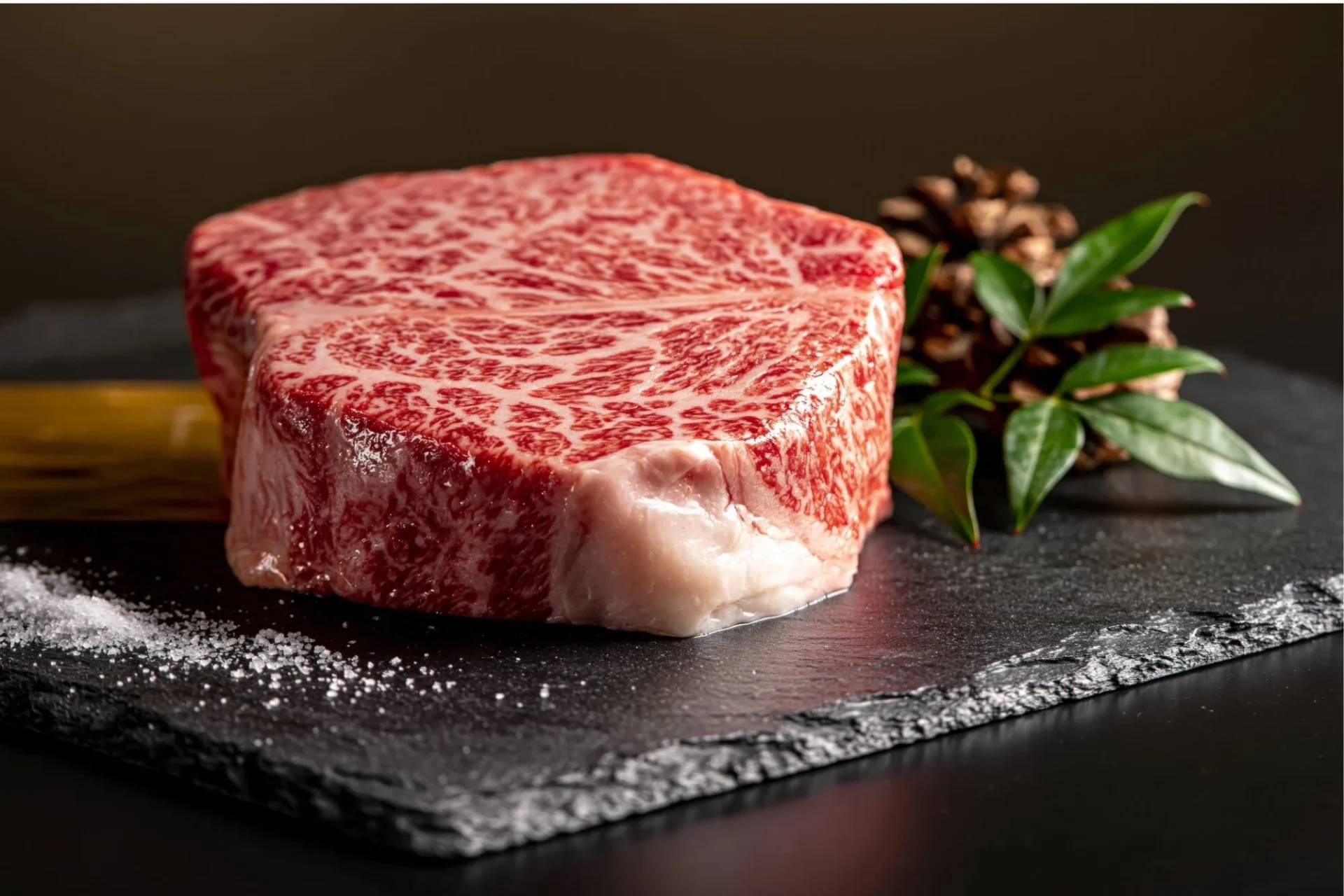
The simplest way to understand Kobe beef vs wagyu is this: all Kobe beef is wagyu, but only a small fraction of wagyu is Kobe beef.
“Wagyu” (和牛) means “Japanese cow” and describes a group of Japanese cattle breeds. “Kobe beef” is one regional brand of wagyu. It comes from one bloodline, in one prefecture, and it must pass strict certification before it can carry the name. Think of it like sparkling wine and Champagne: Champagne is sparkling wine, but only wine from a specific region made to specific rules earns the label.
That is why comparing “Kobe vs wagyu” is a little like comparing a brand to its whole product category. A more useful question is how Kobe differs from other types of wagyu, and that is what the rest of this article covers.
What Is Wagyu Beef?
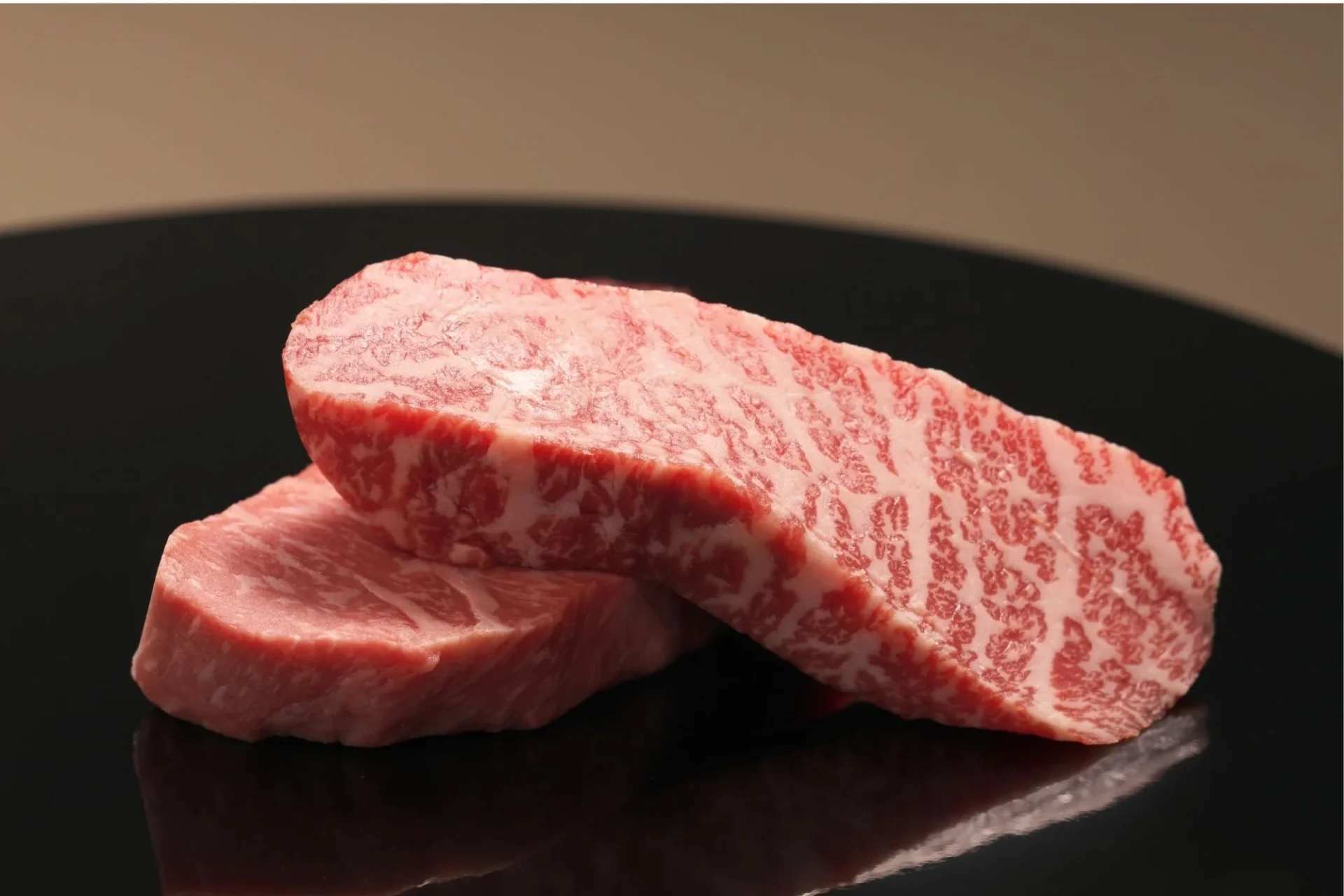
Wagyu is beef from native Japanese cattle that are genetically inclined to develop fine intramuscular fat. That fat, called marbling, is what gives wagyu its buttery texture and deep umami flavor. Japanese wagyu is raised under careful feeding and handling routines, and each animal can be traced through an individual identification number.
Wagyu is not limited to Japan. Producers in the United States and Australia raise wagyu cattle too, but these animals are often crossbred with breeds such as Angus. The result can be excellent beef, yet it differs from Japanese wagyu in genetics, grading, and overall richness. In the US, for example, a product marketed as “American wagyu” only needs to contain a minimum share of wagyu genetics, which is why prices and quality vary so widely.
What Are the 4 Types of Wagyu Beef?
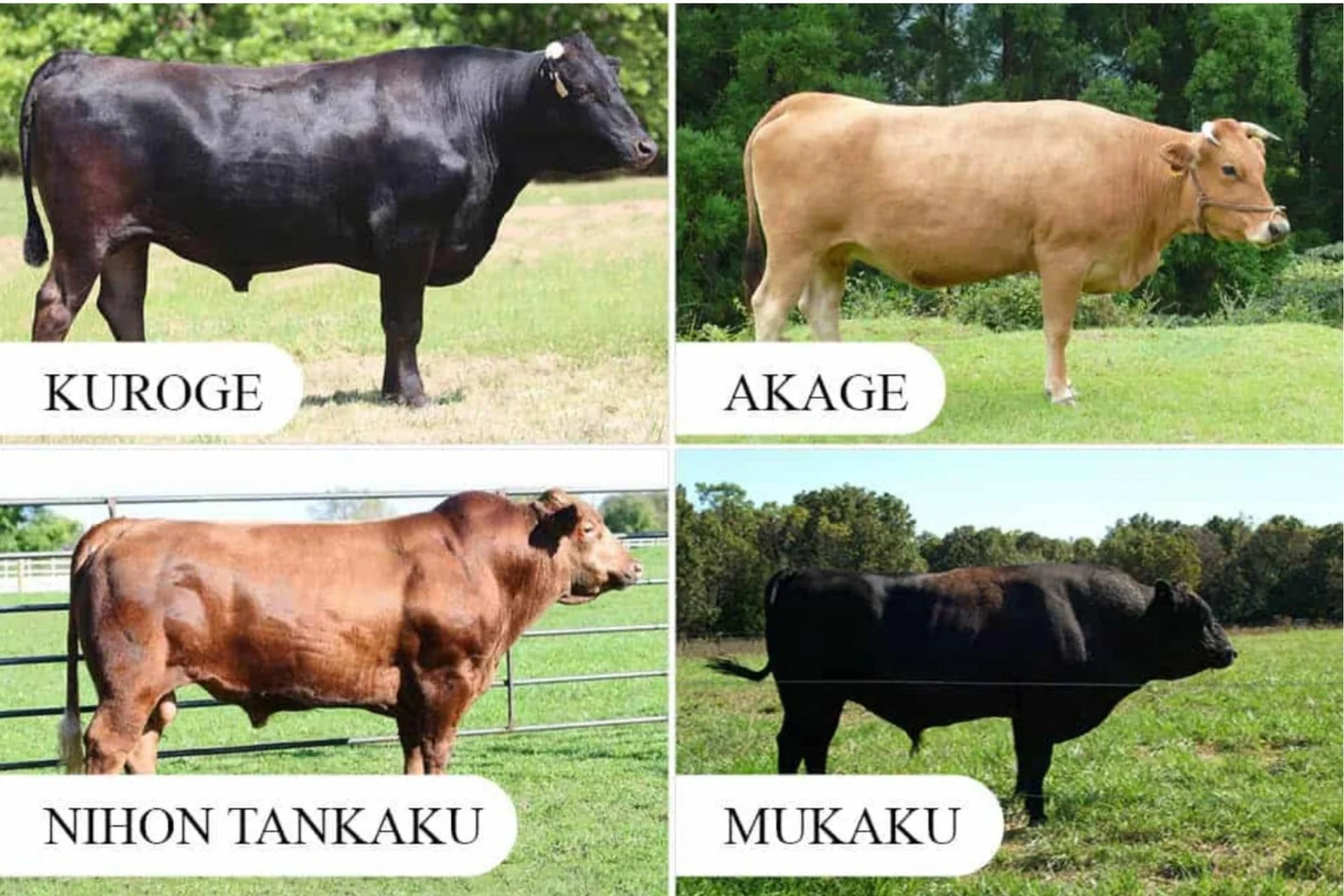
Japan recognizes four wagyu breeds:
- Japanese Black (Kuroge Washu): The most common and most prized breed, responsible for the large majority of wagyu. Kobe, Matsusaka, and Omi beef all come from Japanese Black cattle.
- Japanese Brown (Akage Washu): Also called Red Wagyu or Kumamoto. It is leaner than Japanese Black, with a more balanced fat content and a slightly stronger beef flavor.
- Japanese Shorthorn (Nihon Tankaku Washu): A lean breed with a robust, savory flavor and less marbling.
- Japanese Polled (Mukaku Washu): The rarest of the four, known for lean meat and rich umami.

4 type of wagyu beef
Wagyu Quality Grading System
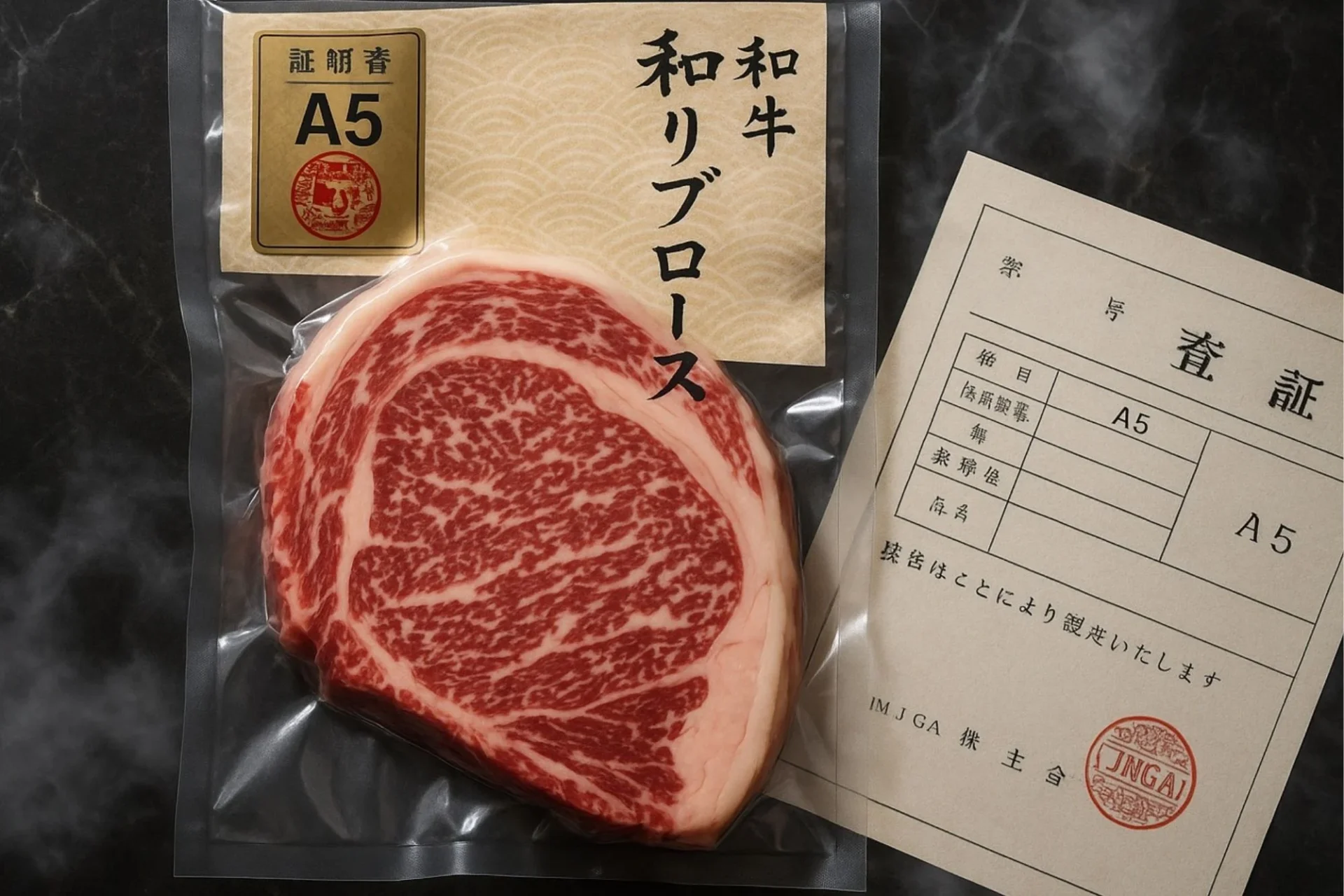
Japanese beef is graded by the Japan Meat Grading Association using a two-part code, such as A5. This grading system is the reason you see “A4” and “A5” on premium menus.
- The letter (A, B, or C) is the yield grade. It measures how much usable meat the carcass produces compared with its weight. A is the best, indicating a yield of roughly 72% or higher.
- The number (1 to 5) is the meat quality grade. It reflects four elements: marbling, meat color and brightness, firmness and texture, and the color and quality of the fat. The final number follows the weakest of the four, so a 5 means every category scored at the top.
Combining three letters with five numbers gives 15 possible grades, from C1 at the bottom to A5 at the top.
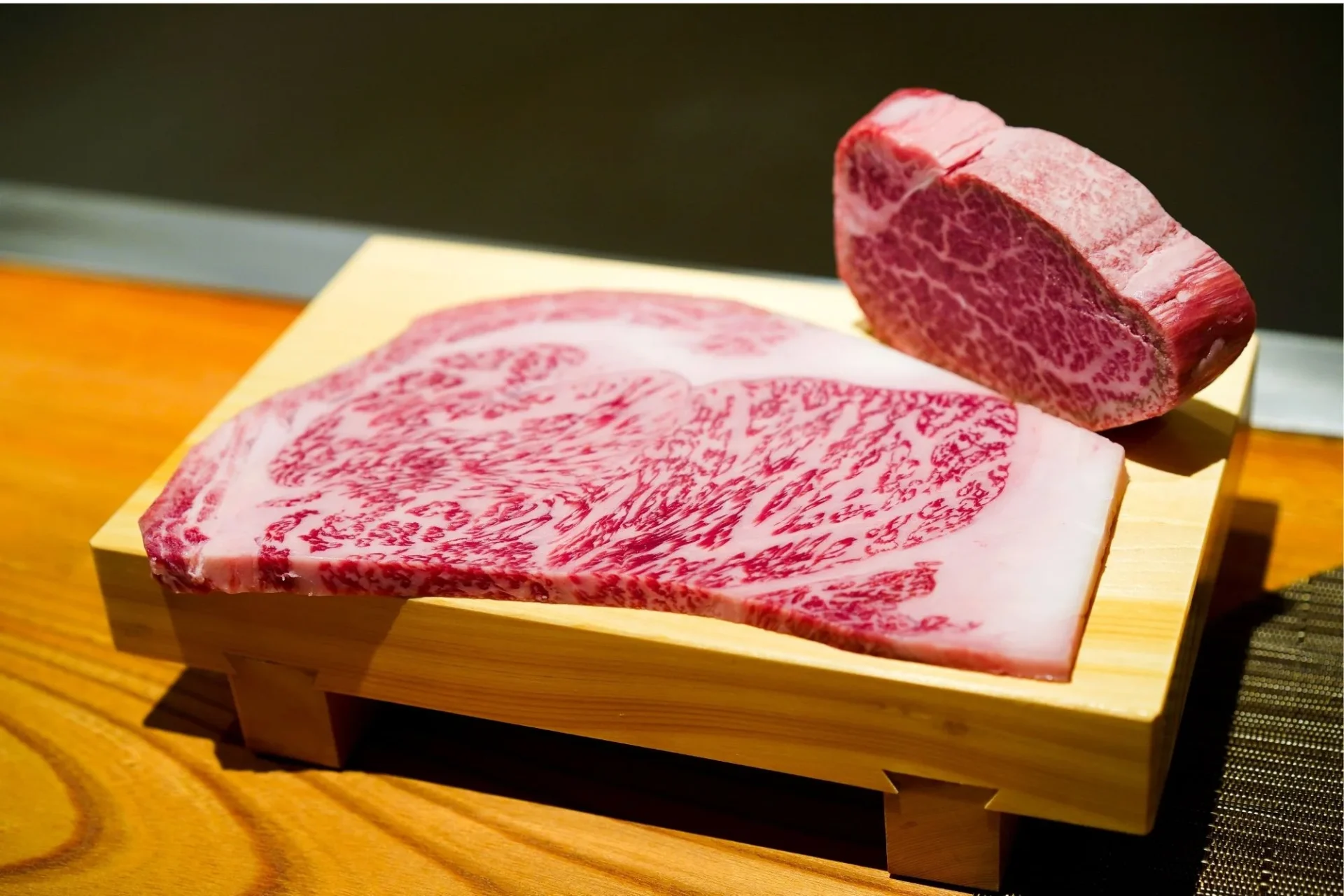
Marbling also has its own scale, the Beef Marbling Standard (BMS), which runs from 1 to 12. A top quality grade of 5 generally requires a high BMS score, in the range of 8 to 12.
One point causes endless confusion: A5 is a grade, not a brand. A5 wagyu can come from Kagoshima, Miyazaki, Hokkaido, or Hyogo. It only becomes Kobe beef if it also meets the Kobe-specific rules below.
What Is Kobe Beef?
Kobe beef (神戸ビーフ) is wagyu from the Tajima strain of Japanese Black cattle, born, raised, and processed in Hyogo Prefecture, of which Kobe is the capital. The name is protected and overseen by the Kobe Beef Marketing and Distribution Promotion Association, which has governed the brand since 1983.
Kobe is also one of Japan’s three historic wagyu brands, known together as the Nihon Sandai Wagyu. The other two are Matsusaka beef and Omi beef.
How Many Types of Kobe Beef Are There?
Strictly speaking, authentic Kobe beef is a single designation: Tajima-strain cattle from Hyogo that pass certification. There are no separate “breeds” of Kobe. In practice, however, you will see it classified in a few ways:
- By grade: Certified Kobe usually appears on menus as A4 or A5, with higher BMS levels commanding higher prices.
- By cut: Ribeye, sirloin, and tenderloin are the cuts most often served, and each offers a different balance of richness and tenderness.
- By labeling honesty: This is the classification that matters most to buyers. Genuine certified Kobe is one thing. “Kobe-style beef,” “American Kobe,” and similar phrases are another. They describe wagyu-inspired or crossbred beef, and they are not authentic Kobe.
It is also worth knowing that Matsusaka beef shares the same Tajima bloodline origin, which is one reason people group these famous brands together even though each follows its own rules.
Kobe Beef Quality Standards
To be sold as Kobe beef, a carcass must clear every one of these requirements:
- Tajima-strain heifer or castrated male with a confirmed pedigree
- Born, raised, and processed in Hyogo Prefecture at approved facilities
- Marbling of BMS 6 or higher
- Meat quality grade of 4 or 5
- Yield grade of A or B
- Carcass weight capped at about 500 kg (499.9 kg)
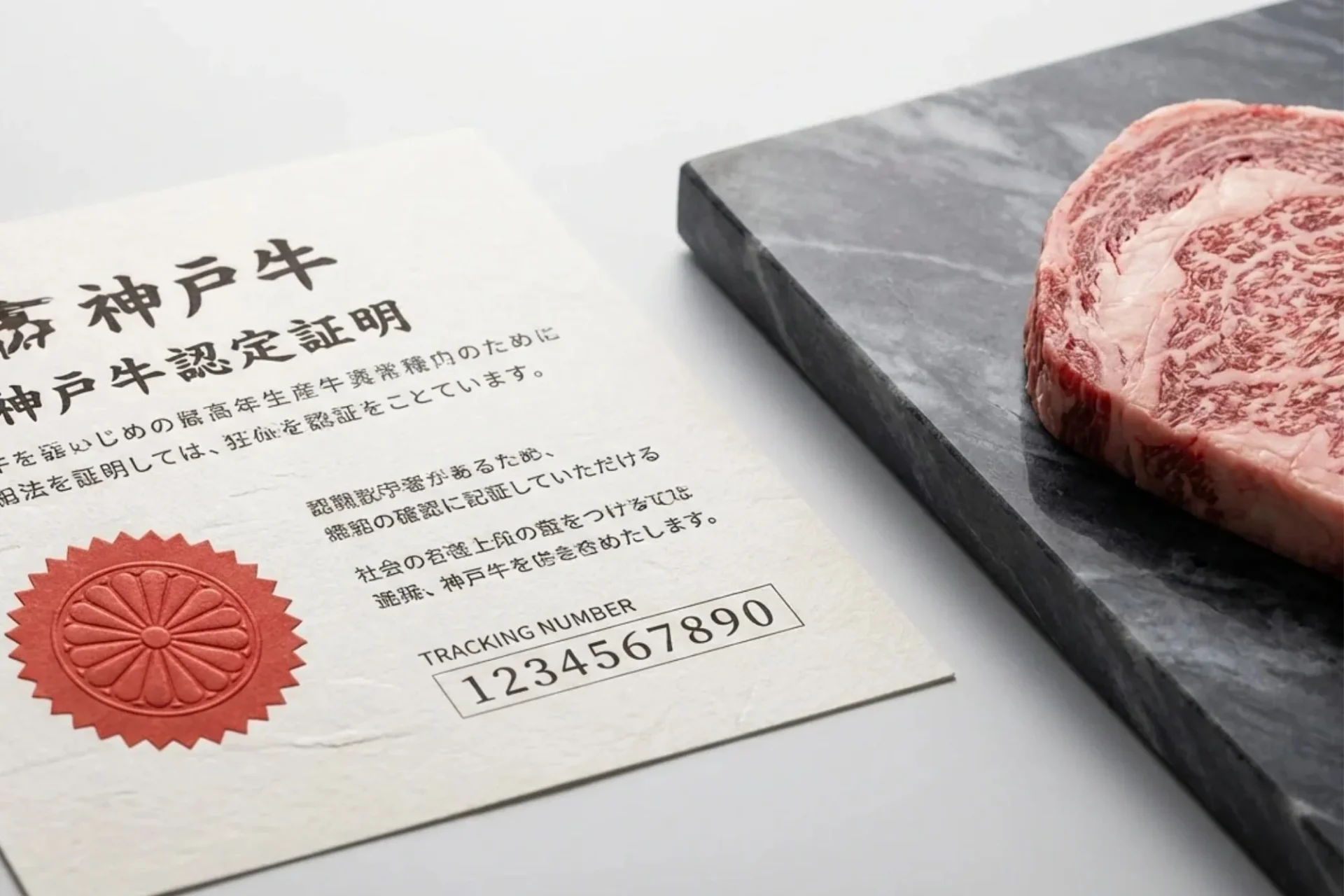
- A 10-digit individual identification number and an official certificate and seal
Only a few thousand head of cattle qualify each year. That scarcity shapes everything about Kobe beef, especially its price.
Kobe Beef vs Wagyu: A Side-by-Side Comparison
| Wagyu | Kobe beef | |
| What it is | Broad category of Japanese cattle breeds | A certified brand of wagyu |
| Breed | Four breeds (Black, Brown, Shorthorn, Polled) | Tajima strain of Japanese Black only |
| Origin | Many Japanese prefectures; also the US, Australia and elsewhere | Hyogo Prefecture, Japan only |
| Grade | From low grades up to A5 | Meets strict Kobe rules (BMS 6+, quality 4–5, yield A–B) |
| Marbling | Varies by grade, region and producer | Consistently high |
| Certification | Origin and grade labels | Official certificate, seal and 10-digit ID |
| Price and supply | Premium to ultra-premium; wider availability | Usually higher; very limited supply |
Marbling and Flavor: Kobe Beef vs Wagyu
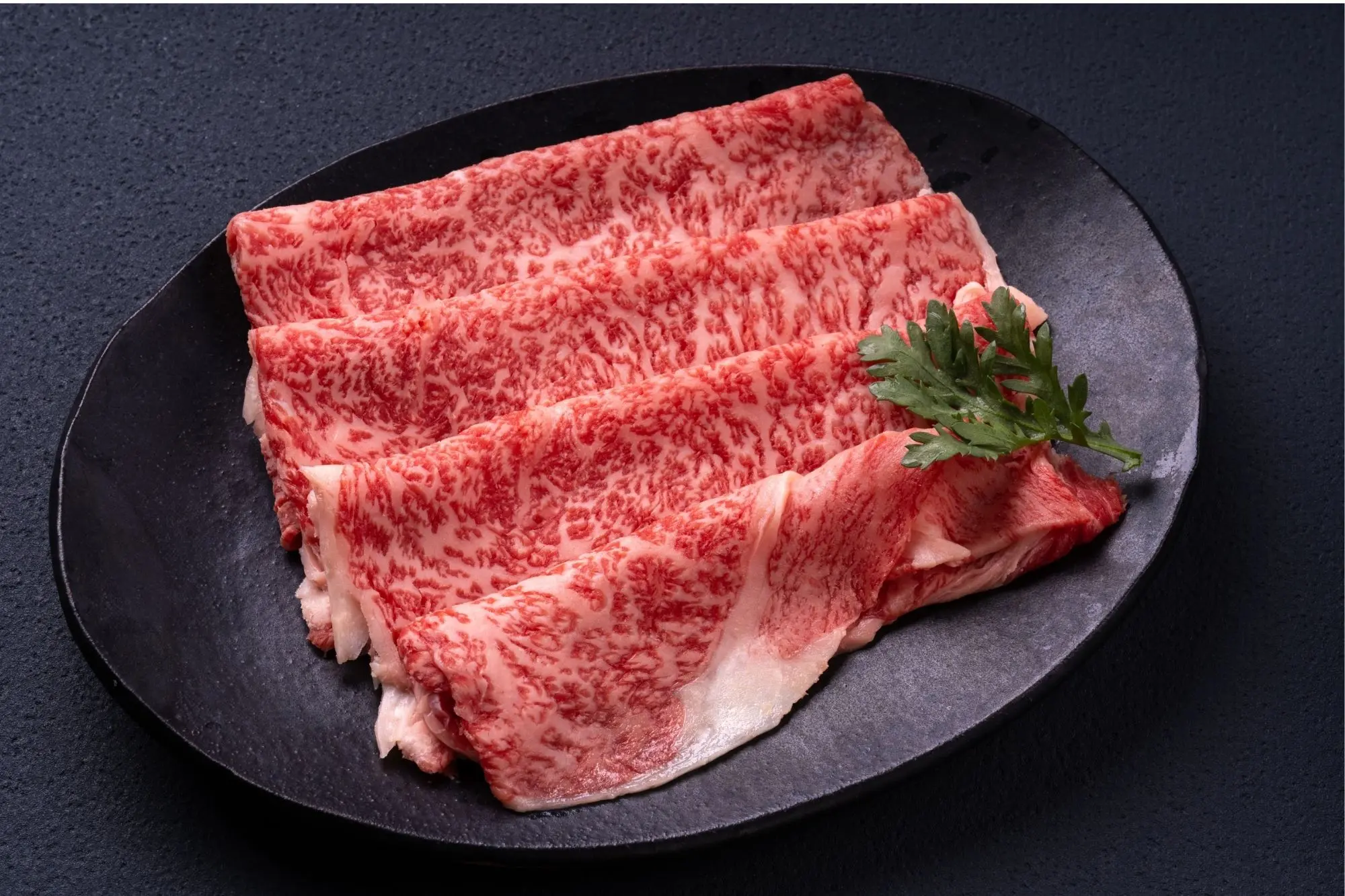
Both are known for generous, evenly distributed marbling that melts as it cooks. The difference is consistency. Because Kobe must meet a minimum BMS of 6 and come from one bloodline, its marbling is reliably fine and its texture reliably silky. Wagyu varies more by breed, region, and grade.
On flavor, opinions differ. Some sources describe Kobe as slightly sweeter, subtler, and creamier, while other wagyu can taste a little beefier with a more pronounced umami character. Others point out that at the top grades, the eating experience between A5 wagyu and Kobe can be remarkably close. Either way, both are rich enough that small portions are the norm.
Quality Certification and Authenticity
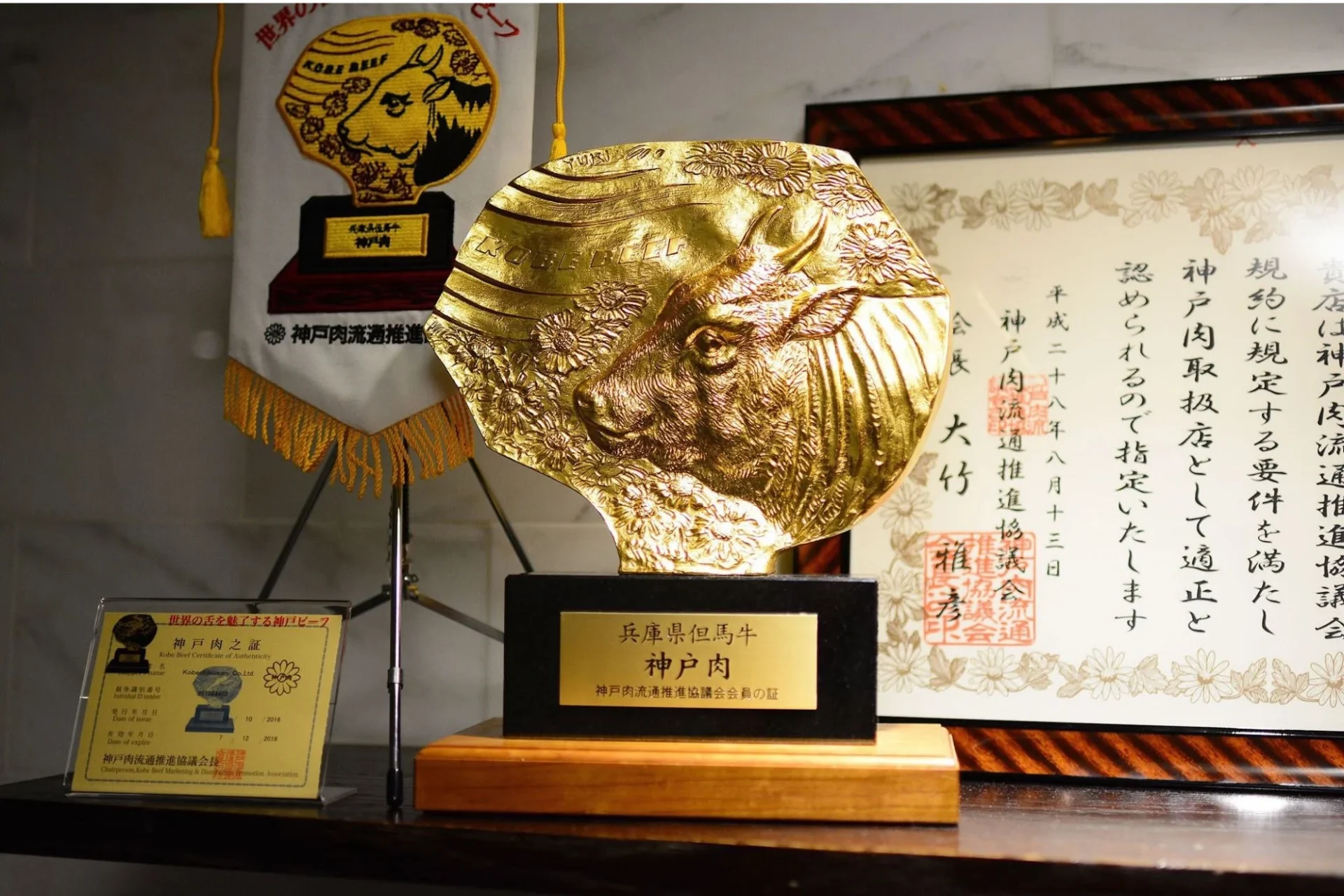
Authentic Kobe beef is backed by paperwork. Look for the certificate of authenticity, the official seal, and the individual identification number that traces the beef to a specific animal. For Japanese wagyu in general, ask for the grade, the prefecture, and the traceability number.
Be cautious with vague labels such as “Kobe-style,” “wagyu-style,” or “American Kobe.” They may describe tasty beef, but they do not prove the product is certified. Japan only began exporting Kobe beef to the United States in 2012, and authentic supply there remains very limited, so many products carrying the “Kobe” name abroad are not the real thing.
Kobe Beef vs Wagyu Price
Kobe beef costs more than most wagyu for a simple reason: supply. Only a few thousand cattle qualify each year, they come from a few hundred farms, and raising them is labor-intensive. Strong global demand does the rest.
Wagyu pricing is much wider. American and Australian wagyu sit at the more affordable end, while Japanese A5 wagyu can approach Kobe prices. At home, a premium A5 wagyu steak is often easier to find and available in more cuts than certified Kobe.
Eating in Japan is usually kinder to your wallet than buying abroad. Lunch sets for Kobe beef in the city of Kobe can start around ¥3,500 per person, with premium options around ¥10,000. Dinner at specialist counters and Tokyo steakhouses is in a different league, with course menus commonly starting from roughly ¥25,000 to ¥50,000 or more. Prices change, so check before you book.
Which Is Better?
Neither is universally better. Choose Kobe beef if rarity, prestige, and certified regional status matter to you. Choose top-grade A5 wagyu if you want exceptional marbling with more choice of cuts and regions. For many diners, the best answer is to try both and compare.
Which Prefecture Has the Best Wagyu?
Hyogo, home of Kobe, has the strongest name recognition abroad, but within Japan the question has no single answer. Many prefectures produce wagyu that wins national praise:
- Hyogo (Kobe beef): The best-known brand worldwide, defined by Tajima cattle and strict certification.
- Mie (Matsusaka beef): Made from virgin heifers raised for well over 500 days, prized for sweet, richly marbled fat.
- Shiga (Omi beef): The oldest of the branded wagyu, with a history stretching back centuries and a lighter, elegant profile.
- Gifu (Hida beef): A tender, sweet beef centered on the mountain town of Takayama.
- Saga and Yamagata (Saga beef, Yonezawa beef): Well-regarded regional brands with glossy marbling.
- Kagoshima and Miyazaki: Major producers of top-grade A5 wagyu, widely exported.
If you only remember one thing, remember this: Kobe is the most famous, but it is not the only elite option, and some of Japan’s best beef is found well outside Hyogo.
Where to Eat Kobe Beef and Wagyu in Japan
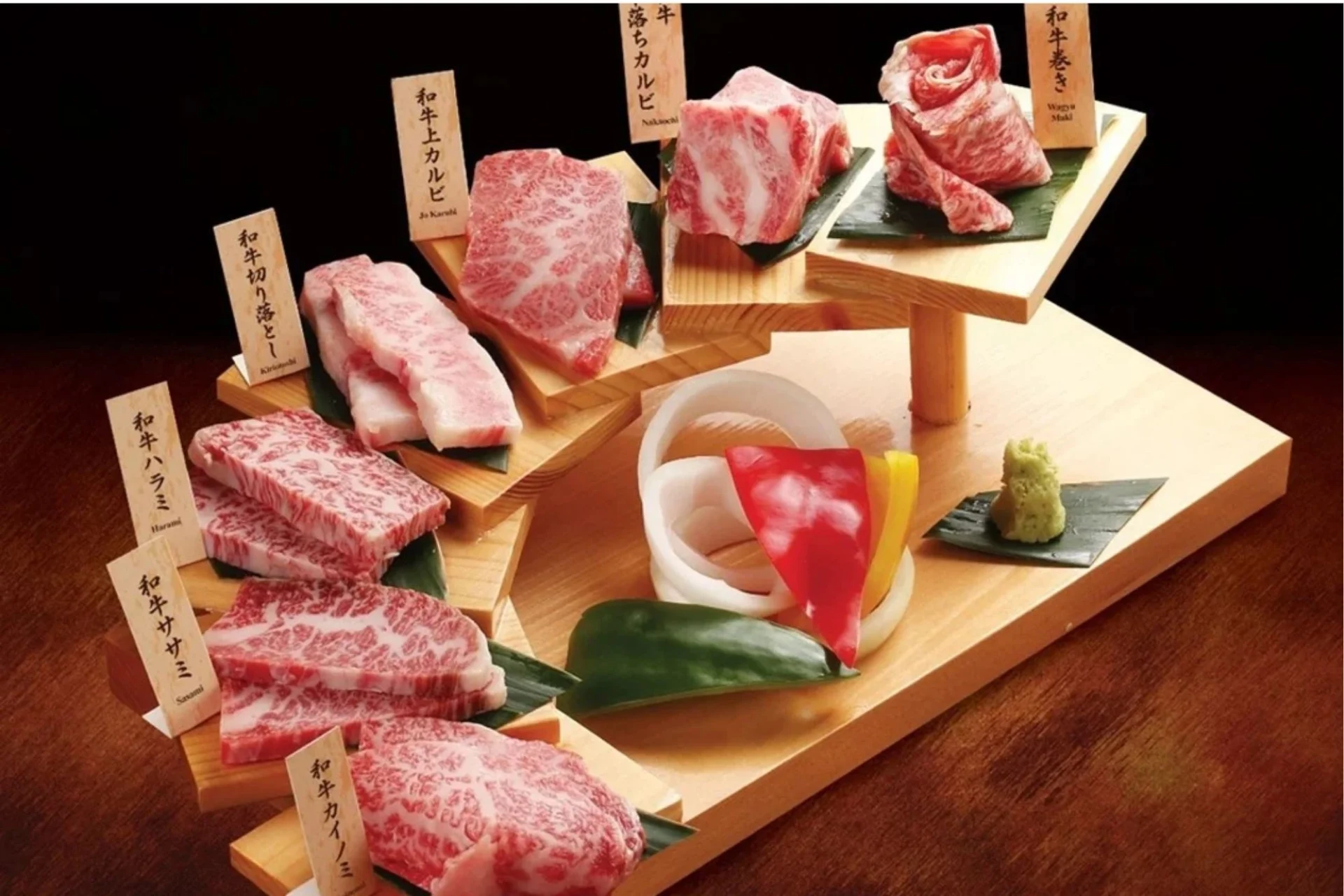
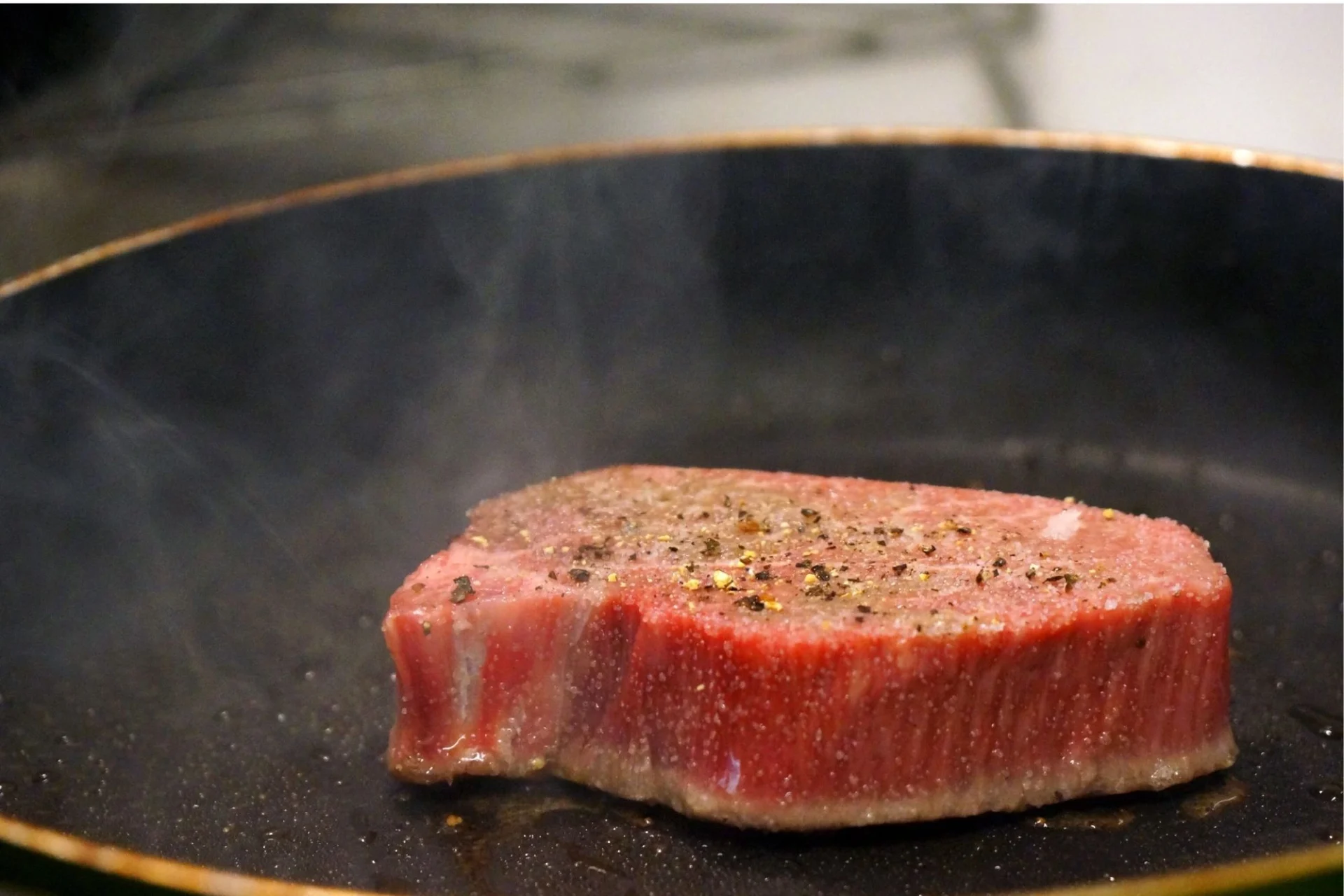
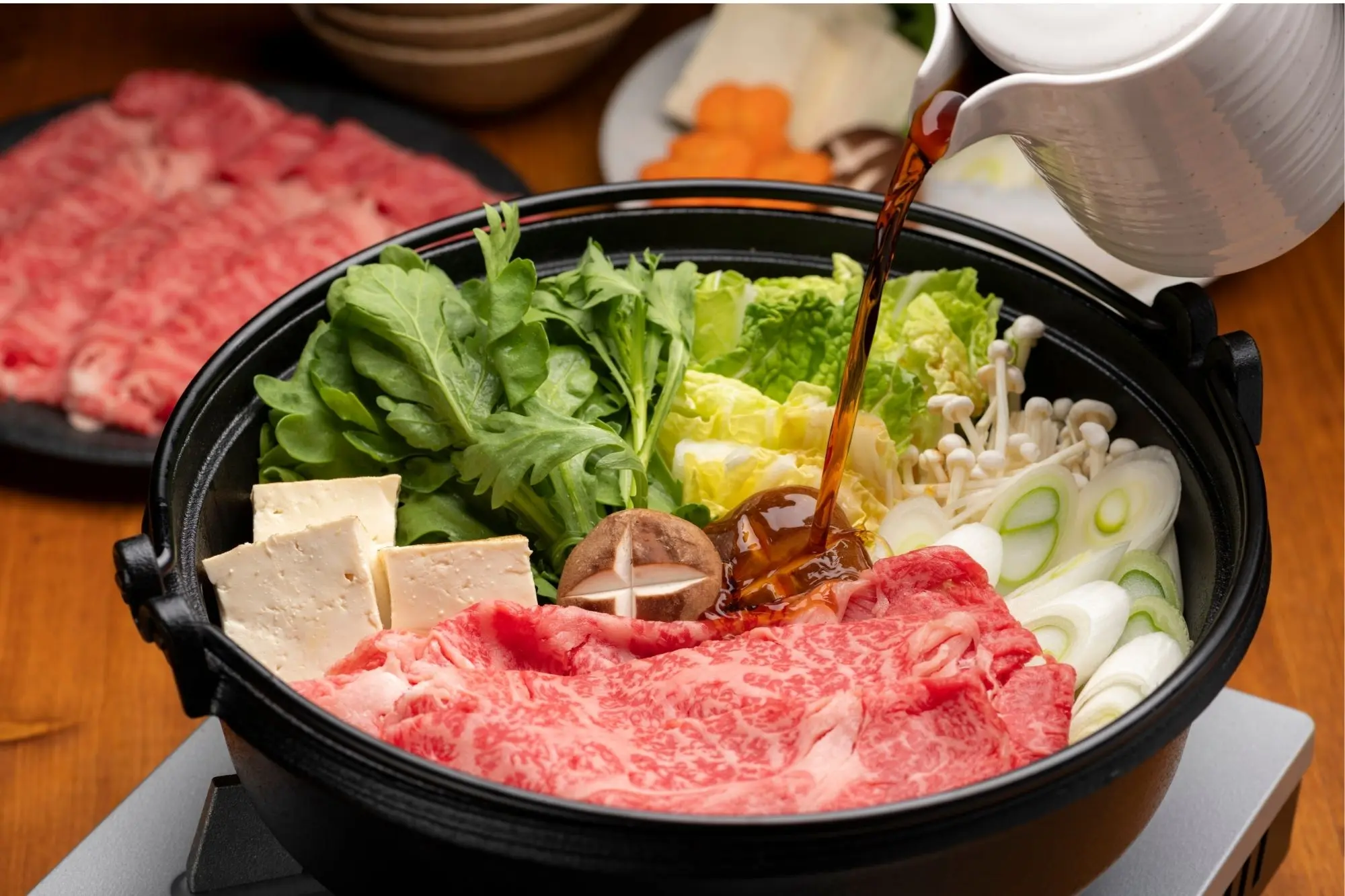
Beef is served in a few classic ways: teppanyaki (grilled in front of you on an iron griddle), sukiyaki and shabu-shabu (thin slices cooked in hot pot), yakiniku (grilled at your table), and as a steak. Portions are small by Western standards, because the meat is so rich.
Where to Eat in Kobe
The area around Sannomiya Station has the densest concentration of specialists.
- Misono: A well-known teppanyaki house near Sannomiya, with set menus starting around ¥11,000.
- Wakkoqu: A teppanyaki restaurant favored by locals, with online reservations available.
- Steakland: The easiest option for a quick lunch. It has several branches and works on a queue rather than reservations.
- Mouriya: Often named among the best, with a refined setting and higher prices. Reservations are essential.
- Hanasato: A quiet restaurant steps from Sannomiya that serves Hida beef from Takayama rather than Kobe beef, a good example of how wagyu goes beyond one name.
Where to Eat in Tokyo
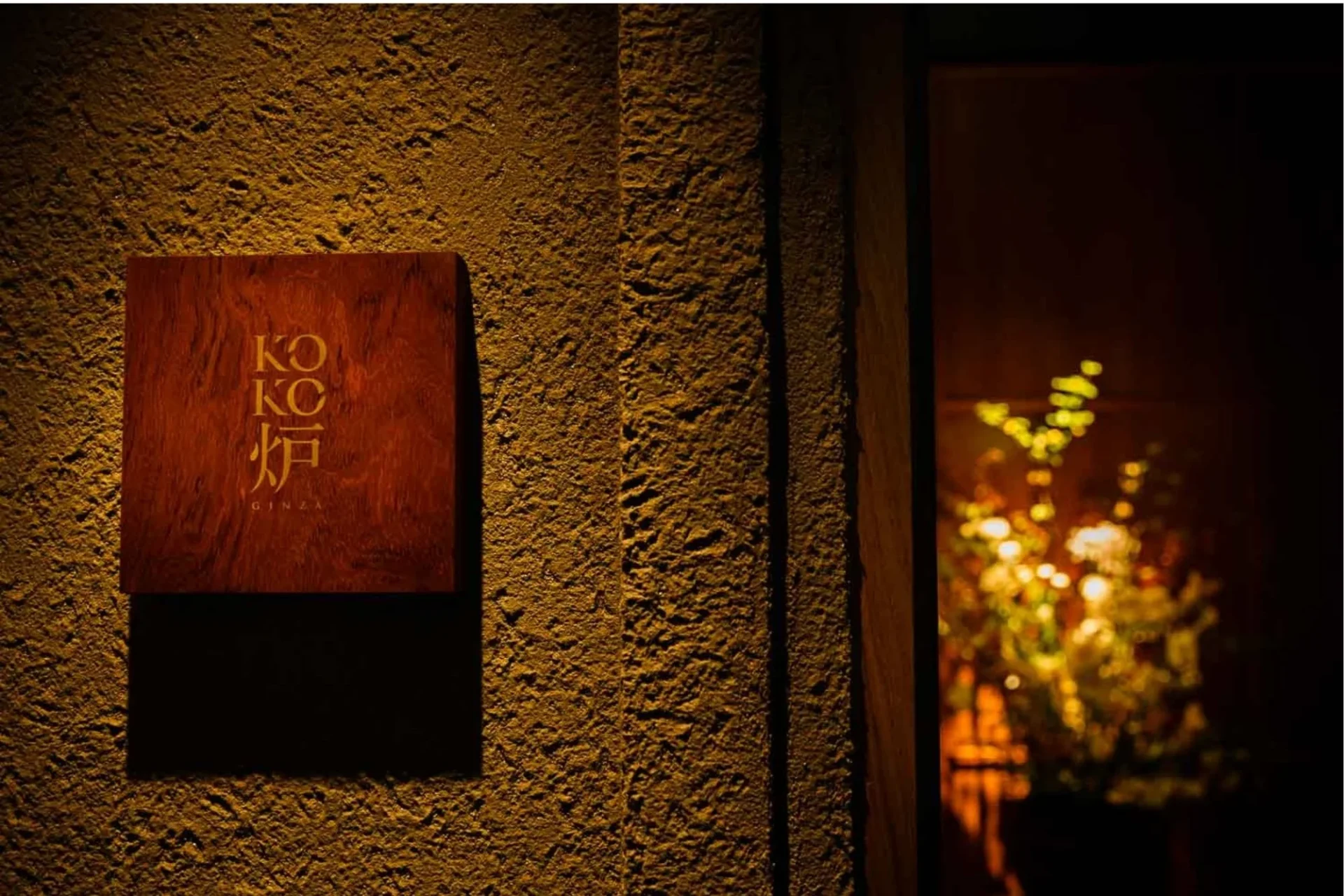
You do not need to go to Hyogo to taste certified Kobe. Several Ginza and Nihonbashi restaurants specialize in it, often grilled in charcoal-fired ovens with French-inspired courses, such as Kobe Beef Steak Ichimiya, IDEA Ginza, Ginza KOKORO, and Vesta. Expect course menus from roughly ¥25,000 and up.
Where to Eat in Kyoto and Osaka
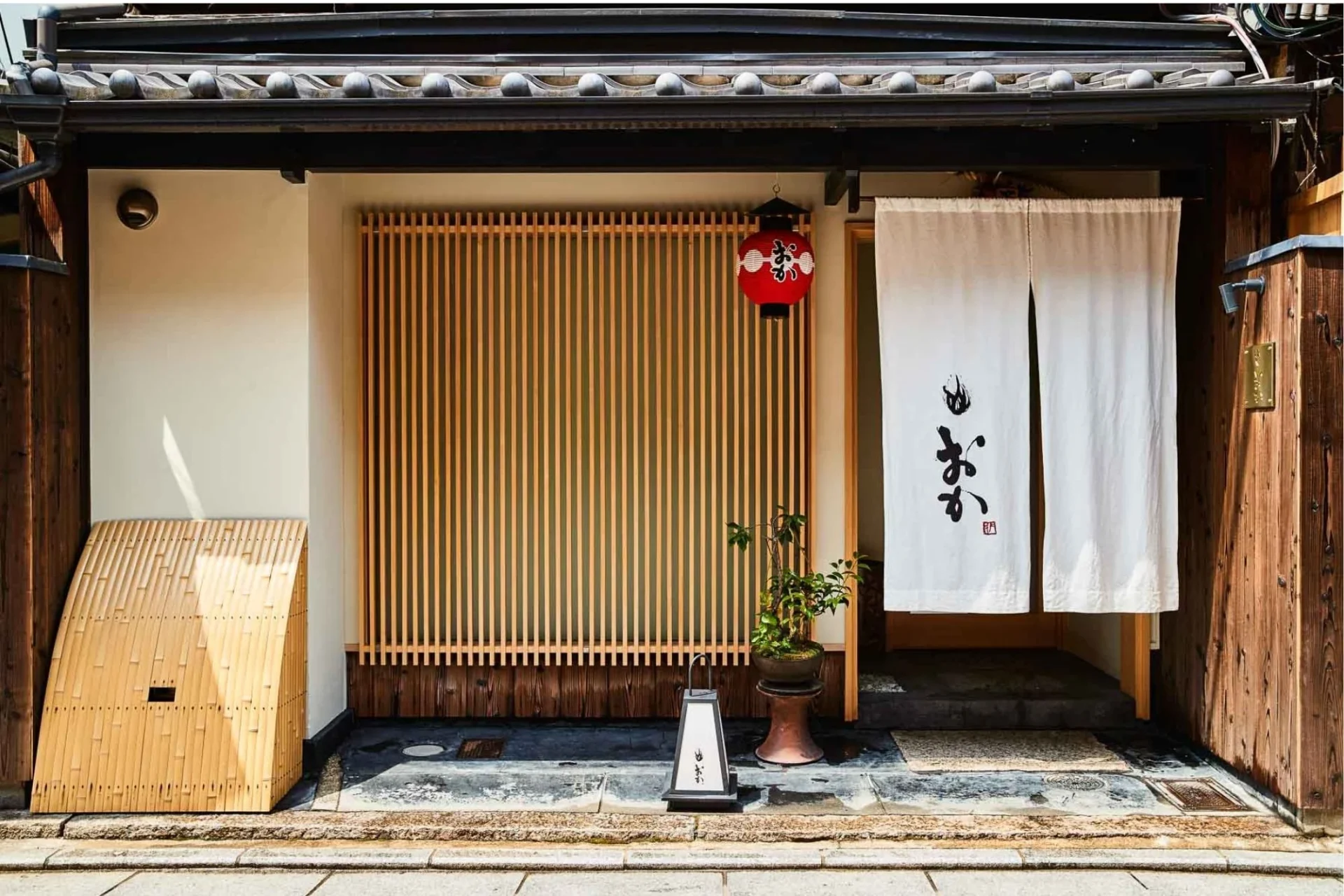
Kyoto is known for refined, kaiseki-style beef experiences, including Miyoshi and Nikuryori Oka in Gion. In Osaka, Katsuya serves aged Japanese Black wagyu steaks, and Kitashinchi has steakhouses that pair beef with serious wine lists.
4 Tips for Booking
- Ask for proof. A reputable restaurant can show the Kobe certificate or identification number.
- Book early. Counters are small and the best seats fill quickly, especially in Kobe and central Tokyo.
- Try lunch. Lunch sets are often much cheaper than dinner for the same style of beef.
- Check reservation rules. Some places take only phone or email bookings.
Frequently Asked Questions About Kobe Beef vs Wagyu
Q1: What is the main difference between Kobe beef and wagyu?
Wagyu is a broad category covering four Japanese cattle breeds. Kobe beef is a specific certified type of wagyu from Tajima-strain cattle raised in Hyogo Prefecture.
Q2: Is Kobe beef better than wagyu?
Kobe is the most exclusive wagyu brand, but “better” depends on taste and budget. Top A5 wagyu from other regions can offer similar marbling and tenderness.
Q3: Is A5 wagyu the same as Kobe beef?
No. A5 is a grade. Kobe is a certification. All Kobe beef is wagyu, but not all A5 wagyu is Kobe.
Q4: Why is Kobe beef so expensive?
Supply is tiny, production is labor-intensive, and strict certification limits what can be sold as Kobe. High global demand pushes prices up further.
Q5: How can I tell if Kobe beef is real?
Look for an official certificate, a seal, and the 10-digit identification number, and buy from sellers who can show proof of origin. Be wary of “Kobe-style” or “American Kobe.”
Q6: Can you buy real Kobe beef outside Japan?
Yes, but it is rare and available only through a small number of authorized sellers.
Conclusion
The Kobe beef vs wagyu debate comes down to one idea: Kobe is a protected brand inside the wagyu family. Wagyu covers four Japanese breeds, many regions, and a full range of grades. Kobe narrows that to Tajima cattle from Hyogo that pass demanding standards for marbling, quality, and traceability. Understanding the grading system helps you read any menu or label with confidence, and knowing where to eat helps you turn that knowledge into a meal. Whether you choose a certified Kobe steak in Sannomiya, a Hida beef dinner in Takayama, or A5 wagyu in a Tokyo steakhouse, ask for proof of origin, book ahead, and savor every small, rich bite.
Discover Japan tour packages with Nicetrips and experience the landscapes, food, culture, and seasonal highlights of northern Japan. Follow the Nicetrips Blog for more destination guides, travel tips, and Japan travel inspiration.