Japan tours for seniors can offer a comfortable way to explore Japan’s culture, scenery, and cities when the itinerary is planned around the needs of older travelers. Walking distances, daily pace, transportation, hotel locations, and time for rest can all affect the overall travel experience.
With the right planning, tours of Japan for seniors can combine cultural experiences, beautiful scenery, and convenient transportation without making every day feel rushed. This guide covers practical tips for planning comfortable and enjoyable Japan seniors tours from choosing suitable destinations and the best time to visit to selecting the right tour package.
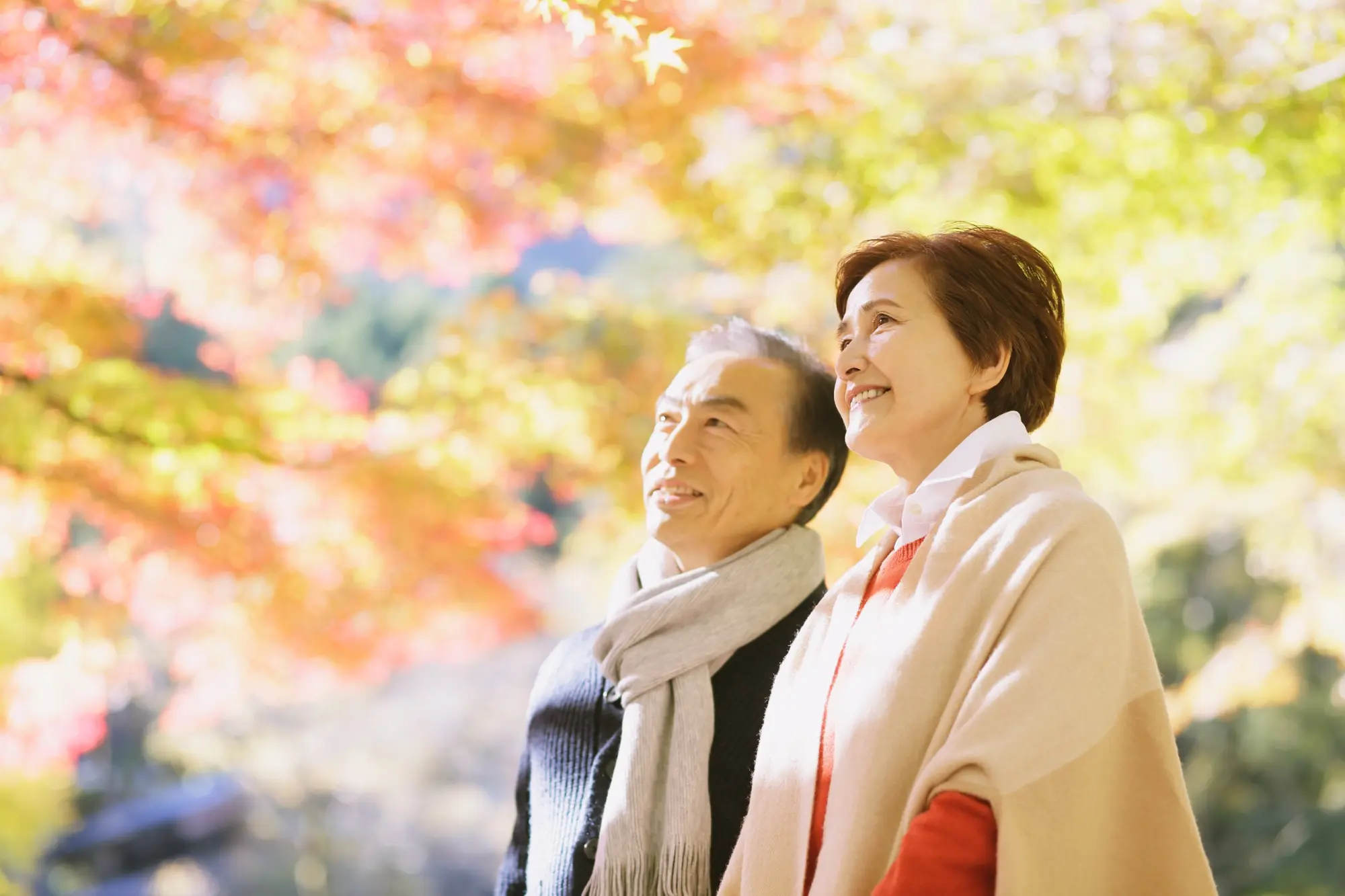
Is Japan a Good Destination for Seniors?
Japan can be a comfortable and rewarding destination for senior travelers, offering a combination of convenient transportation, rich culture, beautiful scenery, and well-developed tourist facilities.
Some key advantages of Japan for senior travelers include:
- Convenient transportation: Major cities such as Tokyo, Kyoto, and Osaka have extensive transportation networks, making it easier to travel between popular attractions and destinations.
- Rich cultural experiences: Seniors can enjoy temples, shrines, gardens, traditional neighborhoods, museums, and historical sites at a comfortable pace.
- Varied sightseeing options: Japan offers a mix of city experiences, cultural attractions, nature, food, and relaxation, making it possible to build different types of itineraries.
- Well-developed tourism infrastructure: Major tourist destinations offer a wide range of hotels, restaurants, transportation options, and visitor facilities.
- Easy to combine destinations: Popular cities such as Tokyo, Kyoto, Nara, and Osaka can be combined into one itinerary, allowing travelers to experience different sides of Japan without visiting too many remote areas.
For travelers considering tours of Japan for seniors, these advantages make Japan a suitable destination for a well-planned and comfortable trip. The key is to choose an itinerary that matches the traveler’s preferred pace, interests, and mobility.
Best Japan Destinations for Senior Travelers
Japan offers a variety of destinations, and each provides a different type of travel experience. For Japan tours for seniors, the right destination depends on walking ability, interests, travel pace, and the level of transportation convenience needed.
1. Tokyo

Tokyo offers a wide range of attractions, including museums, gardens, shopping areas, cultural sites, and restaurants. Its extensive transportation network makes it possible to build different types of itineraries.
However, major stations can be large and busy. Choosing hotels with convenient transportation access and limiting the number of attractions visited each day can make Tokyo easier to enjoy.
2. Kyoto

Kyoto is known for its temples, shrines, gardens, and traditional neighborhoods. It is an excellent destination for experiencing Japan’s cultural heritage.
Some sightseeing areas, however, include stairs, slopes, or long walking routes. A slower itinerary with carefully selected attractions can make a Kyoto visit more comfortable.
3. Nara
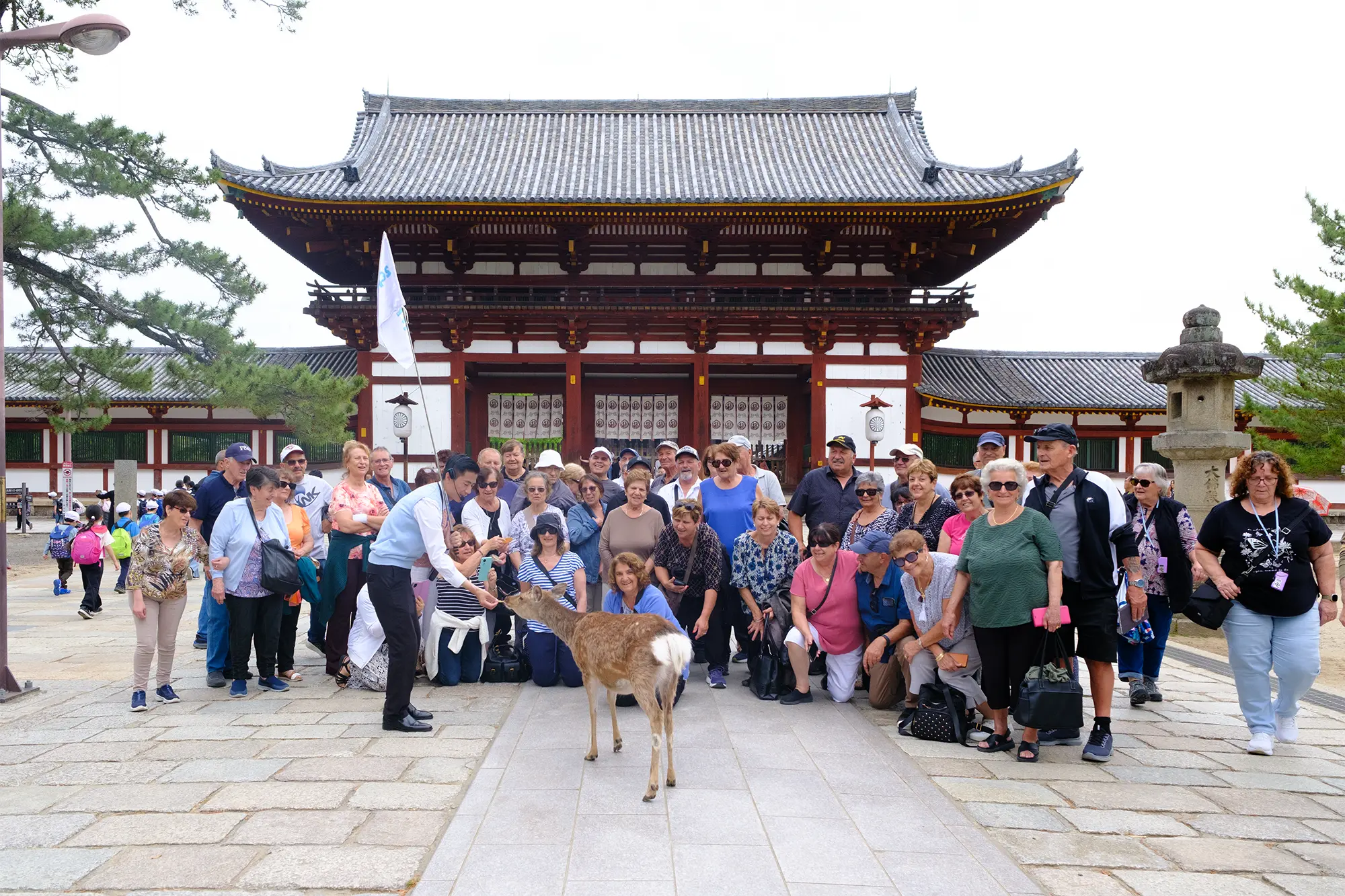
Nara offers a slower-paced sightseeing experience centered around parks, temples, and historic attractions. It can work well as a day trip when the itinerary allows enough time to explore without rushing. Travelers should still consider walking distances within major sightseeing areas.
4. Osaka
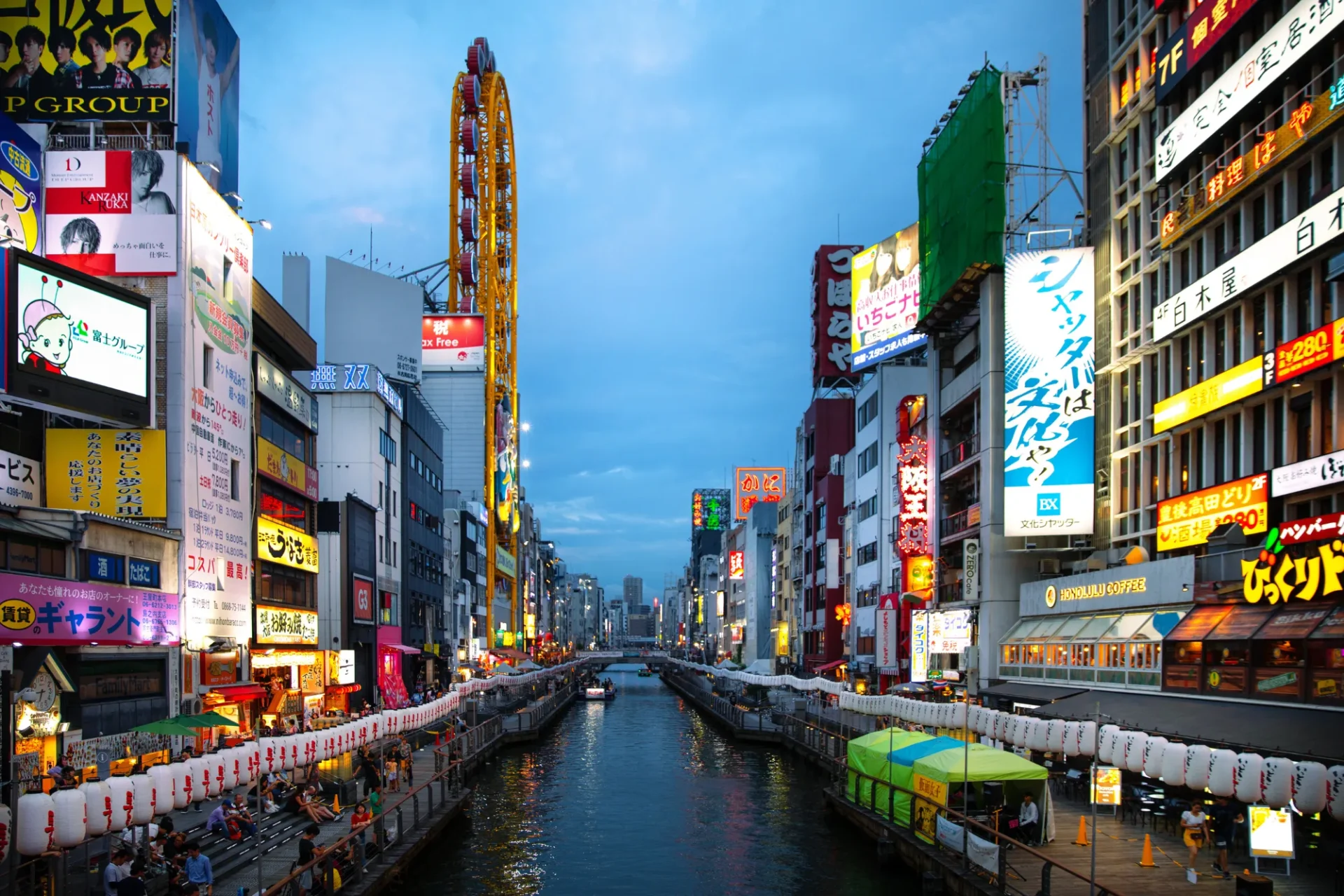
Osaka combines food, shopping, entertainment, and urban sightseeing. Its location also makes it convenient to combine with Kyoto and Nara.
For seniors, choosing attractions that are close together can help reduce unnecessary travel across the city.
5. Hakone
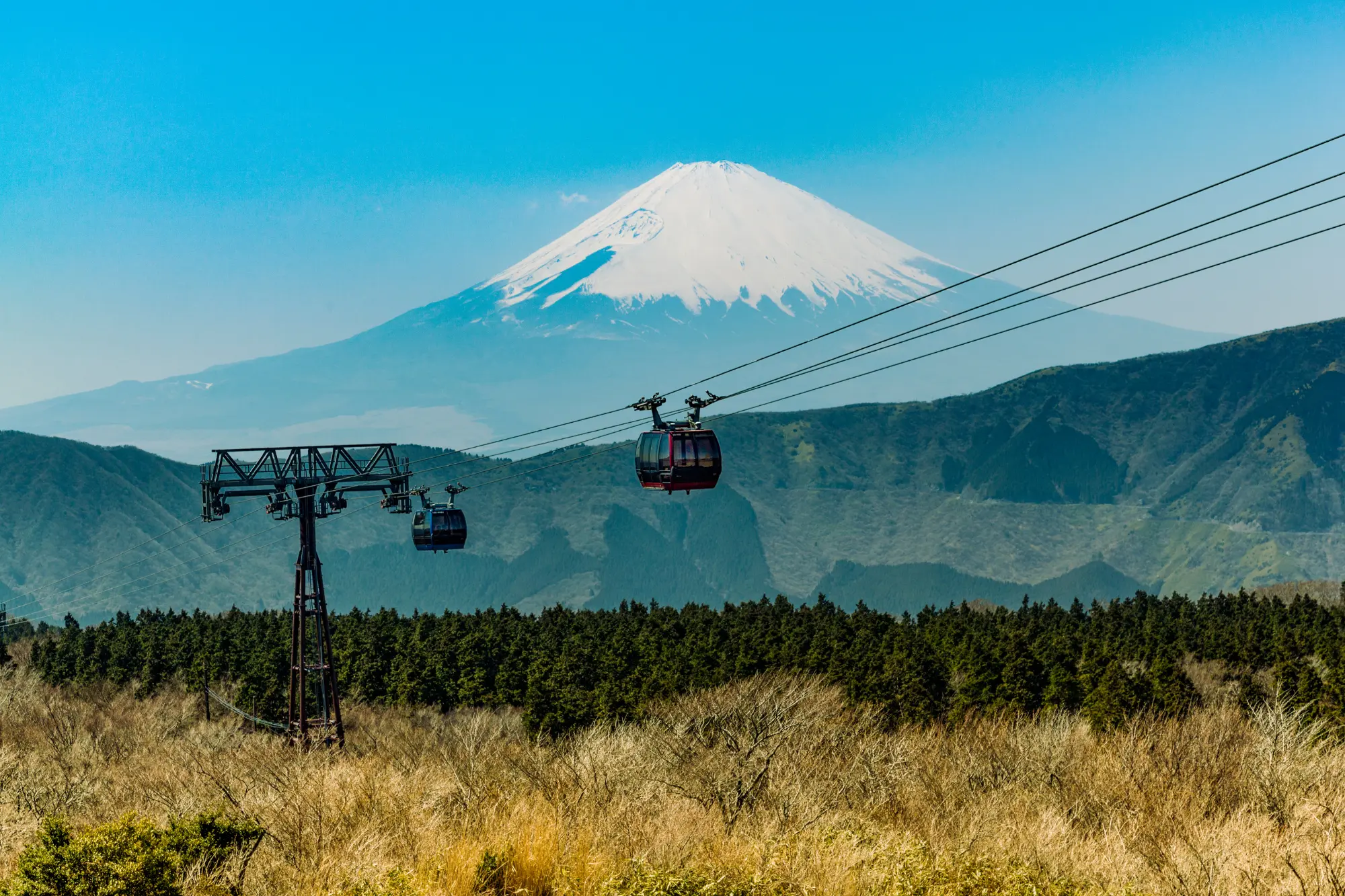
Hakone is known for its natural scenery, hot springs, and views of Mount Fuji. It can provide a relaxing change of pace after several busy days of city sightseeing.
Depending on the route, some transportation connections may involve stairs or transfers, so the itinerary should be planned around comfort and convenience.
Which Japan Destinations May Require More Physical Effort?
Not every destination in Japan has the same level of accessibility or walking requirements. Mountain areas, rural destinations, and attractions with many stairs or steep paths may require more physical effort. Some scenic locations also involve longer walks or several transportation connections.
This does not necessarily mean these destinations should be avoided. Instead, travelers should check the terrain, transportation options, and expected walking requirements before adding them to the itinerary.
What Is the Best Time to Visit Japan for Seniors?
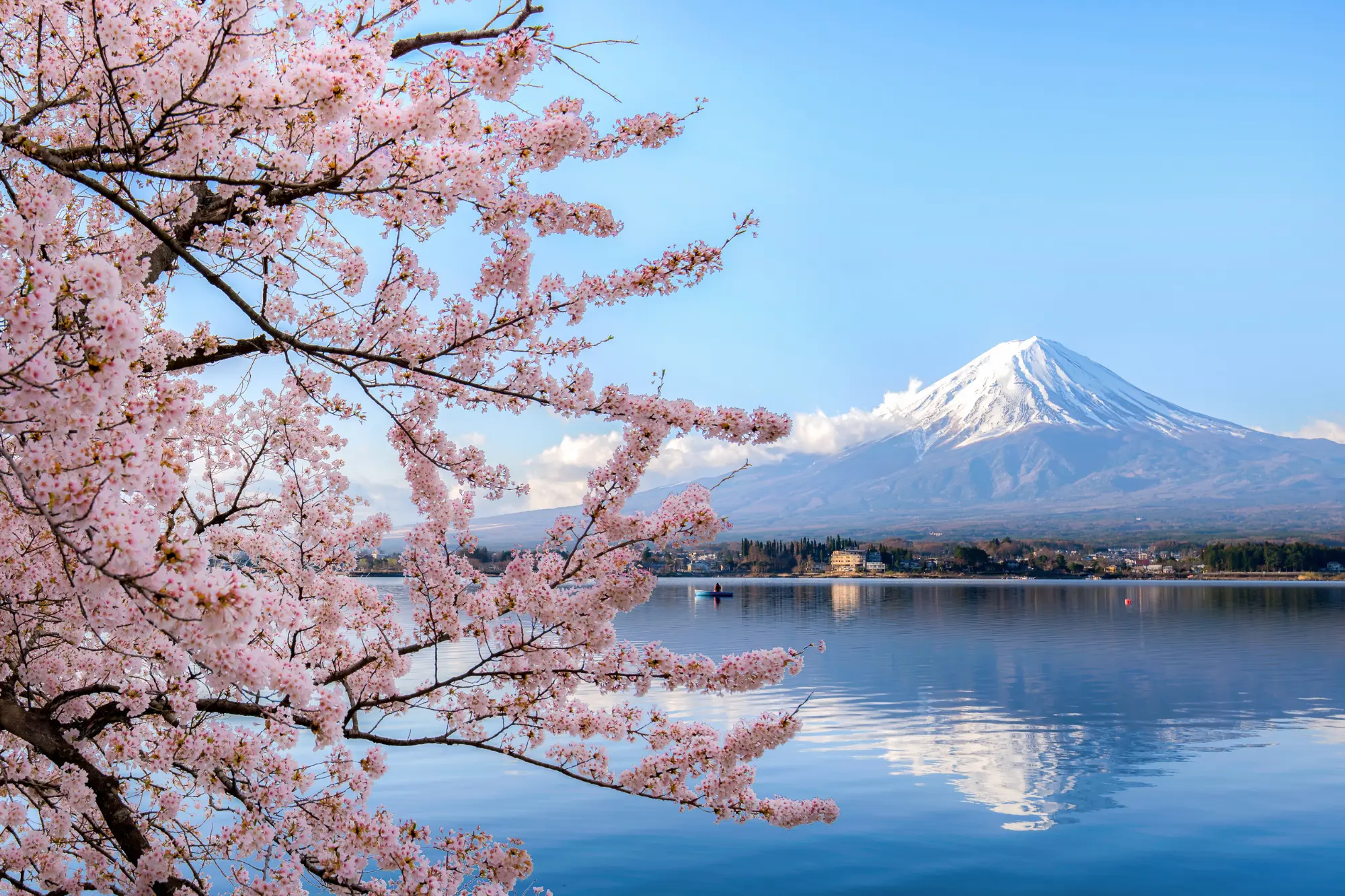
Choosing the right season can make a significant difference to the comfort of Japan seniors tours, especially when the itinerary includes outdoor sightseeing and walking. Spring and autumn are generally comfortable seasons, while summer heat and winter cold may require more careful planning.
| Season | General Conditions | Considerations for Seniors |
|---|---|---|
| Spring (Mar-May) | Mild temperatures and comfortable weather | Pleasant for sightseeing, but cherry blossom areas can be crowded |
| Summer (Jun-Aug) | Hot and humid | Heat and humidity can make walking and outdoor activities more tiring |
| Autumn (Sep-Nov) | Mild and pleasant | Comfortable for sightseeing and popular for autumn foliage |
| Winter (Dec-Feb) | Cold, with snow in some areas | Consider cold weather, icy or slippery surfaces, and shorter daylight hours |
For many senior travelers, spring and autumn can be the most comfortable seasons for visiting Japan, particularly when walking and outdoor sightseeing are important parts of the itinerary. However, the ideal travel period still depends on the destinations, weather conditions, and each traveler’s personal comfort level. Before traveling, check the latest weather forecast for each destination and prepare clothing accordingly, especially when visiting multiple regions with different temperatures.
What Should Seniors Consider Before Choosing a Japan Tour?

A suitable tour should balance sightseeing with comfort, rest, and convenient transportation. When comparing Japan tours for seniors, four factors are especially important.
- Walking Requirements
Japan sightseeing can involve considerable walking, especially at large train stations, temples, gardens, shopping areas, and scenic attractions. Stairs, slopes, and uneven paths may also require extra effort.
Instead of focusing on a fixed number of steps, check the actual walking requirements of each day’s activities and choose an itinerary that matches your comfort level.
- Daily Pace
A comfortable schedule should allow enough time for sightseeing, transfers, and regular breaks. Avoid packing too many attractions into one day, especially when traveling between different cities.
- Hotel Changes
Frequent hotel changes mean more packing, unpacking, check-ins, and luggage transfers. Staying several nights in the same city can make the journey easier and reduce travel fatigue.
- Transportation
Convenient transportation can make a significant difference. Shinkansen is useful for traveling between major cities, while private transportation or taxis can simplify selected sightseeing days. Luggage delivery can also make city-to-city travel more comfortable.
How Nicetrips Supports Senior Travelers?
Nicetrips offers Japan package tours with professional tour guides and a dedicated support team, providing assistance throughout the journey. This can be particularly helpful for seniors who prefer to enjoy Japan without having to manage every transportation connection and travel arrangement themselves.
When comparing the best tours to Japan for seniors, look beyond the number of destinations included. A well-organized itinerary, convenient transportation, appropriate accommodation, and attentive support can make the overall experience more comfortable.
Choosing the Right Type of Japan Tours for Seniors
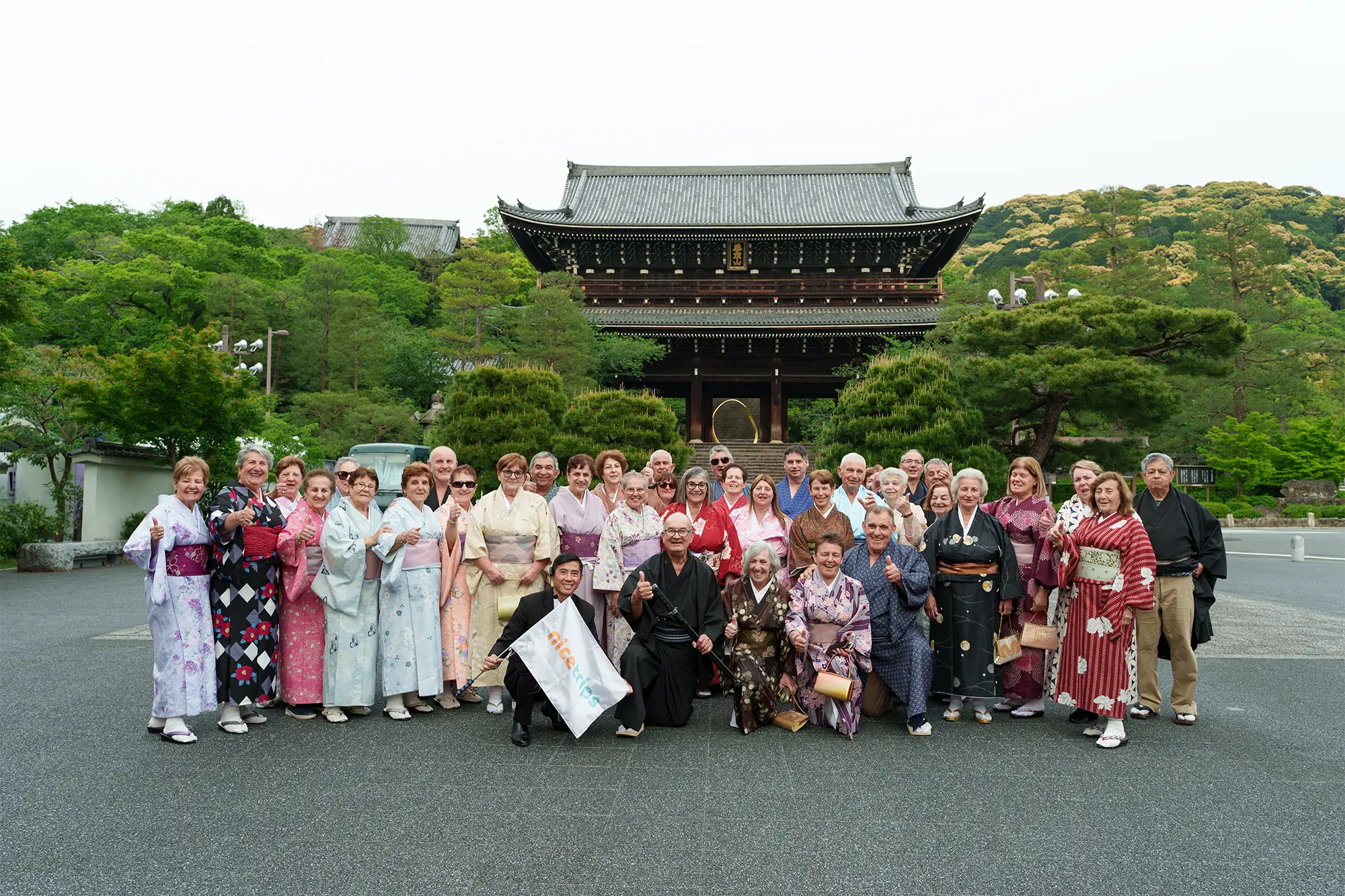
Not all Japan tours follow the same travel style. When looking for the best tours to Japan for seniors, it is useful to consider how the tour is operated rather than focusing only on the number of destinations included.
A guided package tour can be a practical option for senior travelers who prefer support with transportation, sightseeing, accommodation, and daily arrangements. A well-planned itinerary can also reduce the need to navigate unfamiliar train stations or manage frequent changes independently.
Look for tours that provide:
- Tour guide support throughout the journey
- Carefully planned itineraries with a manageable daily pace
- Convenient transportation between destinations
- Suitable hotel arrangements with practical locations
- On-trip support when assistance is needed
For seniors friendly tours, these details can make a meaningful difference to the overall travel experience. The goal is not simply to visit more places, but to make each day easier to manage and more enjoyable.
Essential Checklist for Japan Tours for Seniors

A few practical items that should pack to Japan for seniors tours more comfortable, especially during long sightseeing days or when traveling between different destinations.
1. Clothing & Personal Items
- Comfortable walking shoes: Choose well-worn shoes suitable for extended walking and easy to remove when needed.
- Season-appropriate clothing: Pack lightweight layers and a jacket or outer layer according to the season.
- Small day bag: Useful for carrying daily essentials while sightseeing.
- Water bottle: Helps stay hydrated during long days of travel.
- Umbrella: Useful for unexpected rain.
2. Medication & Health Essentials
- Personal medication: Bring regular medication in sufficient quantities for the trip.
- Prescriptions and medical documents: Keep necessary prescriptions or medical information with your medication.
- Basic personal care items: Bring any essential items that may not be convenient to purchase during the trip.
3. Electronics
- Smartphone: Useful for communication, navigation, translation, and accessing travel information.
- Power bank: Helps keep your phone charged during long sightseeing days.
- Chargers and cables: Pack the chargers and cables needed for your devices.
- Travel adapter: Check your devices and bring a suitable adapter if required.
4. Travel Documents
- Passport: Keep your passport secure and easily accessible when needed.
- Travel information: Keep hotel details, tour information, and transportation details organized.
- Emergency contacts: Save important contact numbers in your phone and keep a written copy if necessary.
Recommended Itinerary for Japan Seniors Tours
A 10-day route can provide a balanced introduction to several major destinations while allowing lighter days between more active sightseeing. This type of itinerary can work well for travelers looking for Japan tours for seniors with a balance between sightseeing and rest.
| Day | Destination | Suggested Activities | Pace |
|---|---|---|---|
| 1 | Tokyo | Arrive in Tokyo, transfer to the hotel, check in, and rest after the journey. | Light |
| 2 | Tokyo | Visit major attractions such as Asakusa and Senso-ji, then enjoy a relaxed city sightseeing experience. | Moderate |
| 3 | Tokyo | Explore cultural and shopping areas such as Meiji Shrine, Harajuku, or Ginza, with time for breaks. | Moderate |
| 4 | Hakone | Travel to Hakone and enjoy a slower day with scenic views, hot springs, and a relaxing stay. | Light |
| 5 | Hakone → Kyoto | Take the Shinkansen to Kyoto and spend the rest of the day checking in and relaxing. | Light |
| 6 | Kyoto | Explore key cultural sites such as Kiyomizu-dera and nearby traditional streets at a comfortable pace. | Moderate |
| 7 | Kyoto | Enjoy a lighter cultural day with gardens, traditional neighborhoods, and time to relax or explore independently. | Light |
| 8 | Nara | Take a day trip to Nara to visit Nara Park, see the famous deer, and explore major temples. | Moderate |
| 9 | Osaka | Travel to Osaka and enjoy local food, shopping, and selected attractions without an overly packed schedule. | Moderate |
| 10 | Osaka | Have a relaxed morning, complete any last-minute activities, and transfer to the airport for departure. | Light |
This route avoids changing hotels every day and includes lighter days after more active sightseeing. Tokyo and Kyoto provide cultural and urban experiences, while Hakone offers a slower pace and a break between major cities.
The itinerary can also be adjusted by reducing the number of attractions on each day, adding rest periods, or spending additional nights in one destination. For tours of Japan for seniors, the ideal schedule should be adapted to each traveler’s mobility, interests, preferred pace, and transportation needs.
Frequently Asked Questions About Japan Seniors Tours
1. Is Japan Suitable for Senior Travelers?
Yes, Japan can be a comfortable destination for seniors when the itinerary, transportation, accommodation, and daily pace are planned around individual needs.
2. How Much Walking Is Involved in Japan Tours for Seniors?
Walking requirements vary significantly by destination and itinerary. Temples, gardens, train stations, shopping areas, and scenic attractions may all involve different levels of walking.
3. What Are the Best Destinations for Senior Travelers?
Tokyo, Kyoto, Nara, Osaka, and Hakone can offer different experiences, from urban sightseeing and traditional culture to nature and relaxation. The most suitable combination depends on each traveler’s mobility and interests.
4. What Should Seniors Pack for Japan?
Comfortable walking shoes, weather-appropriate clothing, personal medication, a small day bag, and essential travel documents are useful items for a Japan trip.
5. Are Japan Tours Suitable for Travelers With Limited Mobility?
Some tours and destinations can accommodate travelers with limited mobility, but accessibility varies. It is important to check walking distances, stairs, transportation arrangements, and hotel facilities before booking.
6. What Makes Seniors Friendly Tours More Comfortable?
Seniors friendly tours should consider more than the destinations included. A comfortable pace, convenient transportation, suitable hotel locations, reasonable walking requirements, professional tour guide support, and sufficient rest time can all contribute to a smoother travel experience.
For travelers comparing tours of Japan for seniors, these practical details can be just as important as the destinations themselves.
Conclusion
The best Japan experience is not necessarily the one that covers the most places. For senior travelers, a well-balanced itinerary with comfortable transportation, convenient accommodation, manageable walking distances, professional support, and enough time to rest can make the journey much more enjoyable.
Whether you are comparing tours of Japan for seniors, researching Japan seniors tours, or looking for seniors friendly tours, consider your preferred pace and comfort before choosing the route. Discover Japan tour packages with Nicetrips and experience the landscapes, food, culture, and seasonal highlights of northern Japan. Follow the Nicetrips Blog for more destination guides, travel tips, and Japan travel inspiration.