Phu Quoc is Vietnam’s largest island and one of the country’s most popular beach destinations. Famous for its white-sand beaches, clear turquoise waters, tropical landscapes, and relaxed atmosphere, the island is ideal for both short getaways and longer holidays. There are plenty of things to do in Phu Quoc from relaxing on a beautiful Phu Quoc Island beach and exploring tropical forests to joining boat trips and discovering local villages. With its diverse landscapes and island experiences, Phu Quoc offers something for every traveler. This guide covers the best places to visit in Phu Quoc, popular activities, Phu Quoc day trips, the best time to visit, and practical travel tips.
About Phu Quoc
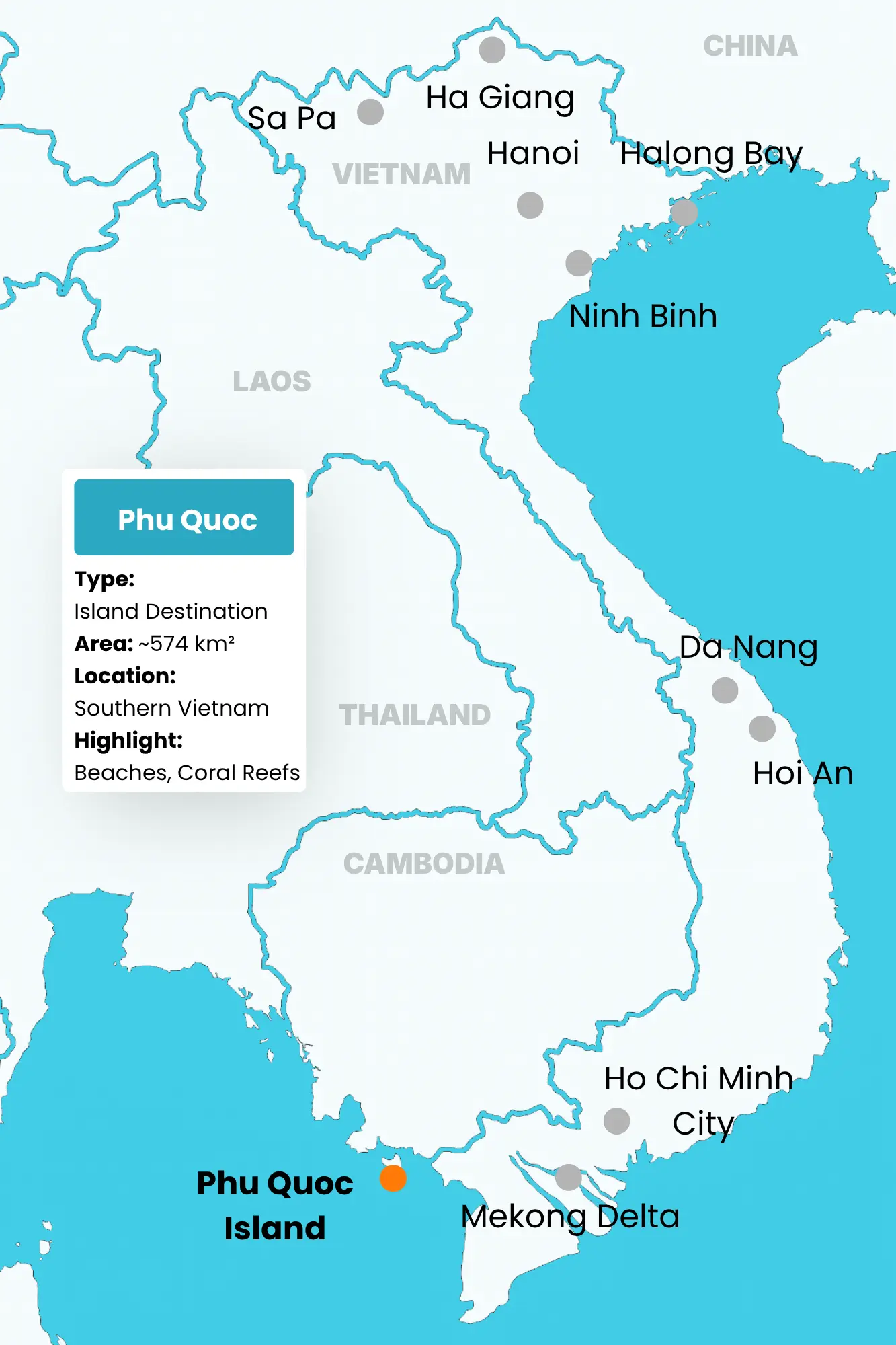
Phu Quoc is Vietnam’s largest island, located in the Gulf of Thailand off the southwestern coast of the country. The island is approximately 50 km long and up to 25 km wide, with a total area of about 574 km². It lies around 45 km from Ha Tien and 120 km from Rach Gia, making it accessible from both mainland Vietnam and nearby international destinations.
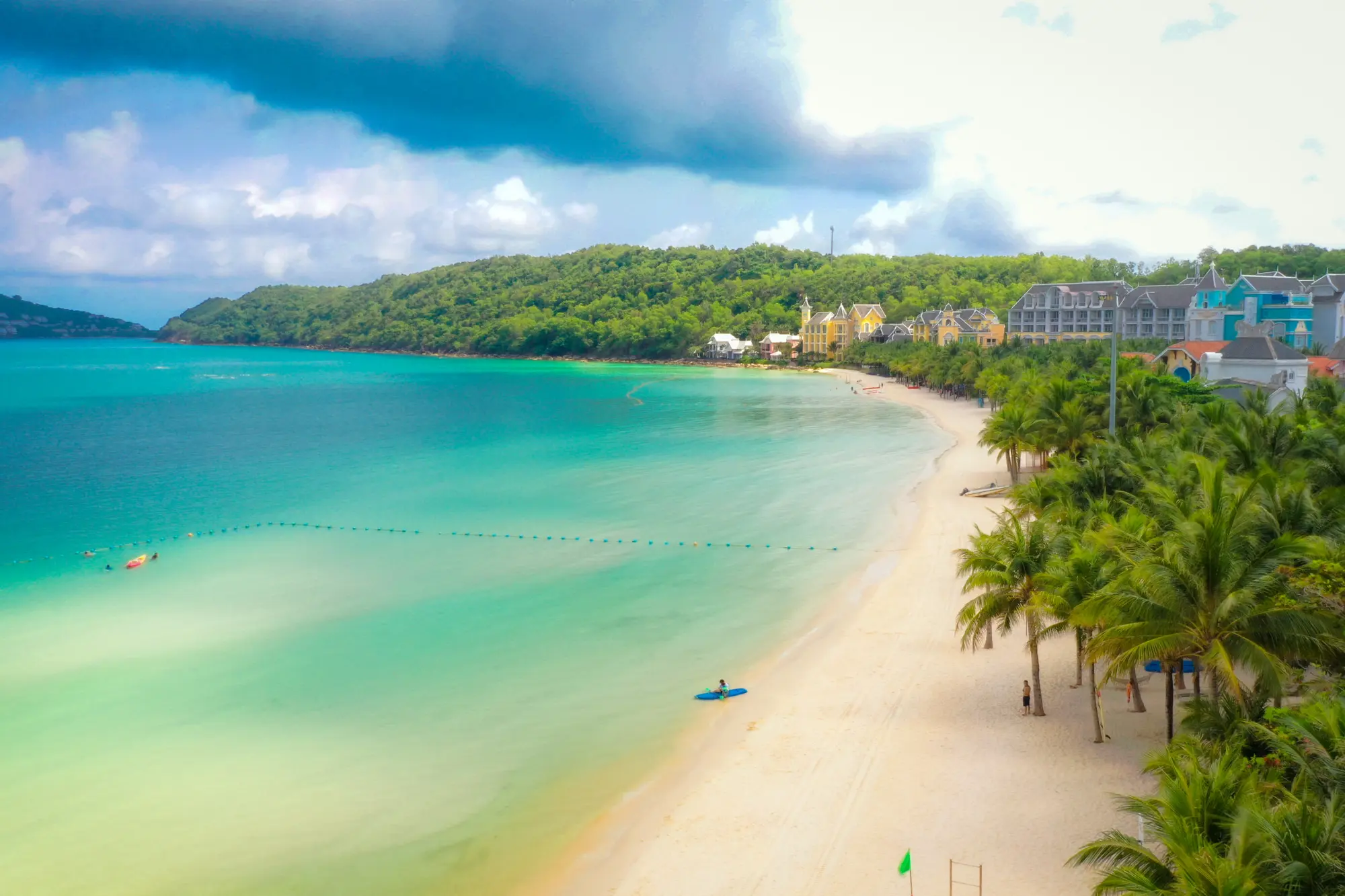
Phu Quoc combines long sandy beaches, tropical forests, fishing villages, local markets, and modern resorts. Its 150 km coastline includes well-known beaches such as Ong Lang Beach, Sao Beach, Khem Beach, and Ganh Dau. The island is also famous for its fish sauce, pepper, seafood, and pearl farming traditions.
Phu Quoc at a Glance
- Location: Gulf of Thailand, southwestern Vietnam; approximately 45 km from Ha Tien and 120 km from Rach Gia.
- Size: Approximately 574 km², making Phu Quoc the largest island in Vietnam.
- Length & Width: About 50 km long and up to 25 km wide.
- Coastline: Approximately 150 km, with numerous beaches, bays, and coastal landscapes.
- Landscape: Beaches, forests, hills, streams, coral reefs, and smaller offshore islands.
- Highlights: Beaches, island hopping, snorkeling, sunsets, seafood, fish sauce, pepper, and nature.
- Best For: Beach holidays, island trips, families, couples, nature lovers, and resort getaways.
Geography of Phu Quoc
Phu Quoc is the main island of the Phu Quoc Archipelago, which includes numerous smaller islands and islets. Its landscape is more diverse than its reputation as a beach destination suggests, with mountains and forests covering much of the island alongside coastal plains and beaches.
- Northern Phu Quoc: More mountainous and heavily forested, with large areas of protected natural landscapes. Phu Quoc National Park covers more than 31,000 hectares and is home to diverse forest ecosystems.
- Southern Phu Quoc: Features beaches, resorts, fishing communities, and access to the An Thoi Archipelago, making it a major area for island-hopping and marine activities.
- Mountainous Landscape: Phu Quoc is known as the “Island of 99 Mountains” The Ham Ninh mountain range stretches for about 30 km, with Mount Chua reaching approximately 603 m, the island’s highest point.
- Coastline: Around 150 km of coastline surrounds the island, creating a variety of beaches, rocky shores, bays, and marine habitats.
- Main Urban Center: Duong Dong has traditionally served as the island’s main commercial and tourism center, with markets, restaurants, hotels, and everyday local services.
- Climate: Phu Quoc has a tropical monsoon climate, with average temperatures generally around 25-28°C. The island experiences a relatively dry period and a wetter rainy season.
History of Phu Quoc
Phu Quoc’s history is closely connected with fishing, agriculture, maritime trade, and the natural resources of the island. Its location in the Gulf of Thailand also placed it along important regional maritime routes.
- Traditional Communities: Fishing and agriculture have long been central to life on the island, particularly in coastal villages.
- Maritime Heritage: Phu Quoc’s location made fishing and sea-based trade important parts of its historical development.
- Traditional Products: The island became particularly well known for Phu Quoc fish sauce, black pepper, seafood, and pearl cultivation.
- Natural Heritage: Large forested areas in the north have been protected as part of Phu Quoc National Park, established in 2001, helping preserve the island’s biodiversity.
- Tourism Development: Phu Quoc was officially identified for development as a regional and international tourism center in 2004.
- Modern Destination: Since the development of Phu Quoc International Airport, opened in 2012, the island has become increasingly accessible to domestic and international travelers.
- Biosphere Reserve: Phu Quoc is part of the Kien Giang Biosphere Reserve, recognized by UNESCO in 2006, highlighting the ecological importance of its island, coastal, and marine environments.
Best Places to Visit & Things to Do in Phu Quoc
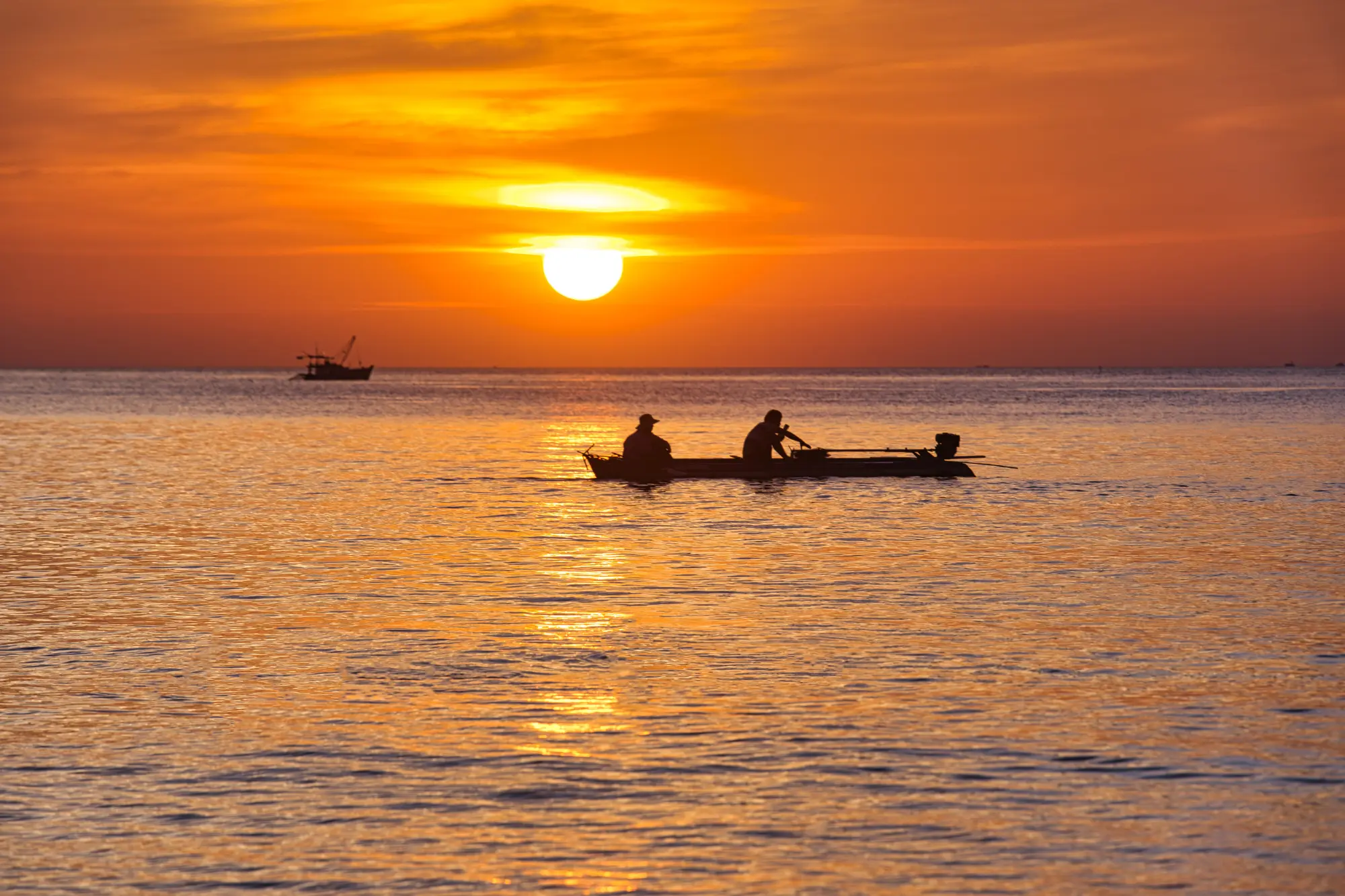
1. Relax at Ong Lang Beach
Ong Lang Beach is one of the most popular beaches on the island and stretches along the western coast. Its convenient location near Duong Dong makes it a good choice for swimming, relaxing, watching the sunset, and enjoying beachfront restaurants.
- Type: Beach
- Best For: Swimming, sunsets, resorts, and dining
- Cost: Free to access; activities and beach services may have additional fees.
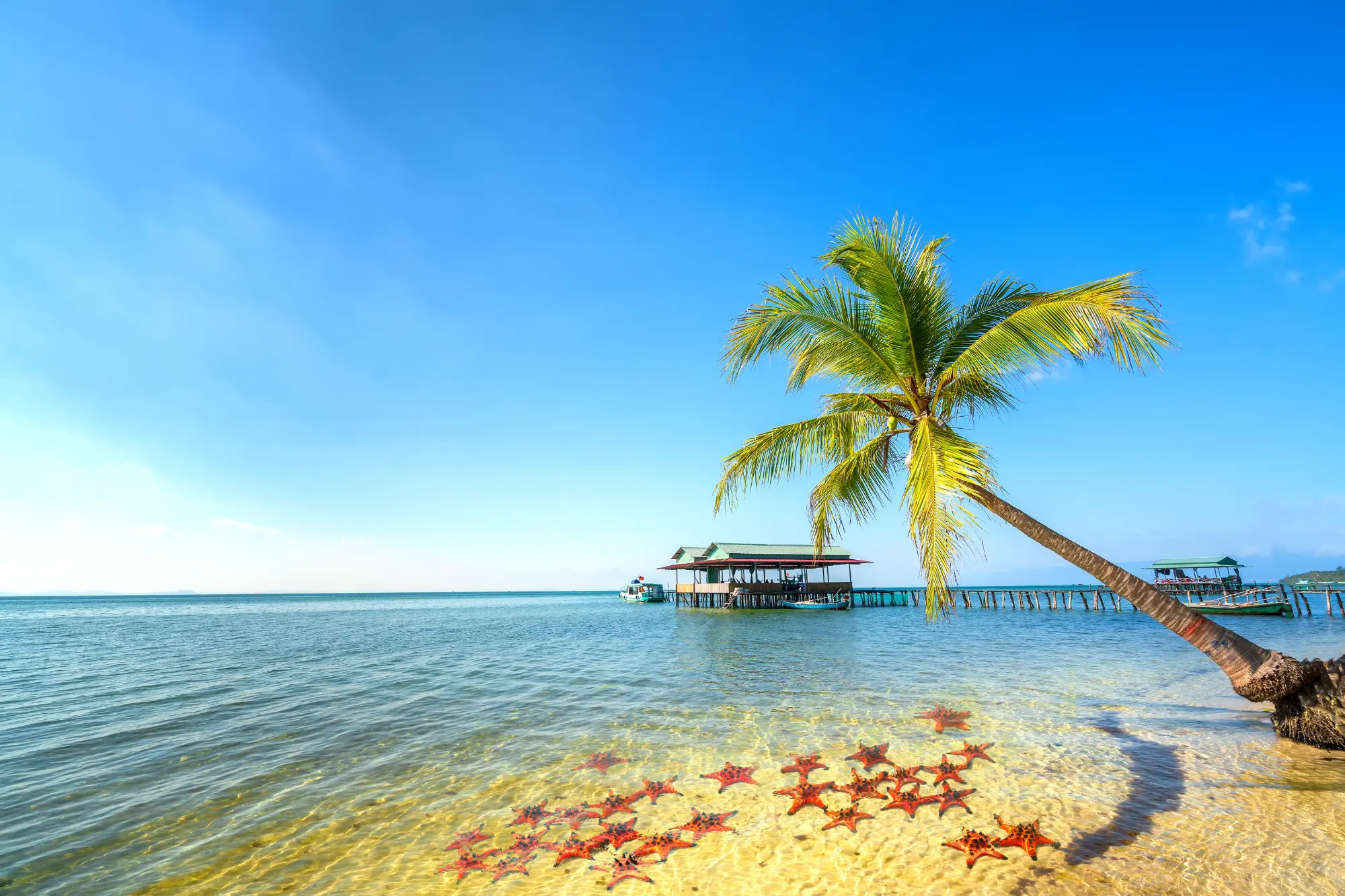
2. Visit Sao Beach
Sao Beach is famous for its soft white sand and turquoise water. Located in southern Phu Quoc, it is a popular destination for travelers looking for a scenic Phu Quoc Island beach.
- Type: Beach
- Location: Southern Phu Quoc
- Best For: Swimming, photography, and relaxing
- Cost: Free to access; some beach facilities may charge separately.
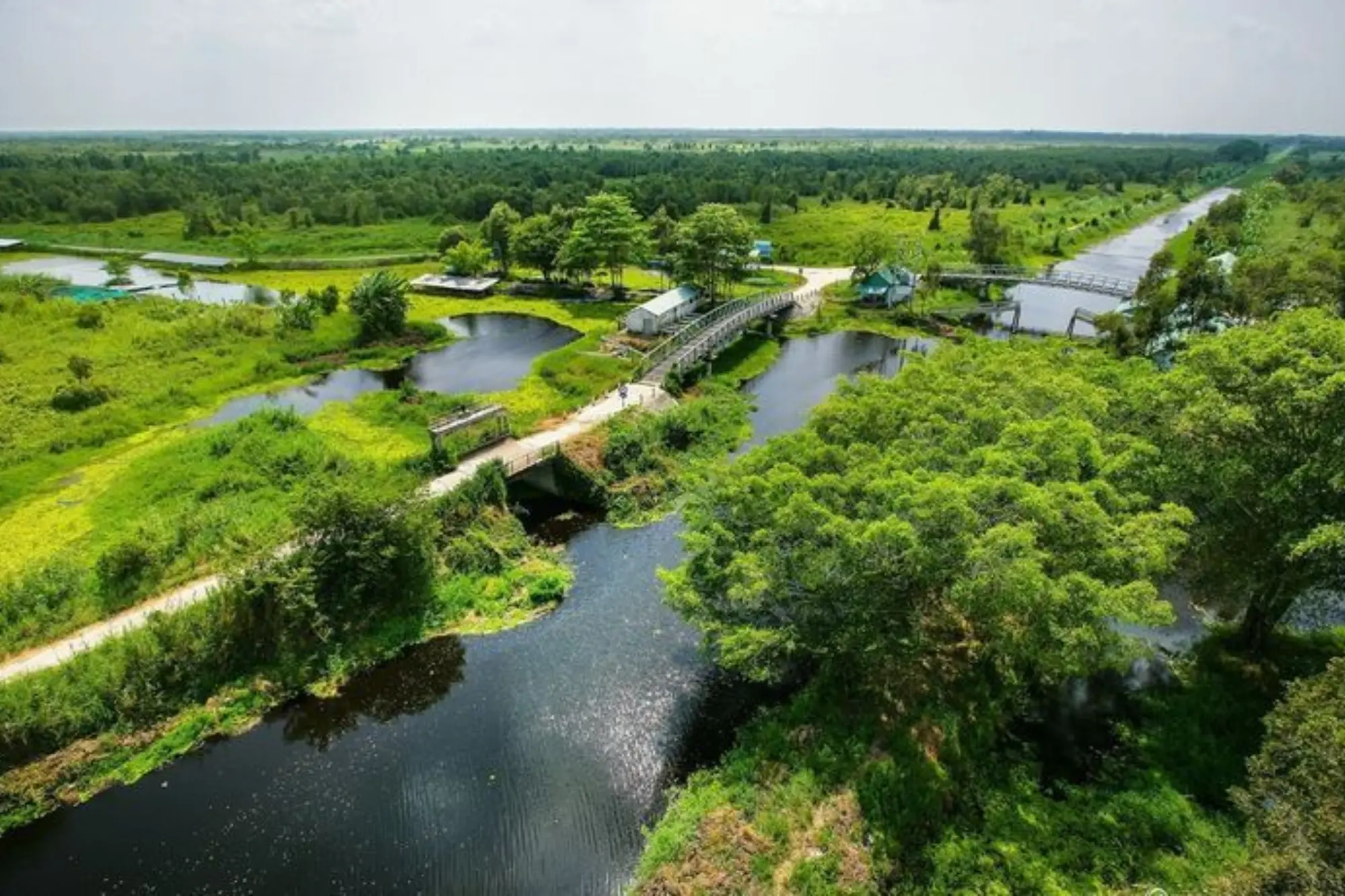
3. Explore Phu Quoc National Park
Phu Quoc National Park covers forests, mountains, and coastal ecosystems in the northern part of the island. Visitors can explore nature trails, enjoy the tropical scenery, and discover the island’s biodiversity.
- Type: National Park
- Location: Northern Phu Quoc
- Best For: Nature, hiking, and photography
- Cost: Varies depending on the activity or area visited.
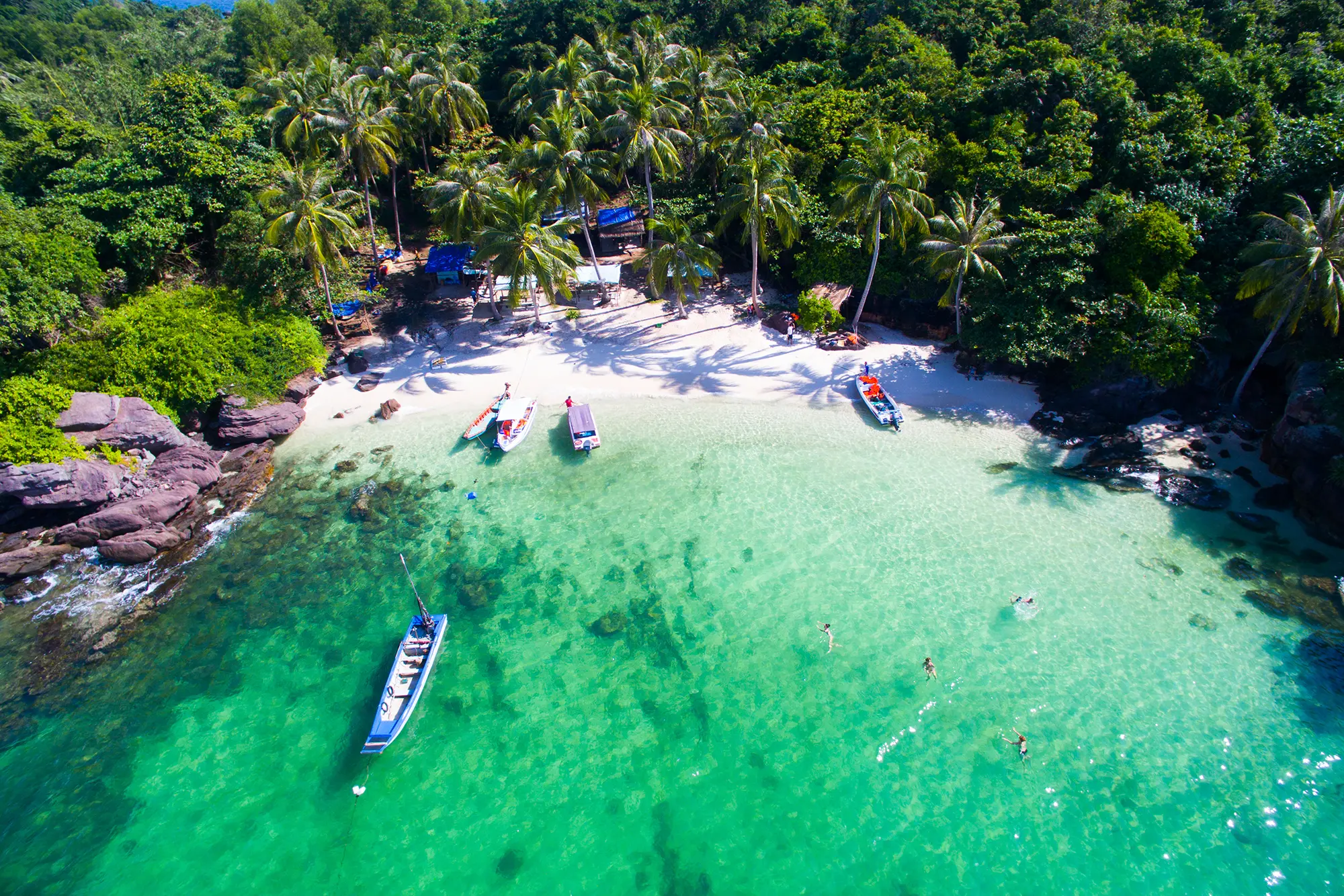
4. Go Island Hopping in the An Thoi Archipelago
Island hopping is one of the most popular things to do in Phu Quoc. Boat tours from the south can take visitors to smaller islands such as Hon Thom, May Rut, and Mong Tay, where they can swim, snorkel, and enjoy the clear waters.
- Type: Island-hopping experience
- Location: Southern Phu Quoc
- Best For: Snorkeling, swimming, and photography
- Cost: Around US$25-60/person, depending on the tour and inclusions.
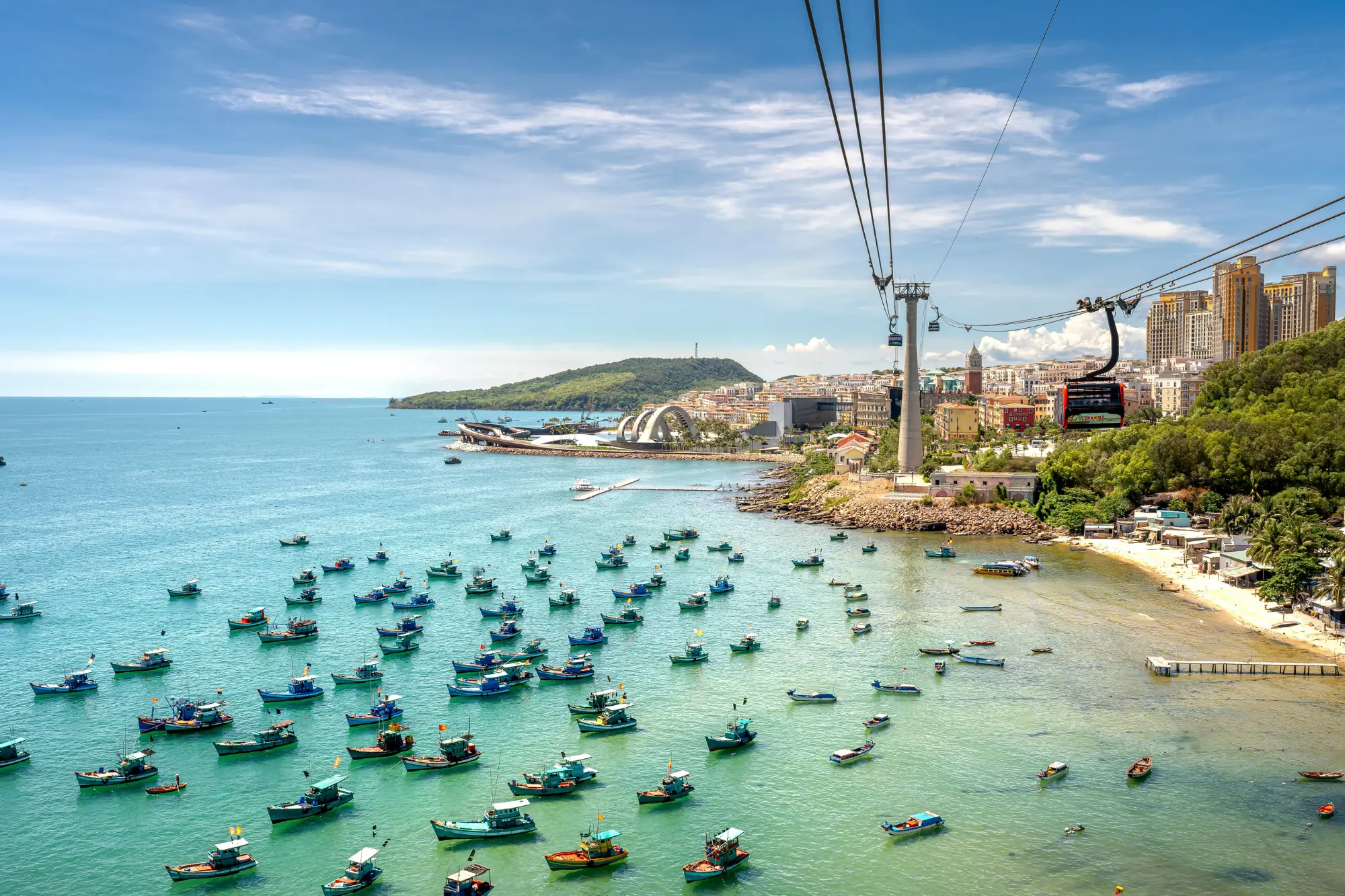
5. Take the Hon Thom Cable Car
The Hon Thom Cable Car connects An Thoi with Hon Thom Island and offers panoramic views of the sea and surrounding islands. The journey itself is a popular attraction, especially for travelers looking for scenic views.
- Type: Cable car
- Location: Southern Phu Quoc
- Best For: Sea views and sightseeing
- Cost: Prices vary by ticket type and season
6. Visit Duong Dong Market
Duong Dong Market is one of the best places to experience local life on the island. The market sells fresh seafood, tropical fruits, spices, dried products, and other local specialties.
- Type: Local market
- Best For: Food, shopping, and local experiences
- Cost: Free entry; shopping and food are paid separately.
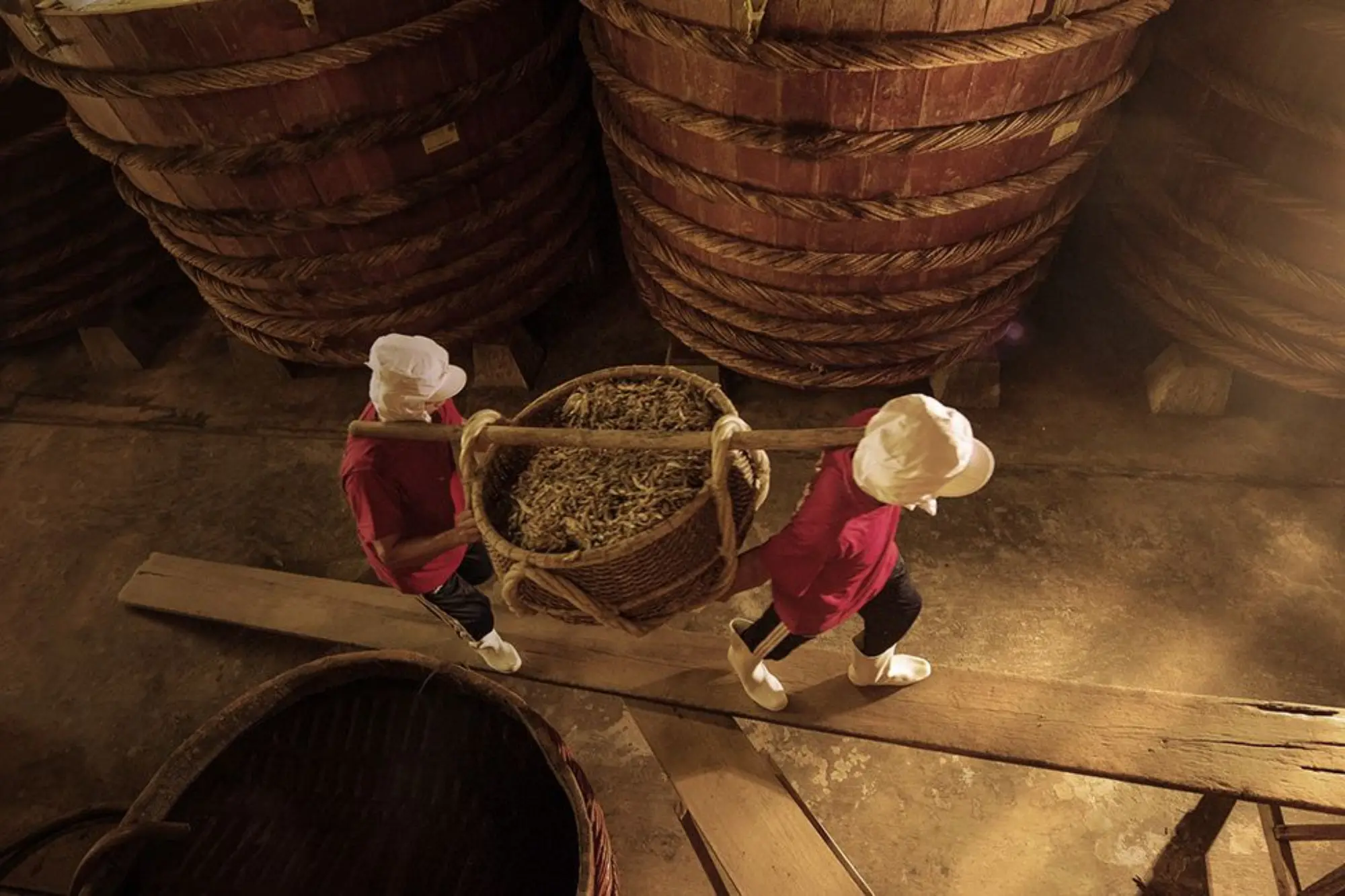
7. Discover Phu Quoc Fish Sauce & Pepper Farms
Phu Quoc is well known for its traditional fish sauce and pepper production. Visiting local producers gives travelers a chance to learn more about these important island products and traditional farming practices.
- Type: Cultural experience
- Best For: Local products and food culture
- Cost: Varies by farm or tour
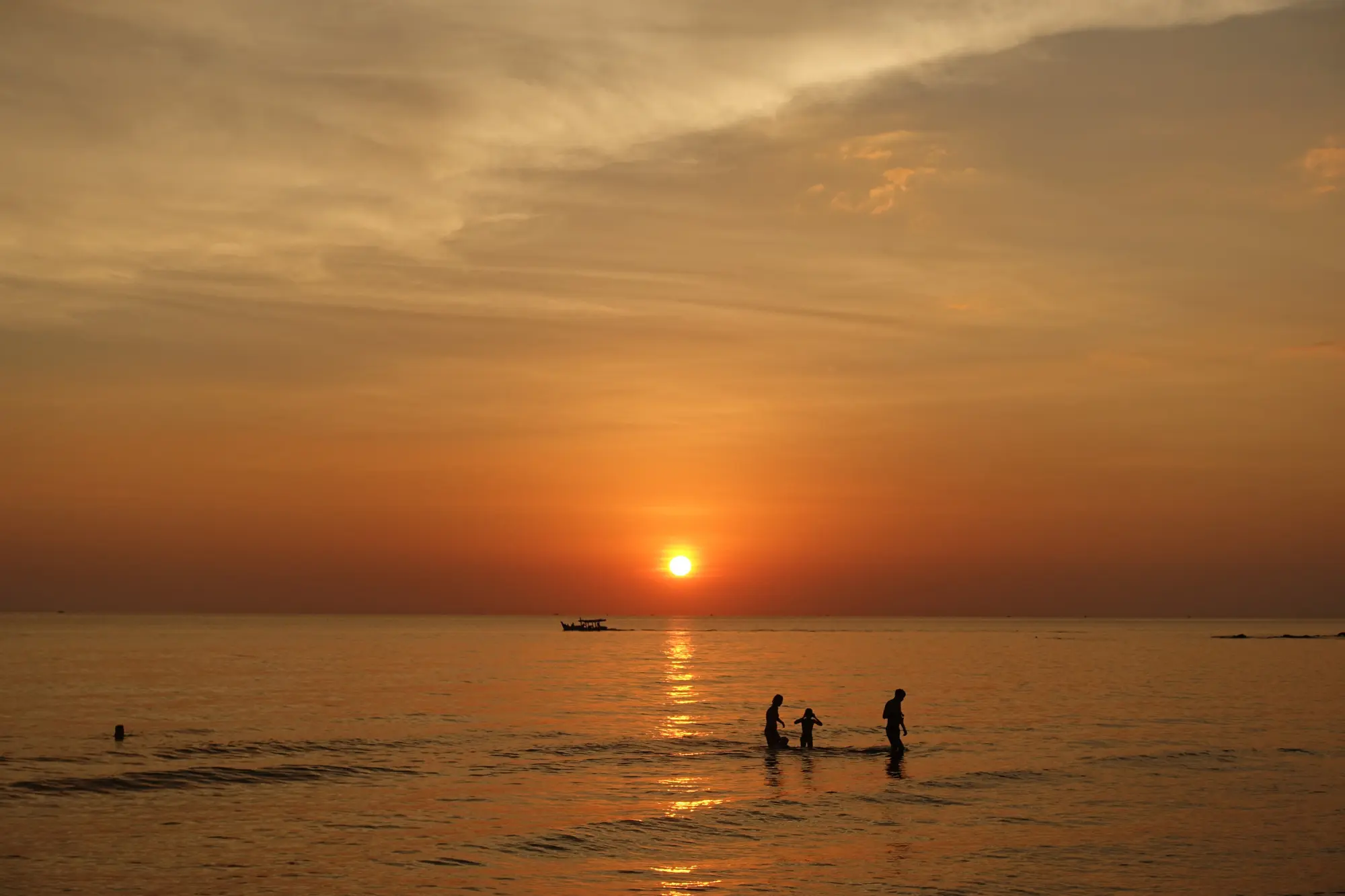
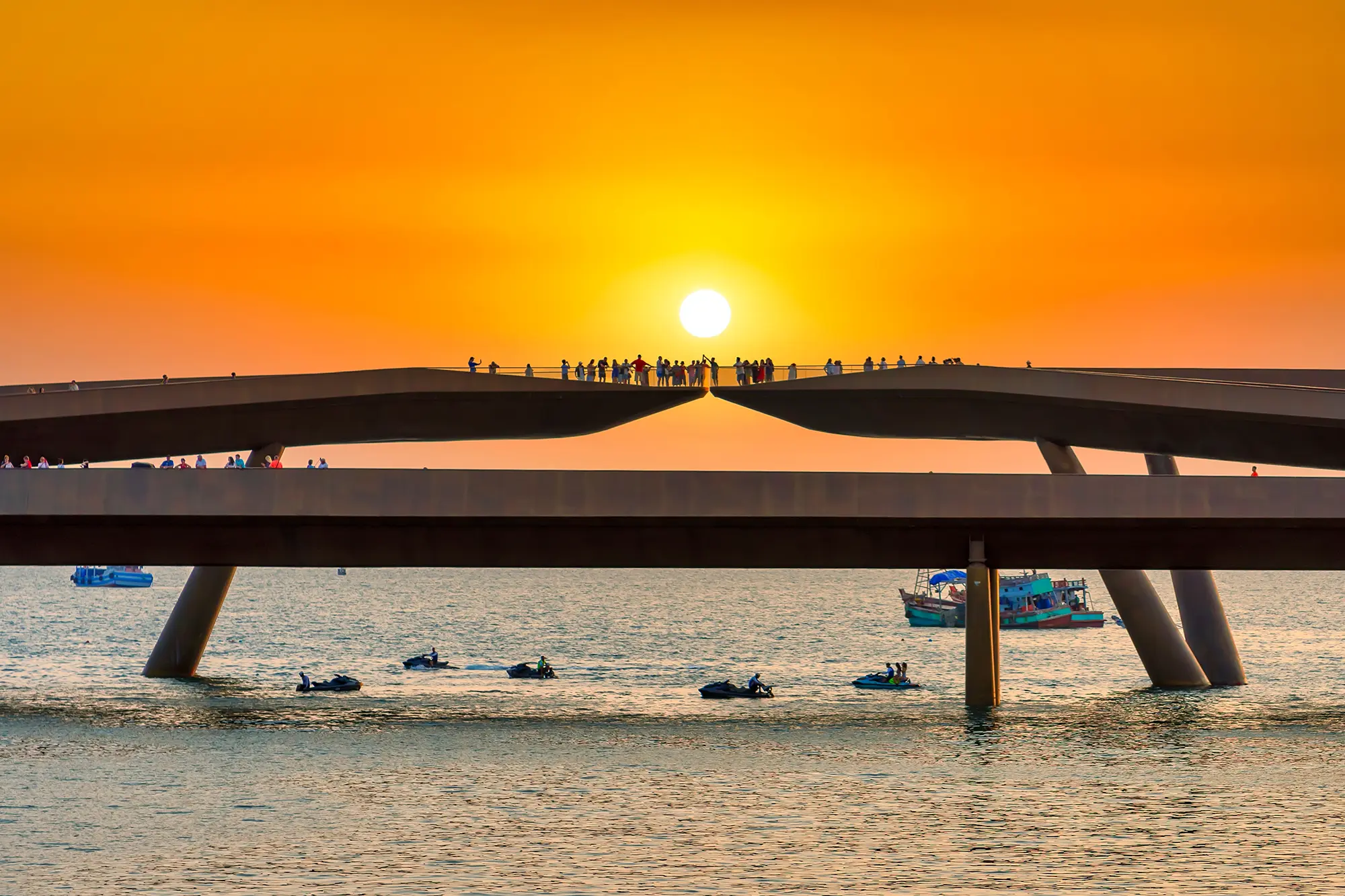
8. Watch the Sunset at the West Coast
The western coast is one of the best areas to enjoy sunset views. Travelers can relax on the beach, visit a beachfront café, or enjoy a drink while watching the sun disappear over the Gulf of Thailand.
- Type: Sunset experience
- Best For: Couples, photography, and relaxation
- Cost: Free on public beaches; cafés and resorts charge separately
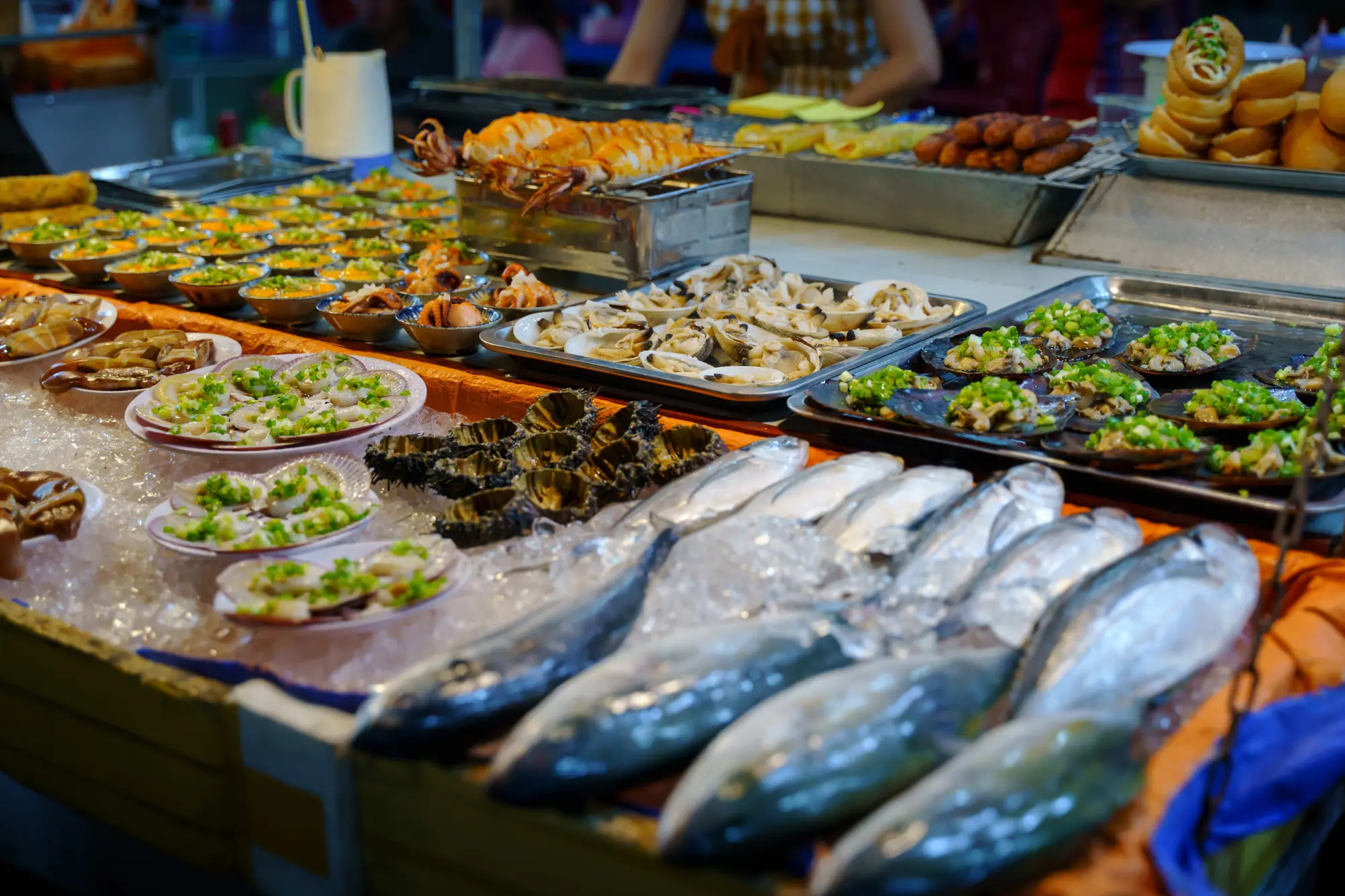
9. Explore Phu Quoc Night Market
Phu Quoc Night Market in Duong Dong is a lively evening destination with seafood restaurants, local snacks, souvenirs, and tropical products. It is a convenient place to try local food and experience the island after sunset.
- Type: Night market
- Best For: Food, shopping, and nightlife
- Cost: Free entry; food and shopping are paid separately.
10. Take Phu Quoc Day Trips
Phu Quoc day trips are a convenient way to explore different parts of the island or nearby islands in a single day. Popular options include southern island-hopping tours, snorkeling trips, fishing experiences, and excursions to local villages and natural attractions.
- Duration: Usually half-day or full-day
- Best For: First-time visitors and short stays
- Cost: Around US$25–80/person, depending on the itinerary and inclusions.
Culture, Food & Local Life
Culture
Phu Quoc’s culture is closely connected with its maritime environment and traditional island communities. Fishing has been an important part of local life for generations, while traditional products such as fish sauce and pepper reflect the island’s agricultural and food-producing heritage.
Visitors can discover local culture through fishing villages, traditional markets, fish sauce facilities, and pepper farms. These experiences offer a closer look at the traditions and industries that have shaped life on the island.
Food
Seafood is at the heart of Phu Quoc’s food culture. Fresh crab, squid, shrimp, shellfish, and grilled fish are widely available at local markets and seafood restaurants.
Some local specialties worth trying include:
- Goi Ca Trich: Fresh herring served with herbs, coconut, peanuts, rice paper, and dipping sauce.
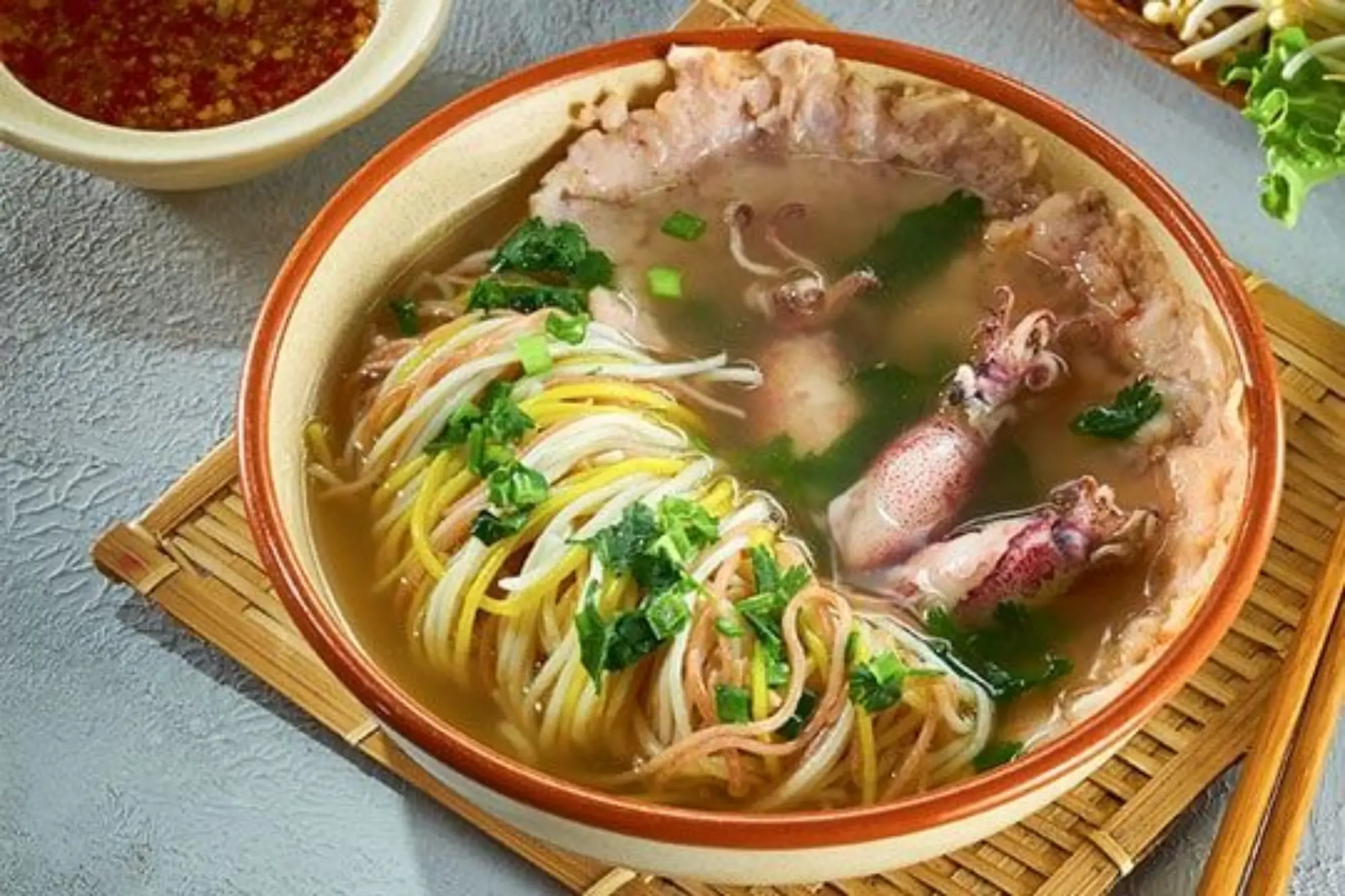
- Bun Quay: Rice noodles served with freshly prepared shrimp, fish, squid, and a savory broth.
- Phu Quoc Fish Sauce: A traditional fermented sauce made mainly from anchovies and sea salt.
- Phu Quoc Pepper: Locally grown pepper known for its strong aroma and distinctive flavor.
- Grilled Seafood: Fresh squid, prawns, scallops, crab, and other seafood prepared with local seasonings.
Local Life
Local life in Phu Quoc revolves around the sea, fishing, markets, and small coastal communities. Early mornings are a good time to see fishing boats returning with their catches and locals buying fresh seafood at nearby markets.
For a more authentic experience, travelers can visit Duong Dong Market, explore fishing villages, stop by a pepper farm, or visit a traditional fish sauce facility. Walking through local neighborhoods and eating at small family-run restaurants can also provide a more personal view of everyday island life.
Together, these experiences show a side of Phu Quoc beyond its beaches and resorts, highlighting the island’s strong connection with the sea and its traditional way of life.
Best Time to Visit Phu Quoc
Phu Quoc has a tropical climate with a dry season and a rainy season. The dry season is generally the most popular period for beach holidays and outdoor activities.
| Season | Weather | Best For |
| November-April | Warm and mostly dry | Beaches, island hopping, sightseeing |
| May-October | Hot, humid, with more rain | Resorts, local experiences, quieter trips |
When Is the Best Time to Visit?
For the best overall beach experience, December to April is the safest choice. March and April are particularly suitable for travelers who want warm weather and plenty of time for swimming, snorkeling, and exploring the islands. If your priority is avoiding heavy rain and unpredictable sea conditions, it is better to avoid July to September. However, weather conditions can vary from year to year, so check the latest weather forecast before your trip and adjust your plans accordingly.
Facts About Phu Quoc
- Vietnam’s Largest Island: Phu Quoc covers approximately 574 km², making it the largest island in Vietnam. Its large area includes beaches, forests, mountains, fishing villages, and smaller surrounding islands.
- Island of 99 Mountains: Phu Quoc is often known as the “Island of 99 Mountains” with Mount Chua reaching about 603 m, the island’s highest peak. The island’s mountainous landscape is especially prominent in the north and northeast.
- 150 km Coastline: Phu Quoc has approximately 150 km of coastline, featuring sandy beaches, quiet bays, rocky shores, and traditional fishing villages. This diverse coastline makes the island well suited for beach holidays and water activities.
- UNESCO Biosphere Reserve: Phu Quoc is part of the Kien Giang Biosphere Reserve, recognized by UNESCO in 2006 for its diverse terrestrial, coastal, and marine ecosystems. The reserve highlights the ecological importance of the island and surrounding waters.
- Famous for Fish Sauce: Phu Quoc has a long tradition of producing fish sauce from fermented anchovies and sea salt. The product is one of the island’s most famous specialties and an important part of its local food culture.
- Pearl Island: Phu Quoc is also well known for pearl farming, which has earned the island the nickname “Pearl Island.” Visitors can learn more about pearl cultivation and see locally produced pearl jewelry.
- A Tropical National Park: Phu Quoc National Park covers more than 31,000 hectares, protecting large areas of forest and diverse ecosystems in the north of the island. The park is home to rich plant and animal life and offers opportunities for nature exploration and outdoor activities.
Frequently Asked Questions
1. Is Phu Quoc worth visiting?
Yes. Phu Quoc offers a great mix of beaches, nature, local food, island activities, and resorts for different types of travelers. It is a good choice for both relaxing beach holidays and active island adventures.
2. How many days do you need in Phu Quoc?
2–4 days is enough to explore the main beaches, attractions, local food, and island activities. A longer stay is recommended for a more relaxed trip or to explore more of the island.
3. What are the best places to visit in Phu Quoc?
Popular places to visit in Phu Quoc include Long Beach, Ong Lang Beach, Sao Beach, Phu Quoc National Park, Duong Dong Market, An Thoi Archipelago, and Hon Thom. Each offers a different experience, from beaches and nature to local culture and island adventures.
4. What are the best things to do in Phu Quoc?
The best things to do in Phu Quoc include relaxing on the beaches, island hopping, snorkeling, exploring nature, visiting local markets, and watching the sunset. You can also try local seafood and discover Phu Quoc’s famous pepper and fish sauce.
5. Are Phu Quoc day trips available?
Yes. Phu Quoc day trips include island hopping, snorkeling, fishing, sightseeing, and cultural experiences, with both half-day and full-day options. Check the itinerary and latest weather forecast before booking, especially during the rainy season.
Conclusion
Phu Quoc is an excellent destination for travelers looking for a mix of beaches, nature, local culture, and island experiences. From relaxing on a Phu Quoc Island beach to exploring the national park, enjoying fresh seafood, and joining Phu Quoc day trips, the island offers plenty to discover. Whether you are planning a short beach getaway or a longer Vietnam holiday, Phu Quoc is a destination worth adding to your itinerary. With its tropical scenery, laid-back atmosphere, and diverse experiences, the island offers an easy balance between relaxation and adventure.
Explore Nicetrips’ Vietnam tour packages for thoughtfully designed journeys combining Hoi An with other highlights of Central Vietnam, Southern Vietnam and discover more destination guides and practical travel tips on the Nicetrips blog.