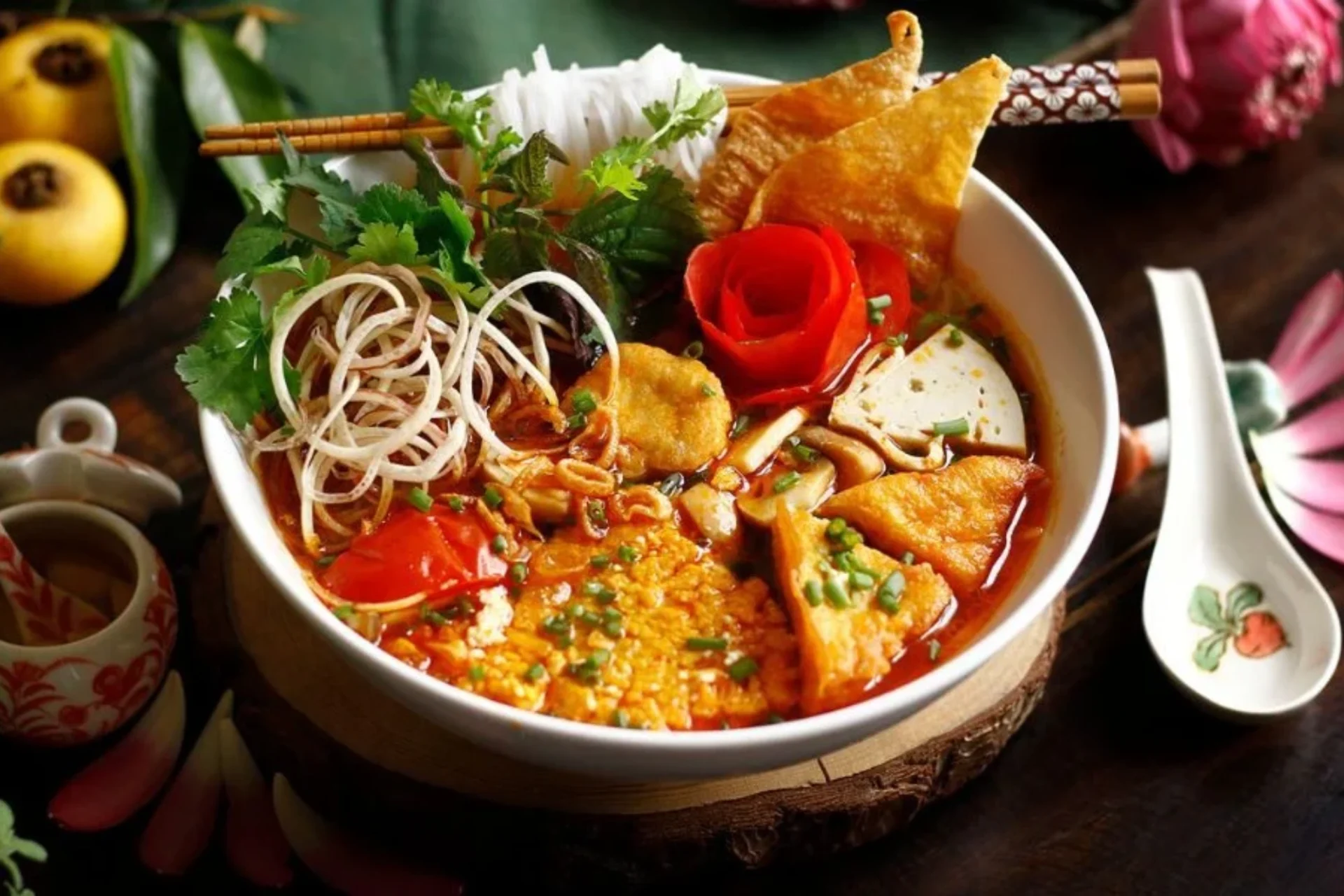
Japan is known for sushi, ramen, and tempura, but its food culture goes far beyond these famous dishes. Each region has its own specialties shaped by local ingredients, climate, history, and traditions. From Hokkaido seafood and Osaka takoyaki to Sanuki udon in Kagawa and tonkotsu ramen in Fukuoka, Japanese regional food offers a unique way to experience each destination. This Japanese regional food guide covers what to eat across Japan and the local specialties worth adding to your itinerary.
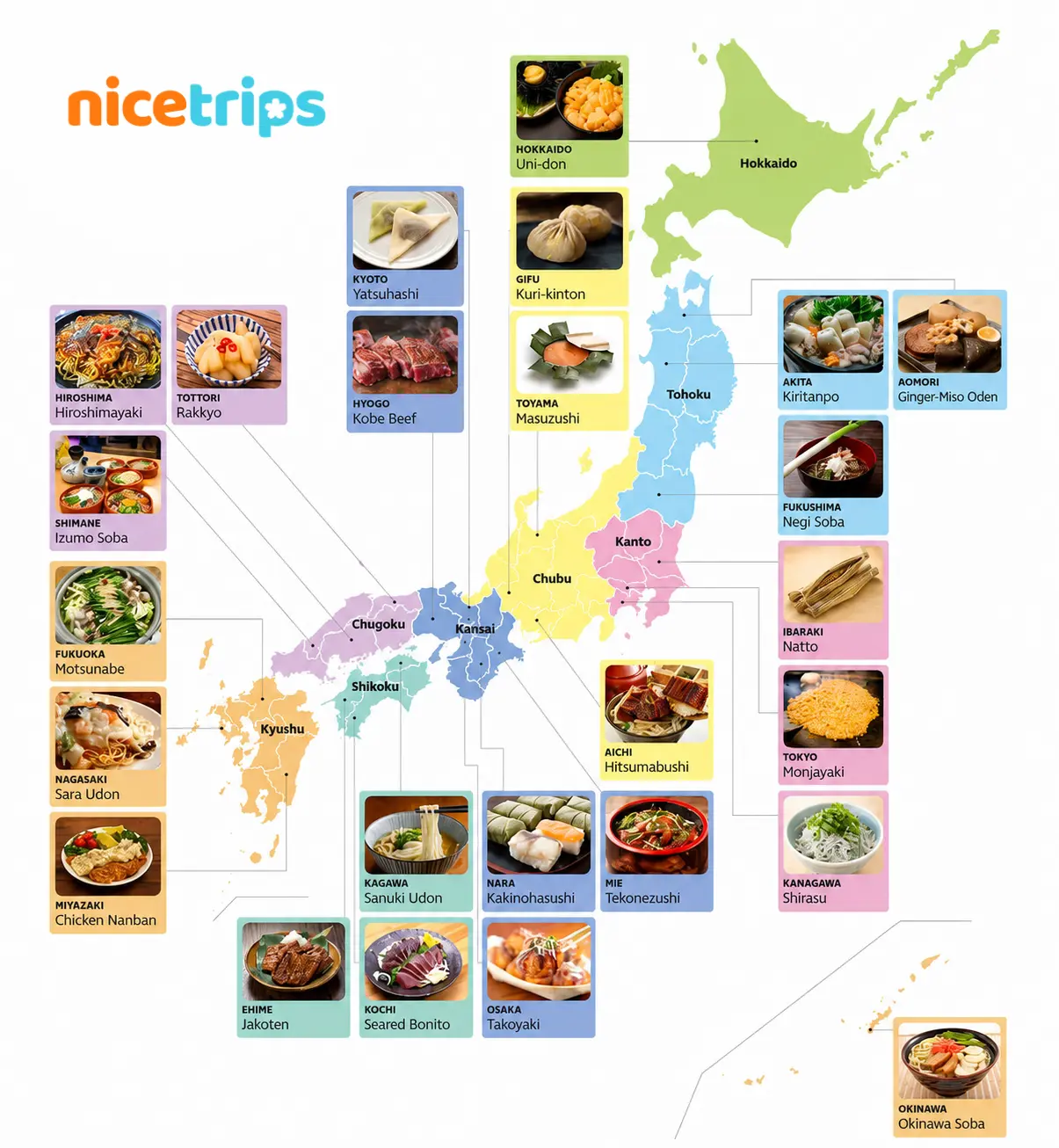
Japan Regional Food Map: What to Eat Across the Country
Japan can be divided into several major geographical regions, each with distinctive food traditions. While local specialties can vary even between neighboring cities, the following overview gives you a useful starting point for exploring Japanese regional cuisine.
| Region | Popular Food Cities | Must-Try Regional Foods |
| Hokkaido | Sapporo, Hakodate, Otaru | Kaisendon, miso ramen, soup curry, jingisukan |
| Tohoku | Sendai, Akita, Morioka | Gyutan, kiritanpo, wanko soba |
| Kanto | Tokyo, Yokohama, Kamakura | Edomae sushi, monjayaki, soba |
| Chubu | Nagoya, Takayama, Kanazawa | Hitsumabushi, miso katsu, Hida beef |
| Kansai | Osaka, Kyoto, Kobe, Nara | Takoyaki, okonomiyaki, kaiseki, yudofu |
| Chugoku | Hiroshima, Miyajima, Okayama | Hiroshima okonomiyaki, oysters, anago meshi |
| Shikoku | Takamatsu, Kochi, Matsuyama | Sanuki udon, katsuo no tataki |
| Kyushu | Fukuoka, Kumamoto, Miyazaki | Tonkotsu ramen, motsunabe, chicken nanban |
| Okinawa | Naha, Ishigaki | Okinawa soba, goya champuru, taco rice |
The easiest way to explore Japanese regional food is to match local specialties with your travel route. You do not need to travel across the entire country just to try specific dishes. Instead, look at what each destination is known for and make those foods part of your trip.
Related Article: Top 10 Delicious Japanese Foods You Must Try in Japan
1. Hokkaido: Seafood, Ramen and Dairy Products
Hokkaido is one of Japan’s best regions for seafood, dairy products, and hearty comfort food. Its cold climate, abundant waters, and large agricultural areas have created a food culture that is noticeably different from other parts of Japan.
For seafood lovers, Hokkaido is particularly rewarding. The region is famous for crab, sea urchin, salmon, scallops, and other fresh seafood.
Kaisendon
Kaisendon is a bowl of rice topped with assorted fresh seafood. Depending on the restaurant and season, you may find salmon, tuna, scallops, crab, sea urchin, and ikura on top.
One of the best ways to experience kaisendon is at a local seafood market, where the toppings are often closely connected to the region’s fishing industry.
Sapporo Miso Ramen
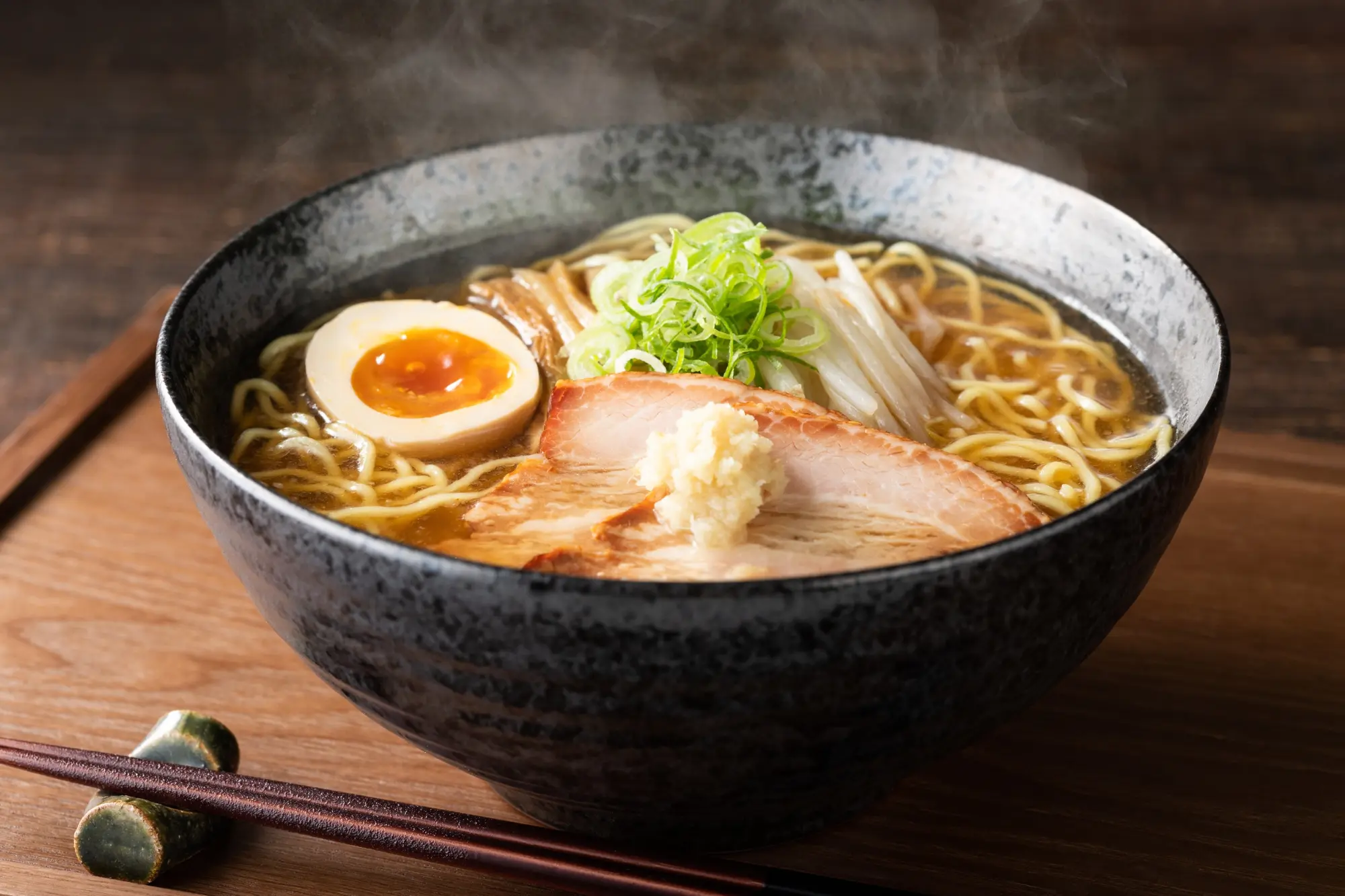
Sapporo miso ramen is one of Japan’s most recognizable regional ramen styles. The rich miso-based broth is often served with noodles, vegetables, corn, butter, and other toppings.
It is especially appealing during Hokkaido’s colder months, when a hot bowl of ramen fits naturally into the local atmosphere.
Soup Curry
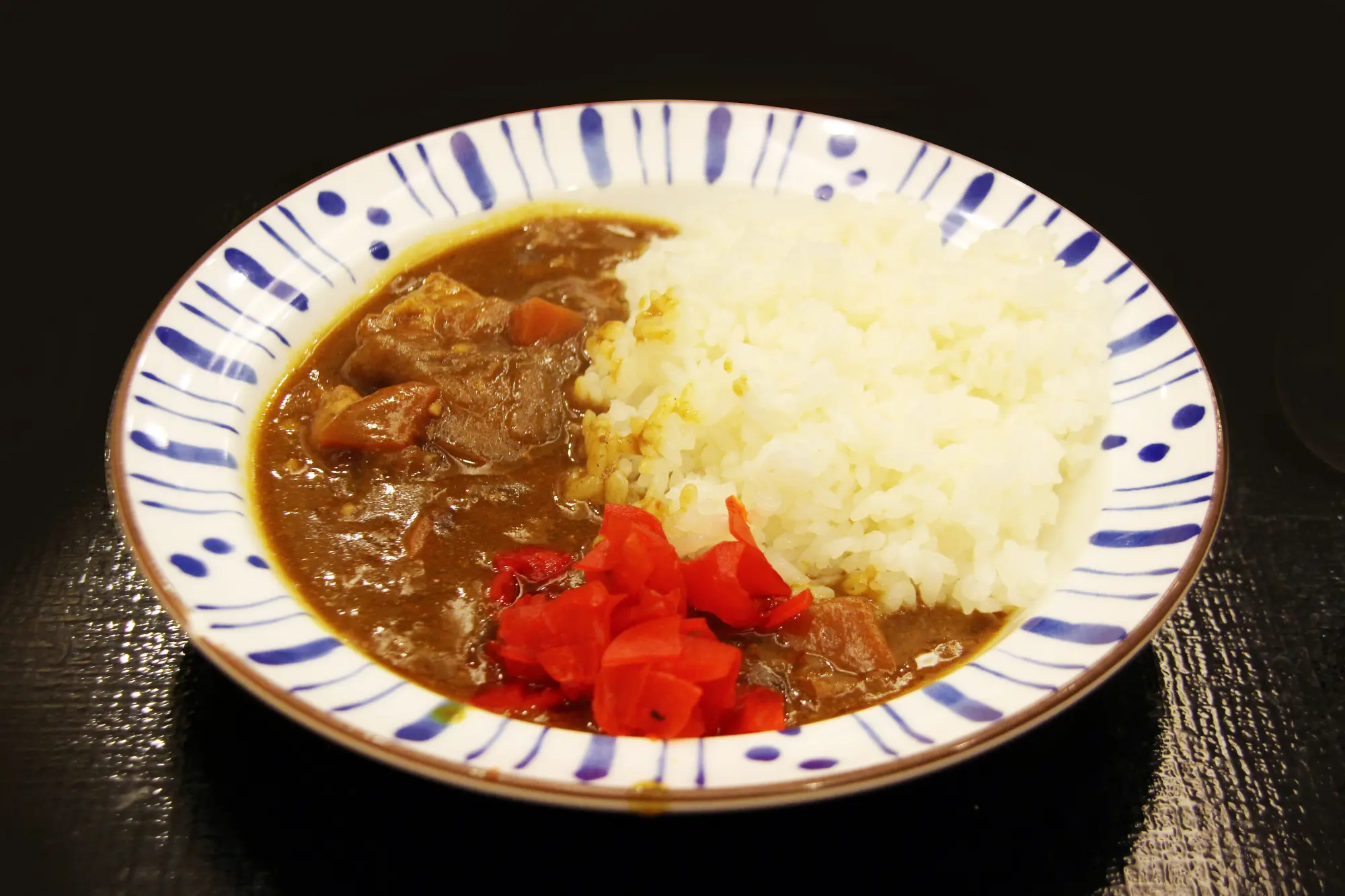
Hokkaido soup curry is quite different from the thick Japanese curry commonly served elsewhere. It has a lighter, aromatic broth and usually comes with large pieces of vegetables and meat.
Sapporo is the best-known destination for trying this style of curry.
Jingisukan
Jingisukan is a grilled lamb dish associated with Hokkaido. The meat is typically cooked on a distinctive dome-shaped grill together with vegetables.
Hokkaido Dairy
Hokkaido is also famous for its dairy products. Milk, cheese, butter, and soft-serve ice cream are common food highlights, particularly in places such as Furano and Sapporo.
Best places to try Hokkaido food: Sapporo, Hakodate, Otaru, Furano.
2. Tohoku: Hearty Local Cuisine and Seasonal Ingredients
Tohoku is known for hearty regional dishes that make use of local meat, seafood, rice, noodles, and mountain ingredients.
Located in northern Honshu, Tohoku has long winters and a strong agricultural tradition. Many local dishes are designed to be filling and comforting, making them particularly enjoyable during the colder months.
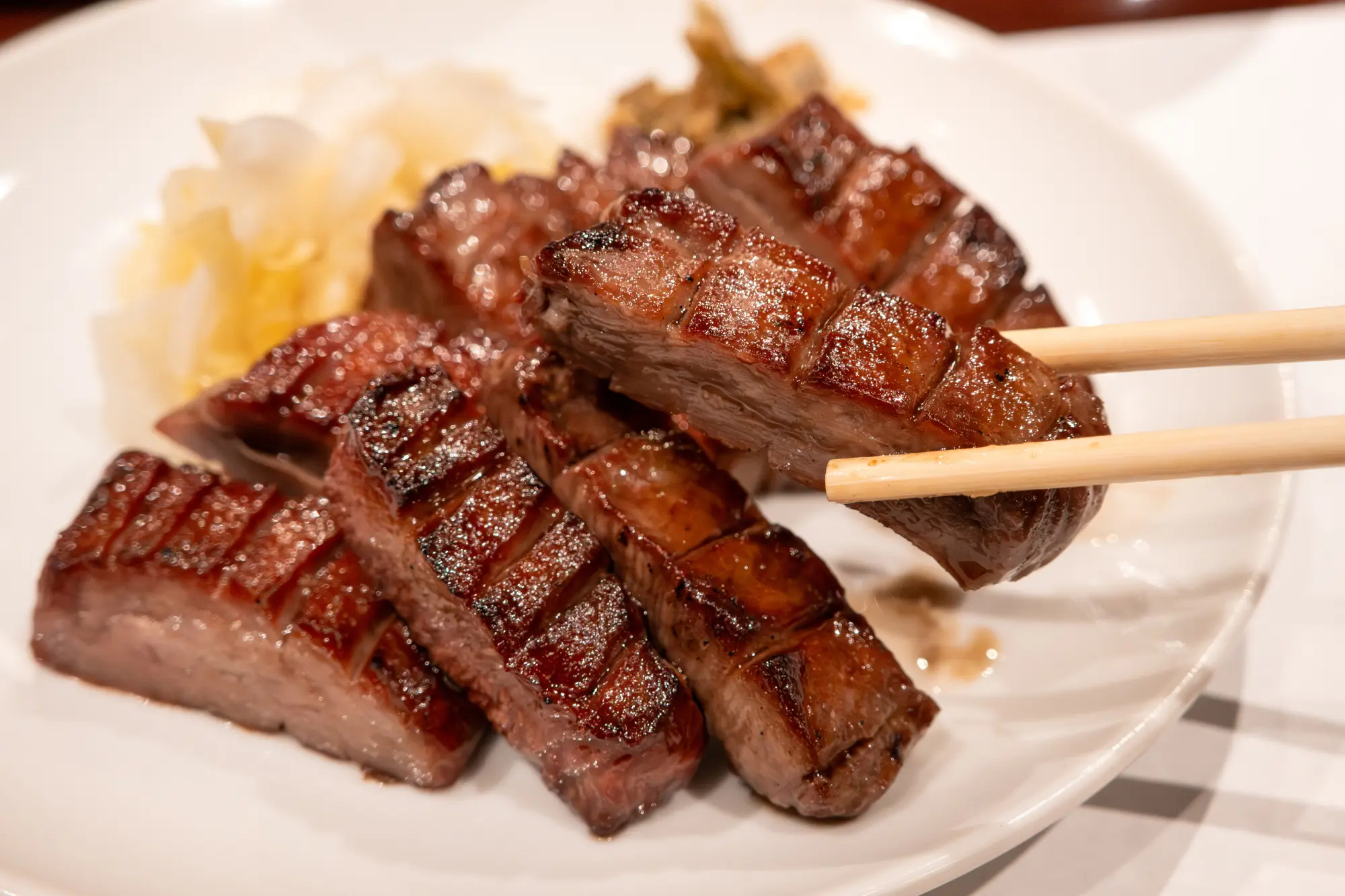
Gyutan in Sendai
Gyutan, or grilled beef tongue, is one of Sendai’s most famous specialties.
It is commonly served as a set meal with grilled beef tongue, rice, soup, and pickles. The meat is usually sliced relatively thickly and grilled over high heat.
If you visit Sendai, gyutan is one regional dish that is difficult to miss.
Kiritanpo in Akita
Kiritanpo is made from cooked rice that is mashed, shaped around a wooden stick, grilled, and then used in various dishes.
It is particularly associated with Akita and is often served in a hot pot with chicken, vegetables, and a flavorful broth.
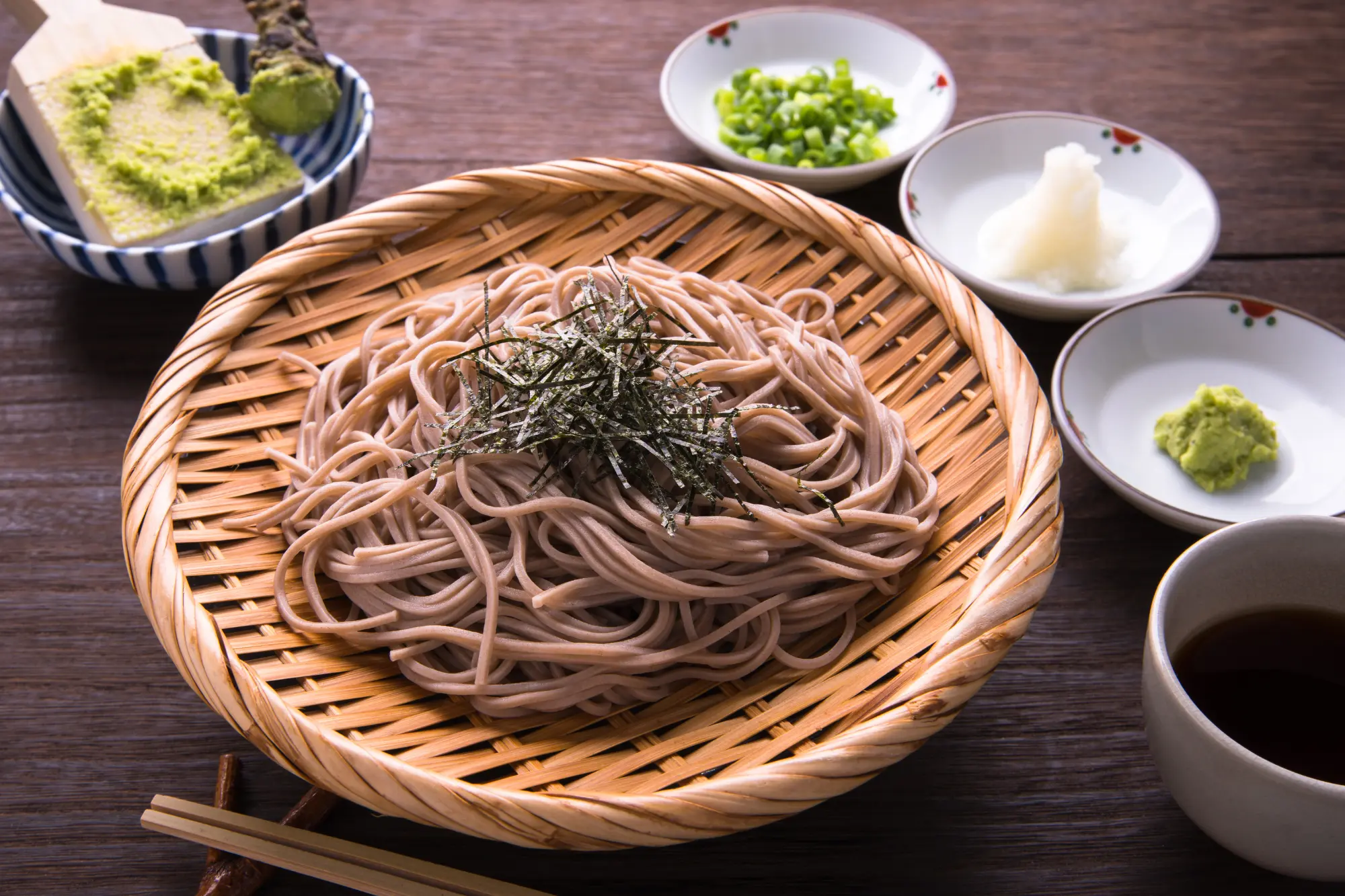
Wanko Soba in Iwate
Wanko soba is not only a regional dish but also a distinctive dining experience.
Small portions of soba are repeatedly served in small bowls, allowing diners to continue eating until they decide to stop. It is closely associated with Morioka and the surrounding Iwate area.
Other Tohoku Specialties
Depending on where you travel, Tohoku also offers seafood, local rice dishes, cherries, apples, and other agricultural products.
Best places to try Tohoku food: Sendai, Akita, Morioka, Yamagata.
3. Kanto: Tokyo’s Diverse Food Culture
Kanto is home to Tokyo and offers one of the most diverse food scenes in Japan, combining traditional regional dishes with influences from across the country.
Because Tokyo has developed into Japan’s largest metropolitan area, its food culture is enormous. However, several dishes are particularly associated with the region and its historical culinary traditions.
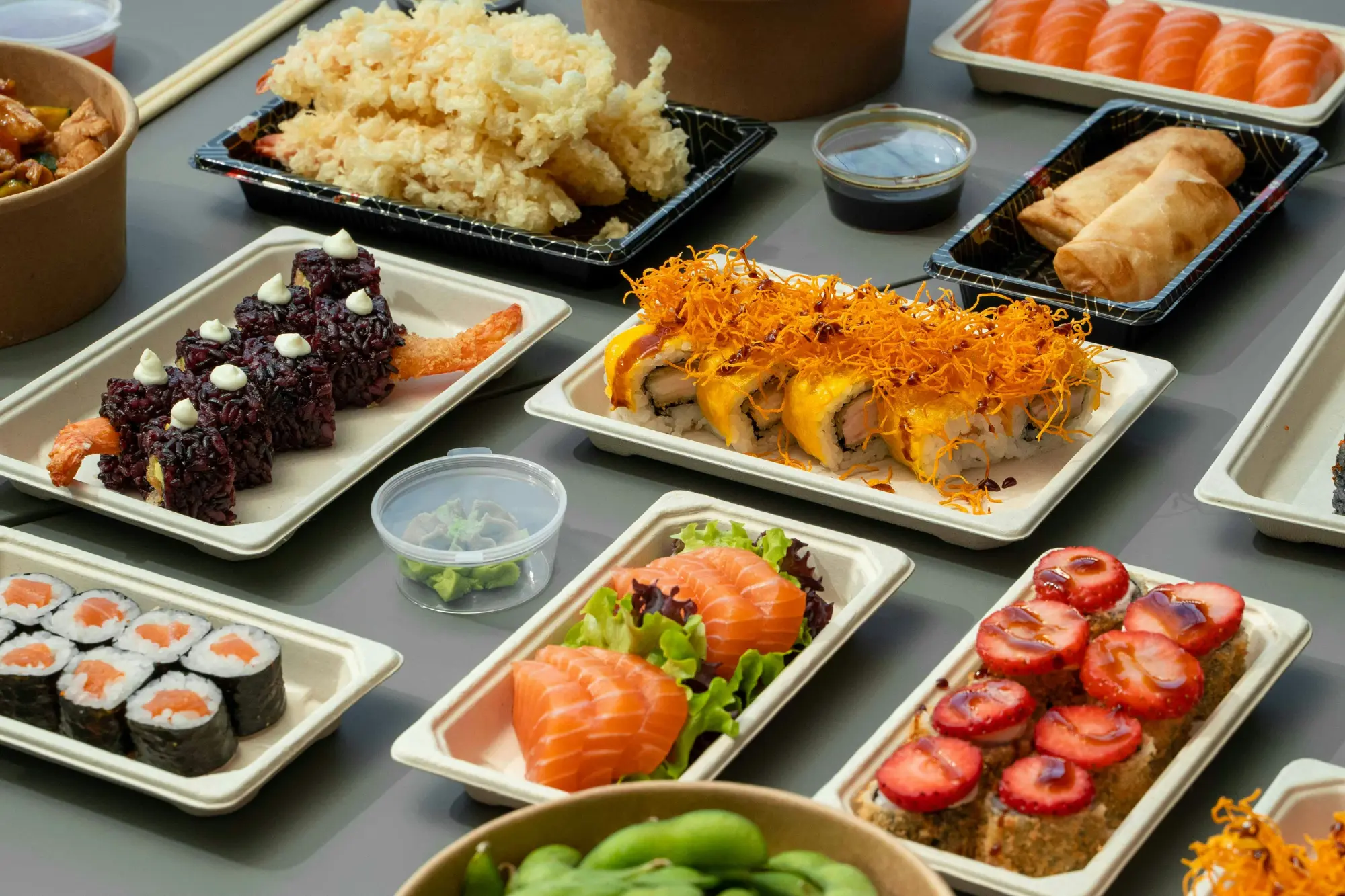
Edomae Sushi
Edomae sushi developed in Edo, the former name of Tokyo. Historically, the city’s proximity to Tokyo Bay provided access to fresh seafood.
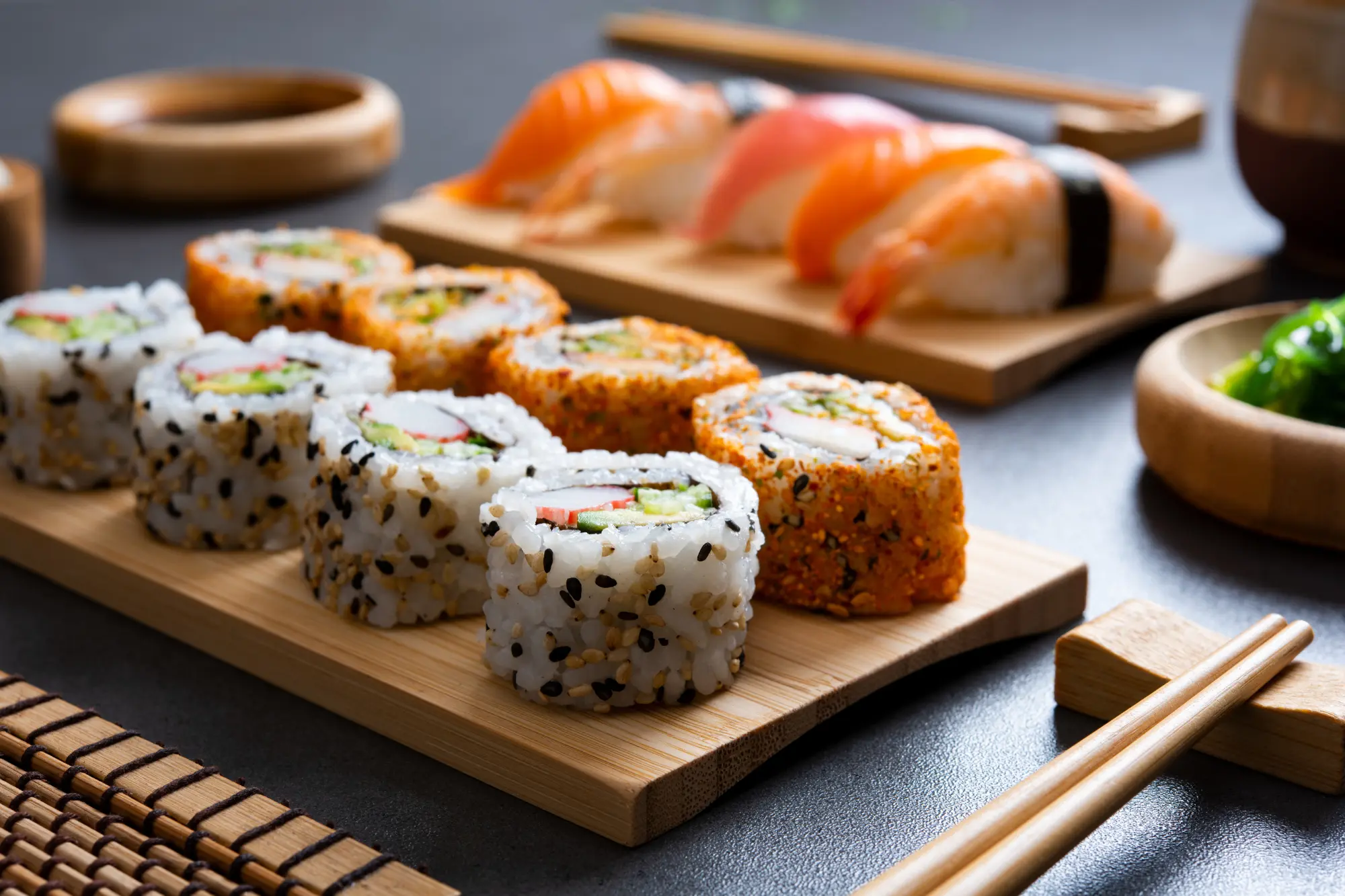
Today, Tokyo remains one of the world’s major destinations for sushi, with everything from casual sushi restaurants to high-end establishments.
Monjayaki
Monjayaki is a specialty associated with Tokyo’s Tsukishima district.
It is similar to okonomiyaki but has a much softer and more runny consistency. Ingredients are cooked together on a hot griddle and eaten directly from it using a small spatula.
For travelers who want to try something distinctly Tokyo, monjayaki is a good choice.
Soba
Soba has a long history in Tokyo and remains a common part of the city’s food culture.
You can find both hot and cold soba, from quick casual meals to more traditional restaurants.
Tokyo’s Food Markets
Tokyo is also an excellent destination for exploring food markets. Tsukiji Outer Market is particularly popular with visitors looking for seafood, sushi, tamagoyaki, snacks, and other Japanese foods.
Best places to explore Kanto food: Tokyo, Yokohama, Kamakura.
4. Chubu: Miso, Beef, Eel and Mountain Cuisine
Chubu has one of the most varied food cultures in Japan because the region includes the Japanese Alps, Pacific coast, historic cities, and major urban centers such as Nagoya.
Local specialties range from rich miso-based dishes to premium beef, eel, noodles, and seafood.
Hitsumabushi in Nagoya
Hitsumabushi is one of Nagoya’s signature dishes.
It consists of grilled eel served over rice and is traditionally enjoyed in several stages. You can first eat the eel and rice as they are, then add condiments, and finally enjoy it with broth or tea.
This makes hitsumabushi more than just an eel dish; the way it is eaten is part of the experience.
Miso Katsu
Miso katsu is a Nagoya-style pork cutlet served with a rich red miso-based sauce.
Compared with the more familiar tonkatsu served with a sweet-savory sauce, the Nagoya version has a deeper and more distinctive miso flavor.
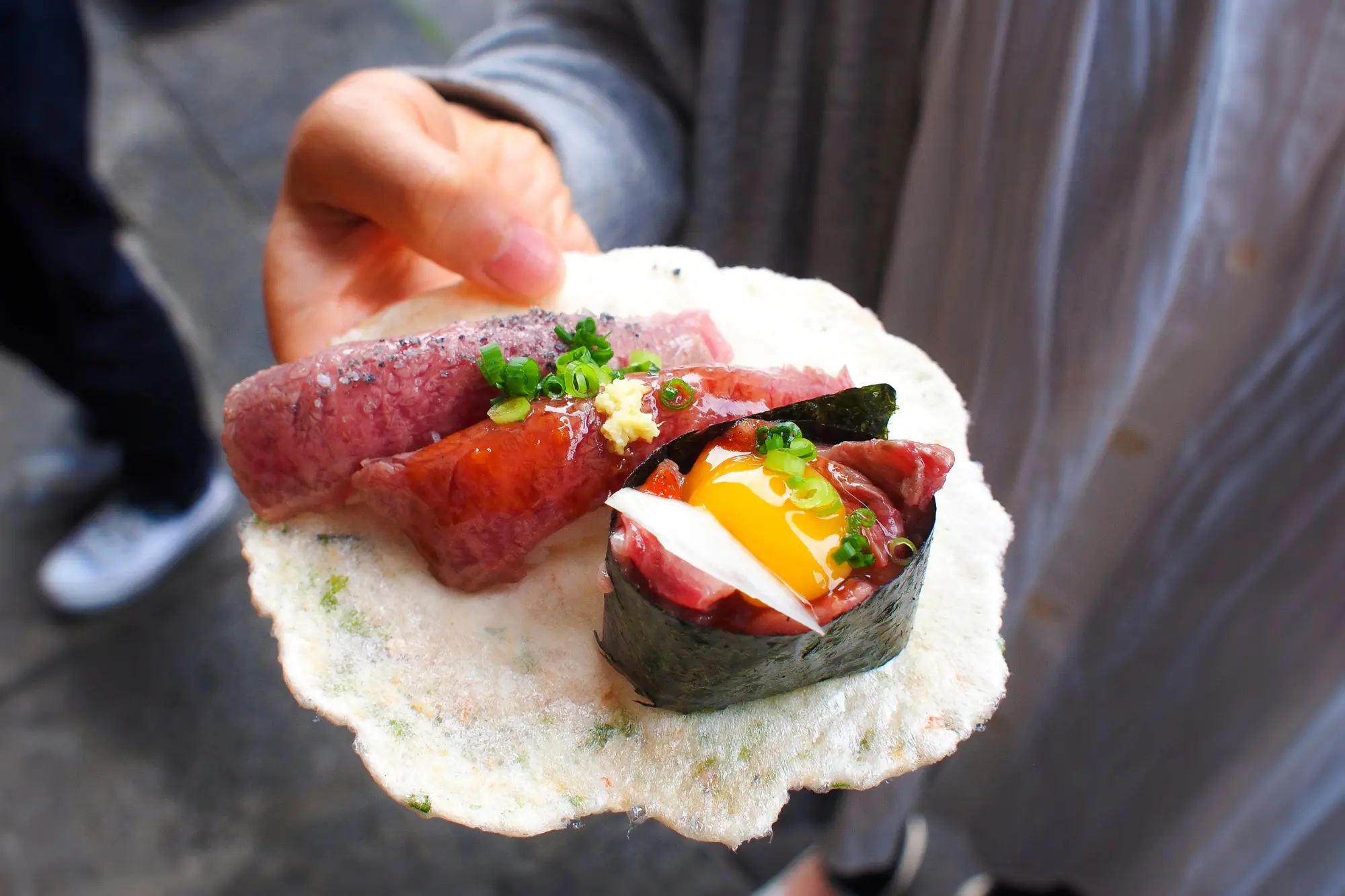
Hida Beef
Hida beef comes from Gifu and is highly regarded for its quality and marbling.
It can be enjoyed in several forms, including grilled beef, hot pot, steak, and even beef sushi.
Takayama is an especially good destination for travelers interested in trying Hida beef alongside other local specialties.
Other Chubu Foods
The wider Chubu region also offers local soba, seafood, miso-based dishes, and mountain vegetables.
Best places to try Chubu food: Nagoya, Takayama, Gifu, Kanazawa.
5. Kansai: Osaka Street Food and Kyoto’s Traditional Cuisine
Kansai is one of Japan’s most important food regions, with Osaka famous for casual local dishes and Kyoto known for refined traditional cuisine.
The contrast within Kansai itself makes the region particularly interesting for food-focused travelers.
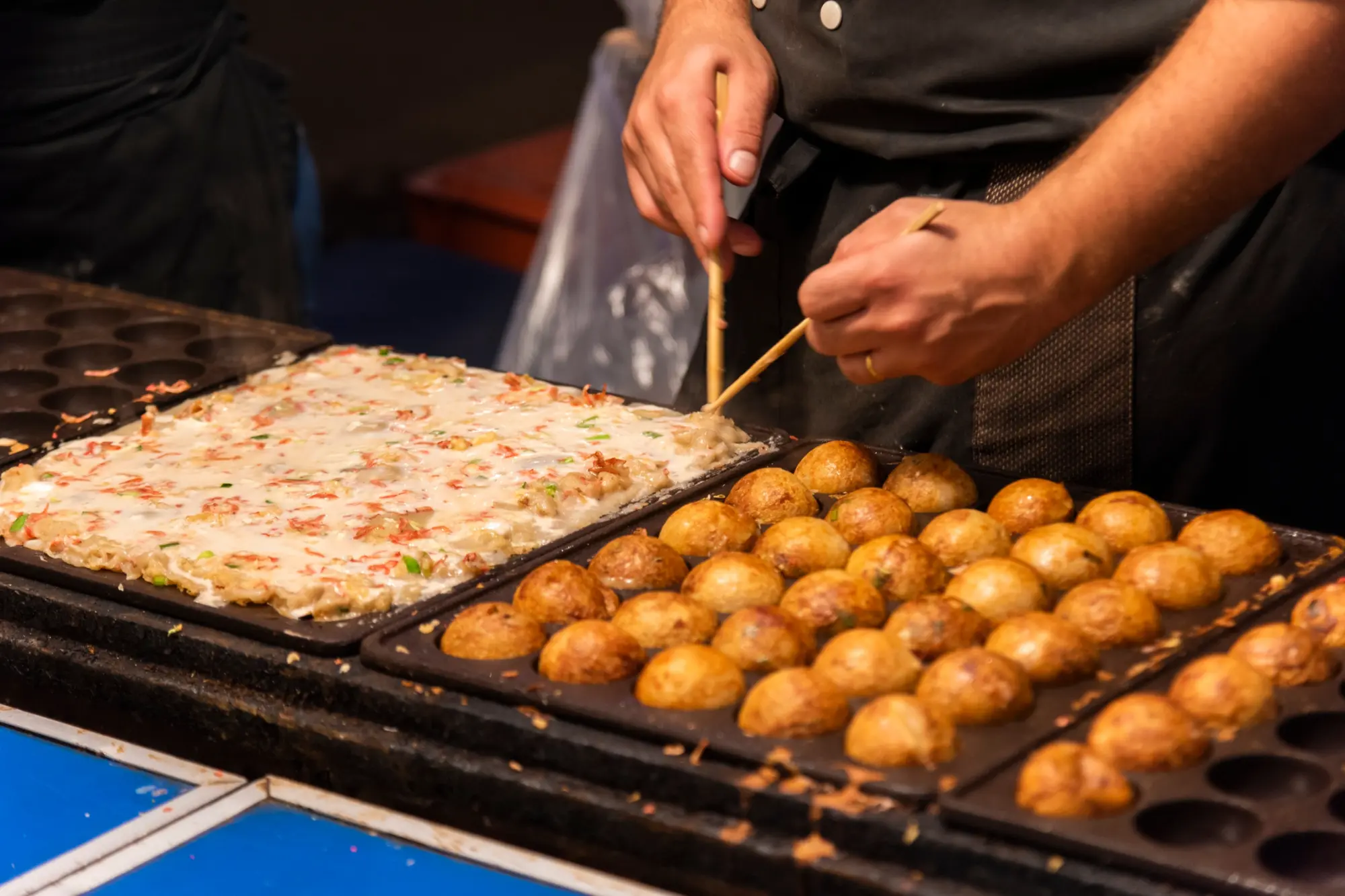
Takoyaki in Osaka
Takoyaki is one of Osaka’s most recognizable foods.
These small batter-based balls are typically filled with octopus and cooked in a special molded pan. They are commonly topped with savory sauce, mayonnaise, bonito flakes, and green seaweed.
Dotonbori is one of the most famous places to experience Osaka’s food culture, but takoyaki can be found throughout the city.
Osaka-Style Okonomiyaki
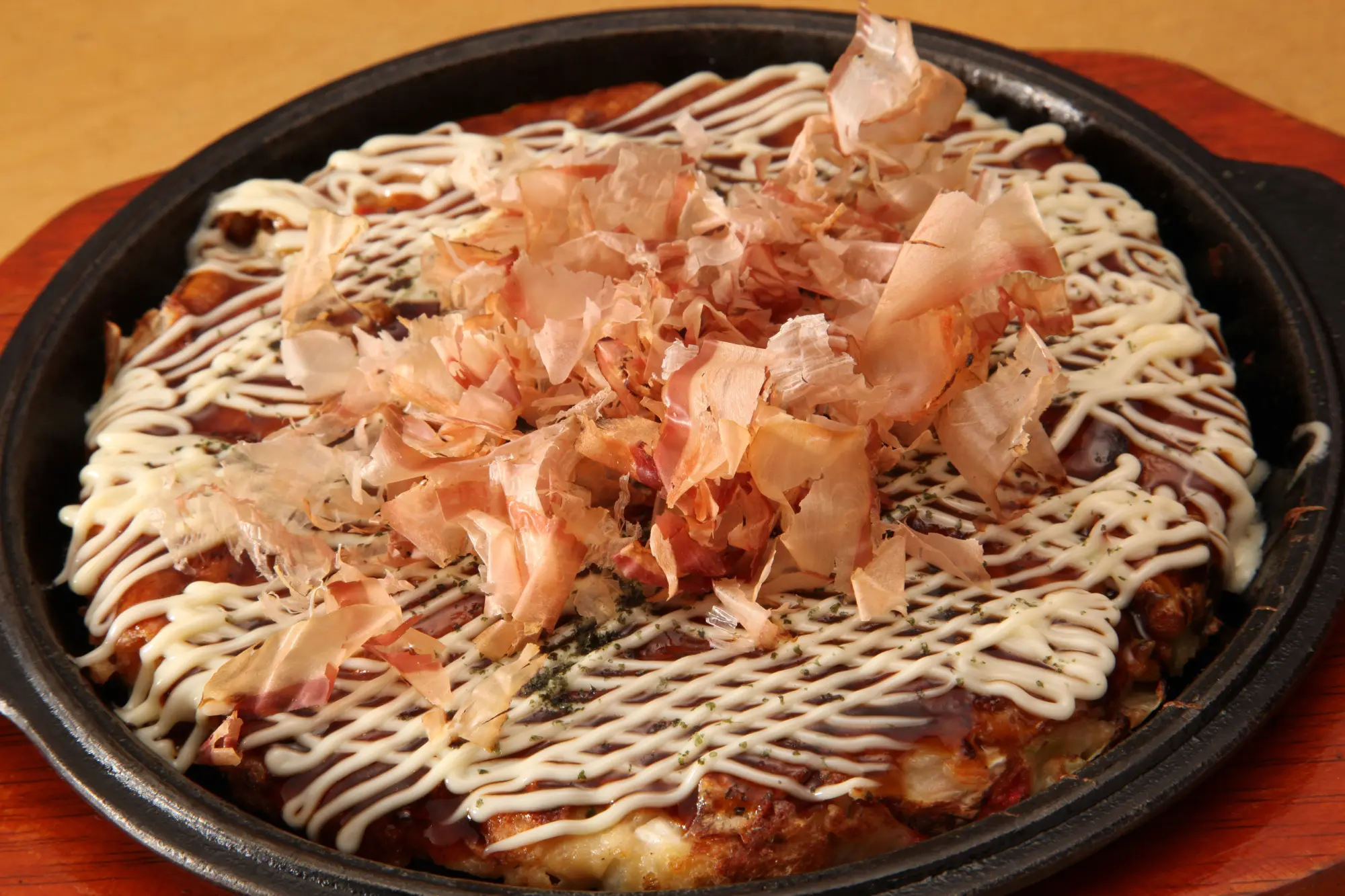
Osaka-style okonomiyaki is a savory pancake made by mixing ingredients such as cabbage, meat, seafood, and batter before cooking them on a hot griddle.
The dish is usually finished with sauce, mayonnaise, bonito flakes, and aonori.
Kushikatsu
Kushikatsu consists of skewered meat, seafood, or vegetables that are coated and deep-fried.
Shinsekai is particularly associated with kushikatsu and offers a more local, casual atmosphere than some of Osaka’s better-known tourist areas.
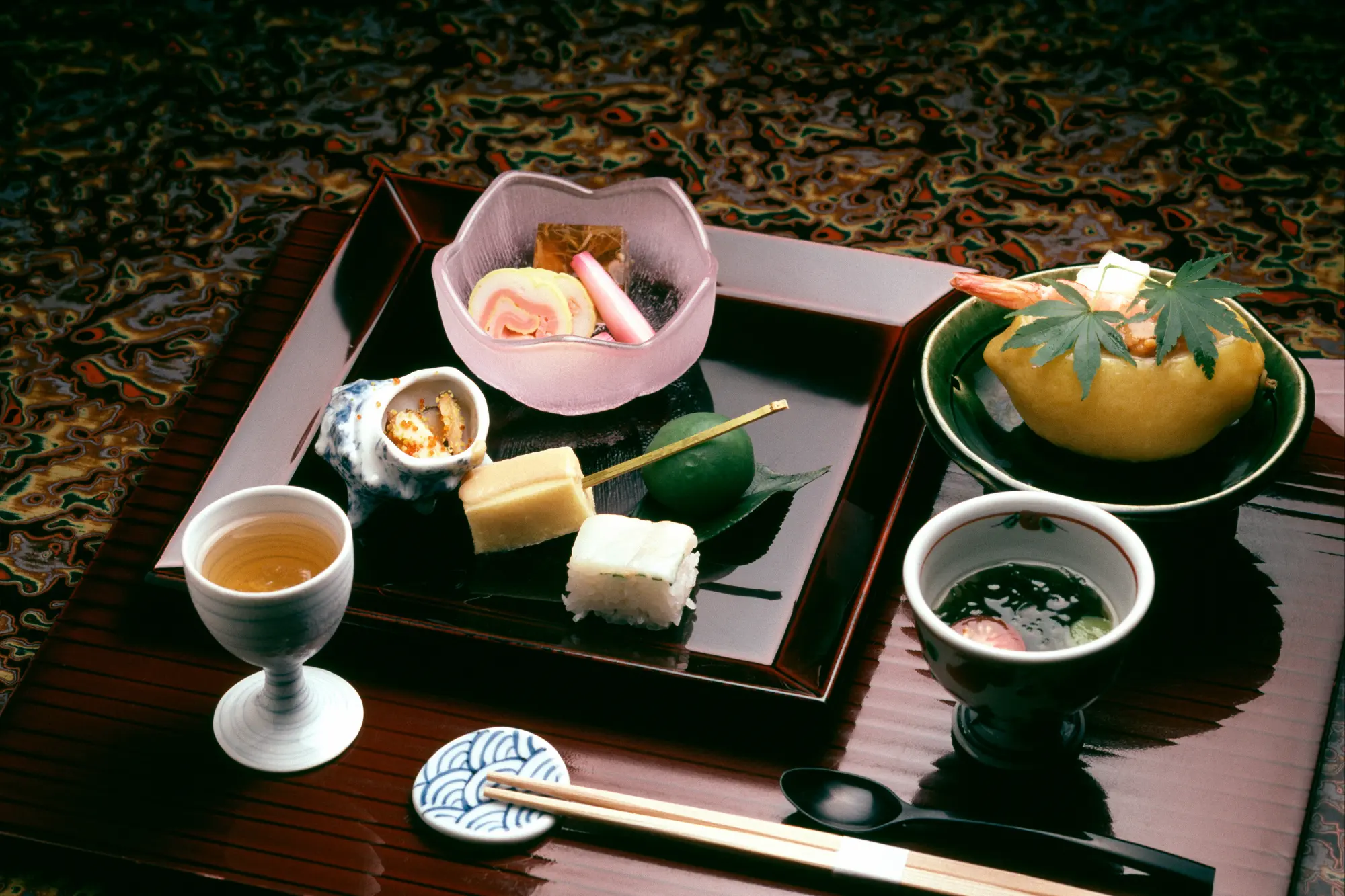
Kaiseki in Kyoto
Kyoto’s food culture is very different from Osaka’s street-food scene.
Kaiseki is a traditional multi-course dining style that places strong emphasis on seasonality, presentation, balance, and carefully prepared ingredients.
For travelers interested in Japanese culinary traditions, Kyoto offers some of the country’s most distinctive dining experiences.
Yudofu
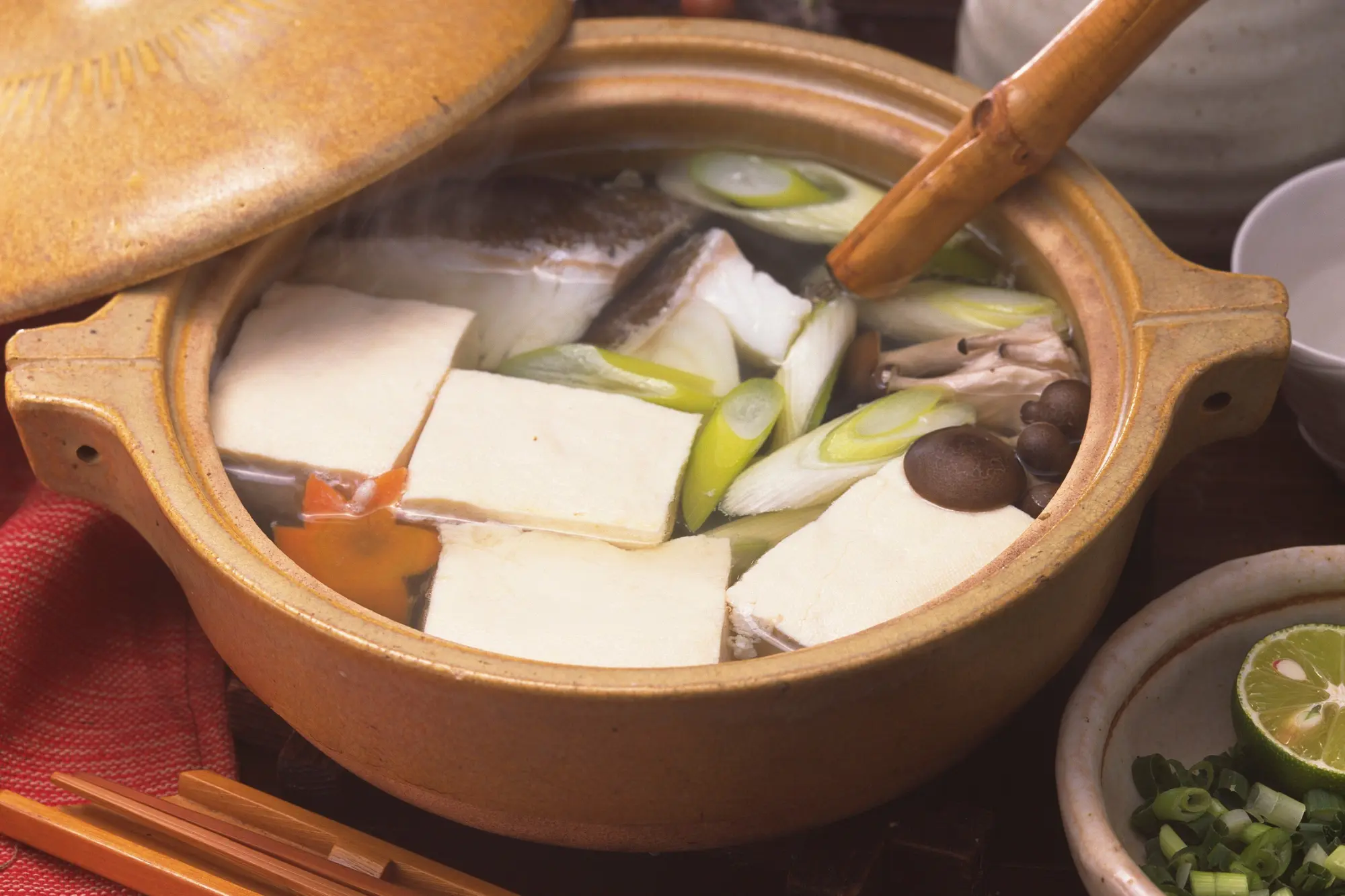
Yudofu, or hot tofu, is another Kyoto specialty. It is particularly associated with traditional restaurants around temple areas such as Nanzenji.
The dish is simple, but that simplicity allows the quality of the tofu and accompanying ingredients to stand out.
Other Kansai Specialties
Kansai also offers dishes such as udon, saba sushi, Kyoto vegetables, and Kobe beef.
Best places to try Kansai food: Osaka, Kyoto, Kobe, Nara.
Related Article: Kyoto Travel Guide 2026: Top 10 Unforgettable Experiences in Kyoto
6. Chugoku: Hiroshima Okonomiyaki and Fresh Seafood
Chugoku is particularly known for Hiroshima-style okonomiyaki, oysters, conger eel, and seafood from the Seto Inland Sea.
The region offers a different food experience from neighboring Kansai, even though Hiroshima and Osaka are both famous for okonomiyaki.
Hiroshima-Style Okonomiyaki
Hiroshima-style okonomiyaki is one of the region’s best-known dishes.
Unlike Osaka-style okonomiyaki, where ingredients are generally mixed into the batter, Hiroshima-style okonomiyaki is built in layers.
Cabbage, batter, meat or seafood, noodles, egg, and sauce are combined on the griddle to create a substantial meal.
This difference makes it worth trying both versions if you are traveling through Osaka and Hiroshima.
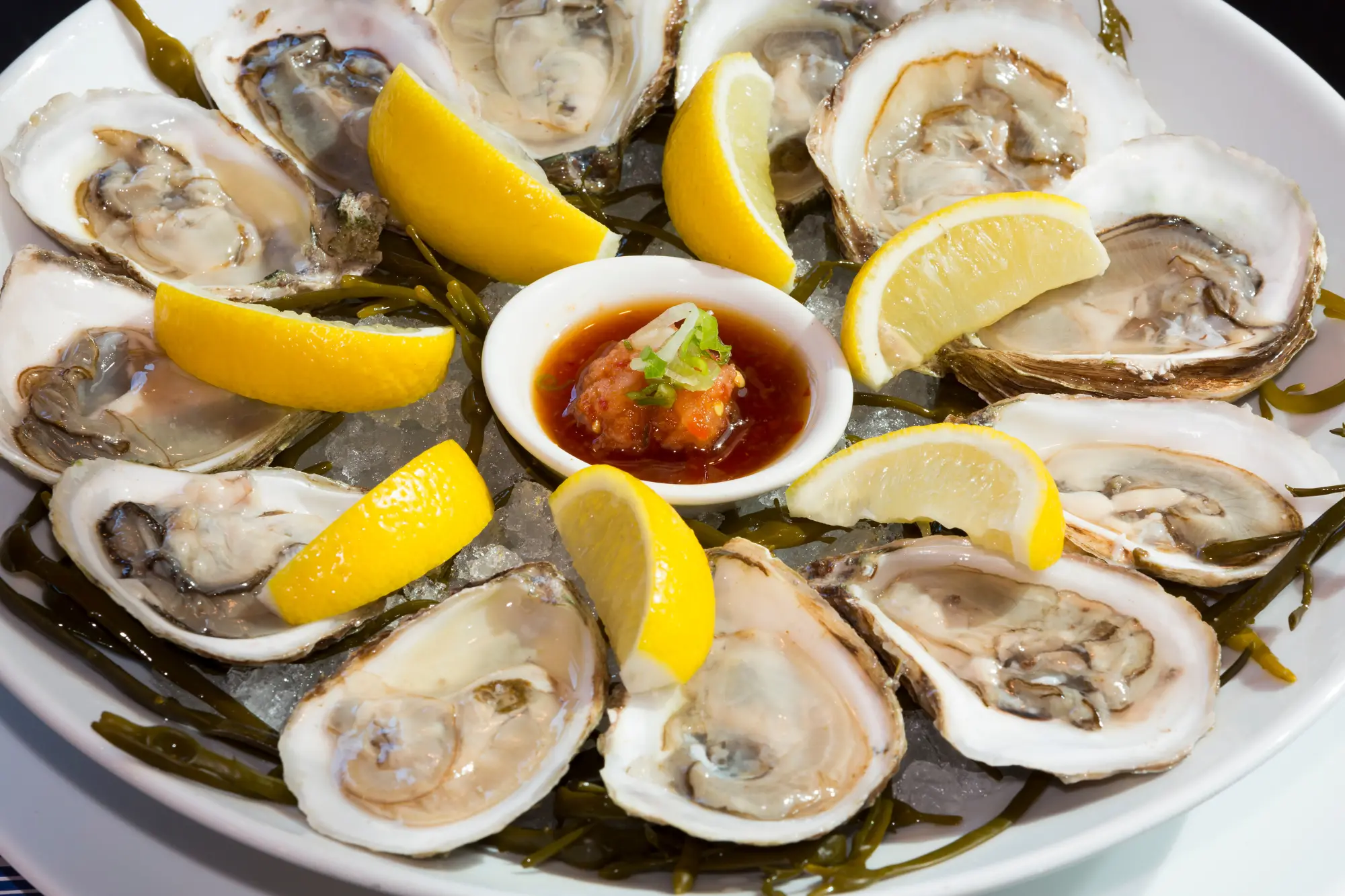
Hiroshima Oysters
Hiroshima oysters are among the region’s best-known foods.
Fresh oysters can be served raw, grilled, fried, or incorporated into other dishes. They are particularly popular during the colder months.
Anago Meshi
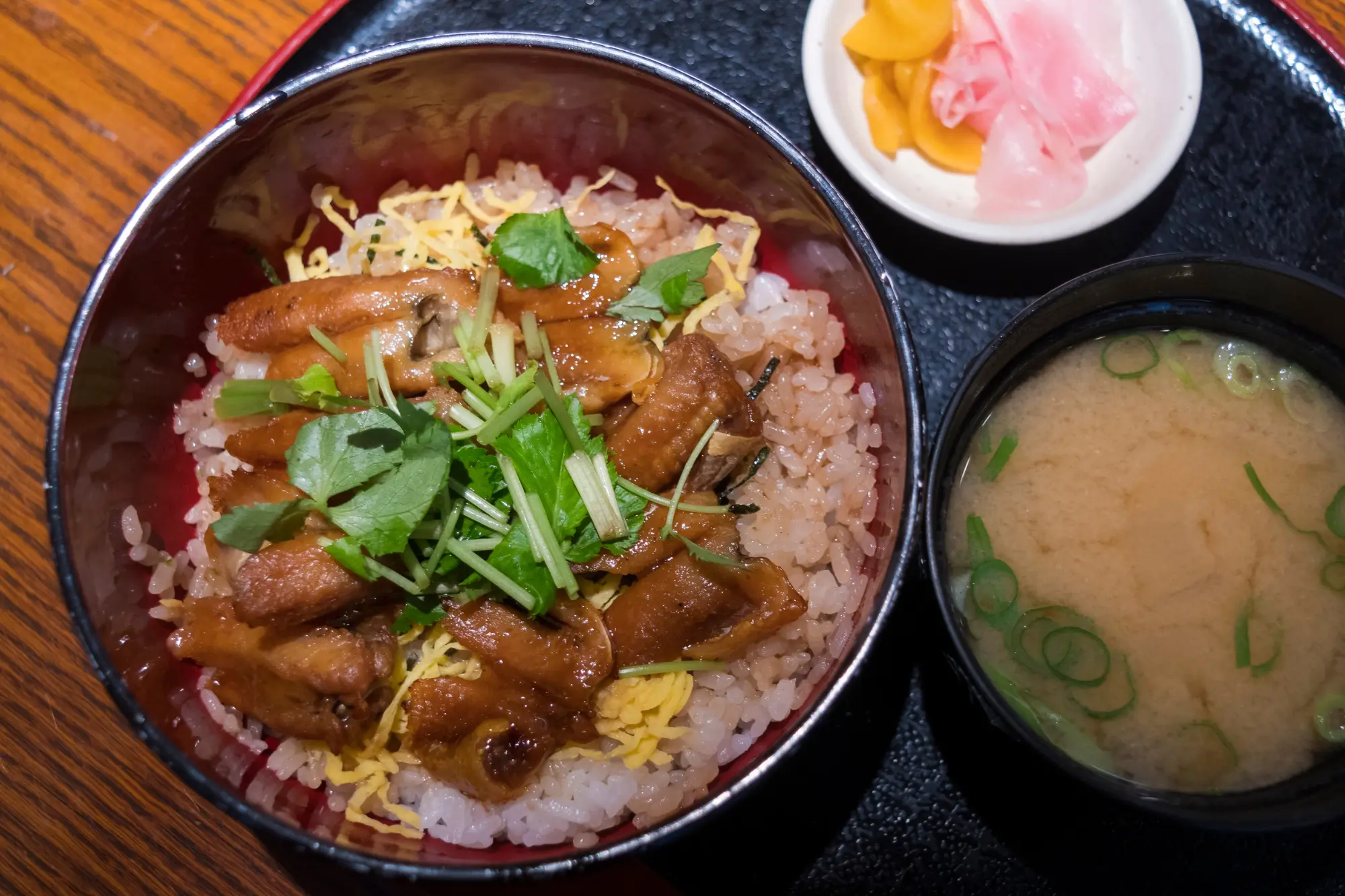
Anago meshi is a Hiroshima-area specialty featuring grilled conger eel served over rice.
It is especially associated with Miyajima and makes a convenient meal for travelers exploring the island.
Other Chugoku Foods
Depending on your route, you can also find local seafood, fruits, noodles, and regional dishes in places such as Okayama and Tottori.
Best places to try Chugoku food: Hiroshima, Miyajima, Okayama, Tottori.
7. Shikoku: Sanuki Udon and Fresh Seafood
Shikoku is best known for Sanuki udon, but the island also has a strong seafood culture and many distinctive regional dishes.
Its four prefectures each have their own specialties, making Shikoku particularly interesting for travelers who want to explore food beyond Japan’s major cities.
Sanuki Udon in Kagawa
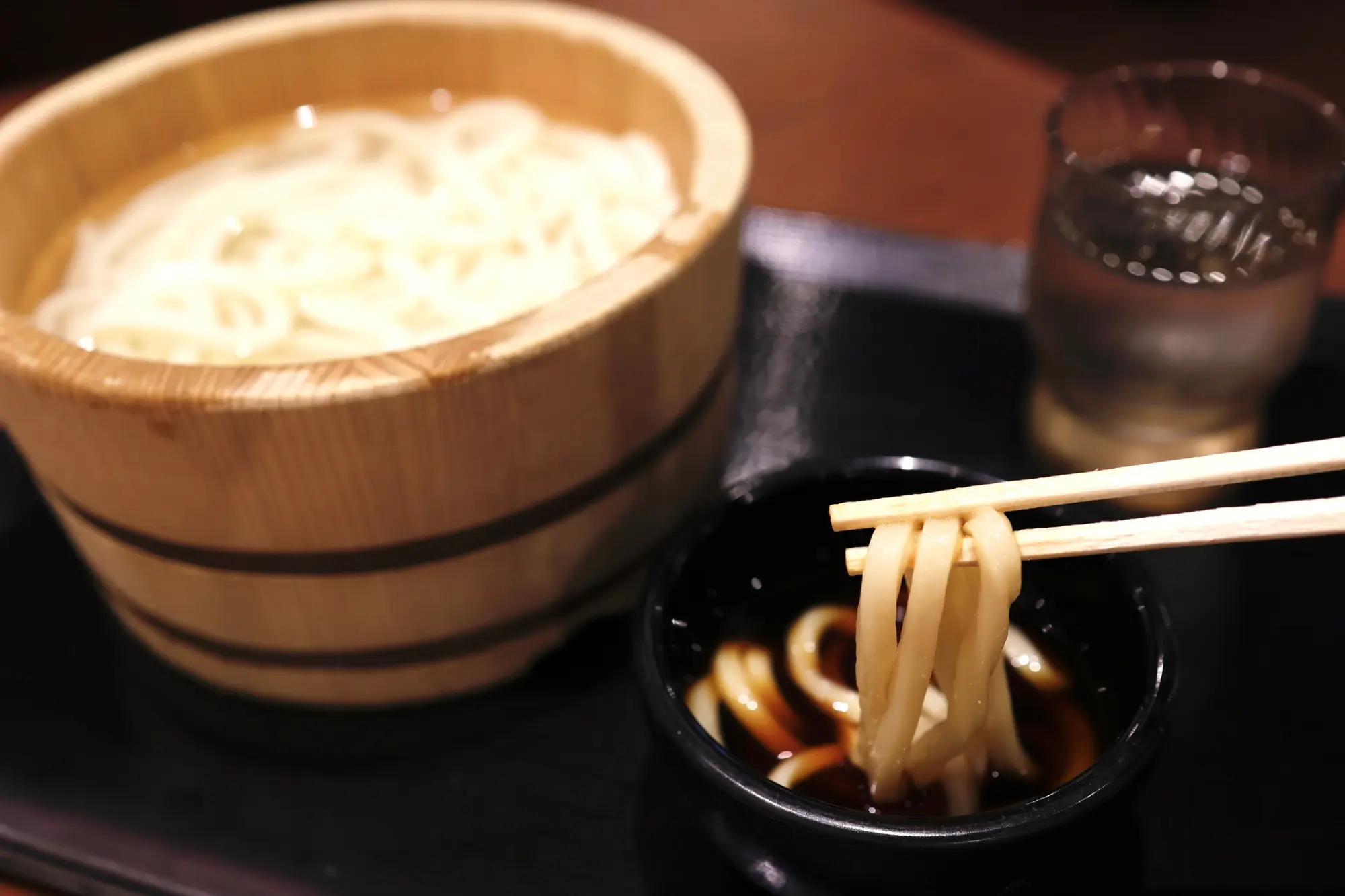
Sanuki udon is perhaps the most famous food associated with Shikoku.
The noodles are known for their firm, chewy texture and are served in many styles, including hot broth, cold dipping sauce, or with simple toppings.
Takamatsu is a popular base for exploring Kagawa’s udon culture.
Katsuo no Tataki in Kochi
Katsuo no tataki is a preparation of bonito that is lightly seared over high heat.
The outside develops a smoky flavor while the center remains relatively fresh. It is often served with garlic, onions, herbs, and citrus-based seasonings.
Tokushima Ramen
Tokushima ramen is another regional specialty, often featuring a rich pork-based broth, sliced pork, egg, and other toppings.
Other Shikoku Specialties
Ehime is known for citrus fruits and seafood, while Matsuyama has its own local dishes and dining traditions.
Best places to try Shikoku food: Takamatsu, Kochi, Tokushima, Matsuyama.
8. Kyushu: Tonkotsu Ramen, Hot Pots and Pork Dishes
Kyushu is one of Japan’s most diverse food regions, with famous specialties including tonkotsu ramen, hot pots, grilled meats, seafood, and chicken dishes.
The southern island’s food culture also varies considerably between prefectures.
Hakata Tonkotsu Ramen
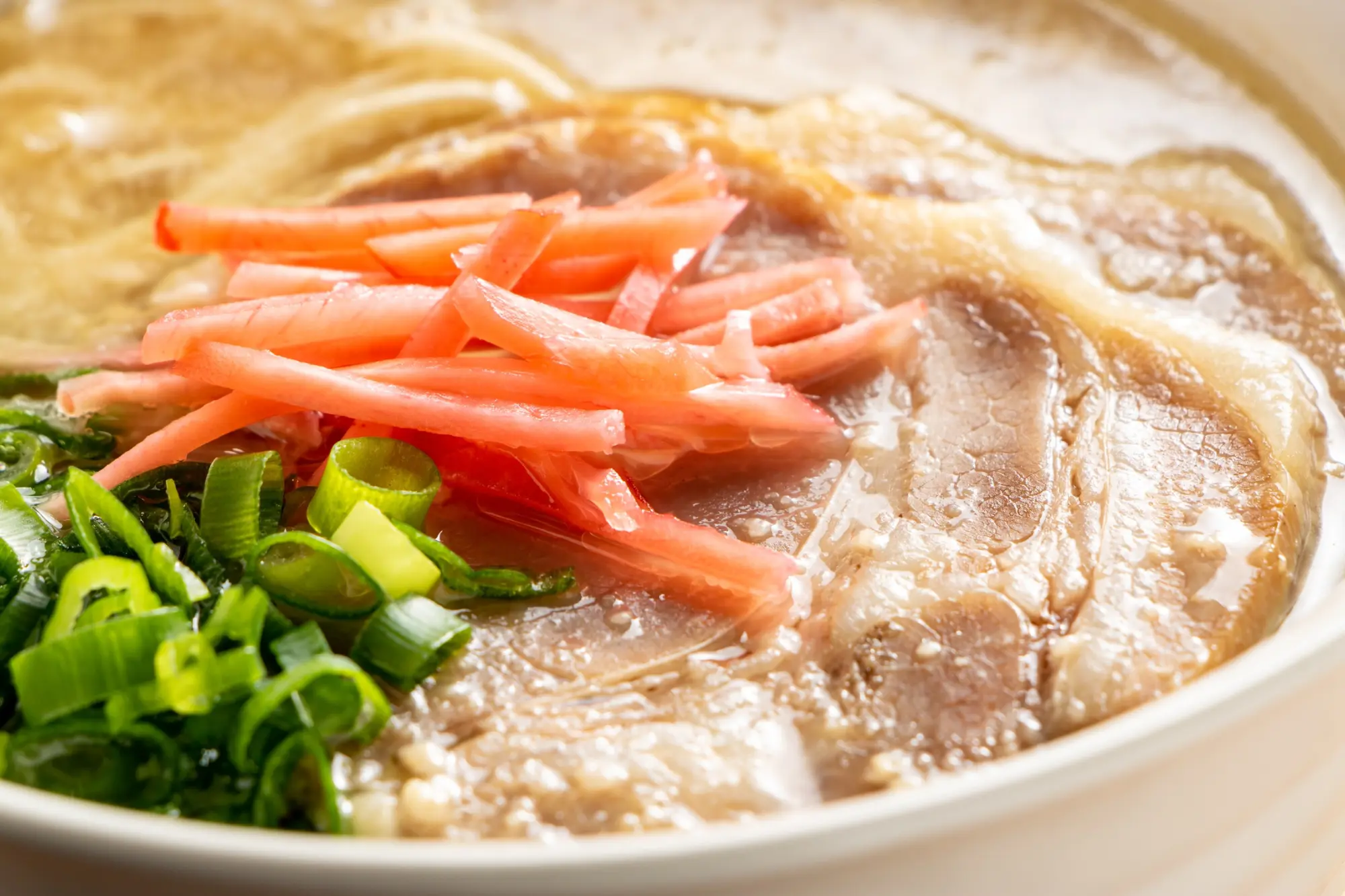
Hakata tonkotsu ramen is one of Japan’s most internationally recognized regional dishes.
It features thin noodles in a rich pork-bone broth. Diners can often customize noodle firmness and add toppings such as green onions, pork, or pickled ginger.
For ramen lovers, trying Hakata ramen in Fukuoka offers a very different experience from eating the same style abroad.
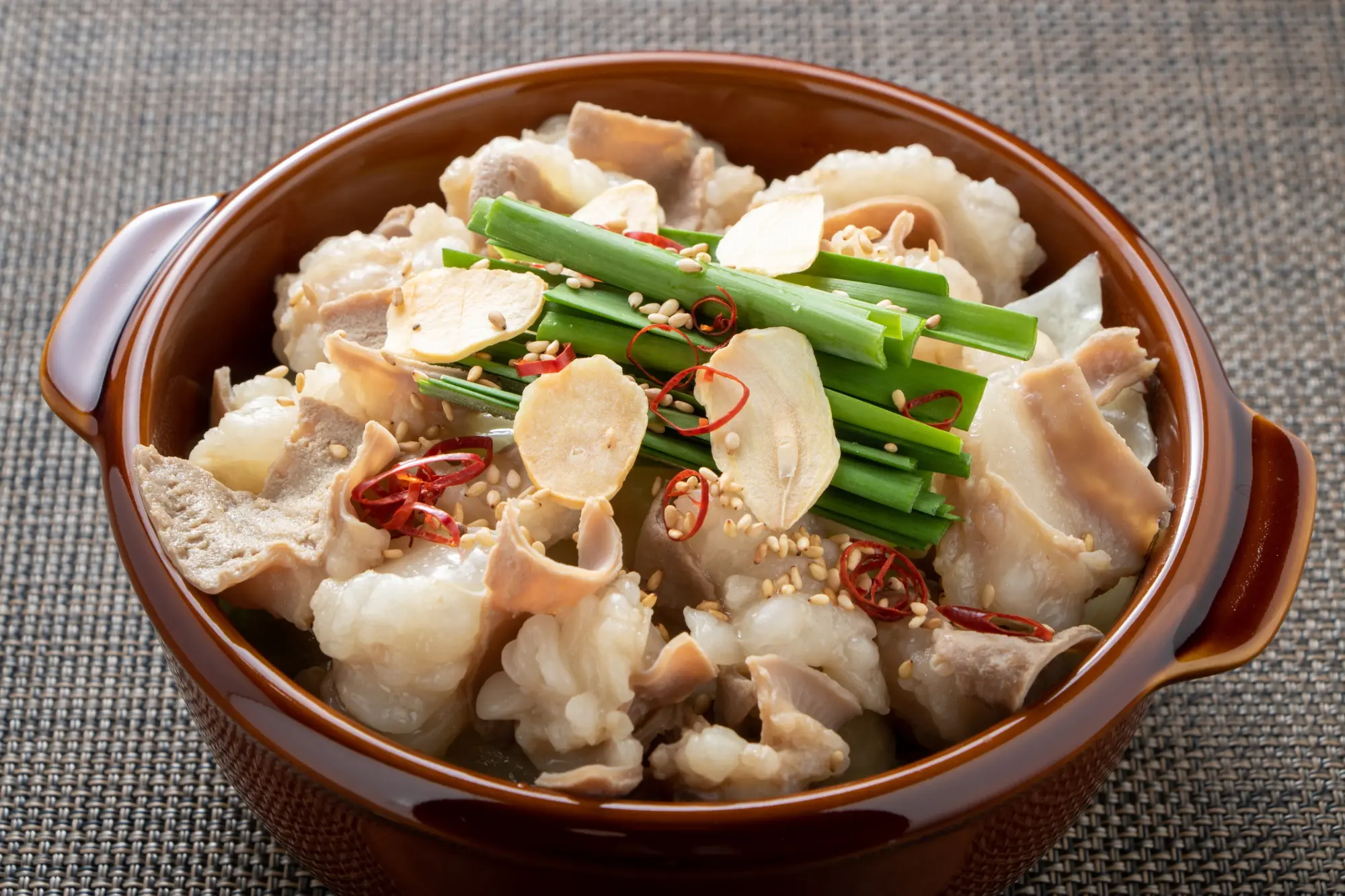
Motsunabe
Motsunabe is a Fukuoka hot pot made with beef or pork offal, vegetables, and a flavorful broth.
It is a popular choice for a group meal and is particularly enjoyable during cooler weather.
Yakitori and Yatai Food
Fukuoka is also famous for its yatai, or food stalls, where visitors can enjoy casual dishes in an informal setting.
Depending on the stall, you may find ramen, yakitori, oden, and other local foods.
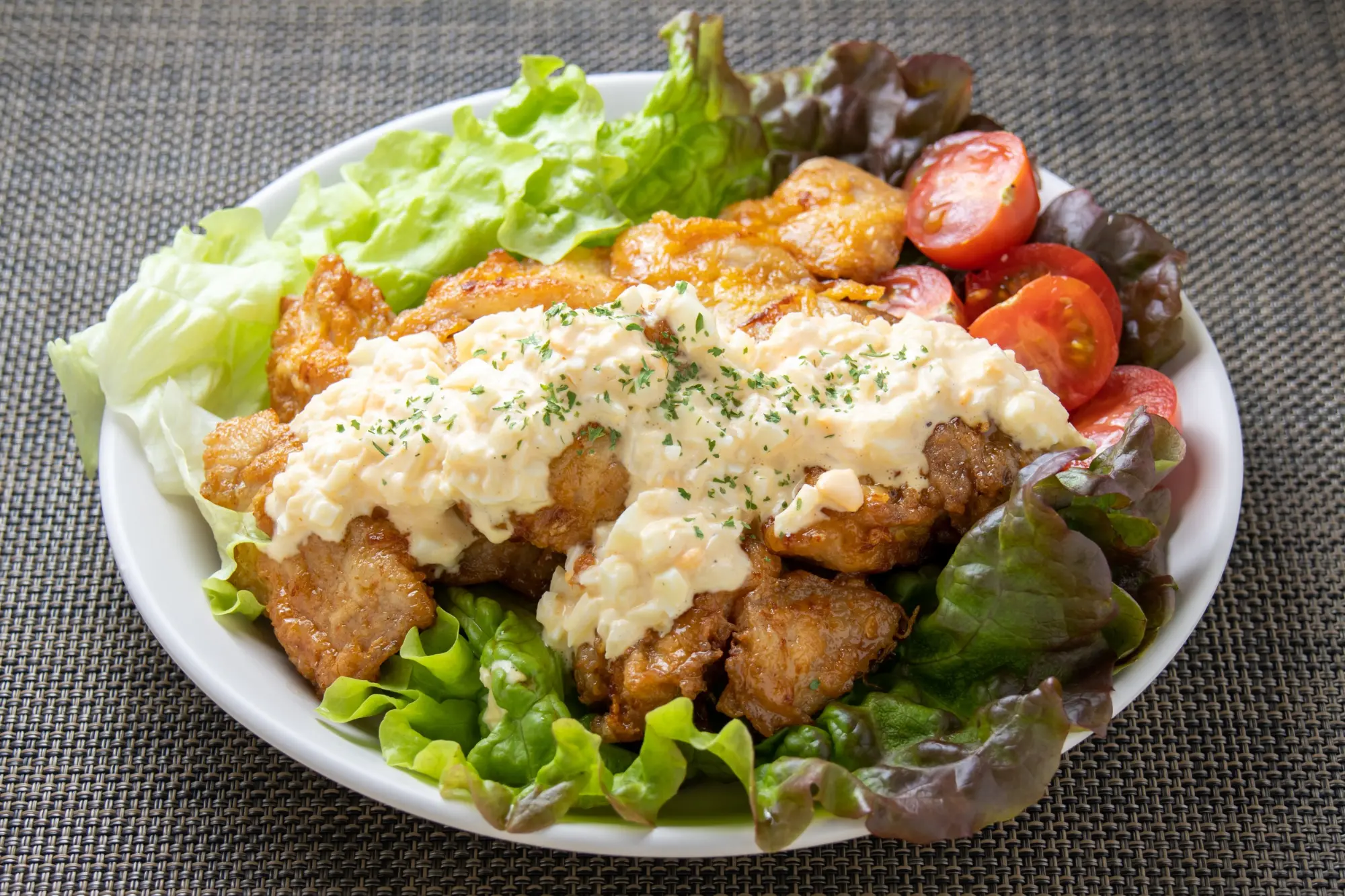
Chicken Nanban in Miyazaki
Chicken nanban is one of Miyazaki’s signature dishes.
Fried chicken is served with a sweet-and-sour sauce and tartar sauce, creating a rich and satisfying combination.
Kumamoto Ramen
Kumamoto ramen has its own regional style, often featuring pork broth with a distinctive garlic flavor.
Best places to try Kyushu food: Fukuoka, Kumamoto, Miyazaki, Kagoshima, Nagasaki.
9. Okinawa: A Different Side of Japanese Cuisine
Okinawan cuisine is distinct from mainland Japanese food and reflects the islands’ Ryukyuan history, subtropical climate, and cultural connections with neighboring regions.
If your Japan trip includes Okinawa, do not expect the food experience to be identical to what you find in Tokyo, Kyoto, or Osaka.
Okinawa Soba
Okinawa soba uses wheat-based noodles rather than the buckwheat noodles traditionally associated with soba on mainland Japan.
The noodles are usually served in a flavorful broth with pork and other toppings.
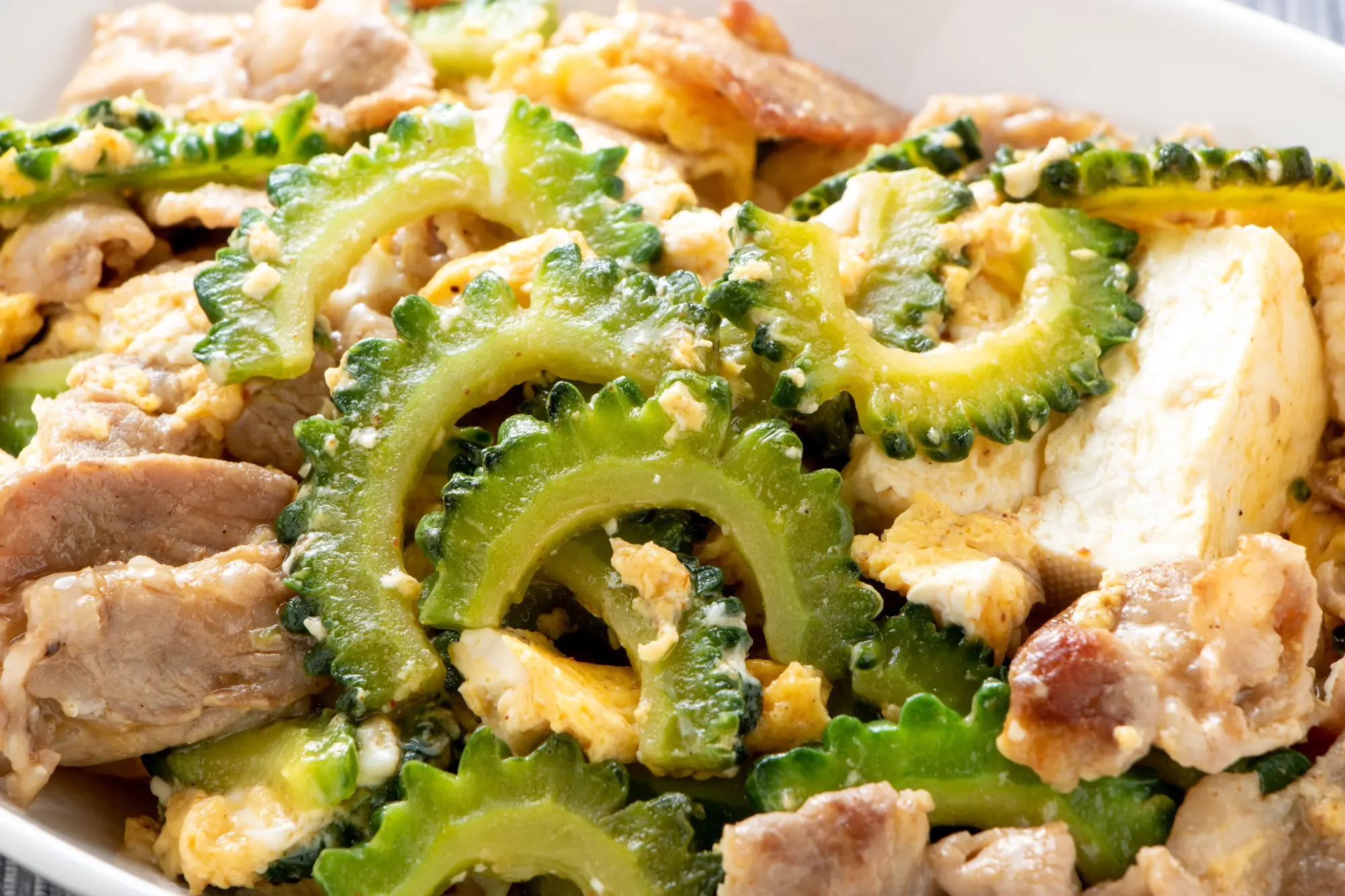
Goya Champuru
Goya champuru is a stir-fried dish made with bitter melon and ingredients such as tofu, egg, and pork.
The bitter flavor of goya gives the dish a distinctive taste that is strongly associated with Okinawan cuisine.
Taco Rice
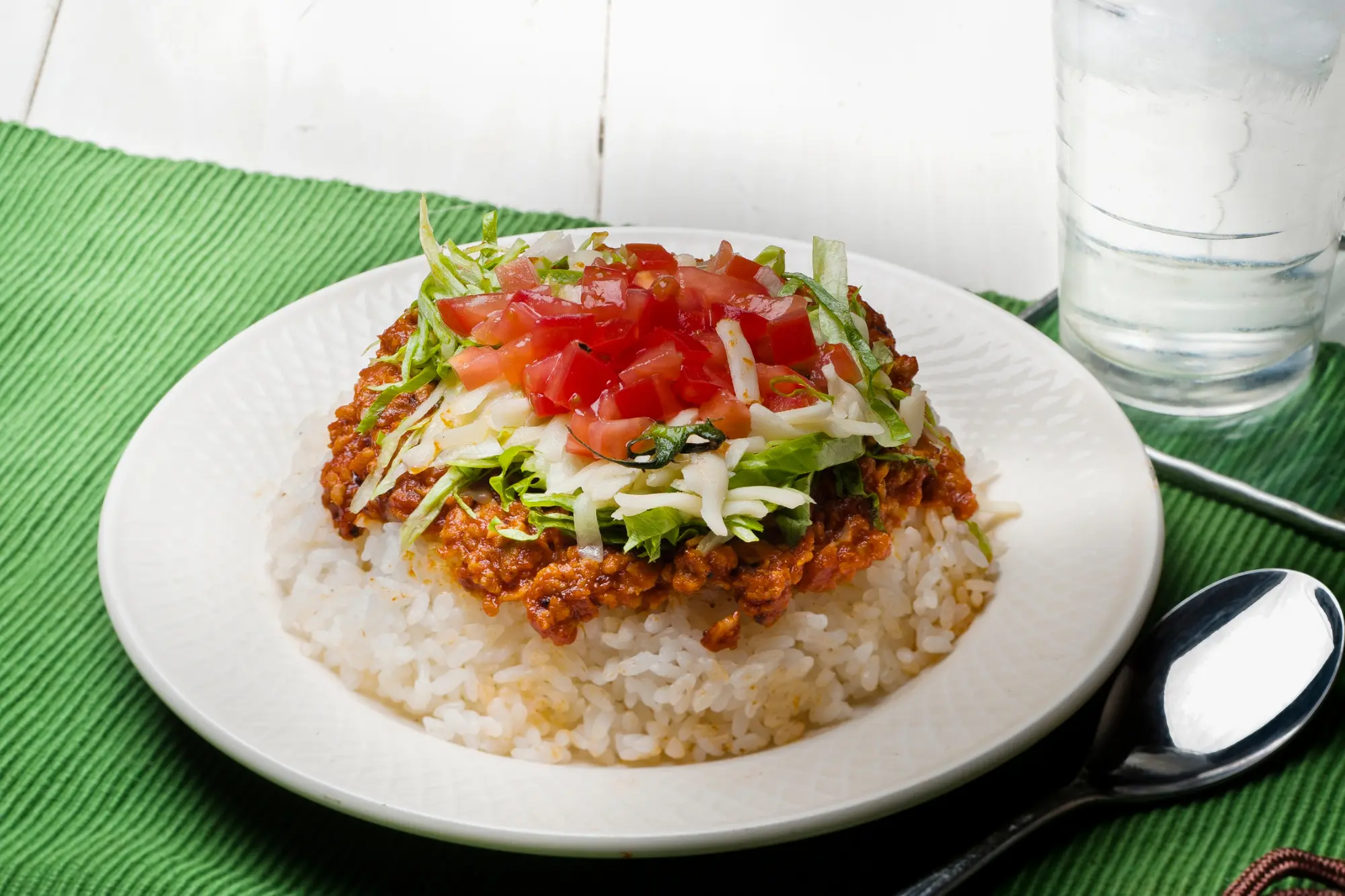
Taco rice is a modern Okinawan specialty.
It combines seasoned minced meat, rice, lettuce, tomato, cheese, and other toppings inspired by Tex-Mex flavors.
It is simple, filling, and easy to find around Okinawa.
Okinawan Pork Dishes
Pork plays an important role in Okinawan cuisine. Local dishes may use different parts of the animal and often involve slow cooking.
Best places to try Okinawan food: Naha, Okinawa Island, Ishigaki.
How to Experience Japanese Regional Food
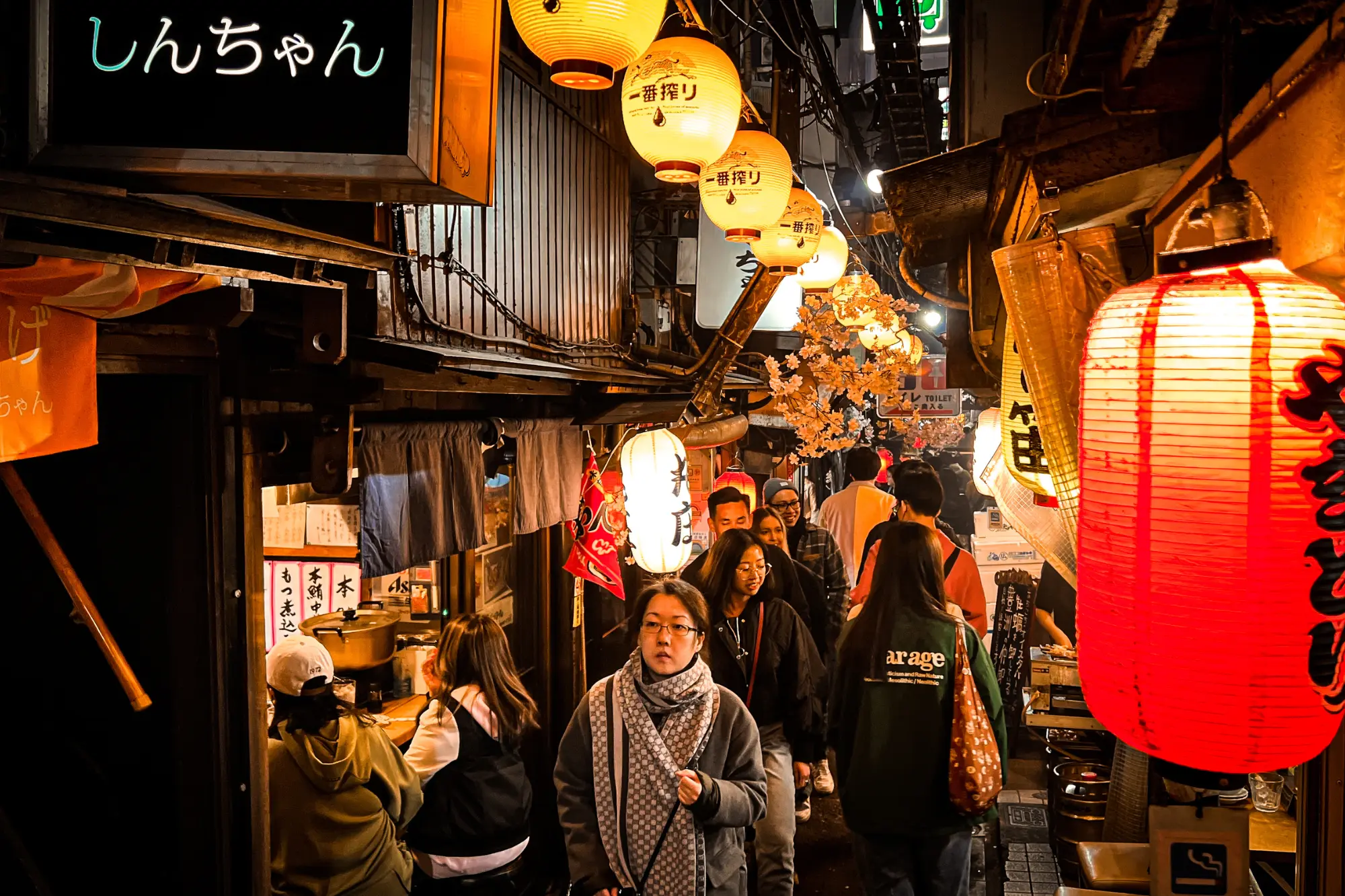
Trying Japanese regional food does not have to mean visiting expensive restaurants. Some of the best food experiences can be found in markets, small neighborhood restaurants, food stalls, department store food halls, and casual eateries.
Visit Local Markets
Markets are a practical way to sample several regional specialties in one place.
In Hokkaido, seafood markets are particularly popular. In Tokyo, markets such as Tsukiji Outer Market offer a wide variety of seafood and snacks.
Markets can also help you discover ingredients that you may not encounter in a typical restaurant.
Look for Local Restaurants
When visiting a city, look for restaurants that specialize in its regional cuisine rather than choosing only internationally familiar Japanese dishes.
For example, a restaurant specializing in hitsumabushi in Nagoya or Sanuki udon in Kagawa can provide a more destination-specific experience.
Follow the Seasons
Japanese cuisine places strong emphasis on seasonality.
Some foods are especially associated with particular seasons, such as oysters in winter or certain fruits during their harvest periods.
If food is an important part of your trip, consider the season when planning where to go.
Combine Food With Your Itinerary
One of the easiest ways to explore regional cuisine is to connect food with the places already on your itinerary.
For example:
- Tokyo → sushi and monjayaki
- Kyoto → kaiseki and yudofu
- Osaka → takoyaki and okonomiyaki
- Hiroshima → oysters and Hiroshima-style okonomiyaki
- Fukuoka → tonkotsu ramen
This approach allows you to experience local food without turning your entire trip into a food tour.
Japanese Regional Food vs. Famous Japanese Foods
It is easy to think of Japanese cuisine as sushi, ramen, tempura, and perhaps wagyu beef. These foods are certainly important, but they represent only part of Japan’s culinary culture.
Regional cuisine reveals how different parts of the country use what is locally available.
Hokkaido’s seafood reflects its northern waters. Kagawa’s udon is closely connected to the region’s culinary tradition. Hiroshima’s oysters benefit from the Seto Inland Sea, while Okinawan cuisine developed under very different geographical and historical conditions.
This is why trying regional dishes in Japan can make travel feel more connected to the destination itself.
Frequently Asked Questions About Japanese Regional Food
What is the most famous regional food in Japan?
Some of Japan’s most internationally recognized regional foods include Hokkaido seafood, Tokyo sushi, Osaka takoyaki and okonomiyaki, Nagoya hitsumabushi, Hiroshima-style okonomiyaki, Kagawa Sanuki udon, and Fukuoka tonkotsu ramen.
Which region of Japan has the best food?
There is no single best food region in Japan. Hokkaido is particularly strong for seafood, Osaka for casual street food, Kyoto for traditional cuisine, and Kyushu for ramen and hearty local dishes. The best region depends on the type of food you want to experience.
What food is each region of Japan known for?
Hokkaido is known for seafood and miso ramen; Tohoku for gyutan and kiritanpo; Kanto for Tokyo-style sushi and monjayaki; Chubu for hitsumabushi and miso katsu; Kansai for takoyaki and okonomiyaki; Chugoku for Hiroshima okonomiyaki and oysters; Shikoku for Sanuki udon; Kyushu for tonkotsu ramen; and Okinawa for Okinawa soba and goya champuru.
Which Japanese region is best for seafood?
Hokkaido is one of the best-known regions for seafood in Japan. Its cold waters support a wide range of seafood, including crab, sea urchin, salmon, scallops, and other fresh catches.
What food should I try in Osaka?
Visitors to Osaka should try takoyaki, okonomiyaki, and kushikatsu. Dotonbori is one of the city’s best-known areas for experiencing its casual food culture.
What food should I try in Tokyo?
Tokyo is known for Edomae sushi, monjayaki, and soba. The city also offers an enormous variety of regional Japanese foods from across the country.
What is Kyushu famous for food?
Kyushu is particularly famous for tonkotsu ramen, especially Hakata ramen from Fukuoka. Other regional specialties include motsunabe, chicken nanban, and various seafood and pork dishes.
Final Thoughts
Japanese regional food is one of the best ways to discover the differences between destinations across Japan. Each region has its own ingredients, cooking traditions, and dishes that reflect the local landscape and history.
From seafood and dairy products in Hokkaido to gyutan in Tohoku, sushi in Tokyo, hitsumabushi in Nagoya, takoyaki in Osaka, Hiroshima-style okonomiyaki, Sanuki udon in Kagawa, tonkotsu ramen in Fukuoka, and Okinawa soba, the variety is far greater than the familiar sushi-and-ramen image of Japanese cuisine.
For your first trip, start with the specialties that naturally fit your itinerary. If you are traveling through several regions, use food as another way to understand where you are. With a customized itinerary from Nicetrip, you can explore Japan through its local food, culture, and destinations while traveling at your own pace.