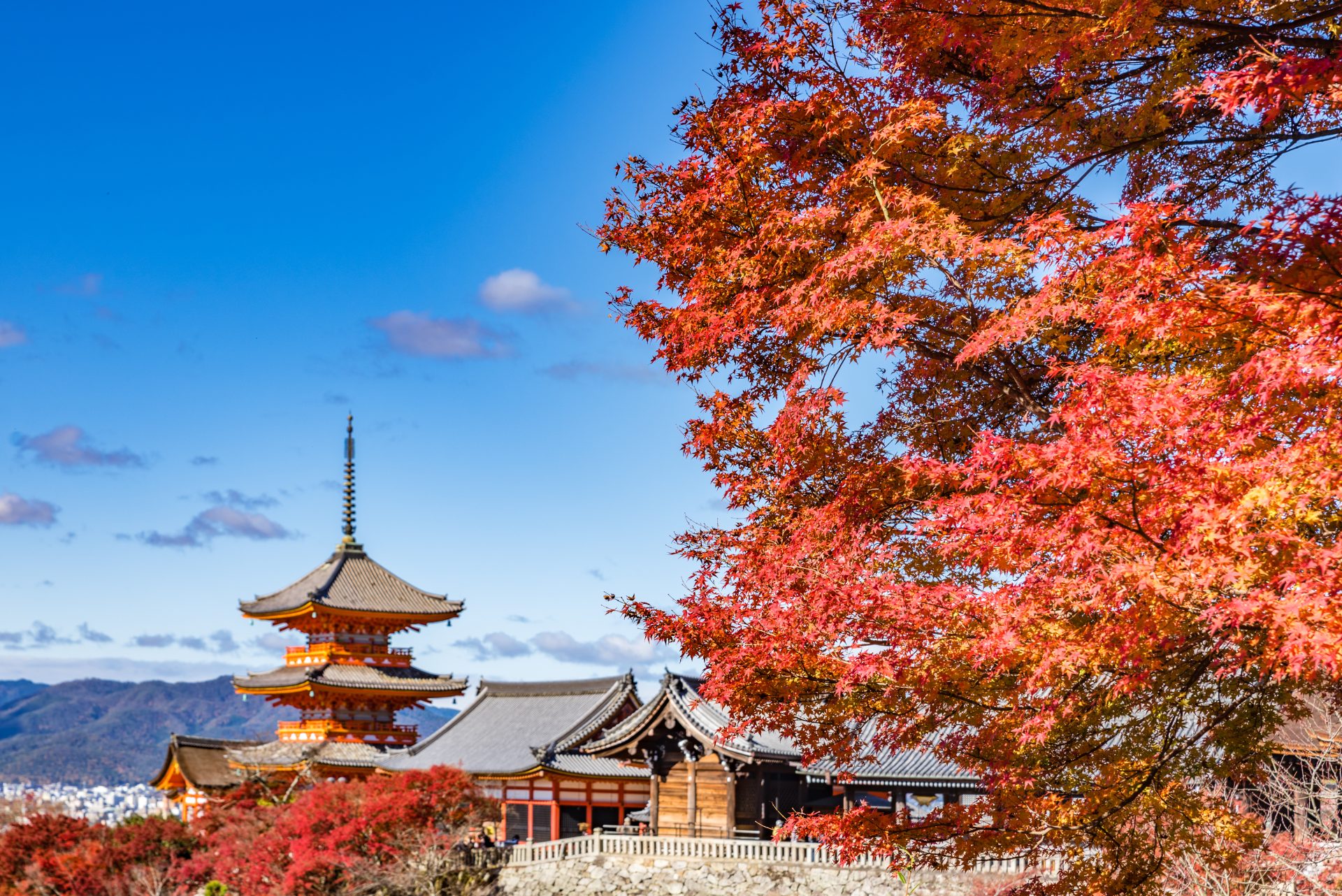
Kyoto is the cultural heart of Japan, where centuries-old traditions blend seamlessly with breathtaking natural beauty. As Japan’s former imperial capital, the city is home to magnificent temples, peaceful gardens, historic streets, and rich cultural heritage that continue to attract travelers from around the world. Whether you’re visiting for the first time or returning to discover more, this Kyoto Travel Guide 2026 will help you experience the very best the city has to offer. In this guide, you’ll discover the top 10 unforgettable experiences in Kyoto, the best time to visit, practical transportation tips, and essential travel advice to help you plan a smooth, memorable, and rewarding journey through one of Japan’s most beloved cities.
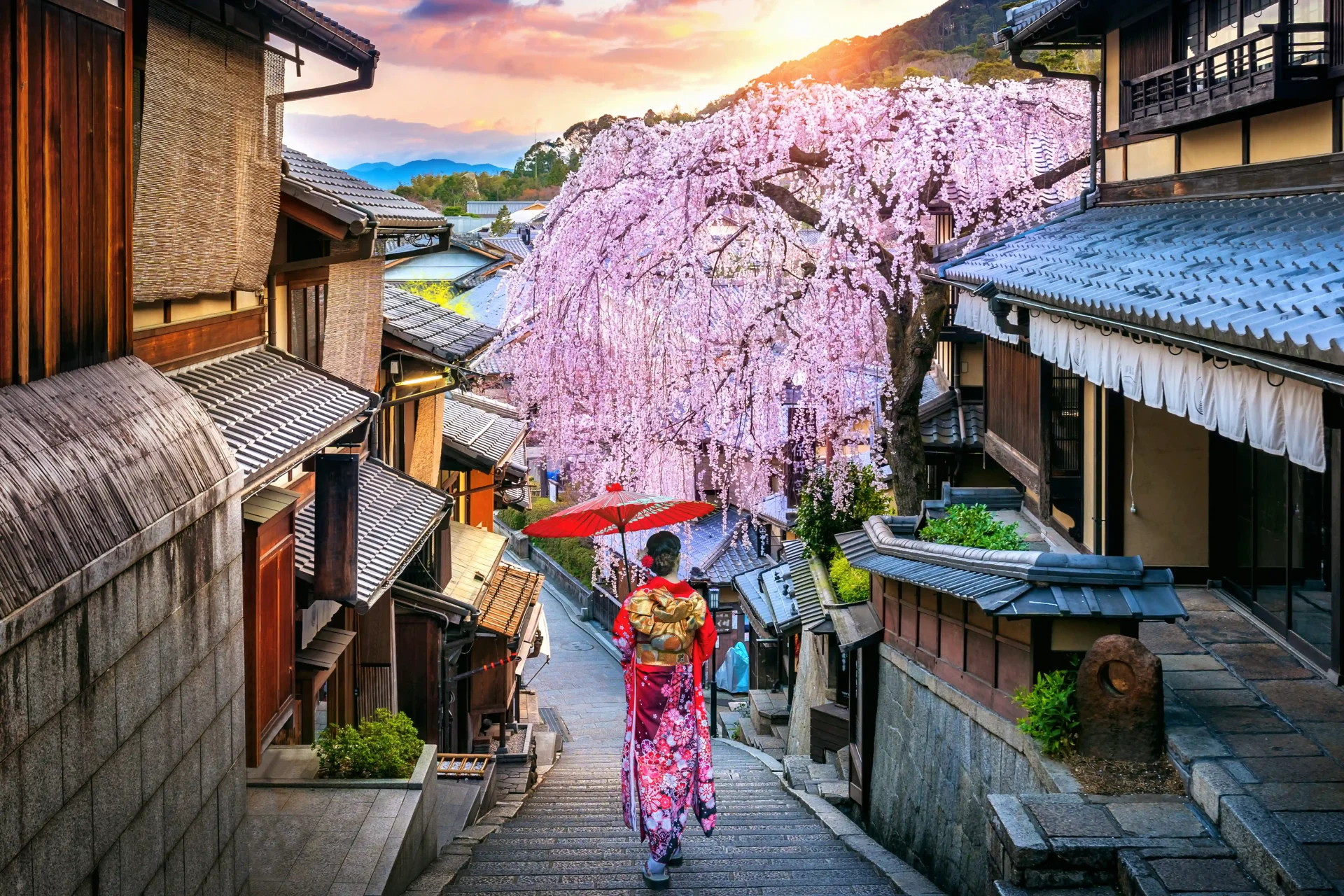
Why Is Kyoto One of Japan’s Most Loved Destinations?
Kyoto has long been one of the most popular destinations in Japan, welcoming millions of travelers each year. As the country’s former imperial capital for more than 1,000 years, the city has preserved its unique blend of history, culture, and traditional lifestyle. While many visitors come for its famous temples, Kyoto travel offers much more than sightseeing. Every street, garden, and neighborhood tells a story, making the city a place where history feels alive.
One of the biggest reasons travelers love Kyoto is the incredible variety of things to do in Kyoto. You can walk through peaceful bamboo forests, admire centuries-old shrines, take part in a traditional tea ceremony, or spend an afternoon exploring local markets. These authentic Kyoto experiences allow visitors to connect with Japanese culture in a way that few other destinations can offer.
Kyoto is also home to some of the best places to visit in Kyoto, including the iconic Fushimi Inari Taisha, the Golden Pavilion, Kiyomizu-dera Temple, and the historic Gion district. Beyond these famous landmarks, you’ll find charming backstreets, quiet cafés, traditional wooden houses, and beautiful gardens that reveal a different side of the city. Another reason Kyoto remains a favorite destination is its beauty throughout the year.
Cherry blossoms brighten the city in spring, lush greenery fills the summer months, vibrant maple leaves transform the landscape in autumn, and winter brings a peaceful atmosphere with fewer crowds. No matter the season, this Kyoto Travel Guide will help you discover the best attractions, local culture, and unforgettable experiences that make Kyoto one of Japan’s most rewarding destinations.
Top 10 Unforgettable Experiences in Kyoto
A memorable Kyoto travel experience is not just about visiting famous attractions. The city is best explored through the moments you create, from walking beneath thousands of vibrant torii gates and wandering through peaceful bamboo groves to enjoying traditional tea ceremonies and tasting local specialties. This Kyoto Travel Guide brings together the top 10 things to do in Kyoto, combining iconic landmarks with authentic cultural activities to help you experience the city’s unique charm.
These carefully selected Kyoto experiences showcase both the city’s rich heritage and everyday local life. Whether you’re planning your first trip or looking for fresh ideas on your next visit, this list covers some of the best places to visit in Kyoto and the unforgettable experiences that make every journey to Japan’s cultural capital truly worthwhile.
1. Walk Through the Thousand Torii Gates at Fushimi Inari Taisha
No Kyoto Travel Guide would be complete without mentioning Fushimi Inari Taisha, one of the city’s most iconic landmarks. Famous for its thousands of bright red torii gates, the shrine offers a scenic walking trail that winds up the forested slopes of Mount Inari. The further you walk, the quieter the surroundings become, creating a peaceful atmosphere away from the busiest areas.
While many visitors stop after taking photos at the entrance, continuing along the trail rewards you with beautiful viewpoints and a chance to experience a different side of Kyoto. If possible, visit early in the morning or late in the afternoon to avoid the largest crowds. It is one of the best places to visit in Kyoto and a must for anyone looking to enjoy both nature and Japanese culture.
2. Explore the Arashiyama Bamboo Grove
The Arashiyama Bamboo Grove is one of the most photographed locations in Kyoto, but visiting it in person feels completely different from seeing it online. Walking beneath the towering bamboo stalks creates a calm and relaxing experience, especially in the early morning when the pathways are less crowded.
Your visit doesn’t have to end at the bamboo grove. The surrounding Arashiyama district is home to the Togetsukyo Bridge, riverside cafés, traditional shops, and the famous Iwatayama Monkey Park. Spending half a day here allows you to enjoy several memorable Kyoto experiences while taking in one of the city’s most beautiful natural landscapes.
3. Visit Kiyomizu-dera Temple
Perched on a hillside overlooking eastern Kyoto, Kiyomizu-dera Temple is one of the city’s most famous cultural landmarks and a UNESCO World Heritage Site. Its large wooden stage offers sweeping views across Kyoto, with each season bringing a completely different landscape. Cherry blossoms in spring and colorful maple leaves in autumn make this one of the most popular viewpoints in the city.
Before reaching the temple, take time to explore the charming streets of Sannen-zaka and Ninen-zaka. These historic lanes are lined with traditional wooden buildings, souvenir shops, cafés, and local snack stalls. Together, they create one of the most enjoyable things to do in Kyoto, combining sightseeing with local culture and shopping.
4. Admire the Golden Pavilion (Kinkaku-ji)
Covered in brilliant gold leaf, Kinkaku-ji, also known as the Golden Pavilion, is one of Kyoto’s most recognizable attractions. Surrounded by a peaceful pond and carefully designed Japanese gardens, the temple creates a picture-perfect scene throughout the year.
Although visitors cannot enter the pavilion itself, the walking route around the gardens offers excellent photo opportunities from different angles. Autumn and winter are particularly beautiful, with colorful maple leaves or light snowfall adding even more charm to the landscape. For many travelers, Kinkaku-ji remains one of the best places to visit in Kyoto thanks to its unique architecture and tranquil setting.
5. Wander Through the Historic Gion District
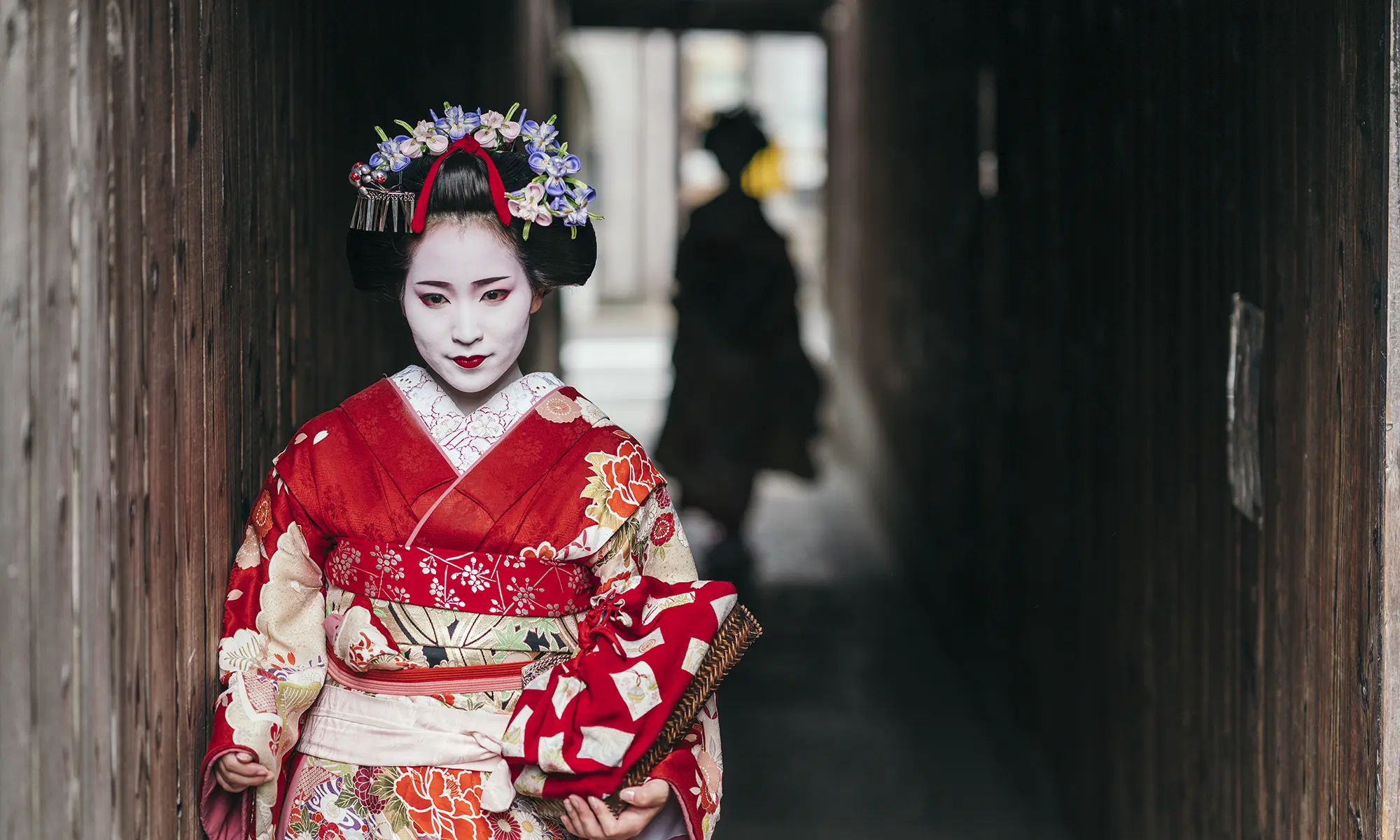
For travelers hoping to discover Kyoto’s traditional atmosphere, Gion is the perfect place to explore. The district is known for its preserved wooden townhouses, stone-paved streets, and historic teahouses that have remained part of Kyoto’s culture for centuries.
Walking through Gion in the evening is especially rewarding, as the lantern-lit streets create a warm and nostalgic atmosphere. If you’re lucky, you may even spot a geiko or maiko on their way to an appointment. Beyond sightseeing, Gion offers a glimpse into one of Japan’s most iconic cultural traditions, making it one of the most authentic Kyoto experiences.
6. Experience a Traditional Japanese Tea Ceremony
Taking part in a traditional tea ceremony offers a deeper understanding of Japanese culture beyond famous landmarks. Every movement, from preparing the matcha to serving the tea, reflects values such as respect, harmony, and mindfulness.
Many tea houses in Kyoto welcome international visitors with English-guided sessions, making the experience easy to enjoy even if it’s your first visit. Some venues also provide traditional sweets that perfectly complement the rich flavor of matcha. If you’re looking for meaningful things to do in Kyoto, a tea ceremony is an experience well worth adding to your itinerary.
7. Wear a Kimono and Explore Kyoto’s Streets
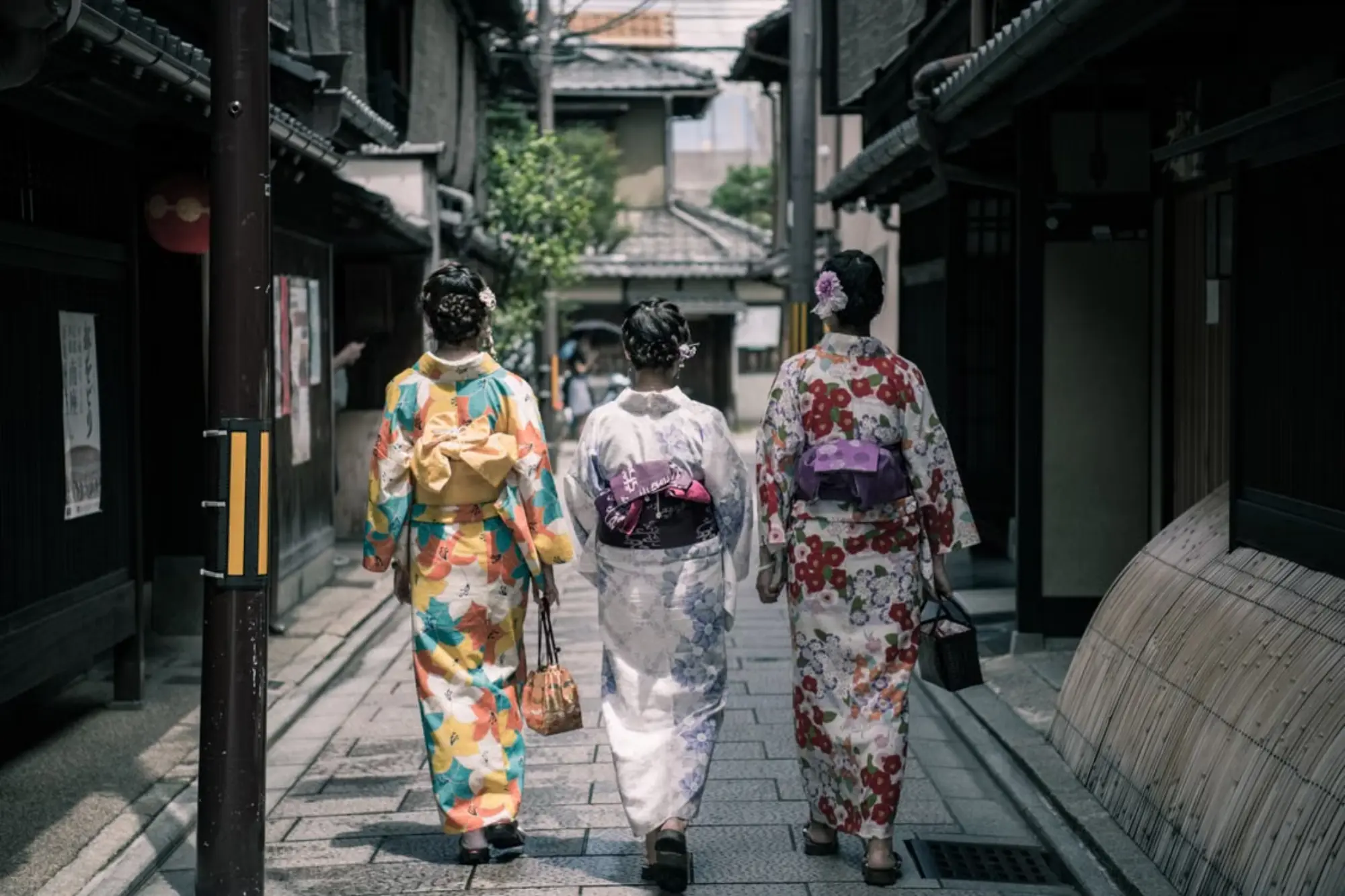
One of the most enjoyable ways to experience Kyoto is by wearing a traditional kimono while exploring the city’s historic neighborhoods. Rental shops can be found near popular attractions such as Kiyomizu-dera, Gion, and Fushimi Inari, offering a wide range of styles for every season.
Walking through Kyoto’s temples, gardens, and old streets in traditional clothing creates memorable photos and helps you appreciate the city’s timeless atmosphere. Many visitors choose this activity not only for photography but also as a way to connect with local culture. It remains one of the most popular Kyoto experiences, especially for first-time travelers.
8. Taste Authentic Kyoto Cuisine
Food is an essential part of every Kyoto travel experience. The city’s cuisine is known for its fresh seasonal ingredients, delicate flavors, and elegant presentation. From traditional kaiseki meals to comforting bowls of yudofu and locally made matcha desserts, Kyoto offers a dining experience that reflects its cultural heritage.
Don’t miss local specialties such as yatsuhashi, Kyoto ramen, and handcrafted wagashi sweets during your visit. Exploring small family-run restaurants and neighborhood cafés often leads to some of the most memorable meals. For food lovers, discovering authentic local dishes is easily one of the top things to do in Kyoto.
9. Relax in a Traditional Japanese Onsen
After a full day of sightseeing, relaxing in a traditional Japanese onsen is the perfect way to unwind. Many hot spring facilities around Kyoto offer indoor and outdoor baths, allowing visitors to enjoy a peaceful break surrounded by nature or traditional Japanese architecture.
Before entering an onsen, it’s important to follow local etiquette, including washing thoroughly before bathing and keeping towels out of the water. Taking time to enjoy this experience is a wonderful way to slow down after exploring the city’s busy attractions. It may not be the first activity people think of, but it is one of the most rewarding Kyoto experiences to complete your trip.
10. Eat at Nishiki Market
Known as “Kyoto’s Kitchen,” Nishiki Market is one of the best places to experience the city’s vibrant food culture. Stretching over 400 meters, the market is lined with dozens of family-run stalls selling fresh seafood, seasonal produce, traditional snacks, and local specialties. It’s the perfect place to sample Kyoto favorites such as grilled seafood, yuba (tofu skin), matcha sweets, and handmade pickles. Beyond the food, wandering through the lively arcade offers a glimpse into everyday local life, making Nishiki Market one of the most enjoyable Kyoto experiences for food lovers and first-time visitors alike.
Best Time to Visit Kyoto
Kyoto is a year-round destination, with each season offering a different travel experience. The best time to visit depends on what you want to see and do, whether it’s cherry blossoms in spring, colorful maple leaves in autumn, or peaceful temple visits during winter. This Kyoto Travel Guide will help you choose the perfect season for your trip.
1. Spring (March to May)
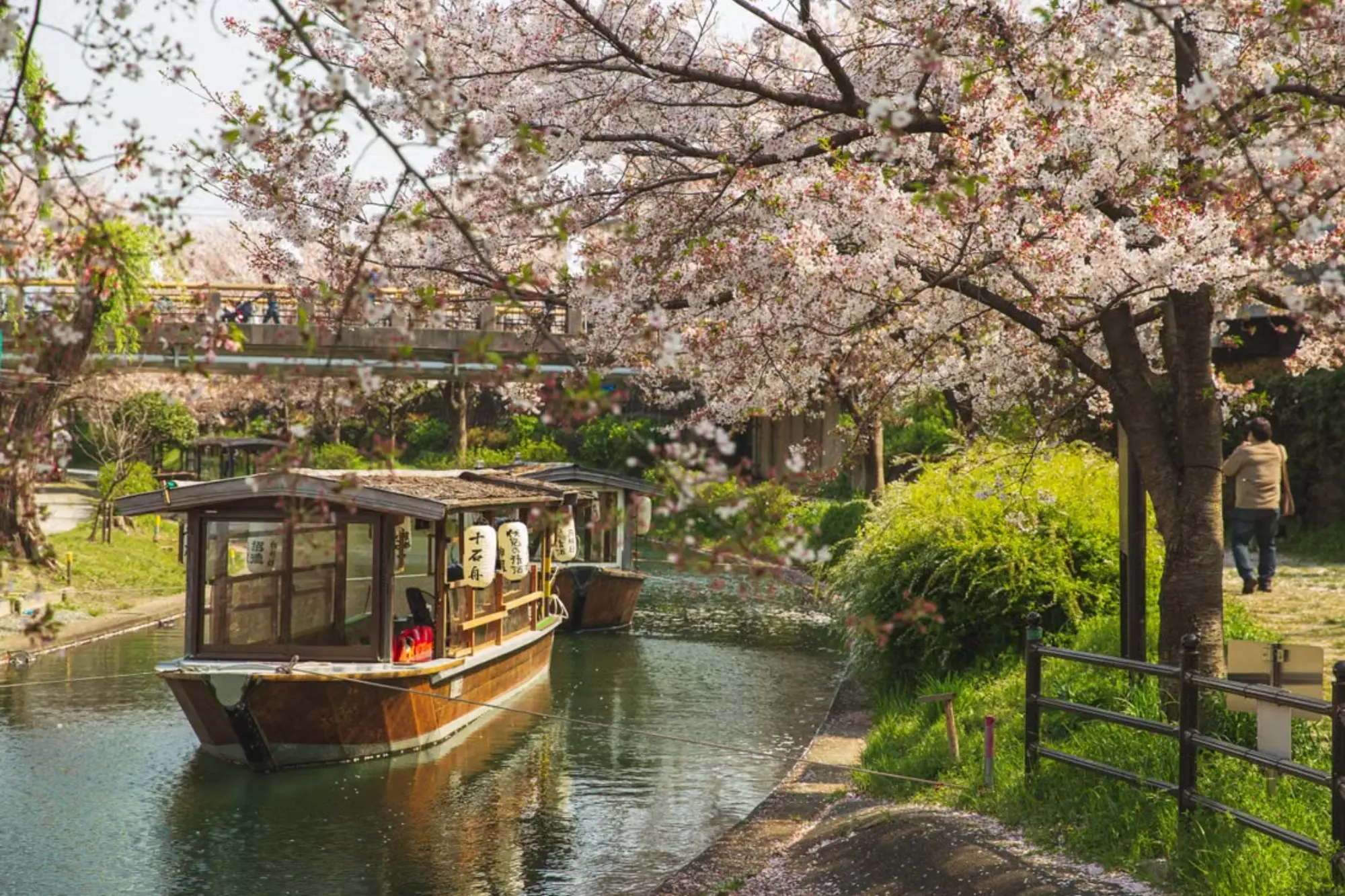
Spring is one of the most popular seasons for Kyoto travel. From late March to early April, cherry blossoms bloom across the city, creating breathtaking scenery at famous attractions such as Maruyama Park, the Philosopher’s Path, and Kiyomizu-dera Temple. The weather is cool and pleasant, making it comfortable to explore the city’s historic streets on foot.
As this is the peak travel season, popular attractions and hotels can become crowded. Booking accommodation and attraction tickets in advance is highly recommended. If you’re looking for the classic Japanese spring experience, this is the perfect time to visit Kyoto. If you’re planning a spring visit, check out the latest Japan Cherry Blossom Forecast for peak bloom dates and the best sakura viewing spots across Kyoto, Tokyo, and beyond.
2. Summer (June to August)
Summer brings lush greenery and lively festivals to Kyoto. Although June is part of Japan’s rainy season, the showers are usually short, and the gardens and bamboo forests become even more vibrant. July is especially exciting thanks to the famous Gion Matsuri, one of Japan’s oldest and most celebrated festivals.
Temperatures can be hot and humid, so it’s best to start sightseeing early in the morning and take breaks during the afternoon. Visiting temples, relaxing in traditional cafés, and exploring indoor markets are great things to do in Kyoto during the warmer months.
3. Autumn (September to November)
Autumn is considered by many travelers to be the best season to visit Kyoto. As temperatures become cooler, maple trees across the city turn brilliant shades of red, orange, and gold. Famous spots such as Tofuku-ji Temple, Arashiyama, and Eikando Temple attract visitors from around the world who come to enjoy the spectacular fall foliage.
This season is ideal for photography, walking tours, and exploring some of the best places to visit in Kyoto. Similar to spring, autumn is a busy travel period, so planning your itinerary and booking early will help you enjoy a smoother trip.
4. Winter (December to February)
Winter offers a quieter side of Kyoto. While temperatures are colder, there are fewer crowds, allowing you to explore temples, shrines, and traditional neighborhoods at a more relaxed pace. On snowy days, famous landmarks such as Kinkaku-ji become even more picturesque, creating one of the most memorable Kyoto experiences.
Winter is also a great season to enjoy hot bowls of Kyoto ramen, traditional yudofu, or relax in a nearby onsen after a day of sightseeing. If you prefer peaceful Kyoto travel with shorter queues and a slower pace, winter is an excellent time to discover the city’s timeless beauty.
How to Get Around Kyoto?
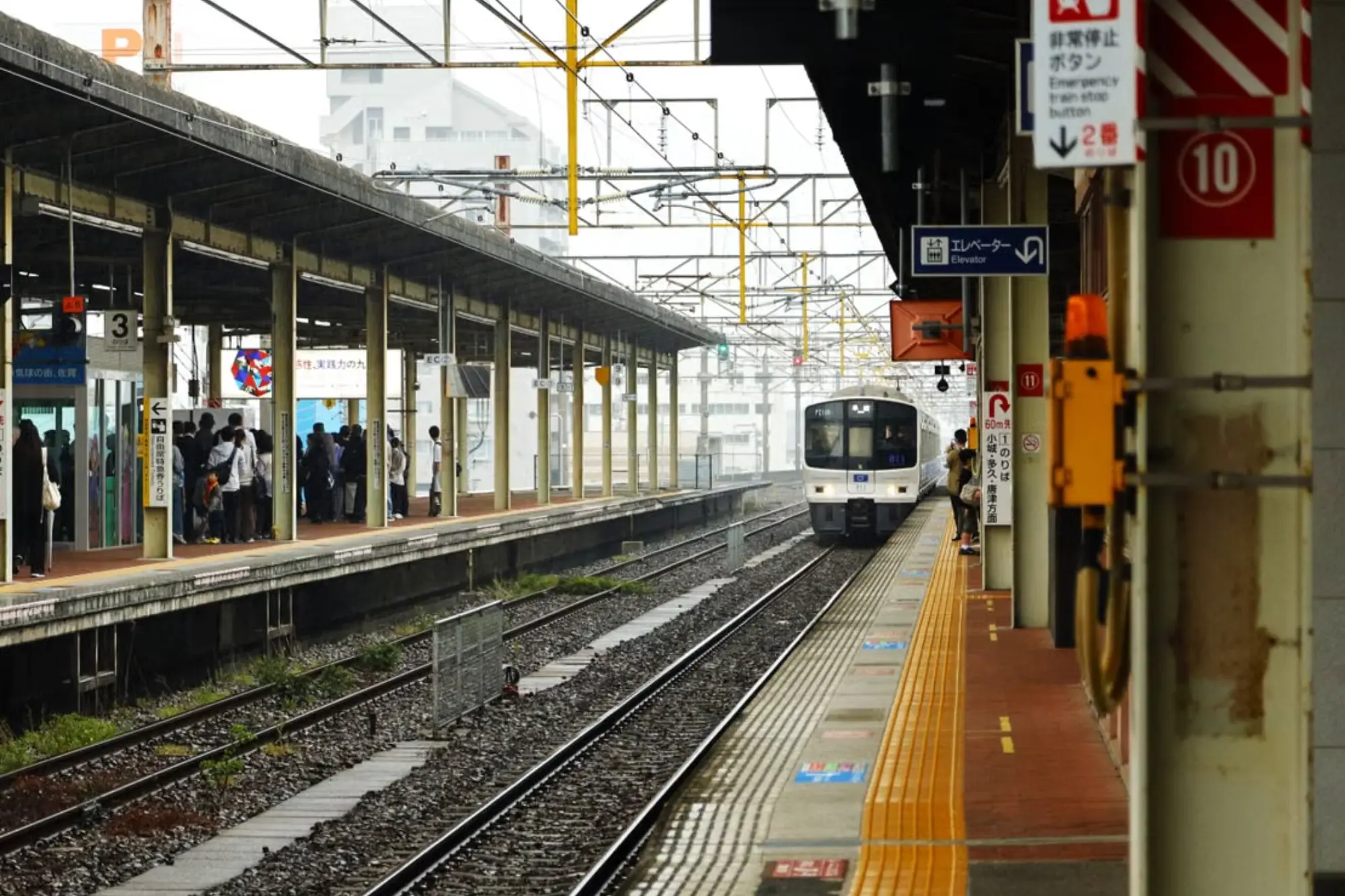
Getting around Kyoto is simple thanks to its well-connected public transportation system and walkable neighborhoods. Depending on your itinerary, you can travel by bus, subway, bicycle, or simply explore on foot. Choosing the right option will help you save time and make your Kyoto travel experience more enjoyable.
1. By Bus
Kyoto’s bus network covers most of the city’s major attractions, making it one of the most convenient ways to get around. Popular destinations such as Kinkaku-ji, Ginkaku-ji, Kiyomizu-dera, and Gion are all easily accessible by bus. You can use an IC card like ICOCA or Suica for quick and cashless payments.
During weekends and peak travel seasons, buses can become crowded, especially around the city’s most popular tourist areas. If you’re visiting several attractions in one day, try to start early to avoid heavy traffic.
2. By Subway
Although Kyoto’s subway system is smaller than Tokyo’s, it provides a fast and comfortable way to travel between key districts. The Karasuma Line and Tozai Line connect important transport hubs, shopping areas, and several major attractions.
The subway is a good choice if you want to avoid road traffic or travel longer distances. It also connects easily with local buses, making it convenient to combine different modes of transport throughout the day.
3. By Bicycle
Cycling is one of the best ways to discover Kyoto at your own pace. Many rental shops are located near Kyoto Station and popular sightseeing areas, offering affordable daily rentals.
Bicycles are perfect for exploring quieter neighborhoods, riverside paths, and local cafés that are often missed by public transport. For travelers looking for unique Kyoto experiences, cycling offers the freedom to discover hidden corners of the city while enjoying its relaxed atmosphere.
4. On Foot
Many places to visit in Kyoto are located within walking distance of each other. Historic areas such as Gion, Higashiyama, and the streets around Kiyomizu-dera are best explored on foot, allowing you to appreciate the traditional architecture, local shops, and peaceful temples along the way.
Walking also gives you the opportunity to discover small cafés, quiet gardens, and hidden alleyways that aren’t always included in guidebooks. If your schedule allows, leave some time to wander without a fixed plan. Some of the most memorable things to do in Kyoto happen when you slow down and explore the city one street at a time.
Essential Travel Tips for First-Time Visitors
Planning ahead can make your Kyoto tour smoother and more enjoyable. From navigating the city’s efficient public transportation system to understanding local customs and etiquette, a few practical tips can help you save time, avoid common mistakes, and make the most of your visit. Before exploring Kyoto’s iconic temples, historic districts, and cultural landmarks, take a moment to familiarize yourself with these essential travel tips. For a deeper understanding of Japanese customs and etiquette, be sure to check out our Japan Culture Guide, where you’ll find practical advice to help first-time visitors travel with confidence and respect.
1. Purchase an IC Card
An IC card is one of the most useful items to have during your trip to Kyoto. Cards such as ICOCA, Suica, and PASMO can be used on buses, subways, and trains, allowing you to travel without buying individual tickets each time. They’re also accepted at many convenience stores and vending machines, making everyday purchases quick and convenient.
If your itinerary includes nearby cities such as Osaka or Nara, an IC card can be used there as well. It’s a simple way to make your Kyoto travel more convenient while saving time throughout your journey.
2. Respect Local Customs
Kyoto is known for preserving Japan’s traditional culture, so respecting local customs is an important part of the travel experience. Speak quietly when visiting temples and shrines, follow photography rules, and avoid touching cultural artifacts unless permitted.
When exploring historic neighborhoods like Gion, remember that some streets are residential areas. Being considerate of local residents helps protect the city’s unique atmosphere and ensures future visitors can continue to enjoy authentic Kyoto experiences.
3. Book Popular Attractions Early
Kyoto is one of Japan’s most visited destinations, especially during the cherry blossom and autumn foliage seasons. Popular attractions, tea ceremonies, kimono rentals, and guided tours often sell out days or even weeks in advance.
Booking early gives you more flexibility and helps you avoid long waiting times. If you’re following this Kyoto Travel Guide, it’s worth planning your schedule before you arrive so you can enjoy the city’s top experiences without feeling rushed.
4. Carry Cash for Small Shops
Although credit cards are widely accepted in hotels, department stores, and many restaurants, some traditional cafés, local markets, and family-run shops still prefer cash. Carrying a small amount of Japanese yen makes it easier to pay for street food, souvenirs, or entrance fees at smaller attractions.
ATMs are easy to find at convenience stores such as 7-Eleven, Lawson, and FamilyMart if you need to withdraw cash during your trip. Having both cash and a payment card ensures you’re prepared wherever your Kyoto travel takes you.
Conclusion
Kyoto is a destination that rewards travelers who take the time to slow down and explore beyond the highlights. From walking through the iconic torii gates at Fushimi Inari Taisha to enjoying a traditional tea ceremony or tasting authentic local cuisine, every experience offers a deeper look into Japan’s rich culture and history.
We hope this Kyoto Travel Guide has helped you discover the best things to do in Kyoto and inspired you to plan an unforgettable journey. Whether you’re visiting for the first time or returning to explore more, Kyoto is a city that always has something new to offer.
If you’d like a hassle-free trip, explore Nicetrip’s Japan tour packages for carefully planned itineraries, local experiences, and expert guidance. You can also browse our Japan Travel Blog for more destination guides, seasonal travel tips, and itinerary ideas to help you make the most of your Kyoto travel.