Japan is a year-round destination, but the best time to visit Japan depends on the experiences you’re looking for. Identifying the best time to visit Japan allows travelers to enjoy crisp weather, blooming cherry blossoms, or vibrant autumn landscapes at their absolute peak. Conversely, understanding the worst time to visit Japan helps you avoid scorching summer humidity, heavy typhoon rains, and overwhelming holiday crowds. This complete breakdown of Japan weather by season provides essential insights to help you select the ideal travel for your 2026 itinerary.
Why choosing the right time to visit Japan matters
Choosing the best time to visit Japan can significantly shape your travel experience. While Japan is a year-round destination, each season offers different weather conditions, seasonal scenery, crowd levels, and travel costs. Planning your trip around these factors allows you to enjoy the experiences that matter most, whether you’re hoping to see cherry blossoms, admire autumn foliage, or simply avoid peak tourist crowds.
Before deciding when to visit, consider these key factors:
- Japan weather by season: Temperatures and rainfall vary throughout the year, affecting sightseeing, outdoor activities, and what you should pack.
- Seasonal highlights: Japan in spring is famous for cherry blossoms, while Japan in autumn is known for spectacular fall foliage and comfortable weather.
- Crowds and travel costs: Peak seasons often bring higher hotel prices, limited availability, and busier attractions.
- Your travel goals: Whether you enjoy photography, nature, festivals, or a more relaxed vacation, choosing the right season helps you make the most of your trip.
When Is the Best Time to Visit Japan?
For most travelers, the best time to visit Japan is during spring (March to April) and autumn (October to November). These two seasons are widely regarded as the ideal time to explore the country thanks to their comfortable weather, breathtaking natural scenery, and excellent sightseeing conditions. Although they are also Japan’s busiest travel periods, the unforgettable seasonal landscapes make them well worth the extra planning.
1. Japan in Spring (March-April)
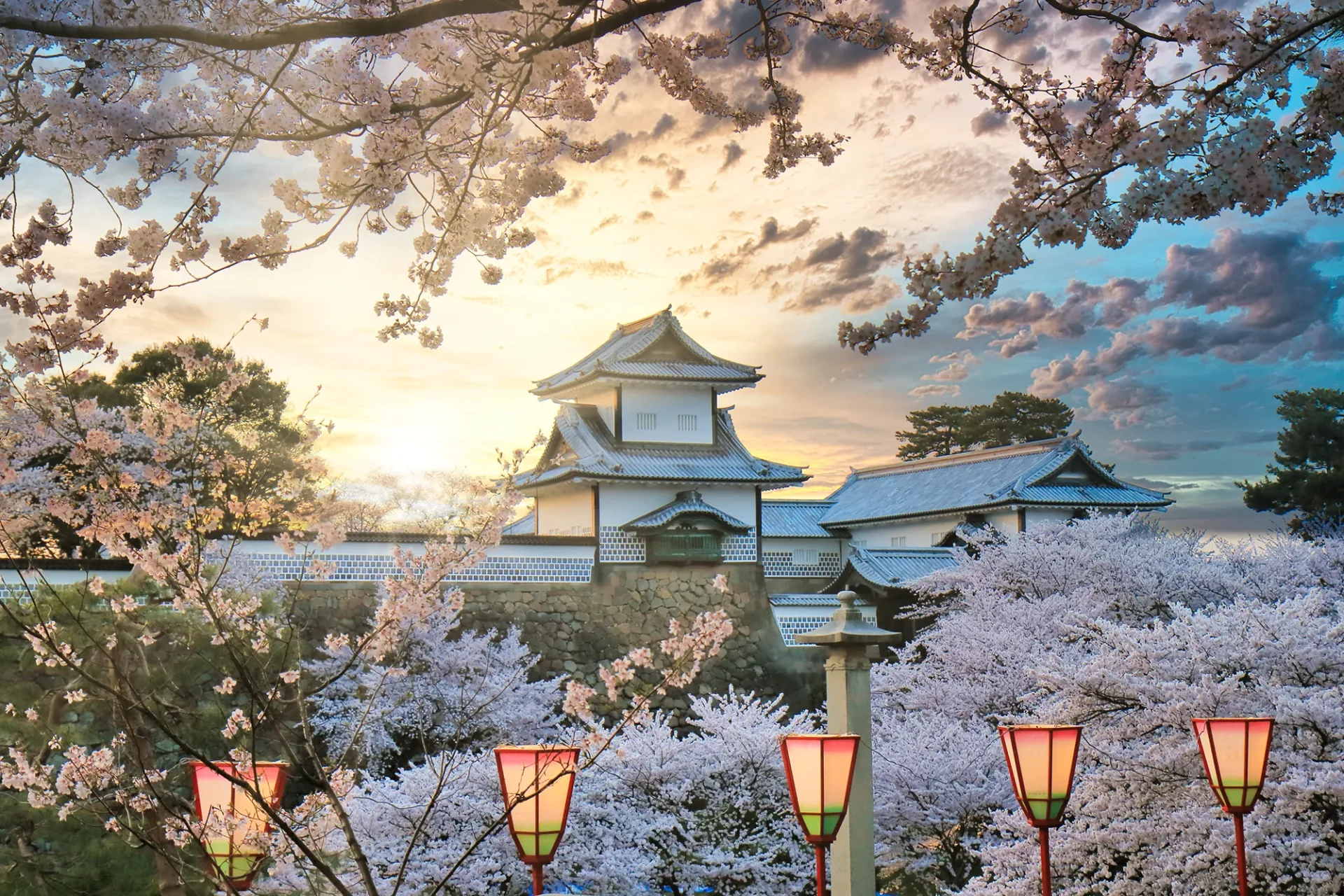
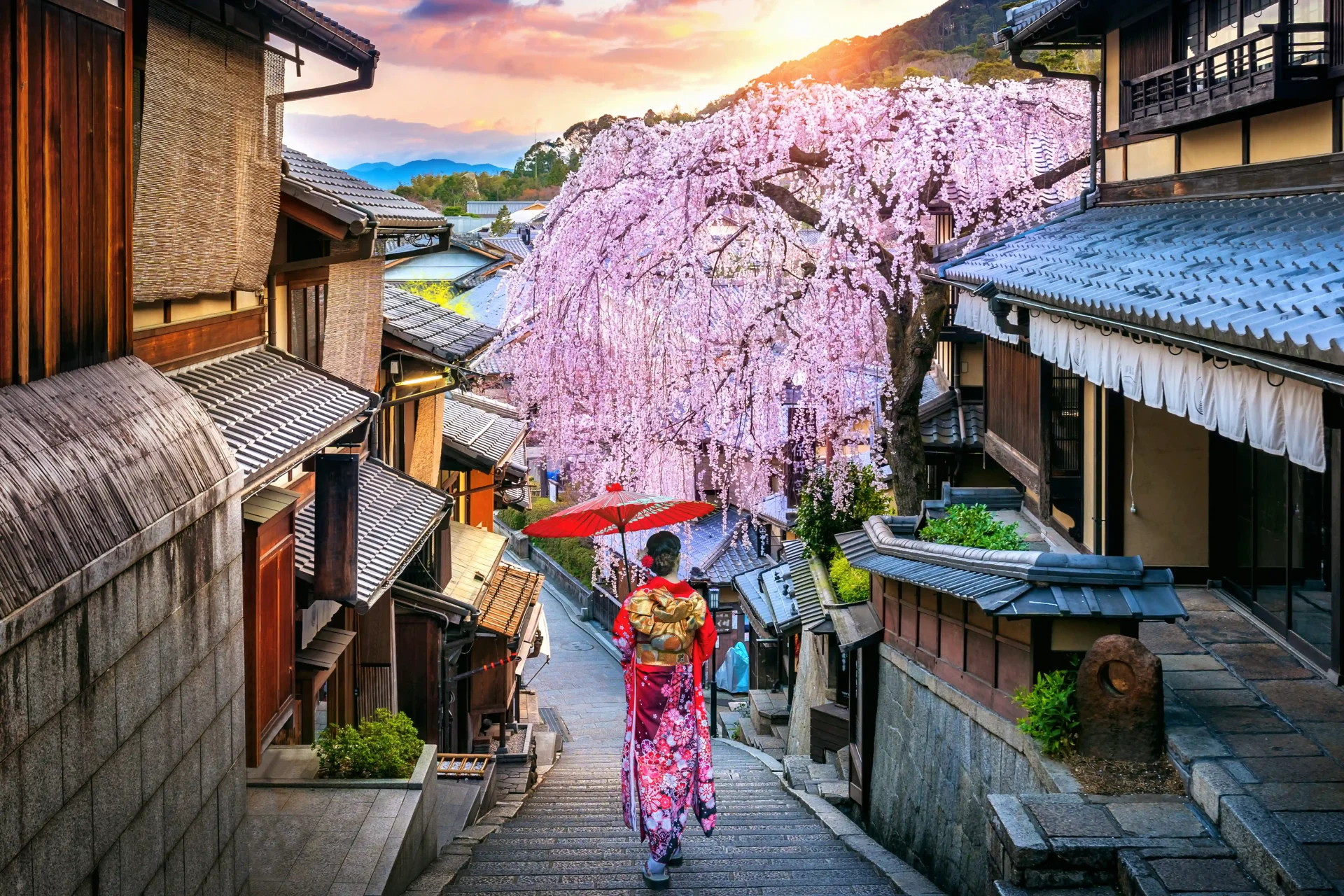
Japan in spring is famous for the country’s iconic cherry blossom season. As temperatures gradually warm after winter, parks, riversides, temples, and castle grounds across Japan are covered in delicate pink and white sakura flowers. This short blooming period attracts millions of domestic and international visitors every year, making spring one of Japan’s most celebrated seasons.
Beyond the cherry blossoms, spring offers mild temperatures that are ideal for exploring cities on foot. Travelers can comfortably visit popular attractions, enjoy outdoor cafés, stroll through traditional neighborhoods, and experience seasonal festivals without the intense heat or humidity of summer.
Why visit Japan in spring?
- Cherry blossom season: Witness one of Japan’s most famous natural events, typically from late March to early April, depending on the region.
- Comfortable weather: Mild daytime temperatures make sightseeing enjoyable across most destinations.
- Seasonal festivals: Hanami celebrations, local festivals, and nighttime cherry blossom illuminations create a lively atmosphere.
- Beautiful city parks: Famous spots such as Tokyo, Kyoto, Osaka, and Himeji become especially picturesque during the sakura season.
Things to consider
Spring is also one of the busiest travel periods in Japan. Hotels near popular cherry blossom viewing spots often sell out months in advance, while flights and accommodation prices increase significantly. Tourist attractions, public transportation, and parks can become extremely crowded during peak bloom, particularly on weekends and public holidays.
If you’re planning to visit Japan in spring, booking flights and hotels at least three to six months ahead is highly recommended.
2. Japan in Autumn (October-November)
Many experienced travelers consider Japan in autumn the absolute best time to visit Japan. After the heat and humidity of summer disappear, the country welcomes cool temperatures, lower humidity, and clear blue skies. These comfortable conditions make autumn ideal for long days of sightseeing, hiking, and exploring both cities and rural landscapes.
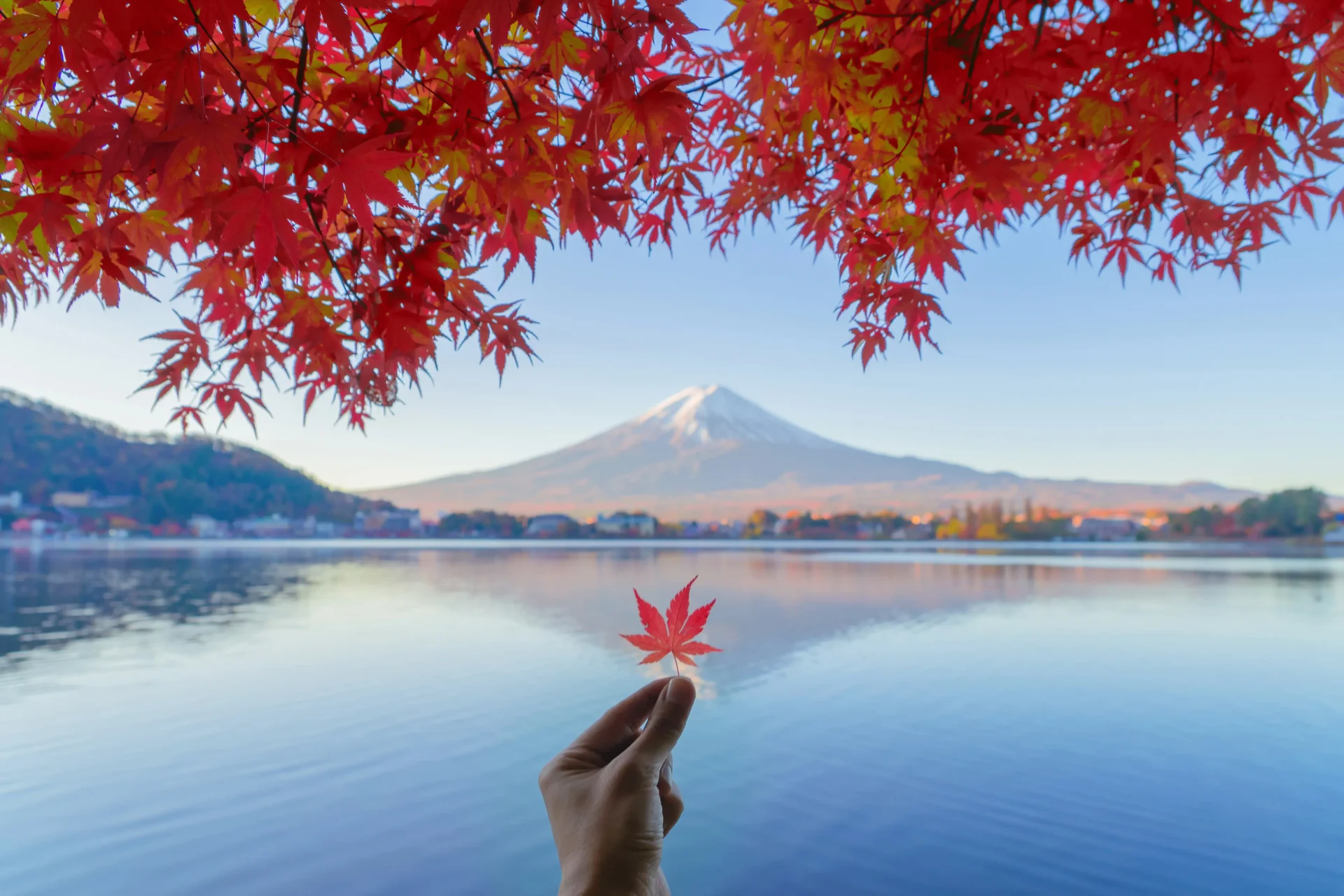
The biggest highlight of the season is undoubtedly Japan fall foliage. From late October through November, maple and ginkgo trees gradually transform into brilliant shades of red, orange, and gold. Historic temples, Japanese gardens, mountain valleys, and lakes become spectacular destinations for photographers and nature lovers alike.
Unlike spring, where cherry blossoms bloom for only a short period, autumn foliage usually lasts longer across different regions. Because the colors gradually move from northern Japan toward the south, travelers have more opportunities to experience peak foliage by choosing the right destination and travel dates.
Why visit Japan in autumn?
- Spectacular fall foliage: Enjoy colorful maple and ginkgo trees across parks, temples, gardens, and mountain landscapes.
- Pleasant weather: Cool temperatures and lower humidity create ideal conditions for outdoor sightseeing.
- Excellent photography: Clear skies and vibrant autumn colors make this one of the most photogenic seasons of the year.
- Outdoor experiences: Autumn is perfect for scenic train rides, hiking, cycling, and visiting traditional towns.
- Seasonal cuisine: Restaurants feature autumn specialties such as matsutake mushrooms, chestnuts, persimmons, and sweet potatoes.
Things to consider
Because Japan in autumn is extremely popular, major destinations such as Kyoto, Nikko, Hakone, and the Fuji Five Lakes become busy during peak foliage season. Hotels near famous autumn viewing spots may also fill up quickly, particularly in November.
For the best experience, monitor the annual autumn foliage forecast and reserve accommodation several months before departure. Visiting popular attractions on weekdays can also help you avoid the largest crowds.
When is the worst time to visit Japan?
There is no true worst time to visit Japan, as every season offers unique experiences and attractions. However, certain times of the year may be less suitable depending on your travel priorities. Factors such as heavy rainfall, extreme heat, high humidity, or peak domestic holidays can affect sightseeing, transportation, and accommodation availability.
Rainy Season (June)
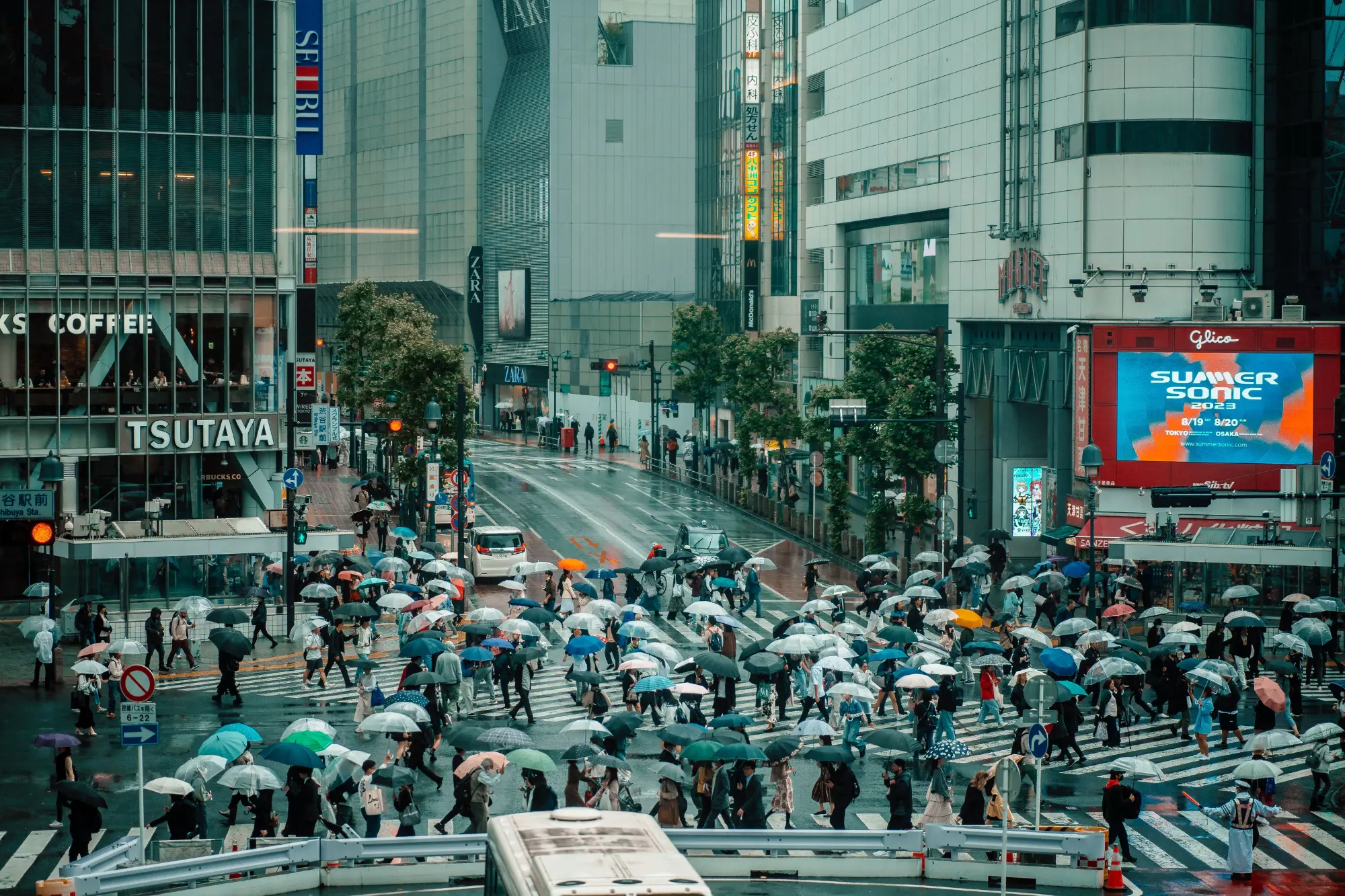
June marks the beginning of Japan’s rainy season across much of the country. While rainfall increases, it usually comes in intermittent showers rather than continuous rain throughout the day. Even so, cloudy skies and wet conditions can make outdoor sightseeing less enjoyable, especially if your itinerary focuses on parks, gardens, or mountain scenery.
Higher humidity also makes the weather feel warmer than the actual temperature. Travelers should pack a compact umbrella, waterproof shoes, and lightweight clothing suitable for humid conditions.
Despite these drawbacks, June also offers several advantages. Tourist numbers are generally lower than during spring and autumn, making it easier to book hotels at better prices. Attractions are less crowded, and seasonal flowers such as hydrangeas bloom beautifully in many parks and temples.
Why some travelers avoid June
- Frequent rainfall and higher humidity.
- Outdoor activities may be disrupted.
- Mountain views are sometimes hidden by clouds.
Why June can still be worth visiting
- Lower accommodation prices.
- Fewer tourists at major attractions.
- Beautiful hydrangea displays throughout Japan.
Mid-Summer (Late July-August)
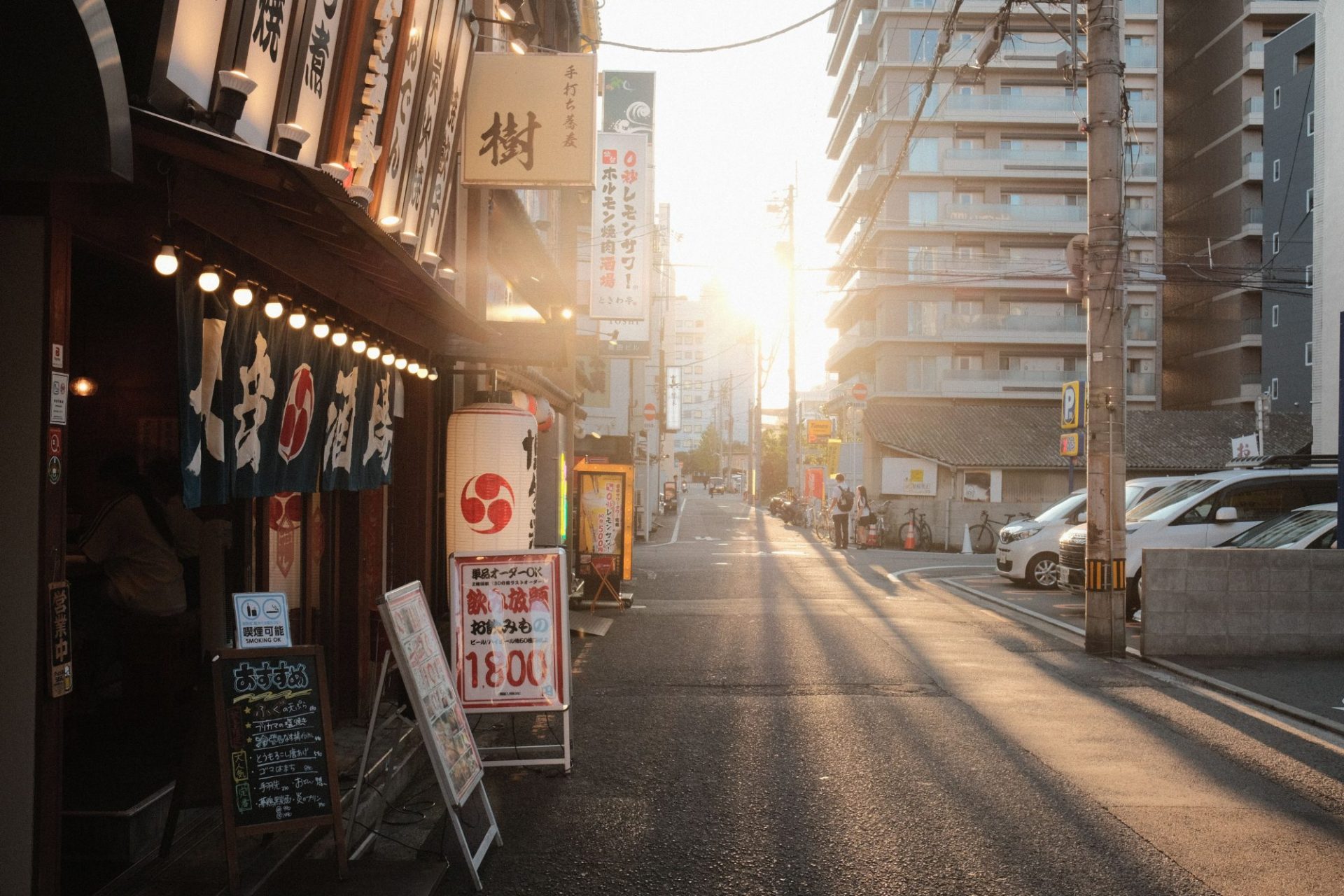
Late July and August are often considered the most challenging months for sightseeing because of Japan’s intense summer weather. Daytime temperatures frequently exceed 35°C in many cities, while high humidity makes spending long hours outdoors more exhausting. Tourists can find the weather forecast on Japan’s official meteorological channel.
This period also coincides with school holidays and the Obon holiday, one of Japan’s busiest domestic travel seasons. Airports, train stations, and tourist attractions become noticeably more crowded, and transportation and accommodation prices may increase.
However, summer is far from a bad time to visit if you enjoy seasonal festivals and outdoor events. Some of Japan’s largest fireworks festivals, traditional matsuri celebrations, and cultural performances take place during this period. It’s also the official climbing season for Mount Fuji, attracting hikers from around the world.
Why some travelers avoid late July and August
- Extremely hot and humid weather.
- Crowded transportation during school holidays and Obon.
- Long walks can become physically demanding.
Why summer may still suit some travelers
- Spectacular fireworks festivals.
- Traditional summer matsuri.
- Mount Fuji climbing season.
- Vibrant nightlife and seasonal events.
How to choose the best time to visit Japan
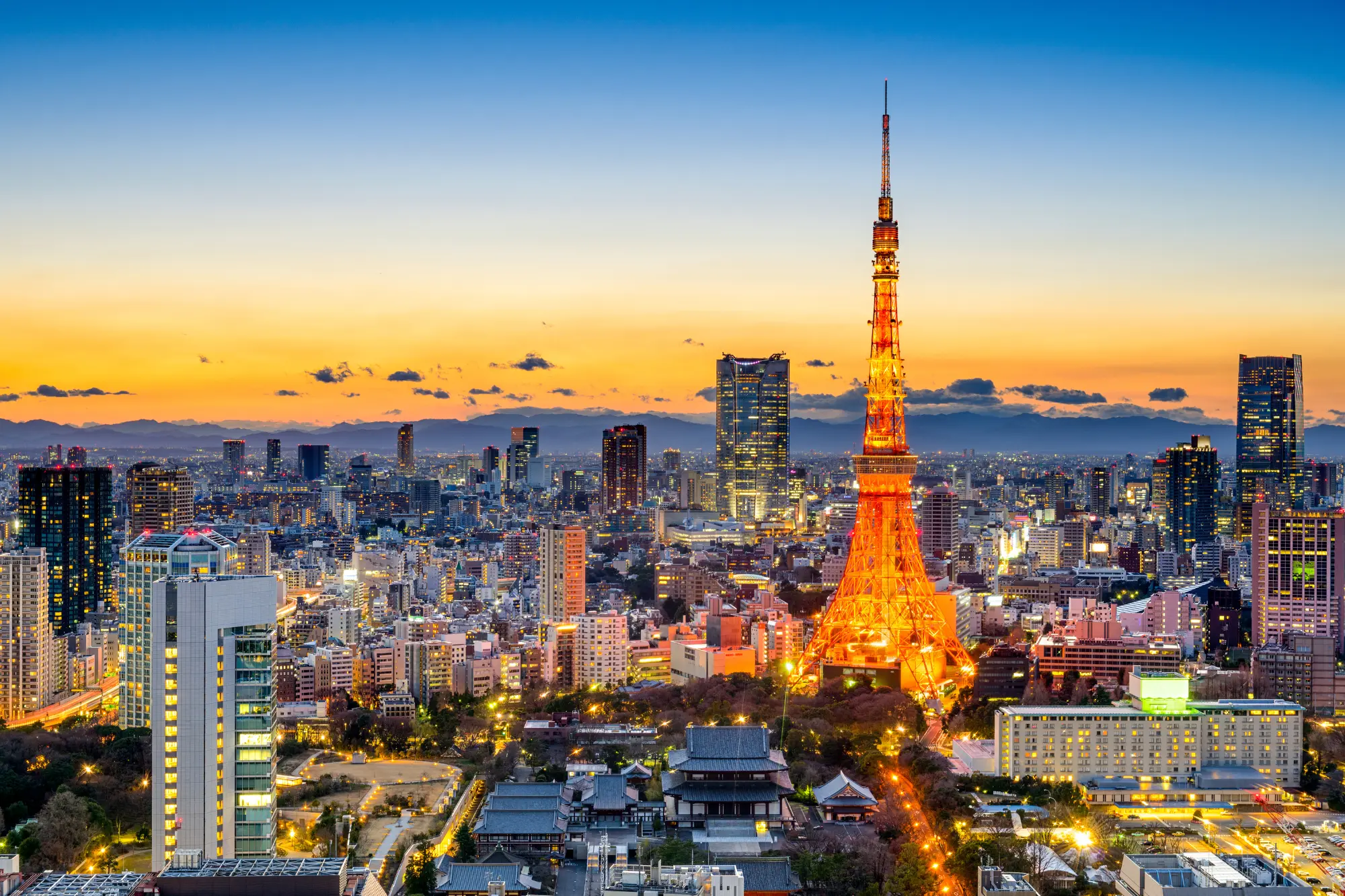
The best time to visit Japan depends on your travel priorities rather than a single “perfect” season. While spring and autumn are generally considered the best times to visit, the right choice ultimately comes down to the experiences you want, your budget, and your preferred travel style. Before booking your trip, consider the following factors:
- Weather: Japan weather by season varies significantly throughout the year. Spring and autumn offer the most comfortable temperatures for sightseeing, while summer is hot and humid and winter can be very cold, especially in northern Japan.
- Seasonal highlights: If seeing cherry blossoms is at the top of your bucket list, Japan in spring is the ideal time to visit. If you prefer colorful landscapes, Japan in autumn offers spectacular fall foliage across parks, temples, gardens, and mountain regions.
- Crowds and budget: The most popular travel seasons also come with higher hotel prices and larger crowds. If you’re looking for better value, consider traveling during quieter periods such as June or early December.
- Activities: Think about what you want to do during your trip. Hiking, scenic train rides, and outdoor photography are best enjoyed in autumn, while spring is perfect for hanami picnics, seasonal festivals, and sightseeing.
Planning around these factors will help you choose the best time to visit Japan based on your interests rather than simply following the peak tourist season.
Best time to visit Japan by destination
Although spring and autumn are generally the most popular seasons, the best time to visit Japan can vary depending on where you plan to travel. Different regions experience seasonal highlights at different times of the year.
| Destination | Best time to visit | Why visit during this time? |
| Tokyo | March-April or October-November | Pleasant weather for sightseeing, with cherry blossoms in spring and colorful autumn foliage later in the year. |
| Kyoto | November | One of the best places to experience Japan in autumn, with temples and gardens surrounded by vibrant maple leaves. |
| Osaka | Late March-April or November | Comfortable temperatures, seasonal scenery, and excellent conditions for exploring the city’s attractions. |
| Hakone | October-November | Cool weather, beautiful autumn colors, and clear views of Mount Fuji. |
| Fuji Five Lakes | Late October-November | One of the best destinations for photography, combining Mount Fuji with spectacular autumn foliage. |
| Hokkaido | February or Late September-October | Visit in winter for skiing and snow festivals, or in early autumn for the first Japan fall foliage of the season. |
No matter where you choose to travel, checking local weather conditions and seasonal forecasts before departure will help you enjoy the highlights of each destination at the right time.
Conclusion
There is no single best time to visit Japan for everyone as it all depends on the experiences you’re looking for. Japan in spring offers the unforgettable beauty of cherry blossoms, while Japan in autumn is perfect for colorful fall foliage, pleasant weather, and outdoor adventures. Even the periods often considered the worst time to visit Japan can still be rewarding with the right itinerary and expectations. By understanding Japan weather by season, you can choose the ideal travel dates and make the most of your journey.
Don’t forget to explore the Nicetrips Blog for more expert Japan travel guides, seasonal tips, and destination inspiration. If you’re ready to experience Japan at its best, browse our carefully curated Japan tour packages and start planning your unforgettable adventure today.