An onsen in Japan is much more than a hot spring. It is a centuries-old tradition that combines relaxation, wellness, and Japanese culture in one unique experience. If you’re planning your first visit, you may wonder what an onsen is, how it differs from a public bath, or what the bathing etiquette involves. These are common questions, especially for travelers experiencing Japanese hot springs for the first time. This guide explains everything you need to know about onsen in Japan, including the different types of onsen, essential etiquette, tattoo policies, health benefits, and some of the country’s most famous hot spring destinations, helping you enjoy this unique cultural experience with confidence.
What Is an Onsen in Japan?
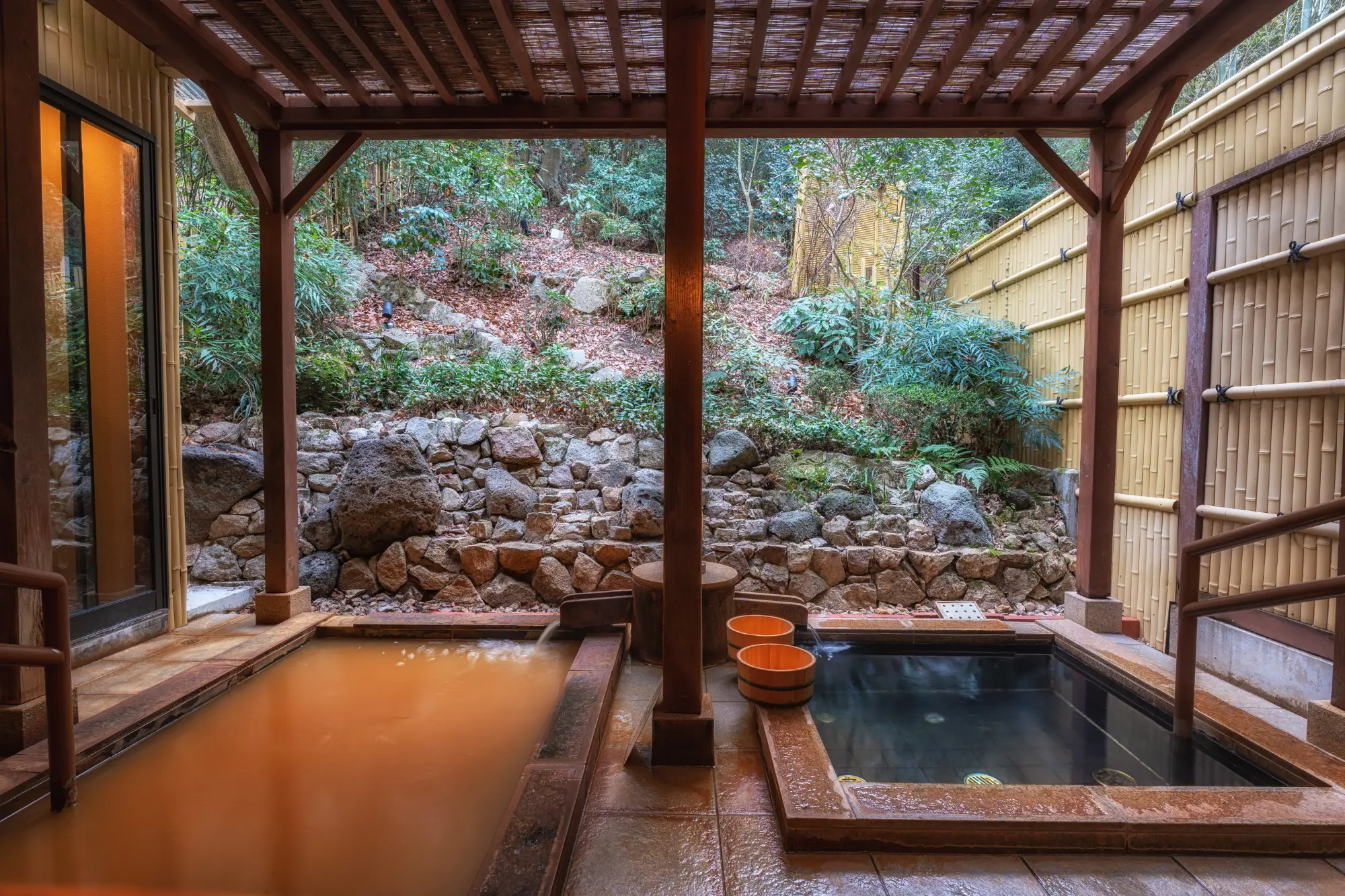
An onsen is a natural hot spring whose water is heated by geothermal activity beneath the Earth’s surface. Located along the Pacific Ring of Fire, Japan has thousands of volcanic areas, making it one of the world’s richest countries for natural hot springs.
Unlike ordinary heated pools or spas, onsen water naturally emerges from underground and contains various minerals such as sulfur, sodium chloride, calcium, magnesium, and bicarbonate. The exact mineral composition varies depending on the region, giving each hot spring its own unique characteristics.
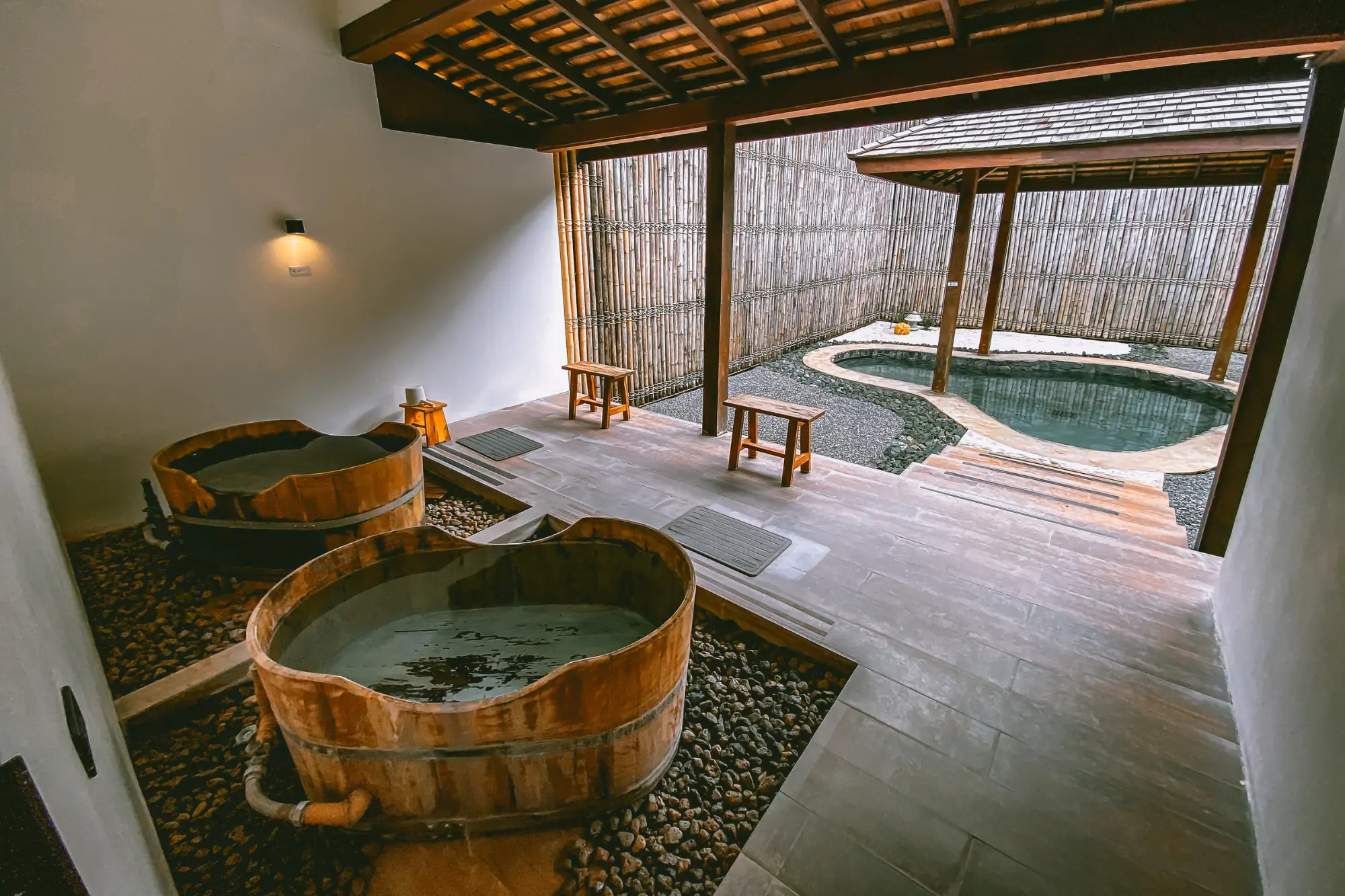
Under Japanese law, a hot spring can only be officially classified as an onsen if it meets specific requirements related to water temperature or mineral content. This strict definition helps preserve the authenticity of Japan’s hot spring culture.
Today, there are more than 27,000 natural hot spring sources across Japan, supplying thousands of traditional inns, hotels, and public bathhouses throughout the country.
For many visitors, experiencing an onsen is not simply about relaxation. It is an opportunity to connect with one of Japan’s oldest traditions while appreciating the country’s spectacular natural scenery.
The History of Onsen in Japan
Japan’s relationship with hot springs stretches back more than a thousand years.
Historical records suggest that natural hot springs were already being used during the eighth century, when Buddhist monks and pilgrims sought them out for rest and recovery during long journeys across the country.
Over time, samurai, merchants, nobles, and even emperors began visiting famous hot spring towns, believing the mineral-rich waters could help relieve fatigue after travel or battle.
As transportation improved during the Edo Period, many onsen towns flourished into thriving communities where travelers could rest, dine, and recover before continuing their journeys.
These towns gradually evolved into destinations rather than simple resting places.
Today, many historic onsen towns still preserve the same peaceful atmosphere that visitors experienced hundreds of years ago. Wooden ryokan line quiet streets, traditional bathhouses remain in operation, and the slower pace of life encourages guests to disconnect from busy schedules and simply unwind.
Visiting an onsen therefore offers much more than a relaxing bath. It provides a glimpse into a cultural tradition that has shaped Japanese daily life for generations.
Why Is Onsen So Popular in Japan?
To first-time visitors, soaking in hot water may not seem particularly unique. However, for Japanese people, an onsen represents something much deeper than bathing.
A Place to Relax
Modern life in Japan can be fast-paced, especially in cities like Tokyo and Osaka. Spending time in a hot spring offers a chance to slow down, relax tired muscles, and enjoy a peaceful environment away from everyday routines.
Many Japanese families regularly visit nearby onsen as part of weekend getaways or seasonal holidays.
A Connection with Nature
One of the defining characteristics of an onsen in Japan is its setting.
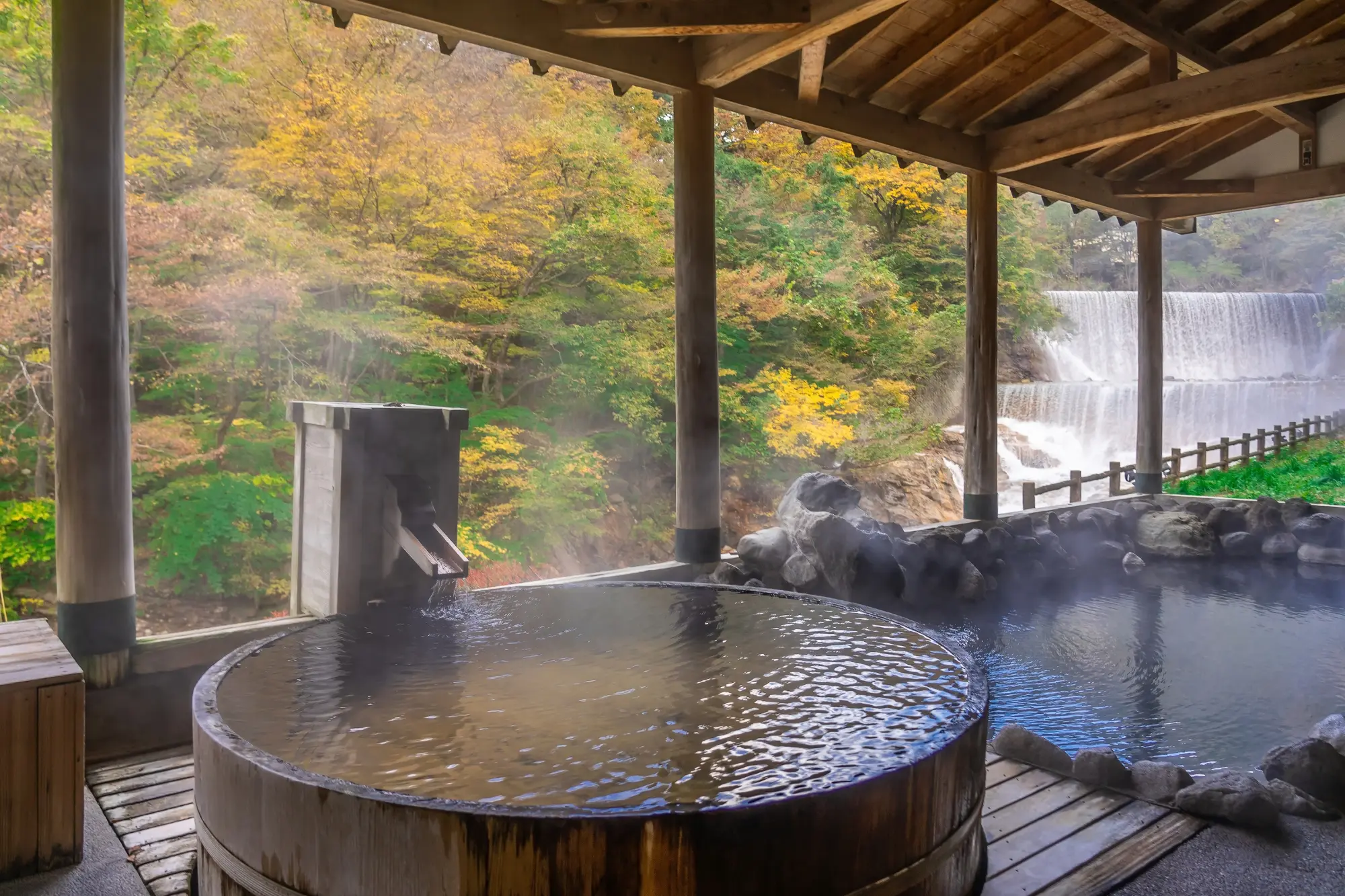
Rather than being located inside large buildings, many hot springs overlook forests, rivers, lakes, mountains, or the ocean.
Depending on the season, guests may enjoy:
- Cherry blossoms in spring
- Lush green mountains in summer
- Brilliant autumn foliage
- Snow-covered landscapes in winter
The scenery often becomes just as memorable as the bath itself.
A Celebration of Japanese Hospitality
Many onsen are attached to traditional ryokan, where guests enjoy exceptional hospitality known as omotenashi.
After a relaxing bath, visitors typically change into comfortable yukata robes before enjoying beautifully prepared seasonal meals.
This combination of bathing, dining, and traditional accommodation creates an experience that feels uniquely Japanese.
Related reading: Ryokan vs Hotel in Japan: Which Stay Is Right for Your First Trip?
Types of Onsen in Japan
Not all onsen in Japan offer the same experience.
Depending on the location, natural surroundings, and facilities, you’ll discover several different types of hot springs. Some overlook dramatic mountain landscapes, while others are tucked inside traditional ryokan or hidden deep within forests. Understanding these differences can help you choose the experience that best matches your travel style.
Outdoor Onsen (Rotenburo)
For many travelers, a rotenburo, or outdoor hot spring, represents the ultimate onsen experience.
Instead of bathing indoors, guests soak in naturally heated mineral water while enjoying fresh air and beautiful scenery. Depending on the season, you might admire cherry blossoms drifting overhead, colorful autumn leaves reflected in the water, or gentle snowfall creating a peaceful winter atmosphere.
Many of Japan’s most famous rotenburo are located in mountain regions such as Hakone, Kusatsu, and Yufuin, where nature becomes part of the bathing experience.
If you’re visiting Japan for the first time, spending at least one evening in an outdoor onsen is highly recommended.
Indoor Onsen
Indoor baths are the most common type of onsen and can be found throughout Japan.
Although they may not offer panoramic natural views, indoor baths provide the same mineral-rich water and relaxing atmosphere. They’re also an excellent choice during colder months or rainy weather.
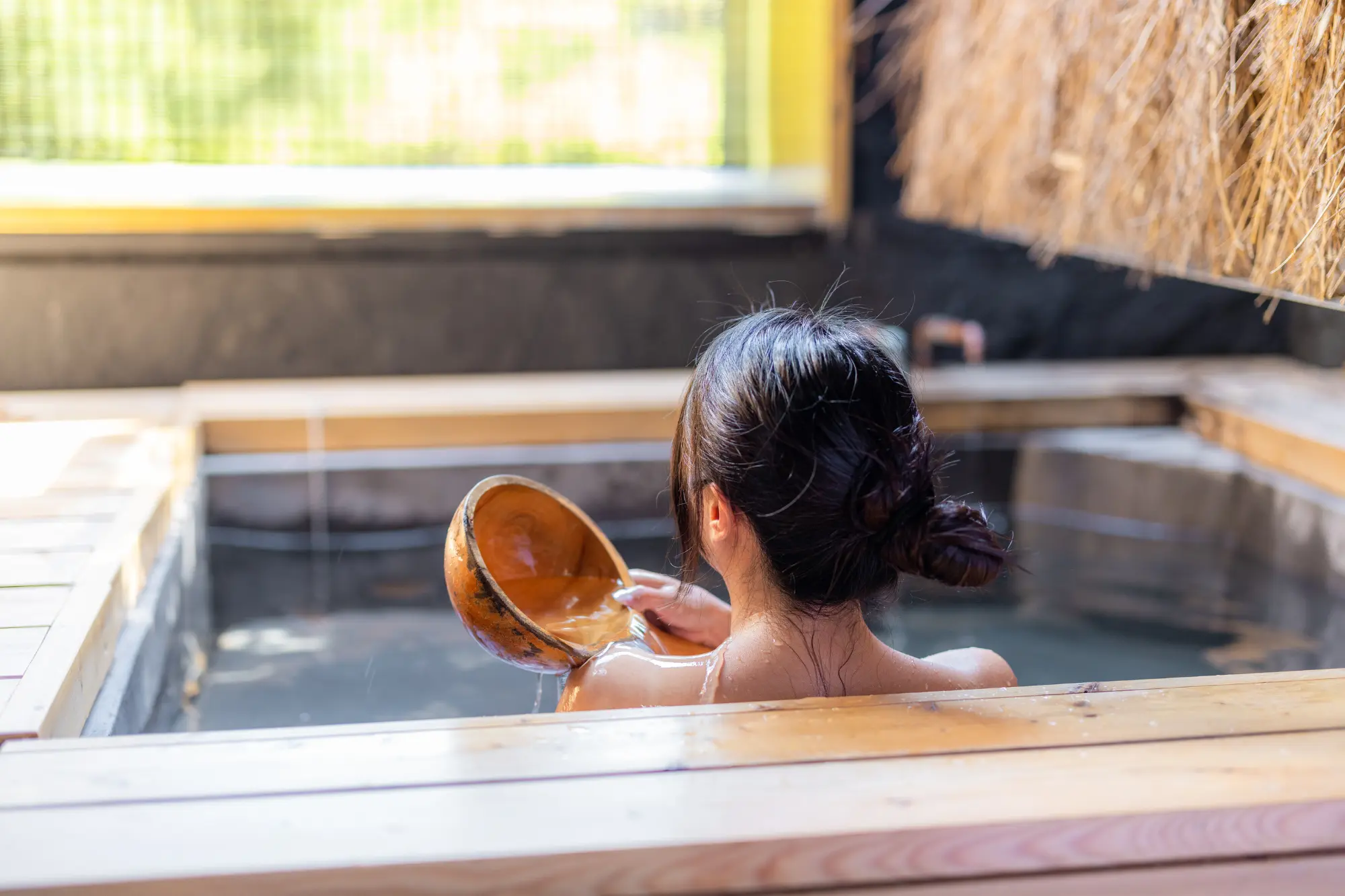
Many traditional bathhouses feature beautiful wooden architecture, natural stone pools, and large windows overlooking carefully maintained Japanese gardens.
Private Onsen (Kashikiri)
For travelers seeking greater privacy, many ryokan offer private onsen, known as kashikiri.
Rather than sharing a communal bath, guests reserve the entire hot spring for a designated period, usually between 45 and 60 minutes.
Private onsen are particularly popular among:
- Couples
- Families with children
- Travelers with tattoos
- First-time visitors who feel nervous about public bathing
Some ryokan include complimentary private bath reservations, while others charge a small additional fee.
In-Room Onsen
For the ultimate luxury experience, some premium ryokan feature private hot spring baths directly inside the guest room.
These rooms often include open-air stone baths overlooking rivers, forests, mountains, or traditional Japanese gardens.
An in-room onsen allows guests to enjoy complete privacy while experiencing the same naturally heated mineral water found in larger public baths.
Although these rooms are generally more expensive, they remain one of the most sought-after accommodation experiences in Japan.
Foot Baths (Ashiyu)
Not every hot spring experience requires full bathing.
Across many onsen towns, visitors will find ashiyu, or public foot baths, where they can soak only their feet while relaxing outdoors.
These free or low-cost foot baths are perfect for travelers who want to experience hot spring culture without changing clothes or following full bathing etiquette.
They’re also a pleasant way to rest after spending the day exploring nearby attractions.
Onsen vs Sento: What’s the Difference?
One of the most common questions among first-time visitors is whether an onsen is the same as a sento.
Although both involve communal bathing, they are actually quite different.
| Feature | Onsen | Sento |
| Water source | Natural geothermal hot spring | Heated tap water |
| Mineral content | Naturally rich in minerals | No natural mineral content |
| Location | Mountains, countryside, onsen towns, resorts | Residential neighborhoods and cities |
| Purpose | Relaxation, wellness, cultural experience | Everyday bathing |
| Scenic surroundings | Often surrounded by nature | Usually indoor urban bathhouses |
Historically, sento served neighborhoods before private bathrooms became common in Japanese homes. Today, they continue to play an important role in local communities.
An onsen, however, is considered a destination in itself. Travelers often visit famous hot spring towns specifically to enjoy the unique mineral waters, traditional ryokan, and peaceful surroundings.
Both experiences are worth trying, but if you’re visiting Japan for the first time, an authentic onsen offers a far more memorable introduction to Japanese bathing culture.
Onsen Etiquette Every First-Time Visitor Should Know
For many international travelers, the biggest concern isn’t finding an onsen. It’s knowing how to behave once they arrive.
The good news is that onsen etiquette is straightforward. Following a few simple customs helps maintain the peaceful atmosphere that makes Japanese hot springs so enjoyable.
Wash Thoroughly Before Entering the Bath
Unlike swimming pools, the water inside an onsen is meant for soaking rather than cleaning your body.
Before entering the bath, every guest should sit at one of the shower stations and wash thoroughly using soap and shampoo provided by the facility.
Only after rinsing completely should you enter the hot spring.
This is considered one of the most important rules of Japanese bathing culture.
Swimsuits Are Not Worn
Many first-time visitors are surprised to learn that swimsuits are generally not allowed in traditional onsen.
Instead, guests bathe without clothing, separated into men’s and women’s bathing areas.
Although this may feel unfamiliar at first, it quickly becomes a normal part of the experience for most international travelers.
If you prefer greater privacy, consider booking a ryokan with a private onsen or reserving a family bath.
Keep Your Small Towel Out of the Water
Most onsen provide or rent a small hand towel.
This towel can be used while washing or for modesty when walking between the changing room and bath.
However, it should never enter the hot spring water.
Many experienced bathers simply fold the towel and place it on their head or beside the pool while soaking.
Keep Noise to a Minimum
Unlike water parks or swimming pools, an onsen in Japan is intended to be a quiet and relaxing environment.
Guests generally speak softly, avoid loud conversations, and refrain from using mobile phones inside the bathing area.
Respecting this peaceful atmosphere allows everyone to unwind.
Tie Up Long Hair
If you have long hair, tie it up before entering the bath so it doesn’t touch the water.
This simple courtesy helps keep the hot spring clean for everyone.
Dry Off Before Returning to the Changing Room
After leaving the bath, use your towel to dry yourself as much as possible before entering the changing area.
This prevents excess water from dripping onto the floor and is considered good etiquette throughout Japan.
By understanding these customs, most first-time visitors quickly discover that using an onsen in Japan is far less intimidating than they initially imagined. In fact, many travelers find themselves returning to hot springs multiple times during the same trip because of how relaxing and rewarding the experience becomes.
Can Foreigners Use Onsen in Japan?
Absolutely.
One of the biggest misconceptions among first-time visitors is that onsen are only for Japanese locals. In reality, most onsen in Japan warmly welcome international travelers, especially in popular tourist destinations such as Hakone, Beppu, Kinosaki Onsen, Noboribetsu, and Yufuin.
Over the past decade, many onsen towns have become increasingly international-friendly. It’s now common to find multilingual signs, English instructions, and staff who are familiar with assisting overseas guests.
That said, visitors are expected to follow the same etiquette as everyone else. Respecting local customs is far more important than speaking Japanese fluently.
If you’re unsure about any facility’s rules, don’t hesitate to ask the staff. Japanese hospitality is well known for being patient and welcoming, particularly toward travelers who show respect for local traditions.
For many visitors, their first onsen experience feels slightly intimidating. However, once inside, they often discover that the atmosphere is peaceful, relaxing, and surprisingly easy to enjoy.
Can You Enter an Onsen with Tattoos?
This is probably the most frequently asked question about onsen in Japan.
The answer is: it depends on the onsen.
Why Do Some Onsen Restrict Tattoos?
Historically, tattoos in Japan were associated with organized crime groups known as the Yakuza. As a result, many traditional bathhouses introduced policies prohibiting visible tattoos to help other guests feel comfortable.
It’s important to understand that these policies are generally based on historical cultural perceptions rather than personal opinions about international visitors.
Today, attitudes are gradually changing, particularly in destinations that welcome overseas travelers.
Tattoo-Friendly Onsen Are Becoming More Common
Many modern onsen now accept guests with tattoos, especially if the artwork is small.
Some facilities may ask visitors to cover smaller tattoos using waterproof patches, while others have removed restrictions altogether.
Private onsen are another excellent option, allowing guests to enjoy the experience without worrying about public tattoo policies.
Before making a reservation, it’s always worth checking the official website or contacting the property directly.
This simple step can help avoid disappointment and ensure a smooth visit.
Health Benefits of Onsen
For centuries, Japanese people have believed that mineral-rich hot springs promote both physical and mental well-being.
While an onsen should never be considered a medical treatment, many visitors report feeling noticeably refreshed after soaking in naturally heated spring water.
Depending on the mineral composition, different hot springs are traditionally associated with different wellness benefits.
Many travelers enjoy onsen because they may help:
- Relax tired muscles after long sightseeing days
- Reduce everyday stress and tension
- Encourage better sleep
- Promote relaxation through warm water immersion
- Improve overall comfort after walking long distances
Beyond the water itself, the calm environment also contributes to the experience.
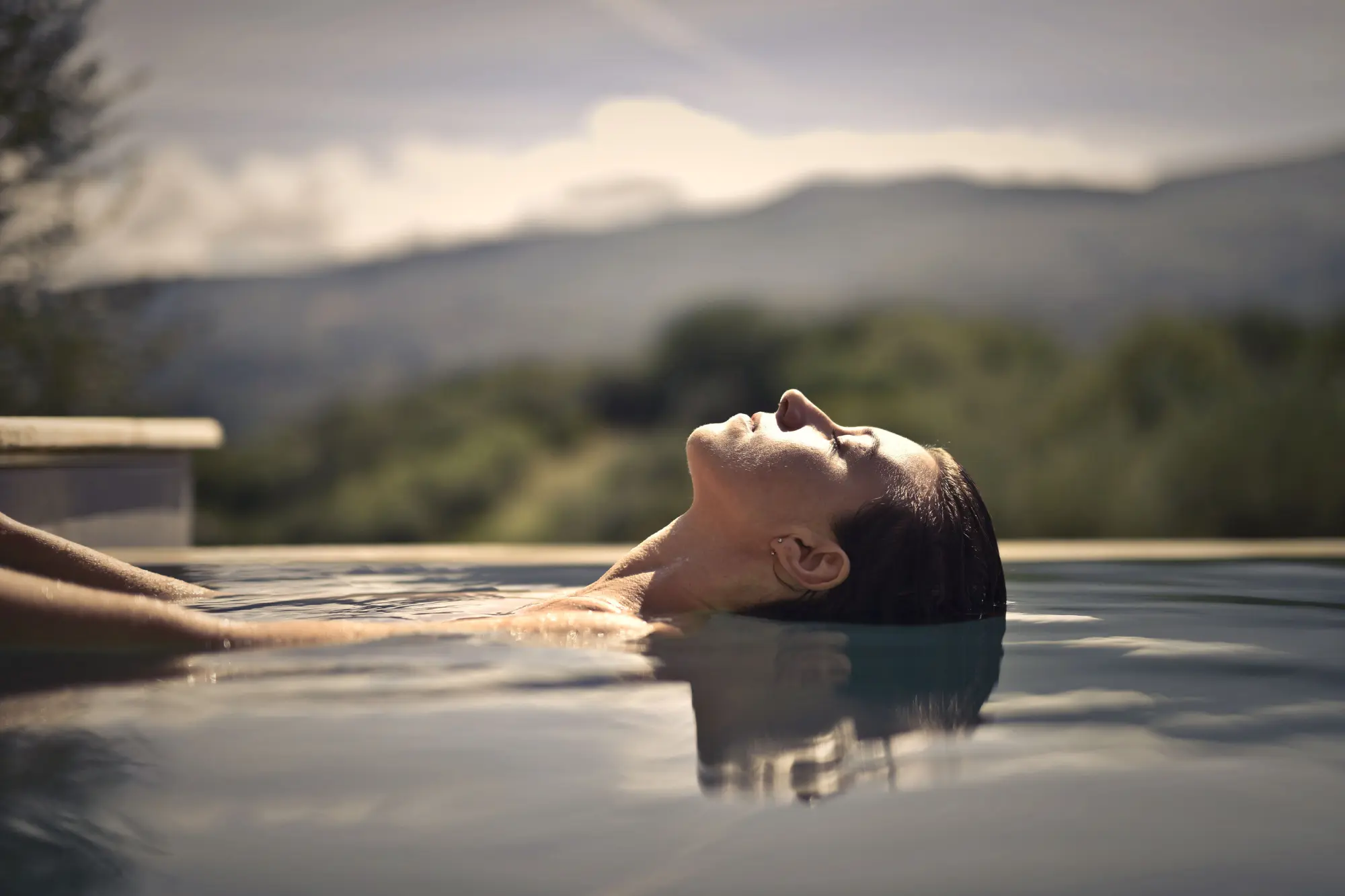
Unlike busy city attractions, onsen encourage visitors to slow down, disconnect from technology, and simply enjoy the surrounding nature. Whether you’re soaking beneath autumn maple trees or watching snow gently fall into an outdoor bath, the peaceful atmosphere becomes part of the wellness experience.
This combination of natural scenery, warm mineral water, and quiet surroundings explains why many travelers consider visiting an onsen in Japan to be one of the most restorative parts of their journey.
Best Places to Experience Onsen in Japan
Japan is home to thousands of natural hot springs, but several destinations stand out for their history, scenery, and authentic atmosphere. If you’re planning your first onsen experience, these are among the country’s most popular hot spring destinations.
Hakone
Located less than two hours from Tokyo, Hakone is one of Japan’s most famous onsen destinations and an excellent choice for first-time visitors.
Top Attractions in Hakone
- Hakone Open-Air Museum
- Lake Ashi sightseeing cruise
- Hakone Ropeway
- Owakudani volcanic valley
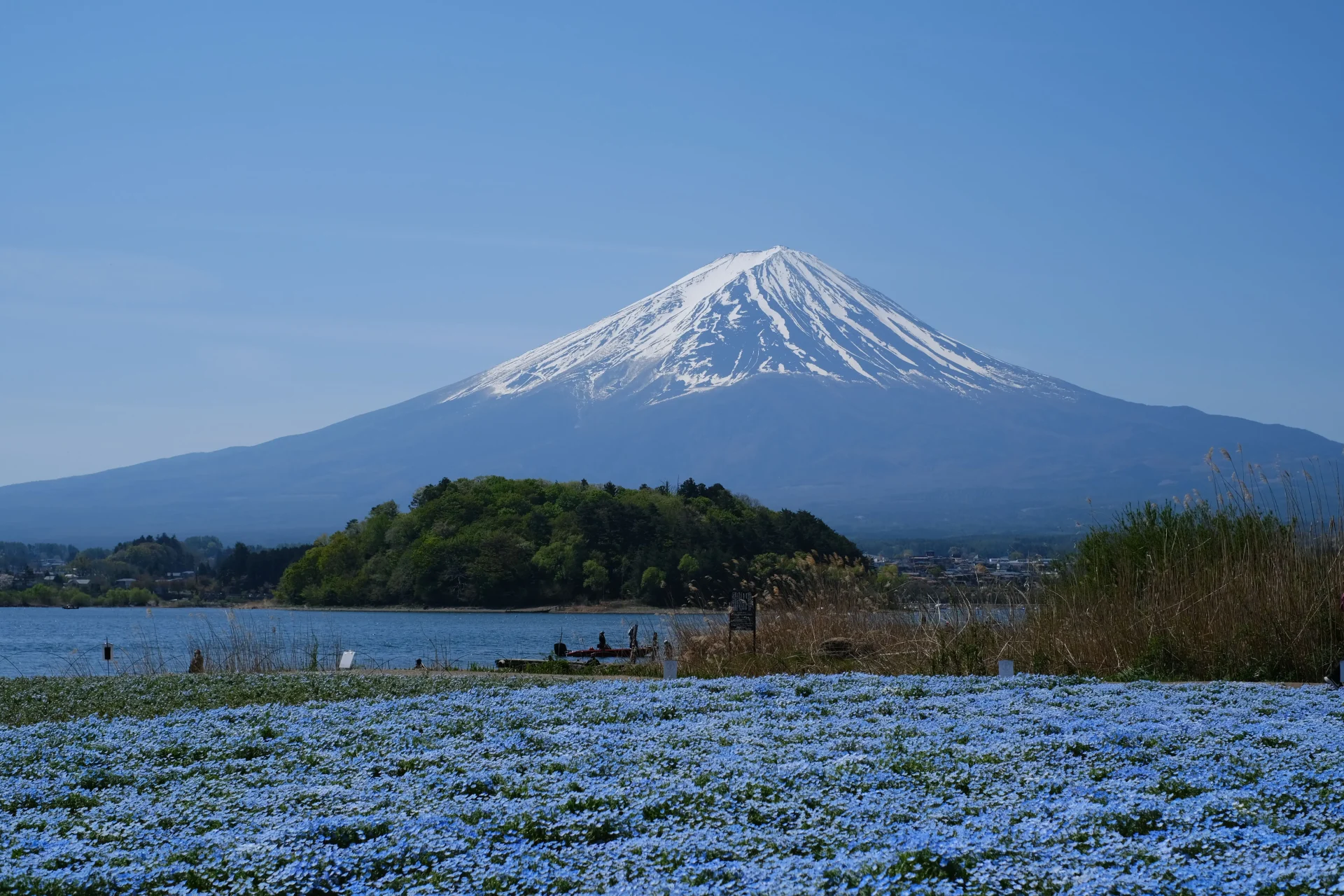
- Views of Mount Fuji on clear days
Many ryokan in Hakone feature beautiful private open-air baths overlooking mountains and forests, making it one of the best places to combine traditional accommodation with hot spring experiences.
Kusatsu Onsen
Frequently ranked among Japan’s finest hot spring towns, Kusatsu is renowned for its highly acidic mineral water and centuries-old bathing traditions.
Top Attractions in Kusatsu
- Yubatake hot water field
- Netsunoyu traditional bathing performances
- Sainokawara Open-Air Bath
- Kusatsu Onsen Museum
- Charming traditional streets
The town itself feels like stepping back in time, with narrow streets lined by wooden inns, local restaurants, and souvenir shops.
Beppu
Located on Kyushu Island, Beppu is often called Japan’s hot spring capital thanks to its enormous number of geothermal sources.
Top Attractions in Beppu
- The famous “Hells of Beppu”
- Sand baths
- Steam baths
- Mud baths
- Beppu Ropeway
Rather than offering only traditional hot springs, Beppu provides one of the widest varieties of geothermal bathing experiences anywhere in Japan.
Noboribetsu
Hokkaido’s most famous hot spring destination is known for its dramatic volcanic landscape and mineral-rich waters.
Top Attractions in Noboribetsu
- Jigokudani (Hell Valley)
- Oyunuma Pond
- Natural hiking trails
- Traditional ryokan
- Seasonal autumn and winter scenery
Visiting during winter creates an unforgettable experience as steaming hot springs contrast beautifully against the snow-covered landscape.
Whether you prefer mountain retreats, coastal resorts, or charming historic towns, each destination offers its own unique interpretation of Japan’s hot spring culture. Choosing just one can be difficult, which is why many travelers include an overnight onsen stay as part of a longer Japan itinerary.
Related reading: Best Places to Visit in Japan for First-Time Travelers (2026 Guide)
What to Bring to an Onsen
Preparing for your first onsen in Japan is surprisingly simple. Most ryokan and hot spring facilities provide nearly everything you need, but bringing a few essentials can make your experience even more comfortable.
Your Onsen Packing Checklist
- Small hand towel (if not provided)
- Change of clothes
- Hair tie for long hair
- Basic toiletries if staying overnight
- Water bottle to stay hydrated after bathing
- Comfortable sandals for walking around the onsen town
If you’re staying at a traditional ryokan, you’ll usually receive a yukata, slippers, towels, and bathing amenities upon check-in. Many guests wear their yukata while strolling through the onsen town, visiting nearby shops, or walking between public bathhouses, creating one of the most memorable parts of the experience.
Helpful Tips for Your First Onsen Experience
Your first visit to an onsen in Japan doesn’t have to feel intimidating. With a little preparation, it can easily become one of the highlights of your trip.
Stay Overnight at a Ryokan
While day-use hot springs are widely available, staying overnight at a traditional ryokan offers a much deeper cultural experience.
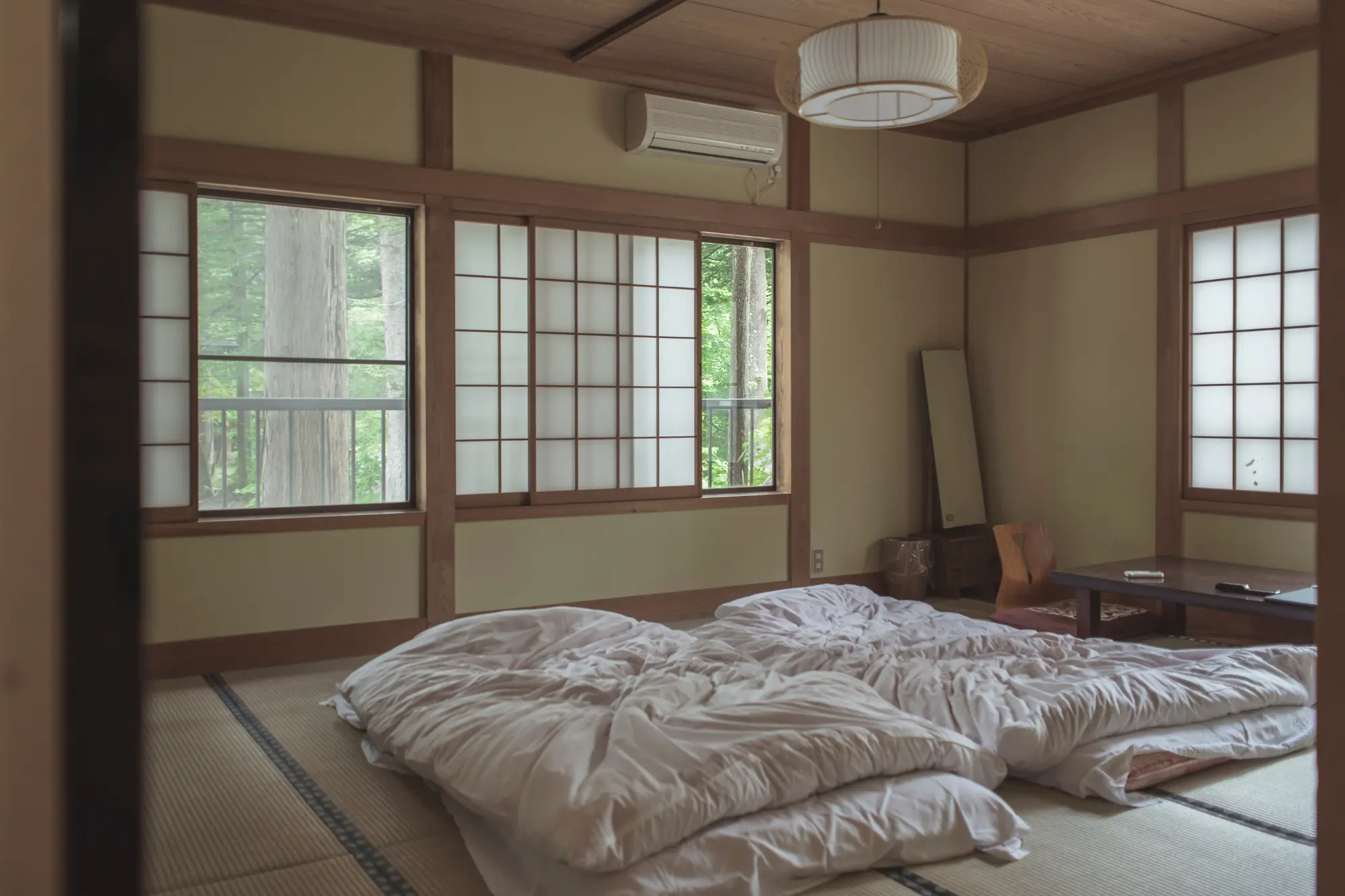
Many ryokan include:
- Traditional Japanese-style guest rooms
- Kaiseki dinner featuring seasonal local ingredients
- Breakfast prepared with regional specialties
- Access to private or public hot spring baths
- Beautiful natural surroundings
Rather than rushing through your visit, you’ll have plenty of time to enjoy multiple baths at different times of the day.
Visit During Different Seasons
One of the reasons travelers return to Japan again and again is that every season transforms the onsen experience.
Spring
Enjoy hot springs surrounded by blooming cherry blossoms.
Summer
Escape the heat by relaxing in mountain onsen where temperatures remain pleasantly cool.
Autumn
Perhaps the most photogenic season, with brilliant red and golden maple leaves surrounding outdoor baths.
Winter
Many travelers consider winter the ultimate season for onsen. Sitting in steaming mineral water while snow gently falls around you creates an unforgettable experience unique to Japan.
Drink Plenty of Water
Hot spring bathing naturally causes your body to sweat.
Drinking water before and after your bath helps you stay comfortable and hydrated, especially if you plan to soak multiple times throughout the day.
Don’t Rush
Unlike many tourist attractions, onsen aren’t places to check off your itinerary as quickly as possible.
Take your time.
Sit quietly.
Listen to the sounds of nature.
Appreciate the peaceful surroundings.
Many visitors discover that slowing down is exactly what makes the experience so memorable.
Respect Local Customs
You don’t need to speak Japanese to enjoy an onsen.
Simply following the basic etiquette, respecting other guests, and embracing the slower pace of life will help you feel welcome almost anywhere you go.
Japanese hospitality is built on mutual respect, and even small gestures are greatly appreciated.
Experience Authentic Onsen Culture with Nicetrips
A visit to an onsen in Japan becomes even more memorable when it’s part of a thoughtfully planned journey rather than a rushed stop between destinations.
At Nicetrips, we design Japan tours that allow you to experience the country’s hot spring culture in comfort and at a relaxed pace. Instead of rushing from one attraction to another, our itineraries include carefully selected destinations where you can truly unwind and appreciate the unique atmosphere of Japan’s most beautiful onsen regions.
Many of our multi-day Japan tours combine iconic destinations such as Tokyo, Mount Fuji, Hakone, Kyoto, Takayama, Shirakawa-go, and the Japanese Alps with overnight stays at traditional ryokan featuring authentic hot spring experiences.
For travelers seeking even greater flexibility, Nicetrips also offers private transportation throughout Japan, making it easier to reach scenic onsen towns that are often difficult to access using multiple train connections. Whether you’re traveling as a couple, with family, or alongside friends, comfortable private transfers allow you to spend less time navigating transportation and more time enjoying Japan’s incredible landscapes.
From peaceful mountain retreats to famous historic hot spring towns, every journey is carefully planned to help you experience Japan comfortably, meaningfully, and without unnecessary stress.
Final Thoughts
Experiencing an onsen in Japan is about far more than soaking in warm water. It is an opportunity to slow down, reconnect with nature, and discover a tradition that has shaped Japanese culture for centuries.
Whether you choose a quiet mountain ryokan in Hakone, stroll through the charming streets of Kinosaki Onsen, or admire snowy landscapes from an outdoor bath in Hokkaido, every hot spring offers its own unique atmosphere and unforgettable memories.
For first-time visitors, understanding a few simple customs is all it takes to enjoy this remarkable experience with confidence. Once you embrace the slower rhythm of an onsen town, you’ll quickly understand why so many travelers consider it one of the highlights of their journey through Japan. If you’re planning your first adventure to Japan, make time for an authentic onsen experience. It may become the moment you remember most long after your trip has ended.