For many travelers, Japan is synonymous with cherry blossoms. Yet ask anyone who has experienced both spring and autumn, and you’ll often hear the same answer: autumn is even more magical.
As temperatures begin to cool, the country transforms into a breathtaking canvas of crimson maples, golden ginkgo trees, fiery mountain forests, and tranquil temple gardens. The vibrant colors sweep gradually across Japan, beginning in the northern island of Hokkaido before making their way south to Kyoto, Osaka, and Kyushu. This natural progression creates one of the longest foliage seasons in the world, giving travelers plenty of opportunities to witness Japan at its most beautiful.
In this guide, you’ll discover the 10 best places to see autumn leaves in Japan, along with the best time to visit, travel tips, and practical information to help you plan an unforgettable fall journey.
What Is Momijigari?
One of Japan’s most beloved autumn traditions is Momijigari (紅葉狩り), which literally translates to “autumn leaf viewing.”
Rather than simply admiring colorful trees, autumn leaves in JapanMomijigari is a seasonal activity deeply rooted in Japanese culture. Families, couples, and friends travel to mountains, temples, parks, and gardens to appreciate the changing leaves, much like the tradition of Hanami during Japan’s cherry blossom season.
For visitors, joining the Momijigari season offers more than beautiful scenery. It’s an opportunity to slow down, experience Japan’s appreciation for nature, and see some of the country’s most iconic destinations at their most colorful.
When Is the Best Time to See Autumn Leaves in Japan?
Like cherry blossoms, which bloom over just a few weeks, autumn foliage travels gradually across Japan from north to south.
The first colors usually appear in the mountains of Hokkaido during mid to late September. As temperatures continue to fall, the autumn foliage front moves through Tohoku, Central Japan, Tokyo, Kyoto, Osaka, and finally Kyushu, extending the viewing season well into early December.
This means there isn’t one single “best” time to visit Japan in autumn. Instead, your ideal travel dates depend on which region you plan to explore.
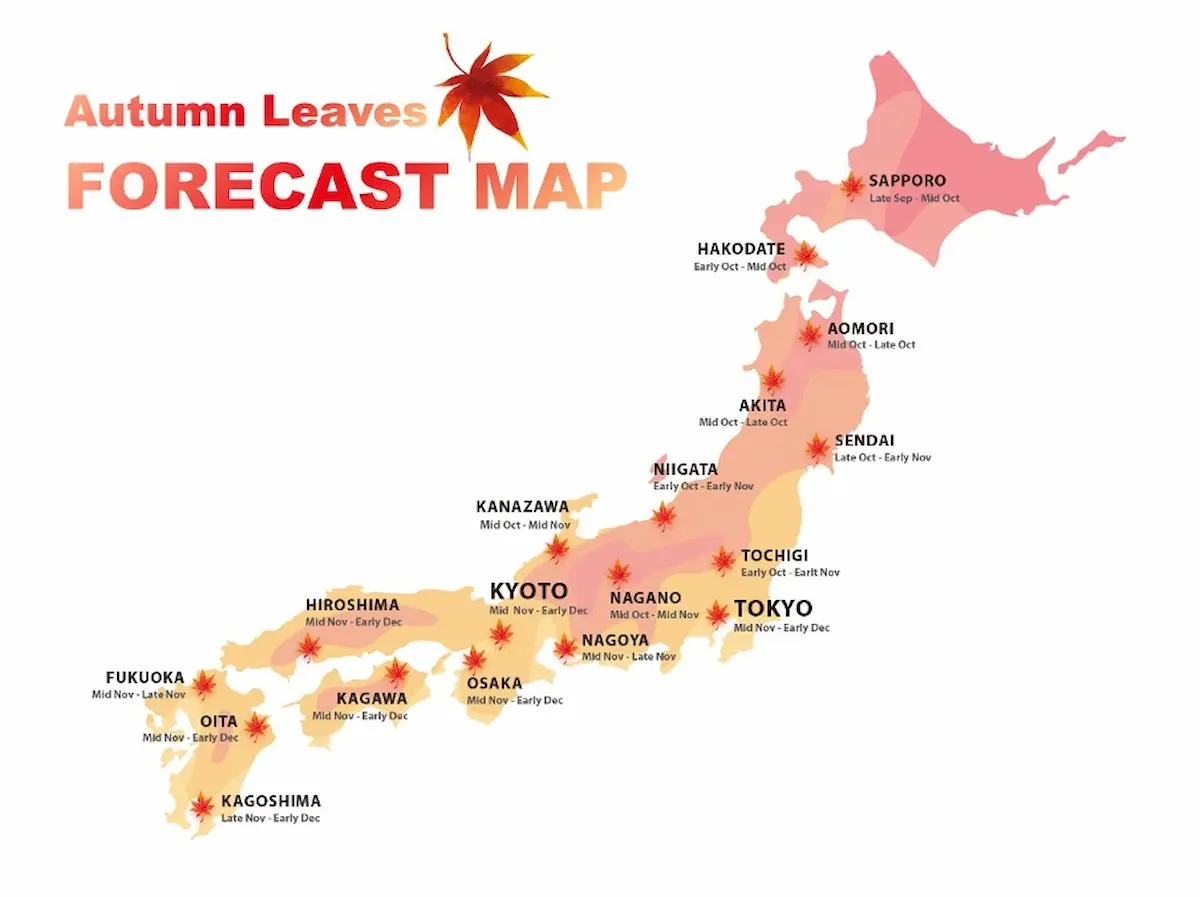
Therefore, before booking your trip, there are some things to do: Check the latest autumn foliage forecast published by local tourism authorities to maximize your chances of seeing the most vibrant colors.
Top 10 Places to See Autumn Leaves in Japan
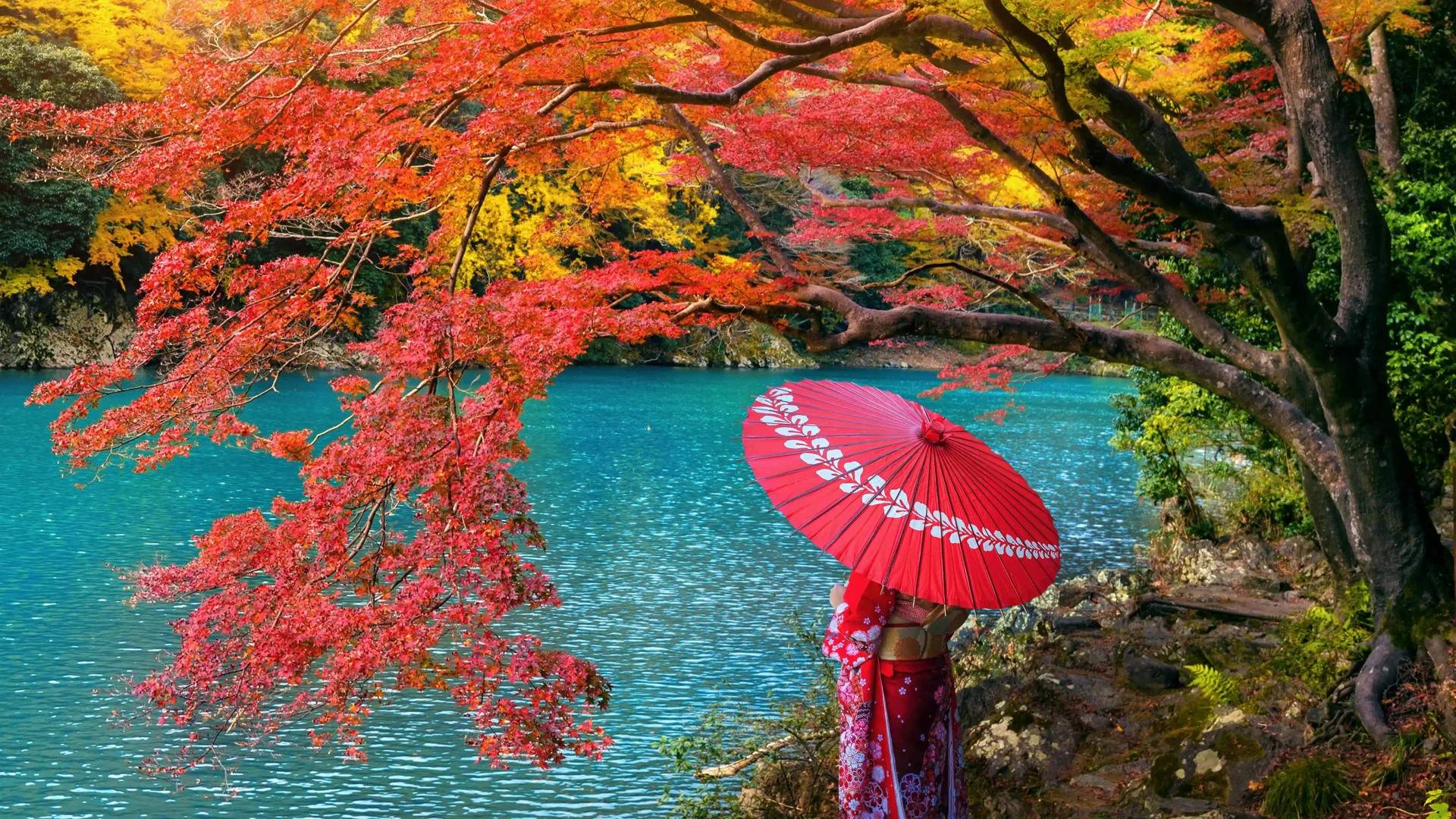
1. Arashiyama, Kyoto
Arashiyama is one of Japan’s most iconic destinations, where vibrant maple trees, traditional temples, and peaceful riverside scenery come together in one unforgettable landscape.
The famous Togetsukyo Bridge overlooks mountains that glow with brilliant shades of crimson and gold, while the nearby Bamboo Grove offers a refreshing contrast to the surrounding autumn colors. A ride on the Sagano Romantic Train or a boat trip along the Hozugawa River reveals spectacular views of forests painted in seasonal hues.
Whether you’re visiting Kyoto for the first time or returning in a different season, Arashiyama captures the timeless charm of autumn in Japan.
- Best time: Mid November to early December.
- How to get there: Take the JR Sagano Line from Kyoto Station to Saga Arashiyama Station, then walk approximately 10 minutes. If you prefer a more comfortable and hassle-free journey, Nicetrips also offers private transfer car services, making it easy to travel directly to Arashiyama at your own pace.
- Opening hours: The area is open year round. Individual temples and attractions have their own operating hours.
- Entrance fee: Free to explore the district. Temple admission fees vary.
- Travel Tip: Visit before 8:30 AM to enjoy quieter paths around Togetsukyo Bridge and the Bamboo Grove before tour groups arrive.
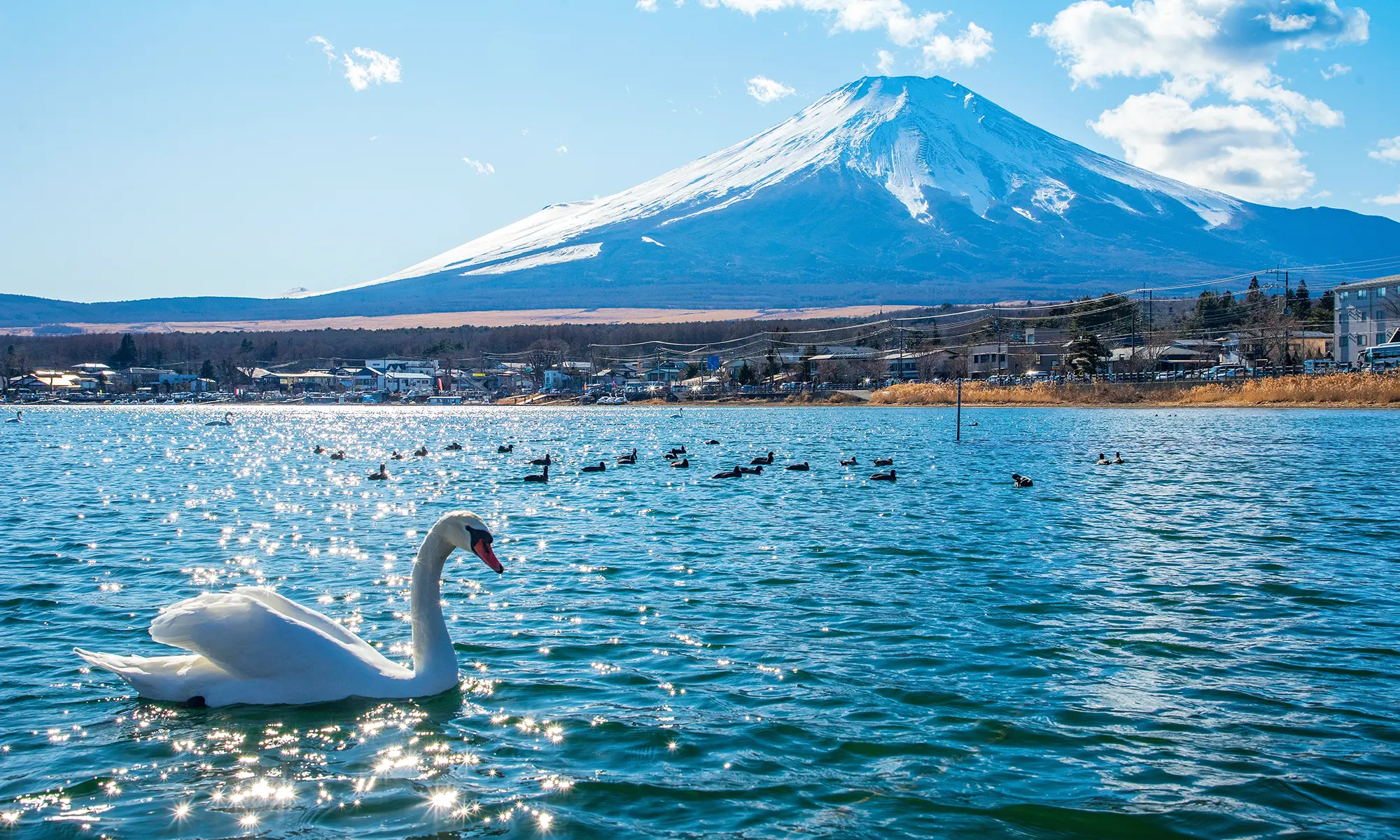
2. Lake Kawaguchiko, Yamanashi
Few destinations showcase Japan’s scenery as beautifully as Lake Kawaguchiko.
Located at the foot of Mount Fuji, the lake becomes a spectacular viewpoint during late October and November, when rows of maple trees frame Japan’s most iconic mountain. The combination of fiery autumn foliage reflected on the lake and the snow capped peak of Mount Fuji creates one of the country’s most photographed landscapes.
Each autumn, the Fuji Kawaguchiko Autumn Leaves Festival adds evening illuminations, food stalls, and seasonal events that make the area even more memorable.
- Best time: Late October to mid November.
- Entrance fee: Free.
- Travel Tip: Stay overnight to experience both sunrise views of Mount Fuji and the illuminated maple trees after sunset.
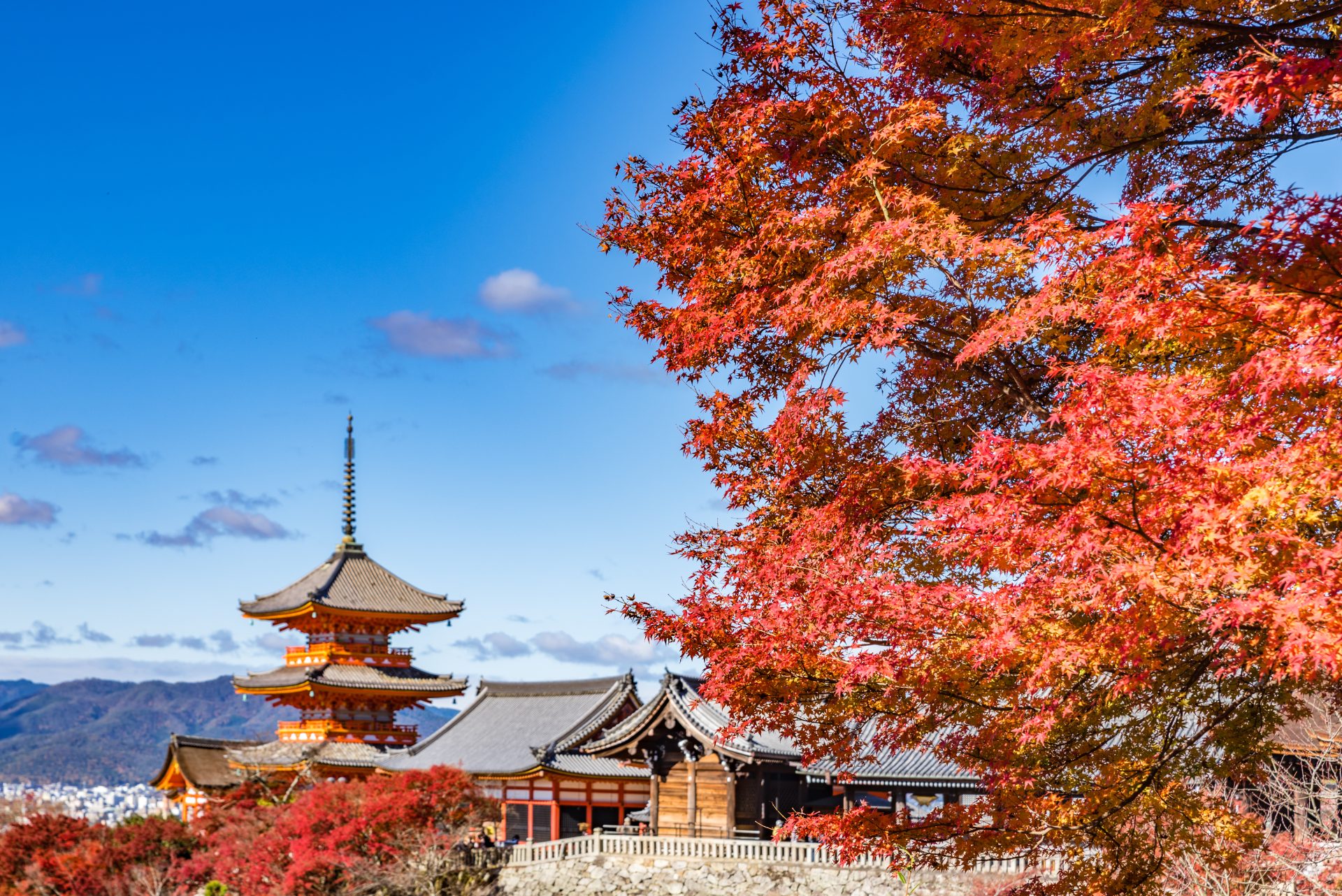
3. Kiyomizu dera, Kyoto
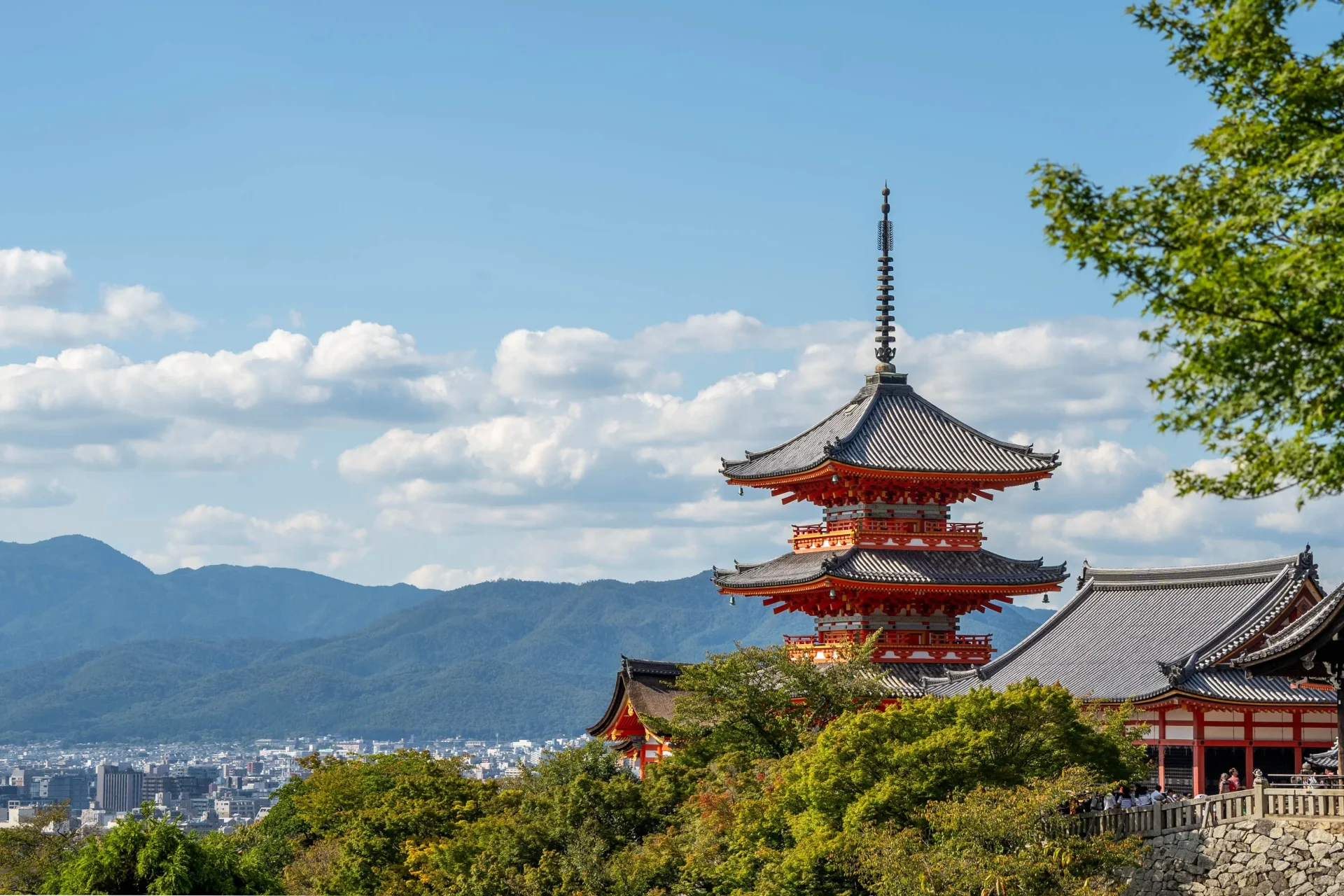
Few places capture the spirit of autumn in Kyoto quite like Kiyomizu dera. As one of Japan’s most celebrated temples and a UNESCO World Heritage Site, it offers panoramic views over a hillside blanketed with thousands of maple trees that turn brilliant shades of crimson every November.
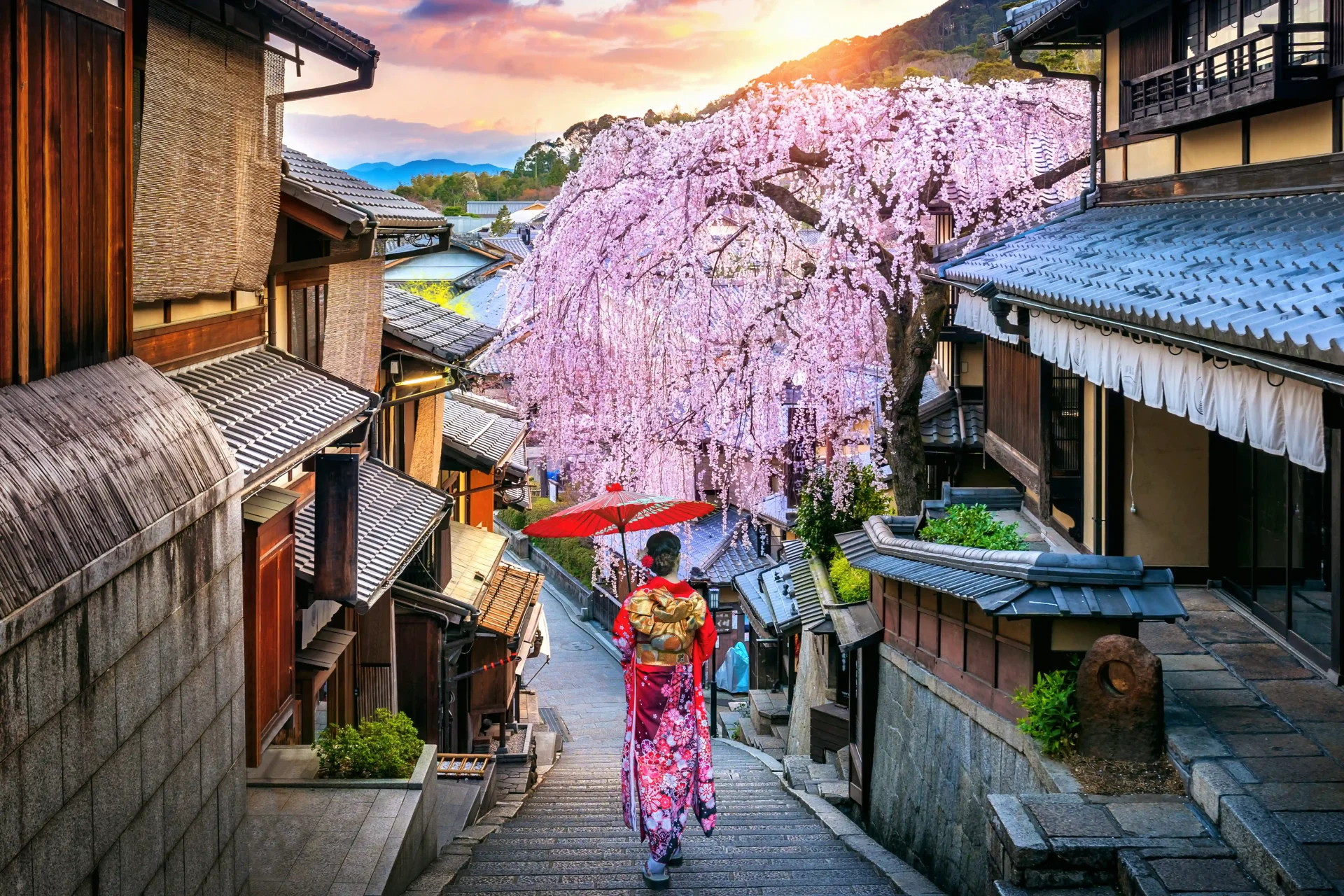
Standing on the temple’s iconic wooden stage, you’ll overlook a sea of red colors stretching across eastern Kyoto. After exploring the temple, wander through the charming streets of Sannen zaka and Ninen zaka, where traditional wooden houses, tea shops, and souvenir stores create an unforgettable autumn atmosphere.
If you’re visiting during the seasonal evening illuminations, the temple takes on a completely different character, with glowing maple trees surrounding the historic buildings.
- Best time: Mid November to early December.
- Opening hours: Typically 6:00 AM to 6:00 PM (extended hours during illumination events).
- Entrance fee: Approximately ¥500.
- Travel Tip: Visit just after sunrise for the quietest experience, or return in the evening during the autumn illumination for a completely different perspective.
4. Rikugien Garden, Tokyo
Tokyo is known for its vibrant city life, but Rikugien Garden offers a peaceful escape where traditional Japanese landscape design meets spectacular autumn foliage.
Originally created during the Edo Period, the garden features winding paths, elegant bridges, reflective ponds, and carefully arranged maple trees that burst into shades of red and orange every autumn. During the annual evening illumination event, soft lighting transforms the landscape into one of Tokyo’s most enchanting seasonal attractions.
Unlike many busy sightseeing spots, Rikugien encourages visitors to slow down and appreciate the subtle beauty of Japanese garden design.
- Best time: Late November to early December.
- Opening hours: 9:00 AM to 5:00 PM (extended during seasonal illuminations).
- Entrance fee: Approximately ¥300.
- Travel Tip: Combine your visit with nearby Ueno Park or Yanaka for a full day exploring Tokyo beyond the usual tourist districts.
5. Nakajima Park, Hokkaido
Located in the heart of Sapporo, Nakajima Park proves you don’t need to leave the city to experience Hokkaido’s spectacular autumn scenery.
The spacious park combines peaceful lakes, historic buildings, Japanese gardens, and centuries old ginkgo trees into one of Sapporo’s most relaxing destinations. During autumn, brilliant reflections shimmer across Shobu Lake while colorful maple trees create perfect walking paths beneath the cool autumn sky.
Because Hokkaido experiences autumn earlier than the rest of Japan, Nakajima Park is also one of the country’s first urban locations to showcase seasonal colors.
- Best time: Mid to late October.
- Opening hours: Open 24 hours.
- Best for: Families, photographers, casual walkers.
- Travel Tip: Rent a rowing boat to enjoy unique reflections of the surrounding autumn foliage on the lake.
6. Bandai Azuma Skyline, Fukushima
Known as one of Japan’s most scenic mountain roads, the Bandai Azuma Skyline offers breathtaking autumn landscapes that seem to change around every corner.
Stretching nearly 29 kilometers through volcanic mountains, the route passes colorful forests, dramatic valleys, and panoramic viewpoints that have earned it the nickname “The Sky Road.”
Because of its higher elevation, autumn arrives here earlier than in many other parts of Japan, making it an excellent destination for travelers visiting in late September or early October.
- Best time: Late September to early October.
- Opening hours: Open seasonally depending on weather conditions.
- Best for: Road trips, photographers, outdoor enthusiasts.
- Travel Tip: Bring warm clothing, as mountain temperatures can be significantly cooler than nearby cities.
7. Hida Folk Village, Gifu
Stepping into Hida Folk Village feels like walking into a Japanese storybook.
Located just outside Takayama, this open air museum preserves more than 30 traditional farmhouses relocated from across the Hida region. During autumn, colorful maple trees surround the historic thatched roof buildings, creating one of Japan’s most photogenic cultural landscapes.
The village also offers hands-on cultural experiences, including traditional crafts and seasonal exhibitions, making it an excellent stop for travelers interested in Japanese heritage beyond major cities.
- Best time: Mid October to mid November.
- Opening hours: 8:30 AM to 5:00 PM.
- Entrance fee: Approximately ¥700.
- Travel Tip: Visit in the late afternoon when softer sunlight enhances the warm colors of both the foliage and the traditional wooden houses.
8. Isuien Garden, Nara
Located near Nara Park, Isuien Garden offers one of Japan’s finest examples of traditional landscape gardening.
Its carefully designed ponds, tea houses, stone lanterns, and maple trees create an atmosphere of harmony that perfectly reflects Japanese aesthetics. In autumn, brilliant red maple leaves frame views of nearby Mount Wakakusa, making every corner of the garden feel like a living painting.
For travelers seeking a quieter alternative to Kyoto’s busiest temples, Isuien is a hidden gem worth discovering.
- Best time: Mid to late November.
- Opening hours: 9:30 AM to 4:30 PM.
- Entrance fee: Approximately ¥1,200.
- Travel Tip: Visit after exploring Todai ji Temple and Nara Park to enjoy a more peaceful afternoon surrounded by autumn colors.
9. Bitchu Matsuyama Castle, Okayama
Perched 430 meters above sea level, Bitchu Matsuyama Castle is Japan’s only surviving original mountain castle. Often called the “Castle in the Sky,” it becomes especially breathtaking during autumn when layers of colorful maple trees surround the historic fortress.
On cool autumn mornings, a sea of clouds occasionally blankets the valley below, making the castle appear as though it’s floating above the mist. Combined with brilliant red and golden foliage, this creates one of Japan’s most iconic autumn landscapes.
Beyond its dramatic scenery, the castle offers panoramic views over Okayama Prefecture and provides a glimpse into Japan’s feudal history.
- Best Time: Mid to late November.
- Opening Hours: Typically 9:00 AM to 5:30 PM (seasonal variations apply).
- Entrance Fee: Approximately ¥500.
- Travel Tip: Visit early in the morning if weather conditions are favorable you may witness the famous sea of clouds, one of Japan’s most spectacular natural phenomena.
10. Raizan Sennyo ji Temple, Fukuoka
Located in the mountains of Fukuoka Prefecture, Raizan Sennyo ji Temple is one of Kyushu’s finest destinations for autumn foliage.
The temple is renowned for its magnificent 400 year old maple tree, which turns a brilliant shade of crimson every autumn. Surrounded by more than 200 maple trees and centuries old temple buildings, the peaceful setting offers a quieter alternative to Japan’s more crowded autumn destinations.
Visitors can also admire the temple’s historic wooden statue of Kannon, designated as an Important Cultural Property of Japan.
- Best Time: Early to late November.
- Opening Hours: 9:00 AM to 4:30 PM.
- Entrance Fee: Approximately ¥400.
- Travel Tip: Weekday mornings provide the most peaceful atmosphere and the best lighting for photography.
Photography Tips for Autumn Leaves in Japan
Japan’s autumn landscapes are naturally photogenic, but a few simple photography tips can help you capture the vibrant colors even more beautifully. Whether you’re using a professional camera or simply taking photos with your smartphone, planning your timing and composition can make a noticeable difference.
Visit early in the morning
Early mornings usually offer softer natural light, creating richer autumn colors and fewer harsh shadows. Popular destinations such as Kyoto’s temples or Tokyo’s gardens are also much quieter before the crowds arrive, making it easier to capture peaceful scenes without too many people in the frame.
Photograph during the golden hour
The hour shortly after sunrise and before sunset is often called the “golden hour.” Warm sunlight enhances the red, orange, and yellow tones of maple leaves while adding depth and texture to your photos. This is one of the best times to photograph lakes, temples, mountain landscapes, and tree-lined paths.
Respect local photography etiquette
Some temples, museums, and cultural sites restrict photography in certain areas. Always look for signs before taking photos, avoid using drones where prohibited, and be mindful not to block pathways while setting up your shot. Respecting local rules helps preserve these beautiful places for future visitors.
Wear colors that complement the scenery
If you’re taking portraits, consider wearing neutral tones such as white, beige, brown, navy, or cream. These colors complement Japan’s autumn landscape without overpowering the natural scenery, allowing the vibrant foliage to remain the focal point of your photos.
With a little planning, you’ll return home not only with unforgettable memories but also with photographs that truly capture the beauty of Japan’s autumn season.
Include traditional Japanese elements
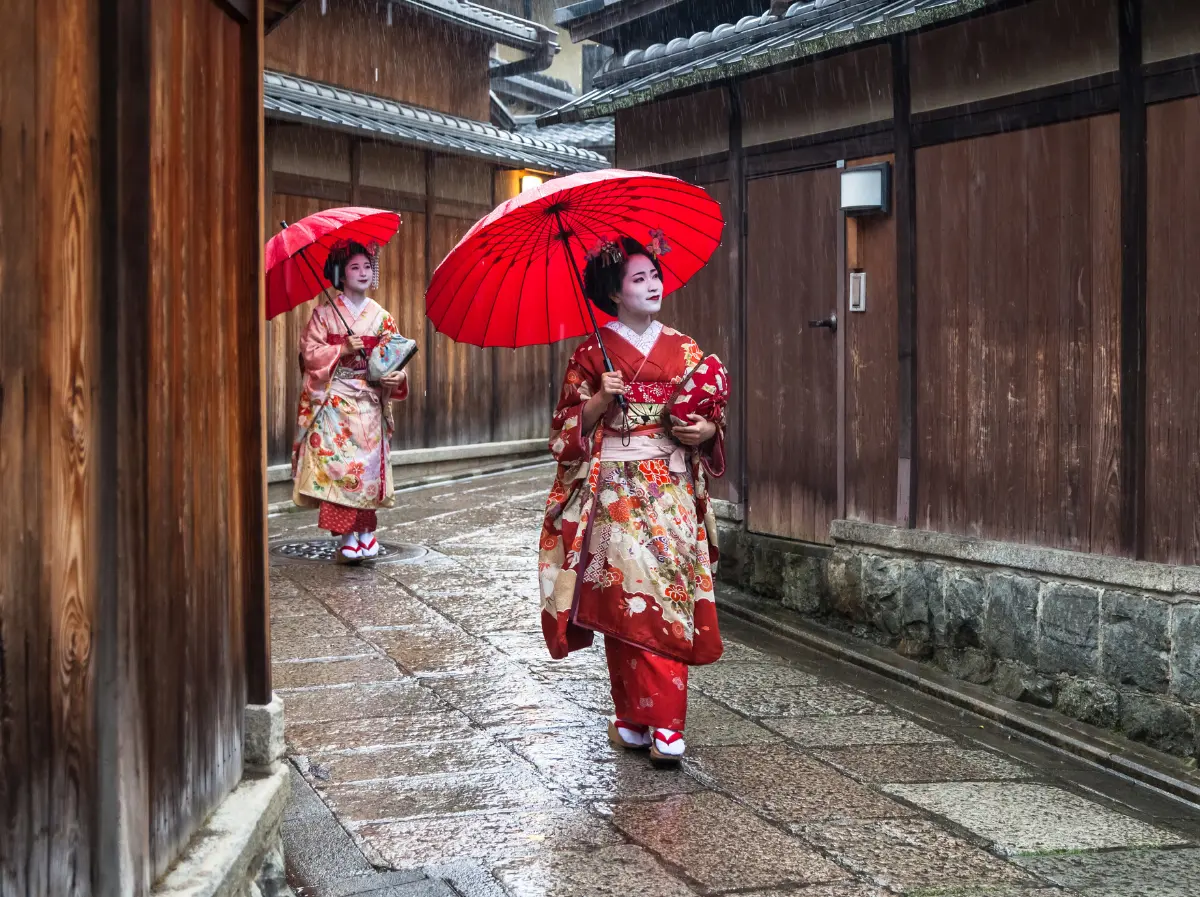
Autumn photos become even more memorable when combined with iconic Japanese scenery. Look for opportunities to frame colorful maple leaves alongside:
- Traditional temples and shrines
- Japanese gardens
- Wooden bridges
- Torii gates
- Historic streets
- Mount Fuji in the distance
These elements help tell the story of your journey instead of simply photographing the foliage.
Don’t overlook reflections
Many of Japan’s famous autumn destinations feature ponds, rivers, or lakes that reflect the surrounding trees. Calm water can create stunning mirror-like images, especially on windless mornings. Destinations such as Rikugien Garden, Lake Kawaguchi, and Isuien Garden are particularly beautiful for reflection photography.
Every autumn journey in Japan offers something unique, from peaceful temple gardens and mountain landscapes to vibrant city parks filled with brilliant maple leaves. No matter when or where you travel, planning ahead will help you experience the country’s breathtaking autumn scenery at its very best.
Essential Travel Tips
- Book early: Hotels in Kyoto, Tokyo, and the Mount Fuji area often sell out during peak foliage season.
- Dress in layers: Morning and evening temperatures can be significantly cooler than during the day.
- Check the foliage forecast: Peak viewing dates vary slightly each year depending on weather conditions.
- Use public transportation: Japan’s railway network makes it easy to travel between major autumn destinations without renting a car.
- Allow extra time: Popular attractions become especially busy on weekends and public holidays.
Final Thoughts
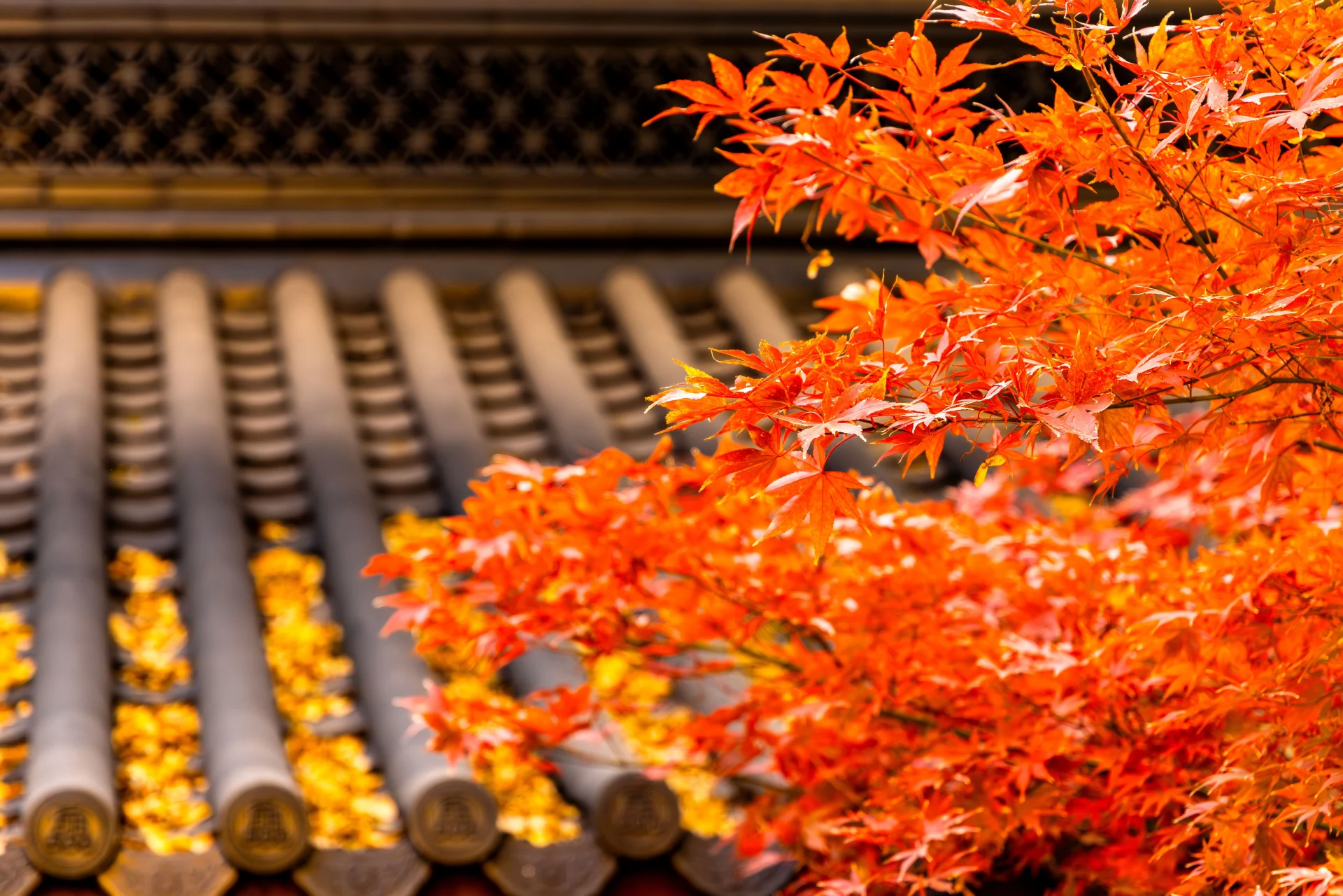
Japan’s autumn is more than a season; it’s a celebration of nature, culture, and slow travel. From the maple covered temples of Kyoto and the peaceful gardens of Tokyo to scenic mountain roads and lakes reflecting Mount Fuji, every destination offers its own unique expression of autumn beauty.
Because the foliage season moves gradually from north to south, there’s no single “perfect” time to visit. Instead, the key is choosing the right destination for your travel dates and allowing yourself enough time to appreciate each landscape at a slower pace.
Whether you’re planning your first journey to Japan or returning to discover a different side of the country, autumn promises unforgettable moments filled with brilliant colors, seasonal cuisine, and timeless traditions.
Planning your Japan autumn adventure? Explore more destination guides, travel tips, and itinerary ideas on the Nicetrips Blog to help make every journey smoother, more enjoyable, and truly unforgettable.