Traveling by train is a rewarding way to explore Vietnam, offering scenic views of the coastline, countryside, and historic cities along the way. From short coastal journeys to long-distance sleeper services, a train in Vietnam can be both a practical transportation option and a memorable part of your trip. This Vietnam Railway Guide covers the main railway routes, train classes, ticket booking procedures, and essential travel tips. Whether you are planning a journey between Hanoi and Da Nang or considering an overnight train in Vietnam, understanding your options will help you build a smoother itinerary.
Why Travel by Train in Vietnam?
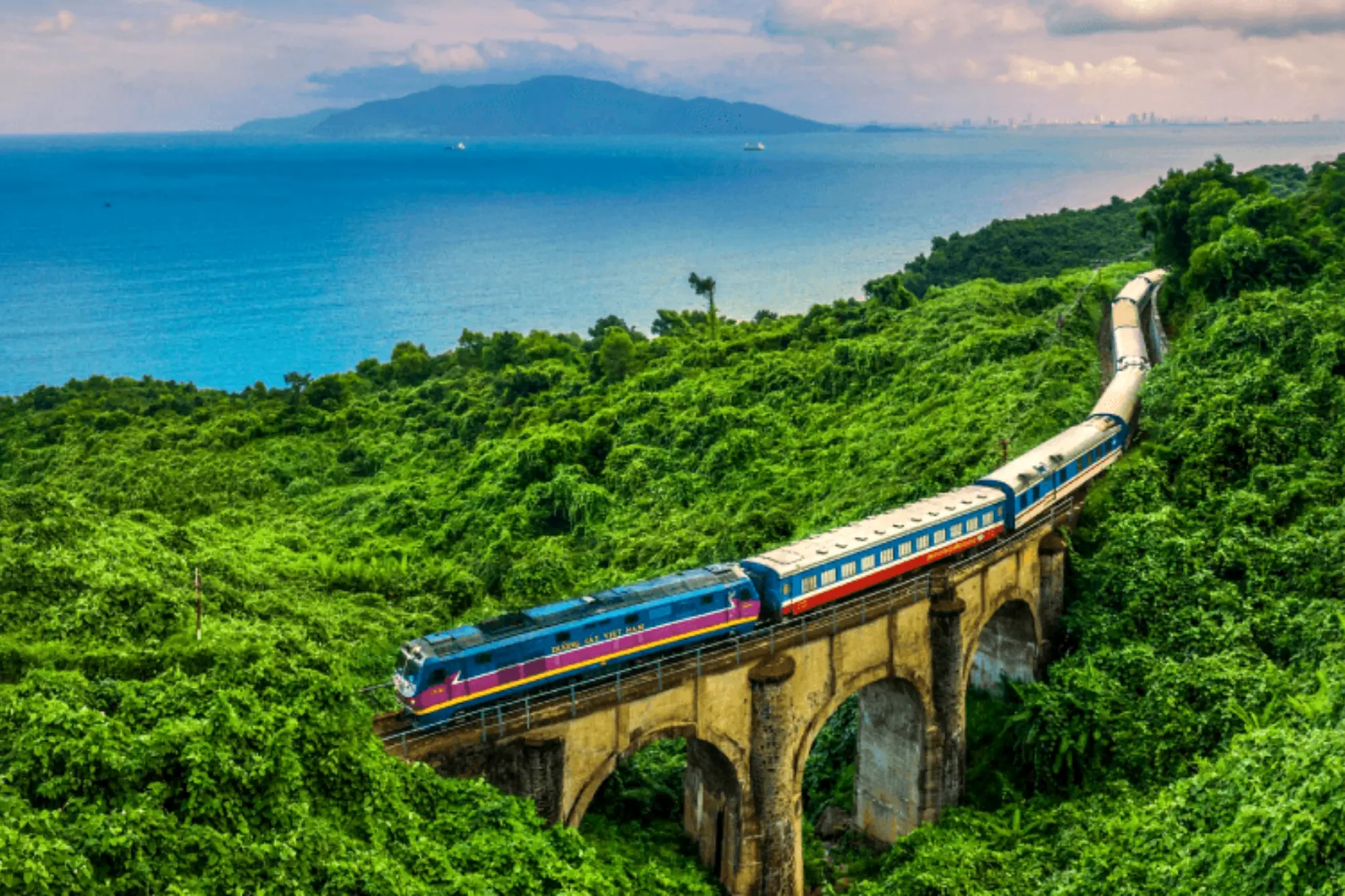
Train travel offers a different perspective on the country compared with traveling by plane or bus. It allows you to enjoy the scenery at a relaxed pace while connecting several popular destinations.
Here are some reasons to consider adding a train journey to your Vietnam itinerary:
- Scenic landscapes: Enjoy coastal views, rice fields, rural villages, and mountain scenery along selected routes.
- Comfortable long-distance travel: Air-conditioned carriages and sleeper berths provide options for different journey lengths.
- Overnight journeys: Selected sleeper services allow you to travel between destinations while resting overnight.
- Connections between major cities: The railway links Hanoi, Hue, Da Nang, Nha Trang, and Ho Chi Minh City.
- A local travel experience: Railway stations and shared carriages offer a glimpse into everyday life in Vietnam.
However, trains do not serve every tourist destination directly. When planning your transportation in Vietnam, remember to account for station transfers, onward road journeys, and the total time required to reach your accommodation.
Vietnam Train Routes: Where Can You Go?
Vietnam’s railway network is best known for its North-South Railway, which connects Hanoi in the north with Ho Chi Minh City in the south. Several regional routes also provide access to destinations in northern Vietnam.
1. The North-South Railway
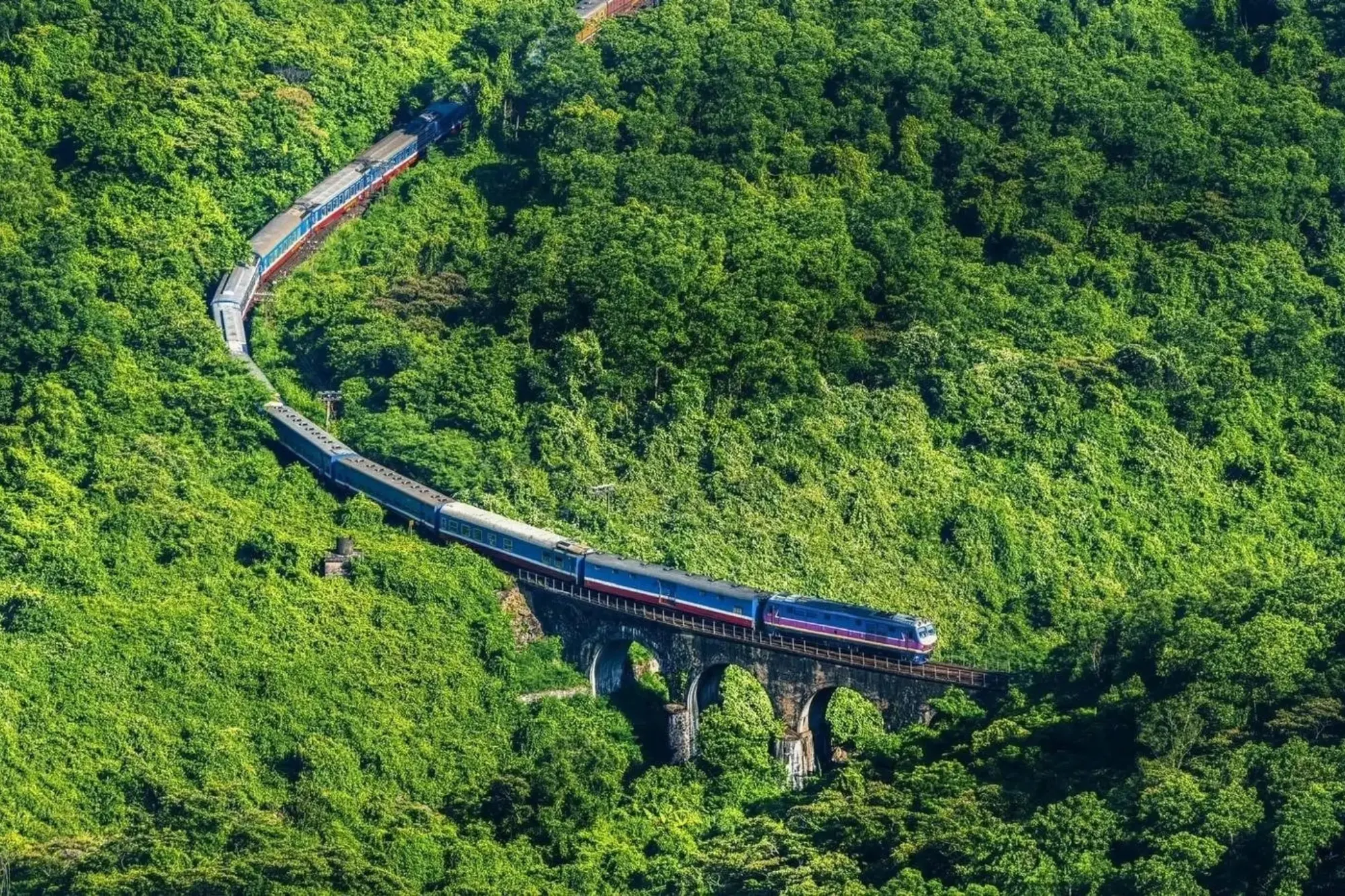
The North-South Railway, commonly associated with the Reunification Express, stretches for approximately 1,700 km along Vietnam’s coast. A complete journey between Hanoi and Ho Chi Minh City typically takes around 30-36 hours, depending on the service and timetable.
Most travelers choose selected sections rather than completing the entire journey in one trip. Popular stops include:
- Hanoi: Explore the Old Quarter, historic landmarks, and local food before heading south.
- Ninh Binh: Discover limestone karsts, rivers, and peaceful countryside landscapes.
- Dong Hoi: Use the city as a gateway to Phong Nha-Ke Bang National Park.
- Hue: Visit the Imperial City, royal tombs, and historic architecture.
- Da Nang: Enjoy beaches, city attractions, and access to nearby Hoi An.
- Nha Trang: Discover coastal attractions and relax by the beach.
- Ho Chi Minh City: Experience southern Vietnam’s food scene, museums, and lively streets.
Timetables, stopping patterns, and journey durations vary between services, so check the schedule for your intended travel date.
2. Popular Train Routes in Vietnam
Hanoi to Hue
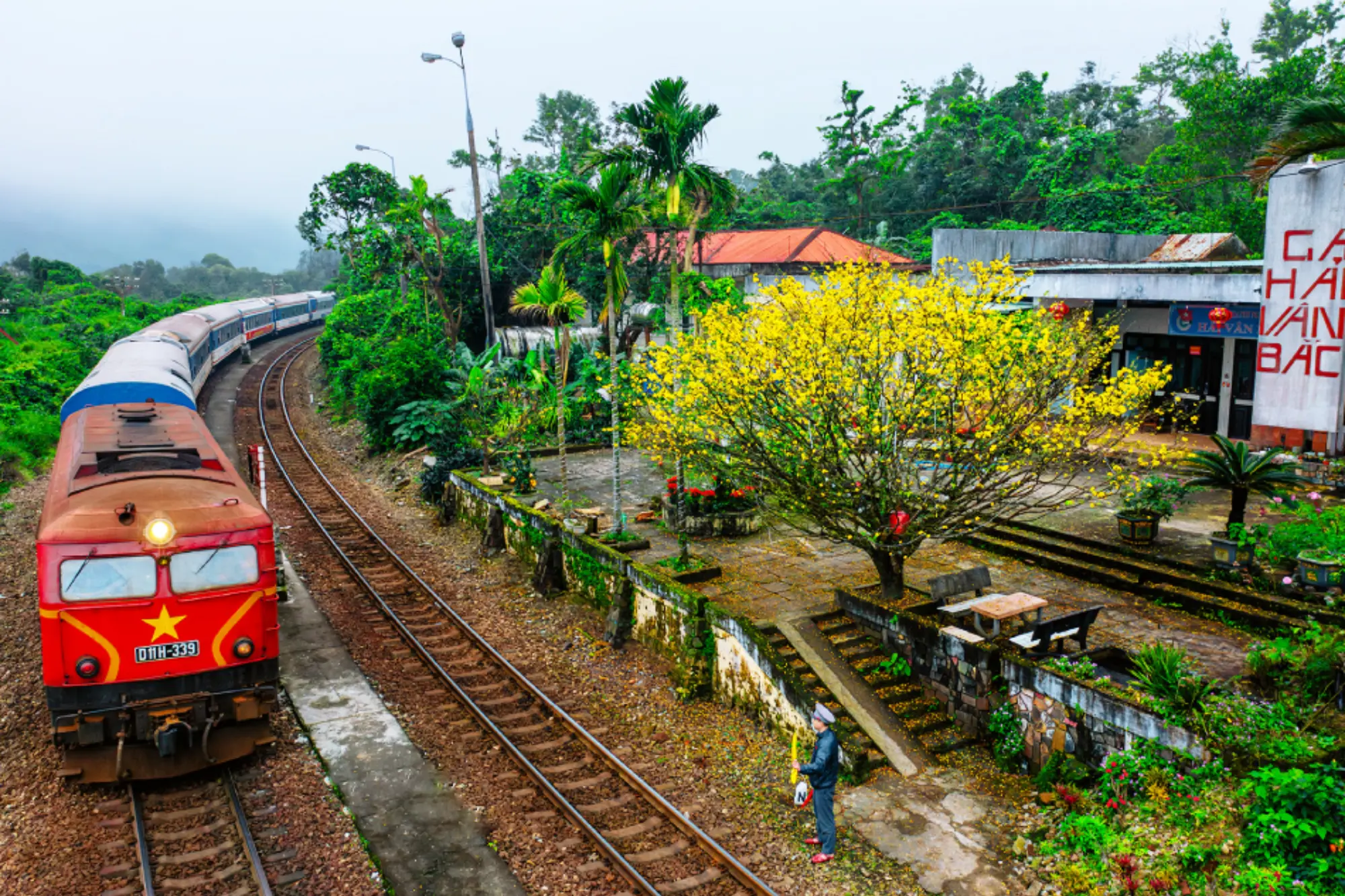
The Hanoi to Hue train connects northern and central Vietnam, with daytime and overnight services to suit different travel preferences.
Hue to Da Nang
The Hue to Da Nang train offers scenic views of mountains and coastline along the Hai Van Pass, making it a highlight of any Vietnam Railway Guide.
Da Nang to Nha Trang
The Da Nang to Nha Trang train connects cultural attractions with coastal destinations, offering a practical option for exploring Central Vietnam.
Nha Trang to Ho Chi Minh City
The Nha Trang to Ho Chi Minh City train is a convenient way to continue south. Compare schedules when booking Vietnam train tickets.
2. Scenic Train Journeys Worth Considering
For scenic train travel in Vietnam, consider the Hue-Da Nang route or a longer journey along the North-South Railway. When planning your transportation in Vietnam, check train schedules carefully, as an overnight train in Vietnam may mean missing some of the best views.
Train Classes in Vietnam Explained
Choosing the right train class is an important part of this Vietnam Railway Guide, especially for long-distance journeys. When traveling by train in Vietnam, you can choose from hard seats, soft seats, six-berth sleepers, and four-berth sleepers, depending on the service.
1. Hard Seat
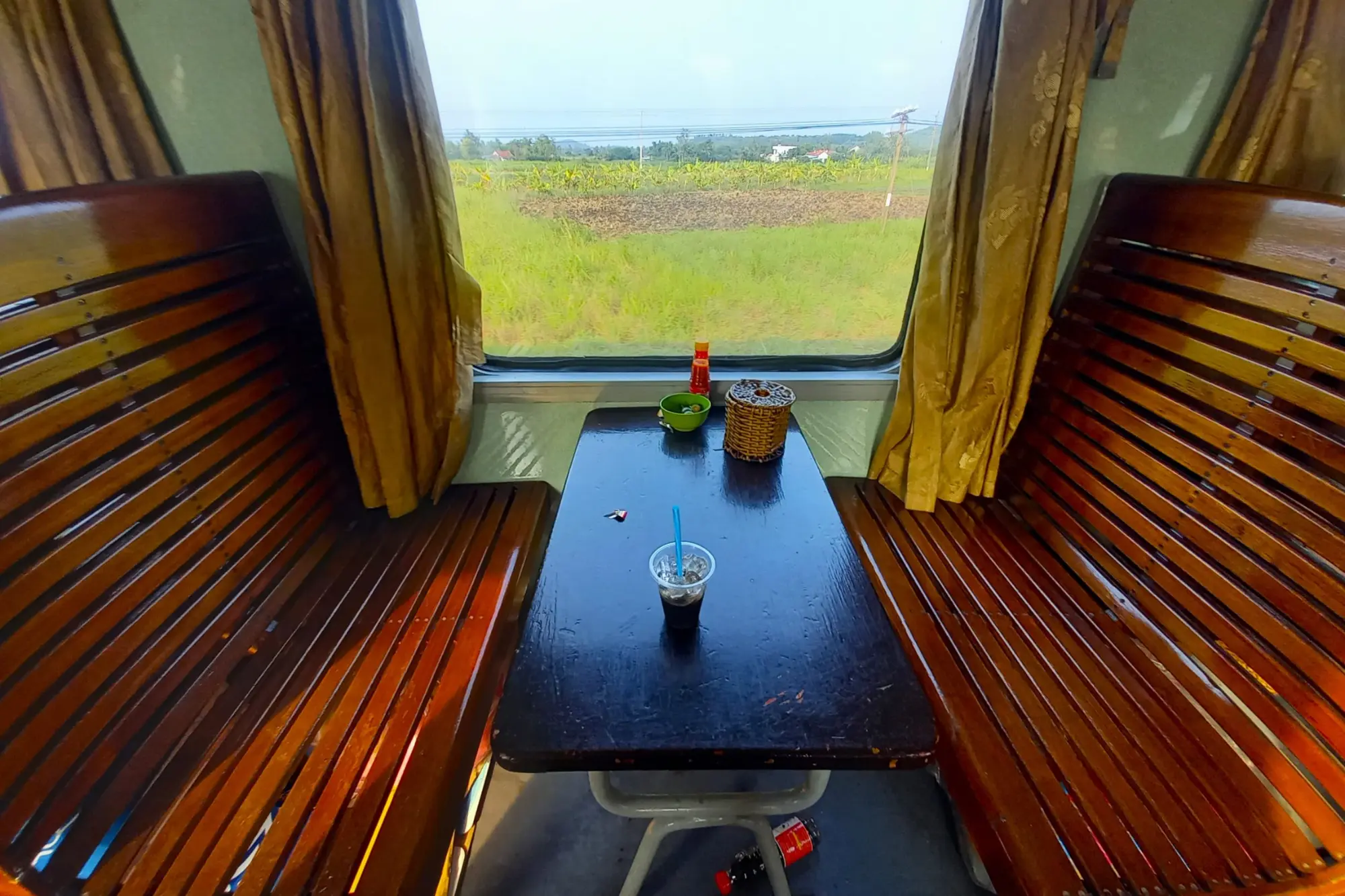
Hard seats are a budget-friendly option for short trips. However, they offer less comfort than cushioned seating, making them less suitable for an overnight train in Vietnam.
2. Soft Seat
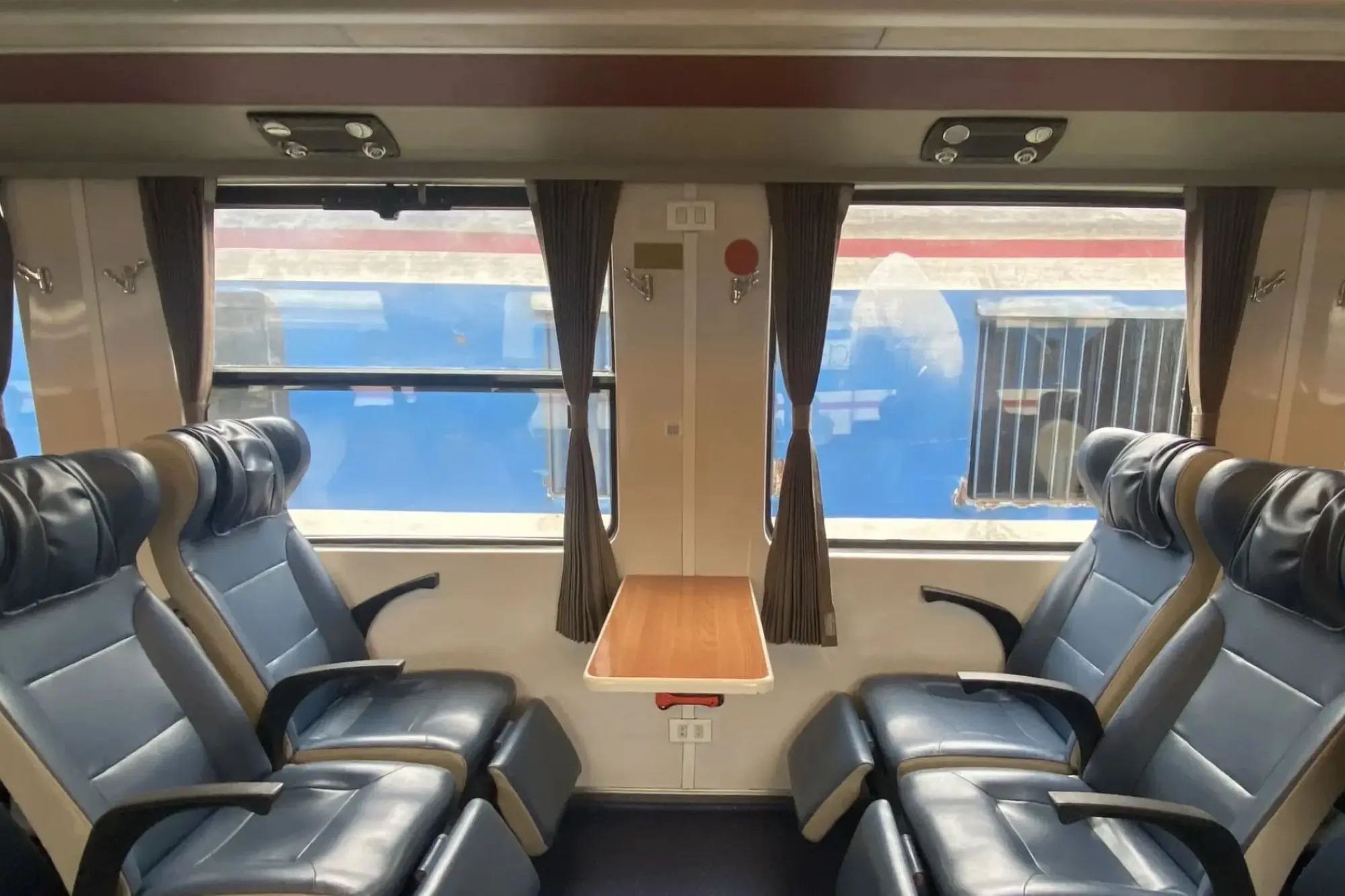
Soft seats are cushioned and commonly available in air-conditioned carriages. They are suitable for daytime routes such as Hue to Da Nang, offering a comfortable option for travelers exploring Vietnam by train.
3. Six-Berth Sleeper
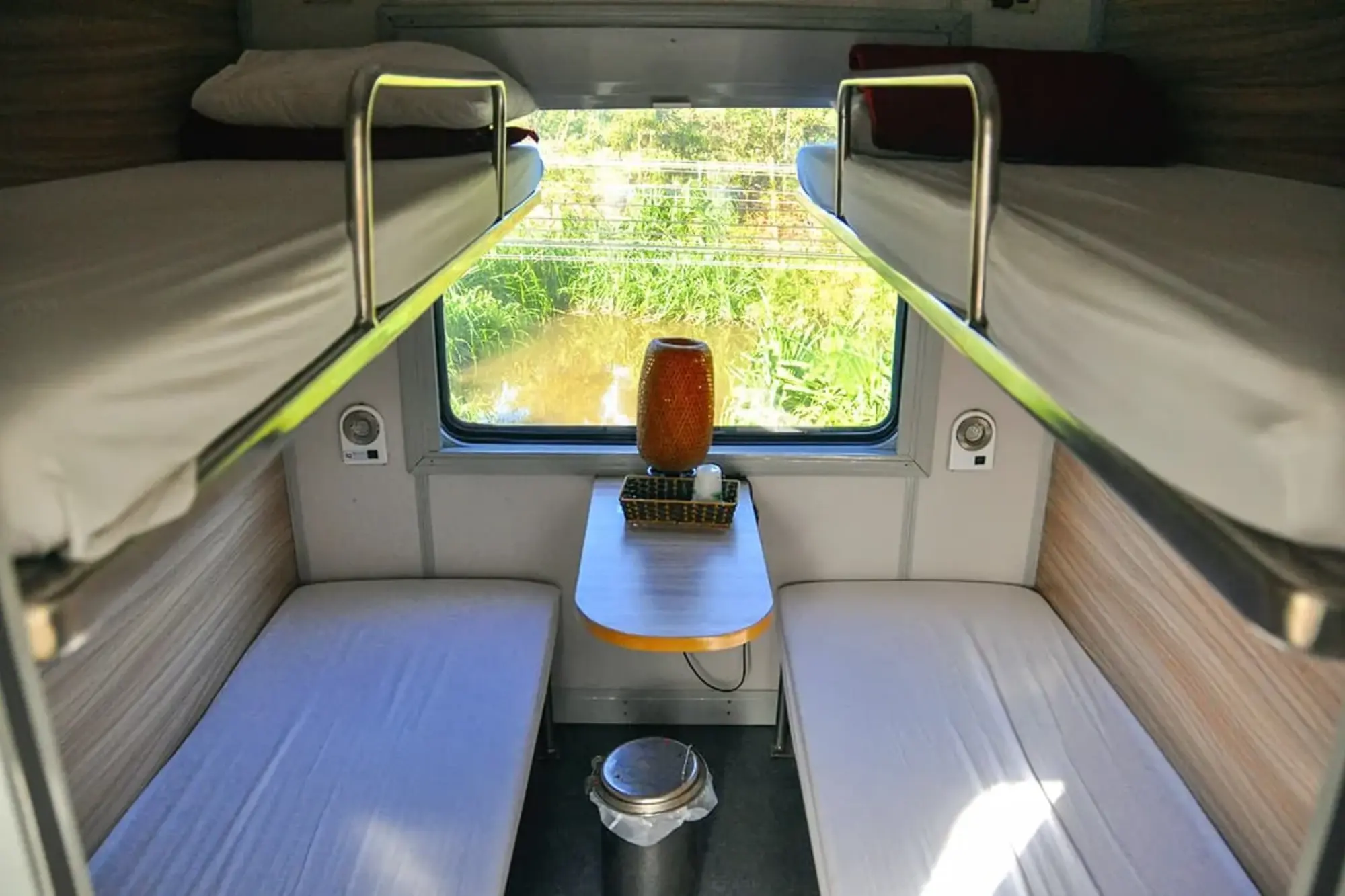
A six-berth sleeper cabin has three levels of bunks on each side and typically includes bedding and air conditioning. It is a practical option for overnight train travel in Vietnam, especially for budget-conscious travelers.
4. Four-Berth Sleeper
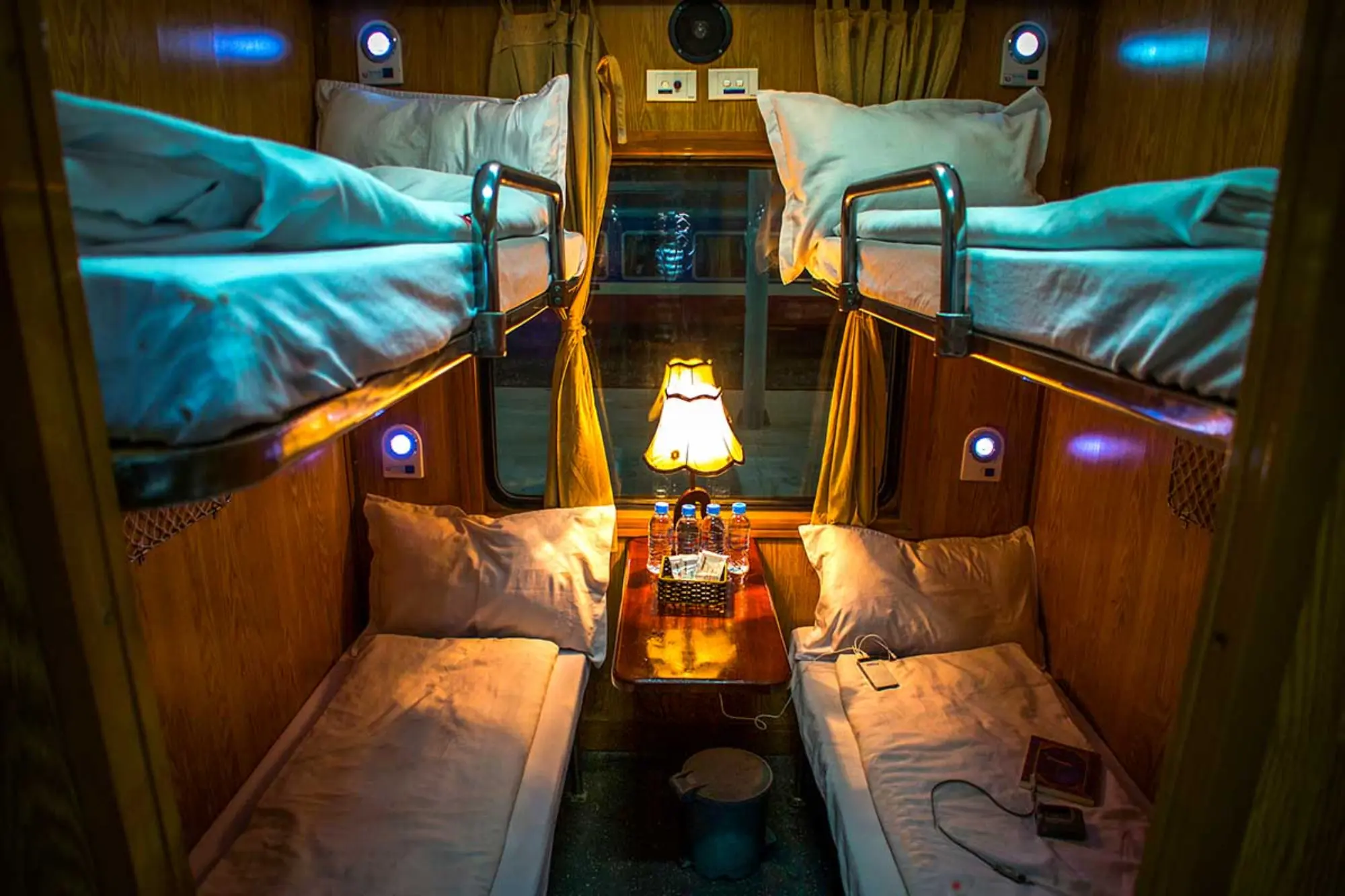
A four-berth sleeper offers more personal space with two levels of bunks. It is a popular choice for couples and families taking long-distance journeys, although availability varies by train.
5. Which Train Class Should You Choose?
- Short daytime trips: Choose a soft seat for comfort and value.
- Budget travel: Consider a hard seat where available.
- Overnight journeys: Choose a four-berth or six-berth sleeper.
- Families and couples: Check availability for an entire sleeper cabin.
When booking Vietnam train tickets, compare the available classes, facilities, and prices for your chosen route. Understanding these options will help you plan comfortable journeys and make informed transportation choices in Vietnam.
How to Book Vietnam Train Tickets
Booking Vietnam train tickets in advance helps you secure a suitable departure and preferred class, especially during weekends, public holidays, and peak travel periods.
1. Where to Buy Train Tickets
- Official railway booking channels
Check the official Vietnam Railways booking website at dsvn.vn for available services and fares. Confirm that you are using the legitimate booking platform before entering your personal or payment information.
- Online booking platforms
Third-party platforms may offer English-language interfaces and convenient comparisons of departure times, classes, and fares. Review service fees, ticket conditions, and refund policies before making a payment.
- Railway station ticket counters
You can also purchase tickets at railway stations. This option may be useful if you are already in Vietnam, although popular services may sell out in advance.
2. Step-by-Step Booking Guide
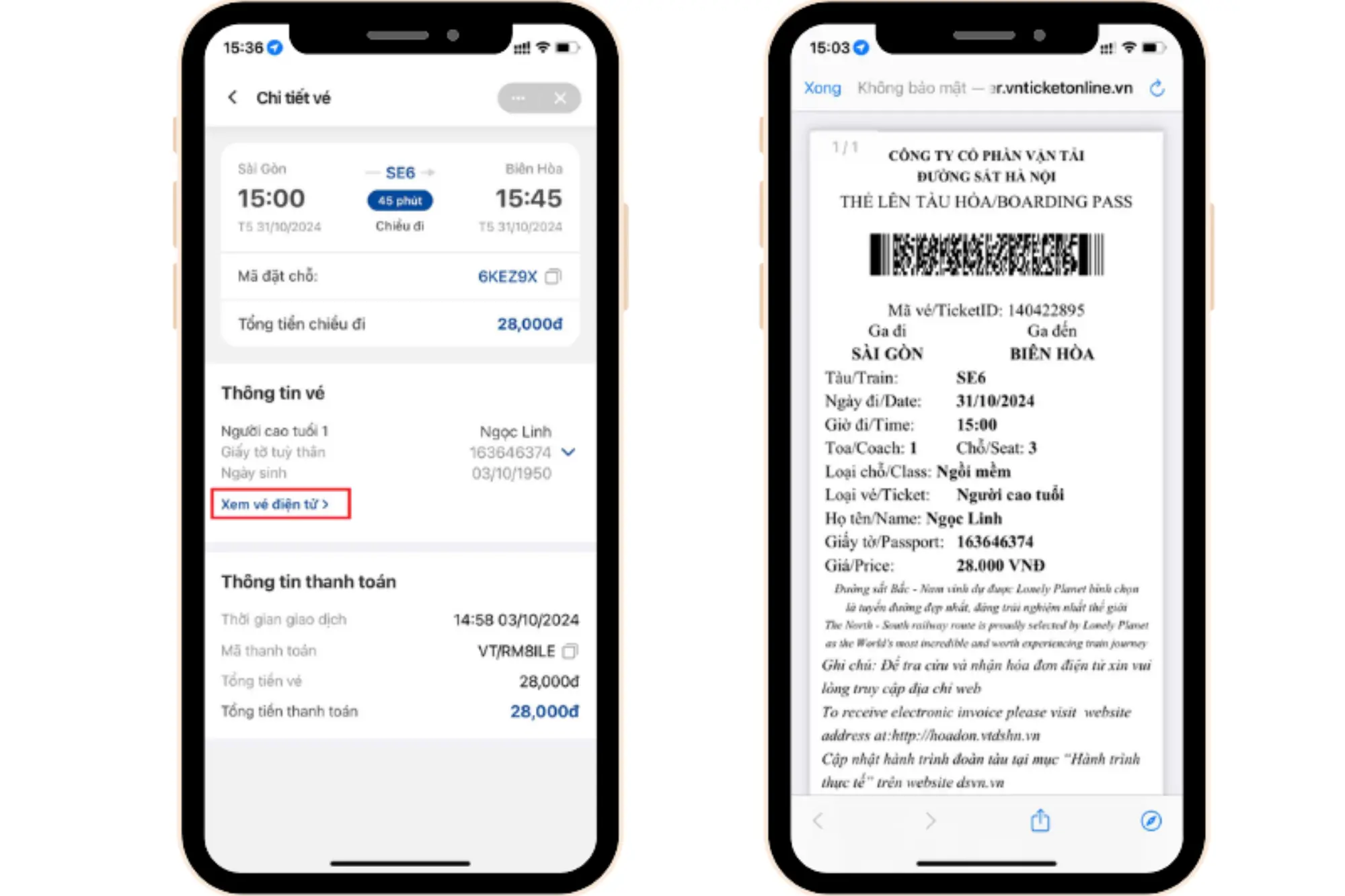
- Step 1: Choose your route. Enter your departure station, destination station, and preferred travel date.
- Step 2: Compare departures. Review departure and arrival times, journey duration, and available services.
- Step 3: Select your class. Choose between seating and sleeper options according to your budget and comfort requirements.
- Step 4: Enter passenger details. Provide the information requested by the booking platform and check all details carefully.
- Step 5: Complete payment. Review the total price, any service fees, and the applicable cancellation conditions before confirming.
- Step 6: Save your ticket. Keep your e-ticket or booking confirmation accessible on your phone. Check whether your service requires a printed ticket or separate voucher collection.
- Step 7: Prepare for departure. Confirm your station, boarding instructions, and departure time before leaving your accommodation.
3. When Should You Book?
For popular routes and sleeper cabins, booking several days or weeks in advance is a sensible approach. During Tet and other busy holiday periods, reserve as early as the booking system allows.
If your itinerary depends on a particular departure or cabin type, avoid waiting until the last minute. Keep your onward transport and accommodation plans flexible until your ticket is confirmed.
What to Expect on an Overnight Train in Vietnam
An overnight train in Vietnam can help you cover long distances while resting during the journey. It is especially useful when a sleeper service connects two destinations already included in your itinerary.
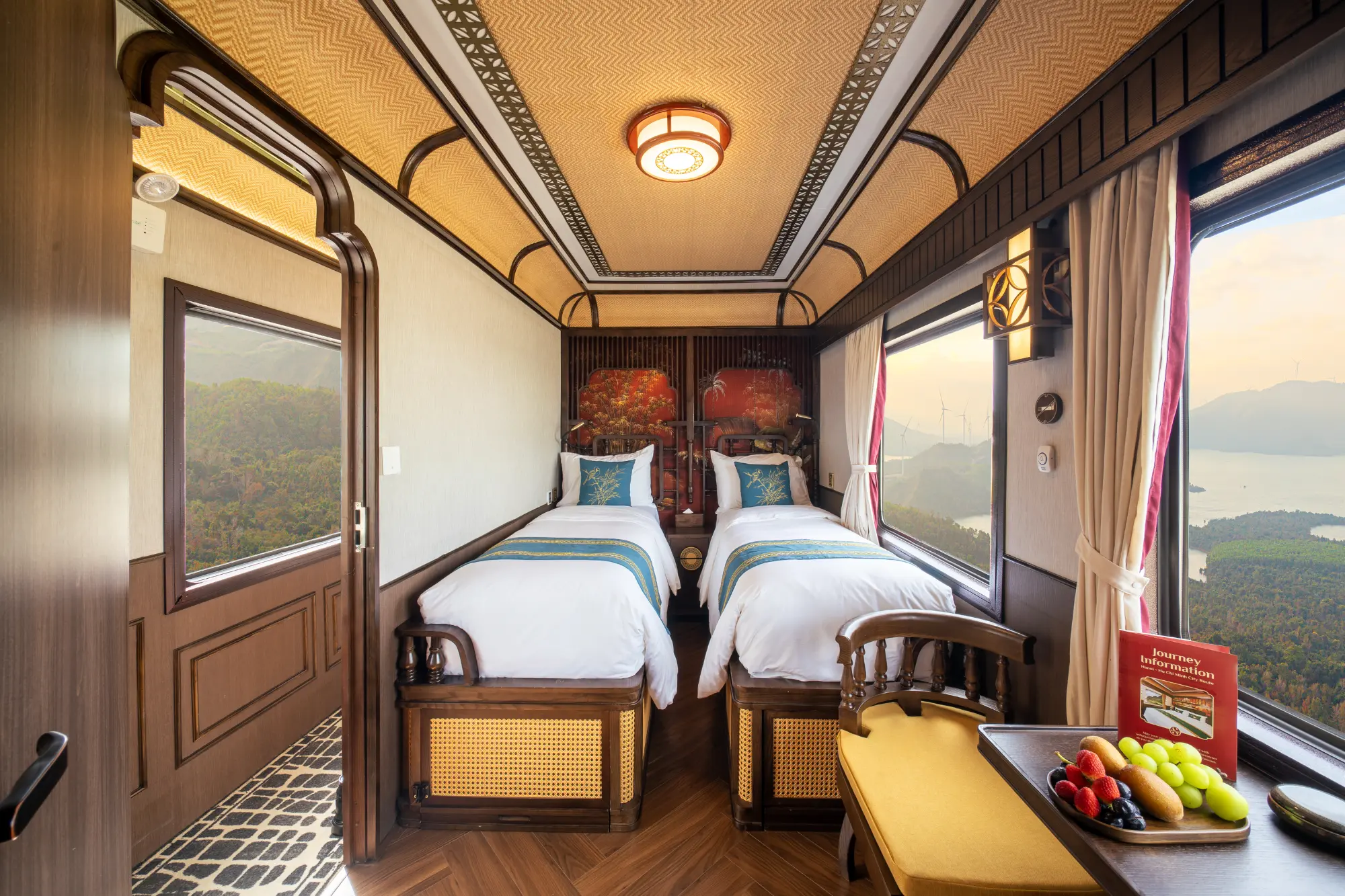
- Sleeping Arrangements
Sleeper cabins are generally shared unless you reserve all the available berths. Bedding is usually provided in standard sleeper classes, but cabin conditions and facilities vary.
Bring a light jacket because air conditioning may feel cool overnight. If you are a light sleeper, consider earplugs and an eye mask.
- Toilets and Onboard Facilities
Toilets are generally shared within the carriage or located nearby. Their condition can vary during a long journey, so carrying tissues, hand sanitizer, and personal toiletries is helpful.
Power outlets and other amenities depend on the train. Charge your devices before departure and consider bringing a portable charger.
- Food and Drinks
Some services offer snacks, drinks, or simple meals, but the selection may be limited. Bring water and a few convenient snacks, especially if you have specific dietary requirements.
Do not assume that every train has a restaurant carriage or a full meal service.
- Luggage and Personal Belongings
Keep your passport, wallet, phone, and other valuables secure and within reach. Store larger bags in designated luggage areas or other permitted spaces in your carriage.
Packing a small overnight bag with essential items can make the journey more convenient than accessing your main suitcase repeatedly.
Practical Tips for Train Travel in Vietnam
A little preparation can make your railway journey smoother, particularly if this is your first visit.
- Double-check the station: Confirm the correct departure station and entrance before leaving.
- Arrive early: Allow around 30–45 minutes before departure as a general guideline, and follow the instructions on your ticket.
- Keep your ticket accessible: Save your e-ticket offline in case your internet connection is unreliable.
- Pack practical essentials: Bring water, snacks, tissues, a light jacket, and a charger.
- Secure your belongings: Keep important documents and valuables close to you.
- Plan station transfers: Check how far the railway station is from your hotel or final destination.
- Allow extra time: Avoid scheduling important activities immediately after a long journey.
- Check onward transport: Arrange a bus, taxi, or private transfer when your destination is not directly served by rail.
Getting to Destinations Beyond the Railway Network
Not every popular destination in Vietnam has a railway station. Planning these connections in advance helps you estimate your total journey time and coordinate accommodation check-in.
Train vs Bus vs Plane: Which Is Best?

Choosing the right transportation in Vietnam depends on your schedule, budget, and destination.
- Train: Best for scenic journeys, connections between railway cities, and selected overnight routes.
- Bus: Useful for reaching smaller towns and destinations outside the railway network. Comfort and travel time vary by operator and road conditions.
- Plane: Suitable for long distances when saving time is a priority. Remember to account for airport transfers, check-in, baggage rules, and possible schedule changes.
- Private car or transfer: Convenient for station pickups, families, travelers with substantial luggage, and destinations that require additional road travel.
For many itineraries, combining transport options is the most practical solution. You could travel by train between major cities and use a private transfer or local bus to reach smaller destinations.
Frequently Asked Questions About Vietnam Railways
1. Is traveling by train in Vietnam worth it?
Yes. Train travel is a good option for visitors who enjoy scenic views and want to experience the country at a relaxed pace. The Hue-Da Nang route is particularly popular for its coastal scenery.
2. How do I book Vietnam train tickets online?
You can check Vietnam Railways’ official booking channels or use a reputable third-party platform. Compare departure times, available classes, total prices, and cancellation conditions before confirming your booking.
3. Is there an overnight train in Vietnam?
Yes. Overnight services operate on selected routes, including the North–South Railway. Check the timetable for your travel date to confirm available departures and sleeper classes.
4. Which train class is best for an overnight journey?
A four-berth or six-berth sleeper is generally more suitable than a regular seat. A four-berth cabin offers fewer shared berths, while a six-berth cabin may be a more economical option.
5. How early should I arrive at the station?
Arriving around 30–45 minutes before departure is a useful general guideline. Allow extra time if you are unfamiliar with the station or need to collect a voucher for a privately operated tourist carriage.
Plan Your Vietnam Journey with Nicetrips
Traveling by rail is a rewarding way to connect Vietnam’s major cities, discover coastal landscapes, and experience local life along the way. With the right route, a comfortable train class, and well-planned transfers, you can make the journey an enjoyable part of your holiday. Whether you are visiting for the first time or organizing a multi-city itinerary, consider your transport options carefully to make the most of your time in the country.
Explore our Japan Package Tours with Nicetrips Travels and experience the beauty, history, and culture of this remarkable destination. Follow the Nicetrips Blog for more travel guides, tips, and inspiration for your next journey.