Tokyo is a vast and diverse city where modern neighborhoods, historic districts, efficient transportation, and distinctive Japanese culture come together. For a first Tokyo travel experience, 4 to 5 days is a good starting point, while the best time to visit Tokyo depends on your priorities, from cherry blossoms in spring to comfortable sightseeing in autumn. This Tokyo Travel Guide covers the essentials you should know before planning your trip, including the best areas to explore, where to stay, how to get around, airport transfers, estimated costs, and practical tips for first-time visitors.
What Kind of City Is Tokyo?
Tokyo is Japan’s capital and a large metropolitan city known for its combination of modern urban life, historic neighborhoods, efficient public transportation, and diverse cultural experiences. The city offers very different experiences across its neighborhoods, from the fashion and nightlife of Shibuya and Shinjuku to the traditional atmosphere of Asakusa and Ueno.
Top things to do in Tokyo & What It Is Known For?
- Iconic Landmarks: The busy Shibuya Crossing, towering Tokyo Skytree, and historic Sensō-ji Temple in Asakusa.
- World-Class Food: Home to more Michelin-starred restaurants than any other city on earth, alongside casual noodle shops.
- Pop Culture: Districts like Akihabara for electronics, anime, and manga.
- Fashion & Shopping: Trendsetting districts like Harajuku and luxury shopping in Ginza.
Tokyo Travel Guide : When Is the Best Time to Visit Tokyo?
The best time to visit Tokyo is during the spring (late March to May) and autumn (October to November) for mild weather and scenic views.
| Season | What to expect | Verdict |
| Spring | Cherry blossoms, mild weather, beautiful parks | Excellent |
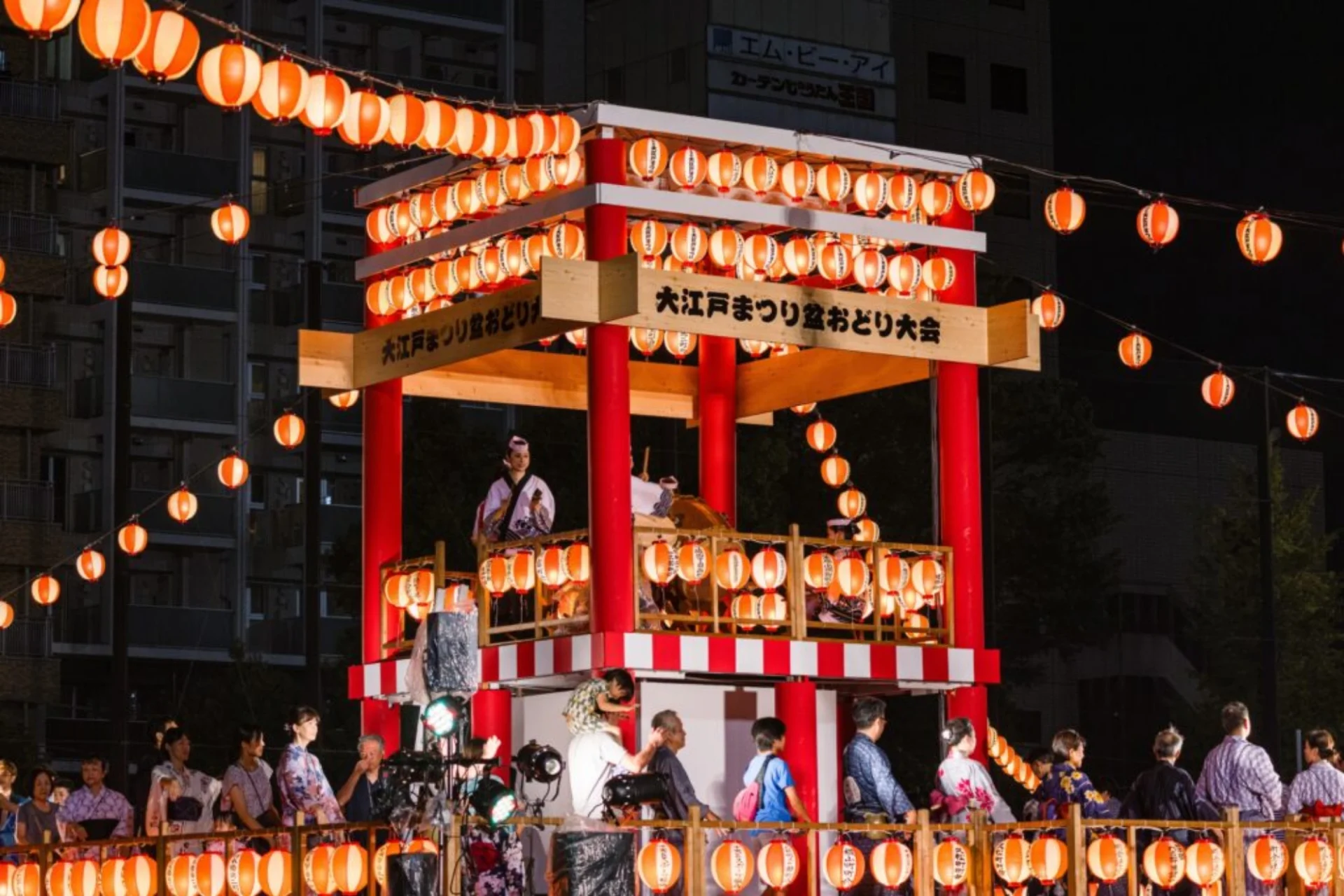
| Summer | Hot, humid, festivals and fireworks | Good if you enjoy festivals |
| Autumn | Comfortable temperatures, fall colors, fewer crowds | Excellent |
| Winter | Cold but generally dry, fewer tourists, good visibility | Great for budget travel |
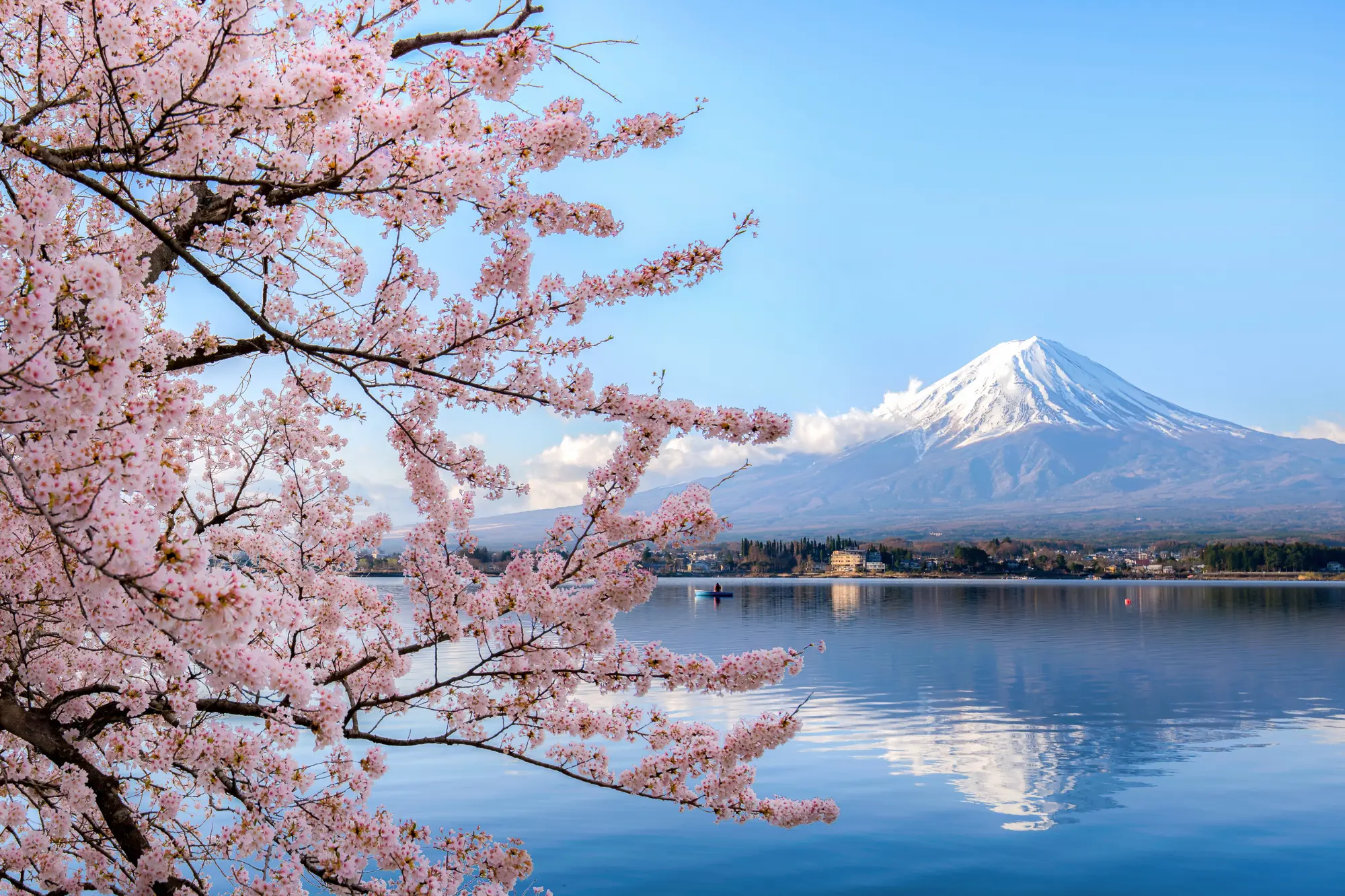
1. Spring: Best for cherry blossoms
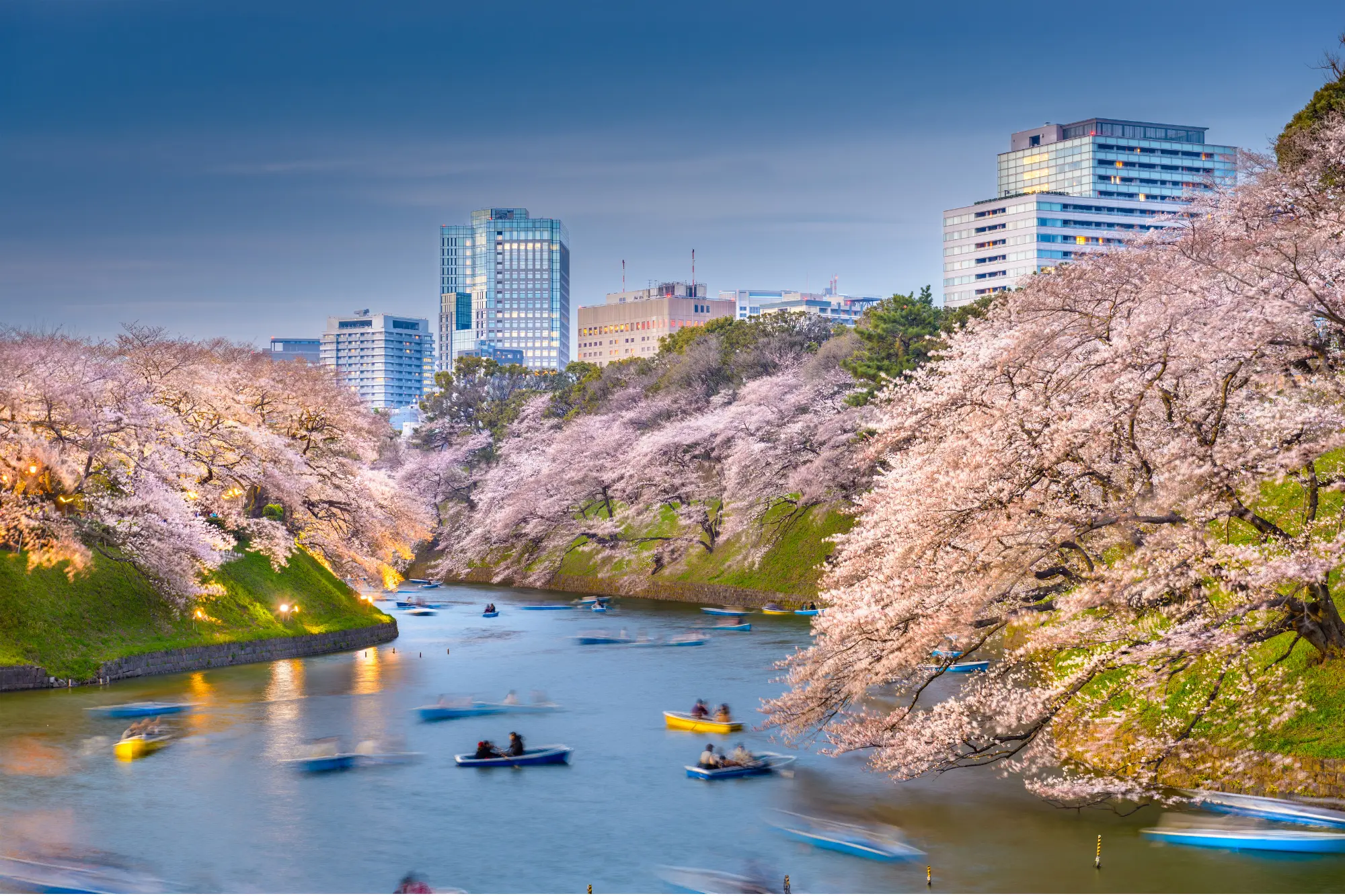
Cherry blossom season in Tokyo typically peaks between late March and early April, with full bloom usually arriving in the last week of March.
Top Viewing Spots in Tokyo
- Meguro River (Nakameguro): Famous for its vibrant rows of trees lining the water and evening lantern illuminations.
- Chidorigafuchi Green Way: Offers a stunning 700-meter pedestrian tunnel of blossoms and popular rowboat rentals along the former castle moats.
- Shinjuku Gyoen National Garden: Features more than 1,000 trees across diverse early and late-blooming varieties.
- Ueno Park: A legendary, lively destination for festive spring picnics under hundreds of blooming trees.
Drawbacks: Peak tourist season with massive crowds and higher prices.
2. Autumn: Best for comfortable sightseeing
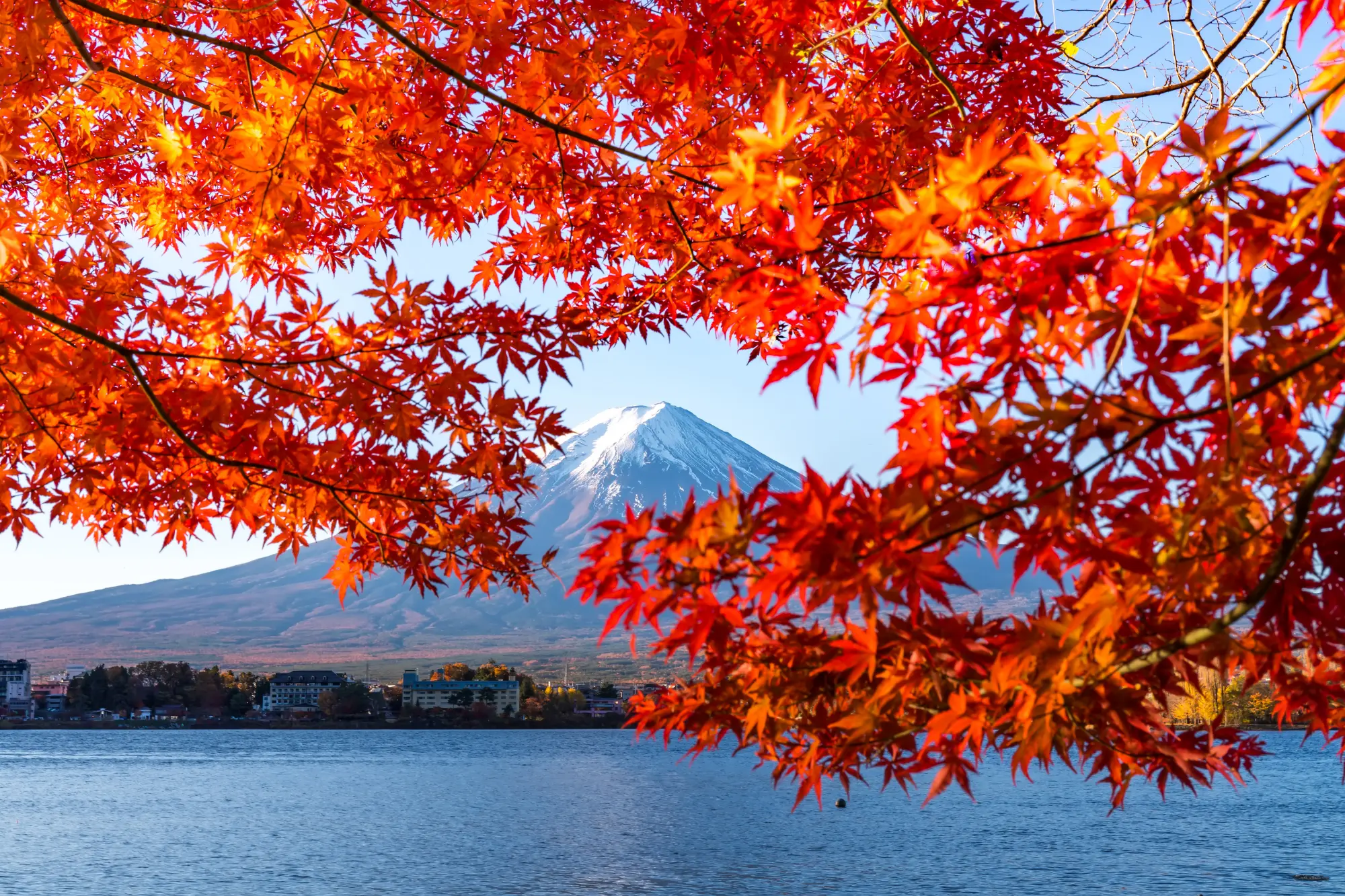
The best time to see autumn leaves (koyo) in Tokyo is from mid-November to early December, with peak colors usually arriving in late November.
Top Places for Fall Foliage
- Meiji Jingu Gaien: Famous for its bright yellow ginkgo tree tunnel along Meiji Jingu Gaien Ginkgo Avenue.
- Rikugien Gardens: A classic Edo-period landscape garden featuring stunning red maples and evening illuminations.
- Shinjuku Gyoen National Garden: A sprawling park in the city center with a mix of traditional lawns and vibrant seasonal trees.
- Mount Takao: A popular mountain hiking destination located about an hour west of the city center, offering fiery autumn slopes.
Drawbacks: Can still occasionally see late-season typhoons in early autumn, though generally very clear.
3. Budget and Low-Crowd Seasons
Tokyo’s best budget and low-crowd seasons are January through February and June, offering lower hotel prices and thin crowds.
January to February (Deep Winter):
- Crowds: Very low, outside of New Year’s week.
- Budget: Accommodation rates drop significantly (often 25–35% below baseline). Weather is cold and dry with clear sunny days.
June (Rainy Season):
- Crowds: Minimal tourist congestion as it sits between spring and summer peaks.
- Budget: Hotels hit some of their lowest seasonal rates. Expect humidity and rain on roughly half the days, but major sights are quiet.
Shoulder-Season Alternatives (Moderate Savings)
- Mid-to-Late April: The brief window right after peak cherry blossoms and right before Golden Week.
- September: Immediately following the busy summer rush, though remaining warm and humid with occasional typhoon risks.
How Many Days Do You Need in Tokyo?
For a first visit, 5–7 days is ideal. Tokyo is enormous, and there is enough to see and do that you can easily fill a week without running out of things to explore.
2 to 3 Days (The Quick Sprint)
- Good for a fast layover or a tight schedule.
- Covers major hubs like Shibuya, Shinjuku, Asakusa, and Ueno.
- Expect heavy walking and packed daily schedules.
4 to 5 Days (The Sweet Spot)
- Allows you to group neighborhoods by proximity.
- Gives you time to experience the most popular things to do in Tokyo, such as visiting Meiji Jingu, Tsukiji Outer Market, and Akihabara.
- Leaves room for one easy day trip.
7 Days or More (The Deep Dive)
- Ideal for a relaxed pace.
- Lets you explore niche neighborhoods like Shimokitazawa or Yanaka.
- Opens up full-day trips to Hakone, Nikko, or Kamakura.
Which Are the Main Neighborhoods to Explore in Tokyo?
Tokyo features several distinct urban hubs, each functioning like its own mini-city. Key districts include the neon-lit nightlife and transit hub of Shinjuku, youth fashion center Shibuya, luxury shopping destination Ginza, traditional old-town Asakusa, and tech/anime capital Akihabara.
1. High-Energy & Modern Districts
- Shinjuku: Famous for soaring skyscrapers, neon lights, and entertainment hubs like Kabukicho and Golden Gai.
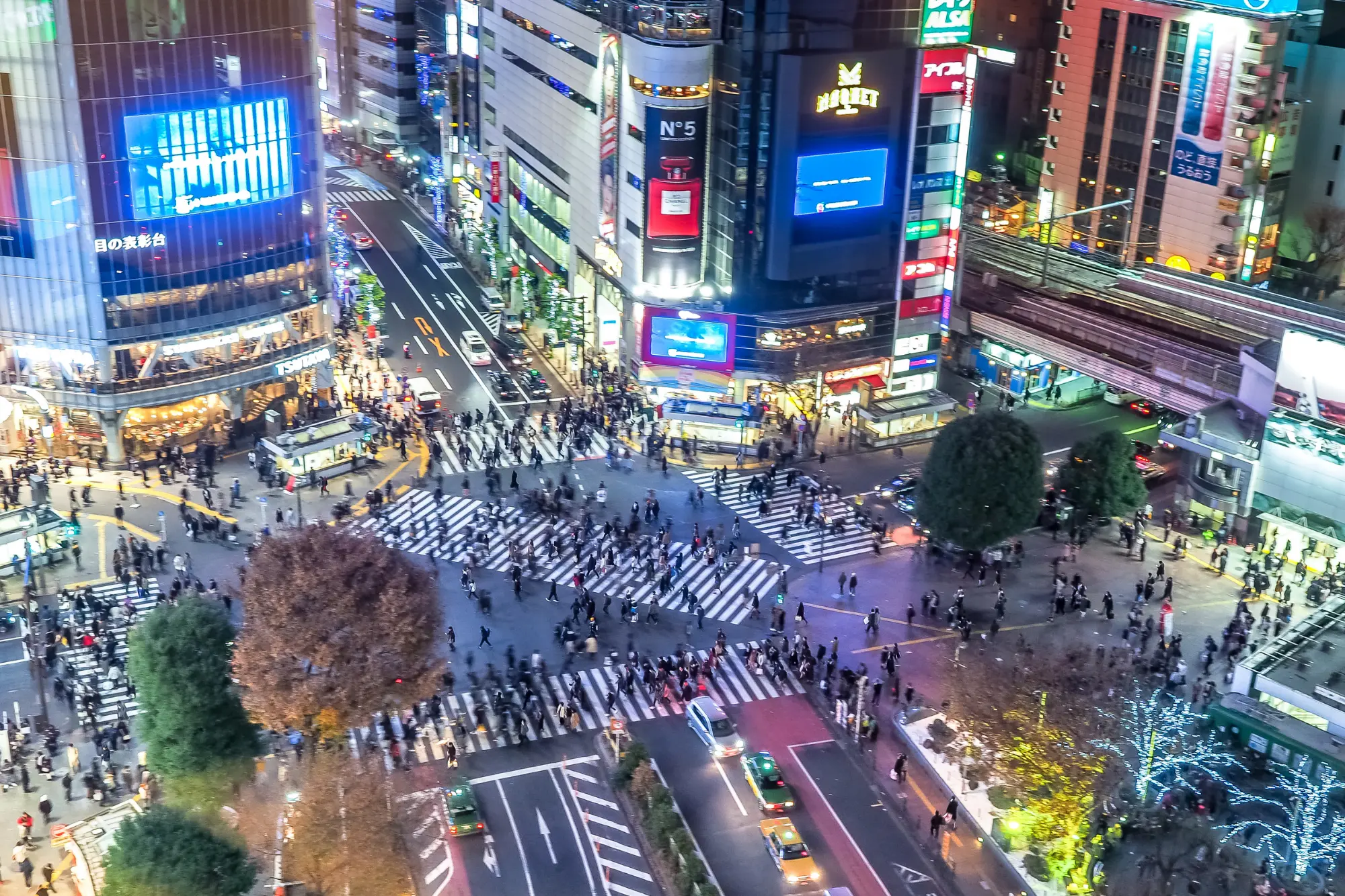
- Shibuya: Known for the legendary scramble crossing, massive shopping malls like Shibuya 109, and dynamic nightlife.
- Harajuku: The epicenter of quirky youth culture, creative street fashion, and Kawaii aesthetics.
2. Tradition & Old Tokyo
- Asakusa: Home to Tokyo’s oldest and most famous temple, Senso-ji, alongside traditional streetscapes.
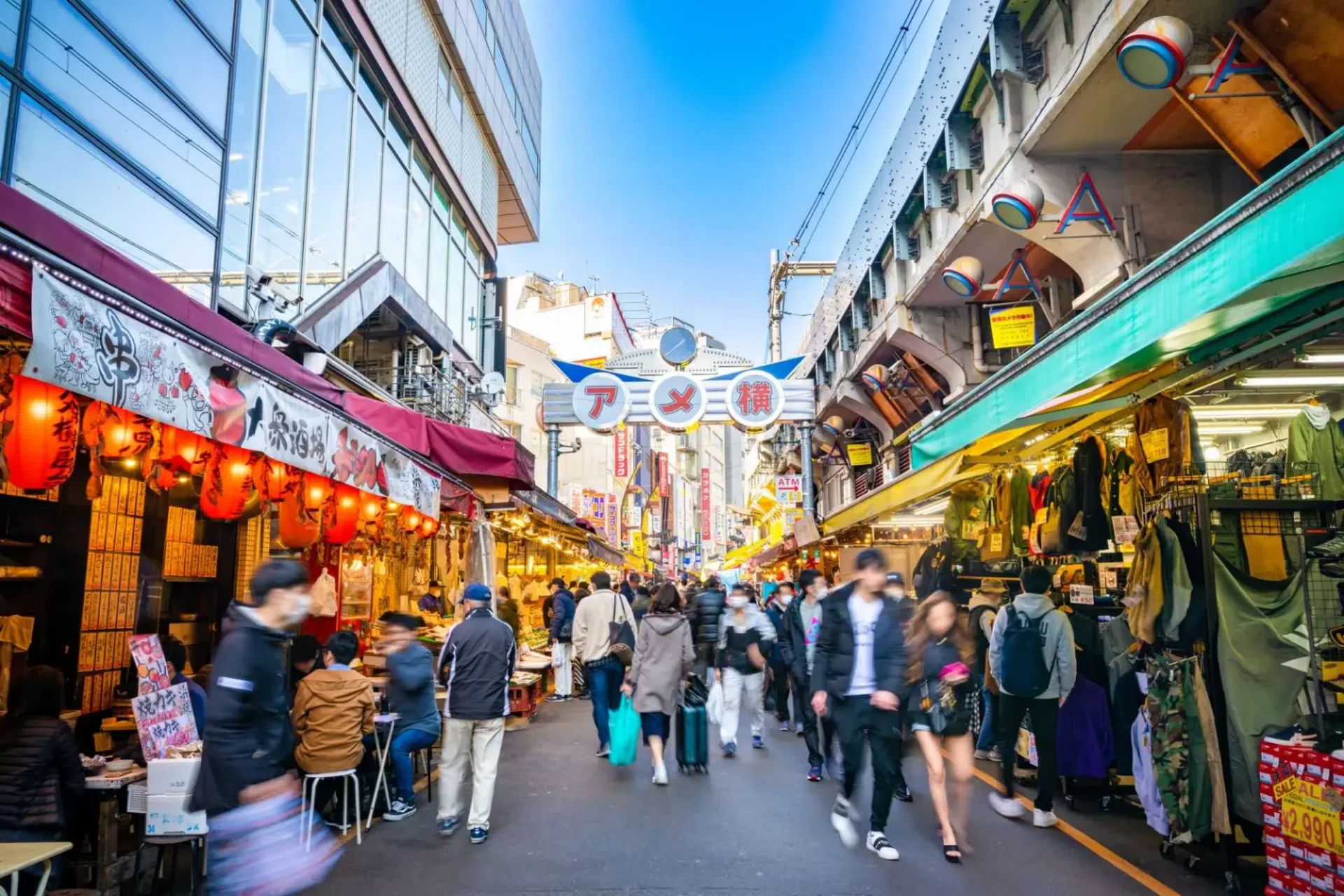
- Ueno: Offers massive green spaces at Ueno Park, world-class museums, and the bustling Ameya Yokocho market.
- Yanaka: Retains a peaceful, pre-war village atmosphere with historic wooden buildings.
3. Pop Culture & Specialty Hubs
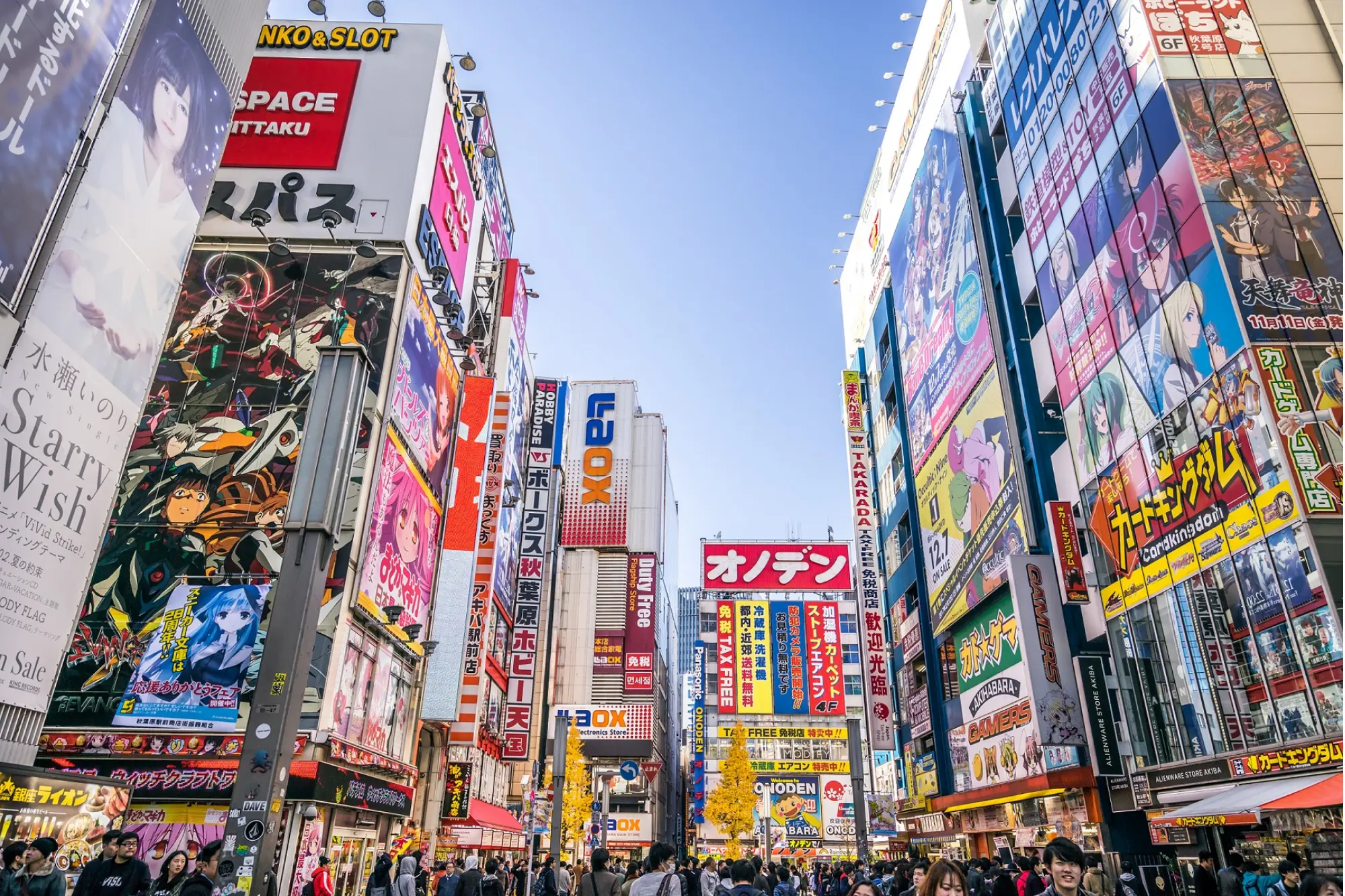
- Akihabara: The ultimate destination for anime, manga, electronics, and gaming culture.
- Ginza: An upscale district featuring luxury shopping, fine dining, and modern architecture.
- Shimokitazawa: A relaxed, bohemian neighborhood loved for its indie live music and vintage thrift shopping.
Where Should You Stay in Tokyo?
The best area to stay in Tokyo depends on your travel style, but Shinjuku and Shibuya are top choices for first-time visitors seeking maximum energy and convenience.
Shinjuku & Shibuya (Best for First-Timers & Nightlife)
- Why stay here: Packed with neon lights, massive shopping complexes, restaurants, and endless entertainment. Shinjuku Station and Shibuya Station are major transit hubs offering effortless travel across the city.
- Tradeoffs: Very crowded, noisy, and hotel rooms can be small for the price.
- Popular picks: Hotel Groove Shinjuku or Hotel Indigo Tokyo Shibuya.
Ginza & Tokyo Station (Best for Luxury & Convenience)
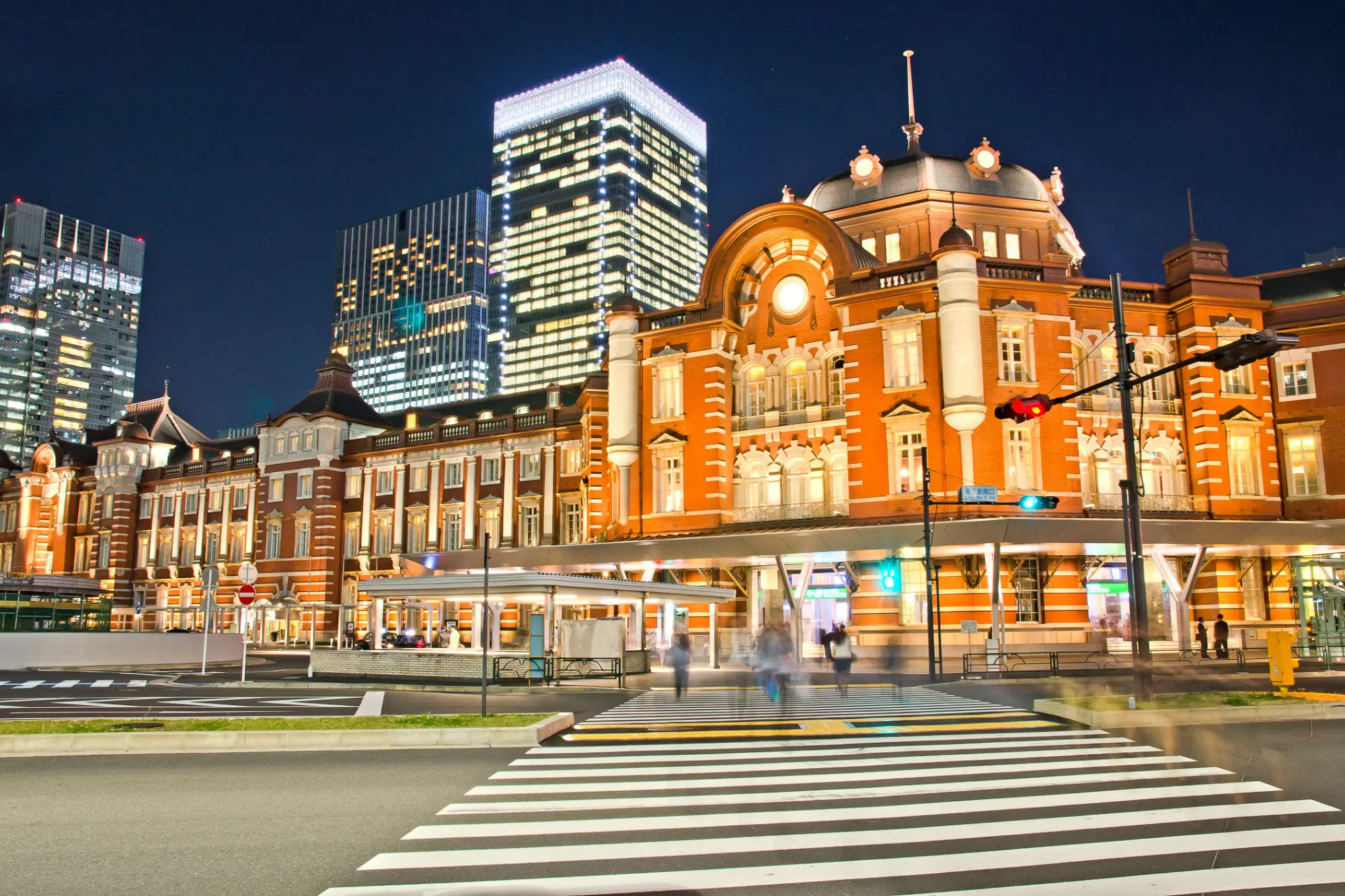
- Why stay here: Polished, clean, and central, with high-end designer shopping and incredible dining. Tokyo Station provides direct bullet train (shinkansen) access outside the city.
- Tradeoffs: Quieter at night and generally more expensive.
- Popular picks: The Tokyo Station Hotel or Imperial Hotel Tokyo.
Asakusa & Ueno (Best for Culture & Budget)
- Why stay here: Features traditional streets, historic temples like Sensō-ji, calmer river walks, and better budget-friendly hotel options. Direct airport train lines run straight through Asakusa.
- Tradeoffs: Quieter evenings with less vibrant nightlife.
- Popular picks: Onyado Nono Asakusa Annex.
Akasaka (Best Underrated Central Spot)
Users on Reddit agree that Akasaka is a fantastic alternative because it offers a central location with multiple subway lines, slightly lower crowds, and great local restaurants.
How Do You Get Around Tokyo?
Trains and subways are the fastest, easiest, and cheapest way to get around Tokyo.
Train and subway
- The Network: Tokyo has an extensive rail system run by JR East (above-ground trains like the famous green Yamanote Line loop) and subway operators like Tokyo Metro and Toei.
- Payment: Use a prepaid IC card like a Suica or Pasmo to tap in and out of ticket gates quickly. You can load these onto your smartphone’s digital wallet or buy physical cards at station kiosks.
- Navigation: Download Google Maps to find exact train lines, platform numbers, and transfers.
Taxis and Buses
- Taxis: Taxis are clean, safe, and reliable, but much more expensive than trains. Use them late at night after trains stop around midnight, or for short, direct trips. Apps like GO Taxi can help you hail one easily.
- Buses: City buses are useful for niche neighborhoods, but they are harder to navigate for short-term visitors who can rely on trains.
How Do You Get From Tokyo’s Airports to Central Tokyo?
The fastest way to get from Haneda Airport to central Tokyo is by train in about 20 minutes, while from Narita Airport the fastest option is the Keisei Skyliner train taking about 41 minutes.
From Haneda Airport (HND)
- Tokyo Monorail: Takes about 20 minutes to Hamamatsucho Station, where you can transfer to the Yamanote Line for central areas like Shibuya, Shinjuku, and Tokyo Station.
- Keikyu Line: Takes about 20 minutes to Shinagawa Station with direct connections to the Asakusa subway line.
- Limousine Bus: Offers direct drops at major hotels and stations, taking 30 to 60 minutes depending on traffic.
- Taxi: Provides convenient door-to-door flat-rate service, though it is the most expensive choice.
From Narita Airport (NRT)
Keisei Skyliner: The fastest train option, reaching Nippori Station in 36 minutes and Ueno Station in 41 minutes.
JR Narita Express (N’EX): Direct service to Tokyo Station in about 53 minutes, continuing to Shibuya and Shinjuku.
Airport Limousine Bus / Low-Cost Bus: Takes roughly 70 to 120 minutes to reach central hubs like Tokyo Station.
How Much Does a Tokyo Trip Cost?
A 7-day trip to Tokyo costs approximately $1,500 to $2,700 per person for a mid-range experience. This estimation includes standard round-trip economy flights ($700–$1,200), mid-range hotel accommodations, daily local transport, dining, and activities.
Because Tokyo caters heavily to both budget backpackers and ultra-luxury spenders, your total expenses will fluctuate depending on your travel choices.
The breakdown below outlines total estimated costs for one person across three different travel tiers:
Expense Category | Budget | Mid-Range | Luxury / Comfort |
| Flights (Round-Trip) | $700 – $900 | $900 – $1,200 | $1,500 – $2,300+ |
| Accommodation | $210 – $350 | $700 – $1,050 | $2,100 – $3,500+ |
| Food & Drink | $140 – $200 | $250 – $380 | $700 – $1,000+ |
| Local Transportation | $50 – $70 | $70 – $100 | $150 – $250+ (Taxis) |
| Activities & Souvenirs | $50 – $100 | $150 – $300 | $500+ |
| Total Estimated Cost | $1,150 – $1,620 | $2,070 – $3,030 | $4,950 – $7,180+ |
International Flights
Airfare is generally your single largest expense. Economy flights from North America or Europe typically range from $700 to $1,200 during average travel seasons. Traveling during peak periods, such as Cherry Blossom season (late March to April) or Golden Week (early May), can cause flight and accommodation rates to surge by 30% to 50%.
Accommodation (Per Night)
- Budget ($30 – $50): Shared dorms in highly rated hostels or private pods in capsule hotels.
- Mid-Range ($100 – $150): Clean, efficient Western-style business hotels (such as APA Hotels or Hotel Gracery) located near major transit loops.
- Luxury ($300 – $500+): Five-star premium high-rise hotels in major districts like Shibuya, Shinjuku, or Ginza.
Food & Drink (Per Day)
- Budget ($20 – $30): Breakfast from convenience stores (konbini) like 7-Eleven or Lawson ($3–$5), and quick lunch sets or dinner bowls at fast-casual chains like Yoshinoya or Sukiya ($5–$8).
- Mid-Range ($40 – $60): Casual sit-down restaurants, conveyor-belt sushi spots (kaitenzushi), local ramen shops, and lively evening izakayas.
- Luxury ($100+): High-end experiential dining, multi-course kaiseki meals, or premium omakase sushi counters ($150–$300+ per meal).
Local Transport
Subways and trains within Tokyo are exceptionally efficient and cost-effective. Single rides cost roughly $1.50 to $3.00.
If you plan to visit multiple landmarks daily, a Tokyo Subway Ticket offers unlimited rides for $10 (72 hours).
Note on Bullet Trains: If you are staying strictly within Tokyo, you do not need a Japan Rail (JR) Pass. Individual train tickets are much cheaper for single-day trips to surrounding areas like Mount Fuji or Kamakura ($15–$40).
Activities & Sightseeing
Many of Tokyo’s most iconic attractions-such as the Meiji Shrine, Senso-ji Temple, Tsukiji Outer Market, and the Shibuya Crossing-are completely free to experience.
Popular paid experiences require advanced booking: tickets for the teamLab Planets Digital Art Museum cost around $23, observation decks like Shibuya Sky cost $18, and a day ticket to Tokyo Disneyland or DisneySea costs roughly $60.
Pro-Tips to Reduce Your Tokyo Travel Costs
- Utilize 7-Eleven ATMs: Avoid exchanging cash at airport kiosks due to high conversion fees. Simply withdraw Japanese Yen directly from 7-Eleven or Lawson ATMs upon arrival for better market rates.
- Download an eSIM: Avoid expensive carrier roaming packages. You can purchase an unlimited data eSIM provider like Holafly or Saily for roughly $15 to $25 per week to keep your navigation and translation apps active.
- Shop at 100-Yen Stores: Before buying travel essentials, umbrellas, or small souvenirs at tourist shops, visit a discount store like Daiso or Seria. Most items cost exactly 100 yen (~$0.70 USD), which can save you a significant amount over a week-long trip.
What Should You Know Before Visiting Tokyo?
Before visiting Tokyo, you should know essential local etiquette, transportation basics, and practical daily rules to ensure a smooth trip.
Transportation and Money
- Get an IC card: Buy a digital or physical Suica or Pasmo card to easily tap through trains and subways.
- Keep cash ready: Many small restaurants and shops still only accept cash, even though digital payments are growing.
- No tipping: Tipping is not used in Japan and can be considered rude.
Daily Etiquette
- Do not eat while walking: Eating or drinking on the move is viewed as bad manners. Step aside or sit down to finish your food.
- Keep quiet on trains: Speak in low voices, set phones to silent, and avoid talking on phone calls while on public transit.
- Carry a trash bag: Public trash cans are very rare, so plan to carry your rubbish with you until you return to your hotel.
Practical Tips
- Check your medications: Some common over-the-counter and prescription drugs in other countries are completely illegal to bring into Japan.
- Use navigation apps: Google Maps works exceptionally well for navigating the complex train networks.
FAQ: Tokyo Travel for First-Time Visitors
1. Is 3 days enough for Tokyo?
Yes, 3 days is enough for a first introduction to Tokyo, although you will need to prioritize the places you want to visit. In three days, you can explore some of the city’s most famous areas, such as Shibuya, Harajuku, Shinjuku, Asakusa, Ueno, Akihabara, Ginza, and Tokyo Station. However, if you have 5–7 days, you can explore Tokyo at a more relaxed pace and have time to discover less-touristy neighborhoods or take a day trip outside the city.
2. Is English widely spoken in Tokyo?
English is relatively common in major tourist areas, hotels, airports, train stations, and popular attractions, but not everyone in Tokyo speaks English fluently. Most major signs and transportation information are available in English, making it relatively easy for international visitors to get around. Translation apps such as Google Translate can also be very helpful, especially when communicating in restaurants or smaller local establishments. You generally do not need to speak Japanese to travel comfortably in Tokyo.
3. Can I use Uber or taxis in Tokyo?
Yes, Uber and regular taxis are available in Tokyo. However, Tokyo’s extensive train and subway network is usually the most convenient way to travel around the city. Uber can be particularly useful for requesting licensed taxis through the app, while traditional taxis are also easy to find in busy areas and near major stations. Taxis are most useful when you are carrying luggage, traveling late, or visiting somewhere that is inconvenient to reach by train.
4 What is the best area of Tokyo to stay in as a tourist?
There is no single best neighborhood for everyone, but Shinjuku and Shibuya are particularly convenient for first-time visitors. Shinjuku offers excellent transportation connections, countless restaurants and shops, and easy access to other parts of Tokyo. Shibuya is ideal for travelers who want a modern and energetic atmosphere with fashion, shopping, cafés, and entertainment. Asakusa is a better choice for visitors who prefer traditional Tokyo, while the Tokyo Station and Marunouchi area is excellent for transportation and exploring central Tokyo. For most first-time visitors, Shinjuku or Shibuya are the easiest choices.
5 What should I do if I’m traveling to Tokyo for the first time?
For a first trip, try to experience different sides of Tokyo rather than focusing only on famous attractions. You can start with the modern atmosphere of Shibuya and Shinjuku, visit Meiji Shrine and Harajuku, then explore the traditional streets and Sensō-ji Temple in Asakusa. Akihabara is worth visiting if you are interested in anime, manga, gaming, or electronics, while Ginza and Tokyo Station offer a more sophisticated side of the city. You should also make time to try different Japanese foods, from ramen and sushi to tempura and yakitori. Most importantly, allow some free time to simply walk around Tokyo’s neighborhoods, because many of the city’s most interesting experiences come from exploring beyond the major tourist attractions.
Conclusion
We hope this Tokyo Travel Guide shows that a successful trip does not require seeing every district. Start by choosing the season that matches your priorities, then select a neighborhood that keeps transportation simple and build your days around a few nearby areas.
For more practical destination guides and Tokyo travel planning, explore the Nicetrips Blog. If you prefer a professionally arranged itinerary with transportation and trip logistics prepared for you, explore Japan Package Tours by Nicetrips.