Osaka is one of Japan’s most exciting food destinations, famous for takoyaki, okonomiyaki, and a dining culture built around the idea of kuidaore (くいだおれ) enjoying food to the fullest. From lively street stalls to traditional shopping arcades, the city offers plenty of opportunities to sample local specialties while exploring its neighborhoods. This Osaka street food guide covers what to eat, where to find it, which food destinations deserve your time, and how to plan a satisfying food trip.
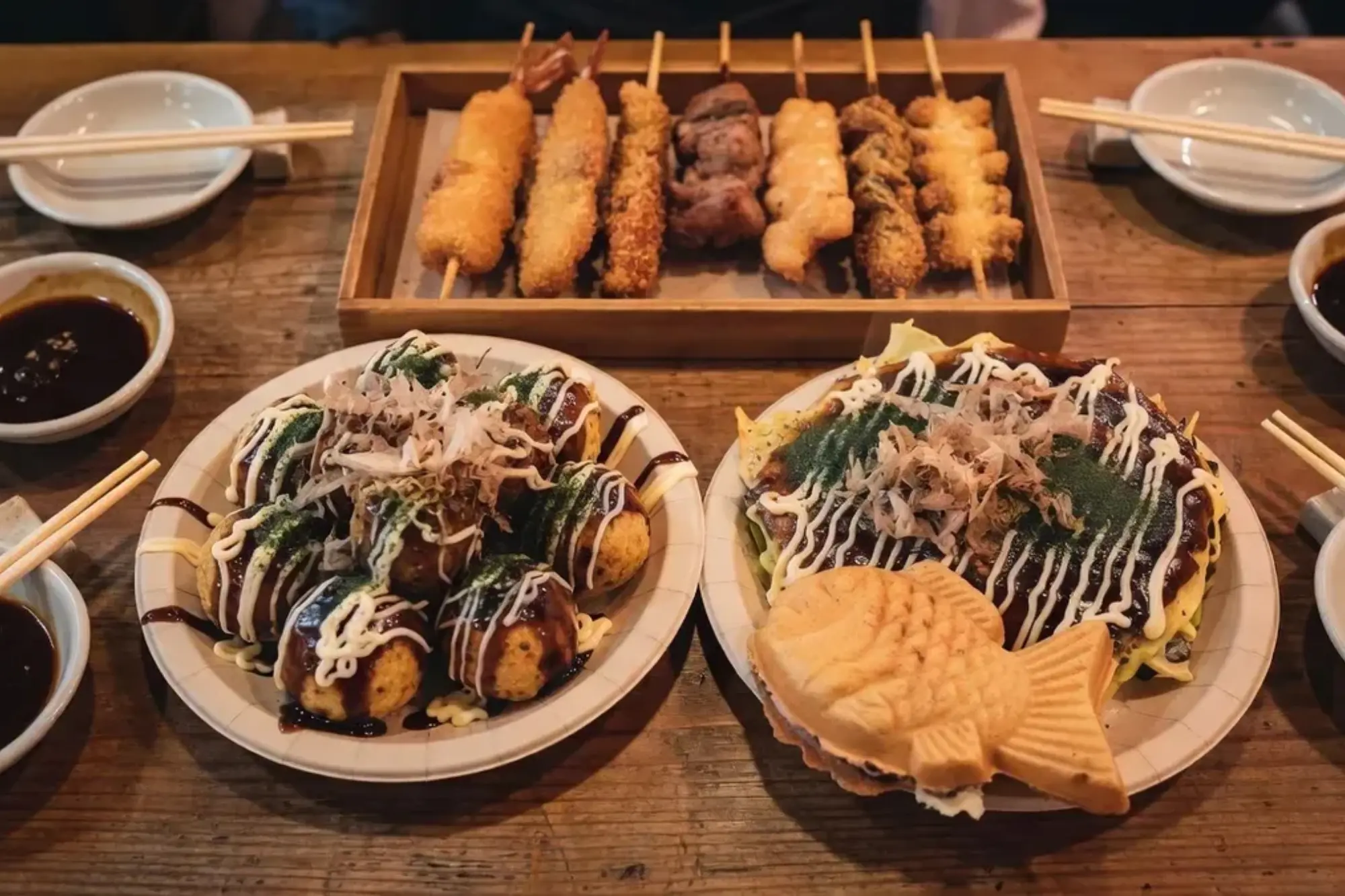
Osaka Street Food: 5 Must-Try Local Dishes
Before deciding where to eat, start with the dishes that define Osaka’s food culture. These specialties are widely available across the city, particularly around Dotonbori, Namba, and Shinsekai.
1. Takoyaki: Osaka’s Iconic Street Snack
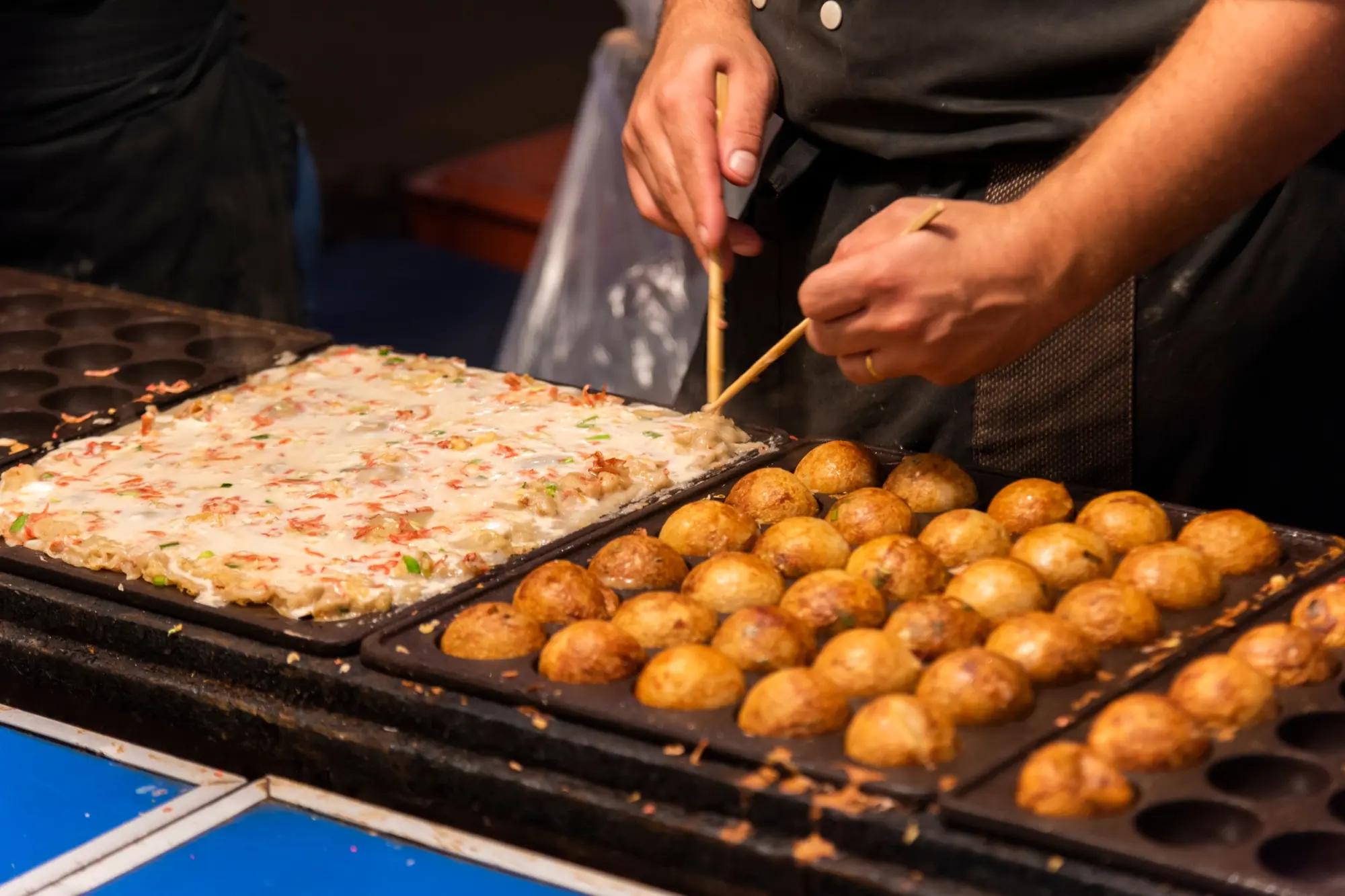
Takoyaki are small, round batter balls filled with octopus, usually topped with savory sauce, mayonnaise, dried bonito flakes, and seaweed. They are cooked in special molded pans, creating a lightly crisp exterior and a soft, creamy center.
You will find takoyaki stalls throughout Osaka, but Dotonbori and the surrounding Namba area are convenient places to try them. Order a small portion to share if you want to sample more dishes afterward.
2. Okonomiyaki: A Savory Japanese Pancake
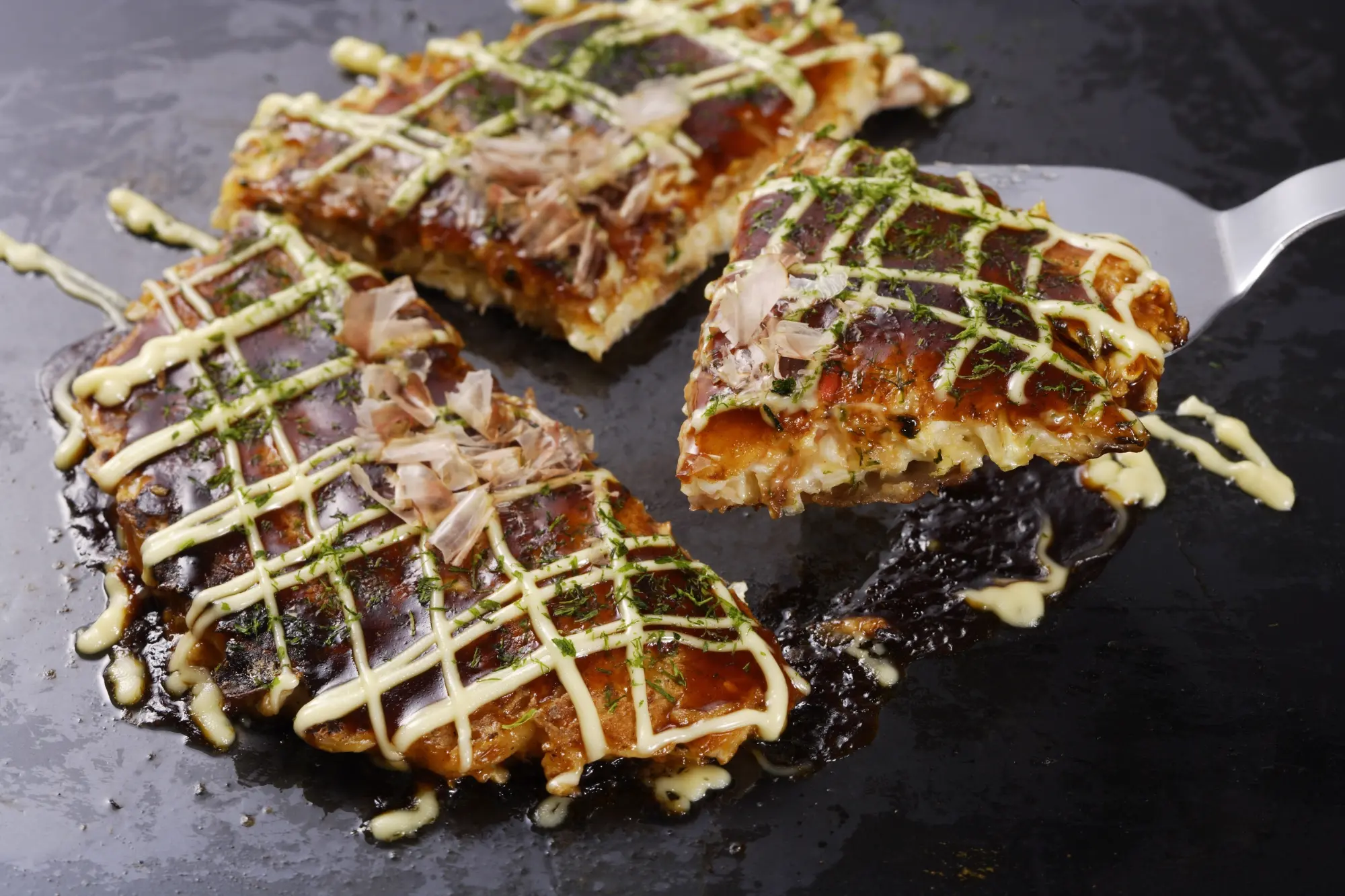
Osaka-style okonomiyaki combines batter, cabbage, egg, and additional ingredients such as pork or seafood. The pancake is cooked on a hot griddle and finished with sauce and other toppings.
Unlike a quick snack, okonomiyaki is substantial enough to serve as a full meal. Look for specialist restaurants around Namba or explore local eateries away from the busiest tourist streets.
3. Kushikatsu: Crispy Deep-Fried Skewers
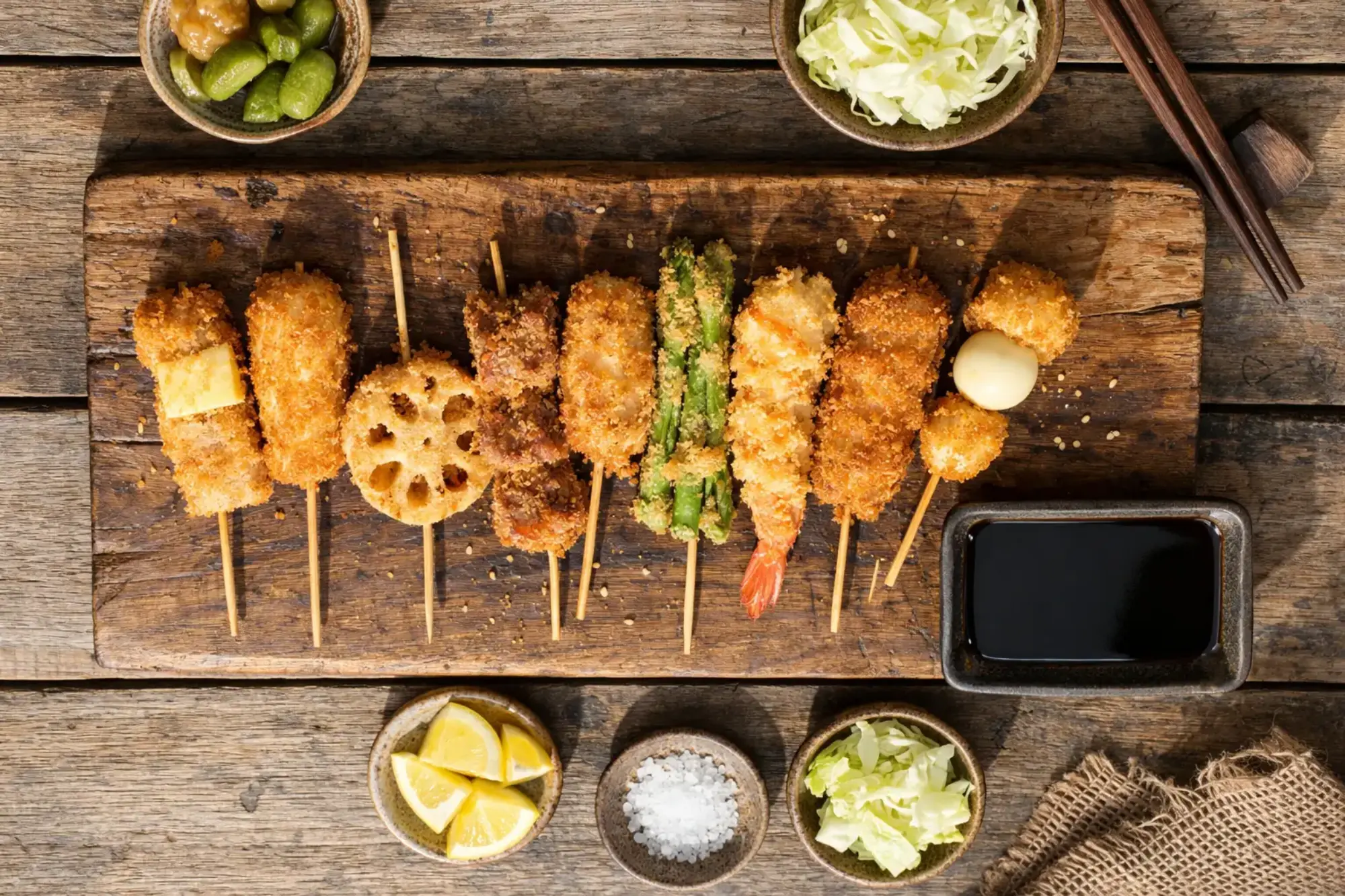
Kushikatsu consists of meat, seafood, or vegetables coated in breadcrumbs and deep-fried on skewers. It is strongly associated with Shinsekai, where specialist restaurants serve a wide variety of options.
If the restaurant uses a shared dipping-sauce container, follow its rules. Traditional kushikatsu etiquette prohibits double-dipping after taking a bite.
4. Butaman: Japanese Steamed Pork Buns
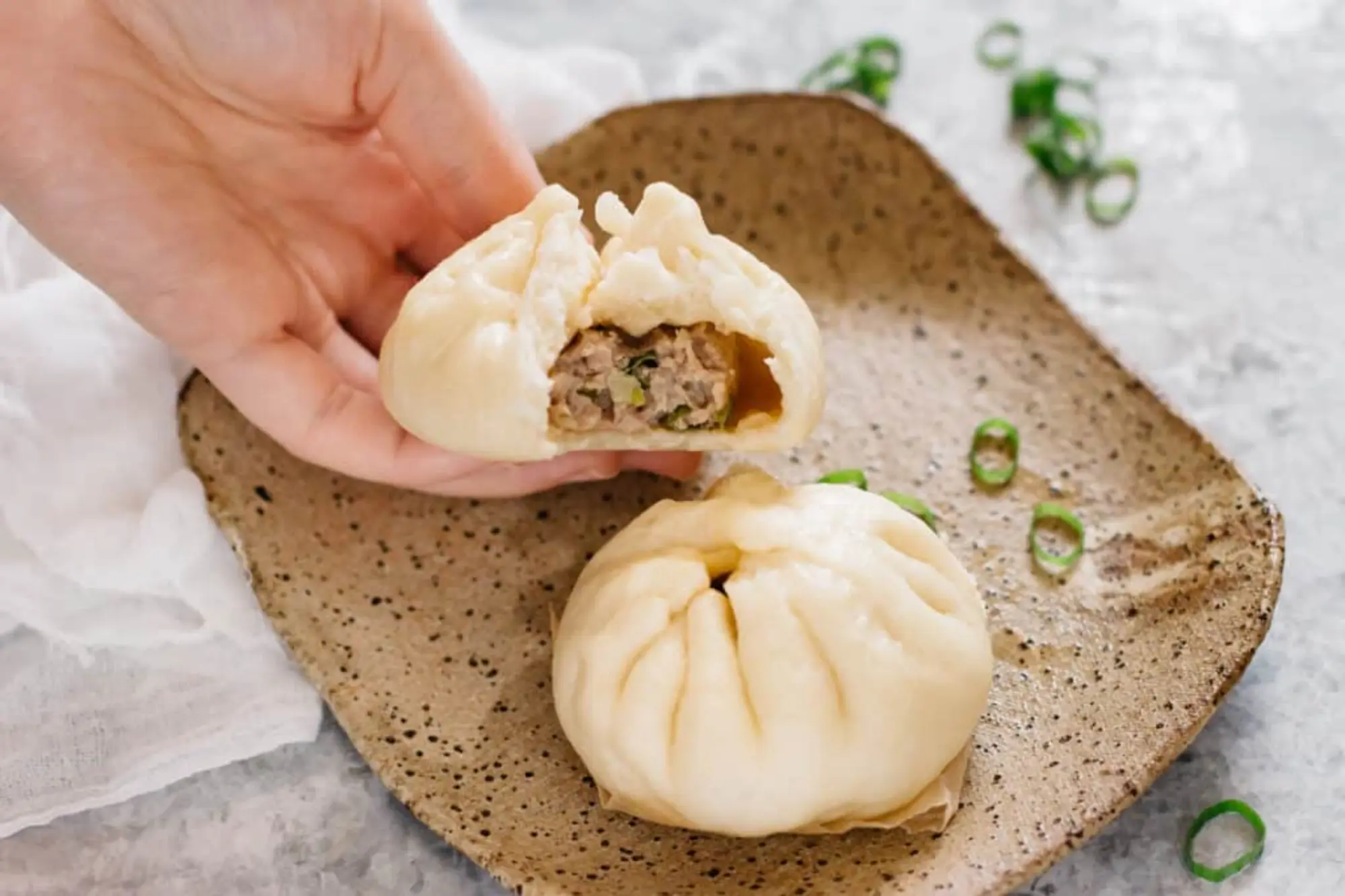
Butaman are steamed buns filled with seasoned pork. They make a convenient snack when you want something warm and filling without sitting down for a full meal.
They are particularly useful to include in a food itinerary because you can enjoy one between sightseeing stops.
5. Taiyaki: Fish-Shaped Japanese Pastries
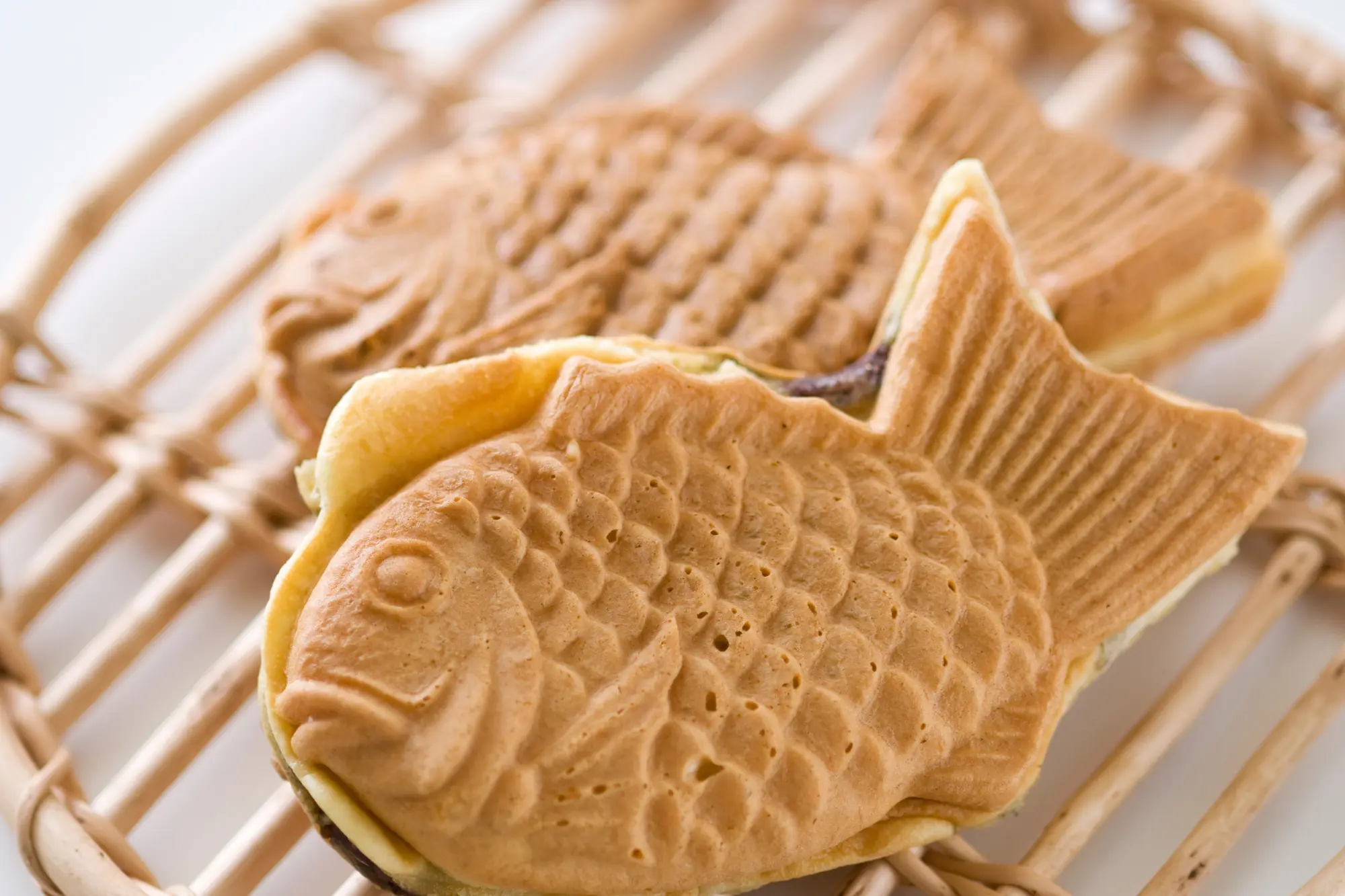
Taiyaki are fish-shaped cakes commonly filled with sweet red bean paste, custard, or other fillings. They are a good option when you want something sweet after sampling Osaka’s savory specialties.
Availability and fillings vary by shop, so check the display before ordering.
Dotonbori Osaka Food: What to Eat and Where to Start
Dotonbori is one of Osaka’s best-known dining and entertainment districts. Its canal, enormous restaurant signs, and busy pedestrian streets make it an easy place to combine sightseeing with a food crawl. The area is particularly lively in the evening.
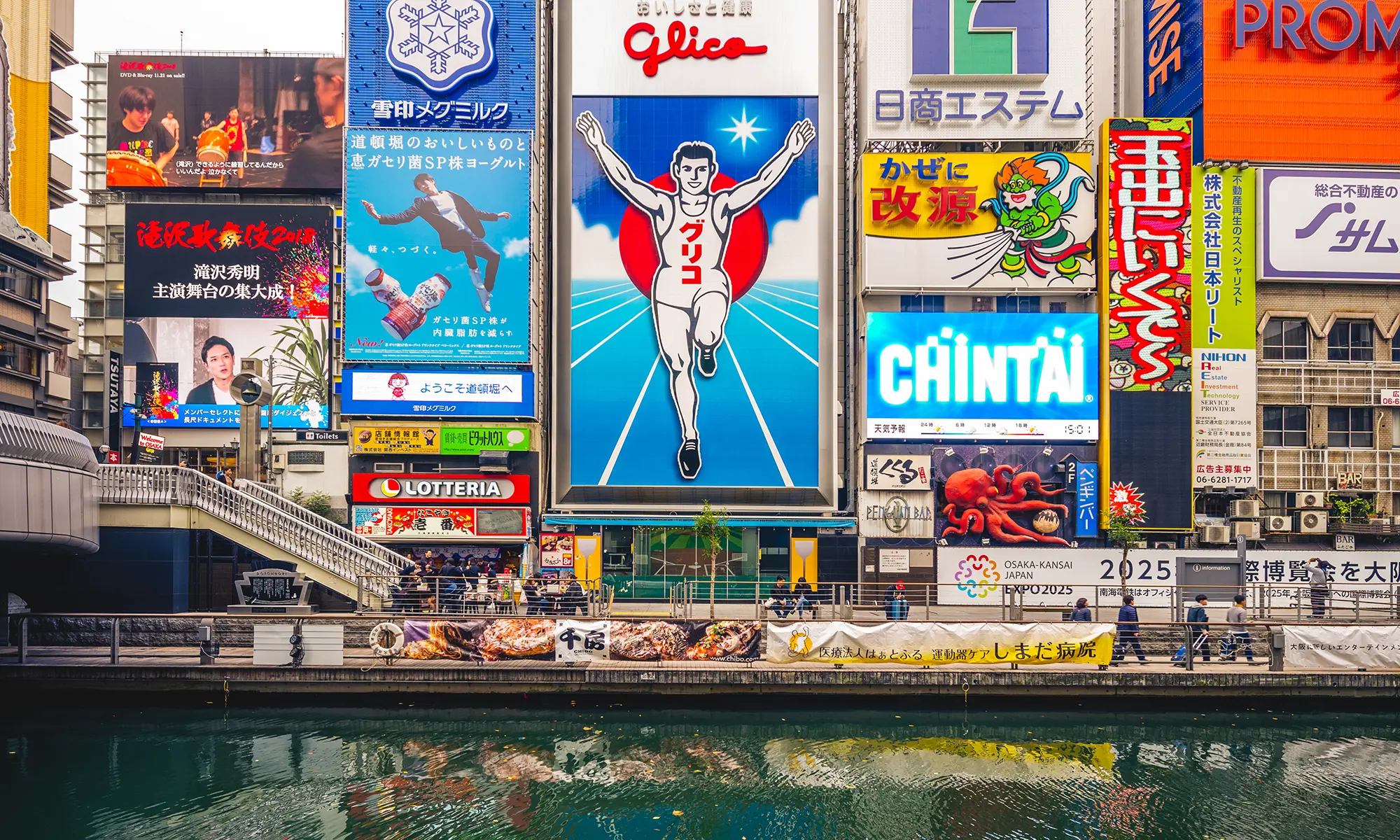
1. Best foods to try in Dotonbori
Start with these options:
- Takoyaki: A classic Osaka snack, ideal for sharing.
- Okonomiyaki: A satisfying meal for lunch or dinner.
- Grilled seafood: Some restaurants and stalls offer crab, squid, and other seafood specialties.
- Butaman: A portable snack for exploring the area.
- Japanese sweets: Finish with taiyaki or another dessert if you have room.
2. How to enjoy Dotonbori without overspending
Dotonbori is popular with visitors, so the busiest locations may have queues and prices that vary considerably. A large sign or an elaborate food display does not necessarily mean a restaurant offers the best value.
For a better experience:
- Compare menus and prices before joining a queue.
- Share smaller portions instead of ordering a full meal at every stop.
- Explore nearby streets around Namba for additional choices.
- Visit in the late afternoon or evening to experience the illuminated streets.
Recommended for: First-time visitors, classic Osaka snacks, and travelers who want food and sightseeing in one area.
Kuromon Market: What to Eat and What to Expect
Kuromon Market is a covered shopping street in Osaka’s Nipponbashi area, known for seafood, produce, prepared foods, and specialty shops. It is often called “Osaka’s Kitchen” and is a popular destination for visitors interested in local ingredients and market-style dining.
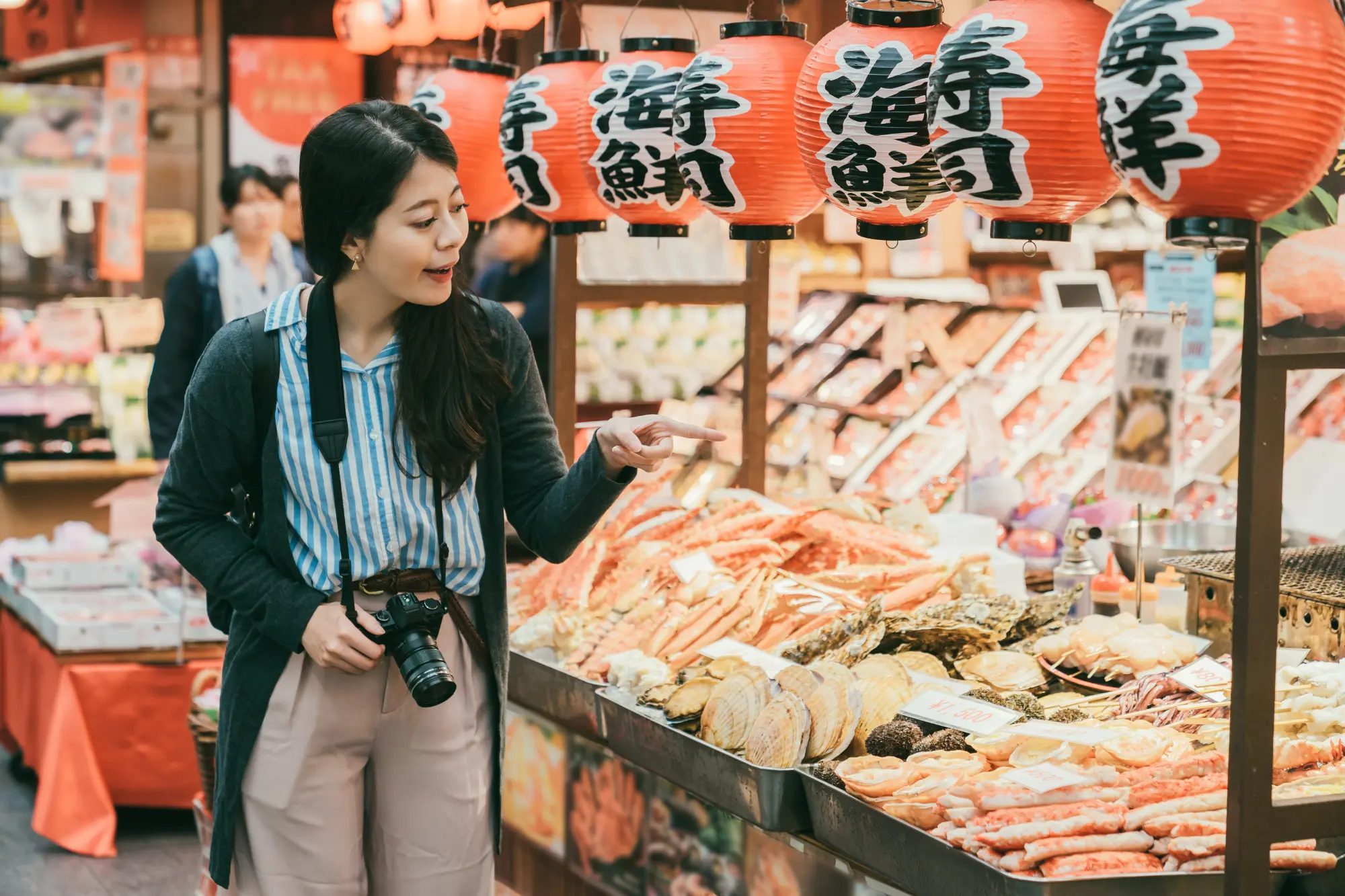
1. What to eat at Kuromon Market
- Fresh seafood: Depending on the stall and season, you may find sashimi, sushi, oysters, scallops, and seafood bowls.
- Grilled scallops: A popular hot snack that may be prepared with butter or other seasonings.
- Japanese fruit: Look for seasonal fruit, fresh-cut portions, or fruit-based sweets.
- Tamago-yaki: This Japanese rolled omelet is a simple snack that offers a break from grilled seafood and fried foods.
- Croquettes and tempura: These fried specialties are convenient when you want something warm while exploring the market.
The selection changes between shops, and not every vendor sells food intended for immediate consumption. Check the display and ask staff if you are unsure.
2. The reality of visiting Kuromon Market
Kuromon Market can be a rewarding stop, but it is important to manage expectations. It is a popular tourist destination, and premium seafood, wagyu, and carefully presented fruit can be expensive. A market meal is not automatically cheaper than eating at a restaurant.
Use these tips to make informed choices:
- Compare prices and portion sizes across stalls.
- Check whether the price applies to one item, one skewer, or a complete serving.
- Ask about preparation methods and ingredients when necessary.
- Avoid buying more food than you can comfortably enjoy.
- Check individual shop hours, as they can differ.
Allow around one to two hours for browsing and sampling food, depending on the number of stops you make.
Recommended for: Seafood lovers, food photography, seasonal produce, and travelers who enjoy browsing different stalls.
Best Food Destinations in Osaka Beyond Dotonbori
Although Dotonbori and Kuromon Market attract much of the attention, other neighborhoods offer different ways to experience Osaka’s food culture. Consider adding one of these destinations if you have extra time.
1. Shinsekai: Kushikatsu and Retro Osaka
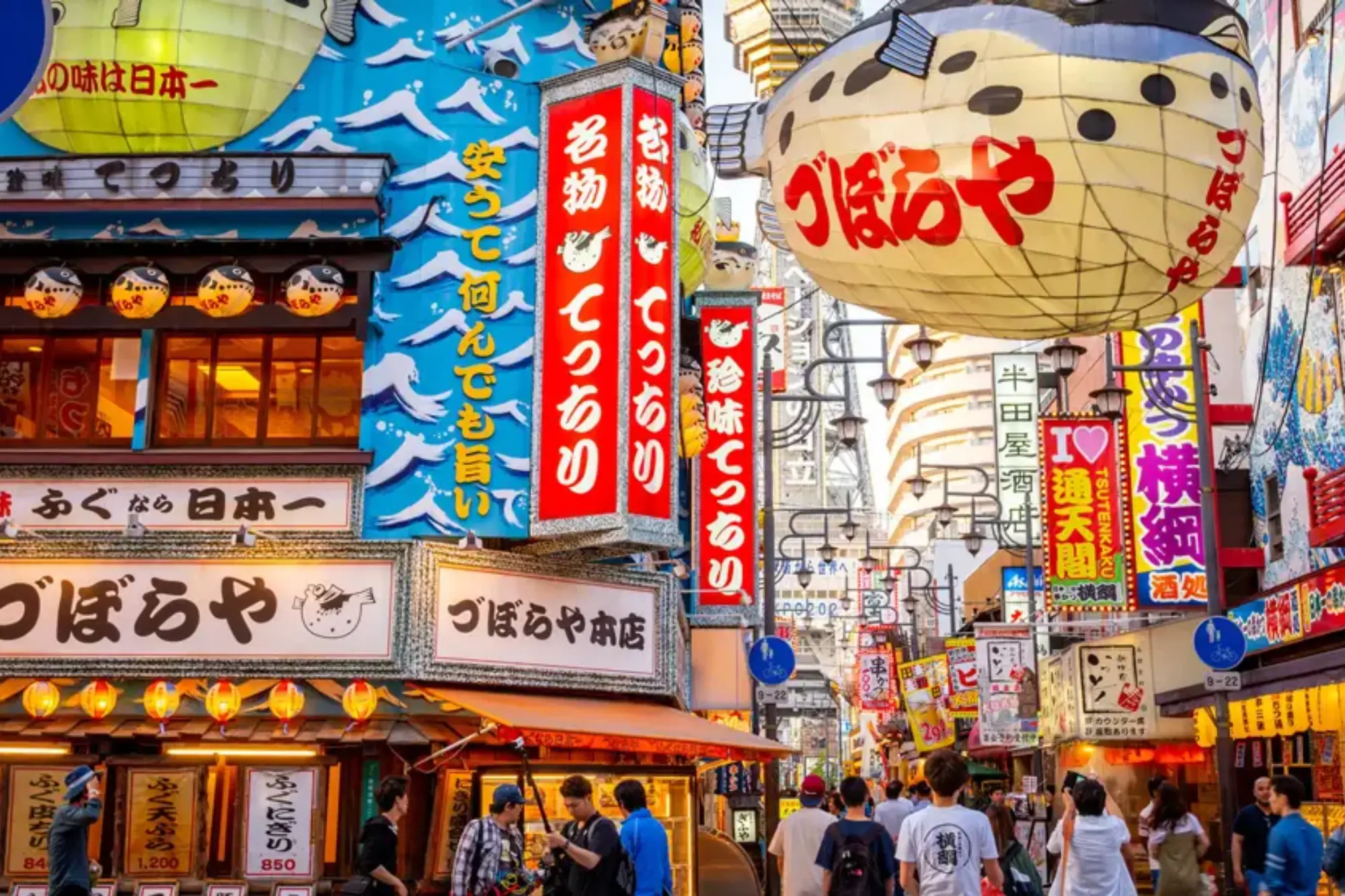
Shinsekai is a distinctive neighborhood near Tsutenkaku Tower, known for its nostalgic atmosphere and casual restaurants.
Its specialty is kushikatsu (串カツ), making it an excellent destination for travelers who want to explore Osaka’s deep-fried skewers beyond Dotonbori. You can also look for doteyaki, a dish made with beef tendon simmered in a savory, often miso-based sauce.
Visit in the late afternoon or evening to combine local food with a walk through the neighborhood.
Best for: Kushikatsu, casual dining, and retro streetscapes.
2. Tenjinbashisuji: A Local Shopping-Arcade Experience
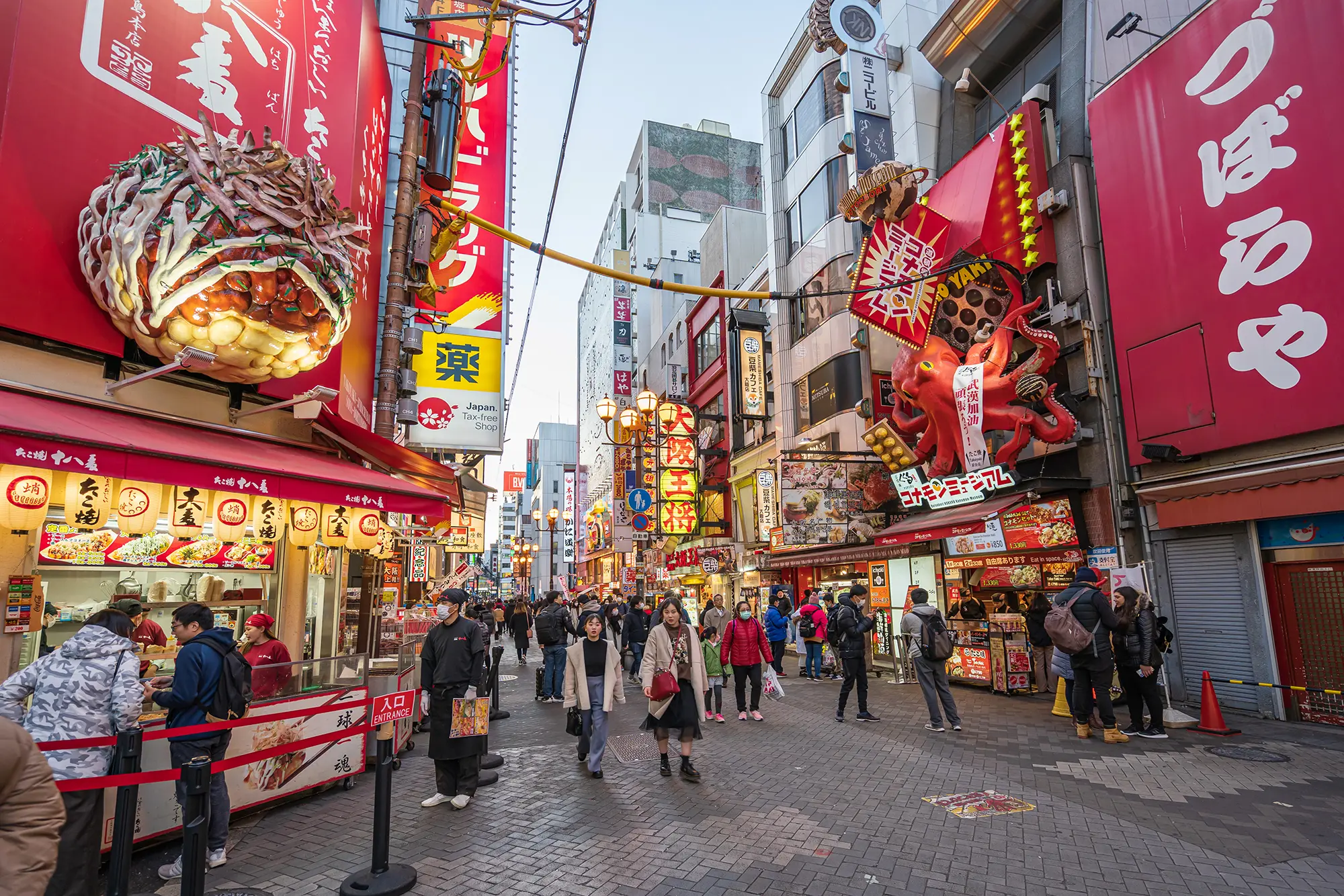
Tenjinbashisuji is a long covered shopping arcade with everyday shops, cafés, and casual eateries. It offers a different atmosphere from the more visitor-focused streets around Dotonbori.
Explore the arcade for ramen, takoyaki, traditional cafés, and affordable local meals. Rather than following a fixed restaurant list, browse the shops and choose dishes that interest you.
Best for: Casual dining, local shopping streets, and exploring beyond major tourist areas.
3. Hozenji Yokocho: A Quieter Dining Alley
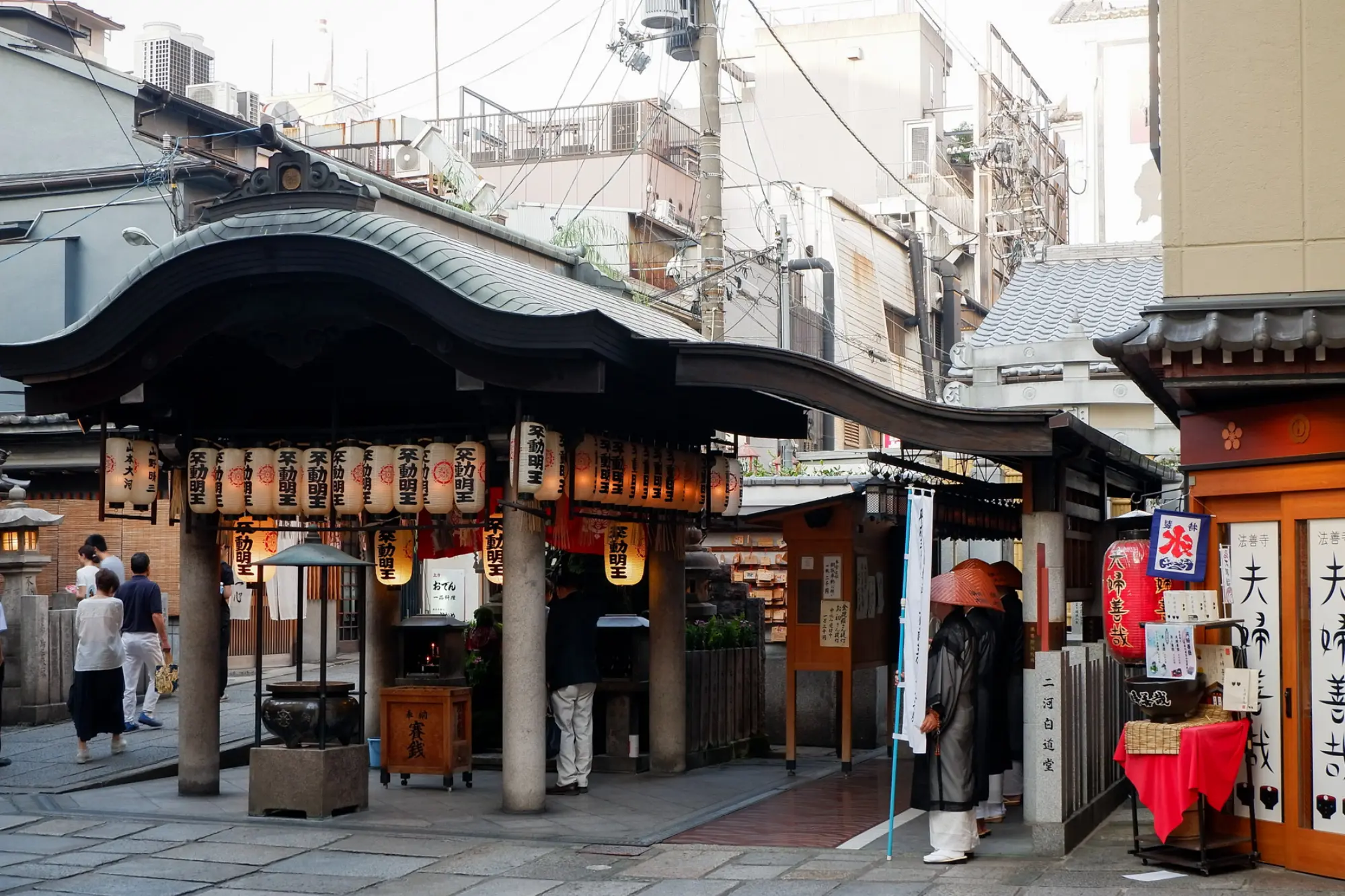
Near Dotonbori, Hozenji Yokocho is a narrow alley known for its traditional atmosphere, lanterns, and small restaurants. It is a useful alternative when you want a quieter setting after exploring the main streets.
Dining options vary from traditional Japanese cuisine to small eateries. Check menus and prices before choosing a restaurant, as the experience may be more formal than a street-food stall.
Best for: Traditional dining, atmospheric streets, and a slower-paced evening.
4. Umeda: Convenient Dining Around Osaka Station
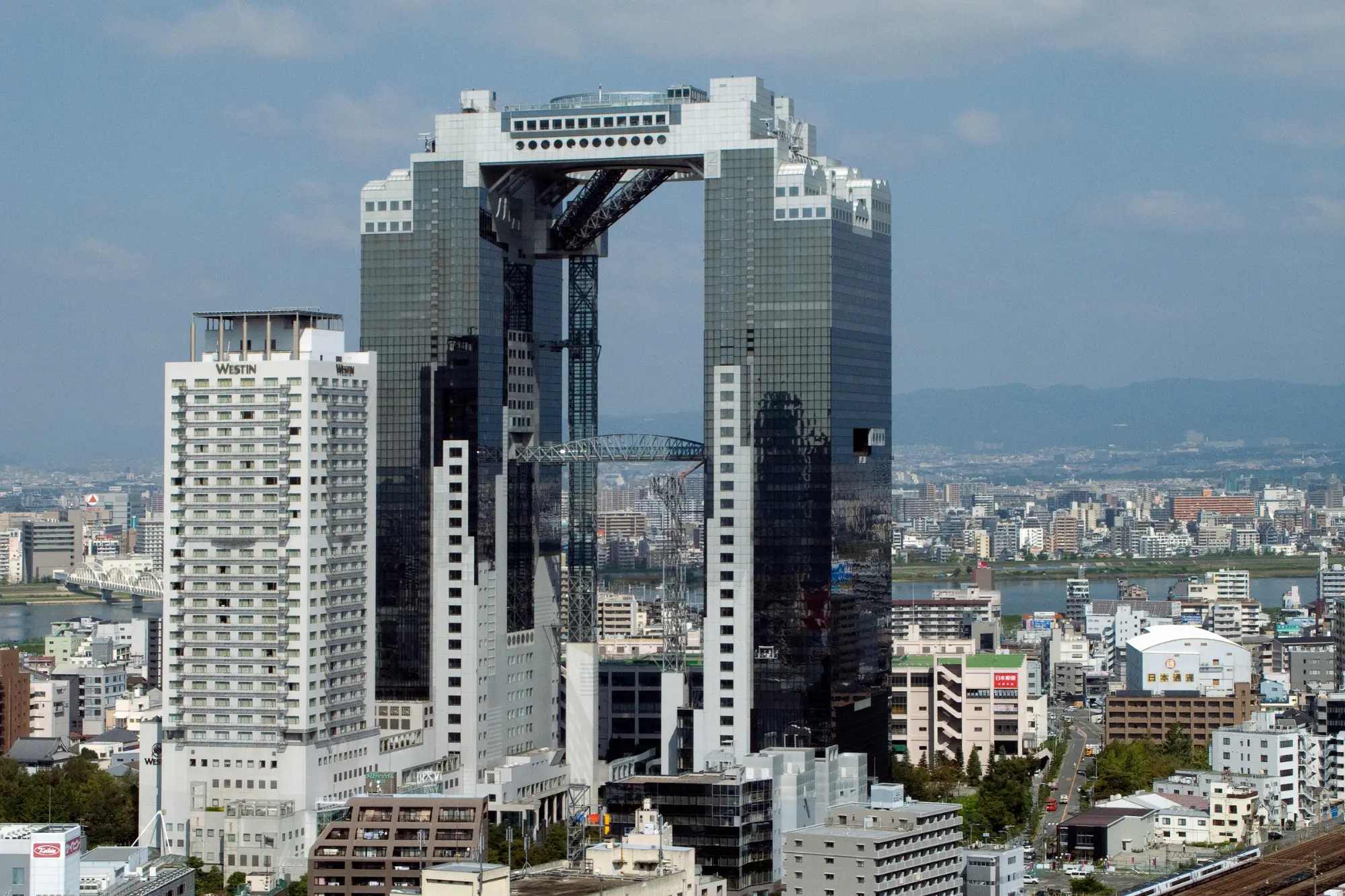
Umeda is a practical choice if you are staying in northern Osaka or traveling through Osaka Station. Shopping complexes and underground dining areas offer a wide range of meals, including noodles, rice bowls, and Japanese set menus.
It may not have the same street-food atmosphere as Dotonbori, but it is convenient for lunch, dinner, or a meal on a rainy day.
Best for: Convenient meals, shopping breaks, and travelers staying near Osaka Station.
Dotonbori vs. Kuromon Market vs. Other Food Destinations
Each location serves a different purpose, so the best choice depends on your schedule and food interests.
Destination | Food highlights | Atmosphere | Ideal visit |
| Dotonbori | Takoyaki, okonomiyaki, snacks | Lively and colorful | Late afternoon or evening |
| Kuromon Market | Seafood, fruit, prepared foods | Covered market | Morning to early afternoon |
| Shinsekai | Kushikatsu, doteyaki | Retro and casual | Afternoon or evening |
| Tenjinbashisuji | Local snacks, noodles, cafés | Everyday shopping arcade | Flexible daytime visit |
| Hozenji Yokocho | Traditional Japanese meals | Quiet, lantern-lit alley | Evening |
| Umeda | Noodles, set meals, varied dining | Modern shopping district | Lunch or dinner |
If you have only one day, choose two destinations rather than rushing through all six. Kuromon Market and Dotonbori work well together, while Shinsekai is a good alternative if kushikatsu is high on your list.
Plan Your Own Osaka Street Food Tour
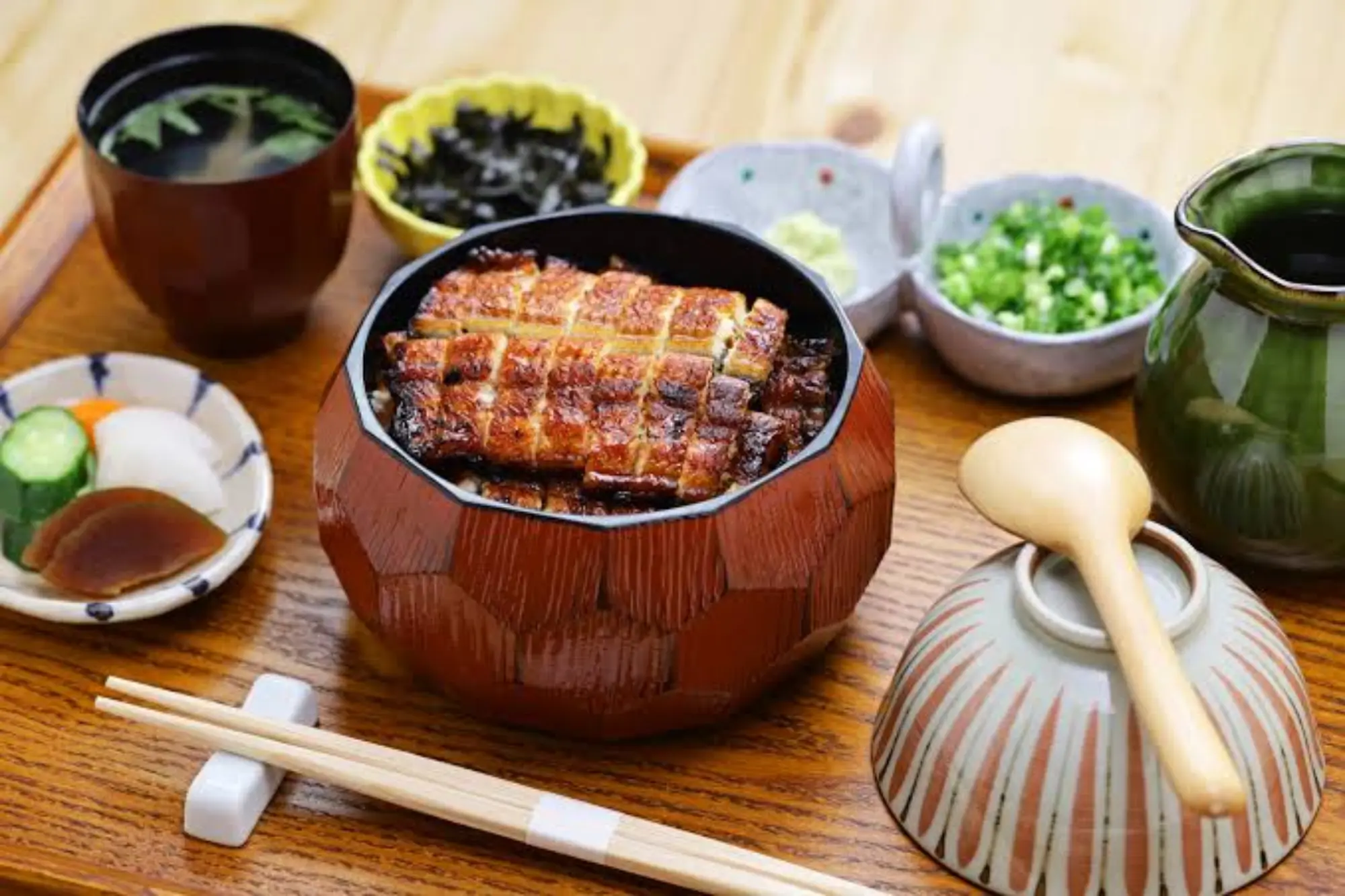
A simple route can help you try several specialties without spending too much time traveling between locations.
- Morning: Explore Kuromon Market
Start with a walk through Kuromon Market. Choose one or two snacks, such as tamago-yaki or seafood, and compare prices before ordering. Keep some room for later meals.
- Afternoon: Discover Namba
Walk around Namba and explore its shopping streets, cafés, and casual eateries. This is a good time to take a break or try butaman and Japanese sweets.
- Evening: Enjoy Dotonbori
Finish your food tour with takoyaki, okonomiyaki, or another local specialty in Dotonbori. Enjoy the canal and illuminated signs, then explore nearby streets if the main area is too crowded.
If you prefer kushikatsu, replace the Dotonbori stop with Shinsekai or plan a separate visit.
Planning tips:
- Allow roughly four to six hours for a relaxed food-focused outing.
- Check market and restaurant opening hours before setting out.
- Bring a payment method accepted by smaller vendors.
- Compare prices before ordering premium seafood or meat.
- Follow local signs about eating areas and waste disposal.
FAQ About Osaka Street Food
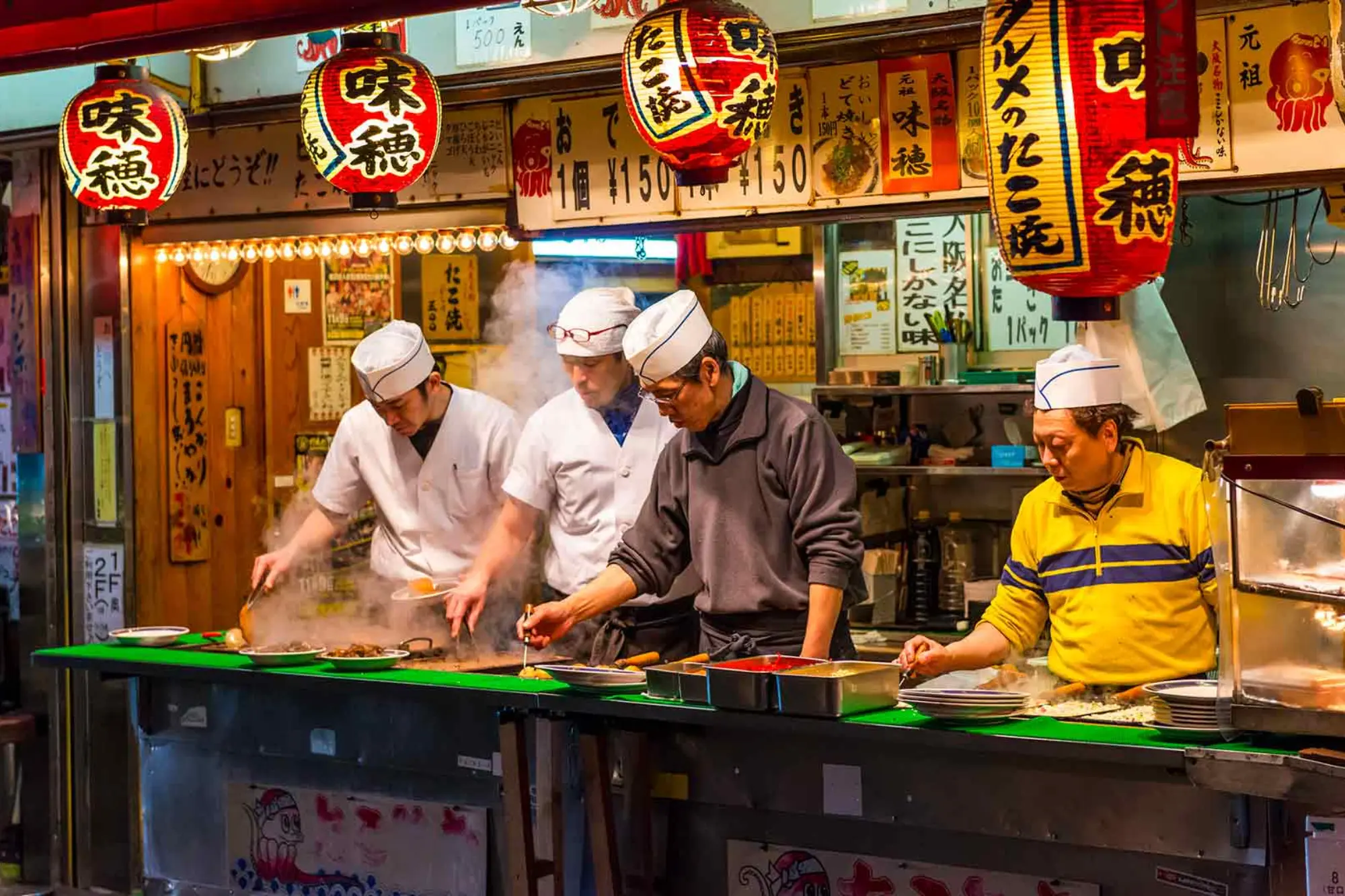
1. What food is Osaka most famous for?
Osaka is best known for takoyaki and okonomiyaki. Kushikatsu is another important regional specialty, particularly associated with Shinsekai.
2. Is Kuromon Market worth visiting?
Yes, especially if you enjoy seafood, seasonal produce, and browsing food stalls. However, prices vary, and some items can be expensive, so compare menus before ordering.
3. Is Dotonbori or Kuromon Market better for street food?
Dotonbori is ideal for iconic snacks and evening sightseeing, while Kuromon Market is better for exploring seafood, produce, and market-style food. If time allows, visit both.
4. How much time should I spend exploring Osaka street food?
Allow around two hours for a focused visit to one food district or four to six hours for a relaxed route combining multiple areas. Your timing will depend on queues, meal stops, and sightseeing.
5. What is the best time to visit Osaka’s food markets?
Morning to early afternoon is a useful starting point for market visits, but individual stalls have different hours. Check the latest information for Kuromon Market before traveling.
Conclusion
Osaka’s food culture extends well beyond its famous neon streets. Dotonbori offers iconic snacks and a lively atmosphere, Kuromon Market introduces visitors to seafood and seasonal ingredients, and destinations such as Shinsekai and Tenjinbashisuji reveal different sides of everyday dining. The best Osaka street food guide is one that matches your interests and leaves room for discovery. Choose a few must-try dishes, compare prices, and explore beyond the busiest stalls when time allows.
Discover Japan tour packages with Nicetrips and experience the landscapes, food, culture, and seasonal highlights of northern Japan. Follow the Nicetrips Blog for more destination guides, travel tips, and Japan travel inspiration.