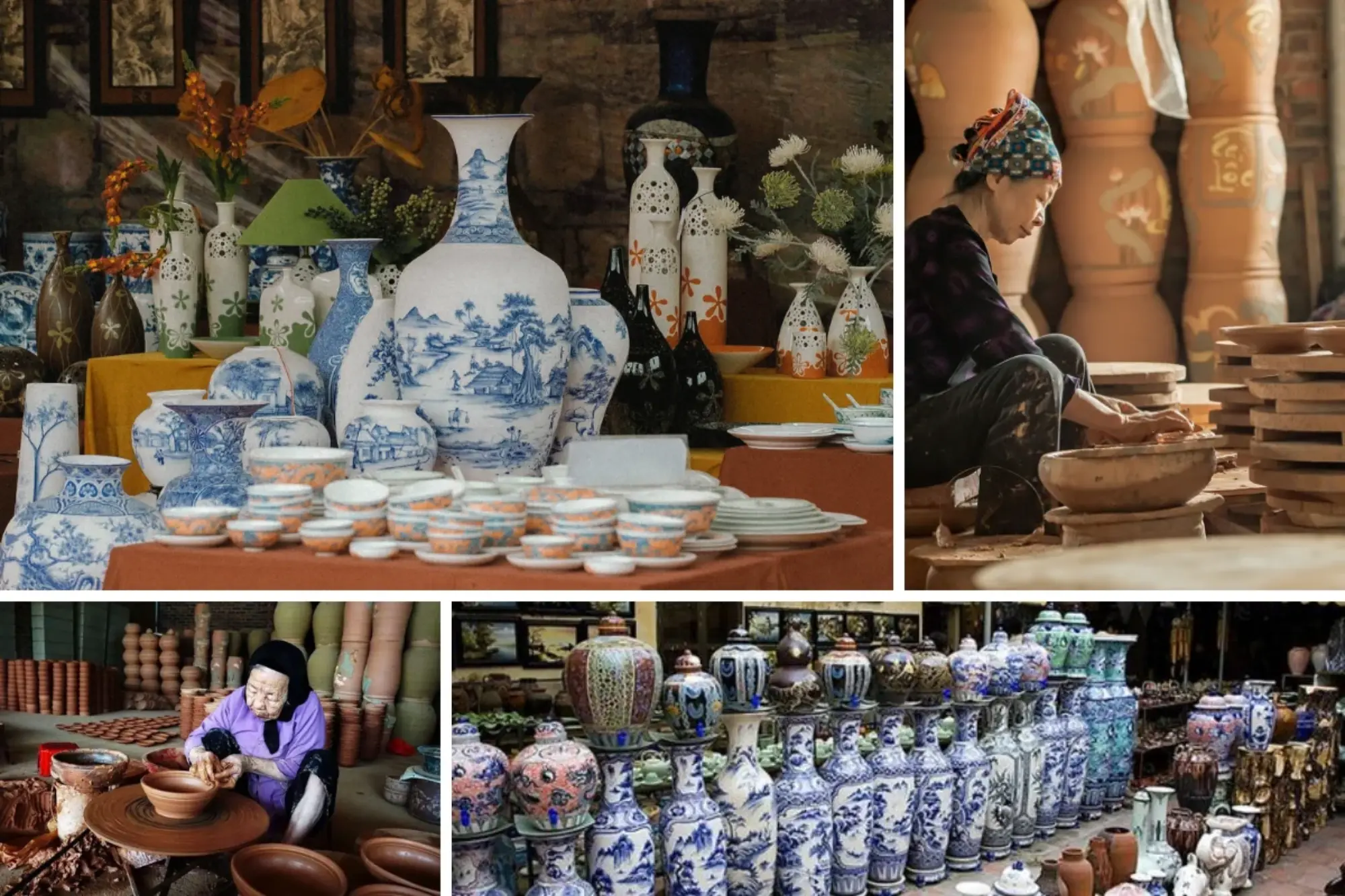
Okinawa is a tropical destination in southern Japan, known for its beautiful beaches, coral reefs, island culture, and Ryukyu heritage. With a warmer climate and distinctive history, it offers a different side of Japan beyond the country’s major cities. Travelers can explore Okinawa Churaumi Aquarium, discover the historic Shuri Castle, relax on tropical beaches, or enjoy snorkeling and island experiences around Ishigaki Island.
Whether you are looking for the best Okinawa attractions, cultural experiences, or the top things to do in Okinawa, this guide covers the destination’s geography, history, attractions, best time to visit, transportation, and practical travel tips.

About Okinawa
Okinawa is Japan’s southernmost prefecture and consists of around 160 islands, stretching from the Okinawa Main Island in the north to the Yaeyama Islands around Ishigaki in the south. About 40 of these islands are inhabited.
The prefecture is known for its warm climate, clear waters, coral reefs, beaches, and distinctive Ryukyuan culture. Its location between Japan, China, and Southeast Asia also shaped Okinawa’s history as an important center of maritime trade.
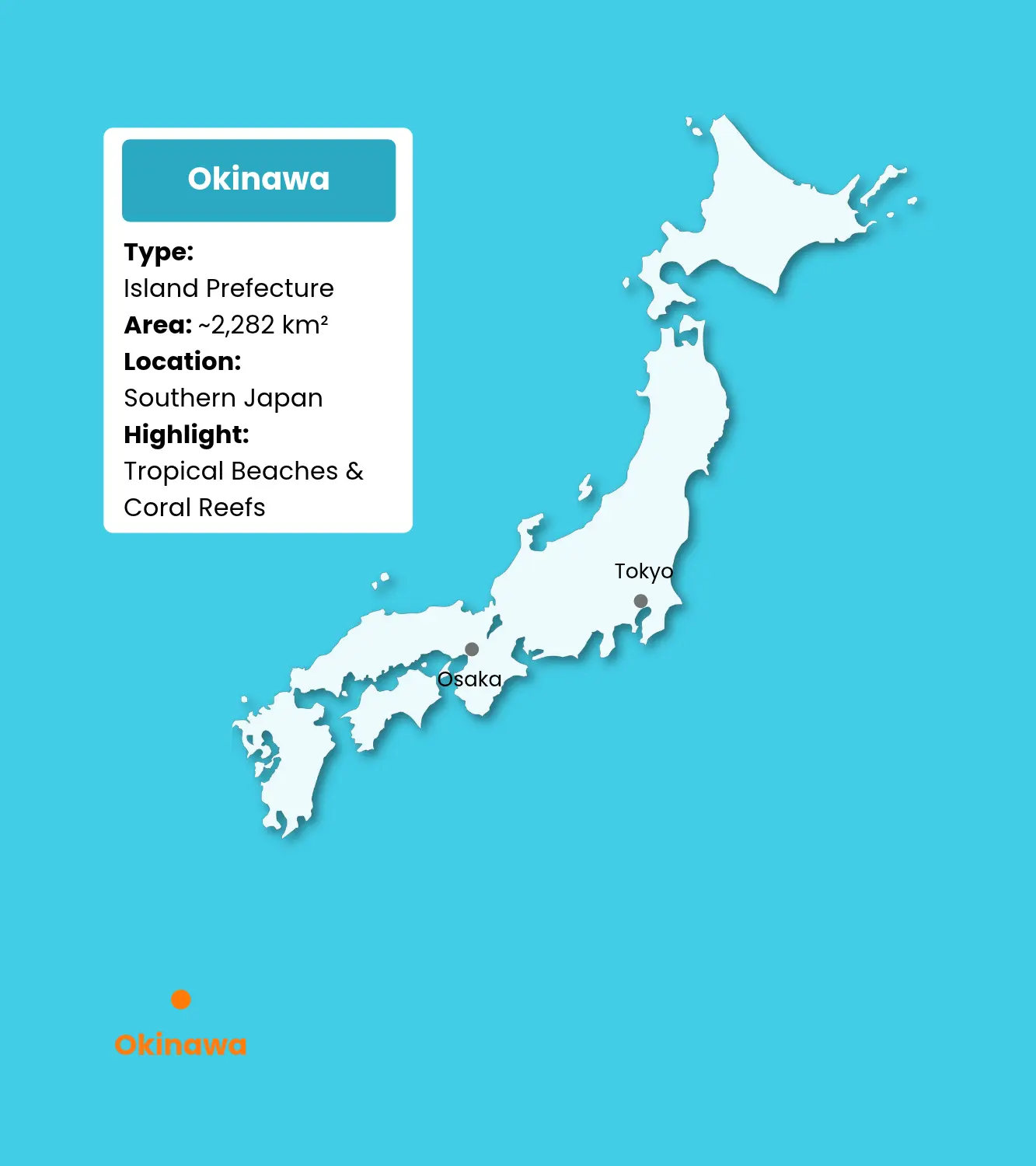
Okinawa at a Glance
- Location: Southern Japan
- Area: Approximately 2,280 km²
- Islands: Around 160 islands
- Capital: Naha
- Average annual temperature: Around 23°C
- Known for: Beaches, coral reefs, Ryukyu culture, island scenery, and marine activities
- Main attractions: Churaumi Aquarium, Shuri Castle, Kokusai-dori, Ishigaki Island, and the Kerama Islands
- Best for: Beaches, nature, culture, families, island holidays, and outdoor activities
Geography of Okinawa
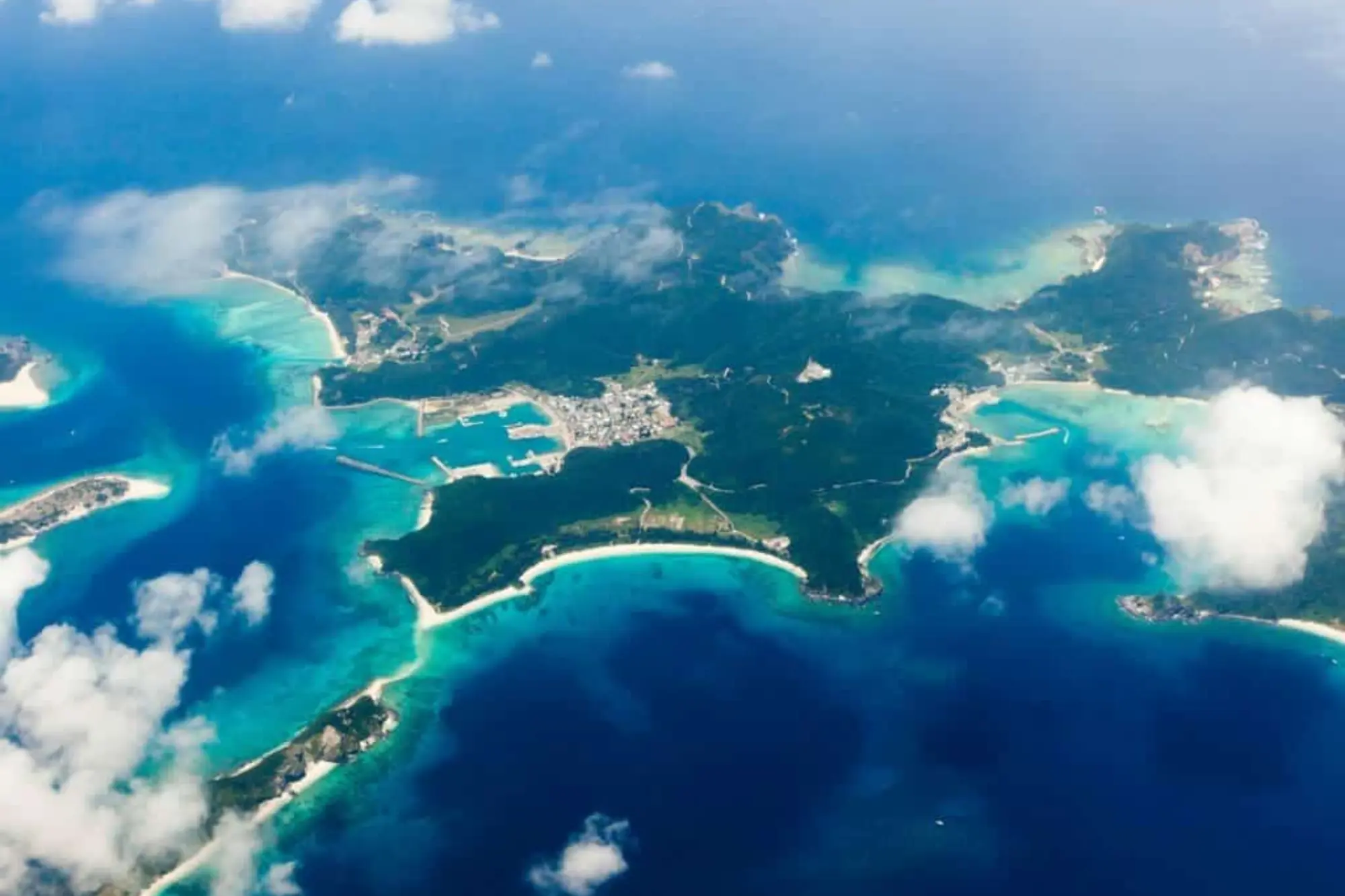
Okinawa is an island prefecture in southern Japan, made up of around 160 islands stretching across the East China Sea. Its geography combines tropical beaches, coral reefs, forests, and mountainous areas.
- Okinawa Main Island: The largest island, with Naha and most major urban areas in the south and forests and natural landscapes in the north.
- Northern Okinawa: Known for Yambaru forests, beaches, and natural scenery, including the area around Churaumi Aquarium.
- Southern Okinawa: Centered around Naha and Shuri, with historic sites and important cultural attractions.
- Ishigaki & Yaeyama Islands: Located farther southwest and known for clear waters, beaches, coral reefs, and marine activities.
- Natural landscape: Okinawa’s warm climate and surrounding seas create diverse coastal environments, including beaches, coral reefs, mangroves, and limestone landscapes.
History of Okinawa
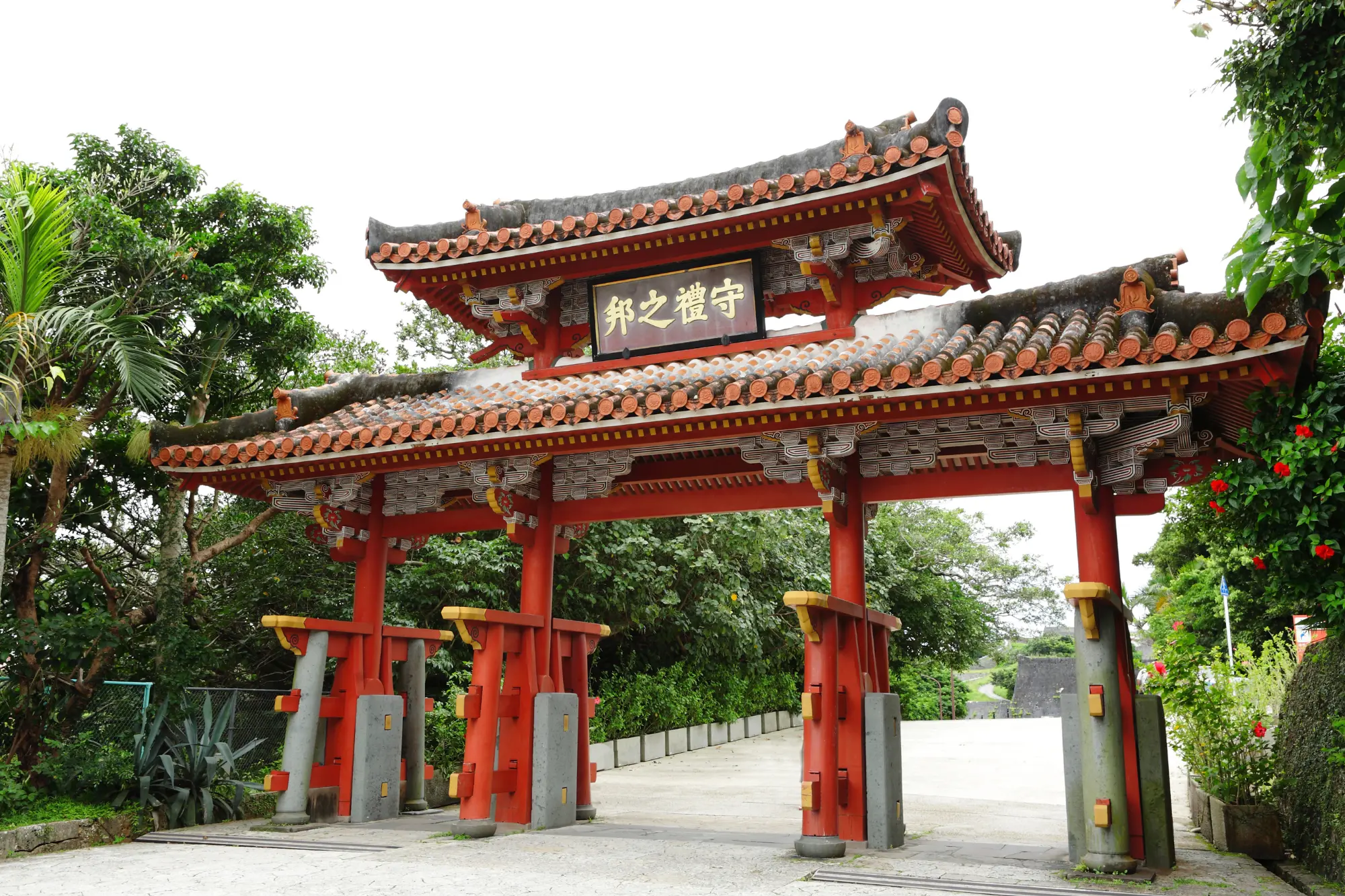
Okinawa’s history is closely connected with the Ryukyu Kingdom, which existed from 1429 to 1879.
- The Ryukyu Kingdom
The kingdom developed through maritime trade with China, Japan, Korea, and Southeast Asia. These international connections helped create a distinctive culture combining influences from different parts of Asia.
Shuri Castle was the political and cultural center of the Ryukyu Kingdom for almost 450 years. Its architecture, traditions, performing arts, and religious practices remain important parts of Okinawan heritage today.
- From Kingdom to Modern Okinawa
In 1879, the Ryukyu Kingdom was annexed by Japan and became Okinawa Prefecture. After World War II, Okinawa was under U.S. administration before being returned to Japan in 1972. These different historical periods continue to influence Okinawa’s culture and identity.
Culture & Heritage of Okinawa
Okinawa’s culture is strongly influenced by the history of the Ryukyu Kingdom and centuries of trade with China, Southeast Asia, Korea, and mainland Japan. This heritage can still be seen in the region’s architecture, music, food, crafts, and traditional festivals.
- Ryukyu Kingdom: Historic sites such as Shuri Castle reflect Okinawa’s former kingdom and its role as a maritime trading center.
- Traditional arts: Sanshin music, Ryukyuan dance, and traditional crafts remain important parts of Okinawan culture.
- Local cuisine: Dishes such as Okinawa soba, goya champuru, rafute, and sata andagi reflect the island’s distinctive food traditions.
- Architecture & crafts: Red-tiled houses, shisa statues, and yachimun pottery are recognizable features of Okinawan heritage.
- UNESCO Heritage: The Gusuku Sites and Related Properties of the Kingdom of Ryukyu were inscribed as a UNESCO World Heritage property in 2000, including Shuri Castle and other historic and sacred sites.
Best Places to Visit & Things to Do in Okinawa
Okinawa offers a diverse mix of historical landmarks, tropical beaches, marine attractions, traditional culture, and island experiences. From exploring the heritage of the Ryukyu Kingdom to visiting world-class aquariums and enjoying Okinawa’s clear coastal waters, there are plenty of things to do in Okinawa for different types of travelers.
1. Visit Okinawa Churaumi Aquarium
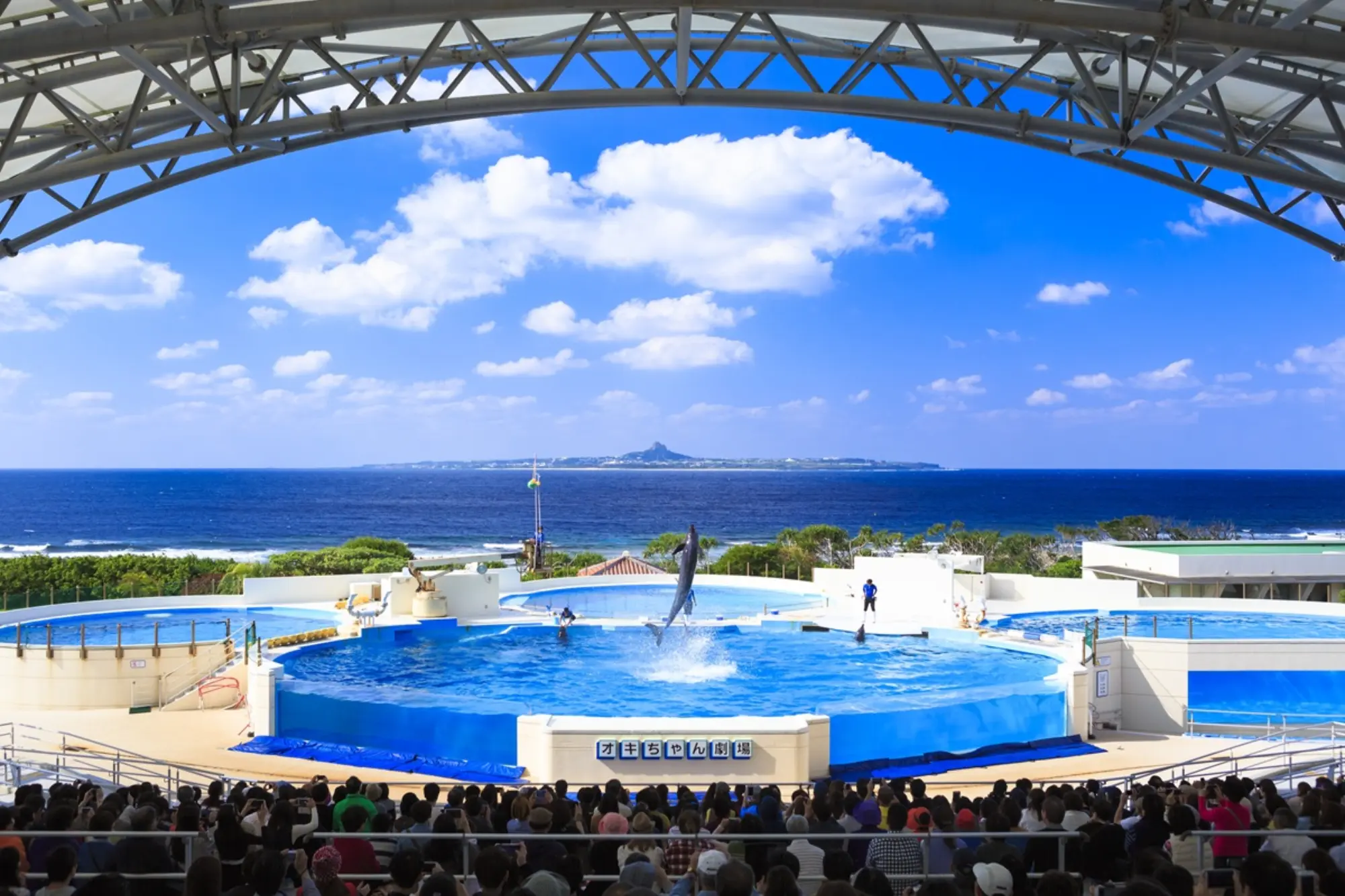
Located in northern Okinawa, Okinawa Churaumi Aquarium is one of the destination’s most famous attractions and a popular choice for families and marine-life enthusiasts.
The aquarium’s highlight is the Kuroshio Sea, a huge 7,500 m³ tank where visitors can watch whale sharks, manta rays, and other marine species swimming through the water. Other areas introduce Okinawa’s coral reefs, sharks, deep-sea creatures, and marine research.
Quick Information:
- Location: Motobu, northern Okinawa
- Suggested time: 2-3 hours
- Best for: Families, marine life, photography, and indoor sightseeing
- Highlights: Kuroshio Sea, whale sharks, manta rays, coral reefs, and Shark Research Lab
- Nearby: Ocean Expo Park and Tropical Dream Center
2. Explore Shuri Castle
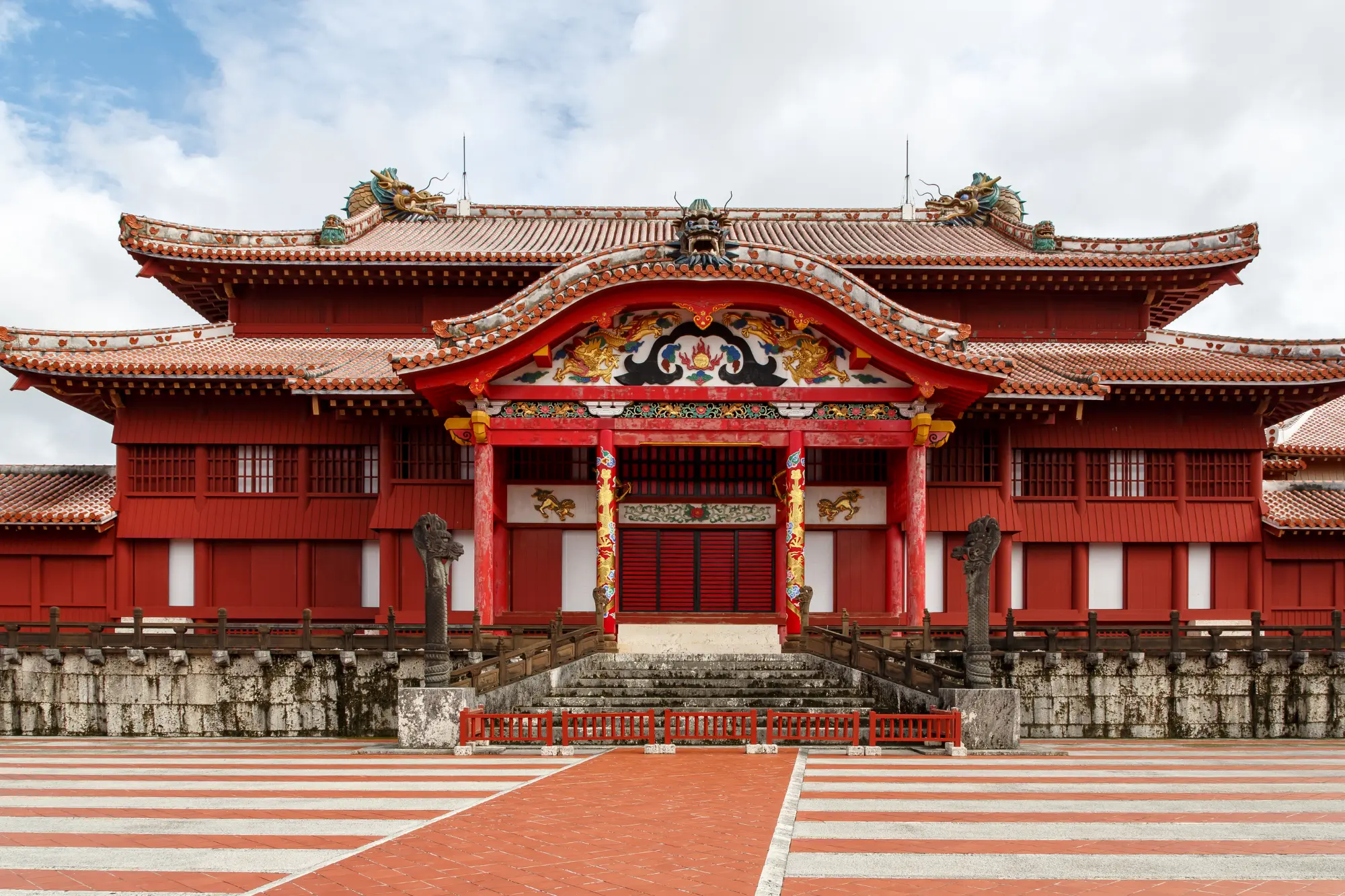
Shuri Castle is one of the most important historical landmarks in Okinawa and one of the best places to learn about the former Ryukyu Kingdom.
For almost 450 years, the castle served as the political, diplomatic, and cultural center of the kingdom. Its architecture reflects both Chinese and Japanese influences, while the surrounding Shuri area preserves traditional streets, stone walls, and other historic sites.
The castle was severely damaged by fire in 2019, and reconstruction is ongoing. Visitors can still explore Shurijo Castle Park, including historic gates, castle grounds, stone walls, and viewpoints.
Quick Information:
- Location: Shuri, Naha
- Suggested time: 1.5-2 hours
- Best for: History, culture, architecture, and photography
- Highlights: Shureimon Gate, castle grounds, stone walls, viewpoints, and Ryukyu heritage
- Nearby: Kinjo Stone Road and Shikinaen Royal Garden
3. Explore Ishigaki Island
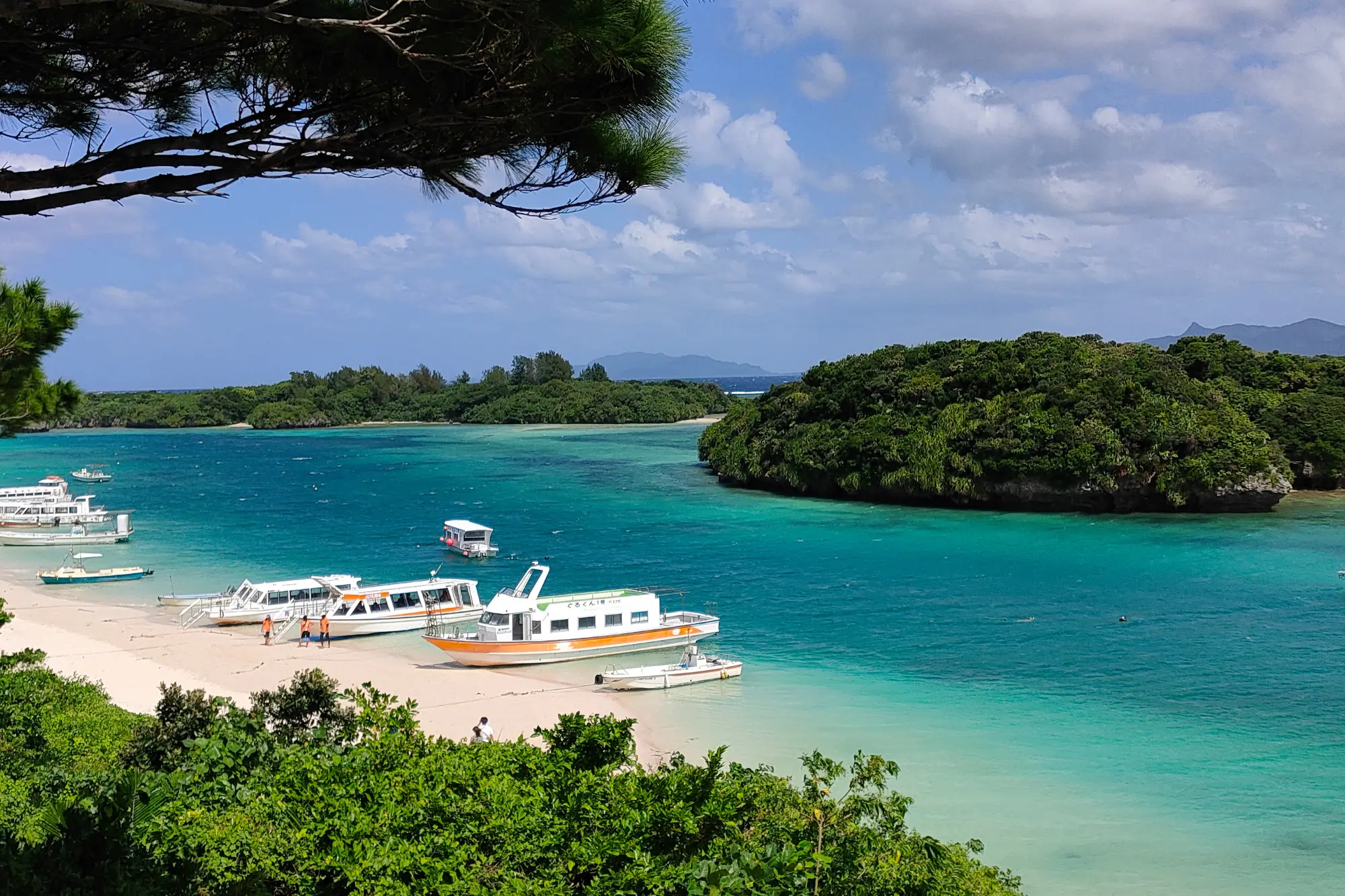
Ishigaki Island is one of the main destinations in the Yaeyama Islands and is especially popular for its beaches, clear waters, coral reefs, and outdoor activities.
Travelers can spend several days exploring the island’s coastline, snorkeling or diving, relaxing on beaches, and enjoying views of the surrounding islands. Ishigaki also serves as an important gateway to other islands in the Yaeyama archipelago.
Quick Information:
- Location: Yaeyama Islands, southern Okinawa
- Suggested time: 2-4 days
- Best for: Beaches, snorkeling, diving, nature, and island hopping
- Highlights: Clear waters, coral reefs, beaches, coastal scenery, and nearby islands
- Tip: Allow extra time if you plan to combine Ishigaki with other Yaeyama Islands
4. Explore Kokusai-dori Street
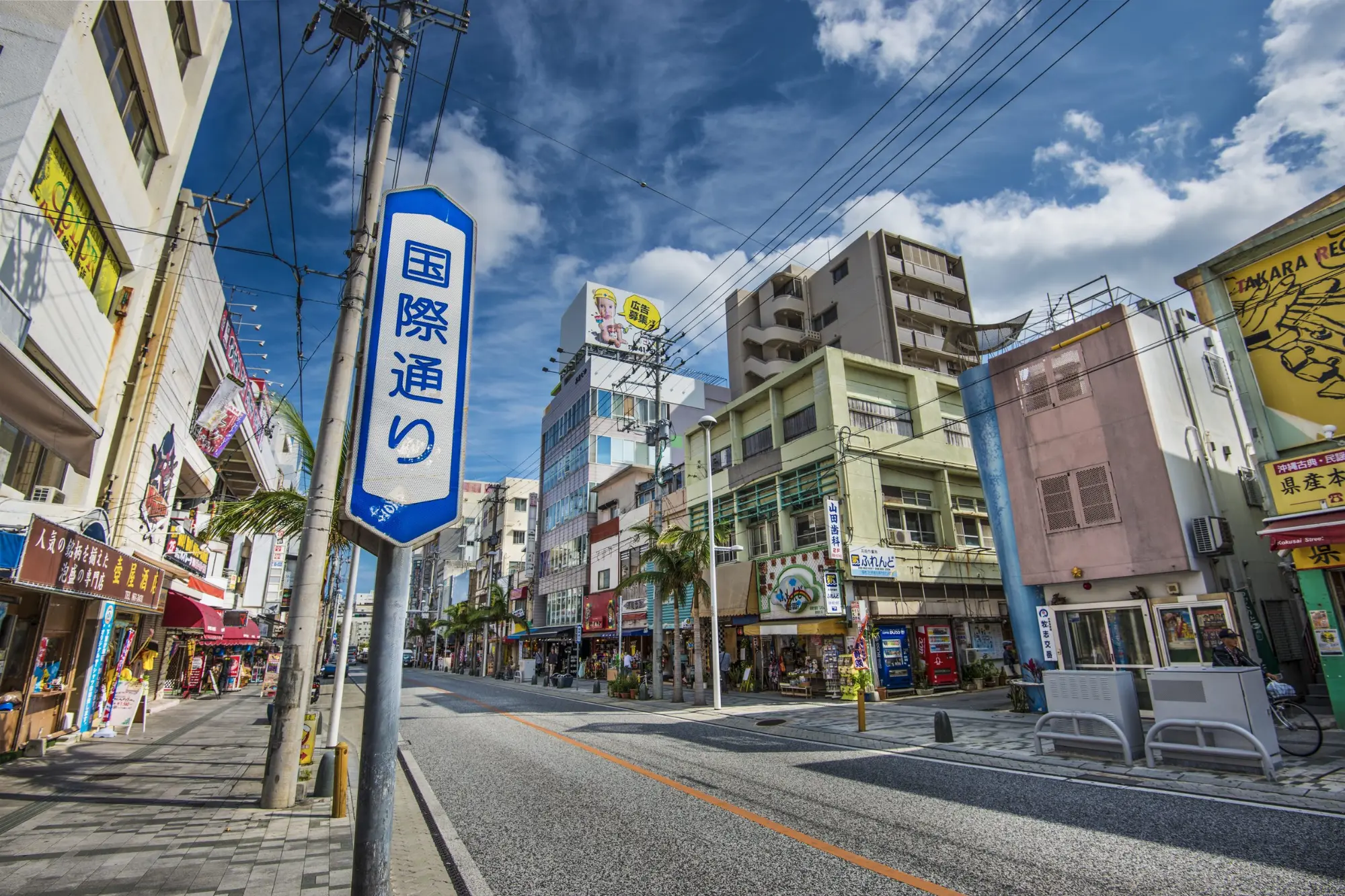
Kokusai-dori is one of Naha’s main shopping, dining, and entertainment areas. The street stretches for around 1.6 km, with restaurants, cafés, shops, bars, and souvenir stores along the route.
It is a convenient place to experience modern Naha while also trying local Okinawan food and shopping for souvenirs. The surrounding backstreets and markets offer a more local atmosphere.
Quick Information:
- Location: Central Naha
- Suggested time: 2-4 hours
- Best for: Food, shopping, nightlife, and local atmosphere
- Highlights: Restaurants, cafés, souvenirs, local products, and nearby markets
- Nearby: Makishi Public Market and Tsuboya Yachimun Street
5. Relax on Okinawa’s Beaches
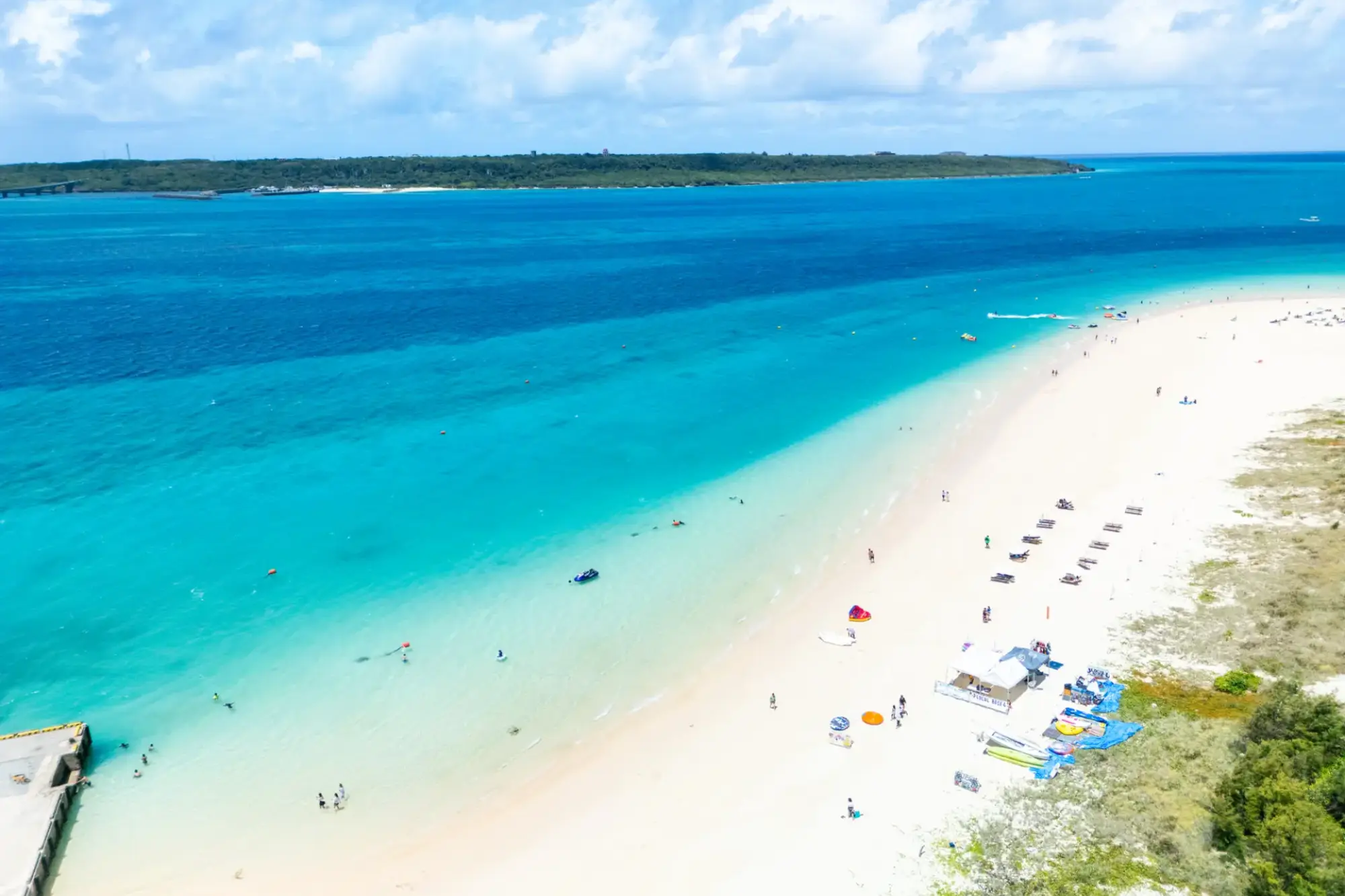
Beaches are an essential part of an Okinawa travel itinerary. The prefecture offers everything from easily accessible beaches near Naha to quieter coastal areas surrounded by tropical scenery.
Depending on the location and season, visitors can spend time swimming, snorkeling, taking photos, or simply relaxing by the sea.
Okinawa’s beaches are ideal for swimming, snorkeling, relaxing, photography, family trips, and enjoying sunset views. Visitors can spend a few hours by the sea, explore the clear coastal waters, or simply enjoy Okinawa’s tropical scenery at a slower pace.
6. Visit the Kerama Islands
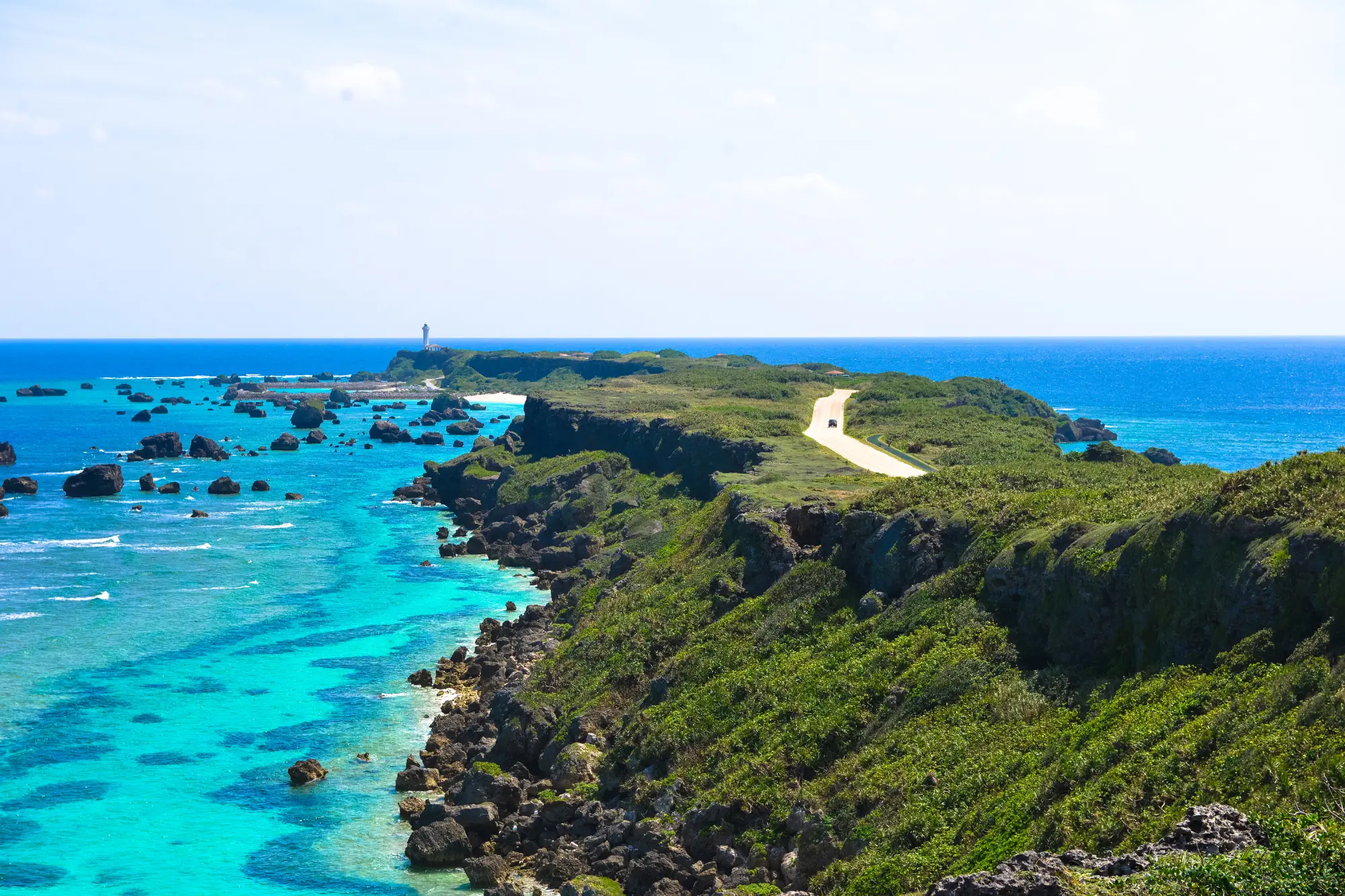
The Kerama Islands are a group of islands located southwest of Okinawa Main Island, known for clear waters, coral reefs, beaches, and rich marine life.
They are a good option for travelers who want to experience a quieter island environment beyond the main island. Visitors can explore the islands by ferry from Naha and enjoy activities such as snorkeling, diving, and seasonal whale watching.
Quick Information:
- Location: Southwest of Okinawa Main Island
- Suggested time: 1-2 days
- Best for: Beaches, marine activities, nature, and island trips
- Highlights: Clear waters, coral reefs, beaches, and marine life
7. Discover Okinawan Food & Local Culture
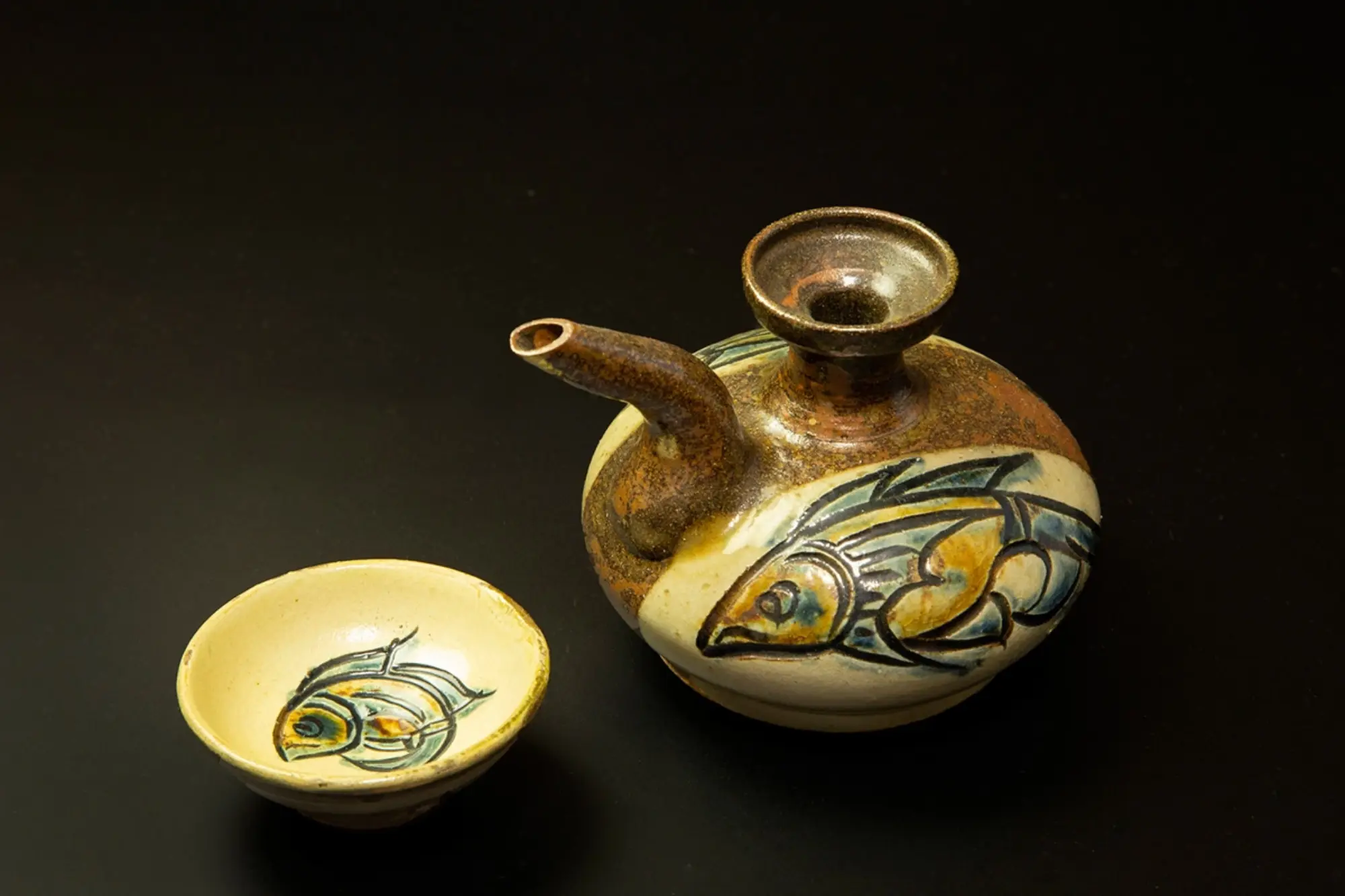
Exploring local food is another important part of experiencing Okinawa. The region’s cuisine reflects its island environment and the historical influences of the former Ryukyu Kingdom. Try traditional dishes and local specialties. Beyond food, travelers can experience Okinawa through Ryukyuan music, traditional dance, pottery, crafts, local markets, and festivals.
8. Walk Through Shuri’s Historic Streets
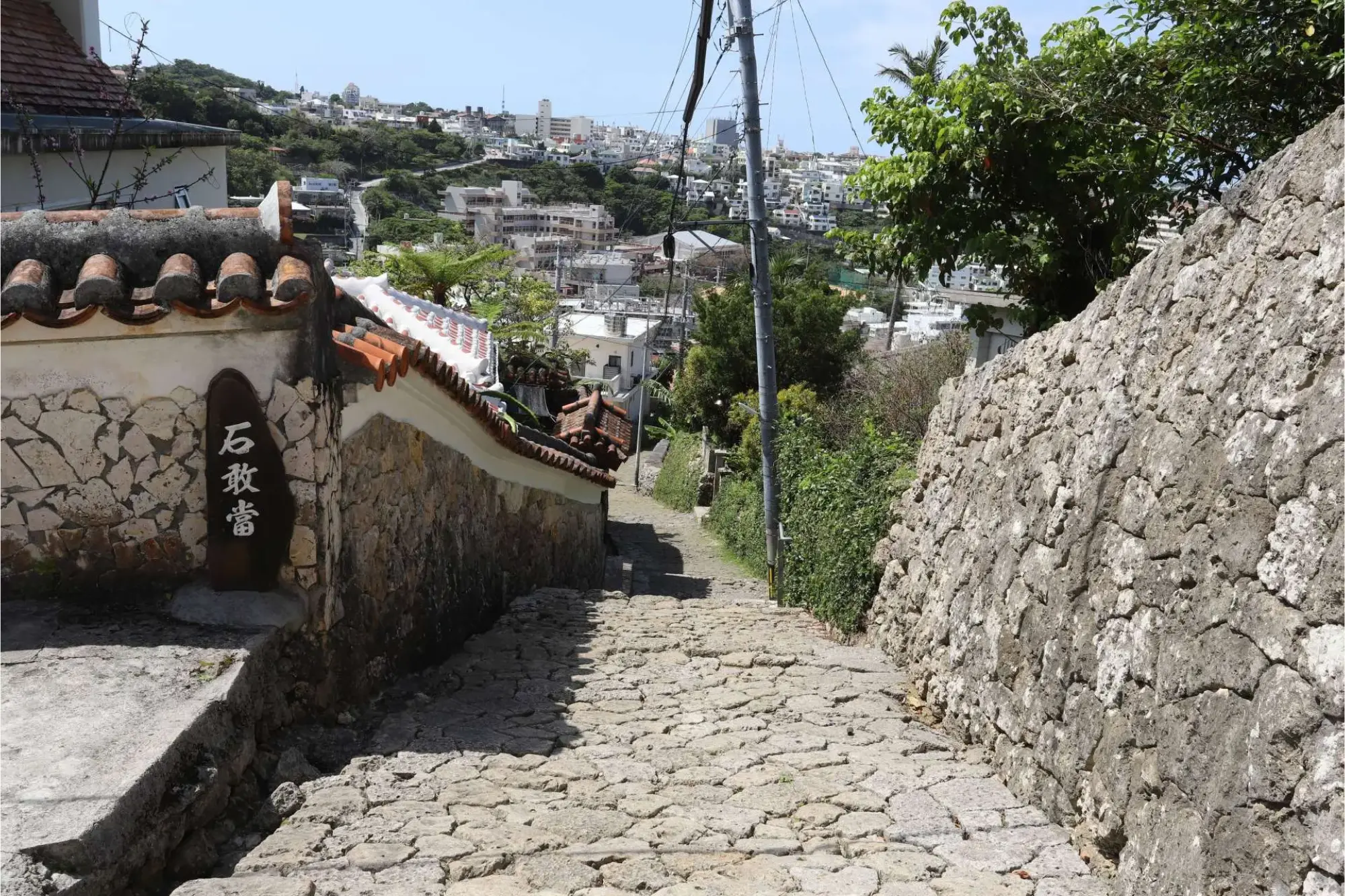
Okinawa’s history can also be experienced by exploring the streets surrounding Shuri Castle. The Kinjo Stone Road is a historic cobblestone route built during the Ryukyu Kingdom period, with traditional stone walls and red-tiled houses along the way.
A walk through this area offers a quieter alternative to the main castle grounds and provides a closer look at traditional Okinawan architecture and the historic atmosphere of Shuri.
Quick Information:
- Location: Shuri, Naha
- Suggested time: 1-2 hours
- Best for: History, walking, architecture, and photography
- Highlights: Kinjo Stone Road, traditional houses, stone walls, and Shuri’s historic atmosphere
9. Explore Okinawa’s Traditional Crafts
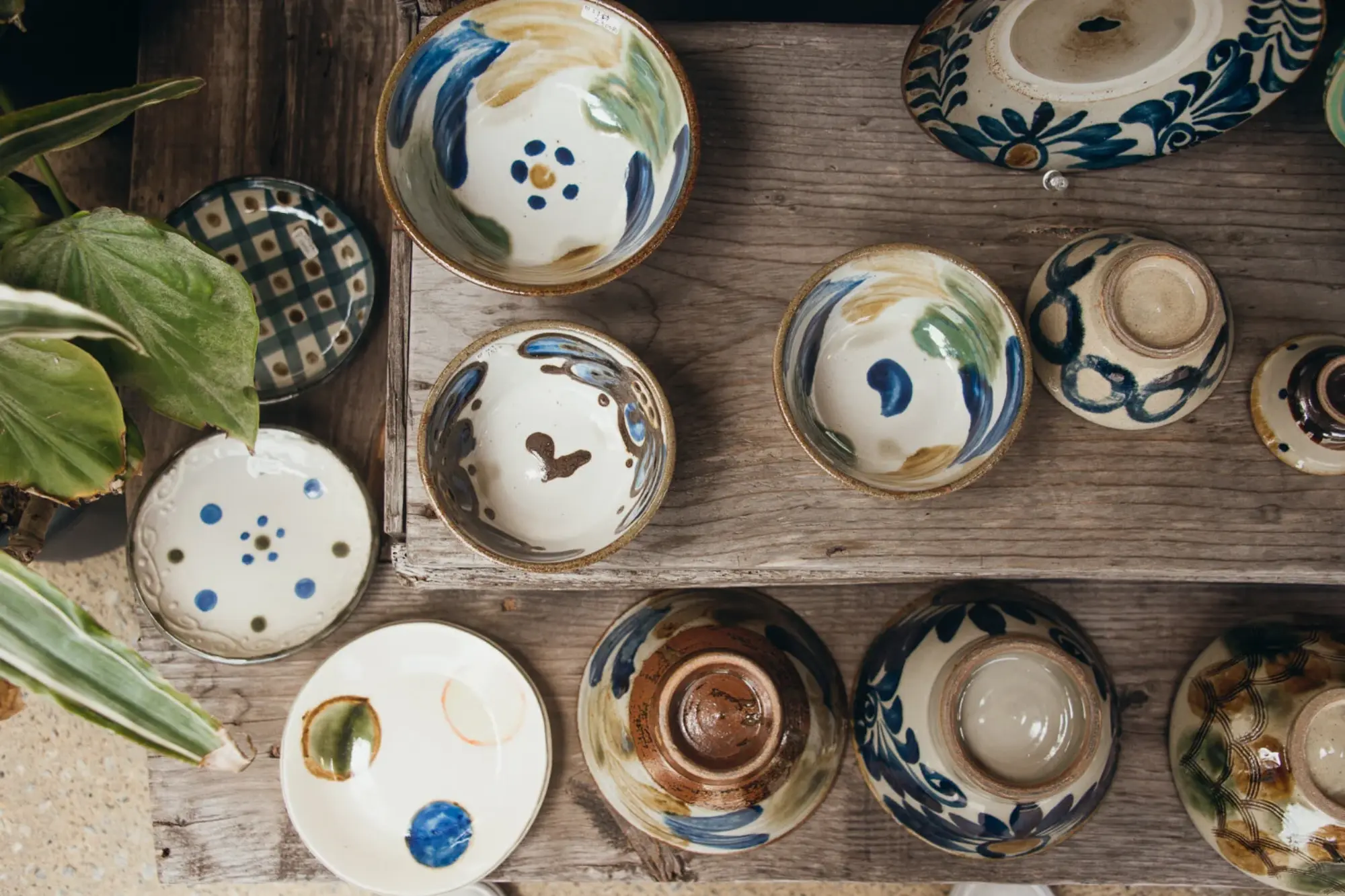
Okinawa has a distinctive craft tradition shaped by its Ryukyuan heritage. Visitors can discover yachimun pottery, traditional textiles, glassware, and other locally made products.
In Naha, Tsuboya Yachimun Street is particularly associated with Okinawan pottery and offers a chance to visit small workshops, galleries, and stores.
Quick Information:
- Best for: Culture, shopping, photography, and souvenirs
- Highlights: Yachimun pottery, traditional workshops, local crafts, and historic streets
- Recommended area: Tsuboya, Naha
Okinawa Food
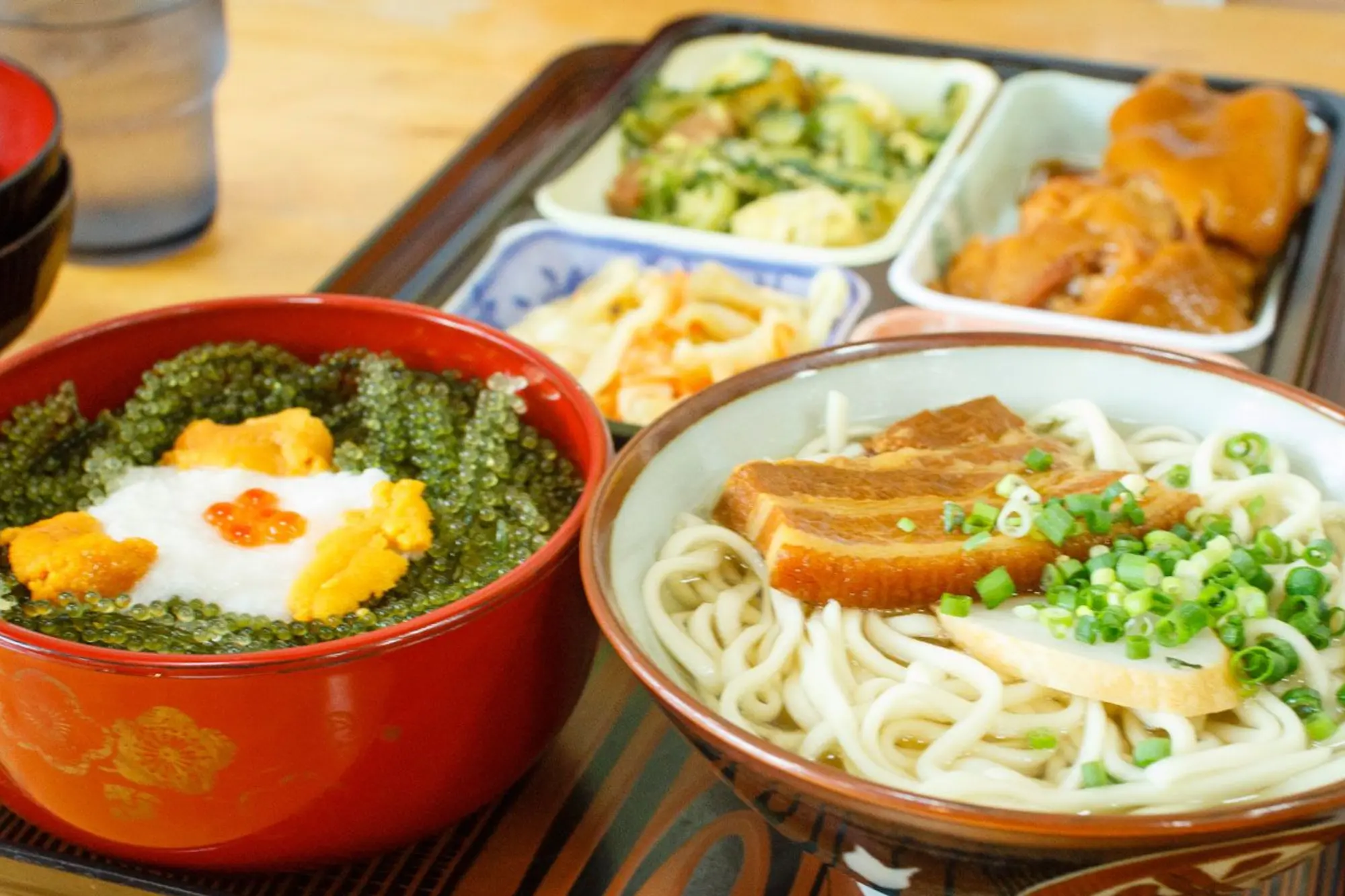
Okinawa’s cuisine reflects the island’s unique environment and Ryukyu heritage. Some local specialties to try include:
- Okinawa Soba: Distinctive noodles served in a savory broth
- Goya Champuru: Stir-fried bitter melon with tofu and other ingredients
- Taco Rice: Rice topped with taco-style ingredients, a popular Okinawan dish
- Rafute: Slow-braised Okinawan pork with a rich, savory flavor
- Umibudo: Small sea grapes with a crisp, popping texture
- Sata Andagi: Traditional Okinawan-style fried dough with a lightly sweet flavor
- Awamori: A traditional Okinawan distilled spirit made from rice
Best Time to Visit Okinawa
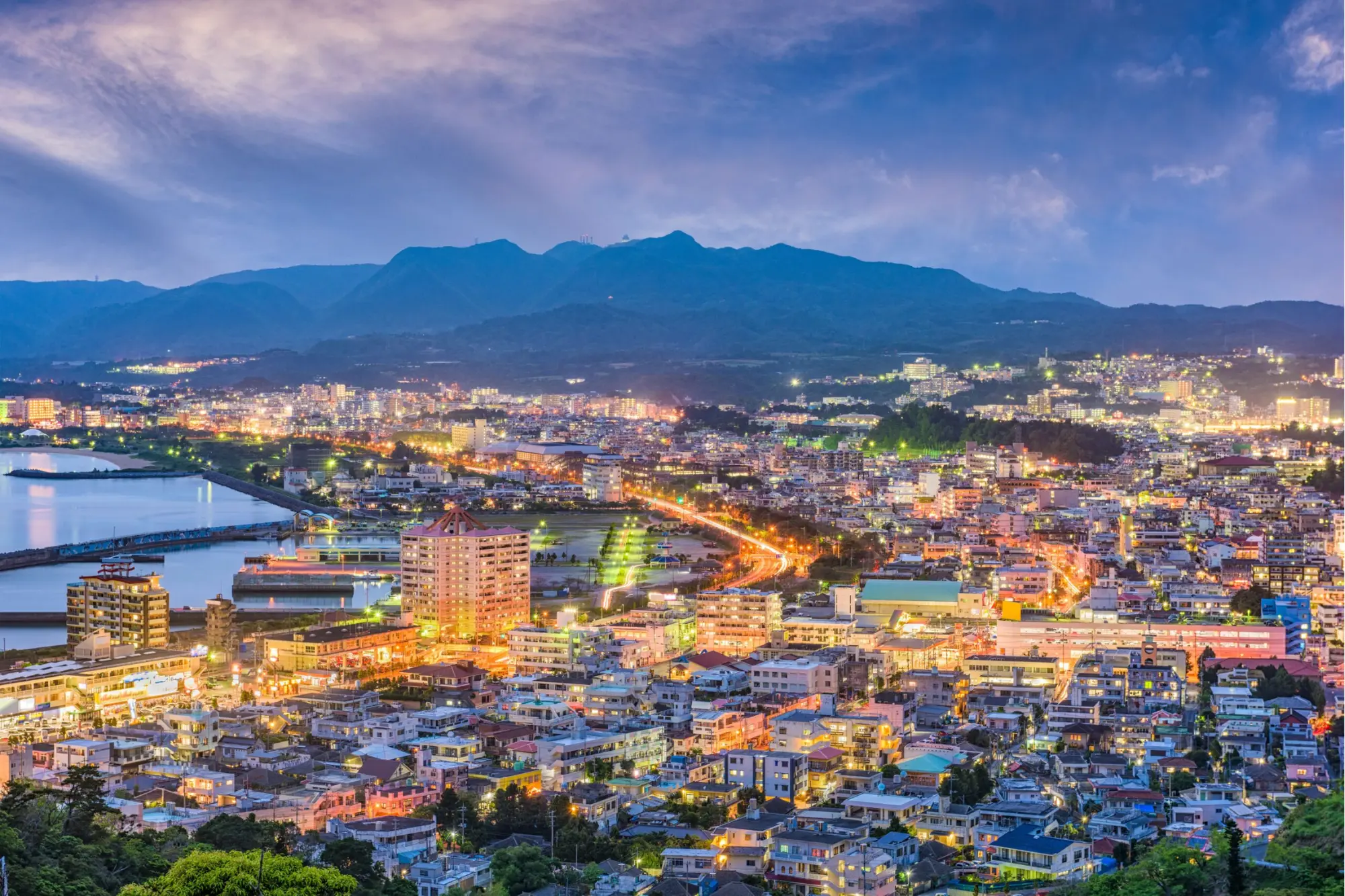
Okinawa has a humid subtropical climate, with warm temperatures for much of the year. The sea remains relatively warm even during winter, making marine activities possible across different seasons.
Season | Months | What to Expect | Best For |
| Spring | Mar-May | Warm weather, increasing sunshine | Sightseeing, beaches, outdoor activities |
| Summer | Jun-Aug | Hot, humid, tropical conditions | Beaches, snorkeling, diving |
| Autumn | Sep-Nov | Warm weather, more variable conditions | Island trips, sightseeing, beaches |
| Winter | Dec–Feb | Mild and cooler, especially evenings | Sightseeing, whale watching, cultural experiences |
When Is the Best Time to Visit?
Spring and autumn are generally comfortable periods for exploring Okinawa, while summer is ideal for travelers prioritizing beach and marine activities. Winter offers milder weather and different seasonal experiences, including whale watching.
Travelers should also check weather forecasts during the summer and early autumn because Okinawa can experience tropical storms and typhoons.
Okinawa Transport Guide
1. How to Get to Okinawa
- By Air
Naha Airport is the main gateway to Okinawa Main Island and connects the prefecture with major cities in Japan and international destinations.
Travelers heading to Ishigaki can also fly directly to New Ishigaki Airport from selected cities in Japan.
- By Ferry
Ferries connect Okinawa Main Island with some surrounding islands, while additional ferry routes operate within island groups such as the Kerama and Yaeyama Islands.
Always check schedules in advance because services can vary depending on weather and season.
2. Getting Around Okinawa
Transportation depends on which part of Okinawa you plan to visit.
- Rental car: Convenient for exploring Okinawa Main Island outside Naha.
- Yui Rail: Useful for getting around central Naha.
- Bus: Suitable for selected routes but can take longer between attractions.
- Ferry: Useful for island trips.
- Domestic flights: Practical for traveling between Okinawa Main Island and distant islands such as Ishigaki.
For Shuri Castle, visitors can use the Yui Rail to Shuri Station, followed by a walk or local bus.
Okinawa Travel Tips
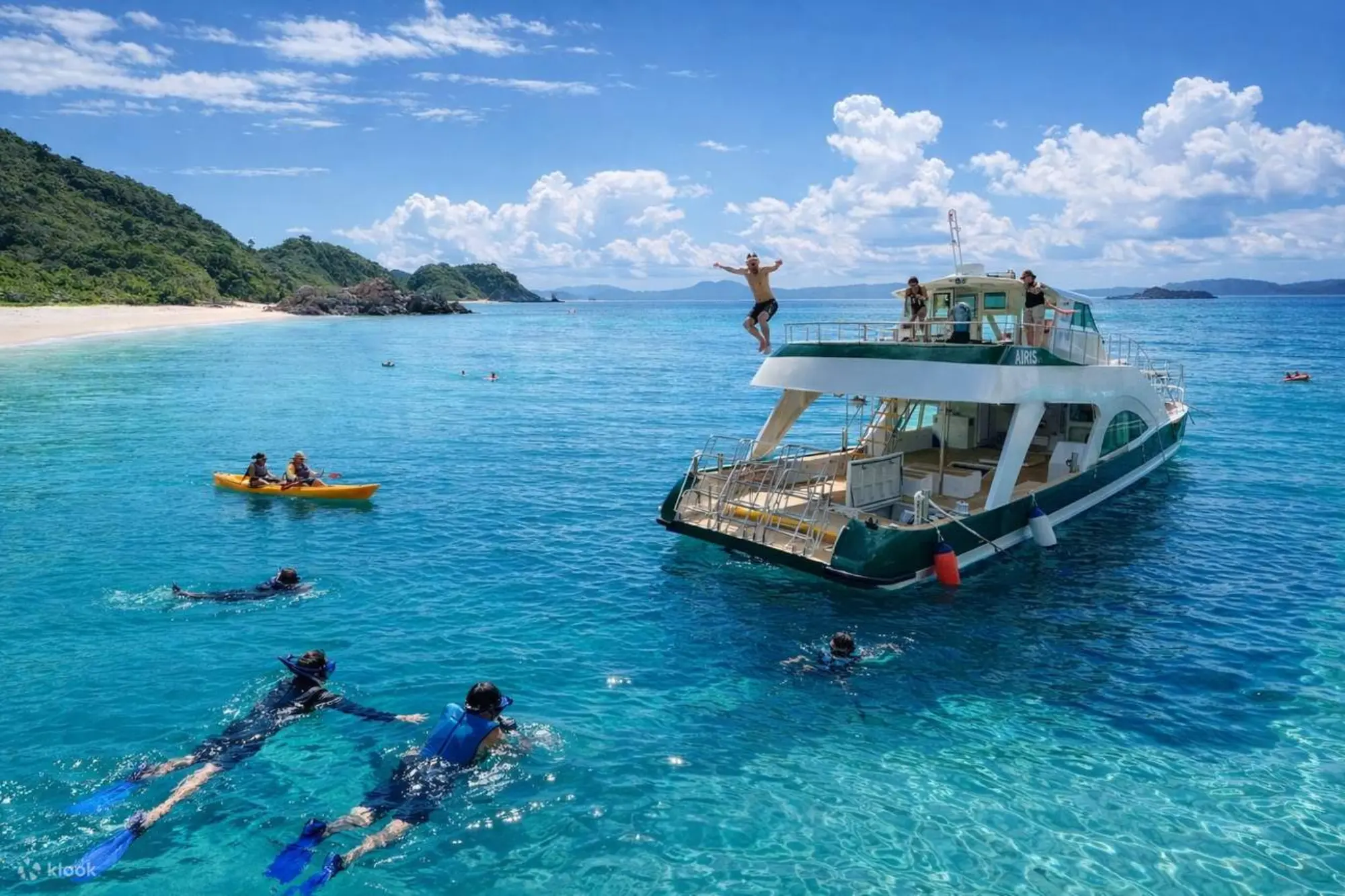
Okinawa covers a large area and many islands, so planning your route and transportation in advance can make your trip much easier.
- Plan by area: Group nearby attractions together to avoid spending too much time traveling, especially between Naha and northern Okinawa.
- Consider a rental car: A car is useful for exploring areas outside Naha, while the Yui Rail, buses, and taxis are convenient for getting around the city.
- Allow enough travel time: Northern attractions such as Churaumi Aquarium can take most of a day when combined with other nearby sights.
- Check island transport: Check ferry and domestic flight schedules in advance if you plan to visit Ishigaki or other islands.
- Check the weather: Typhoons and heavy rain can affect flights, ferries, and outdoor activities, particularly during summer and early autumn.
- Prepare for the sun: Bring sunscreen, a hat, comfortable shoes, and enough water for beach activities and outdoor sightseeing.
Frequently Asked Questions About Okinawa
1. What are the best things to do in Okinawa?
Popular things to do in Okinawa include visiting Churaumi Aquarium, exploring Shuri Castle, relaxing on the beaches, trying Okinawan food, exploring Naha, snorkeling, and visiting nearby islands.
2. Is Okinawa Churaumi Aquarium worth visiting?
Okinawa Churaumi Aquarium is particularly well suited to families and travelers interested in marine life. Its Kuroshio Sea tank features whale sharks, manta rays, and a large variety of marine species.
3. What is Shuri Castle famous for?
Shuri Castle was the political and cultural center of the Ryukyu Kingdom for almost 450 years. It is also part of the UNESCO-listed Gusuku Sites and Related Properties of the Kingdom of Ryukyu.
4. What is the best time to visit Okinawa?
Spring and autumn generally offer comfortable conditions for sightseeing, while summer is popular for beach and marine activities. Winter is milder and offers different seasonal experiences such as whale watching.
5. Can you visit Okinawa without a car?
Yes, especially if you mainly stay in Naha and use the Yui Rail, buses, taxis, and tours. However, a rental car can make it easier to explore northern and more rural areas of Okinawa Main Island.
Conclusion
Okinawa offers a unique combination of tropical beaches, marine life, Ryukyu heritage, and island culture. The destination offers experiences for both first-time visitors and returning travelers from the impressive Okinawa Churaumi Aquarium and historic Shuri Castle to the beaches and clear waters of Ishigaki Island. Whether you are planning a short Naha city break, a family beach holiday, or a longer island adventure, Okinawa provides plenty of opportunities to explore a different side of Japan.
Discover Japan tour packages with Nicetrips and follow the Nicetrips Blog for more destination guides, travel tips, and inspiration for your next journey.