A Mt. Fuji Day Trip from Tokyo is one of the most rewarding experiences for travelers visiting Japan. Just a few hours from the capital, Mount Fuji offers a refreshing escape from the city’s fast-paced atmosphere, replacing skyscrapers with peaceful lakes, charming villages, and breathtaking mountain scenery. Whether you’re hoping to admire Japan’s highest peak from the famous Chureito Pagoda, cruise across the tranquil waters of Lake Kawaguchiko, or unwind in a traditional onsen, there’s something for every traveler. This guide covers the best places to visit, unforgettable experiences, the ideal time to go, transportation options, and a suggested Mt. Fuji itinerary to help you make the most of your day trip.
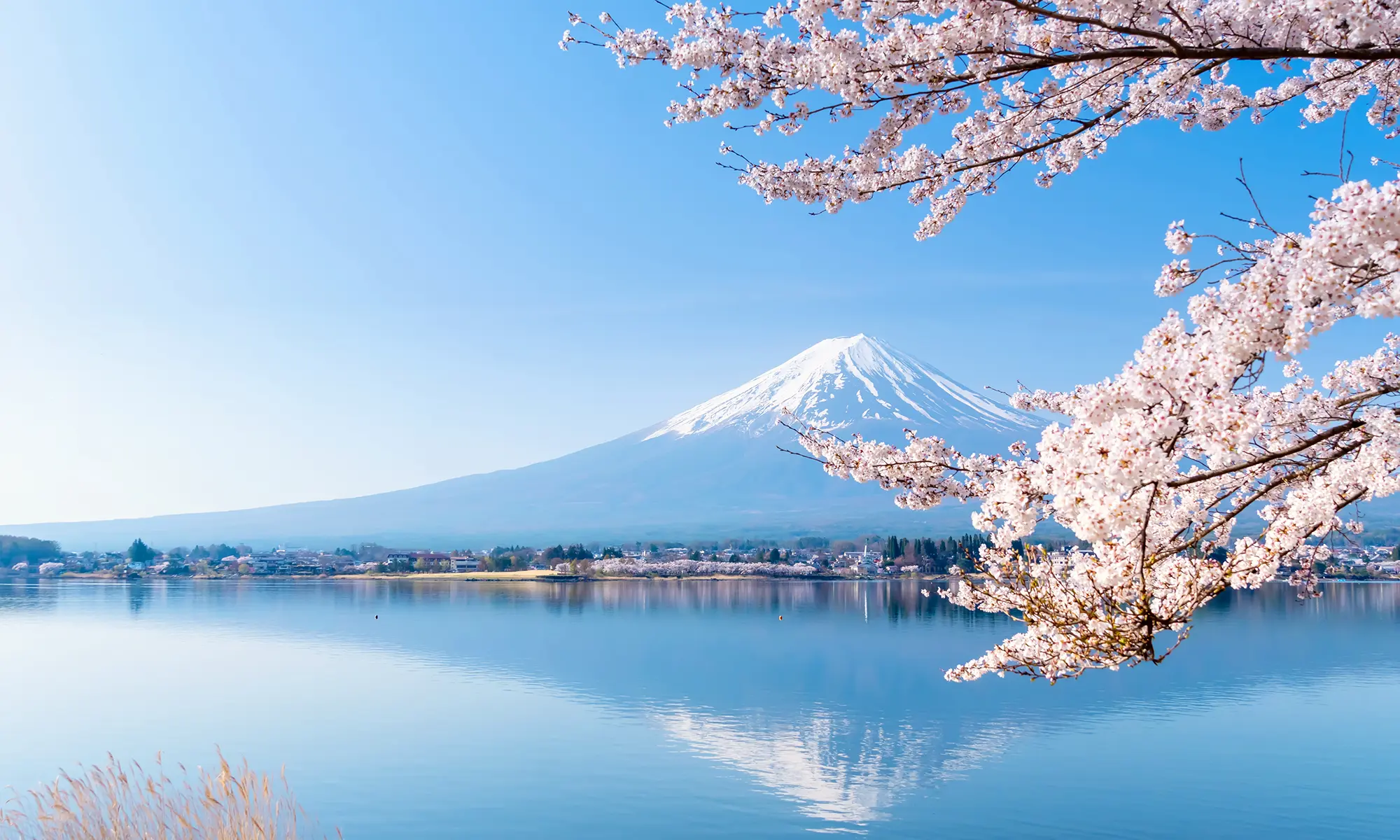
Why Take a Mt. Fuji Day Trip from Tokyo?
A Mt. Fuji Day Trip from Tokyo is a convenient way to experience Japan’s most iconic landmark without staying overnight outside the capital.
- Easy access: Thanks to Japan’s efficient transportation system, the Fuji Five Lakes region can be reached from central Tokyo in around two hours, making it ideal for travelers with limited time.
- Scenic experiences: Beyond the mountain views, visitors can explore beautiful lakes, traditional villages, panoramic viewpoints, and peaceful parks surrounding Mt. Fuji.
- Year-round beauty: Each season offers a different perspective, from cherry blossoms in spring and lavender fields in summer to colorful autumn foliage and snow-covered landscapes in winter.
- Top attractions: Popular highlights include Lake Kawaguchiko, Mt. Fuji Panoramic Ropeway, flower parks, and Oshino Hakkai village with its crystal-clear spring ponds.
- Flexible travel options: Travelers can choose independent trips by train or bus, or join guided tours for convenient transportation and a well-planned itinerary covering multiple attractions in one day.
- Plenty of local shops selling Mount Fuji-themed souvenirs, handmade crafts, and regional specialties, perfect keepsakes from your Mt. Fuji day trip.
Best Time to Take a Mt. Fuji Day Trip
If you’re looking for the most well-rounded experience, autumn (October to November) is generally considered the best time for a Mt. Fuji Day Trip from Tokyo. Pleasant temperatures, colorful foliage, and relatively clear skies make it ideal for sightseeing and photography.
That said, each season offers its own unique highlights:
| Season | Mt. Fuji Visibility | Crowds | Weather | Best For |
| Spring (Mar-May) | Good (especially mornings) | High | Mild | Cherry blossoms & photography |
| Summer (Jun-Aug) | Moderate | Very High | Warm & humid | Hiking & outdoor activities |
| Autumn (Sep-Nov) | Very Good | Moderate | Cool & comfortable | Sightseeing & autumn foliage |
| Winter (Dec-Feb) | Excellent | Low-Moderate | Cold & dry | Snow-capped views & clear skies |
Good to know: No matter which season you choose, departing Tokyo early in the morning gives you the highest chance of enjoying unobstructed views before clouds begin to gather around the summit.
Top Places and Experiences on a Mt. Fuji Day Trip
1. The Most Iconic Mt. Fuji Viewpoint
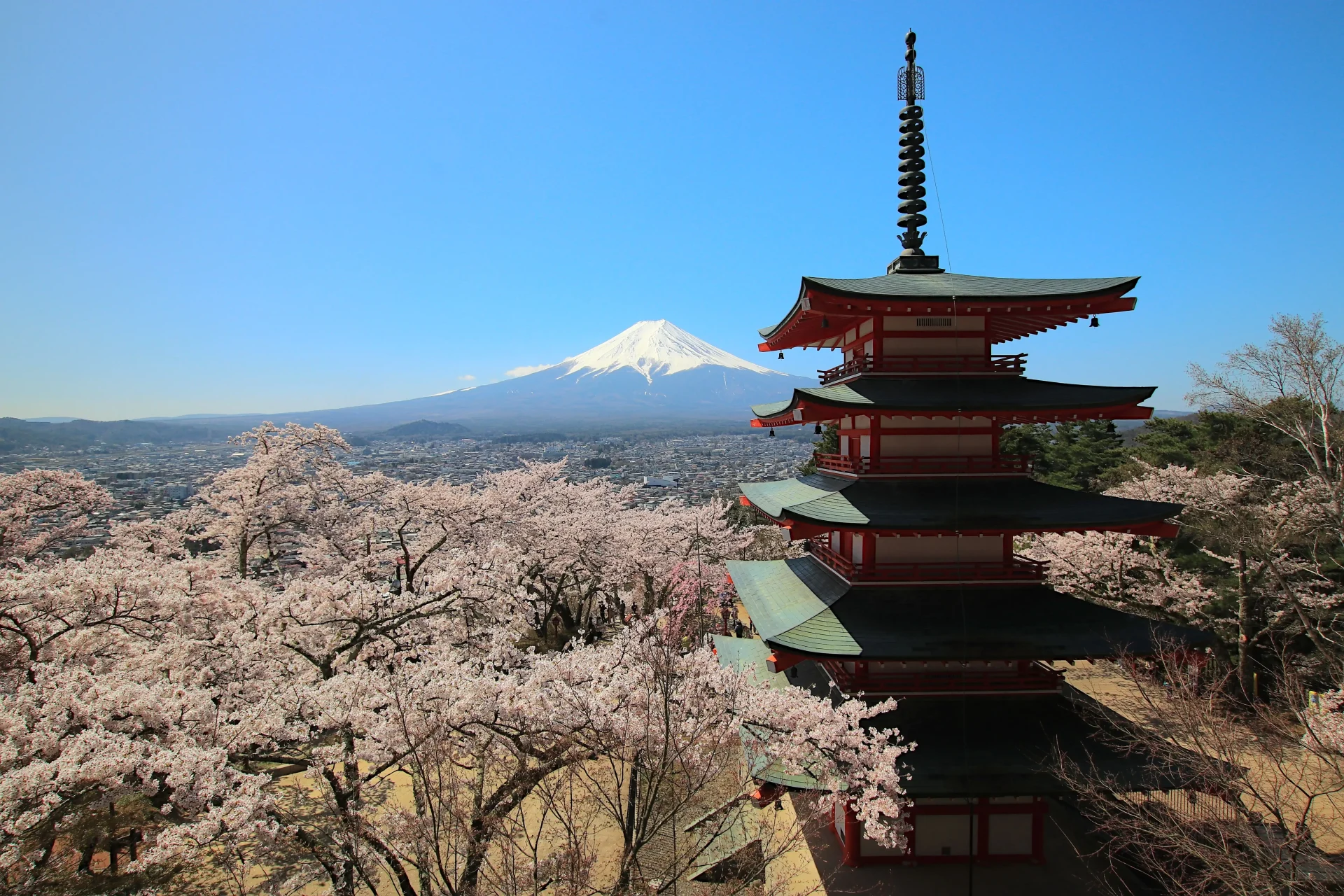
If you’re looking for the classic postcard view of Mount Fuji, Chureito Pagoda is the place to visit. Located within Arakurayama Sengen Park, the five-story pagoda overlooks Fujiyoshida City with Mount Fuji rising in the background, creating one of Japan’s most recognizable landscapes.
Reaching the viewpoint requires climbing nearly 400 steps, but the panoramic scenery is well worth the effort. Spring brings cherry blossoms around the pagoda, while autumn covers the surrounding hillsides with vibrant maple leaves.
Recommended experiences:
- Climb to the observation deck for panoramic views.
- Photograph the pagoda with Mount Fuji.
- Visit early in the morning for clearer skies and fewer crowds.
Travel Tip: Allow around 60-90 minutes for the climb and sightseeing.
2. Lake Kawaguchiko – The Heart of the Fuji Five Lakes
Lake Kawaguchiko is the most popular destination in the Fuji Five Lakes region and the centerpiece of many Mt. Fuji itinerary recommendations. Its calm waters provide some of the best reflections of Mount Fuji, while the surrounding cafés, parks, museums, and walking paths make it an enjoyable destination throughout the day.
The scenery changes dramatically with the seasons, from cherry blossoms in spring to colorful maple trees in autumn and snow-covered landscapes in winter.
Recommended experiences:
- Take a sightseeing cruise across the lake.
- Walk or cycle along the lakeside.
- Relax at a café overlooking Mount Fuji.
- Visit during the Fuji Kawaguchiko Autumn Leaves Festival in November.
3. Oishi Park – The Best Lakeside Photo Spot
Situated on the northern shore of Lake Kawaguchiko, Oishi Park is one of the best viewpoints on any Mt. Fuji Day Trip From Tokyo. Compared with some of the area’s busier attractions, it offers a peaceful lakeside setting with panoramic views of Mount Fuji. Throughout the year, the park’s seasonal gardens showcase lavender, kochia, and colorful autumn foliage, making it a favorite spot for photography and a relaxing stroll.
Recommended experiences:
- Walk through seasonal flower gardens.
- Capture panoramic photos of Mount Fuji.
- Browse local souvenirs and regional products at the park market.
- Enjoy a relaxing break away from the crowds.
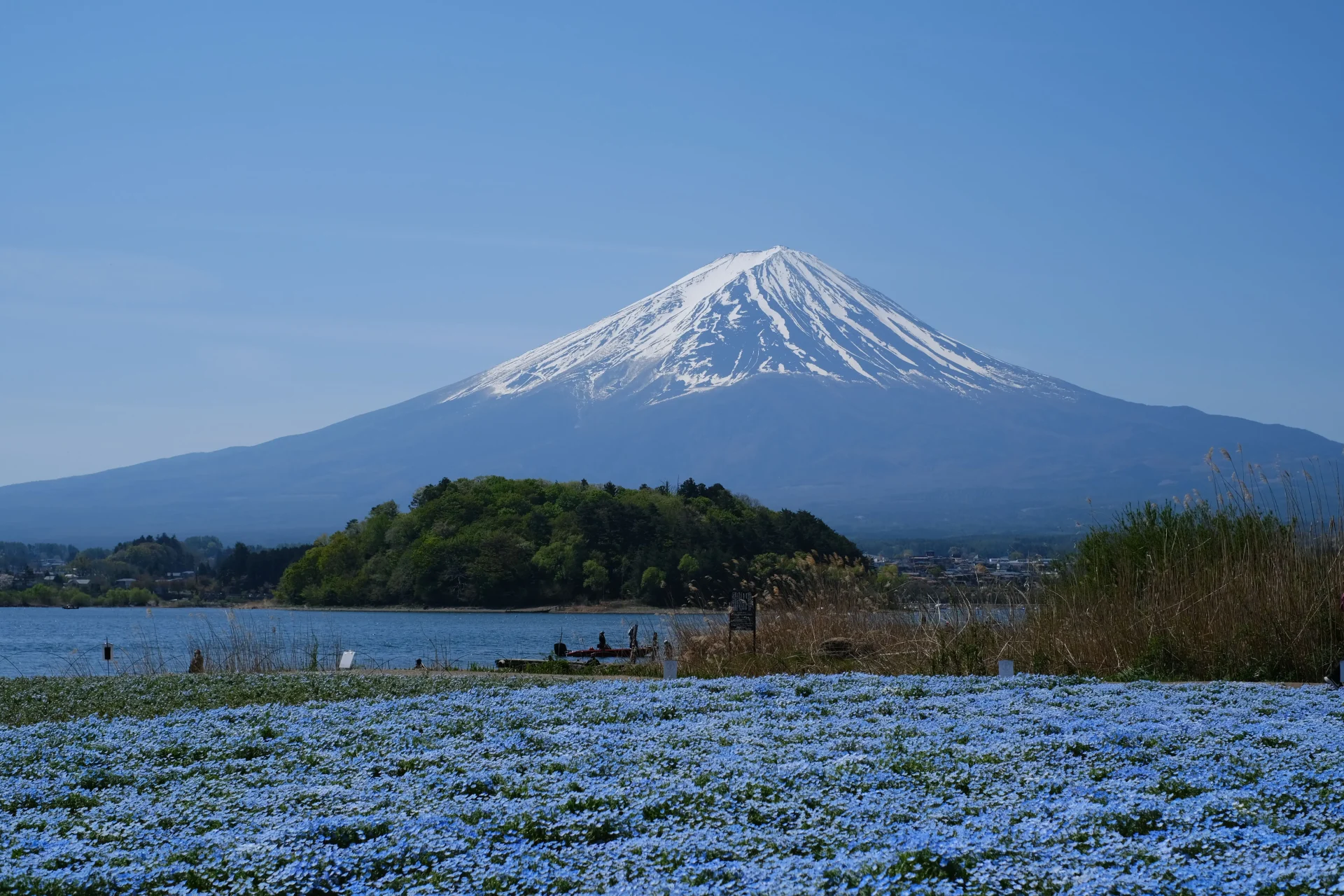
4. Mt. Fuji Panoramic Ropeway – Enjoy the View from Above
The Mt. Fuji Panoramic Ropeway is one of the easiest ways to appreciate the scale of Mount Fuji and Lake Kawaguchiko. The cable car reaches the summit of Mount Tenjo in just a few minutes, where observation decks overlook the surrounding mountains and lakes.
The view is especially spectacular during autumn, when forests covering the mountainsides turn brilliant shades of red and gold.
Recommended experiences:
- Ride the ropeway to the summit.
- Visit the observation decks.
- Walk the short scenic trails at the top.
- Photograph Lake Kawaguchiko from above.
Travel Tip: Morning usually offers the clearest views before clouds develop around Mount Fuji.
5. Oshino Hakkai – Experience Traditional Village Life
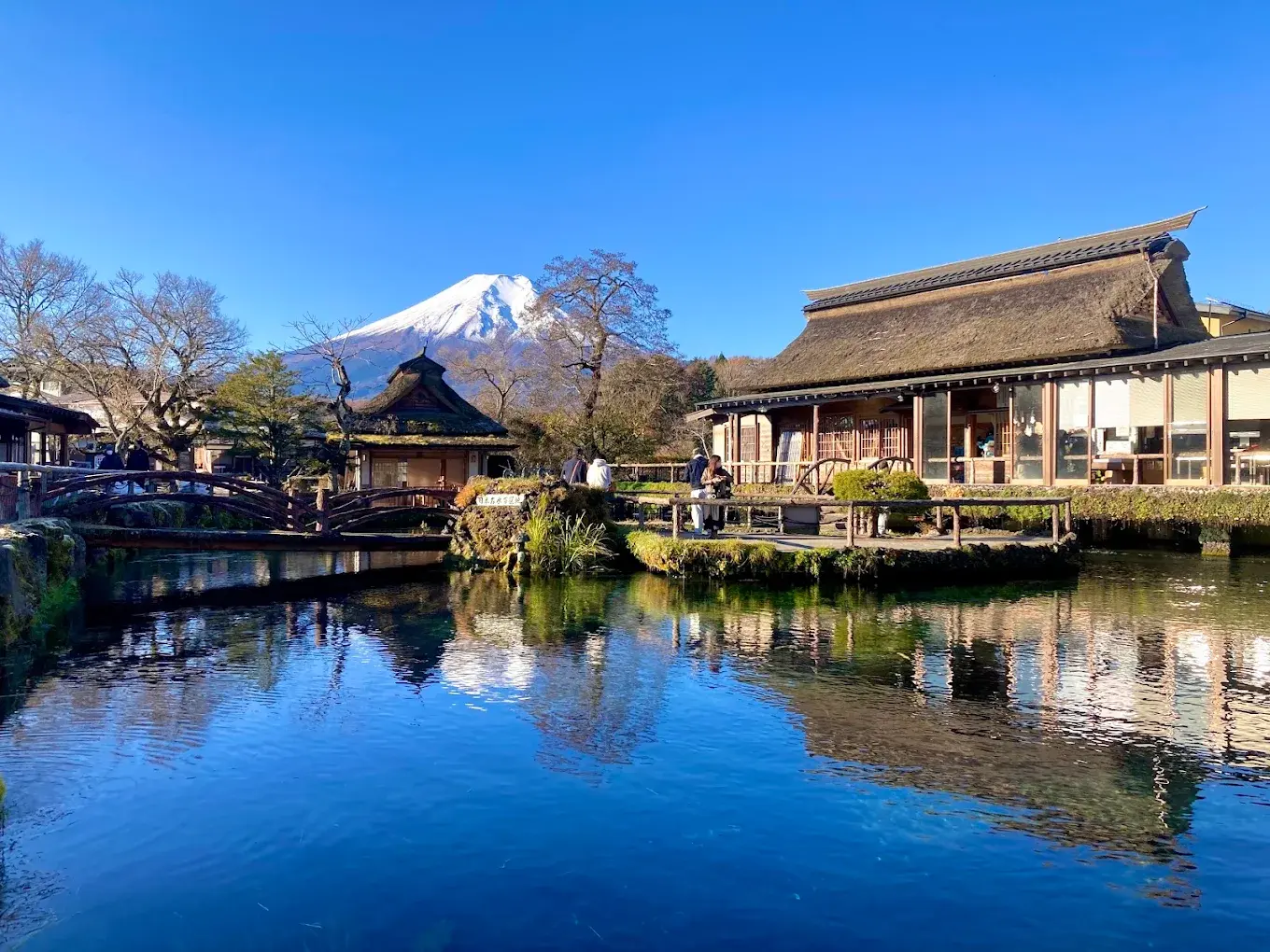
Oshino Hakkai offers a completely different side of the Mount Fuji region. Famous for its eight crystal-clear ponds fed by Mount Fuji’s snowmelt, the village preserves the charm of traditional rural Japan with thatched-roof houses, wooden bridges, and peaceful walking paths.
Compared with the area’s major viewpoints, Oshino Hakkai provides a slower, more cultural experience.
Recommended experiences:
- Walk around the eight spring-fed ponds.
- Taste fresh spring water from Mount Fuji.
- Try regional snacks and local specialties.
- Shop for handmade crafts and traditional souvenirs.
Suggested Mt. Fuji Day Trip Itinerary
Below is a suggested itinerary from Nicetrips to help you plan your journey.
| Time | Suggested Itinerary |
| Morning (7:00 AM – 12:00 PM) | Depart from Tokyo (7:00–8:00 AM) → Visit Chureito Pagoda for panoramic views → Explore Lake Kawaguchiko (walk or cruise) → Stop at Oishi Park for seasonal scenery and Mount Fuji photography. |
| Lunch (12:00 PM – 1:30 PM) | Have lunch near Lake Kawaguchiko, featuring local specialties like Hoto noodles or Yoshida Udon, followed by a coffee or seasonal dessert at a lakeside café. |
| Afternoon (1:30 PM – 5:30 PM) | Take the Mt. Fuji Panoramic Ropeway → Explore Oshino Hakkai → Relax at a nearby onsen with Mount Fuji views. |
| Evening (5:30 PM onwards) | Start your journey back to Tokyo, arriving around 7:00 PM to 9:00 PM. The end of your Mt Fuji trip. |
How to Get to Mt. Fuji from Tokyo
1. By Train
Taking the train is one of the fastest and most comfortable ways to reach the Mount Fuji area. Travelers can board the JR Chuo Line from Shinjuku Station to Otsuki Station, then transfer to the Fujikyuko Line for Kawaguchiko Station.
The journey typically takes around 2-2.5 hours, depending on connections. Trains are reliable, comfortable, and offer beautiful countryside scenery along the way. If you already have a JR Pass, part of the journey is covered, although the Fujikyuko Line requires an additional fare.
Quick Information
- Travel time: 2-2.5 hours
- Price: ¥2,500-3,800 (approximately $18-25 USD) one way
- Departure station: Shinjuku Station
- Arrival station: Kawaguchiko Station
- Best for: Independent travelers who prefer flexibility and comfort
2. By Highway Bus
Highway buses provide one of the most affordable and straightforward ways to travel from Tokyo to Mount Fuji. Direct buses depart regularly from major terminals such as Shinjuku Expressway Bus Terminal (Busta Shinjuku) and Tokyo Station, arriving at Kawaguchiko Station in approximately 2 hours, depending on traffic.
This option eliminates the need for train transfers and is often less expensive than rail travel. However, buses can experience delays during weekends, public holidays, and peak travel seasons, so booking tickets in advance is recommended.
For budget-conscious travelers, the highway bus is an excellent choice for a convenient Mt Fuji trip.
Quick Information
- Travel time: Around 2 hours
- Fare: ¥2,000-2,500 (approximately $13-16 USD) one way
- Departure station: Busta Shinjuku or Tokyo Station
- Arrival station: Kawaguchiko Station
- Best for: Budget travelers looking for a direct and convenient journey
3. By Guided Tour
For first-time visitors, joining a guided tour is often the most convenient way to experience Mount Fuji from Tokyo. Most tours include round-trip transportation, an English-speaking guide, and a carefully planned itinerary covering popular attractions such as Chureito Pagoda, Lake Kawaguchiko, Oshino Hakkai, and the Mt. Fuji Panoramic Ropeway.
A guided tour removes the stress of navigating public transportation and allows you to visit several highlights in a single day without worrying about schedules or logistics. Many tours also include lunch or optional onsen visits, making them an excellent choice for travelers who prefer a hassle-free experience.
Quick Information
- Duration: 10-12 hours
- Tour price: ¥9,000-18,000 (approximately $60-120 USD) per person
- Departure point: Most tours depart from Shinjuku, Tokyo Station, or Ginza
- What’s included: Round-trip transportation, English-speaking guide, sightseeing stops (some tours also include lunch and attraction tickets)
- Best for: First-time visitors and travelers who prefer a well-organized day trip
Final Thought
A Mt. Fuji Day Trip from Tokyo is one of the most rewarding ways to experience Japan’s most iconic natural landmark without needing an overnight stay. Whether you’re visiting during cherry blossom season, autumn foliage, or the snowy winter months, a well-planned Mt Fuji trip combines spectacular scenery, cultural attractions, and unforgettable outdoor experiences in a single day. With convenient transportation options and carefully designed itineraries, it’s an ideal addition to almost any Japan itinerary.
If you’re looking for a stress-free way to explore Mount Fuji from Tokyo, discover Nicetrip tours, where transportation, sightseeing, and local experiences are thoughtfully arranged for you. You can also explore our Japan Travel Blog for more destination guides, seasonal travel tips, and itinerary ideas to help you plan the perfect Mt. Fuji itinerary and make the most of your Japan adventure.