Tokyo is one of the world’s most exciting destinations for food lovers, offering everything from traditional sushi counters and seasonal kaiseki to innovative French cuisine and creative tasting menus. The Michelin Guide Tokyo 2026 is a valuable resource for travelers who want to discover the city’s acclaimed dining scene and experience some of the finest Japanese food. This guide explores the Michelin Guide Tokyo 2026, including new star winners, recommended Japan Michelin restaurants, reservation tips, dining costs, and practical advice to help you decide whether a Michelin-starred meal deserves a place in your Japan itinerary.
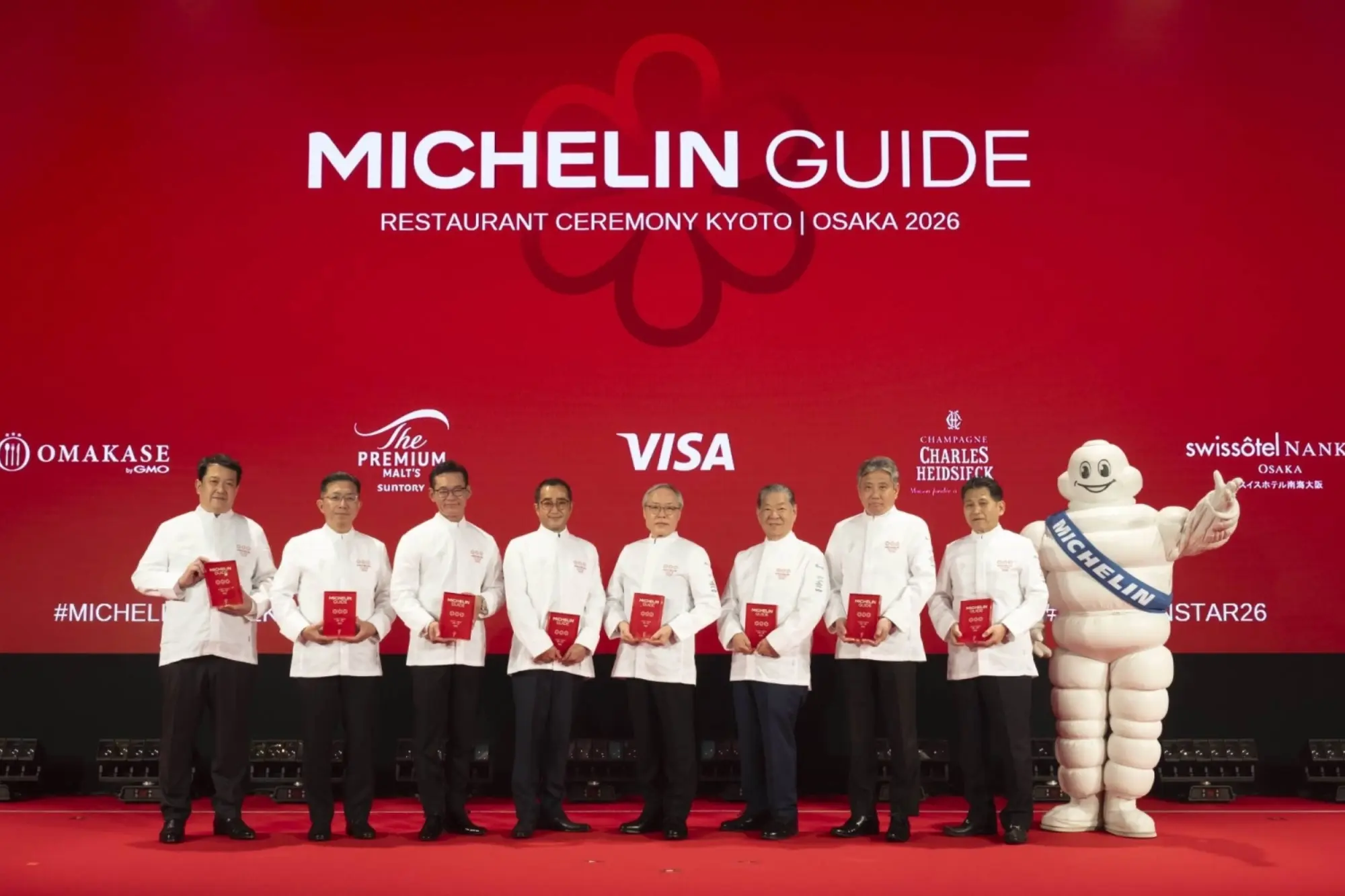
Michelin Guide Tokyo 2026: An Overview
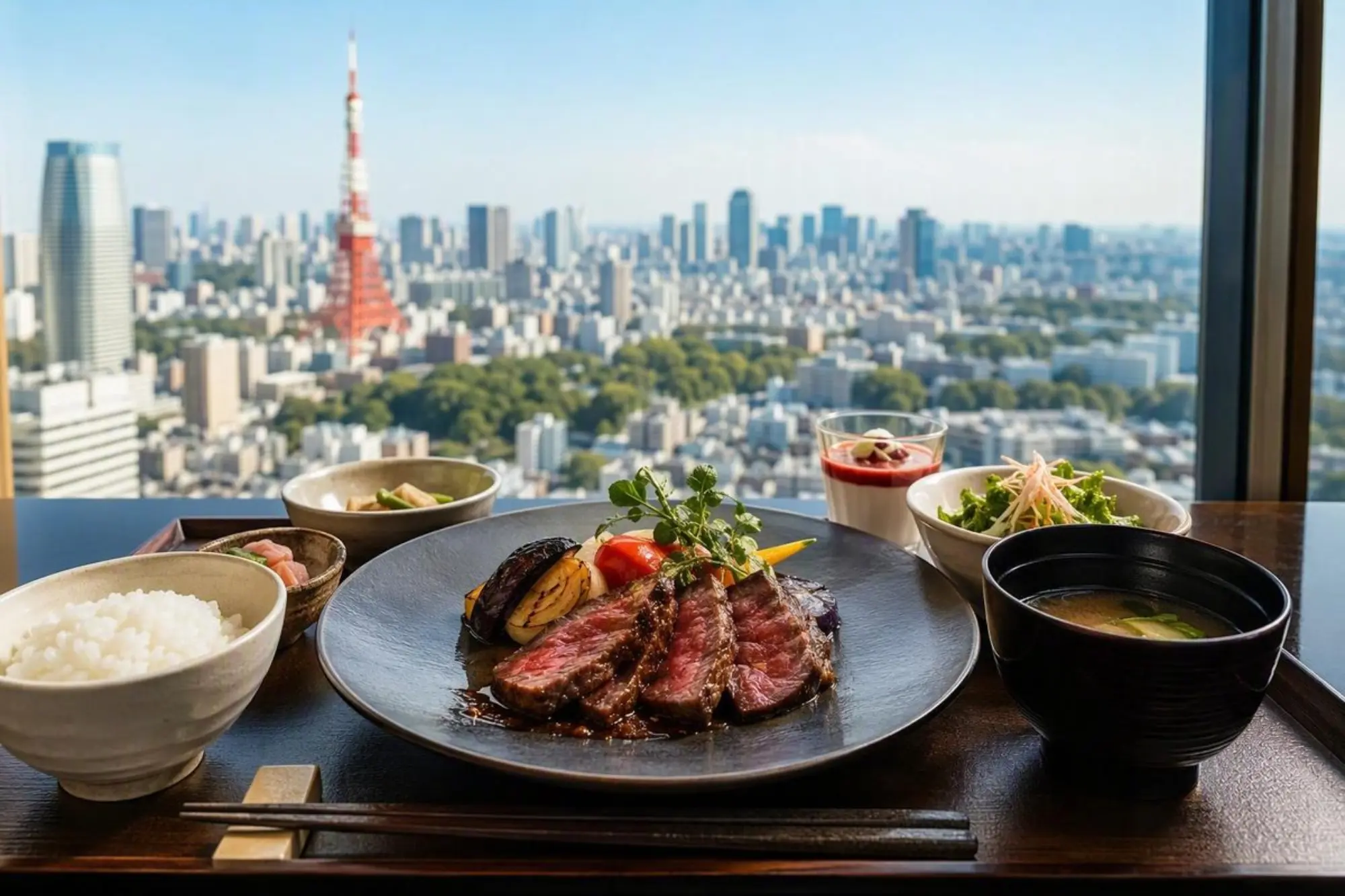
Released on September 25, 2025, the Michelin Guide Tokyo 2026 features 526 restaurants across several recognition categories. Tokyo continues to demonstrate the depth of its culinary scene, with restaurants specializing in sushi, kaiseki, French cuisine, and other international cooking styles.
According to Michelin’s official announcement, the 2026 selection includes the following restaurants:
| Michelin category | Number of restaurants |
| Three Michelin Stars | 12 |
| Two Michelin Stars | 26 |
| One Michelin Star | 122 |
| Bib Gourmand | 114 |
| Michelin Selected | 252 |
| Total | 526 |
The selection also includes 13 Michelin Green Star restaurants, which are recognized for their commitment to more sustainable gastronomy.
For travelers exploring the Michelin Guide Japan, understanding these categories makes it easier to choose a restaurant that suits their budget and interests.
- Three Stars: Exceptional cuisine worth a special journey.
- Two Stars: Excellent cooking worth a detour.
- One Star: High-quality cooking worth a stop.
- Bib Gourmand: Good-quality food at moderate prices.
- Michelin Selected: Restaurants recommended by Michelin inspectors for their quality cuisine.
- Green Star: Recognition for restaurants demonstrating a commitment to sustainable gastronomy.
A higher star count does not automatically mean a restaurant is the best choice for every traveler. Some Japan Michelin restaurants focus on elaborate tasting menus, while others offer more casual dining experiences. Bib Gourmand establishments can also be excellent options for discovering authentic Japanese food without committing to a luxury dining budget.
Michelin Guide Tokyo 2026: New Star Winners
The Michelin Guide Tokyo 2026 recognizes 18 restaurants with newly awarded stars. The highlights include one restaurant promoted to three stars, three promoted to two stars, and 14 receiving their first star.
These changes offer travelers new names to consider when planning a culinary trip to Tokyo.
1. Myojaku: A New Three-Michelin-Star Restaurant
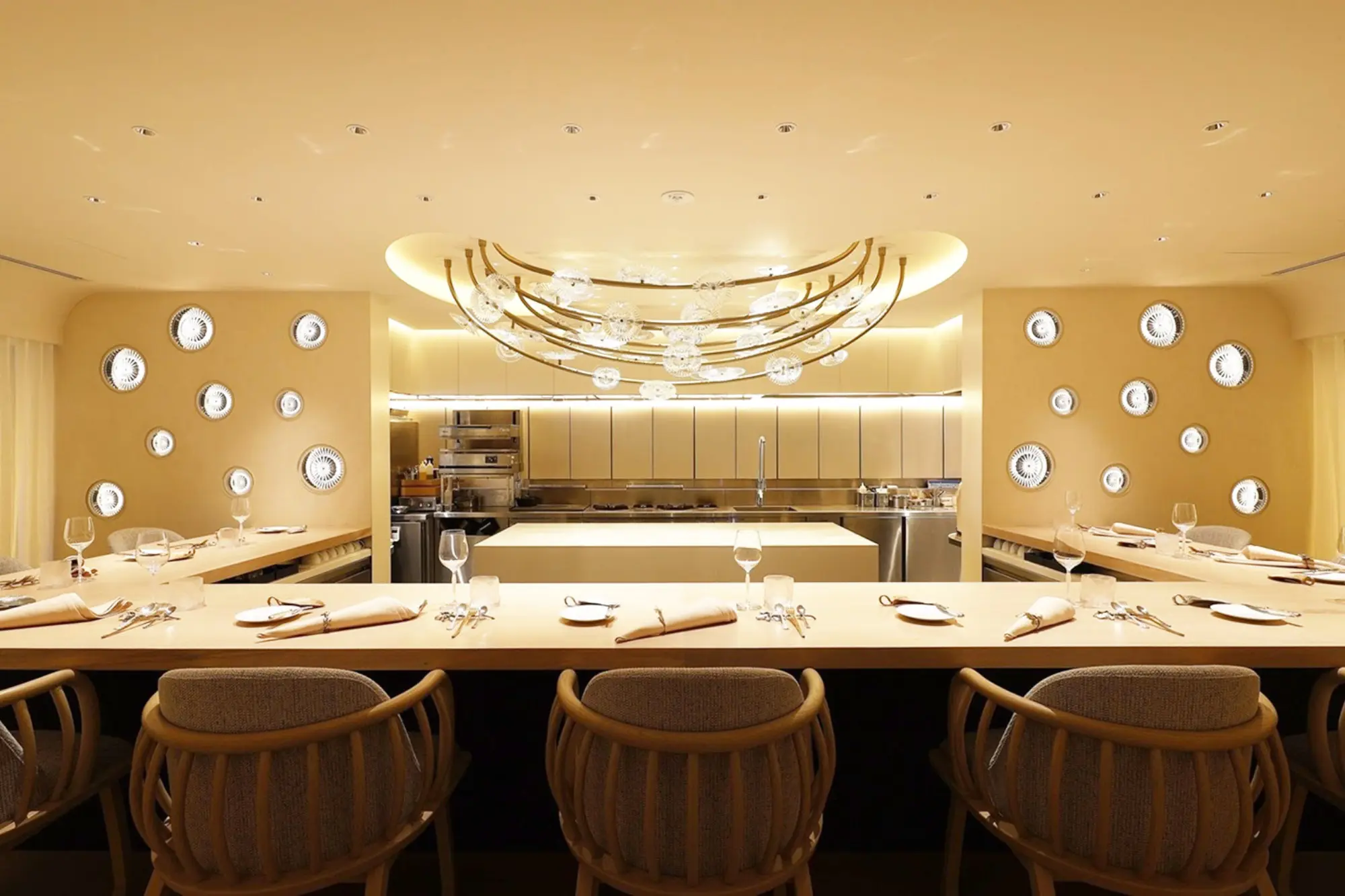
Cuisine: Japanese
Myojaku is one of the most notable additions to the top tier of the Michelin Guide Tokyo 2026. Led by chef Hidetoshi Nakamura, the restaurant focuses on seasonal ingredients, balance, and the natural character of its components.
After opening in 2022, Myojaku earned two Michelin stars in the 2023 Tokyo Guide before reaching the three-star level in the 2026 selection. Its approach emphasizes the relationship between ingredients, water, and seasoning, offering a refined interpretation of Japanese cuisine.
For travelers interested in traditional techniques and carefully composed tasting menus, Myojaku is a noteworthy Tokyo Michelin restaurant to research. Because three-star restaurants can have limited seating and high demand, checking reservation information early is advisable.
2. Three Restaurants Promoted to Two Michelin Stars
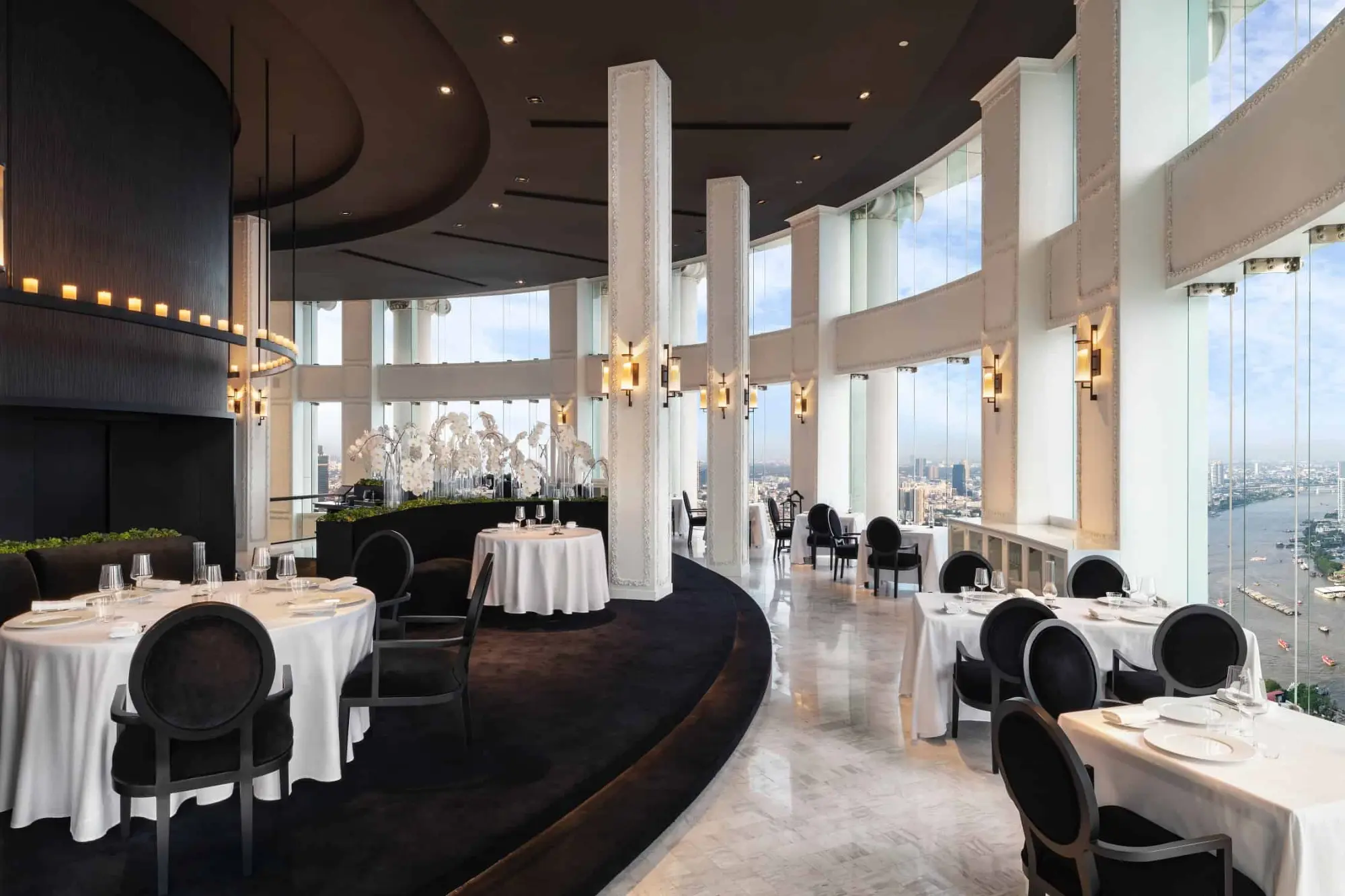
Three restaurants previously holding one star were promoted to two stars in the 2026 selection.
Restaurant | Cuisine | What Makes It Notable |
| Nishiazabu Sushi Shin | Sushi | Traditional sushi craftsmanship and carefully balanced fish and vinegared rice |
| Hakuun | Japanese | Creative ingredient combinations and attention to aroma and temperature |
| Ensui | Japanese | A focus on dashi, charcoal grilling, and detailed ingredient selection |
These promotions highlight different approaches to Japanese food. Nishiazabu Sushi Shin emphasizes sushi craftsmanship, while Hakuun and Ensui explore other aspects of Japanese cooking.
When comparing Japan Michelin restaurants, consider the type of meal you want rather than relying on star ratings alone. A sushi counter offers a different experience from a multi-course Japanese menu built around seasonal ingredients, dashi, and charcoal grilling.
3. Other New One-Star Restaurants
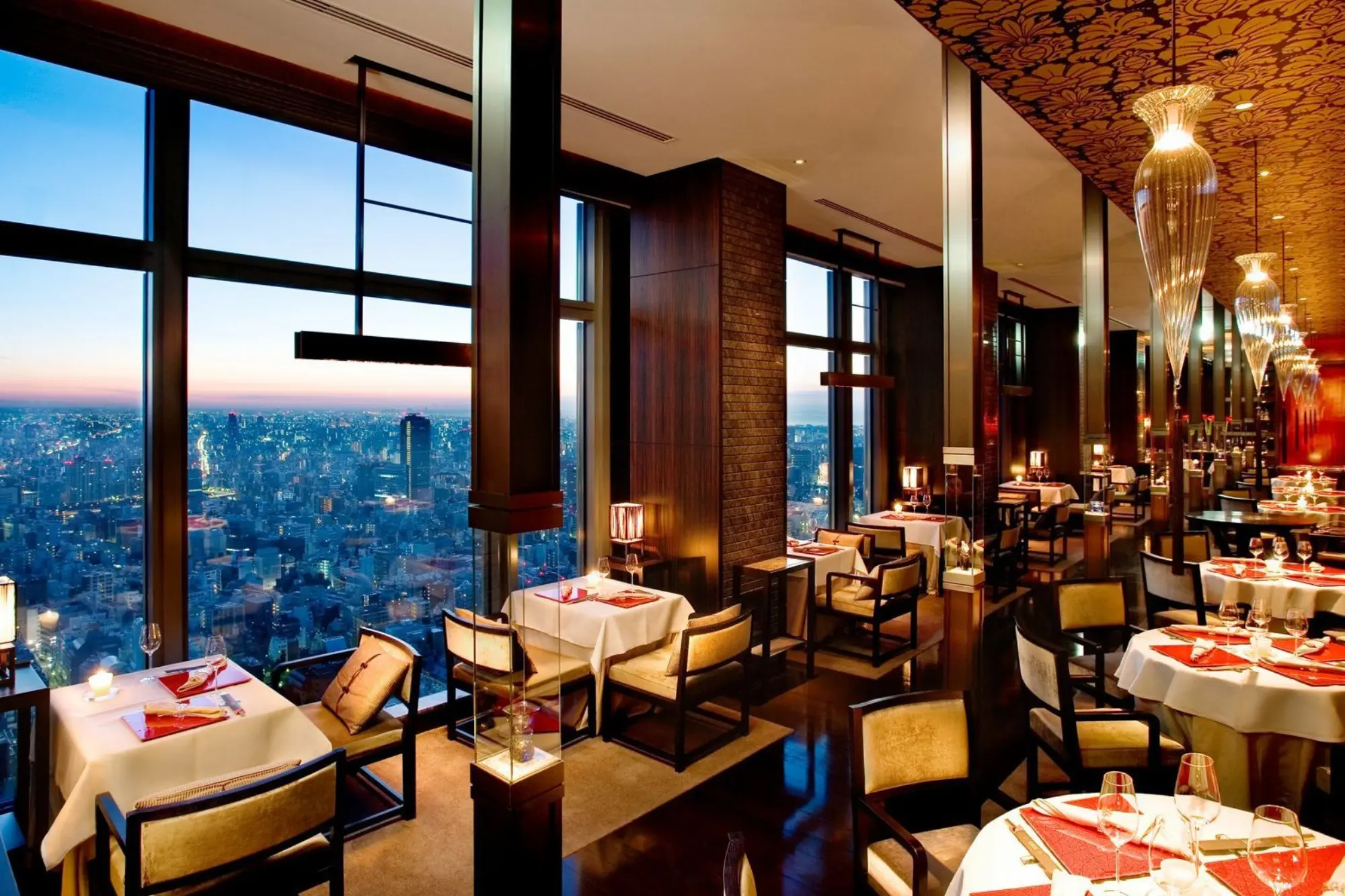
The 2026 selection also features restaurants serving Japanese and international cuisines.
- EWIG: Austrian cuisine interpreted with seasonal Japanese ingredients.
- Sassa: Japanese kaiseki emphasizing precision and seasonal presentation.
- KHAO: Thai cuisine incorporating Japanese ingredients.
- La Gloire: French cuisine combining traditional techniques with contemporary touches.
- KIBUN: French and Japanese culinary influences with an emphasis on sauces.
These restaurants demonstrate the variety covered by the Michelin Guide Japan. Tokyo’s dining scene extends beyond traditional Japanese food, with chefs drawing on international culinary traditions while incorporating local ingredients and techniques.
The restaurants listed above are selected examples rather than a complete list of new one-star winners.
How to Book a Tokyo Michelin Restaurant
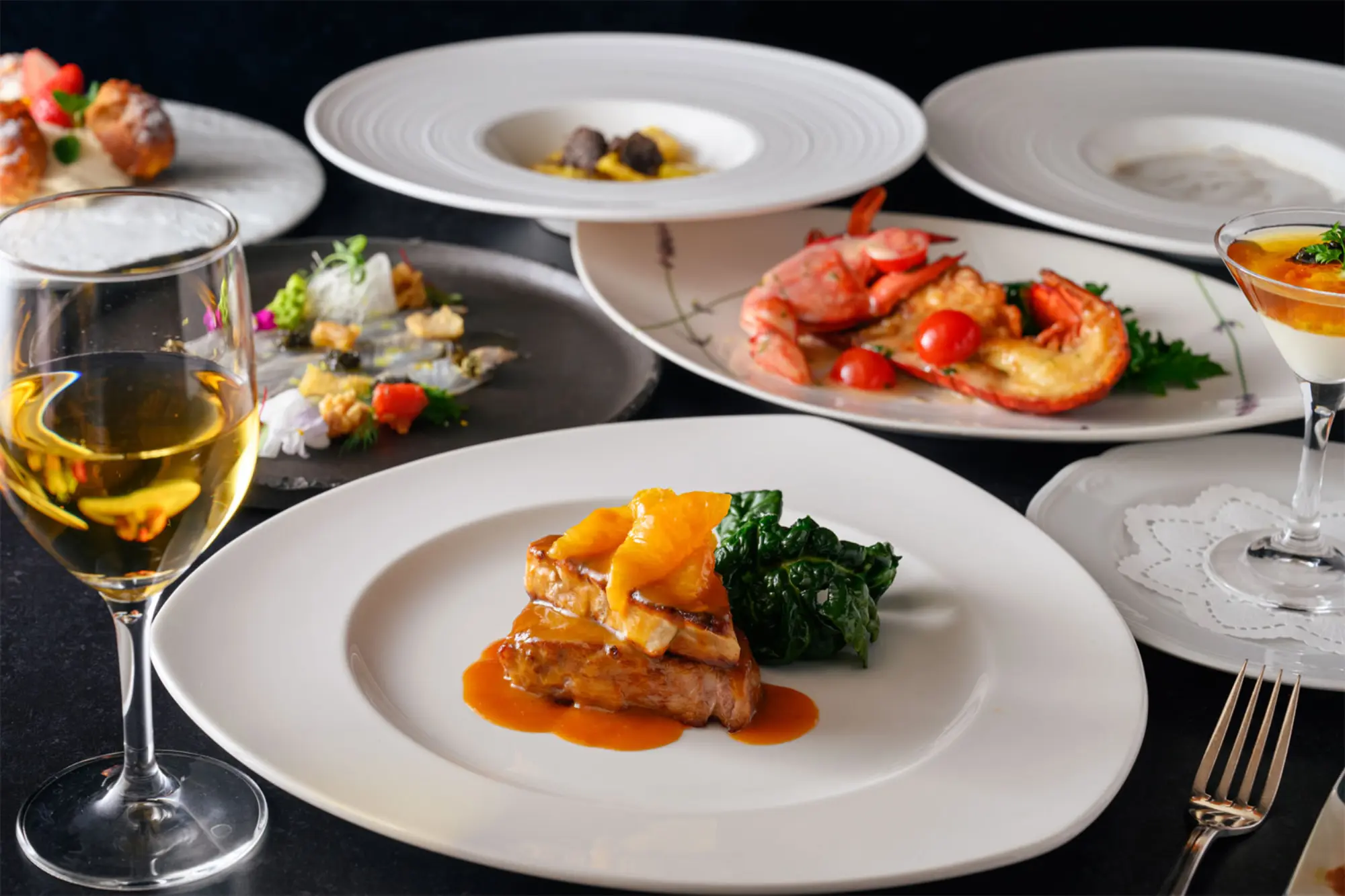
Booking a Tokyo Michelin restaurant can require advance planning, particularly when the restaurant has limited counter seating, fixed dining times, or a popular tasting menu.
Reservation procedures differ between restaurants, so travelers should check each establishment’s requirements rather than assume that every Michelin-listed restaurant uses the same booking system.
- Step 1: Search the Official Michelin Guide
Start with the official Michelin Guide Tokyo listings to explore restaurants by cuisine, location, and Michelin distinction.
Once you find a restaurant that matches your interests, check its individual listing and follow any available reservation link. The restaurant’s official website is another useful source for current booking instructions.
If you are comparing several Japan Michelin restaurants, make a shortlist based on cuisine, location, and menu prices before checking availability.
- Step 2: Check Restaurant Booking Platforms
Depending on the restaurant, reservations may be available through its official website or a third-party platform such as TableCheck, Tabelog, OMAKASE, or Pocket Concierge.
Before confirming a reservation, check:
- Whether your preferred date and time are available.
- Whether the reservation is confirmed or awaiting approval.
- Whether you must select or pay for a menu in advance.
- Whether reservation or service fees apply.
- Whether international payment cards are accepted.
Not every platform lists every restaurant. If you cannot find a particular Tokyo Michelin restaurant, check the restaurant’s own website for alternative booking instructions.
- Step 3: Review Cancellation and Dining Policies
Some fine-dining establishments have specific policies for late arrivals, cancellations, dietary requests, and children. Certain restaurants may require a deposit or advance payment for a set menu.
Read the terms carefully before confirming a booking, especially if the payment is non-refundable. If you have dietary restrictions or need assistance in English, contact the restaurant before your visit rather than assuming these arrangements will be available.
- Step 4: Fit the Reservation Into Your Itinerary
A long tasting menu may take a substantial part of your evening. Avoid booking one immediately before a major transfer, an early departure, or a tightly scheduled sightseeing activity.
If your preferred restaurant is fully booked, consider another establishment serving similar cuisine or look for a Bib Gourmand option nearby. The Michelin Guide Tokyo 2026 covers a broad range of restaurants, giving travelers alternatives when their first choice is unavailable.
How Much Does a Michelin Restaurant in Tokyo Cost?
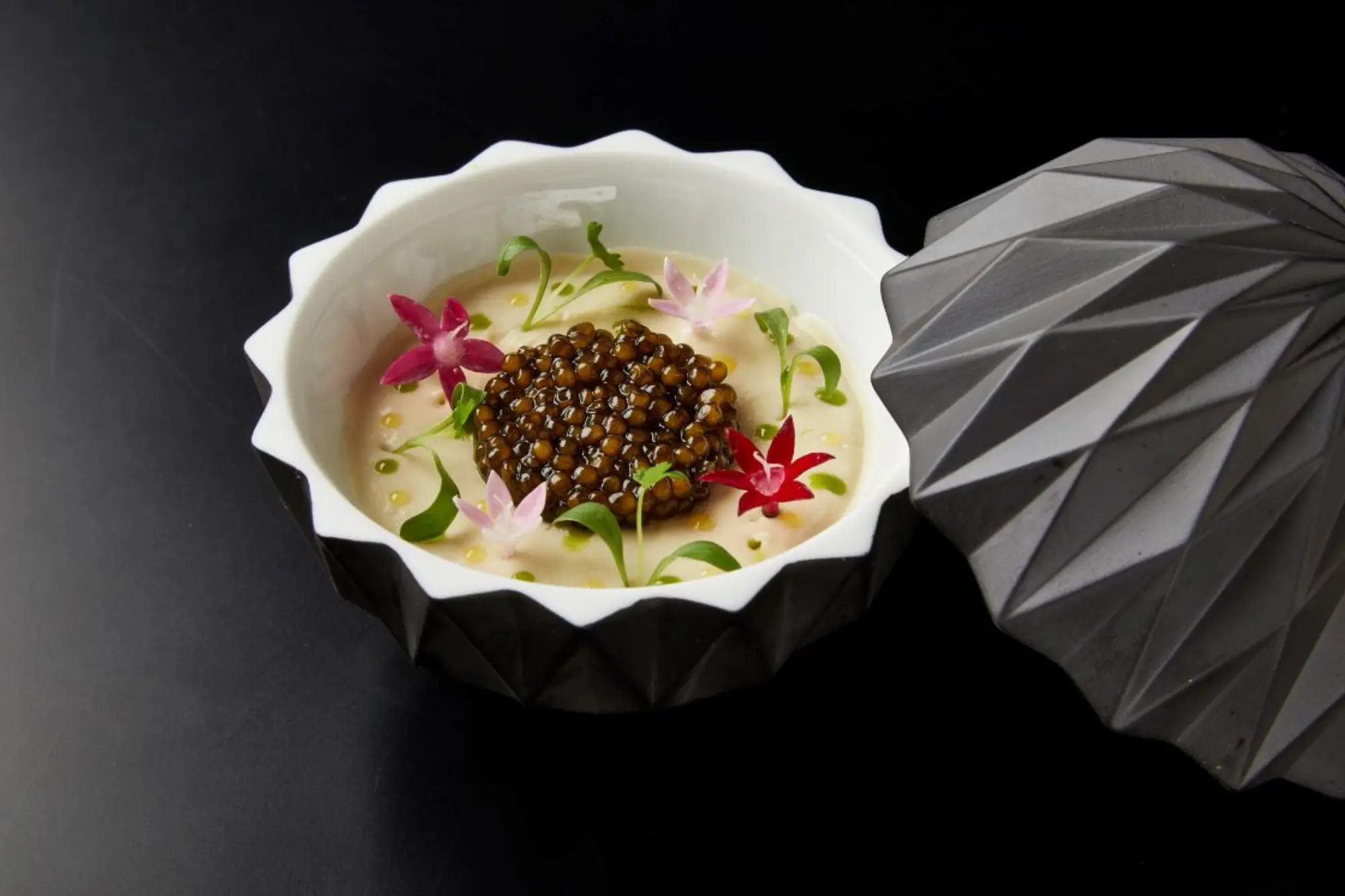
The cost of dining at a Tokyo Michelin restaurant varies significantly according to its cuisine, distinction, menu format, and location. A casual restaurant recommended by Michelin may be much more affordable than a three-star establishment offering an elaborate tasting menu.
Rather than assuming every restaurant in the Michelin Guide Japan is expensive, compare individual menus and booking conditions before deciding where to eat.
Dining option | What to expect | Budget considerations |
| Three-star restaurant | Elaborate tasting menus and a special-occasion experience | Usually requires a substantial dining budget |
| Two-star restaurant | Refined cooking across a range of culinary styles | Prices vary by restaurant and menu |
| One-star restaurant | High-quality cooking, from sushi to seasonal Japanese menus | Check lunch and dinner prices separately |
| Bib Gourmand restaurant | Quality food at moderate prices | Often suitable for travelers seeking value |
| Michelin Selected restaurant | A broad range of recommended cuisines and dining styles | Compare menus to find an option within your budget |
Tips for Managing Your Dining Budget
- Compare lunch and dinner: Some restaurants offer different menus and prices depending on the time of day.
- Check what is included: Confirm whether taxes, service charges, and drinks are included in the advertised price.
- Review payment requirements: Check for deposits, advance payments, and cancellation charges.
- Consider Bib Gourmand options: These can be a practical way to explore Michelin-recognized Japanese food without choosing a high-priced tasting menu.
- Plan for the complete experience: Account for drinks, transport, and any additional charges when setting your budget.
The Michelin distinction alone does not determine the final bill. For accurate, current pricing, consult the restaurant’s official menu or reservation page before booking.
Is a Michelin-Starred Restaurant in Tokyo Worth It?
For many travelers, dining at a Michelin-starred restaurant is a memorable way to experience Japanese food. However, whether it is worth the cost depends on your interests, budget, and preferred dining style.
1. When a Michelin Restaurant Is Worth It
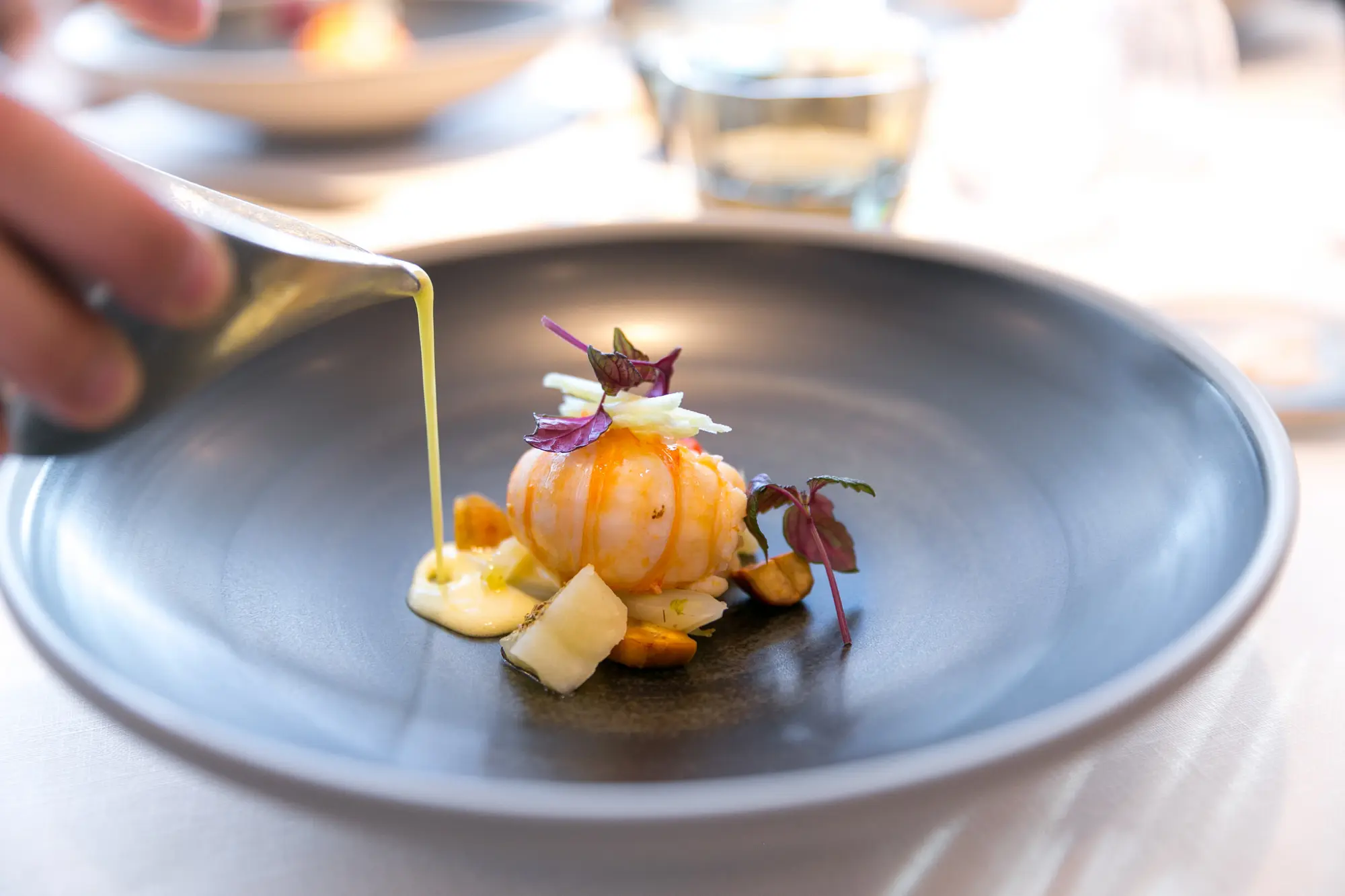
- You enjoy learning about culinary techniques.
A tasting menu can introduce you to seasonal ingredients, traditional cooking methods, and combinations that may be unfamiliar. For food enthusiasts, this can make a Michelin-starred meal a highlight of the trip.
- You want a special-occasion experience.
A highly regarded Tokyo Michelin restaurant can be a meaningful choice for a celebration or milestone, particularly if you enjoy carefully planned meals and attentive presentation.
- You are interested in Japanese culinary traditions.
Restaurants specializing in sushi, kaiseki, tempura, and other Japanese cuisines can offer insight into how seasonality, texture, temperature, and presentation shape the dining experience.
- You appreciate a structured dining experience.
Some restaurants serve a set sequence of courses designed around the chef’s approach to ingredients. If you enjoy this format, the meal may be worth planning your evening around.
2. When Another Dining Option May Suit You Better
- You prefer casual and flexible meals.
If you enjoy exploring neighborhoods, choosing dishes spontaneously, or trying several small plates throughout the day, a long tasting menu may not fit your travel style.
- You have a limited food budget.
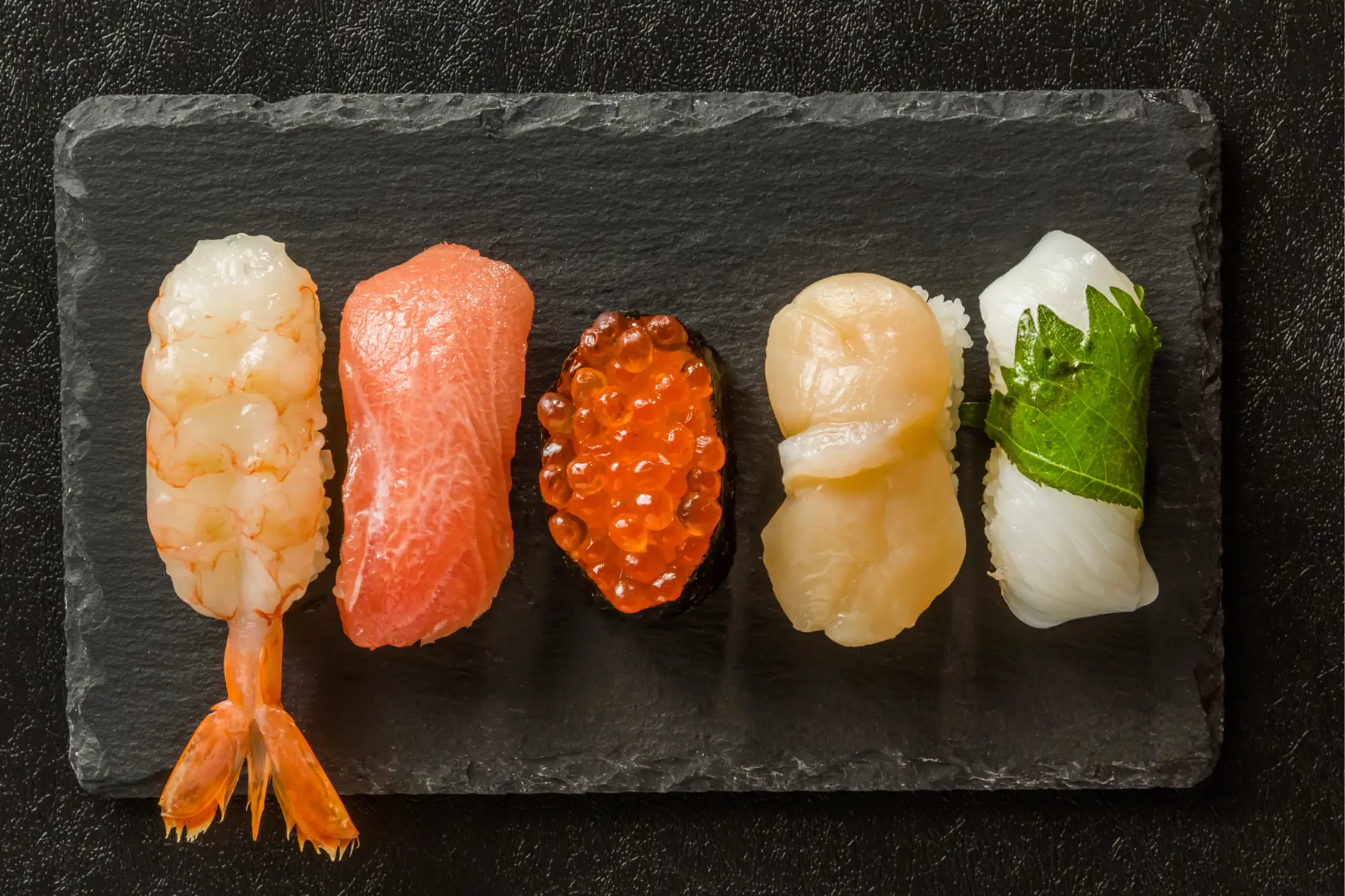
You do not need to visit a three-star restaurant to enjoy Tokyo’s culinary scene. Bib Gourmand establishments, ramen shops, sushi counters, and neighborhood eateries provide other ways to explore Japanese food.
- Your itinerary is already packed.
A multi-course meal may take several hours. If you would rather spend your time sightseeing or discovering different neighborhoods, a casual restaurant could be a better choice.
- You prefer familiar flavors.
Some Michelin restaurants offer creative menus or ingredients that may not match everyone’s preferences. Review the menu beforehand and choose a cuisine that appeals to you.
Ultimately, the Michelin Guide Tokyo 2026 is best used as a starting point for research, not as a list of restaurants every visitor must try. The right choice depends on what you want from your trip.
Alternatives to Fine Dining: Explore More Japanese Food in Tokyo
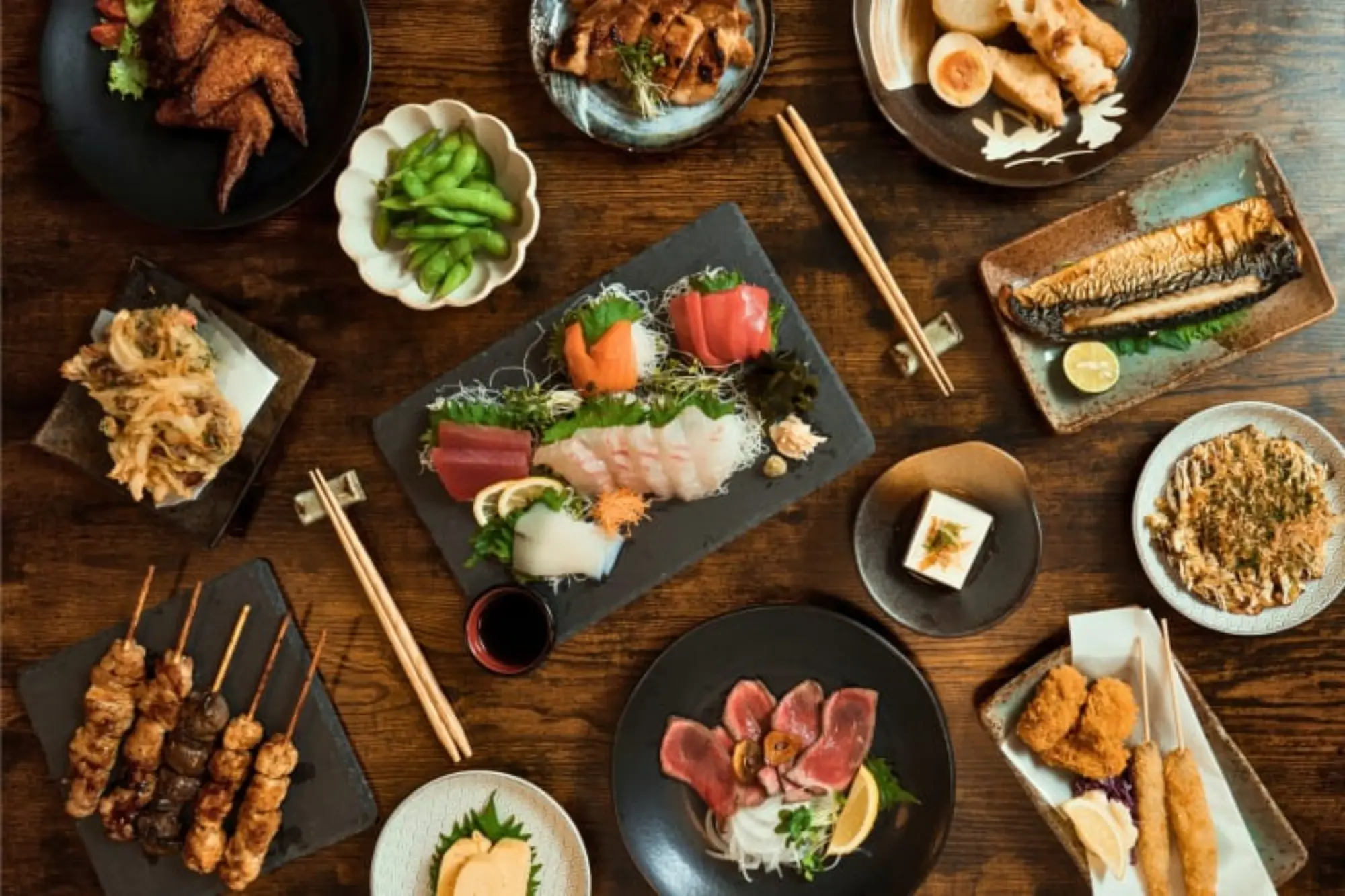
A trip to Tokyo does not need to revolve around expensive restaurants. The city offers many ways to explore Japanese food, from traditional dining to casual meals and market specialties.
Consider combining different experiences during your visit:
- Sushi: Compare traditional counters with more casual sushi restaurants.
- Ramen: Explore different broths, noodles, toppings, and regional styles.
- Yakitori: Try grilled chicken skewers prepared with different cuts and seasonings.
- Japanese markets: Browse seafood, prepared snacks, sweets, and local specialties.
- Bib Gourmand restaurants: Discover Michelin-recognized dining at moderate prices.
- Michelin Selected restaurants: Explore recommended restaurants beyond the star categories.
This mix can help you experience several sides of Tokyo’s food culture without spending your entire dining budget on one meal. If you want to visit a Michelin-starred establishment, reserve one special dinner and leave the rest of your itinerary flexible.
For travelers researching Japan Michelin restaurants, this balanced approach offers both a memorable fine-dining experience and opportunities to discover everyday Japanese food.
Frequently Asked Questions
1. How many Michelin-starred restaurants are in the Michelin Guide Tokyo 2026?
The Michelin Guide Tokyo 2026 lists 160 Michelin-starred restaurants: 12 with three stars, 26 with two stars, and 122 with one star. The selection also includes Bib Gourmand and Michelin Selected restaurants.
2. Which restaurant was newly awarded three Michelin stars in Tokyo for 2026?
Myojaku, a Japanese restaurant led by chef Hidetoshi Nakamura, was promoted to three Michelin stars in the 2026 selection.
3. How far in advance should I book a Tokyo Michelin restaurant?
There is no universal booking window. Availability depends on the restaurant, date, and reservation method. Check the restaurant’s official booking page as early as possible, particularly if you want a specific date or time.
4. Are Japan Michelin restaurants expensive?
Some are, particularly establishments offering elaborate tasting menus. However, the Michelin Guide Japan also includes Bib Gourmand restaurants recognized for good-quality food at moderate prices, alongside a wide range of other recommended establishments.
5. Do I need to speak Japanese to dine at a Michelin restaurant in Tokyo?
Not necessarily. Some restaurants provide English booking pages or English-language assistance, while others primarily communicate in Japanese. Check the restaurant’s website before booking and communicate any language or dietary needs in advance.
6. Is a Michelin-starred restaurant better than a Bib Gourmand restaurant?
Not necessarily for every diner. Michelin stars recognize a particular level of culinary excellence, while Bib Gourmand highlights good-quality food at moderate prices. The best choice depends on your budget, preferred cuisine, and the kind of Japanese food experience you want.
Conclusion
The Michelin Guide Tokyo 2026 offers a useful starting point for exploring one of the world’s most diverse dining destinations. From Myojaku’s new three-star distinction to newly promoted sushi and Japanese restaurants, the latest selection highlights the craftsmanship and variety of Tokyo’s culinary scene. Before choosing a Tokyo Michelin restaurant, research the menu, confirm reservation requirements, and consider how the experience fits your budget and itinerary.
Explore our Japan Package Tours with Nicetrips Travels and experience the beauty, history, and culture of this remarkable destination. Follow the Nicetrips Blog for more travel guides, tips, and inspiration for your next journey.