Matsumoto is a historic city in Nagano Prefecture, known for its impressive castle, traditional streets, museums, and spectacular views of the Northern Alps. The highlight of any Matsumoto visit is Matsumoto Castle, a National Treasure and one of Japan’s most distinctive historic castles. Beyond the castle, travelers can explore Nakamachi and Nawate streets, discover local art at the Matsumoto City Museum of Art, and enjoy the city’s food, crafts, and relaxed atmosphere.
Whether you are planning a short Matsumoto visit or using the city as a base for exploring the Japanese Alps, this guide covers the best Matsumoto attractions, history, culture, food, transportation, and travel tips.

About Matsumoto
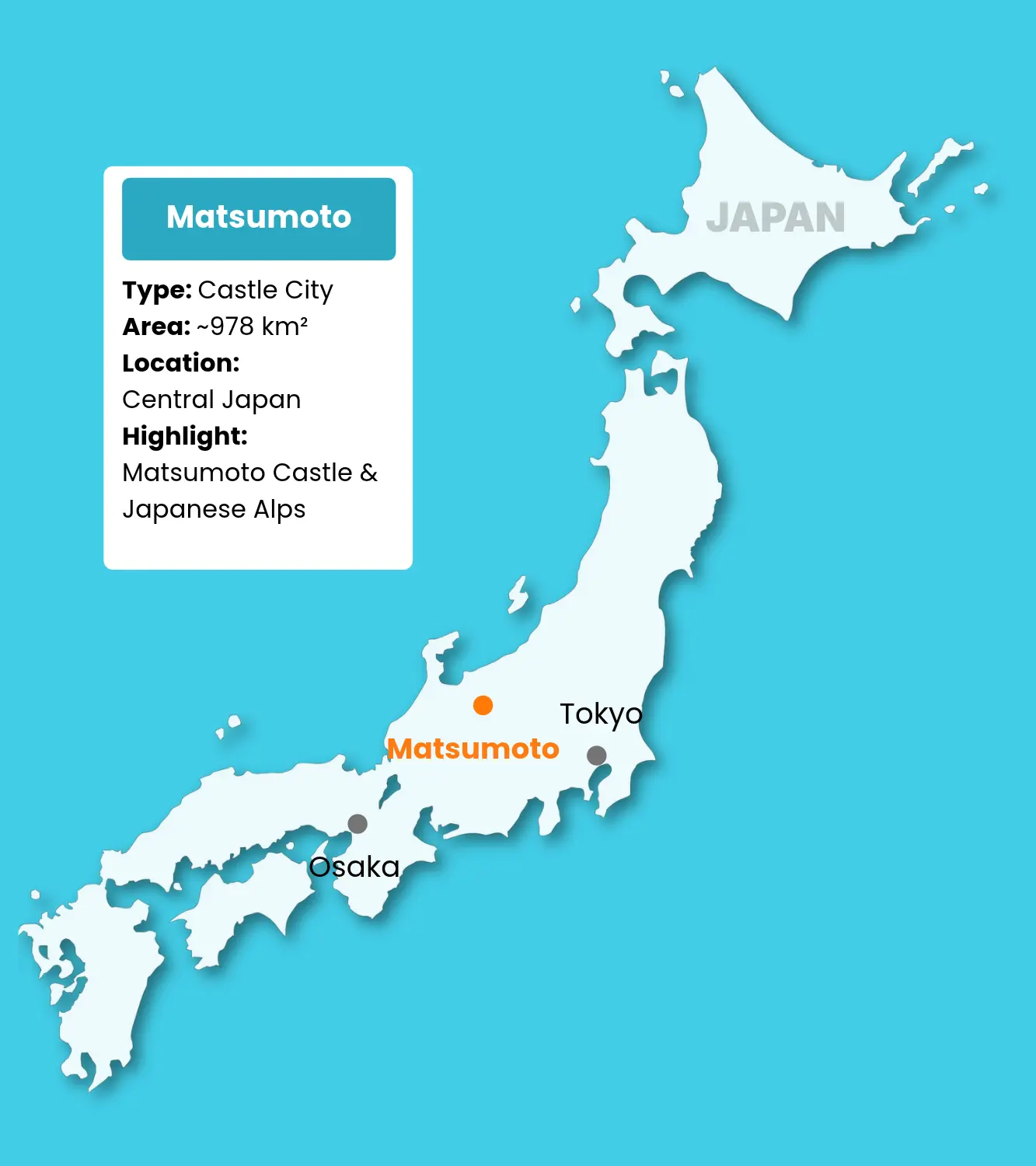
Matsumoto is located in central Nagano Prefecture and is surrounded by mountains, including the Northern Alps. The city developed as a castle town centered around Matsumoto Castle and remains closely connected with its historical architecture and cultural heritage.
Matsumoto is sometimes described through three identities: the City of Learning, City of Music, and City of Mountains. Education, arts, music, and mountaineering culture all play important roles in the city’s character.
Today, Matsumoto offers a combination of historic attractions, museums, traditional shopping streets, cafés, local food, and easy access to mountain destinations such as Kamikochi and Utsukushigahara Highlands.
Matsumoto at a Glance
- Location: Nagano Prefecture, Central Japan
- Known for: Matsumoto Castle, traditional streets, museums, art, and mountain scenery
- Main attractions: Matsumoto Castle, Matsumoto City Museum of Art, Nawate Street, Nakamachi Street, Former Kaichi School, and Kamikochi
- Natural highlights: Northern Alps, Kamikochi, Utsukushigahara Highlands, and Norikura Highlands
- Best for: History, culture, art, food, photography, and mountain travel
Geography of Matsumoto
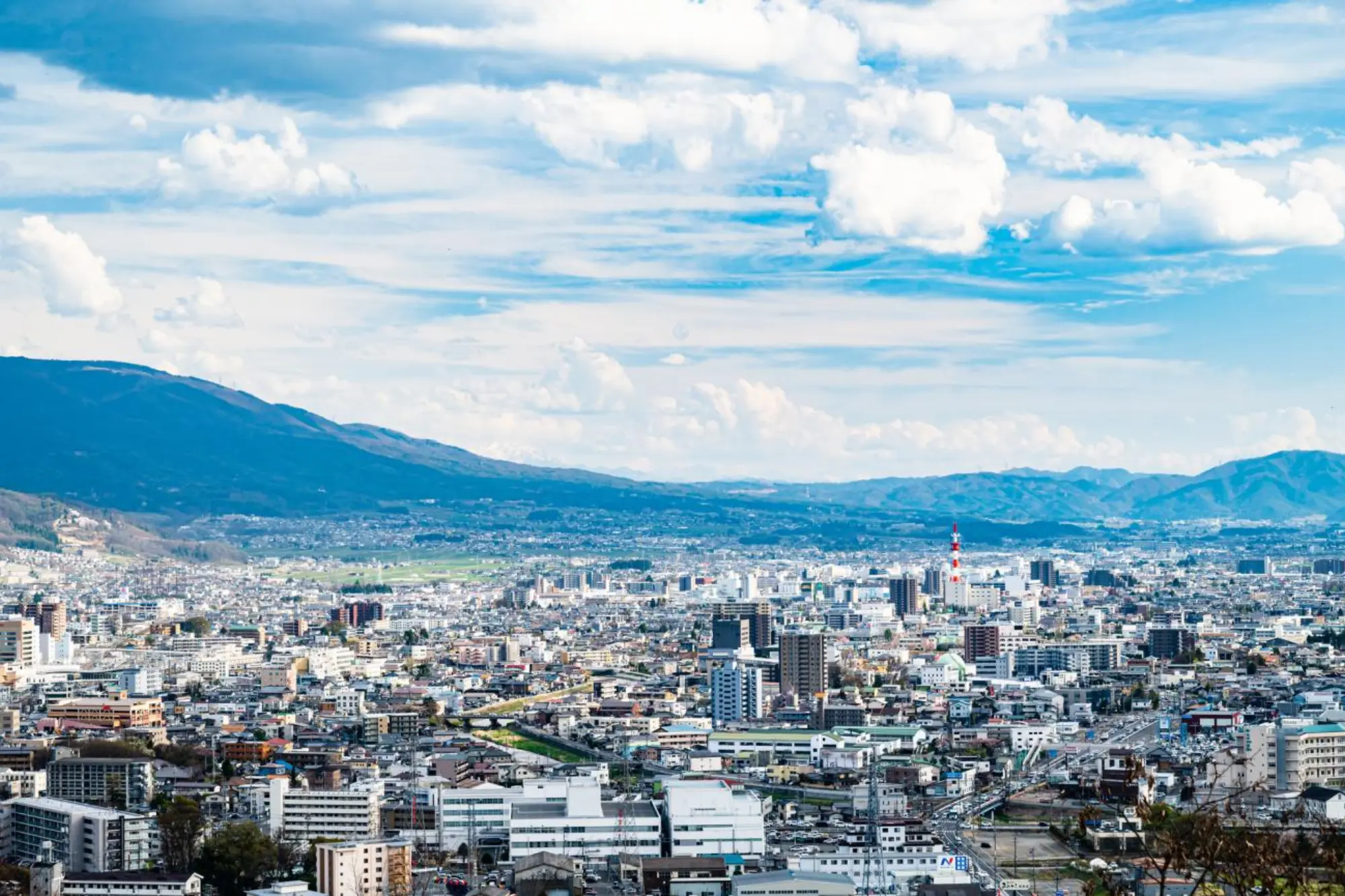
Matsumoto is located in central Nagano Prefecture, within the Matsumoto Basin, and is surrounded by mountains, including the Northern Alps.
- Area: Approximately 978.47 km²
- Elevation: Around 592 m in the city center; the wider city ranges from about 555 m to 3,190 m
- Size: Approximately 52.2 km east-west and 41.3 km north-south
- Landscape: Mountain ranges, forests, highlands, rivers, and the Matsumoto Basin
- Forests: Around 61% of the city’s total area is covered by forest
- Major mountain areas: Northern Alps to the west and Utsukushigahara Highlands to the east
- Nearby natural destinations: Kamikochi, Norikura Highlands, and Utsukushigahara
The city center is relatively compact and easy to explore on foot, while the surrounding mountain areas offer hiking, scenic views, and outdoor activities. Matsumoto’s elevation also creates distinct seasonal scenery, from cherry blossoms in spring and green mountain landscapes in summer to autumn foliage and snowy scenery in winter.
History of Matsumoto
- The Development of a Castle Town
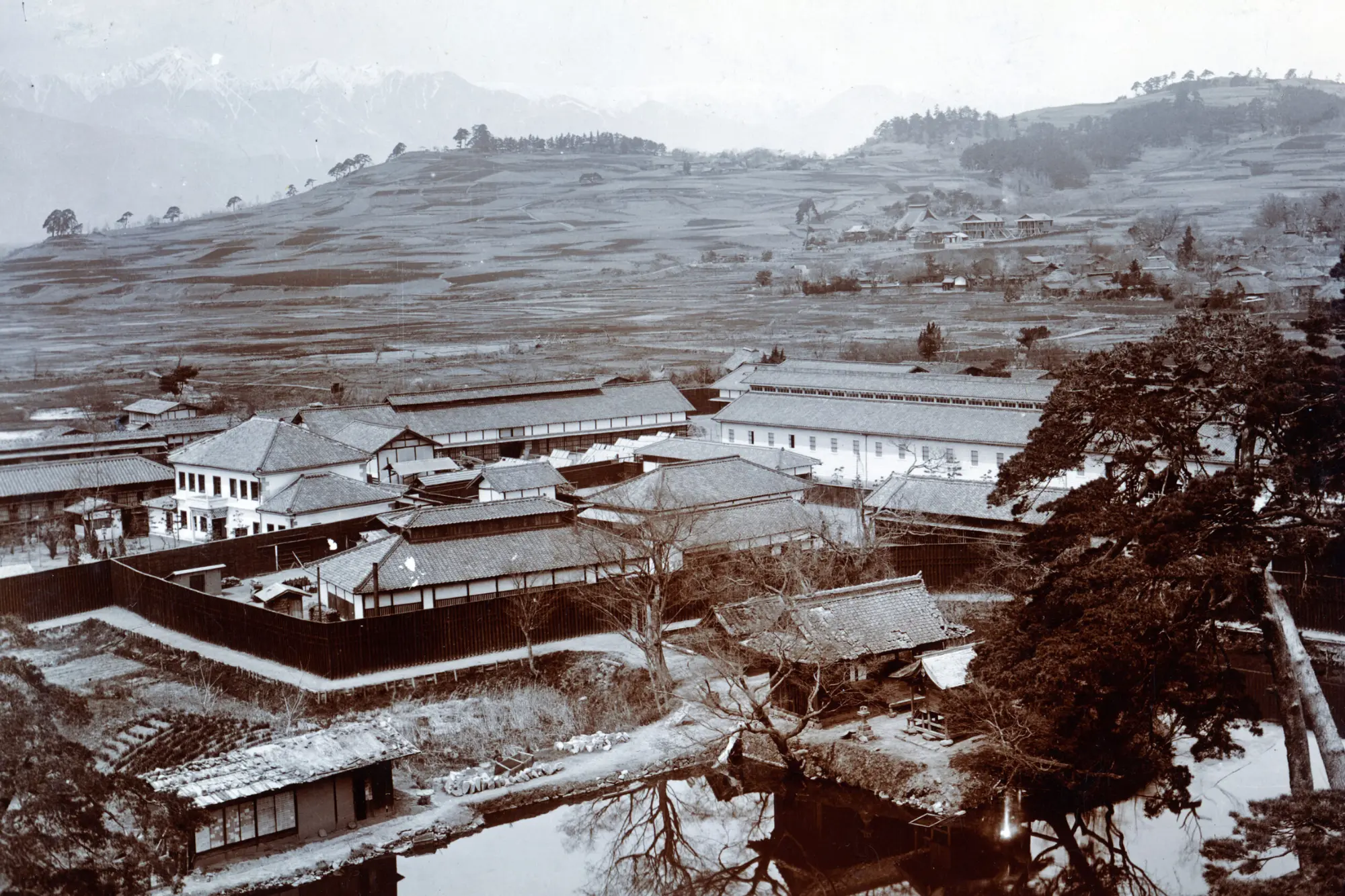
Matsumoto developed around its castle and became an important castle town in the region. The city’s historic streets and buildings still reflect this development today.
Matsumoto Castle was originally constructed during Japan’s Sengoku period and later became an important center of the Matsumoto domain. Its distinctive black exterior and mountain backdrop have made it one of the city’s most recognizable symbols.
- Matsumoto’s Cultural Development
As the castle town developed, Matsumoto became home to samurai families, merchants, craftsmen, and cultural institutions. Traditional streets such as Nakamachi and Nawate preserve elements of this history, while museums and former educational buildings show the city’s development in later periods.
- Matsumoto Today
Today, Matsumoto combines its historic castle-town character with contemporary art, music, cafés, restaurants, and tourism facilities. The city is also an important gateway to surrounding mountain destinations, making it a useful stop for travelers exploring Nagano and the Japanese Alps.
Culture & Local Life in Matsumoto
Matsumoto’s local identity is closely connected with history, art, music, and nature.
- Castle Town Heritage
The area around Matsumoto Castle preserves traditional streets and buildings that reflect the city’s history as a castle town. Nakamachi Street, with its distinctive traditional storehouses and buildings, is one of the best places to experience this atmosphere.
- Art & Music
Matsumoto has a strong connection with contemporary art and music. The city is the birthplace of internationally known artist Yayoi Kusama, whose work is featured at the Matsumoto City Museum of Art.
Music is also an important part of local culture, contributing to Matsumoto’s reputation as a city of the arts.
- Mountain Culture
With the Northern Alps and several highland destinations nearby, outdoor activities and mountaineering are closely connected with local life. Travelers can combine a cultural Matsumoto visit with hiking, scenic drives, hot springs, and mountain sightseeing.
Where to Stay in Matsumoto
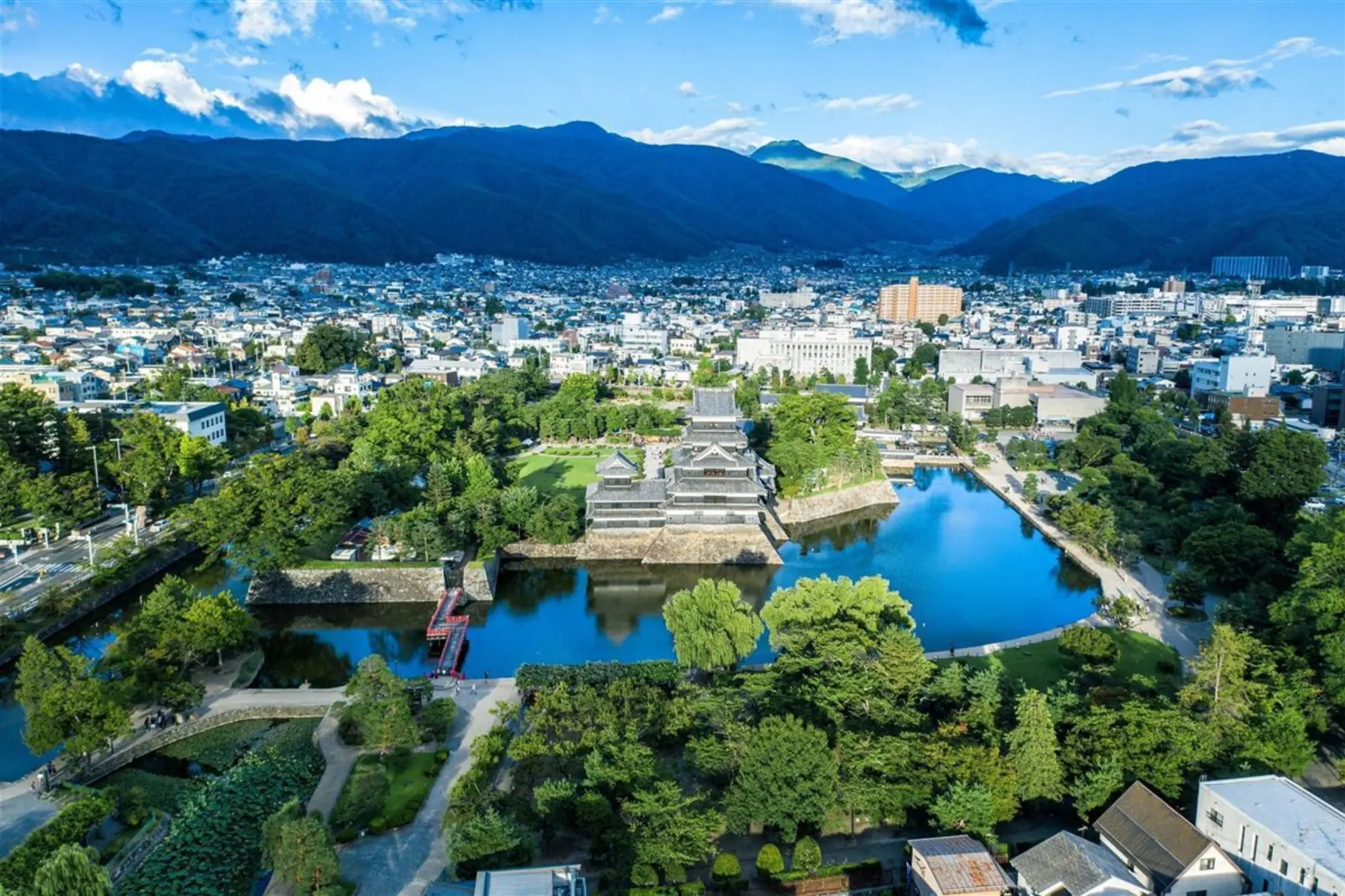
Choosing the right area depends on whether you want convenient transportation, easy access to historic attractions, or a quieter stay.
| Area | Best For | Key Advantages |
| Matsumoto Station | First-time visitors, short stays | Convenient train and bus connections, hotels, restaurants, and easy access to the city center |
| Around Matsumoto Castle | History and sightseeing | Close to Matsumoto Castle, museums, traditional streets, and central attractions |
| Nakamachi Area | Traditional atmosphere | Historic streets, traditional buildings, cafés, restaurants, and local shops |
| City Center | Food, shopping, and nightlife | Easy access to restaurants, shopping streets, museums, and evening activities |
| Mountain Areas | Nature and relaxation | Suitable for travelers planning hot springs, hiking, and scenic mountain experiences |
Best Matsumoto Attractions & Things to Do
Matsumoto offers a combination of historic landmarks, museums, traditional streets, art, and natural scenery. These are some of the main Matsumoto attractions to include in your itinerary.
1. Visit Matsumoto Castle
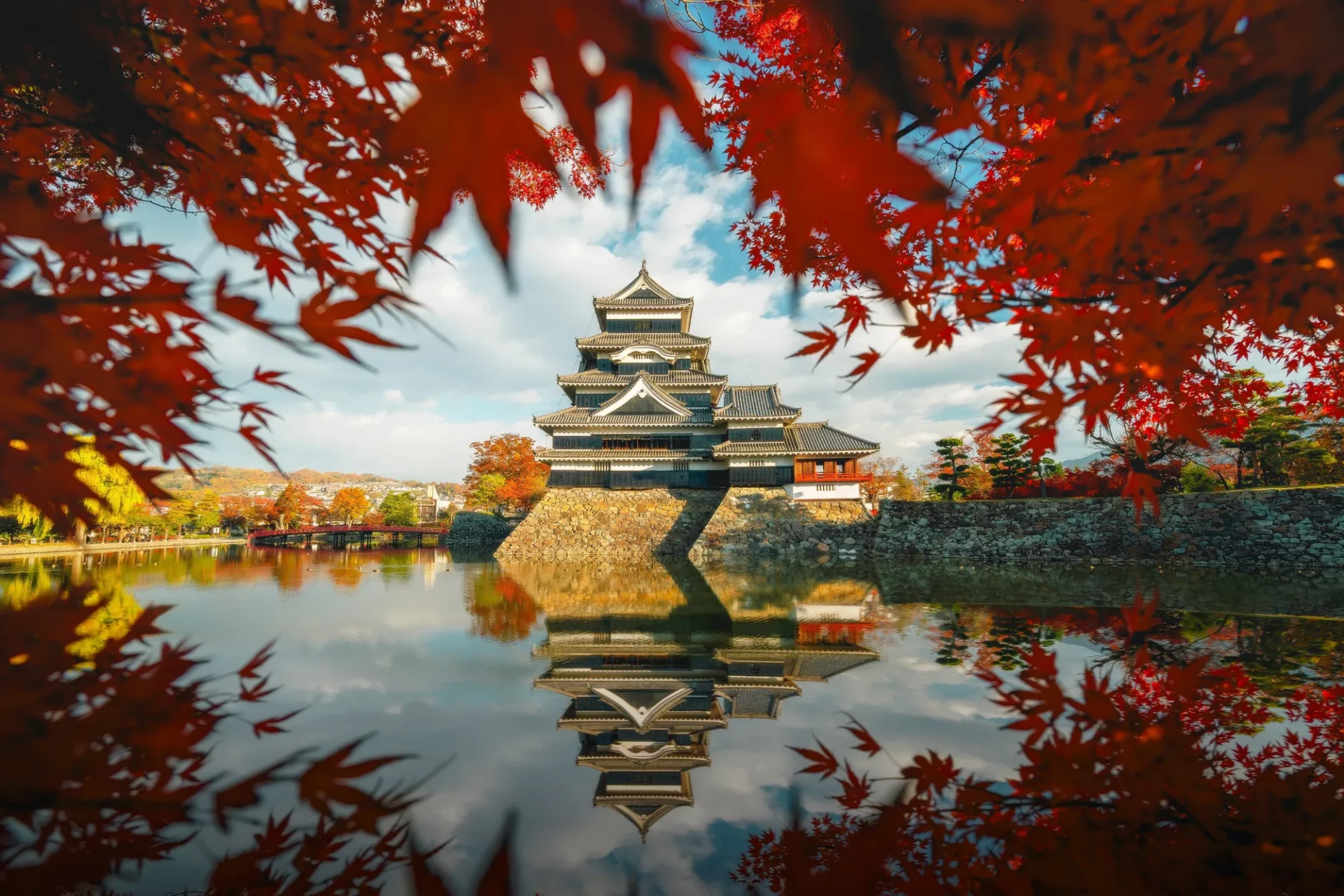
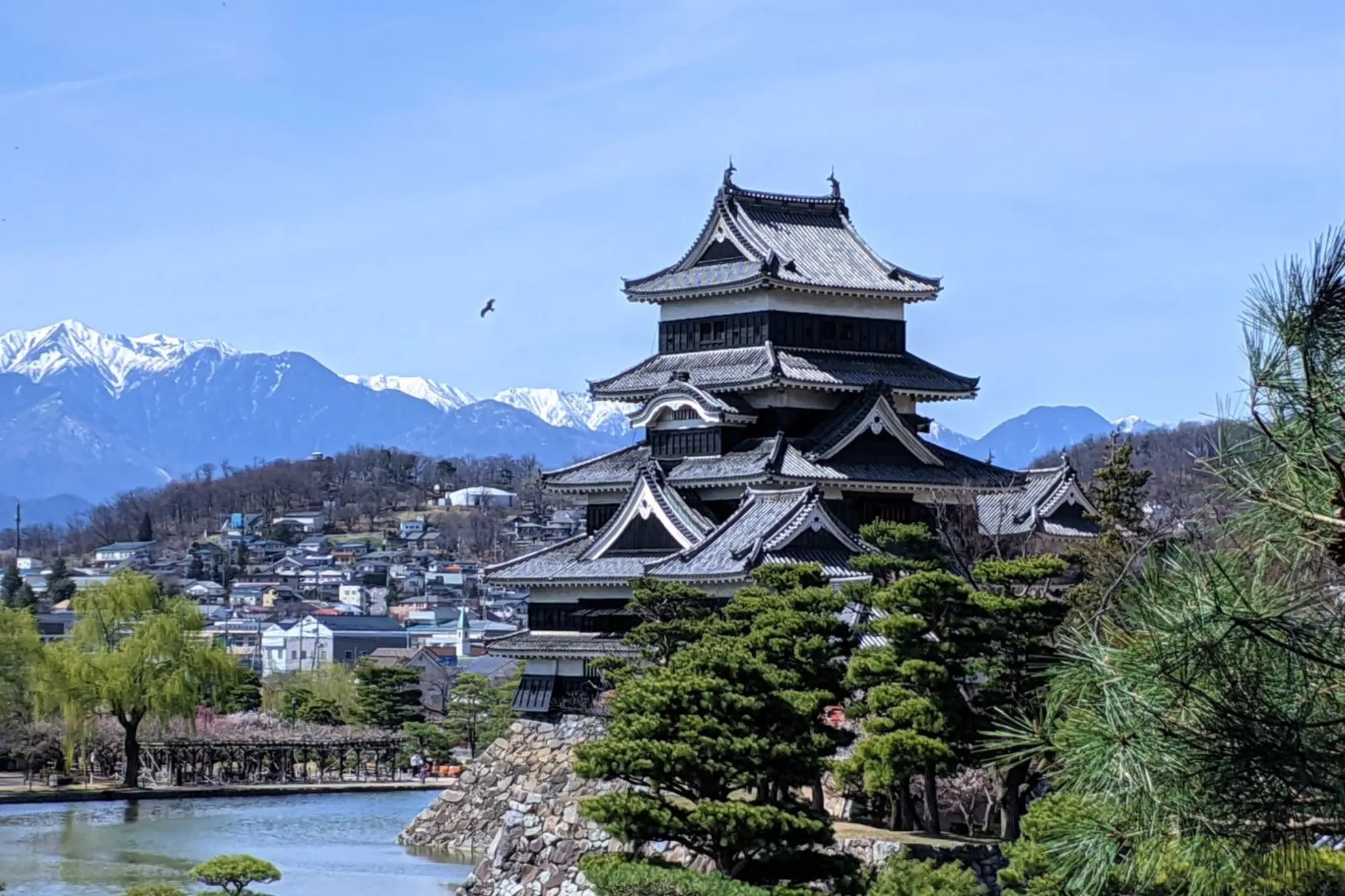
Matsumoto Castle is the city’s most famous attraction and a designated National Treasure. Its black exterior contrasts dramatically with the surrounding landscape and the Northern Alps.
The castle dates back to the Sengoku period and has the oldest surviving castle keep in Japan with five external stories and six internal floors. Inside, visitors can see defensive features such as gun ports and stone-dropping mechanisms, while the upper floors provide views across the historic city.
- Location: Central Matsumoto
- Suggested time: 1.5-2 hours
- Best for: History, architecture, photography, and cultural sightseeing
- Highlights: Black castle keep, moat, historic interiors, mountain views
- Admission: Around ¥1,300 for adults; check the official website for current prices and seasonal opening hours.
2. Explore Matsumoto City Museum

The Matsumoto City Museum introduces visitors to the city’s history, culture, natural environment, and development as a castle town.
The museum forms the main building of the Matsumoto Marugoto Museum project and uses immersive exhibits to explain the origins and development of Matsumoto. It is located close to Matsumoto Castle, making it an easy addition to a castle-focused sightseeing route.
- Location: Near Matsumoto Castle
- Suggested time: 1-1.5 hours
- Best for: History, culture, and families
- Highlights: Matsumoto’s origins, castle-town history, local culture, immersive exhibits
- Admission: Around ¥500 for adults
3. Discover Matsumoto City Museum of Art

The Matsumoto City Museum of Art is one of the city’s main cultural attractions and is particularly known for its connection with Yayoi Kusama, who was born in Matsumoto.
The museum’s collection and exhibitions introduce contemporary art as well as works connected with local artists and cultural figures. Its location makes it possible to combine an art visit with central Matsumoto sightseeing.
- Location: Central Matsumoto
- Suggested time: 1-2 hours
- Best for: Art, architecture, and culture
- Highlights: Yayoi Kusama works, contemporary exhibitions, local artists
4. Walk Along Nakamachi Street
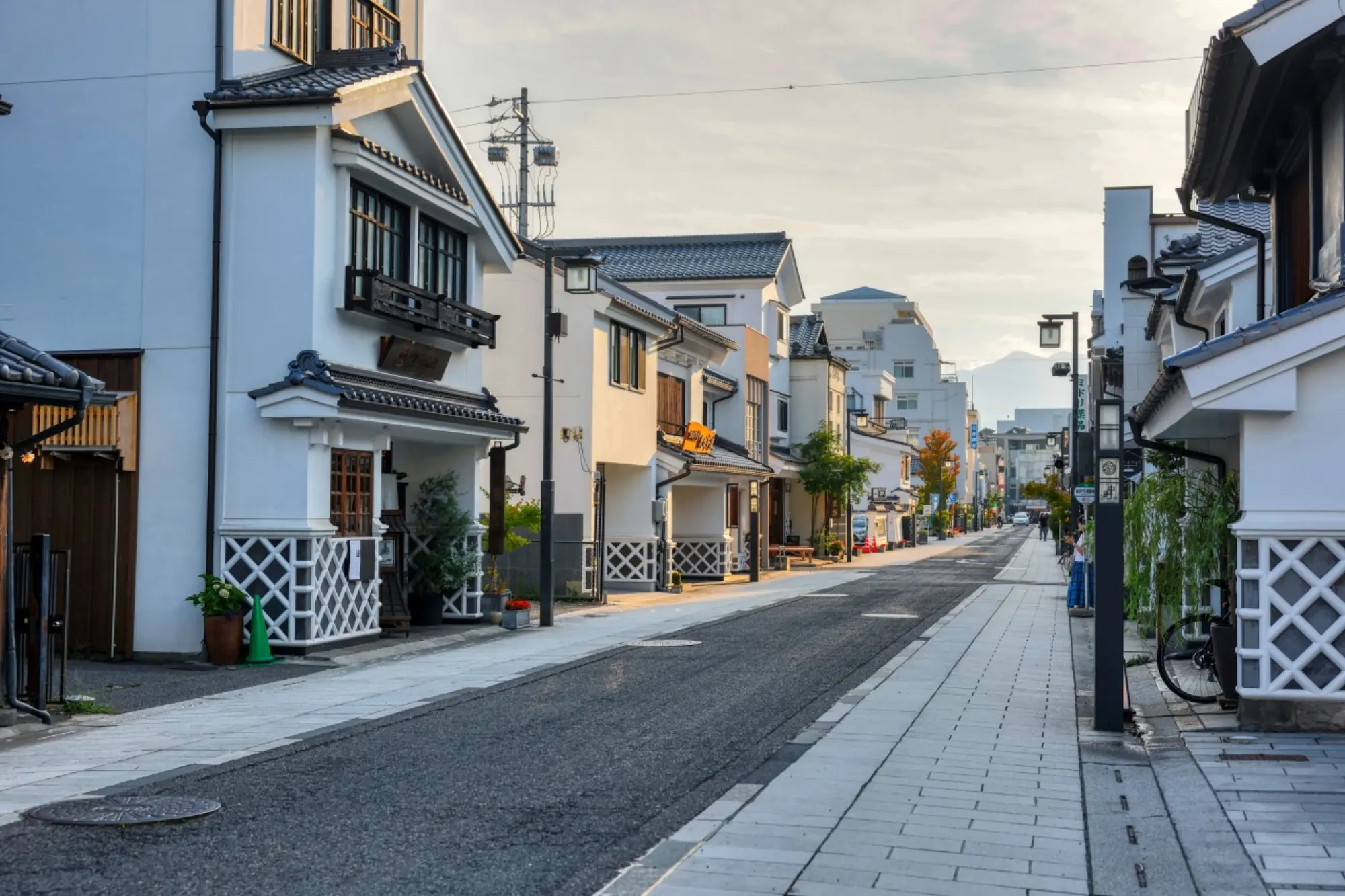
Nakamachi Street is one of the best places to experience the traditional atmosphere of Matsumoto.
The street is known for its historic kura-style storehouses, white-and-black façades, cafés, restaurants, craft shops, and small galleries. It is located close to Matsumoto Castle and can easily be explored on foot.
- Location: Central Matsumoto
- Suggested time: 1-2 hours
- Best for: Walking, architecture, shopping, and photography
- Highlights: Traditional storehouses, cafés, craft shops, and historic streets
5. Explore Nawate Street
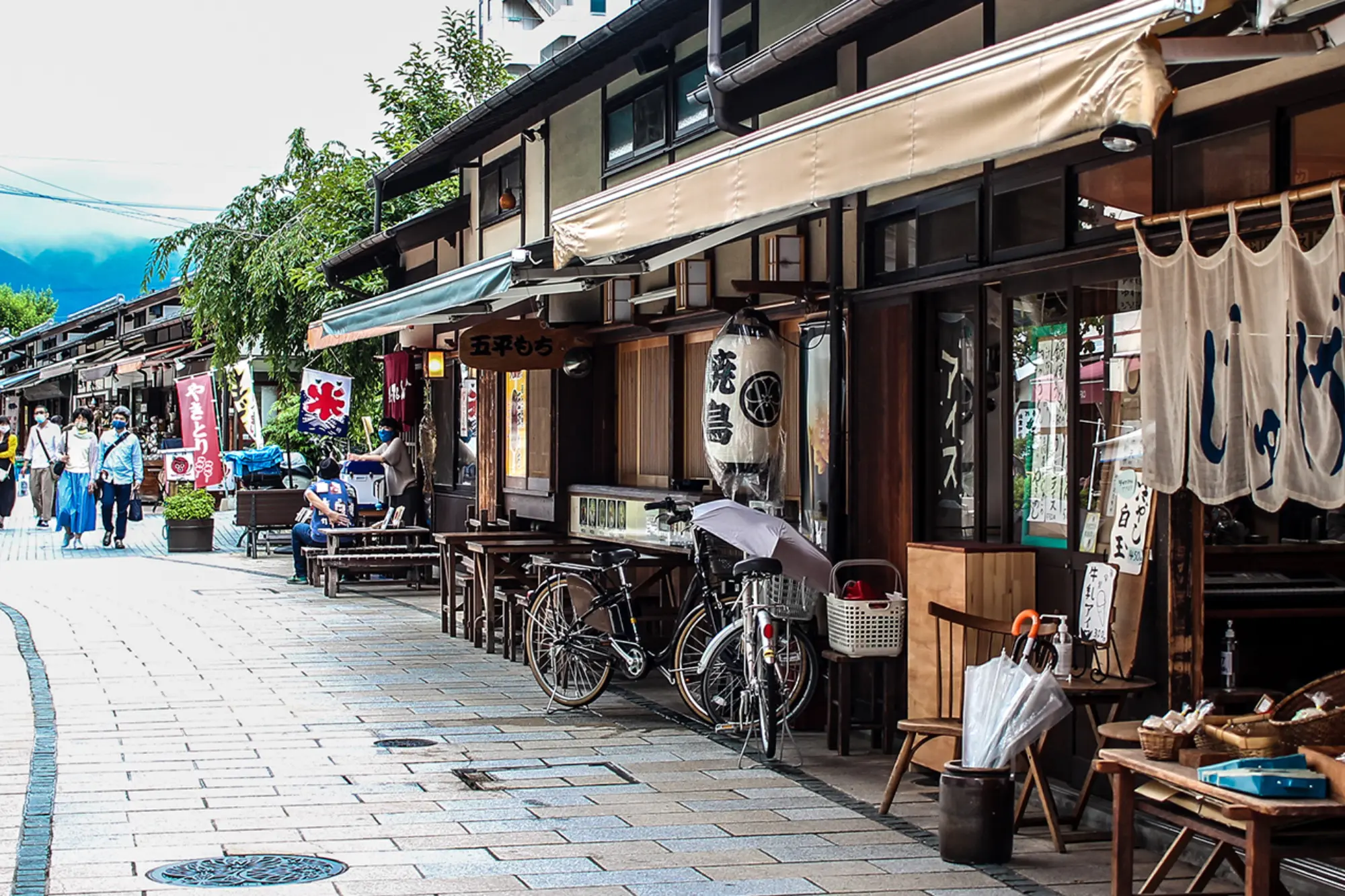
Nawate Street is a lively pedestrian area along the Metoba River, known for its small shops, snacks, souvenirs, and distinctive frog-themed decorations.
The street is close to Matsumoto Castle and provides a more casual way to experience the city’s local shopping and food culture.
- Location: Central Matsumoto
- Suggested time: 45 minutes-1 hour
- Best for: Shopping, snacks, souvenirs, and local atmosphere
- Highlights: Small shops, food stalls, souvenirs, and riverside scenery
6. Visit Former Kaichi School
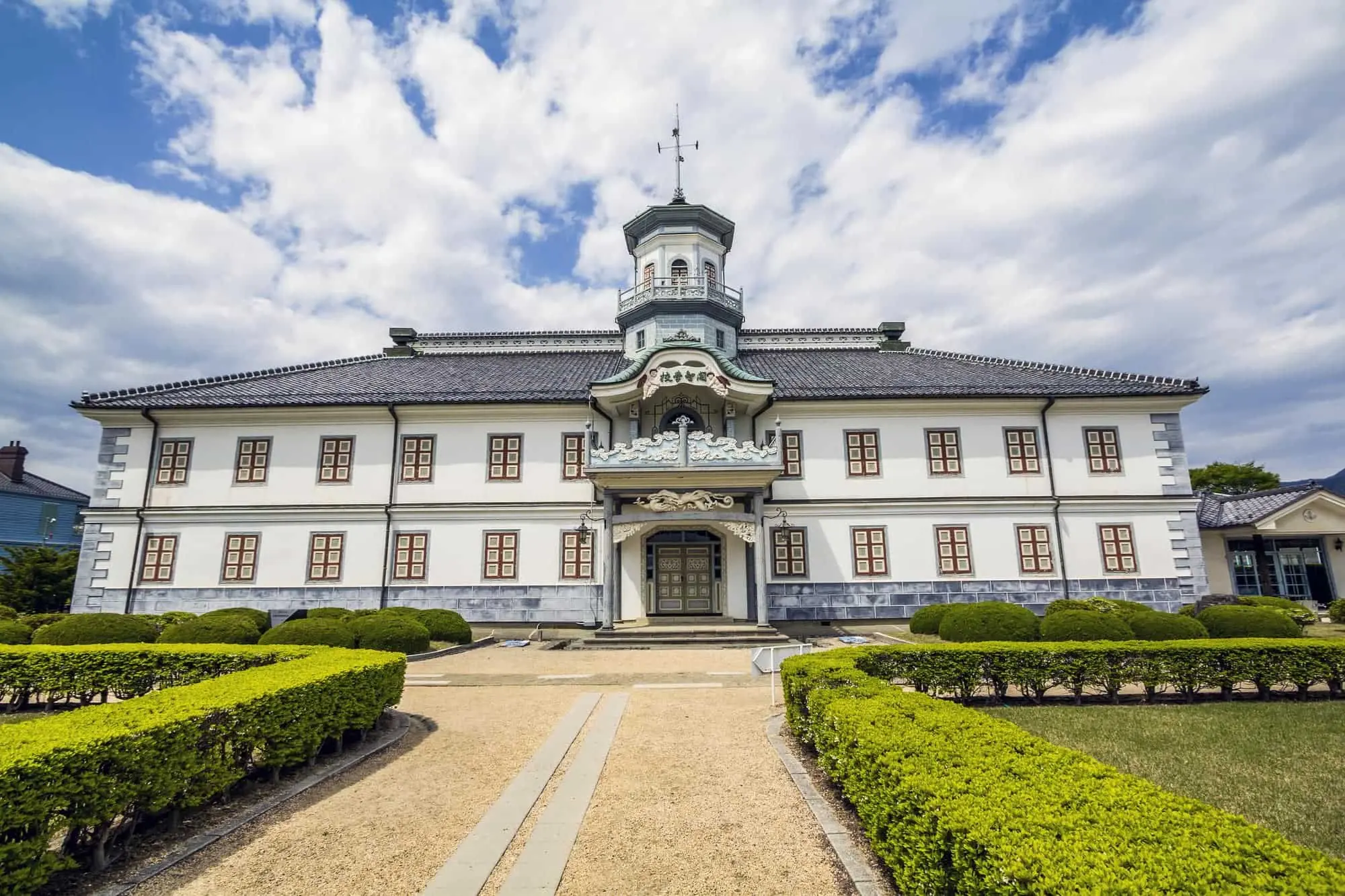
Former Kaichi School is a historic educational building and an important example of Japan’s modernization-era architecture.
The building combines Western-inspired and Japanese architectural elements, reflecting the changes taking place in Japan during the late 19th century.
- Location: Near Matsumoto Castle
- Suggested time: 45 minutes-1 hour
- Best for: Architecture, history, and education
- Highlights: Historic school building, architecture, and cultural exhibits
7. Enjoy the Northern Alps Scenery
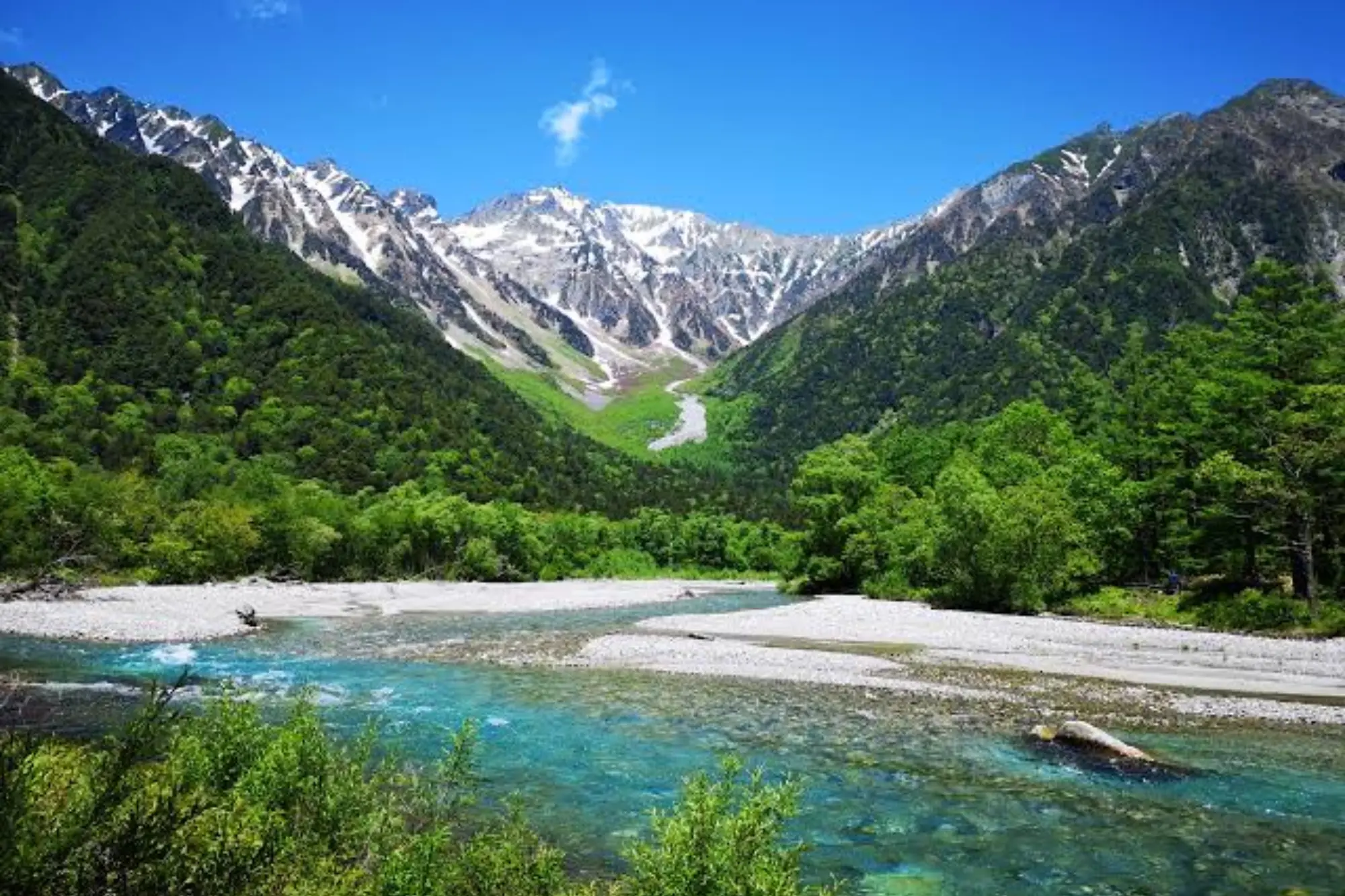
One of the biggest attractions of a Matsumoto visit is the opportunity to enjoy views of the Northern Alps.
The mountains create a dramatic backdrop to the city, particularly around Matsumoto Castle and from higher viewpoints. Travelers with more time can also explore destinations such as Kamikochi, Norikura Highlands, and Utsukushigahara Highlands.
- Best for: Nature, photography, hiking, and scenic views
- Suggested time: Half day to full day
- Highlights: Northern Alps, mountain landscapes, highlands, and seasonal scenery
8. Explore Kamikochi
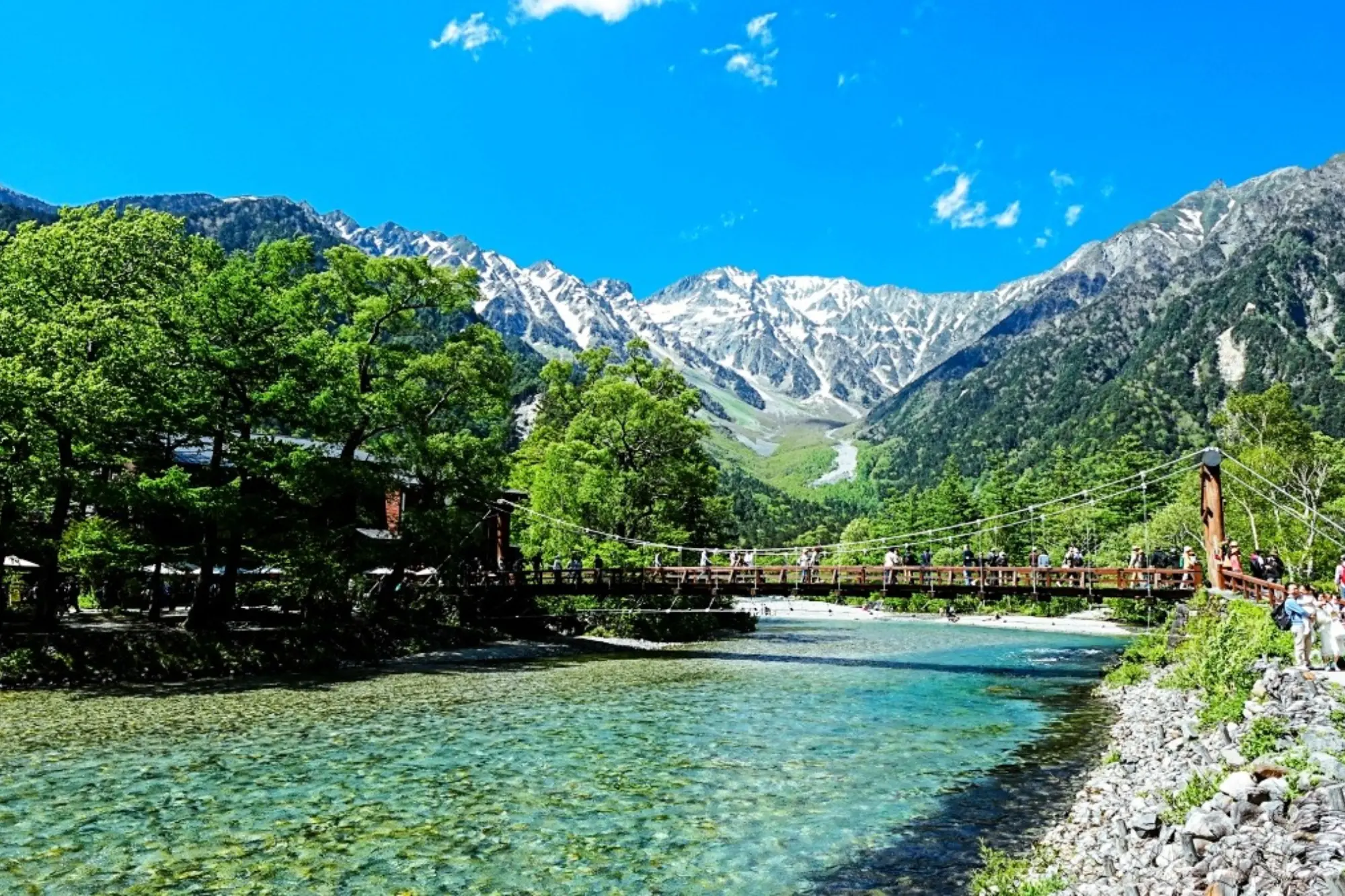
Kamikochi is one of the most famous mountain destinations in the Japanese Alps and can be combined with a longer Matsumoto itinerary.
The area is known for clear rivers, mountain scenery, forests, and hiking routes. It is particularly attractive during the warmer months and autumn foliage season.
- Best for: Hiking, nature, photography, and mountain scenery
- Suggested time: Full day
- Highlights: Alpine landscapes, rivers, forests, and hiking trails
Matsumoto Food & Local Specialties
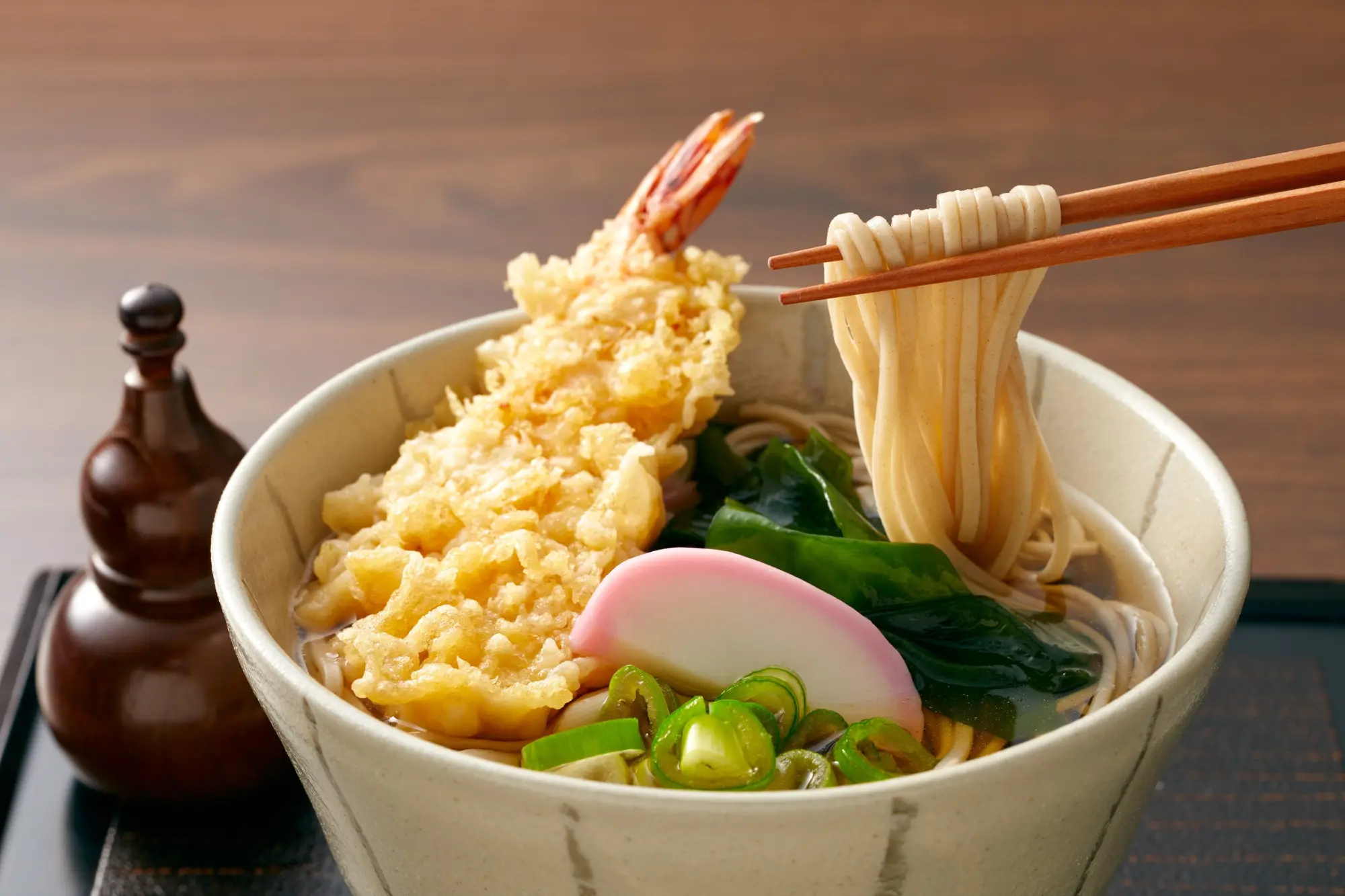
Food is another important part of experiencing Matsumoto. The city’s mountain location and Nagano’s agricultural traditions contribute to a distinctive local food culture.
- Soba: Nagano is famous for soba, and Matsumoto is a good place to try handmade buckwheat noodles served hot or cold.
- Oyaki: Oyaki are traditional Nagano dumplings filled with ingredients such as vegetables, mushrooms, or sweet bean paste.
- Local Miso: Miso is widely used in Nagano cuisine. Travelers can find miso-based dishes and products throughout Matsumoto.
- Shinshu Beef: Shinshu beef is a regional specialty that can be found at restaurants in Nagano Prefecture, including Matsumoto.
- Local Sake: The clean mountain water around Nagano supports a long tradition of sake brewing. Matsumoto has several breweries and restaurants where visitors can try local sake.
Best Time to Visit Matsumoto
Matsumoto can be visited throughout the year, with each season offering a different combination of city and mountain scenery.
Season | Months | What to Expect | Best For |
| Spring | March-May | Mild weather, cherry blossoms, fresh greenery, and mountain views | Matsumoto Castle, photography, walking, and seasonal scenery |
| Summer | June-August | Warm weather in the city and cooler conditions in the mountains | Kamikochi, hiking, highlands, and outdoor activities |
| Autumn | September-November | Cool air, colorful foliage, and clear mountain views | Autumn scenery, photography, hiking, and sightseeing |
| Winter | December-February | Cold temperatures and occasional snow, with quieter city attractions | Snowy scenery, museums, hot springs, and peaceful sightseeing |
Spring and autumn are generally the best times for a Matsumoto visit, especially for travelers interested in comfortable sightseeing weather, cherry blossoms, or autumn foliage. Summer is ideal for exploring Kamikochi and other mountain areas, while winter offers a quieter atmosphere and the chance to see the historic city and surrounding mountains in a colder seasonal setting.
Matsumoto Transport Guide
How to Get to Matsumoto
- From Tokyo: Matsumoto can be reached from Tokyo by train, with services connecting the capital to Matsumoto Station. The official tourism website lists the journey at around 2.5 hours, depending on the service.
- From Nagoya: Travelers from Nagoya can reach Matsumoto by train in approximately 2 hours, making it a practical addition to a Central Japan itinerary.
- From Osaka: Matsumoto can also be reached from Osaka by train, with the official tourism website listing approximately 3 hours depending on the route and service.
- By Bus: Highway buses connect Matsumoto with Tokyo, Nagoya, and other destinations. Buses can be a useful alternative for travelers comparing travel time and cost.
Getting Around Matsumoto
Matsumoto’s central attractions are relatively compact and can be explored on foot or by local bus.
- Walking: Best for Matsumoto Castle, Nakamachi, Nawate Street, and central museums
- Town Sneaker Bus: Useful for connecting major sightseeing areas
- Train: Convenient for longer regional journeys
- Taxi: Practical for short trips or travelers with luggage
- Rental car: Useful for Kamikochi-area trips and exploring destinations outside the city
The official tourism website also provides suggested walking routes through the city center, including routes connecting Matsumoto Castle, traditional streets, museums, and Matsumoto Station.
Matsumoto Travel Tips for Travellers
A little planning can make it easier to explore Matsumoto’s historic center and surrounding mountain areas. Keep these practical tips in mind for a smoother and more enjoyable trip:
- Start early: Visit Matsumoto Castle in the morning, especially during busy seasons.
- Explore on foot: Many central attractions are within walking distance of each other.
- Combine the castle and museum: Matsumoto Castle and Matsumoto City Museum are close together and work well in the same sightseeing route.
- Allow time for the mountains: Kamikochi and other highland destinations require more time than central city attractions.
- Check the weather: Mountain conditions can change quickly, particularly outside summer.
- Wear comfortable shoes: Historic streets and sightseeing routes involve plenty of walking.
- Try local food: Soba, oyaki, miso-based dishes, and regional sake are worth including in your itinerary.
- Check transport schedules: Bus services to mountain destinations can be seasonal, so check schedules before traveling.
Matsumoto is also easy to combine with other destinations such as Tokyo, Nagoya, and Osaka, making it a convenient stop on a longer Japan itinerary.
Frequently Asked Questions About Matsumoto
1. How many days do you need in Matsumoto?
A 2-day trip is enough to explore major Matsumoto attractions, including Matsumoto Castle, Matsumoto City Museum, Nakamachi Street, Nawate Street, and the Matsumoto City Museum of Art. Three or more days allows time for Kamikochi or other mountain destinations.
2. What are the main Matsumoto attractions?
Major Matsumoto attractions include Matsumoto Castle, Matsumoto City Museum, Matsumoto City Museum of Art, Nakamachi Street, Nawate Street, Former Kaichi School, and the Northern Alps.
3. Can you visit Matsumoto and Kamikochi together?
Yes. Matsumoto is a useful base for exploring Kamikochi and other mountain destinations. However, Kamikochi is best planned as a separate full-day excursion rather than combined with a full day of central Matsumoto sightseeing.
4. Can you visit Matsumoto in winter?
Yes. Winter offers a quieter atmosphere and the possibility of snow-covered scenery. However, travelers should check weather conditions and transportation schedules, particularly when planning mountain excursions.
Conclusion
Matsumoto is a destination where history, art, traditional culture, and mountain scenery come together. The city’s most famous landmark, Matsumoto Castle, provides a strong introduction to its castle-town history, while the Matsumoto City Museum and Matsumoto City Museum of Art offer deeper insight into the city’s history and creative culture.
Beyond the major attractions, walking through Nakamachi and Nawate streets, trying local food, and looking toward the Northern Alps are all part of the Matsumoto experience. Travelers with more time can also extend their journey to Kamikochi, Utsukushigahara, or other destinations in the Japanese Alps. Whether you are planning a short Matsumoto visit or a longer Central Japan itinerary, the city offers a balance of cultural attractions and spectacular natural scenery.
Discover Japan tour packages with Nicetrips and experience Matsumoto Castle, traditional streets, local culture, and the spectacular scenery of the Japanese Alps. Follow the Nicetrips Blog for more Japan destination guides, travel tips, and inspiration for your next journey.