Cold seas, wide pastures and a food culture only 150 years old: that is the recipe behind the Hokkaido Food & Culinary Trail. Japan’s northernmost main island serves some of the country’s sweetest crab, a curry that exists nowhere else, and milk, butter and cheese that locals brag about. This guide from nicetrips travels shows you what to eat, when to go, where to try it and roughly what you will pay, so you can build a trip around your appetite.
Hokkaido: Japan’s Greatest Food Region
Hokkaido sits apart from the rest of Japan. It has some of the country’s coldest winters, its largest stretches of farmland and its richest coastal waters. The result is a cuisine built on bold, generous flavors rather than the refinement of Kyoto or the speed of Osaka street food. Its food traditions are also young: large-scale settlement began in the 1870s, so dishes such as soup curry were invented relatively recently and feel playful and unfixed.
Hokkaido Culinary Trail
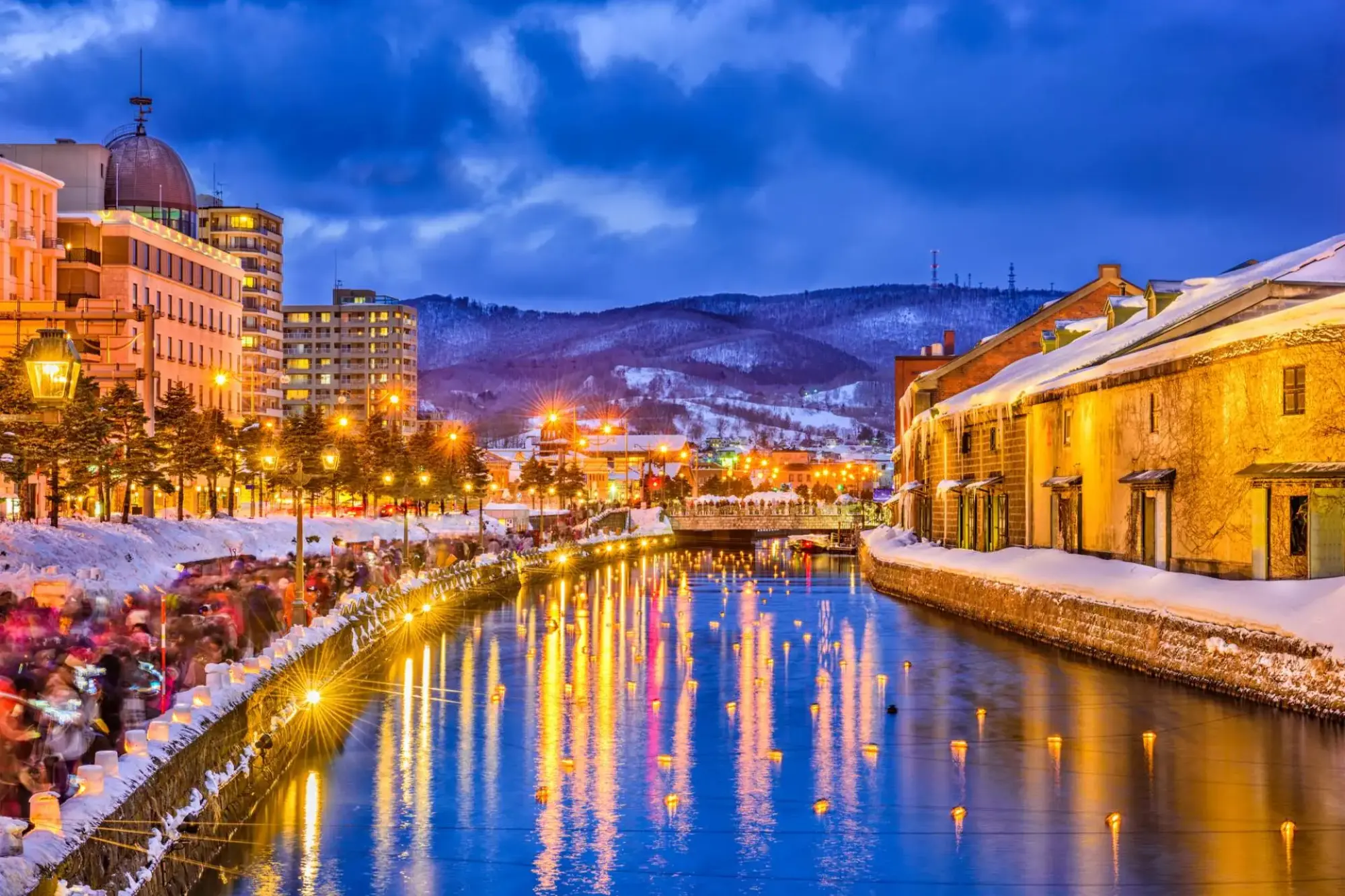
A good culinary trail here follows the seasons and the map. Sapporo is the natural base, with its morning market, ramen alleys and soup curry shops. Otaru, about 35 minutes away by train, adds canal-side sushi and sweets. Hakodate in the south is famous for its morning market. Furano and Biei, further inland, are the places for farm-fresh dairy and summer melons, while eastern towns such as Nemuro and Kushiro reward travelers who want seafood at the source. A weekend covers Sapporo’s core dishes; a week lets you add Otaru, Hakodate and the farmland.
Hokkaido Food
Cold seas, wide pastures and a young, inventive food culture make Hokkaido a paradise for eaters. Three tastes define the island. Fresh crab comes in distinct seasons: kegani from April to June, hanasaki crab from July to September, and king and snow crab from November to March. Soup curry, a Sapporo invention, is a thin, spiced broth filled with big vegetables and chicken, served with a separate bowl of rice. Hokkaido dairy shines in rich soft serve, artisan cheese and butter, which even tops local ramen.
Timing matters. Eat crab in season and close to the source, try soup curry in Sapporo, and save dairy for summer farm stands in Furano and Biei.
Key Experiences on the Hokkaido Food & Culinary Trail
The Three Hokkaido Crab Seasons
What makes Hokkaido’s fresh crab special?
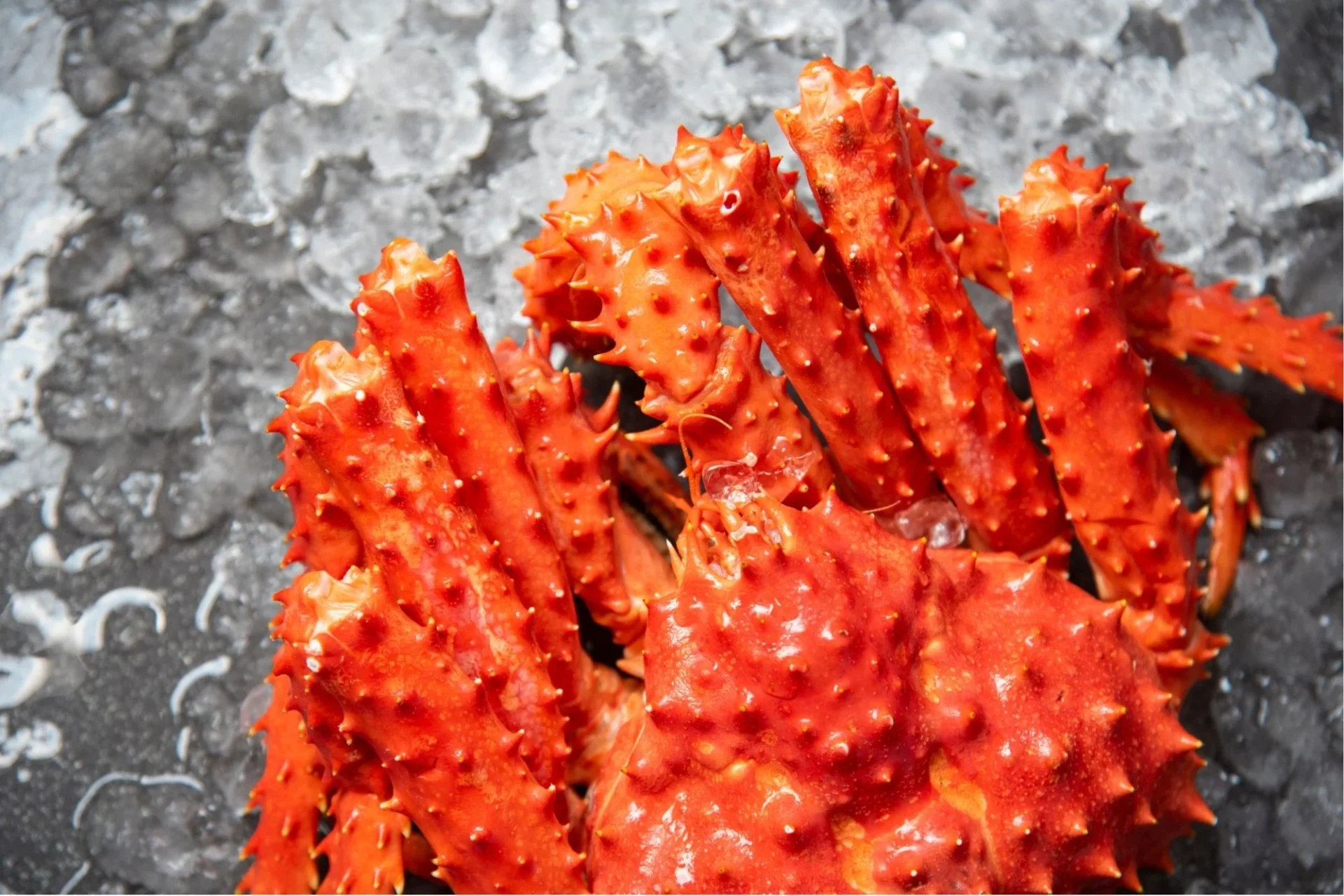
Hokkaido’s cold, nutrient-rich waters in the Sea of Okhotsk, the Pacific and the Sea of Japan support several prized crab species. Three of them define the visitor’s calendar, each with its own peak season.
- Kegani (hairy crab), April to June. A small, dense crab with intensely sweet meat and rich amber crab miso, the part many gourmets prize most. The flavor is more concentrated than that of the bigger crabs. It is best steamed whole and cracked at the table.
- Tarabagani (king crab), roughly October or November to March. The giant of the group, with legs that can span around 1.5 meters and firm, sweet leg meat that delivers the most meat per bite. Technically a relative of the hermit crab, it is the classic winter treat.
- Hanasaki crab, July to September. A spiny, deep-red crab found around Nemuro in eastern Hokkaido, with a distinctive mineral intensity. It is rarely found outside the region, so it is worth the trip east.
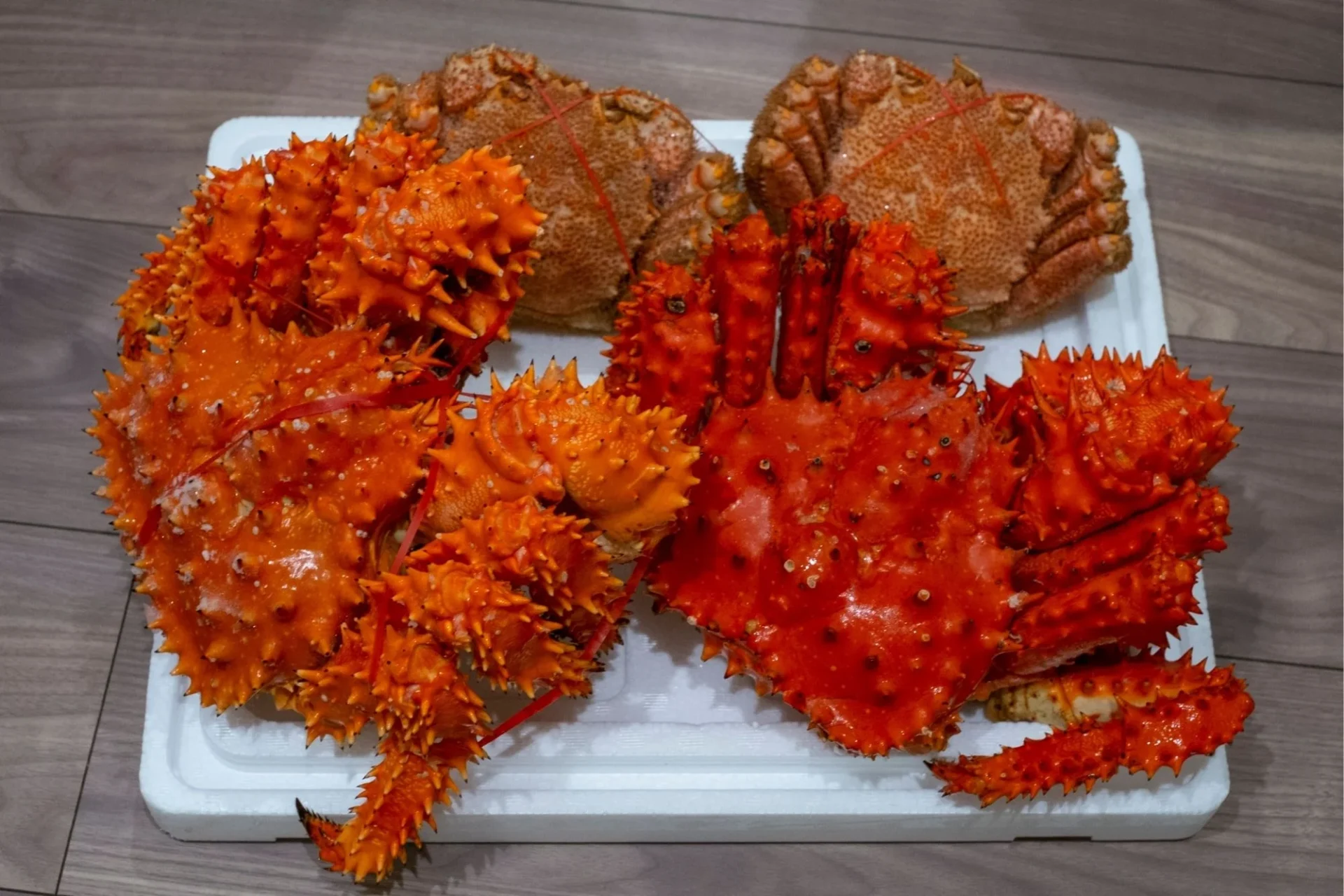
Snow crab (zuwaigani) also arrives in winter, so November to March is the easiest window if you want a choice of species. As lean shellfish, crab is a source of protein, though the sources we reviewed do not give detailed nutritional figures.
Things to know
- Tourist markets in big cities can mark prices up. For the real thing, go to fishing towns.
- Match the species to the month. Ordering king crab in June or kegani in January means you may get frozen or imported products.
- Ask vendors about the day’s catch before ordering, and compare prices between stalls.
- Crab shells can be used to sip sake, a local touch at some restaurants.
Where to try
- Susukino, Sapporo: crab restaurants serve full set courses of boiled and grilled legs, crab chawanmushi and crab rice, at prices reported to be noticeably lower than comparable meals in Tokyo.
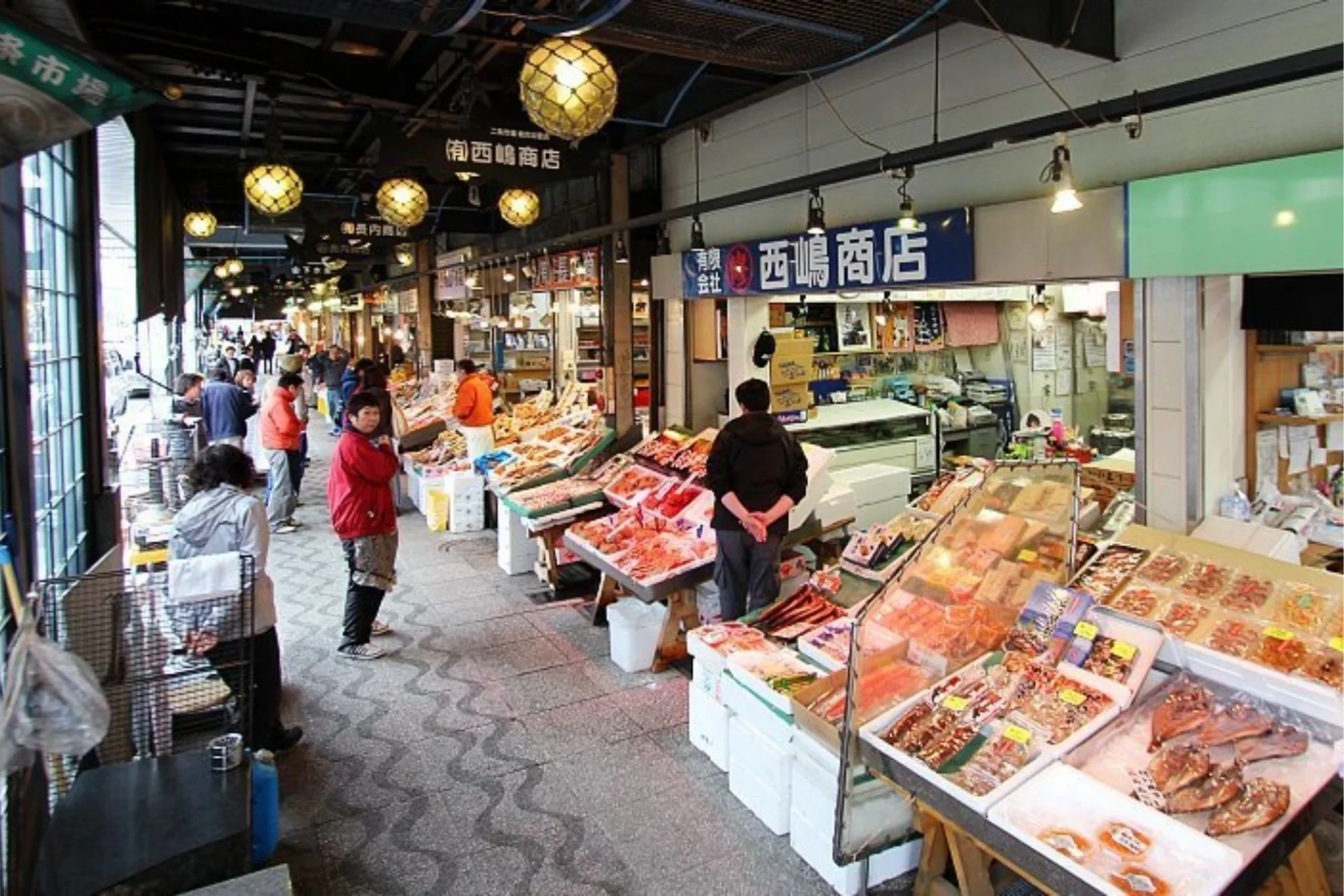
- Nijo Market, Sapporo: the easiest place to see and taste crab in a kaisendon or from market stalls.
- Abashiri, Monbetsu and Nemuro: eat at the source for the best quality. Hanasaki crab is best enjoyed simply boiled at a portside restaurant in Nemuro, around four hours from Sapporo.
- Hotels and izakaya across Hokkaido: crab is served boiled, grilled, in shabu-shabu hot pot, as crab zosui porridge and in croquettes and gratins.
Reference prices (approximate, check current prices)
- Kegani: about ¥2,000–6,000 per crab at markets; about ¥4,000–12,000 at restaurants.
- King crab set course in Susukino: about ¥8,000–15,000.
- Market kaisendon with crab, uni or ikura: about ¥2,500–4,500.
Soup Curry
What is soup curry?
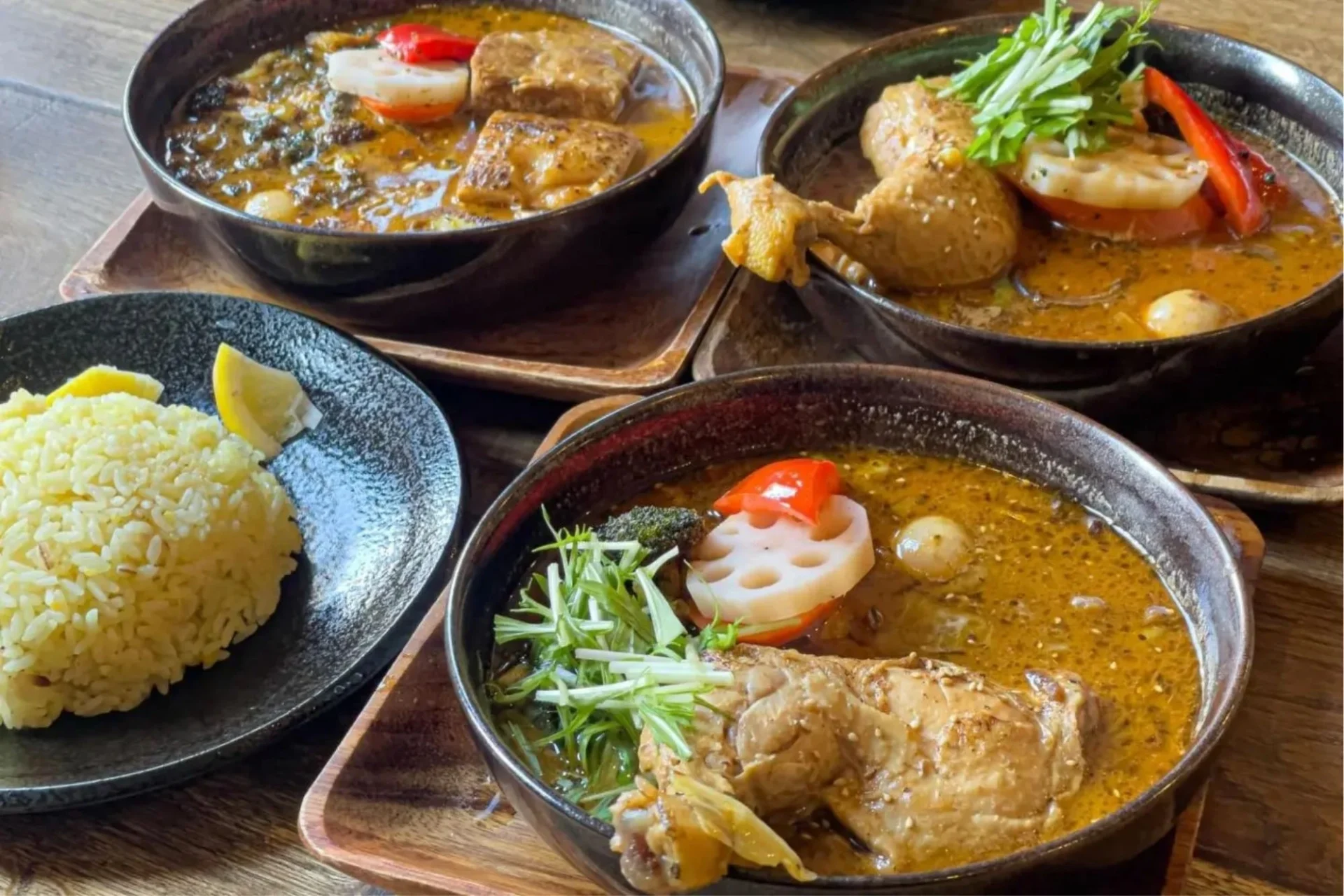
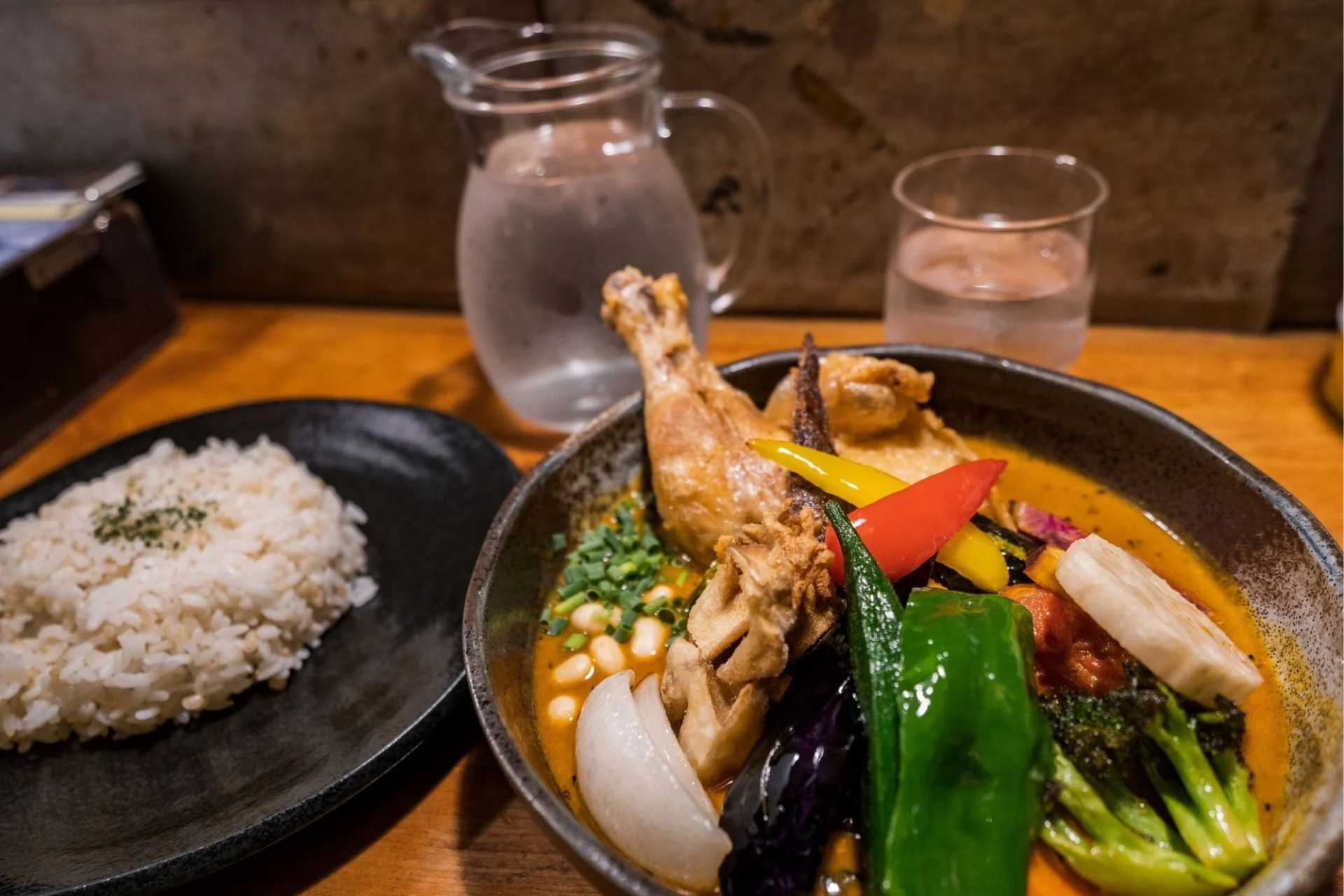
Soup curry is Sapporo’s signature invention: a thin, aromatic, deeply spiced broth served with large pieces of vegetables and usually a chicken leg, plus a separate bowl of plain rice. It is a true soup rather than a sauce, and it bears no resemblance to the thick roux-based Japanese curry served nationwide. Sapporo now has several hundred soup curry restaurants.
The origin: a pharmacy in Susukino
The best-documented origin story points to Ajanta, a herbal-medicine and consultation shop in Sapporo’s Susukino district in the early 1970s. Its owner, who had studied Ayurvedic practice, turned medicinal spiced soups into a meal. Magic Spice, which opened in 1993, helped popularize the format commercially, and by the late 1990s soup curry was firmly part of Sapporo’s food identity.
How to eat soup curry
- Spoon some rice into the soup bite by bite, or spoon broth onto the rice. Do not pour everything over the rice like regular curry.
- Choose your spice level when ordering. Scales usually run from 1 to 10 or even 40 and above, and a mid-level choice such as 5 to 7 gives real heat without hiding the spice complexity.
- The vegetables are the signature: large cuts such as potato, carrot, pumpkin and broccoli, often roasted separately and added whole.
- The soup is meant to be drunk, so finish the bowl.
Where to try
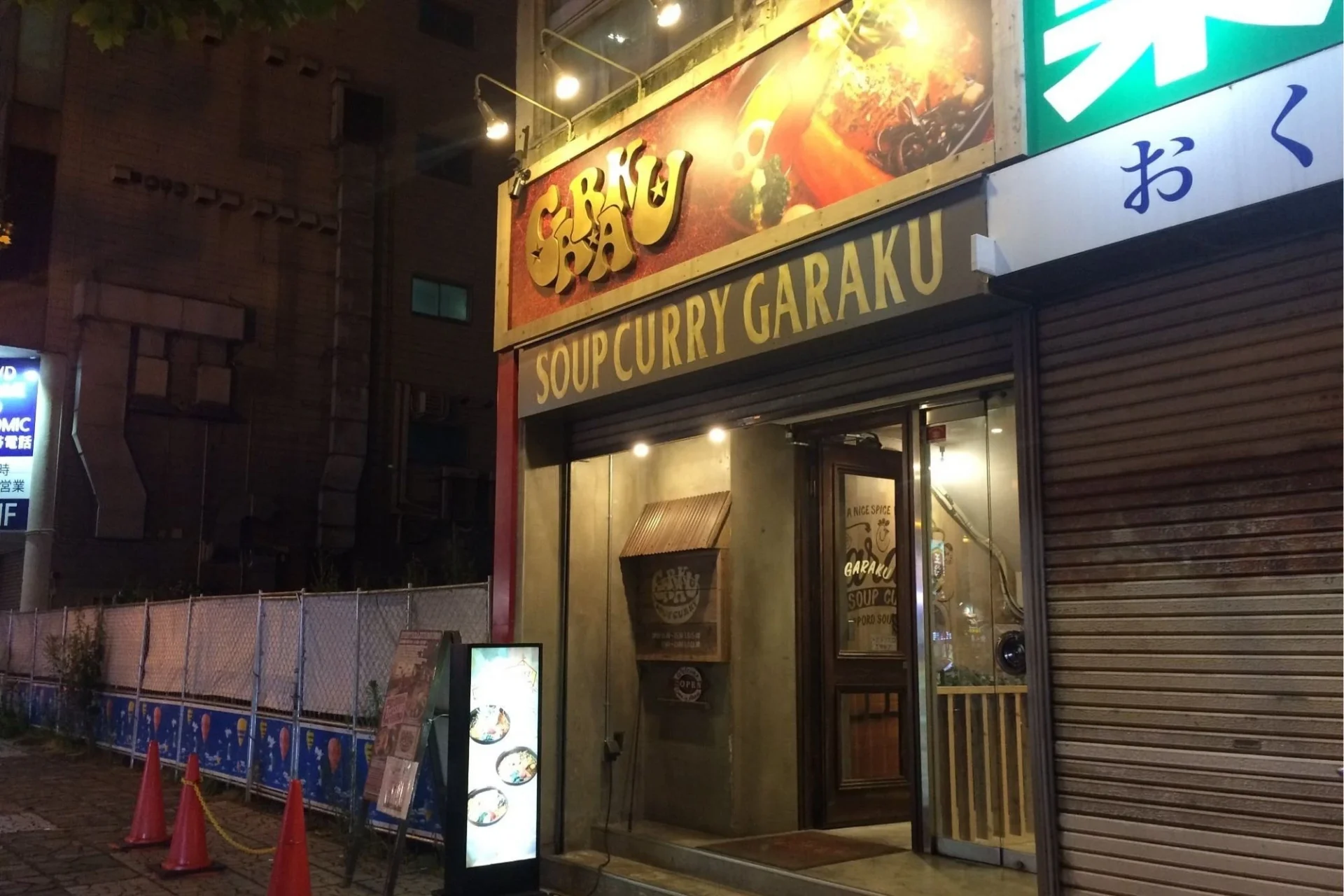
- Garaku (Susukino/Odori area): a darker, deeper broth and some of the longest queues in Sapporo. Arrive before opening.
- Suage (multiple Sapporo locations): often named first by locals for its consistent, clean spice balance.
- Lavi (Maruyama area): considered one of the highest-quality options.
- Magic Spice: the chain that popularized the style, with a famously eccentric atmosphere.
- Okushiba Shouten (Hirafu, Niseko): a food-truck version with a rich shrimp soup curry, handy if you are heading to the ski or hiking area.
Reference prices
Most bowls cost about ¥1,300–2,200 depending on toppings and spice level. Chicken-leg curry at popular shops is usually about ¥1,300–2,000, and the Niseko food truck lists meals from about ¥1,000 per person.
Hokkaido Dairy: Soft Serve, Cheese & Butter
Why Hokkaido dairy is special
Hokkaido’s dairy culture is built on climate and land: cool weather, open pasture and a low population density. The prefecture produces roughly half of Japan’s milk. American agricultural advisors arrived in 1870 and pushed the island to become Japan’s dairy region, and the products now carry a strong brand value nationwide. You will notice dairy in places you do not expect it. Sapporo miso ramen is often topped with butter, and butter-cookie sandwiches are among the most popular souvenirs.
Soft serve
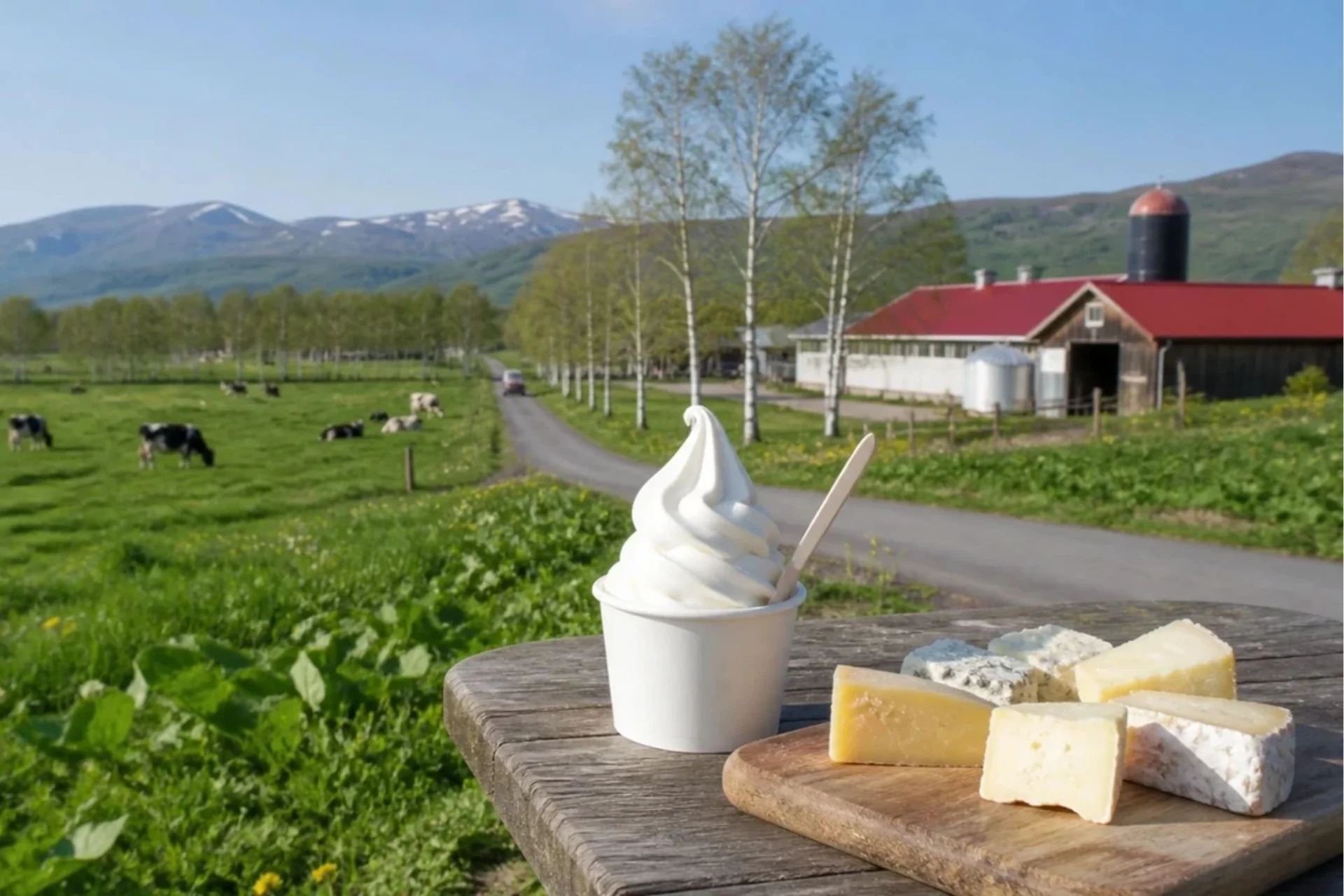
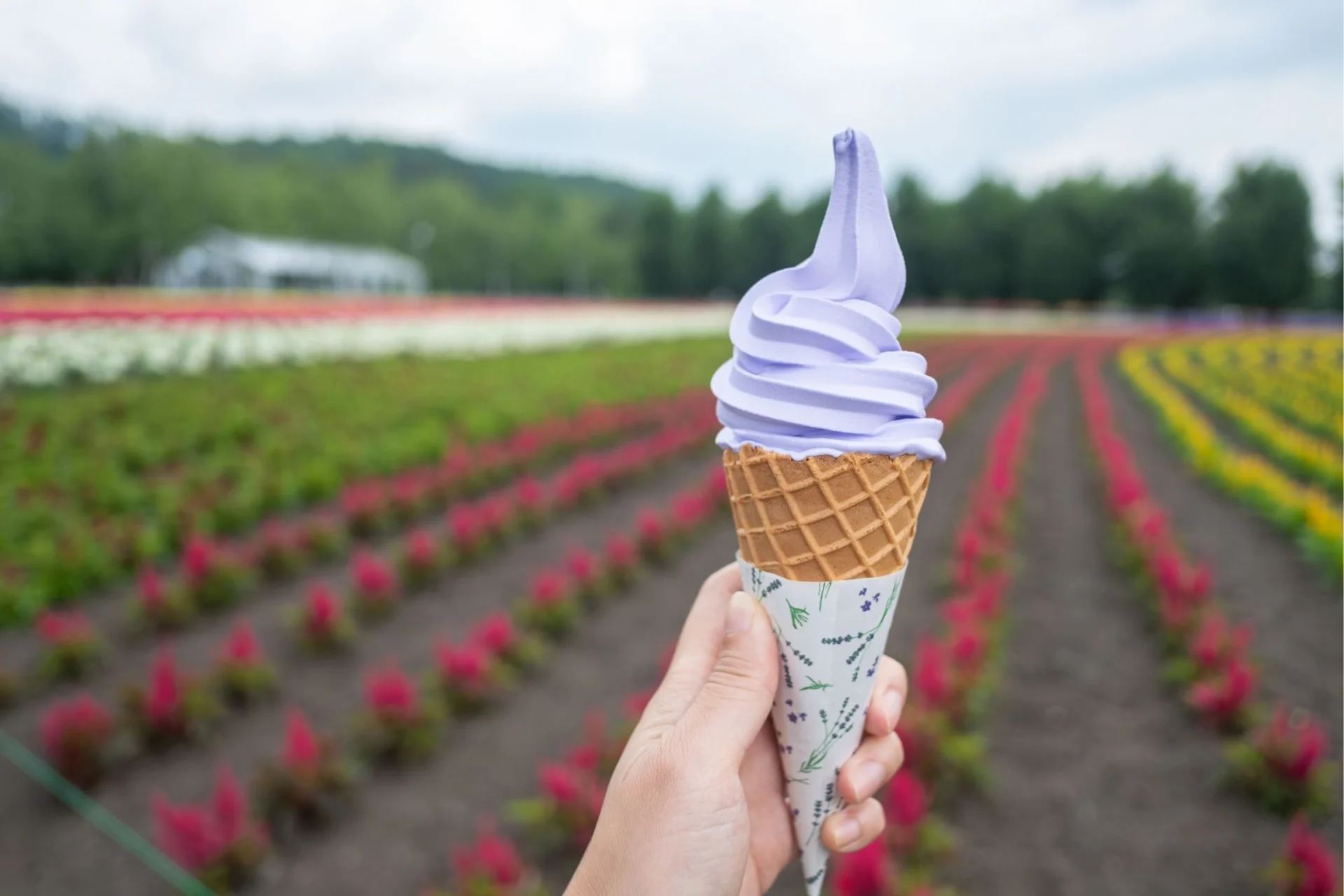
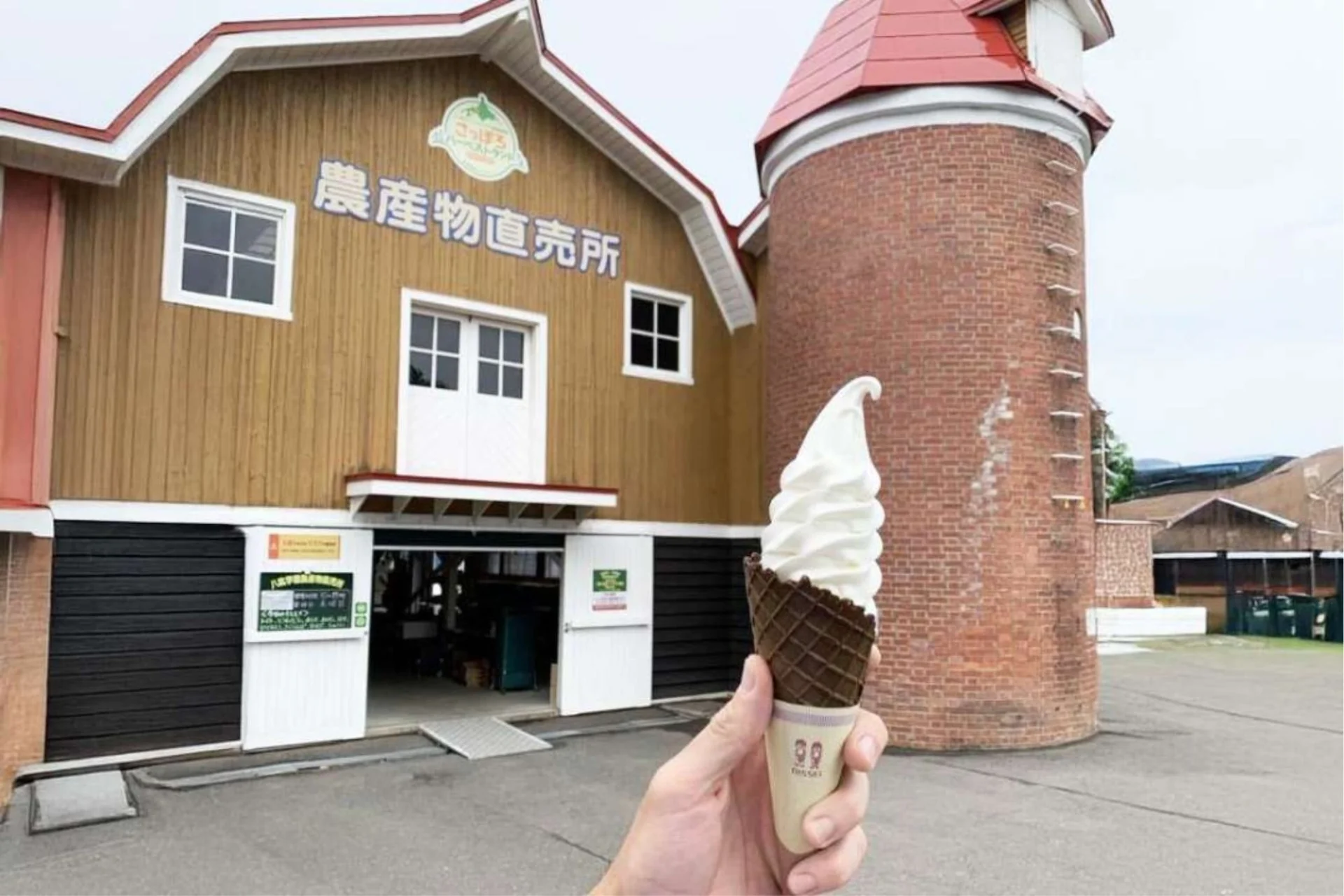
Hokkaido soft serve (soft cream) is made with local milk that is richer and sweeter than typical Japanese ice cream. Some of the best versions come from farm stands around Furano and Biei, where the milk travels the shortest distance and the cream often has a natural yellow tint from its high fat content. In Otaru, rainbow ice cream shops serve flavors like melon, lavender and matcha.
Cheese and butter
The Tokachi region around Obihiro is the heart of Hokkaido’s artisan cheese-making, with camembert, gouda and aged cheddar styles. Many dairy farms also welcome visitors for tastings, handmade cheese, yogurt, butter, gelato and sometimes cheese-making workshops. For a cheese-focused stop near the airport, Restaurant Miyamoto in Abira is known for cheese hamburg steak and camembert soft cream. In Otaru, LeTAO’s double-layer Fromage cheesecake is a famous treat.
Things to know
- Furano and Biei are hard to reach without a car, so plan a rental car or a dedicated bus day.
- In warm months, carry an insulated bag if you buy chocolate or dairy souvenirs.
- Summer is best for soft serve and melon; many popular bakeries sell out by early afternoon.
Where to try
- The farm stands in Biei and Furano for soft serve.
- Dairy farms and cheese workshops in the Tokachi area.
- Sakaimachi Street in Otaru for ice cream, cheesecake and butter cookies.
- Bakeries and convenience stores across Hokkaido for milk bread, pudding and regional ice cream.
Reference prices
- Soft serve: about ¥300 – 600 per cone.
- Cheese in Tokachi: about ¥600 – 2,000 per piece.
- Cheese tarts at Sapporo Station: about ¥230 – 400 each.
Practical Tips
- Eat early at markets. Nijo Market and Hakodate’s Morning Market open at roughly 5–6 am, and the freshest seafood goes first. Visit before 9 am.
- Pick the season to match your appetite. Summer (June–August) for uni, melon and soft serve; autumn for salmon and ikura; winter (November–March) for crab, hot ramen and soup curry.
- Use supermarkets. Local supermarkets sell fresh uni, ikura, smoked salmon and dairy at local prices, and a supermarket dinner costs about half of a restaurant meal.
- Cash and cards. Small stalls and markets may prefer cash, so carry some.
- Check prices. Seafood and crab prices vary by season and vendor, and all figures in this guide are approximate.
Planning a Hokkaido Food Trip
Fly into New Chitose Airport (CTS), about 45 minutes from Sapporo by JR rapid train. Sapporo, Otaru and Hakodate are all well connected by JR trains, so you do not need a car there; save the rental car for Furano and Biei.
A simple plan, which nicetrips travels suggests as a starting point for your own Hokkaido Food & Culinary Trail:
- Days 1–2, Sapporo: a morning seafood bowl at Nijo Market, soup curry for lunch or dinner, and an evening in Susukino for crab.
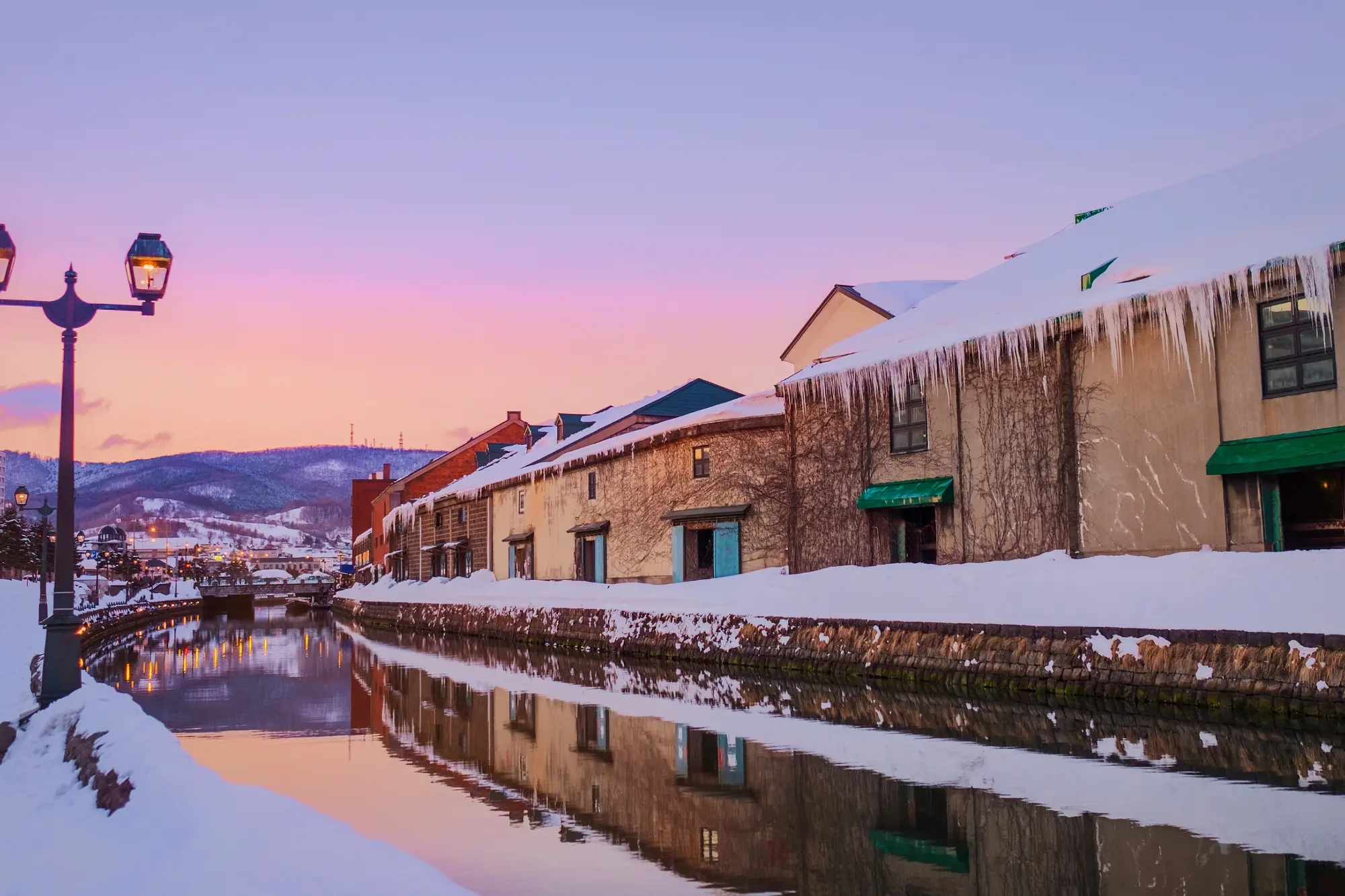
- Day 3, Otaru: fresh sushi, grilled scallops from market stalls and a stroll along Sakaimachi Street for dairy sweets.
- Day 4, Furano and Biei (summer): farm-fresh soft serve, melon and cheese, ideally by car.
- Optional extensions: Hakodate for its morning market, or eastern Hokkaido for hanasaki crab and scallops from Lake Saroma.
Match the timing to your priorities. Choose winter for crab, summer for uni and dairy, or autumn for salmon roe.
Frequently Asked Questions
When is the best time to eat fresh crab in Hokkaido?
It depends on the species. Kegani is best from April to June, hanasaki crab from July to September, and king and snow crab from around October or November to March.
Is Hokkaido food expensive?
Ramen and soup curry cost about the same as in Tokyo or Osaka, roughly ¥900–2,200 per meal. Premium seafood such as crab and uni costs more, but a market seafood bowl is often cheaper than a comparable Tokyo restaurant meal.
What is soup curry and how is it different from Japanese curry?
Soup curry is a thin, spiced broth with large pieces of vegetables and chicken, eaten with a separate bowl of rice. Regular Japanese curry is a thick, roux-based sauce poured over rice.
Where should I go for the best dairy in Hokkaido?
Furano and Biei are best known for farm-fresh soft serve, the Tokachi area for artisan cheese, and Otaru for cheesecake and ice cream shops.
Do I need a car?
Not for Sapporo, Otaru or Hakodate. A car is useful mainly for farm stands in Furano and Biei, where public transport is limited.
How many days do I need?
A weekend covers Sapporo’s essentials. Plan about a week if you want to add Otaru, Hakodate and the dairy country.
Conclusion
The Hokkaido Food & Culinary Trail rewards anyone who plans around the calendar: fresh crab in the right month, a bowl of Sapporo soup curry after a cold day, and the creamy flavors of Hokkaido’s dairy culture in every cone of soft serve. Eat early at the markets, travel to the source for the best seafood, and leave room in your itinerary for queues and farm detours. Ready to turn this into a real itinerary? Let nicetrips travels help you plan your Hokkaido food trip.
Explore our Japan Package Tours with Nicetrips Travels and experience the beauty, history, and culture of this remarkable destination. Follow the Nicetrips Blog for more travel guides, tips, and inspiration for your next journey.