Vietnam is one of the best places to explore distinctive coffee and tea, whether you prefer bold, full-bodied brews or delicate, fragrant leaves. When buying coffee and tea in Vietnam, the key is knowing what you enjoy, understanding where different varieties come from, and choosing products with clear information about their ingredients and origin. From robusta coffee grown in the Central Highlands to green tea from Thai Nguyen and lotus-scented tea from Hanoi, there is a wide range of flavors to discover. This guide explains what to buy, how to recognize quality, where to shop, and what to consider when bringing your purchases home.
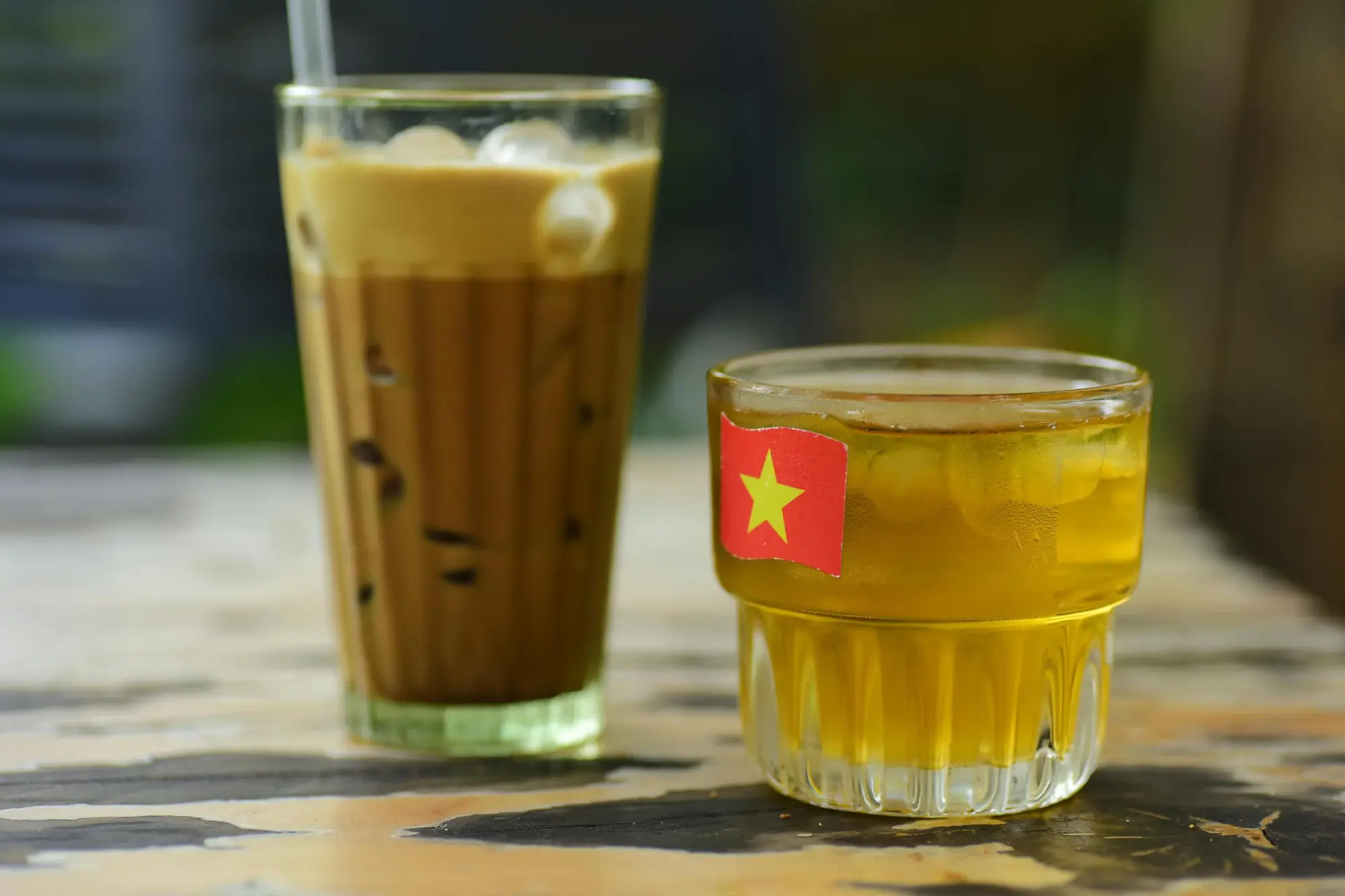
Vietnamese Coffee and Tea at a Glance
Vietnamese coffee and tea vary considerably in taste, preparation, and price. Use this overview to narrow down your options before visiting a shop.
| Product | Flavor Profile | Associated Region | Best For |
| Robusta coffee | Bold, earthy, bitter, full-bodied | Central Highlands, especially Dak Lak | Traditional Vietnamese coffee and strong brews |
| Arabica coffee | Often brighter and more aromatic, with fruity or floral notes | Da Lat and parts of northern Vietnam | Pour-over, filter coffee, and specialty brewing |
| Vietnamese coffee blends | Varies by beans and roast | Depends on the producer | Everyday brewing |
| Thai Nguyen green tea | Fresh, vegetal, pleasantly astringent | Thai Nguyen, particularly Tan Cuong | Traditional tea drinking and gifts |
| Shan Tuyet tea | Floral, woody, sweet, or mineral notes | Northern mountain regions | Exploring mountain-grown teas |
| Oolong tea | Floral, creamy, or toasted | Lam Dong and other highland tea areas | Multiple infusions |
| Lotus-scented tea | Delicate lotus aroma | Hanoi’s tea tradition | Premium gifts |
| Jasmine tea | Fragrant, floral, refreshing | Produced in several parts of Vietnam | People who enjoy aromatic tea |
Vietnam’s coffee industry is dominated by robusta, while its tea traditions include green tea, mountain-grown varieties, oolong, and scented teas. The flavor of each product also depends on the cultivar, growing conditions, processing, and storage.
Understanding Vietnamese Coffee
Vietnamese coffee is known for its bold flavor and its association with the traditional phin filter. However, not every coffee produced in Vietnam tastes the same. Understanding the main bean types and regional differences will help you choose a product that suits your preferences.
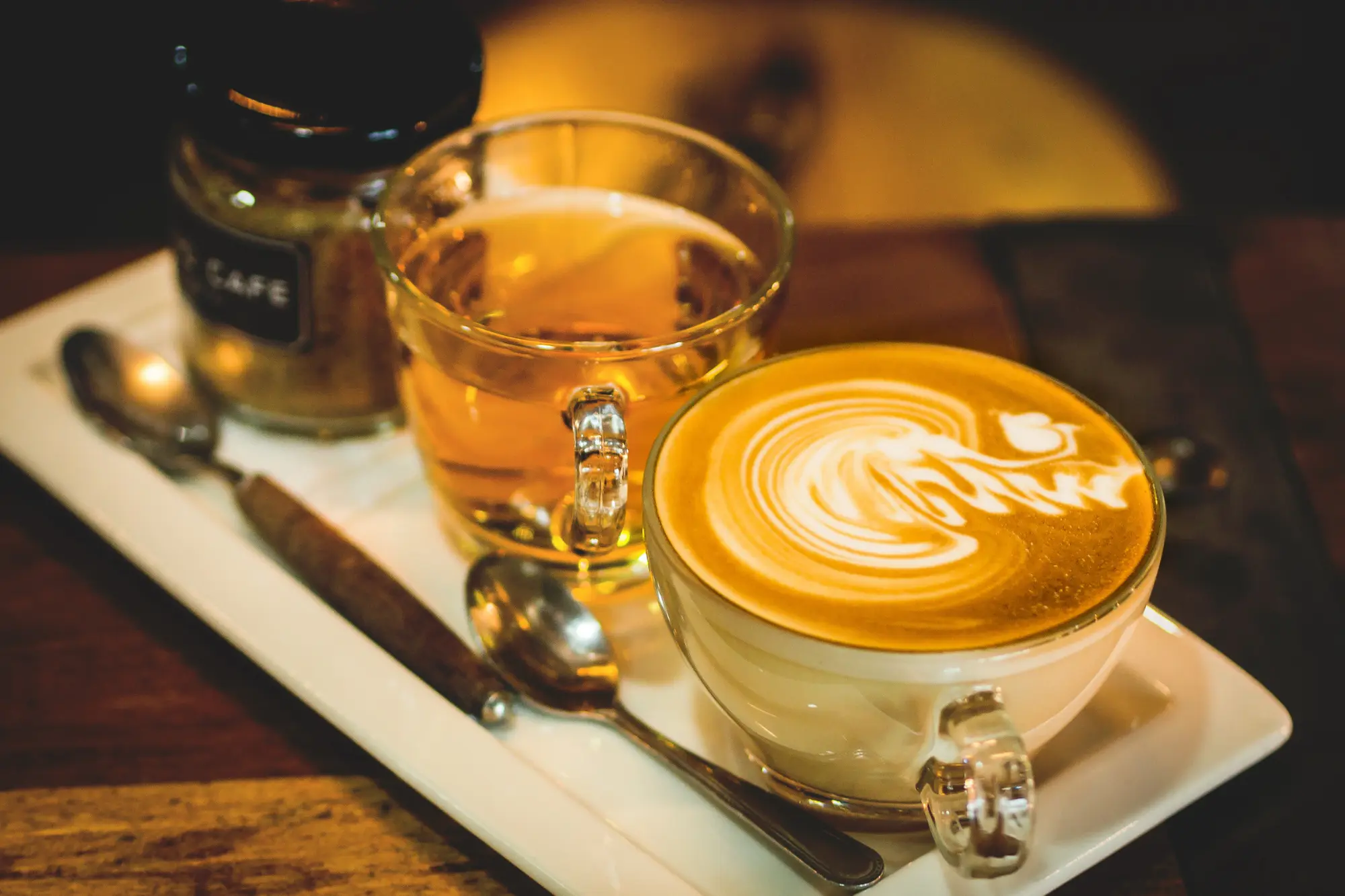
Robusta vs. Arabica: Which Should You Buy?
Robusta is a natural starting point if you enjoy bold, full-bodied coffee. It generally produces a strong cup with pronounced bitterness and earthy or nutty notes. It is particularly suitable for phin brewing and coffee served with condensed milk.
Arabica is worth exploring if you prefer a more aromatic cup with brighter acidity. Depending on the beans and processing method, you may notice fruity, floral, or chocolate-like notes. Vietnamese Arabica is grown in selected highland and northern areas, including parts of Lam Dong and Son La.
Neither type is automatically better. If you enjoy strong coffee with milk, try a robusta or robusta-led blend. If you prefer black coffee or pour-over brewing, compare a few Arabica options before choosing a bag to take home.
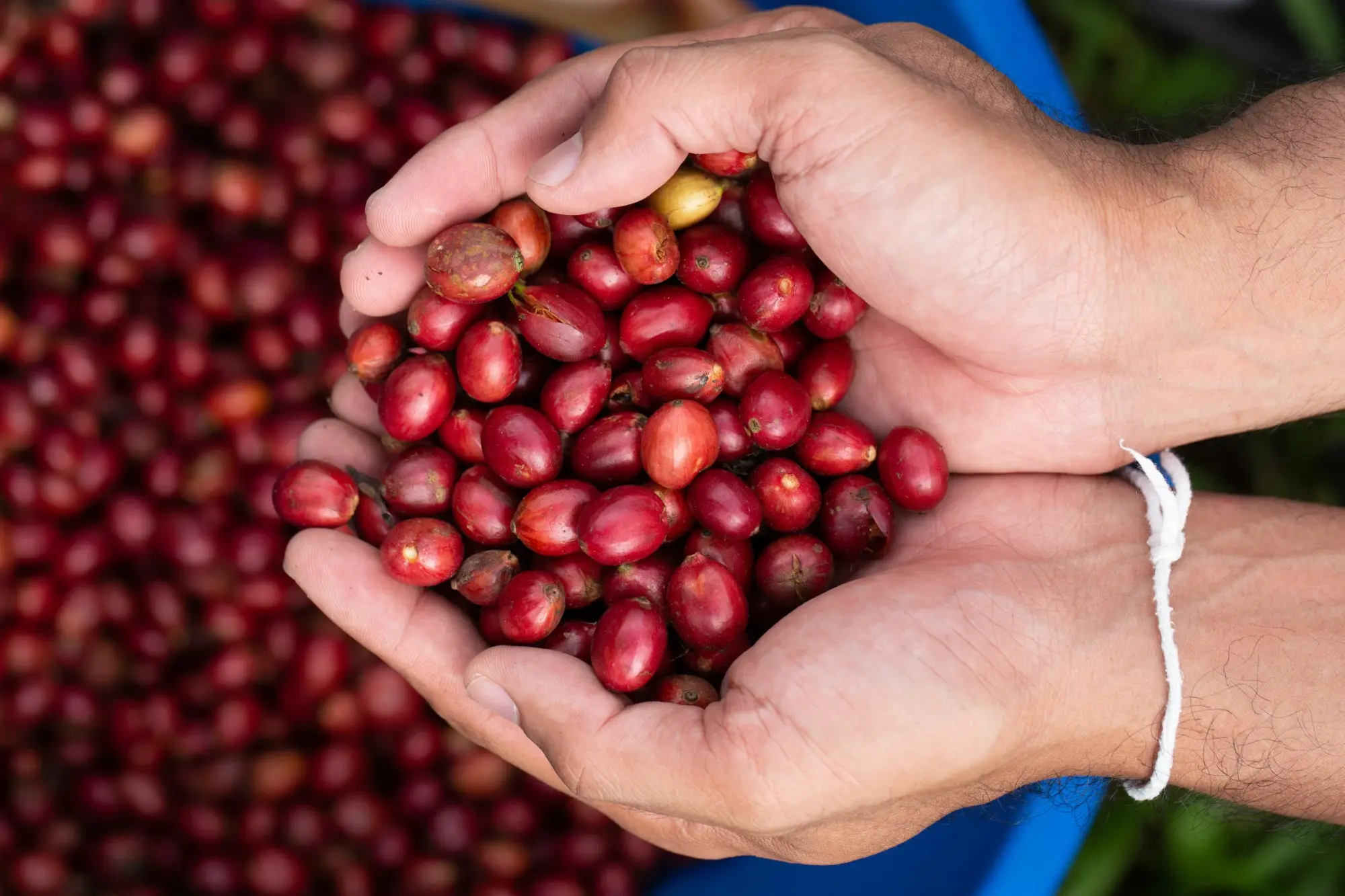
Regional Coffee Worth Exploring
The Central Highlands are the heart of Vietnam’s coffee production, with Dak Lak and Buon Ma Thuot particularly associated with robusta. Coffee from this area is a natural option for travelers looking to explore traditional Vietnamese coffee styles.
Da Lat and the surrounding highlands are also worth considering, especially if you want to explore specialty coffee and Arabica. Rather than assuming that every coffee from one city tastes the same, look for information about the farm or growing area, bean variety, processing method, and roast profile.
If a shop offers tastings, compare two or three coffees side by side. This is often more useful than choosing a bag solely because its packaging features a famous destination.
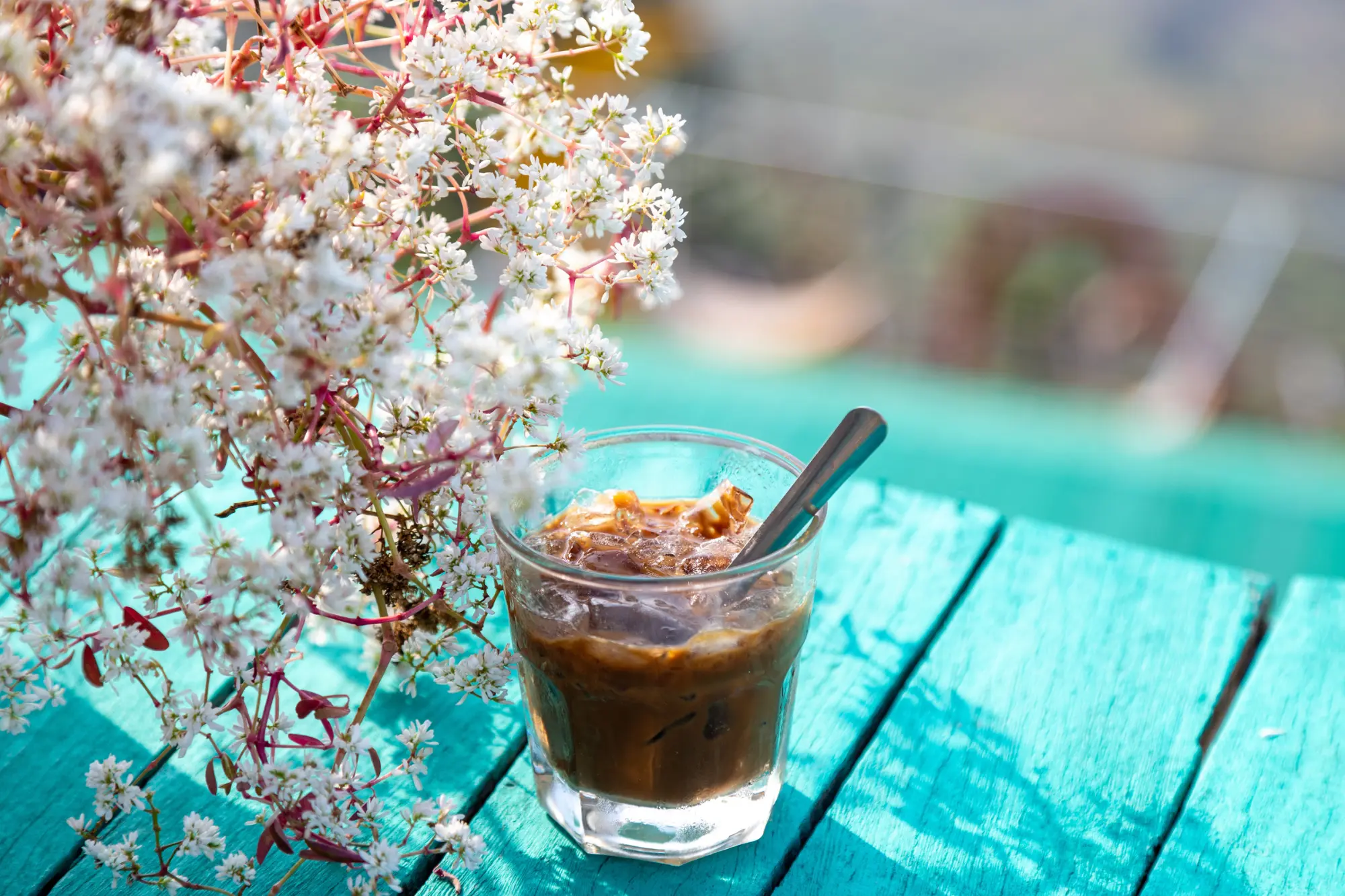
Whole Beans, Ground Coffee, or Instant Coffee?
Choose the format that fits the way you make coffee at home.
- Whole beans: A good option if you own a grinder and want more control over freshness and grind size.
- Ground coffee: Convenient for phin filters and other brewing equipment, provided the grind suits your method.
- Instant coffee: Easy to prepare while traveling or at work. Vietnamese brands also sell sweetened and milk-based instant mixes.
- Coffee gift sets: Useful if you want to introduce someone to Vietnamese coffee and include a phin filter or more than one blend.
Before buying ground coffee, check whether it is intended for a phin, espresso machine, French press, or another brewing method. A beautifully packaged product may still be inconvenient if its grind does not suit your equipment.
Vietnamese Tea: Varieties and Flavor Profiles
Tea is another rewarding choice when buying coffee and tea in Vietnam. Traditional green tea is widely enjoyed, while regional varieties and scented teas offer different levels of aroma, intensity, and complexity.
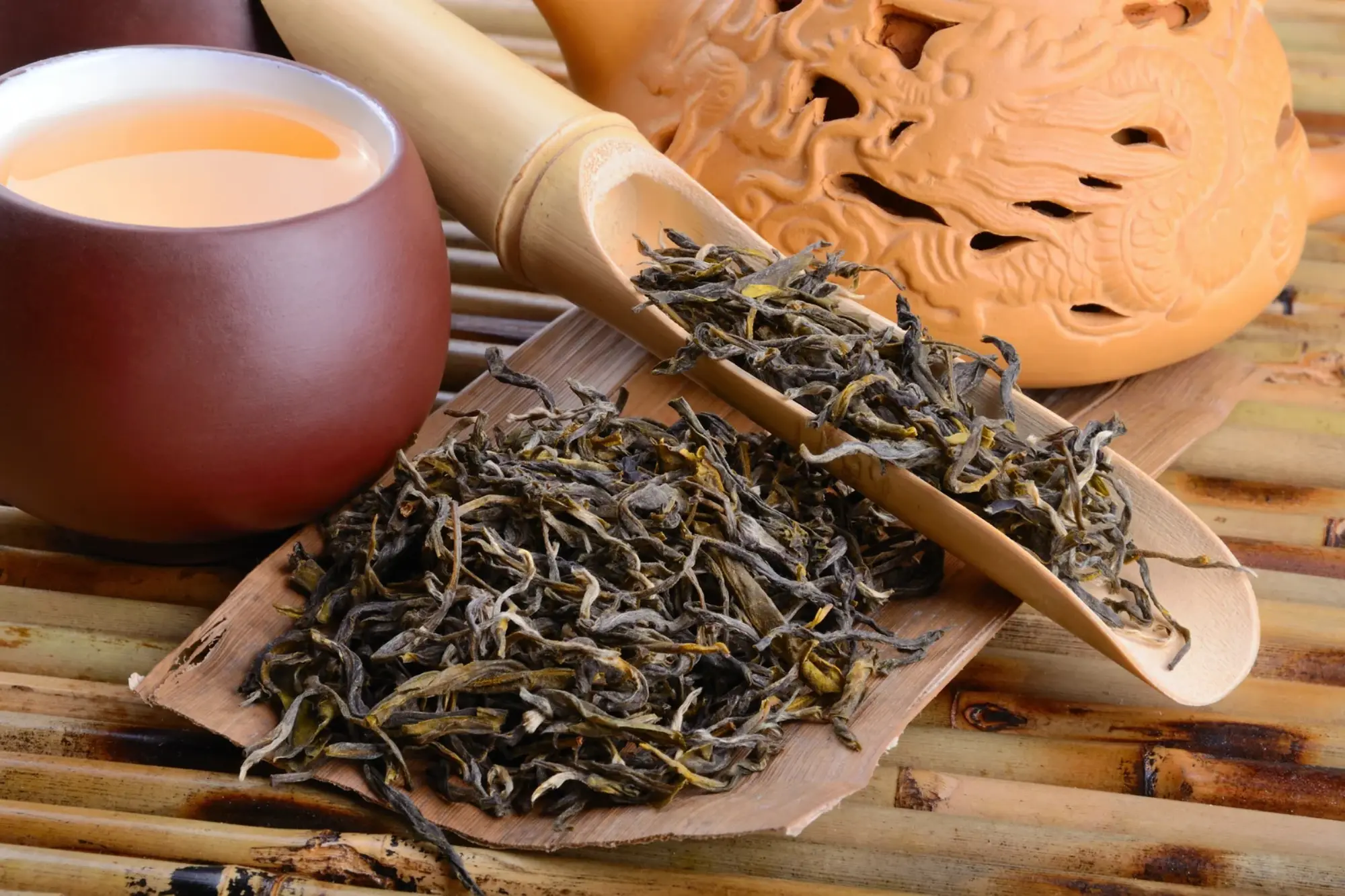
Thai Nguyen Green Tea
Thai Nguyen, particularly the Tan Cuong area, is one of Vietnam’s best-known tea-producing regions. Its green teas are often associated with a fresh aroma, noticeable astringency, and a lingering sweet finish.
For a straightforward Vietnamese tea souvenir, start with a clearly labeled Thai Nguyen green tea. Different grades can vary in the proportion of buds and young leaves, so compare the product description and price rather than assuming that every tea carrying the regional name is identical.
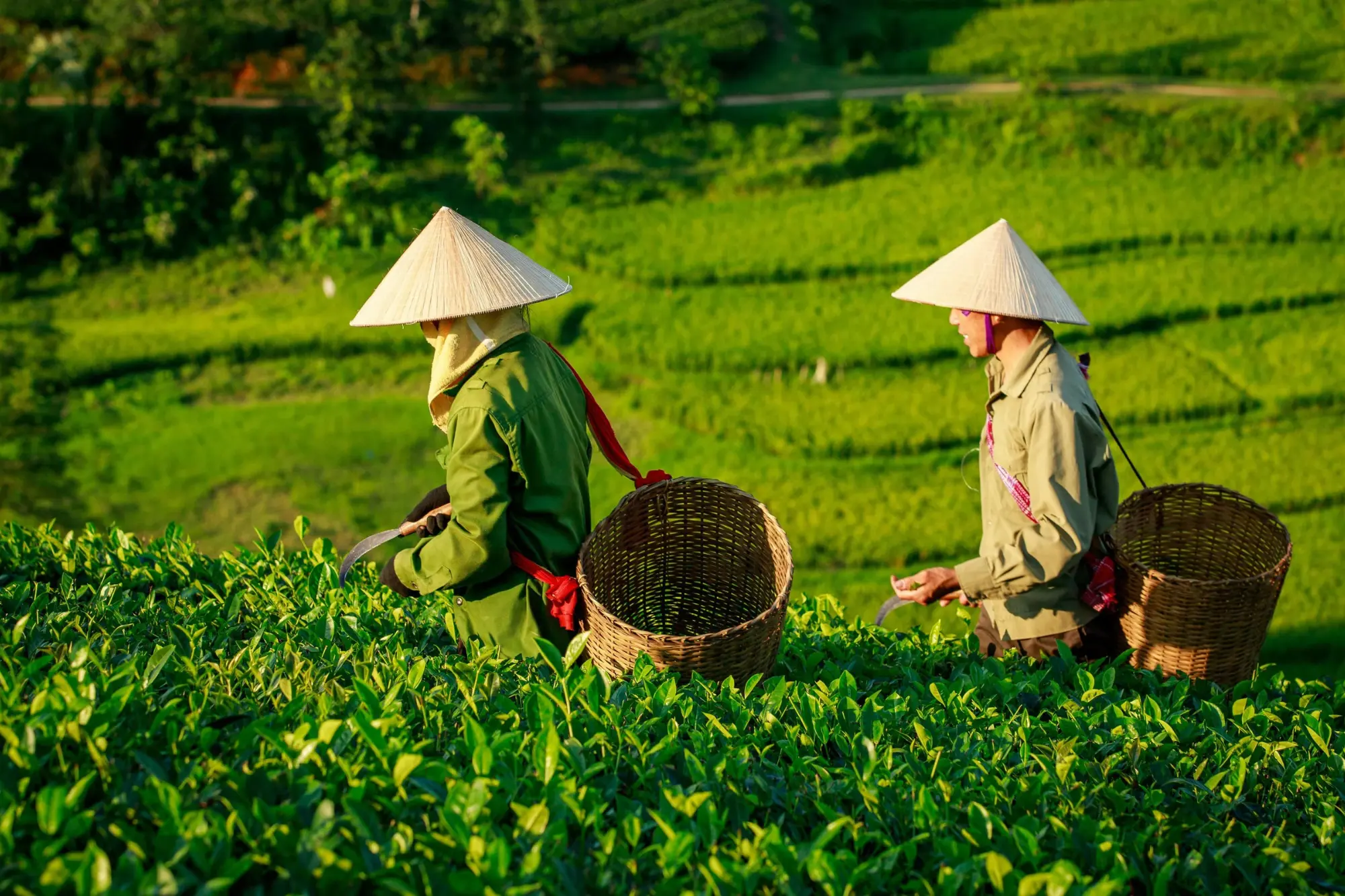
Shan Tuyet Tea from the Northern Mountains
Shan Tuyet tea comes from mountain-growing areas in northern Vietnam. Some traditional sources use older tea trees, and the leaves may have visible pale hairs on their buds.
Flavor varies with the location, harvest, and processing method. Depending on the tea, you may notice floral, woody, mineral, or gently sweet characteristics. Look for the origin and processing details on the package, particularly when purchasing a more expensive variety.
Oolong Tea from Vietnam’s Highlands
Lam Dong, including the wider Bao Loc tea-growing area, is associated with highland tea production and oolong. Oolong undergoes partial oxidation, giving it a different flavor profile from green tea.
Some oolongs are light and floral, while others are richer and more toasted. If you enjoy brewing the same leaves several times, ask the seller how many infusions the tea is intended to support and what water temperature is recommended.
Lotus and Jasmine Tea
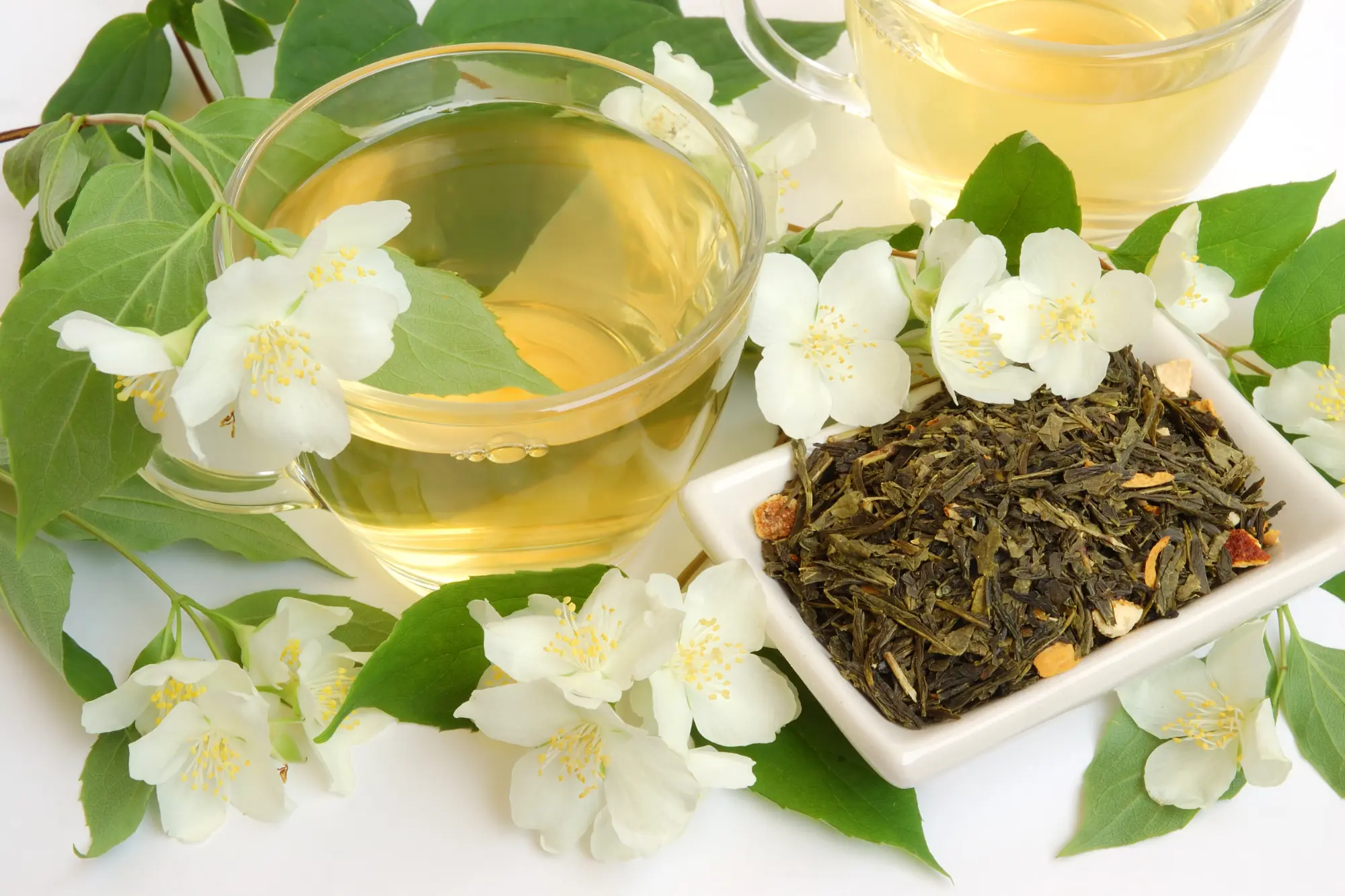
Lotus-scented tea is closely associated with Hanoi’s tea traditions, while jasmine tea is another popular option for people who enjoy floral aromas.
One important distinction is how the scent is added. Traditional lotus-scented tea can involve labor-intensive scenting with lotus flowers, while other products use different flavoring methods. These products can differ significantly in price, so check the ingredient list and ask the seller how the tea is made.
Jasmine tea also varies: some products are scented with flowers, while others use added flavorings. Neither the name nor a picture of a flower on the package tells you the full story.
How to Choose Quality Coffee and Tea
Good packaging and a high price do not guarantee a product will suit your taste. Use the following checks before making a purchase.
What to Check When Buying Coffee
- Roast date: For freshly roasted coffee, look for a clearly stated roast date rather than relying only on an expiry date.
- Bean origin: Check whether the package identifies the region, farm, producer, or bean variety.
- Roast level: Choose a roast profile that suits your brewing method and flavor preferences.
- Ingredients: Read the label if you want pure coffee rather than a blend containing other ingredients or added flavorings.
- Packaging: Look for a sealed bag that protects the coffee from air, moisture, and light.
- Grind size: Make sure the coffee is suitable for your brewing equipment.
Whole beans usually give you more flexibility because you can grind them immediately before brewing. If you do not own a grinder, freshly ground coffee in a suitable sealed package is a practical alternative.
What to Check When Buying Tea
- Leaf appearance: Look for tea that matches the variety and grade described by the seller. Leaf size alone does not determine quality.
- Aroma: Fresh, characteristic aromas are useful clues. A musty or damp smell is a reason to avoid the product.
- Ingredients: For scented tea, check whether the label lists flowers, flavorings, or other ingredients.
- Origin and producer: Clear labeling makes it easier to understand what you are buying and compare products.
- Packaging: Choose a dry, sealed package that protects the leaves from moisture and strong odors.
- Price: Compare the price per gram, not just the price of the box.
When possible, smell the dry leaves and taste a sample. A reputable seller should be able to explain the tea’s origin, processing, and recommended brewing method. For a premium product, ask what distinguishes it from a less expensive option.
Where to Buy Coffee and Tea in Vietnam
The best place to shop depends on whether you value convenience, specialist advice, variety, or a direct connection to the producer.
Specialty Coffee Roasters and Tea Shops
Specialty shops are useful if you want to compare products, ask detailed questions, or try a tasting before buying. Coffee roasters may provide roast dates and information about bean origins. Tea specialists may explain the differences between grades, regions, and scenting methods.
These shops are often a better starting point for premium products than choosing a bag based only on its appearance at a souvenir stall.
Supermarkets and Established Retail Brands
Supermarkets are convenient for travelers who want familiar packaging, clearly listed ingredients, and easy-to-compare prices. They are especially practical for mainstream ground coffee, instant coffee, tea bags, and everyday loose-leaf tea.
For gifts, check the net weight, packaging condition, ingredients, and manufacturer’s information. A widely available brand may be a sensible choice if convenience and consistent labeling matter more to you than finding a rare variety.
Local Markets and Direct-from-Producer Purchases
Markets and producer shops can offer opportunities to discover regional products. However, quality and labeling can vary, so inspect the package carefully and ask questions before purchasing loose coffee or tea.
If you visit a coffee-growing or tea-producing region, buying directly from a producer can help you learn more about the product. Confirm whether the price includes packaging suitable for travel and whether the seller can provide details about origin and processing.
Where to Shop by Destination
| Destination | What to Explore |
| Hanoi | Thai Nguyen tea, lotus-scented tea, local coffee styles, and specialty retailers |
| Ho Chi Minh City | Coffee brands, specialty roasters, instant coffee, and convenient packaged gifts |
| Da Lat | Highland coffee, selected Arabica, and locally produced teas |
| Buon Ma Thuot | Robusta coffee and products associated with Vietnam’s Central Highlands |
| Thai Nguyen | Regional green tea, including tea from the Tan Cuong area |
These are starting points rather than guarantees that a particular shop carries a specific product. Check the seller’s current range and ask about the origin before paying a premium.
How Much Do Coffee and Tea Cost in Vietnam?
Prices depend on the variety, grade, packaging, seller, and whether you are buying a mass-market product or a specialty item. The figures below are indicative examples, not fixed national averages. Confirm current prices and package sizes before buying.
| Product | Indicative Price | What to Keep in Mind |
| Ground robusta coffee, 500 g | VND 80,000–150,000 | A practical everyday option |
| Ground Arabica coffee, 500 g | VND 150,000–300,000 | Prices vary with origin and processing |
| Whole-bean robusta, 1 kg | VND 200,000–350,000 | Useful for regular coffee drinkers |
| Whole-bean Arabica, 1 kg | VND 300,000–600,000 | Specialty and single-origin products may cost more |
| Packaged Thai Nguyen green tea | Varies by grade and weight | Product quality and leaf grade affect the price |
| Premium lotus-scented tea | Can be substantially more expensive than everyday tea | Traditional scenting methods can increase the cost |
Coffee prices vary by seller, bean quality, roast, and package size. Tea prices vary particularly widely by grade and scenting method. Treat any online price as a reference point rather than a guaranteed retail price.
To compare products fairly, calculate the cost per 100 g or per kilogram. Also consider whether the product includes a gift box, individual sachets, a brewing accessory, or other items that affect the final price.
Buying Coffee and Tea as Souvenirs
Coffee and tea make practical gifts because they are easy to share and introduce people to Vietnamese flavors. The best choice depends on the recipient’s taste, brewing habits, and how much space you have in your luggage.
Best Vietnamese Coffee to Buy as a Gift
- For someone who enjoys strong coffee: Choose robusta or a robusta-led blend.
- For someone who prefers aromatic black coffee: Consider a clearly labeled Arabica from a named growing region.
- For a coffee enthusiast: Look for whole beans with a roast date and origin details.
- For someone who values convenience: Choose a well-labeled instant coffee product or a gift set with a phin filter.
If you are unsure which style the recipient likes, a small selection of two different coffees can be more useful than one large bag.
Best Vietnamese Tea to Buy as a Gift
- For a traditional choice: Thai Nguyen green tea is a recognizable starting point.
- For someone who enjoys floral aromas: Consider jasmine or lotus-scented tea, after checking how it is made.
- For a tea enthusiast: Look for Shan Tuyet or a clearly identified oolong with details about its origin and processing.
- For a simple, lightweight gift: Packaged tea bags are easy to use and share.
Premium lotus tea can be expensive, so avoid buying it solely because the packaging looks luxurious. Ask about the scenting method, ingredients, and quantity before deciding whether the price is justified.
Check Packaging and Travel Requirements
Choose sealed packaging with a readable product label, net weight, and ingredient information. For longer journeys, avoid products that have been exposed to humidity or are packaged in a way that can easily open or leak.
Before flying home, check the destination country’s rules for bringing in food products, including plant-based goods. Requirements vary by country and may depend on the product’s ingredients, processing, and packaging. Do not assume that every coffee or tea product is automatically permitted.
How to Store Vietnamese Coffee and Tea
Correct storage helps preserve aroma after you return home.
Coffee: Keep it in a sealed container in a cool, dry place away from sunlight, heat, and strong odors. Buy an amount you can use while the coffee is still aromatic, and follow the producer’s guidance on freshness.
Tea: Store leaves in an airtight container away from moisture, direct sunlight, and strong-smelling foods. Green and scented teas can lose their characteristic aromas if they are left exposed to air or stored beside spices and other fragrant products.
For both products, keep the original label and note any recommended storage instructions. Avoid transferring tea or coffee into a container that is not completely dry.
Frequently Asked Questions About Buying Coffee and Tea in Vietnam
What Coffee Should I Buy in Vietnam?
Robusta is a good starting point if you enjoy bold, full-bodied coffee and traditional phin brewing. If you prefer brighter, more aromatic flavors, try an Arabica from a clearly identified growing region. The best choice depends on your taste and brewing method.
What Tea Is Vietnam Famous For?
Vietnam is known for green tea from regions such as Thai Nguyen, mountain-grown Shan Tuyet tea, highland oolong, and scented teas such as lotus and jasmine. Each type offers a different flavor profile and price range.
Is Vietnamese Coffee Stronger Than Other Coffee?
Many traditional Vietnamese coffees use robusta, which generally has more caffeine per bean by weight than Arabica. However, the caffeine in a finished drink also depends on the amount of coffee used, the brewing method, and serving size. A Vietnamese coffee is not automatically stronger than every other coffee drink.
Where Can I Buy Authentic Vietnamese Coffee and Tea?
Specialty roasters and tea shops are good places to start if you want product information and advice. Supermarkets are convenient for packaged brands, while producer shops can be useful when exploring regional specialties. In every case, check the origin, ingredients, packaging, and seller’s information.
How Much Should I Spend on Vietnamese Coffee and Tea?
There is no single budget that suits every buyer. Everyday packaged coffee and tea can be relatively affordable, while specialty beans, higher-grade tea, and traditionally scented lotus tea may cost substantially more. Compare prices by weight and quality rather than choosing solely by the lowest price.
Can I Bring Vietnamese Coffee and Tea Home?
Many travelers buy commercially packaged coffee and tea as souvenirs, but import rules depend on the destination country. Check the official customs or biosecurity guidance for your destination before traveling, especially if you plan to bring loose leaves, unprocessed plant material, or products with additional ingredients.
Final Thoughts: Choose Coffee and Tea That Match Your Taste
The best approach to buying coffee and tea in Vietnam is to start with flavor rather than packaging. Try robusta if you enjoy a bold cup, explore Arabica for a different flavor profile, and compare Vietnamese teas by region, processing, and aroma.
Whether you shop at a specialty retailer, supermarket, or producer’s store, check the label, compare prices by weight, and choose a product you will genuinely enjoy after the trip. For a meaningful souvenir, a well-labeled bag of coffee or tea that matches the recipient’s preferences is often a better choice than the most expensive item on the shelf.