Traveling by road is a practical way to explore Vietnam, especially when connecting destinations such as Hanoi, Sapa, Ninh Binh, Hue, Da Nang, and Ho Chi Minh City. Two popular options are sleeper buses and limousines in Vietnam, offering different levels of comfort, convenience, and affordability. Choosing the right Vietnam bus depends on your route, budget, travel time, and comfort preferences. This guide explains the main differences, booking methods, typical ticket prices, and practical tips to help you plan transportation in Vietnam in 2026.
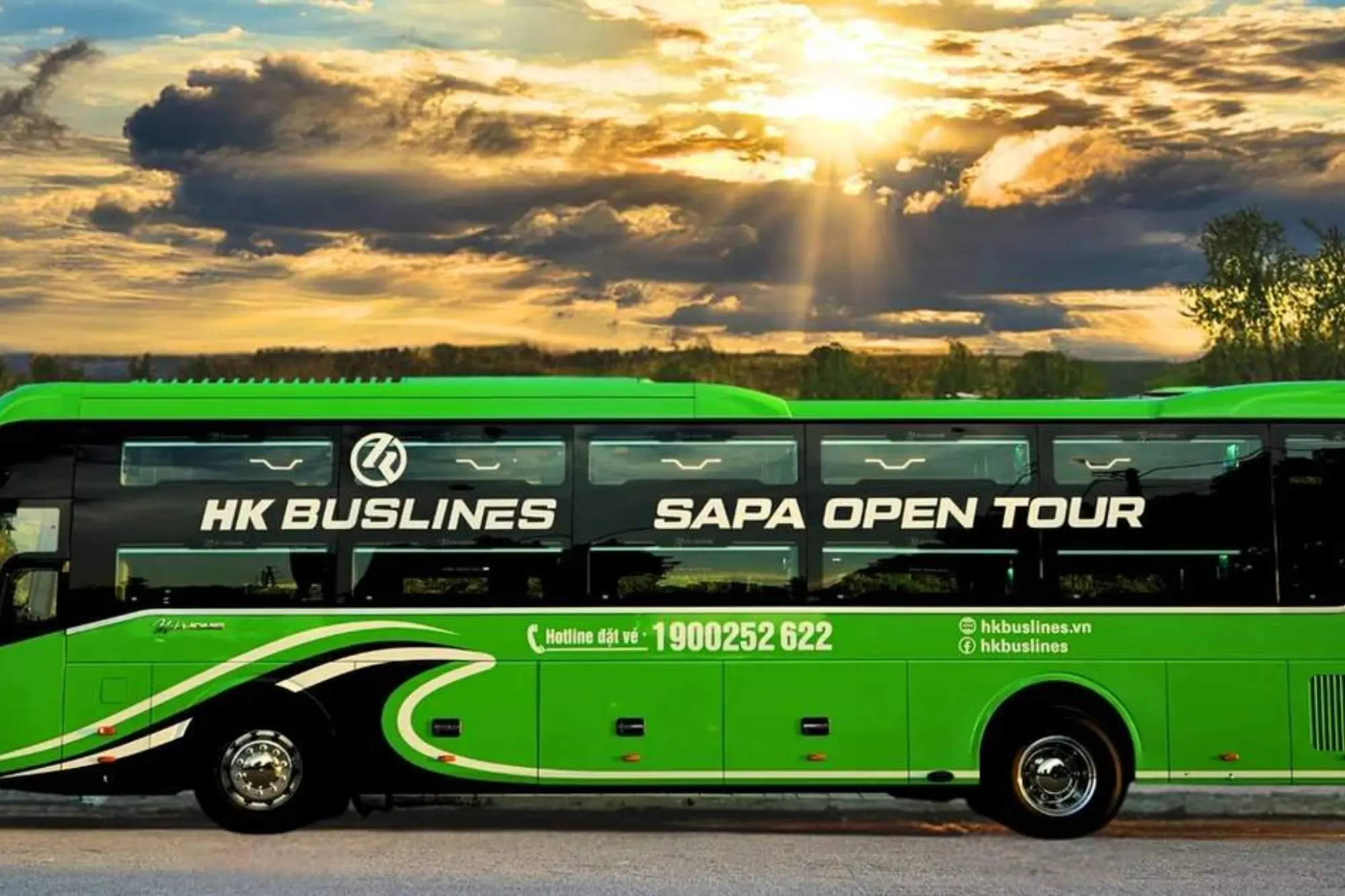
Sleeper Buses in Vietnam: What to Expect
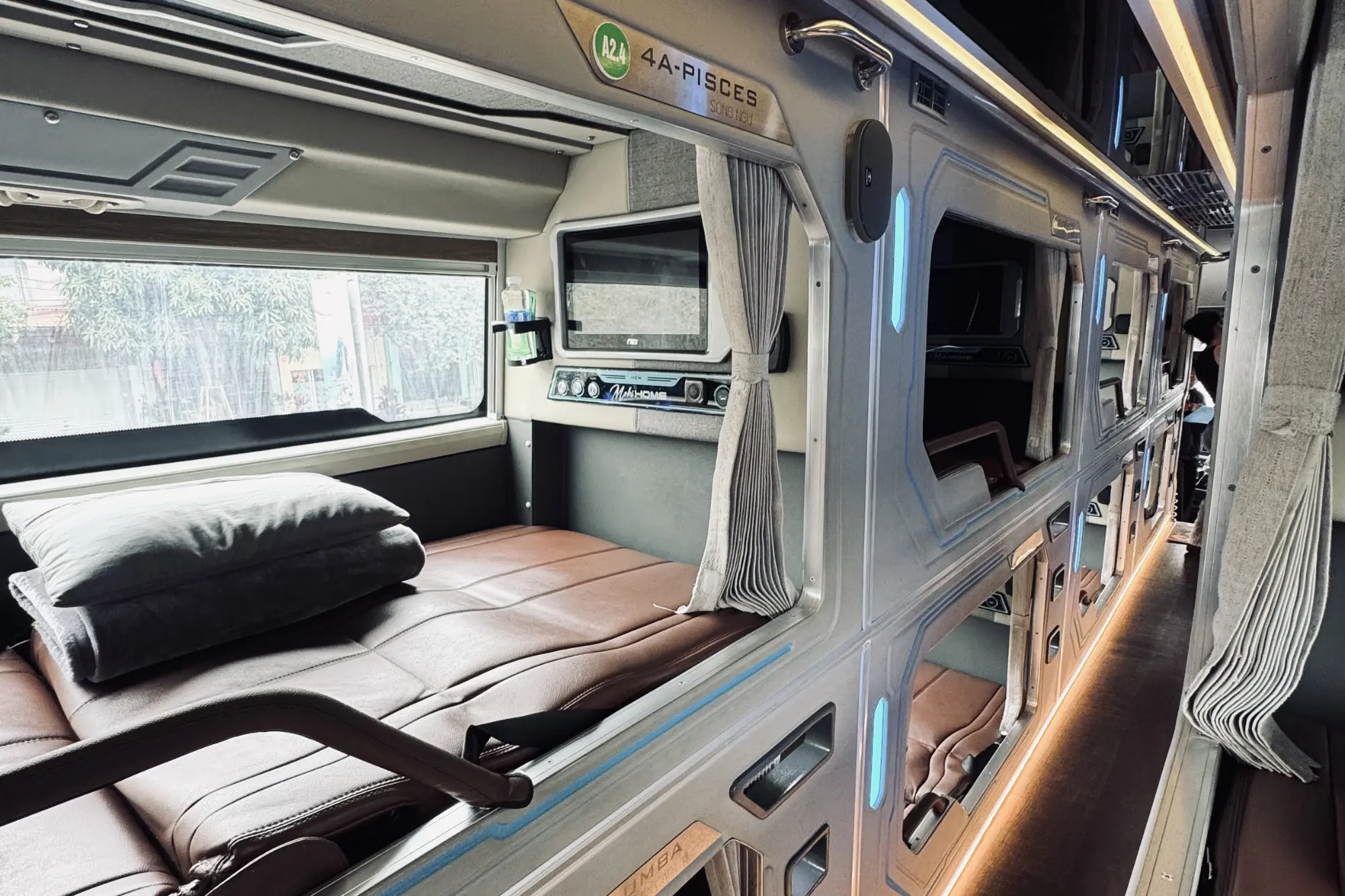
Sleeper buses are a common option for intercity travel, particularly on overnight routes. Instead of standard seats, passengers travel in reclining bunks arranged across one or two levels.
Key Features
- Reclining berths: Designed for resting during longer journeys.
- Air conditioning: Available on most long-distance services.
- Basic amenities: Some buses provide blankets, drinking water, charging ports, or Wi-Fi.
- Luggage storage: Large suitcases are generally stored in the luggage compartment, while smaller bags stay with passengers.
- Rest stops: Long journeys may include scheduled breaks, but onboard toilets are not available on every bus.
Facilities vary by operator and vehicle, so check the details before booking.
Standard Sleeper Bus vs VIP Cabin Bus
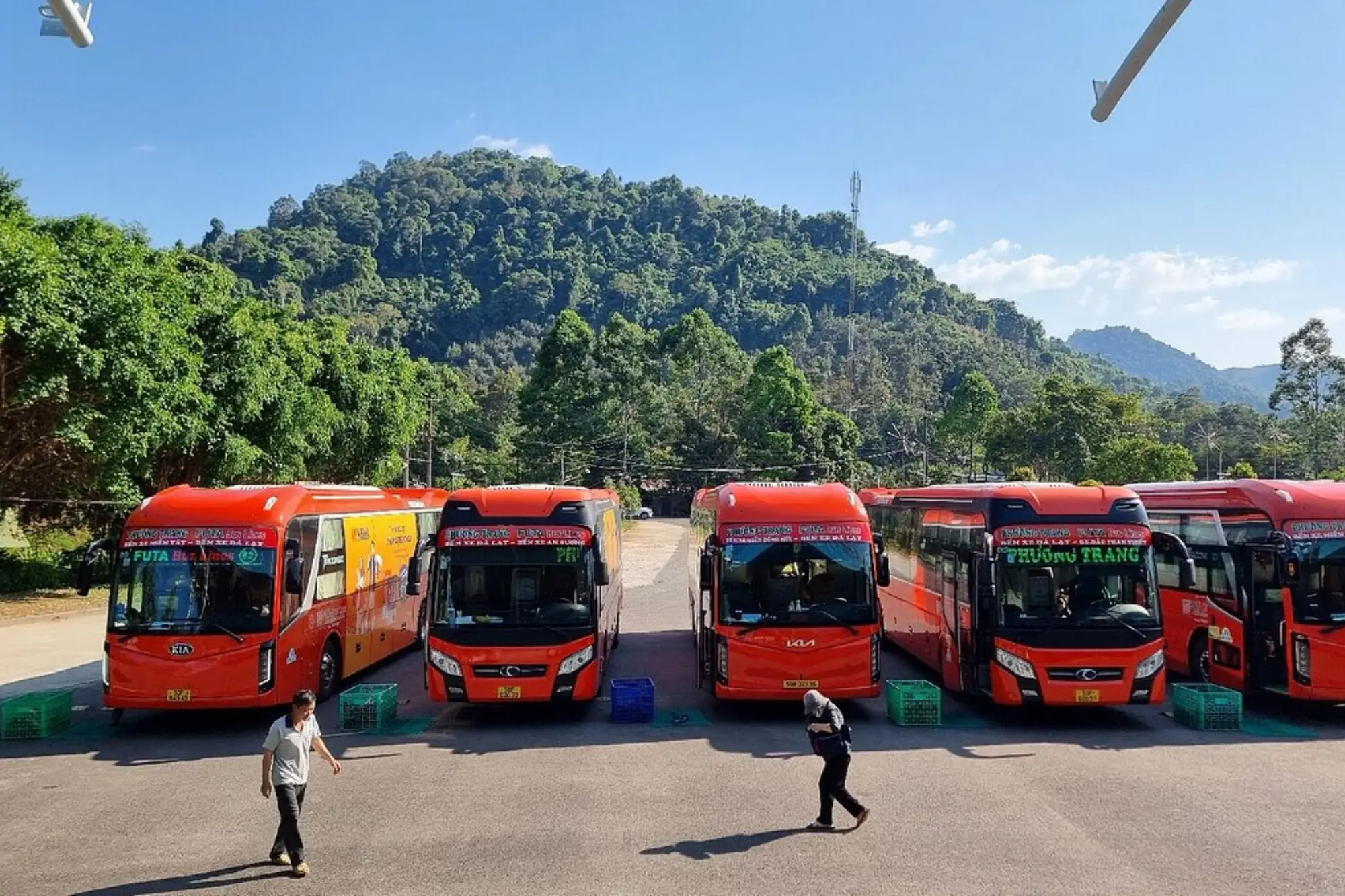
| Feature | Standard Sleeper Bus | VIP Cabin Bus |
| Sleeping space | Open reclining berth | More private cabin or enclosed berth |
| Privacy | Limited | Usually greater |
| Facilities | Basic amenities | May include extra charging or entertainment features |
| Price | Usually more affordable | Generally more expensive |
| Best for | Budget-conscious travelers | Travelers who value privacy and comfort |
A VIP cabin does not automatically guarantee a better journey. Compare the actual vehicle layout, berth dimensions, and passenger reviews before paying extra.
Limousines in Vietnam: Are They Worth It?
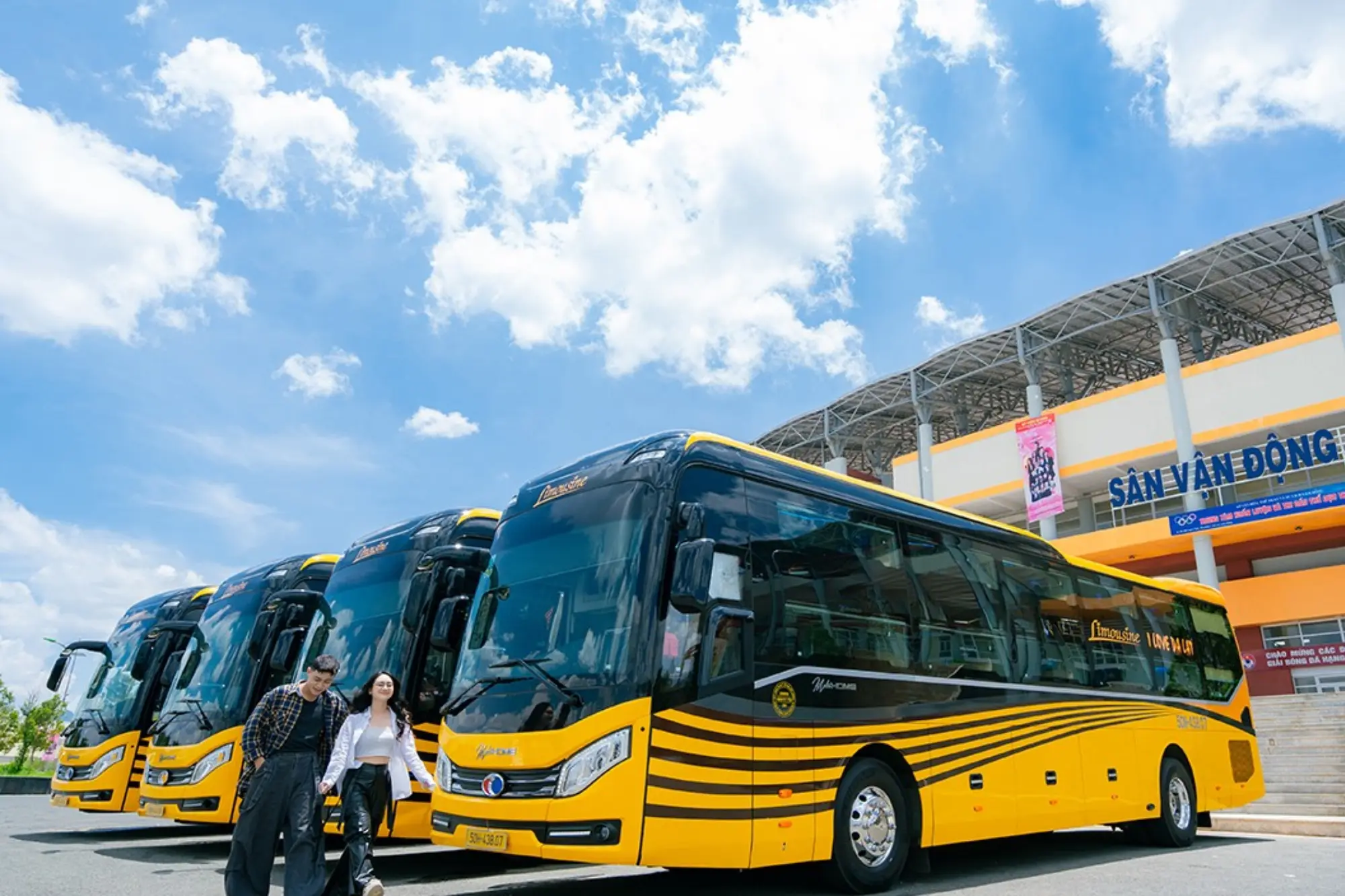
In Vietnam, the term limousine usually refers to a converted minivan with around 9–11 passenger seats, rather than a traditional stretch limousine. These vehicles often feature reclining seats, more personal space, and convenient pickup arrangements.
Key Features
- Spacious seating: Often more comfortable than standard passenger vans.
- Smaller groups: Fewer passengers than many conventional coaches.
- Convenient pickups: Some operators offer hotel or central-city pickup and drop-off.
- Shorter travel routes: Commonly used for journeys lasting a few hours.
- Premium pricing: Tickets may cost more than standard bus seats.
When Should You Choose a Limousine?
Limousine vans can be a good choice for routes such as Hanoi–Ninh Binh, Hanoi–Ha Long Bay, or Da Nang–Hue, depending on the operator’s schedule.
However, not every limousine offers the same experience. Some have generous legroom, while others may feel cramped when fully occupied. Confirm the seating configuration, luggage allowance, and exact pickup point before booking.
For longer overnight journeys, a sleeper bus or VIP cabin may be more suitable because it allows you to lie down and rest.
Sleeper Buses vs Limousines in Vietnam
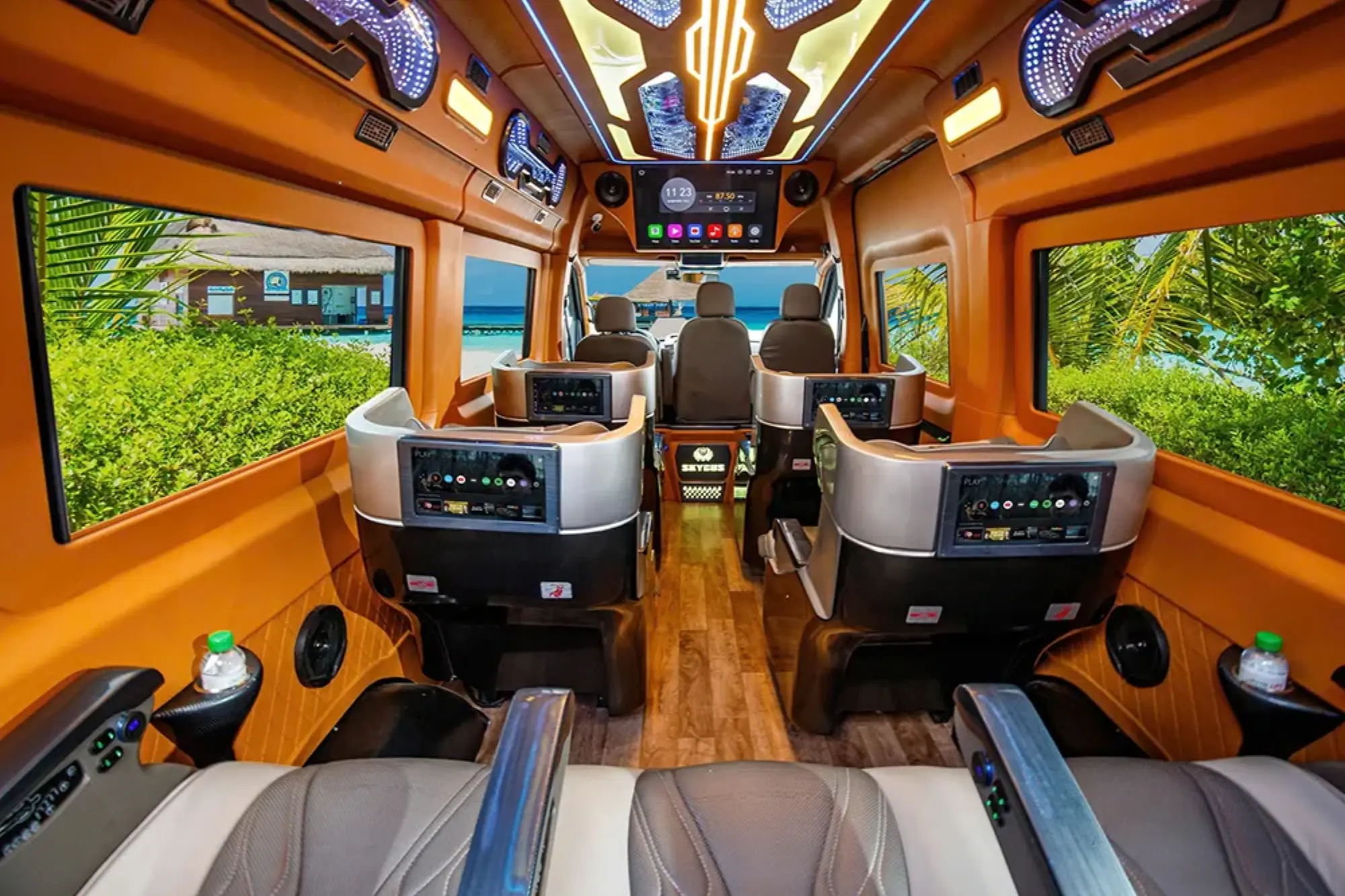
Both options are useful, but the best choice depends on how far you are traveling and what matters most to you.
| Factor | Sleeper Bus | Limousine Van |
| Seating | Reclining bunks | Reclining passenger seats |
| Best journey length | Medium to long distances | Short to medium distances |
| Overnight travel | Suitable for many routes | Usually less suitable |
| Privacy | Varies by berth type | Depends on seating layout |
| Luggage | Usually stored in the luggage compartment | Space may be more limited |
| Price | Often more budget-friendly | Often costs more per passenger |
| Pickup | Bus station or designated stop | May include central or hotel pickup |
Quick recommendation:
- Choose a sleeper bus for overnight travel or longer intercity journeys.
- Choose a limousine van for shorter daytime trips when convenient pickup and spacious seating are priorities.
- Consider a VIP cabin if privacy is important and the additional cost fits your budget.
Popular Vietnam Bus Routes and Ticket Prices
Prices depend on the operator, vehicle type, departure time, season, and booking channel. The following figures are indicative estimates for 2026, not guaranteed fares.
| Route | Approximate travel time | Indicative ticket price |
| Hanoi – Sapa | 5-7 hours | VND 250,000-500,000 |
| Hanoi – Ninh Binh | 2-3 hours | VND 100,000-250,000 |
| Hanoi – Ha Long Bay | 2.5-4 hours | VND 150,000-350,000 |
| Ho Chi Minh City – Da Lat | 6-8 hours | VND 200,000-450,000 |
| Ho Chi Minh City – Nha Trang | 8-10 hours | VND 250,000-500,000 |
| Da Nang – Hue | 2.5-3.5 hours | VND 150,000-250,000 |
Actual fares may fall outside these ranges, particularly for premium cabins, holiday departures, and private transfers. Travel times also vary with traffic, weather, and road conditions.
Which Routes Are Best for Sleeper Buses?
Sleeper buses are especially useful when traveling between destinations that are several hours apart.
- Hanoi – Sapa: A convenient option for reaching northern Vietnam’s mountain destination.
- Ho Chi Minh City – Da Lat: Popular with travelers heading to the Central Highlands.
- Ho Chi Minh City – Nha Trang: Useful for traveling between the southern metropolis and the coast.
- Long-distance intercity routes: Sleeper services can reduce the need to arrange daytime travel and overnight accommodation separately.
For shorter routes, compare a limousine van with a standard coach. A higher ticket price may be worthwhile if the service offers a more convenient pickup point.
Where to Book Sleeper Buses and Limousines in Vietnam
You can book tickets online, through an operator’s official website, at a ticket office, or with help from your hotel.
1. Online Booking Platforms
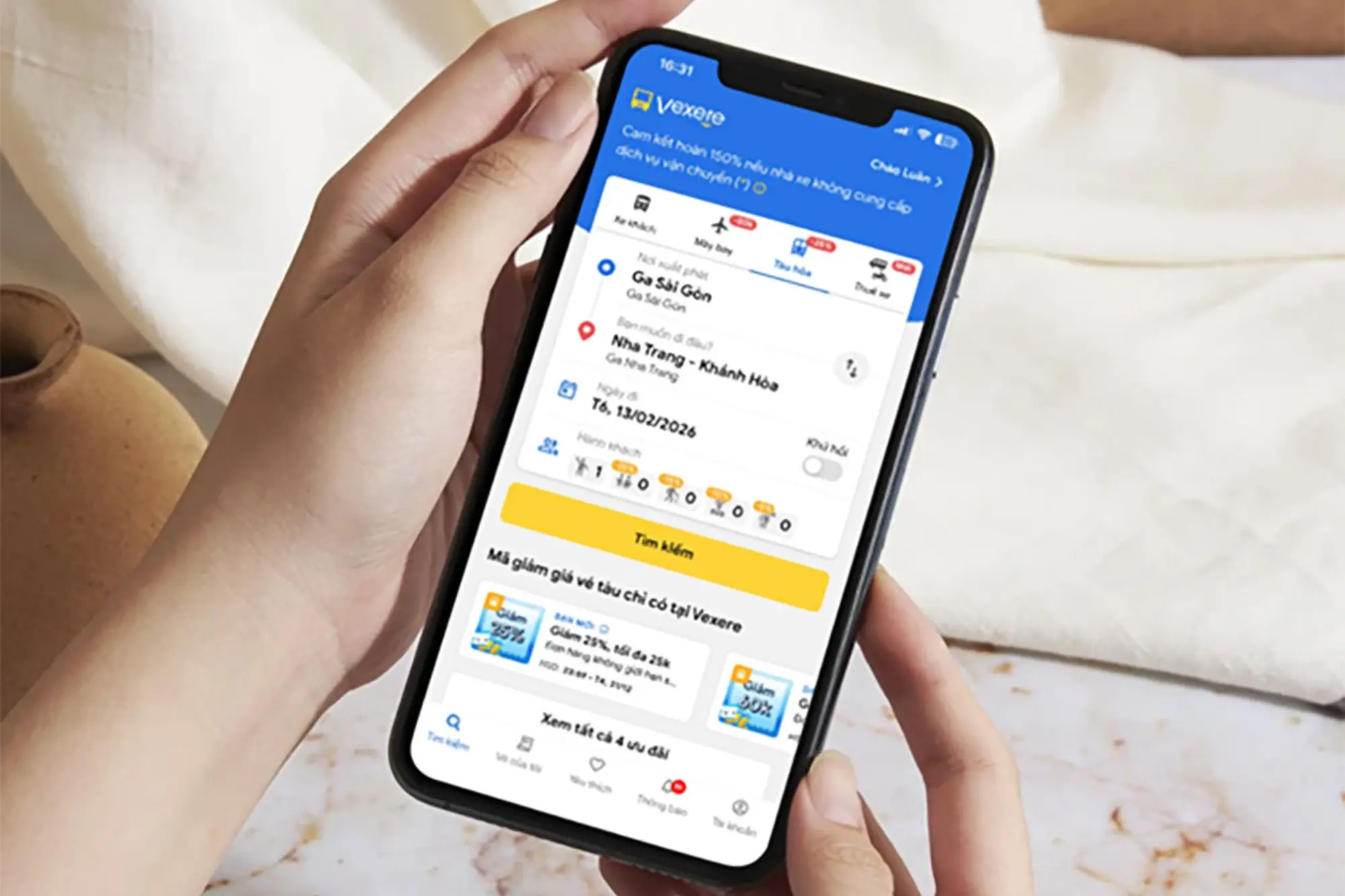
Online platforms such as Vexere and 12Go allow travelers to compare available services on selected routes.
Advantages:
- Compare departure times, ticket prices, and vehicle types.
- Check available seats or berths where seat selection is supported.
- Review pickup and drop-off details before payment.
- Keep an electronic booking confirmation.
Things to check:
- Whether the displayed price includes all fees.
- The exact departure address and arrival point.
- Luggage restrictions and included amenities.
- Cancellation, refund, and rescheduling conditions.
2. Booking Directly with Bus Operators
Booking through an operator’s official website or ticket office can be useful when you already know which company serves your route.
- Check the official departure schedule.
- Confirm the vehicle category and included services.
- Save your booking confirmation and contact information.
- Contact the operator directly if you need to change your itinerary.
3. Booking Through Your Hotel
Hotel staff may help arrange transportation, particularly if you are unfamiliar with local booking platforms.
Before confirming, ask for the operator’s name, departure time, pickup location, and total price. Confirm whether the service is a shared bus, a limousine van, or a private transfer.
How to Book a Vietnam Bus Ticket Step by Step
Follow these steps to book sleeper buses and limousines in Vietnam with fewer surprises.
- Enter your route: Select your departure city, destination, travel date, and number of passengers.
- Compare services: Review the departure time, duration, vehicle type, and price.
- Check the pickup point: Make sure you can reach the departure location on time.
- Choose your seat or berth: Select a preferred position if the booking platform allows it.
- Review the conditions: Check luggage rules, included services, and cancellation policies.
- Complete payment: Use the payment methods supported by the booking platform.
- Save your confirmation: Keep the ticket, booking reference, and operator’s contact details accessible.
Booking tip: Reserve earlier for weekends, public holidays, and popular travel periods. For ordinary travel dates, availability may be better, but popular departures can still sell out.
Practical Tips for Traveling by Bus in Vietnam
A little preparation can make your journey more comfortable, especially when traveling overnight or connecting multiple destinations.
1. Before Departure
- Arrive at the confirmed pickup point early.
- Reconfirm the departure time and location with the operator.
- Keep your passport, phone, wallet, and valuables in a small personal bag.
- Check whether the ticket includes hotel pickup or requires you to reach a bus station.
- Carry any essential medication and travel documents with you rather than placing them in checked luggage.
2. During the Journey
- Follow the driver’s and operator’s safety instructions.
- Keep valuables within sight and secure your personal belongings.
- Bring a light jacket, earplugs, or an eye mask if you expect to sleep.
- Carry water and any snacks you may need, subject to the operator’s rules.
- Ask the operator about rest stops and expected arrival time.
3. For Limousine Transfers
- Confirm the exact pickup address because some services collect passengers from several locations.
- Check luggage capacity, especially if traveling with large suitcases.
- Allow extra time for shared pickups and traffic.
- Verify the vehicle and driver before boarding.
For mountain routes, allow some flexibility in your itinerary. Road conditions and traffic can affect arrival times, so avoid scheduling a tight connection immediately after a long bus journey.
Is Traveling by Sleeper Bus in Vietnam Safe?
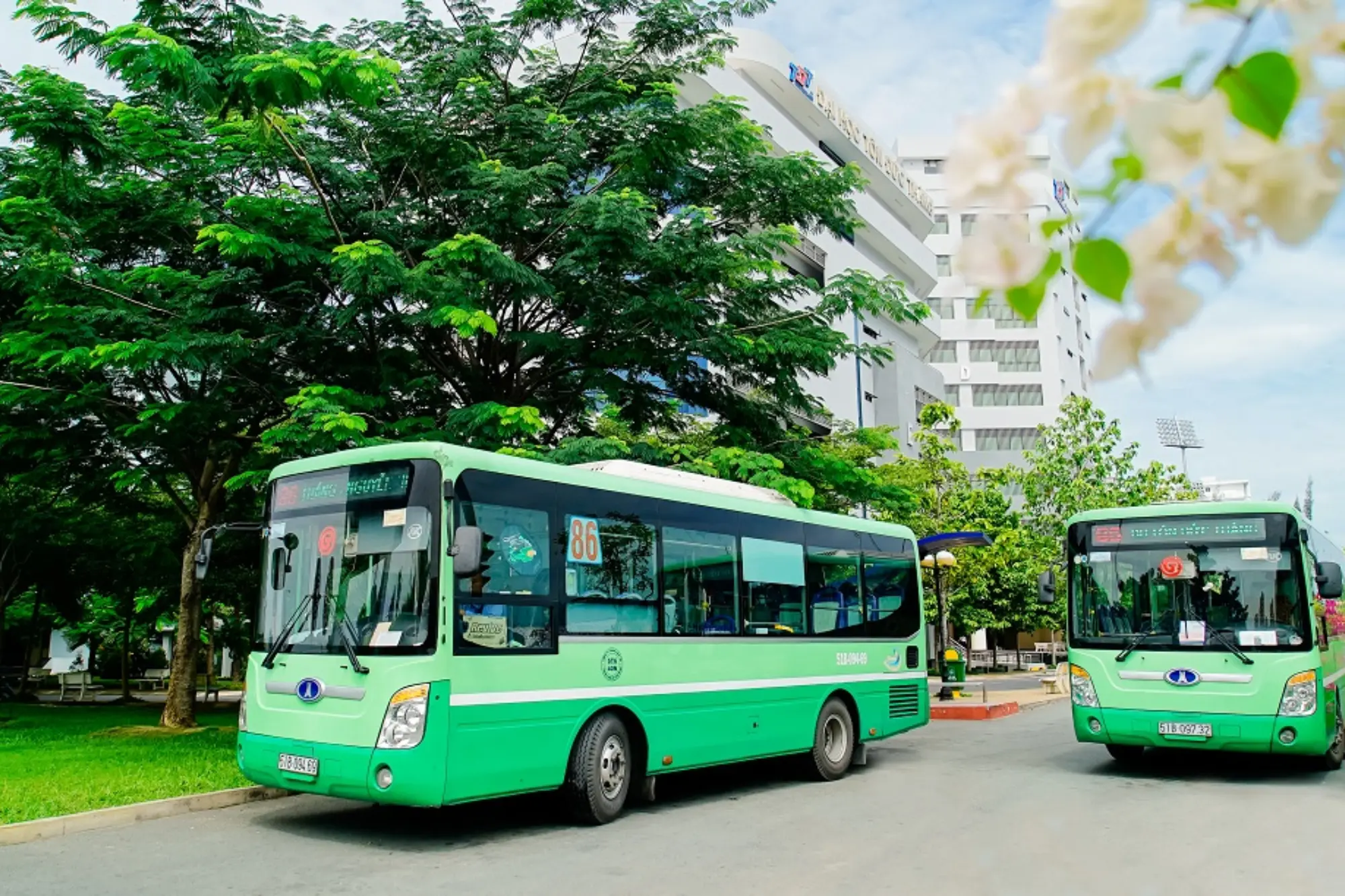
Sleeper buses are widely used for intercity travel, but comfort and safety standards can vary between operators and vehicles. Choosing a provider carefully is important.
Before booking, consider:
- Operator reputation: Review recent feedback about punctuality, cleanliness, and service.
- Vehicle condition: Look for clear vehicle information and a reliable operator.
- Journey length: Consider whether an overnight trip suits your comfort needs.
- Road conditions: Mountain routes may involve winding roads and longer travel times.
- Booking records: Keep your ticket and operator contact details in case plans change.
Do not choose a service based on price alone. If you are uncomfortable with a particular vehicle or the operator’s arrangements, consider another departure or a different mode of transportation.
Frequently Asked Questions
1. Are sleeper buses in Vietnam comfortable?
Comfort varies by operator and vehicle. Standard sleeper buses provide reclining berths, while VIP cabin buses usually offer more privacy. Check recent reviews and the actual cabin layout before booking.
2. Are limousines in Vietnam better than sleeper buses?
Neither option is universally better. Limousine vans are often convenient for shorter daytime routes, while sleeper buses are more practical for overnight journeys and longer distances.
3. How much does a Vietnam bus ticket cost?
Prices vary by route and vehicle type. As a general reference, many intercity journeys cost around VND 100,000-500,000, while premium cabins and longer routes may cost more. Always check current fares for your travel date.
4. Can I book a Vietnam bus ticket online?
Yes. Platforms such as Vexere and 12Go list services on selected routes. You can also book directly through a bus operator or ask your hotel for assistance.
5. Should I book sleeper buses in advance?
Booking ahead is recommended for weekends, public holidays, and popular routes. If you need a specific cabin or departure time, reserve early and check the operator’s cancellation policy.
Conclusion
Choosing between sleeper buses and limousines in Vietnam depends on your route, budget, and preferred level of comfort. Sleeper buses are practical for overnight and long-distance travel, while limousine vans can offer spacious seating and convenient pickups on shorter journeys. Compare ticket prices, verify departure locations, review the operator’s policies, and keep your booking confirmation accessible. With the right preparation, traveling by Vietnam bus can be a convenient way to explore the country’s cities, coastlines, and mountain destinations.
Explore our Japan Package Tours with Nicetrips Travels and experience the beauty, history, and culture of this remarkable destination. Follow the Nicetrips Blog for more travel guides, tips, and inspiration for your next journey.