Exploring Vietnam is an exciting experience, from the historic streets of Hanoi to the lively neighborhoods of Ho Chi Minh City and the coastal scenery of Da Nang. Understanding public transport in Vietnam can help international visitors plan their journeys, manage travel costs, and explore major destinations more comfortably. Vietnam offers several transportation options, including local buses, urban metro systems, and long-distance trains. This guide to Vietnam public transport explains how each option works, where to use it, how to buy tickets, and what to consider when planning your trip in 2026.
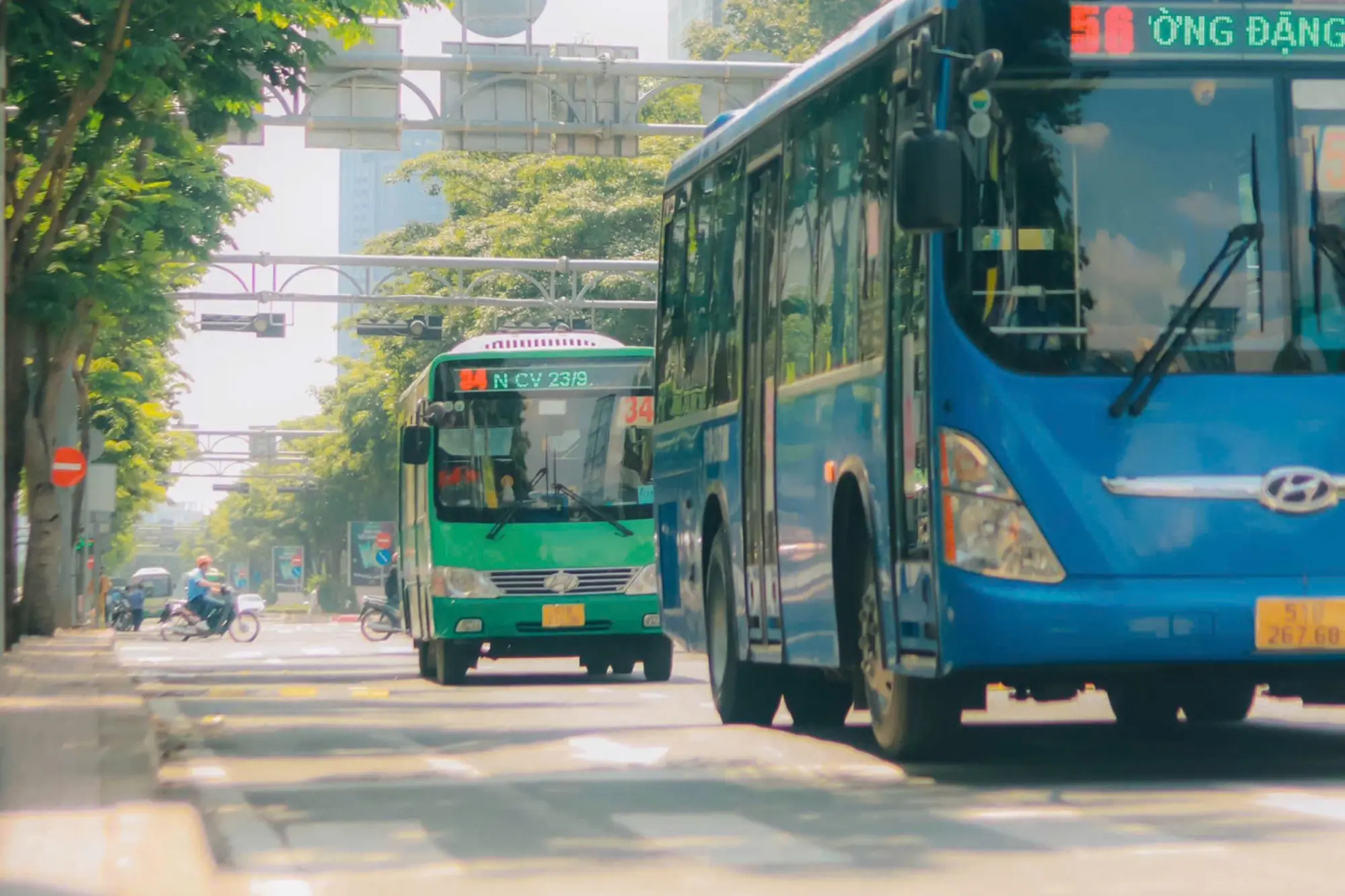
What Are the Main Types of Public Transport in Vietnam?
The main forms of public transportation include buses, metro trains in selected cities, and the national railway network. The most suitable option depends on your destination, schedule, budget, and preferred travel experience.
Transport | Best For | Main Advantages | Things to Consider |
| Public buses | Short city journeys | Affordable fares and extensive local coverage | Routes and stops may take time to understand |
| Metro | Selected urban routes | Avoids road traffic and offers predictable journeys | Coverage is still limited |
| Trains | Travel between cities | Comfortable seating and scenic routes | Journey times can be longer than flights |
| Intercity buses | Travel between destinations | Extensive route options | Comfort and journey times vary by operator |
For visitors planning getting around Vietnam, combining different transportation options is often the most practical approach. You might use buses or the metro for city sightseeing, then take a train or coach to reach another destination.
Taking Public Buses in Vietnam
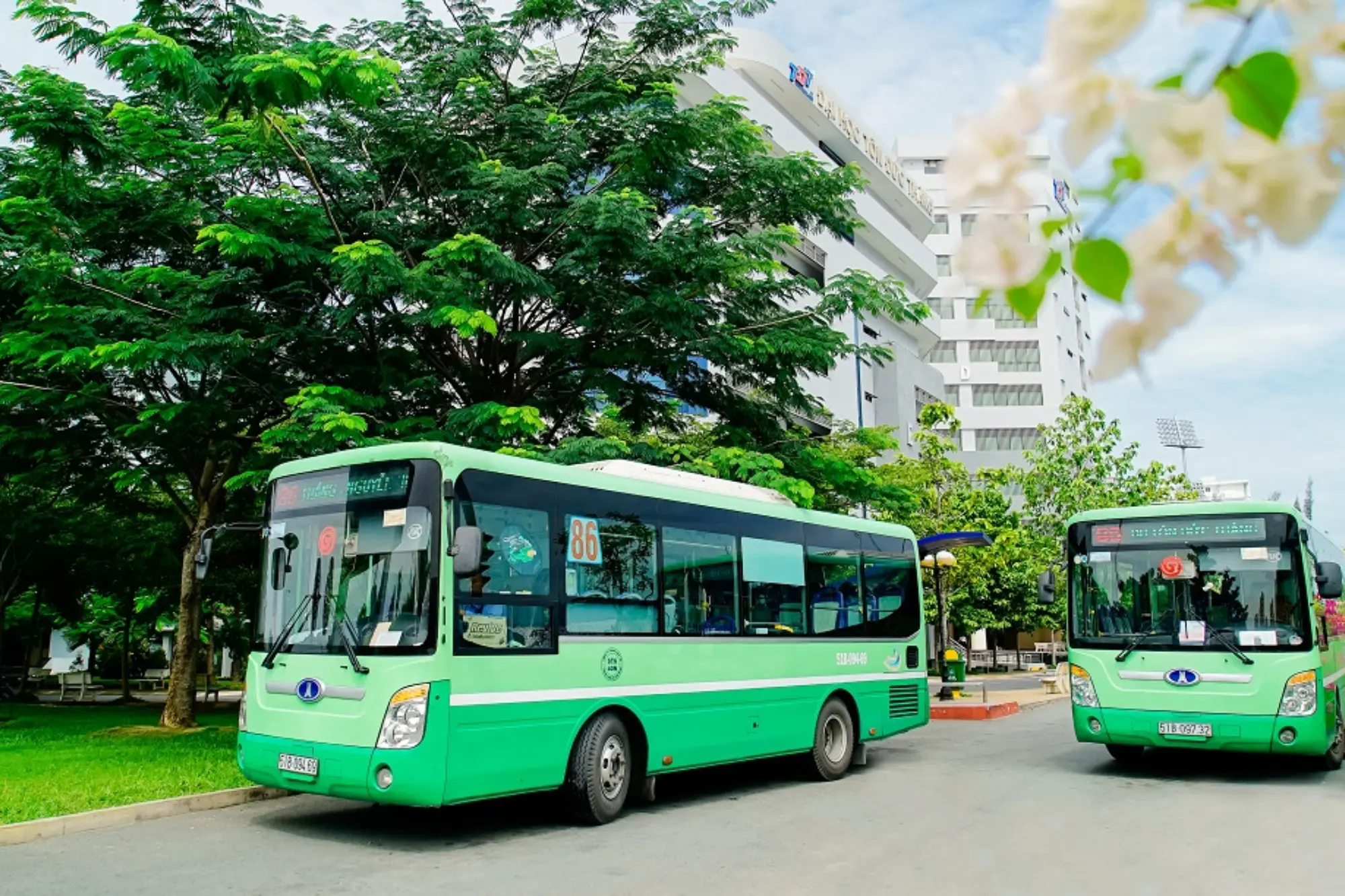
Public buses are among the most affordable ways to travel within Vietnamese cities. They serve residential neighborhoods, commercial districts, transport hubs, and many popular tourist areas.
1. Where Can You Take Public Buses?
Public bus networks operate in major cities. They can be useful for traveling longer distances within urban areas without relying on taxis or ride-hailing services. In Hanoi, buses connect different parts of the capital, including areas beyond the Old Quarter. In Ho Chi Minh City, buses serve central districts and routes extending toward other parts of the metropolitan area.
However, not every tourist attraction has a convenient bus stop nearby. Check the route and walking distance before choosing a bus, especially if you have limited time.
2. How Do You Use Public Buses in Vietnam?
Although procedures vary by city and operator, the general process is straightforward.
- Plan your route: Use a map or local public transport information to identify the correct bus number and direction.
- Find the bus stop: Check the stop name and route information before boarding.
- Confirm the fare: Fares and payment methods vary by service. Some buses accept cash, while others may offer additional payment options.
- Board the correct bus: Check the route number and destination displayed on the vehicle.
- Watch for your stop: Follow your journey on a map and prepare to get off at the correct location.
If you are unfamiliar with the local language, keeping your destination written in Vietnamese can make it easier to ask for assistance.
3. Are Public Buses Suitable for Tourists?
Public buses are useful for budget-conscious travelers who have flexible schedules and want to experience everyday life in Vietnam.
However, traffic congestion can affect journey times, and some routes may be difficult to navigate without preparation. If you are carrying large suitcases, traveling with young children, or trying to reach an airport for a flight, consider whether another transport option would be more convenient.
Using the Metro in Vietnam
Metro systems offer another way to travel around major urban areas. Unlike road-based transport, metro trains operate on dedicated railway lines, helping passengers avoid much of the congestion on city streets.
Vietnam’s urban rail network is still developing, so metro services are currently most useful for journeys within the areas they serve rather than travel across the entire country.
1. Hanoi Metro
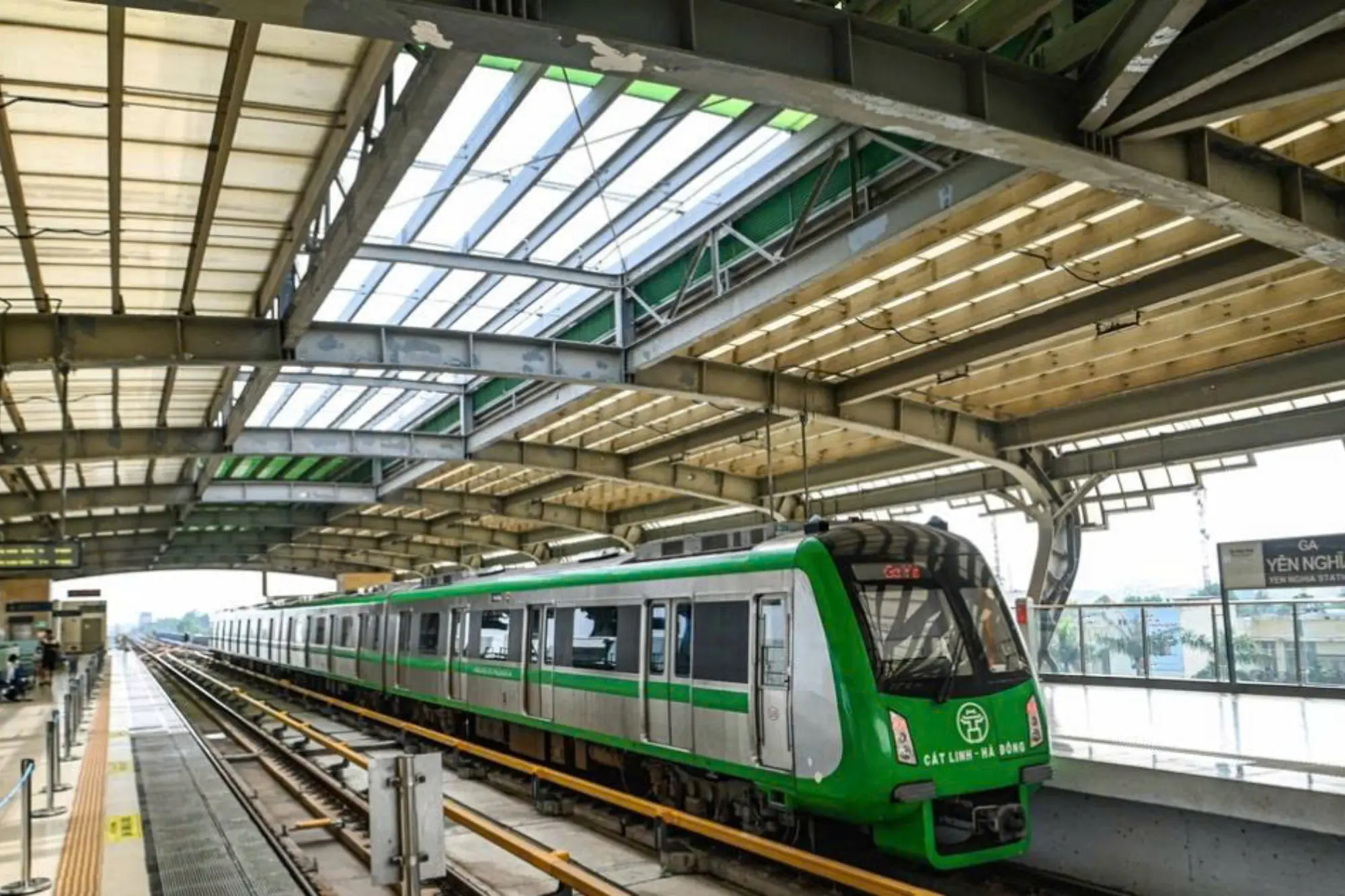
Hanoi has two operating metro routes: the Cat Linh-Ha Dong line and the elevated section of the Nhon–Hanoi Station line. These routes connect selected areas of the capital and can be useful for avoiding road traffic.
Before traveling, check the official Hanoi Metro website for station information, operating hours, ticket options, and service updates.
2. Ho Chi Minh City Metro
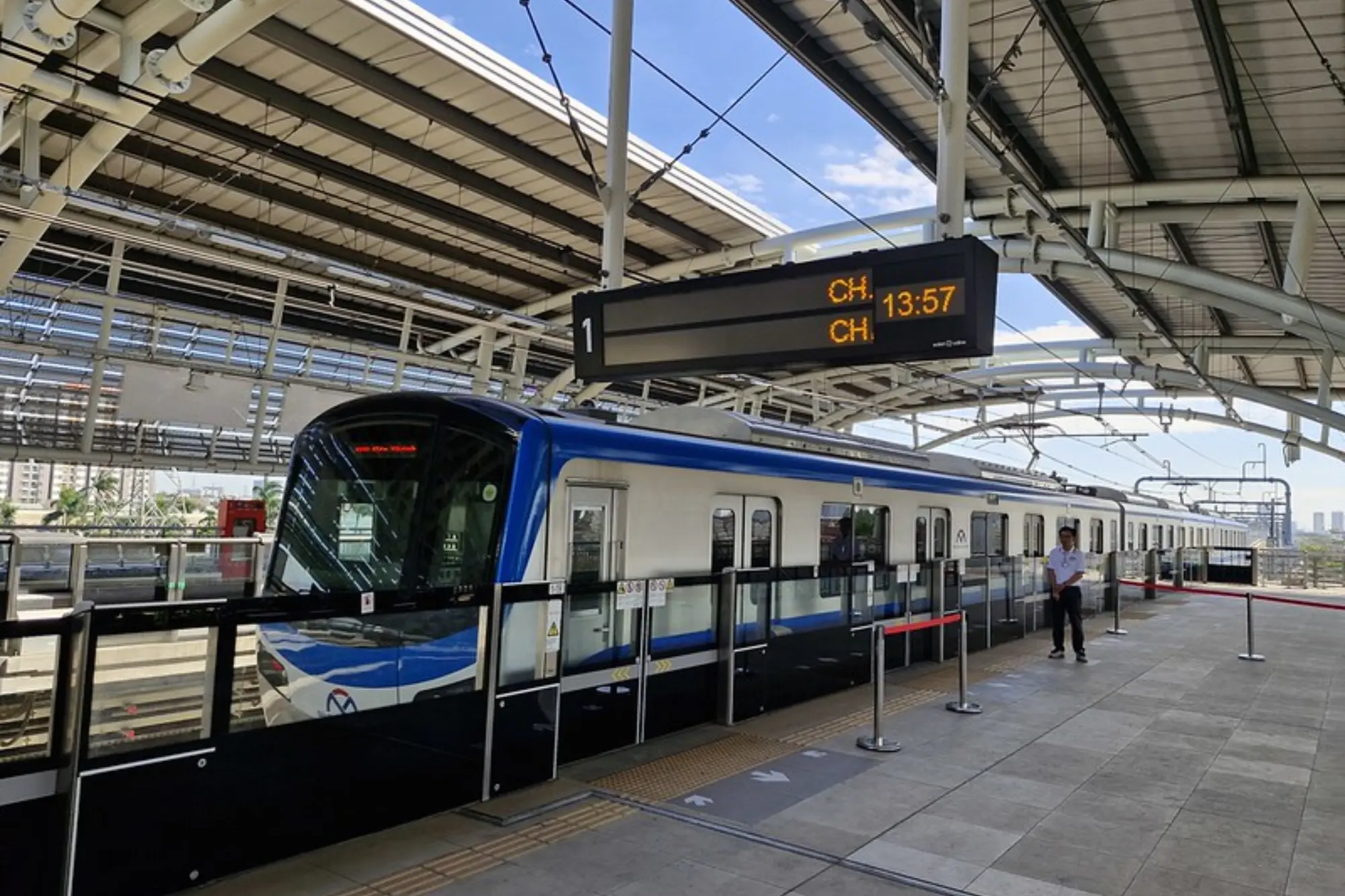
Ho Chi Minh City opened its first metro line, Metro Line 1, connecting Ben Thanh in the city center with Suoi Tien in the eastern part of the city.
The line offers an alternative to road transport for selected journeys. It can be particularly useful when your hotel, sightseeing plans, or other destinations are close to its stations.
However, metro coverage remains limited compared with the city’s overall size. You may need to combine the metro with walking, buses, or another transport option to reach your final destination.
3. How Do You Buy Metro Tickets?
Ticketing methods depend on the city and the individual line. Depending on the service, you may be able to purchase tickets at stations or use supported electronic ticketing methods.
Before entering the station, check the current fare structure and available payment options. Follow the signs to the correct platform, confirm your direction of travel, and keep your ticket or payment credential available when passing through the gates.
Traveling by Train in Vietnam
Trains are an important option for travelers moving between major destinations. Vietnam’s railway network follows a long north–south route, connecting Hanoi and Ho Chi Minh City with cities and towns along the way.
For visitors interested in landscapes and a slower-paced journey, train travel can be a memorable part of exploring the country.
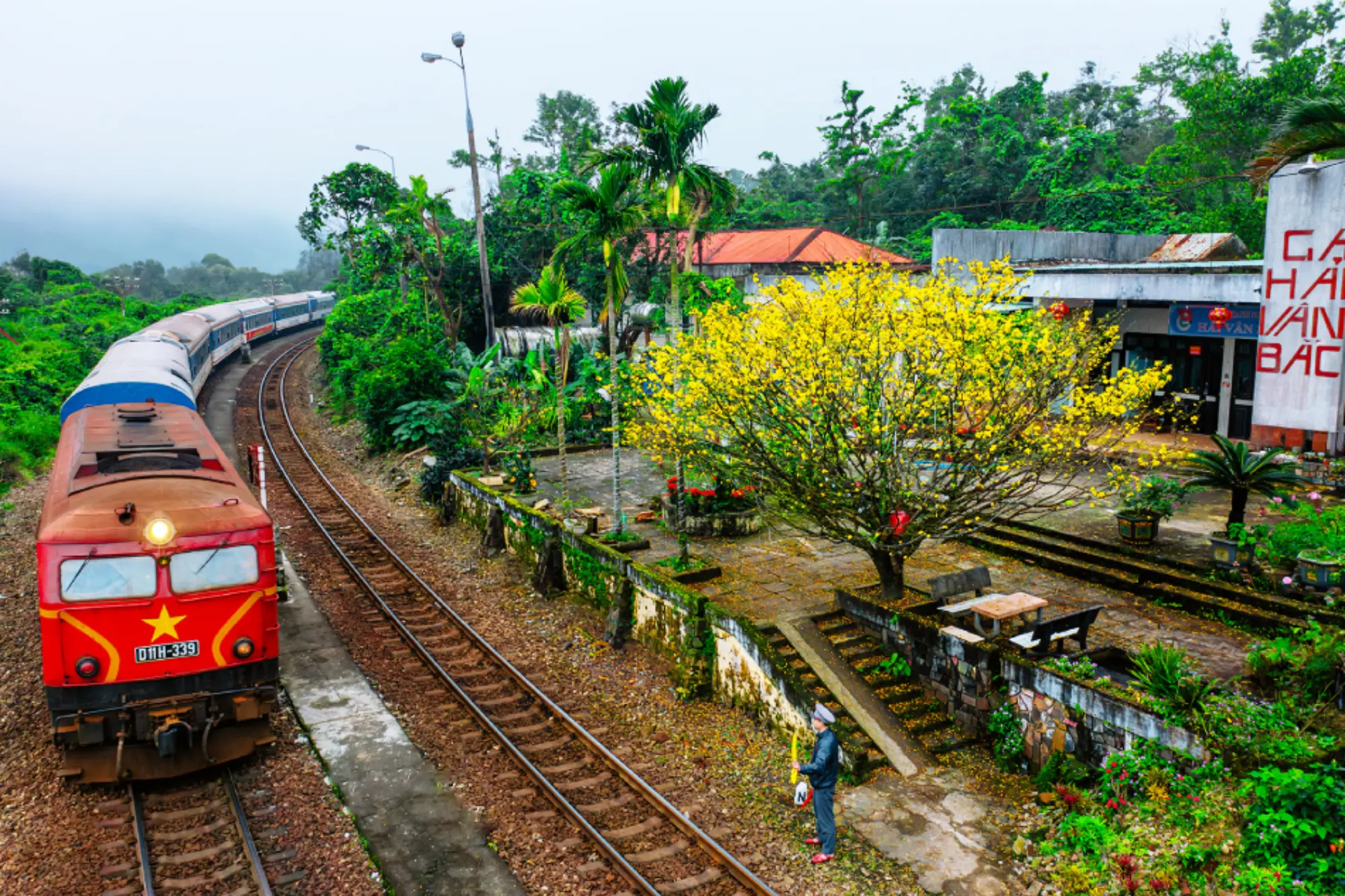
1. Popular Train Routes in Vietnam
Route | Why Consider It? |
| Hanoi to Ninh Binh | Convenient access to a destination known for limestone scenery and river landscapes |
| Hanoi to Hue | An alternative to flying when exploring central Vietnam |
| Hue to Da Nang | A scenic railway journey through the Hai Van Pass area |
| Da Nang to Nha Trang | Connects two popular coastal destinations |
| Hanoi to Ho Chi Minh City | A long-distance journey across Vietnam |
Travel times vary by train service, stops, and operating conditions. The north–south railway journey between Hanoi and Ho Chi Minh City takes considerably longer than flying, so consider how much time you have available.
How Do You Book Train Tickets?
You can purchase train tickets through the official Vietnam Railways booking channels, railway station ticket offices, and other authorized booking services.
For a smoother booking experience:
- Check your departure and arrival stations carefully.
- Compare seat classes and sleeper options for longer journeys.
- Book ahead during public holidays and busy travel periods.
- Confirm baggage rules and the conditions attached to your ticket.
- Keep your booking confirmation and identification documents available.
For international visitors, payment acceptance can vary by booking channel. Check the available payment methods before completing your reservation.
Should You Choose a Seat or a Sleeper Berth?
For shorter journeys, a standard seat may be sufficient. On overnight or longer trips, a sleeper berth can offer more comfort and allow you to rest while traveling.
Your choice should depend on the journey duration, budget, travel companions, and preferred level of privacy. If you are traveling with family or older relatives, consider the ease of boarding, luggage handling, and access to facilities.
Public Transport vs Other Ways of Getting Around Vietnam
Public transportation is not always the most convenient choice for every journey. Depending on your itinerary, you may benefit from combining buses, metro services, and trains with other forms of transport.
Transport Option | Best For | Main Consideration |
| Public buses | Affordable city travel | Route planning and traffic |
| Metro | Selected urban journeys | Limited coverage |
| Trains | Intercity travel and scenic routes | Longer travel times |
| Intercity coaches | Reaching destinations without convenient train connections | Operator quality and journey duration |
| Taxis and ride-hailing | Door-to-door city journeys | Fares vary by distance, demand, and service |
| Domestic flights | Covering long distances quickly | Airport transfers and check-in time |
When planning getting around Vietnam, consider the complete journey rather than just the time spent on the vehicle. A train may be comfortable, for example, but you should also account for travel to the station and onward transport after arrival.
If you want more flexibility, taxis or ride-hailing services may be useful for short trips or places that are difficult to reach by public transportation. You can also combine public transport with walking to explore central neighborhoods.
How Much Does Public Transport in Vietnam Cost?
Transportation costs depend on the city, route, operator, and type of service. Public buses and urban rail are generally budget-friendly options for local journeys, while long-distance trains and coaches have different prices depending on the distance and ticket class.
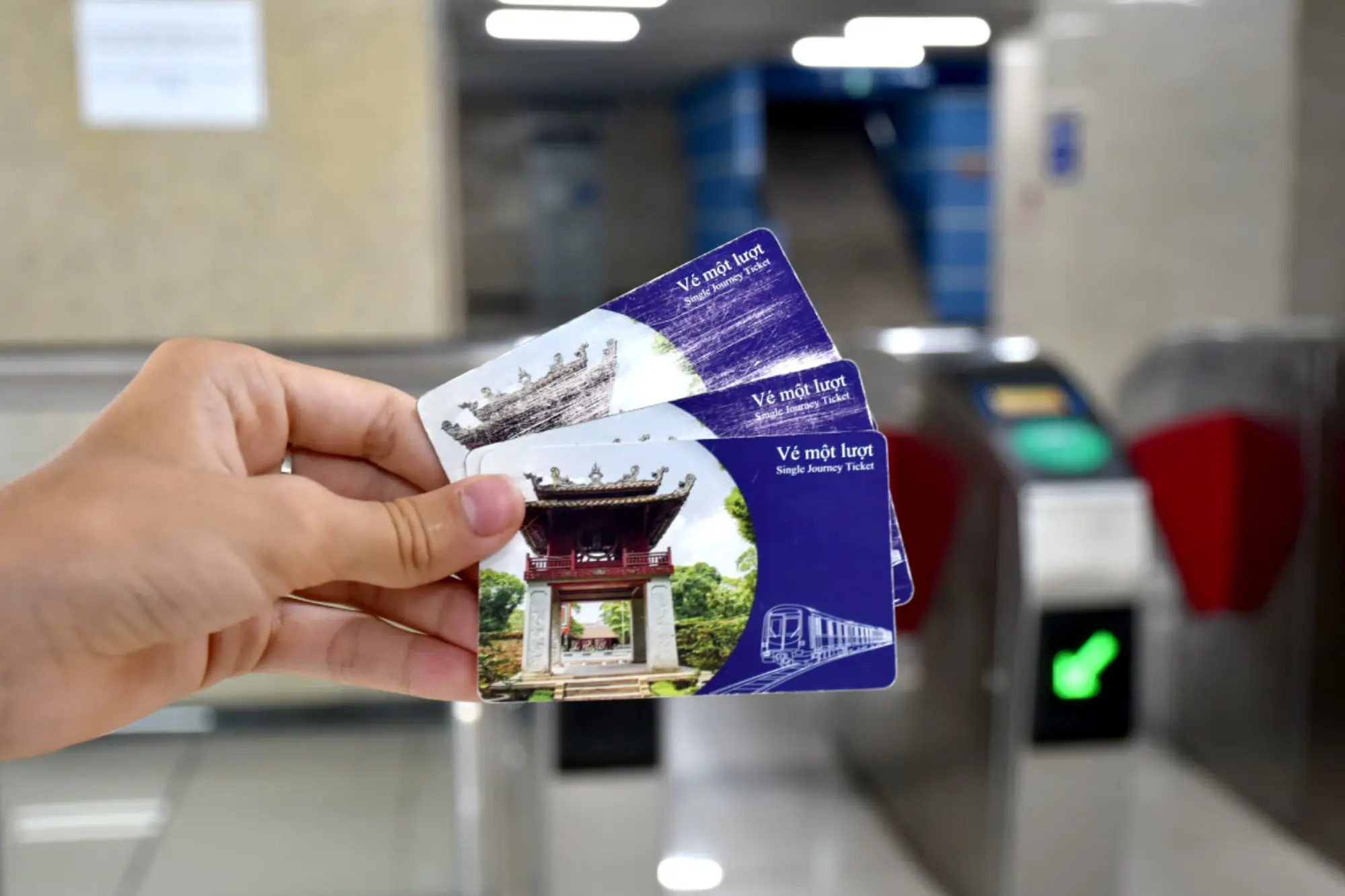
Here is a practical overview of transportation fares to help you plan your travel budget.
| Transport Type | Example Route or Service | Estimated Fare |
|---|---|---|
| Public bus | Hanoi city buses | VND 8,000-20,000 (about $0.32-$0.80) per ride |
| Metro | Hanoi Metro | VND 8,000-19,000 (about $0.32-$0.76) per ride |
| Metro | Ho Chi Minh City Metro Line 1 | VND 7,000-20,000 (about $0.28-$0.80) per ride with cash payment |
| Train | Hanoi to Da Nang | From around VND 651,000 (about $26) for a soft seat |
| Train | Hanoi to Ho Chi Minh City | From around VND 1,026,000 (about $41) for a soft seat |
These are indicative fares, not guaranteed prices. Bus and metro fares depend on the route, while train fares vary by departure, seat class, and availability. Check current prices before booking.
Tips for Managing Your Transportation Budget
- Use local public transport for suitable city journeys. Buses and metro services can help reduce daily transportation expenses.
- Compare train and coach tickets. The cheapest option may not always be the most convenient for your schedule.
- Include station transfers in your budget. Your journey may require a taxi or another local connection.
- Book popular routes in advance. Early planning can give you more choice of departure times and seat types.
- Check payment methods. Carry an alternative payment option in case a service does not accept your preferred method.
For travelers visiting multiple destinations, planning transport alongside accommodation and sightseeing can make the overall budget easier to manage.
Tips for Using Public Transport in Vietnam
A little preparation can make public transport in Vietnam easier for international visitors.
- Plan your route: Check bus routes, metro stations, and train schedules before traveling.
- Prepare for language differences: Save destination names and addresses in Vietnamese on your phone.
- Secure your belongings: Keep your phone, wallet, and passport safe in crowded areas.
- Allow extra time: Traffic congestion can delay buses, especially during peak hours.
- Check current information: Confirm routes, fares, operating hours, and payment methods before departure.
Is Public Transport in Vietnam Easy for Tourists?
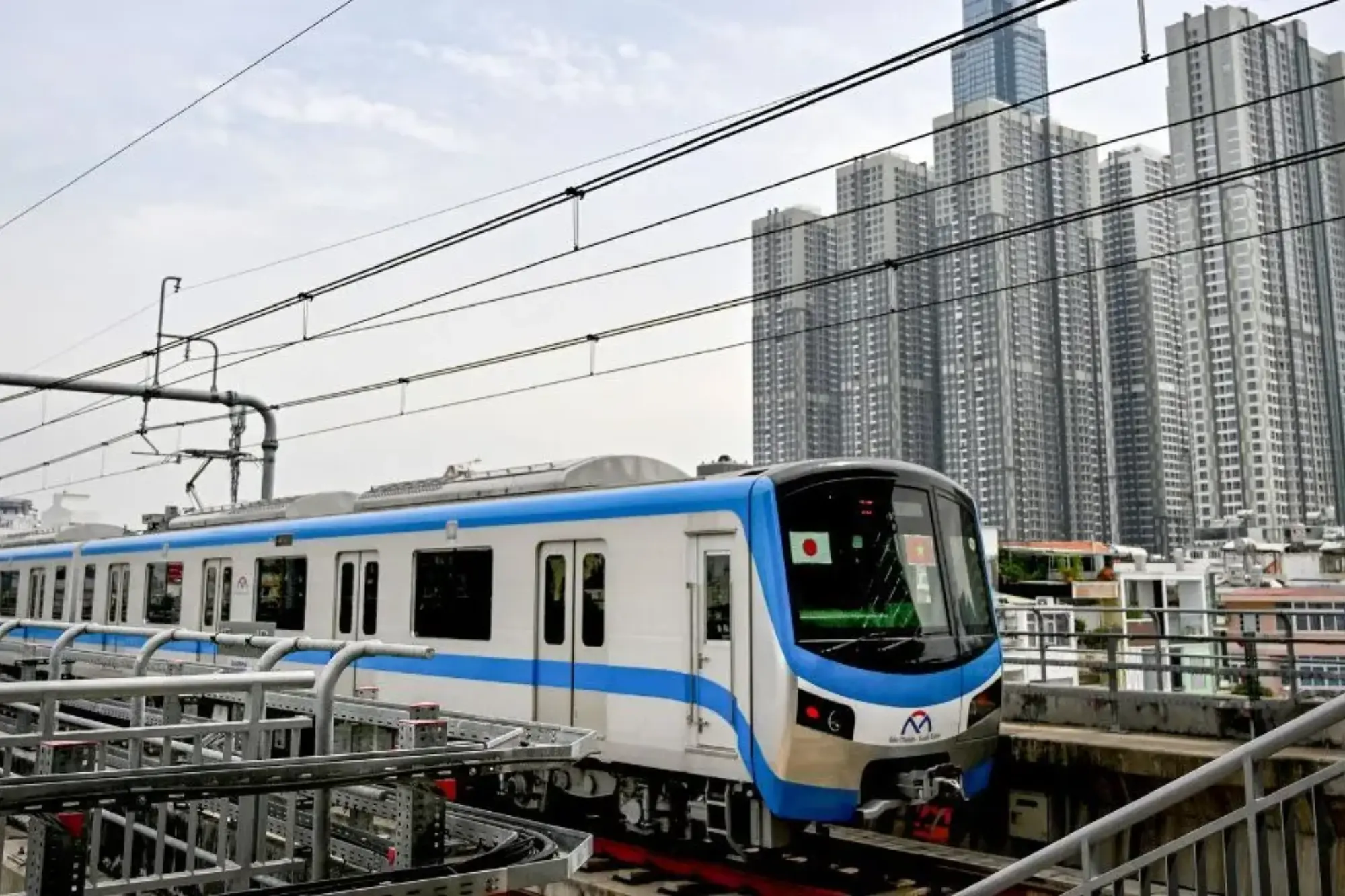
Public transport in Vietnam is an affordable way to explore major cities and travel between destinations. Buses and metro services are useful for selected urban routes, while trains and intercity coaches offer more options for getting around Vietnam.
For remote attractions, heavy luggage, or tight schedules, private transfers and guided tours may be more convenient. When choosing transport in Vietnam, compare routes, travel times, and costs to find the option that best suits your itinerary. Planning ahead also helps you make better use of Vietnam public transport throughout your trip.
FAQS About Public Transport in Vietnam
1. What Is the Best Way to Get Around Vietnam?
The best option depends on your destination. Buses and metro services are useful for selected city journeys, while trains and intercity coaches can connect destinations across the country. Taxis and ride-hailing services offer more direct transportation.
2. Is Public Transport in Vietnam Cheap?
Local buses and metro services are generally affordable compared with private transportation. Train and coach fares vary according to route, seat class, operator, and booking conditions.
3. Can Tourists Use Public Transport in Vietnam?
Yes. International visitors can use public buses, metro services, and trains. Checking routes, ticketing methods, and current schedules in advance can make the experience easier.
4. Is There a Metro in Vietnam?
Yes. Hanoi has operating metro routes, and Ho Chi Minh City has Metro Line 1. These systems cover selected urban corridors, so check station locations before relying on them for your entire journey.
5. Is It Better to Travel by Train or Bus in Vietnam?
Trains can be a good choice for scenic journeys and routes served by the railway network. Intercity coaches may offer more departure options or connections to places without convenient train access. Compare travel time, comfort, price, and arrival locations before deciding.
Conclusion
Understanding public transport in Vietnam helps you make informed decisions about your journey, whether you are exploring major cities or traveling between regions. Buses and metro services can support city sightseeing, while trains and intercity coaches provide alternatives for longer journeys.
The most practical approach to getting around Vietnam is to combine transportation options based on your destinations, budget, and travel schedule. Check current routes, allow time for transfers, and choose the transport that makes each part of your journey more comfortable.
Explore our Japan Package Tours with Nicetrips Travels and experience the beauty, history, and culture of this remarkable destination. Follow the Nicetrips Blog for more travel guides, tips, and inspiration for your next journey.