Japan’s street food scene brings together regional specialties, freshly prepared snacks, bustling markets, and small food stalls that reflect the character of each destination. This Japan Street Food Guide introduces the dishes worth trying, famous markets to add to your itinerary, and practical tips for enjoying street food in Japan. Whether you are visiting for the first time or returning to explore more regions, you will find ideas for tasting local flavors across the country.
What Makes Street Food in Japan Special?
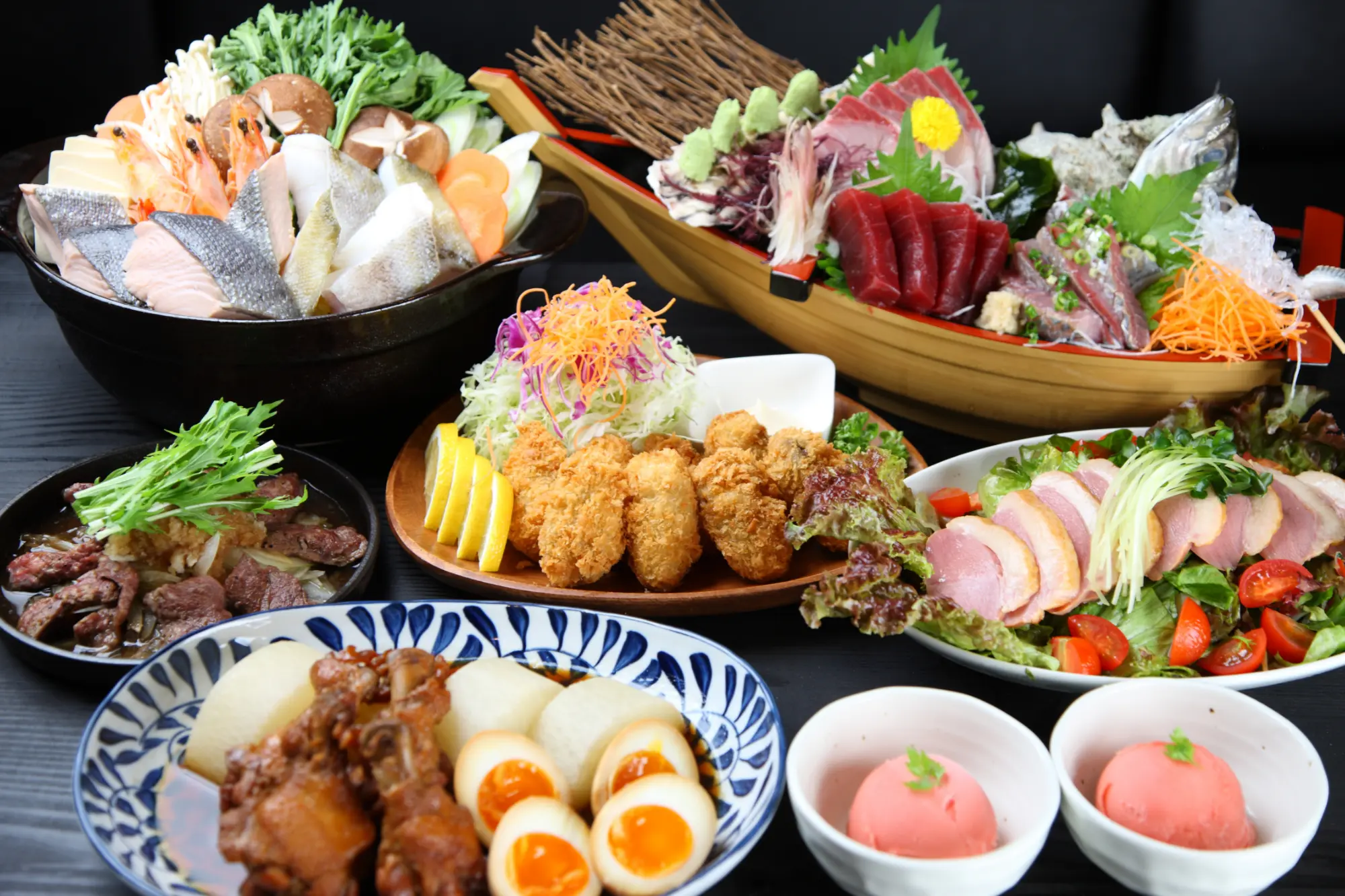
Japanese street food is closely connected to local traditions, seasonal ingredients, festivals, shopping streets, and market culture. From savory snacks to traditional sweets, street food in Japan offers a way to explore regional flavors and everyday food culture. Some dishes are prepared at dedicated food stalls, while others are sold at market counters, takeaway shops, and small neighborhood eateries.
Unlike street food scenes where vendors are found on almost every corner, food stalls in Japan are often concentrated in particular districts, markets, festival grounds, and tourist areas. Each region has its own specialties, so the Japanese food you encounter in Osaka may be quite different from what you find in Fukuoka or Hokkaido. Visiting a local Japanese market or shopping street is a convenient way to discover these regional differences.
What to expect when exploring Japanese street food:
- Regional flavors: Try dishes associated with specific cities and prefectures.
- Freshly prepared snacks: Many vendors cook food to order or prepare it in small batches.
- Market experiences: Browse seafood, produce, sweets, and ready-to-eat dishes at a traditional Japanese market.
- Seasonal specialties: Festival foods and market offerings can change throughout the year.
Japan Street Food Guide: 10 Best Japanese Street Food to Try
From savory snacks to traditional sweets, the best Japanese street food offers a variety of flavors and textures. Whether you explore a traditional Japanese market, browse local food stalls in Japan, or visit a lively festival, you can discover a wide range of Japanese food specialties. These popular dishes are enjoyed across the country, although their availability, ingredients, and preparation methods can vary by region.
1. Takoyaki
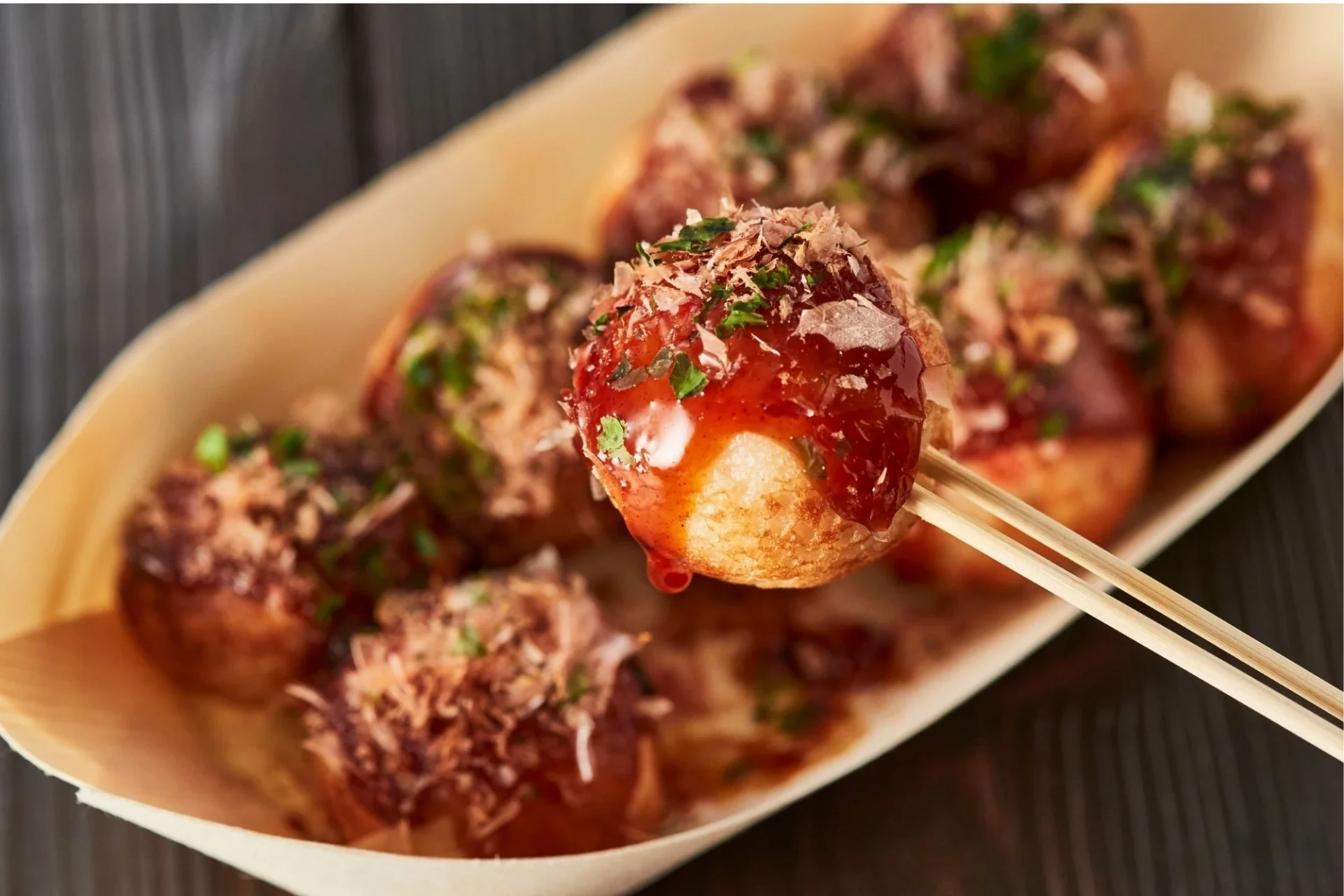
Takoyaki are round batter balls filled with diced octopus, cooked in a special molded pan and topped with savory sauce, mayonnaise, seaweed, and bonito flakes.
Originating in Osaka, takoyaki is one of the most recognizable examples of Japanese street food. You can find it at dedicated stalls, shopping streets, festivals, and food markets.
Typical price: ¥500-800 per serving (usually 6-8 pieces).
2. Okonomiyaki
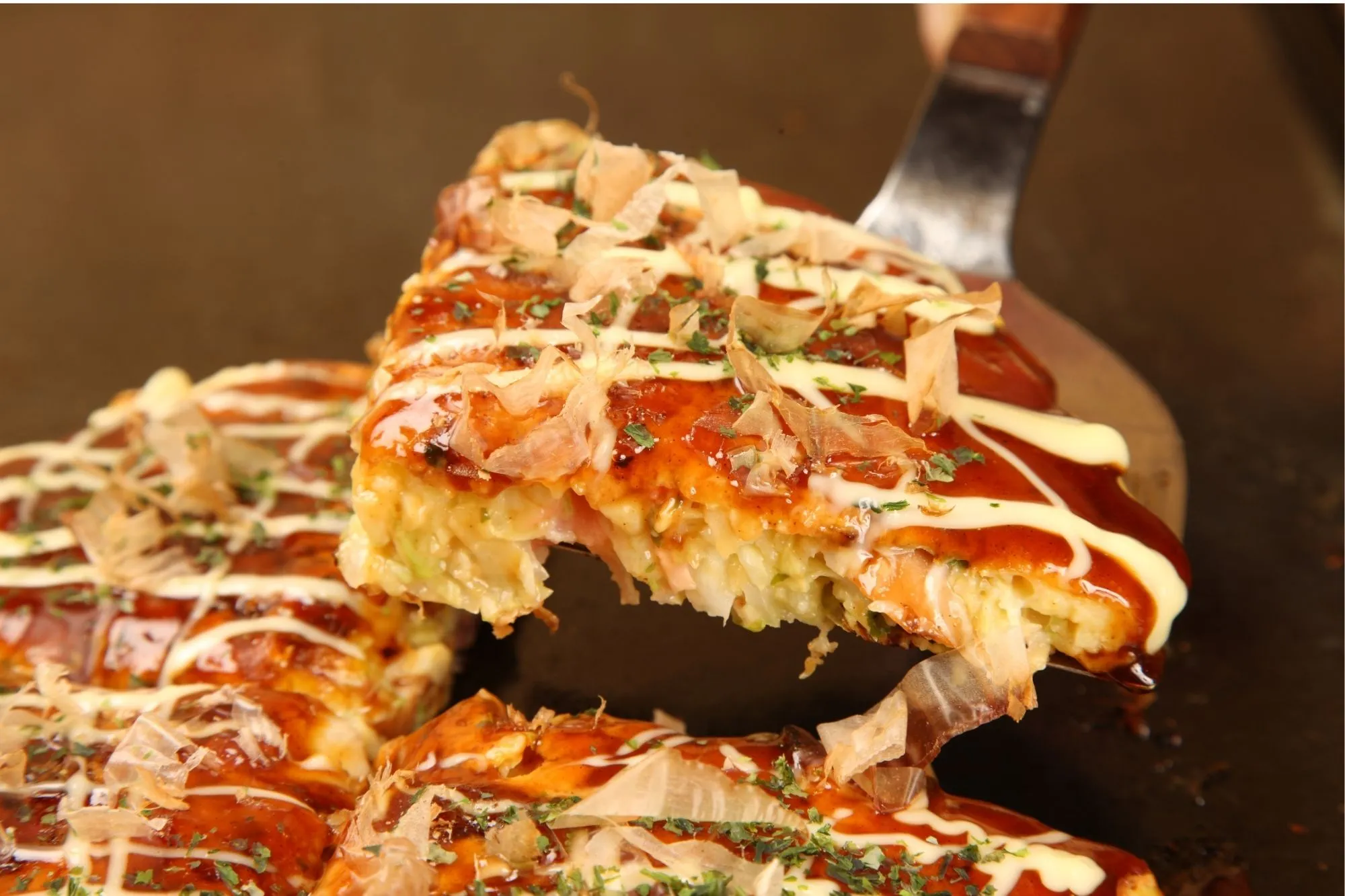
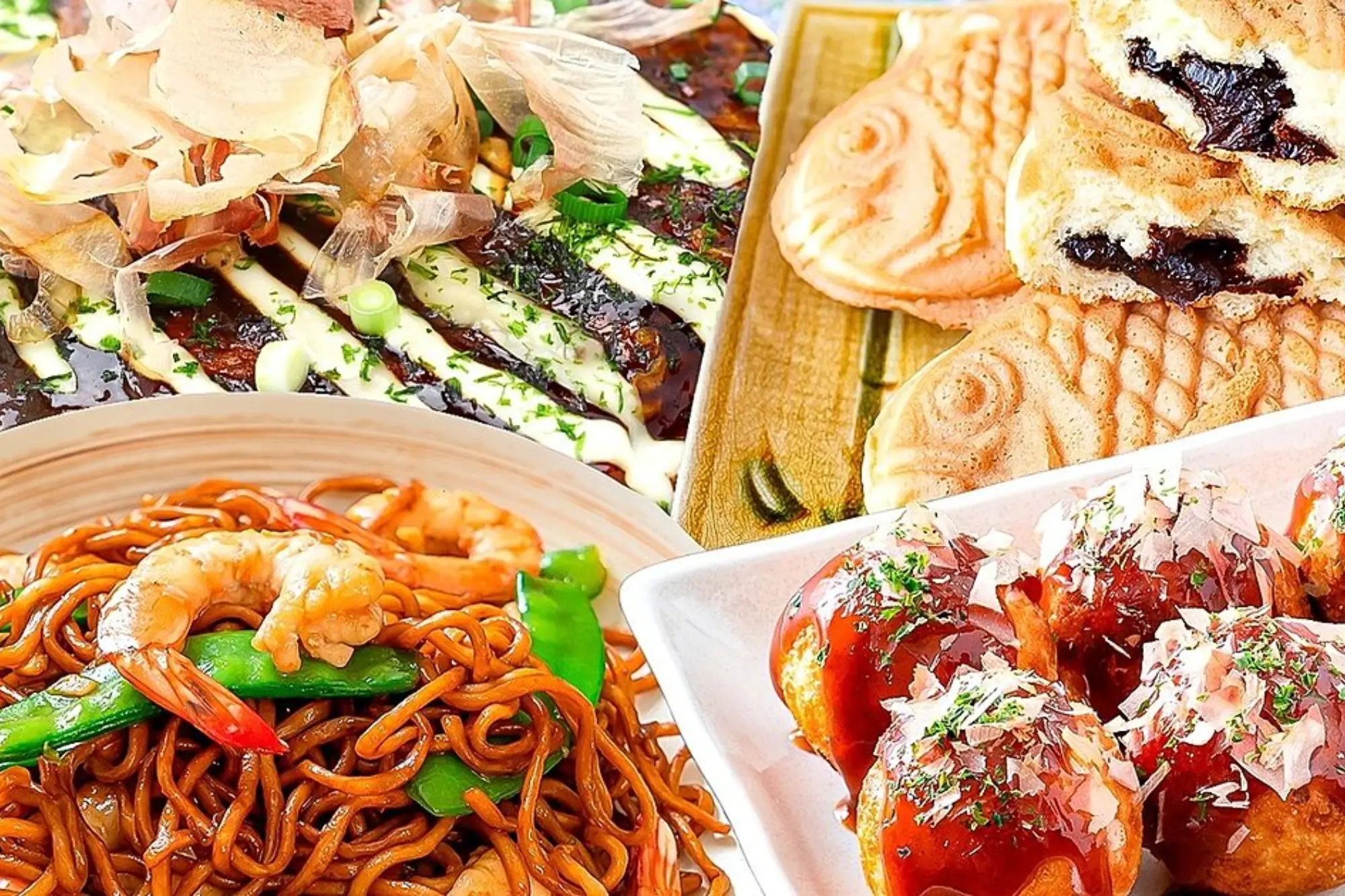
Okonomiyaki is a savory pancake made with ingredients such as cabbage, flour, eggs, and meat or seafood. It is usually finished with a sweet-savory sauce, mayonnaise, and optional toppings.
There are two well-known regional styles. Osaka-style okonomiyaki mixes the ingredients before cooking, while Hiroshima-style okonomiyaki typically layers the ingredients and includes noodles.
Typical price: ¥800-1,500 per pancake.
3. Yakitori
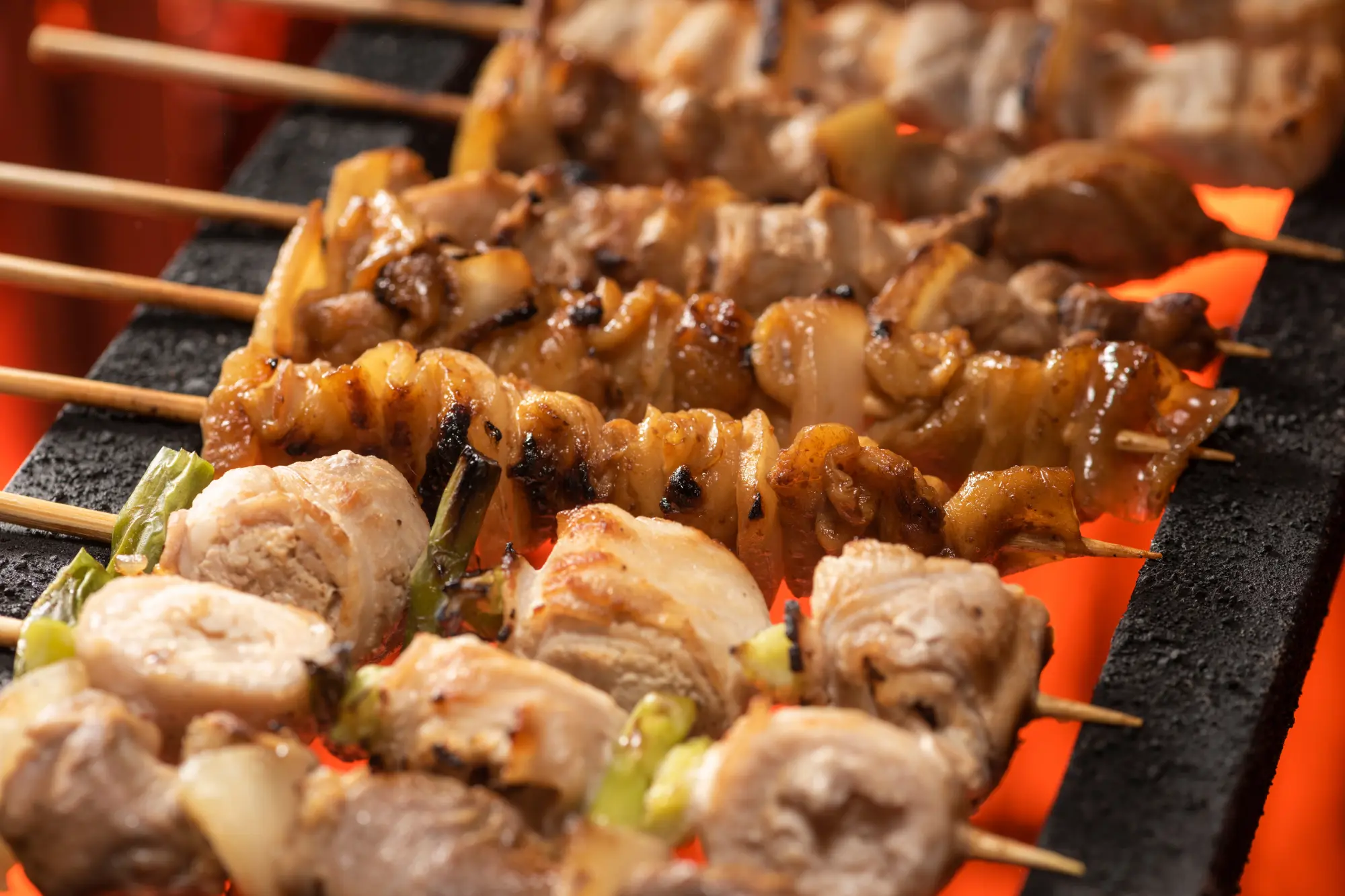
Yakitori consists of grilled chicken skewers seasoned with salt (shio, 塩) or a sweet-savory sauce (tare, タレ). Some vendors also serve grilled vegetables and other skewered ingredients.
You can find yakitori at street stalls, festival food stands, and small neighborhood restaurants. It is particularly enjoyable when ordered alongside several other small dishes.
Typical price: ¥100-300 per skewer.
4. Taiyaki
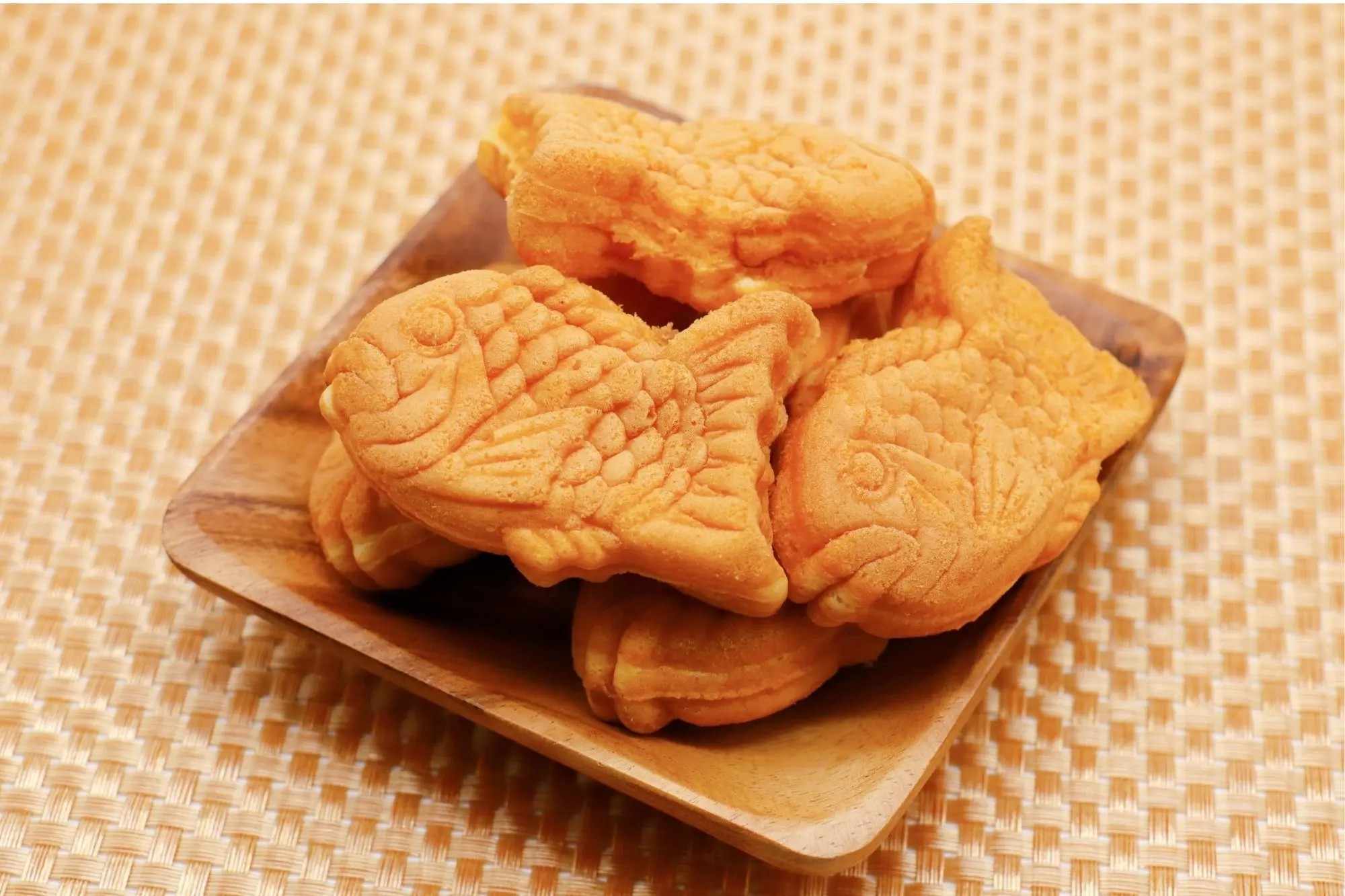
Taiyaki is a fish-shaped cake made from batter and traditionally filled with sweet red bean paste (anko, あんこ). Other fillings, such as custard and chocolate, are also common.
The outside is lightly crisp, while the inside is soft and sweet. Taiyaki makes a convenient snack while exploring a shopping street or market.
Typical price: ¥150-350 per piece.
5. Yakisoba
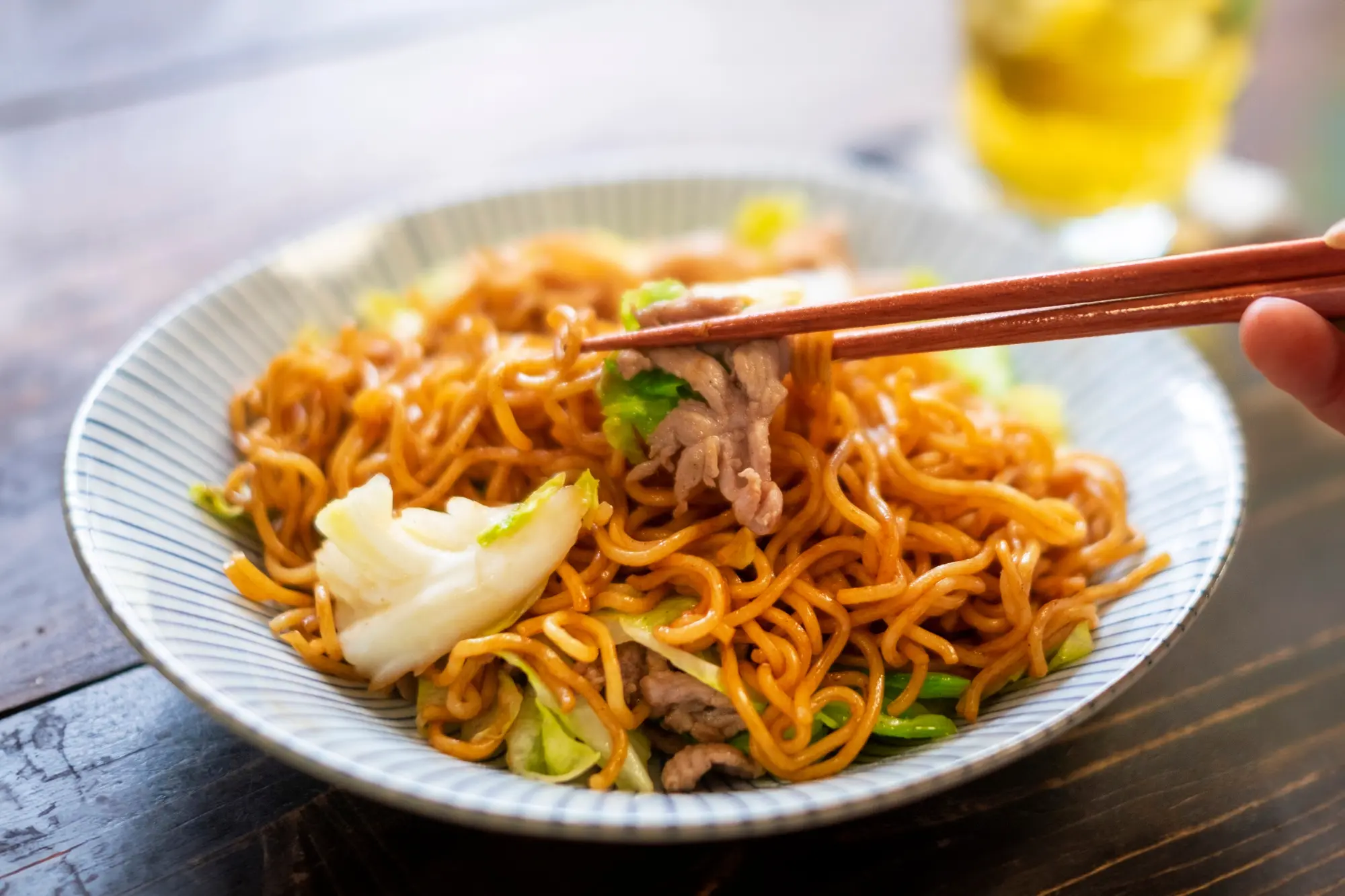
Yakisoba is a stir-fried noodle dish prepared with vegetables, often pork, and a savory sauce. It is commonly topped with pickled ginger, seaweed, or mayonnaise.
This filling dish is a familiar sight at Japanese summer festivals and outdoor events. Some stalls prepare it in large batches on a flat iron griddle.
Typical price: ¥400-700 per serving.
6. Kushikatsu
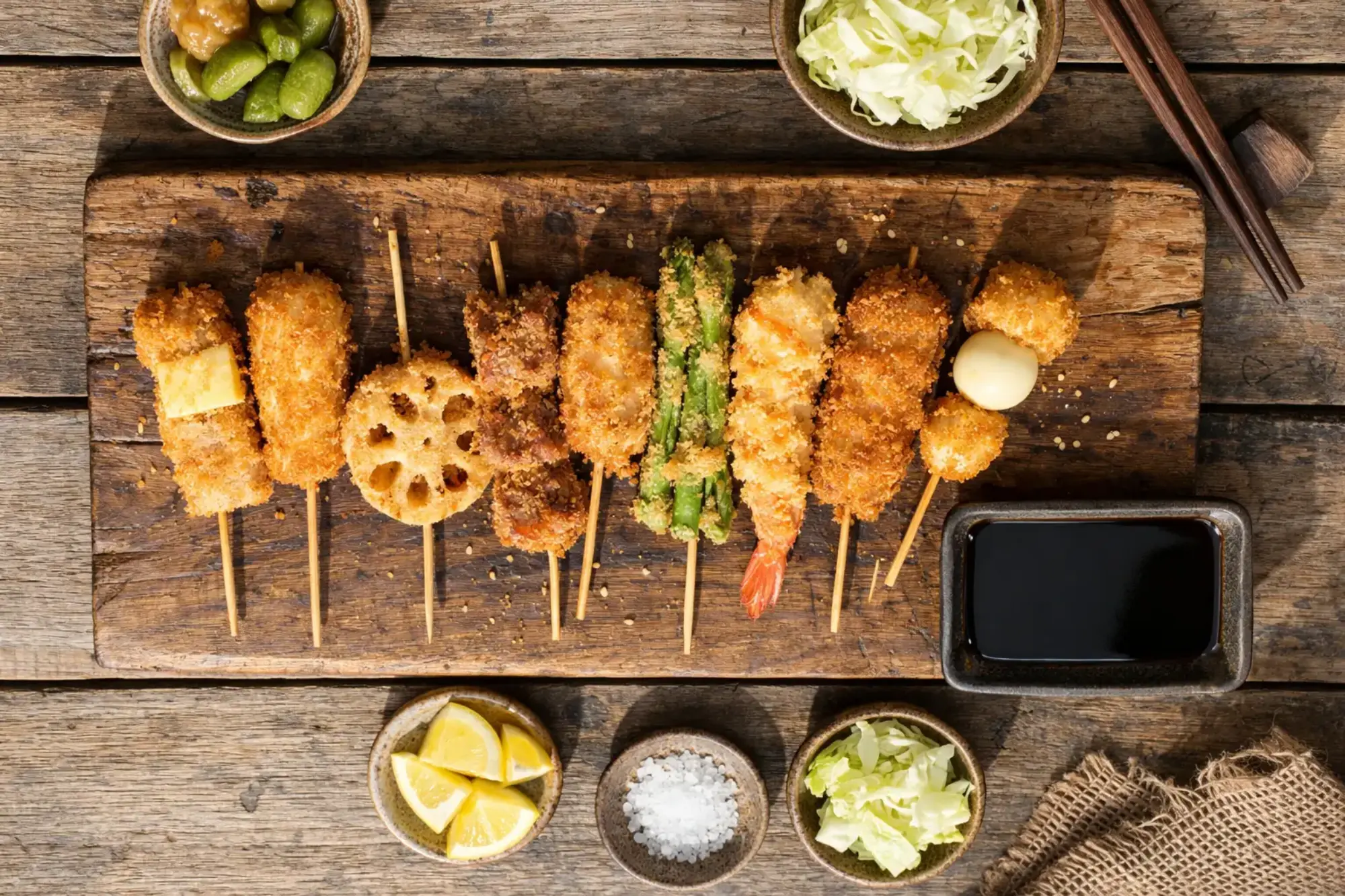
Kushikatsu consists of meat, seafood, or vegetables coated in breadcrumbs and deep-fried on skewers. It is especially associated with Osaka’s Shinsekai district.
Many traditional kushikatsu restaurants serve a shared dipping sauce. Follow the restaurant’s instructions, particularly where communal sauce containers are used.
Typical price: ¥100–250 per skewer, depending on the ingredients.
7. Karaage
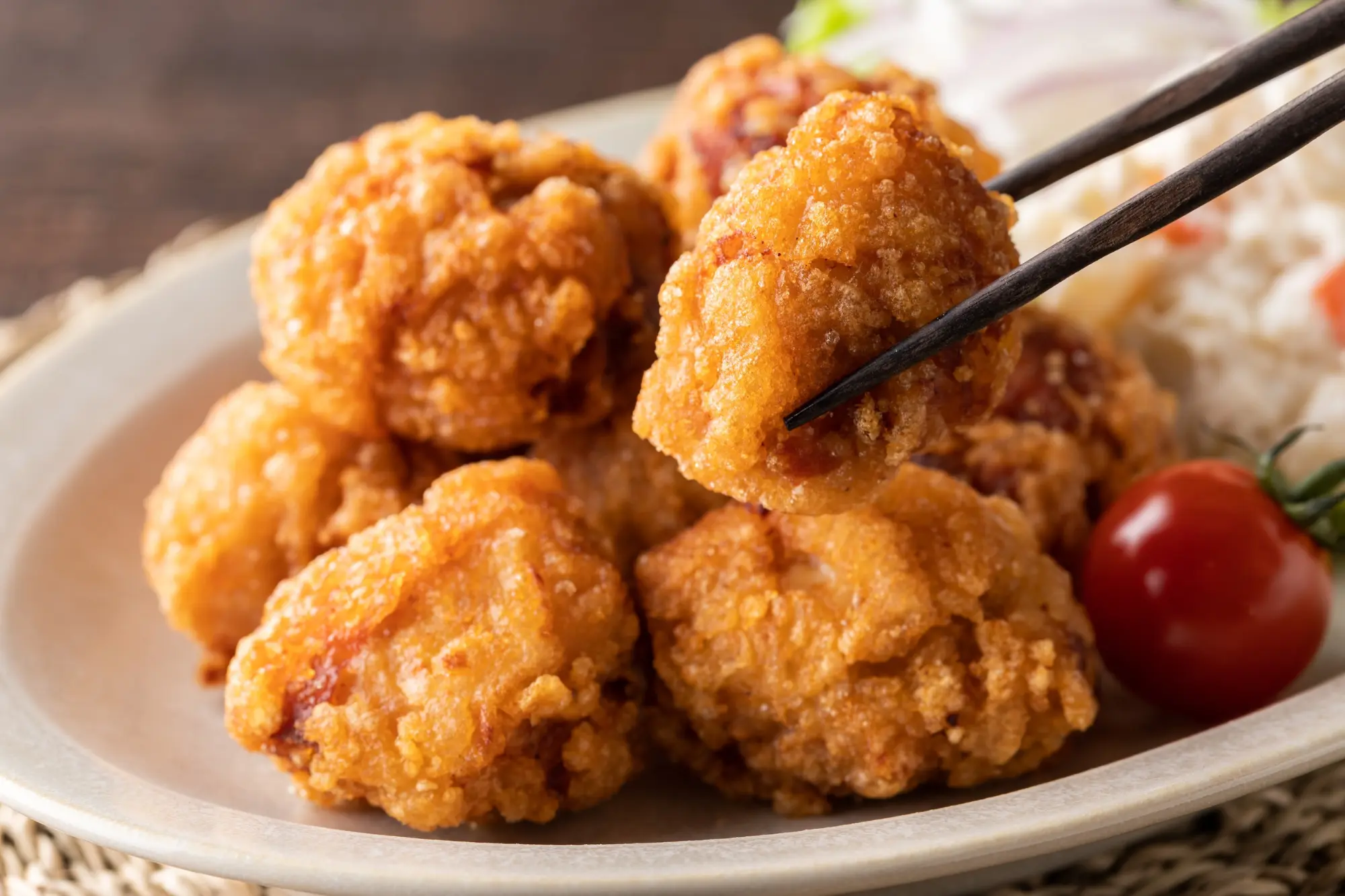
Karaage is Japanese-style fried chicken, usually marinated before being coated and fried. It has a crisp exterior and a juicy interior, making it a popular takeaway snack.
Although karaage is widely available at restaurants and convenience stores, it is also common at festival stalls and local food events.
Typical price: ¥300-700 per serving.
8. Dango
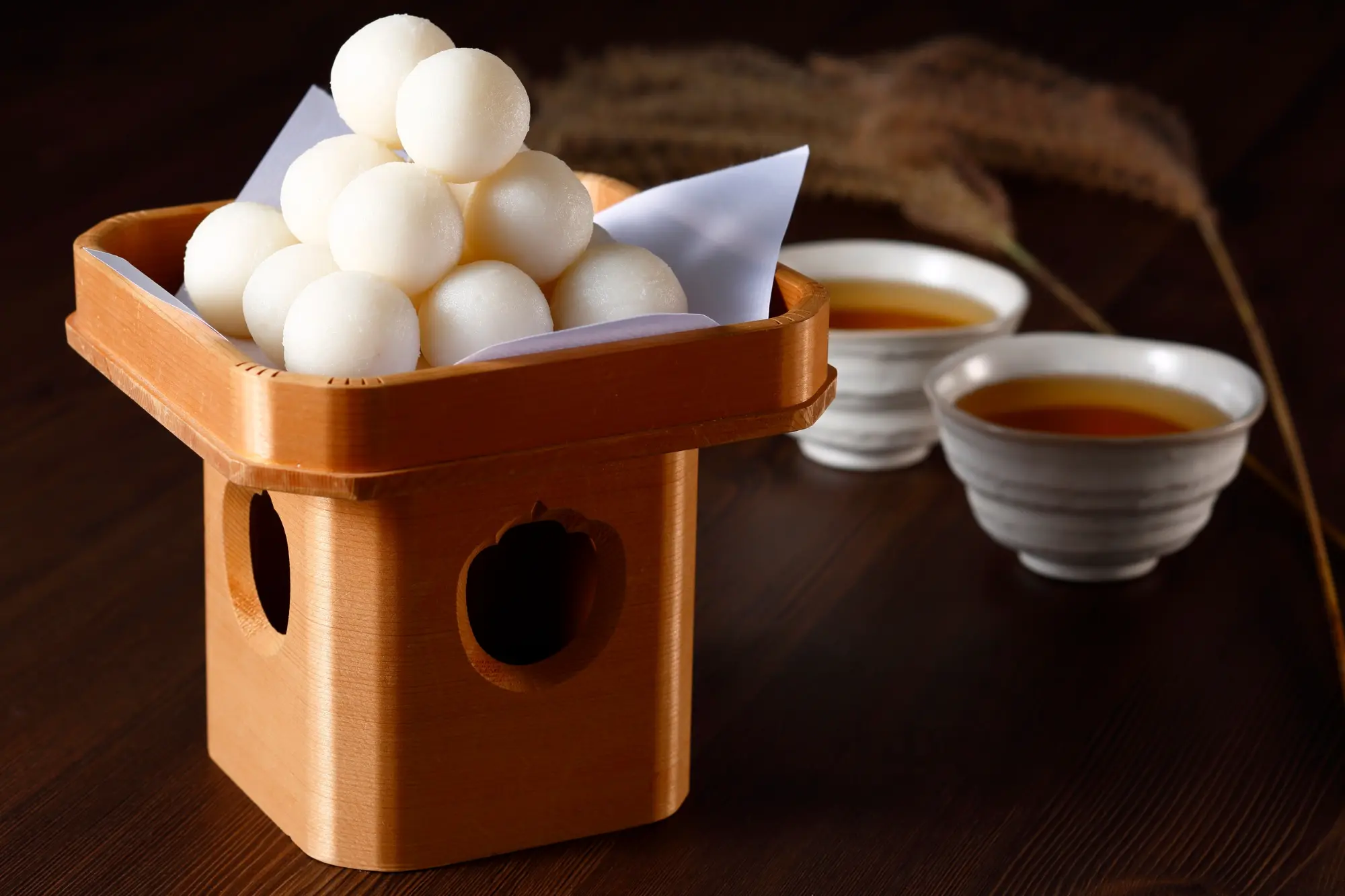
Dango are chewy rice-flour dumplings served on skewers. One popular variety, mitarashi dango (みたらし団子), is coated in a sweet soy-based glaze.
Other versions may be served with sweet red bean paste or different toppings. Dango is a good choice if you want to try a traditional Japanese sweet while sightseeing.
Typical price: ¥150-300 per skewer.
9. Ikayaki
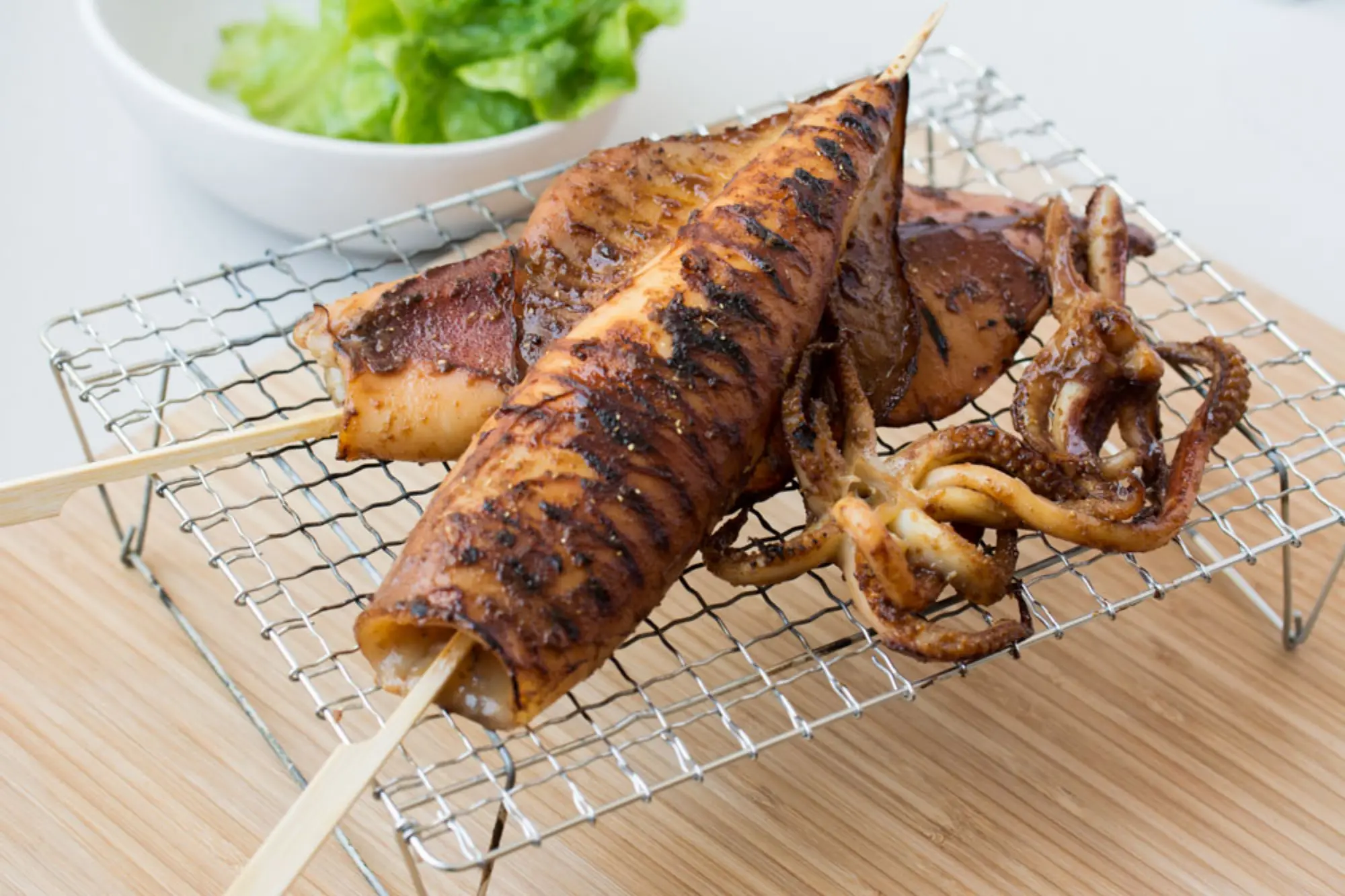
Ikayaki commonly refers to grilled squid seasoned with soy sauce or other savory seasonings. Depending on the region and vendor, the name can also refer to a different squid-based preparation.
The grilled version is especially appealing to seafood lovers looking for something savory rather than sweet.
Typical price: ¥400-800 per serving for grilled squid. Prices vary depending on the size and preparation.
10. Imagawayaki

Imagawayaki is a round, thick cake cooked in a metal mold and traditionally filled with sweet red bean paste. Custard and other fillings are also available.
The name varies by region, and you may encounter similar cakes sold under different names. They are particularly convenient for a quick snack during colder weather.
Typical price: ¥150-300 per piece.
Famous Japanese Markets for Street Food
A traditional Japanese market offers more than ready-to-eat snacks. Many markets combine fresh seafood, seasonal produce, prepared dishes, traditional sweets, and shops selling local ingredients.
The following destinations are useful additions to a food-focused itinerary.
1. Kuromon Market
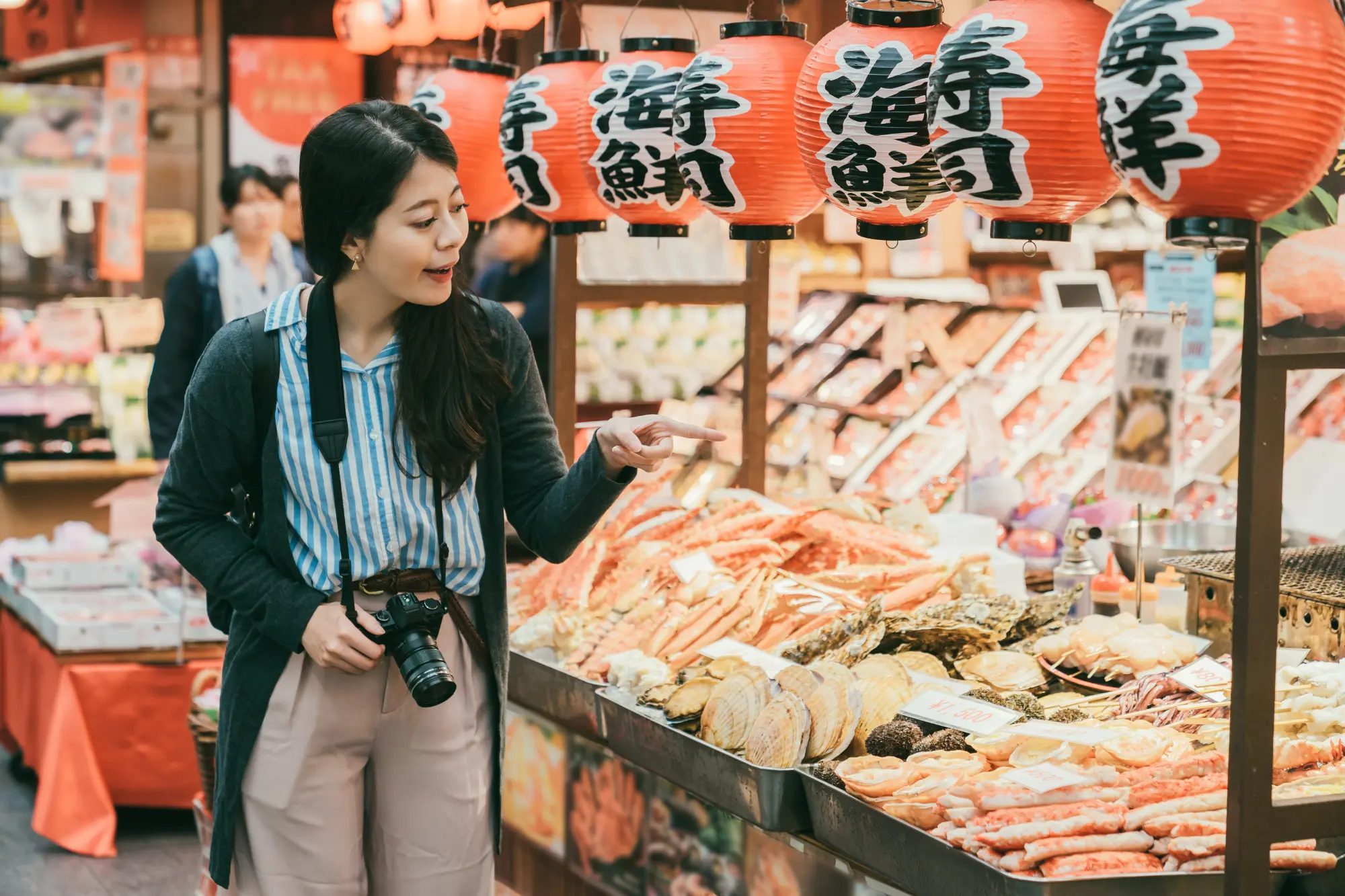
Known as “Osaka’s Kitchen” Kuromon Market is a historic marketplace near the Namba and Nipponbashi areas. Its shops sell fresh seafood, meat, produce, prepared food, and local specialties.
What to try:
- Fresh seafood and sushi
- Grilled scallops and other seafood, where available
- Seasonal fruit
- Fried snacks and prepared dishes
Best for: Travelers who want to sample different foods while exploring one market.
Practical tip: Prices and portion sizes vary by vendor. Check the menu before ordering, and look at several stalls before choosing.
2. Tsukiji Outer Market
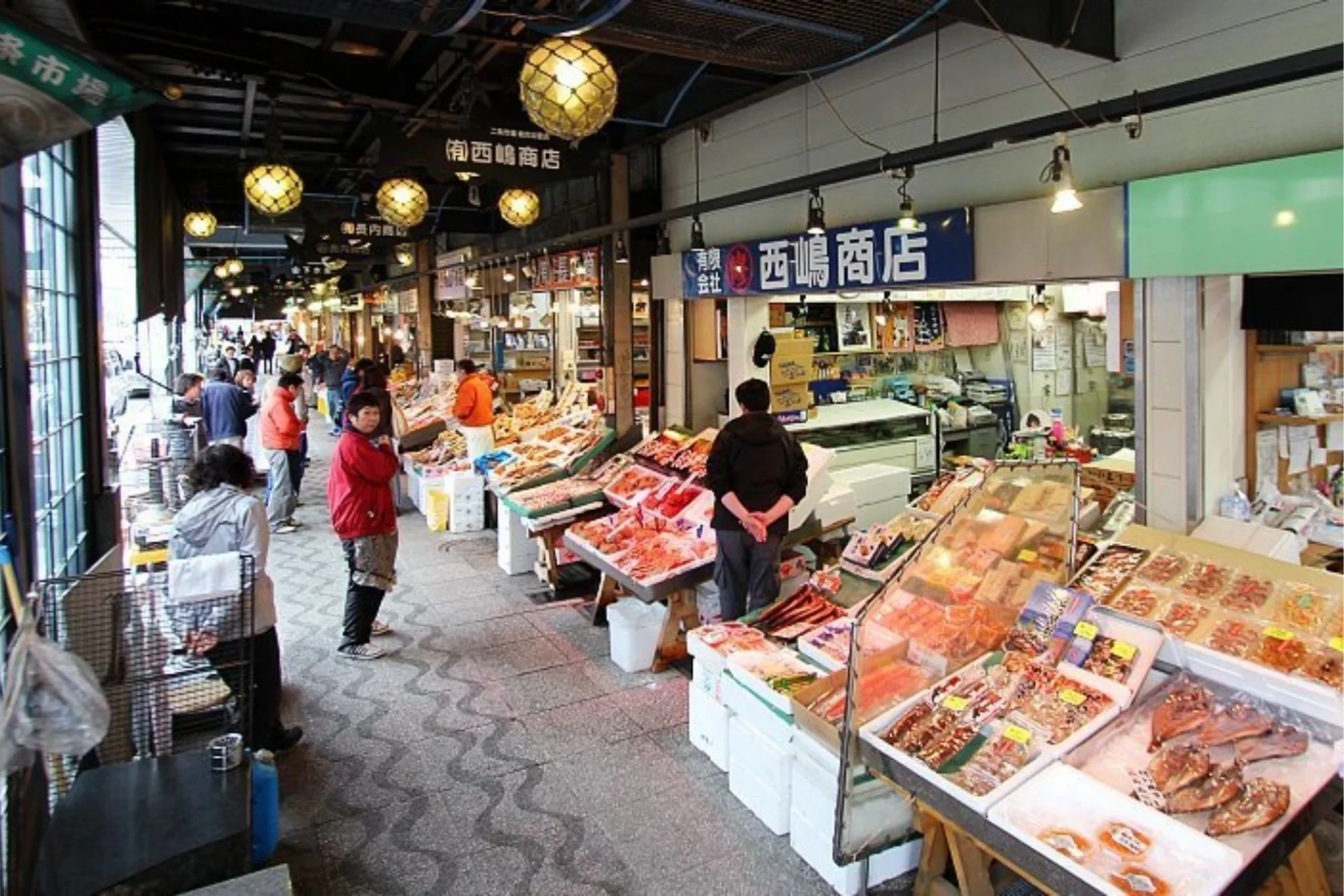
Tsukiji Outer Market is a well-known Tokyo food destination with seafood shops, small restaurants, kitchenware stores, and vendors selling traditional Japanese ingredients. The wholesale fish market and tuna auctions moved to Toyosu in 2018, but the outer market remains open to visitors.
What to try:
- Sushi and sashimi
- Fresh seafood dishes
- Japanese rolled omelet (tamagoyaki)
- Traditional snacks and prepared foods
Best for: Seafood lovers and visitors who want to explore Japanese ingredients and food traditions.
Practical tip: Visit earlier in the day for a better chance to see more shops operating. Check individual business hours before planning your trip.
3. Nishiki Market
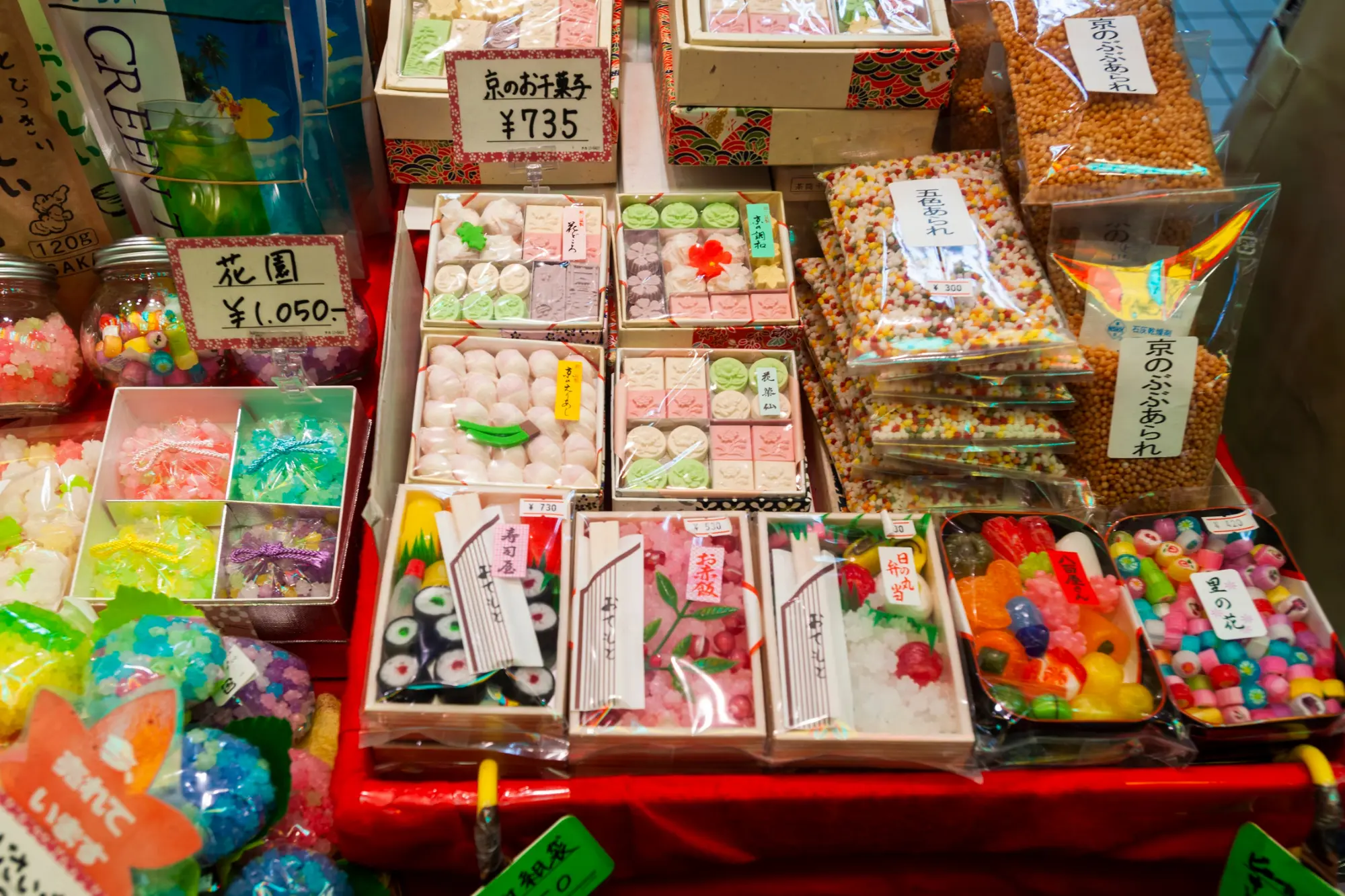
Nishiki Market is a covered shopping street in central Kyoto, known for its range of food shops and local ingredients. It is a useful place to discover Kyoto-style foods, Japanese sweets, pickles, and seasonal products.
What to try:
- Japanese pickles (tsukemono)
- Traditional sweets
- Grilled or prepared seafood
- Kyoto-style snacks and tofu products
Best for: Travelers interested in Kyoto’s culinary traditions.
Practical tip: The market can become crowded, especially during busy travel periods. Follow shop rules about eating and drinking, and avoid blocking the narrow walkway.
4. Omicho Market
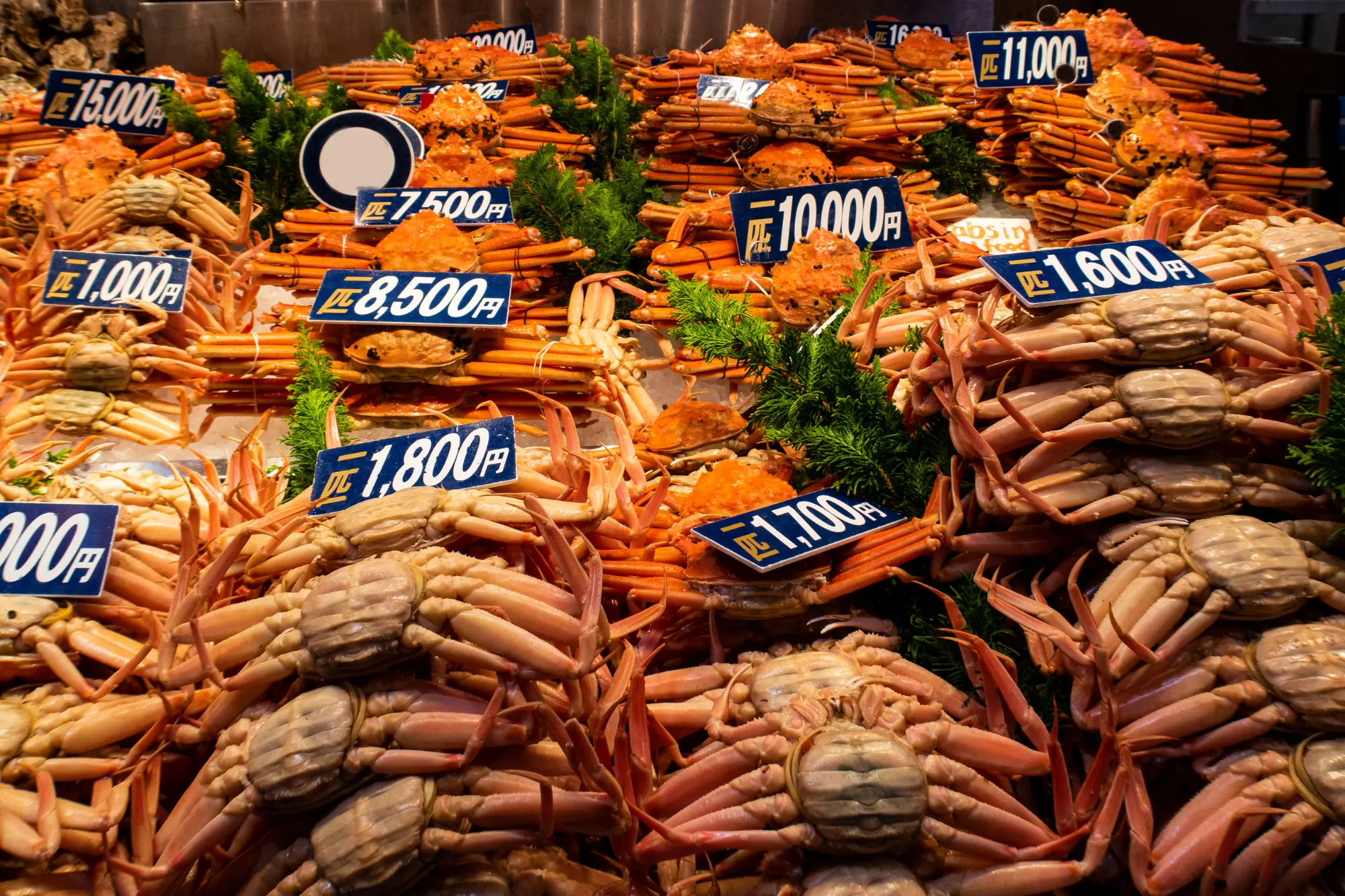
Omicho Market is one of Kanazawa’s best-known food markets, particularly for seafood and regional ingredients. It is a good place to explore the food culture of the Hokuriku region.
What to try:
- Seafood rice bowls (kaisendon)
- Sashimi and seasonal seafood
- Local produce
- Prepared Japanese dishes
Best for: Seafood enthusiasts exploring Kanazawa.
Practical tip: Seafood availability changes with the season. Check current vendor hours and menus before visiting.
3.5. Miyagawa Morning Market
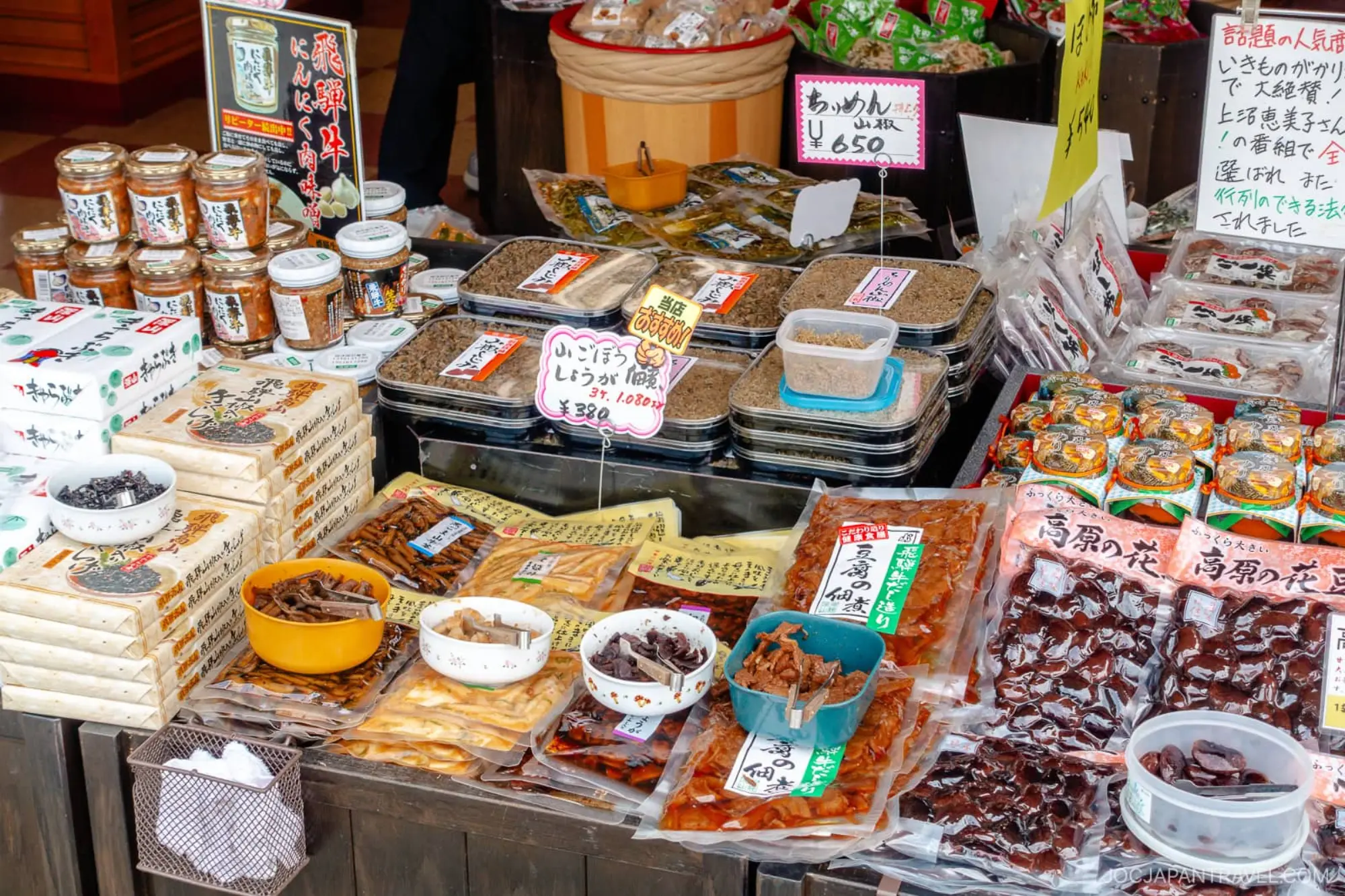
Miyagawa Morning Market offers a different experience from the larger urban seafood markets. Visitors can browse stalls selling local produce, regional foods, handmade products, and seasonal items.
What to look for:
- Local fruit and vegetables
- Regional snacks
- Pickles and preserved foods
- Handmade local products
Best for: Travelers exploring Takayama’s traditional streets and regional food culture.
Practical tip: Morning markets are time-sensitive destinations. Check the current schedule and arrive early to make the most of your visit.
Where to Find Food Stalls in Japan
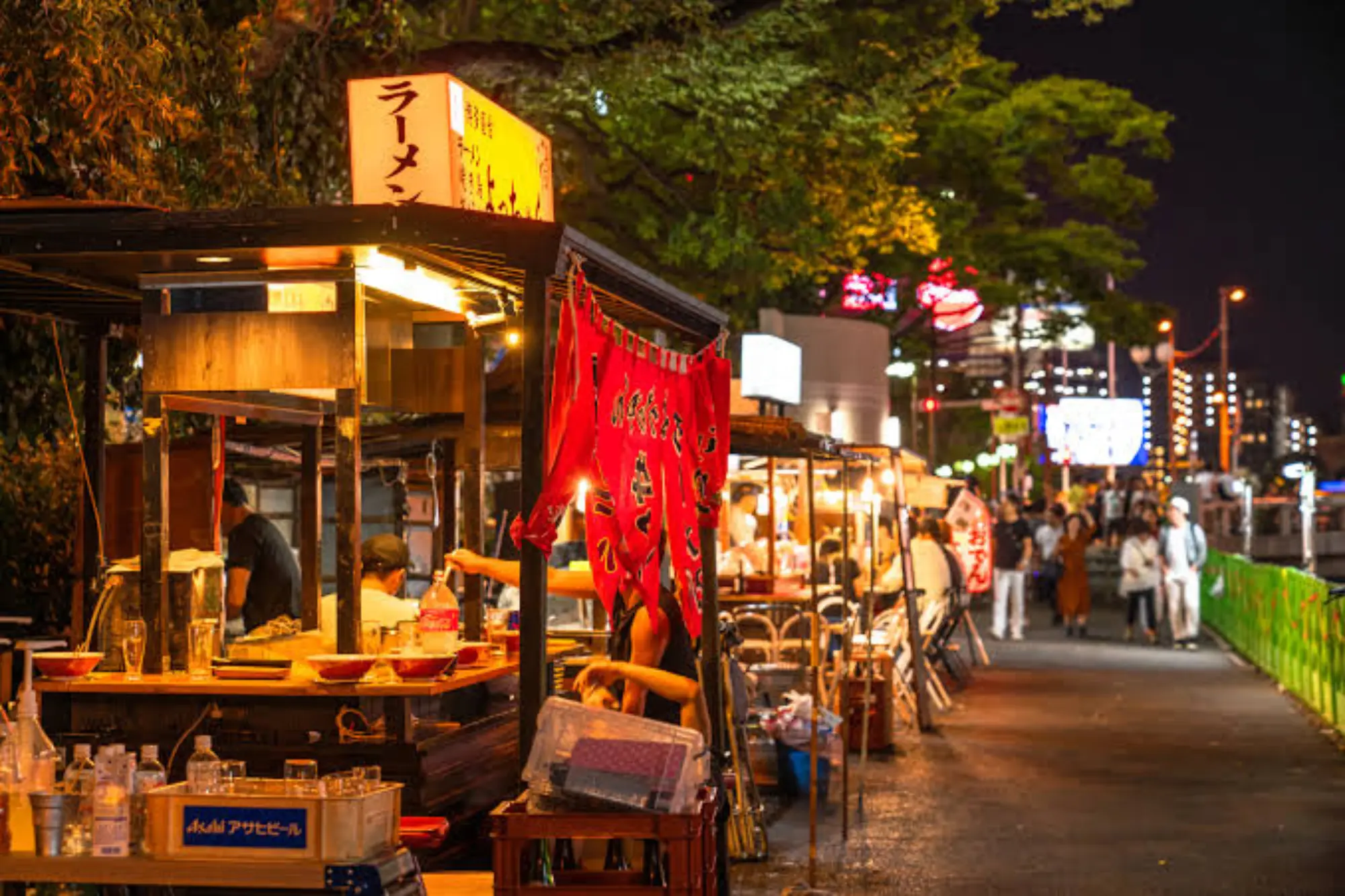
Markets are only one part of Japan’s street food scene. Food stalls and takeaway vendors also appear in dedicated dining districts, traditional shopping streets, and seasonal festivals.
Destination | Where to Explore | What to Look For |
| Osaka | Dotonbori and Shinsekai | Takoyaki, okonomiyaki, kushikatsu |
| Tokyo | Tsukiji and traditional shopping streets | Seafood, tamagoyaki, sweets |
| Kyoto | Nishiki Market and temple approaches | Pickles, traditional sweets, local snacks |
| Fukuoka | Nakasu and Tenjin yatai areas | Hakata ramen, yakiramen, grilled skewers |
| Takayama | Sanmachi historical district and morning market | Regional snacks and local products |
| Hokkaido | Local seafood markets and festival stalls | Seafood, grilled scallops, regional specialties |
A note on food stalls in Japan: Not every vendor operates every day. Some stalls are permanent businesses, while others appear only during festivals or specific seasons. Check the location and schedule before traveling.
How to Enjoy Japanese Street Food Like a Local
Exploring Japanese food markets and stalls is easier when you understand a few basic customs. While enjoying street food in Japan, remember that local practices can vary by location, so follow any signs or instructions provided by the vendor.
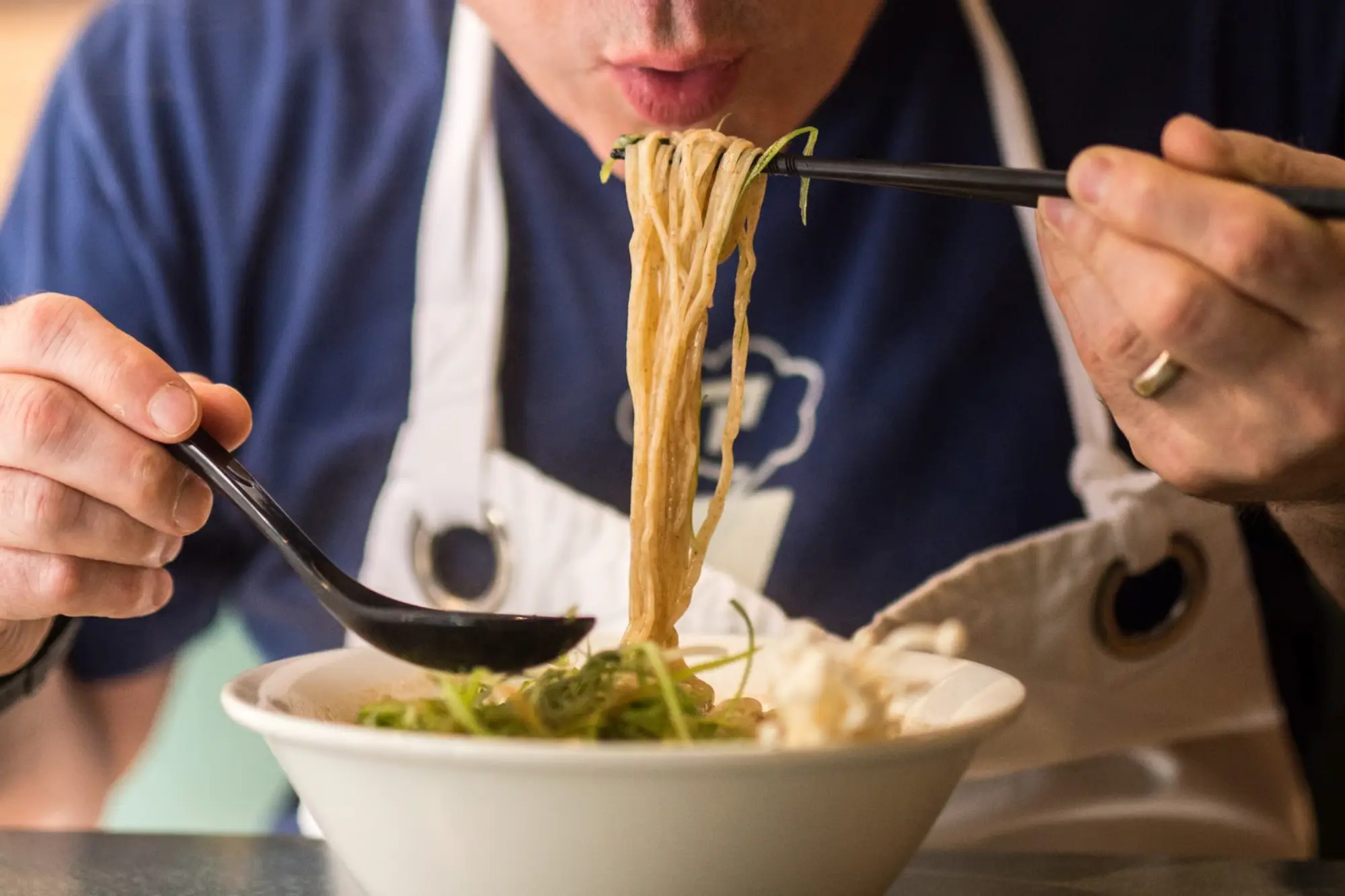
1. Check the Menu and Prices
Look at the menu before ordering, especially at seafood markets where prices may depend on the type, size, or season of the ingredients. If prices are unclear, ask the staff before placing your order.
2. Follow Local Eating Rules
Some markets allow visitors to eat at designated counters, while others ask customers to eat near the shop where they purchased the food. Avoid walking through crowded market lanes while eating if the venue discourages it.
3. Carry Some Cash
Many shops accept electronic payments, but payment methods vary. Carrying some Japanese yen is useful for smaller stalls and traditional vendors.
4. Try Seasonal Specialties
Japan’s food offerings change throughout the year. Seafood, fruit, festival snacks, and regional specialties may be available only during certain seasons.
5. Be Mindful of Allergies
Common ingredients include soy, wheat, eggs, seafood, and sesame. Ask about ingredients and preparation methods if you have a food allergy. Do not assume that a dish is vegetarian simply because it contains vegetables; stocks and sauces may contain fish or meat.
6. Learn a Few Japanese Phrases
Beyond translation apps, learning a few basic Japanese phrases can make ordering street food easier and help you communicate more confidently with local vendors.
Japanese | Romaji | English |
| これをください | Kore o kudasai | This one, please |
| おすすめは何ですか? | Osusume wa nan desu ka? | What do you recommend? |
| いくらですか? | Ikura desu ka? | How much is it? |
| ありがとうございます | Arigatō gozaimasu | Thank you |
A Simple Japanese Street Food Itinerary
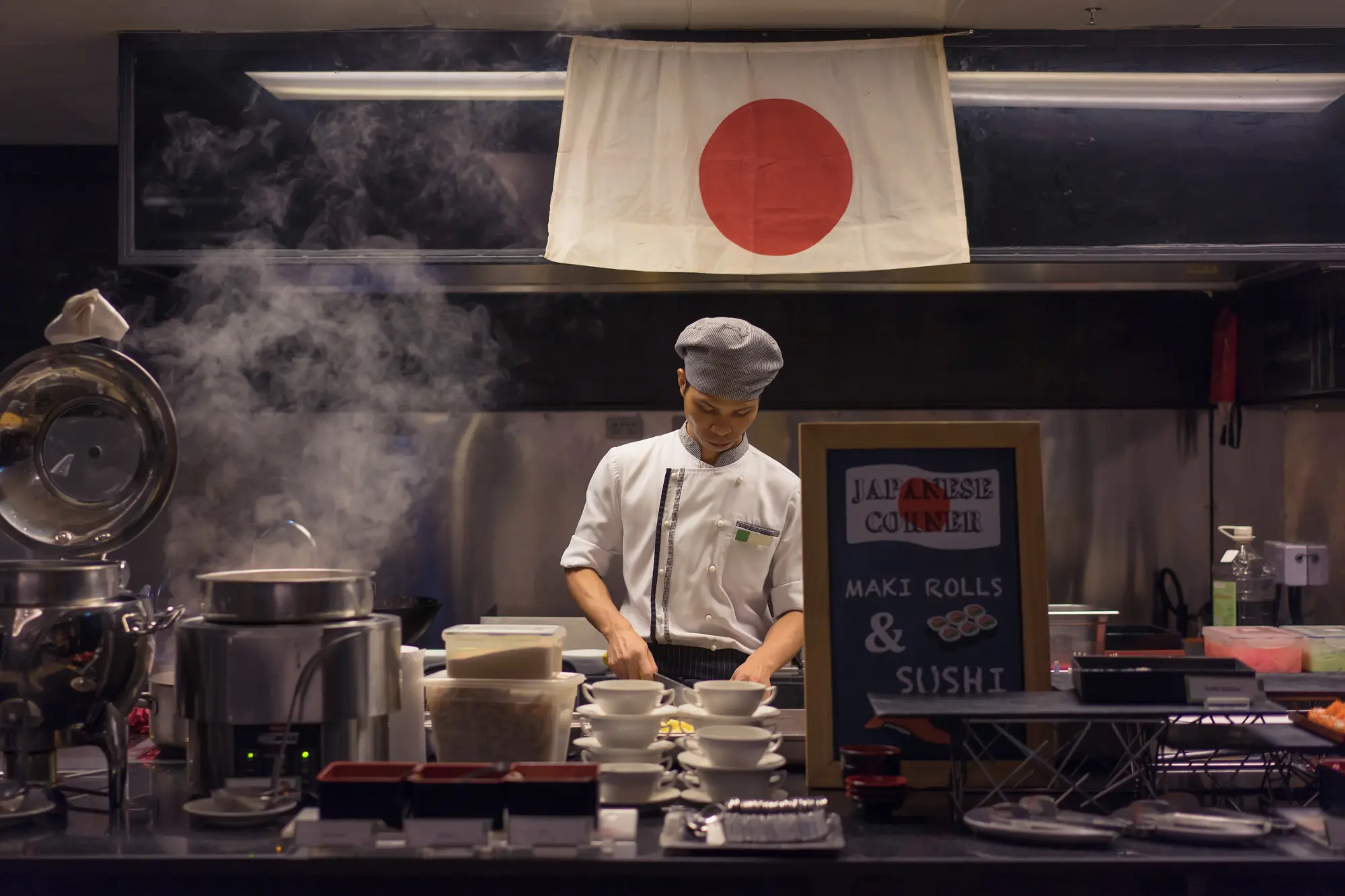
If you want to explore street food in Japan as part of your trip, choose destinations based on your route rather than trying to visit every famous Japanese market. From Osaka’s lively food scene to Tokyo’s seafood stalls and Kyoto’s traditional snacks, each city offers a different way to experience local cuisine.
1. One Day in Osaka
- Morning: Explore Kuromon Market and sample seafood or prepared snacks.
- Afternoon: Walk around central Osaka and try a local sweet.
- Evening: Visit Dotonbori to enjoy takoyaki and other Osaka specialties, some of the best-known examples of Japanese street food.
2. One Day in Tokyo
- Morning: Explore Tsukiji Outer Market and try sushi or tamagoyaki.
- Afternoon: Visit a traditional shopping street to discover local snacks and sweets.
- Evening: Choose a neighborhood restaurant or one of the local food stalls in Japan for a relaxed meal.
3. One Day in Kyoto
- Morning: Visit Nishiki Market and sample local specialties.
- Afternoon: Explore Kyoto’s traditional streets and try Japanese sweets.
- Evening: Enjoy a regional dish at a local restaurant.
These flexible itineraries offer a starting point for discovering Japanese food without rushing between destinations. Market hours, queues, weather, and travel time may affect your plans, so check local details before visiting.
Frequently Asked Questions About Street Food in Japan
1. What is the most famous Japanese street food?
Takoyaki, okonomiyaki, yakitori, taiyaki, and yakisoba are among Japan’s widely recognized street foods; however the most popular choices vary by region.
2. Where can I find the best Japanese street food?
Osaka is well known for takoyaki and okonomiyaki, while Tokyo’s Tsukiji Outer Market is popular for seafood. Kyoto’s Nishiki Market and Fukuoka’s yatai districts offer other ways to explore local food culture.
3. What is the difference between a Japanese market and a food stall?
A Japanese market is a larger area containing multiple shops and vendors, often selling ingredients and prepared food. A food stall is an individual vendor or small counter serving particular dishes. Some markets contain many food stalls.
4. Can I find vegetarian street food in Japan?
Some stalls sell vegetable-based snacks and sweets, but vegetarian options can be limited. Broths, sauces, and seasonings may contain fish or meat, so confirm ingredients before ordering.
5. What is the best time to visit Japanese food markets?
Morning is a useful starting point for many traditional Japanese markets, especially those focused on seafood and fresh ingredients. However, operating hours vary, and some street food districts are livelier in the evening.
Conclusion
Exploring street food in Japan is an opportunity to discover regional flavors, traditional ingredients, and everyday food culture. Use this guide to find the best Japanese street food, explore popular Japanese markets and local food stalls in Japan, and choose dishes that fit your itinerary. Check current opening information before visiting, and leave room to discover regional specialties along the way.
Explore our Japan Package Tours with Nicetrips Travels and experience the beauty, history, and culture of this remarkable destination. Follow the Nicetrips Blog for more travel guides, tips, and inspiration for your next journey.