Kyoto traditional dining is one of the most refined food cultures in the world, and also one of the most confusing for first-time visitors. Menus are fixed, manners matter, and the same city offers everything from a Michelin-starred banquet to a silent temple lunch. This guide explains the three experiences travelers ask about most: kaiseki, shojin ryori and matcha etiquette. You will learn what each one is, where it comes from, where to try it and roughly what it costs.
Overview of Kyoto Traditional Dining
What Is Kyoto Traditional Dining?
Kyoto traditional dining is the cuisine shaped by the city’s imperial court, Zen temples and tea masters over more than a thousand years. Kyoto was Japan’s capital for about eleven centuries, and the food grew around the courtiers, monks and merchants who lived there. The result is a style that values restraint, seasonality and beauty as much as taste.
What Makes Kyoto Traditional Dining So Special?
What sets Kyoto traditional dining apart is the way every detail works together, from the ingredients to the table setting:
- Seasonality (shun): Menus follow the calendar closely, sometimes changing every few weeks.
- Delicate flavor (usuaji): Cooks aim to highlight each ingredient rather than cover it with strong seasoning.
- Presentation: Bowls, plates, flowers and even wall scrolls are chosen to match the season.
- Hospitality (omotenashi): Service is attentive, quiet and never showy.
- Spirit of ichigo ichie: Each meal is treated as a once-in-a-lifetime meeting between host and guest.
The Main Kyoto Dining Experiences
Kaiseki: Kyoto’s Multi-Course Art Form
What is kaiseki?
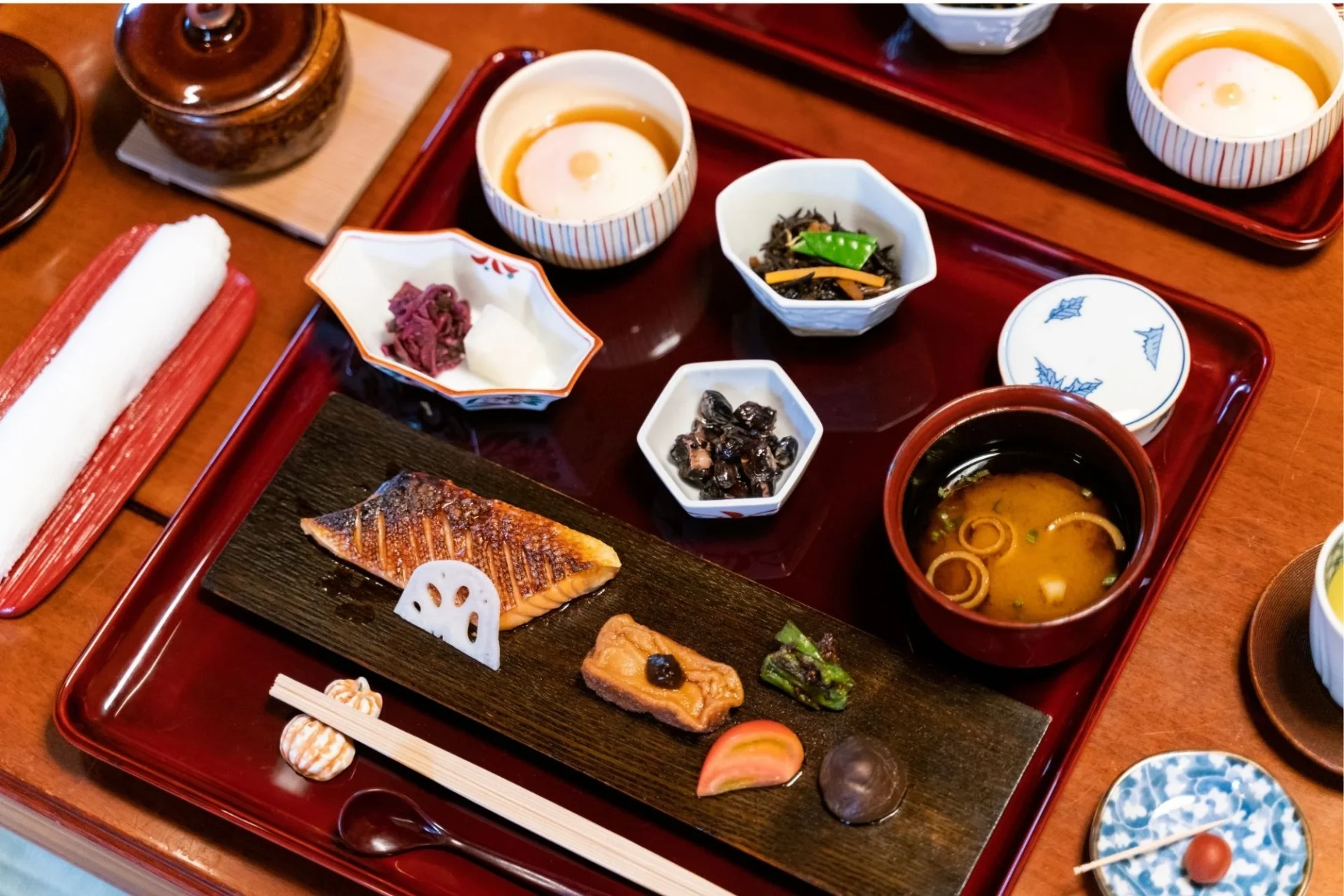
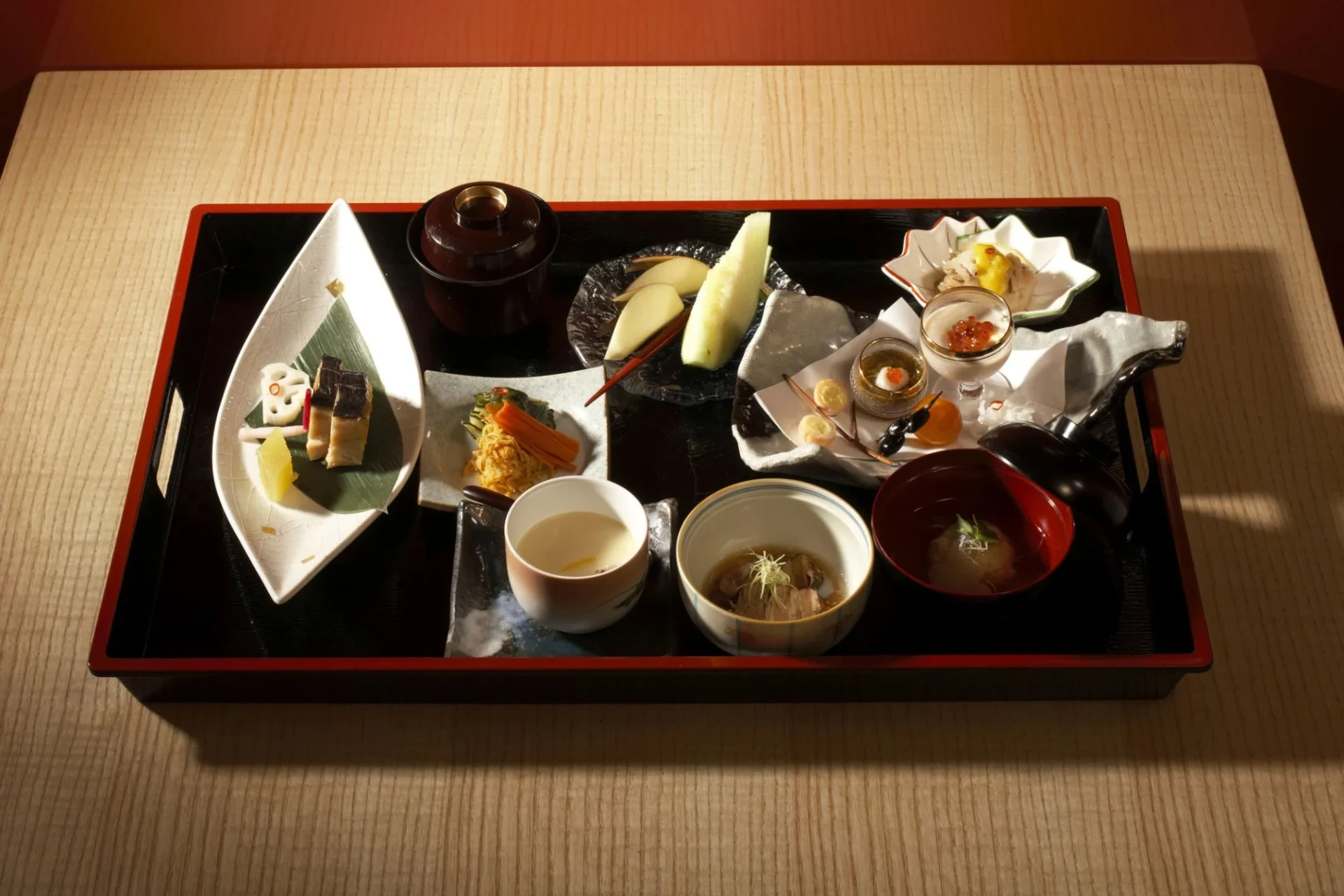
Kaiseki is a set menu of small, carefully timed dishes, often compared to a Japanese tasting menu. A typical meal moves through a seasonal appetizer, a platter that sets the theme (hassun), sashimi, a clear soup, grilled fish, a simmered dish, a fried dish, rice with miso soup and pickles, and a dessert.
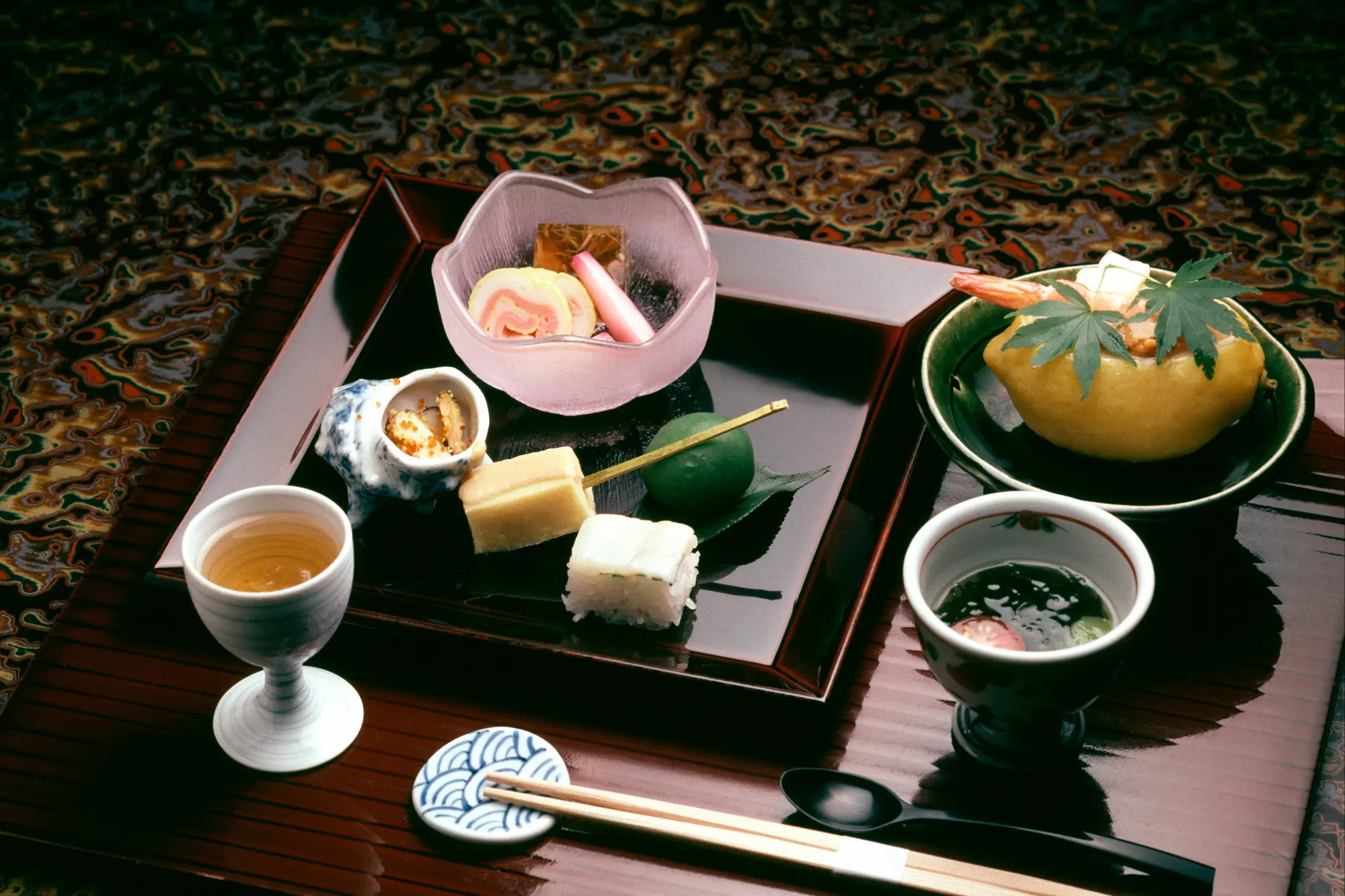
Origins of kaiseki
There are two traditions. Cha-kaiseki (茶懐石) was a light meal served before tea in the tea ceremony. Ryotei kaiseki (会席) developed as a more lavish banquet for aristocrats and merchants, usually served with sake. Most restaurants and ryokan today serve the second style, often with touches of the first.
What makes it stand out
- The menu changes with the season and even with the week.
- The clear soup (suimono) is considered the best test of a chef’s skill.
- Dishes arrive one by one at the right temperature, so hot food is hot and cold food is cold.
- Tableware and décor are part of the story, not just a background.
Where to try it
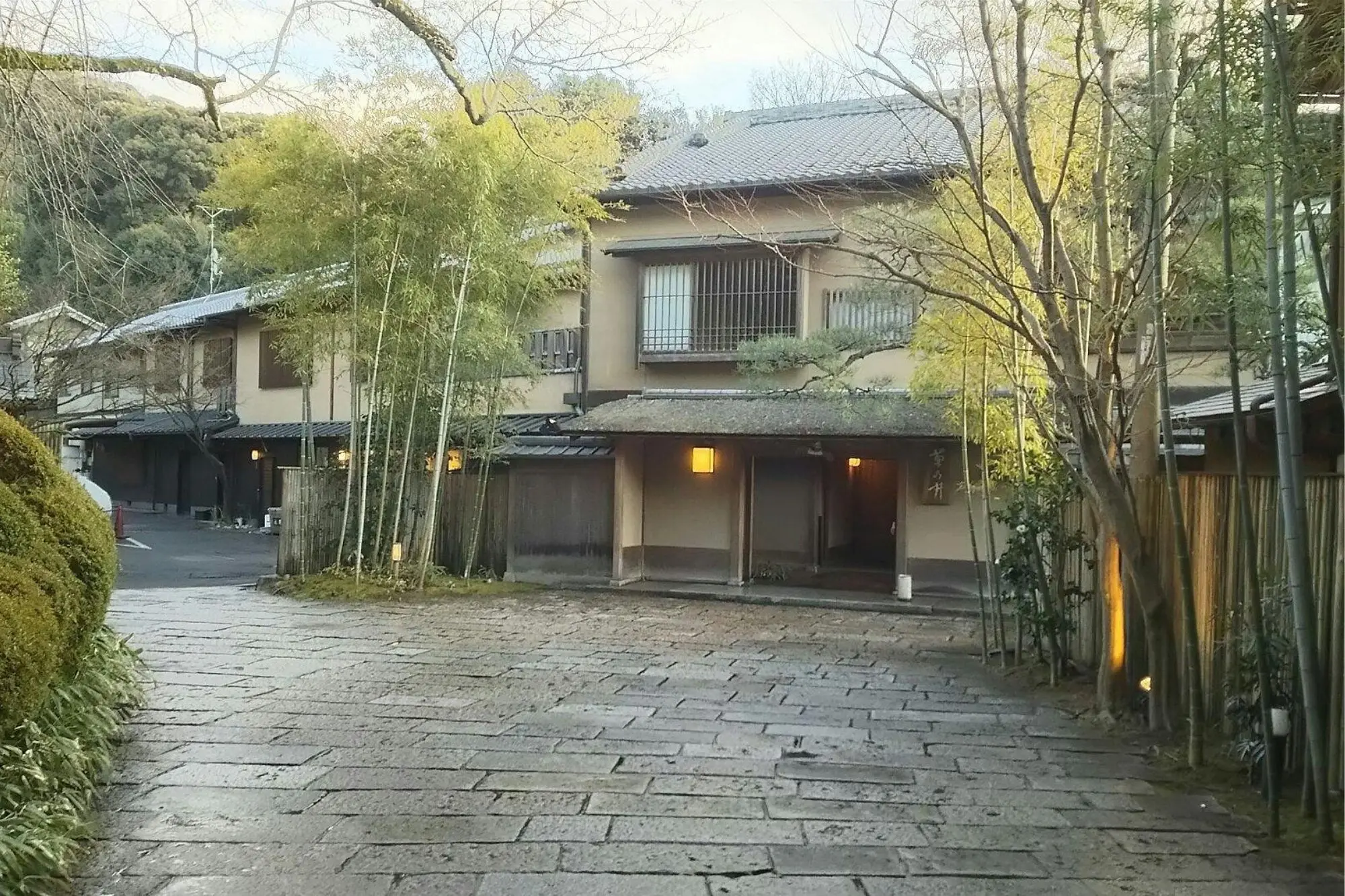
- Kikunoi (Higashiyama): A famous kaiseki restaurant with a long history.
- Kyoto Kitcho Arashiyama: A high-end option in a scenic district.
- Hyotei: Known for its traditional setting and its morning rice porridge breakfast.
- Gion Suetomo: A refined Gion ryotei often recommended in travel guides.
Reference price
Lunch kaiseki is usually the easier entry point, often around ¥8,000 to ¥20,000 per person. Dinner commonly starts around ¥15,000 and can rise well above ¥50,000 at top restaurants. Prices change, so confirm with each restaurant.
Shojin Ryori: Zen Buddhist Temple Cuisine
What is shojin ryori?
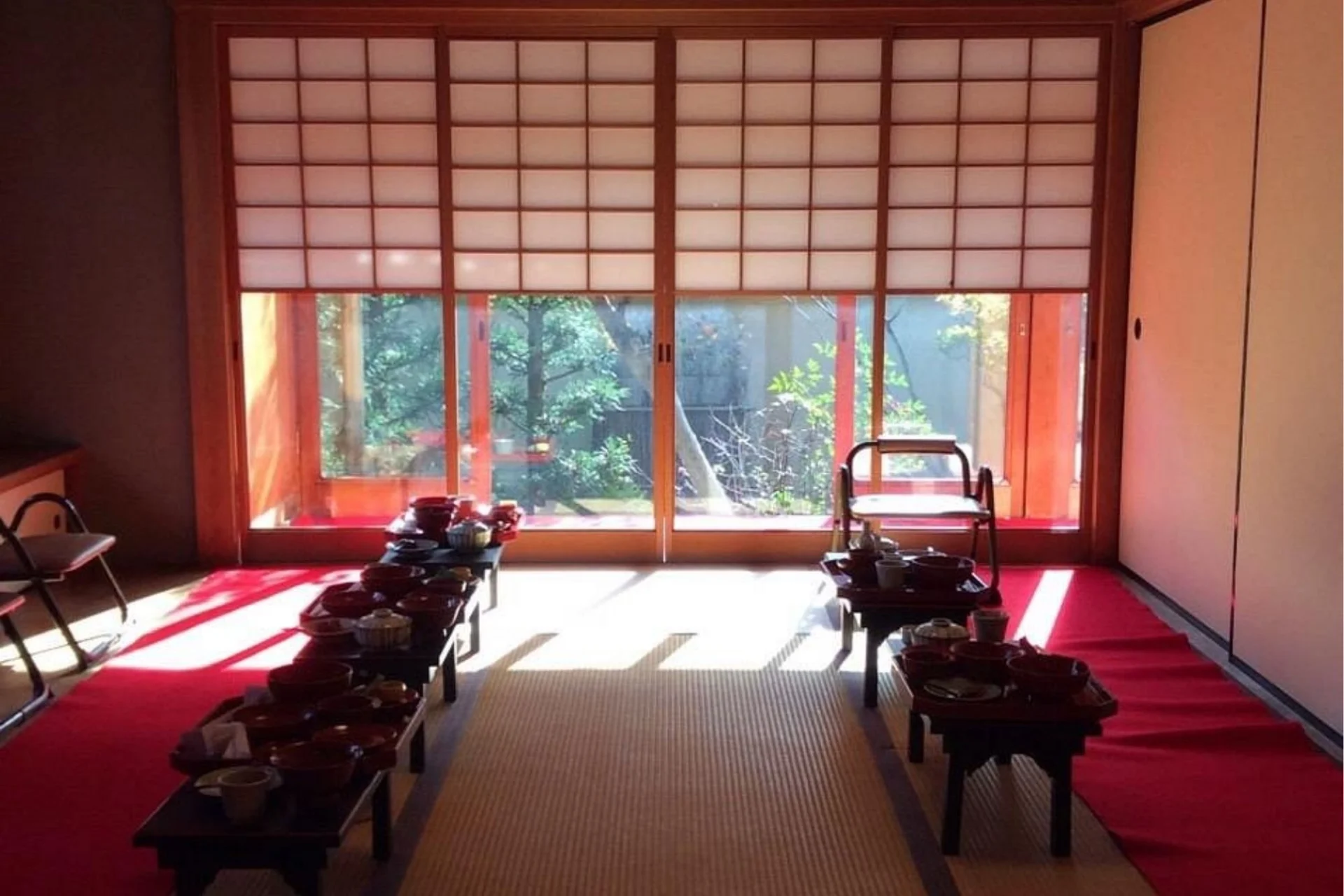
Shojin ryori (精進料理) is the vegan cuisine of Japanese Zen temples. It contains no meat or fish and traditionally avoids strong-smelling vegetables such as garlic and onion. The word shojin means devoted effort, so cooking and eating are treated as part of spiritual practice.
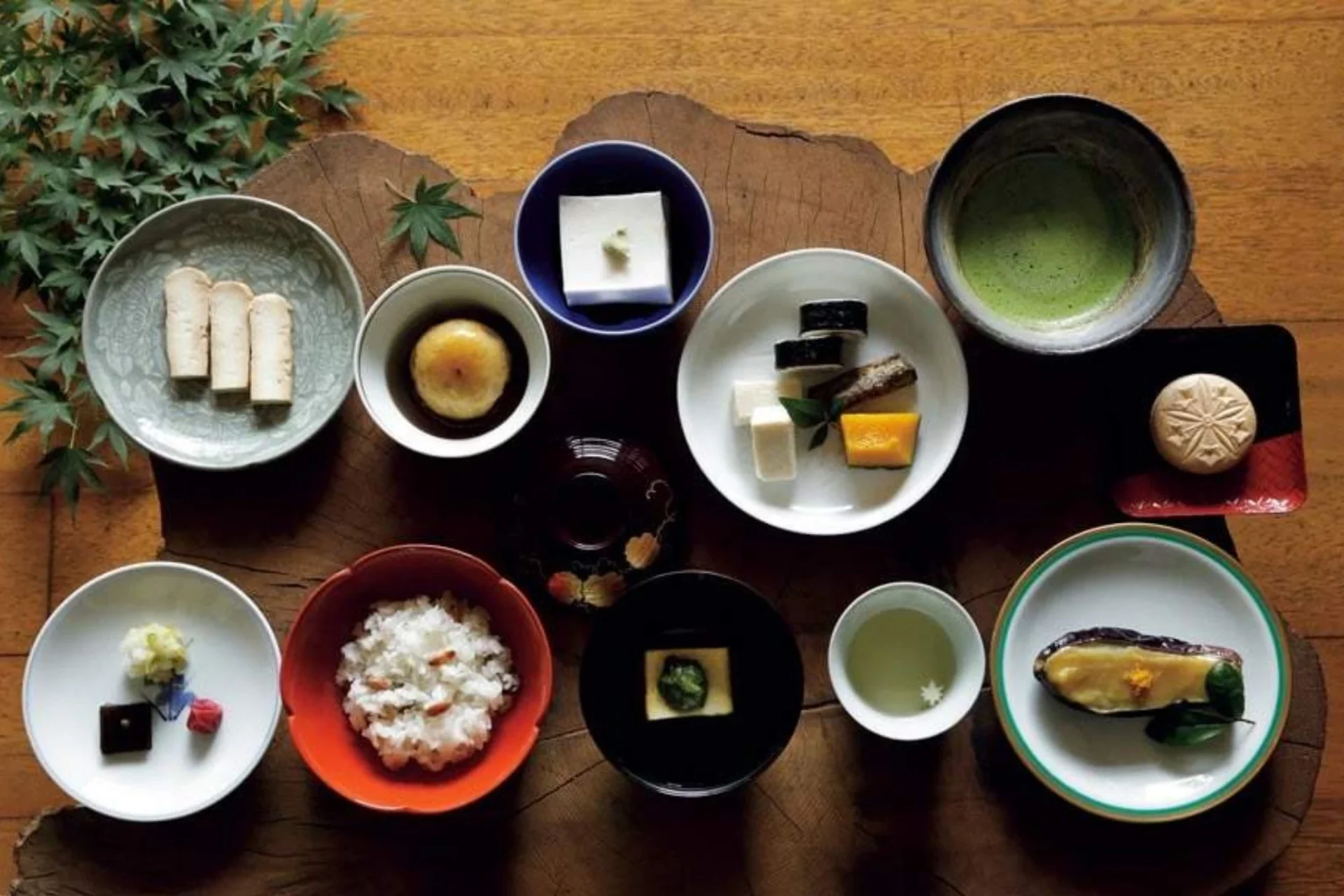
Origins of shojin ryori
The tradition came to Japan with Zen Buddhism from China and was developed in temple kitchens from around the 13th century. The monk Dogen helped shape the idea that preparing food with care is itself a form of training.
The “Rule of Five”
Many cooks aim for balance across five elements:
- Five flavors: Sweet, sour, salty, bitter and umami (or spicy, depending on the school)
- Five colors: Green, yellow, red, white and black or purple
- Five cooking methods: Raw, simmered, grilled, fried and steamed
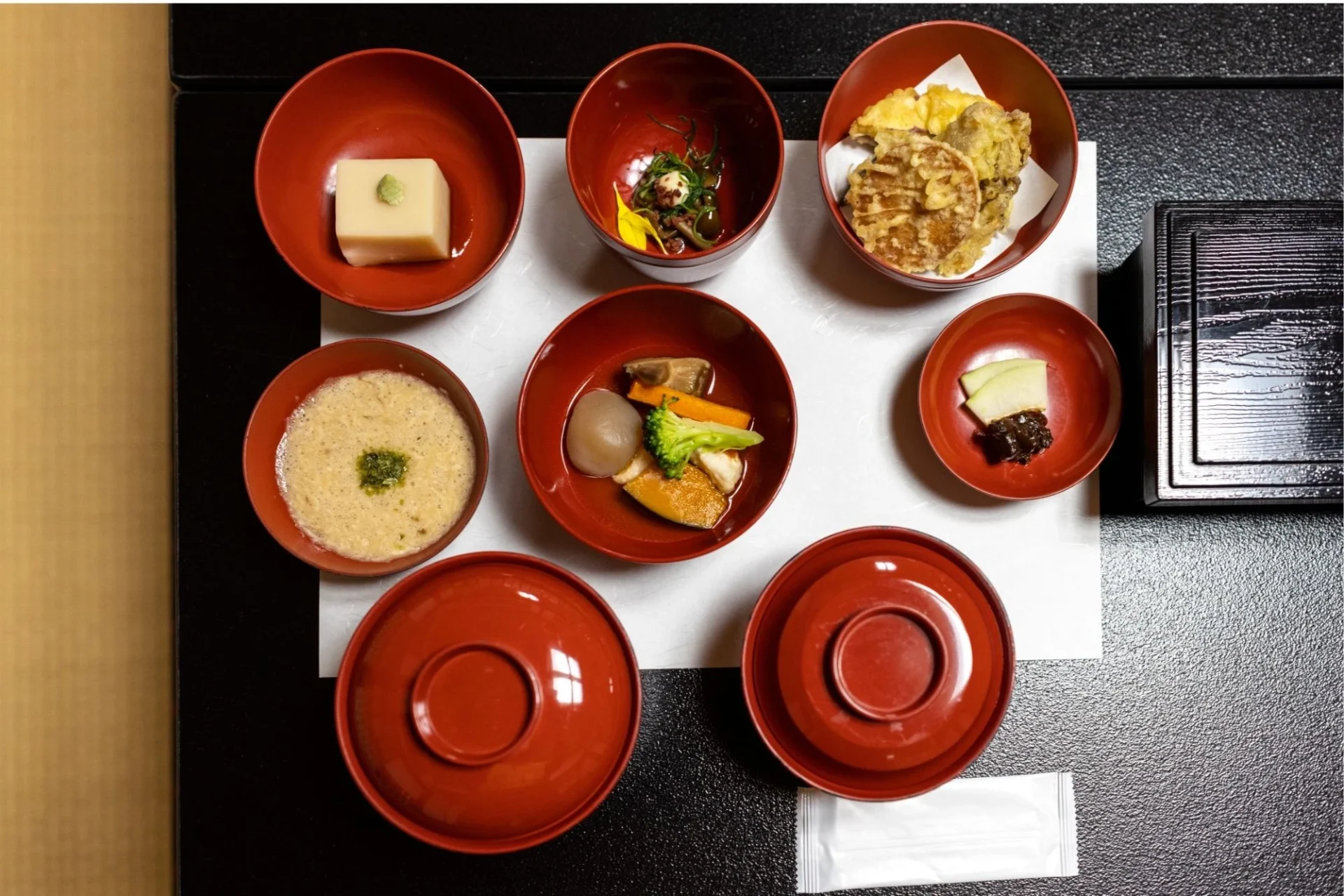
Typical ingredients include tofu, yuba (tofu skin), sesame tofu, wheat gluten (fu), mountain vegetables and mushrooms, with a dashi made from kombu and dried shiitake instead of fish.
Tips for your visit
- Eat quietly and finish everything on your tray.
- Dress modestly, remove your shoes and avoid strong perfume.
- Book ahead, since many temples serve fixed sets at set times.
- Tell the restaurant about allergies when you reserve.
Where to try it
- Shigetsu at Tenryu-ji (Arashiyama): A well-known temple restaurant inside a Zen temple garden.
- Izusen at Daitoku-ji: A long-running shojin ryori restaurant with a serving style in small bowls.
- Tousuian and nearby spots around Nanzen-ji: Good for temple-area dining.
Reference price
Most shojin ryori sets fall between about ¥3,500 and ¥7,000 per person. Check the official website or reservation page before you go.
Matcha Etiquette: Enjoying the Tea Ceremony
What is matcha etiquette?
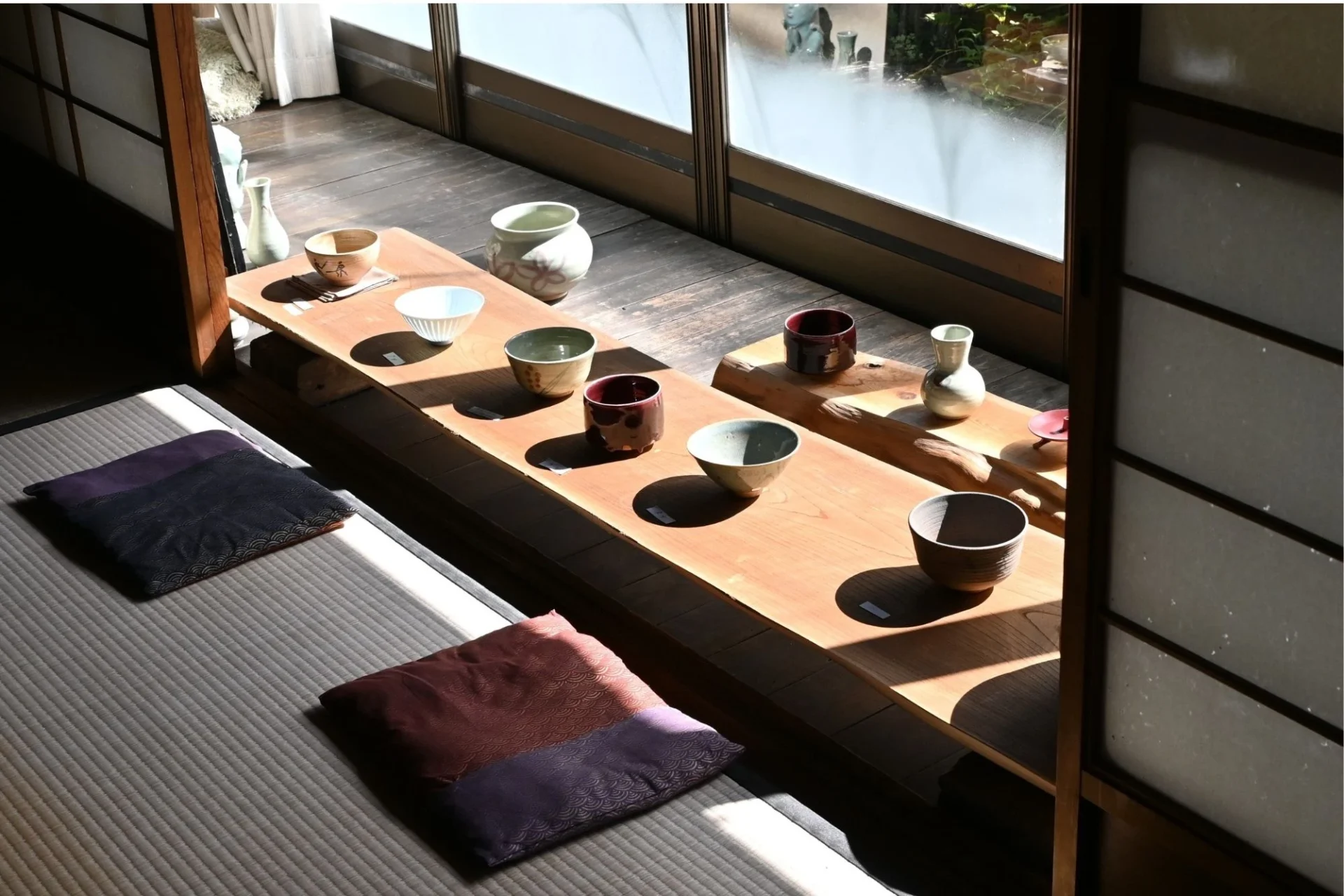
Matcha etiquette is the set of manners guests follow in chado, the Japanese Way of Tea. It covers how you receive, hold, turn and drink the bowl, and how you thank the host. The point is not strictness for its own sake, but showing respect for the host, the tools and the moment.
Background
Tea ceremony was refined by masters such as Sen no Rikyu and rests on four values: Harmony (wa), respect (kei), purity (sei) and tranquility (jaku). Kyoto remains a center for major tea schools, including Urasenke and Omotesenke.
Two types of matcha
- Usucha: Thin, frothy matcha served in an individual bowl. This is what most visitors drink.
- Koicha: Thick, rich matcha, traditionally shared from one bowl at formal ceremonies.
Tools and steps
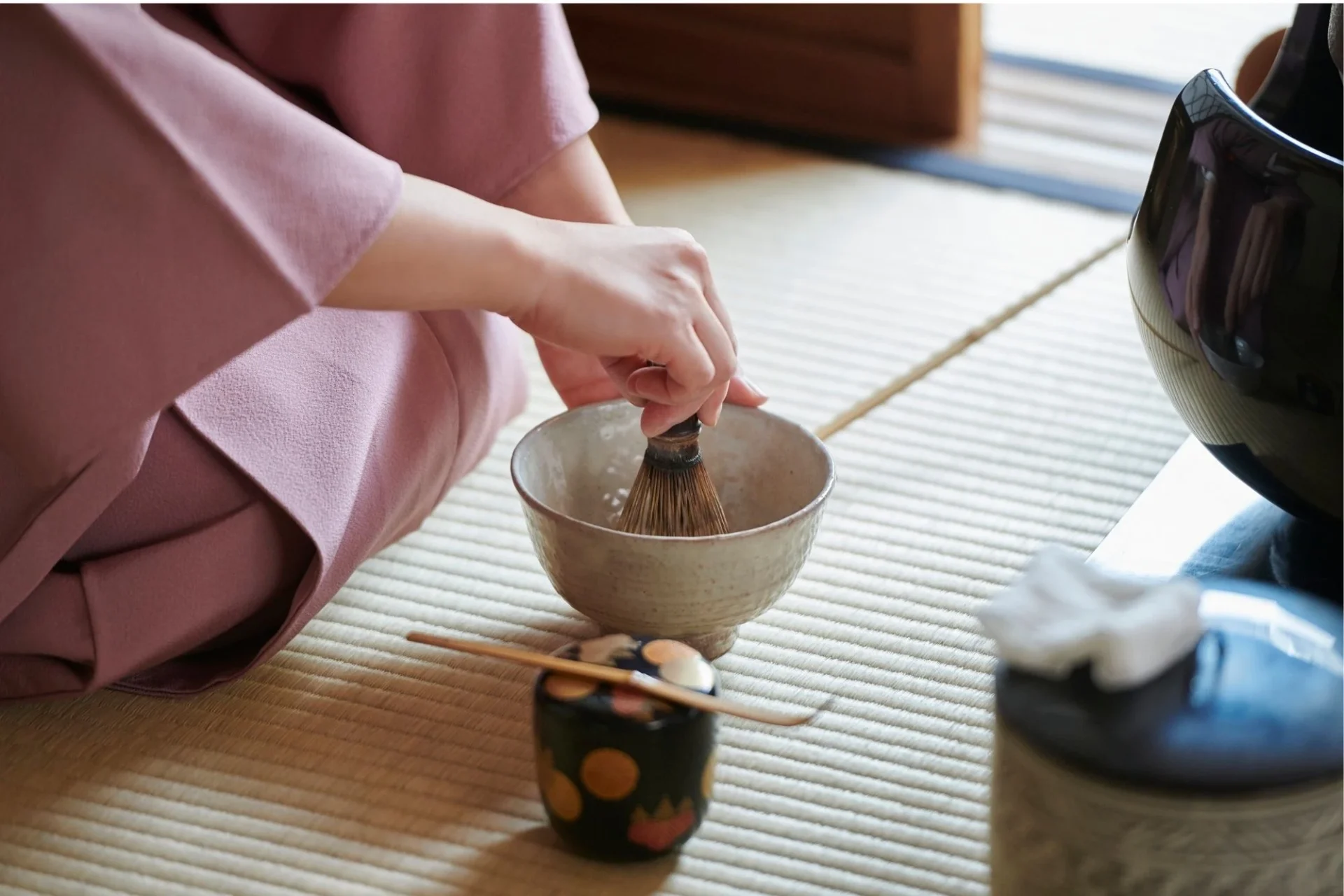
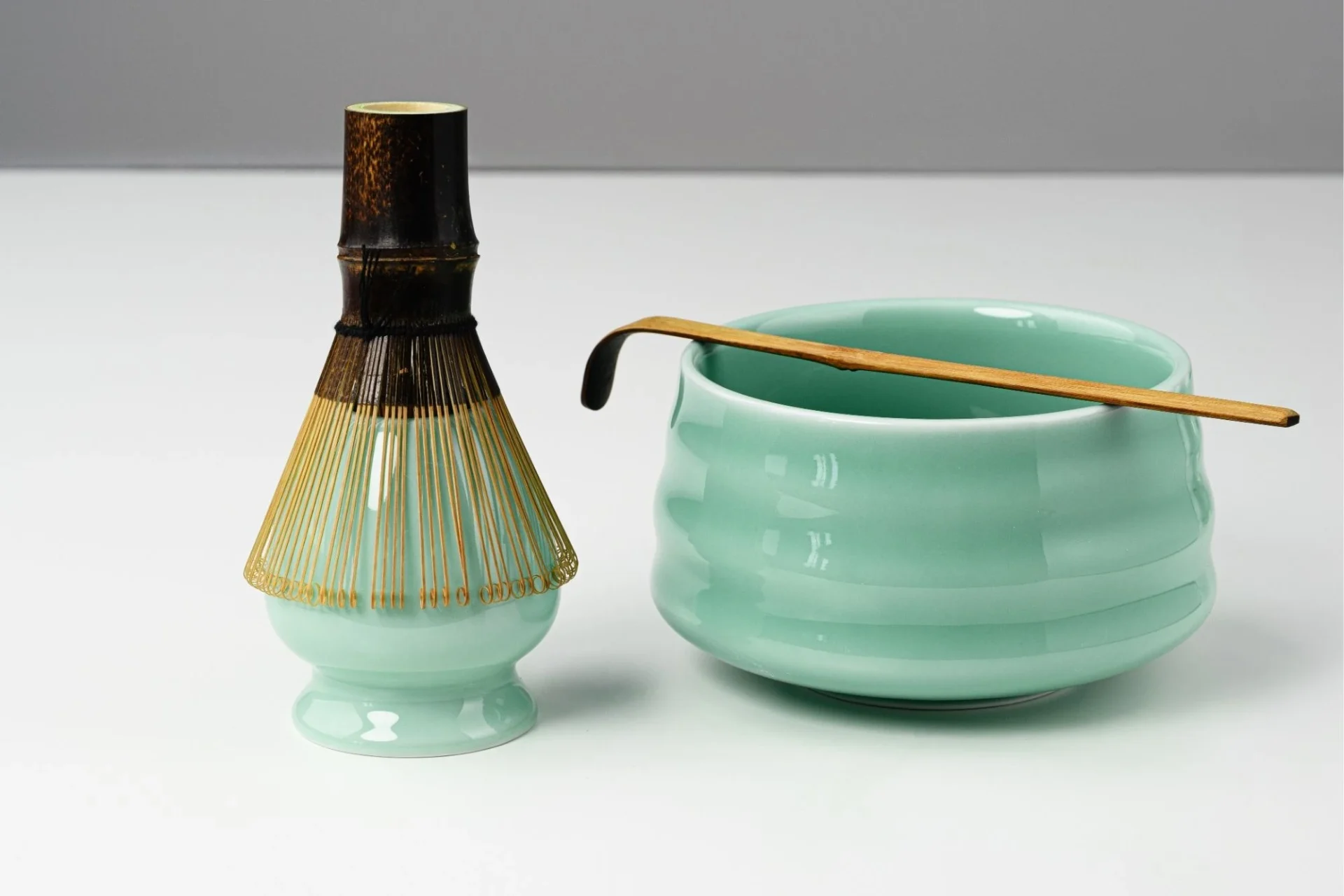
Key tools are the bowl (chawan), bamboo whisk (chasen), tea scoop (chashaku), tea container (natsume) and cloth (chakin). As a guest, you will usually follow these steps:
- Remove jewelry and watches, wear clean socks and enter quietly.
- Eat the wagashi sweet first, so its sweetness balances the tea.
- Bow, receive the bowl with both hands and say “Osaki ni” to the guest beside you.
- Turn the bowl clockwise, usually twice, so you do not drink from its decorative front.
- Drink in a few sips. A soft final slurp signals you have finished.
- Wipe the rim with your thumb and forefinger, then clean your fingers on paper.
- Turn the bowl back, admire its glaze and shape, and set it down.
- Say “Kekko na otemae deshita”, meaning “a wonderful bowl of tea”.
Details can differ between schools, so follow your host’s guidance.
Tips for your visit
- Kneeling (seiza) is traditional, but most visitor sessions allow sitting cross-legged or on a chair.
- Silence your phone and avoid strong perfume.
- Compliments on the bowl are welcome and expected.
Where to try it
- Ippodo Tea (Kyoto): A historic tea merchant with a tearoom for tasting matcha.
- Camellia Tea Ceremony: A visitor-friendly experience with English explanations.
- Tea experiences in Gion and Higashiyama: Many small studios run short sessions for travelers.
Reference price
Tea ceremony experiences for visitors commonly cost around ¥2,500 to ¥6,000 depending on length and inclusions.
Signature Ingredients Behind Kyoto Cuisine

The secret is in the water. Before you understand what to eat in Kyoto, you must understand why the food here is unique. The city sits on a massive underground basin of exceptionally soft, pure water. This water is the lifeblood of Kyoto’s cuisine. It is the reason Kyoto’s tofu is famously creamy, why its dashi has such a delicate umami flavor, and why Uji matcha brews perfectly without bitterness.
Beyond the water, look for these ingredients on traditional menus:
- Yuba and tofu: Freshly made tofu skin and high-quality tofu are staples, especially in temple cooking.
- Kyo-yasai: Heirloom Kyoto vegetables such as Kamo eggplant, Shogoin radish and Kujo green onion, prized across Japan for their rich flavor.
- Tsukemono: Kyoto pickles such as shibazuke and senmaizuke, served with rice at the end of a meal.
- Seafood and freshwater fish: Eel, sweetfish (ayu) and hamo (pike conger, a summer specialty), along with preserved mackerel (saba) from historical trade routes.
- Matcha and Uji tea: Used in drinks, desserts and sometimes savory dishes.
- Wagashi: Traditional sweets served with tea, shaped to reflect the season.
Traditional Dining Spaces in Kyoto
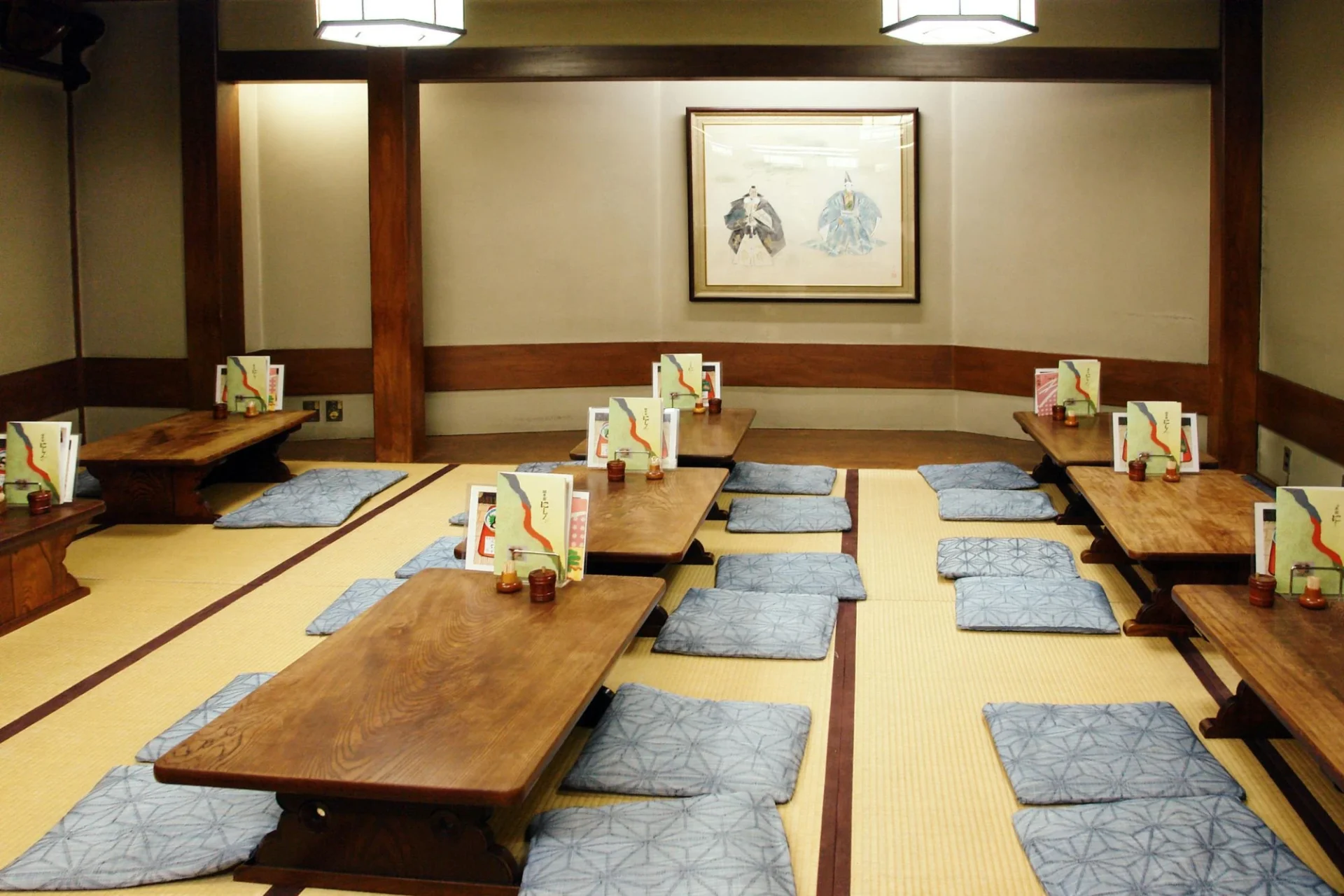
- Ryotei: Formal traditional restaurants, often with private tatami rooms and garden views. Some require an introduction.
- Machiya: Historic wooden townhouses converted into intimate restaurants.
- Ryokan: Traditional inns that often serve kaiseki in your room or a private dining room.
- Temple restaurants: Quiet spaces on temple grounds, ideal for shojin ryori.
- Riverside terraces (kawadoko and yuka): Summer dining on platforms above the Kamo River or in Kibune, usually from around May to September.
How to Choose the Right Experience for You
- Want the ultimate splurge: Book kaiseki at a ryotei.
- Vegan, vegetarian or seeking calm: Choose shojin ryori at a temple.
- Want a short cultural experience on a smaller budget: Try a matcha session or a casual lunch set.
- Want the full experience: Make kaiseki or shojin ryori your main meal and finish with a bowl of matcha. This also mirrors the order of a traditional tea gathering, where a meal came before the tea.
Frequently Asked Questions
What is the difference between kaiseki and shojin ryori?
Kaiseki is a seasonal multi-course meal that usually includes fish and sometimes meat. Shojin ryori is Buddhist temple cuisine and is completely plant-based.
Is shojin ryori vegan?
Traditionally, yes. Still, confirm that the dashi and seasonings contain no animal products when you book.
How much does kaiseki cost in Kyoto?
Lunch is generally cheaper than dinner, ranging from mid-range to very high-end. Check each restaurant’s current menu and price.
Do I need to book in advance?
Yes. Popular restaurants can fill weeks ahead, and some require a hotel concierge or regular customer to reserve for you.
Do I need to speak Japanese?
Not necessarily. Many places offer English menus or staff, and booking through your hotel or an online reservation service can help.
What should I wear?
Neat, modest clothing is best. You will usually remove your shoes in tatami rooms, so wear clean socks.
Should I tip?
No. Tipping is not customary in Japan.
Conclusion
Kyoto traditional dining rewards curiosity and respect. Kaiseki shows the art of seasonal hospitality, shojin ryori offers a quiet, plant-based meal rooted in Zen, and matcha etiquette turns a simple bowl of tea into a moment of focus. Plan ahead, learn a few manners and let each meal unfold at its own pace. Whichever you choose, you will taste Kyoto’s soft water, its seasons and its history in every bite.
Explore our Japan Package Tours with Nicetrips Travels and experience the beauty, history, and culture of this remarkable destination. Follow the Nicetrips Blog for more travel guides, tips, and inspiration for your next journey.