Shinjuku is one of Tokyo’s most exciting food destinations, offering everything from tiny yakitori stalls and neighborhood ramen shops to sushi restaurants, Japanese comfort food, and late-night eateries. Whether you are visiting Tokyo for the first time or looking for places beyond the usual tourist spots, Shinjuku has plenty of ways to explore Japanese food. Knowing where to go makes exploring Shinjuku food easier. Visit Omoide Yokocho for yakitori, Shinjuku Station’s surroundings for ramen, Kabukicho for late-night dining, and department-store food halls for Japanese specialties. This guide explains where to eat in Shinjuku, which dishes to try, and how to plan your own Shinjuku food tour.
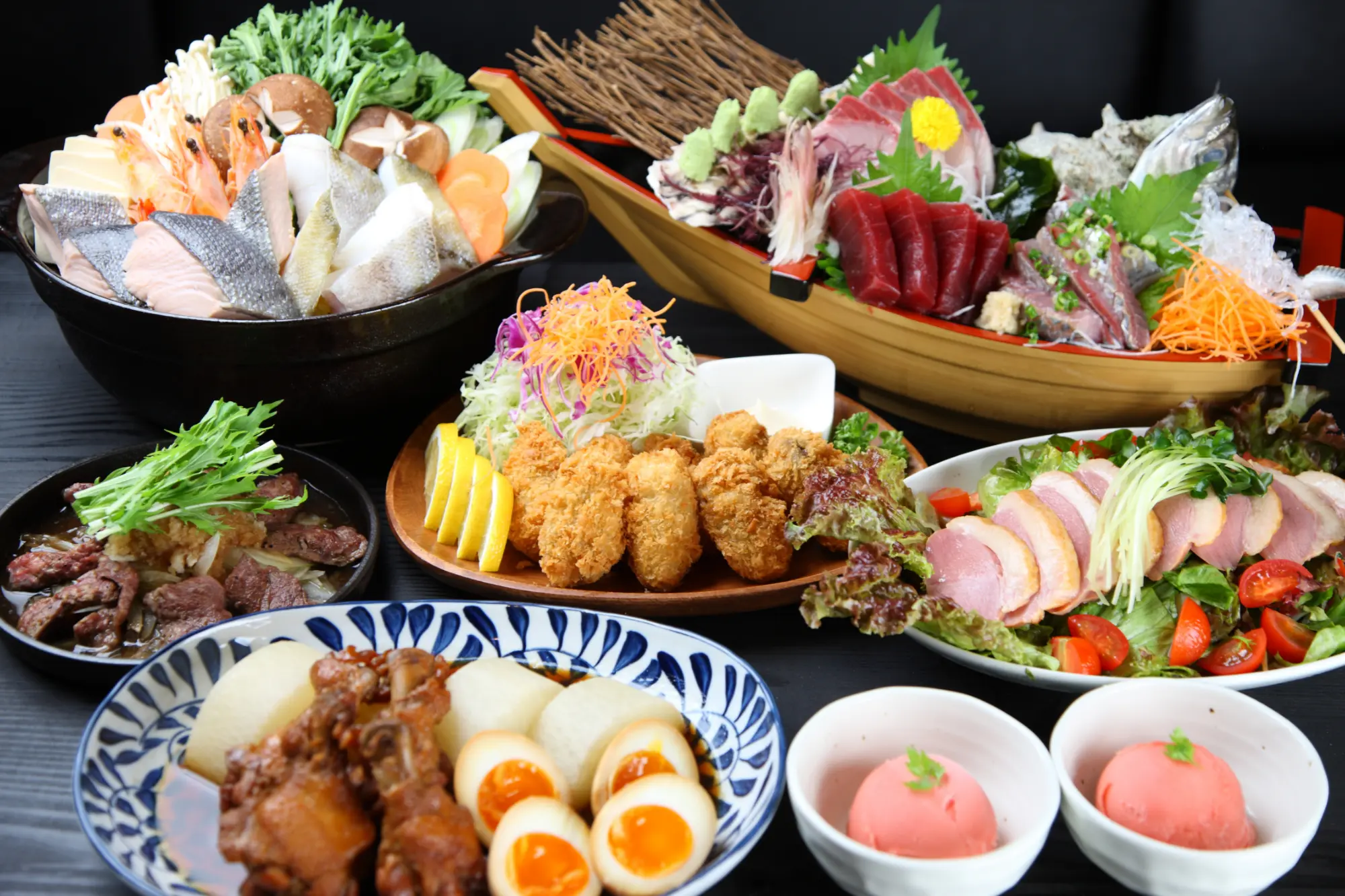
Best Places to Eat in Shinjuku
1. Omoide Yokocho: Classic Yakitori and Alleyway Dining
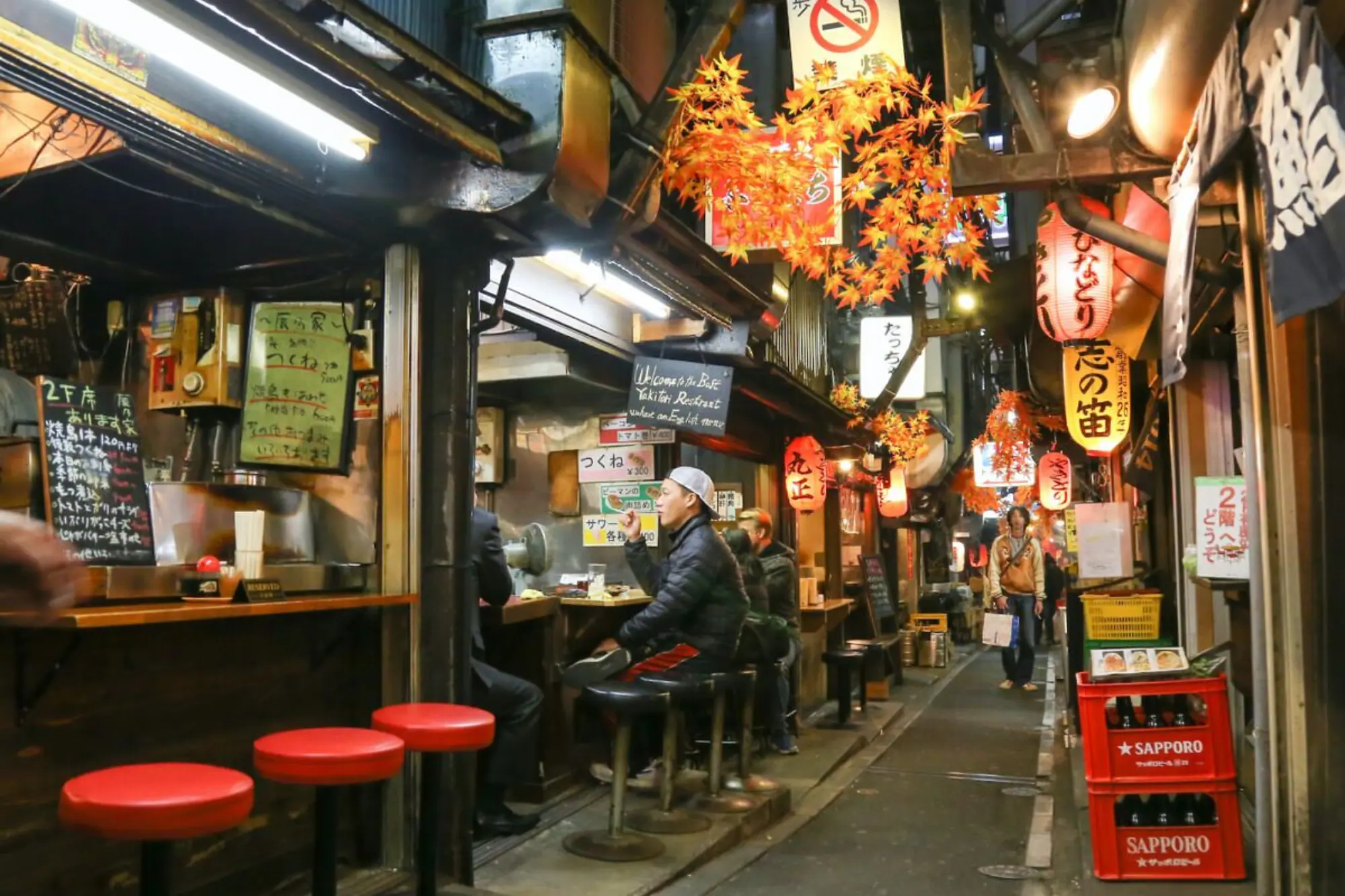
Omoide Yokocho is one of Shinjuku’s most recognizable food areas. Located near the west exit of Shinjuku Station, this narrow network of alleys is lined with small eateries, red lanterns, and traditional yakitori counters. Many establishments have only a handful of seats, creating an intimate dining atmosphere.
What to eat in Omoide Yokocho
- Yakitori: Chicken skewers grilled over charcoal and seasoned with salt or a savory sauce.
- Motsuyaki: Grilled offal, a traditional option at some small Japanese drinking establishments.
- Edamame: Lightly salted soybeans often served as a simple side dish.
- Japanese rice dishes: Depending on the restaurant, you may find rice bowls and other small plates to round out your meal.
The best way to enjoy Omoide Yokocho is to choose a few dishes rather than commit to a large meal at the first restaurant you see. You can compare different specialties and experience the atmosphere of several small eateries.
Tips for visiting Omoide Yokocho
The alleys are particularly atmospheric in the evening, when lanterns illuminate the narrow streets. However, the restaurants can become crowded, and some have limited space for luggage or larger groups.
Check menu prices and any seating charges before ordering. If you want to take photos inside an establishment, ask permission first.
2. The Best Ramen in Shinjuku: Three Shops Worth Considering
Ramen is one of the most popular reasons travelers explore Shinjuku’s food scene. The district has a high concentration of noodle shops, with different styles of broth, toppings, and noodles to suit a range of preferences. The streets around Otakibashi-dori, west of Shinjuku Station, are particularly well known among ramen enthusiasts.
Here are three established ramen restaurants to consider.
2.1. Fuunji: Rich Tsukemen Near Shinjuku Station
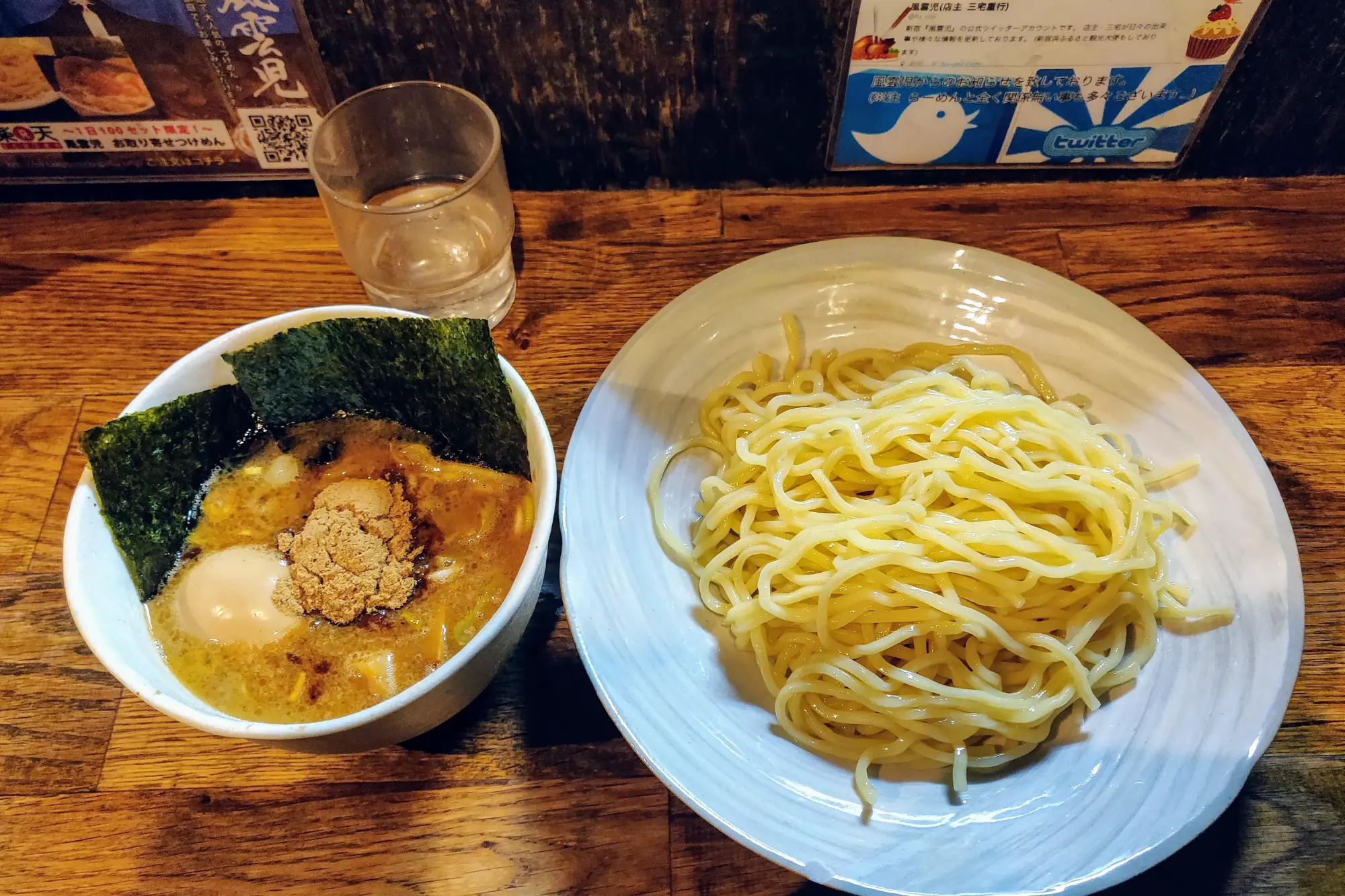
Fuunji is known for its tsukemen, a style of ramen in which noodles are served separately from a concentrated dipping broth. Its signature style combines seafood flavors with a rich pork-based broth. Rather than serving the noodles submerged in soup, the restaurant lets diners dip each mouthful into the flavorful broth. This creates a different texture and eating experience from conventional ramen.
The Shinjuku main restaurant is near the station’s south exit. Its official website lists operating hours as 11:00 AM-3:00 PM and 5:00 PM-9:00 PM, with service potentially ending early when the soup runs out. Check the official information before visiting.
2.2. Ichiran Shinjuku: Tonkotsu Ramen for Solo Diners
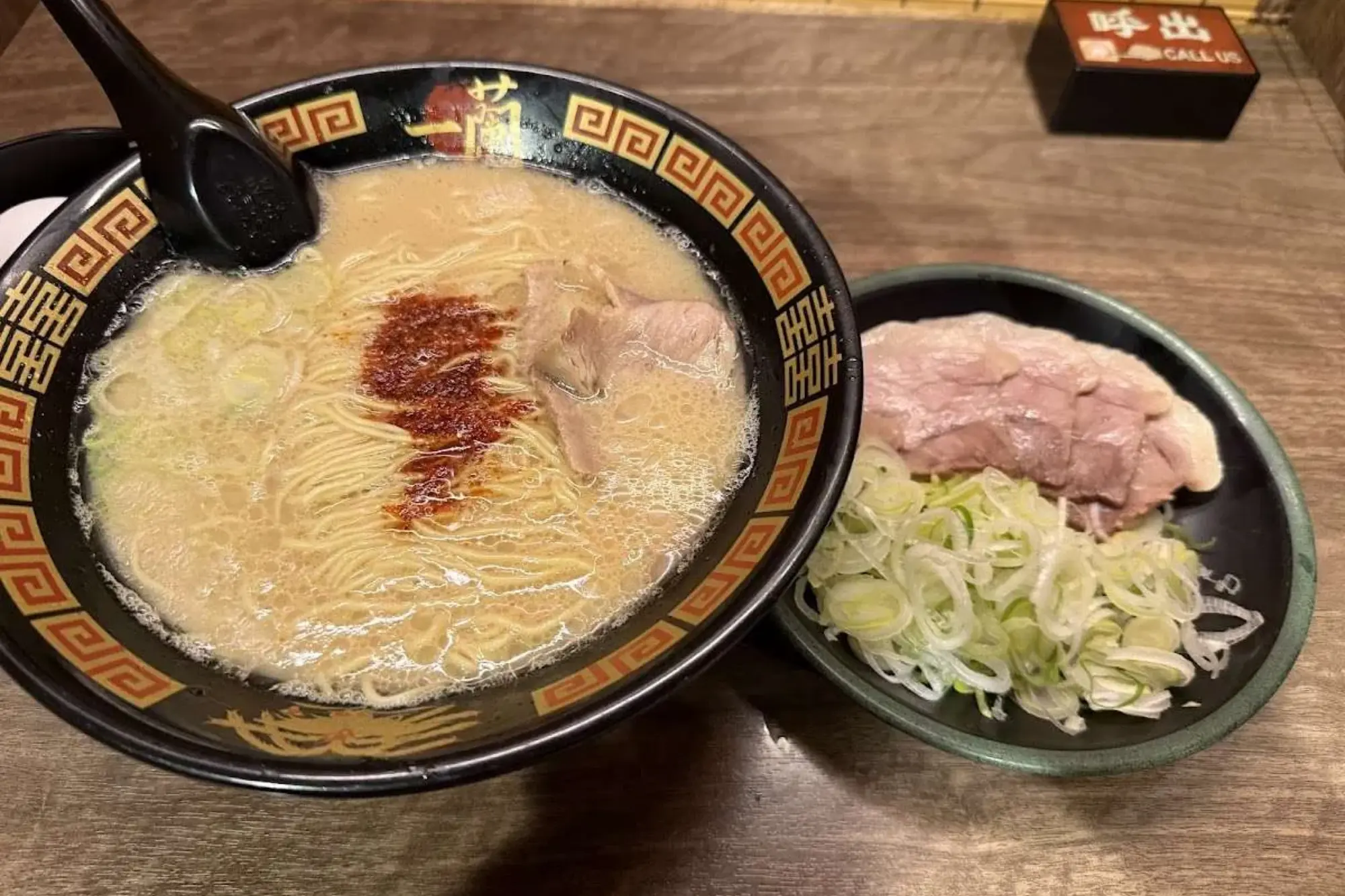
Ichiran specializes in tonkotsu ramen, which features a rich pork-bone broth. Its individual counter booths and customizable order sheets make it a convenient option for solo travelers or visitors who prefer a more private dining experience. You can generally customize elements such as noodle firmness, seasoning, and the intensity of the broth, depending on the available menu.
The official Ichiran Shinjuku Central East Exit branch is listed as open 24 hours, although entry may stop before closing or the end of service during busy periods. Confirm the latest details on the restaurant’s official website.
2.3. Menya Musashi: A Bold Blend of Meat and Seafood Flavors
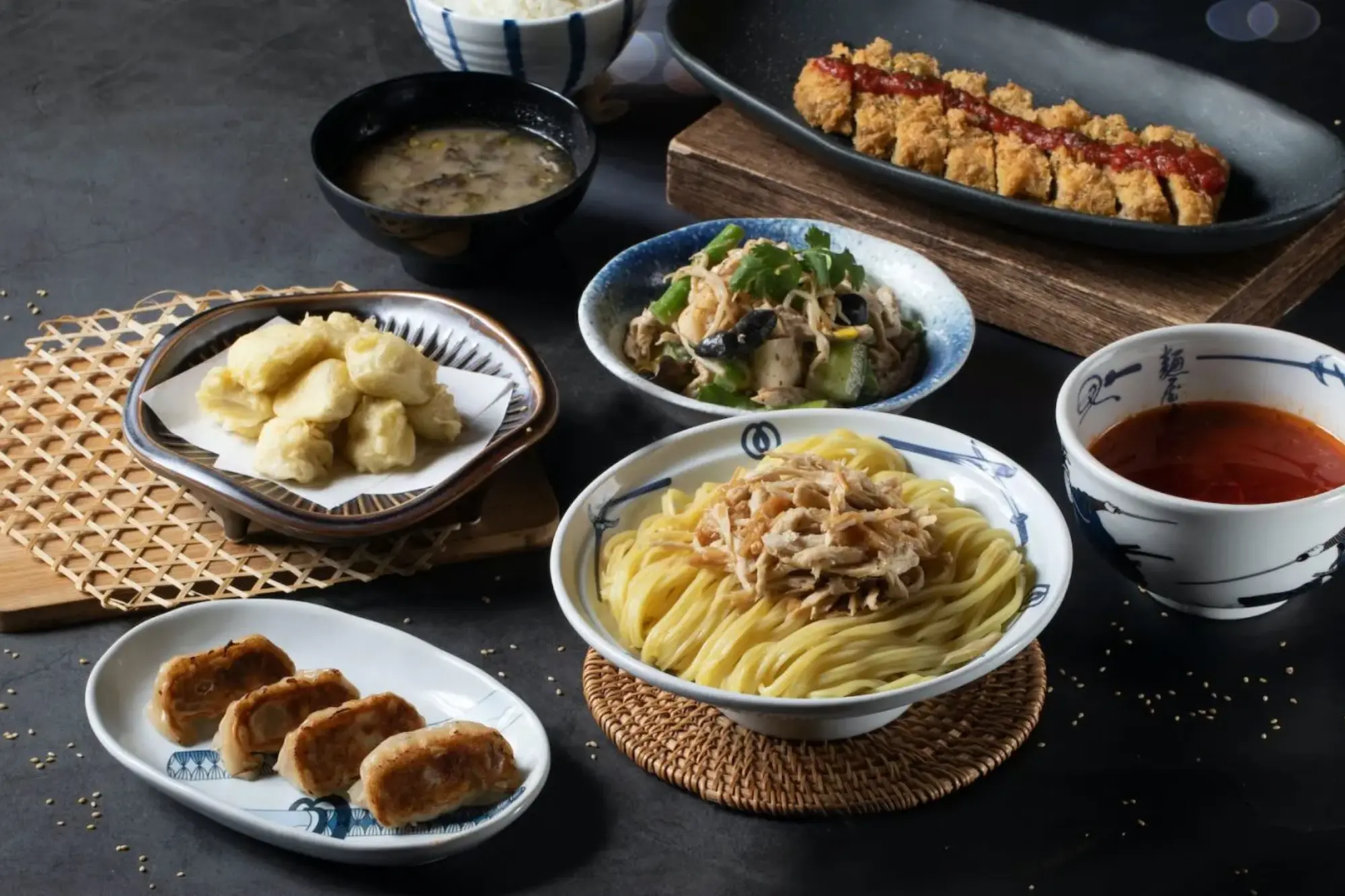
Menya Musashi’s Shinjuku flagship restaurant offers ramen and tsukemen built around a distinctive combination of meat-based and seafood-based broth.
The restaurant is located in Nishi-Shinjuku, a short walk from the station’s west exit. Its official store information lists opening hours of 11:00 AM–10:00 PM, but hours may change.
Which Shinjuku ramen shop should you choose?
Restaurant | Known for | A good choice for |
| Fuunji | Seafood-rich tsukemen | Fans of concentrated dipping broth |
| Ichiran | Tonkotsu ramen | Solo diners and customizable orders |
| Menya Musashi | Meat-and-seafood broth | Travelers seeking bold flavors |
These restaurants have different specialties, so the best choice depends on your preferences. Queues are common at popular ramen shops, particularly during lunch and dinner. Arriving outside peak meal times can make the experience more comfortable.
3. Kabukicho: Late-Night Restaurants and Casual Japanese Food
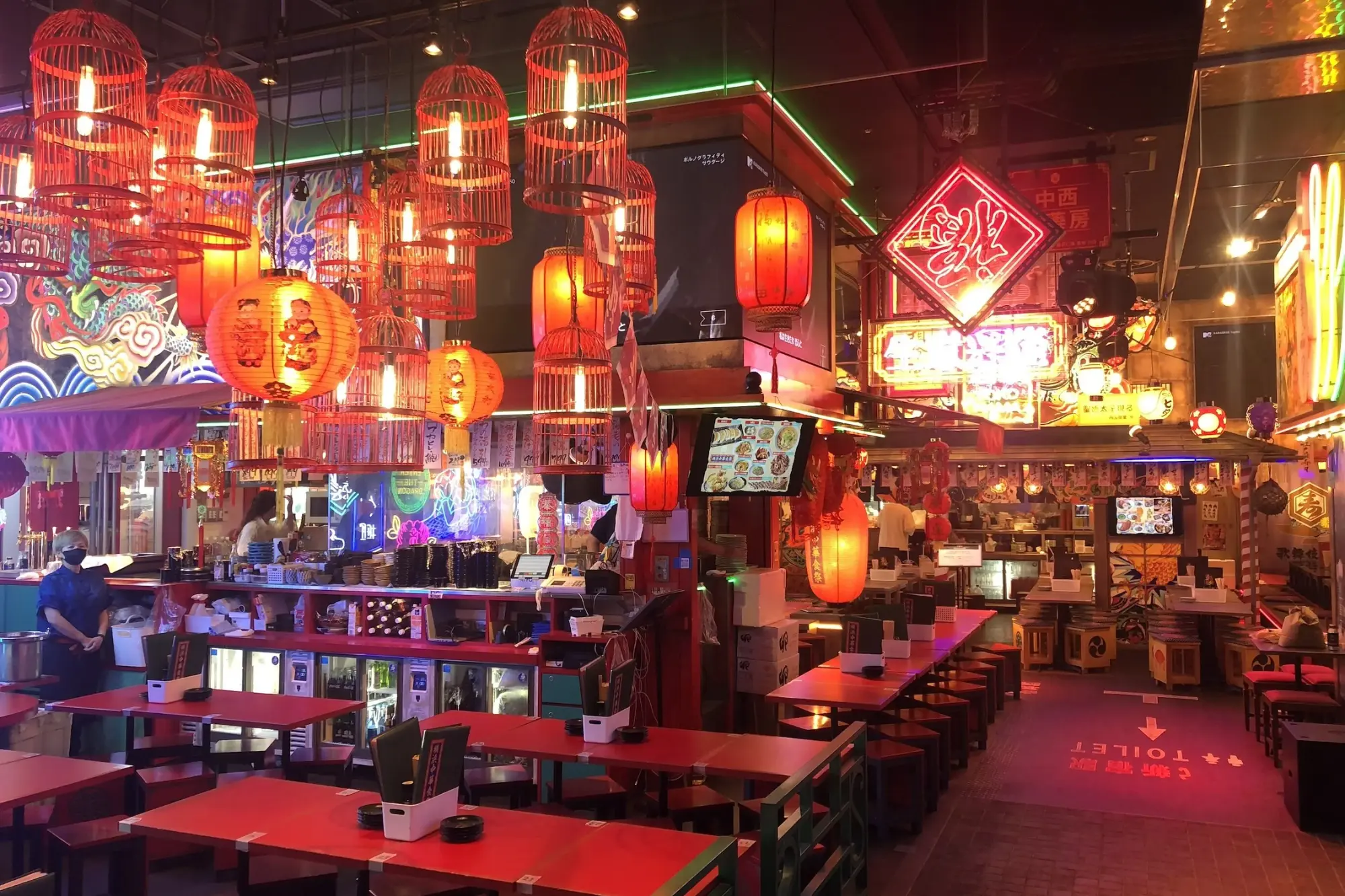
Kabukicho is Shinjuku’s best-known entertainment district, with neon signs, busy streets, restaurants, and venues that stay open late. It is a useful area to explore if you want dinner after sightseeing or need a meal later in the evening.
What to eat in Kabukicho
- Ramen: A convenient option after an evening of exploring Tokyo.
- Sushi: Look for casual sushi restaurants offering individual plates or set menus.
- Donburi: Rice bowls topped with ingredients such as beef, chicken, or seafood.
- Japanese curry: A comforting meal featuring rice and a thick, savory curry sauce.
- Gyoza: Pan-fried dumplings commonly served with ramen or as a separate dish.
Kabukicho has a wide range of restaurants, from inexpensive casual dining to more elaborate establishments. Read the menu and check prices before entering, particularly if you are unfamiliar with the restaurant.
Where to explore
Start around the main streets of Kabukicho and the areas near Seibu-Shinjuku Station. If you want a meal rather than a night out, focus on restaurants with clearly displayed menus and prices.
Some venues in entertainment districts use street promoters. You do not need to follow anyone into a restaurant; choose a place yourself and confirm the menu and total cost before ordering.
4. Golden Gai: Small Bars and a Distinctive Nightlife Atmosphere
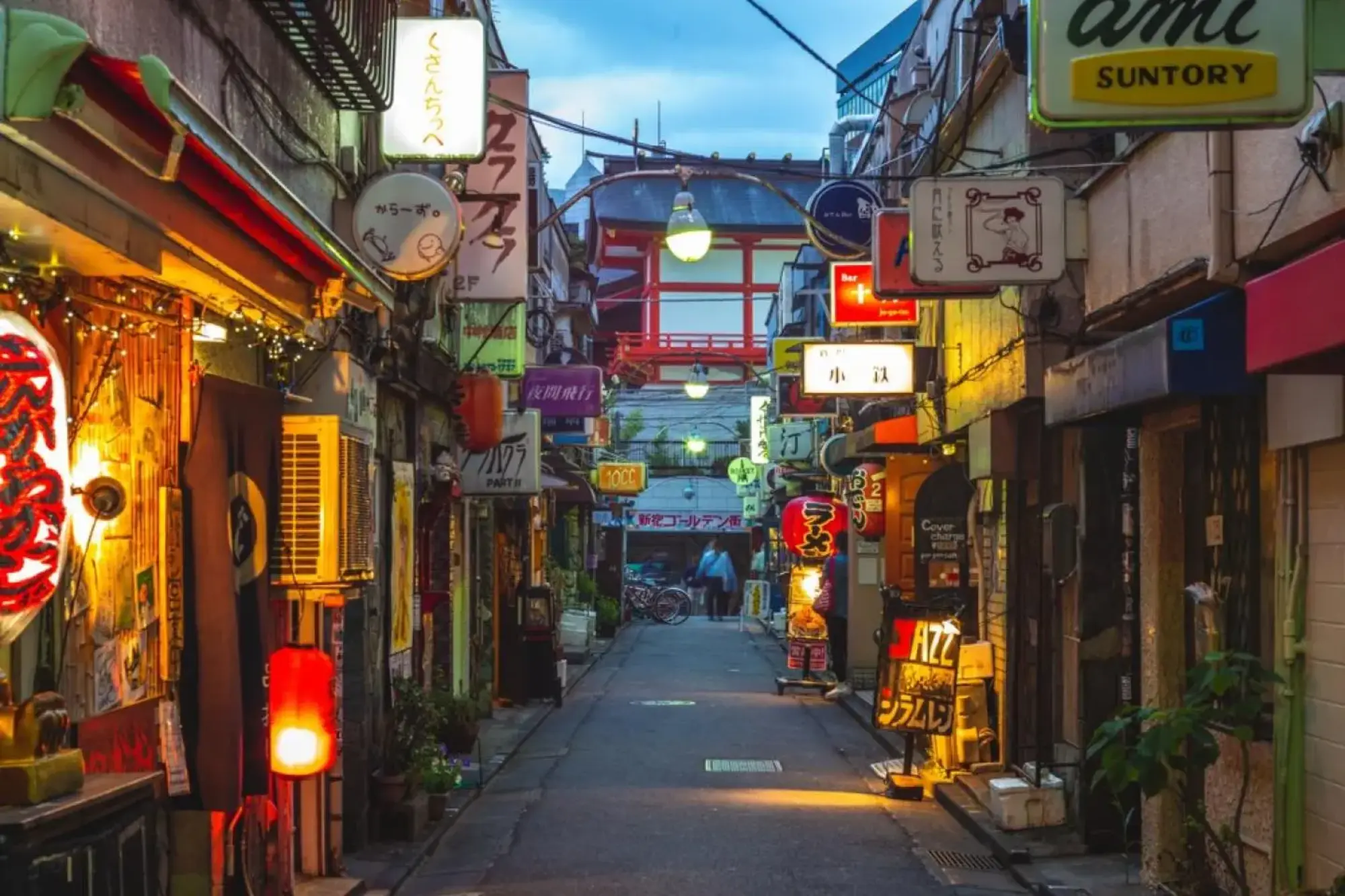
Golden Gai is famous for its compact network of narrow alleys and tiny bars. According to the official Tokyo travel guide, approximately 280 bars occupy the area, with many establishments seating only a few people. It is primarily known for its drinking and nightlife culture rather than as a dedicated Japanese food destination.
If your main goal is to explore Shinjuku food, consider eating dinner in Omoide Yokocho or elsewhere in Shinjuku before walking through Golden Gai.
What to know before visiting
- Many venues open later in the evening.
- Some establishments welcome visitors, while others are members-only.
- Seating charges may apply, so check the rules before entering.
- Photography restrictions vary, and you should always respect signs and ask permission where necessary.
Golden Gai is best approached as an atmospheric stop on a wider Shinjuku evening itinerary. You can appreciate its historic streets and small-scale architecture without treating every bar as a restaurant.
5. Shinjuku Department Stores: Japanese Food Beyond Restaurants
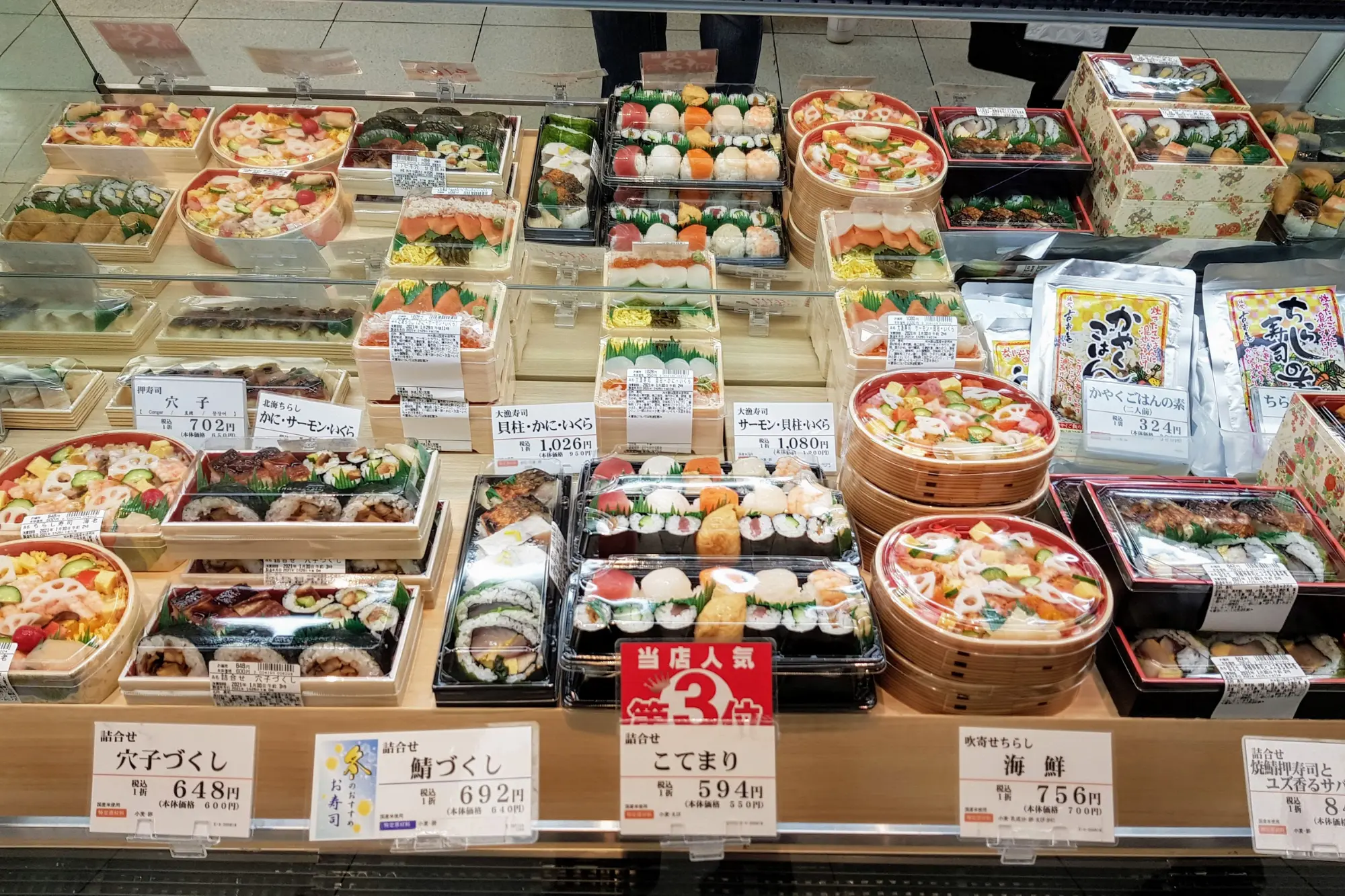
Not every food experience in Shinjuku requires sitting down for a full meal. The basement food halls of major department stores, commonly called depachika (デパ地下), offer prepared dishes, sweets, baked goods, and regional specialties.
The official Tokyo travel guide highlights the food halls at Isetan, Keio, Odakyu, and Takashimaya as part of Shinjuku’s shopping and dining scene.
What to look for in a depachika
- Bento boxes: Prepared meals featuring rice, vegetables, fish, or meat.
- Japanese sweets: Traditional confections, mochi, and seasonal desserts.
- Sushi and seafood: Convenient options for a quick meal, depending on the store.
- Bakery items: Japanese-style pastries and other baked goods.
- Regional specialties: Packaged foods and gifts from different parts of Japan.
These food halls are particularly useful when you want to sample several Japanese dishes without visiting multiple restaurants. They also make it easy to compare presentation, ingredients, and prices. Keep in mind that opening hours vary by department store, and many food halls close earlier than late-night restaurants.
A Quick Japanese Food Checklist to Eat in Shinjuku
If you have limited time, prioritize a few dishes that represent different parts of the local food scene.
Japanese food | What it is | Where to try it |
| Yakitori | Grilled chicken skewers | Omoide Yokocho |
| Tsukemen | Noodles served with dipping broth | Fuunji |
| Tonkotsu ramen | Ramen with pork-bone broth | Ichiran |
| Gyoza | Japanese-style dumplings | Casual restaurants around Shinjuku |
| Donburi | Rice topped with meat, fish, or other ingredients | Neighborhood eateries |
| Japanese sweets | Traditional confectionery and seasonal desserts | Department-store food halls |
You do not have to visit every location on this list. Choose a combination of a noodle shop, a small local eatery, and a food hall to experience several sides of Shinjuku’s dining culture.
If you have dietary restrictions, check ingredients carefully. Ramen broth, dipping sauces, marinades, and dumpling wrappers may contain ingredients that are not immediately obvious from the dish’s appearance.
Plan Your Own Shinjuku Food Tour
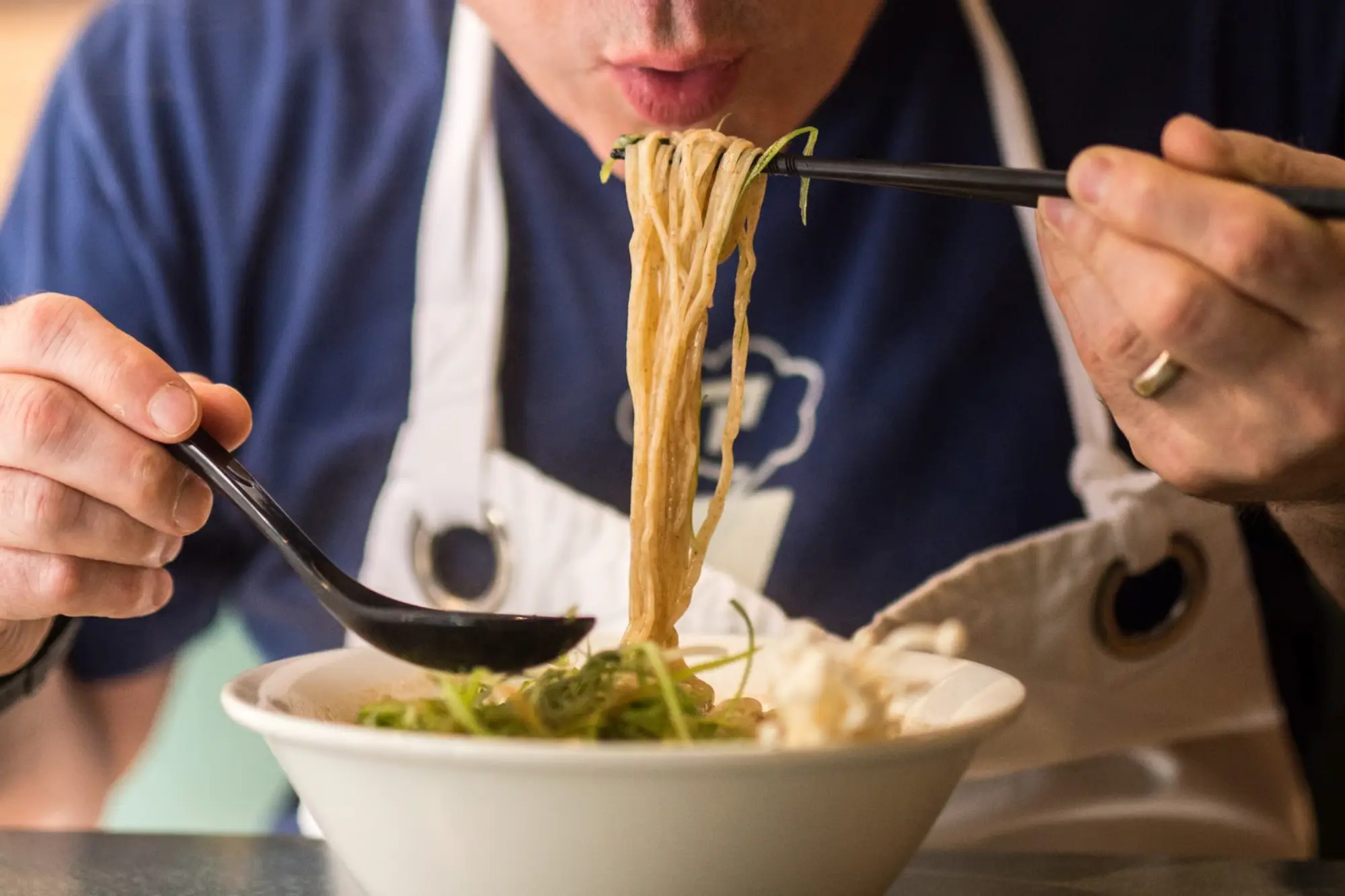
A self-guided Shinjuku food tour lets you explore local specialties, ramen shops, and lively dining streets in a few hours.
- Omoide Yokocho: Try yakitori and explore traditional alleyway eateries.
- Ramen stop: Visit Fuunji for tsukemen, Ichiran for tonkotsu ramen, or Menya Musashi for rich broth.
- Department-store food halls: Browse Japanese sweets, snacks, and regional specialties.
- Kabukicho: End your tour with casual dining and an evening walk through Shinjuku’s lively streets.
Planning tips: Allow 3-5 hours, check restaurant opening hours, and expect queues at popular ramen shops. Most stops are accessible on foot from Shinjuku Station.
Tips for Finding the Best Food in Shinjuku
Use these tips to find the best food in Shinjuku and enjoy a smoother dining experience.
- Check opening hours: Some restaurants close between lunch and dinner.
- Avoid peak queues: Visit popular ramen shops outside busy meal times.
- Check prices: Confirm menu prices and any seating charges before ordering.
- Bring cash: Smaller restaurants may have limited payment options.
- Choose suitable seating: Family groups may prefer restaurants with tables over narrow counters.
FAQ About Where to Eat in Shinjuku
1. What food is Shinjuku famous for?
Shinjuku is particularly known for ramen, tsukemen, yakitori, and the small eateries of Omoide Yokocho. The wider district also offers sushi, Japanese curry, rice bowls, sweets, and many international cuisines.
2. Where can I find the best ramen in Shinjuku?
Fuunji is known for tsukemen, Ichiran specializes in tonkotsu ramen, and Menya Musashi serves ramen and tsukemen with a distinctive meat-and-seafood broth. The best choice depends on your preferred flavor and noodle style.
3. Can I explore Shinjuku’s food scene in one day?
Yes. A half-day is enough to visit Omoide Yokocho, enjoy a ramen meal, browse a department-store food hall, and walk through Kabukicho. A longer visit gives you more time to try additional restaurants.
4. Are there affordable restaurants in Shinjuku?
Yes. Ramen shops, casual noodle restaurants, rice-bowl eateries, and prepared-food counters offer options at different price levels. Check current menus and prices before ordering, as costs vary by restaurant and dish.
5. Is Shinjuku good for a self-guided food tour?
Shinjuku is well suited to a self-guided food tour because several dining areas are within walking distance of the station. Planning a route around one or two meals, snack stops, and a neighborhood walk helps you explore without rushing.
Conclusion
Shinjuku offers more than a collection of popular restaurants. Its food culture ranges from the intimate yakitori counters of Omoide Yokocho to specialist ramen shops, casual eateries, and department-store food halls. Each area provides a different way to experience Tokyo’s dining scene.
When deciding where to eat in Shinjuku, start with the dishes you most want to try, then choose neighborhoods that fit your schedule. A bowl of tsukemen, a few grilled skewers, and a stop for Japanese sweets can make a memorable food-focused afternoon.
Discover Japan tour packages with Nicetrips and experience the landscapes, food, culture, and seasonal highlights of northern Japan. Follow the Nicetrips Blog for more destination guides, travel tips, and Japan travel inspiration.