Traveling to Japan with a gluten-free diet requires more preparation than simply choosing rice-based dishes. While many Japanese foods are naturally gluten-free, wheat can appear in soy sauce, noodles, sauces, seasonings, and prepared foods. Cross-contact can also be a concern, particularly when the same utensils, cooking surfaces, or oil are used for different dishes. This guide to gluten-free in Japan explains how to identify gluten-free food in Japan, recognize hidden sources of wheat, choose restaurants and convenience-store options, and communicate your dietary needs in Japanese. Whether you are looking for gluten-free ramen Japan, gluten-free bread in Japan, or reliable gluten-free restaurants in Japan, a little preparation can make dining much easier.
1. Understanding Gluten-Free in Japan
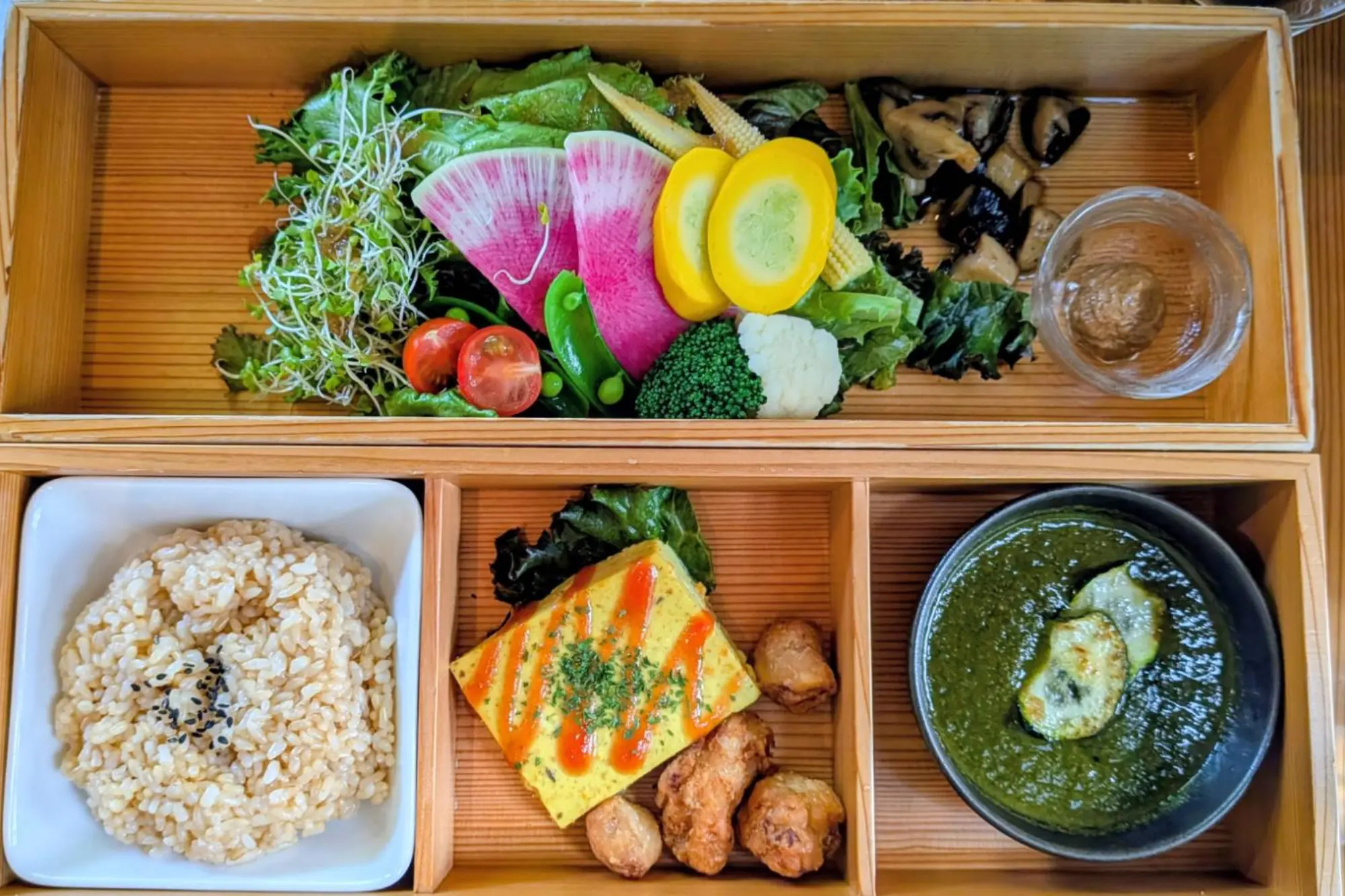
Japan has many foods that can form a naturally gluten-free diet, including rice, fresh fish, tofu, vegetables, and fruit. However, traditional Japanese food cooking also relies heavily on soy sauce and other seasonings that may contain wheat.
The main challenge is therefore not always the food itself, but what is added during preparation. A bowl of rice may be naturally gluten-free, for example, while its accompanying sauce or seasoned topping may contain wheat.
For travelers with celiac disease or a strict gluten-free diet, the safest approach is to:
- Check sauces, seasonings, and marinades.
- Read packaged-food labels carefully.
- Ask how dishes are prepared.
- Confirm possible cross-contact.
- Carry a Japanese gluten-free translation card or prepared phrases.
- Research suitable restaurants before traveling.
Gluten-free dining is generally easier in major cities, where dedicated restaurants and specialized food options are more widely available. Current gluten-free restaurant guides list verified options in cities including Tokyo, Osaka, Kyoto, Nagoya, and Fukuoka.
2. The Hidden Gluten Problem: Soy Sauce in Japan
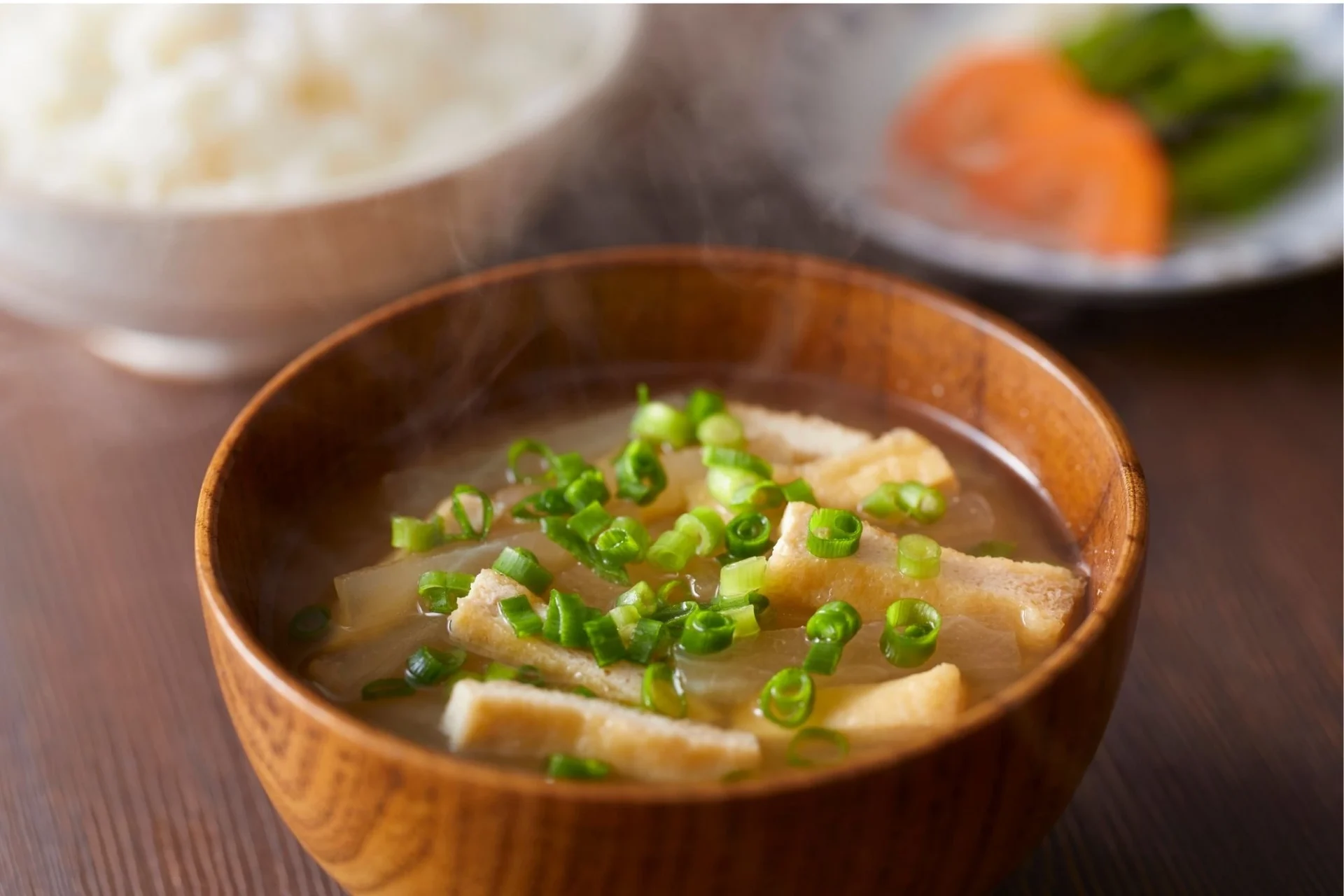
Soy sauce is one of the most important ingredients to check when following a gluten-free diet in Japan. Standard Japanese soy sauce, or shōyu (醤油), is commonly brewed using soybeans and wheat, meaning that many traditional soy sauces are not gluten-free.
1. Why Japanese Soy Sauce Can Contain Wheat
Wheat is traditionally used alongside soybeans during soy sauce production. As a result, you should not assume that soy sauce is gluten-free simply because it is made primarily from soy. Soy sauce can also appear in Japanese foods where gluten is not immediately obvious.
2. Where Hidden Gluten Can Appear
Common examples include:
- Sushi and sushi rice seasonings
- Ramen broth
- Yakitori sauces
- Teriyaki sauce
- Gyoza dipping sauces
- Japanese curry
- Donburi sauces
- Marinades
- Prepared side dishes
This is why checking only the main ingredients is not enough. A naturally gluten-free ingredient can become unsuitable because of the sauce or seasoning added during preparation.
3. Other Hidden Sources of Gluten
Soy sauce is not the only ingredient to watch. Depending on the dish or product in Japanese food, gluten may also come from:
- Wheat flour
- Barley
- Rye
- Breadcrumbs
- Wheat-based noodles
- Seasoning mixes
- Prepared sauces
- Some processed or packaged foods
When in doubt, check the ingredient list or ask the restaurant staff before ordering.
3. Gluten-Free Food in Japan: Naturally Safe Options
There are many foods that can be part of a gluten-free food in Japan travel plan. The key is to choose simple ingredients and confirm that no gluten-containing sauce, seasoning, or preparation method has been added.
1. Rice and Plain Rice Dishes
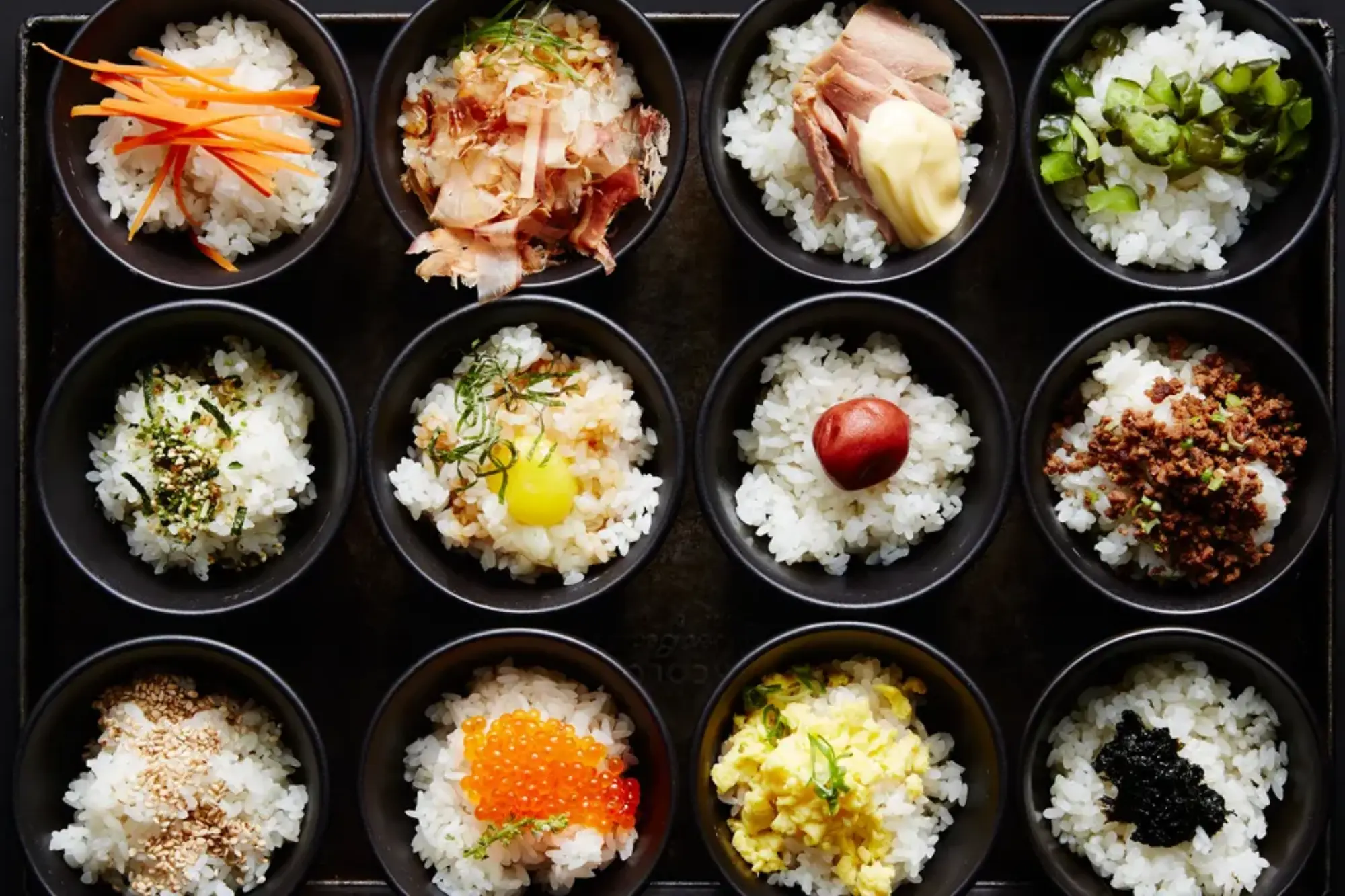
Plain steamed rice is naturally gluten-free and is one of the easiest staples to find throughout Japan. However, seasoned rice, rice balls, rice bowls, and prepared rice dishes may contain soy sauce or other seasonings. For packaged foods, always check the ingredient and allergen information before eating.
2. Fresh Fish and Sashimi
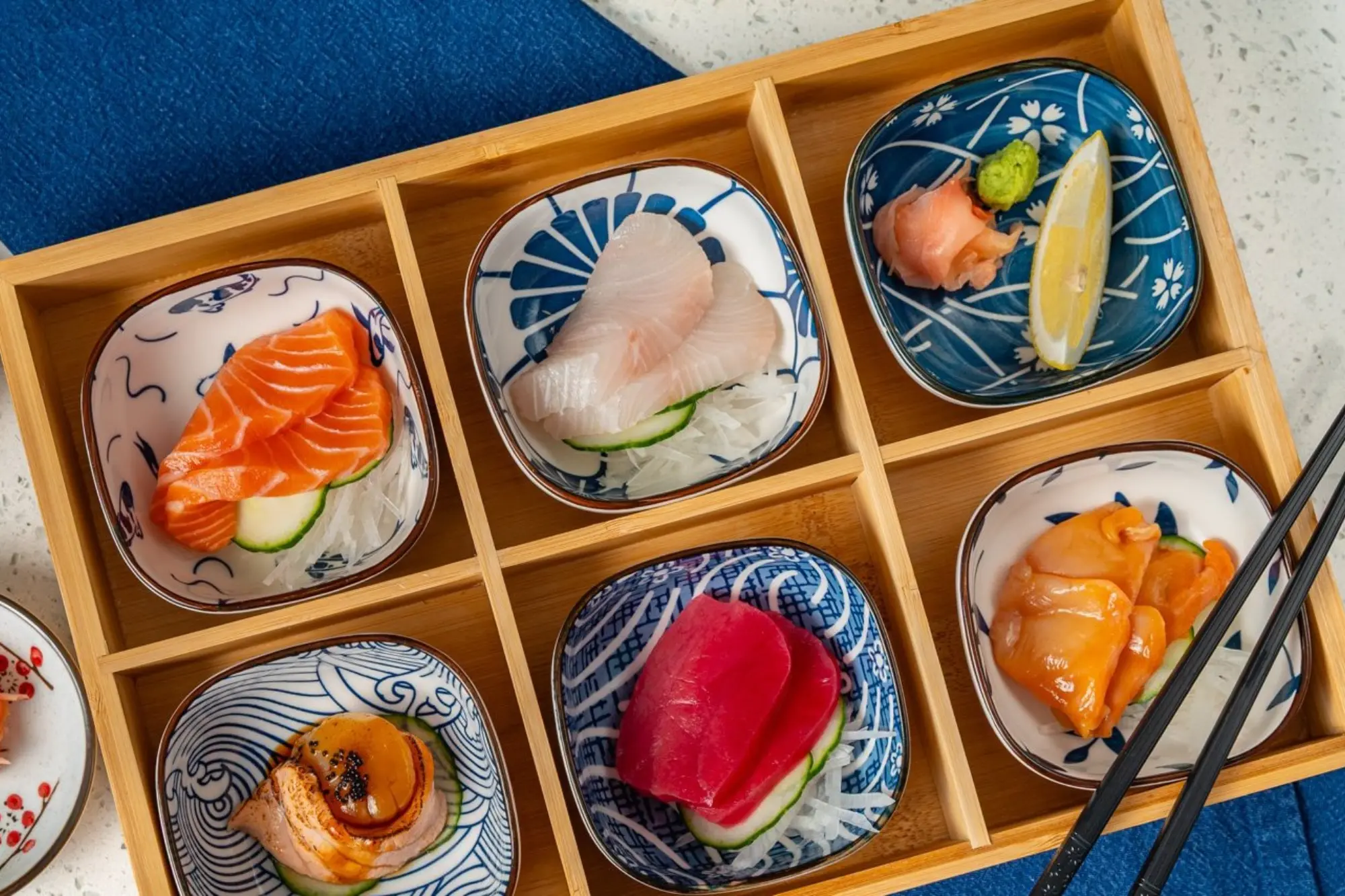
Plain fresh fish and sashimi can be naturally gluten-free. The main concern is what comes with them, particularly soy sauce, marinades, sauces, and prepared toppings. When ordering sashimi, ask whether it has been seasoned or marinated.
3. Tofu and Vegetables
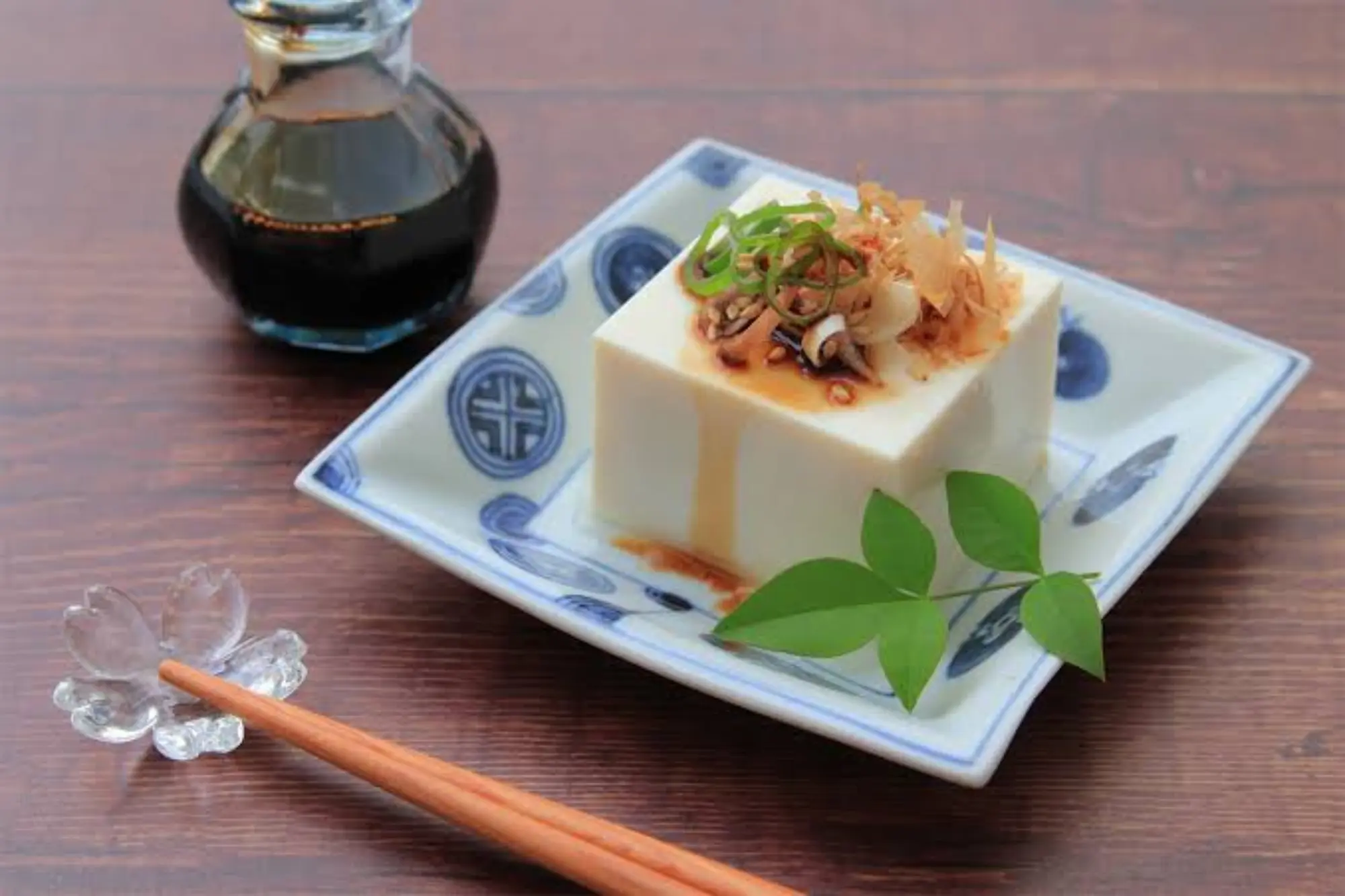
Plain tofu, fresh vegetables, and simply prepared dishes can be useful options. However, sauces and broths still need to be checked, especially in restaurants serving traditional Japanese set meals.
4. Fruit and Simple Snacks
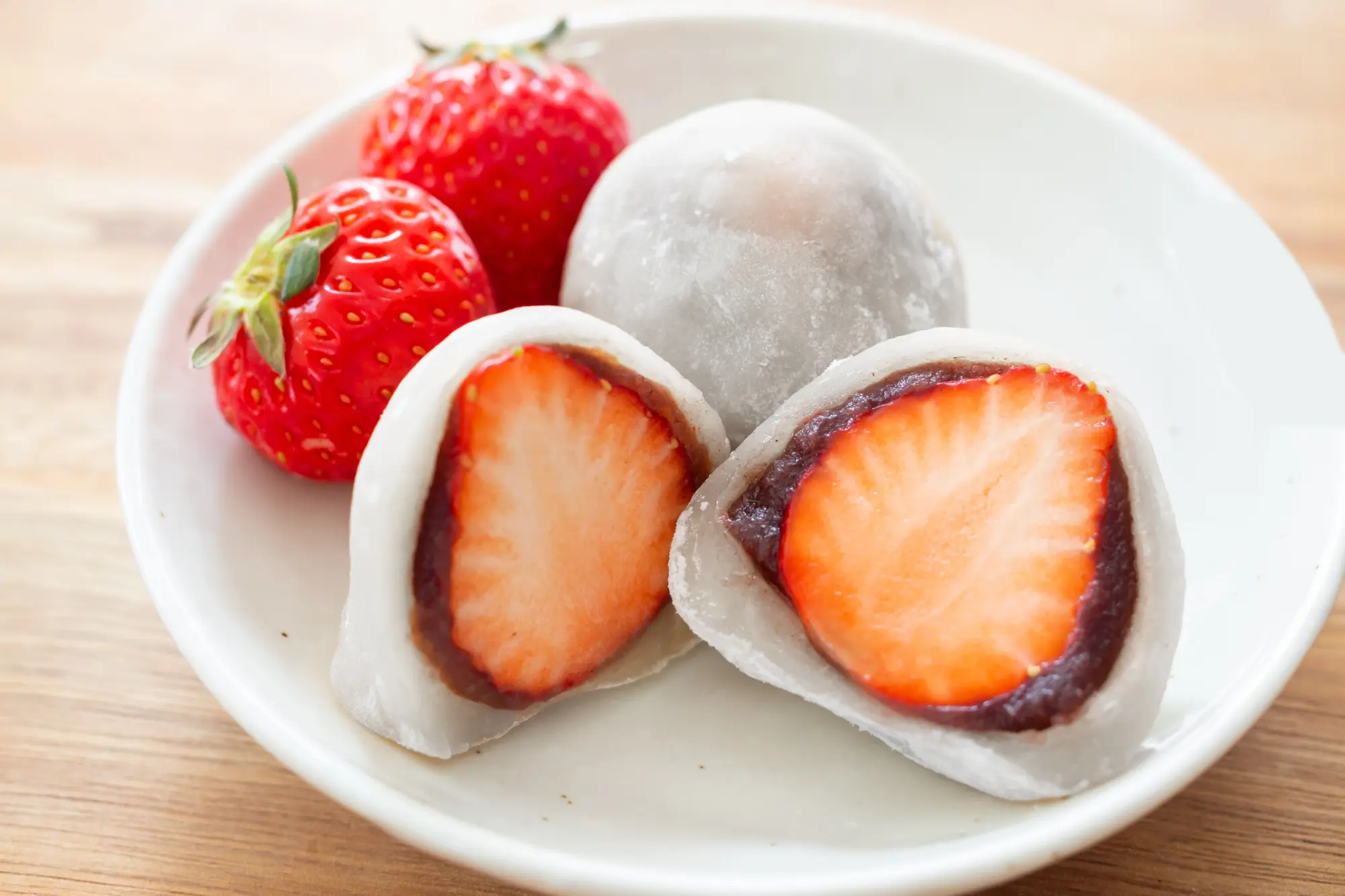
Fresh fruit is one of the easiest options when you need a simple gluten-free snack. Plain foods with short ingredient lists are generally easier to evaluate than highly processed products.
5. Rice-Flour-Based Foods
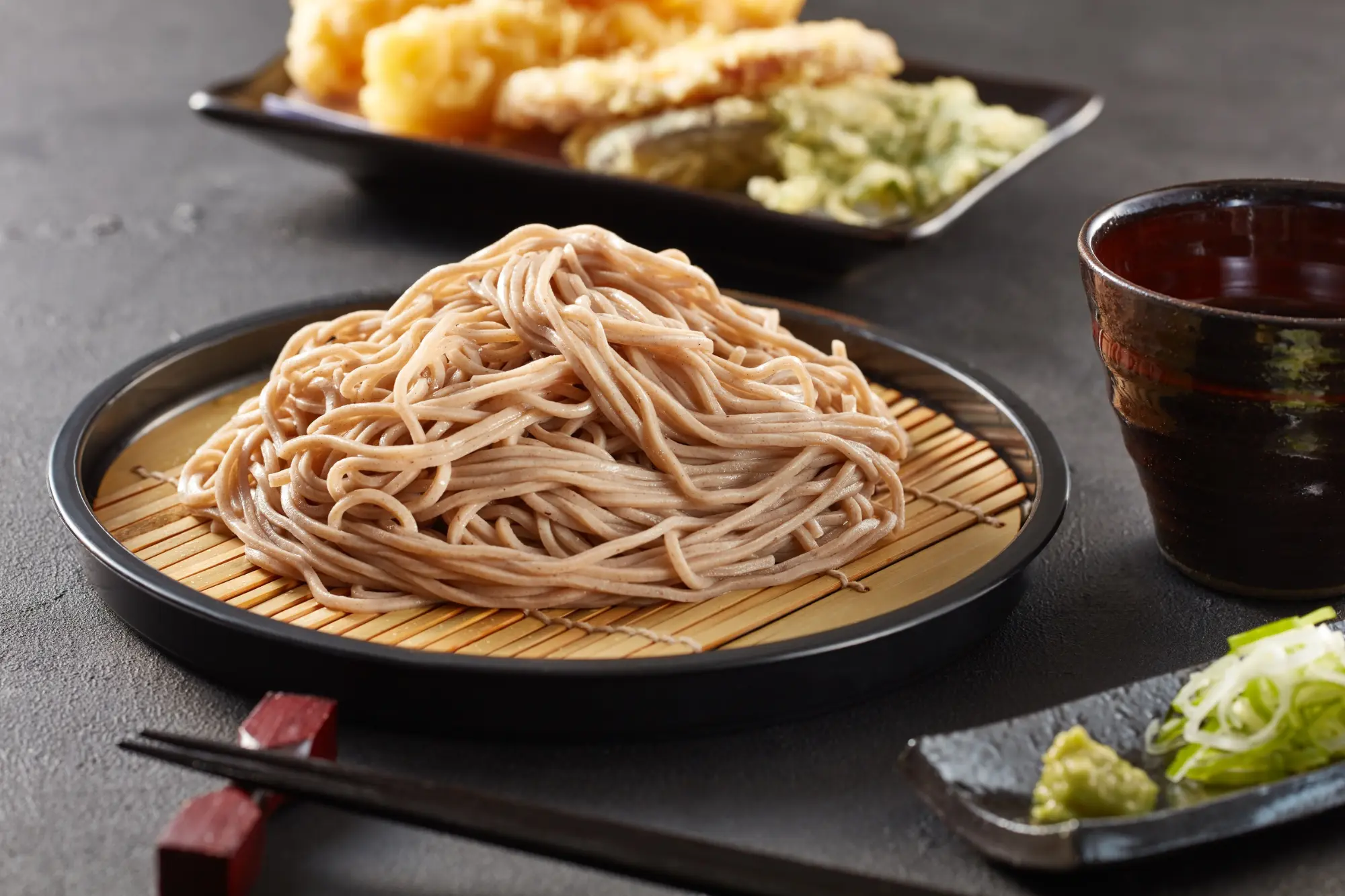
Rice flour is used in some gluten-free breads, noodles, desserts, and other specialty products. These can provide alternatives to traditional wheat-based foods, but you should still check labels and preparation methods.
Naturally gluten-free does not automatically mean gluten-free after preparation. This distinction is one of the most important things to remember when eating in Japan.
4. Japanese Foods to Avoid or Check Carefully
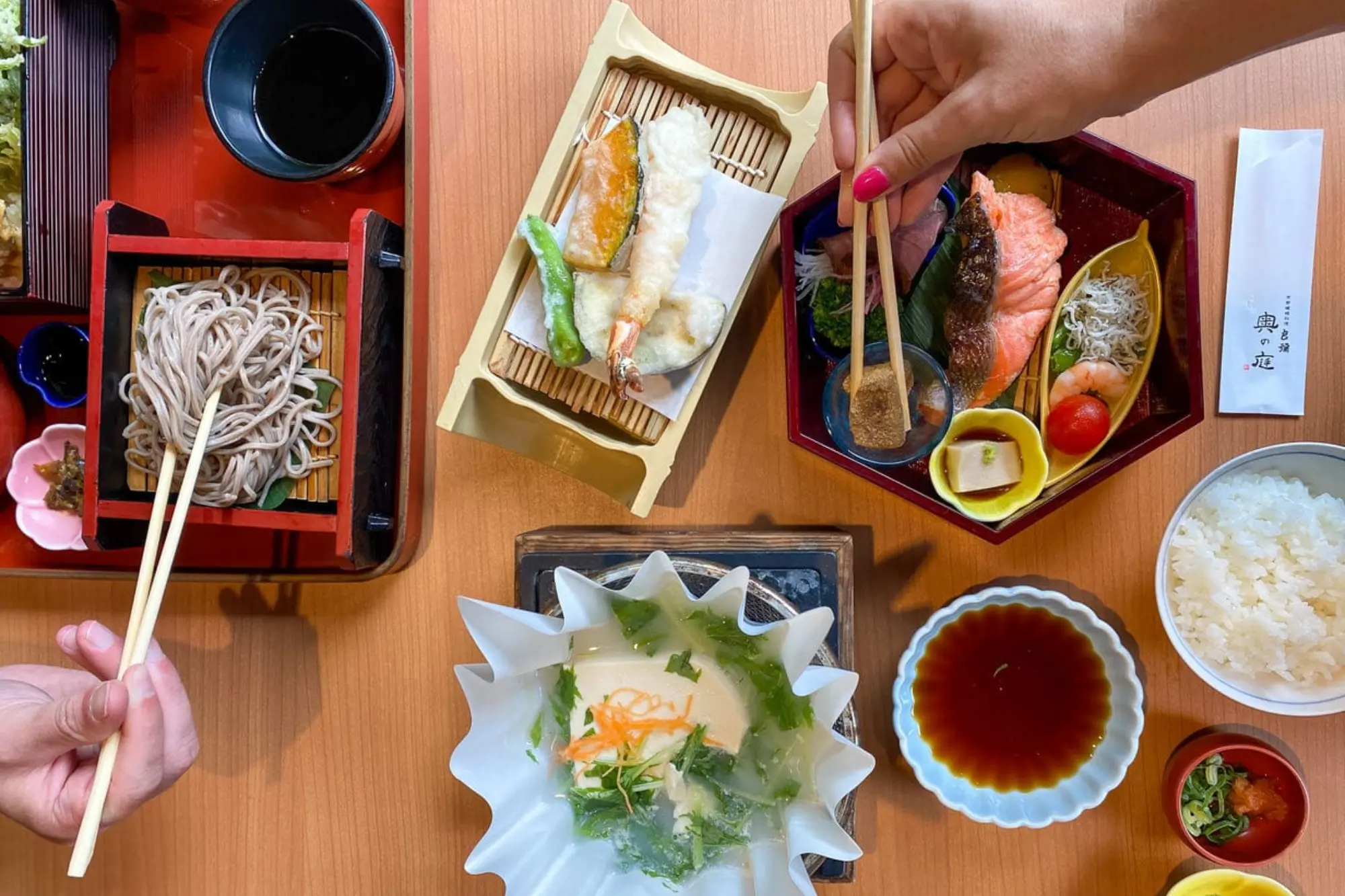
Many familiar Japanese dishes contain wheat or use sauces and seasonings that may contain gluten. Some should generally be avoided unless a verified gluten-free version is available.
Food | Why It Requires Caution |
| Ramen | Traditional noodles are usually wheat-based; broth and sauces may also contain gluten |
| Udon | Noodles may made from wheat |
| Gyoza | Traditional wrappers contain wheat flour |
| Tempura | Batter is usually made with wheat flour |
| Takoyaki | Traditional batter contains wheat |
| Okonomiyaki | Batter and sauces commonly contain wheat |
| Japanese curry | Curry roux may contain wheat flour |
| Soba | Many standard soba noodles contain wheat |
| Teriyaki | Sauce commonly contains soy sauce |
| Yakitori | Glazes and sauces may contain wheat-based soy sauce |
5. Gluten-Free Restaurants in Japan
Finding suitable gluten-free restaurants in Japan is generally easier in large cities than in smaller towns. Dedicated gluten-free restaurants offer the clearest option because they can provide greater control over ingredients and preparation.
Current specialist guides show a growing number of gluten-free and gluten-free-friendly restaurants across Tokyo, Osaka, Kyoto, Nagoya, and Fukuoka. However, restaurants differ in their level of gluten-free control, so travelers should check the restaurant’s current policy before visiting.
5.1. Dedicated Gluten-Free Restaurants
A dedicated gluten-free restaurant can be a practical choice for travelers with celiac disease or strict dietary requirements.
Potential advantages include:
- Greater control over ingredients
- Separate or dedicated preparation areas
- Staff familiar with gluten-free requirements
- Gluten-free versions of popular Japanese dishes
Some current restaurant directories also distinguish between dedicated gluten-free kitchens and restaurants that offer gluten-free choices in shared kitchens. This distinction is important because the level of cross-contact risk can differ considerably.
5.2. Regular Restaurants
Eating at a regular Japanese food restaurant may still be possible, but communication becomes more important. Before ordering, explain that you cannot eat wheat or gluten and ask about:
- Soy sauce
- Broth
- Marinades
- Seasonings
- Flour or breadcrumbs
- Shared cooking equipment
Do not assume that a restaurant can provide a safe meal simply because a dish does not visibly contain wheat.
6. Gluten-Free Options at Japanese Convenience Stores
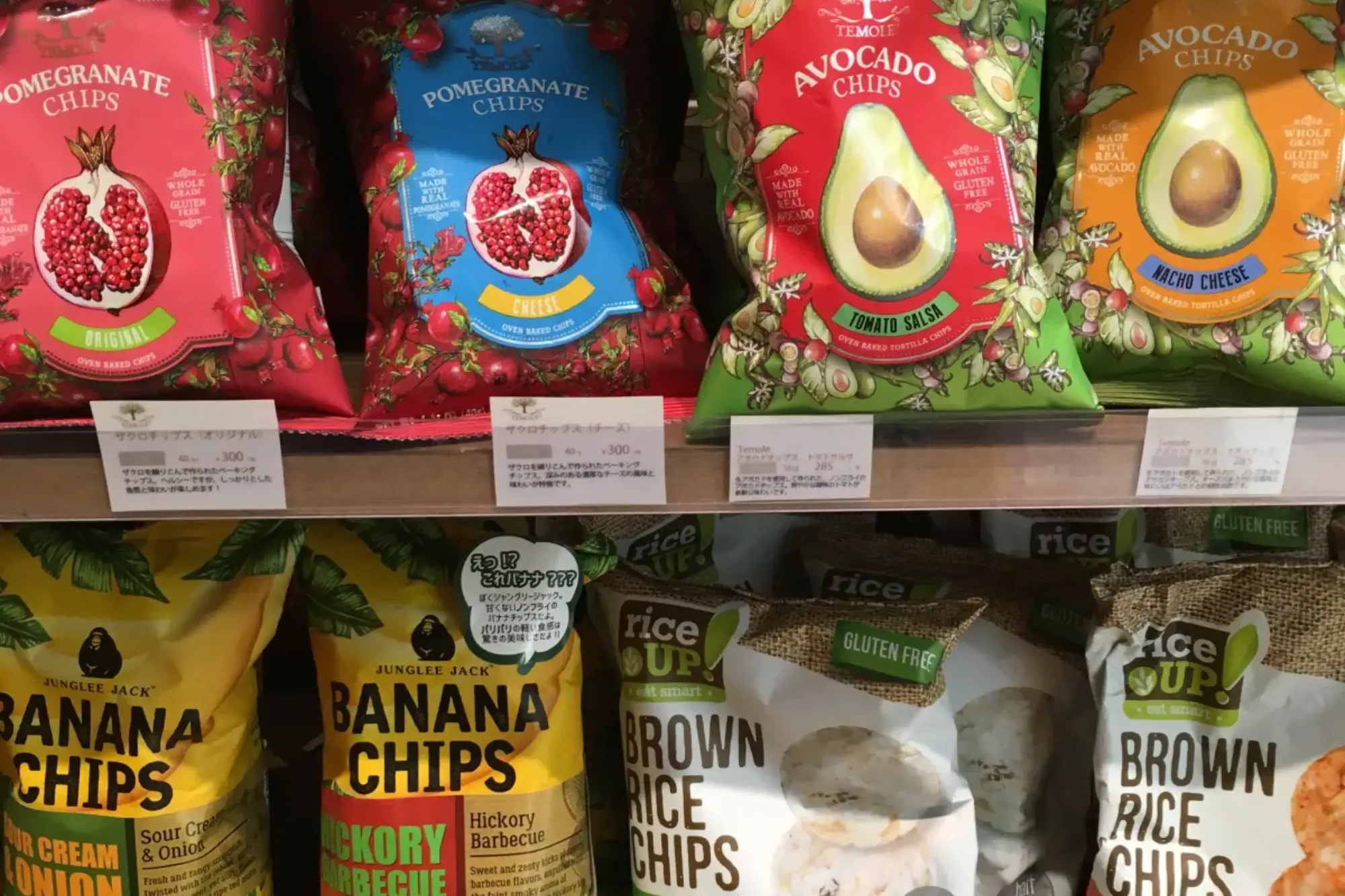
Japanese convenience stores, or konbini, can be useful when you need a quick meal or backup snack. However, products change frequently, so labels should always be checked before purchase.
1. What to Look For
Depending on the product and current ingredients, travelers may find Japanese foods options such as:
- Plain rice or simple onigiri
- Fresh fruit
- Edamame
- Plain boiled eggs
- Selected packaged snacks
- Drinks
Some onigiri fillings and prepared foods may contain soy sauce or other seasonings, so do not assume every rice-based product is safe. Specialist gluten-free guidance also recommends checking the filling and seasoning rather than judging an onigiri only by its rice exterior.
2. Use Convenience Stores as a Backup
A practical strategy is to:
- Carry at least one known-safe snack.
- Check the label every time you buy a packaged product.
- Avoid assuming that plain-looking food is automatically gluten-free.
- Use convenience stores as a backup rather than relying on them for every meal.
This is particularly useful during long train journeys, day trips, or when suitable restaurants are not nearby.
3. Reading Japanese Food Labels
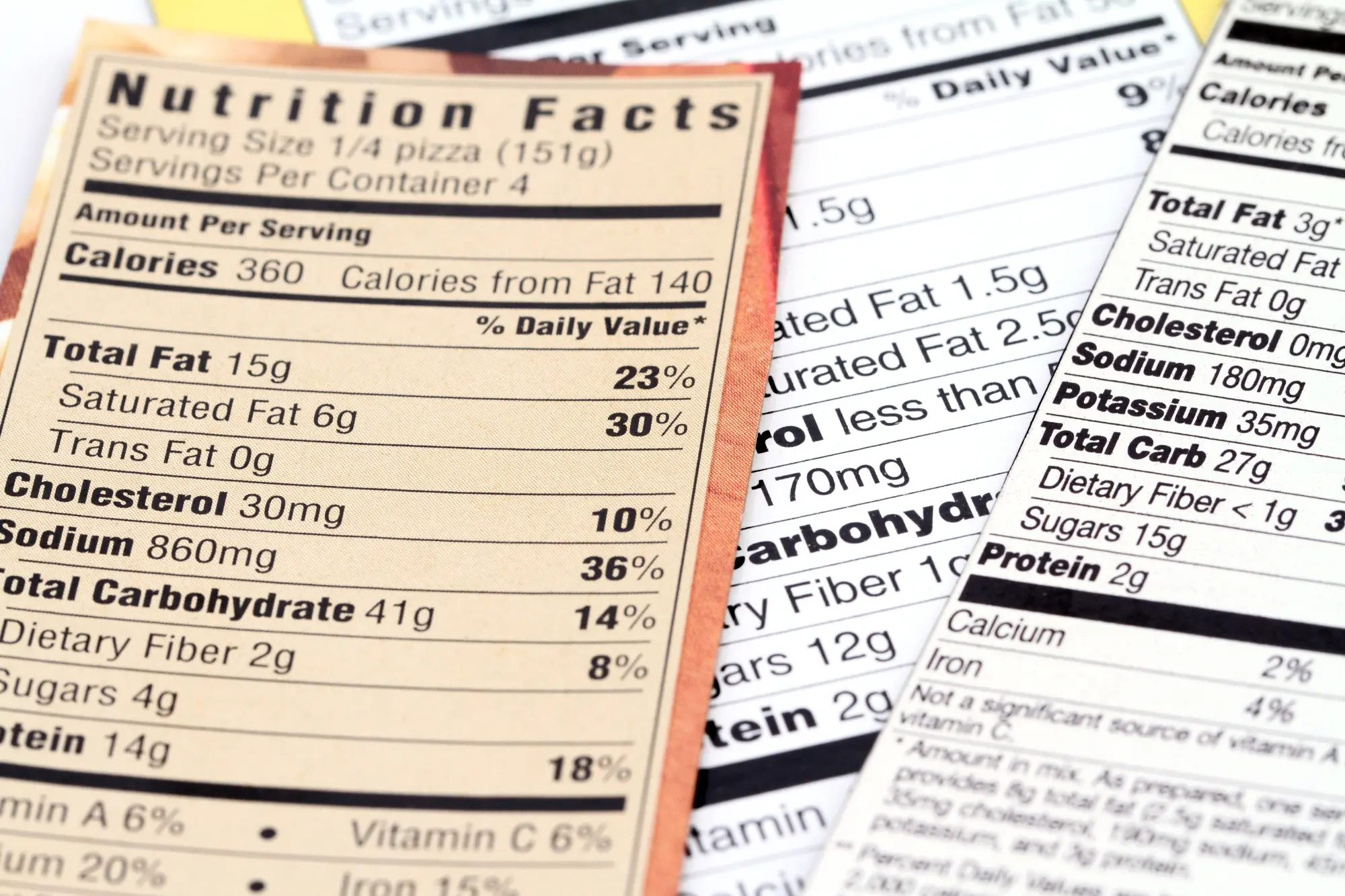
For packaged Japanese food, learning a few Japanese terms can make shopping easier:
Japanese | Romaji | Meaning |
| 小麦 | Komugi | Wheat |
| 大麦 | Ōmugi | Barley |
| ライ麦 | Rai-mugi | Rye |
| 醤油 | Shōyu | Soy sauce |
| グルテンフリー | Guruten furī | Gluten-free |
Japanese food labeling includes wheat among the major allergens that consumers should look for, making label checking an important part of gluten-free travel.
7. How to Avoid Cross-Contact in Japan
Even when the ingredients themselves are gluten-free, preparation can create another risk. Shared cooking equipment, utensils, surfaces, or frying oil can transfer gluten between foods.
Before ordering, consider whether the restaurant uses:
- Shared frying oil
- Shared cooking utensils
- Shared cutting boards
- Shared pans or grills
- Shared cooking water
- Common preparation surfaces
- Shared condiment containers
This is especially relevant for dishes such as noodles, tempura, fried foods, and soba. For example, even 100% buckwheat soba may require additional checking if it is prepared using equipment or cooking water shared with wheat-based noodles.
For strict gluten-free requirements, a restaurant with a dedicated gluten-free kitchen may provide a clearer safety environment than a regular restaurant with a limited gluten-free menu.
8. Japanese Survival Phrases for Gluten-Free Travelers
A few simple Japanese phrases can make restaurant communication easier, especially when explaining that your dietary restriction is medically necessary.
Japanese | Romaji | Meaning |
| グルテンフリーです。 | Guruten furī desu. | I need gluten-free food. |
| 小麦が食べられません。 | Komugi ga taberaremasen. | I cannot eat wheat. |
| 大麦が食べられません。 | Ōmugi ga taberaremasen. | I cannot eat barley. |
| グルテンが入っていますか? | Guruten ga haitte imasu ka? | Does it contain gluten? |
| 醤油に小麦が入っていますか? | Shōyu ni komugi ga haitte imasu ka? | Does the soy sauce contain wheat? |
| 同じ油で揚げていますか? | Onaji abura de agete imasu ka? | Is it fried in the same oil? |
For travelers with celiac disease, carrying a more detailed Japanese translation card can be helpful because simply saying “gluten-free” may not communicate the importance of avoiding cross-contact.
9. Planning a Gluten-Free Trip to Japan
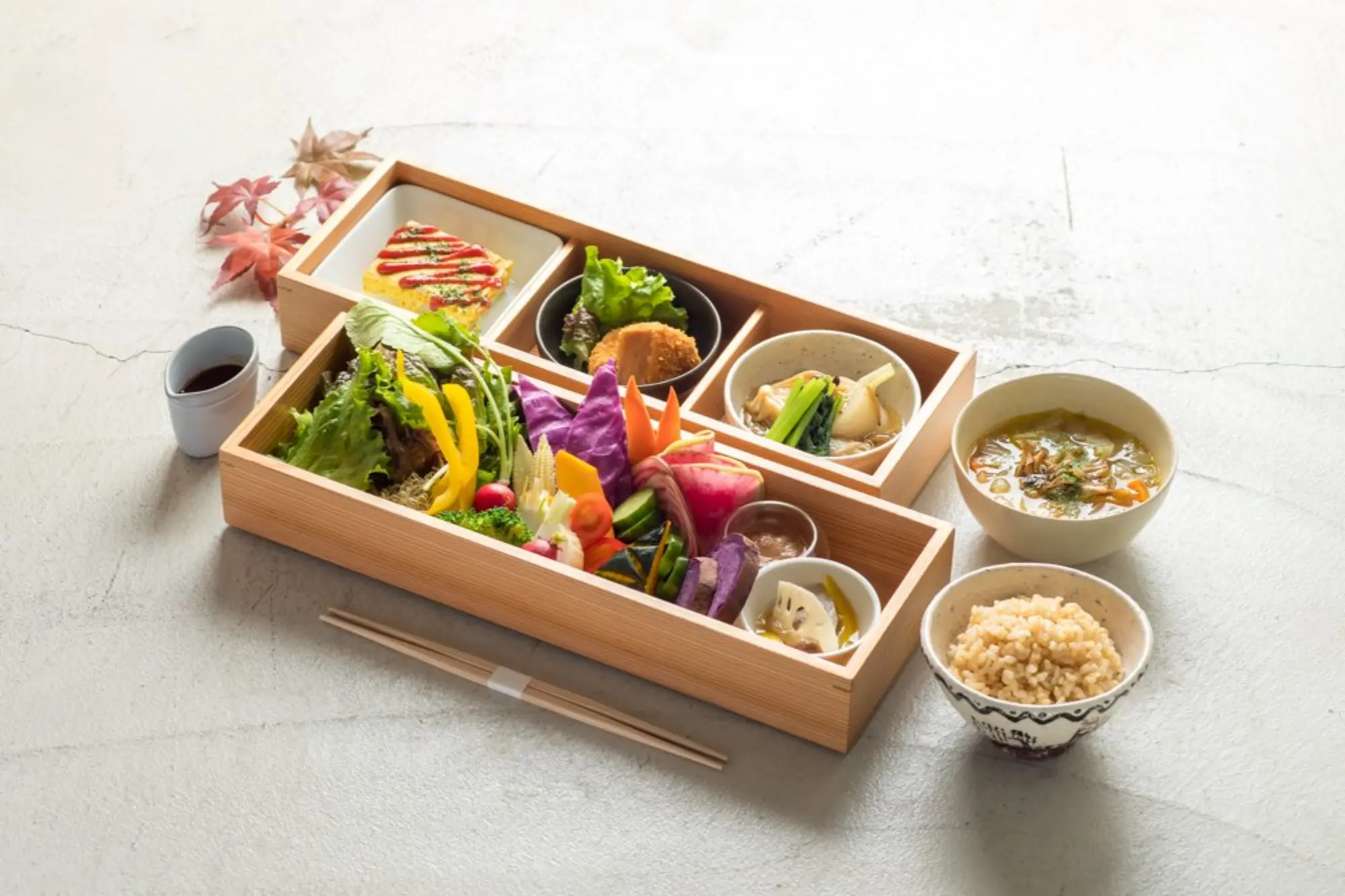
A successful gluten-free Japan trip is easier when food planning is part of the itinerary rather than something handled only after arriving.
9.1. Build a Gluten-Free Travel Strategy
Before traveling:
- Research gluten-free restaurants in each major destination.
- Save restaurant names and addresses offline.
- Check menus before visiting.
- Contact hotels or ryokan in advance if meals are included.
- Prepare a Japanese dietary-translation card.
- Identify nearby convenience stores for backup food.
- Keep a list of suitable restaurants for each travel day.
When traveling between cities, avoid leaving every meal unplanned. Having at least one reliable dining option each day can reduce the pressure of finding suitable food at short notice.
9.2. What to Pack for a Gluten-Free Trip
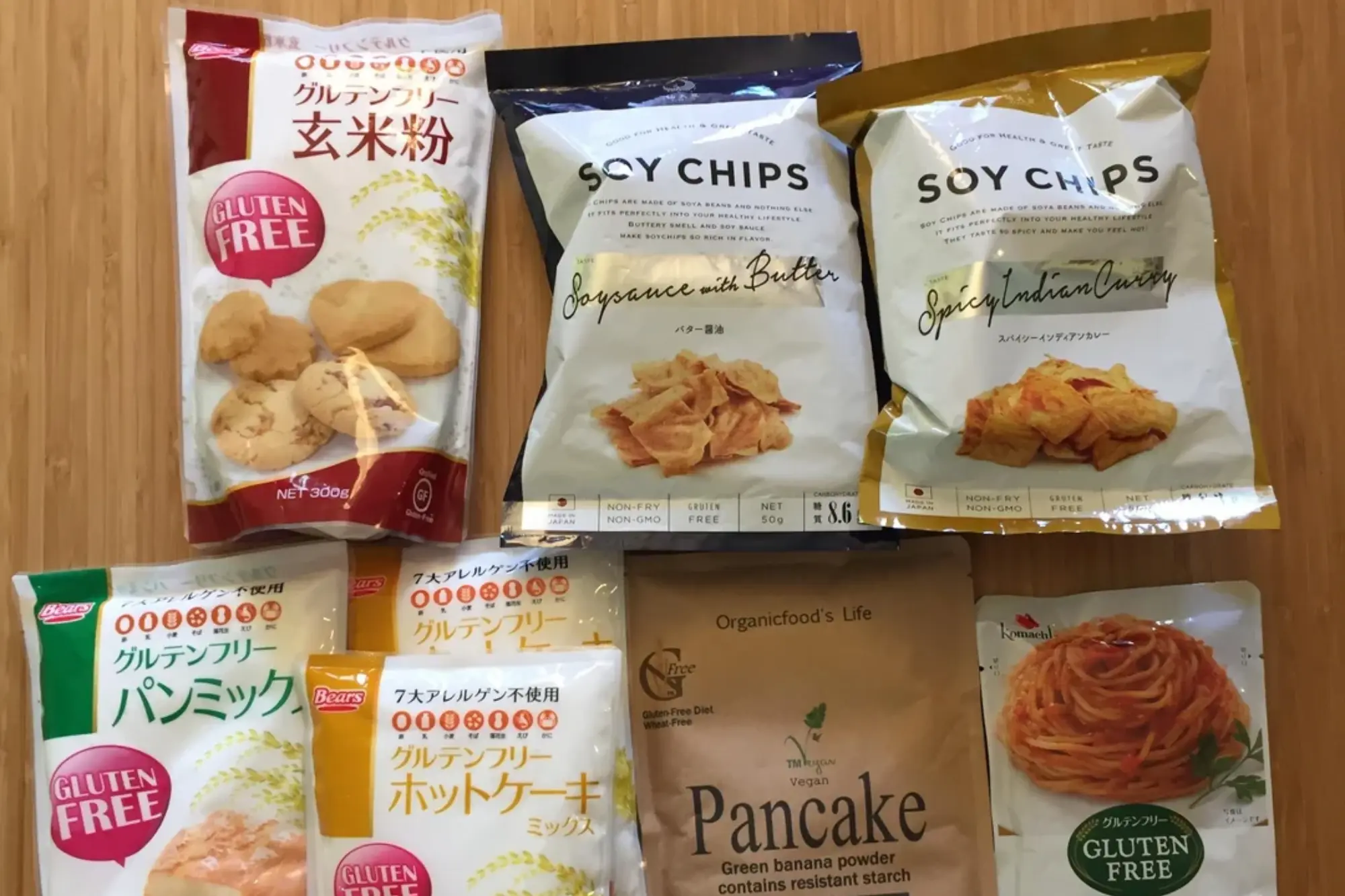
Useful items can include:
- Japanese gluten-free translation card
- Phone with offline translation
- A few known-safe snacks
- Emergency food for long journeys
- A small supply of suitable gluten-free condiments if needed
- Saved restaurant information
- Any necessary personal medication
A small emergency food supply can be particularly useful for day trips or destinations where dedicated gluten-free restaurants are less common.
9.3. Common Gluten-Free Mistakes to Avoid in Japan
Avoid these common assumptions:
Mistake | Safer Approach |
| Assuming rice is always safe | Check sauces, seasonings, and preparation |
| Assuming sushi is automatically gluten-free | Check soy sauce, vinegar, marinades, and toppings |
| Assuming soba is gluten-free | Confirm it is 100% buckwheat and check preparation |
| Ordering normal ramen without checking | Look for dedicated gluten-free noodles and preparation |
| Removing tempura batter | Avoid the dish unless the entire preparation is gluten-free |
| Assuming tamari is always safe | Check the product ingredients and gluten-free status |
| Ignoring cross-contact | Ask about shared equipment and cooking surfaces |
| Relying only on convenience stores | Plan restaurant options in advance |
10. FAQ About Gluten-Free Food in Japan
1. Is Japan gluten-free friendly?
Japan can be manageable for gluten-free travelers, but it is not a destination where you should assume food is gluten-free by default. Preparation, label checking, communication, and restaurant research are important, particularly for travelers with celiac disease.
2. Is Japanese soy sauce gluten-free?
Traditional Japanese soy sauce commonly contains wheat, so it should not automatically be considered gluten-free. Ask whether a gluten-free soy sauce or suitable alternative is available.
3. Where can I find gluten-free bread in Japan?
Gluten free bread in Japan is available through some dedicated gluten-free bakeries, specialty food stores, and selected restaurants or cafés. Availability varies by city, so checking local options before traveling is recommended.
4. Where can I find gluten-free restaurants in Japan?
Dedicated and gluten-free-friendly restaurants are most widely available in major cities such as Tokyo, Kyoto, Osaka, Nagoya, and Fukuoka. Current specialist directories can help travelers identify options, but restaurant menus and operating status should be confirmed before visiting.
5. Can travelers with celiac disease visit Japan?
Yes, but a celiac-safe trip requires preparation. Travelers should research restaurants, carry clear Japanese dietary information, check labels, and ask about cross-contact rather than relying on the assumption that a dish is naturally gluten-free.
11. Conclusion
Traveling gluten-free Japan is possible with the right preparation, but understanding hidden gluten is essential. Rice, fresh fish, tofu, vegetables, and other naturally gluten-free foods provide a useful foundation, while wheat-based soy sauce, noodles, sauces, seasonings, and cross-contact require closer attention.
From finding gluten-free food in Japan and checking gluten-free bread in Japan to researching gluten-free ramen Japan and reliable gluten-free restaurants in Japan, planning ahead can make everyday dining much easier. With a translation card, careful label checking, and a few backup food options, you can spend less time worrying about what is safe to eat and more time enjoying Japan’s food culture.
Discover Japan tour packages with Nicetrips and experience the landscapes, food, culture, and seasonal highlights of northern Japan. Follow the Nicetrips Blog for more destination guides, travel tips, and Japan travel inspiration.