Hokkaido is Japan’s northernmost main island, known for its spectacular natural landscapes, seasonal scenery, fresh food, and winter experiences. From the lively streets of Hokkaido Sapporo to the powder snow of Hokkaido Niseko, the region offers a different side of Japan with wide-open landscapes, mountains, lakes, hot springs, and local cuisine. Travelers can explore vibrant cities, ski in world-famous resorts, enjoy fresh seafood and dairy products, or experience the beauty of Hokkaido winter. Whether you are looking for the best Hokkaido attractions, local Hokkaido foods, or the top things to do in the region, this guide covers the geography, history, attractions, best time to visit, transportation, food, and practical travel tips.
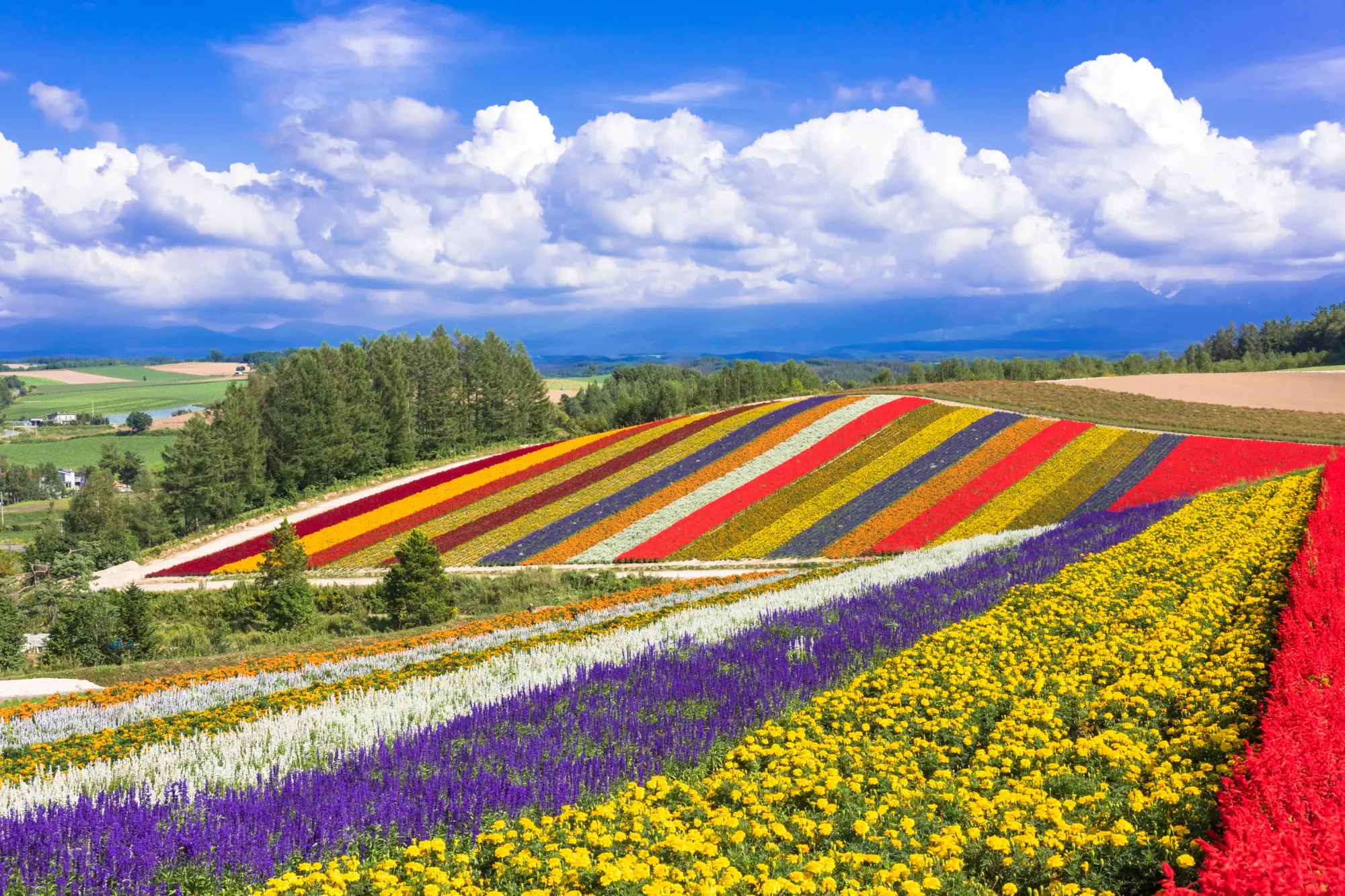
About Hokkaido
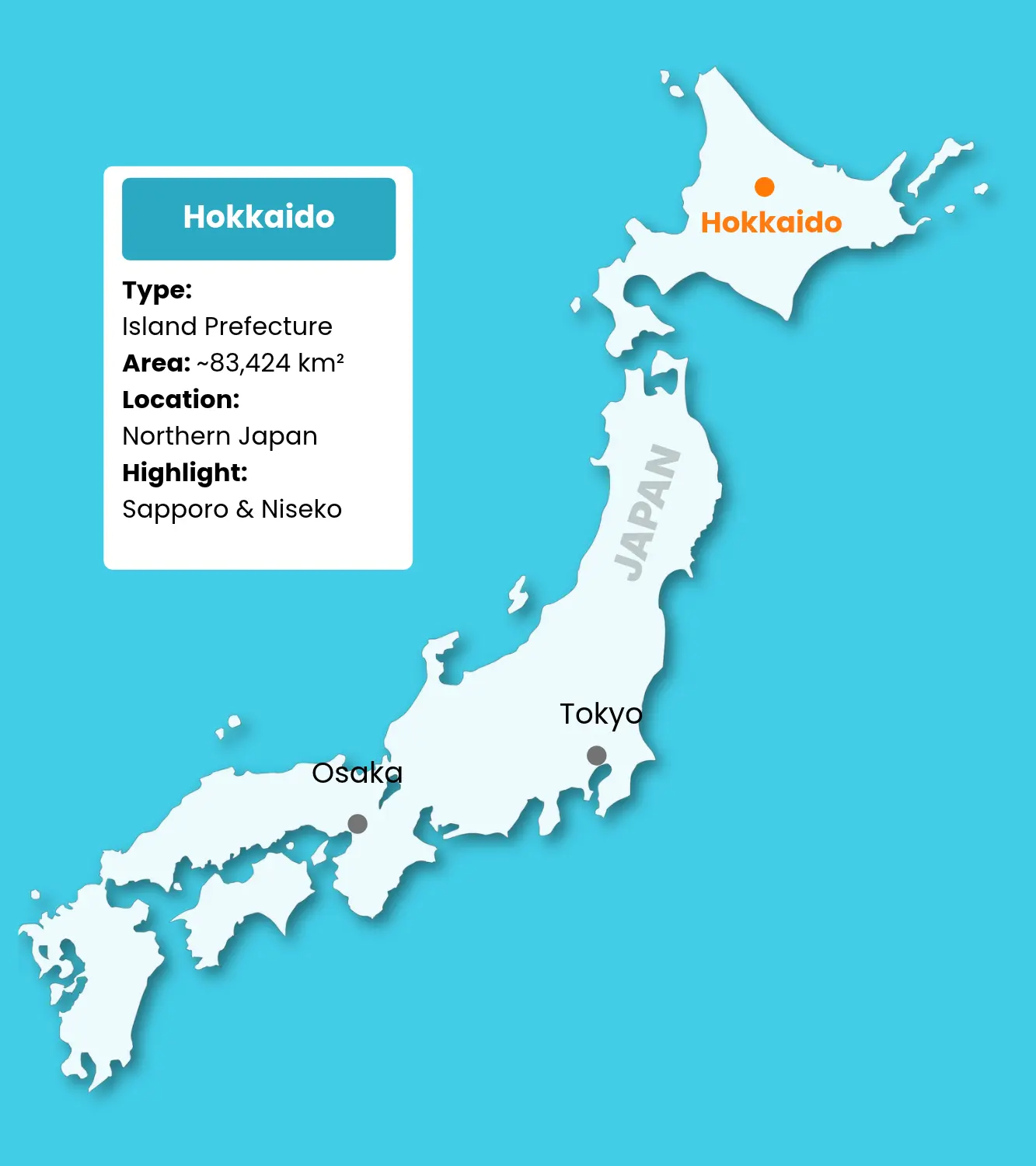
Hokkaido is Japan’s northernmost main island and the country’s second-largest island. The prefecture covers approximately 83,424 km², accounting for more than 20% of Japan’s total land area.
Unlike Japan’s densely populated urban centers, Hokkaido is characterized by wide-open spaces, forests, mountains, lakes, farmland, and long coastlines. Its large size also means that different parts of the island offer very different landscapes and experiences.
Hokkaido at a Glance
- Location: Northern Japan
- Area: Approximately 83,424 km²
- Main City: Sapporo
- Known for: Nature, seafood, skiing, hot springs, and winter scenery
- Popular destinations: Sapporo, Niseko, Otaru, Furano, Biei, Hakodate, and Shiretoko
- Best for: Winter sports, food, nature, road trips, and seasonal travel
Hokkaido is especially attractive for travelers who want to combine city sightseeing with outdoor experiences.
Geography of Hokkaido
Hokkaido’s large size creates a diverse landscape ranging from urban areas and agricultural plains to mountains, forests, lakes, and coastal regions.
- Central Hokkaido: Central Hokkaido includes Sapporo, the prefectural capital and the region’s main urban center. The area also provides easy access to mountains, hot springs, and surrounding countryside.
- Western Hokkaido: Western Hokkaido includes destinations such as Otaru, Niseko, and Lake Toya. This area is particularly popular for scenic landscapes, ski resorts, hot springs, and coastal towns.
- Northern Hokkaido: Northern Hokkaido is known for its wide-open landscapes, flower fields, national parks, and colder climate. Asahikawa, Furano, and Biei are among the best-known destinations in this area.
- Eastern Hokkaido: Eastern Hokkaido offers some of the region’s most dramatic natural landscapes, including Shiretoko, Akan-Mashu, Kushiro, and Lake Akan. The area is particularly suitable for travelers interested in wildlife, national parks, lakes, and remote scenery.
History & Culture of Hokkaido
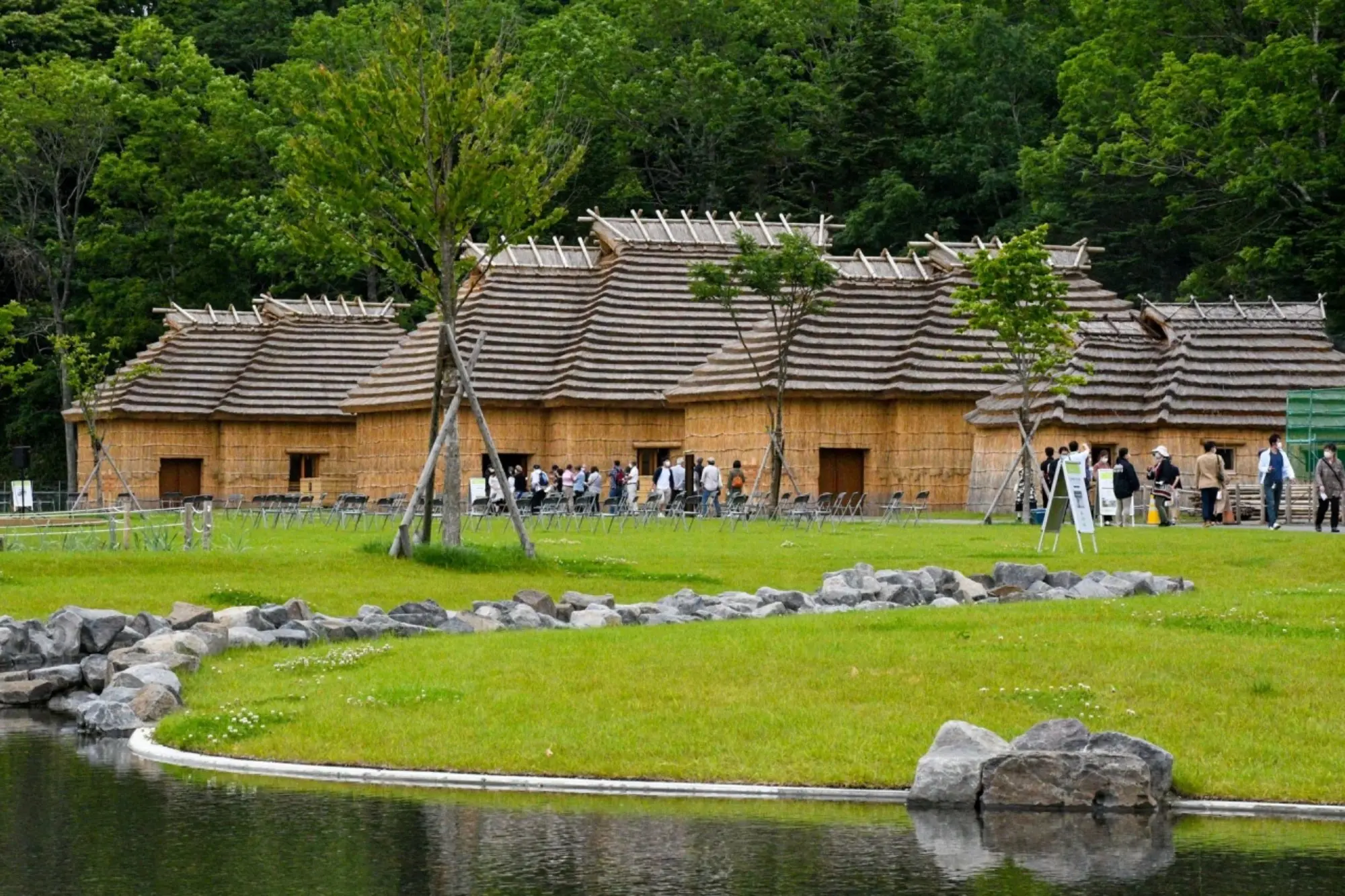
Hokkaido has a distinctive cultural history shaped by the Ainu people, Japan’s Indigenous people, as well as later development during Japan’s modern period.
The Ainu developed their own language, traditions, crafts, music, and relationship with the natural environment. Today, visitors can learn more about Ainu culture at places such as Upopoy National Ainu Museum and Park.
Hokkaido also underwent rapid development from the late 19th century onward. Sapporo became an important center of administration, education, agriculture, and industry during this period.
The result is a region where Indigenous heritage, Japanese culture, modern cities, agricultural traditions, and international influences exist alongside one another.
Best Places to Visit & Things to Do in Hokkaido
Hokkaido is a large destination with very different landscapes and experiences across the island. From the urban attractions of Sapporo and the powder snow of Niseko to the countryside of Furano and Biei, travelers can choose destinations based on their interests and the season.
1. Explore Hokkaido Sapporo
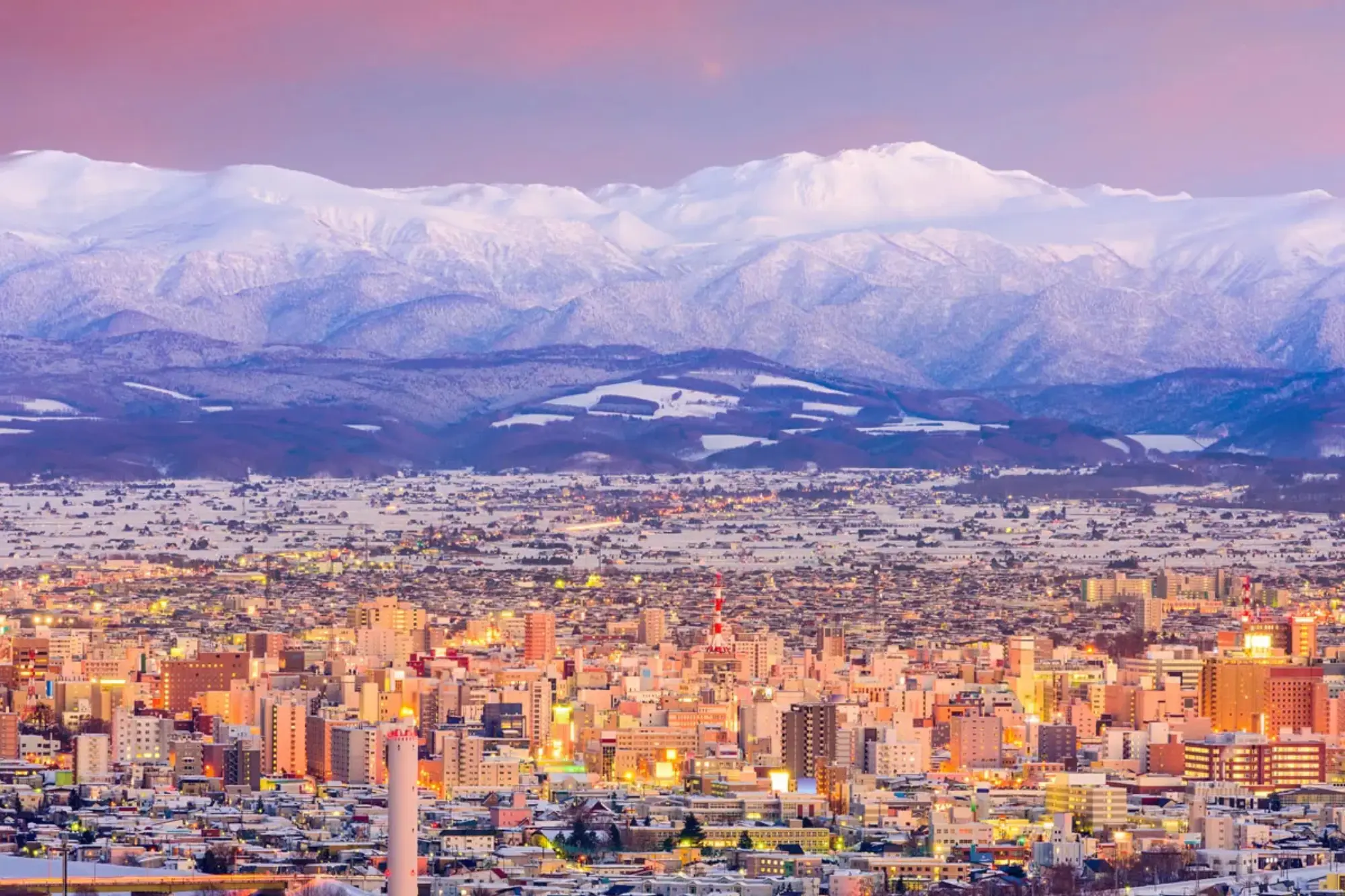
Hokkaido Sapporo is the capital and largest city of Hokkaido, combining modern city life with parks, historic buildings, local markets, and easy access to surrounding mountains.
Start with Odori Park, a 1.5-km green space running through central Sapporo, then visit the nearby Sapporo Clock Tower and Sapporo TV Tower. For food, Nijo Market is a convenient place to try fresh seafood and seafood bowls, while Susukino is one of the city’s main dining and entertainment areas.
Hokkaido Sapporo is also a good base for exploring nearby attractions. Travelers can make a day trip to Otaru or visit Jozankei Onsen for a relaxing hot spring experience.
- Location: Central Hokkaido
- Best for: City sightseeing, food, shopping, and nightlife
- Suggested time: 1-2 days
- Activities: Visit Odori Park, explore historic landmarks, try local food, shop, and experience Sapporo’s nightlife
- Tip: Stay near central Sapporo if you plan to combine city sightseeing with day trips to Otaru or nearby attractions.
2. Experience Hokkaido Niseko
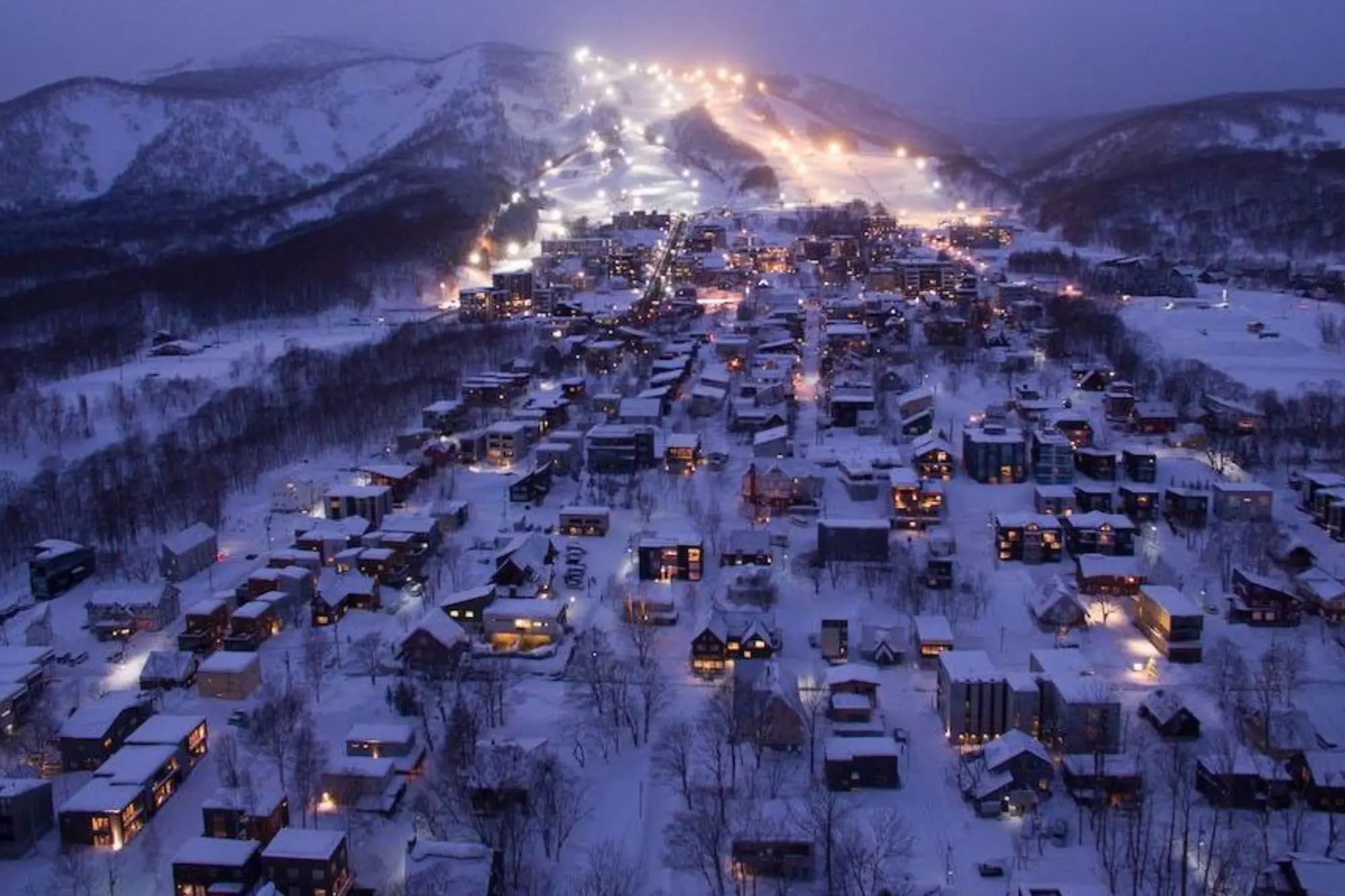
Hokkaido Niseko is one of Japan’s most famous winter destinations, particularly known for its abundant powder snow and mountain scenery. The area includes several major ski resorts around Mount Niseko Annupuri, offering slopes for different levels of skiers and snowboarders.
Winter visitors can spend the day skiing or snowboarding before relaxing at a local onsen. Niseko also has a growing food and café scene, with restaurants serving Japanese, international, and seasonal dishes.
Outside winter, the mountains become a base for hiking, cycling, rafting, and other outdoor activities.
- Location: Western Hokkaido
- Best for: Skiing, snowboarding, powder snow, and outdoor activities
- Suggested time: 2-4 days
- Activities: Skiing, snowboarding, hiking, rafting, cycling, and onsen visits
- Best season: December-March for winter sports
- Tip: Winter accommodation can be in high demand, so book your stay and ski-related services in advance.
3. Visit Otaru
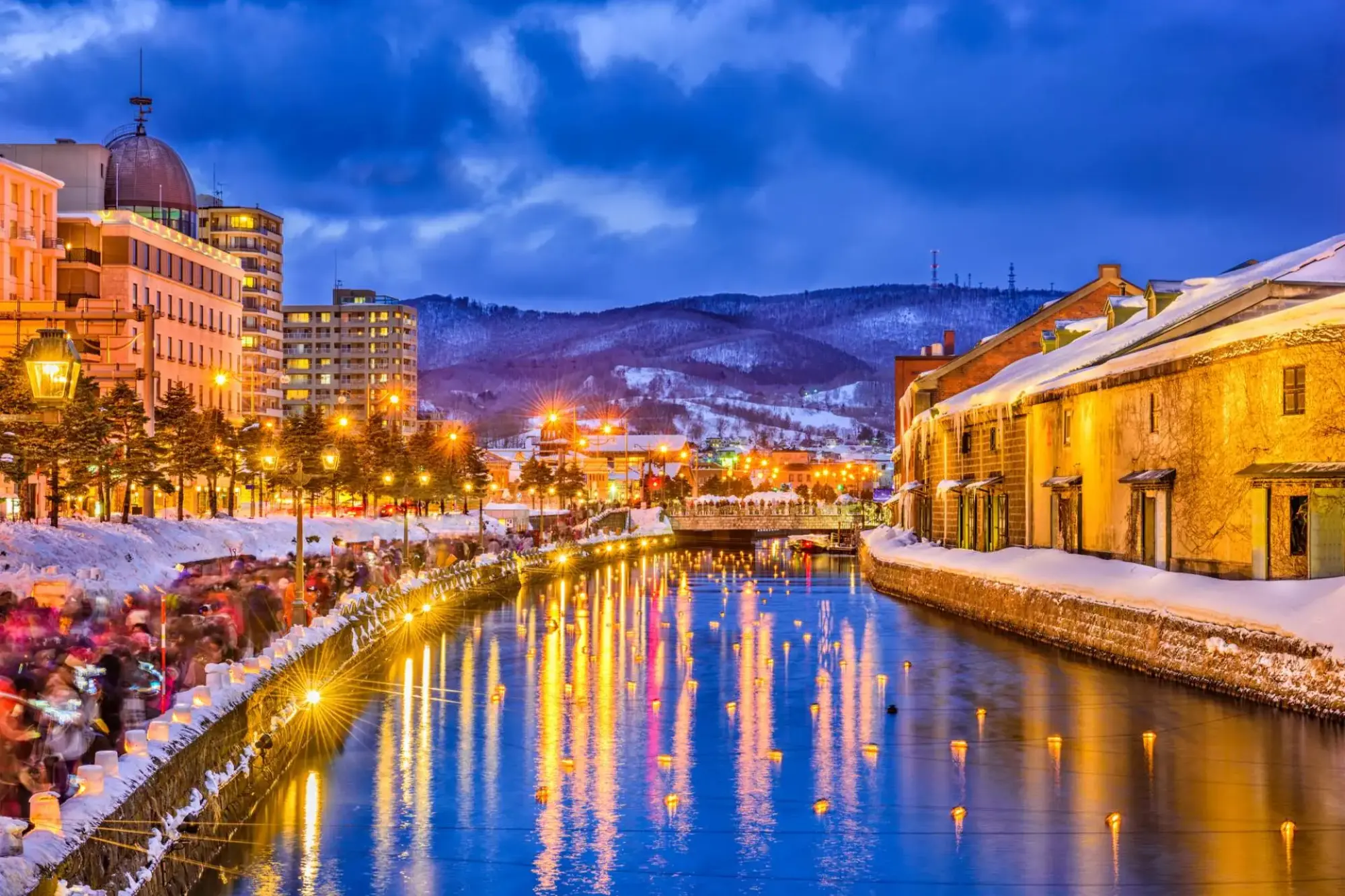
Otaru is a historic port city northwest of Sapporo, known for its canal, old warehouses, glass workshops, music boxes, and seafood.
The Otaru Canal is the city’s most recognizable landmark. Its historic buildings and waterfront become particularly atmospheric in the evening. Nearby Sakaimachi Street is lined with shops, cafés, confectionery stores, and traditional craft shops, making it easy to combine sightseeing with shopping and local food.
Otaru is also known for fresh seafood and sushi, making the city a useful stop for travelers interested in Hokkaido’s food culture.
- Location: Western Hokkaido
- Best for: History, food, shopping, and photography
- Suggested time: Half day-1 day
- Activities: Walk along Otaru Canal, explore Sakaimachi Street, visit glass shops, try seafood and local sweets
- Tip: Otaru is easy to visit as a day trip from Sapporo, but staying overnight allows you to experience the city after the main daytime crowds leave.
4. Discover Furano & Biei
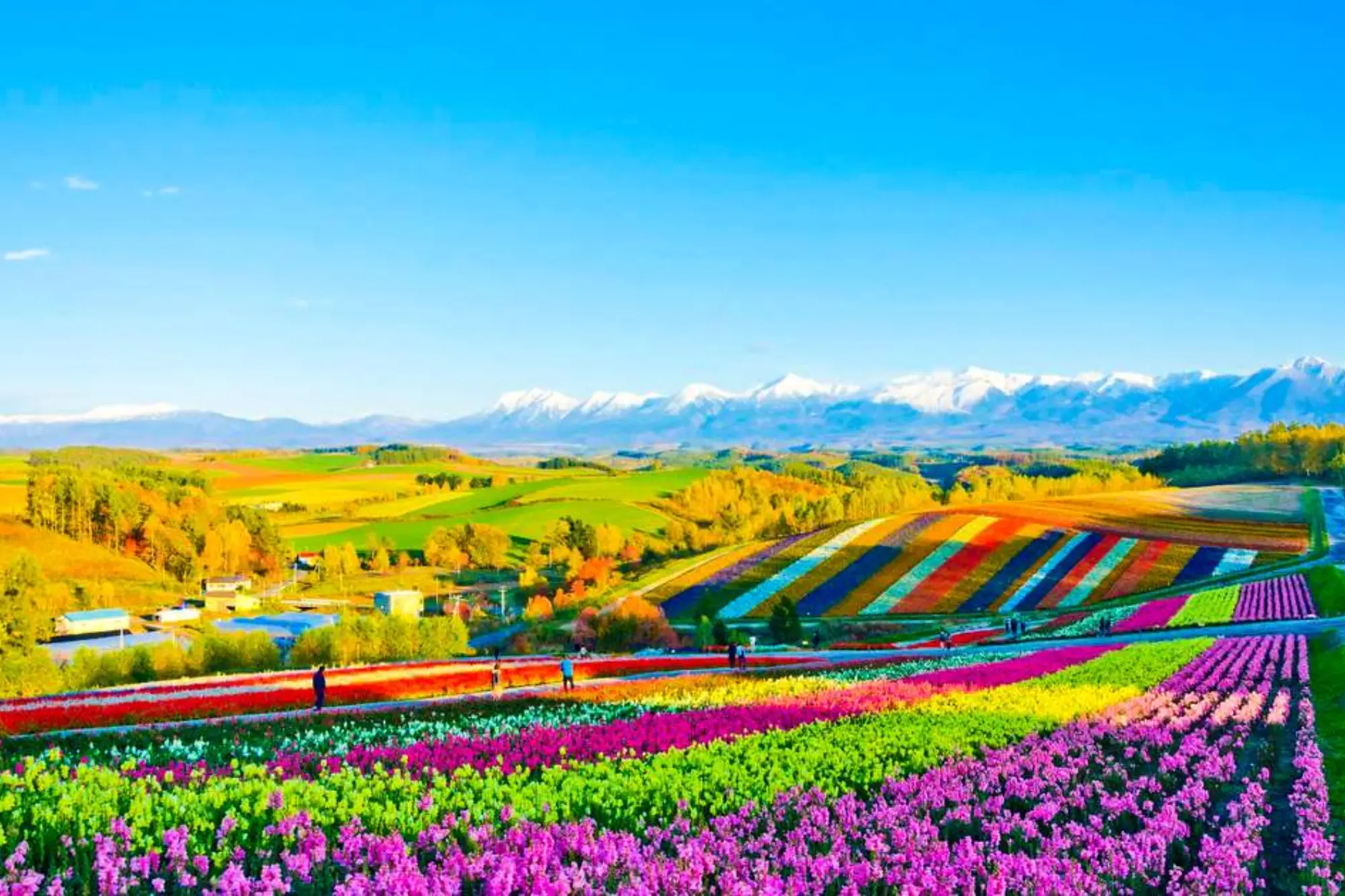
Furano and Biei are among Hokkaido’s most scenic countryside destinations, known for flower fields, rolling hills, farmland, and seasonal landscapes.
Furano is particularly famous for its lavender fields, with summer being the main flowering season. In Biei, the landscape is defined by gently rolling agricultural hills and scenic countryside roads. Shirogane Blue Pond is another popular stop, known for its distinctive blue water and surrounding forest.
The area changes considerably throughout the year. Summer brings flowers and green fields, autumn adds colorful foliage, while winter creates a quieter landscape covered in snow.
- Location: Central Hokkaido
- Best for: Nature, photography, flowers, and countryside scenery
- Suggested time: 1-2 days
- Activities: Visit flower farms, explore Biei’s countryside, photograph scenic landscapes, and try local agricultural products
- Best season: June-August for flowers; September-October for autumn scenery
- Tip: A rental car gives you more flexibility when visiting multiple countryside attractions in one day.
5. Explore Hakodate
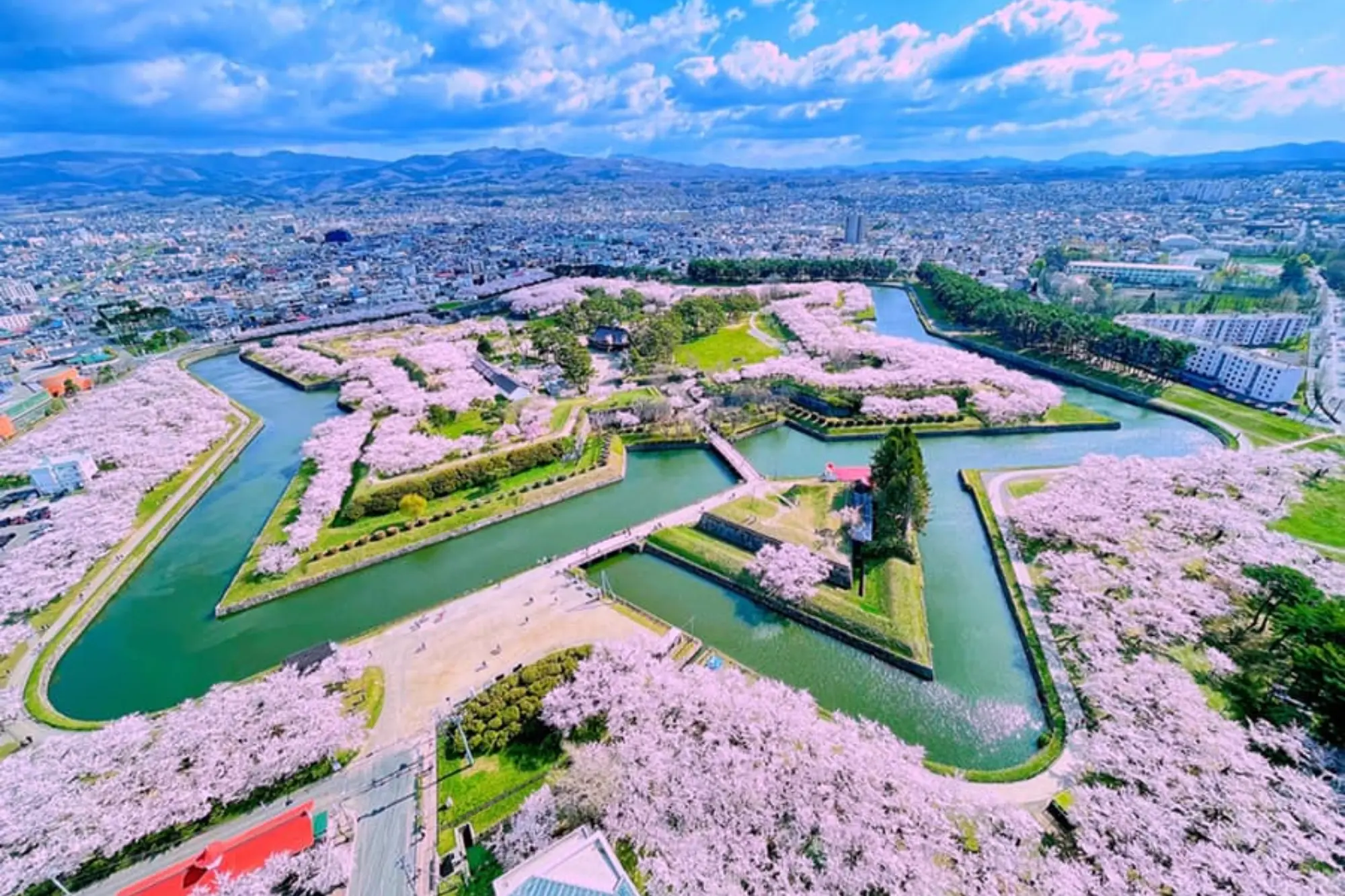
Located in southern Hokkaido, Hakodate is a historic port city where Japanese and Western influences can be seen in its architecture, streets, and former trading districts.
Begin the day at Hakodate Morning Market, where visitors can find fresh seafood and seafood bowls. Goryokaku offers a different perspective on the city’s history, while the Motomachi area is known for historic buildings and streets leading toward the waterfront.
In the evening, take the ropeway to Mount Hakodate for panoramic views over the city and surrounding sea. Hakodate is also a good place to try regional specialties such as Hakodate shio ramen.
- Location: Southern Hokkaido
- Best for: History, architecture, seafood, and city views
- Suggested time: 1-2 days
- Activities: Explore the morning market, visit Goryokaku, walk around Motomachi, enjoy the Mount Hakodate view
- Tip: Visit the morning market early, then group Goryokaku and the historic districts into the same day to reduce travel time.
6. Experience Shiretoko
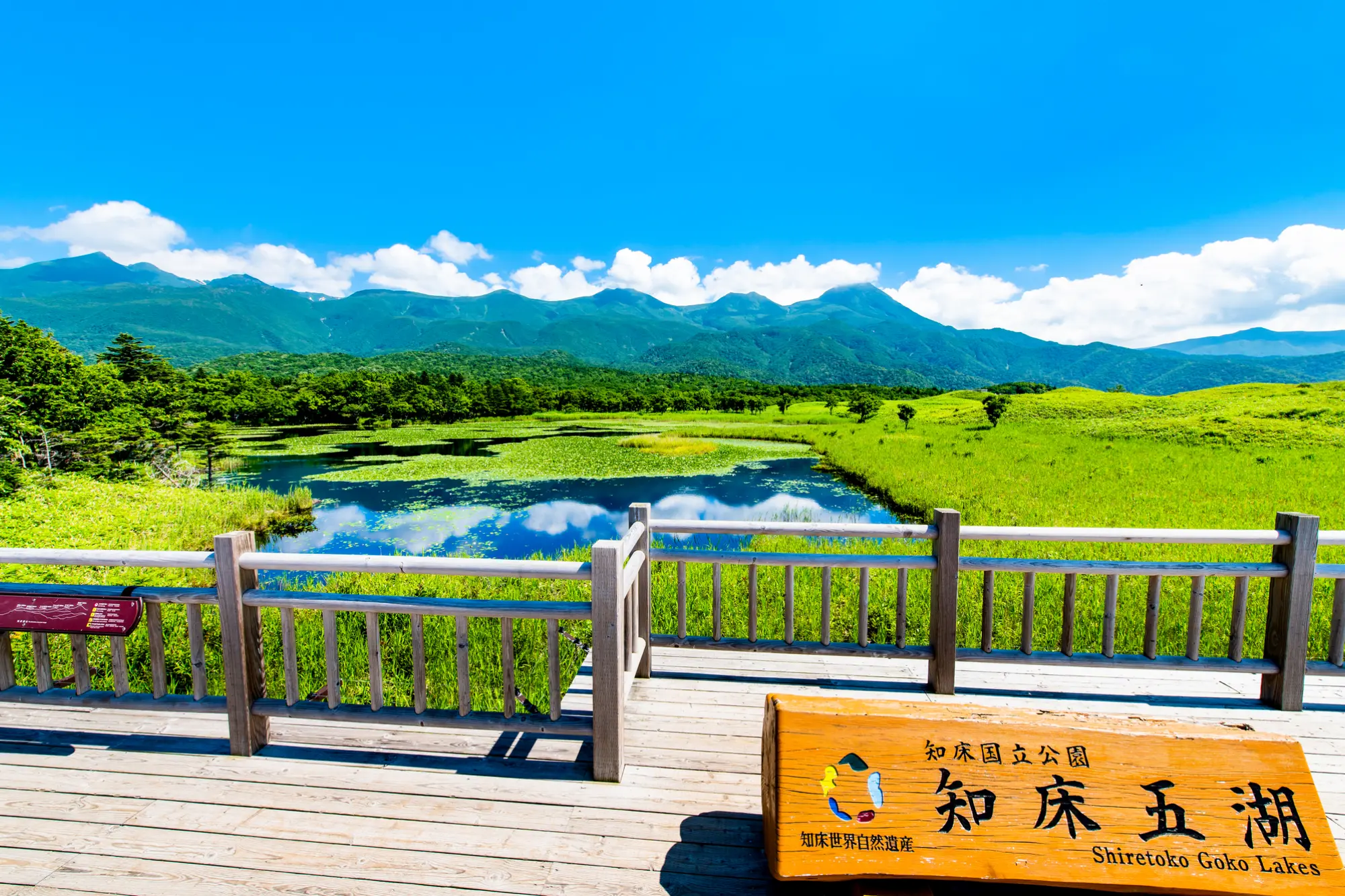
Shiretoko is one of Hokkaido’s most important natural destinations and a UNESCO World Natural Heritage Site. The peninsula combines forests, mountains, coastline, lakes, and diverse wildlife.
The Shiretoko Five Lakes provide walking trails through a forested landscape with views toward the surrounding mountains. During the warmer months, visitors can also take sightseeing boat trips along the peninsula’s coastline.
Shiretoko offers a very different experience from urban Hokkaido. It is particularly suitable for travelers who want to spend more time outdoors and explore one of the island’s less developed regions.
- Location: Eastern Hokkaido
- Best for: Nature, wildlife, hiking, and photography
- Suggested time: 2-3 days
- Activities: Hiking, nature walks, sightseeing cruises, wildlife observation, and scenic photography
- Tip: Shiretoko is relatively remote, so allow additional travel time and check seasonal access conditions before visiting.
7. Relax in Hokkaido’s Hot Springs
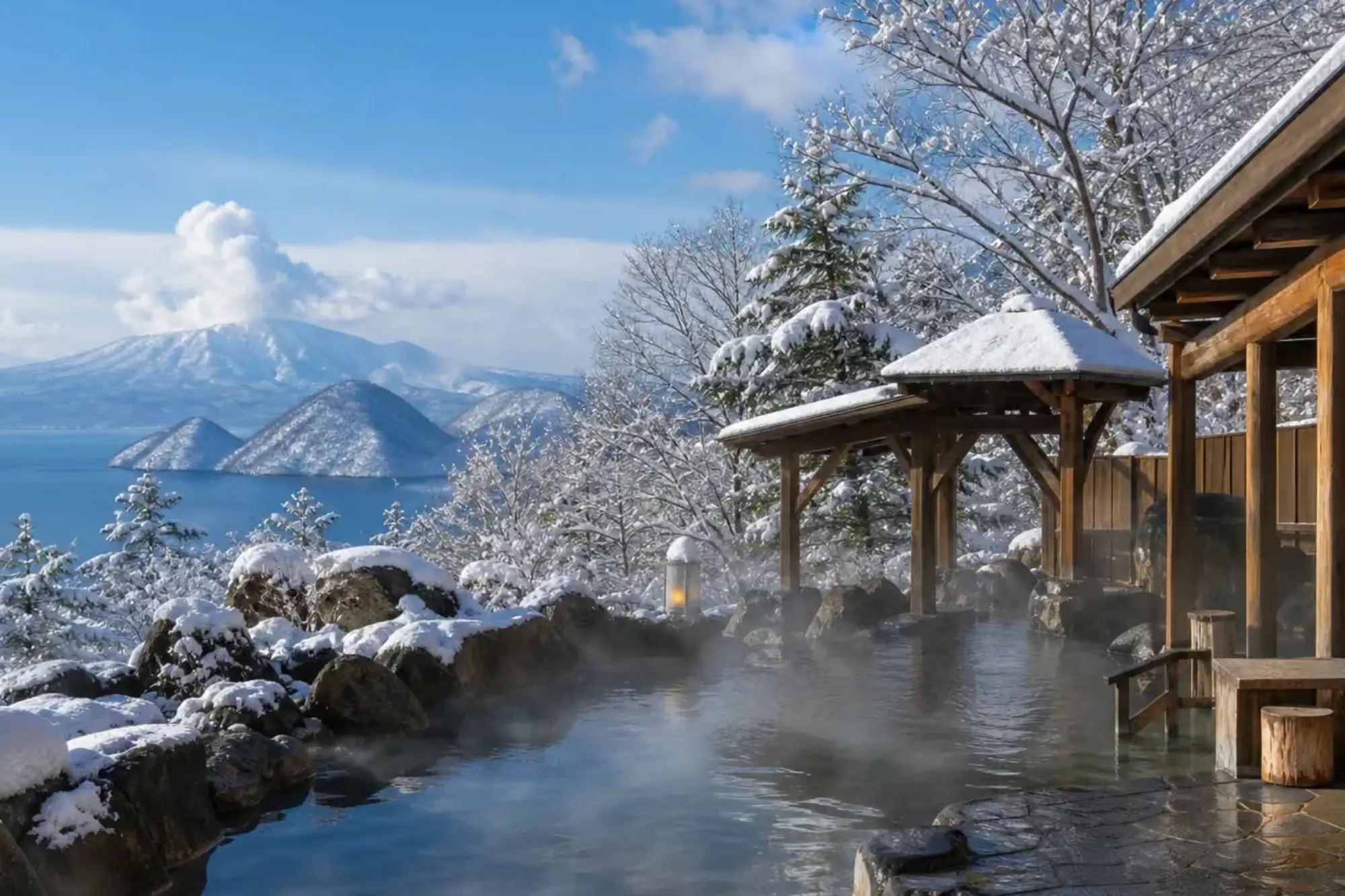
Hokkaido has numerous hot spring destinations, including Noboribetsu, Jozankei, Lake Toya, and Yunokawa. An overnight stay at an onsen town offers a slower experience after several days of sightseeing or outdoor activities.
Noboribetsu Onsen is particularly well known for its volcanic landscape around Jigokudani (Hell Valley). Jozankei Onsen is conveniently located near Sapporo, while Yunokawa Onsen can easily be combined with a Hakodate itinerary.
Winter is especially atmospheric, as snow-covered mountains and cold weather create a striking contrast with the warm outdoor baths.
- Location: Various areas across Hokkaido
- Best for: Relaxation, traditional Japanese experiences, and winter travel
- Suggested time: 1-2 days
- Activities: Stay at an onsen ryokan, enjoy hot spring baths, explore surrounding natural attractions, and try traditional Japanese meals
- Best season: Year-round, especially winter
- Tip: Choose an onsen based on your route. Jozankei works well with Sapporo, while Yunokawa is convenient for Hakodate.
Hokkaido Foods: What to Eat
One of the biggest highlights of traveling around Hokkaido is its food. The region is famous for fresh seafood, dairy products, vegetables, meat, noodles, and agricultural products.
Must-Try Hokkaido Foods
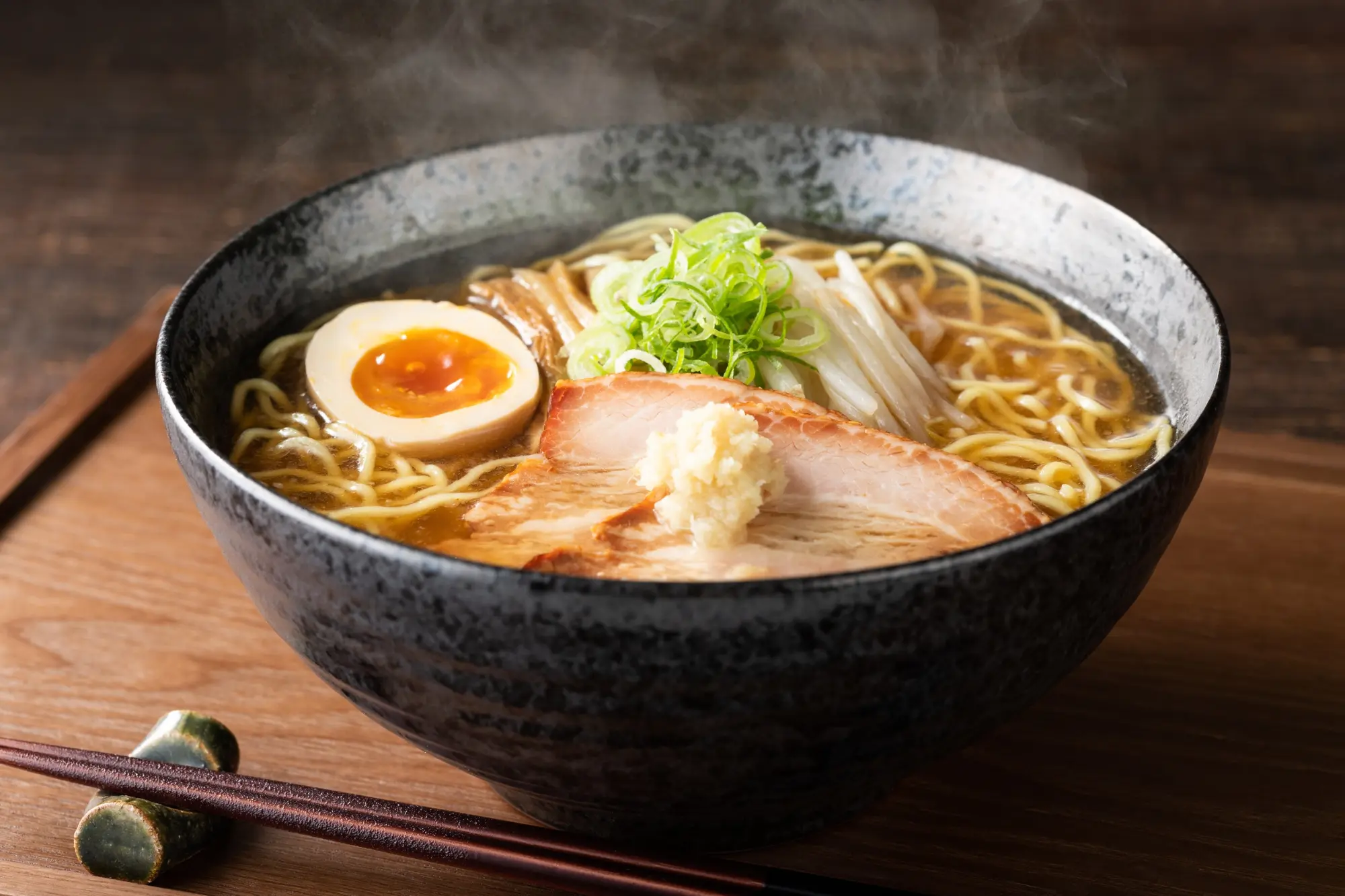
- Sapporo Miso Ramen: A rich miso-based ramen style strongly associated with Sapporo.
- Soup Curry: A Sapporo specialty featuring a light, aromatic broth with meat, seafood, and large vegetables. Sapporo has more than 200 specialty soup curry restaurants.
- Jingisukan: Grilled lamb served with vegetables and dipping sauce.
- Seafood Bowls: Fresh seafood served over rice, especially popular in markets and coastal cities.
- Hokkaido Dairy: Milk, cheese, butter, ice cream, and other dairy products are major local specialties.
- Hokkaido Melon: Particularly associated with Furano and other agricultural areas.
- Potatoes & Corn: Hokkaido is well known for its agricultural produce.
- Hakodate Shio Ramen: A lighter ramen style with a clear, seafood-influenced broth.
- Asahikawa Shoyu Ramen: A soy-sauce-based ramen with a distinctive savory broth.
Food is an important part of the Hokkaido experience, and different cities and regions have their own specialties.
Hokkaido Winter: Snow, Skiing & Seasonal Experiences
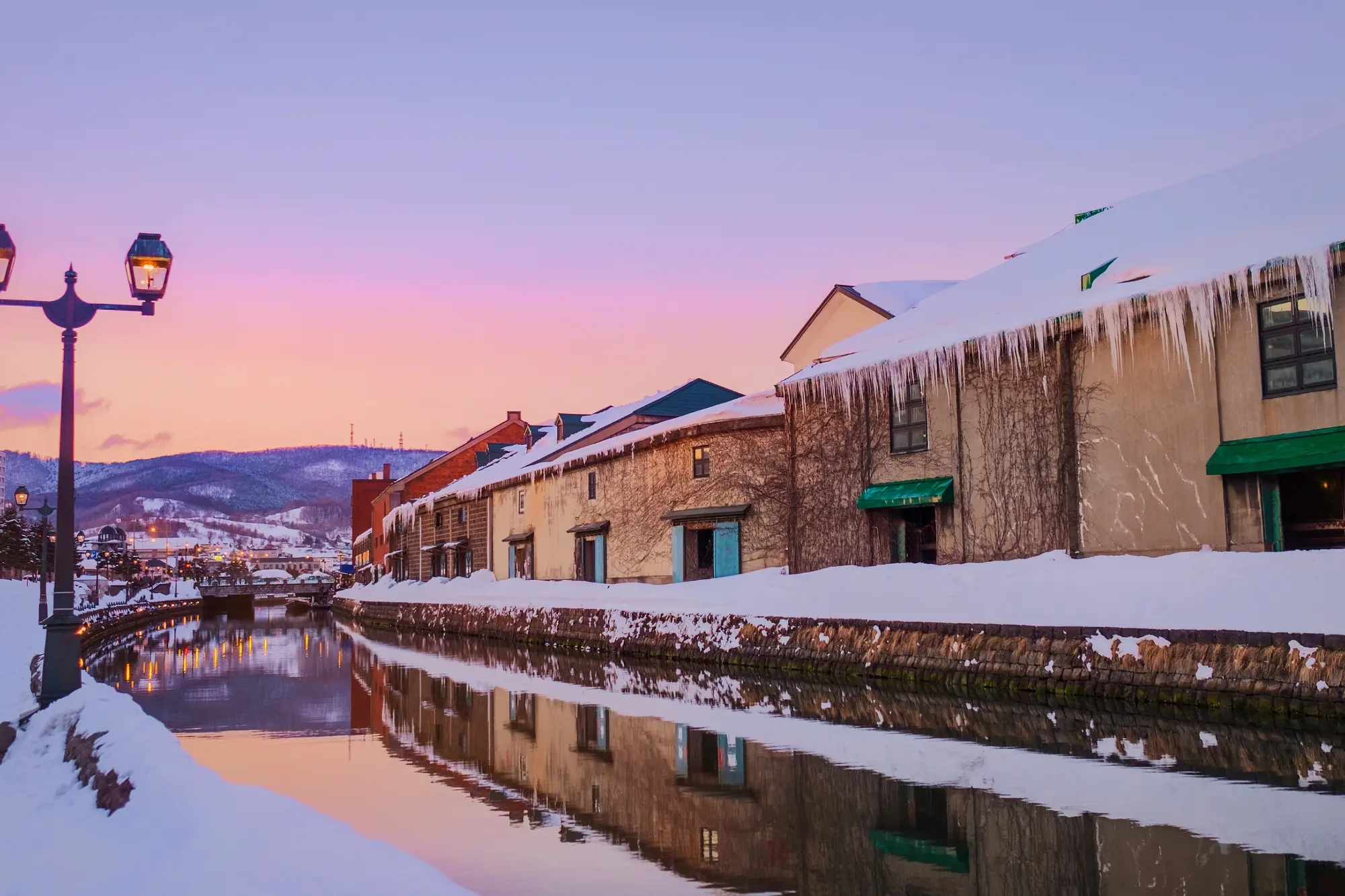
Hokkaido winter is one of the main reasons travelers visit northern Japan. From December to March, much of the region experiences cold temperatures and heavy snowfall, creating ideal conditions for skiing, snowboarding, snow festivals, and winter scenery.
Sapporo alone receives around five meters of powder snow each winter, according to the official Sapporo tourism guide.
Top Hokkaido Winter Experiences:
- Skiing & Snowboarding: Niseko, Furano, Rusutsu, and other mountain resorts offer winter sports surrounded by snowy landscapes.
- Sapporo Snow Festival: The Sapporo Snow Festival is one of Hokkaido’s best-known winter events, with large snow and ice sculptures displayed around the city.
- Snowy Sapporo: Central Sapporo offers a unique combination of city life and heavy snowfall. Visitors can enjoy winter scenery around Odori Park before exploring restaurants, shopping areas, and nightlife.
- Hot Springs: A winter trip to Hokkaido can be combined with an onsen stay, particularly in destinations such as Noboribetsu and Jozankei.
- Winter Food: Cold weather makes Hokkaido’s ramen, soup curry, seafood, grilled dishes, and hot drinks especially appealing.
Best Time to Visit Hokkaido
Hokkaido has four distinct seasons, and the best time to visit depends on what you want to experience.
Season | Months | What to Expect | Best For |
| Spring | April-May | Cool weather, late snow in some areas, flowers | Sightseeing, nature |
| Summer | June-August | Mild weather, flowers, green landscapes | Furano, Biei, outdoor activities |
| Autumn | September-October | Cool temperatures, colorful foliage | Foliage, photography, road trips |
| Winter | December-March | Heavy snow, cold weather, powder snow | Skiing, snow festivals, winter scenery |
When Is the Best Time to Visit?
- For Hokkaido winter experiences and skiing, December to March is the main season.
- For flowers, countryside scenery, and more comfortable outdoor sightseeing, June to August is a popular period.
- For autumn foliage and cooler weather, September to October can be a good choice.
- Because Hokkaido is very large, weather conditions can vary considerably between regions. Travelers should check local forecasts when planning outdoor activities.
How to Get to Hokkaido
- By Air: For most international travelers, flying is the easiest way to reach Hokkaido. New Chitose Airport, near Sapporo, is the region’s main international gateway.
- Domestic flights also connect Hokkaido with Tokyo, Osaka, Nagoya, and other Japanese cities.
- By Train: The Hokkaido Shinkansen connects Hokkaido with northern Honshu. Travelers can also use Japan Rail services to reach destinations within Hokkaido.
- By Ferry: Ferries connect Hokkaido with several ports on Japan’s main islands and can be useful for travelers carrying vehicles or planning longer road trips.
Getting Around Hokkaido
Because Hokkaido covers a very large area, transportation planning is important.
- Train: Trains are convenient for major destinations such as Sapporo, Otaru, Asahikawa, and Hakodate.
- Bus: Highway and local buses connect many destinations that are not directly served by trains.
- Rental Car: A rental car can be useful for exploring rural areas such as Furano, Biei, Shiretoko, and the eastern parts of Hokkaido.
However, winter driving requires extra caution because roads can become snowy and icy.
Frequently Asked Questions About Hokkaido
1. Is Hokkaido worth visiting?
Hokkaido offers a combination of nature, food, cities, mountains, hot springs, and seasonal experiences. It can be especially appealing to travelers looking for winter activities, outdoor scenery, or regional Japanese cuisine.
2. What is Hokkaido famous for?
Hokkaido is famous for its natural scenery, powder snow, skiing, seafood, dairy products, ramen, hot springs, flower fields, and wide-open landscapes.
3. What is the best time to visit Hokkaido?
The best time depends on your interests. December-March is ideal for winter activities and skiing, while June-August is popular for flowers and outdoor sightseeing. September-October is suitable for autumn scenery.
4. Is Hokkaido good for a winter trip?
Yes. Hokkaido winter offers skiing, snowboarding, snow festivals, snowy city scenery, hot springs, and seasonal food. Sapporo and Niseko are two popular bases for experiencing winter in the region.
Conclusion
Hokkaido offers a different side of Japan, combining wide-open natural landscapes, vibrant cities, distinctive local foods, and four-season experiences. Travelers can create very different itineraries depending on the season, from exploring Hokkaido Sapporo and tasting local specialties to skiing in Hokkaido Niseko. Winter is especially popular for its powder snow and snowy landscapes, while summer and autumn offer flowers, greenery, and colorful scenery. With careful route planning, Hokkaido can be explored as part of a short city break or a longer journey across northern Japan.
Discover Japan tour packages with Nicetrips and experience the landscapes, food, culture, and seasonal highlights of northern Japan. Follow the Nicetrips Blog for more destination guides, travel tips, and Japan travel inspiration.