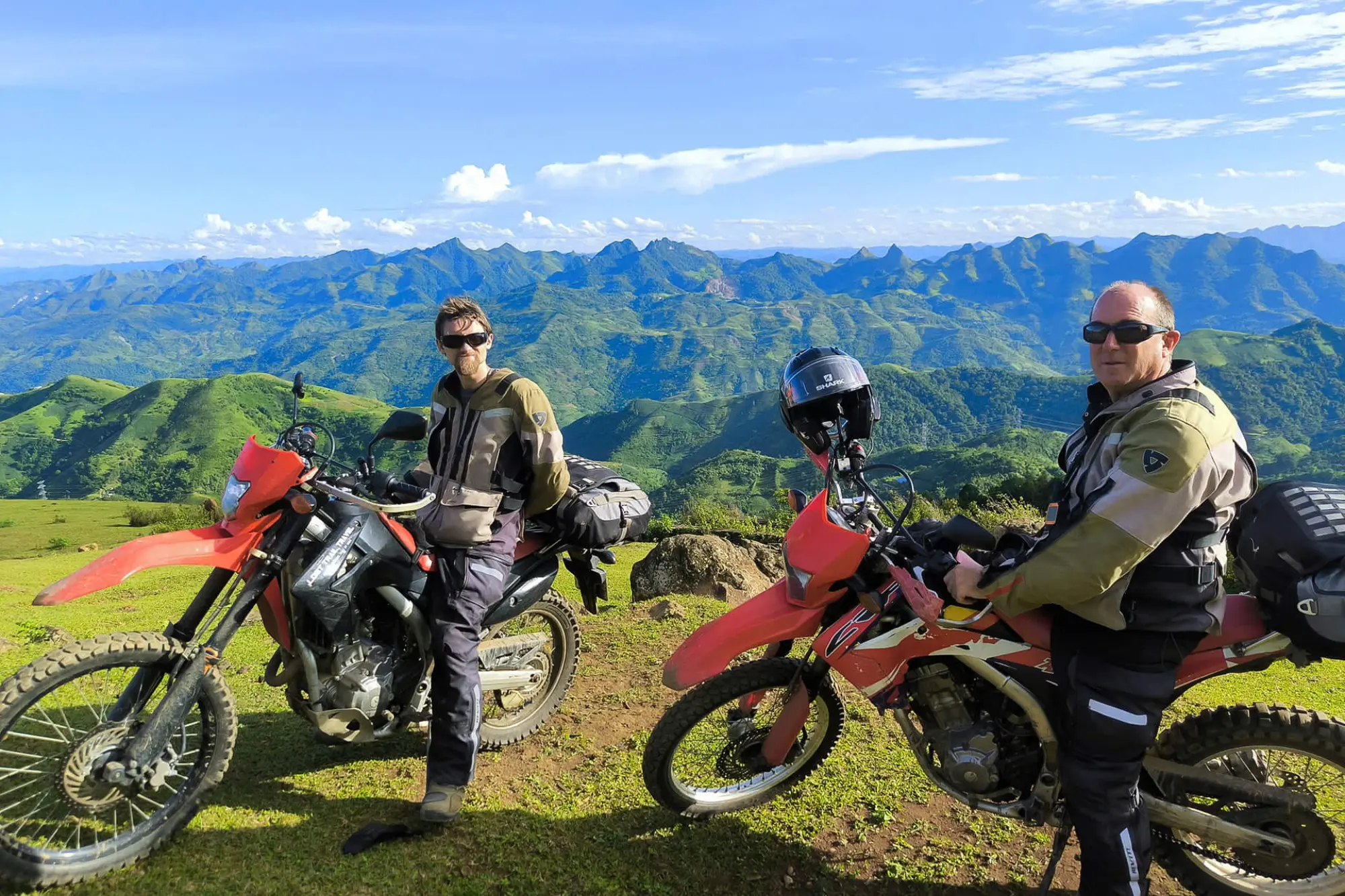
Ha Giang is one of the most remarkable destinations in northern Vietnam, where towering limestone mountains meet winding rivers, terraced rice fields, caves, forests, and historic sites. Located around 300 km north of Hanoi, this province offers a unique blend of natural scenery and cultural heritage. There are many ways to experience Ha Giang from boating through the limestone valleys of Tu San Canyon and the Nho Que River, to conquering the legendary Ha Giang Loop, to cycling through peaceful countryside. Its varied landscape and long history make Ha Giang more than just a short sightseeing trip.
Whether you’re planning your first trip to Ha Giang or simply looking for the best Ha Giang things to see, this guide covers everything you need to know before you go.
About Ha Giang
Ha Giang is Vietnam’s northernmost province, bordering Yunnan and Guangxi in China. Nature has blessed this land with rolling limestone mountains that form the Dong Van Karst Plateau recognized by UNESCO as a Global Geopark in 2010. Unlike more familiar destinations such as Sa Pa or Moc Chau, Ha Giang has kept much of its untouched charm and remains less commercialized, making it a favorite among backpackers, photographers, and travelers seeking an authentic taste of highland culture.
- Location: Vietnam’s northernmost region. The administrative center is Ha Giang City, roughly 300 – 320 km from Hanoi.
- Elevation: A rugged, high – altitude region home to peaks such as Tay Con Linh (2,419 m) and Chieu Lau Thi (2,402 m), while the Lung Cu Flagpole sits atop Dragon Mountain at about 1,470 m (or over 2,000 m including the mountain itself).
- Area: 7,927.55 km².
- Climate: A humid subtropical climate with cooler, more temperate touches than neighboring northeastern provinces. Average annual temperatures range from 21 – 23°C, humidity stays high at 77 – 88%, and the rainy season runs from May to September.
- Highlights: The Dong Van Karst Plateau (a UNESCO Global Geopark), Ma Pi Leng Pass, the Nho Que River and Tu San Canyon, the Lung Cu Flagpole, the H’Mong King’s Palace, and the legendary Ha Giang Loop.
- Best suited for: Travelers who love hands – on adventures, road trips, dramatic natural scenery, and authentic highland culture.
Geography
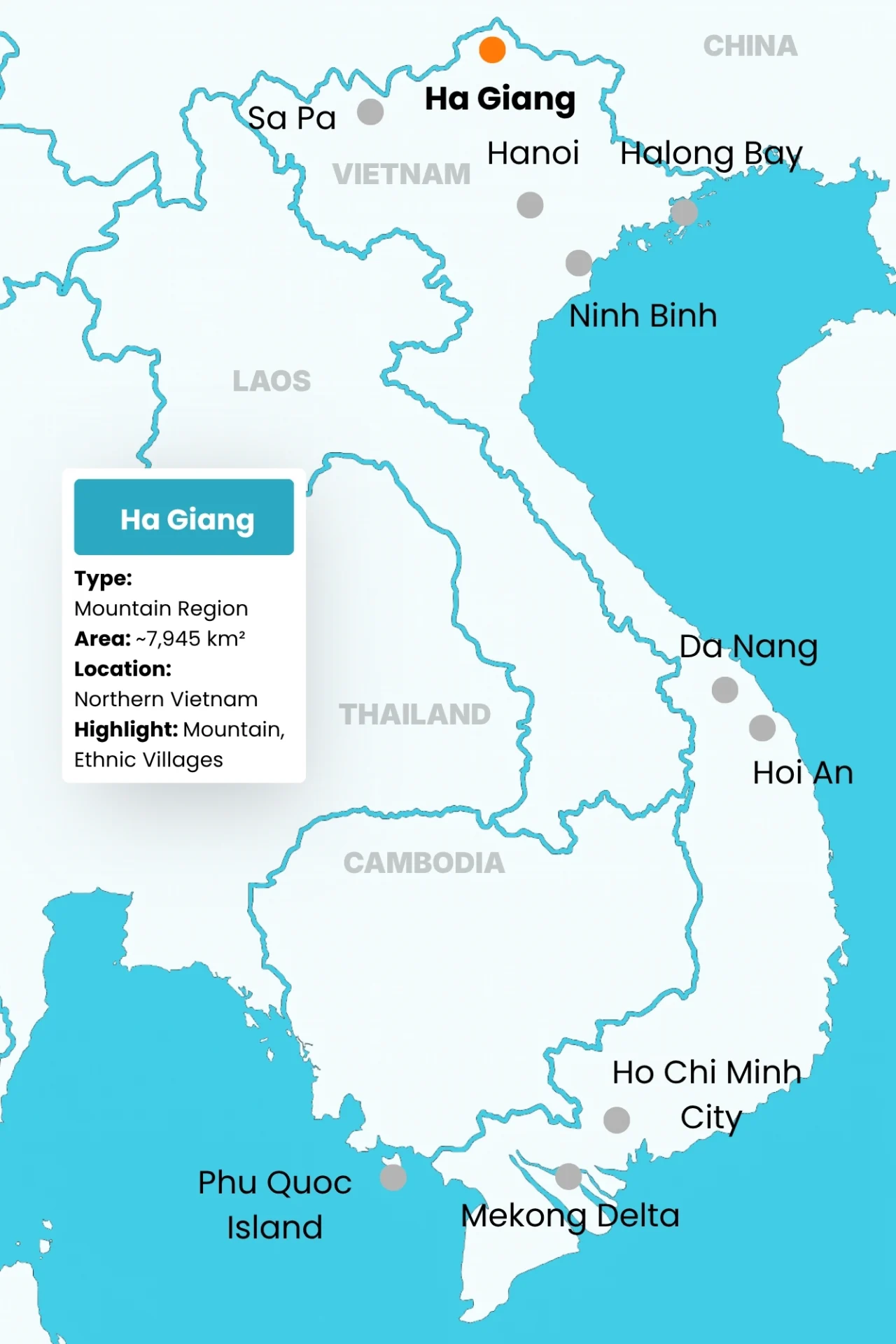
Most of Ha Giang consists of high mountains and rocky plateaus, with an average elevation of 800 – 1,500 m above sea level – even higher in areas like Dong Van and Meo Vac. This rugged terrain creates breathtaking scenery, but also means getting between districts takes longer than it would in the lowlands.
- Location: Vietnam’s northernmost point. It borders Yunnan and the Guangxi Autonomous Region (China) to the north; Lao Cai and Yen Bai provinces to the west; Tuyen Quang province to the south; and Cao Bang province to the east.
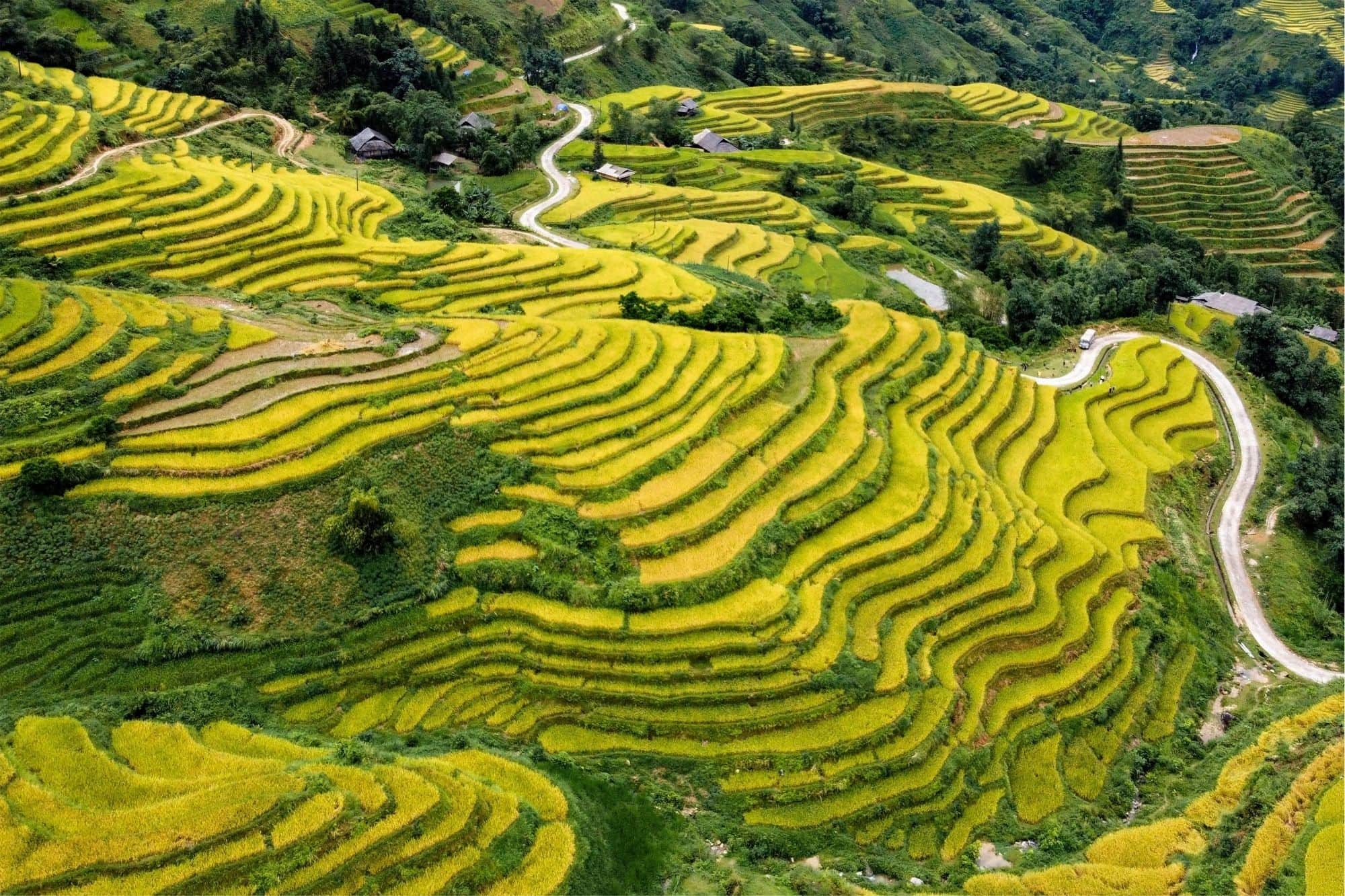
- Landscape: Heavily folded limestone mountain ranges, the deep Tu San Canyon, the Nho Que, Lo and Gam rivers, and the terraced rice fields of Hoang Su Phi.
- Famous for: The Ha Giang Loop, Ma Pi Leng Pass, the Dong Van Karst Plateau, the Nho Que River, the Lung Cu Flagpole, the H’Mong King’s Palace, buckwheat flowers, and the Hoang Su Phi rice terraces.
- Popular activities: Riding a motorbike or hiring an “easy rider” driver along the Ha Giang Loop; boating through Tu San Canyon on the Nho Que River; visiting the Lung Cu Flagpole and the H’Mong King’s Palace; browsing the local markets in Dong Van and Meo Vac, plus the Khau Vai Love Market; and staying in a traditional rammed-earth homestay in Lo Lo Chai village.
History of Ha Giang
- Historical significance: Ha Giang is a northern border region of Vietnam that has been guarded since the era of the Hung Kings.
- Happiness Road: A notable road construction project built during the 1950s and 1960s.
- Lung Cu Flag Tower: A symbol of national sovereignty located at Vietnam’s northernmost point, holding profound historical and symbolic significance.
- Other historical sites: Sung Khanh Pagoda, Binh Lam Pagoda, and the Trong Con resistance base.
- Ethnic communities: Ha Giang is home to over 20 ethnic minority groups – most notably the H’Mong, alongside the Tay, Dao, Lo Lo, and Giay peoples.
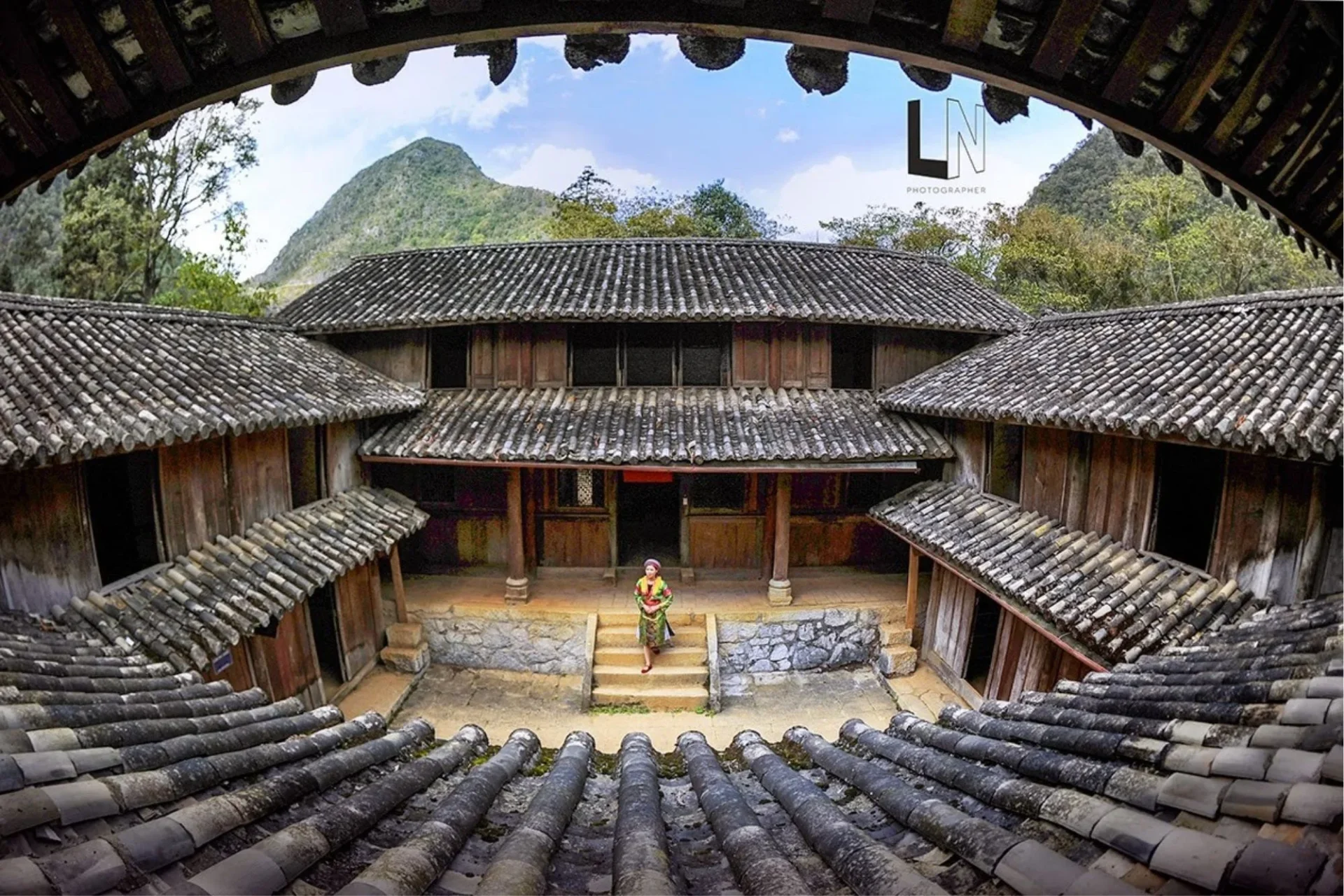
- The Vuong Family Mansion (H’Mong King’s Palace): Located in Sa Phin, this is a prominent early 20th – century architectural structure blending Chinese, French, and H’Mông styles; it was once the residence of the Vuong family, who ruled the rocky plateau during the French colonial period.
Culture and Local Life
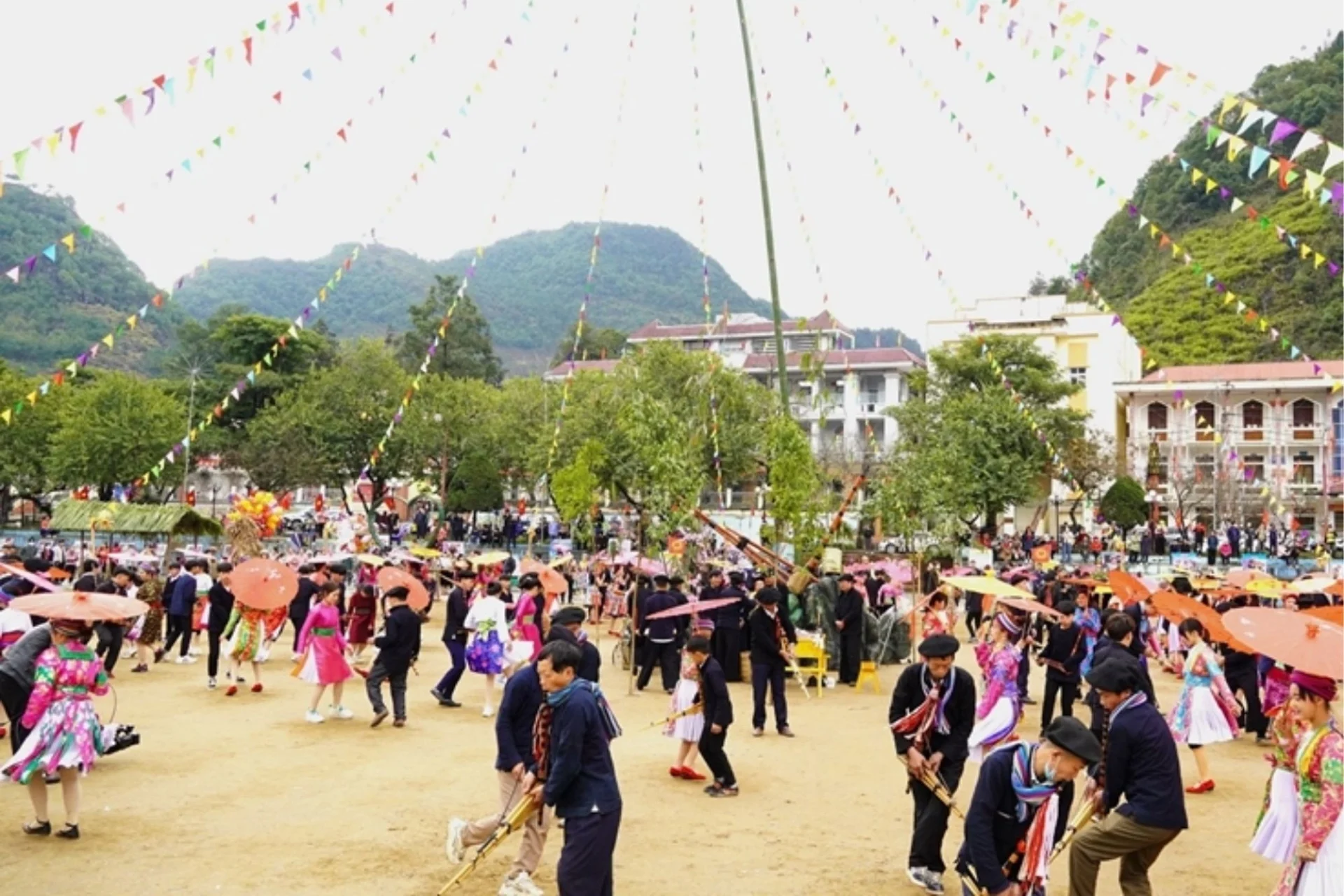
- A diverse community: Over 20 ethnic minority groups call Ha Giang home, with the H’Mong the most numerous, followed by the Tay, Dao, Kinh, Nung, Lo Lo, Giay, Pu Péo, and Pa Then peoples.
- Architecture and lifestyle: Locals have adapted to the rocky terrain by farming in stone crevices and on terraced fields, living in traditional rammed – earth houses topped with yin – yang tile roofs, or in wooden stilt houses.
- Traditional dress and markets: Known for vibrant embroidered textiles and the haunting sound of the H’Mong khen (panpipe), lively weekend markets (Dong Van and Meo Vac on Sunday mornings), and the famous Khau Vai Love Market, held once a year on the 27th day of the third lunar month.
- Festivals: The Pa Then Fire Dancing Festival, the H’Mong “Pat the Buttocks” Festival on the 5th day of Tet, the Lo Lo New House Celebration, and various spring festivals featuring ball-tossing games and crossbow shooting.
Top Places to Visit and Things to Do in Ha Giang
Things to see in Ha Giang
1. The Vuong Family Mansion (H’Mong King’s Palace)
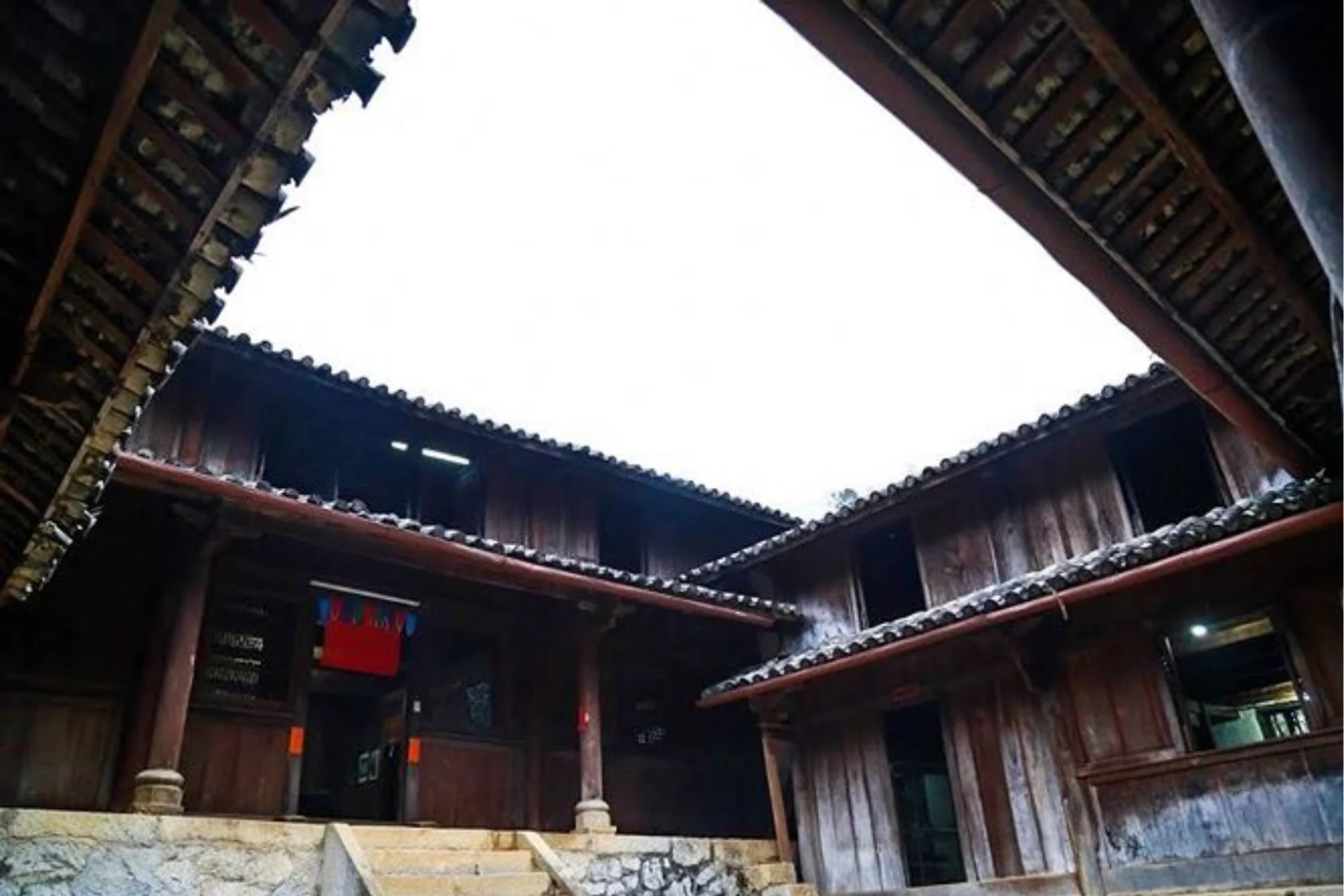
Located in the heart of the Ha Giang region is the Vuong Family Mansion also known as the H’Mong King’s Palace, a historical and architectural gem where visitors can gain deep insight into the history and culture of the H’Mong people.
- Entry fee: 20,000 VND (about US$0.77) per person
- Highlights: A more than 100 year old estate blending H’Mong, Chinese, and French architecture, built from bluestone, fir wood, and terracotta tiles.
- Best for: History, architecture, and H’Mong culture lovers.
- Tip: Located in the Sa Phin valley, easily visited on the way from Yen Minh to Dong Van or Lung Cu.
2. The Lung Cu Flagpole
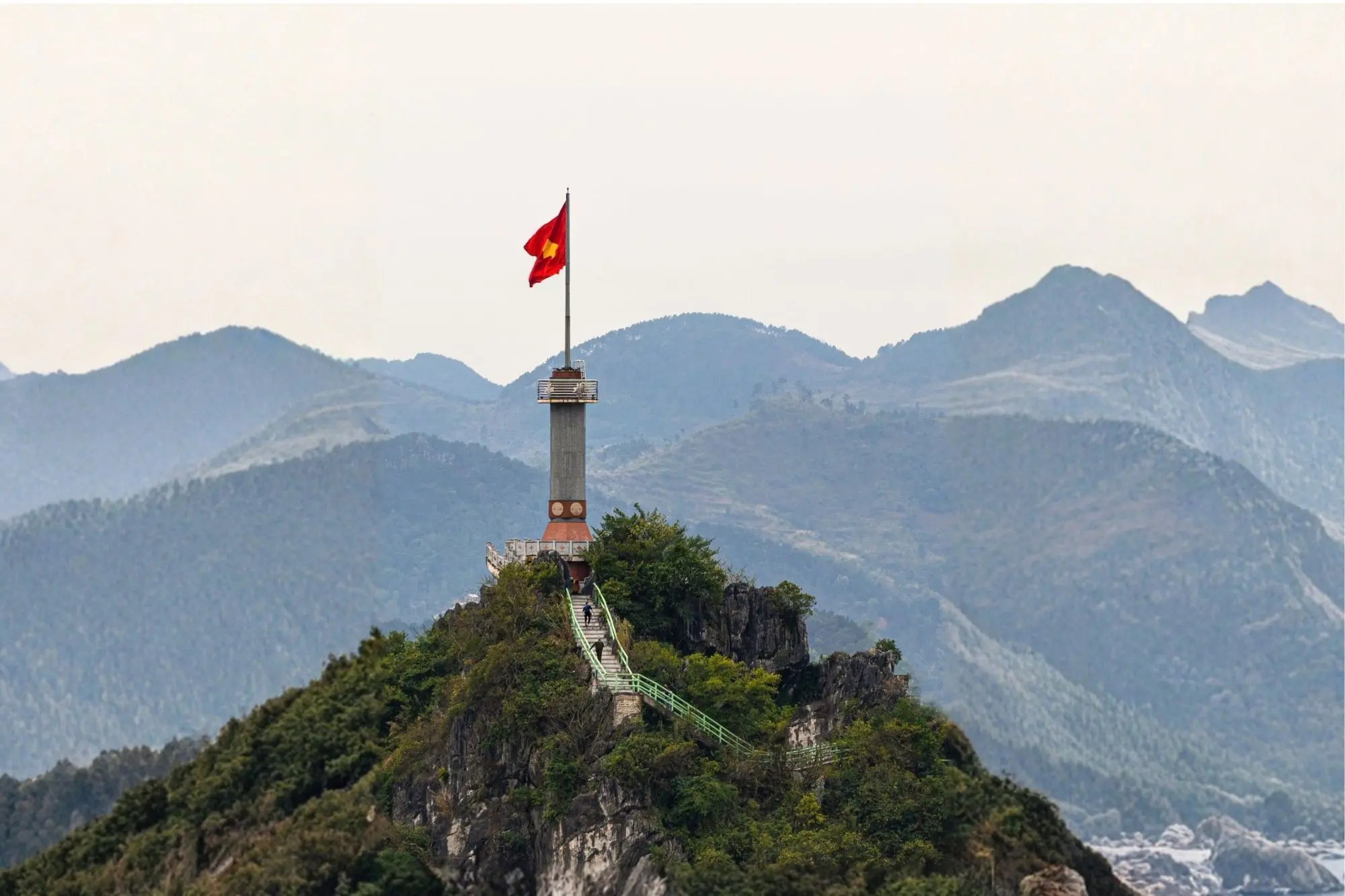
The Lung Cu Flag Tower is an iconic architectural landmark located in Ha Giang Province, Vietnam. Situated at the country’s northernmost point, the structure stands as a symbol of national unity and independence.
Featuring a prominent red flag with a yellow star that represents Vietnam, the tower offers panoramic views of the surrounding area. Visiting the Lung Cu Flag Tower provides an opportunity to experience the natural beauty and cultural significance of this region.
- Entry fee: 25,000 VND (about US$0.96) per person
- Opening hours: 8:00 AM – 5:00 PM
- Highlights: A flagpole atop Dragon Mountain with sweeping views over the surrounding border mountains.
- Best for: Travelers wanting to see one of Ha Giang’s most iconic landmarks.
- Tip: There are roughly 200 steps to the top. Combine your visit with a stop in Lo Lo Chai village and a coffee at Cuc Bac Café.
3. Ma Pi Leng Pass and the Nho Que River
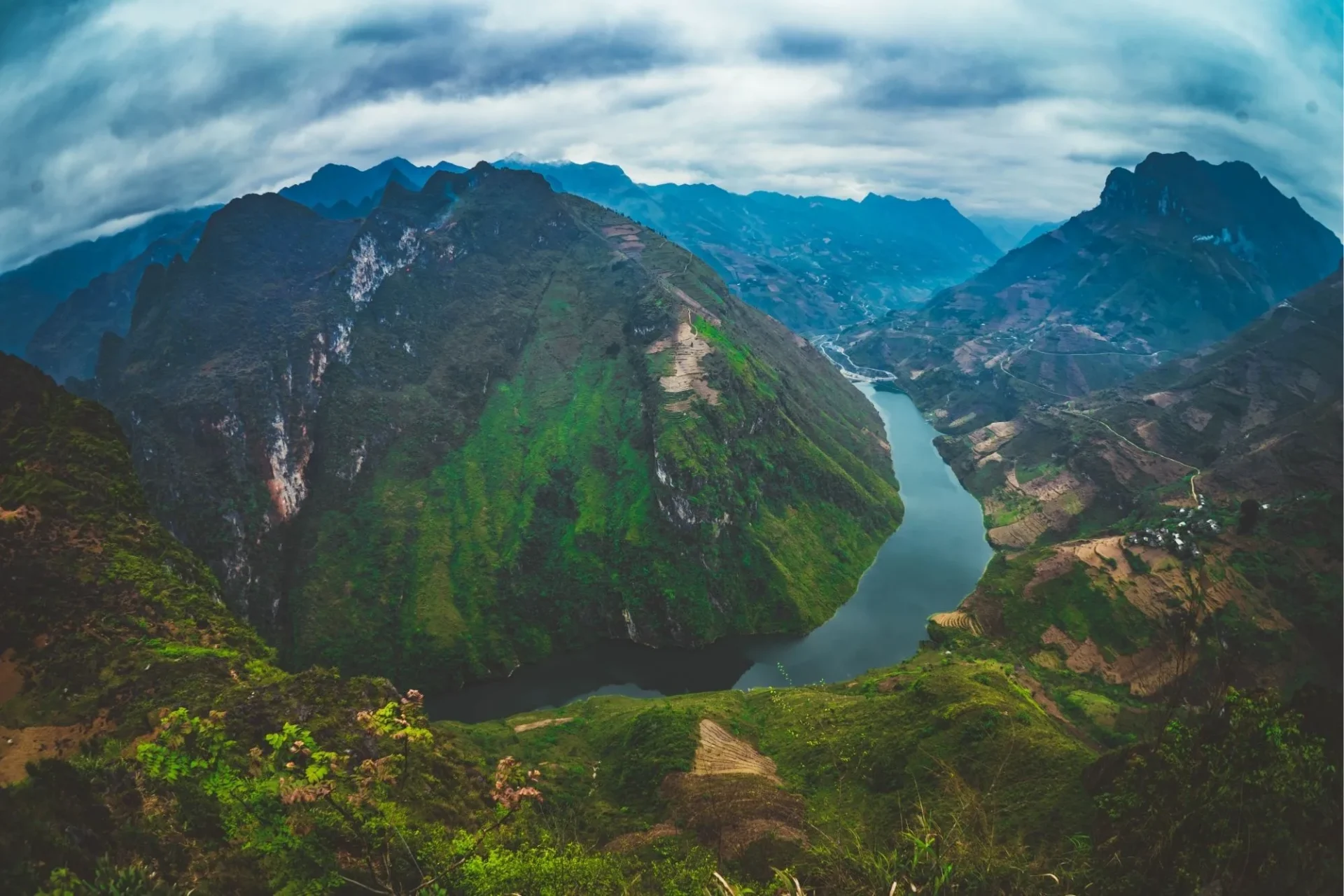
Ma Pi Leng Pass – part of the famous Ha Giang Loop is considered one of the most majestic and impressive mountain passes in Vietnam. With its towering limestone cliffs, steep winding roads, and stunning views overlooking the Nho Que River, it attracts a multitude of adventure seekers and nature lovers from around the world. Dubbed one of the “four great mountain passes” of the northern highlands, Ma Pi Leng is regarded as the “jewel” of the Dong Van Karst Plateau Global Geopark, a UNESCO-recognized World Heritage site.
- Boat fare: About 100,000 VND (roughly US$3.84) per person
- Highlights: A spectacular mountain pass, the nearly 1,000 meter deep Tu San Canyon, and the emerald-green Nho Que River.
- Best for: Nature lovers, trekkers, and adventure seekers.
- Tip: The path down to the boat dock is steep and narrow. If you’re not confident riding a motorbike, hire a local driver instead.
4. Lo Lo Chai Village
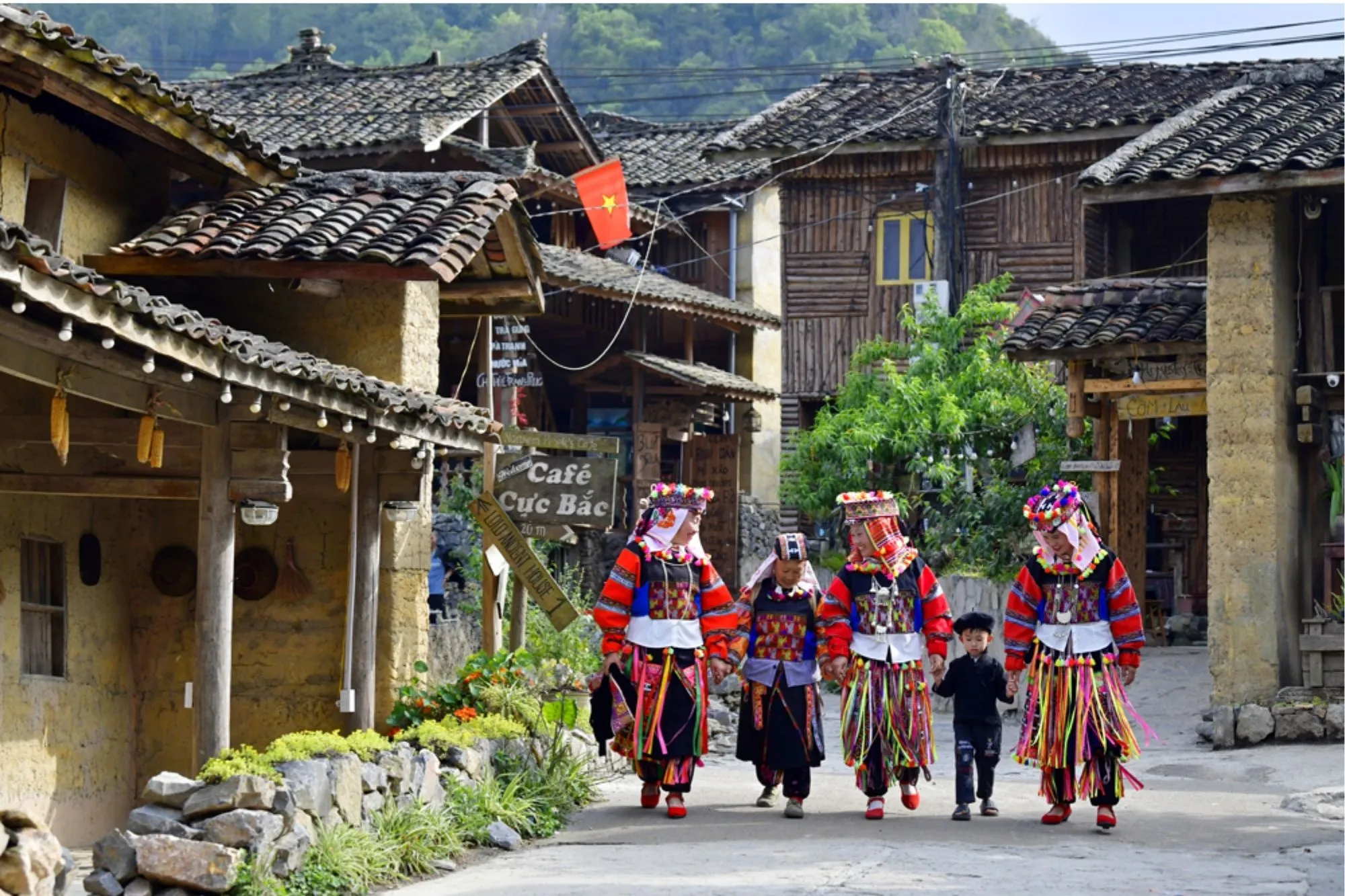
Near Vietnam’s northernmost point lies a small, peaceful village where the Lo Lo ethnic people have lived for generations. Lo Lo Chai village was recognized by UN Tourism as one of the “Best Tourism Villages in the World” for 2025.
- Entry fee: Free
- Highlights: A village at the foot of Dragon Mountain, known for its traditional rammed – earth houses and rich Lo Lo culture.
- Best for: Travelers wanting to experience local life and sTay in a homesTay.
- Tip: Pair this with a visit to the Lung Cu Flagpole. Please respect local customs and ask permission before photographing residents.
5. Dong Van Old Quarter
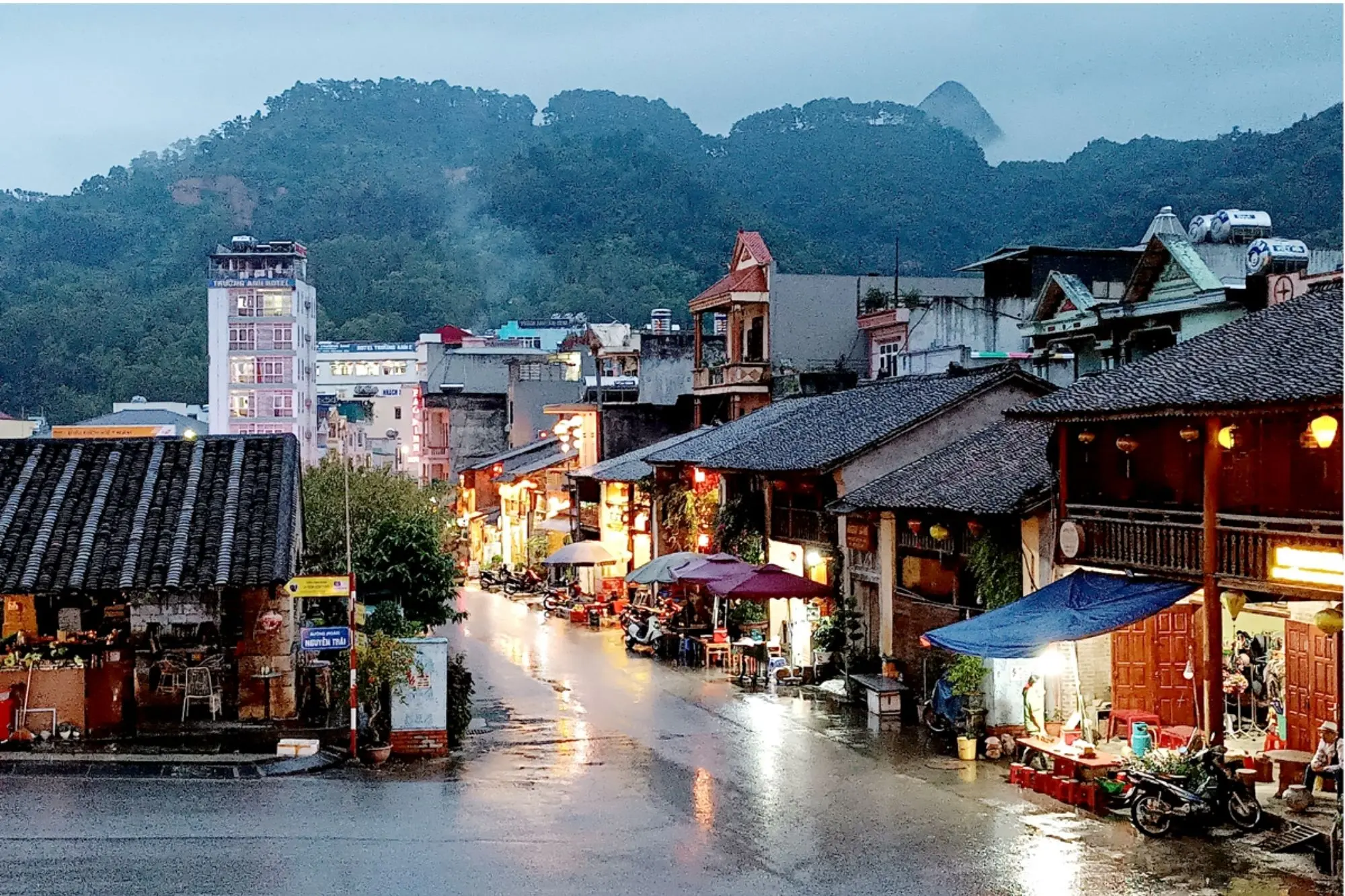
Dong Van Old Quarter is one of the most atmospheric heritage sites in northern Vietnam, where ancient stone houses, ethnic cultures, and mountain life blend seamlessly. Located deep in Ha Giang Province, this small town preserves the soul of the Dong Van Karst Plateau while offering travelers an authentic glimpse into highland history.
- Entry fee: About 50,000 VND (roughly US$1.92) per person
- Highlights: A more than 100-year-old old town with yin-yang tile-roofed houses, an old market, and charming, nostalgic cafés.
- Best for: Travelers who enjoy old architecture, local culture, and highland cuisine.
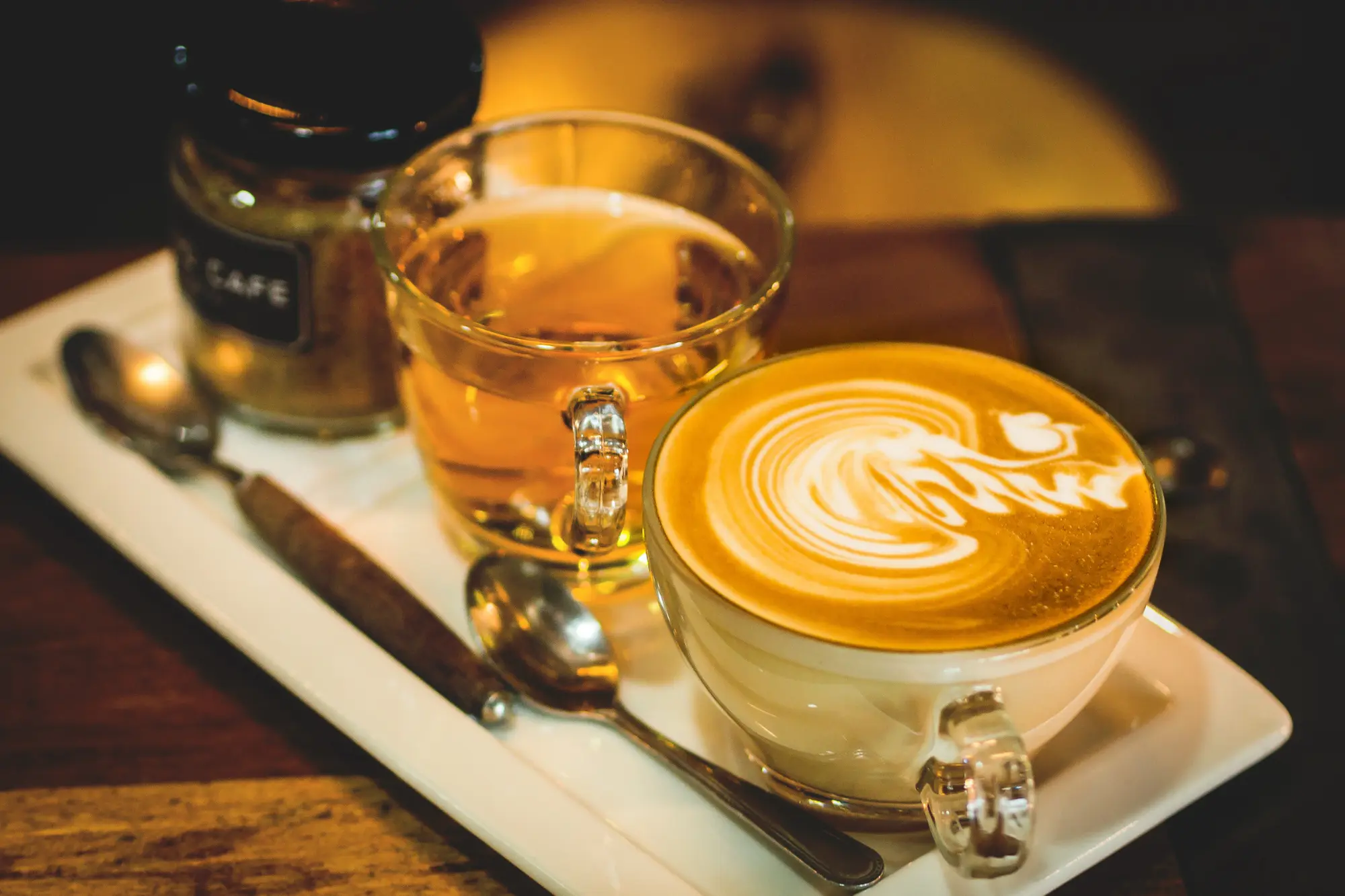
- Tip: Visit on a weekend to catch the Dong Van Sunday market. Don’t miss steamed rice rolls with egg, thắng cố (traditional stew), five – colored sticky rice, and a coffee in the old quarter.
Experiences Worth Having
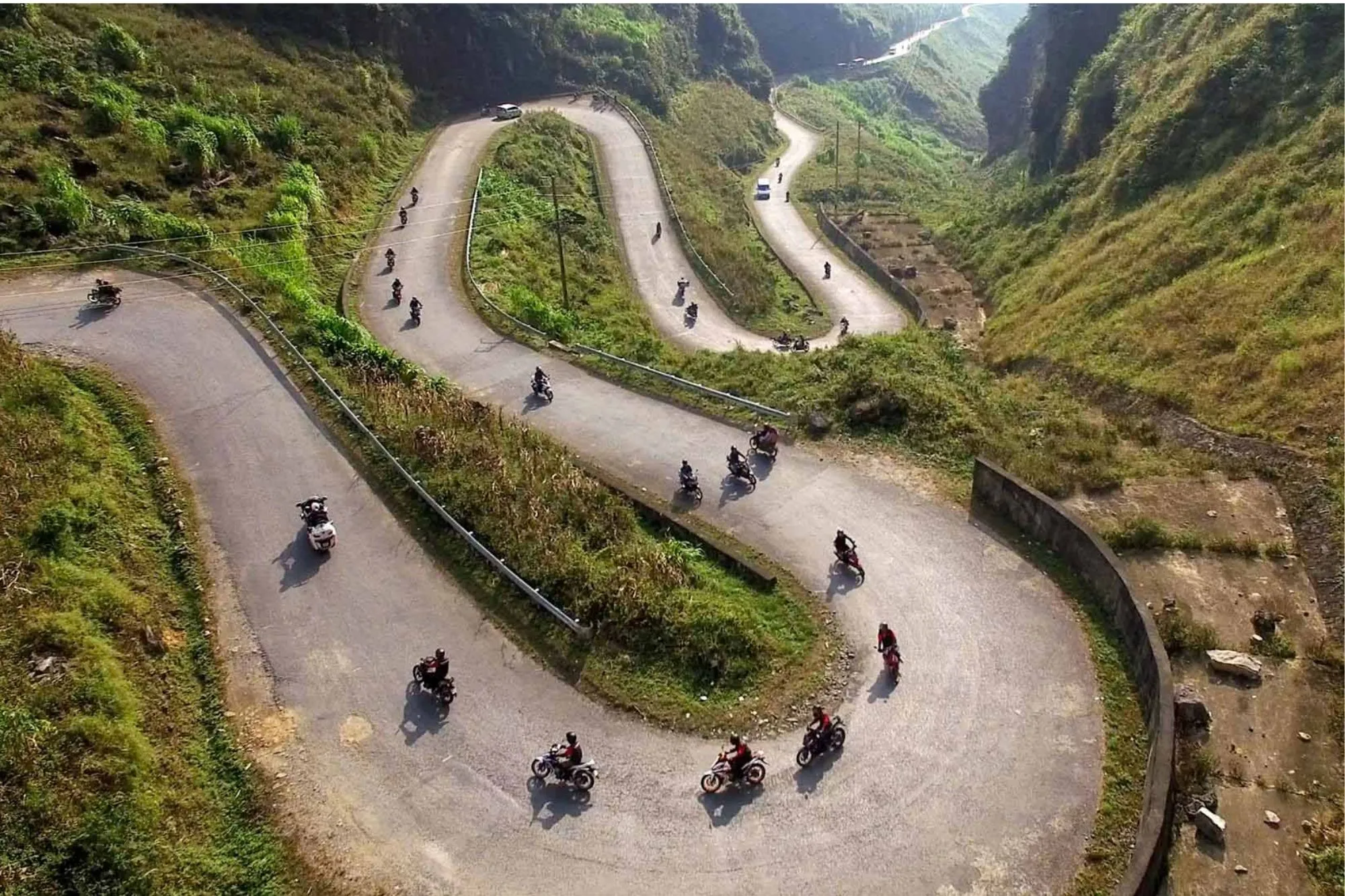
- Ride the legendary Ha Giang Loop: By motorbike or “easy ride”, wind through dramatic passes, rocky valleys, and mountain villages.
- Trek or take a boat on the Nho Que River: Glide across jade – green waters beneath the towering cliffs of Tu San Canyon.
- Visit a highland market or the Khau Vai Love Market: Experience the bustling Dong Van Sunday market, where locals bring produce and handwoven textiles to sell, or the once – a – year Khau Vai Love Market.
- Stay in a village homestay: Enjoy the peaceful atmosphere of rammed – earth homes in Lo Lo Chai, Pa Vi Cultural Village, or Nam Đam hamlet.
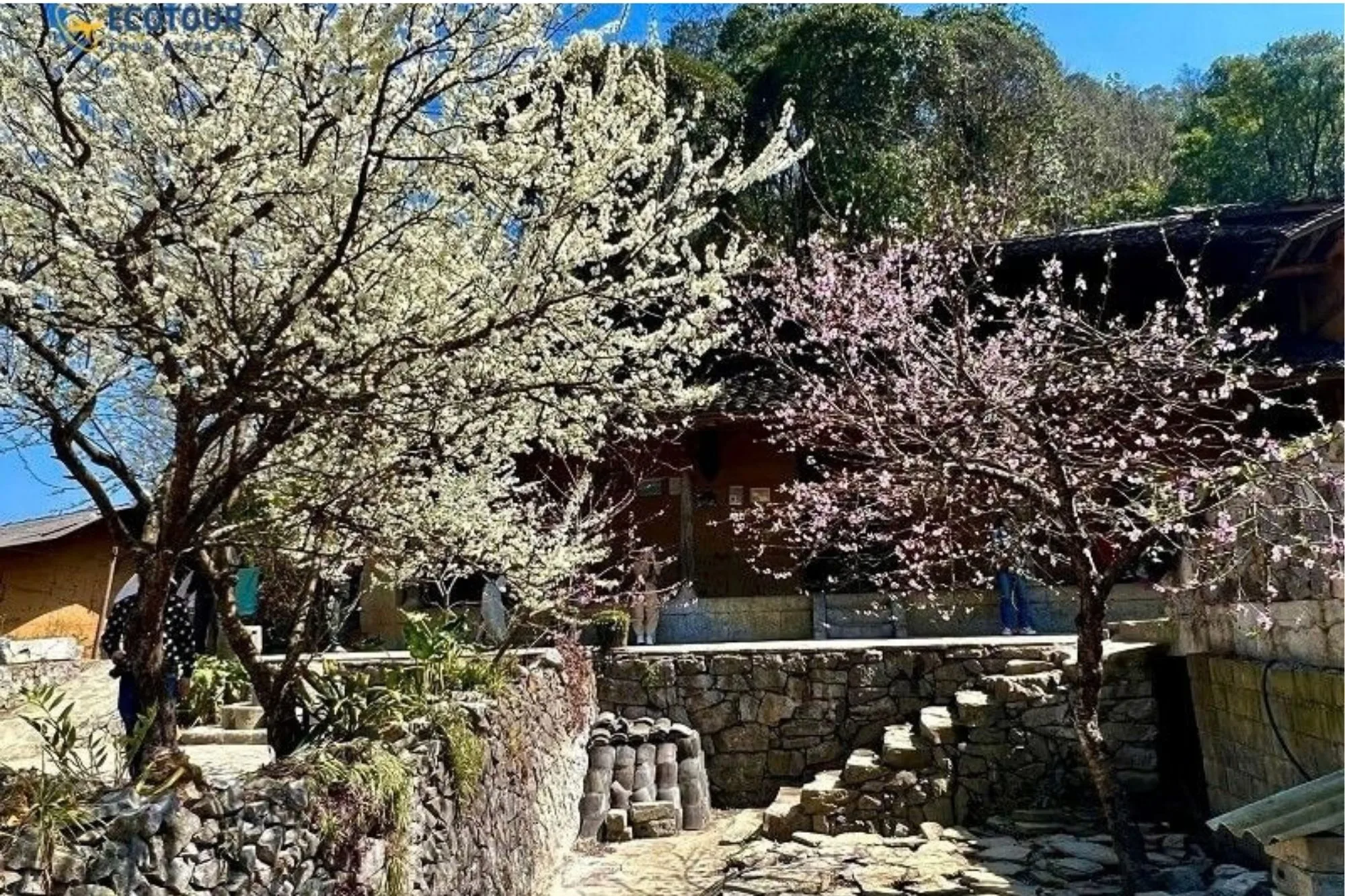
- Chase the seasons: Peach and plum blossoms in spring (January – March), flooded terraced fields in early summer (May – June), golden rice terraces in Hoang Su Phi in autumn (September – October), and pink buckwheat flowers in bloom from October to December.
Local Cuisine
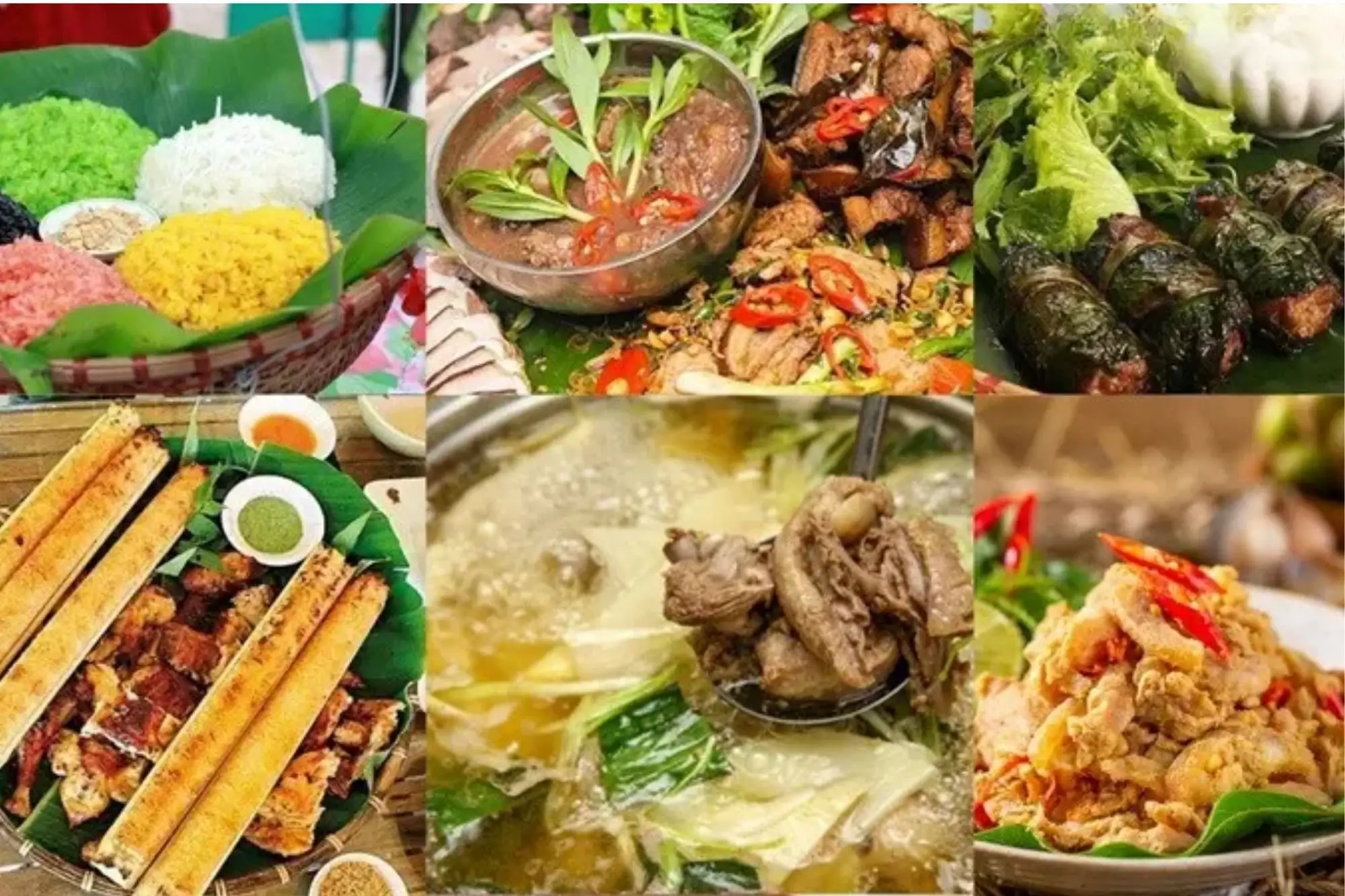
Ha Giang’s cuisine carries the distinct character of the highlands, shaped by the customs, climate, and natural ingredients of its many ethnic communities.
- Thang Co: A famous H’Mong dish, traditionally made from horse meat and offal, though beef, buffalo, and pork are common today. The meat is seasoned with 12 mountain herbs and spices including cardamom, star anise, cinnamon, lemongrass, and ginger then slow-simmered into a rich, fragrant stew.
- Dong Van steamed rice rolls: Thin, hot rice rolls filled with minced pork and wood ear mushroom, or wrapped around a rich egg yolk. Unlike the lowland version, these are served with a savory bone broth topped with fried shallots and fresh herbs.
- Ha Giang sour noodle soup (pho chua): A refreshing summer dish of soft rice noodles tossed with roast pork, grilled sausage, roasted peanuts, fresh herbs, and a tangy – sweet sauce made from vinegar and cassava starch.
- Five – colored sticky rice: A traditional Tay dish in five colors white, purple, green, red, and yellow – representing the five elements. It’s made from fragrant sticky rice, naturally dyed with magenta plant, gac fruit, turmeric, and ginger leaves.
- Bac Me bamboo – tube rice: Sticky rice packed into fresh bamboo tubes and roasted over hot coals. Once the bamboo is peeled away, the rice inside is soft and fragrant with a hint of smoky bamboo, usually served with roasted sesame salt, sausage, or grilled meat.
- “Hunchback” Banh Chung: A cultural symbol of the Red Dao people, shaped to resemble a woman carrying a basket on her back. These small cakes are wrapped in green dong leaves and filled with sticky rice, mung beans, and fatty pork.
- Smoked buffalo and sausage: Fresh buffalo or free range pork seasoned with mountain spices then smoked over a wood fire for hours. The result is deeply flavorful, with a sweet, smoky finish.
- Corn wine with leaf yeast: A traditional H’Mong drink made from fermented yellow corn using a secret blend of forest leaves, known for its smooth, mellow taste and sweet aftertaste.
Best Time to Visit Ha Giang
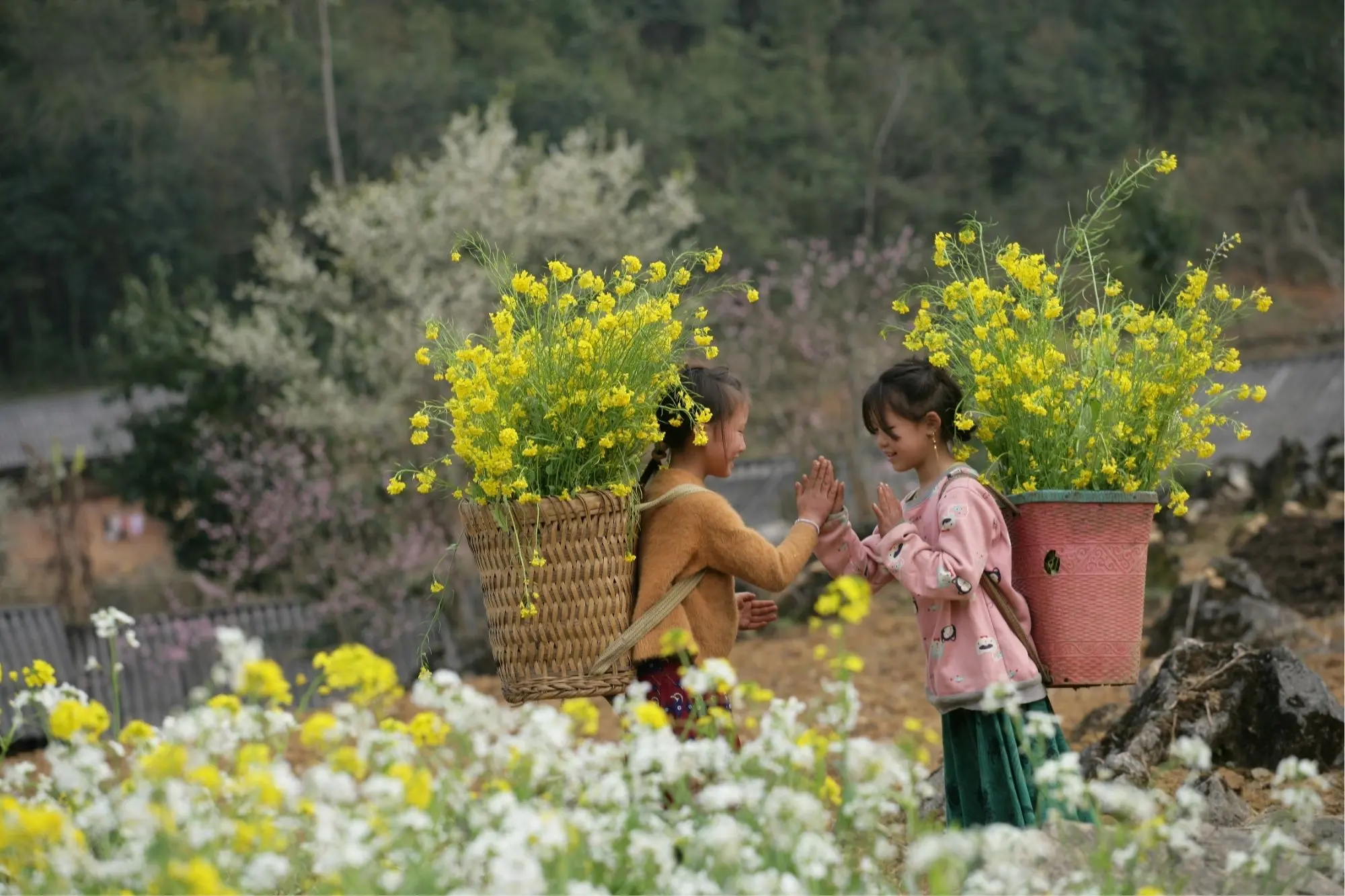
Ha Giang’s weather follows a humid subtropical mountain climate, noticeably cooler than the surrounding midlands and lowlands, with average annual temperatures between 21 – 23°C. The year splits into a rainy season from May to September and a dry season from October to April.
Period | Typical Weather | Best For |
January – March | Cold to chilly, with frequent highland fog and a pleasant spring feel | Peach, plum, and pear blossoms in full bloom across the villages, plus early – year festivals |
April – June | Warm weather, scattered rain beginning in May, turning hot and humid by June | Shimmering terraced fields during the flooding season, and motorbike road trips |
July – August | The hottest, most humid months, with frequent rain | Lush green mountain scenery, boating on the Nho Que River, and views of Tu San Canyon |
September – October | Cool, crisp, dry autumn weather | Golden rice terraces at Hoang Su Phi, and the full Ha Giang Loop route |
October – December | Cold winter, with frost or even ice at higher elevations | The pink and purple buckwheat flower festival, golden mustard fields, and warming bowls of thang co or arrowroot porridge by the fire |
First-Timer’s Travel Tips for Ha Giang
- Paperwork: Some border areas in Ha Giang require a declaration or border permit (usually arranged quickly by tour companies or motorbike rental shops). If traveling independently, ask about this in advance.
- Transportation: If you’re not confident riding a motorbike on mountain passes, book an “easy rider” (a local driver) instead of self-driving – especially if you’re new to riding.
- Health: The winding mountain roads can cause motion sickness, so pack motion sickness medication, wear sturdy shoes with good grip, and bring a jacket, since mornings and evenings in the mountains sTay cool even in summer.
- Itinerary: Set aside at least 3 – 4 days to complete the full Ha Giang Loop. Don’t try to rush it – distances between sights are long and travel takes time.
- Booking: During peak season (October – December), book homesTays or hotels in Dong Van and Meo Vac at least 1 – 2 weeks ahead, as crowds can be heavy.
- Mobile signal: Phone service is patchy along many mountain roads, so download offline maps before you go.
- Dress and etiquette: When visiting villages, dress modestly and ask permission before photographing local people, especially at markets.
Frequently Asked Questions About Ha Giang
1. Is Ha Giang close to Sa Pa?
Not really. Ha Giang and Sa Pa are in different directions, with no direct, convenient route, so most travelers visit them as separate trips.
2. How long is the Ha Giang Loop, and how many days does it take?
The Ha Giang Loop is about 300–400 km and usually takes 3–4 days, passing through Quan Ba, Yen Minh, Dong Van, and Meo Vac.
3. Should I ride my own motorbike on the Ha Giang Loop?
If you’re experienced riding on mountain roads, you can drive yourself. Otherwise, hiring an “easy rider” is safer, especially on steep and winding sections like Ma Pi Leng Pass.
4. What’s the best season to visit Ha Giang?
Late September through December is considered the best time, coinciding with the golden rice harvest and buckwheat blossom season, along with dry, comfortable weather.
5. How long does it take to get from Hanoi to Ha Giang?
The distance is about 300 km, and the trip by sleeper bus or limousine van takes roughly 5.5 – 7 hours.
Conclusion
Ha Giang remains one of the few destinations in Vietnam that has kept its wild beauty and rich highland culture largely intact. From the legendary Ha Giang Loop and the breathtaking Ma Pi Leng Pass to colorful highland markets, every stretch of the journey leaves a lasting impression. If you’re planning an upcoming trip to Ha Giang, choose the right season, prepare well for the terrain, and give yourself enough time to fully take in the beauty of this karst plateau. If you found this guide helpful, save it for your trip planning or share it with your future travel companions.
Discover Nicetrips’ Vietnam tour packages and experience the beauty, history, and culture of this remarkable destination. Follow the Nicetrips Blog for more travel guides, tips, and inspiration for your next journey.