Kanazawa is a historic city on Japan’s Sea of Japan coast, known for its well-preserved traditional neighborhoods, historic gardens, samurai heritage, and distinctive local culture. Once a prosperous castle town, the city developed a rich artistic tradition that can still be seen in its crafts, architecture, food, and historic districts. There are many Kanazawa attractions to explore from the impressive Kanazawa Castle and Kenrokuen Garden to the historic Higashi Chaya District and the lively Omicho Market. The city is also known for gold leaf craftsmanship, fresh seafood, traditional sweets, and local cuisine.
Whether you are planning a short Kanazawa travel itinerary or adding the city to a longer Japan journey, this guide covers its history, culture, attractions, markets, food, transportation, and practical travel tips.

About Kanazawa
Kanazawa is the capital of Ishikawa Prefecture in the Hokuriku region of central Japan. Located between the Sea of Japan and the Japanese Alps, the city has historically been an important cultural and economic center.
Kanazawa developed around Kanazawa Castle under the powerful Maeda family during the Edo period. Unlike many other major Japanese cities, much of its traditional urban character survived into the modern era, allowing visitors to experience historic districts, samurai residences, tea houses, gardens, and traditional crafts.
Today, Kanazawa combines this historical character with modern museums, shopping areas, restaurants, and convenient transportation connections.
Kanazawa at a Glance
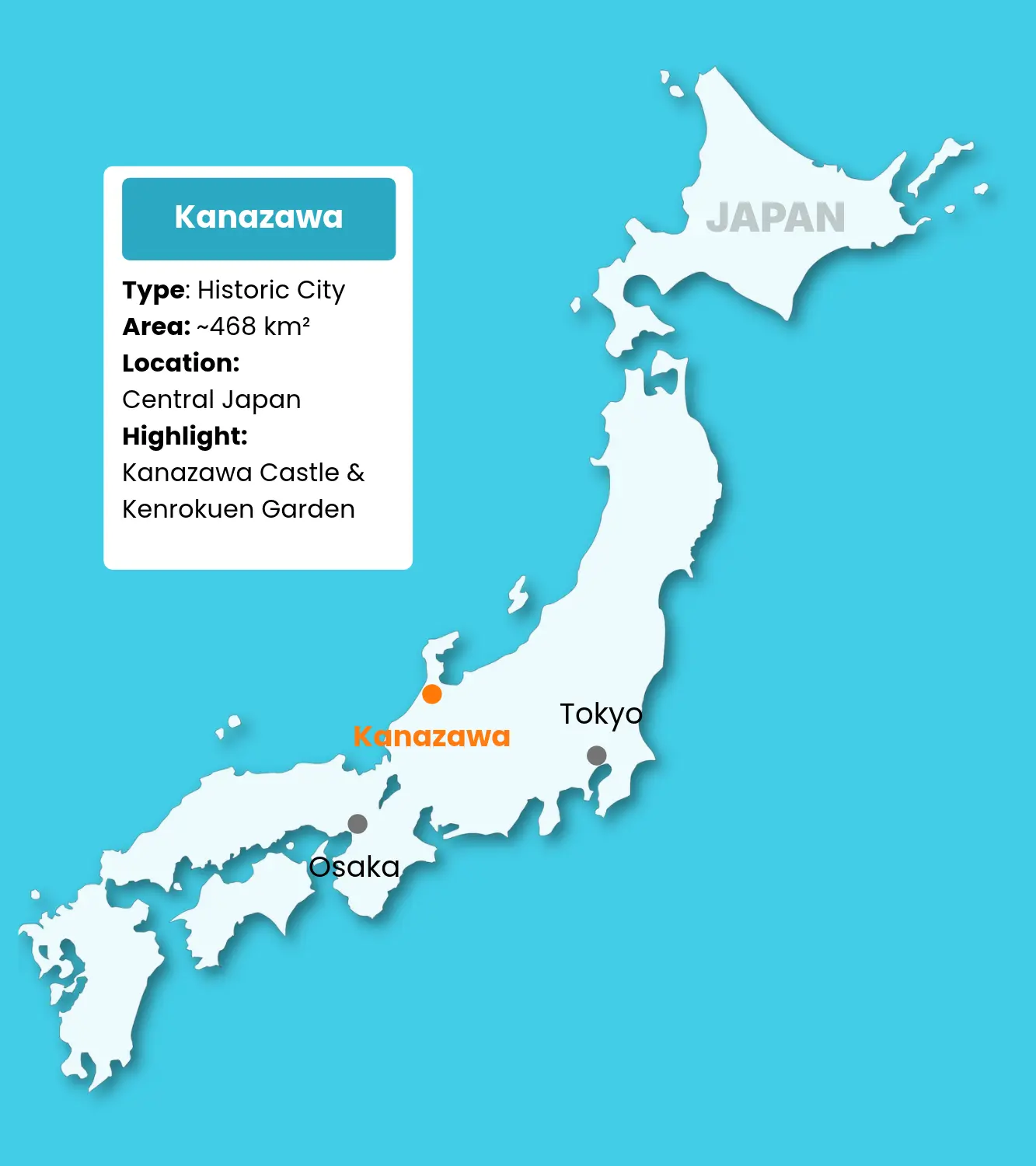
- Area: ~468 km²
- Location: Central Japan
- Location: Ishikawa Prefecture, Hokuriku, Central Japan
- Known for: Kanazawa Castle, Kenrokuen Garden, traditional districts, gold leaf, seafood, and crafts
- Main attractions: Kenrokuen Garden, Kanazawa Castle, Higashi Chaya District, Omicho Market, Nagamachi Samurai District, and 21st Century Museum
- Local specialties: Fresh seafood, Kaga cuisine, gold leaf products, wagashi, and Kaga vegetables
- Nearby destinations: Toyama, Shirakawa-go, Fukui, and the Japanese Alps
- Best for: History, culture, gardens, food, traditional crafts, and slower-paced city travel
Geography of Kanazawa
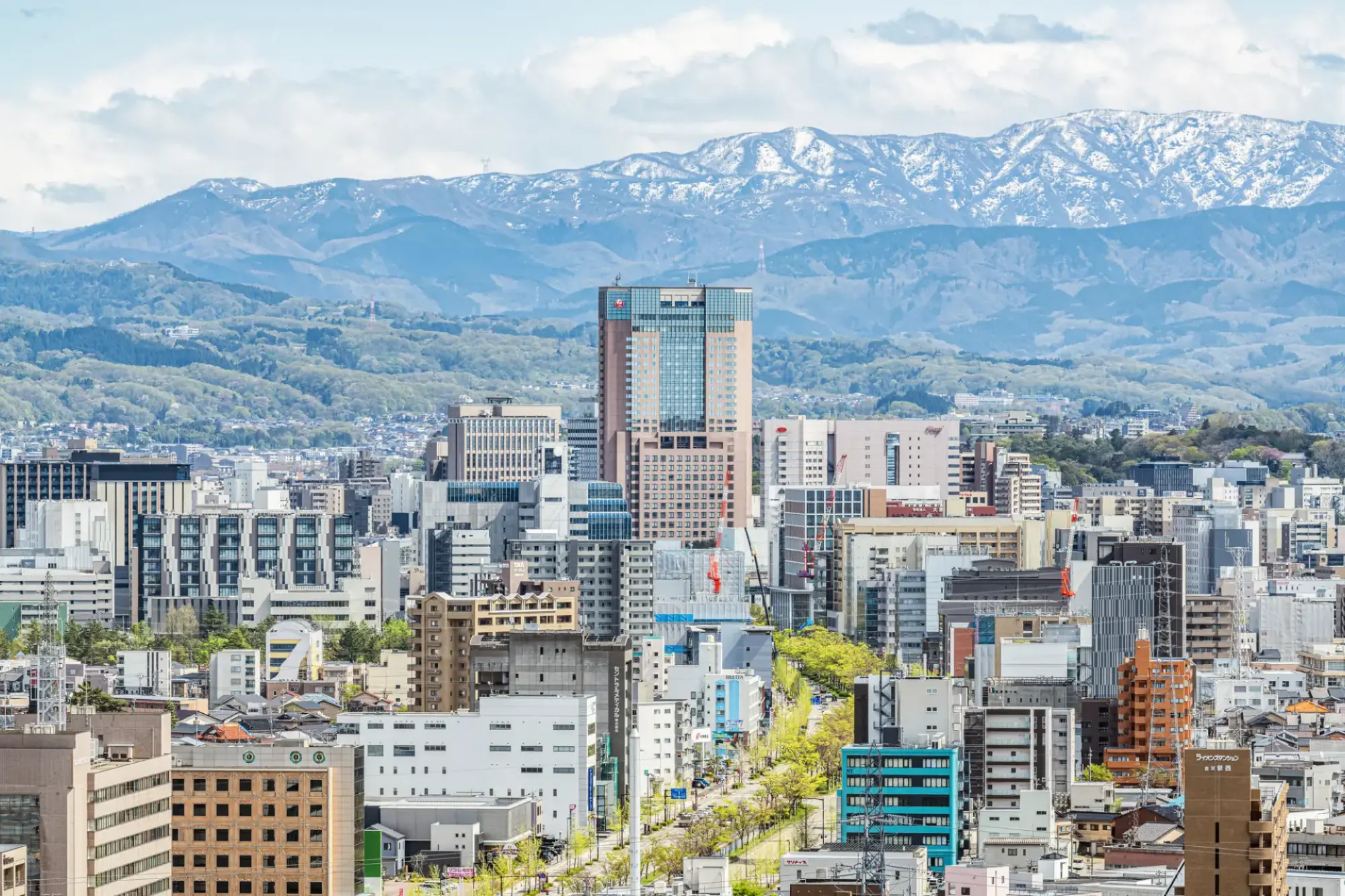
Kanazawa is located on the Sea of Japan side of Honshu. The city lies on a relatively flat coastal plain, with mountains rising toward the southeast.
The region experiences a humid climate with significant winter snowfall. This seasonal variation contributes to the city’s distinctive atmosphere, from cherry blossoms and fresh greenery in spring to colorful foliage and snow-covered traditional streets in winter.
The central sightseeing area is relatively compact, making it possible to combine several major attractions in one day. Key areas include:
- Kanazawa Castle & Kenrokuen: Historic center of the city
- Higashi Chaya District: Traditional tea houses and cultural experiences
- Nagamachi: Former samurai district
- Omicho Market: Local food and seafood
- Korinbo & Katamachi: Shopping, restaurants, and nightlife
- Nagamachi & central Kanazawa: Traditional streets and cultural attractions
History of Kanazawa
- The Rise of Kanazawa Castle Town
Kanazawa grew significantly under the Maeda family, who established control over the region in the late 16th century. Kanazawa Castle became the political and administrative center of the domain.
The Maeda family invested heavily in culture, education, crafts, and architecture. As a result, Kanazawa developed into an important center for traditional arts and craftsmanship.
- Kanazawa During the Edo Period
During the Edo period, Kanazawa became one of Japan’s wealthiest castle towns. The city supported samurai families, merchants, craftsmen, artists, and scholars.
Traditional crafts such as gold leaf, lacquerware, ceramics, textiles, and metalwork developed during this period and remain important parts of Kanazawa’s cultural identity today.
- Kanazawa in Modern Japan
Kanazawa avoided much of the large-scale destruction experienced by many Japanese cities during World War II. As a result, several historic districts and traditional buildings survived.
This preservation has helped Kanazawa become an important destination for travelers looking to experience historic Japan beyond the more famous cities of Kyoto and Tokyo.
Culture & Local Life in Kanazawa
Kanazawa’s culture is strongly connected with the legacy of the Maeda family and the city’s long history as a wealthy castle town.
- Traditional Crafts
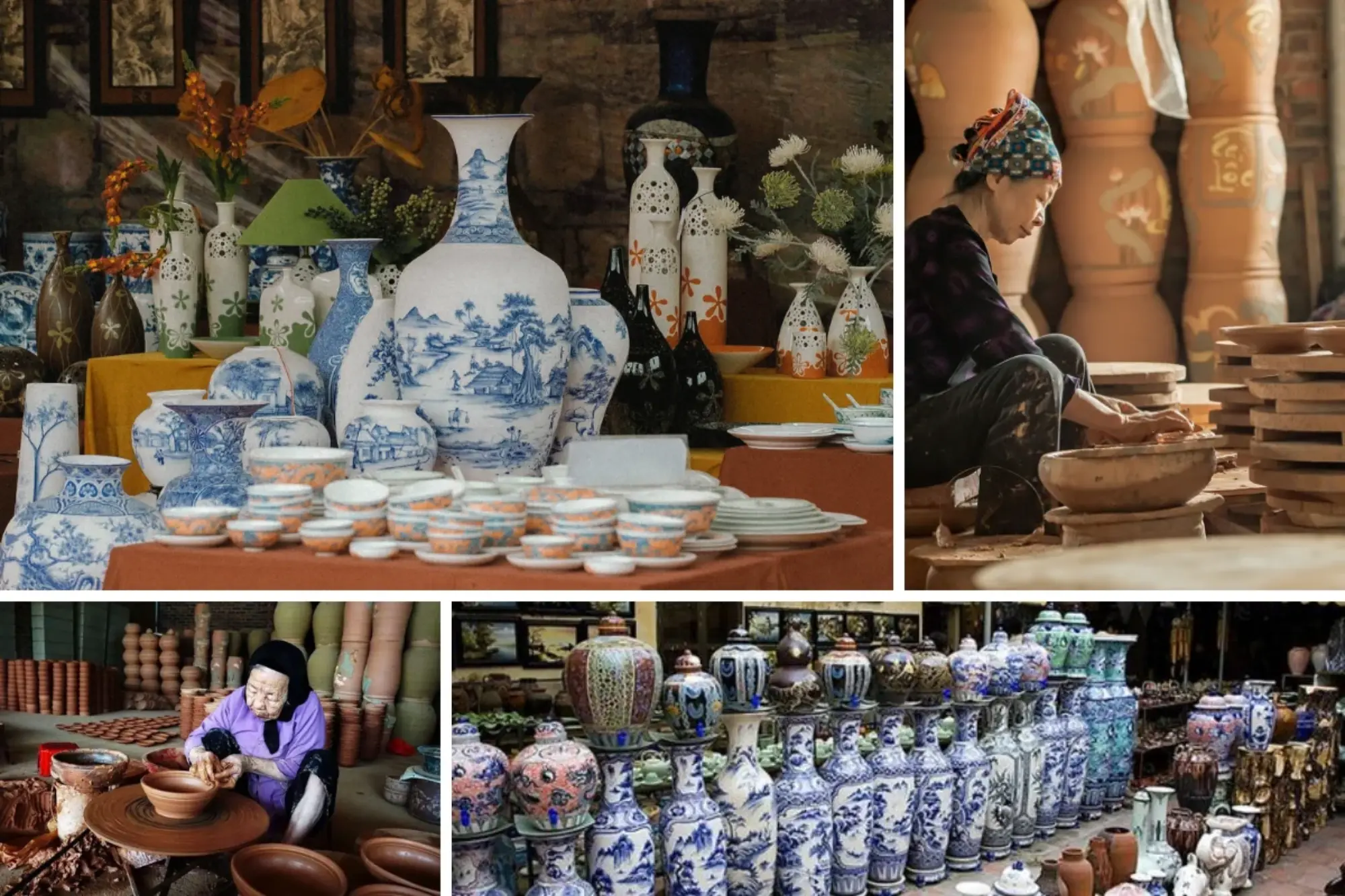
Kanazawa is particularly famous for gold leaf production. The city is responsible for a significant share of Japan’s domestic gold leaf production, and visitors can find gold leaf applied to lacquerware, ceramics, sweets, crafts, and souvenirs.
Other traditional crafts include Kaga Yuzen silk dyeing, Kutani ceramics, Wajima-style lacquerware from the wider Hokuriku region, and traditional woodworking.
- Tea House Culture
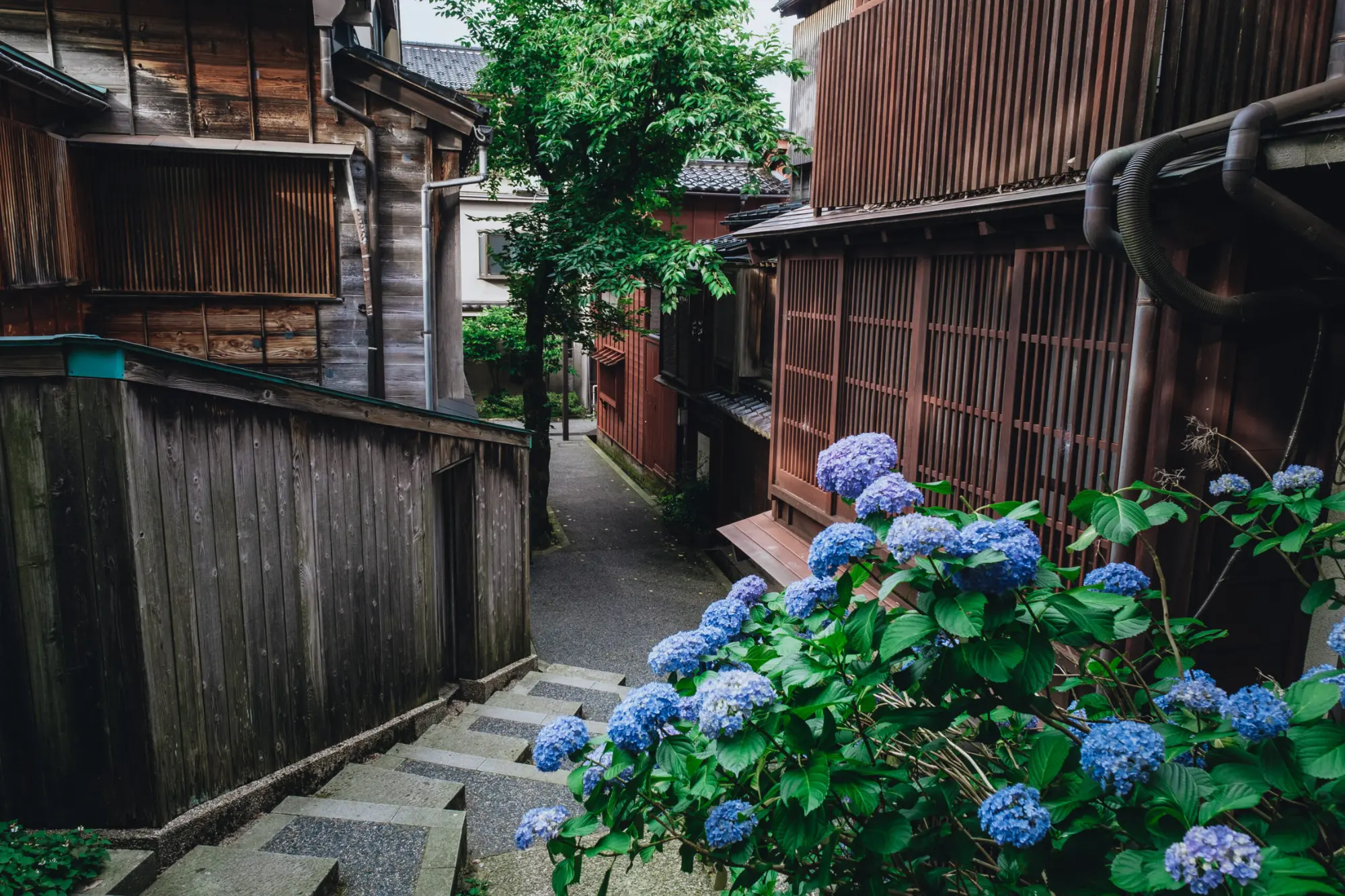
The Higashi Chaya, Nishi Chaya, and Kazuemachi districts preserve traditional tea houses known as chaya.
These neighborhoods provide an opportunity to see traditional wooden architecture and learn about Kanazawa’s connection with geisha and performing arts.
- Kaga Culture
Kanazawa is also known for Kaga cuisine, which emphasizes seasonal ingredients and careful presentation. Local seafood from the Sea of Japan, vegetables, rice, and traditional sweets are important parts of the region’s food culture.
Where to Stay in Kanazawa
Choosing the right area can make exploring Kanazawa easier, especially for travelers combining historic attractions with food and shopping.
Area | Best For | Key Advantages |
| Kanazawa Station | First-time visitors, transport | Convenient for trains and buses, wide range of hotels and restaurants, easy access to other cities |
| Korinbo & Katamachi | Shopping, dining, nightlife | Central location with restaurants, cafés, department stores, and evening entertainment |
| Near Kanazawa Castle | History and sightseeing | Close to Kanazawa Castle, Kenrokuen, and several major cultural attractions |
| Higashi Chaya District | Traditional atmosphere | Historic streets, tea houses, cafés, and traditional architecture |
| Omicho Market Area | Food and local experiences | Easy access to the market, restaurants, and central sightseeing areas |
Best Places to Visit & Things to Do in Kanazawa
Kanazawa offers a combination of historic architecture, gardens, markets, traditional neighborhoods, museums, and local food. These are some of the most important Kanazawa attractions to include in your itinerary.
1. Explore Kanazawa Castle
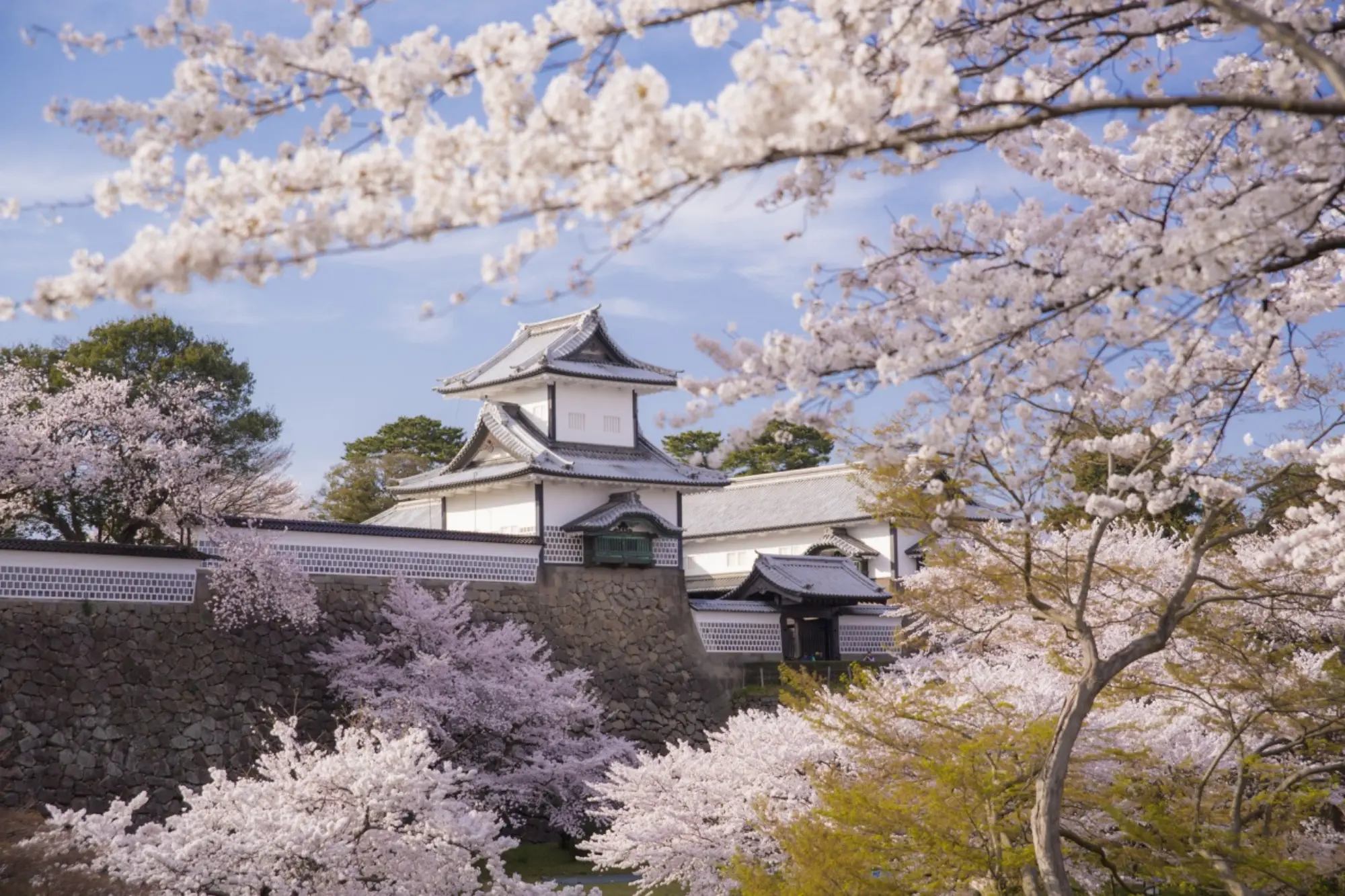
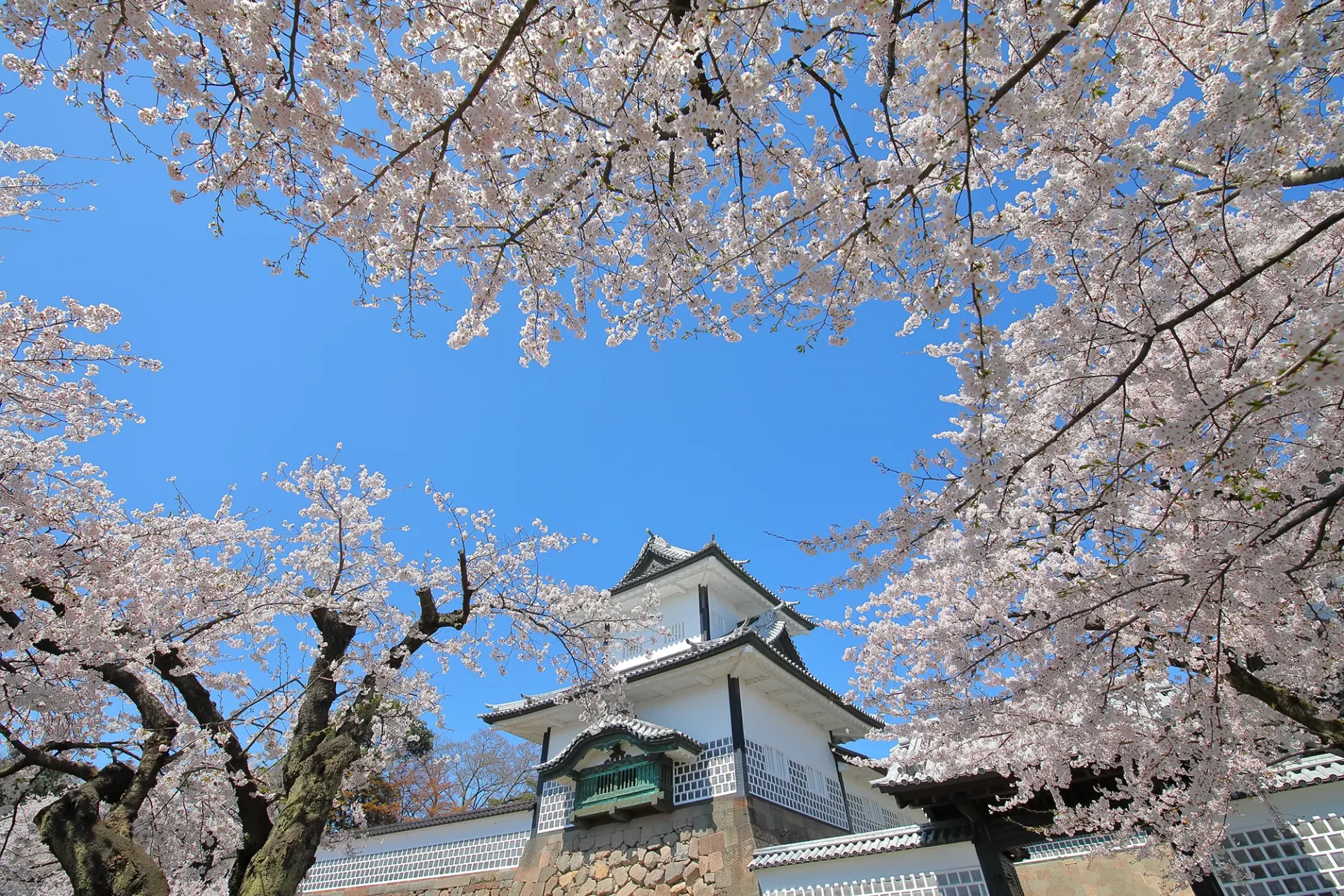
Kanazawa Castle is one of the city’s most important historical landmarks. It served as the center of the Maeda family’s domain and played a major role in the development of Kanazawa as a castle town.
The castle grounds include restored gates, walls, storehouses, gardens, and reconstructed buildings. Visitors can also walk directly from the castle grounds to Kenrokuen Garden.
- Location: Central Kanazawa
- Suggested time: 1.5-2 hours
- Best for: History, architecture, photography, and gardens
- Highlights: Castle gates, stone walls, restored buildings, castle grounds
- Tip: Combine the visit with Kenrokuen for an efficient sightseeing route
2. Visit Kenrokuen Garden
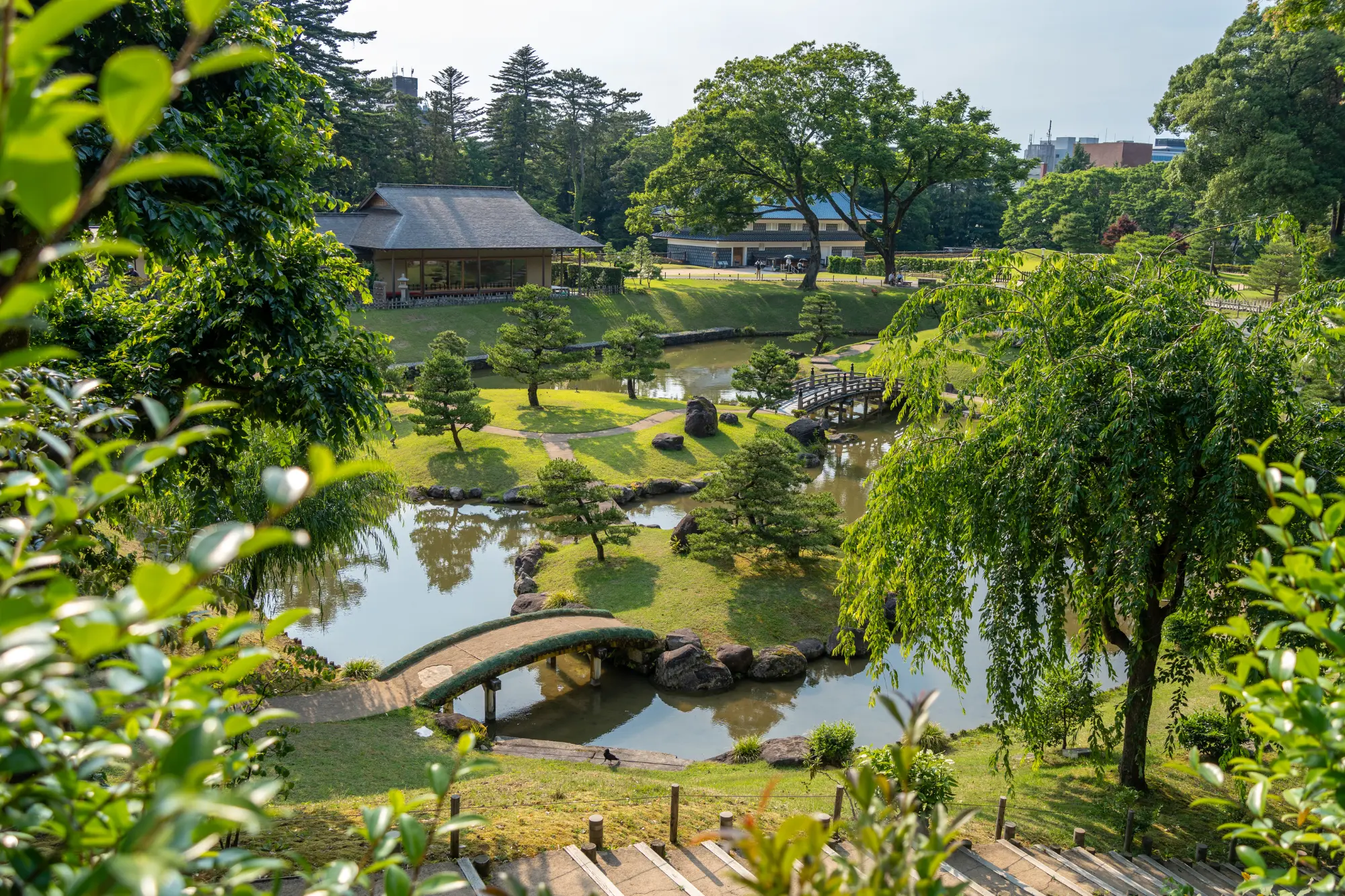
Kenrokuen is one of Japan’s most famous traditional landscape gardens and one of the most important Kanazawa attractions. The garden is designed around the traditional principles of combining different landscape qualities, including spaciousness, tranquility, scenic views, and carefully arranged water features.
Each season offers a different experience, from cherry blossoms in spring to colorful foliage in autumn and snow-covered trees in winter.
- Location: Next to Kanazawa Castle
- Suggested time: 1.5-2 hours
- Best for: Gardens, photography, seasonal scenery, and relaxation
- Highlights: Ponds, bridges, pine trees, tea houses, and seasonal landscapes
3. Explore Higashi Chaya District
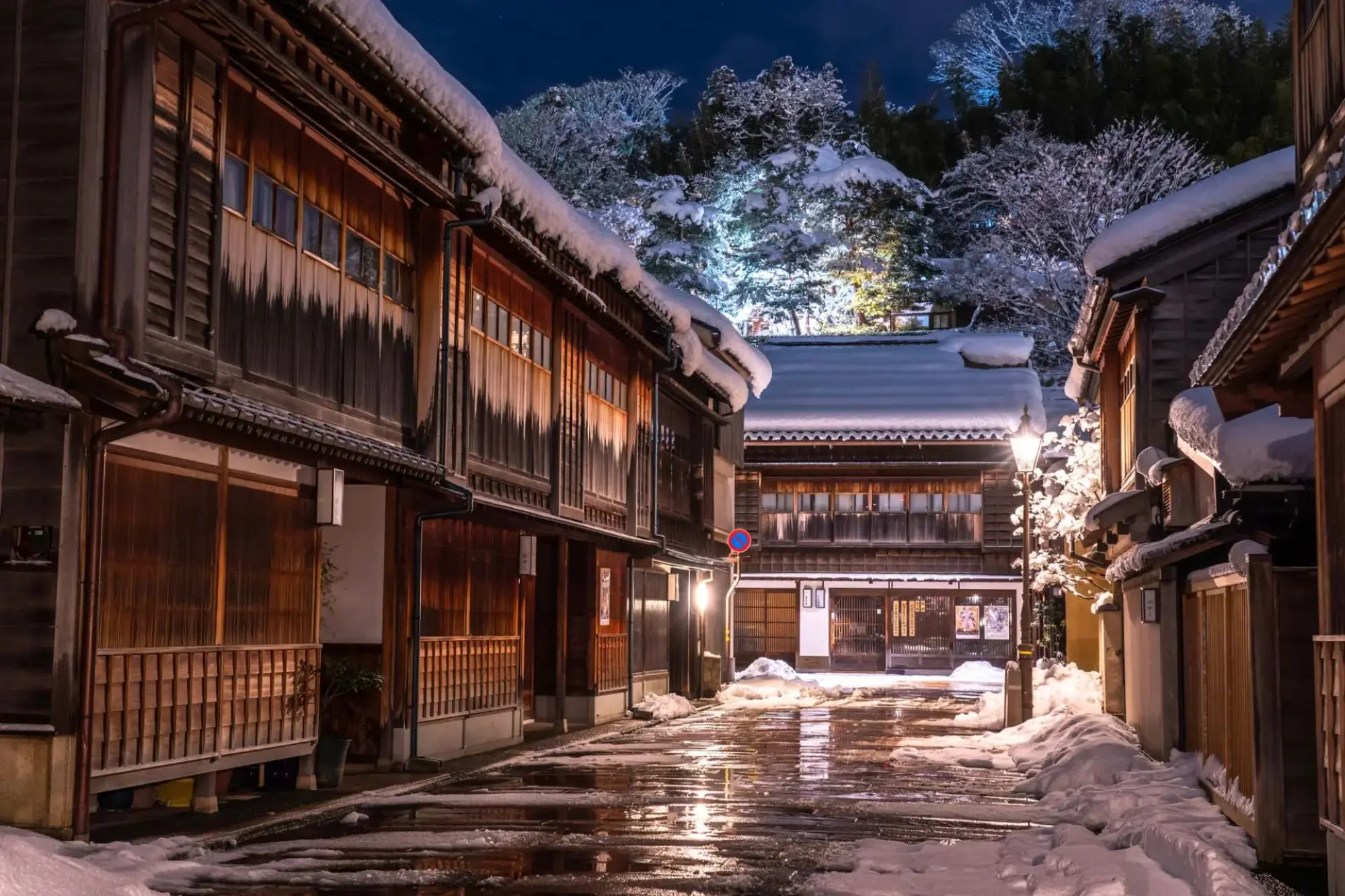
Higashi Chaya District is one of Kanazawa’s best-preserved traditional neighborhoods. The streets are lined with wooden tea houses, shops, cafés, craft stores, and traditional buildings. Some historic tea houses are open to visitors, allowing travelers to learn more about the city’s geisha culture.
- Location: Eastern Kanazawa
- Suggested time: 1.5-2 hours
- Best for: Traditional architecture, culture, photography, and shopping
- Highlights: Chaya houses, gold leaf products, cafés, traditional streets
- Tip: Visit in the morning or late afternoon for a more relaxed atmosphere
4. Visit Omicho Market
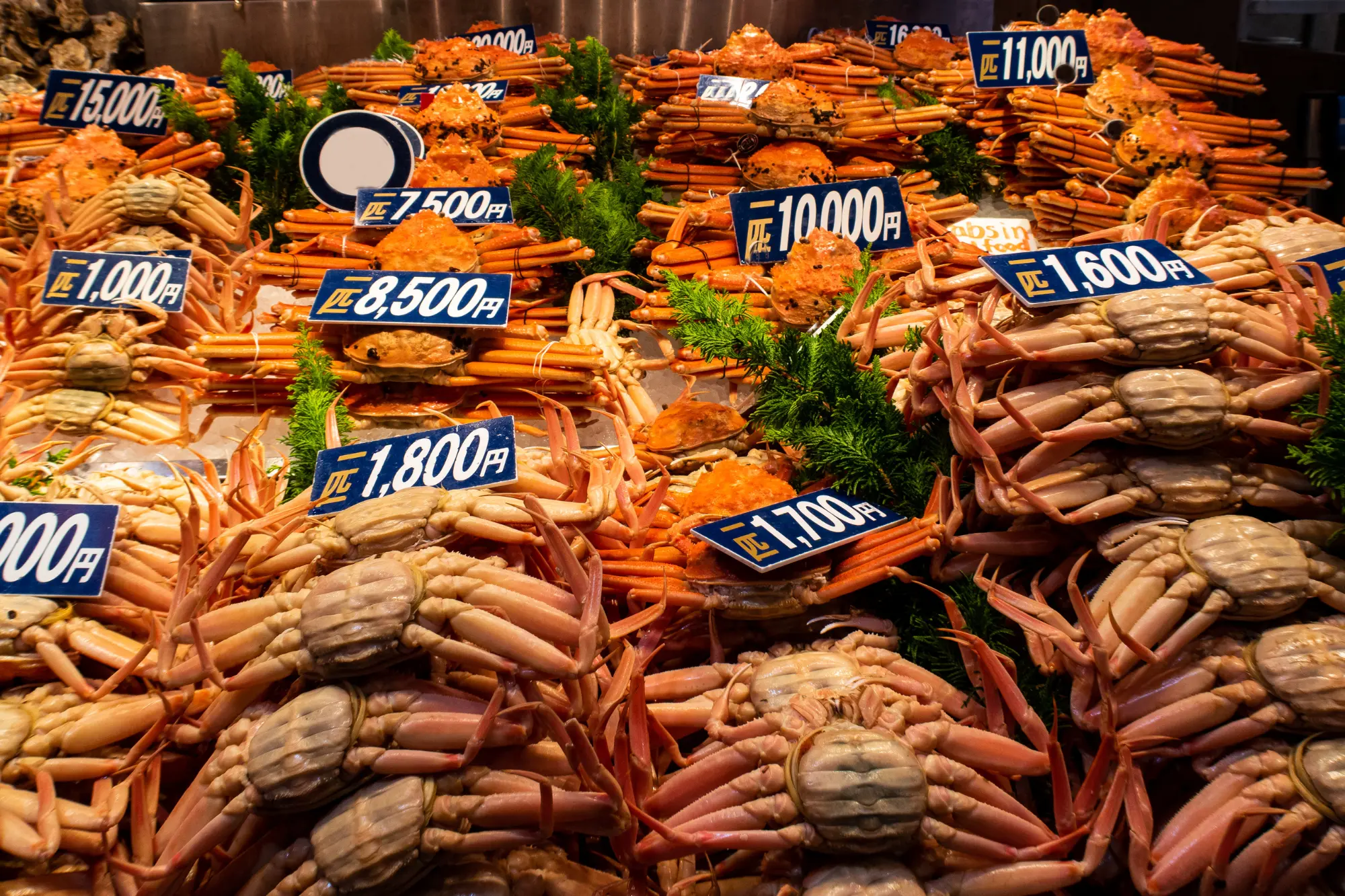
Omicho Market is Kanazawa’s best-known food market and an essential stop for travelers interested in local cuisine.
The market has served local residents for generations and is particularly famous for fresh seafood from the Sea of Japan. Visitors can find sushi, seafood rice bowls, fruit, vegetables, pickles, sweets, and other regional products.
- Location: Central Kanazawa
- Suggested time: 1-2 hours
- Best for: Food, seafood, shopping, and local culture
- Highlights: Fresh seafood, sushi, kaisendon, local produce, and regional specialties
- Tip: Arrive earlier in the day for the widest selection
5. Walk Through the Nagamachi Samurai District
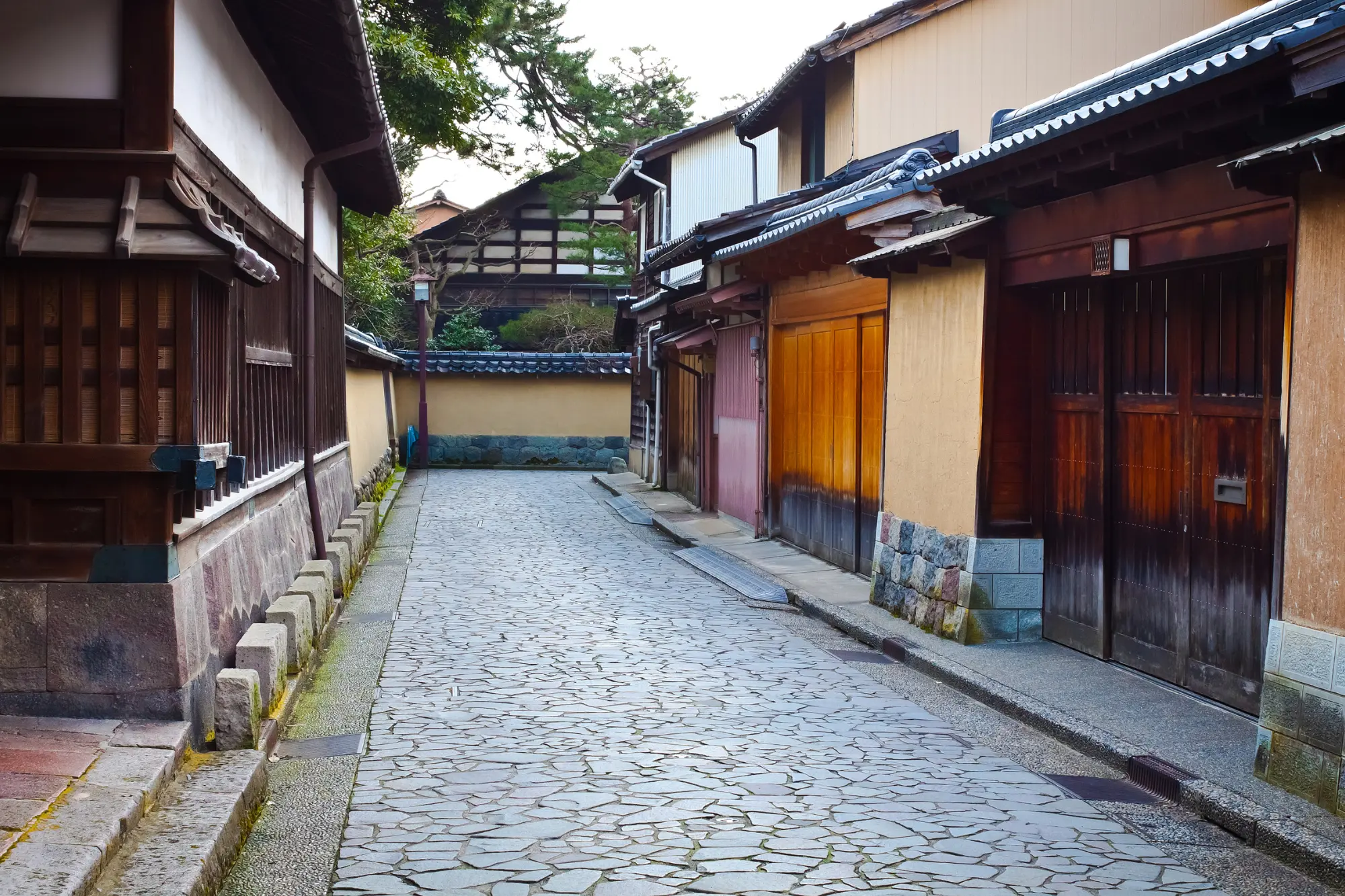
Nagamachi was historically associated with Kanazawa’s samurai families. Today, the district preserves narrow streets, traditional walls, canals, and historic residences.
The area provides a quieter alternative to the city’s major tourist attractions and offers insight into the lifestyle and architecture of the former samurai class.
- Location: Central Kanazawa
- Suggested time: 1-2 hours
- Best for: History, architecture, and walking
- Highlights: Earthen walls, traditional residences, canals, and historic streets
6. Discover Kanazawa’s Gold Leaf Culture
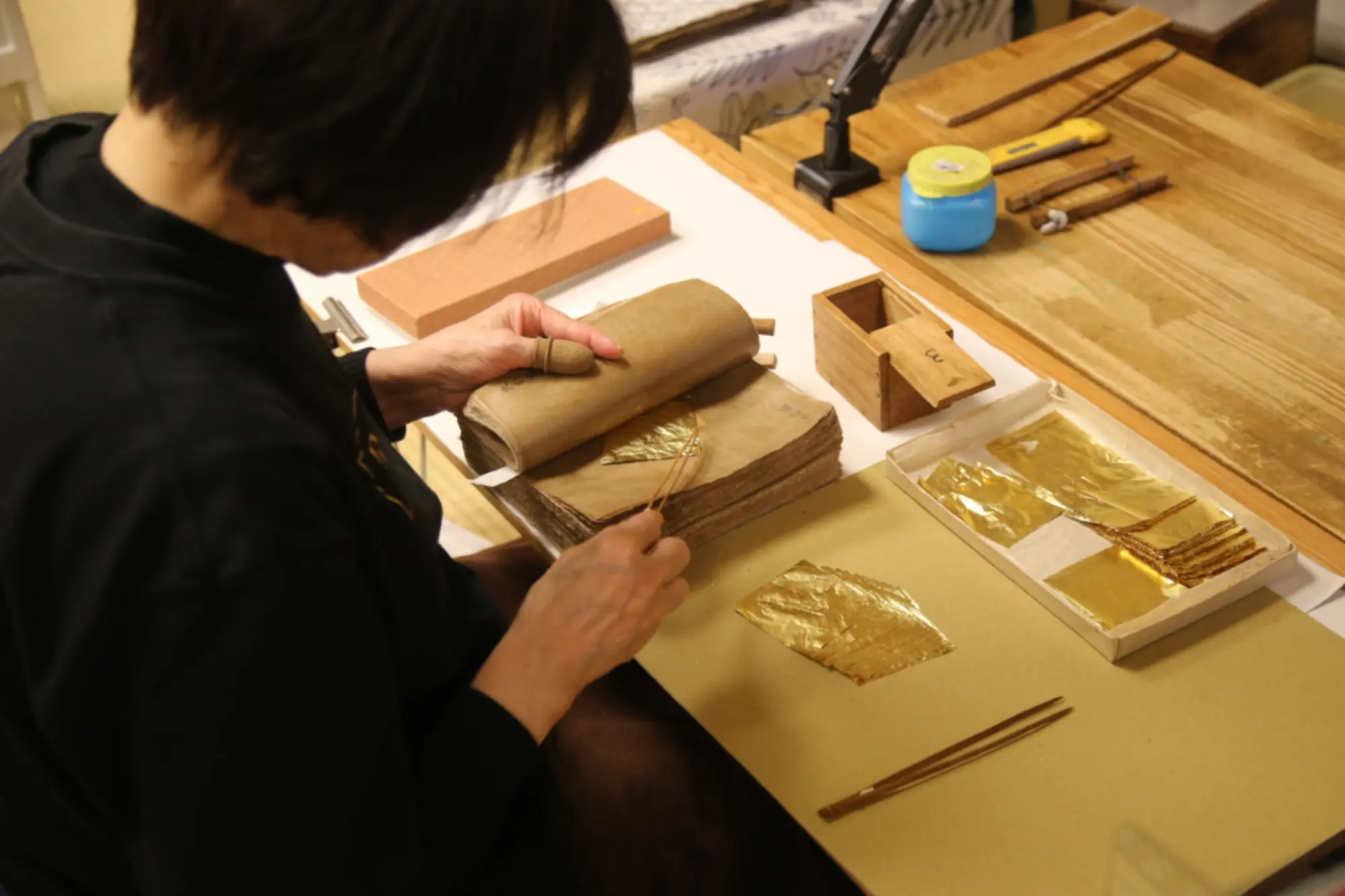
Gold leaf is one of Kanazawa’s most distinctive traditional crafts. Visitors can explore shops and workshops where gold leaf is applied to ceramics, lacquerware, sweets, and other products. Some workshops also offer hands-on experiences where visitors can create their own gold leaf souvenirs.
- Best for: Crafts, shopping, and cultural experiences
- Suggested time: 1-2 hours
- Highlights: Gold leaf workshops, crafts, souvenirs, and traditional techniques
7. Visit the 21st Century Museum of Contemporary Art
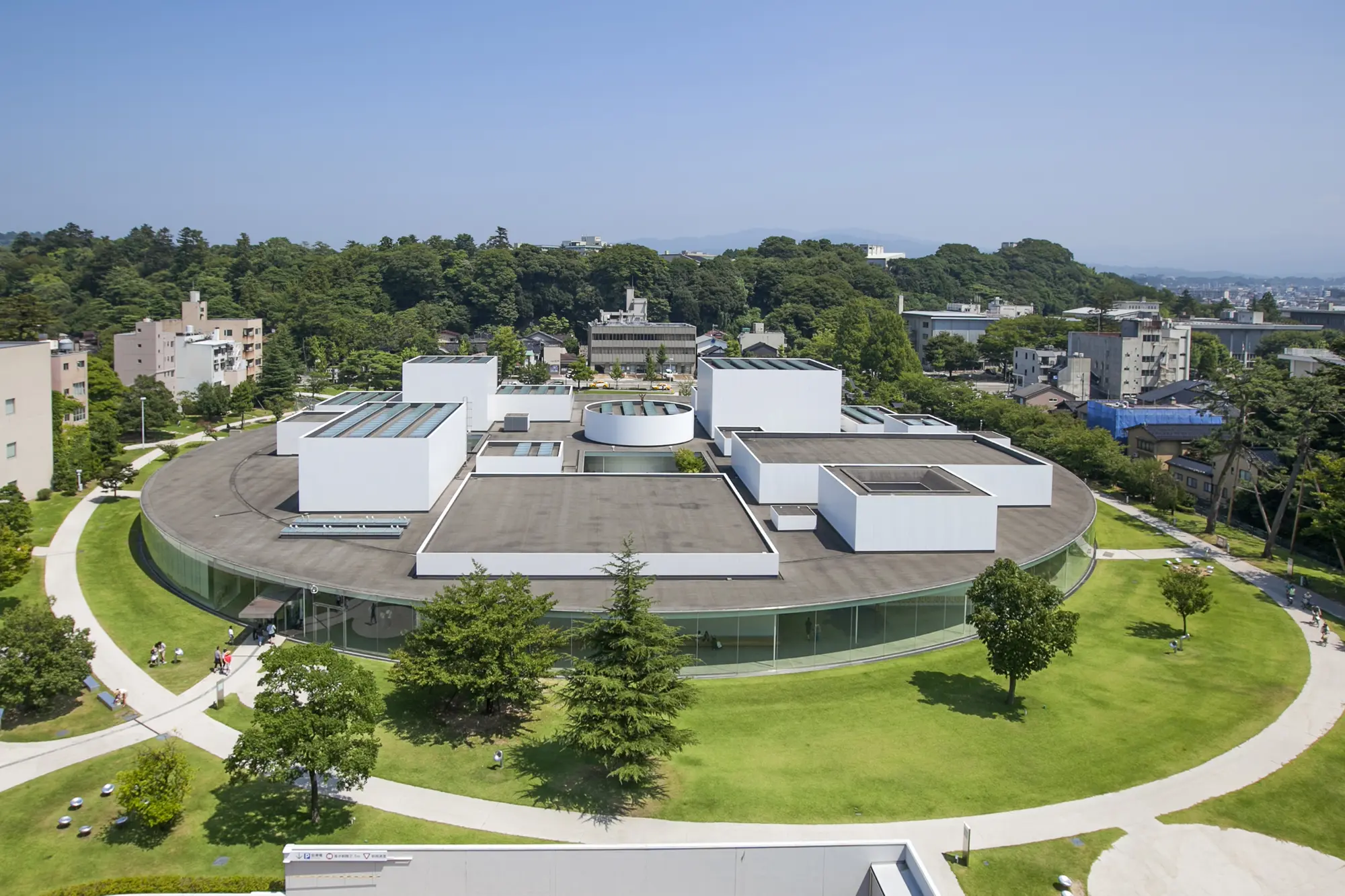
The 21st Century Museum of Contemporary Art offers a contrast to Kanazawa’s historic attractions. The museum focuses on contemporary art and features interactive exhibitions and modern architecture. It is located close to Kenrokuen and Kanazawa Castle, making it easy to include in a central sightseeing route.
- Location: Central Kanazawa
- Suggested time: 1.5-2 hours
- Best for: Contemporary art, architecture, and families
- Highlights: Interactive installations, exhibitions, and modern design
8. Explore Kazuemachi Chaya District
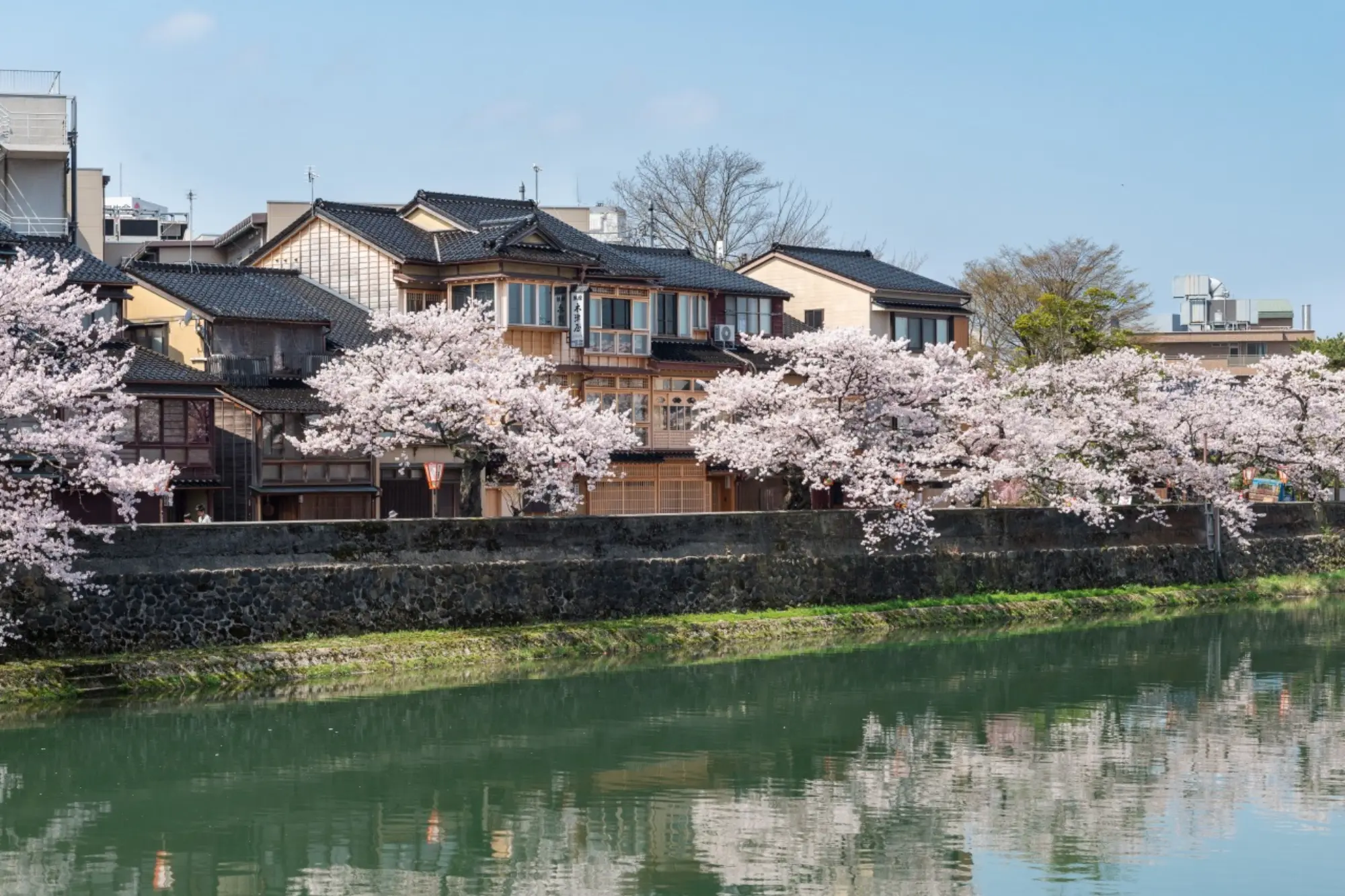
Kazuemachi is a smaller traditional tea house district located along the Asano River.
The historic wooden buildings and riverside setting create a quieter atmosphere compared with Higashi Chaya. The district is particularly attractive in the evening when the traditional streets become softly illuminated.
- Location: Along the Asano River
- Suggested time: 45 minutes-1 hour
- Best for: Photography, traditional architecture, and evening walks
- Highlights: Wooden buildings, river views, tea houses, and quiet streets
Kanazawa Food & Local Specialties
Food is an important part of Kanazawa travel, particularly because the city has access to high-quality seafood from the Sea of Japan.
- Kaisendon: Kaisendon is a seafood rice bowl topped with fresh sashimi. It is one of the most popular dishes to try at Kanazawa market restaurants and seafood stalls.
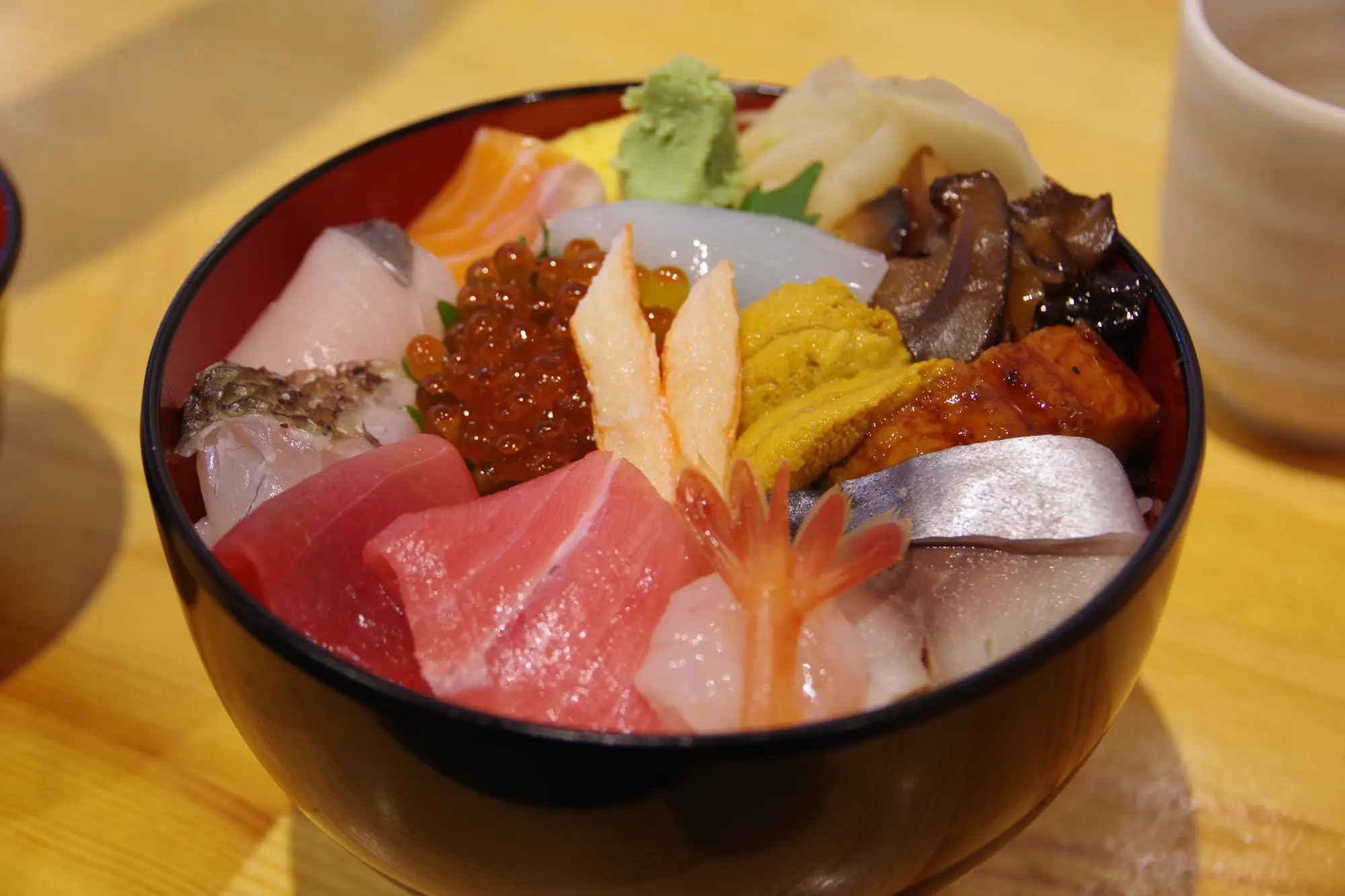
- Sushi & Seafood: Kanazawa is known for fresh seafood, including crab, sweet shrimp, tuna, and other seasonal catches. Omicho Market is one of the easiest places to explore the city’s seafood culture.
- Kaga Cuisine: Kaga cuisine emphasizes seasonal ingredients, local produce, seafood, and careful presentation. It reflects the refined food culture that developed during the city’s castle-town period.
- Gold Leaf Sweets: Gold leaf is used in a variety of local sweets and desserts. Gold leaf-covered ice cream is one of the most recognizable food experiences for visitors.

- Wagashi: Traditional Japanese sweets are another part of Kanazawa’s culinary culture, often served with tea and made using seasonal ingredients.
Best Time to Visit Kanazawa
Kanazawa can be visited throughout the year, with each season offering a different experience.
Season | Months | What to Expect | Best For |
| Spring | March-May | Mild weather, cherry blossoms, and fresh greenery | Gardens, photography, walking, and seasonal scenery |
| Summer | June-August | Warm weather, greenery, and occasional rain | Cultural sightseeing, gardens, and local festivals |
| Autumn | September-November | Cooler temperatures and colorful foliage | Kenrokuen, historic districts, and outdoor sightseeing |
| Winter | December-February | Cold weather and significant snowfall | Snow-covered gardens, traditional streets, and winter scenery |
Spring and autumn are generally the best times for Kanazawa travel, especially for travelers interested in seasonal scenery and comfortable sightseeing weather. Winter is also distinctive because snowfall can transform Kenrokuen and the city’s traditional districts into a dramatic winter landscape.
How to Get to Kanazawa?
- By Shinkansen: The Hokuriku Shinkansen connects Kanazawa with Tokyo and other destinations along the Hokuriku route. Kanazawa Station is the city’s main transportation hub.
- From Kyoto & Osaka: Travelers from Kyoto and Osaka can reach Kanazawa by train using routes through the Hokuriku region. Check current train schedules when planning your journey because services and connections can change.
- From Tokyo: The Shinkansen provides one of the most convenient connections between Tokyo and Kanazawa, making the city practical to include in a wider Japan itinerary.
- By Bus: Highway buses connect Kanazawa with several cities in central and northern Japan and can be useful for budget-conscious travelers.
Getting Around Kanazawa
Kanazawa’s main attractions are relatively concentrated around the central city, making it easy to explore by a combination of walking and public transportation.
- Walking: Ideal for Kanazawa Castle, Kenrokuen, Nagamachi, and central neighborhoods
- Bus: Useful for connecting major attractions across the city
- Taxi: Convenient for short trips or when carrying luggage
- Bicycle: Suitable for exploring quieter streets and areas around the city
- Rental car: Useful for longer trips around Ishikawa and the Hokuriku region
For a short visit, grouping attractions by area can help reduce travel time.
Kanazawa Travel Tips
Here are a few essential tips to make the most of your time in Kanazawa:
- Start early: Omicho Market and popular attractions can become busy later in the day. Early visits are also more comfortable for walking.
- Group nearby attractions: Kanazawa Castle and Kenrokuen can easily be visited together, while Omicho Market is convenient to combine with central sightseeing.
- Check the weather: Kanazawa receives significant rainfall and snowfall, so check the forecast and prepare appropriate clothing.
- Bring an umbrella: Rain can occur throughout the year, particularly during wetter periods.
- Wear comfortable shoes: Historic districts, gardens, and markets involve plenty of walking.
- Try local seafood: Visit Omicho Market or local restaurants to experience fresh seafood from the Sea of Japan.
- Explore beyond the main sights: Traditional districts such as Nagamachi, Higashi Chaya, and Kazuemachi offer a quieter side of Kanazawa.
- Allow extra time in winter: Snow and weather conditions can affect transportation and walking routes.
Frequently Asked Questions About Kanazawa
1. What are the best Kanazawa attractions?
Major Kanazawa attractions include Kanazawa Castle, Kenrokuen Garden, Higashi Chaya District, Omicho Market, Nagamachi Samurai District, Kazuemachi, and the 21st Century Museum of Contemporary Art.
2. What is Kanazawa Market known for?
Omicho Market is Kanazawa’s most famous market and is particularly known for fresh seafood, sushi, seafood rice bowls, local produce, sweets, and regional specialties.
3. What should you eat in Kanazawa?
Some popular foods to try include kaisendon, sushi, fresh seafood, Kaga cuisine, wagashi, and gold leaf sweets.
4. Can you visit Kanazawa in winter?
Yes. Winter is one of Kanazawa’s most distinctive seasons because snowfall can create beautiful scenery around Kenrokuen, Kanazawa Castle, and traditional neighborhoods. Travelers should check weather and transportation conditions before traveling.
5. Can you visit Kanazawa and Shirakawa-go together?
Yes. Kanazawa is commonly combined with Shirakawa-go in Hokuriku itineraries. The two destinations offer different experiences, with Kanazawa focusing on history, gardens, food, and traditional culture, while Shirakawa-go is known for its mountain scenery and traditional gassho-zukuri houses.
Conclusion
Kanazawa is a destination where history, traditional culture, gardens, food, and craftsmanship come together. From the historic Kanazawa Castle and Kenrokuen Garden to the traditional streets of Higashi Chaya and the fresh seafood of Omicho Market, the city offers a diverse range of experiences within a relatively compact area. For travelers planning Kanazawa travel, spending at least two days allows enough time to explore the city’s major attractions while also experiencing its food, crafts, and traditional neighborhoods. Its location in the Hokuriku region also makes it a useful stop on a wider Japan itinerary.
Discover Japan tour packages with Nicetrips and experience Kanazawa’s historic streets, traditional culture, local food, and seasonal scenery. Follow the Nicetrips Blog for more Japan destination guides, travel tips, and inspiration for your next journey.