Sa Pa is a mountain destination in northern Vietnam, famous for its dramatic rice terraces, misty valleys, ethnic minority villages, and spectacular mountain scenery. Located in the Hoang Lien Son mountain range, Sapa is also home to Fansipan Mountain, the highest peak in Vietnam and one of the region’s most popular attractions. Sapa offers a mix of nature, culture, and outdoor experiences from exploring the town on a Sapa city tour to trekking through Muong Hoa Valley and taking the cable car to Fansipan Mountain. This guide covers the best places to visit, Sapa activities, the ideal Sapa itinerary, travel tips, and the best time to visit.

About Sa Pa
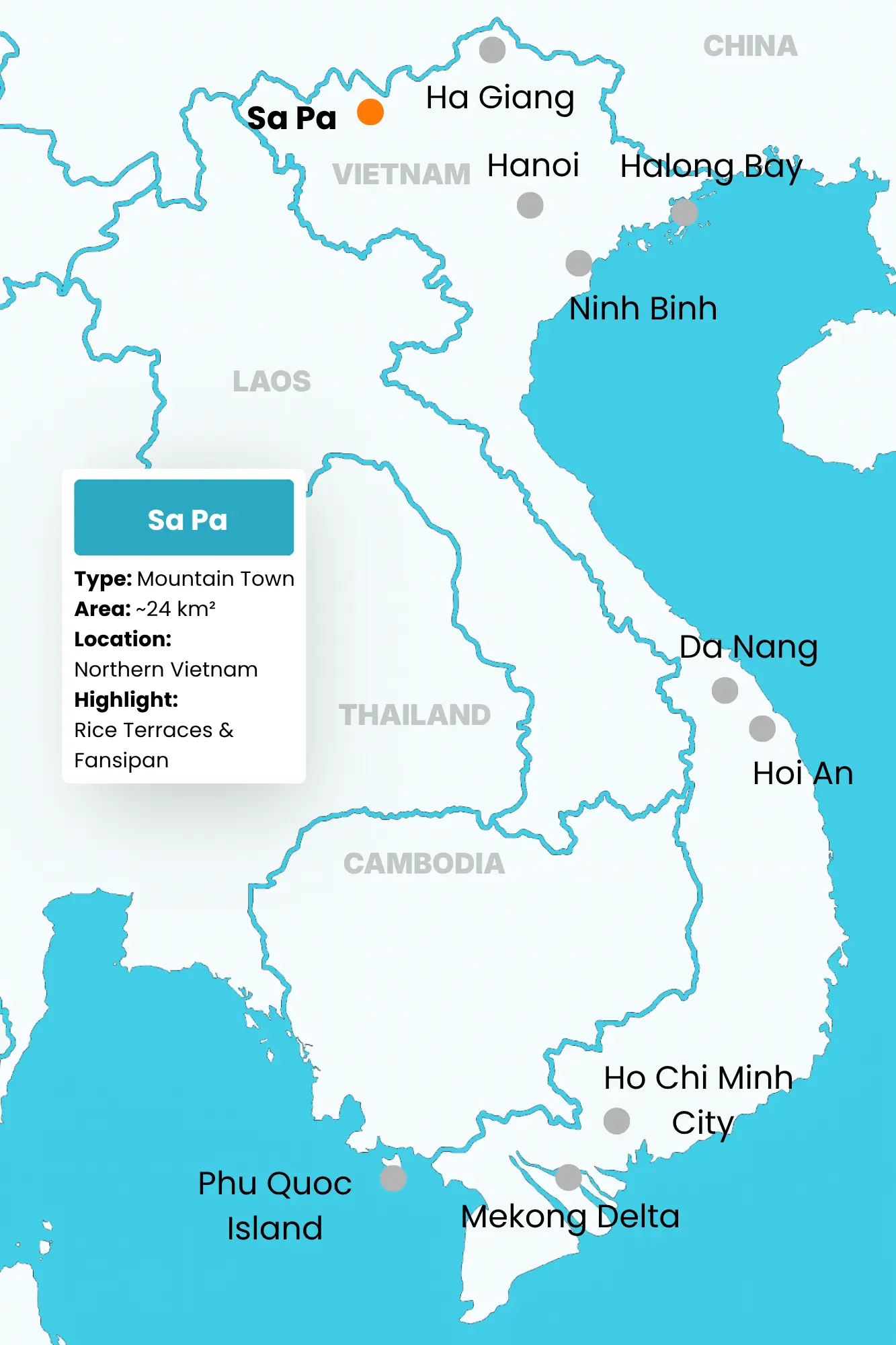
Sapa is a mountain town in northern Vietnam, located in Lao Cai Province and surrounded by the Hoang Lien Son mountain range. The town sits at the head of a deep valley filled with terraced rice fields, forests, streams, and traditional villages, creating some of the most distinctive mountain landscapes in northern Vietnam.
Located around 315-320 km northwest of Hanoi, Sapa is usually reached by car or limousine in about 5-6 hours. Travelers can also take an overnight train from Hanoi to Lao Cai and continue by road for about another hour to reach Sapa town.
Sapa at a Glance
- Location: Lao Cai Province, northern Vietnam
- Distance from Hanoi: Approximately 315-320 km
- Travel time from Hanoi: Around 5-6 hours by bus or limousine
- Landscape: Mountains, deep valleys, terraced rice fields, forests, streams, and waterfalls
- Mountain Range: Hoang Lien Son
- Highest Peak: Fansipan Mountain, 3,143 m
- Famous Valley: Muong Hoa Valley
- Popular Villages: Cat Cat, Lao Chai, Ta Van, and Ta Phin
- Local Communities: H’Mong, Dao, Tay, Giay, and other ethnic groups
- Main Experiences: Fansipan cable car, rice-terrace trekking, village visits, homestays, local markets, and Sapa city tours
Geography of Sa Pa
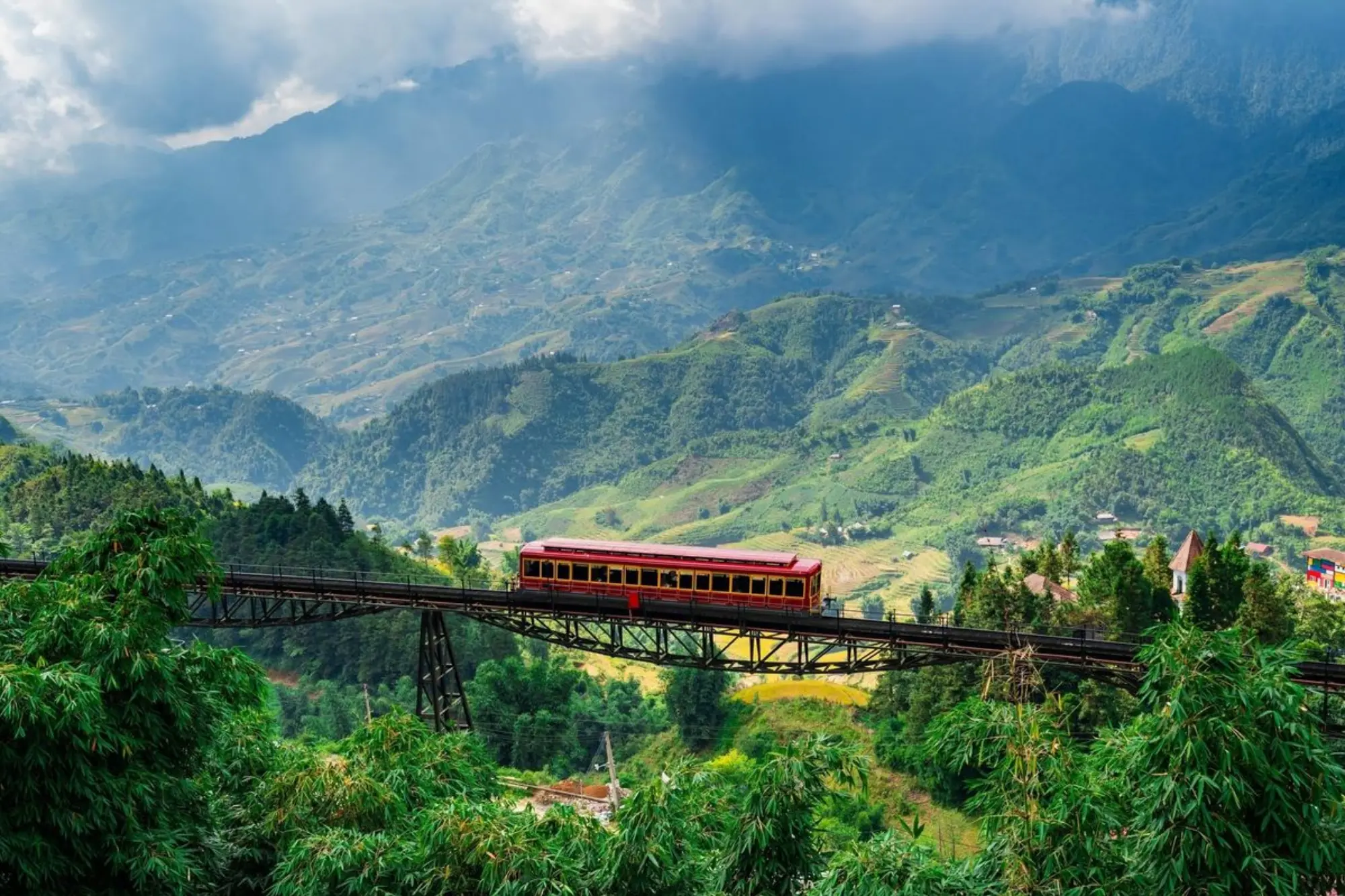
Sapa is a mountainous town in northern Vietnam, surrounded by high peaks, deep valleys, terraced rice fields, and forests. Its geography creates a distinctive landscape and provides ideal conditions for trekking, sightseeing, and outdoor activities.
- Location: Sapa is located in Lao Cai Province, northern Vietnam, near the border with China and approximately 320 km northwest of Hanoi.
- Mountain Range: The town sits within the Hoang Lien Son mountain range, one of the most impressive mountainous areas in northern Vietnam.
- Highest Peak: Fansipan Mountain reaches 3,143 meters above sea level, making it the highest mountain in Vietnam and a major attraction in Sapa.
- Muong Hoa Valley: One of Sapa’s most famous landscapes, the valley is surrounded by mountains and covered with extensive terraced rice fields and traditional villages.
- Rice Terraces: Terraced fields are a defining feature of Sapa’s landscape, particularly around Muong Hoa Valley, Lao Chai, and Ta Van.
- Climate: Sapa has a cooler mountain climate than much of northern Vietnam, with temperatures changing significantly between seasons and often dropping at higher elevations.
- Natural Landscape: The area combines mountains, valleys, forests, streams, waterfalls, and rice terraces, creating diverse scenery for outdoor exploration.
- Ethnic Villages: Several ethnic communities live in the valleys and mountains around Sapa, with villages spread across areas such as Lao Chai, Ta Van, and Ta Phin.
History & Culture of Sa Pa
Sapa’s history and cultural identity are closely connected to the ethnic communities that have lived in the surrounding mountains for generations. Today, traditional clothing, handicrafts, farming, food, festivals, and village lifestyles remain important parts of the Sapa experience.
- Local Communities: Sapa and its surrounding areas are home to several ethnic groups, including the H’Mong, Red Dao, Tay, Giay, and Xa Pho communities.
- Traditional Livelihoods: Rice farming, livestock raising, handicrafts, and small-scale agriculture have traditionally supported communities in the mountain valleys.
- H’Mong Culture: H’Mong communities are particularly prominent around areas such as Cat Cat and Lao Chai, known for traditional clothing, handicrafts, and terraced farming.
- Red Dao Culture: The Red Dao community is well known for its distinctive red headwear, traditional clothing, embroidery, and herbal bathing traditions, particularly around Ta Phin.
- Traditional Crafts: Local communities continue to practice handicrafts such as brocade weaving, embroidery, and textile production, with many products sold in villages and local markets.
- Village Life: Villages such as Lao Chai, Ta Van, Ta Phin, and Cat Cat provide opportunities to observe traditional houses, farming practices, local food, and everyday life.
- Cultural Experiences: Travelers can experience local culture through village trekking, homestays, traditional markets, handicraft workshops, and meals with local families.
- Local Markets: Markets are important places for trade and social interaction, where visitors can find fresh produce, traditional textiles, handicrafts, and regional specialties.
Best Places to Visit in Sa Pa
1. Fansipan Mountain

At 3,143 meters, Fansipan Mountain is the highest peak in Vietnam and one of Sapa’s most iconic attractions. Visitors can take the cable car to enjoy panoramic views of the Hoang Lien Son mountain range and surrounding valleys.
- Location: Hoang Lien Son Mountain Range
- Best for: Mountain views, photography, sightseeing
- Suggested time: Half day
- Access: Cable car or trekking
- Cable car: From 850,000 VND/person for a round trip in 2026; children 1-1.4 m: 550,000 VND.
- Tip: Check the weather before visiting, as clouds and fog can significantly affect visibility.
2. Muong Hoa Valley
Muong Hoa Valley is known for its spectacular rice terraces, mountain scenery, streams, and traditional villages. It is also one of the best areas for trekking and experiencing local life around Sapa.
- Location: Southeast of Sapa town
- Best for: Rice terraces, trekking, photography
- Suggested time: Half day-1 day
- Popular route: Lao Chai – Ta Van
- Entrance fee: Around 75,000 VND/adult for the valley route in 2026; fees may vary by access point.
- Tip: A local guide can help you explore village trails and learn more about local culture.
3. Cat Cat Village
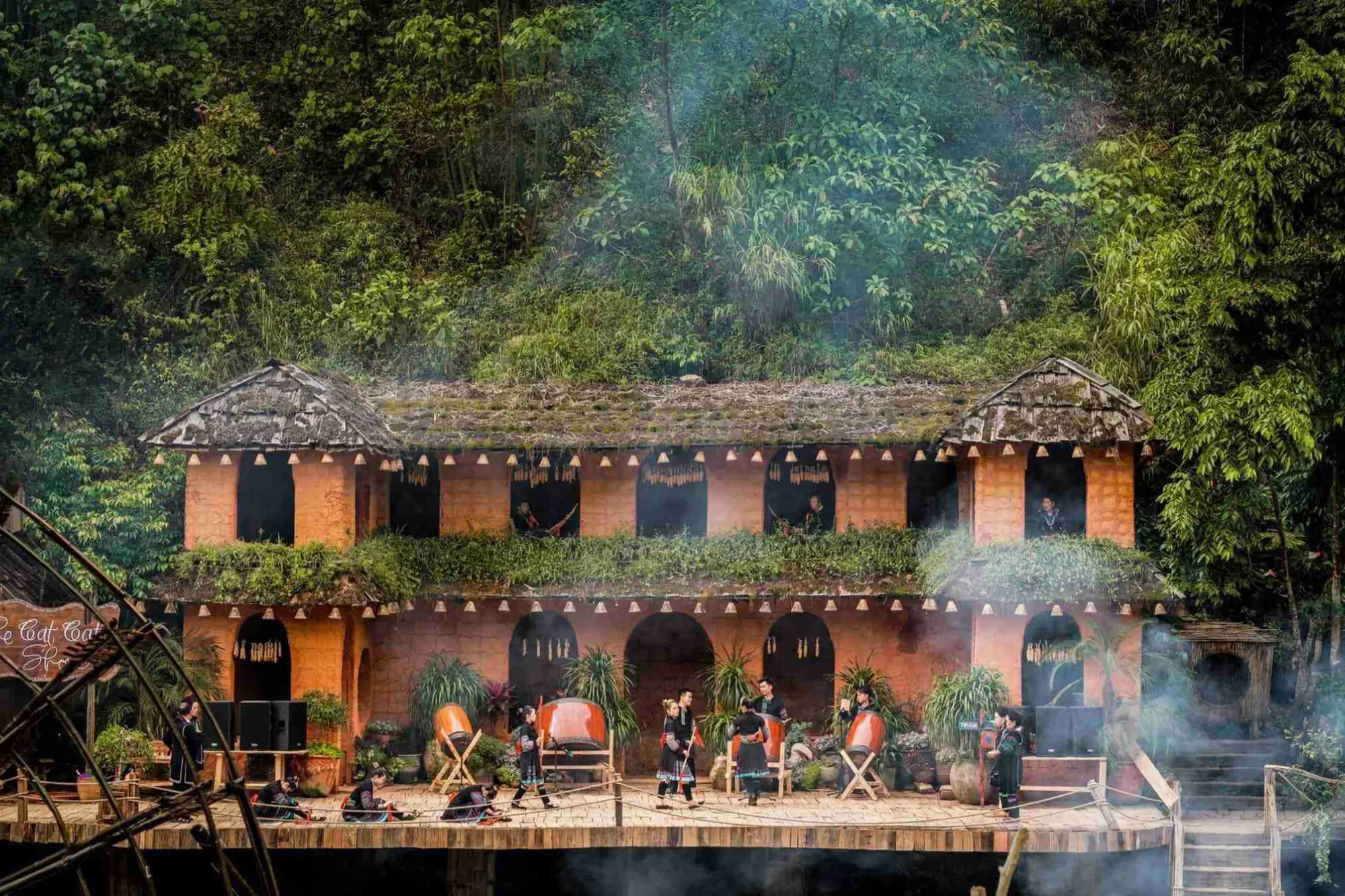
Located close to Sapa town, Cat Cat Village is a convenient place to experience local culture and mountain scenery. Visitors can walk through the village, see traditional houses, visit the waterfall, and explore local handicrafts.
- Location: About 2-3 km from Sapa town
- Best for: Culture, scenery, photography
- Suggested time: 2-4 hours
- Activities: Walking, sightseeing, handicraft experiences
- Entrance fee: 150,000 VND/adult in 2026; reduced rates apply to children.
- Tip: Wear comfortable shoes as the village has many steps and walking paths.
4. Lao Chai & Ta Van Villages
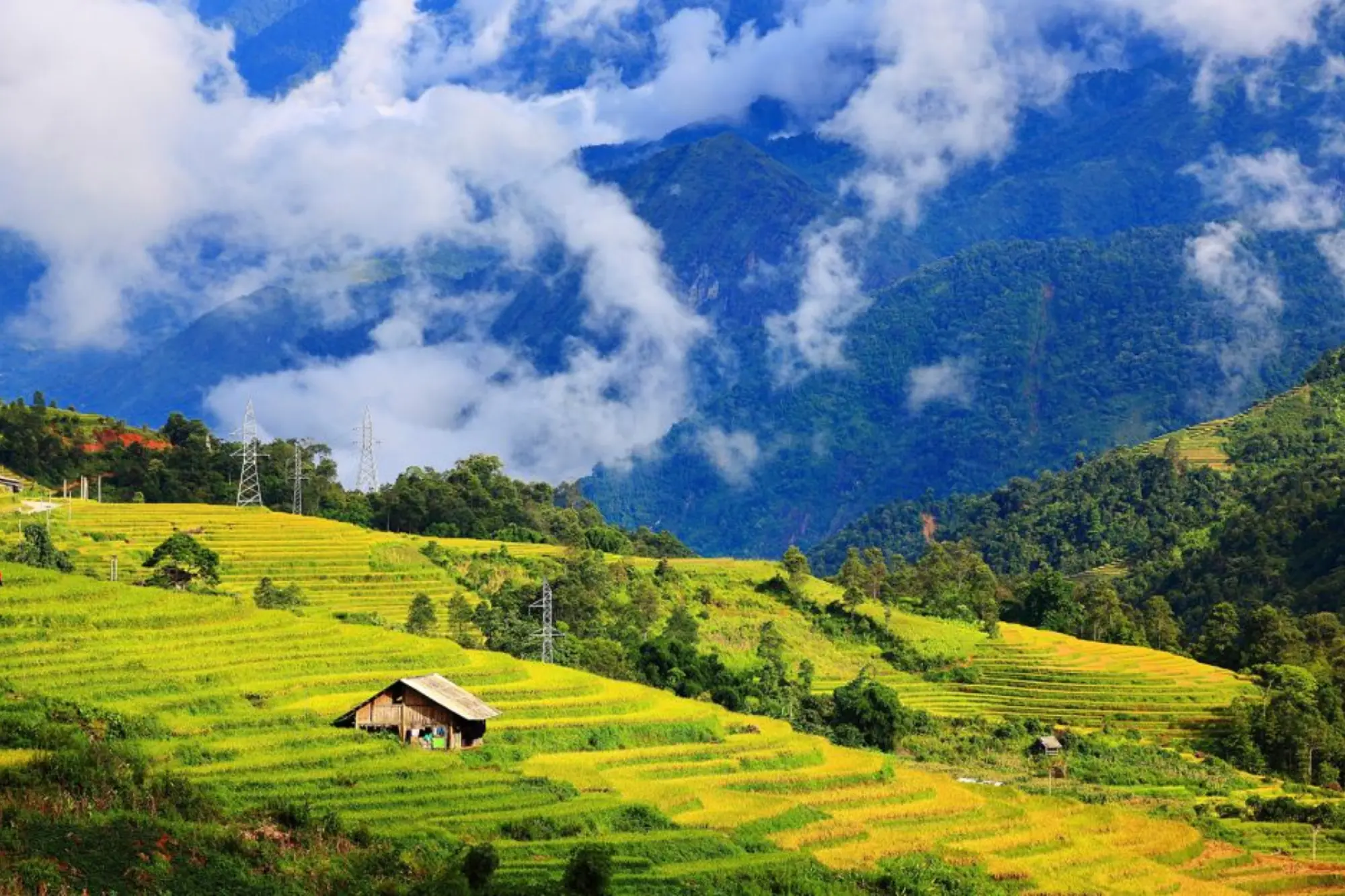
Lao Chai and Ta Van are located in Muong Hoa Valley and are popular stops for Sapa trekking tours. The route passes through rice terraces and rural landscapes while offering opportunities to meet local communities.
- Location: Muong Hoa Valley
- Best for: Trekking, local culture, rice terraces
- Suggested time: Half day-1 day
- Activities: Trekking, photography, homestay, local food
- Entrance fee: Around 75,000 VND/adult for access to the Muong Hoa Valley route.
- Tip: Consider staying overnight in a homestay for a more immersive experience.
5. Ta Phin Village
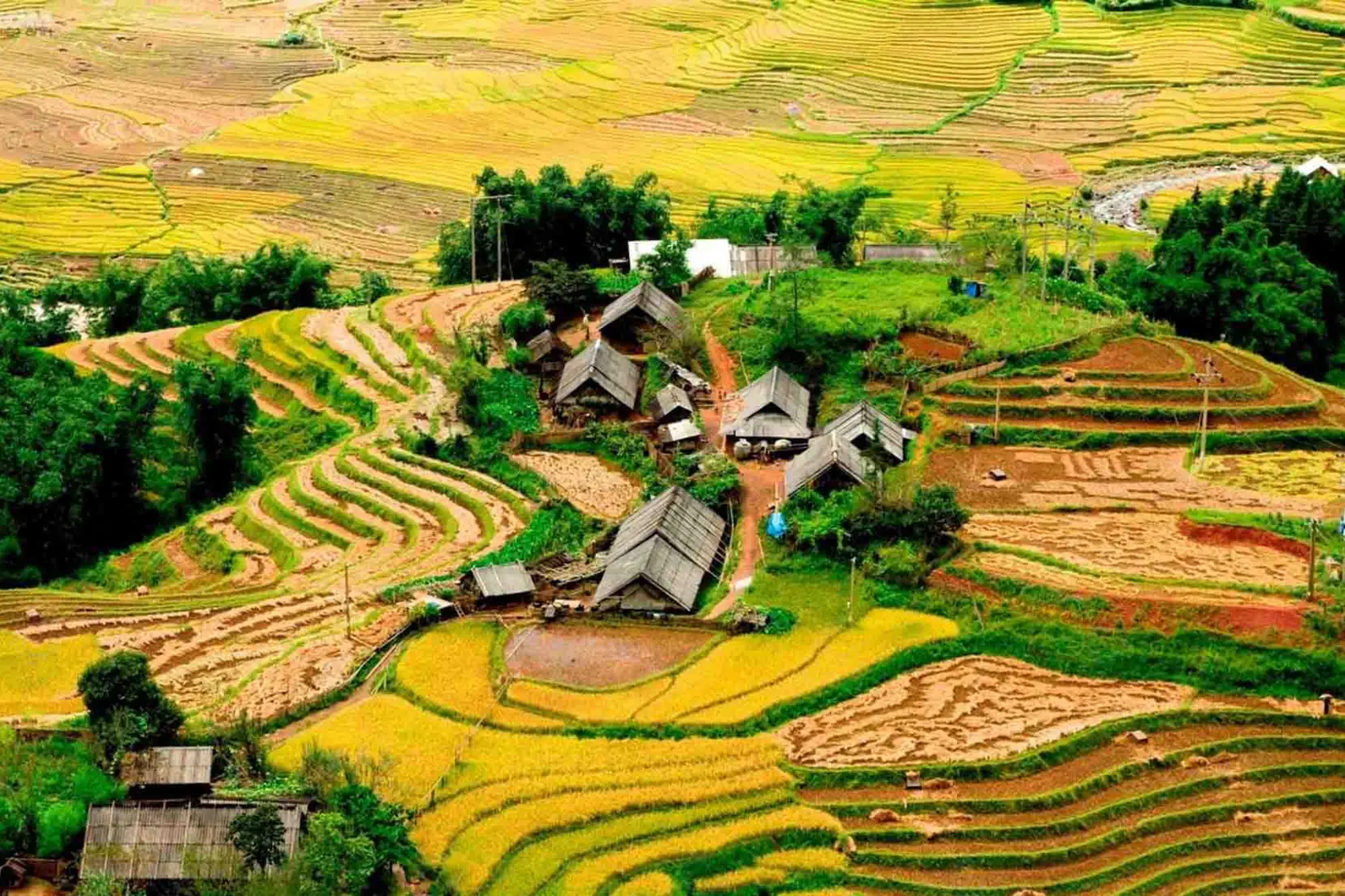
Ta Phin Village offers a quieter cultural experience away from central Sapa, with traditional villages surrounded by mountains and forests. It is particularly known for Red Dao culture, handicrafts, and traditional herbal bathing experiences.
- Location: About 14 km from Sapa town
- Best for: Local culture, crafts, village life
- Suggested time: Half day
- Activities: Village visits, handicrafts, herbal baths
- Entrance fee: Check locally before visiting, as fees and included services can vary.
- Tip: Combine Ta Phin with other nearby attractions for a half-day trip.
6. Sapa Town

Exploring Sapa town is an easy way to discover the destination before heading into the surrounding mountains and villages. A Sapa city tour can include the Stone Church, local market, cafés, restaurants, and viewpoints around the town center.
- Best for: First-time visitors, food, sightseeing, local atmosphere
- Suggested time: 2-4 hours
- Activities: Walking, shopping, dining, sightseeing
- Entrance fee: Free for general sightseeing around the town
- Tip: A Sapa city tour can be combined with Cat Cat Village or a nearby attraction.
Best Sa Pa Activities
1. Trekking Through Rice Terraces
Trekking is one of the most popular Sapa activities, especially around Muong Hoa Valley, Lao Chai, and Ta Van villages. The trails pass through rice terraces, forests, streams, and ethnic minority villages, offering a closer look at Sapa’s mountain landscapes and local life.

2. Take a Sapa City Tour
A Sapa city tour is an easy way to explore the town’s main attractions, including Sapa Stone Church, Sapa Market, Sapa Square, and Ham Rong Mountain. Take time to walk around the center, visit local shops, try regional food, and enjoy the mountain views from cafés.
3. Experience Local Homestay Life
Staying at a homestay in Ta Van, Lao Chai, or nearby mountain villages allows travelers to experience Sapa beyond its main tourist attractions. You can enjoy a home-cooked meal, learn about local traditions, and experience the daily life of ethnic communities in a quieter setting.
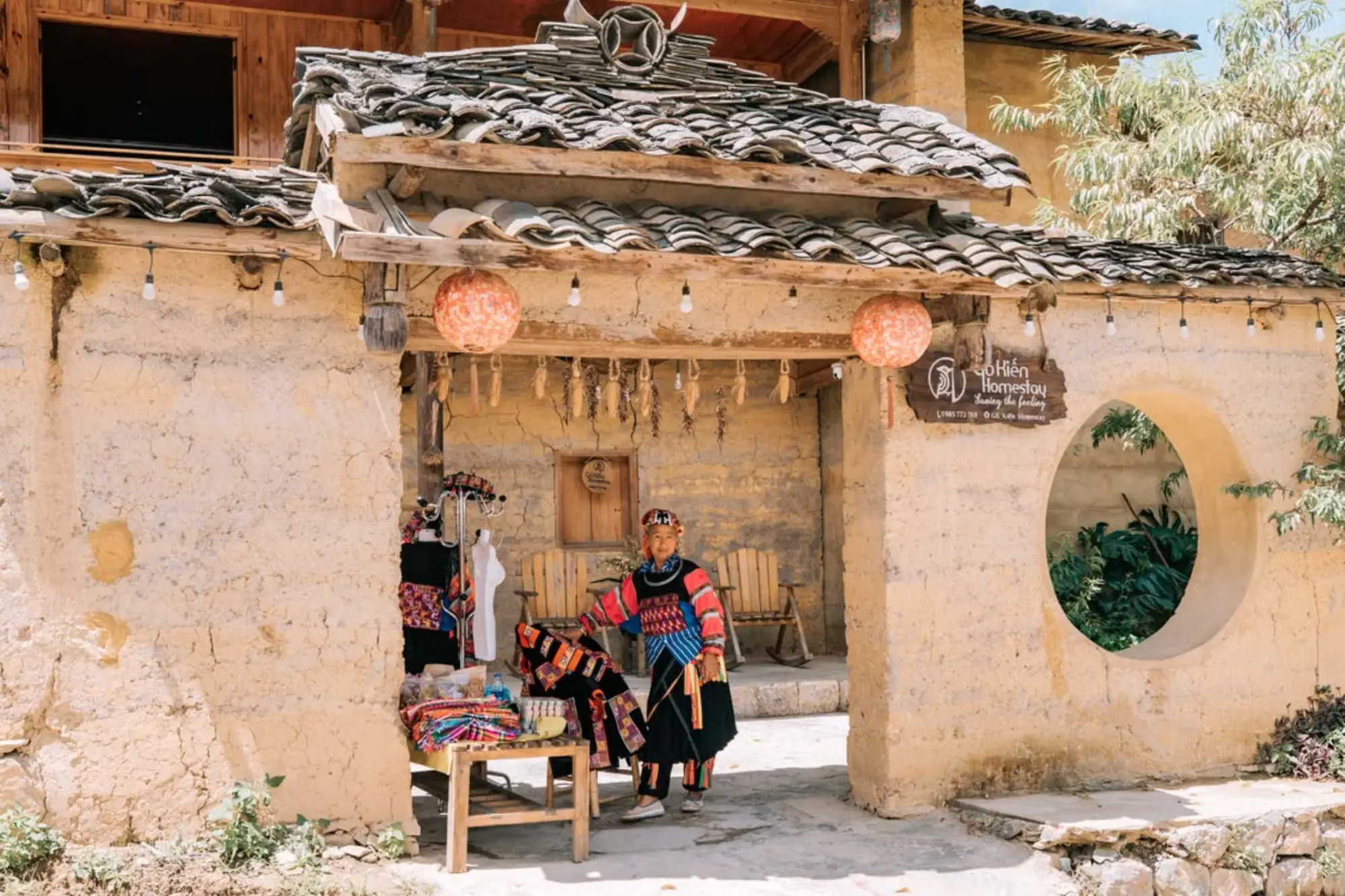
4. Visit Local Markets
Sapa’s local markets are a great place to see traditional clothing, handicrafts, fresh produce, and regional specialties. Sapa Market is located in the town center, while Bac Ha Market, about 70 km from Sapa, is a popular weekend market known for its colorful ethnic culture and variety of local products.
5. Visit Waterfalls
Sapa’s mountainous landscape is home to several scenic waterfalls that are easy to add to a day trip. Silver Waterfall is located along the road to the Hoang Lien Son mountains, while Love Waterfall is near the road leading toward Fansipan and offers a quieter natural setting.
6. Ride the Cable Car to Fansipan
Taking the cable car to Fansipan Mountain is one of the most convenient ways to experience Sapa’s high-altitude scenery. The journey offers panoramic views of the Hoang Lien Son range, while the summit area features mountain viewpoints, temples, and other attractions.
7. Try Local Food
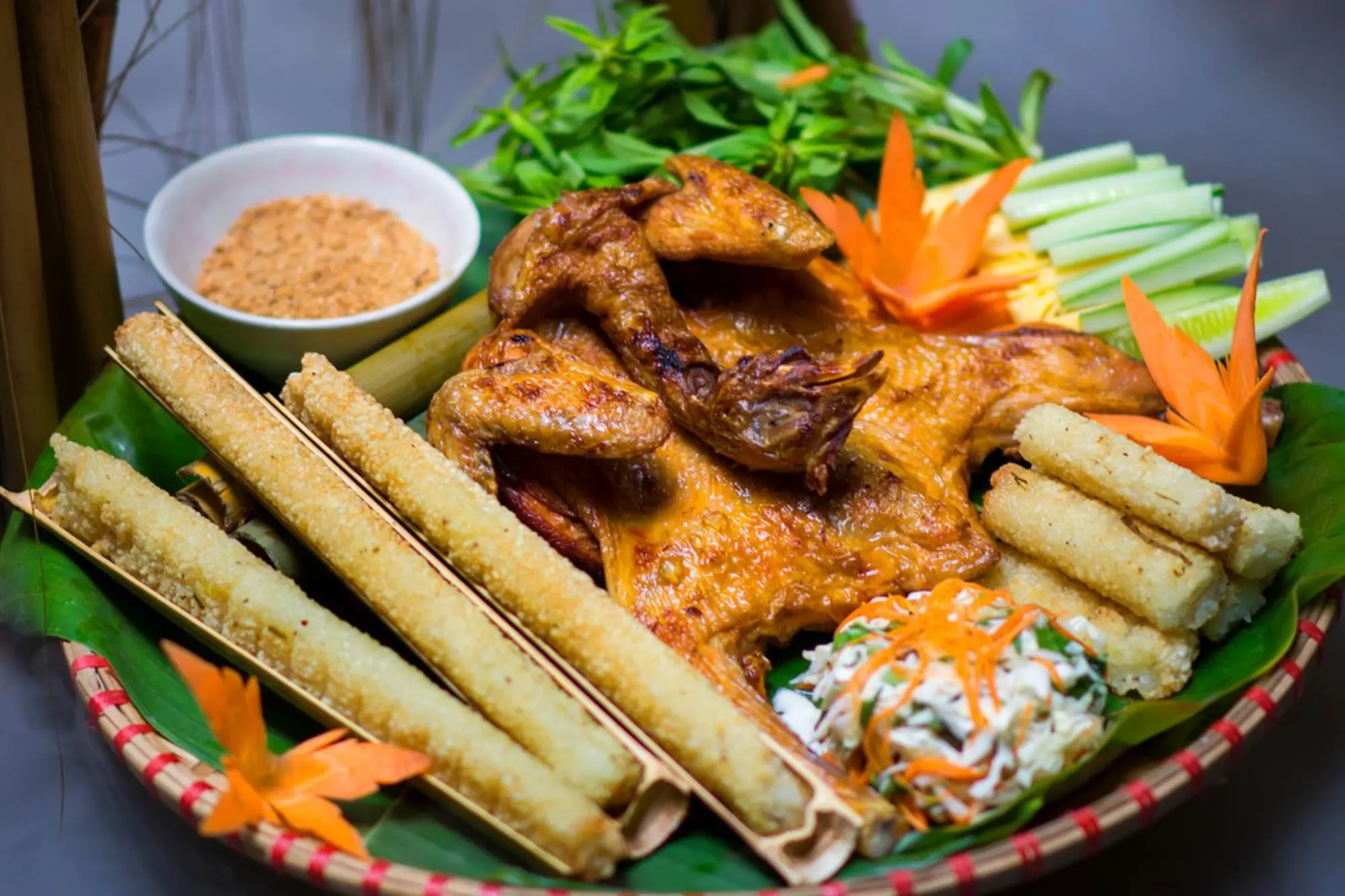
Sapa’s mountain cuisine combines fresh local ingredients with traditional cooking methods, offering several distinctive dishes worth trying during your trip.
- Thang Co: A traditional H’Mong dish made with horse meat and various herbs and spices, traditionally served as a hearty mountain stew.
- Grilled Pork & Vegetables: Pork, corn, mushrooms, and vegetables are grilled over charcoal, creating a simple but flavorful street-food experience, especially popular on cool evenings.
- Salmon Hotpot: Sapa’s locally farmed salmon is served in a hotpot with vegetables, mushrooms, herbs, and a flavorful broth, making it a popular choice in the cool mountain climate.
- Sturgeon Hotpot: Sturgeon is cooked in a hot, savory broth with vegetables and herbs, offering a warm and filling meal after a day of exploring.
- Smoked Buffalo Meat: Thinly sliced buffalo meat is traditionally smoked and dried, giving it a distinctive smoky flavor and chewy texture.
- Sapa Rainbow Trout: Fresh rainbow trout is commonly grilled or prepared in hotpot dishes, offering a lighter option made with locally farmed fish.
Best Time to Visit Sa Pa
Sapa can be visited throughout the year, but each season offers a different experience. September and October are particularly popular for the rice terraces, while April and May offer pleasant weather and clear skies.
| Season | What to Expect | Best For |
| March-May | Mild weather, clearer skies, green landscapes | Trekking, sightseeing |
| June-August | Cooler than many lowland areas, occasional rain | Escaping the summer heat, greenery |
| September-October | Golden rice terraces, pleasant conditions | Photography, trekking |
| November-February | Cold, foggy, sometimes very low visibility | Misty mountain scenery, winter atmosphere |
When Is the Best Time to Visit Sa Pa?
For travelers mainly interested in rice terraces and photography, September and October are among the best months to visit. For trekking and comfortable outdoor activities, April-May can also be a good choice thanks to generally pleasant conditions.
How to Get to Sa Pa & Getting Around?
Sapa is accessible from Hanoi and other destinations in northern Vietnam by bus, limousine, train, or private transfer. Once in Sapa, travelers can choose from several convenient ways to explore the town and surrounding attractions.
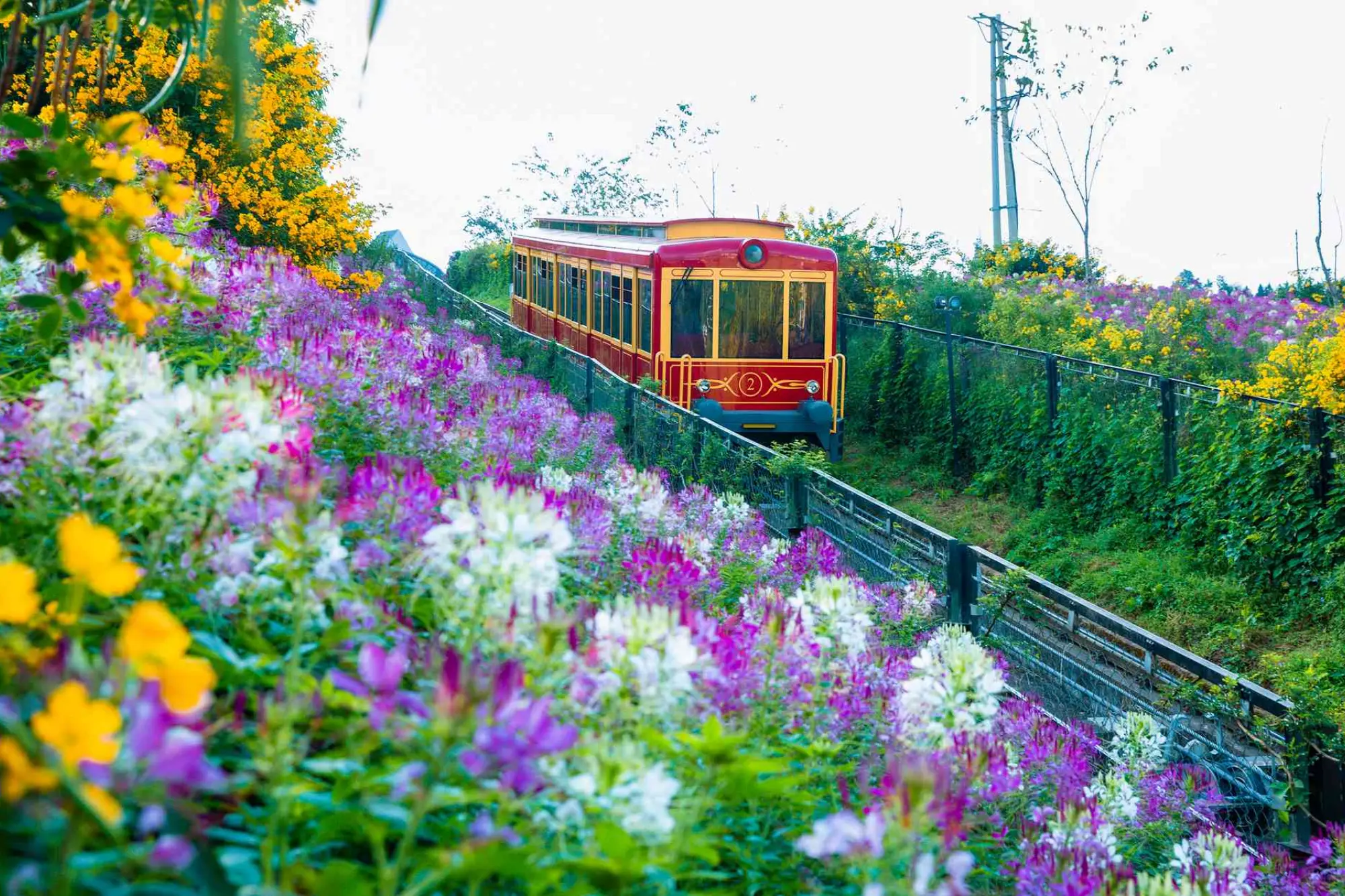
Getting to Sa Pa
- Bus & Limousine: The most convenient option from Hanoi, usually taking around 5-6 hours.
- Train: Take an overnight train from Hanoi to Lao Cai, then continue to Sapa by shuttle bus, taxi, or private transfer for about 1 hour.
- Private Transfer: A comfortable choice for families and small groups, with flexible departure times.
- From Other Northern Destinations: Direct limousine and private transfers are available from destinations such as Ha Long Bay, Ninh Binh, and Ha Giang, although travel times are longer.
Getting Around Sa Pa
- Walking: Ideal for exploring Sapa town, local markets, cafés, and nearby attractions.
- Taxi & Private Car: Convenient for traveling between the town center and attractions or villages farther away.
- Motorbike: Offers flexibility for exploring the surrounding countryside and villages.
- Local Tours: A practical option for visiting multiple attractions, especially for first-time visitors.
- Cable Car: The easiest way to reach Fansipan Mountain without a long trek.
Suggested Sa Pa Itinerary

1. 2-Day Sapa Itinerary
Day 1: Sapa city tour → Cat Cat Village → local food and evening in Sapa town.
Day 2: Fansipan Mountain → Muong Hoa Valley → Lao Chai or Ta Van Village.
This itinerary works well for first-time visitors who want to combine Sapa’s main attractions with nature and cultural experiences.
2. 3-Day Sapa Itinerary
Day 1: Sapa city tour → Cat Cat Village → explore Sapa town.
Day 2: Fansipan Mountain → Muong Hoa Valley → Lao Chai → Ta Van.
Day 3: Ta Phin Village → local market or homestay experience → return to Sapa town.
A three-day itinerary gives you more flexibility and allows extra time for trekking, village visits, and local experiences without rushing between attractions.
Frequently Asked Questions
1. How many days do you need in Sapa?
A 2-3 day Sapa itinerary is suitable for most first-time visitors. Two days cover the main highlights, while three days allow more time for trekking, villages, and local experiences.
2. What are the best Sapa activities?
Popular Sapa activities include visiting Fansipan Mountain, trekking through Muong Hoa Valley, exploring ethnic minority villages, taking a Sapa city tour, visiting local markets, and staying at a homestay.
3. Is Fansipan Mountain worth visiting?
Yes. Fansipan Mountain is the highest peak in Vietnam at 3,143 meters and offers spectacular mountain views, with cable car access making the summit area accessible to a wide range of travelers.
4. What should I include in a Sapa itinerary?
A well-balanced Sapa itinerary should combine Fansipan Mountain, Muong Hoa Valley, a village trek, and time in Sapa town. If you have an extra day, add Ta Phin Village or an overnight homestay.
Can you visit Sapa from Hanoi?
Yes. Travelers can reach Sapa from Hanoi by limousine or bus, while another option is taking a night train to Lao Cai and continuing by road to Sapa. The road journey from Hanoi generally takes around 5-6 hours.
Conclusion
Sapa is an ideal destination for travelers looking for mountain scenery, outdoor activities, and authentic cultural experiences in northern Vietnam. From a relaxed Sapa city tour and scenic trekking routes to the impressive Fansipan Mountain and traditional villages, the destination offers enough variety for a memorable 2-3 day trip. Plan your Sapa itinerary around the experiences that interest you most, and leave some flexibility for the mountain weather.
Discover Nicetrips’ Vietnam tour packages, and follow the Nicetrips Blog for more travel guides, useful tips, and inspiration for your next journey.