Planning a trip to Southeast Asia? Understanding a few essential facts about vietnam can transform your vacation from a standard tour into a deeply enriching experience. Vietnam is a country celebrated for its thousands of years of history, incredibly diverse regional cuisine, and welcoming locals.
However, navigating a new culture can feel overwhelming for first-time visitors. A great trip starts with peace of mind. This guide provides a clear overview of Vietnamese culture, traditions, and essential local etiquette. By learning these key insights, you will feel more confident, avoid cultural faux pas, and truly enjoy a seamlessly arranged journey from start to finish.
What Is Vietnam Best Known For?
Vietnam is known for its rich cultural heritage, 54 distinct ethnic groups, and the vibrant Tet Lunar New Year celebration. The country is globally recognized for its iconic Ao Dai traditional dress, diverse regional cuisine, and unique water puppetry art. Furthermore, travelers appreciate Vietnam for its strong family values, deep-rooted ancestor traditions, and spectacular UNESCO-recognized heritage sites set within beautiful natural landscapes.
| Vietnam is known for | Why it is interesting |
| Tet | Vietnam’s most important traditional celebration |
| Ao Dai | Iconic Vietnamese traditional dress |
| Vietnamese cuisine | Strong regional diversity |
| Water puppetry | Traditional Vietnamese performing art |
| 54 ethnic groups | Major source of cultural diversity |
15 Fascinating Facts About Vietnam
1. Vietnam Is Home to 54 Ethnic Groups
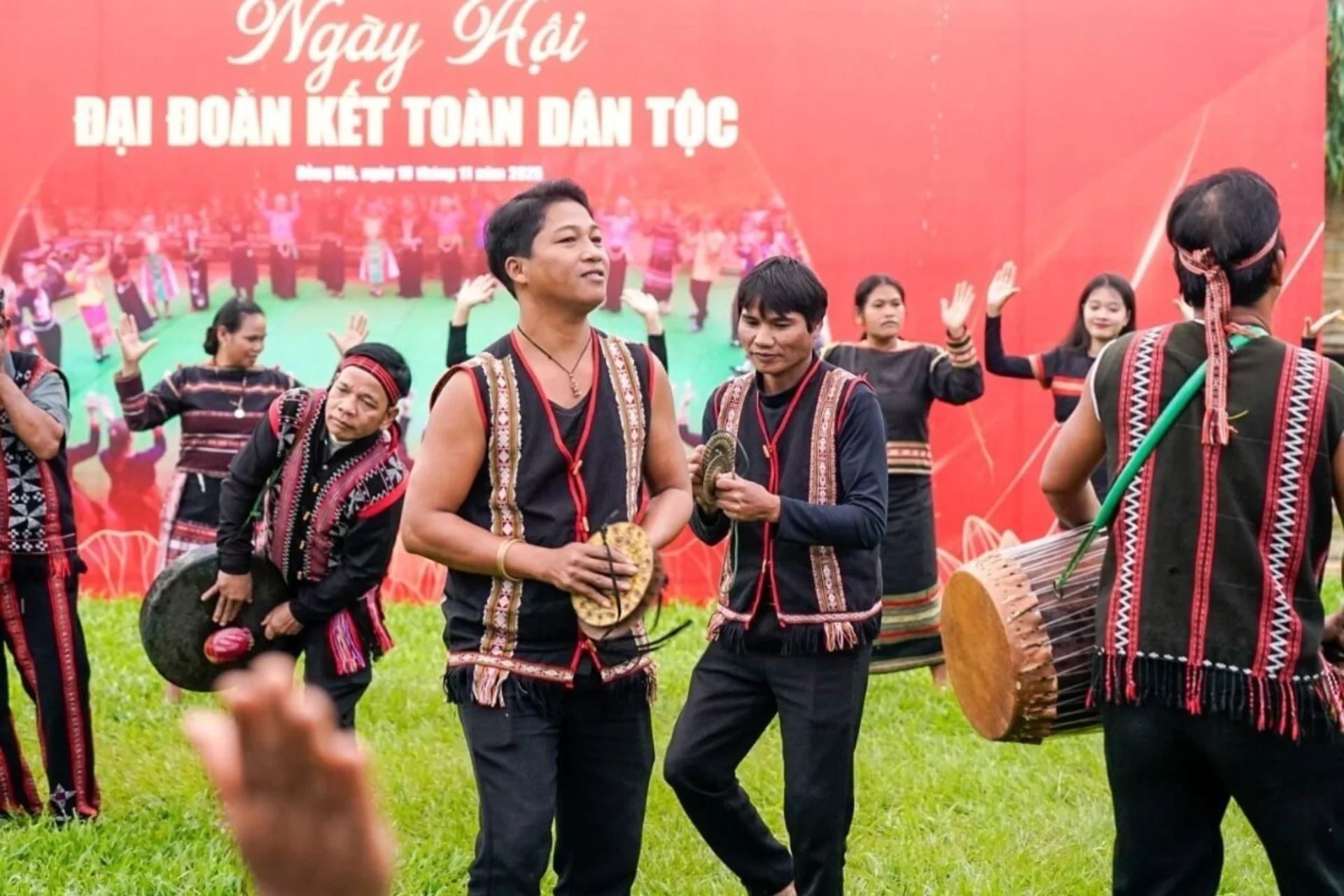
One of the most important facts about Vietnam is that the country is home to 54 officially recognized ethnic groups, each with its own cultural traditions. The Kinh people represent the majority of the population. However, the other 53 minority communities greatly contribute to the nation’s diversity in language, colorful traditional clothing, local festivals, and daily customs.
2. Tet Is Vietnam’s Most Important Traditional Celebration
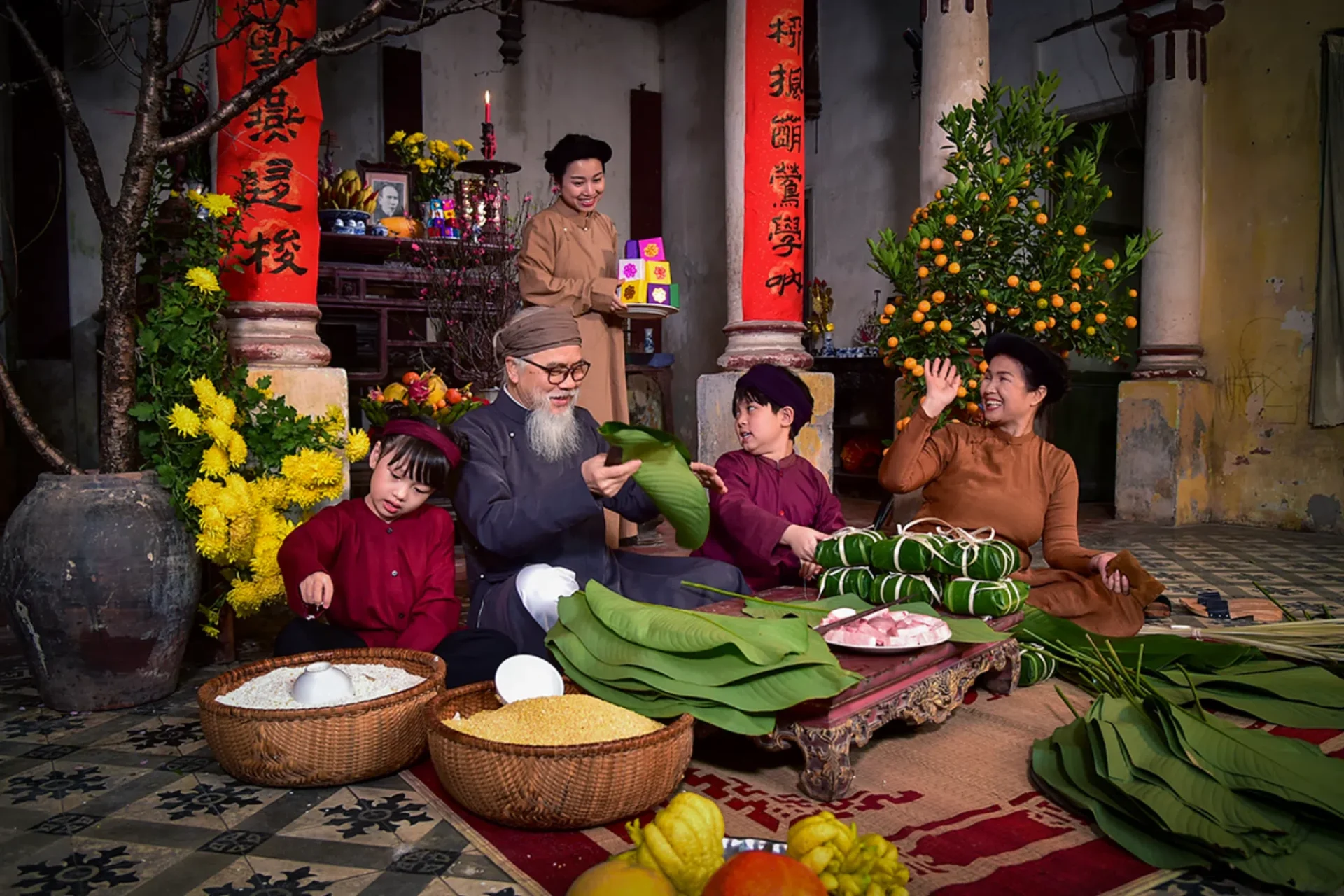
Tet, short for Tet Nguyen Dan, is the Lunar New Year. It is much more than just a calendar change; it focuses heavily on family reunions and ancestor remembrance. During this time, locals prepare traditional foods like Banh Chung (sticky rice cake), decorate their houses with peach or apricot blossoms, and give red envelopes containing lucky money to children and elders.
*[Image: A Vietnamese family gathering happily around traditional foods during the Tet holiday]*
3. Family and Respect for Elders Are Central to Vietnamese Culture
Family is a central part of Vietnamese culture, and respect for parents and older generations remains an important social value. Multi-generational family connections are highly prioritized. Filial piety dictates that younger family members care for their elders, creating strong family cohesion that travelers will easily notice in daily local life.
4. Ancestor Worship Is an Important Vietnamese Tradition
Ancestor worship is a vital Vietnamese tradition that is not tied to one specific religion. Most local homes feature an ancestral altar regardless of their faith. Significant holidays, death anniversaries, and the first and fifteenth days of the lunar month are critical times for families to burn incense and offer food to remember their ancestors.
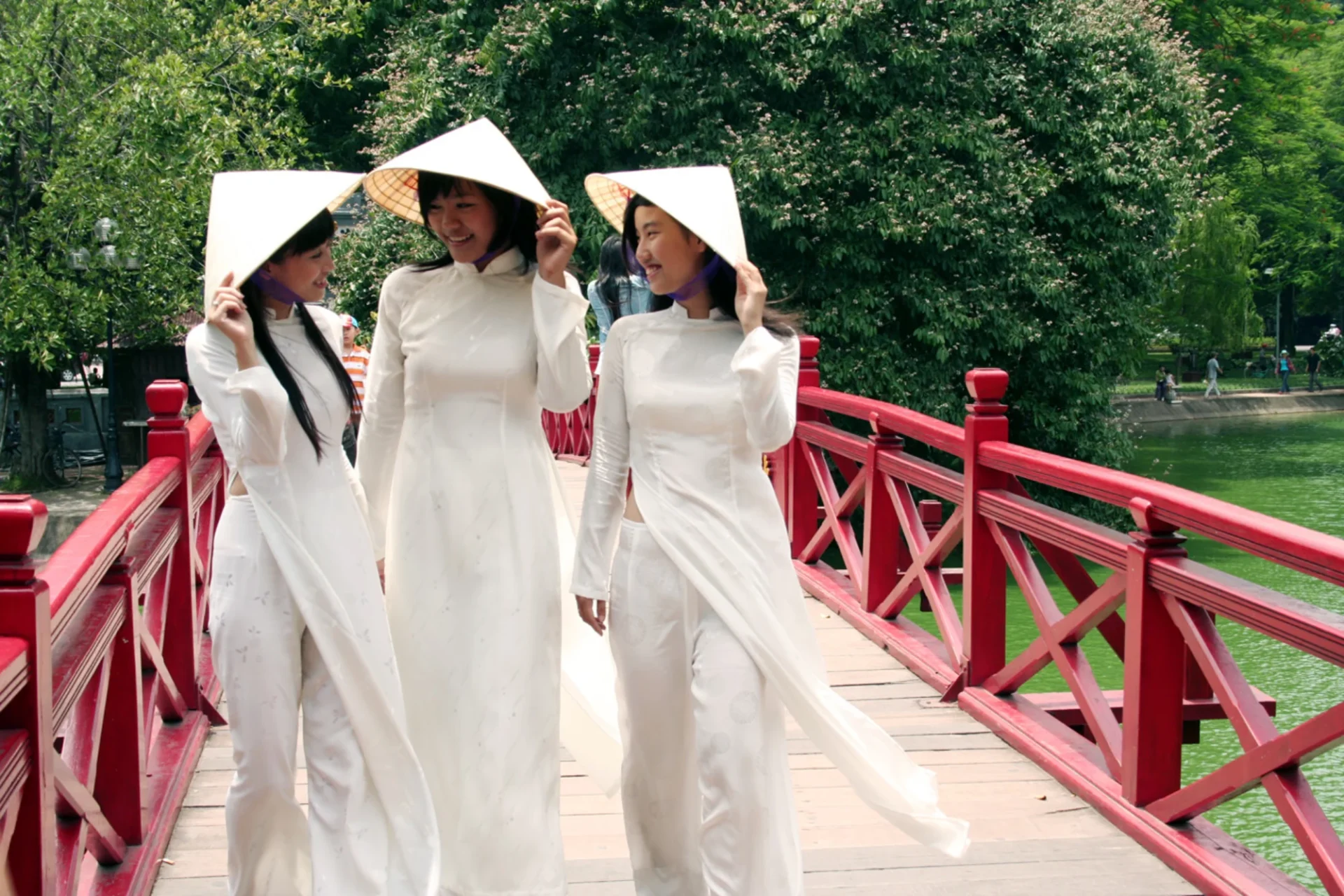
5. Ao Dai Is Vietnam’s Iconic Traditional Dress
What is Vietnam’s traditional dress? Vietnam’s best-known traditional dress is the ao dai, a long, elegant tunic worn over trousers.
This iconic garment features slits on both sides, allowing for comfortable movement. You will frequently see the ao dai worn during formal ceremonies, wedding events, school functions, and national holidays.
6. Vietnamese Cuisine Is Different Across the Country
Food in Vietnam changes significantly depending on geography. Understanding this is essential for any culinary exploration.
| Region | Cultural food characteristics | Classic Examples |
| Northern Vietnam | More subtle and balanced flavors | Pho, Bun Cha |
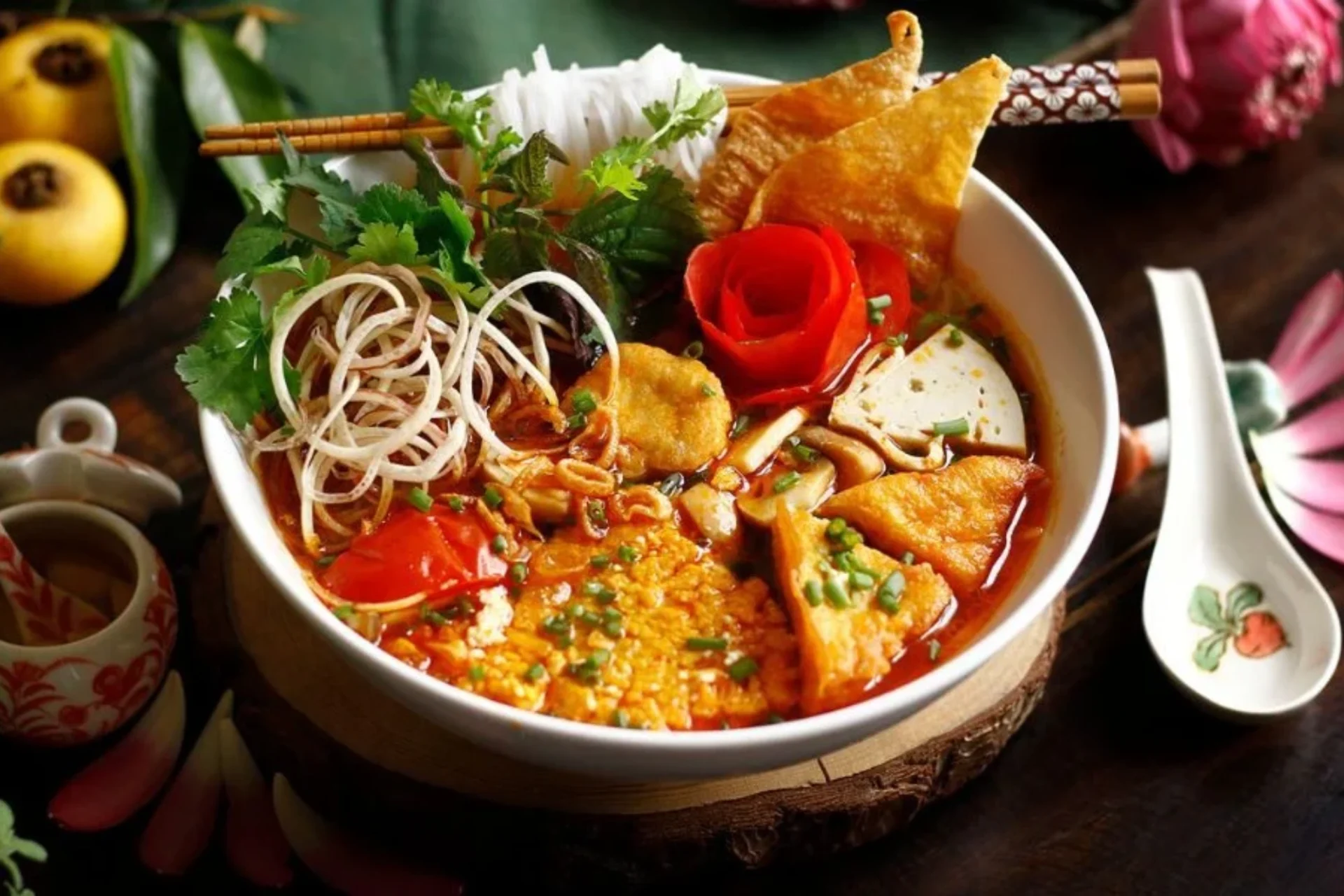
| Central Vietnam | Stronger and often spicier flavors | Bun Bo Hue, Cao Lau |
| Southern Vietnam | Sweeter flavor profiles | Banh Xeo, Hu Tieu |
7. Sharing Food Is an Important Part of Vietnamese Dining Culture
Unlike Western dining where everyone orders an individual plate, sharing food is a fundamental part of Vietnamese dining culture. Dishes are placed in the center of the table, and everyone shares the meal using their own small bowl and chopsticks. This communal style emphasizes togetherness and hospitality.
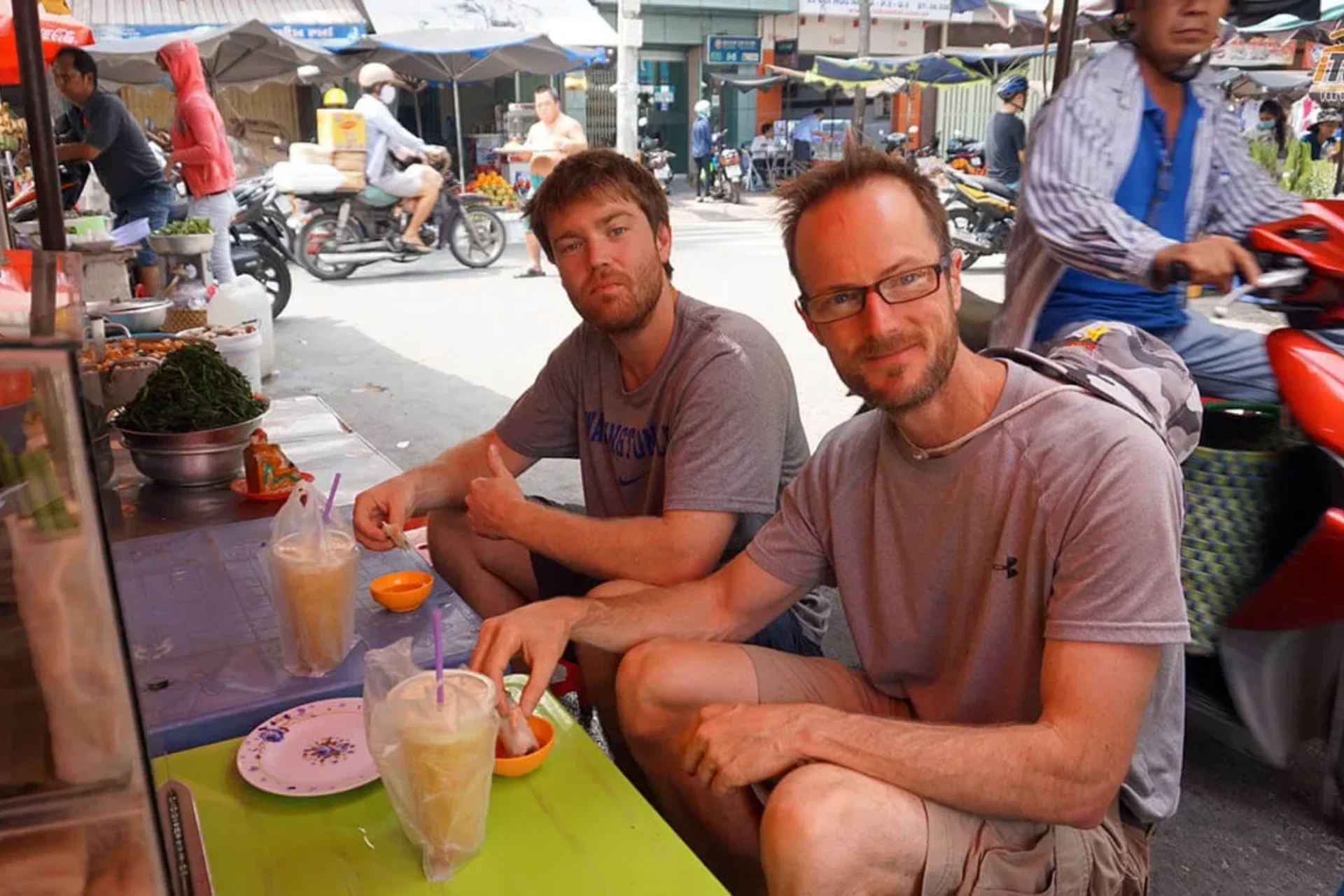
8. Vietnamese People Have a Strong Sidewalk Culture
One of the most engaging Vietnam fun facts is the vibrant sidewalk culture. The pavement is a dynamic social space where locals gather to eat street food, drink coffee on small plastic stools, buy fresh goods from local markets, and even get haircuts. This daily social interaction is the heartbeat of Vietnamese city life.
9. Water Puppetry Is a Traditional Vietnamese Performing Art
What is Vietnam famous for in traditional performing arts? Water puppetry. Originating from the northern Red River Delta, this unique art features wooden puppets controlled on a waist-deep water stage. It combines traditional folk music with storytelling, often depicting rural life, agricultural harvests, and historical legends.
10. Vietnam Has a Long Tradition of Festivals
Festivals hold deep meaning regarding family, community, spirituality, and agricultural traditions. Some of the most notable include:
- Tet: The Lunar New Year celebration.
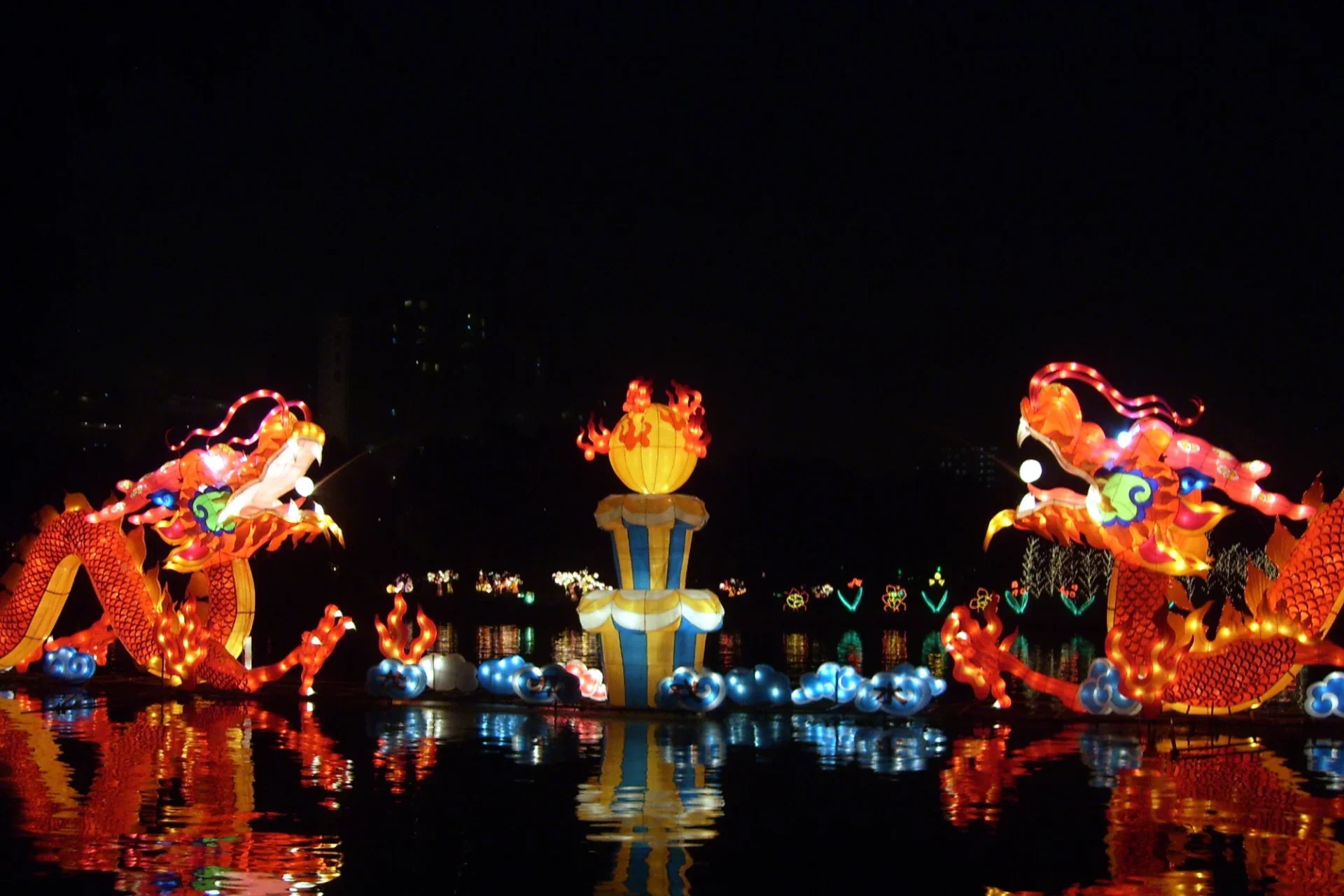
- Mid-Autumn Festival: A harvest festival focusing on children, lanterns, and mooncakes.
- Hung Kings’ Festival: Honoring the ancient founders of the nation.
- Kitchen God Festival: A ritual to send household deities to heaven before Tet.
11. Vietnam’s Culture Has Been Shaped by Multiple Influences
Vietnamese culture has incredible depth due to a blend of various influences over centuries. It retains strong indigenous traditions while incorporating elements from Chinese philosophical influences, Buddhism, Confucianism, and Taoism. Additionally, French influence is visible in local architecture, coffee culture, and the popular Banh Mi sandwich.
12. Vietnam Has 8 UNESCO World Heritage Sites
For history and nature lovers, one of the most interesting facts about Vietnam is its impressive list of [UNESCO World Heritage Sites. As of current official records, there are 8 recognized sites:
- Ha Long Bay – Cat Ba Archipelago
- Trang An Landscape Complex
- Hoi An Ancient Town
- Complex of Hue Monuments
- My Son Sanctuary
- Thang Long Imperial Citadel
- Citadel of Ho Dynasty
- Phong Nha-Ke Bang National Park
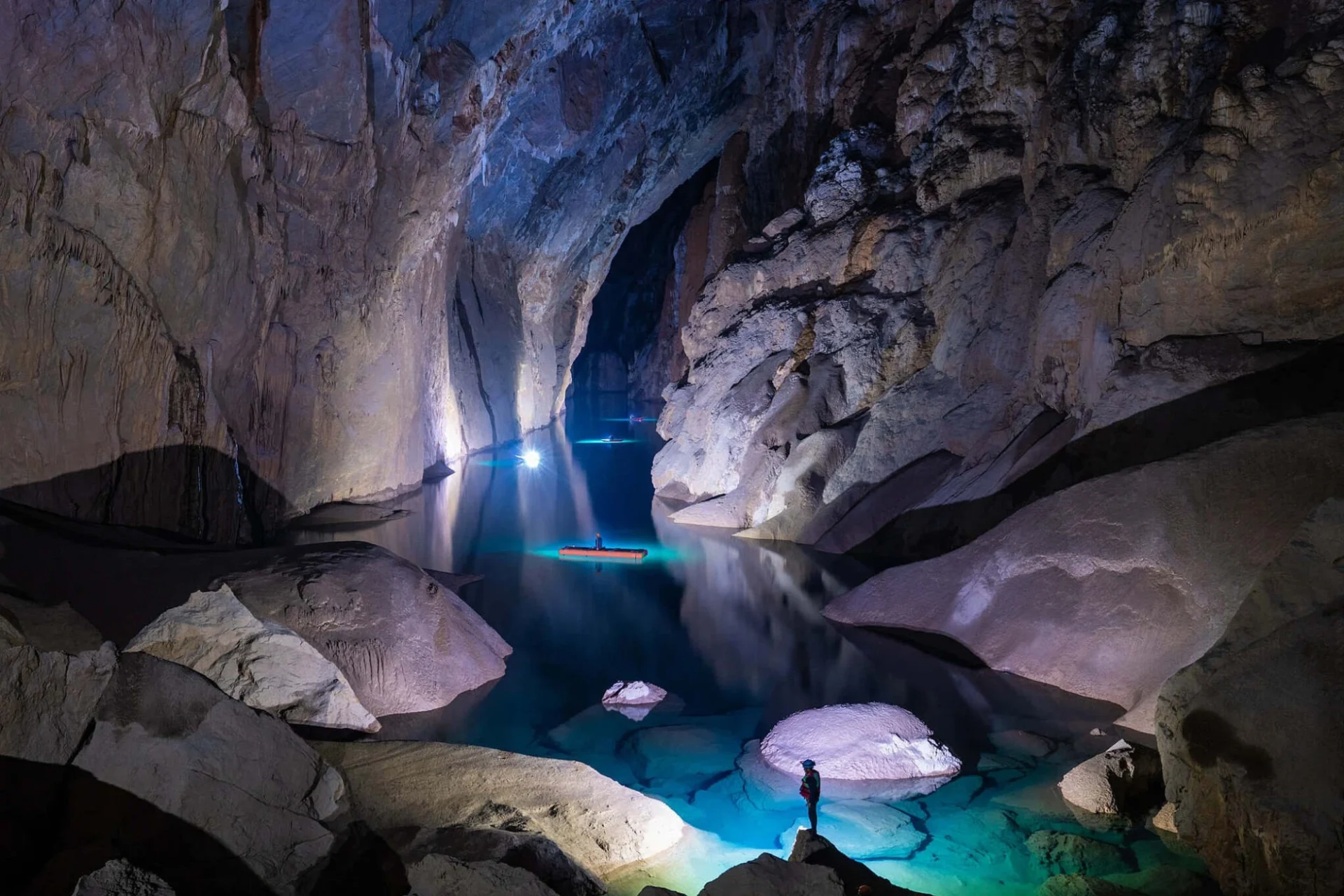
13. Vietnam Is Home to Son Doong, One of the World’s Most Remarkable Caves
Located in Quang Binh province, Son Doong is celebrated globally as one of the largest natural caves on earth. Officially surveyed in 2009, this massive subterranean wonder even has its own localized weather system and internal jungle ecosystem.
14. Vietnamese Is a Tonal Language
Vietnamese uses tones to distinguish meaning, making it a fascinating linguistic challenge for foreigners. The language utilizes a Latin-based writing system, known as Quoc ngu, which includes specific diacritics (accent marks) to indicate the six different tones. A slight change in tone completely changes the definition of a word.
15. Vietnamese Culture Changes From North to South
Vietnam is not culturally identical from top to bottom. The geography spans over 1,600 kilometers, resulting in distinct regional characteristics.
| Area | Cultural characteristics |
| Northern Vietnam | Strong historical, traditional, and conservative influences |
| Central Vietnam | Imperial heritage, distinctive fiery cuisine, and strong weather resilience |
| Southern Vietnam | More tropical, open, and commercially diverse influences |
Frequently Asked Questions About Vietnamese Culture (FAQ)
1. Is Vietnam safe for senior and middle-aged foreign travelers?
Yes, Vietnam is considered one of the safest countries in Southeast Asia. The locals are exceptionally friendly and respectful to elders, and major cities offer reliable, modern medical facilities for tourists.
2. What is the best way to cross the street in Vietnam?
Walk at a steady, predictable pace and do not stop abruptly. Keep your eyes on the oncoming traffic, and the drivers will naturally adjust their speed to flow around you.
3. Do I need to tip in Vietnam?
Tipping is not strictly required by culture, but it is highly appreciated. It is common to leave a small tip for tour guides, drivers, and attentive service staff.
4. Can foreigners wear Ao Dai during their trip?
Absolutely. Vietnamese people are very proud of their traditional dress and enthusiastically welcome foreign visitors who choose to wear the Ao Dai while sightseeing or taking photos.
5. How should I dress when visiting temples and pagodas?
Modesty is required. Wear shirts with sleeves and ensure your trousers or skirts cover your knees. Always follow local signs, which may ask you to remove your shoes before entering main worship halls.
Conclusion
Understanding these facts about Vietnam provides a wonderful foundation for your upcoming journey. From the complex flavors of regional cuisine to the deep-rooted respect for family, the country offers a rich tapestry of experiences. Remember to verify seasonal weather and visa requirements before your departure to ensure a seamless trip.
If you prefer to travel without the stress of planning, explore our Vietnam Tour Packages. Nicetrips helps customers enjoy their trips easily, comfortably, and with peace of mind through carefully prepared, well-operated journeys and dedicated support. Let our local experts handle the logistics so you can simply focus on making memories.